











Foxes are among the most adaptable mammals on Earth, thriving in deserts, forests, tundra, mountains, and even busy cities. With a wide range of species and color morphs, each type of fox shows unique traits shaped by its environment—from the tiny fennec fox of the Sahara to the Arctic fox of the frozen north. This guide highlights 25 fox types, exploring their distinct appearances, habitats, behaviors, and diets.
1. Red Fox

The red fox is the world’s most widespread wild canid, known for its intelligence, adaptability, and iconic reddish coat. Found across multiple continents, it thrives in forests, grasslands, mountains, farms, and even urban environments.
Identification
- Bright reddish-orange fur with white underparts
- Black legs and ear tips
- Long, bushy tail with a white tip
- Slender body and narrow, pointed muzzle
Habitat
Red foxes inhabit forests, meadows, deserts, tundra edges, farmlands, and cities. Their remarkable adaptability allows them to survive in both remote wilderness and human-dominated landscapes. They choose den sites in burrows, hollow logs, and sheltered ground areas.
Behaviors
Red foxes are solitary hunters with excellent hearing and stealth. They communicate through vocal calls, scent marking, and expressive body posture. Known for their intelligence, they use strategy and patience when capturing prey and often cache food for later use.
Diet
Their diet is omnivorous, including rodents, rabbits, birds, insects, fruits, and carrion. Red foxes adjust their feeding habits based on season and habitat, taking advantage of whatever food sources are most available, including human scraps in urban areas.
2. Arctic Fox

The Arctic fox is a small, cold-adapted fox native to the polar regions of the Northern Hemisphere. Its thick fur, compact body, and seasonal color changes help it survive extreme Arctic winters.
Identification
- Thick white winter coat; brown or gray in summer
- Short muzzle, rounded ears, and compact body
- Very fluffy tail for warmth
- Small size compared to other foxes
Habitat
Arctic foxes inhabit tundra, icy coastlines, and polar deserts across Greenland, Canada, Russia, and Alaska. They rely on open, treeless landscapes and den in rocky areas or snowbanks. Their range closely follows that of Arctic prey species.
Behaviors
These foxes are resourceful, often following polar bears to scavenge leftovers. They are excellent diggers, skilled at locating prey beneath snow. Arctic foxes form monogamous pairs during breeding season and may live in family groups.
Diet
Their diet includes lemmings, voles, seabirds, fish, carrion, and occasionally berries. In harsh winters, they survive by scavenging seal scraps and other remains left on ice. They store extra food in caches for scarce periods.
3. Fennec Fox
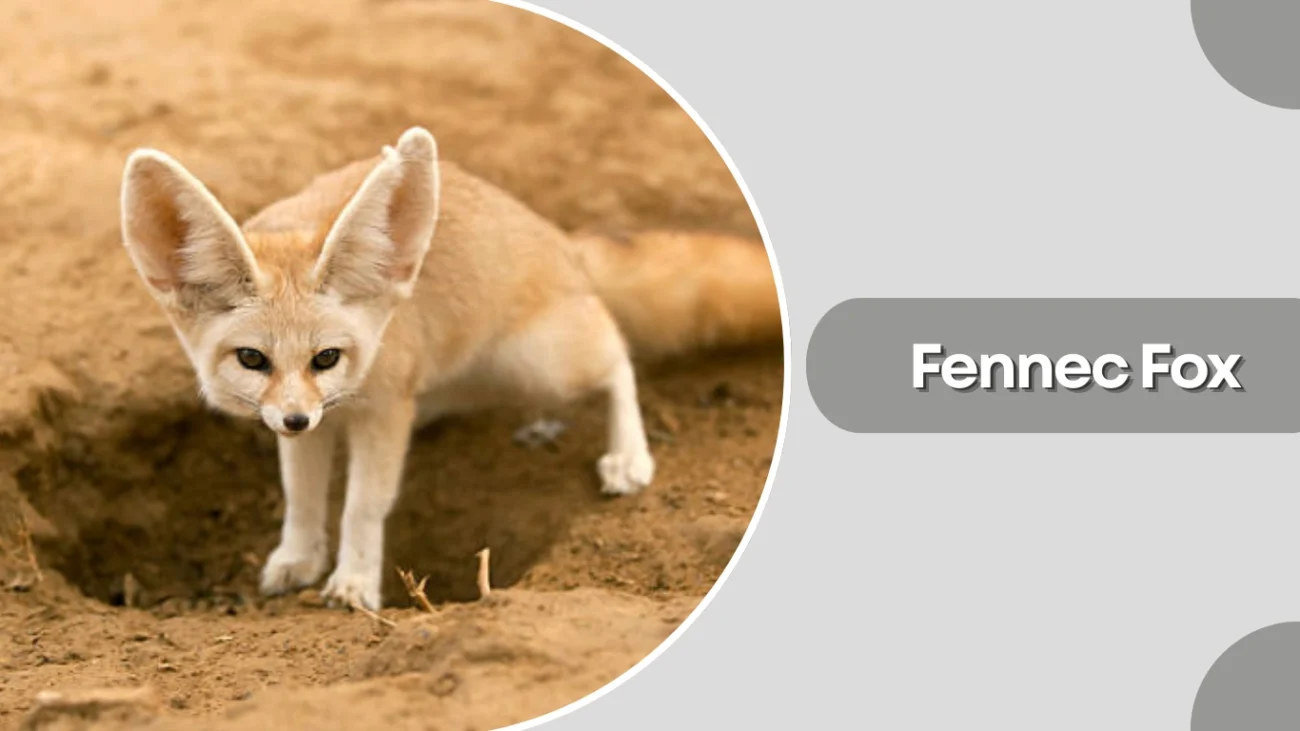
The fennec fox is the smallest fox species in the world, known for its oversized ears and exceptional desert adaptations. Native to the Sahara and surrounding regions, it survives extreme heat and limited water availability.
Identification
- Very large ears used for cooling and detecting prey
- Creamy to sandy-colored fur for desert camouflage
- Small, lightweight body
- Dark eyes and black-tipped tail
Habitat
Fennec foxes inhabit sandy deserts, dunes, and arid landscapes across North Africa. They live in underground dens that stay cool during the day. Their habitat choices allow them to escape extreme heat and avoid predators.
Behaviors
These foxes are highly nocturnal, becoming active after sunset when temperatures drop. They are agile, social animals that live in family groups. Their large ears help them detect insects and small animals moving beneath the sand.
Diet
Their diet consists of insects, small rodents, birds, eggs, and fruit. Fennec foxes can survive long periods without direct water, obtaining moisture from prey and plants. They are opportunistic feeders adapted to scarce desert resources.
4. Gray Fox

The gray fox is a unique fox species best known for its ability to climb trees—something rare among canids. Native to the Americas, it thrives in wooded habitats and has a distinctive grizzled coat.
Identification
- Grizzled gray coat with reddish patches on sides and legs
- Black-tipped tail with a dark dorsal stripe
- Shorter snout and rounded face
- Strong, curved claws suited for climbing
Habitat
Gray foxes live in forests, woodlands, brushy areas, and rocky terrain across North and Central America. They prefer dense vegetation for cover and den in hollow trees, rock crevices, or burrows. Their ability to climb allows them to escape predators and access new spaces.
Behaviors
They are mostly nocturnal and solitary, except during mating season. Gray foxes are agile climbers, often resting in trees during the day. They mark territory with scent and communicate using barks, screams, and body posture. Their movements are stealthy and precise.
Diet
Their diet is omnivorous, including rodents, rabbits, birds, insects, fruits, and plants. Gray foxes adapt their diet to seasonal availability, relying more on fruits in summer and on small mammals in winter. Their flexible diet helps them thrive in diverse environments.
5. Swift Fox

The swift fox is a small, agile fox native to the prairies of North America. Known for its remarkable speed and delicate build, it thrives in open grassland ecosystems.
Identification
- Pale yellow-gray coat with orange on the sides
- Black-tipped tail
- Small, slender body with long legs
- Large ears for detecting predators and prey
Habitat
Swift foxes inhabit prairies, shortgrass plains, and open desert edges across the central United States and southern Canada. They prefer flat areas with sparse vegetation, where they can easily spot danger and hunt small prey.
Behaviors
They are primarily nocturnal and spend much of the day in underground dens to avoid predators. Swift foxes are incredibly fast runners, capable of quick bursts to escape threats. They live solitary or in small family groups and communicate through barks and scent marking.
Diet
Their diet includes rodents, rabbits, insects, birds, and berries. Swift foxes are opportunistic feeders, adjusting their diet based on seasonal availability. Their lightweight build and quick reflexes make them efficient hunters on open ground.
6. Kit Fox
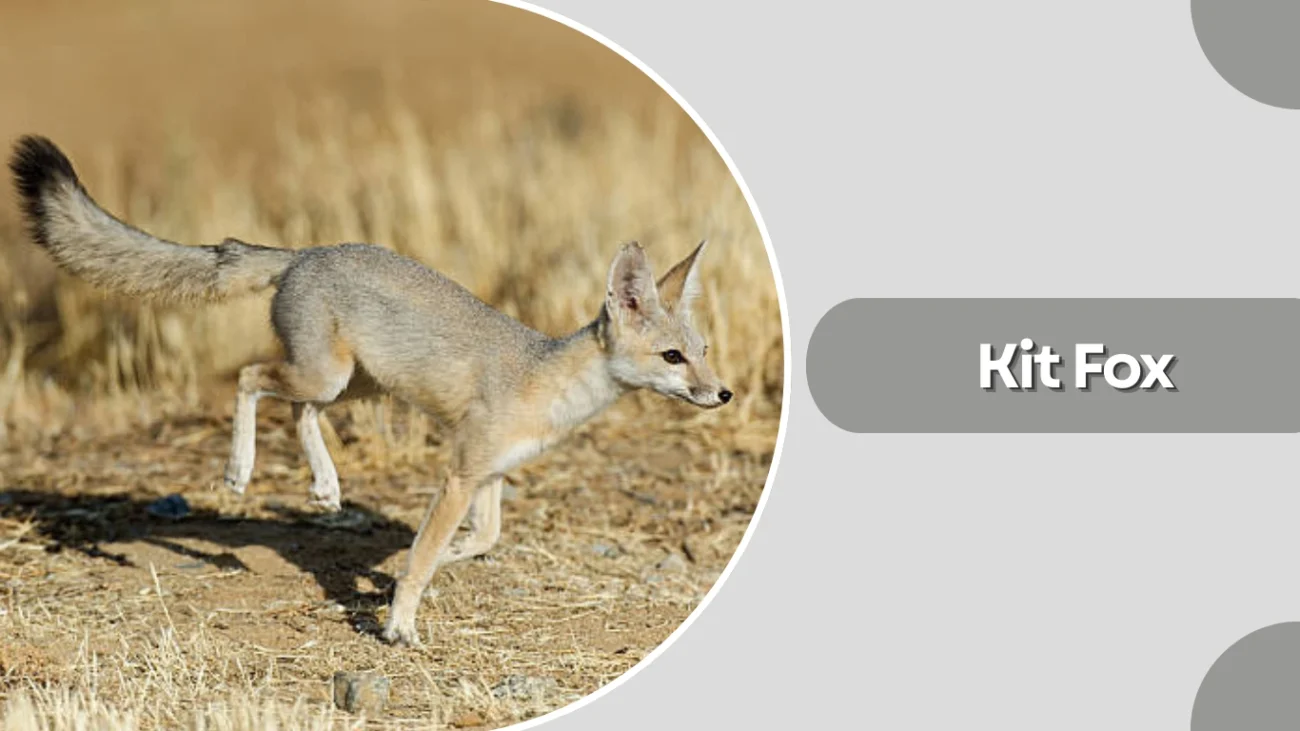
The kit fox is a small desert fox native to the southwestern United States and northern Mexico. It is known for its oversized ears and excellent heat tolerance, allowing it to thrive in arid environments.
Identification
- Large, pointed ears that release body heat
- Pale gray to sandy-colored coat
- Slender body with long legs
- Bushy black-tipped tail
Habitat
Kit foxes inhabit deserts, scrublands, and semi-arid plains, often choosing areas with loose soil for easy den construction. They rely heavily on underground dens to escape daytime heat and predators, frequently digging extensive tunnel systems.
Behaviors
Primarily nocturnal, kit foxes are solitary or live in small pairs. They move silently and swiftly across desert terrain and use vocal calls, scent markings, and body postures to communicate. Their behavior revolves around energy conservation in hot climates.
Diet
Their diet includes rodents, jackrabbits, insects, reptiles, and occasional fruits. Kit foxes rely heavily on small mammals, especially kangaroo rats. They obtain most of their moisture from prey, enabling them to survive long periods without drinking water.
7. Bengal Fox
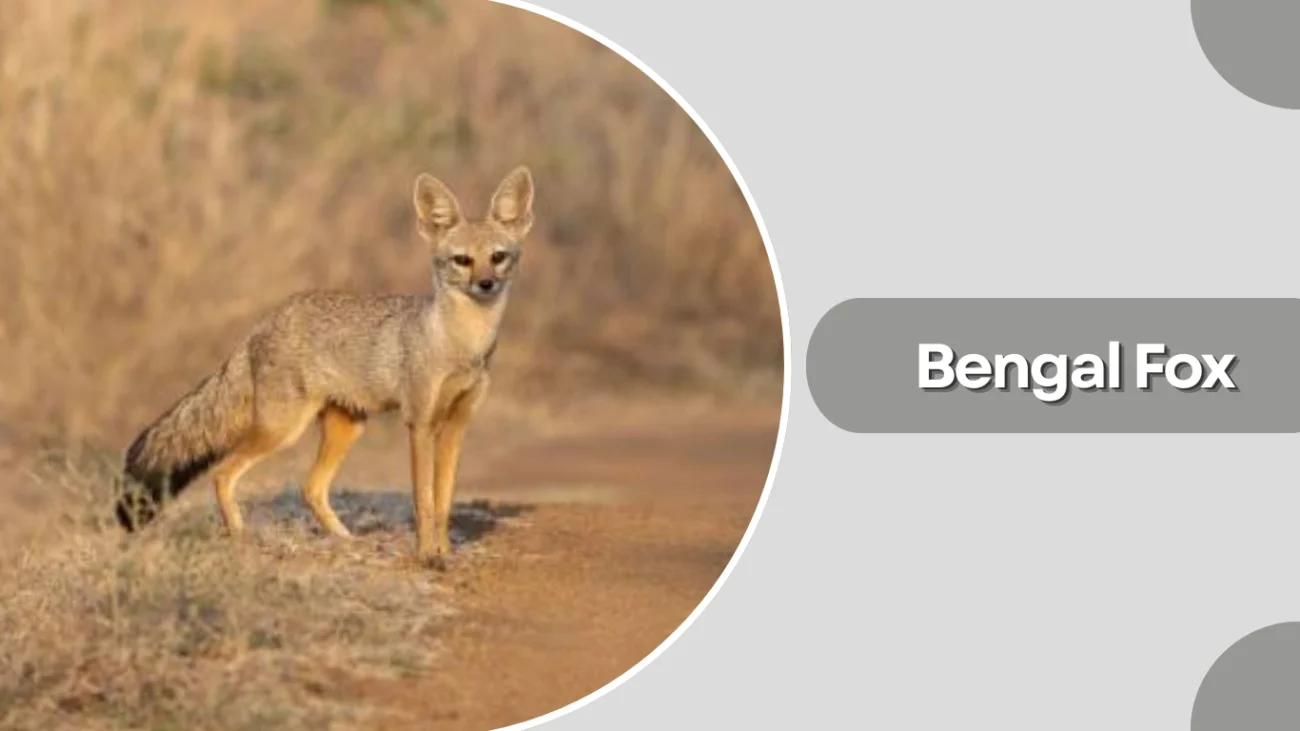
The Bengal fox, also known as the Indian fox, is a small fox native to the Indian subcontinent. Recognizable by its long, bushy tail and pointed features, it thrives in dry, open landscapes.
Identification
- Gray to pale brown coat with lighter underparts
- Long, bushy tail with a black tip
- Narrow face and large, pointed ears
- Slender build with agile movement
Habitat
Bengal foxes inhabit grasslands, scrublands, semi-deserts, and dry agricultural regions across India, Nepal, and Pakistan. They prefer open areas with scattered vegetation, avoiding dense forests and very wet regions.
Behaviors
They are mostly crepuscular and nocturnal, becoming active during cooler hours. Bengal foxes live in pairs or small family groups and create burrow systems for shelter. They communicate through vocal calls, scent marking, and subtle body language.
Diet
Their diet includes rodents, insects, birds, reptiles, fruits, and occasionally carrion. Bengal foxes are opportunistic feeders, adjusting their diet based on seasonal availability. Their agility and stealth help them capture fast-moving prey in open terrain.
8. Corsac Fox

The corsac fox is a medium-sized fox native to the steppes of Central Asia. Known for its pale coat and exceptional endurance, it thrives in open, windswept grasslands with harsh climates.
Identification
- Pale yellow-gray to sandy-colored fur
- Slender body with long legs
- Bushy tail with a lighter tip
- Soft, thick winter coat that changes seasonally
Habitat
Corsac foxes inhabit steppes, semi-deserts, and open plains across Mongolia, Kazakhstan, Russia, and northern China. They prefer treeless regions with wide visibility and often use abandoned burrows for shelter rather than digging their own.
Behaviors
They are nomadic, often traveling long distances when food becomes scarce. Corsac foxes form loose social groups and are mostly nocturnal. They rely on keen eyesight and swift movement to avoid predators in open terrain.
Diet
Their diet includes rodents, pikas, insects, birds, and carrion. Corsac foxes adapt well to fluctuating prey populations, shifting their diet based on availability. Their opportunistic feeding habits help them survive in environments with seasonal scarcity.
9. Cape Fox

The cape fox is a small, elegant fox native to southern Africa. Known for its silver-gray coat and graceful movements, it thrives in open savannas and arid environments.
Identification
- Silver-gray coat with lighter underparts
- Large pointed ears and slender muzzle
- Bushy tail with a dark tip
- Small, lightweight body built for agility
Habitat
Cape foxes inhabit savannas, semi-deserts, scrublands, and open plains across South Africa, Namibia, and Botswana. They prefer dry regions with scattered vegetation and often use burrows for shelter and raising young.
Behaviors
Primarily nocturnal, cape foxes are solitary or live in monogamous pairs. They are quiet, alert, and agile, using keen hearing to detect prey. They communicate through soft vocalizations, scent marking, and subtle body signals.
Diet
Their diet includes rodents, hares, birds, insects, reptiles, and berries. Cape foxes are adaptable feeders and may scavenge when necessary. Their hunting style emphasizes quick bursts of speed and precise pouncing movements.
10. Pale Fox

The pale fox is a desert-dwelling fox native to the Sahel region of Africa. Its sandy coloration and nocturnal habits make it well suited for survival in extremely dry, open environments.
Identification
- Sandy, pale yellow to light gray coat
- Long, slender body with thin legs
- Large ears for heat dissipation
- Very long, bushy tail with a dark tip
Habitat
Pale foxes inhabit semi-desert regions, scrublands, and dry grasslands across countries like Mali, Niger, and Chad. They prefer arid environments with sparse vegetation and use underground burrows to escape daytime heat.
Behaviors
Highly nocturnal, pale foxes are elusive and rarely seen during the day. They dig extensive burrow systems and often live in small family units. Their behavior revolves around avoiding heat and conserving energy in harsh climates.
Diet
Their diet includes insects, rodents, reptiles, berries, roots, and occasionally carrion. Pale foxes obtain most of their moisture from food, allowing them to survive with minimal access to fresh water. Their opportunistic feeding helps them thrive in resource-scarce environments.
11. Tibetan Sand Fox

The Tibetan sand fox is a unique fox species native to the high-altitude regions of the Tibetan Plateau. Known for its square-shaped head and distinctive facial expression, it is perfectly adapted to cold, open steppe environments.
Identification
- Sandy or gray coat suited for rocky, open terrain
- Distinct square-shaped head with narrow eyes
- Bushy tail with white tip
- Stout body adapted for high-altitude cold
Habitat
Tibetan sand foxes inhabit alpine meadows, cold deserts, and grasslands across the Tibetan Plateau, Nepal, and Bhutan. They prefer treeless, open landscapes where they can pursue small mammals, especially pikas.
Behaviors
These foxes are mostly solitary and active during daylight, unlike many fox species. They exhibit patience and precision when hunting, often staking out pika burrows. Their communication includes soft vocalizations and scent marking.
Diet
Their diet consists mainly of pikas, rodents, small birds, and carrion. Tibetan sand foxes specialize in hunting pikas, making them crucial in regulating prey populations in high-altitude ecosystems. They may also scavenge remains left by predators like snow leopards.
12. Blanford’s Fox

The Blanford’s fox is a small, agile fox native to the rocky deserts of the Middle East and Central Asia. It is known for its exceptional climbing ability and long, luxurious tail.
Identification
- Soft gray to sandy coat with pale underparts
- Extremely long, bushy tail
- Large ears and slender face
- Lightweight body adapted for climbing and jumping
Habitat
Blanford’s foxes inhabit rocky deserts, cliffs, and arid mountain regions across Iran, Afghanistan, Pakistan, and parts of the Arabian Peninsula. They prefer rugged landscapes where they can climb steep surfaces and find shelter in crevices.
Behaviors
These foxes are nocturnal and highly agile, often leaping between rocks with ease. They live mostly solitary lives or in pairs. Their communication includes vocal calls, scent marking, and specialized climbing movements to navigate rocky terrain.
Diet
Their diet includes insects, rodents, reptiles, fruits, and occasionally birds. Blanford’s foxes are opportunistic feeders, relying on both animal and plant food sources. Their agility helps them capture prey hidden among rocks and survive in extremely arid conditions.
13. Rüppell’s Fox

The Rüppell’s fox is a desert-adapted fox species found across North Africa and the Middle East. Known for its pale coat and excellent heat tolerance, it thrives in some of the driest environments on Earth.
Identification
- Sandy or pale gray coat with white underparts
- Large ears for cooling and detecting prey
- Long, bushy tail often with a dark tip
- Fine-boned, lightweight body
Habitat
Rüppell’s foxes inhabit deserts, rocky plains, and arid scrublands. They range across countries like Egypt, Sudan, Saudi Arabia, and Iran. Their dens are typically located in sandy areas or under rocky ledges to escape extreme daytime heat.
Behaviors
They are nocturnal and solitary, emerging at night to hunt when temperatures drop. Rüppell’s foxes are quiet and stealthy, using scent marking and soft vocalizations to communicate. Their movements emphasize energy conservation in harsh climates.
Diet
Their diet includes insects, rodents, birds, reptiles, fruits, and occasional carrion. They are opportunistic feeders that rely heavily on small prey and plant material. Their adaptability helps them survive in regions with limited food and water.
14. Afghan Fox

The Afghan fox, also known as the Balochistan fox, is a small desert fox native to Afghanistan, Iran, Pakistan, and parts of the Middle East. Its slender build and large ears make it well suited to hot, arid environments.
Identification
- Sandy or grayish coat with lighter underparts
- Very large ears for heat dissipation
- Long, fluffy tail often tipped in white
- Slender, lightweight frame
Habitat
Afghan foxes inhabit arid mountains, rocky deserts, scrublands, and dry plains. They prefer rugged terrain with scattered vegetation and make dens in rocky crevices or burrows. Their range includes harsh regions where temperatures vary dramatically.
Behaviors
These foxes are primarily nocturnal and solitary. Agile and stealthy, they navigate rocky terrain with ease. Afghan foxes communicate using soft vocalizations, scent marking, and body gestures. They avoid daytime heat by sheltering in shaded areas or underground.
Diet
Their diet includes insects, rodents, small birds, fruits, and reptiles. Afghan foxes are opportunistic feeders, shifting between animal and plant foods depending on seasonal availability. Their flexible diet and frugal water needs help them survive in arid climates.
15. Hoary Fox
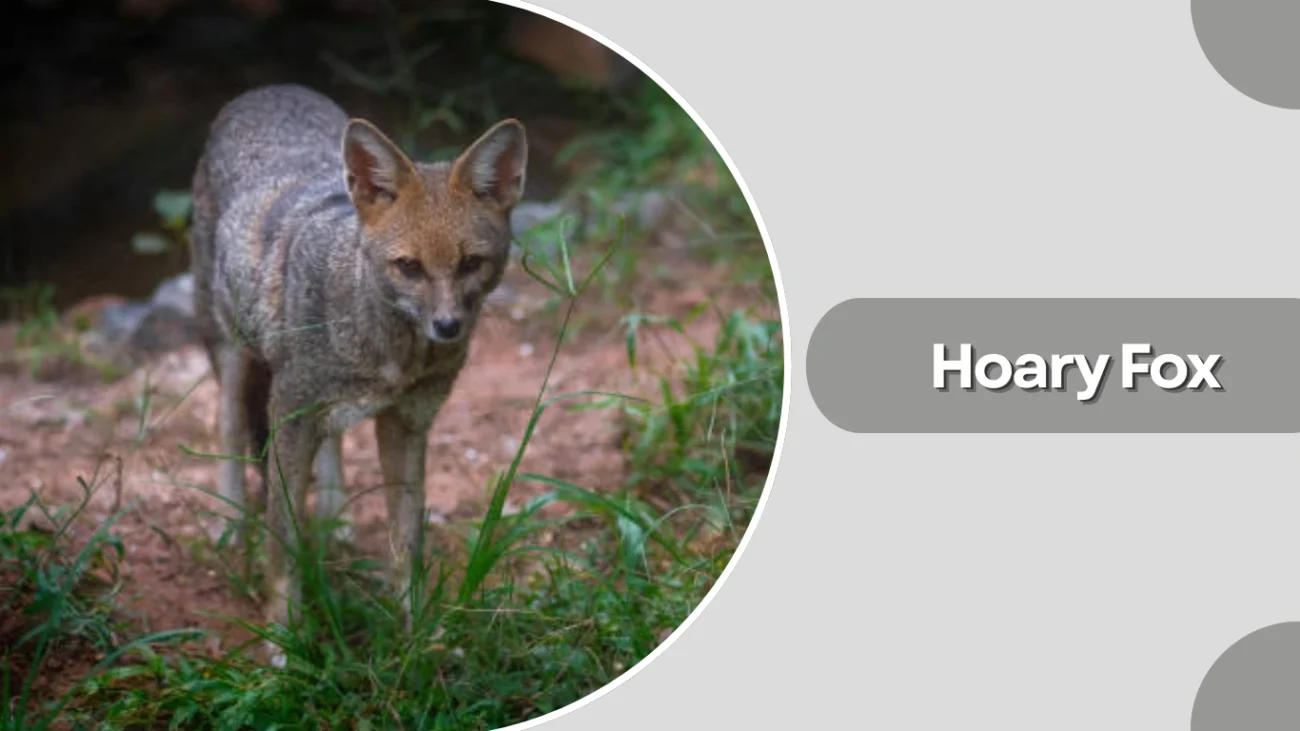
The hoary fox is a small, graceful fox native to South America, especially Brazil. Known for its delicate features and insect-rich diet, it thrives in grasslands and open savannas.
Identification
- Soft gray coat with a slight “hoary” or frosted appearance
- Long, slender legs and narrow muzzle
- Bushy tail with a dark tip
- Small, lightweight body adapted for quick movement
Habitat
Hoary foxes inhabit grasslands, savannas, scrublands, and agricultural fields across central Brazil, Bolivia, and Paraguay. They prefer open environments where they can efficiently hunt insects and small animals.
Behaviors
These foxes are mostly solitary or found in pairs. They are shy, quiet, and primarily nocturnal, avoiding predators and heat during the day. Hoary foxes use scent marking and subtle vocalizations to communicate within their territory.
Diet
Their diet is unique among foxes, consisting largely of insects—especially termites and beetles. They also eat small mammals, birds, fruits, and eggs. Their insect-based diet allows them to thrive in areas where larger prey is scarce.
16. Pampas Fox
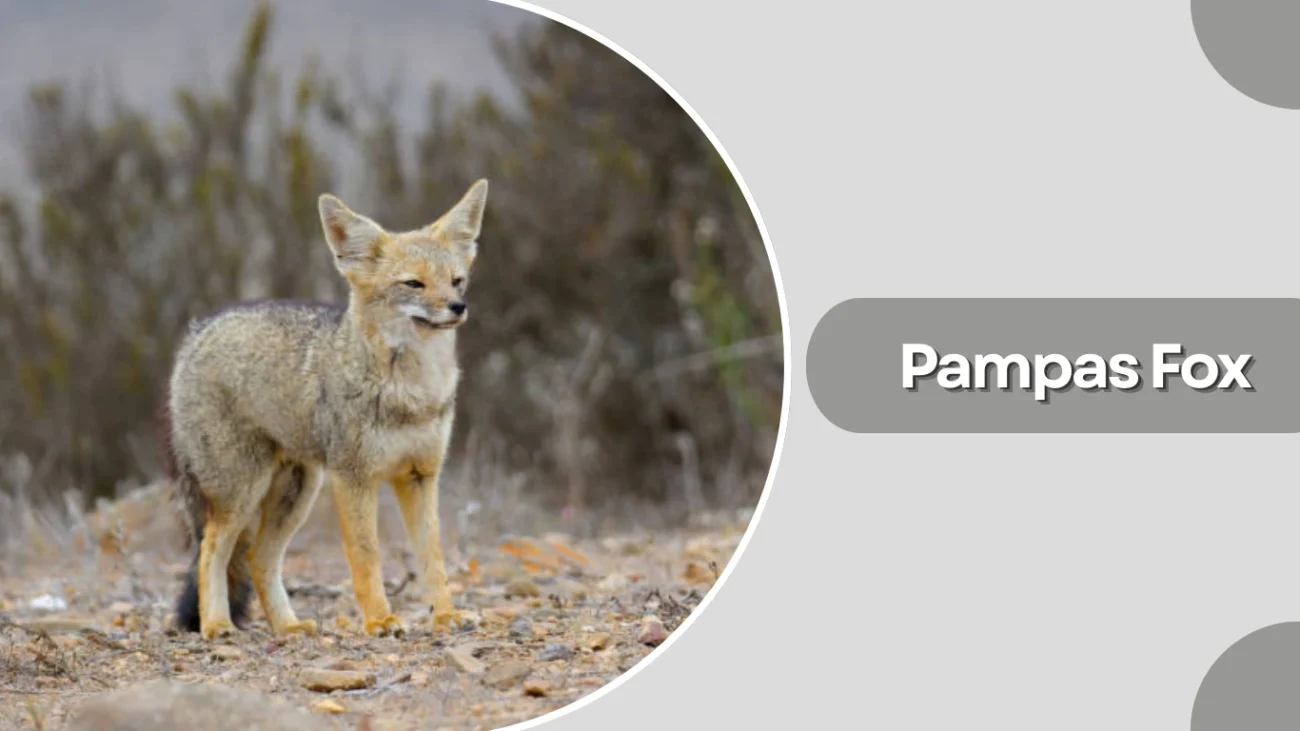
The pampas fox is a medium-sized fox native to the grasslands of South America. Known for its adaptability and varied diet, it thrives in open plains, farmlands, and scrubby regions.
Identification
- Gray to brown coat with a darker back
- Bushy tail with a black tip
- Slender body and pointed muzzle
- Medium-sized ears suited for detecting prey
Habitat
Pampas foxes inhabit grasslands, savannas, shrublands, and agricultural fields across Argentina, Uruguay, Paraguay, and Brazil. They prefer open or semi-open areas where they can easily locate prey and use burrows for shelter.
Behaviors
They are mainly nocturnal and solitary, though they may form pairs during breeding season. Pampas foxes are highly adaptable, using vocal calls and scent marking to communicate. Their movements are stealthy and methodical, suited for hunting in tall grasses.
Diet
Their diet includes rodents, birds, insects, fruits, and carrion. Pampas foxes are opportunistic feeders, often shifting between plant and animal foods based on availability. Their flexible feeding habits help them thrive in human-modified landscapes.
17. Culpeo Fox
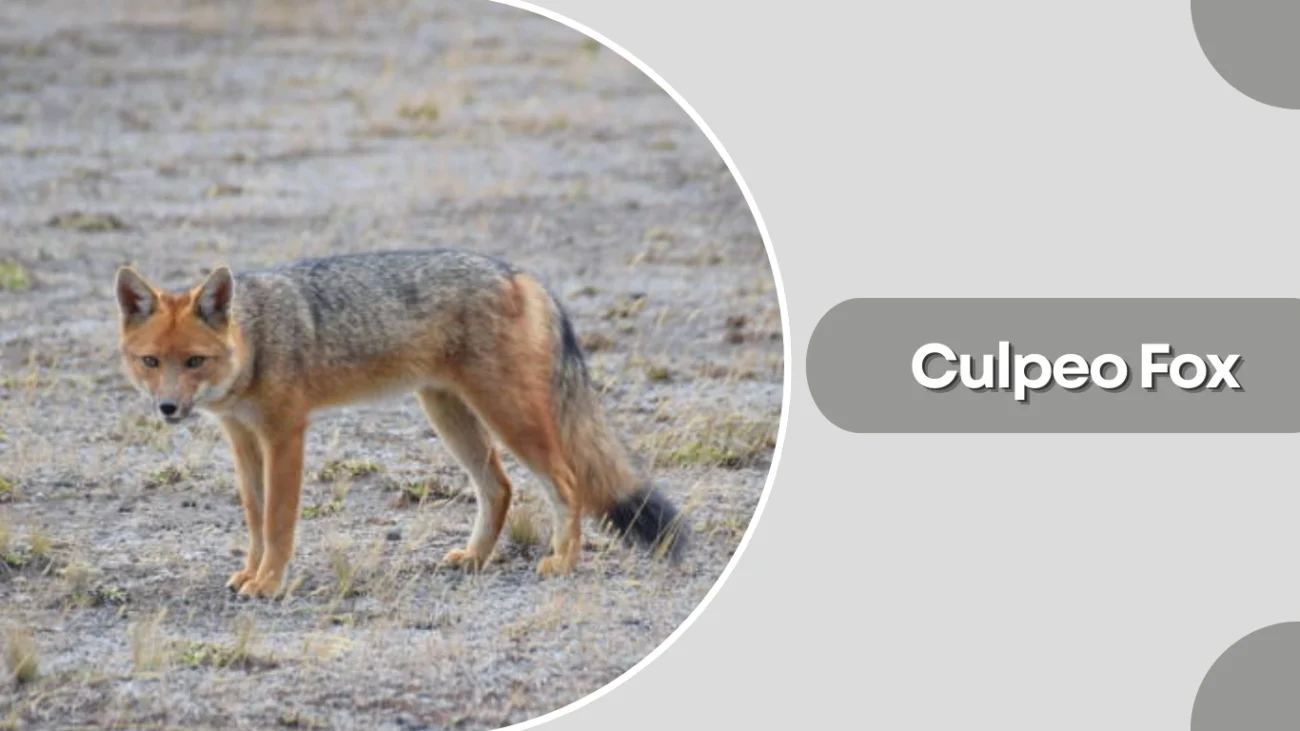
The culpeo fox, also known as the Andean fox, is the second-largest canid in South America. It is known for its thick fur, powerful build, and adaptability across diverse mountain and forest environments.
Identification
- Thick reddish-gray coat with darker back
- Bushy tail with a black tip
- Strong, robust body compared to smaller foxes
- Sharp facial features and large ears
Habitat
Culpeo foxes inhabit mountains, forests, scrublands, and grasslands across Chile, Argentina, Peru, Bolivia, and Ecuador. They are especially common in Andean regions and adapt well to both high-altitude and lower-elevation habitats.
Behaviors
These foxes are mostly solitary and territorial, though pairs form during breeding season. They are agile hunters and may use ambush tactics or active pursuit. Their communication includes howls, barks, and scent marking throughout their range.
Diet
Their diet includes rodents, rabbits, birds, insects, reptiles, and carrion. Culpeo foxes are also known to prey on livestock occasionally, leading to conflict with humans. Their broad diet and strong predatory instincts help them thrive in varied ecosystems.
18. Darwin’s Fox

Darwin’s fox is a small, critically endangered fox found only in Chile. Known for its dark coloration and secretive nature, it inhabits dense forests unlike most other fox species.
Identification
- Dark gray to black coat with coarse texture
- Short legs and compact body
- Rounded ears and narrow snout
- Smaller size than most South American foxes
Habitat
Darwin’s foxes inhabit temperate rainforests on Chiloé Island and limited parts of mainland Chile. They prefer dense, moist forest environments with thick understory vegetation that offers excellent cover.
Behaviors
They are mostly nocturnal and extremely elusive. Darwin’s foxes tend to live solitary lives or in small family groups. They use soft vocalizations, scent marking, and stealthy movement to navigate dense forests without detection.
Diet
Their diet includes rodents, birds, insects, berries, and carrion. They forage both on the forest floor and in shrub layers, adapting their feeding strategy to available resources. Their omnivorous diet supports survival in lush but fragmented habitats.
19. Sechuran Fox

The Sechuran fox, also called the Peruvian desert fox, is a small fox native to the arid regions of western South America. It is well adapted to dry climates and scarce food resources.
Identification
- Pale gray to sandy coat
- Slender body with long, thin legs
- Bushy tail with a darker tip
- Narrow face with large, pointed ears
Habitat
Sechuran foxes inhabit deserts, dry forests, and scrublands along the coasts of Peru and Ecuador. They thrive in extremely arid zones where vegetation and water are limited. They often den in burrows, rocky crevices, or sandy soil.
Behaviors
They are mainly nocturnal and solitary, avoiding the extreme heat of the day. Sechuran foxes communicate through scent marking and soft vocal calls. Their behavior emphasizes energy conservation, slow movement during hot hours, and strategic foraging at night.
Diet
Their diet includes fruits, seeds, insects, small mammals, reptiles, and carrion. They are one of the most omnivorous fox species, capable of surviving long periods with minimal water by relying on moisture-rich plant foods. Their flexible diet enables survival in harsh desert environments.
20. Crab-eating Fox
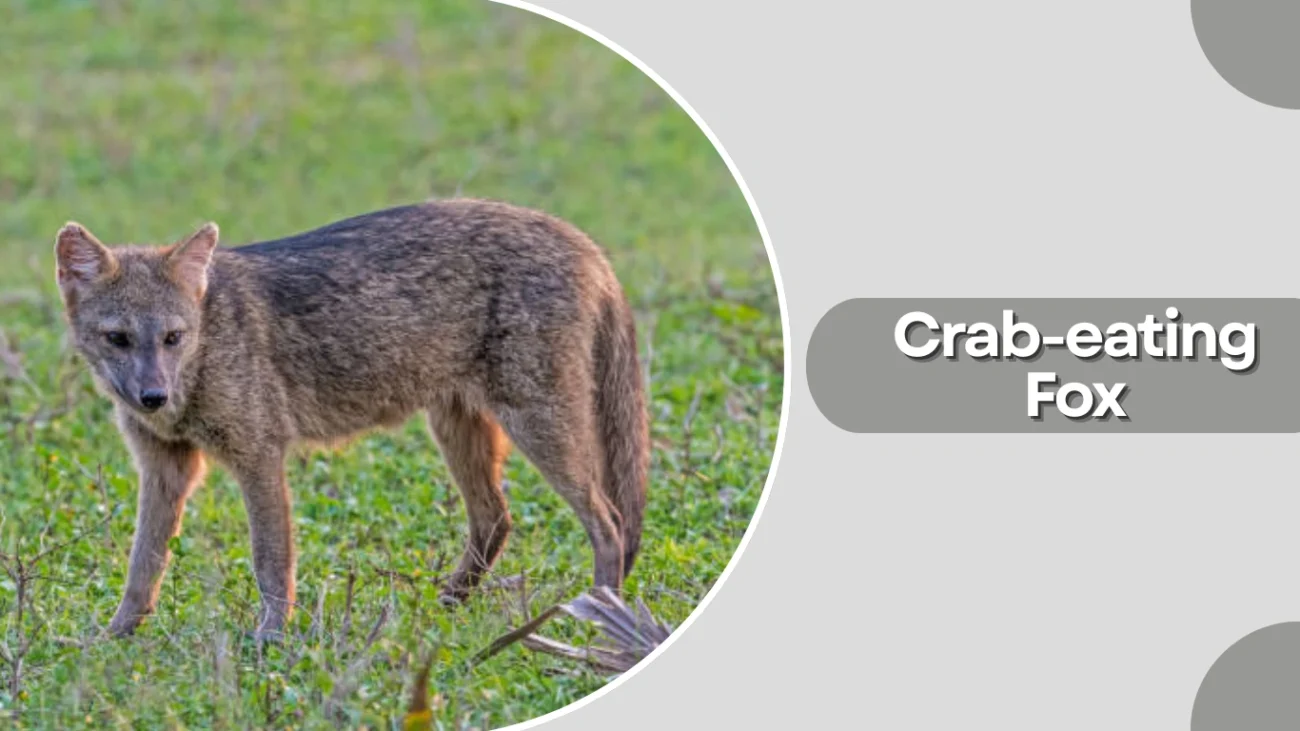
The crab-eating fox is a medium-sized fox native to South America, especially known for its versatility and tolerance for wet habitats. Despite its name, it has a broad omnivorous diet and thrives in diverse environments.
Identification
- Gray-brown coat with darker back
- Medium-sized body with slender legs
- Bushy tail with a dark tip
- Narrow muzzle and rounded ears
Habitat
Crab-eating foxes inhabit wetlands, savannas, forests, and shrublands across Brazil, Paraguay, Uruguay, Bolivia, and Argentina. They are often found near riverbanks, marshes, and floodplains, where food sources are abundant.
Behaviors
They are mostly nocturnal and travel alone or in pairs. Crab-eating foxes are highly adaptable, using a mix of vocal calls, scent marking, and body language to communicate. Their movements are cautious and calculated, especially around water sources.
Diet
Their diet includes crabs, fish, frogs, insects, fruits, small mammals, reptiles, and carrion. They are opportunistic feeders and adjust their diet to seasonal and regional food availability, making them one of the most versatile fox species.
21. Island Fox

The island fox is a small fox species found only on six of California’s Channel Islands. Known for its tiny size and unique evolutionary adaptations, it is one of the few foxes shaped by isolated island ecosystems.
Identification
- Small, compact body
- Gray, rust, and white coat
- Short limbs and rounded face
- Bushy tail with a dark tip
Habitat
Island foxes inhabit coastal scrub, grasslands, and woodlands across the Channel Islands. Each island population is slightly different due to isolation. They rely on dense vegetation for shelter and forage near cliffs, beaches, and open fields.
Behaviors
These foxes are diurnal—active during the day—unlike most fox species, due to a lack of natural predators on the islands. They live in pairs or small family units and communicate with barks, growls, and scent marking. They are highly territorial.
Diet
Their diet includes insects, fruits, lizards, birds, small mammals, and carrion. Island foxes are opportunistic and adjust their diet to seasonal food sources like berries and insects. Their small size and adaptable feeding habits suit island living.
22. Silver Fox

The silver fox is not a separate species but a color morph of the red fox, known for its striking black-and-silver coat. Highly valued historically for its fur, it remains one of the most visually distinctive fox types.
Identification
- Shiny black coat with silver-tipped hairs
- Bushy tail with a white tip
- Same body structure as the red fox
- Color variation ranges from almost all black to silver-gray
Habitat
Silver foxes live in the same habitats as red foxes—forests, grasslands, tundra edges, agricultural regions, and even urban areas. Their distribution depends entirely on where red fox populations occur.
Behaviors
Their behavior mirrors that of typical red foxes: solitary hunting, caching food, and using vocalizations and scent marking for communication. They are intelligent, cautious, and adaptable, thriving in many environments.
Diet
They eat rodents, birds, insects, rabbits, fruits, and carrion, just like other red fox color variants. Silver foxes adjust their diet to seasonal changes and available resources, making them highly flexible omnivores.
23. Cross Fox
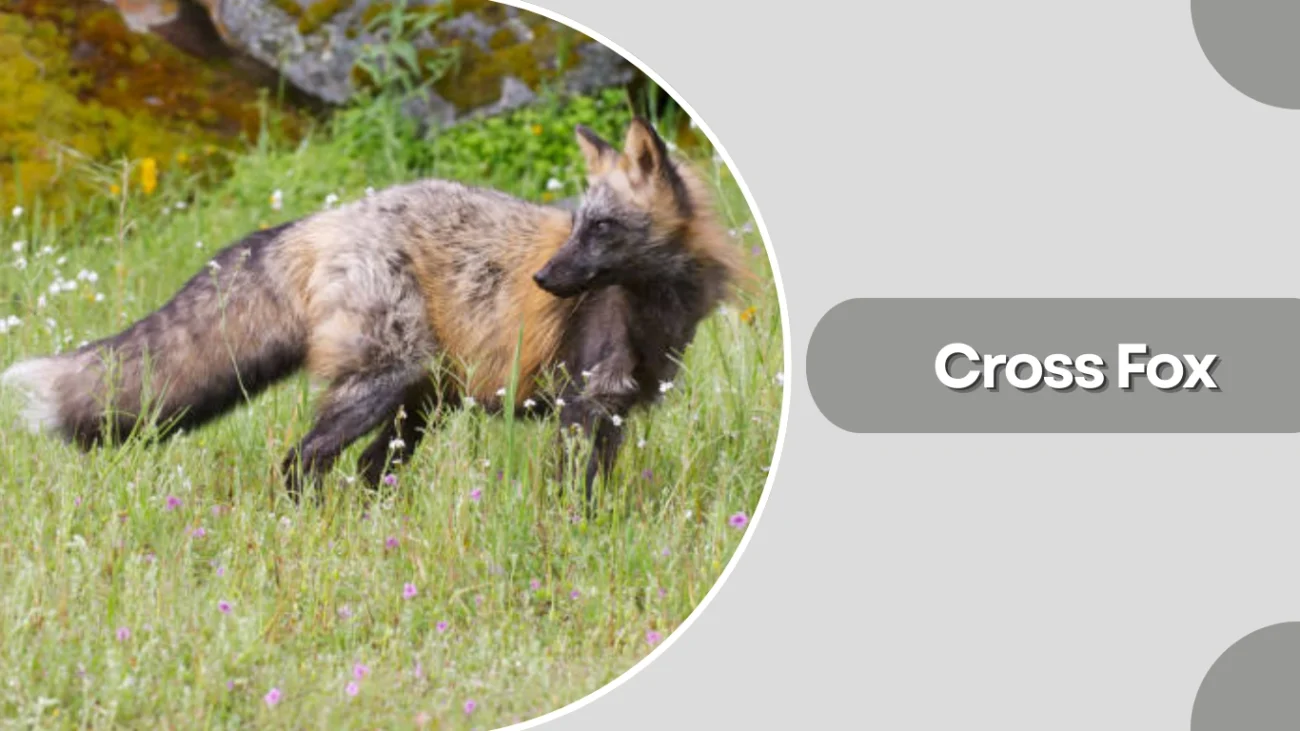
The cross fox is another color morph of the red fox, distinguished by a dark cross-shaped pattern running down its back and across its shoulders. It is more common in northern regions and is prized for its unique appearance.
Identification
- Reddish or golden coat with a black cross-shaped marking
- Dark legs and a bushy tail with a white tip
- More melanin than typical red foxes, giving a darker look
- Shares the same body shape and size as red foxes
Habitat
Cross foxes inhabit forests, tundra edges, and open plains across northern North America. They coexist with red and silver fox color morphs, often appearing more frequently in colder climates.
Behaviors
Their behavior is identical to standard red foxes. Cross foxes are solitary hunters, highly alert, and skilled at caching food. They use scent marking, vocalizations, and body language to communicate within their territories.
Diet
Their diet includes rodents, rabbits, birds, insects, fruits, and carrion. Like other red fox morphs, cross foxes adapt their feeding habits based on prey availability and seasonal conditions. Their omnivorous nature helps them survive in diverse environments.
24. Marble Fox
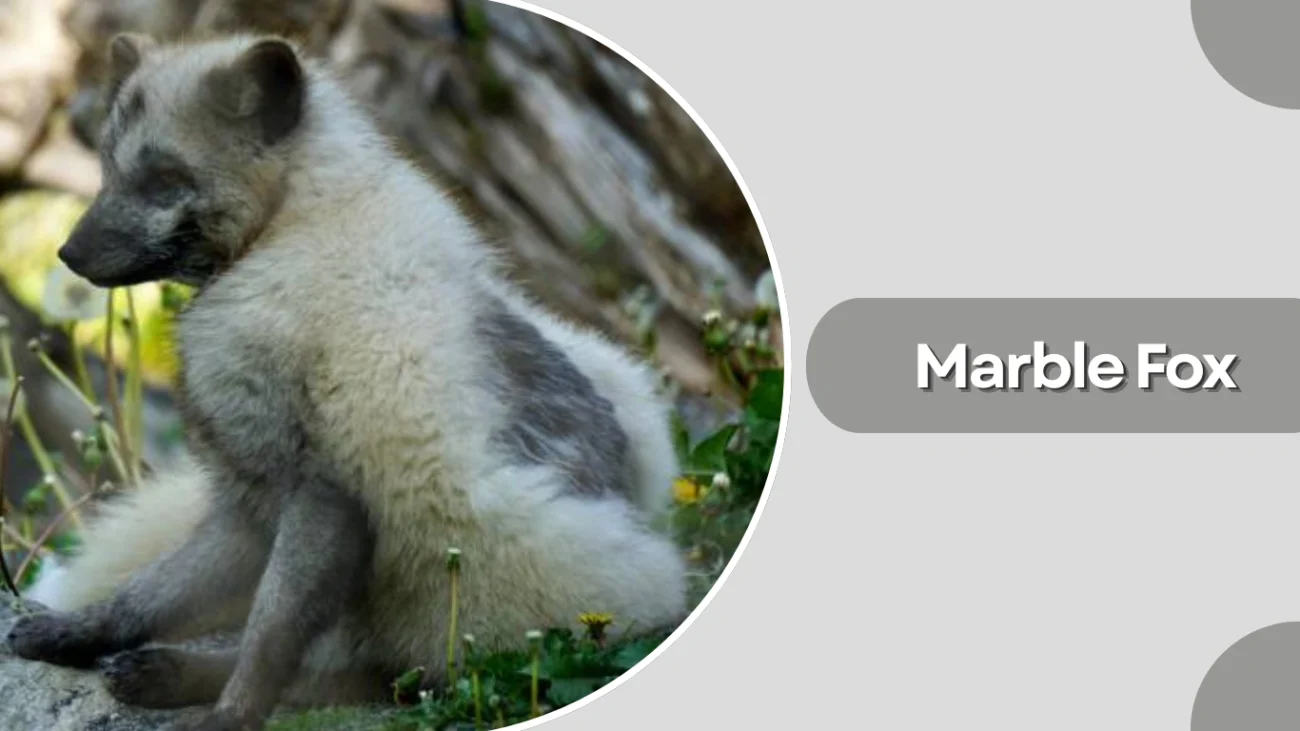
The marble fox is a striking color morph of the red fox, created through naturally occurring genetic variation and sometimes selective breeding. Its marbled white-and-black coat makes it one of the most visually unique fox types.
Identification
- White coat patterned with black or gray marbling
- Bushy tail with variable coloration
- Same body size and shape as the red fox
- Bright eyes and sharp facial features
Habitat
Marble foxes occur wherever red fox populations exist, including forests, grasslands, tundra edges, and human-influenced areas. In the wild, this morph is rare, though it is more common in controlled breeding environments.
Behaviors
Their behavior aligns with typical red fox instincts—solitary hunting, territorial marking, and a wide range of vocal communication. Marble foxes are alert, intelligent, and adaptable, thriving in many ecosystems.
Diet
They eat rodents, insects, birds, rabbits, fruits, berries, and carrion. As omnivores, marble foxes adjust their diet to local food availability, just like all red fox variants.
25. Snow Fox
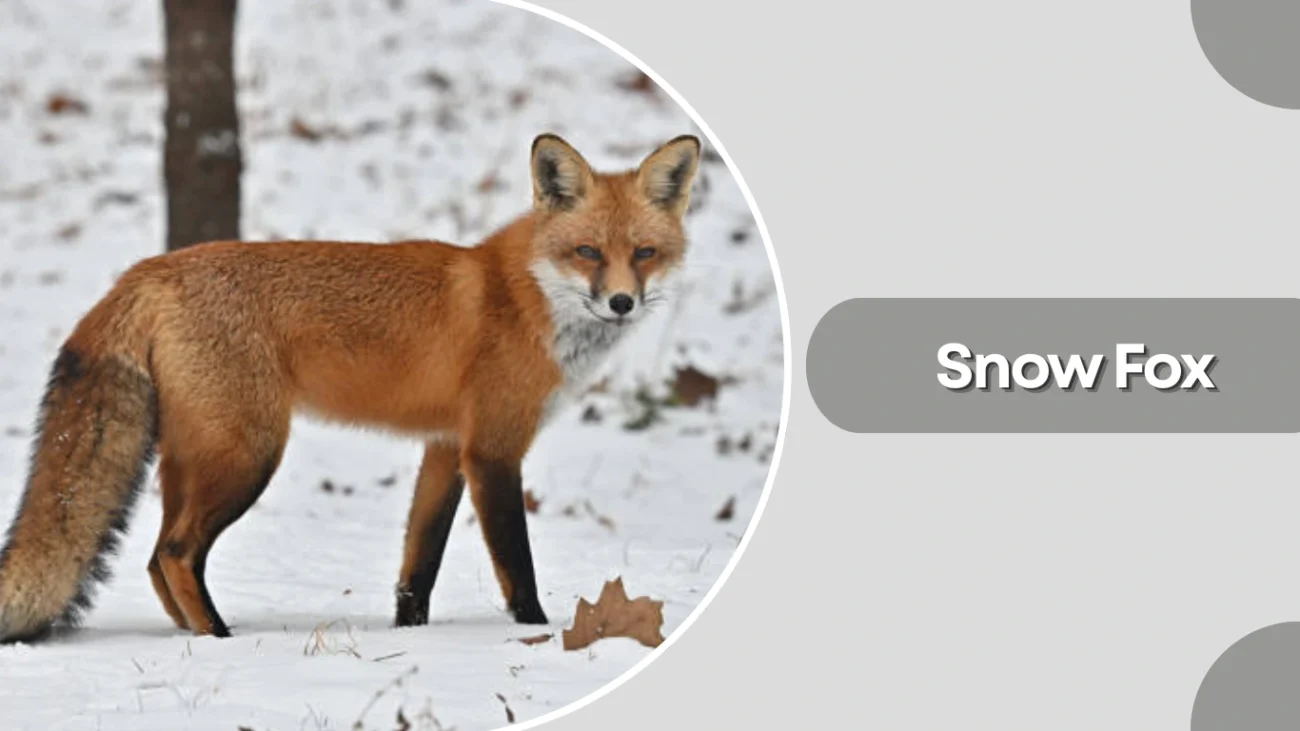
The snow fox is a descriptive term often used for the white morph of the Arctic fox, known for its thick winter coat and exceptional cold tolerance. It blends perfectly into snowy landscapes.
Identification
- Pure white winter coat for camouflage
- Compact body with short ears
- Thick fur and fluffy tail for insulation
- Same physical structure as the Arctic fox
Habitat
Snow foxes inhabit the Arctic tundra, icy coastlines, and polar deserts across the Northern Hemisphere. Their white coat helps them survive in environments where visibility is crucial for both hunting and avoiding predators.
Behaviors
Their behaviors mirror typical Arctic fox traits—following polar bears for scraps, digging dens in snow or rocky areas, and forming monogamous pairs during breeding. They travel long distances in search of food and shelter.
Diet
Their diet includes lemmings, voles, seabirds, fish, carrion, and occasionally berries. Snow foxes also scavenge seal remains and rely on cached food during harsh winters, making them skilled survivors in extreme cold.
FAQs
1. How many species of fox exist worldwide?
There are about 12 true fox species in the genus Vulpes, along with several other foxlike canids in different genera. Many well-known types—such as the silver fox or marble fox—are color morphs of the red fox rather than separate species.
2. Which is the smallest fox in the world?
The fennec fox is the smallest, weighing just 1–3 pounds. Its oversized ears help release body heat and give it exceptional hearing, allowing it to detect prey moving underground in desert environments.
3. What do foxes typically eat?
Foxes are omnivores, eating rodents, insects, rabbits, birds, fruits, berries, and carrion. Their diet changes with habitat and season. Desert foxes rely heavily on insects and small mammals, while Arctic foxes eat lemmings, seabirds, and marine scraps.
4. Do foxes live in packs?
Most foxes are solitary or live in pairs. Unlike wolves, they do not form large packs. Family groups may stay together during breeding season or while raising pups, but foxes usually hunt and travel alone.
5. How do foxes adapt to harsh environments?
Foxes survive extreme climates through physical and behavioral adaptations—thick fur in cold regions, large ears for heat dissipation in deserts, camouflaged coats, strong digging skills, and highly flexible diets. Their adaptability is one reason foxes thrive worldwide.


