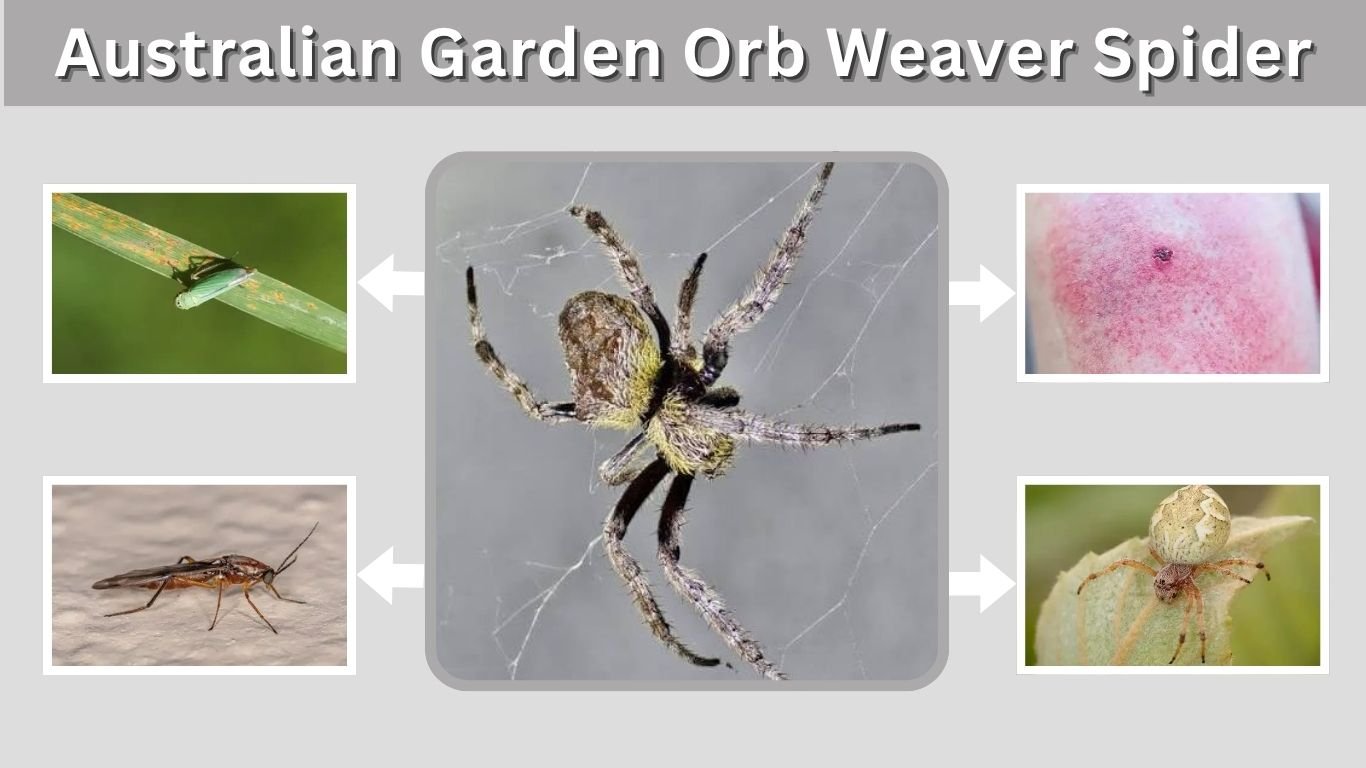
Funnel-web house spiders are a diverse group of arachnids known for their distinctive silk-lined burrows and potent venom. Found mainly in Australia, these spiders range from ground-dwelling species to tree-dwelling varieties, each adapted to specific habitats. While some are highly dangerous to humans, others are less medically significant. This guide covers 25 types of funnel-web house spiders, highlighting their unique traits, habitats, and behaviors in detail.
1. Sydney Funnel-Web Spider
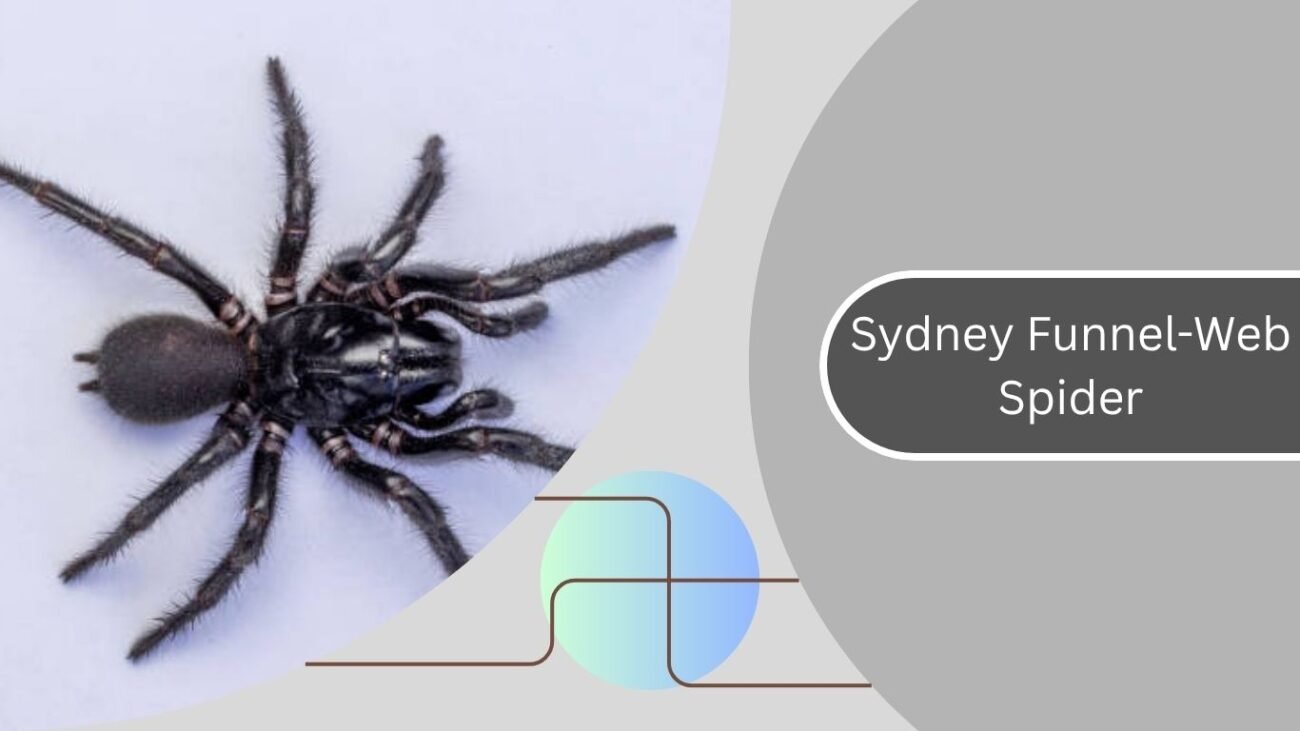
The Sydney funnel-web spider is one of the most infamous spiders in the world, known for its highly potent venom and aggressive defensive behavior. Native to eastern Australia, particularly around Sydney, this species is a member of the Atrax genus and is considered a medical emergency risk if bitten. Despite its reputation, antivenom has made fatalities extremely rare since its development in 1981.
Identification
- Scientific Name: Atrax robustus
- Body Size: Males 2.5–3.5 cm, females 3–4.5 cm
- Color: Shiny black to dark brown body with a glossy carapace
- Fangs: Large and powerful, capable of piercing fingernails
- Legs: Sturdy, dark, and covered in fine hairs
Habitat and Distribution
This spider is found in moist, sheltered environments such as under rocks, in logs, and within leaf litter in eastern New South Wales. They are especially concentrated within a 100 km radius of Sydney.
Behavior and Diet
Sydney funnel-webs are ground-dwelling ambush predators. They wait inside their silk-lined burrows or tunnels and rush out when prey, such as insects and small lizards, trigger their web’s trip lines.
2. Northern Tree Funnel-Web Spider
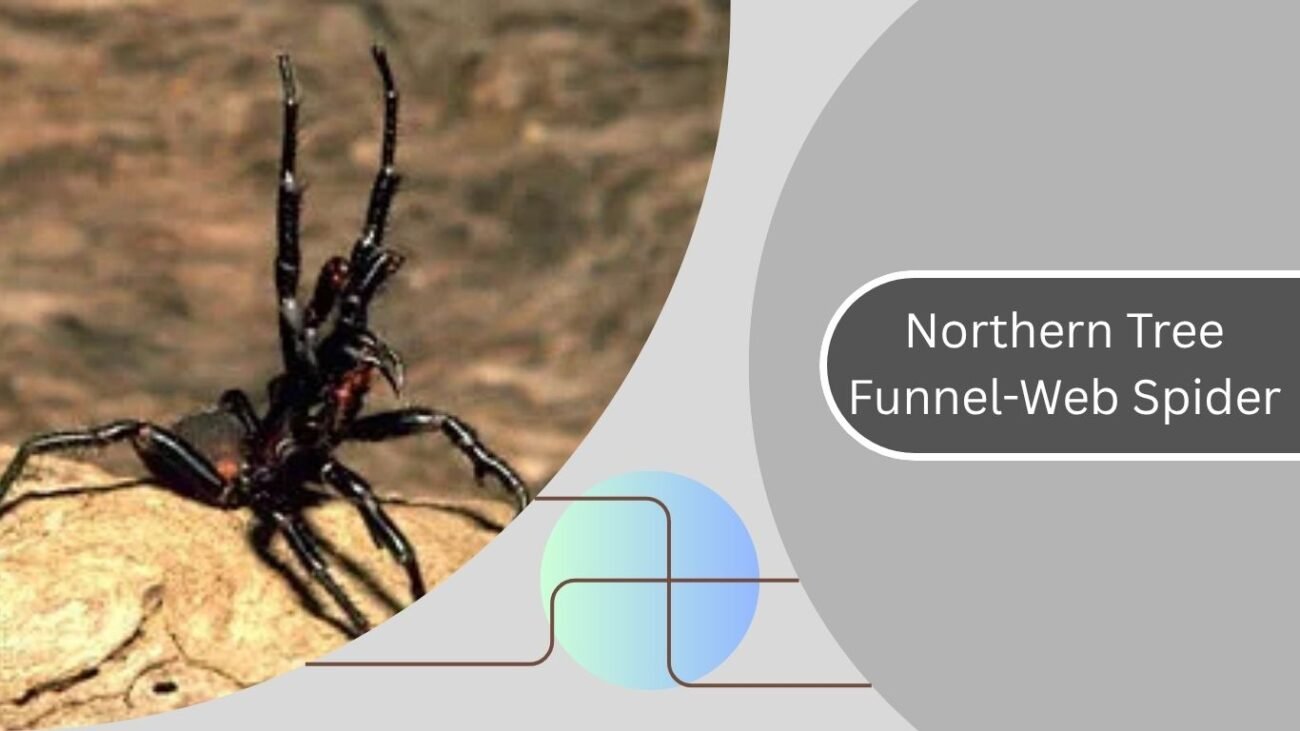
The northern tree funnel-web spider is a large and highly venomous species known for living above ground in trees rather than solely in burrows. It is one of the most dangerous spiders in Queensland, with venom toxicity similar to the Sydney funnel-web. Males are more venomous than females, and bites require immediate medical attention.
Identification
- Scientific Name: Hadronyche formidabilis
- Body Size: Females up to 4.5 cm, males around 3.5 cm
- Color: Glossy black to dark brown
- Fangs: Long, powerful, and downward-pointing
- Legs: Strong, dark, and slightly hairy
Habitat and Distribution
Found mainly in rainforest and wet sclerophyll forest areas of northern New South Wales and southeastern Queensland, often sheltering in tree holes and under loose bark.
Behavior and Diet
Primarily nocturnal hunters that feed on insects, frogs, and other small invertebrates. They can be aggressive if disturbed, raising their front legs and exposing their fangs in defense.
3. Southern Tree Funnel-Web Spider
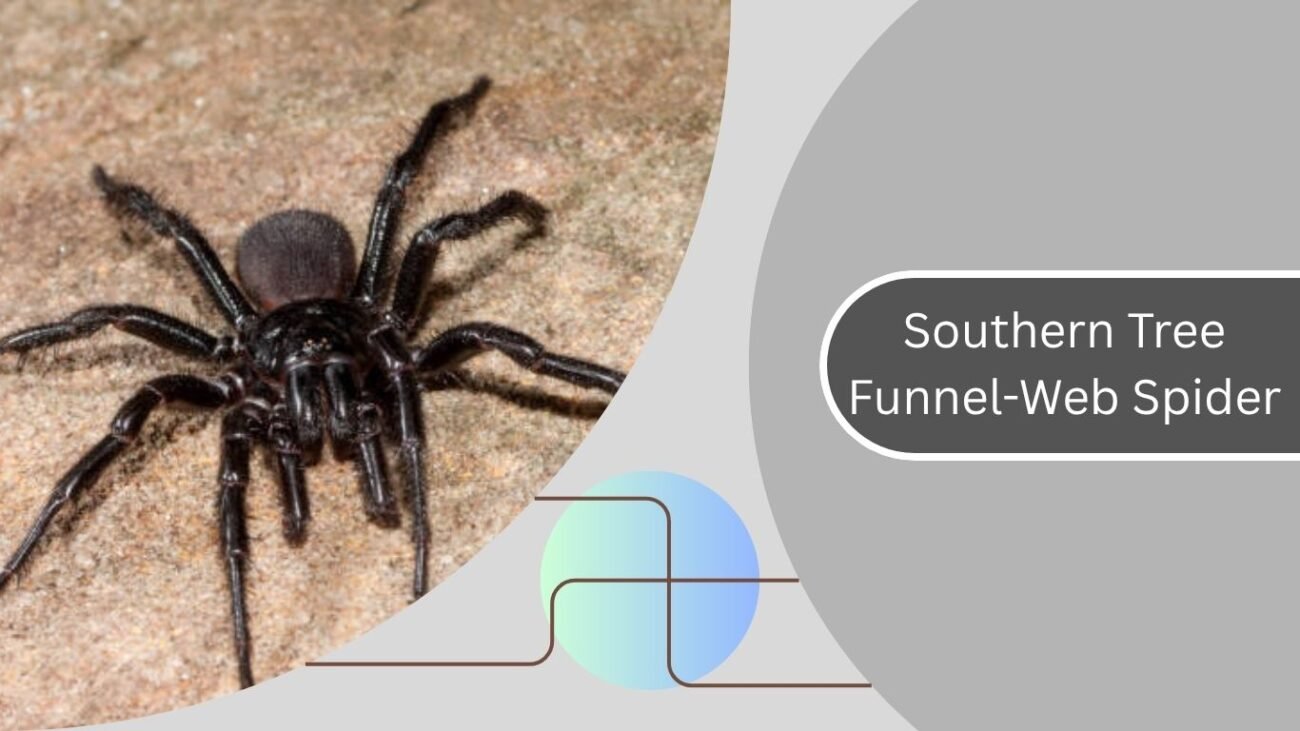
The southern tree funnel-web spider is closely related to the northern tree species but inhabits cooler, higher-altitude regions. It is one of the largest funnel-web spiders, and its venom is potentially dangerous to humans, though bites are rare.
Identification
- Scientific Name: Hadronyche cerberea
- Body Size: Females up to 4.5 cm, males around 3–3.5 cm
- Color: Shiny black to dark brown body
- Fangs: Prominent and robust
- Legs: Thick, dark, and well-adapted for climbing
Habitat and Distribution
Occurs in the highland forests of New South Wales, especially in the Blue Mountains and Southern Highlands, often found in tree crevices or rotting logs.
Behavior and Diet
Feeds on insects, beetles, and other invertebrates, often emerging at night to patrol their web entrances for prey.
4. Blue Mountains Funnel-Web Spider
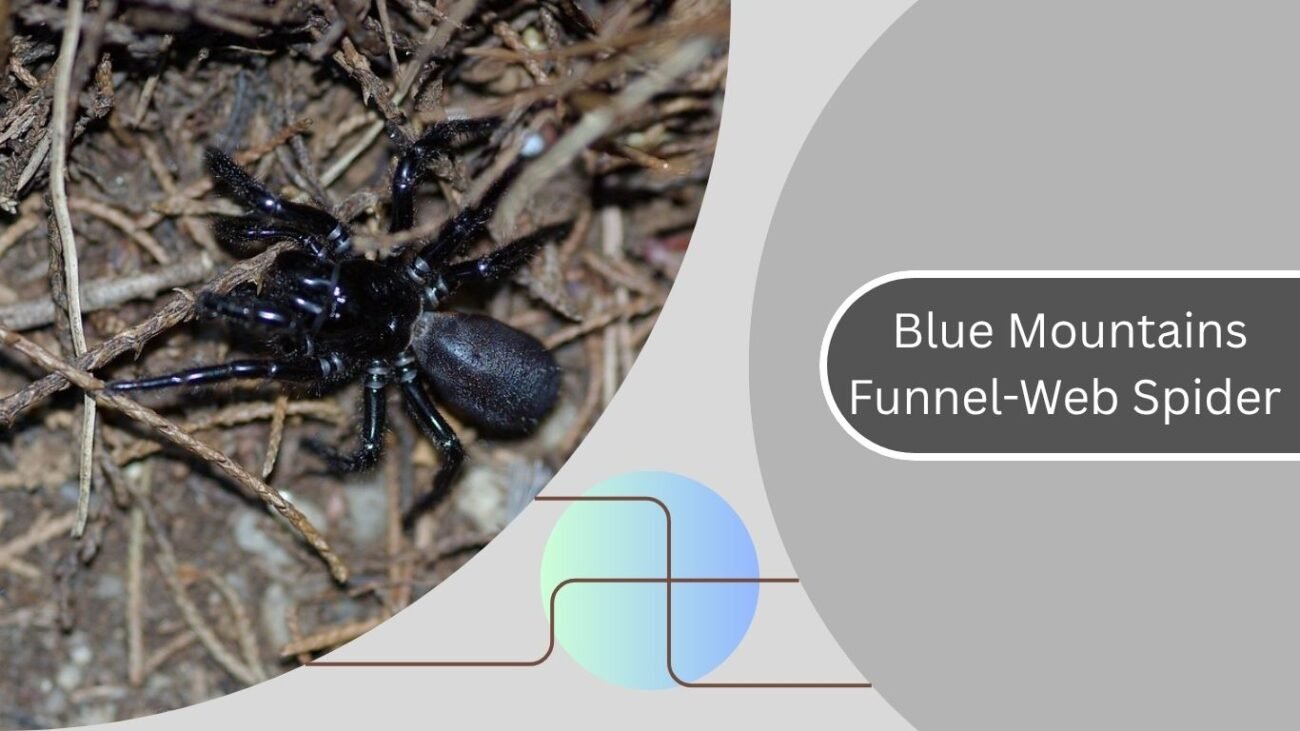
The Blue Mountains funnel-web spider is a robust and venomous species found in the elevated, cooler regions of the Blue Mountains in New South Wales. While related to the Sydney funnel-web, this species is less commonly encountered due to its preference for forested, mountainous terrain.
Identification
- Scientific Name: Hadronyche versuta
- Body Size: Females up to 4.5 cm, males around 3–3.5 cm
- Color: Glossy black carapace with a dark brown to black abdomen
- Fangs: Large and powerful, capable of delivering medically significant bites
- Legs: Thick, strong, and dark-colored
Habitat and Distribution
Restricted mainly to the Blue Mountains region, often found in moist gullies, under rocks, logs, and within burrows lined with silk.
Behavior and Diet
Nocturnal ambush predators that feed on beetles, cockroaches, and other ground-dwelling insects. They remain near their silk-lined burrows, using trip lines to detect approaching prey.
5. Darling Downs Funnel-Web Spider
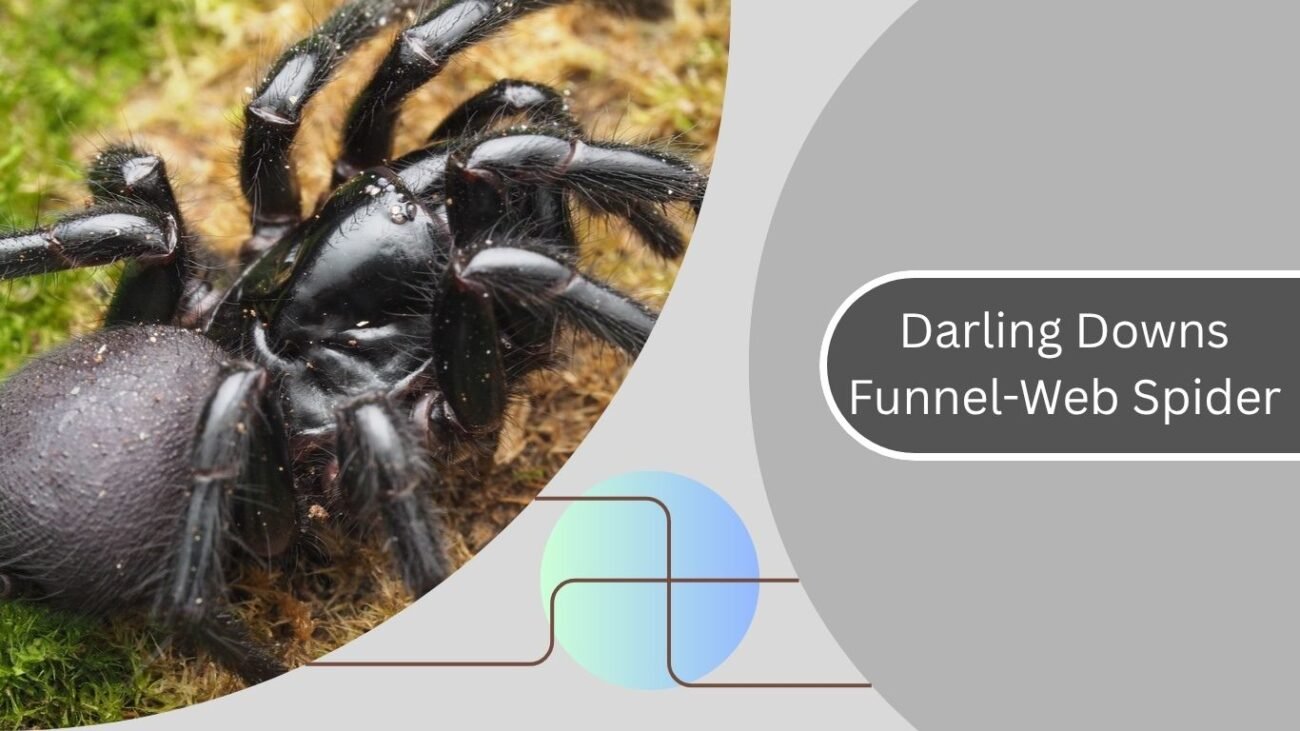
The Darling Downs funnel-web spider is a highly venomous ground-dwelling spider found in the Darling Downs region of Queensland. It is similar in appearance to other Hadronyche species but adapted to more open woodland and rural environments.
Identification
- Scientific Name: Hadronyche infensa
- Body Size: Females up to 4 cm, males around 3 cm
- Color: Shiny black or dark brown with a lighter abdomen underside
- Fangs: Large, strong, and downward-facing
- Legs: Solid, dark, and covered in fine hairs
Habitat and Distribution
Found in south-eastern Queensland and northern New South Wales, inhabiting burrows in the soil beneath rocks, logs, and leaf litter.
Behavior and Diet
Feeds on ground insects, worms, and small invertebrates. Males are more likely to wander during mating season, which increases human encounters and bite risks.
6. Toowoomba Funnel-Web Spider
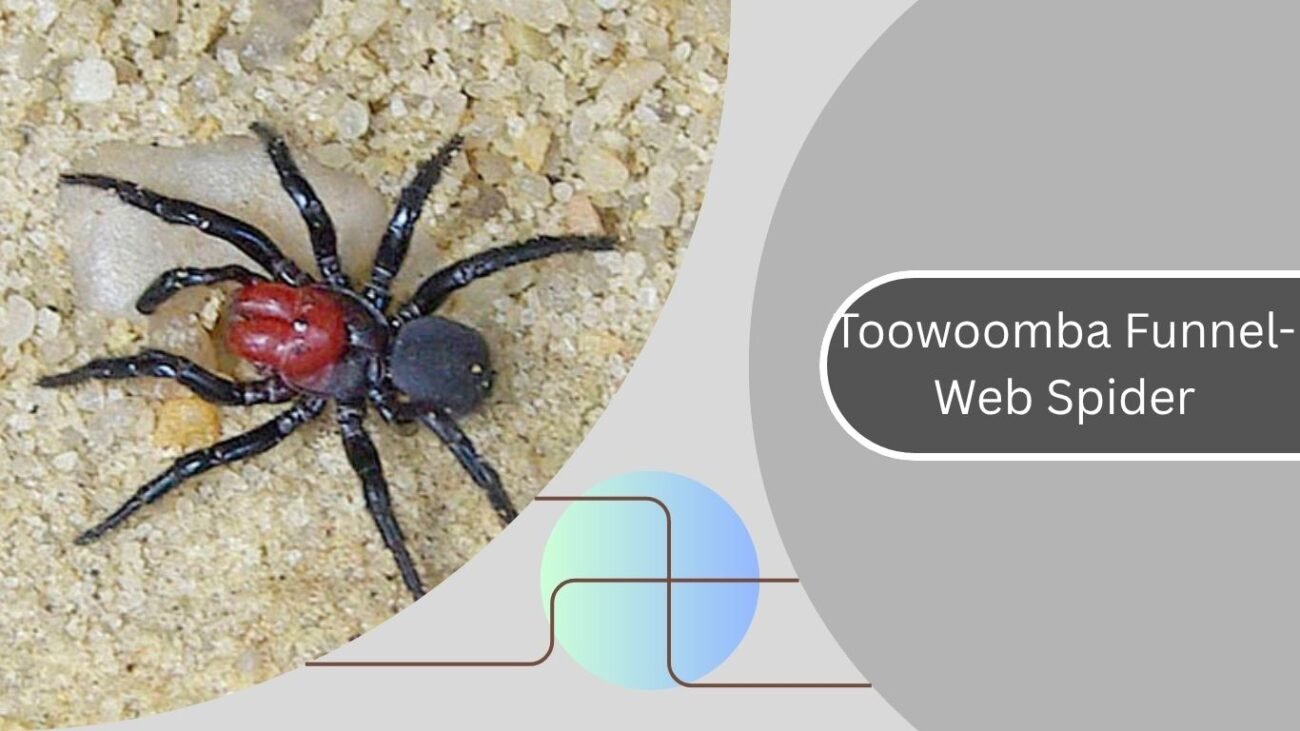
The Toowoomba funnel-web spider is a localized, venomous species found primarily around the Toowoomba region in Queensland. It closely resembles other Hadronyche species but is adapted to cooler upland conditions. Encounters are rare due to its reclusive nature, but its venom is considered medically significant.
Identification
- Scientific Name: Hadronyche valida
- Body Size: Females up to 4 cm, males around 3 cm
- Color: Glossy black to deep brown body
- Fangs: Large, robust, and downward-pointing
- Legs: Strong, dark, and slightly hairy
Habitat and Distribution
Found in elevated areas around Toowoomba and nearby ranges, sheltering in silk-lined burrows under rocks, logs, and dense ground cover.
Behavior and Diet
Primarily nocturnal, hunting beetles, cockroaches, and other ground invertebrates. The spider waits at the burrow entrance, reacting quickly to prey vibrations along its trip lines.
7. Northern Rivers Funnel-Web Spider
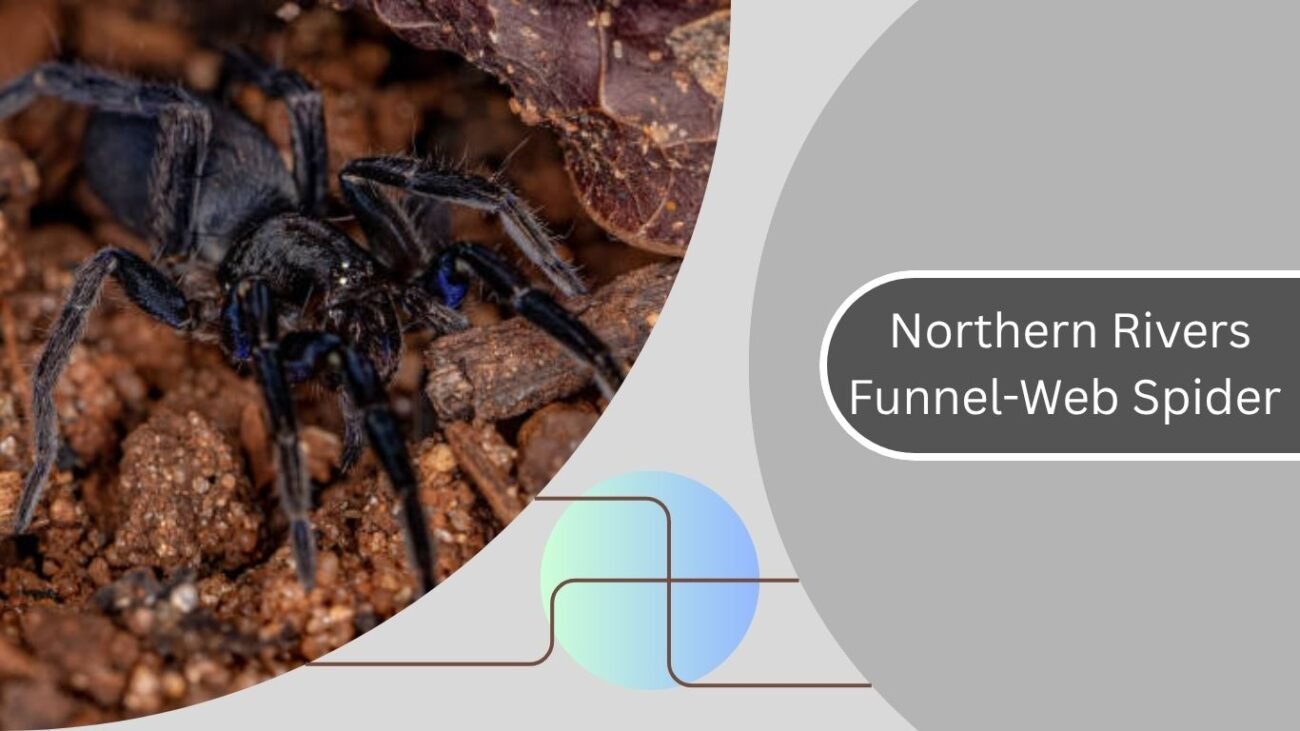
The Northern Rivers funnel-web spider is a dangerous species found in the lush, humid areas of the Northern Rivers region of New South Wales and southern Queensland. It prefers moist environments and is more often encountered after heavy rain.
Identification
- Scientific Name: Hadronyche lamingtonensis
- Body Size: Females up to 4 cm, males around 3–3.5 cm
- Color: Shiny dark brown to black carapace with a dark abdomen
- Fangs: Strong, capable of penetrating tough materials
- Legs: Solid, dark, and covered with fine hairs
Habitat and Distribution
Occurs in rainforests, wet sclerophyll forests, and occasionally gardens within the Northern Rivers region. Burrows are often constructed under logs, rocks, or dense vegetation.
Behavior and Diet
An ambush predator that feeds on beetles, crickets, worms, and other invertebrates. Males are more mobile and often encountered when searching for females in warm, humid conditions.
8. Southern Highlands Funnel-Web Spider
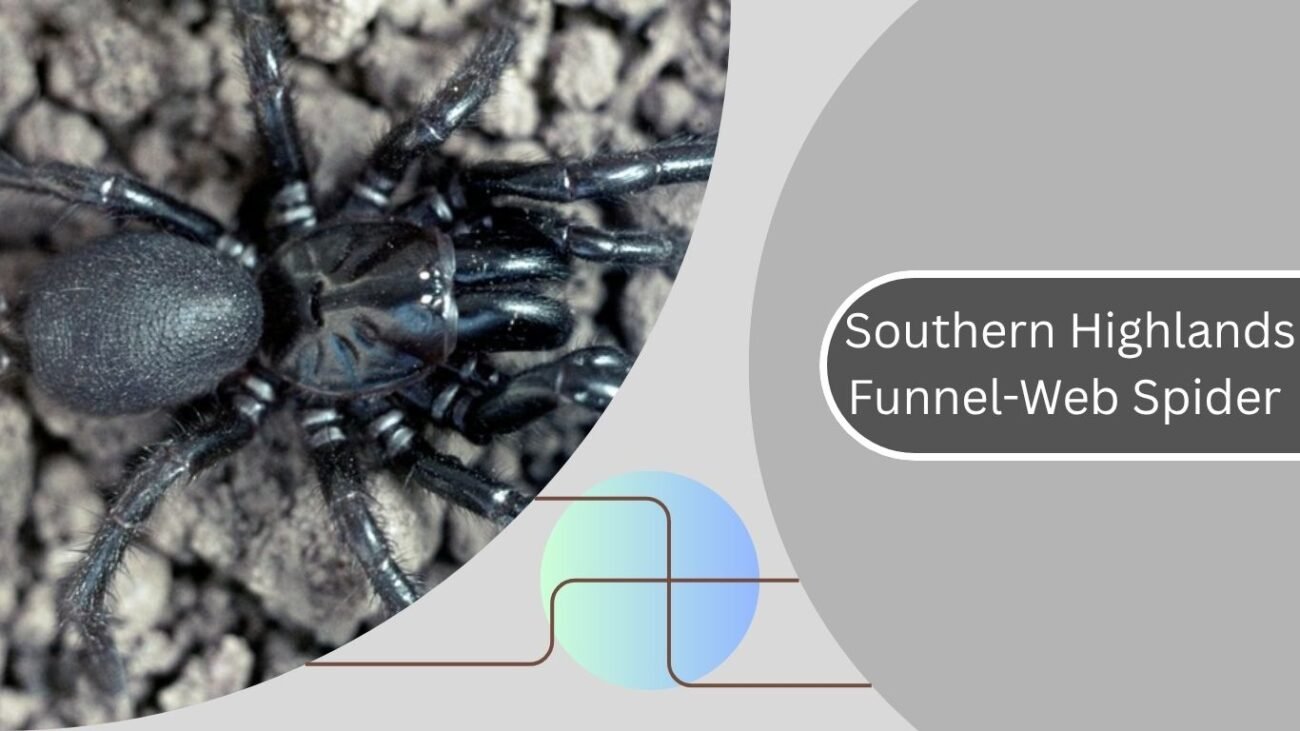
The Southern Highlands funnel-web spider is a large, ground-dwelling species native to the cooler highland areas of New South Wales. It is closely related to other Hadronyche species and possesses potent venom, although human encounters are less frequent due to its preference for remote forested habitats.
Identification
- Scientific Name: Hadronyche adelaidensis
- Body Size: Females up to 4.5 cm, males around 3–3.5 cm
- Color: Glossy black to deep chocolate brown body
- Fangs: Long, strong, and downward-pointing
- Legs: Thick, dark, and slightly hairy
Habitat and Distribution
Found in the Southern Highlands region of New South Wales, typically in moist forest floors, under rocks, and within silk-lined burrows.
Behavior and Diet
They wait at the entrance of their burrows for prey such as beetles, cockroaches, and worms, reacting instantly to web vibrations.
9. Illawarra Funnel-Web Spider
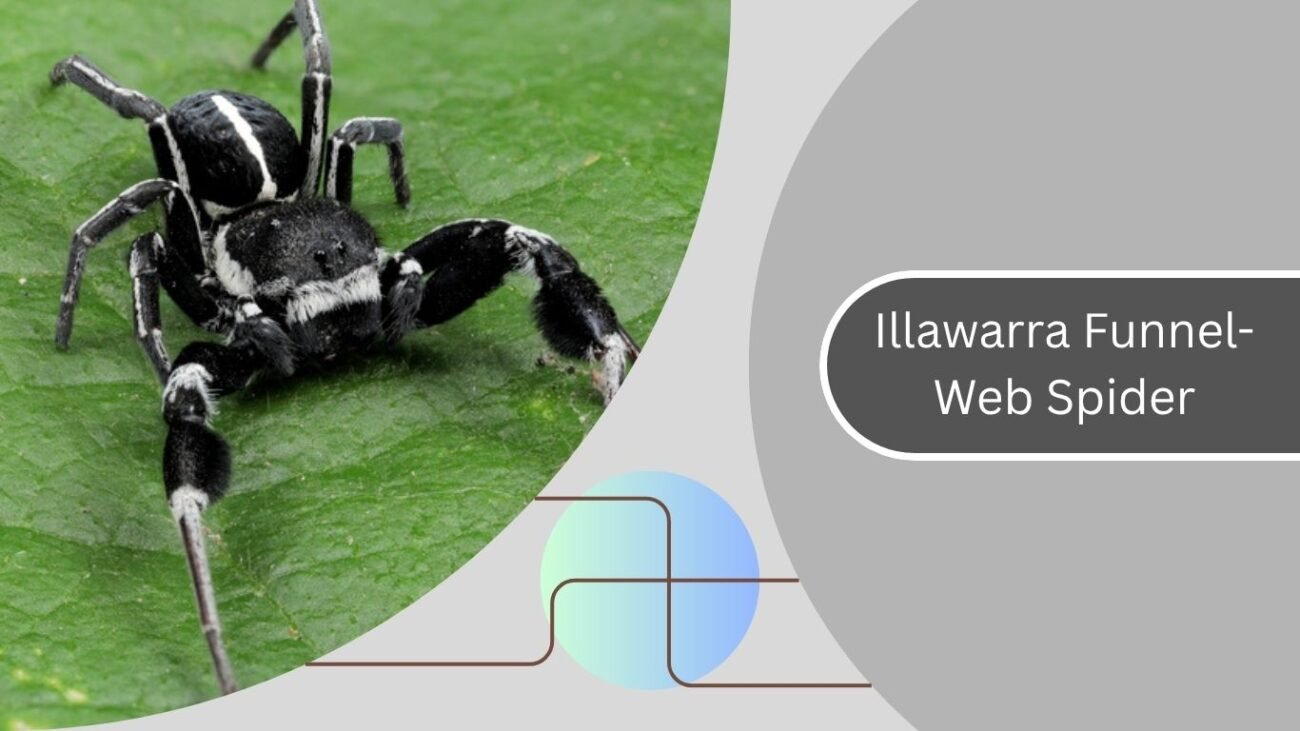
The Illawarra funnel-web spider is a venomous species found in the Illawarra region of New South Wales. It thrives in moist, coastal environments and is known for its sturdy burrows with trip lines extending outward to detect prey.
Identification
- Scientific Name: Hadronyche modesta
- Body Size: Females up to 4 cm, males about 3 cm
- Color: Glossy dark brown to black with a smooth carapace
- Fangs: Strong and capable of delivering medically significant bites
- Legs: Solid, dark, and lightly covered in fine hairs
Habitat and Distribution
Native to the Illawarra coastal region, inhabiting leaf litter, soil crevices, and burrows beneath logs or stones in moist forested areas.
Behavior and Diet
Ambushes insects, worms, and other small ground-dwelling prey from the safety of its burrow, relying on trip-line vibrations to detect movement.
10. Bega Valley Funnel-Web Spider
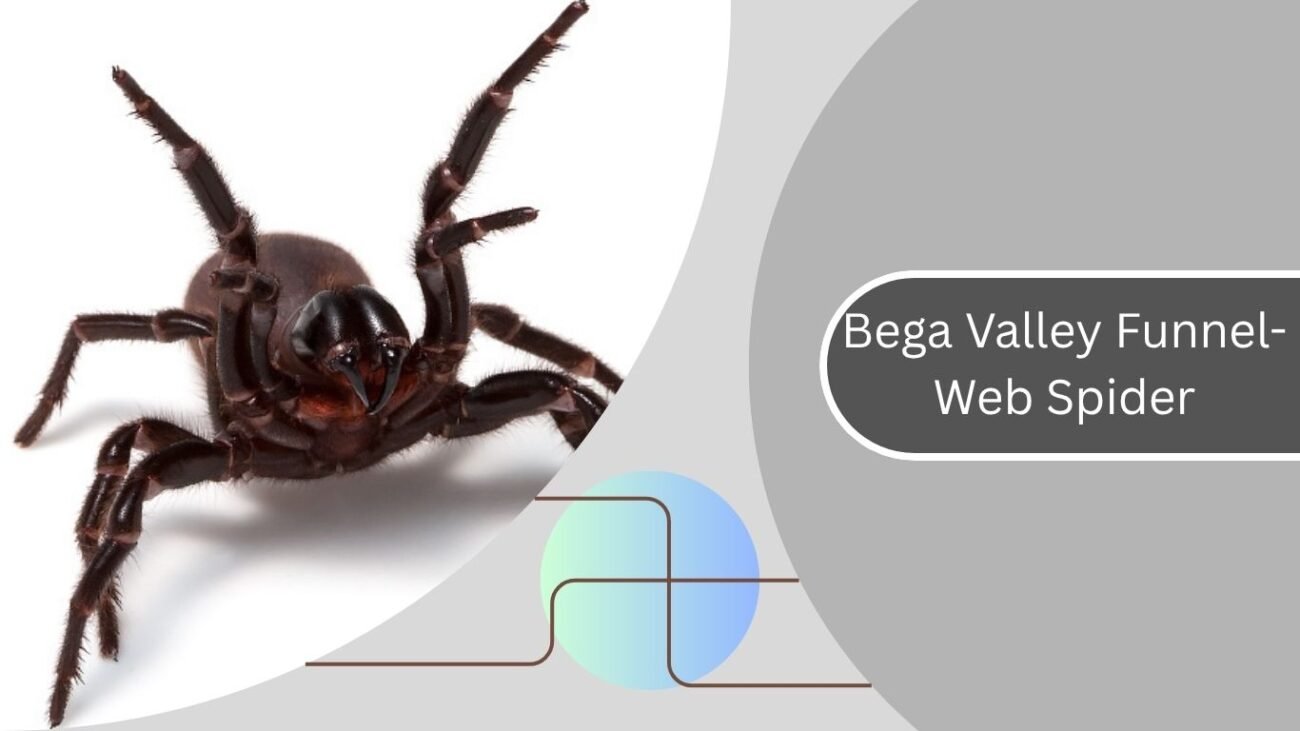
The Bega Valley funnel-web spider is a venomous ground-dwelling spider native to the far south coast of New South Wales. It is adapted to cooler, moist environments and is less commonly encountered than its northern relatives. Despite this, it shares the same dangerous reputation due to its potent venom.
Identification
- Scientific Name: Hadronyche meridiana
- Body Size: Females up to 4 cm, males around 3 cm
- Color: Glossy black to dark brown carapace with a slightly lighter abdomen underside
- Fangs: Large, strong, and downward-pointing
- Legs: Thick, dark, and sparsely hairy
Habitat and Distribution
Found in the Bega Valley region, typically in damp gullies, under logs, and in silk-lined burrows within leaf litter.
Behavior and Diet
Ambush predator that feeds on beetles, crickets, worms, and other ground invertebrates, emerging quickly when trip-line vibrations signal prey.
11. Far North Queensland Funnel-Web Spider
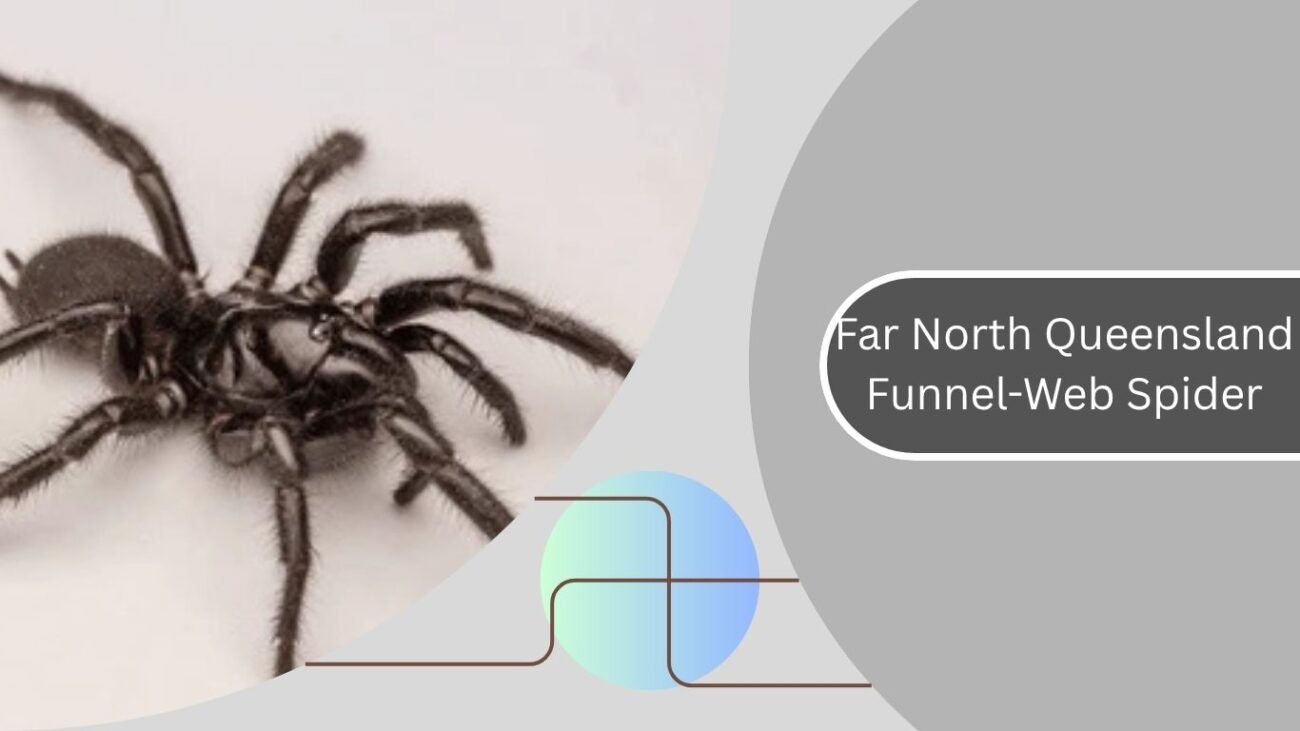
The Far North Queensland funnel-web spider is a tropical species adapted to the warm, humid rainforests of northern Queensland. It is among the most secretive funnel-webs, rarely seen except during the wet season when males wander in search of females.
Identification
- Scientific Name: Hadronyche infensa complex (Far North population)
- Body Size: Females up to 4.5 cm, males around 3–3.5 cm
- Color: Glossy dark brown to black body
- Fangs: Strong, long, and suited for piercing tough insect exoskeletons
- Legs: Sturdy, dark, and slightly hairy
Habitat and Distribution
Occurs in the rainforest regions of Far North Queensland, often sheltering in deep soil burrows, under rocks, or within rotting logs.
Behavior and Diet
Feeds on large insects, beetles, and occasionally small vertebrates, waiting inside its burrow for prey to trigger its silk trip lines.
12. Mossman Funnel-Web Spider
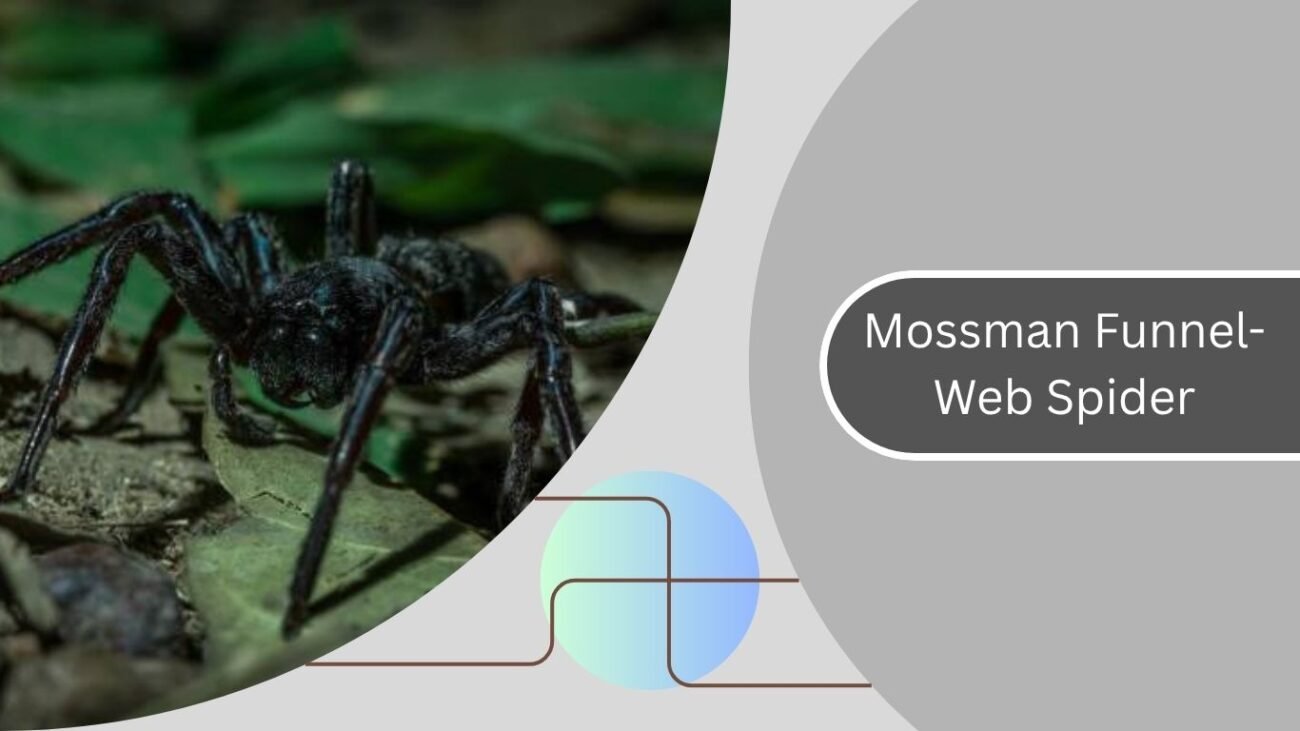
The Mossman funnel-web spider is a tropical species native to the Mossman region in Far North Queensland. It is rarely seen due to its preference for dense rainforest habitats, but like other funnel-webs, it possesses strong venom and powerful fangs.
Identification
- Scientific Name: Hadronyche mossman
- Body Size: Females up to 4 cm, males around 3 cm
- Color: Glossy black to dark brown carapace with a slightly lighter abdomen
- Fangs: Large, robust, and downward-pointing
- Legs: Dark, sturdy, and finely haired
Habitat and Distribution
Found in the Mossman and Daintree rainforest areas of Far North Queensland, inhabiting moist burrows under logs, rocks, and thick leaf litter.
Behavior and Diet
An ambush predator feeding on beetles, crickets, and other invertebrates, relying on silk trip lines to detect approaching prey.
13. Fraser Island Funnel-Web Spider
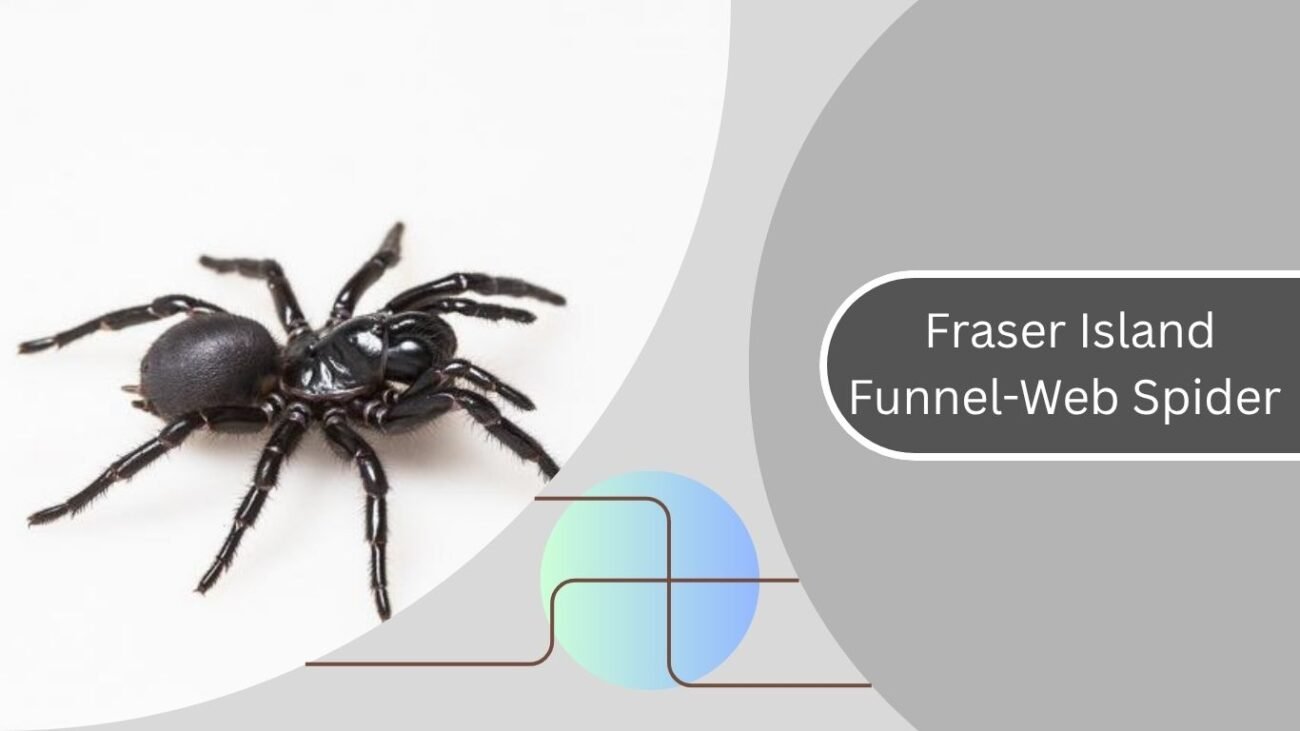
The Fraser Island funnel-web spider is a coastal species adapted to the sandy soils and subtropical forests of Fraser Island (K’gari). Though isolated, it shares many traits with mainland Hadronyche species, including a highly venomous bite.
Identification
- Scientific Name: Hadronyche mascordi
- Body Size: Females up to 4 cm, males around 3 cm
- Color: Shiny black carapace with dark brown to black abdomen
- Fangs: Strong and sharp, ideal for piercing insect shells
- Legs: Thick, dark, and slightly hairy
Habitat and Distribution
Exclusive to Fraser Island (K’gari), typically inhabiting burrows in sandy soils under logs, roots, or leaf litter in forested areas.
Behavior and Diet
Feeds on ground-dwelling insects, small arthropods, and occasionally worms, striking quickly when prey disturbs the burrow’s trip lines.
14. Victoria Funnel-Web Spider
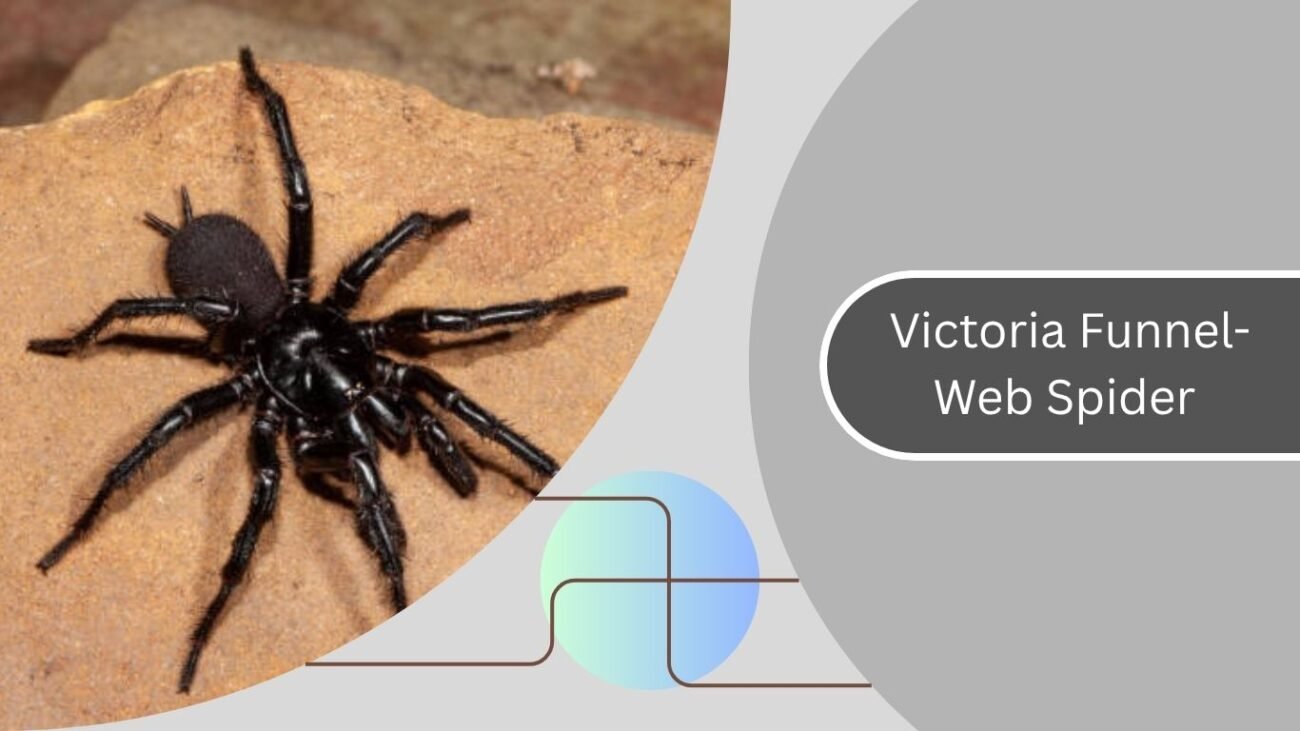
The Victoria funnel-web spider is a robust and venomous species found in parts of Victoria, Australia. While less well-known than the Sydney funnel-web, it is still considered medically significant due to its potent venom. This species tends to be more reclusive, favoring deep burrows in cool, moist habitats.
Identification
- Scientific Name: Hadronyche victoriae
- Body Size: Females up to 4.5 cm, males around 3–3.5 cm
- Color: Glossy black to dark brown carapace with a darker abdomen
- Fangs: Large, powerful, and downward-pointing
- Legs: Thick, dark, and covered in fine hairs
Habitat and Distribution
Found mainly in forested regions of Victoria, particularly in the Central Highlands and Gippsland, where it inhabits silk-lined burrows under rocks and logs.
Behavior and Diet
Feeds on beetles, cockroaches, crickets, and other invertebrates, waiting patiently in its burrow for prey to trigger the trip lines.
15. K’gari Funnel-Web Spider
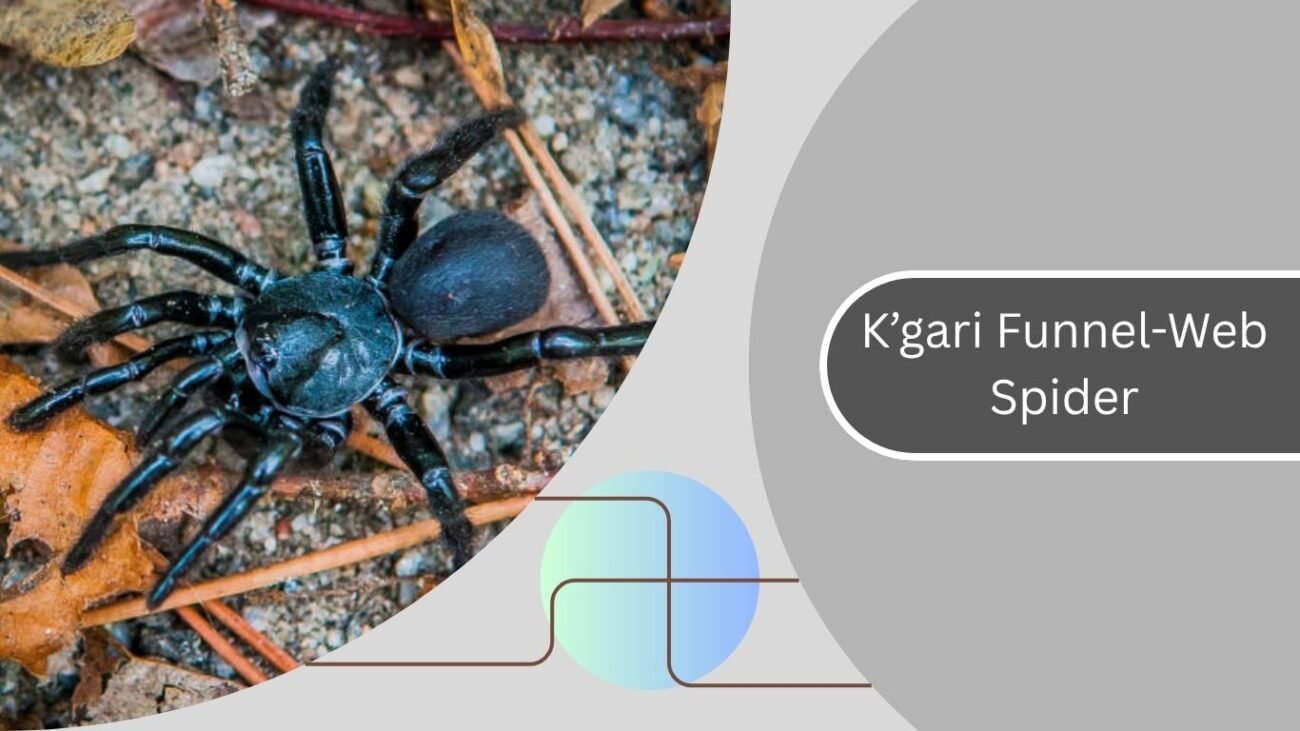
The K’gari funnel-web spider is a unique population of funnel-web spider restricted to K’gari (Fraser Island), closely related to the Fraser Island funnel-web but with slight differences in size and habitat preference. Its isolation has led to distinct behavioral and physical traits.
Identification
- Scientific Name: Hadronyche marracoonda
- Body Size: Females up to 4 cm, males around 3 cm
- Color: Glossy black or dark brown carapace with a slightly lighter underside
- Fangs: Strong, sharp, and highly efficient for subduing prey
- Legs: Solid, dark, and moderately hairy
Habitat and Distribution
Endemic to K’gari (Fraser Island), inhabiting sandy soils, forest floors, and areas with dense vegetation where burrows can be constructed.
Behavior and Diet
Preys on large insects, beetles, and occasional small vertebrates, ambushing them from silk-lined burrows equipped with trip lines.
16. Eastern Tree Funnel-Web Spider
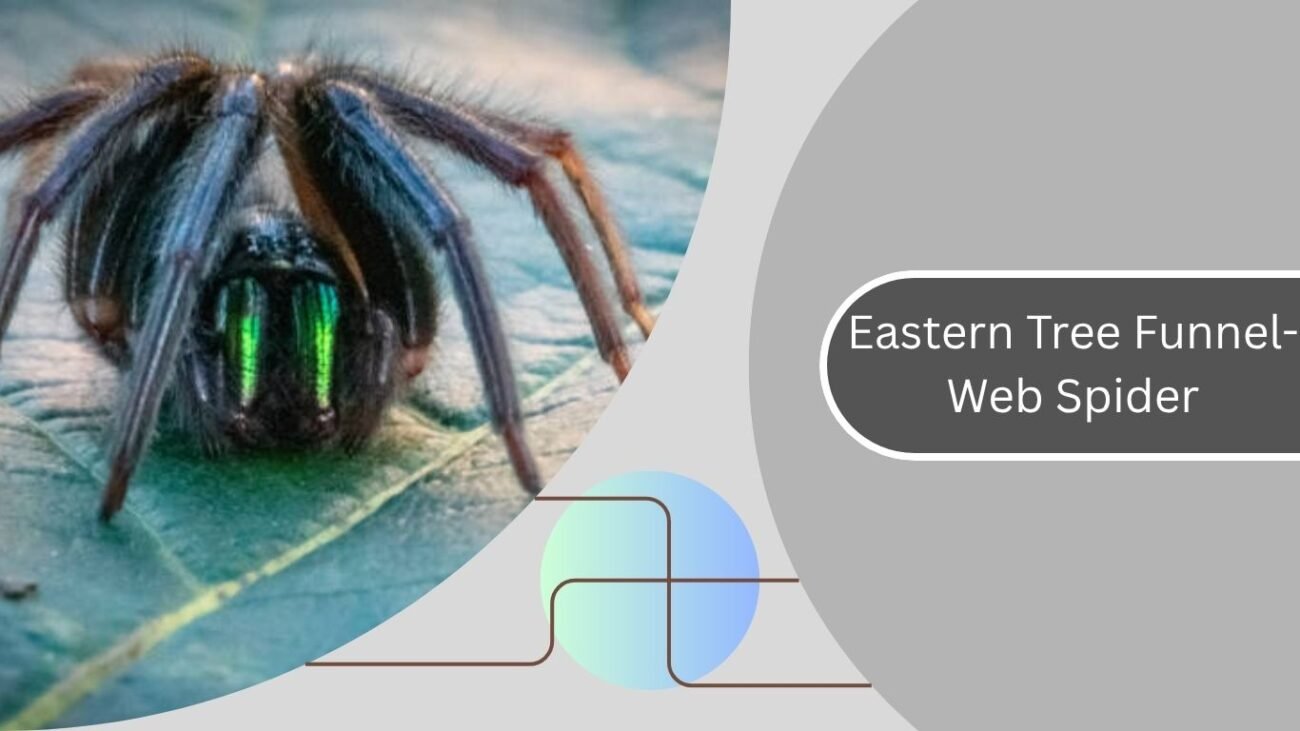
The eastern tree funnel-web spider is a large, venomous species that prefers elevated shelters rather than ground burrows. It often resides in tree hollows, under loose bark, or within rotting logs above ground level. This species is known for its potent venom, and bites require urgent medical treatment.
Identification
- Scientific Name: Hadronyche levittgreggae
- Body Size: Females up to 4.5 cm, males around 3–3.5 cm
- Color: Glossy black carapace with a dark brown to black abdomen
- Fangs: Long, strong, and downward-pointing
- Legs: Long, sturdy, and dark, aiding in climbing
Habitat and Distribution
Found in eastern New South Wales and southern Queensland, typically in moist forests where trees provide suitable cavities for shelter.
Behavior and Diet
Feeds on insects, beetles, and occasionally small frogs, waiting inside tree hollows or bark crevices for prey to approach.
17. Mount Tamborine Funnel-Web Spider
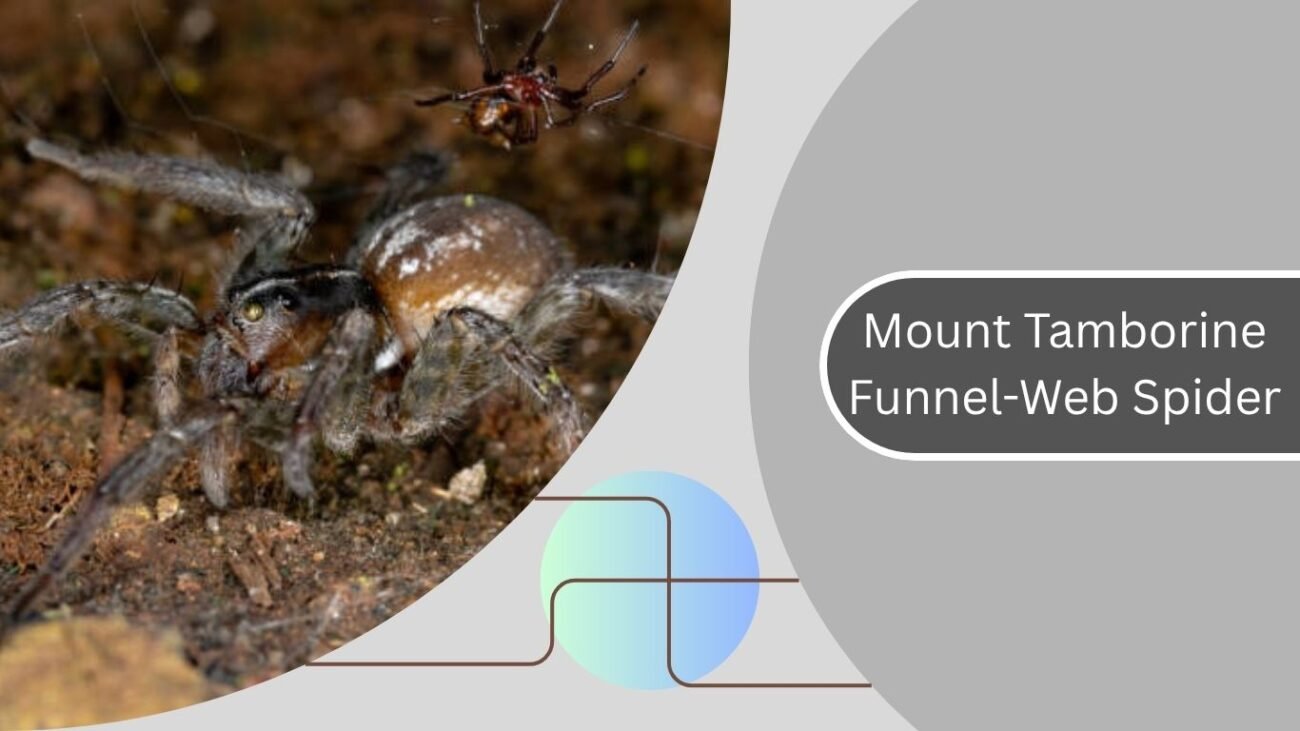
The Mount Tamborine funnel-web spider is a rare and localized species found in the rainforest-covered Mount Tamborine area of southeast Queensland. Its habitat is highly restricted, making sightings uncommon.
Identification
- Scientific Name: Hadronyche flindersi
- Body Size: Females up to 4 cm, males around 3 cm
- Color: Shiny black to very dark brown
- Fangs: Large, robust, and capable of delivering venom deep into prey
- Legs: Solid, dark, and slightly hairy
Habitat and Distribution
Endemic to the Mount Tamborine region, usually in moist rainforest soil under logs, rocks, or dense leaf litter.
Behavior and Diet
Ambushes beetles, crickets, and other ground invertebrates from silk-lined burrows equipped with trip lines to detect prey movements.
Shall I continue with #18 Tasmanian Funnel-Web Spider and #19 Wingecarribee Funnel-Web Spider next?
18. Tasmanian Funnel-Web Spider
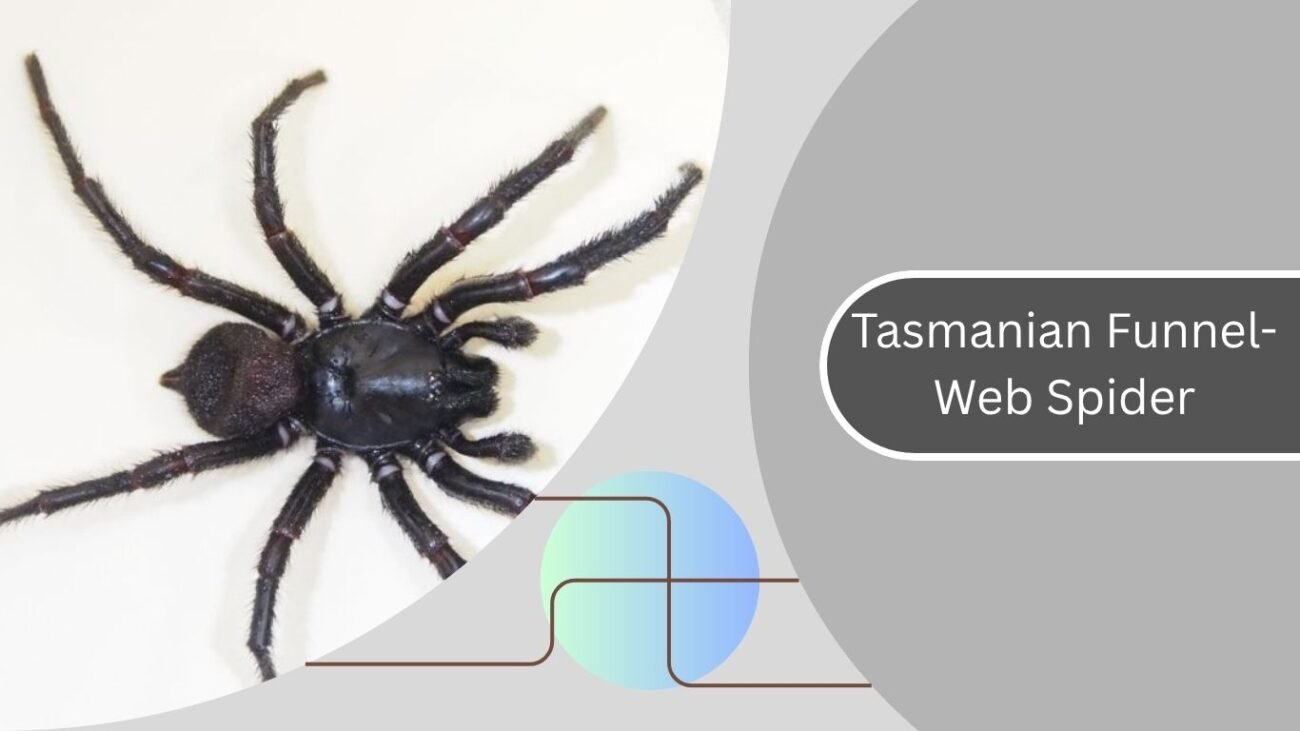
The Tasmanian funnel-web spider is the only known funnel-web species native to Tasmania. While it shares the general appearance and burrow-building habits of mainland funnel-webs, it is less aggressive and encounters with humans are rare. Its venom is still considered potentially dangerous.
Identification
- Scientific Name: Hadronyche tasmanica
- Body Size: Females up to 4 cm, males around 3 cm
- Color: Glossy dark brown to black carapace with a slightly lighter abdomen
- Fangs: Strong, downward-pointing, and well-adapted for piercing prey
- Legs: Thick, dark, and covered in fine hairs
Habitat and Distribution
Found exclusively in Tasmania, inhabiting moist forest floors, under logs, rocks, and dense vegetation where burrows can be dug.
Behavior and Diet
Feeds on beetles, crickets, and other invertebrates, striking rapidly when prey disturbs the trip lines outside its burrow.
19. Wingecarribee Funnel-Web Spider
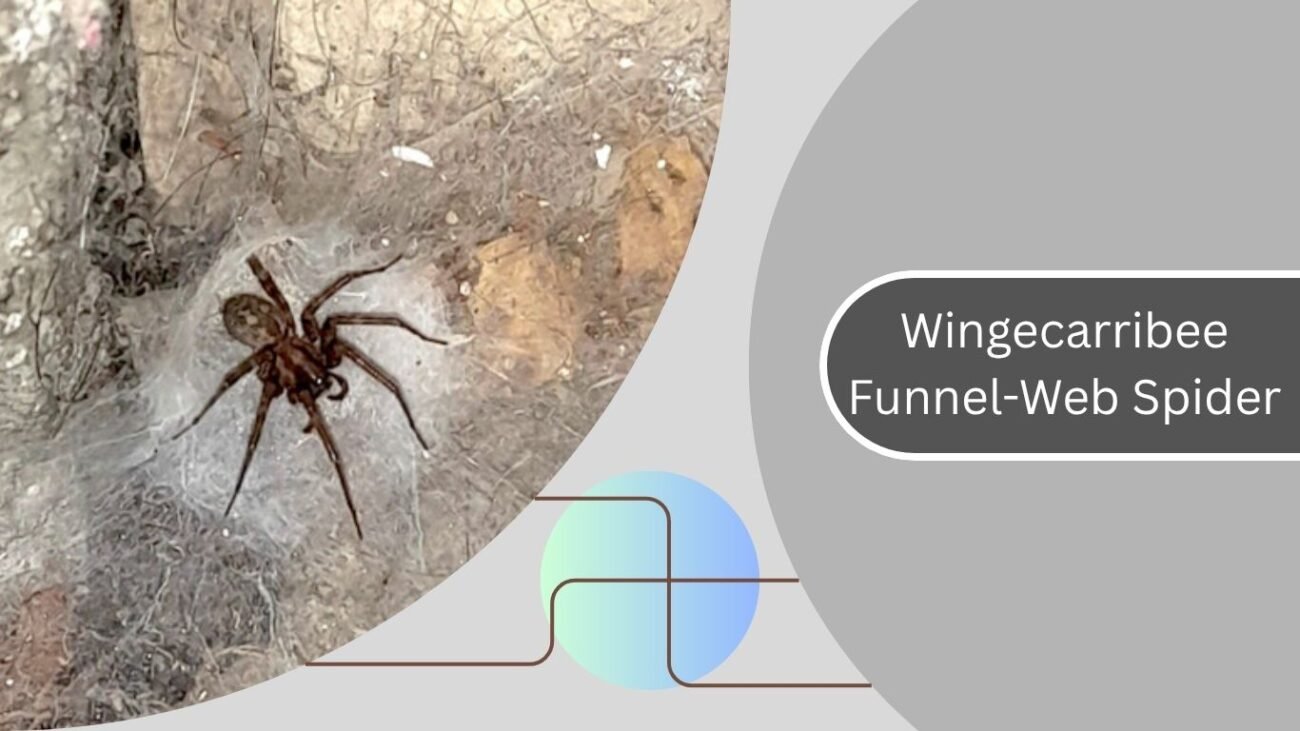
The Wingecarribee funnel-web spider is a restricted species found in the Southern Highlands region of New South Wales, particularly around the Wingecarribee area. It prefers cool, moist habitats and constructs silk-lined burrows for ambushing prey.
Identification
- Scientific Name: Hadronyche hirsuta
- Body Size: Females up to 4 cm, males around 3 cm
- Color: Glossy black to dark brown with a smooth carapace
- Fangs: Large and powerful, suited for subduing large prey
- Legs: Dark, sturdy, and slightly hairy
Habitat and Distribution
Occurs in the Wingecarribee district of the Southern Highlands, inhabiting forest floors, gullies, and moist soil areas under cover.
Behavior and Diet
Preys on insects, worms, and small invertebrates, detecting prey through vibrations on its trip lines before emerging to strike.
20. Darling Range Funnel-Web Spider
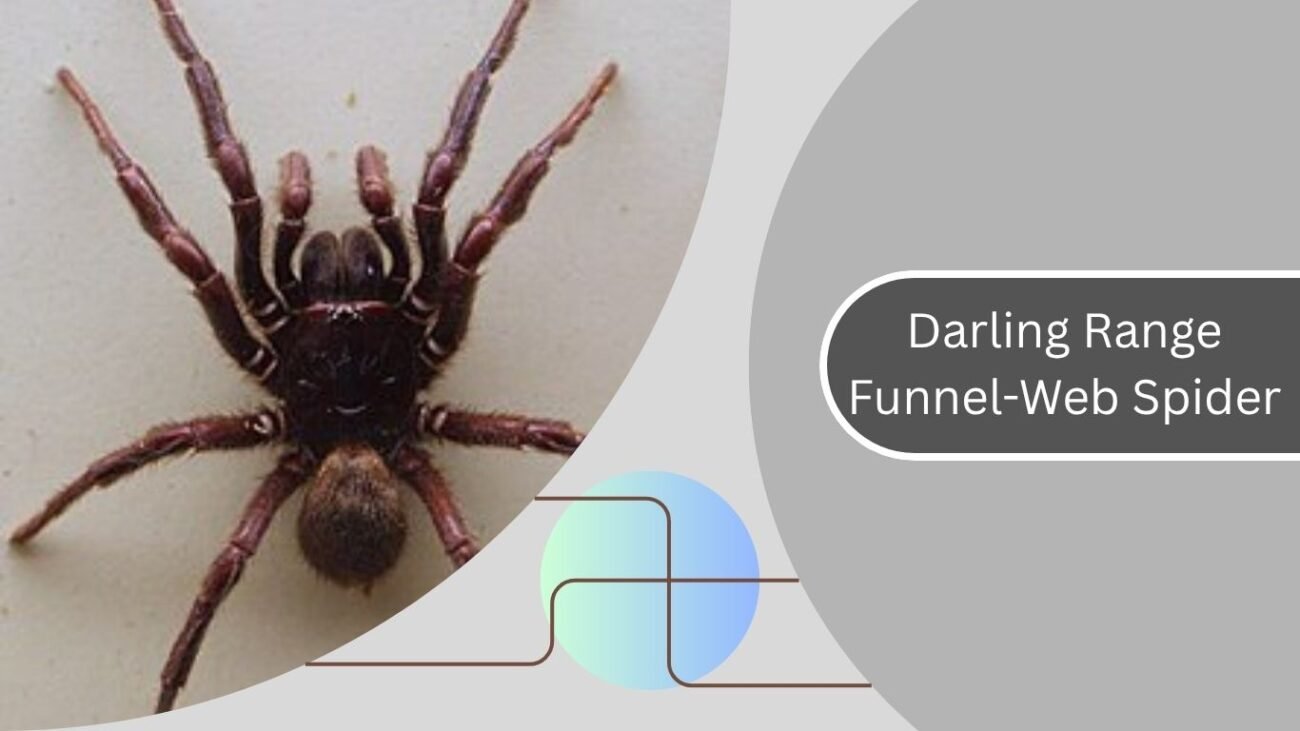
The Darling Range funnel-web spider is a venomous species native to the Darling Range region of Western Australia. It is one of the few funnel-web species found in this state and is adapted to the drier, more open forest environments compared to its eastern relatives.
Identification
- Scientific Name: Hadronyche jensenae
- Body Size: Females up to 4 cm, males around 3 cm
- Color: Glossy black carapace with a dark brown to black abdomen
- Fangs: Strong, sharp, and capable of piercing thick insect shells
- Legs: Sturdy, dark, and lightly covered in fine hairs
Habitat and Distribution
Occurs in the Darling Range of Western Australia, living in burrows beneath logs, rocks, and leaf litter in forested or bushland areas.
Behavior and Diet
Feeds on beetles, crickets, and other ground invertebrates, waiting at the burrow entrance for prey to touch the trip lines.
21. Armidale Funnel-Web Spider
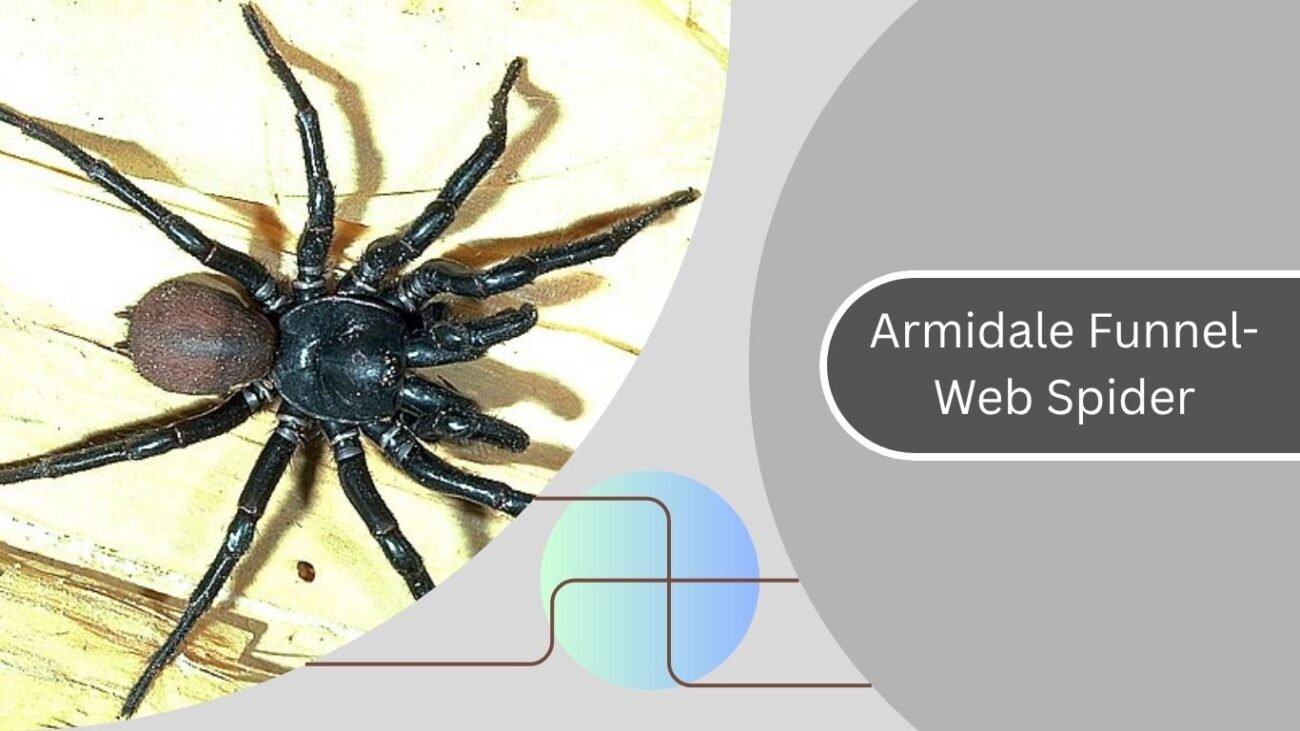
The Armidale funnel-web spider is a localized species found in and around the Armidale region of New South Wales. While not as well-known as the Sydney species, it has potent venom and similar defensive behavior when threatened.
Identification
- Scientific Name: Hadronyche armidalensis
- Body Size: Females up to 4 cm, males around 3 cm
- Color: Glossy dark brown to black body
- Fangs: Large, strong, and downward-facing
- Legs: Thick, dark, and slightly hairy
Habitat and Distribution
Endemic to the Armidale area on the Northern Tablelands of New South Wales, inhabiting moist soil burrows under rocks, logs, and vegetation.
Behavior and Diet
Ambushes ground-dwelling insects and small invertebrates, remaining hidden inside the burrow until prey vibrations are detected.
22. Newcastle Funnel-Web Spider
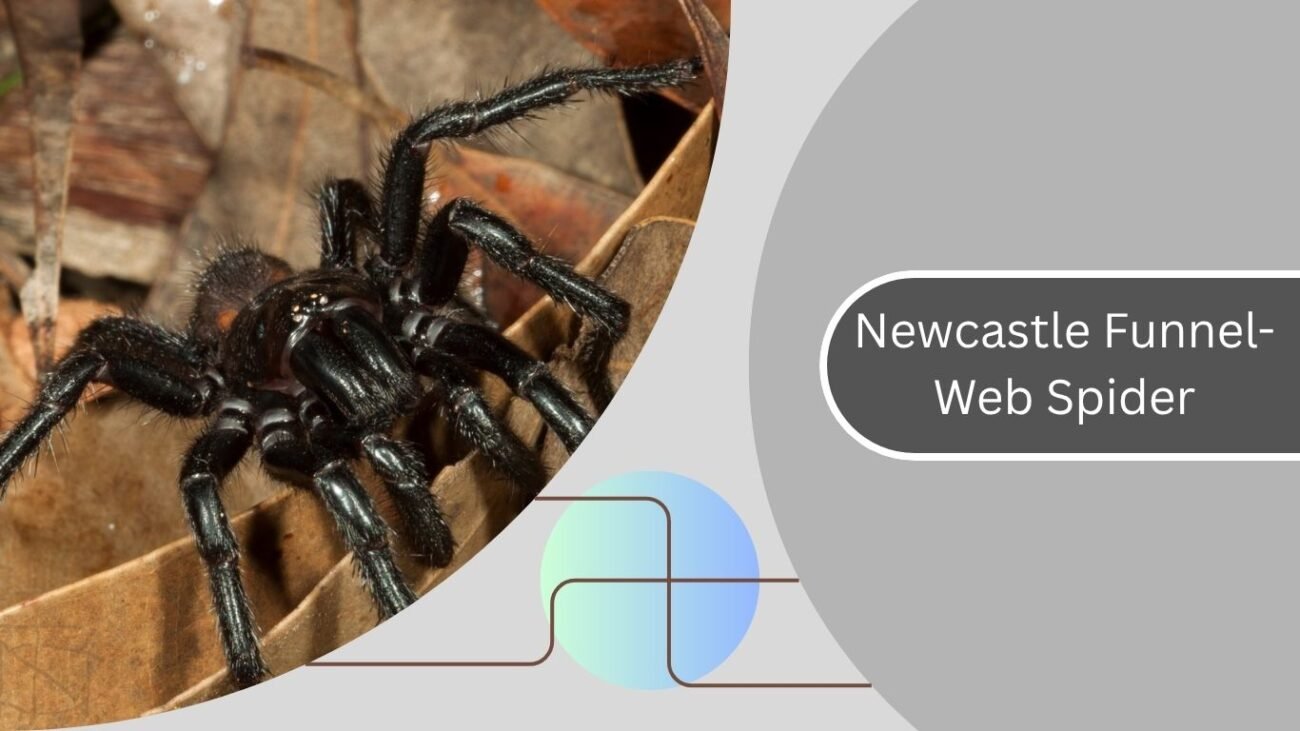
The Newcastle funnel-web spider is a venomous species found in the Newcastle region of New South Wales. It is closely related to other Hadronyche species and is known for its glossy, robust body and powerful bite. Encounters are more likely during the warmer months when males roam in search of mates.
Identification
- Scientific Name: Hadronyche sp. Newcastle
- Body Size: Females up to 4 cm, males around 3 cm
- Color: Glossy black to very dark brown carapace with a dark abdomen
- Fangs: Large, strong, and downward-pointing
- Legs: Sturdy, dark, and slightly hairy
Habitat and Distribution
Native to the Newcastle and surrounding coastal areas, inhabiting silk-lined burrows beneath rocks, logs, and leaf litter in moist environments.
Behavior and Diet
Feeds on beetles, cockroaches, and other ground-dwelling invertebrates, ambushing them from its burrow using trip-line vibrations as a trigger.
23. Wollongong Funnel-Web Spider
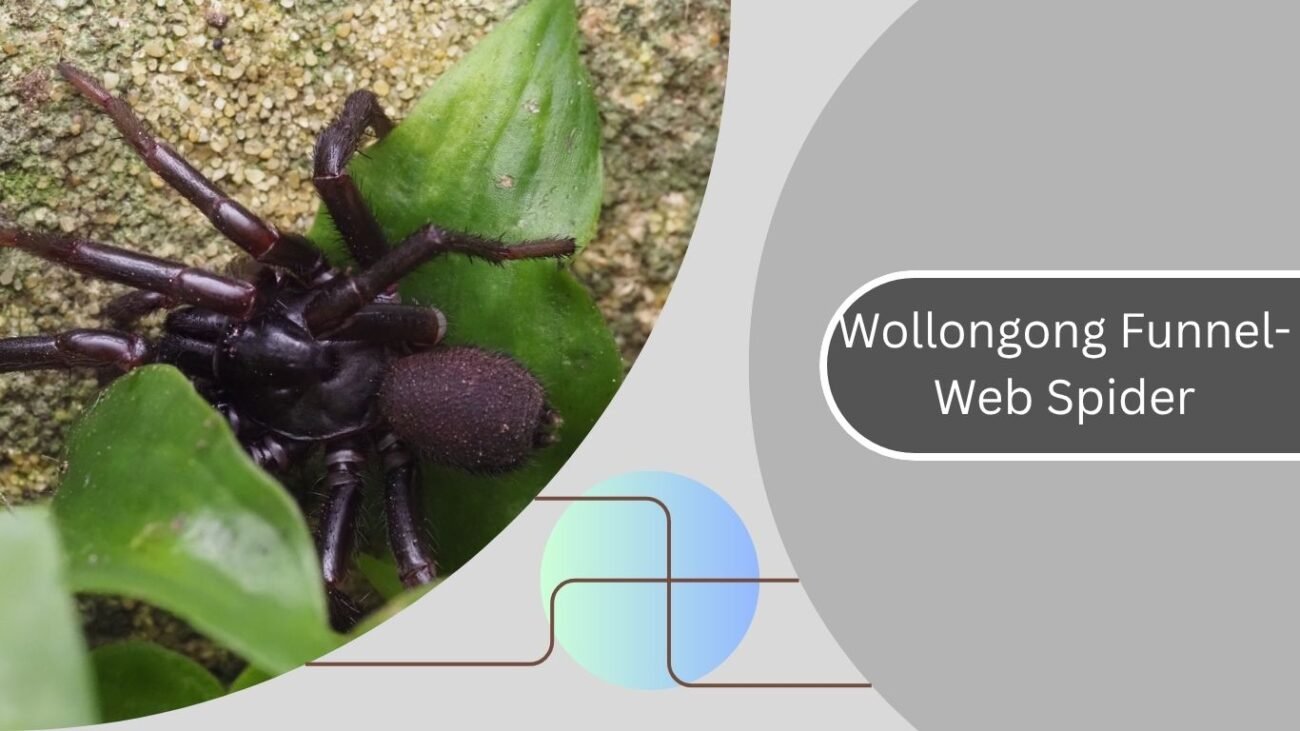
The Wollongong funnel-web spider is a coastal species found in the Illawarra and Wollongong region of New South Wales. It prefers damp, forested environments and is rarely seen unless heavy rains or warm nights bring males out in search of females.
Identification
- Scientific Name: Hadronyche wollongong
- Body Size: Females up to 4 cm, males around 3 cm
- Color: Glossy dark brown to black body with a smooth carapace
- Fangs: Strong and sharp, capable of delivering a medically significant bite
- Legs: Dark, sturdy, and lightly covered in fine hairs
Habitat and Distribution
Found along the coastal Illawarra region, usually in moist soil burrows under forest debris, rocks, and logs.
Behavior and Diet
Preys on insects, worms, and small arthropods, using its sensitive trip lines to detect and quickly overpower prey.
24. Glasshouse Mountains Funnel-Web Spider
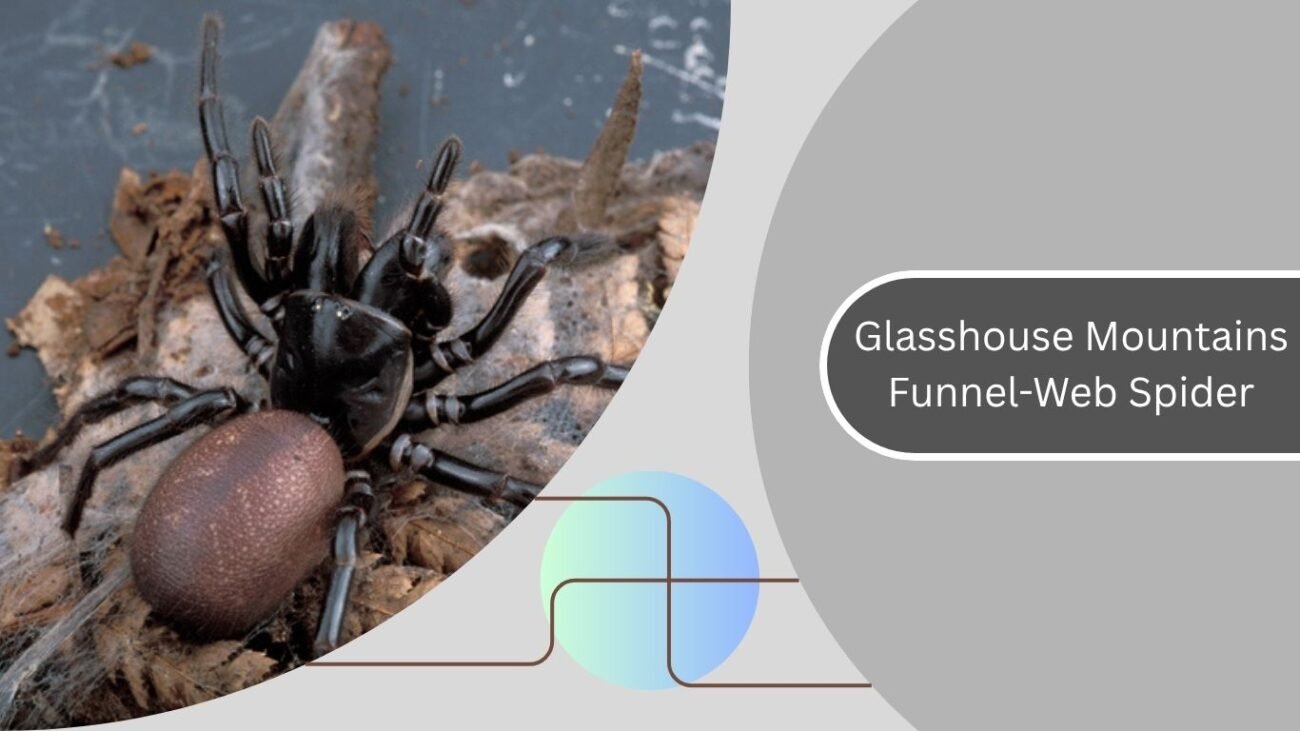
The Glasshouse Mountains funnel-web spider is a localized species found in the Glasshouse Mountains region of southeast Queensland. It thrives in the moist forested slopes and gullies of this volcanic mountain range and, like other funnel-webs, has potent venom.
Identification
- Scientific Name: Hadronyche glasshouseensis
- Body Size: Females up to 4 cm, males around 3 cm
- Color: Glossy black to very dark brown carapace with a matching abdomen
- Fangs: Large, strong, and downward-pointing
- Legs: Sturdy, dark, and moderately hairy
Habitat and Distribution
Endemic to the Glasshouse Mountains, inhabiting silk-lined burrows under rocks, logs, and dense leaf litter in shaded, damp areas.
Behavior and Diet
An ambush predator that feeds on beetles, cockroaches, crickets, and other invertebrates, striking quickly when prey disturbs the trip lines at the burrow entrance.
25. Mount Kaputar Funnel-Web Spider
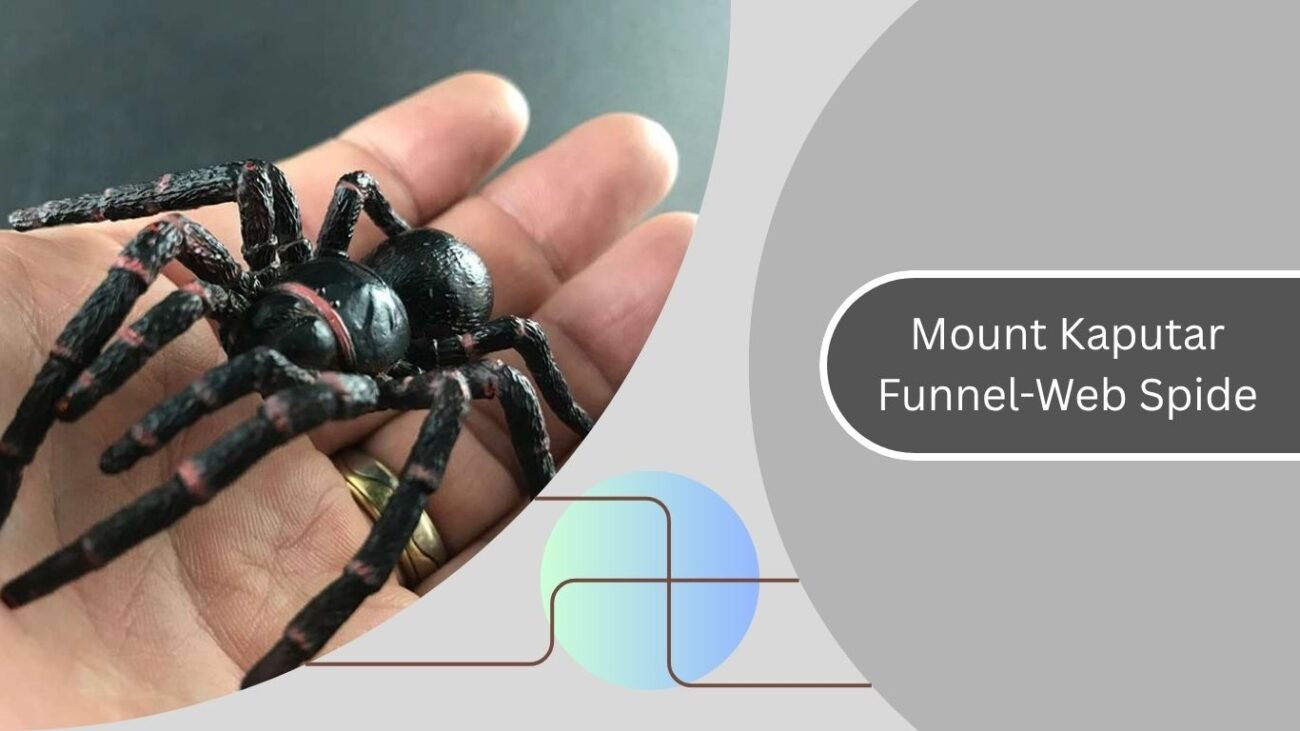
The Mount Kaputar funnel-web spider is a rare, high-altitude species found only in the Mount Kaputar region of northern New South Wales. Its isolation and specialized habitat make it one of the least-encountered funnel-web spiders.
Identification
- Scientific Name: Hadronyche kaputensis
- Body Size: Females up to 4 cm, males around 3 cm
- Color: Shiny dark brown to black with a smooth carapace
- Fangs: Strong and robust, suited for subduing large prey
- Legs: Dark, thick, and covered in fine hairs
Habitat and Distribution
Restricted to the cool, moist forests of Mount Kaputar, where it builds silk-lined burrows under rocks, logs, and moss-covered ground.
Behavior and Diet
Feeds on beetles, crickets, and other ground invertebrates, lying in wait inside its burrow until prey is detected through trip-line vibrations.
.