Orb-weaver spiders are master web-builders, known for their intricate, circular webs and striking appearances. Found in gardens, forests, and fields worldwide, these spiders come in a wide range of colors, sizes, and patterns. Harmless to humans, they play an important role in controlling insect populations. In this guide, we’ll explore 23 fascinating types of orb-weaver spiders, highlighting their key identification features, habitats, and behaviors.
1. Garden Orb-Weaver Spider

Garden orb-weaver spiders are among the most common web-building spiders seen in gardens, woodlands, and urban areas. They are easily recognized by their large, circular webs that glisten with dew in the early morning. These spiders are harmless to humans and help control insect populations, making them beneficial residents of backyards. Their web-building activity is usually more noticeable during summer and autumn when insect numbers are high.
Identification
- Scientific Name: Eriophora transmarina (varies by region)
- Body Size: Females 1.5–3 cm, males smaller
- Color: Brown, reddish, or gray with distinctive abdominal patterns
- Web Shape: Large orb-shaped web with a central hub
- Legs: Long, hairy, and spiny
Habitat and Distribution
They inhabit gardens, forest edges, bushlands, and even near houses where insect activity is high. Garden orb-weavers are widespread in Australia, North America, Asia, and other temperate to tropical regions.
Behavior and Diet
Primarily nocturnal, they build or repair their webs at night and consume a variety of flying insects such as moths, flies, and beetles.
2. Golden Silk Orb-Weaver

Golden silk orb-weavers are famous for spinning large, golden-hued webs that can stretch over a meter in diameter. These striking spiders are often found in warm, humid regions and are admired for their unique web color, which can help camouflage them in sunlight. They are harmless to humans but can deliver a mild bite if provoked.
Identification
- Scientific Name: Trichonephila clavipes (varies by species)
- Body Size: Females 2.5–4 cm, males much smaller
- Color: Yellowish to golden body with long, thin legs
- Web Shape: Large orb-shaped with golden silk strands
- Legs: Long, often with dark bands and fine hairs
Habitat and Distribution
Common in forests, gardens, and near water sources in tropical and subtropical regions such as North America, South America, Asia, and Australia.
Behavior and Diet
They prey on flying insects like bees, flies, and butterflies, often leaving their webs intact for weeks to catch food efficiently.
3. Spotted Orb-Weaver

Spotted orb-weavers are adaptable spiders found in various habitats, from gardens to woodlands. They are known for their distinctive body markings and seasonal color changes, which can range from reddish-brown to yellow. These spiders are active mostly at night, taking down their webs in the morning to avoid detection.
Identification
- Scientific Name: Neoscona crucifera
- Body Size: Females 1.5–2.5 cm, males smaller
- Color: Reddish-brown, tan, or yellow with spotted abdomen
- Web Shape: Circular orb with tightly woven spiral threads
- Legs: Sturdy, covered in fine hairs
Habitat and Distribution
Found across North America in gardens, open fields, and wooded areas where insect activity is high.
Behavior and Diet
They feed on moths, beetles, and various flying insects, rebuilding their web nightly to maintain its effectiveness.
4. Banded Garden Spider
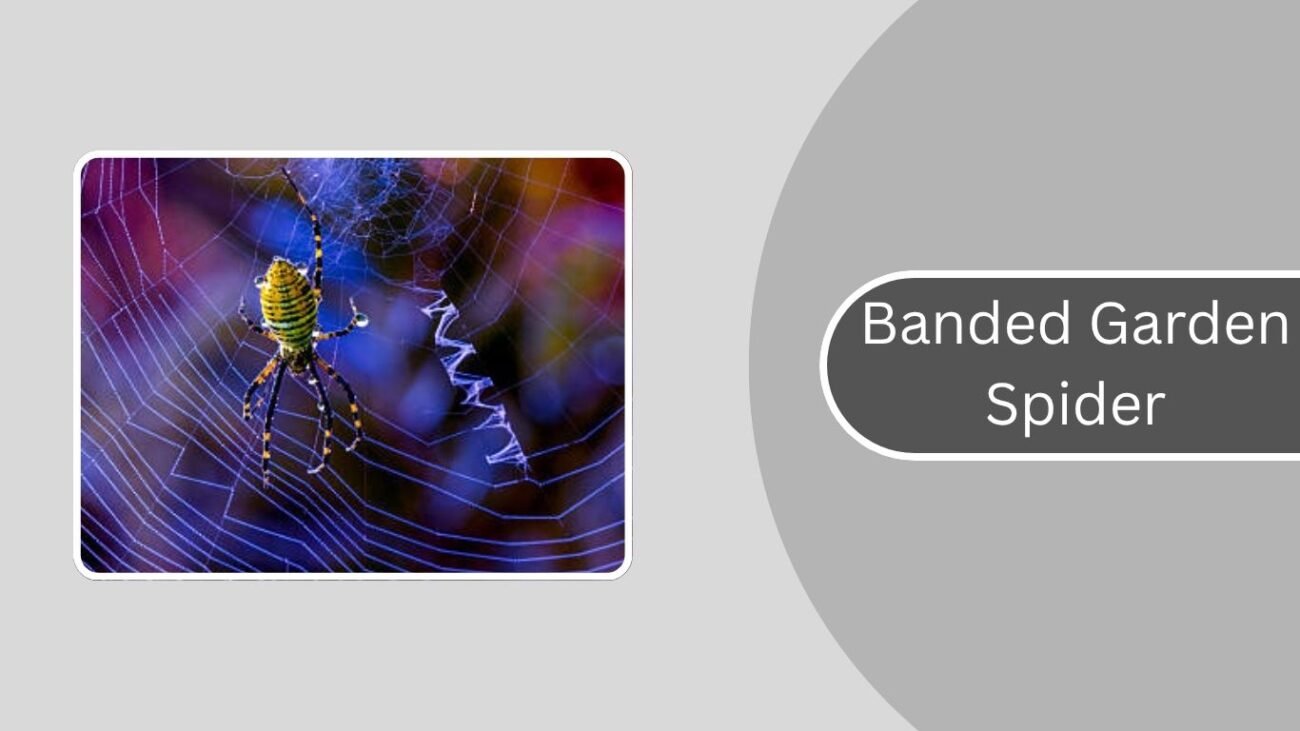
The banded garden spider is a visually striking orb-weaver recognized by its bold black, yellow, and white bands across its abdomen. It is often found in sunny, open areas where it can build large webs to catch a variety of flying insects. These spiders are non-aggressive toward humans and contribute to natural pest control in gardens and fields.
Identification
- Scientific Name: Argiope trifasciata
- Body Size: Females 1.5–2.5 cm, males much smaller
- Color: Yellow, white, and black banded abdomen
- Web Shape: Large orb web, often with a zigzag stabilimentum
- Legs: Long and slender, with alternating dark and light bands
Habitat and Distribution
They prefer open habitats such as meadows, gardens, and fields across North and South America, Africa, and parts of Asia.
Behavior and Diet
Banded garden spiders capture grasshoppers, bees, flies, and other flying insects, quickly immobilizing them with silk before feeding.
5. Marbled Orb-Weaver
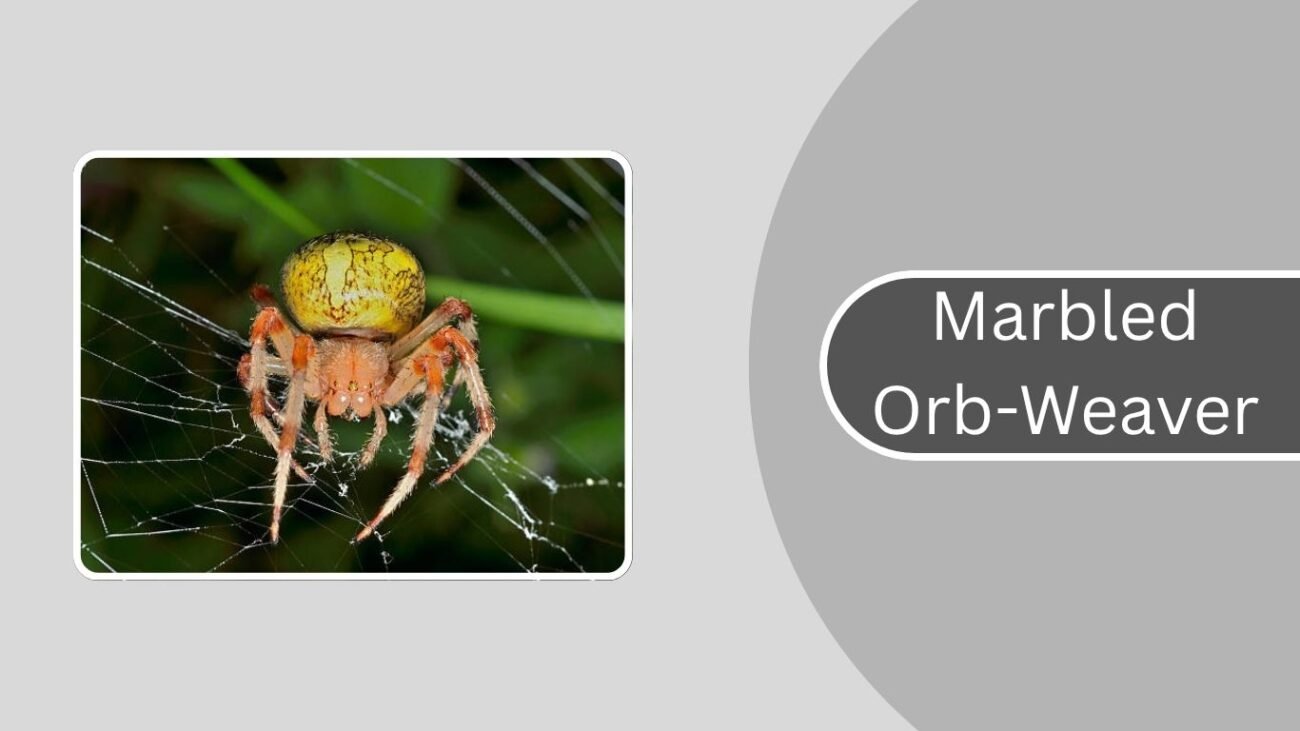
The marbled orb-weaver is one of the most colorful orb-weavers, known for its rounded abdomen with unique marble-like patterns. Their colors range from bright orange to yellow with intricate markings, making them a favorite among spider enthusiasts. They are most active in autumn, building large orb webs near wooded edges and gardens.
Identification
- Scientific Name: Araneus marmoreus
- Body Size: Females 1.4–1.8 cm, males smaller
- Color: Orange, yellow, or cream with marbled patterns
- Web Shape: Large orb-shaped web with tight spirals
- Legs: Orange to brown with darker bands
Habitat and Distribution
Common in North America and parts of Europe, often found in moist woodlands, gardens, and grassy areas.
Behavior and Diet
They feed on various flying insects, especially moths and beetles, and usually hide in nearby foliage during the day, waiting for prey to hit the web at night.
6. Cross Orb-Weaver
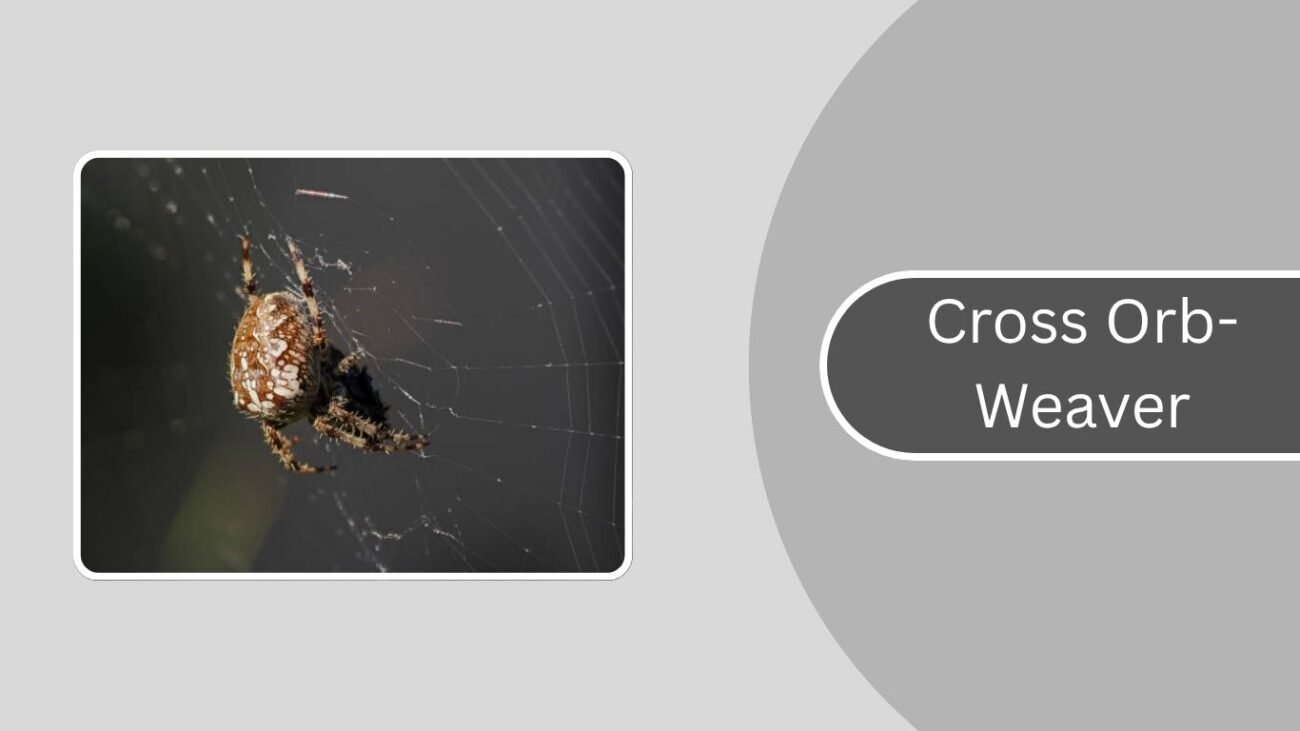
The cross orb-weaver is one of the most recognized spiders in the world, named for the distinctive white cross-shaped markings on its abdomen. These spiders are skilled web-builders, creating large, symmetrical orb webs that can span over 40 cm in diameter. They are harmless to humans and help keep insect populations in check.
Identification
- Scientific Name: Araneus diadematus
- Body Size: Females 1.5–2.5 cm, males smaller
- Color: Brown, orange, or gray with a prominent white cross pattern
- Web Shape: Circular orb with strong radial and spiral threads
- Legs: Covered in short hairs with alternating light and dark bands
Habitat and Distribution
Widely found in Europe, North America, and parts of Asia, often in gardens, hedges, forests, and near buildings.
Behavior and Diet
They primarily feed on flies, moths, and other small flying insects, patiently waiting in the web’s center or nearby retreat until prey is caught.
7. Giant Wood Orb-Weaver
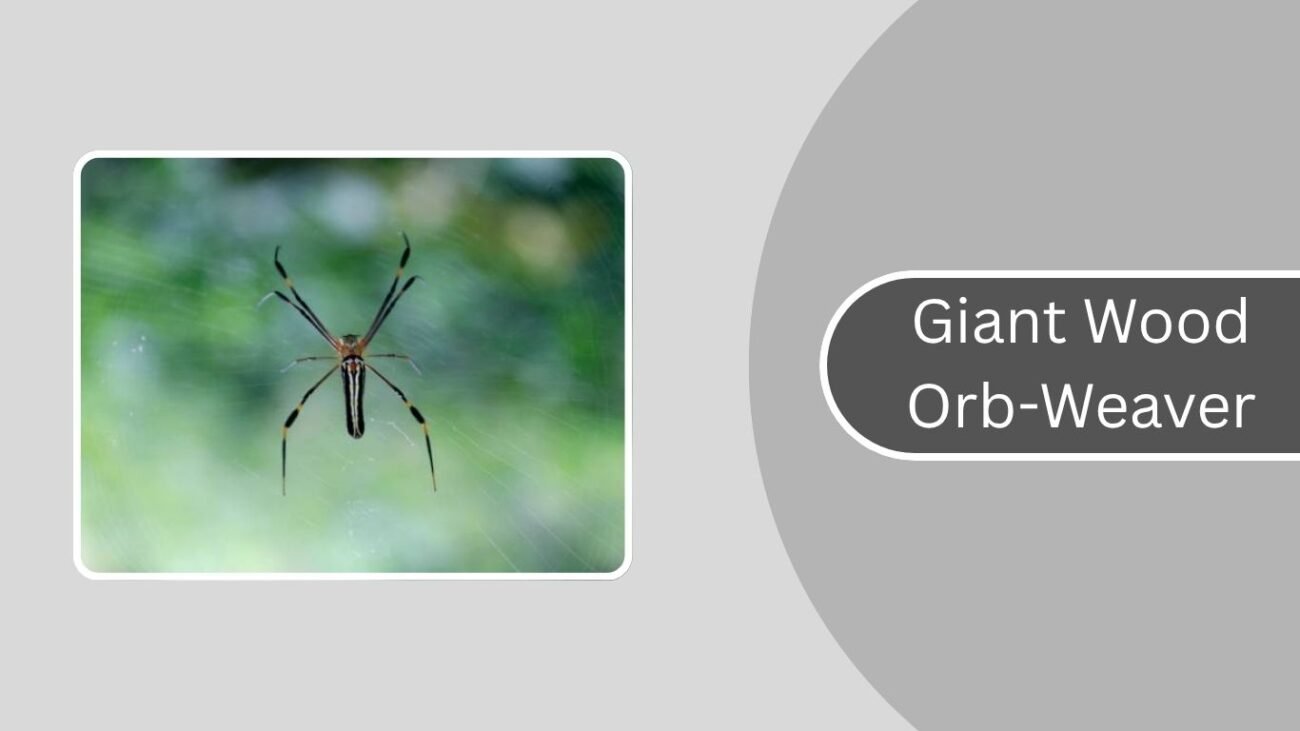
The giant wood orb-weaver is among the largest orb-weaving spiders, capable of spinning enormous webs between trees and shrubs. Their size and striking markings make them stand out in their forest habitats. These spiders are docile and pose no danger to humans.
Identification
- Scientific Name: Nephila pilipes (species may vary by region)
- Body Size: Females up to 4–5 cm, males much smaller
- Color: Black or dark brown with yellow markings
- Web Shape: Massive orb webs, sometimes exceeding 1 meter in diameter
- Legs: Exceptionally long with contrasting yellow or reddish joints
Habitat and Distribution
Common in tropical and subtropical forests of Asia, Australia, and the Pacific Islands.
Behavior and Diet
They prey on large flying insects, including cicadas, grasshoppers, and even small butterflies, relying on their massive webs to trap bigger prey than most orb-weavers can handle.
8. Red Orb-Weaver
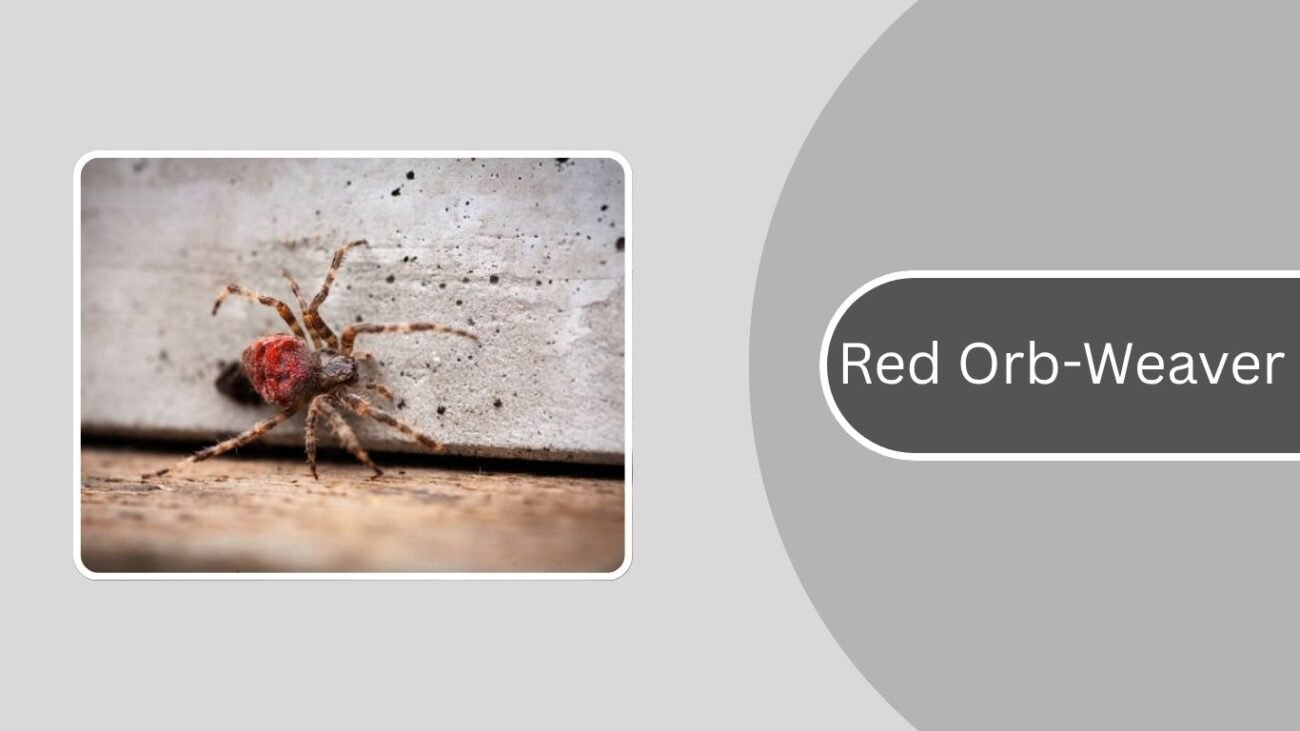
The red orb-weaver is a striking spider known for its vibrant reddish to orange body, which makes it stand out among other orb-weavers. These spiders are often found in gardens, hedgerows, and forest edges where insect activity is abundant. Their bright coloration may serve as a warning to predators, though they are harmless to humans.
Identification
- Scientific Name: Araneus iviei (and related species)
- Body Size: Females 1.2–2.2 cm, males smaller
- Color: Deep red, orange, or rust with faint patterns
- Web Shape: Large, circular orb web with fine silk
- Legs: Reddish with darker bands and short hairs
Habitat and Distribution
Found mainly in North America, especially in wooded areas, gardens, and shrublands.
Behavior and Diet
They capture flies, beetles, and moths, usually remaining motionless in the web until the prey triggers vibrations.
9. Silver Garden Orb-Weaver
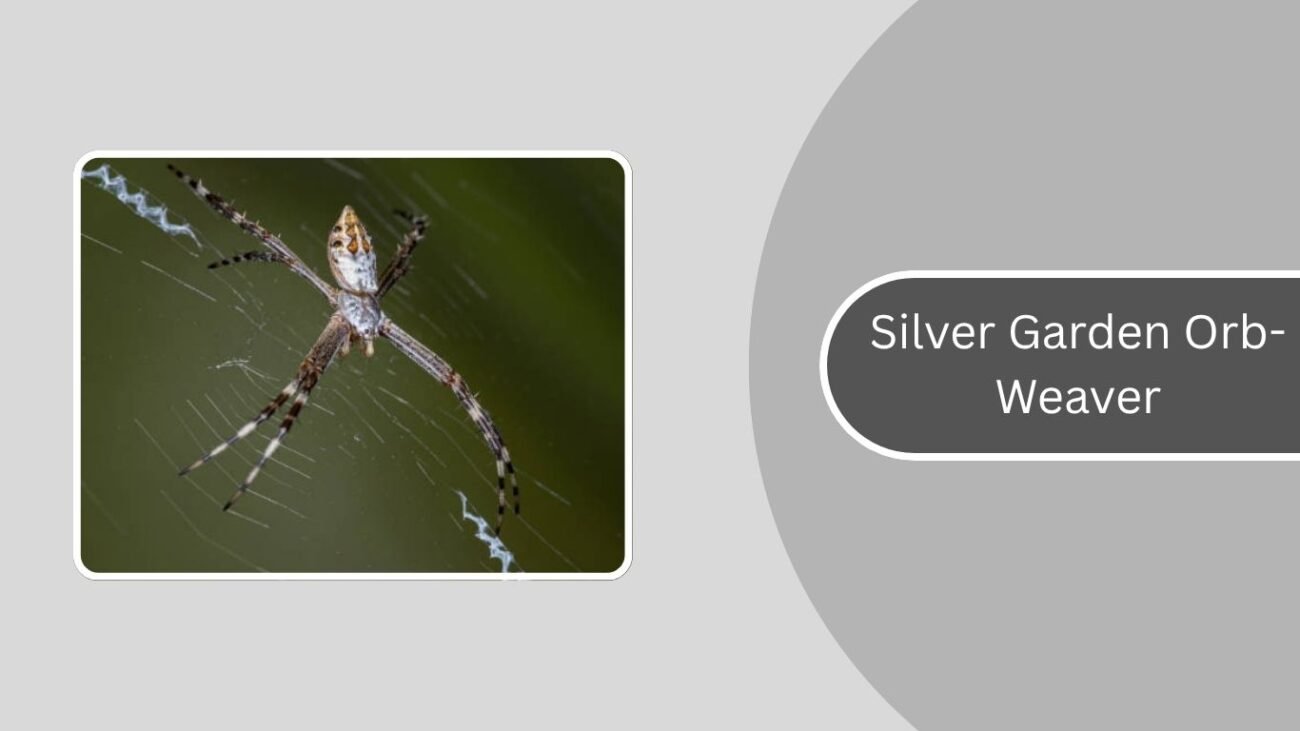
The silver garden orb-weaver is recognized for its silvery-white abdomen, which reflects light and can act as camouflage in sunlit areas. They often build their webs in open spaces where sunlight enhances the shimmer of their bodies and webs.
Identification
- Scientific Name: Argiope argentata
- Body Size: Females 1.5–2.5 cm, males much smaller
- Color: Silvery-white abdomen with black and yellow markings
- Web Shape: Large orb with zigzag stabilimentum
- Legs: Long and slender, often held in pairs forming an “X” shape
Habitat and Distribution
Found in gardens, open fields, and coastal regions throughout the Americas, from the southern United States to South America.
Behavior and Diet
They prey on bees, butterflies, and other large insects, quickly wrapping them in silk before feeding.
10. Tropical Orb-Weaver
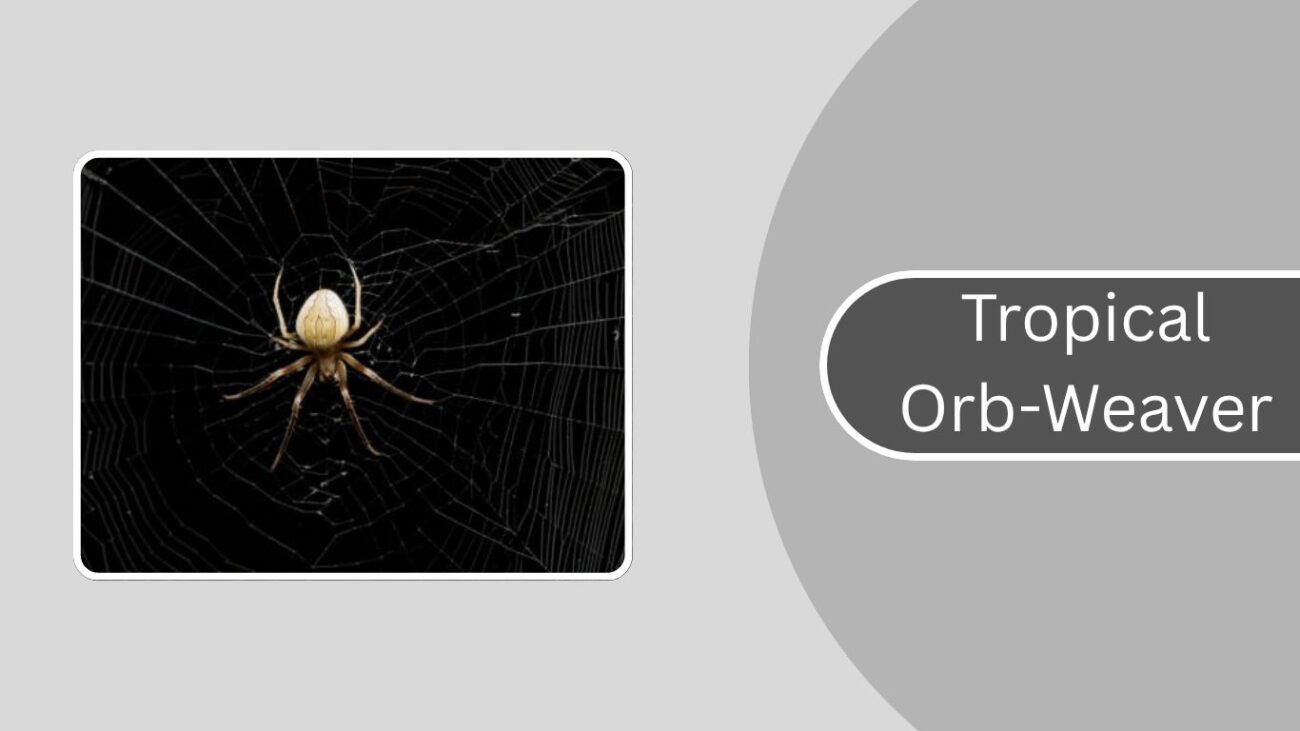
The tropical orb-weaver is a widespread spider found in warm, humid climates where insect life is abundant. Known for their vivid patterns and impressive web designs, these spiders are active mainly at night, often dismantling their webs by morning to avoid detection by predators.
Identification
- Scientific Name: Eriophora ravilla
- Body Size: Females 1.5–3 cm, males smaller
- Color: Brown, reddish, or orange with pale markings on the abdomen
- Web Shape: Large, perfectly round orb with tightly spaced spirals
- Legs: Long, sturdy, and covered with fine hairs
Habitat and Distribution
Common in tropical and subtropical regions of the Americas, often found in gardens, parks, and forest edges.
Behavior and Diet
Feeds on moths, flies, and small beetles, waiting patiently in the center of the web or in a retreat nearby.
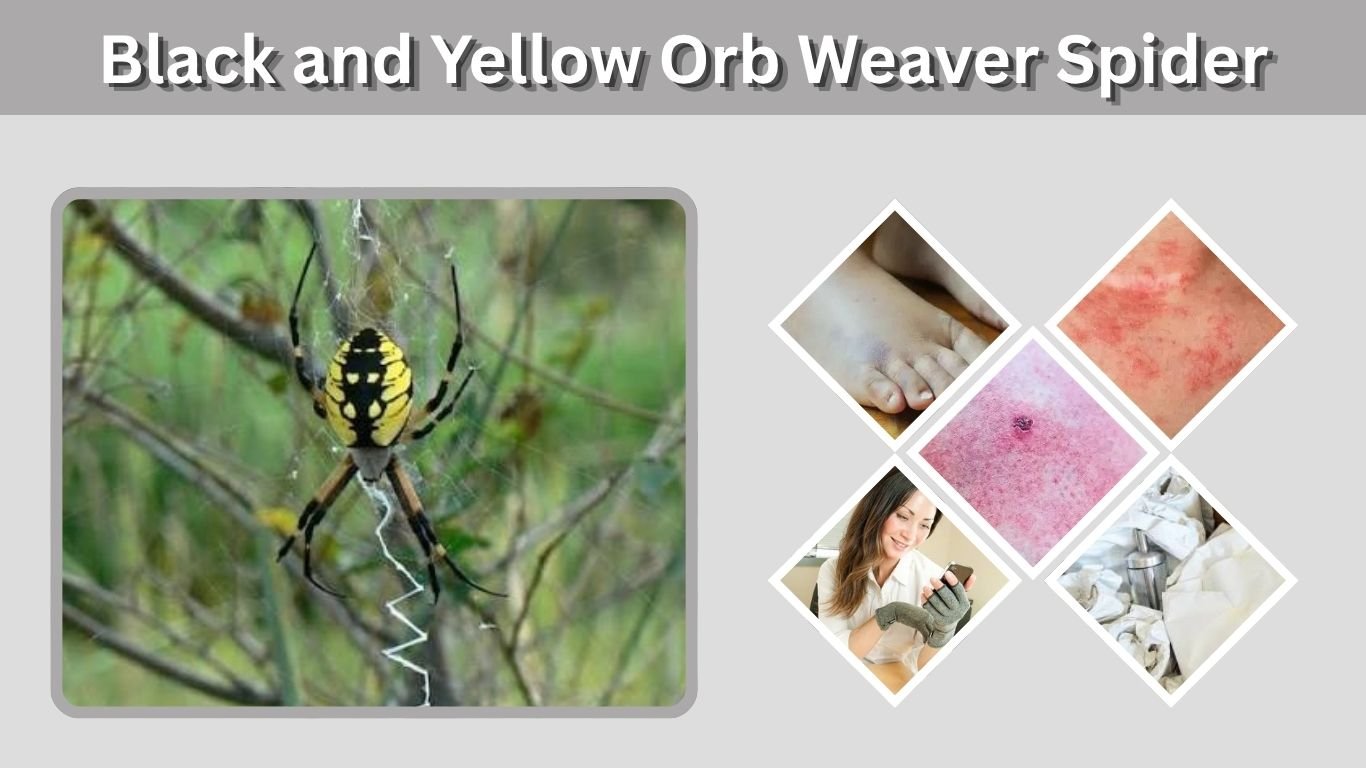
11. Black and Yellow Garden Spider
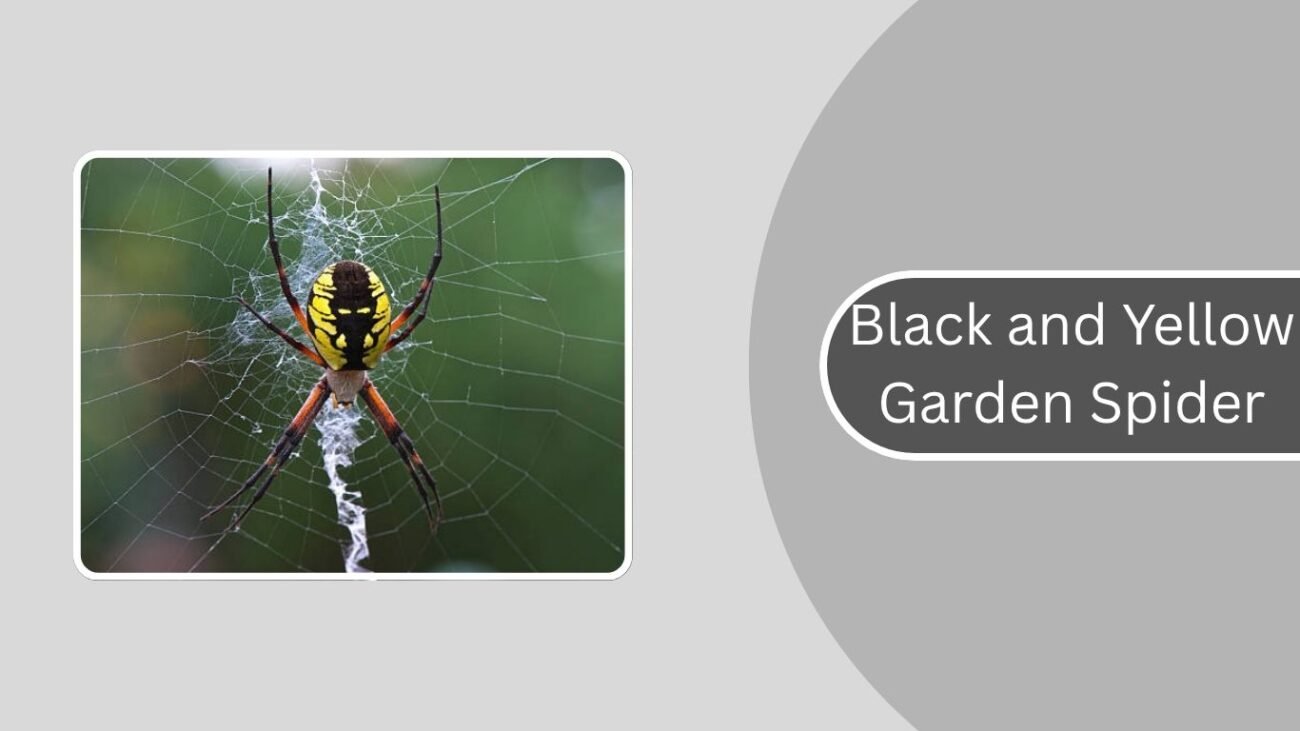
The black and yellow garden spider is one of the most recognizable orb-weavers, thanks to its bold coloration and striking size. Often referred to as the “writing spider” because of the zigzag stabilimentum in its web, it is harmless to humans and a valuable garden ally.
Identification
- Scientific Name: Argiope aurantia
- Body Size: Females 2–3 cm, males much smaller
- Color: Black body with bright yellow markings
- Web Shape: Large orb web with a distinct zigzag pattern in the center
- Legs: Long, black with orange or yellow bands
Habitat and Distribution
Found in North and Central America in gardens, meadows, and field edges.
Behavior and Diet
Captures grasshoppers, bees, and other large flying insects, immobilizing them rapidly with silk before feeding.
12. Leaf-Curling Orb-Weaver
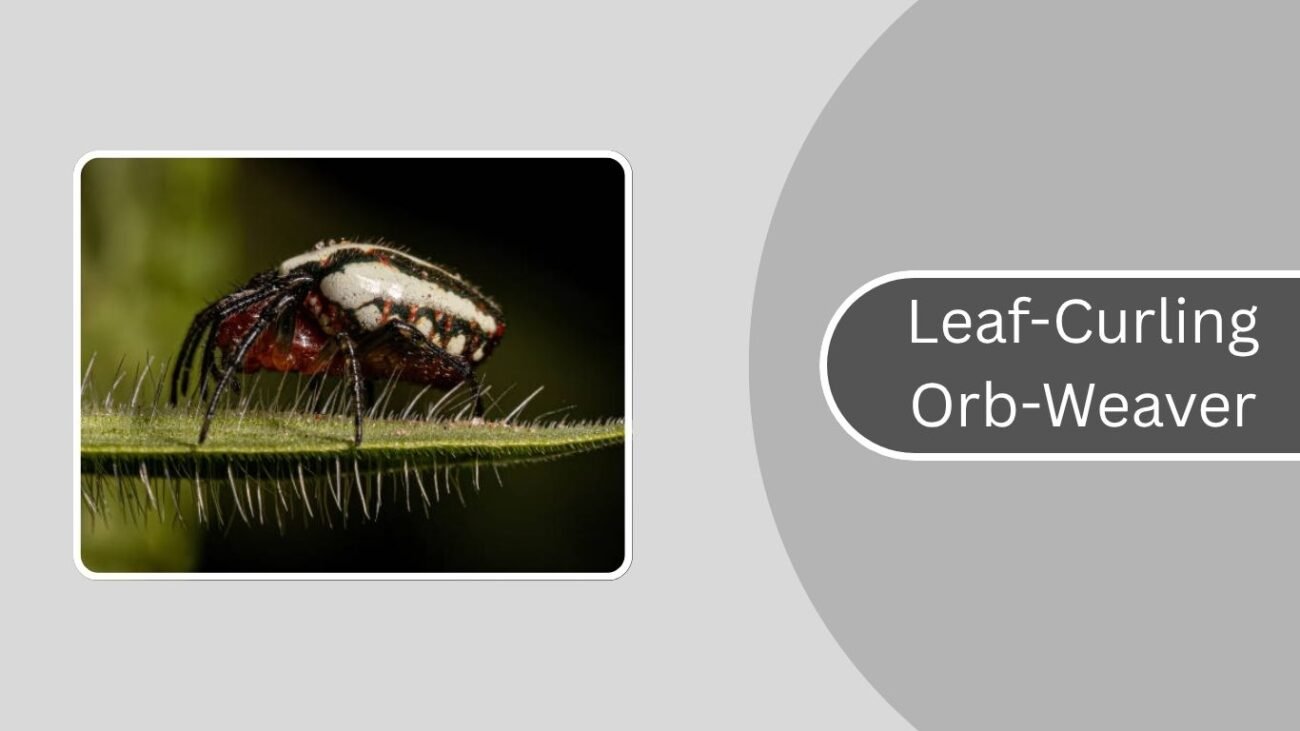
The leaf-curling orb-weaver is known for its unique behavior of curling a dry leaf or other debris into a shelter in the center of its web. This camouflaged hideout protects the spider from predators while allowing it to wait for prey undetected.
Identification
- Scientific Name: Phonognatha graeffei
- Body Size: Females 1–1.5 cm, males smaller
- Color: Brown, reddish, or gray with faint patterns
- Web Shape: Small to medium orb web with a curled leaf in the center
- Legs: Slender, brown with darker joints
Habitat and Distribution
Common in Australia and parts of the Pacific Islands, usually in gardens, forest edges, and shrublands.
Behavior and Diet
Feeds on small flying insects like flies and moths, darting out from the curled leaf shelter when vibrations signal prey capture.
13. Western Spotted Orb-Weaver
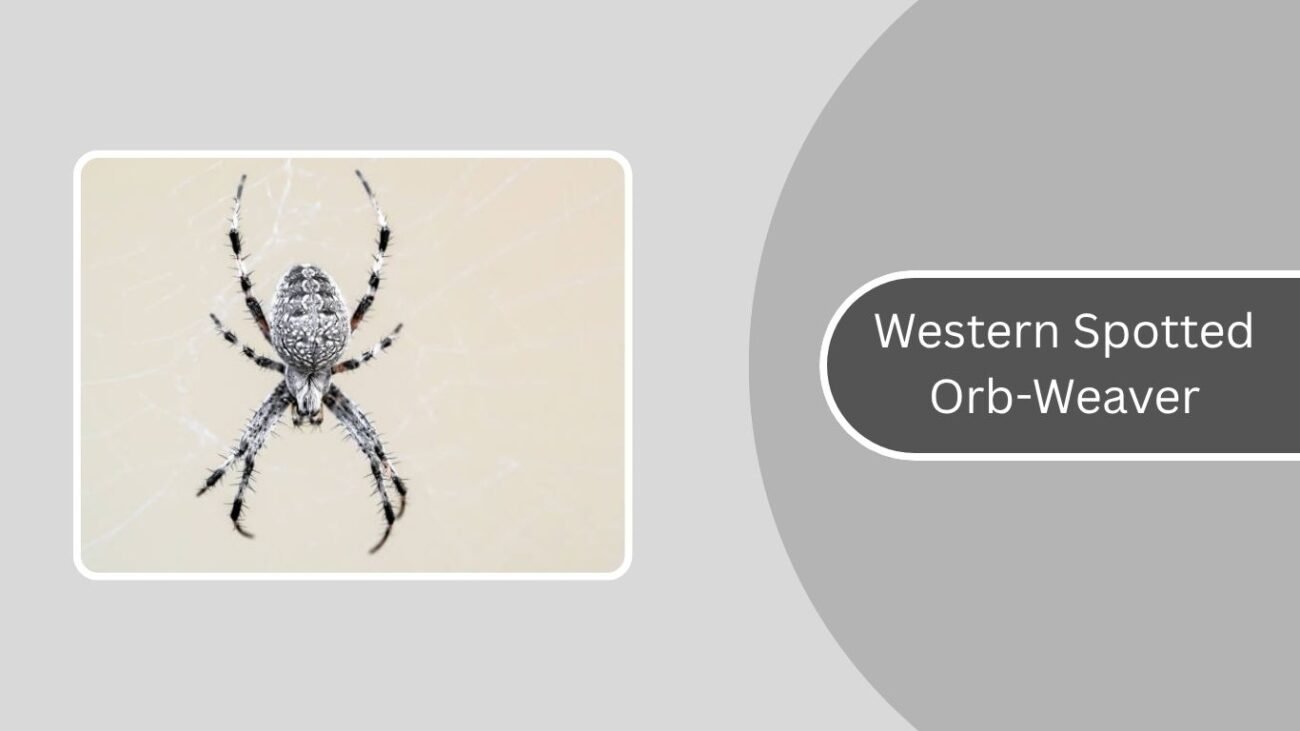
The western spotted orb-weaver is a robust spider with a striking spotted abdomen. It thrives in open, sunny habitats where it can construct large webs to catch a variety of flying insects.
Identification
- Scientific Name: Neoscona oaxacensis
- Body Size: Females 1.5–2.5 cm, males smaller
- Color: Yellowish-brown to reddish with distinct dark spots on the abdomen
- Web Shape: Large orb web, often in exposed areas
- Legs: Long, banded, and slightly spiny
Habitat and Distribution
Found in western North America, Central America, and parts of South America, often in fields, gardens, and roadside vegetation.
Behavior and Diet
Consumes moths, grasshoppers, and other flying insects, often rebuilding its web nightly for maximum capture efficiency.
14. Orchard Orb-Weaver
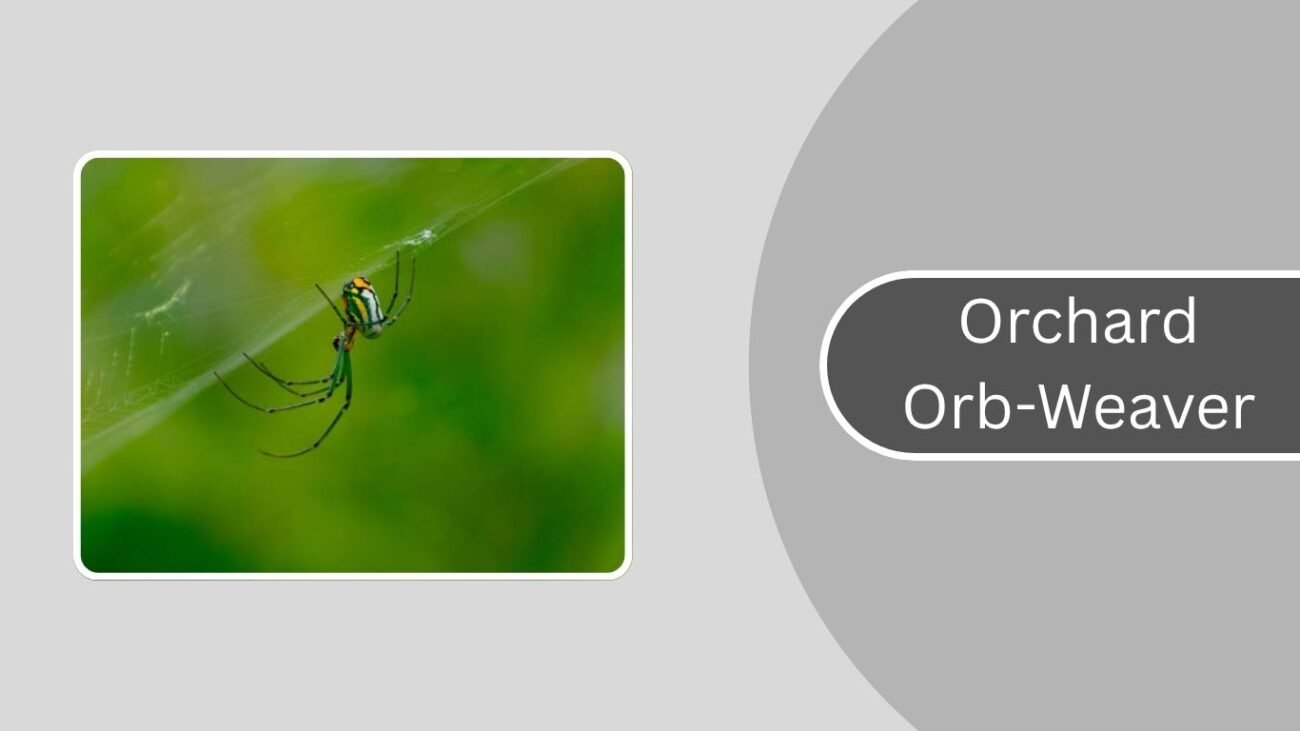
The orchard orb-weaver is a small but colorful spider, easily identified by its bright green body and silvery abdomen marked with black and yellow patterns. Despite its delicate size, it spins strong webs that are slightly angled instead of perfectly vertical.
Identification
- Scientific Name: Leucauge venusta
- Body Size: Females 5–7 mm, males slightly smaller
- Color: Green cephalothorax and legs, silver abdomen with black and yellow markings
- Web Shape: Orb web with a slight horizontal tilt
- Legs: Long, slender, and green
Habitat and Distribution
Found throughout North and Central America in orchards, gardens, forests, and shrublands.
Behavior and Diet
Feeds on tiny flies, gnats, and small moths, often resting underneath the center of the web while waiting for prey.
15. Green Orb-Weaver
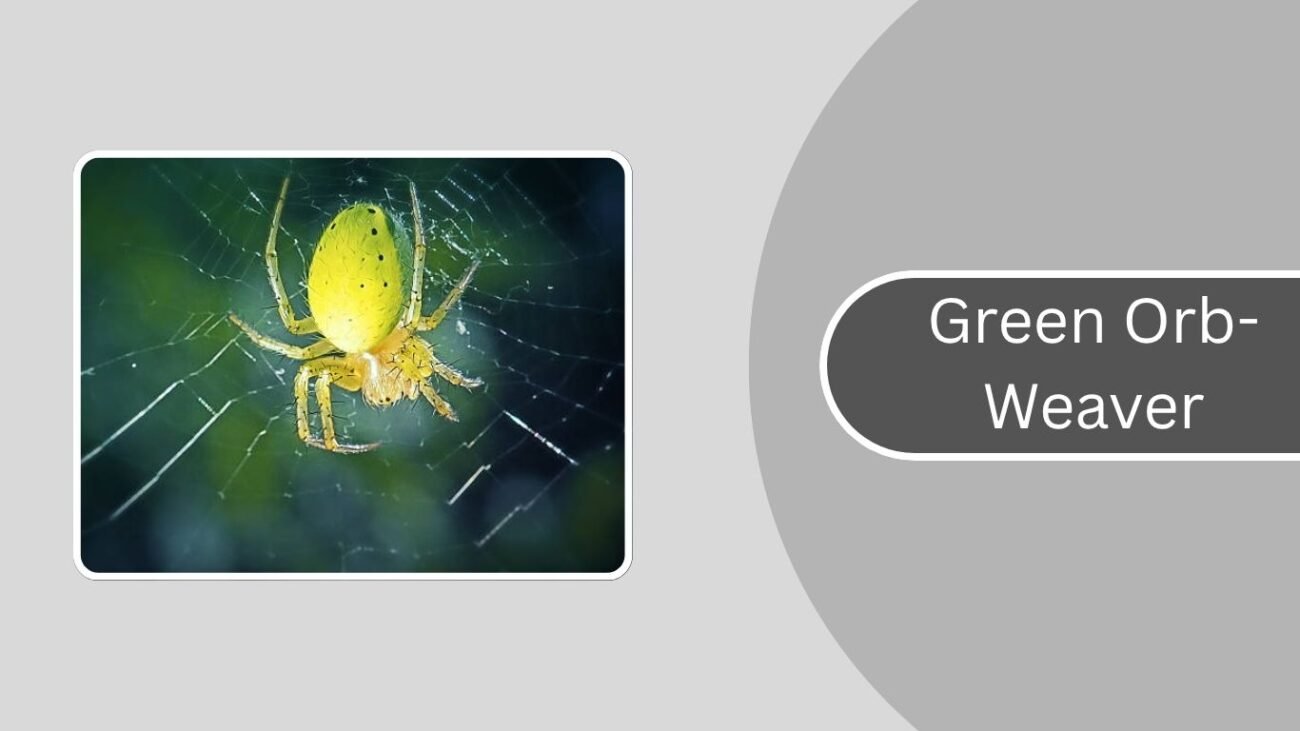
The green orb-weaver is a vibrant spider whose body color allows it to blend seamlessly with leaves and vegetation. This camouflage helps protect it from predators while hunting during the warmer months.
Identification
- Scientific Name: Araniella cucurbitina
- Body Size: Females 4–6 mm, males smaller
- Color: Bright green body with a small red or brown spot near the rear of the abdomen
- Web Shape: Small orb web in shrubs or low vegetation
- Legs: Green with faint darker joints
Habitat and Distribution
Common across Europe, Asia, and parts of North America, often in meadows, gardens, and forest edges.
Behavior and Diet
Feeds on small flying insects such as aphids, midges, and gnats, typically rebuilding its web daily in fresh locations.
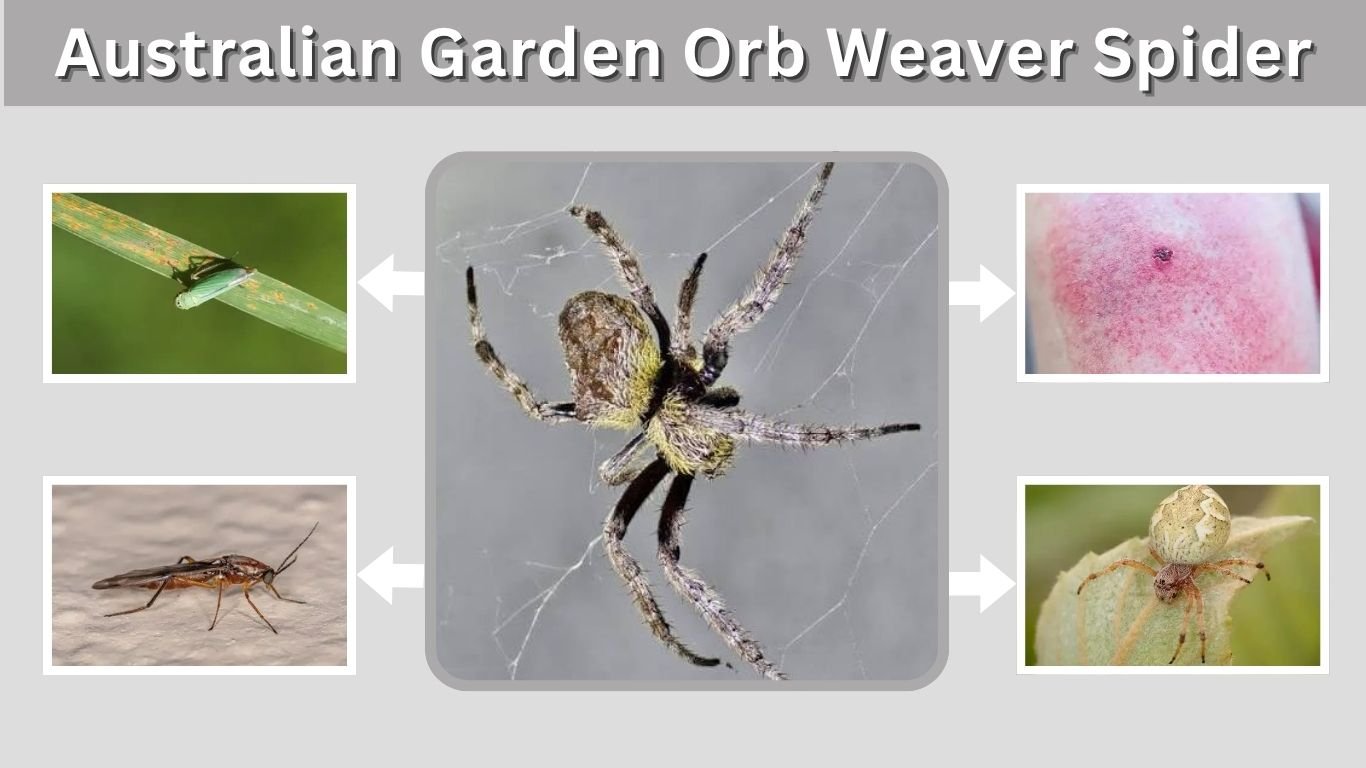
16. Australian Garden Orb-Weaver
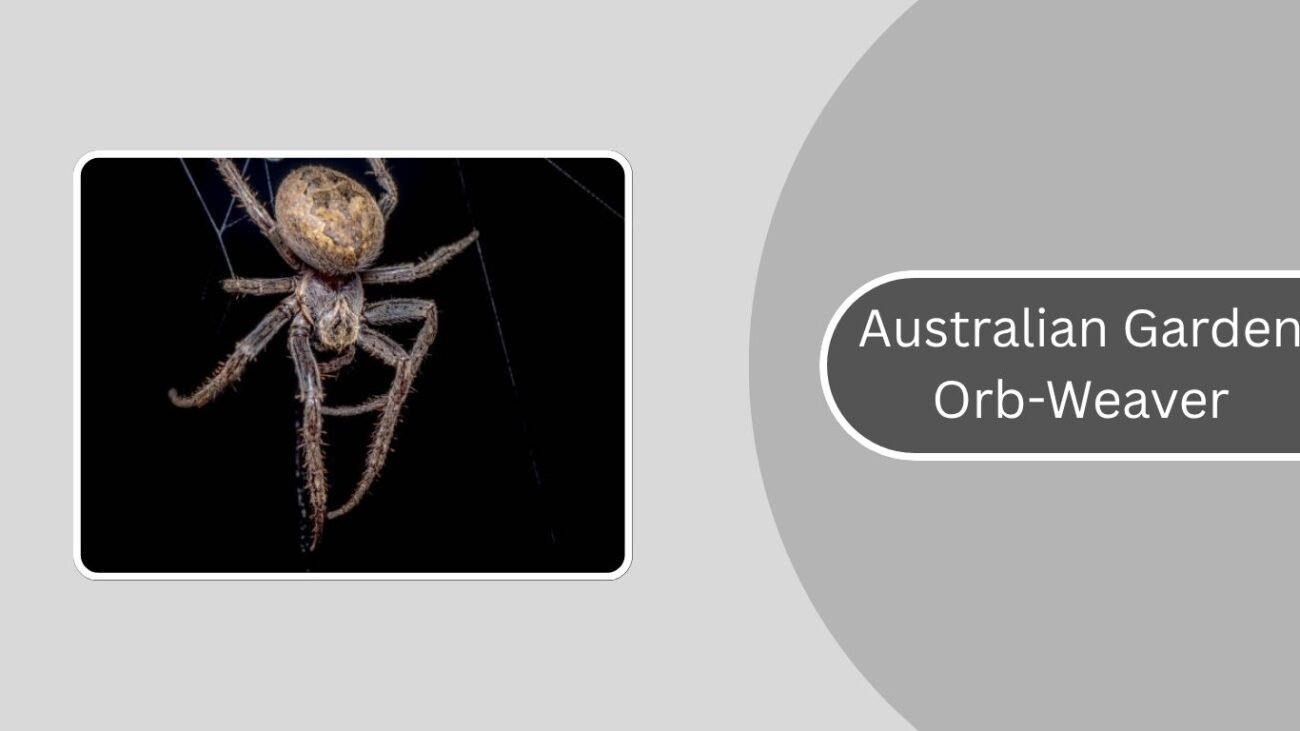
The Australian garden orb-weaver is a large and robust spider commonly seen in backyards and bushland across Australia. Known for its impressive web-building skills, it creates large, symmetrical orb webs to trap a variety of flying insects during the warmer months. These spiders often change color slightly after molting, which can make individuals look different throughout the year.
Identification
- Scientific Name: Eriophora transmarina
- Body Size: Females 2–3 cm, males smaller
- Color: Brown, reddish, or orange with a patterned abdomen
- Web Shape: Large orb web up to 1 meter in diameter
- Legs: Sturdy and hairy, often with banded segments
Habitat and Distribution
Found throughout Australia in gardens, forests, and open woodlands.
Behavior and Diet
Primarily nocturnal hunters, they consume moths, beetles, and other flying insects, often dismantling their webs in the morning to avoid damage from birds.
17. Hentz’s Orb-Weaver
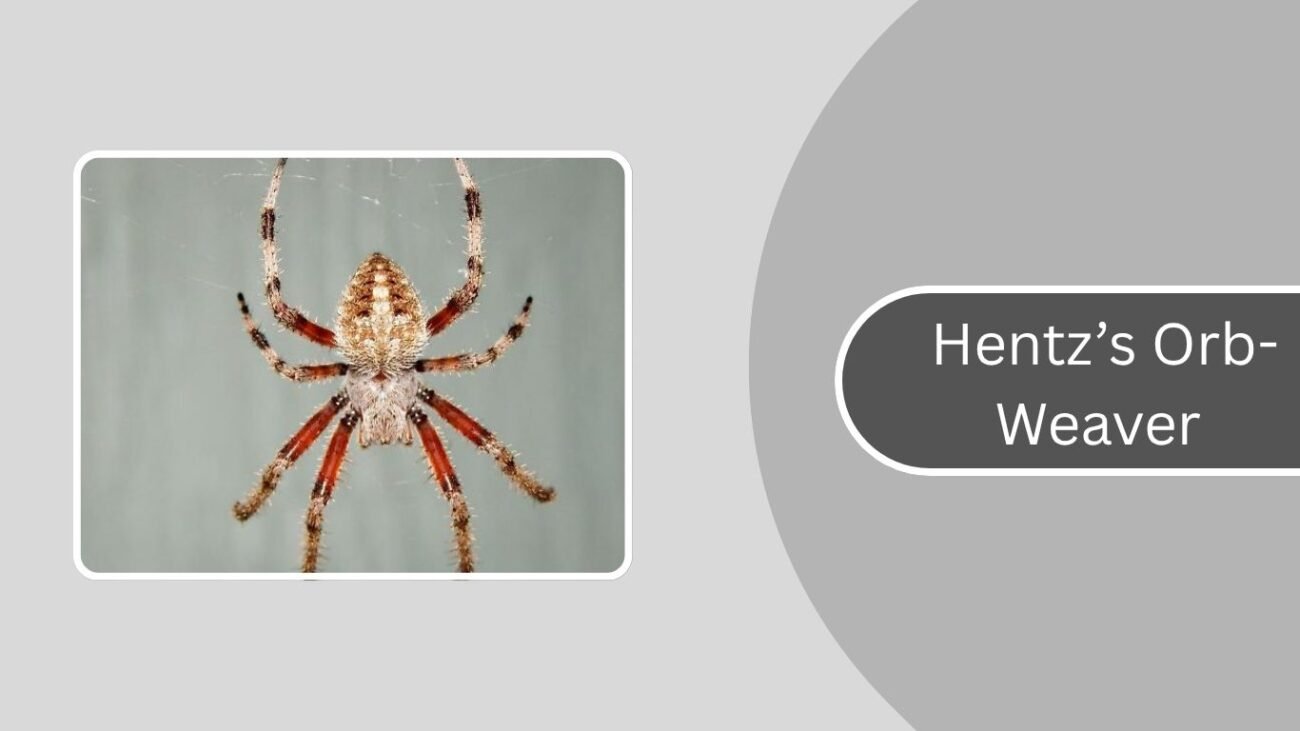
Hentz’s orb-weaver is a nocturnal spider often found in gardens, fields, and woodland edges. It is recognized by its round abdomen and subtle, earthy color patterns that help it blend with surrounding foliage.
Identification
- Scientific Name: Neoscona crucifera (sometimes also called spotted orb-weaver in some regions)
- Body Size: Females 1.5–2.5 cm, males smaller
- Color: Brown to reddish-brown with lighter markings
- Web Shape: Large, circular orb web, often rebuilt nightly
- Legs: Long, with faint banding and fine hairs
Habitat and Distribution
Found across North America, especially in areas with abundant insect prey.
Behavior and Diet
Feeds on moths, flies, and beetles, waiting patiently in the web’s center or nearby retreat until vibrations signal prey capture.
18. Lattice Orb-Weaver
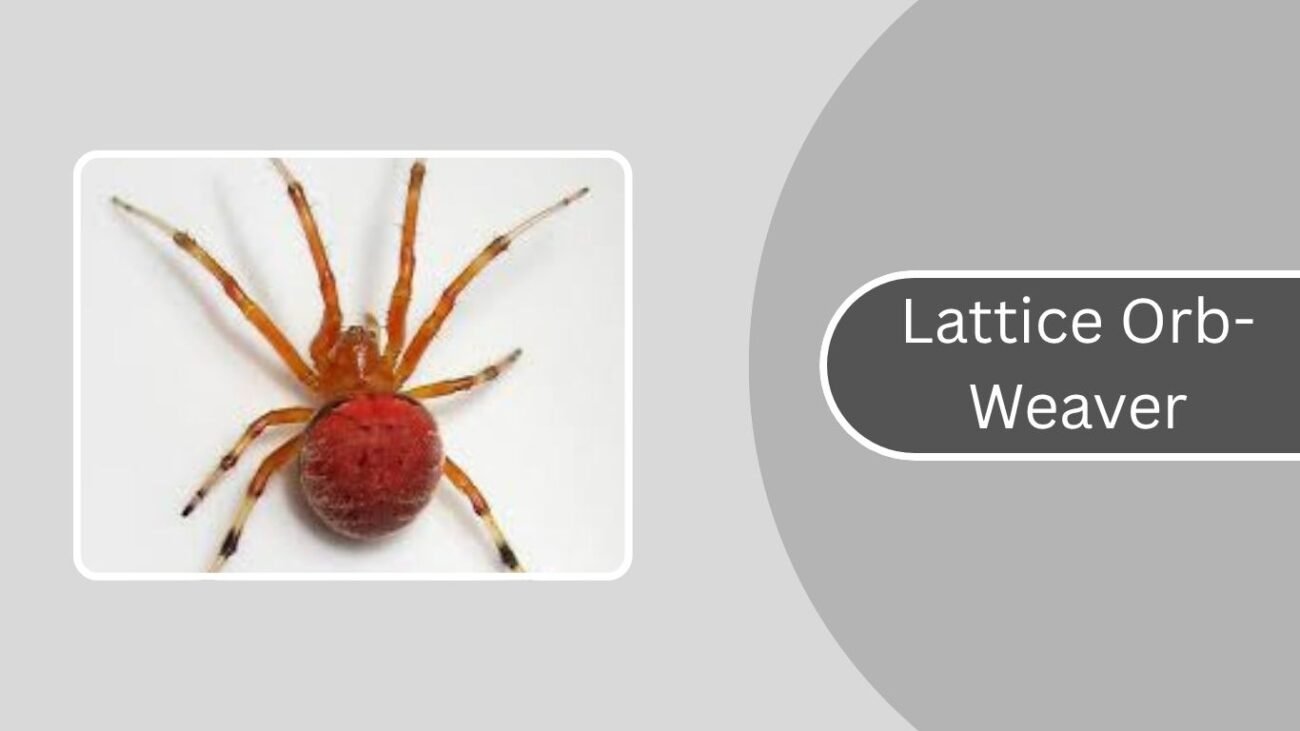
The lattice orb-weaver is admired for the intricate lattice-like markings on its rounded abdomen. These beautiful patterns give the spider its name and make it one of the more visually distinctive orb-weavers. It often builds its webs in open areas between shrubs, fences, or tall grasses, where there is plenty of insect activity.
Identification
- Scientific Name: Araneus thaddeus
- Body Size: Females 1–1.5 cm, males smaller
- Color: Light brown to reddish-brown with cream or white lattice markings on the abdomen
- Web Shape: Symmetrical orb web, medium to large in size
- Legs: Long, slender, and faintly banded
Habitat and Distribution
Found mainly in the eastern United States in gardens, meadows, and woodland edges.
Behavior and Diet
Feeds on small flying insects such as flies, mosquitoes, and moths, typically rebuilding its web each night for maximum effectiveness.
19. Long-Jawed Orb-Weaver
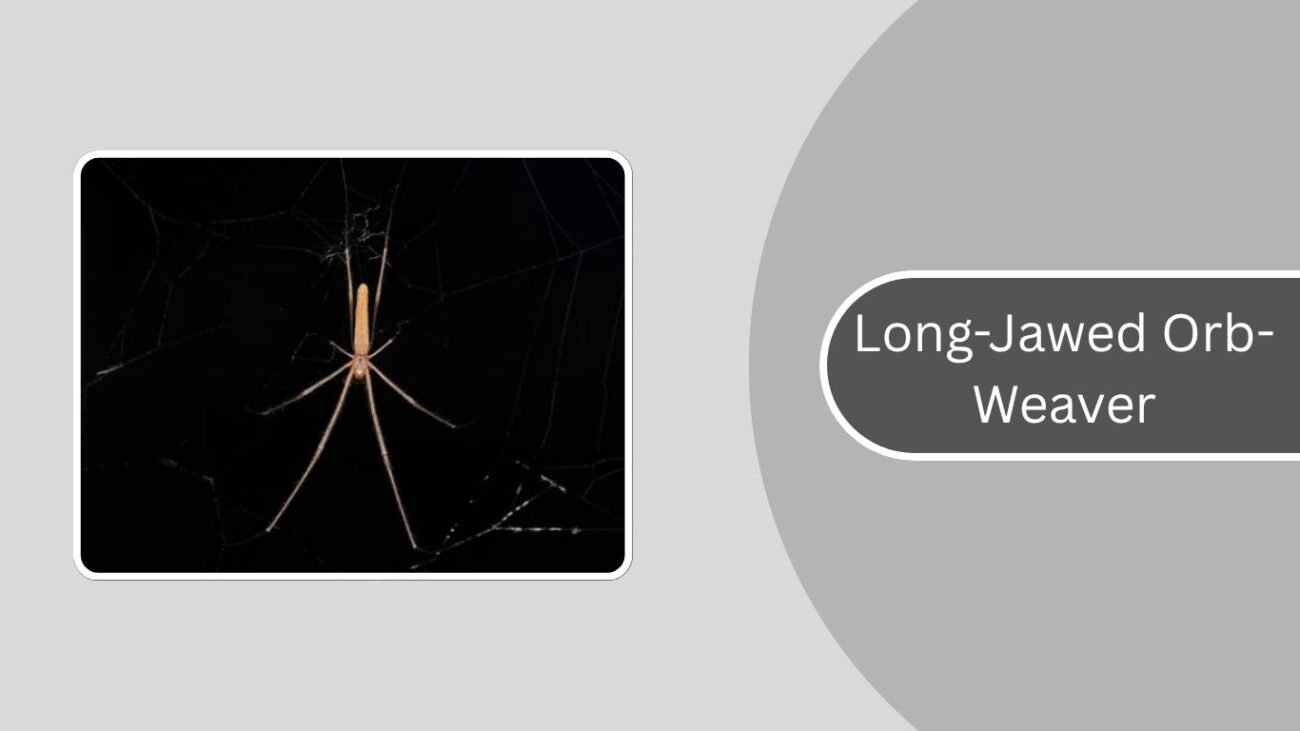
The long-jawed orb-weaver stands out from most other orb-weavers due to its elongated body and extremely long, thin legs. Unlike the typical round webs of other orb-weavers, this spider’s web can be slightly elongated or placed at an angle over water or in vegetation.
Identification
- Scientific Name: Tetragnatha spp.
- Body Size: Females 0.5–1.2 cm, males similar
- Color: Brown, green, or golden with a slender abdomen
- Web Shape: Orb-shaped but often irregular and angled
- Legs: Extremely long, thin, and spiny
Habitat and Distribution
Common worldwide, especially near wetlands, streams, and ponds.
Behavior and Diet
Preys on small flying insects like gnats and mosquitoes, often resting with legs stretched straight out to blend in with twigs or grass stems.
20. Silver Orb-Weaver
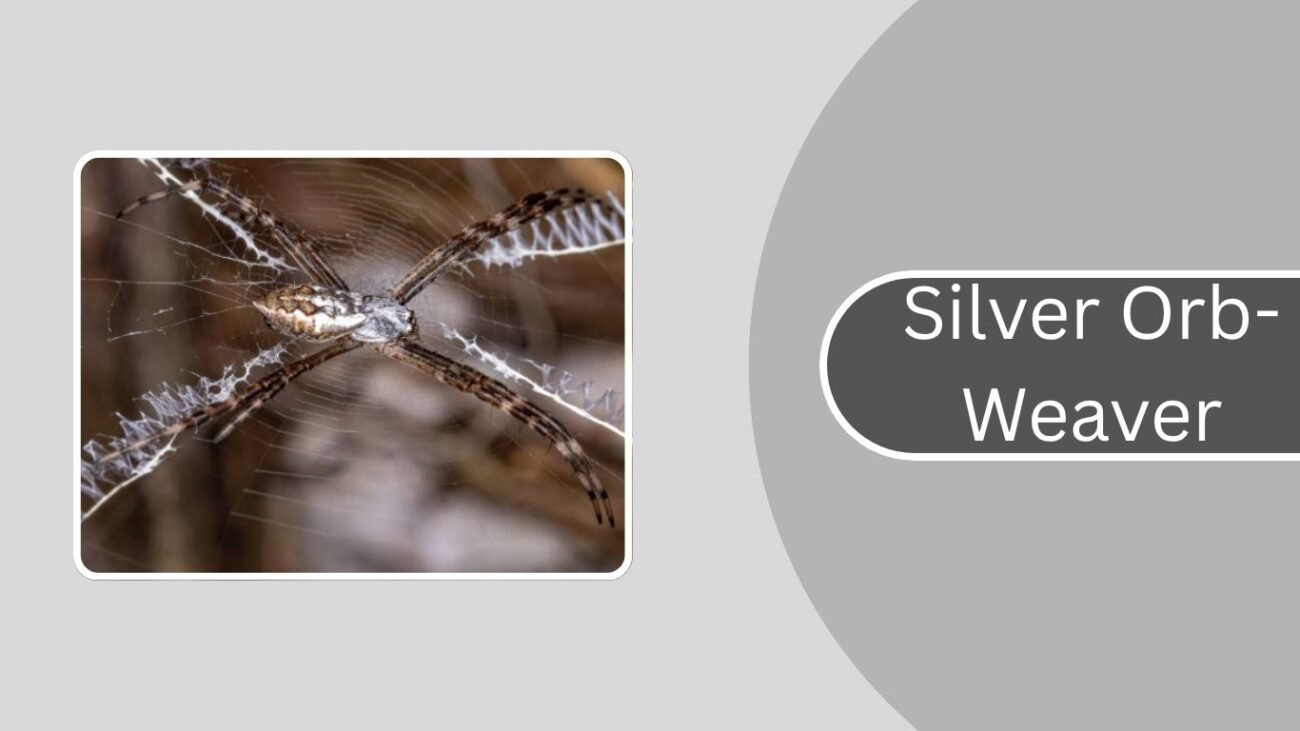
The silver orb-weaver is named for its gleaming, silvery abdomen, which can reflect sunlight and help camouflage it among bright leaves or sunlit spots. This reflective quality, along with its bold patterns, makes it a striking sight in gardens and open woodlands.
Identification
- Scientific Name: Leucauge granulata
- Body Size: Females 0.6–1.2 cm, males smaller
- Color: Silvery-white abdomen with green or yellow markings and dark lines
- Web Shape: Orb web with a slight horizontal tilt
- Legs: Long, slender, often greenish with black bands
Habitat and Distribution
Found across Southeast Asia, Australia, and parts of the Pacific, commonly in gardens, forests, and shrubs.
Behavior and Diet
Feeds on small flies, midges, and gnats, usually hanging beneath the web while waiting for prey.
21. Arrowhead Orb-Weaver
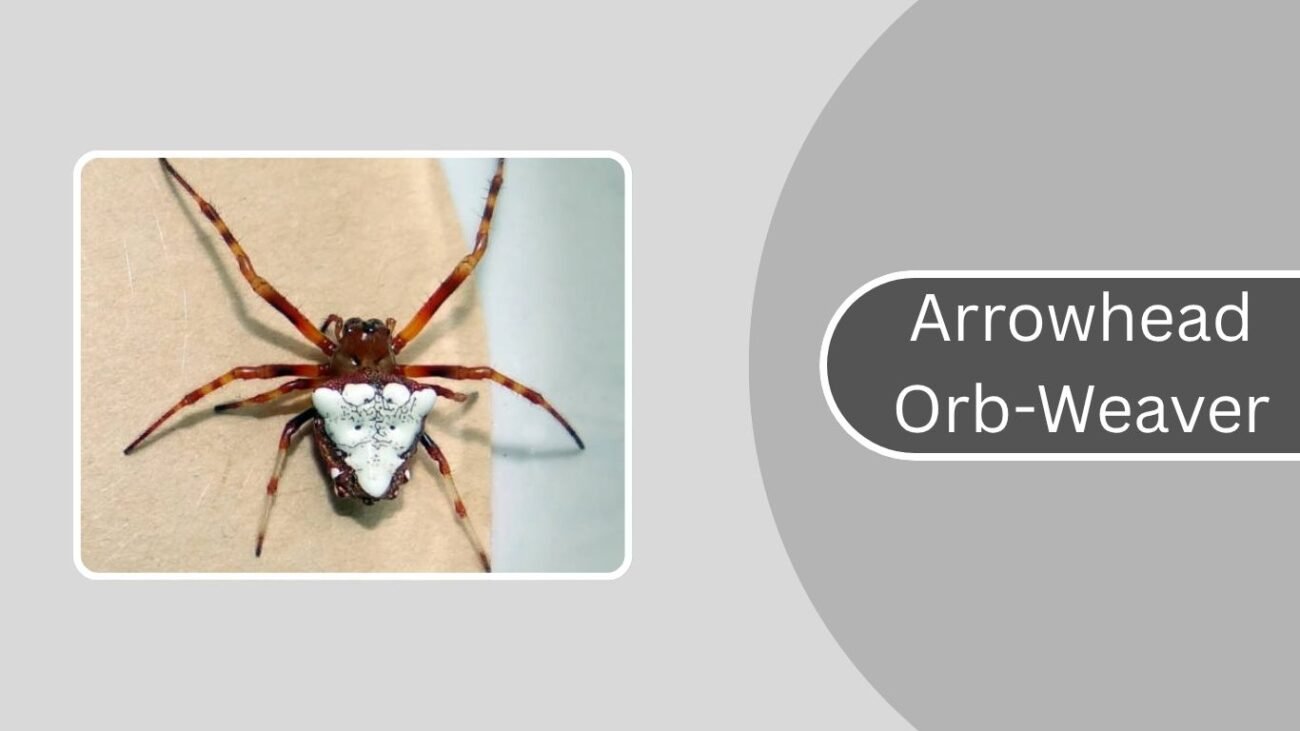
The arrowhead orb-weaver is a small but unique spider, instantly recognizable by the triangular or arrow-shaped pattern on its abdomen. Its bright colors can vary from yellow to pink, making it one of the more unusual orb-weavers to encounter.
Identification
- Scientific Name: Verrucosa arenata
- Body Size: Females 5–9 mm, males smaller
- Color: Yellow, white, or pink triangular abdomen with brown edges
- Web Shape: Small to medium orb web, often in sunny spots
- Legs: Brown with subtle banding
Habitat and Distribution
Found in North and Central America, particularly in gardens, forest edges, and meadows.
Behavior and Diet
Feeds on tiny flying insects, often sitting in the center of the web facing downward, which is uncommon for most orb-weavers.
22. Shamrock Orb-Weaver
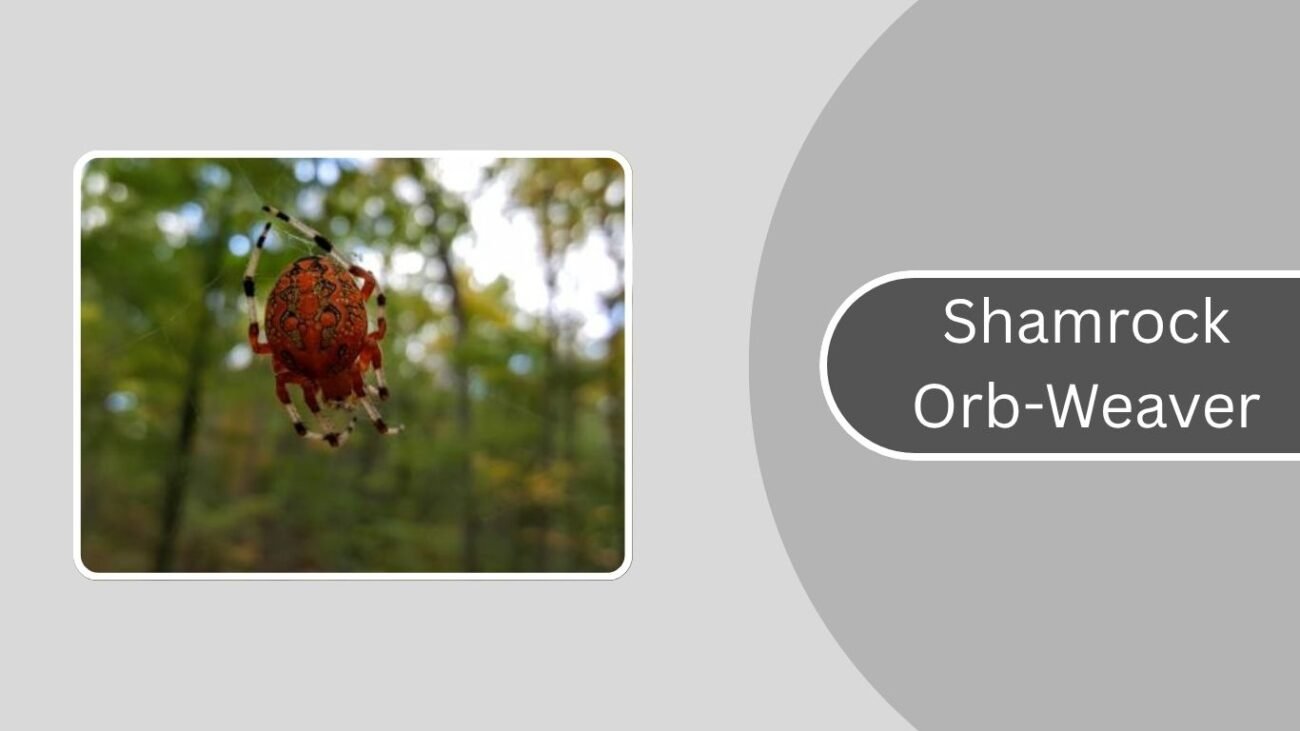
The shamrock orb-weaver is a colorful spider with a rounded abdomen that can appear in shades of green, orange, red, or yellow. Its name comes from the sometimes clover-like pattern on its back, though not all individuals display it. This species is most active in late summer and fall, often spotted in gardens and forests.
Identification
- Scientific Name: Araneus trifolium
- Body Size: Females 1.5–2.5 cm, males smaller
- Color: Green, orange, red, yellow, or cream with variable markings
- Web Shape: Large, circular orb web up to 60 cm in diameter
- Legs: Sturdy, often with reddish or brown banding
Habitat and Distribution
Found across North America in gardens, meadows, and woodland edges.
Behavior and Diet
Preys on flies, beetles, moths, and other insects, often rebuilding its web nightly for optimal capture success.
23. Cat-Faced Orb-Weaver
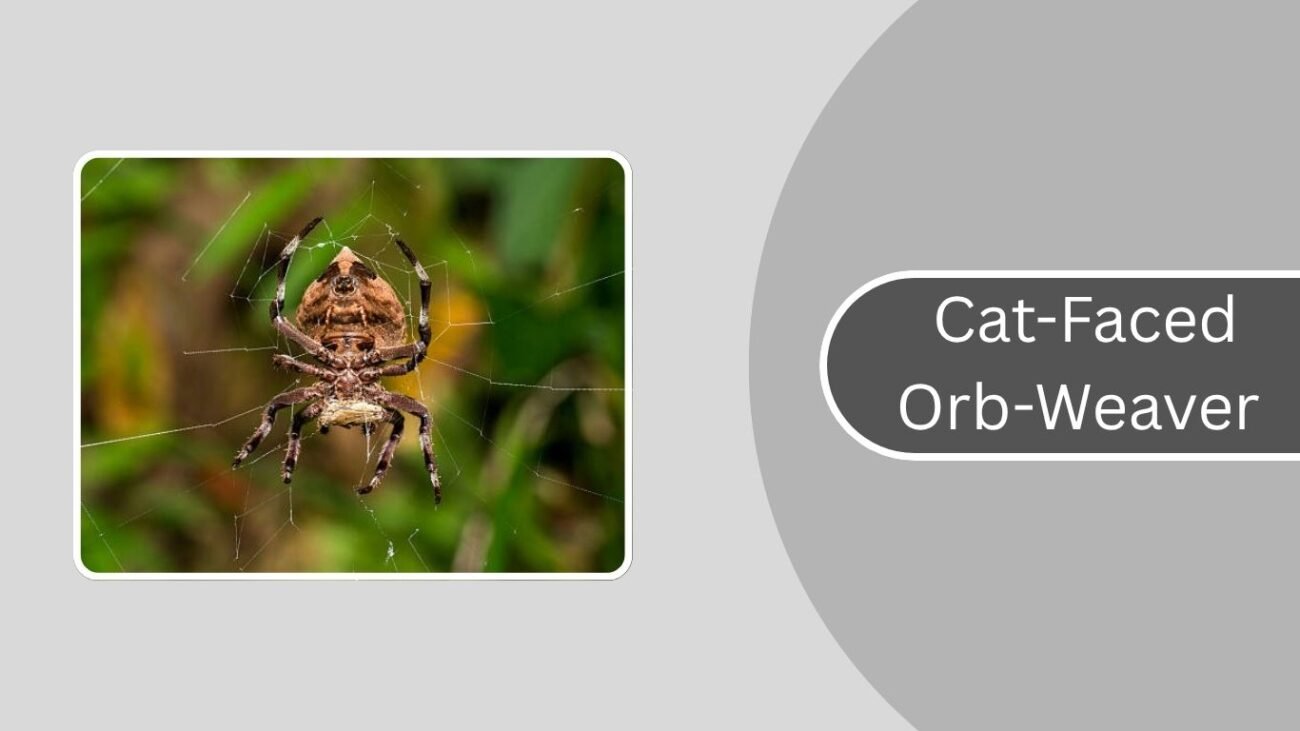
The cat-faced orb-weaver is easily recognized by the distinctive “ear-like” projections on its abdomen, which resemble a cat’s face. Despite their unusual appearance, these spiders are harmless and beneficial garden residents.
Identification
- Scientific Name: Araneus gemmoides
- Body Size: Females 1.5–2.5 cm, males smaller
- Color: Brown, tan, or gray with two prominent bumps on the abdomen
- Web Shape: Large, circular orb web
- Legs: Thick, covered in fine hairs, often with faint bands
Habitat and Distribution
Common in western North America, especially in gardens, fields, and near human structures.
Behavior and Diet
Feeds on moths, flies, and beetles, often remaining motionless in the center of its web during the evening and night.