Hummingbirds are tiny but highly skilled nest builders, creating some of the most delicate and intricate nests in the bird world. Their nests come in various forms depending on their environment, from classic cup-shaped designs to nests hidden in shrubs, on wires, or even reused from earlier broods. In this guide, you’ll discover 10 different types of hummingbird nests, each uniquely adapted to protect their eggs and chicks, with detailed information on how they’re built, where they’re found, and which species build them.
1. Cup Nest
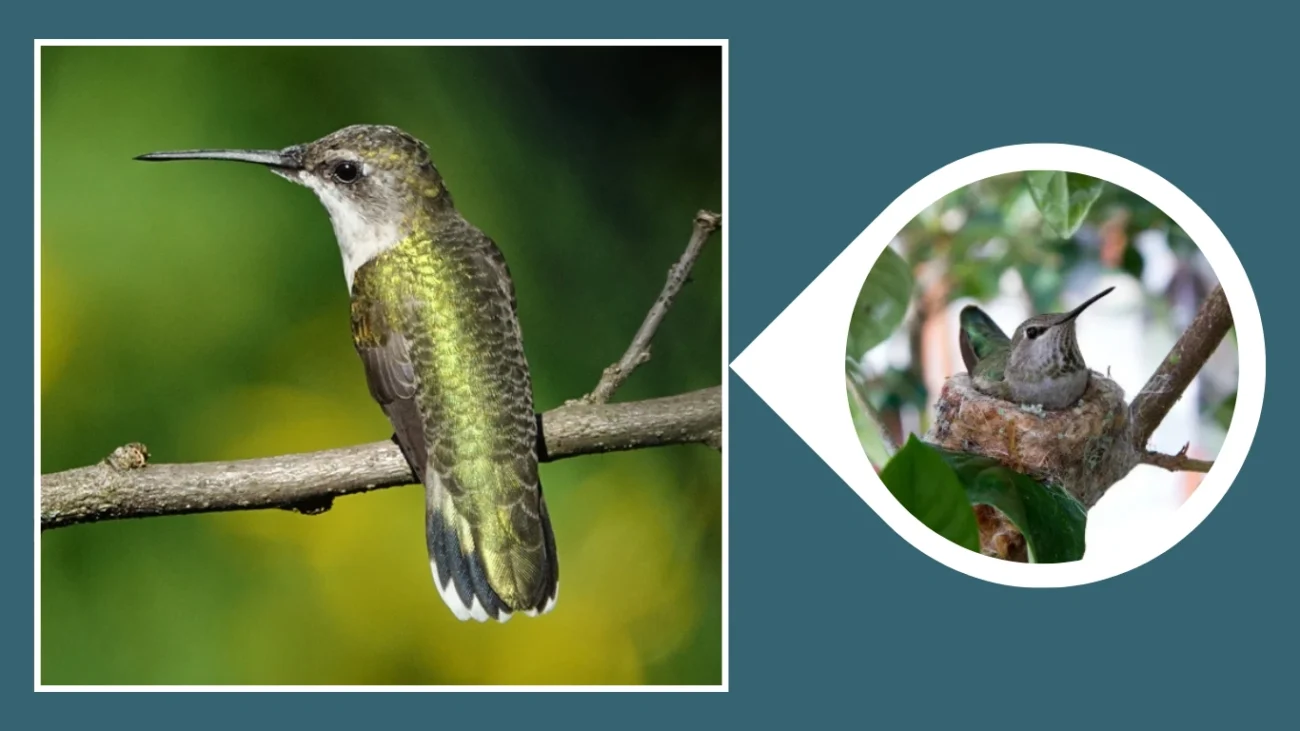
The cup nest is the most common and classic type of nest built by hummingbirds. It is small, compact, and shaped like a deep cup—perfectly designed to cradle their tiny eggs and chicks. These nests are usually built on thin tree branches or twigs, often near the end of a limb where predators are less likely to reach.
Nesting Process
- Select a slender, secure tree branch
- Collect plant down, moss, and soft fibers as base material
- Shape the materials into a tight cup using the hummingbird’s body
- Bind and strengthen the nest with spider silk for flexibility and durability
- Camouflage the outer layer with lichen or bark flakes to blend with the surroundings
Which Species Builds It
Most North and South American hummingbird species—including the Ruby-throated Hummingbird, Anna’s Hummingbird, and Black-chinned Hummingbird—construct cup nests. This design suits their lightweight bodies and arboreal environments.
Preferred Nesting Locations
Cup nests are often found on tree branches, shrub limbs, or vines, usually 5 to 20 feet above ground. The location offers partial shade, protection from rain, and a good vantage point for spotting intruders or food sources.
Nest Materials
- Plant fibers, dandelion or thistle down (base)
- Spider silk (to bind materials and allow flexibility)
- Moss and lichen (for insulation and camouflage)
- Feathers or fur (soft interior lining)
Eggs and Baby Hummingbirds
The female lays 2 tiny white eggs, each about the size of a pea. Incubation lasts 14 to 18 days, and hatchlings remain in the nest for another 2 to 3 weeks. The nest stretches slightly as chicks grow, thanks to the elastic spider silk structure.
2. Lichen-Covered Nest

Lichen-covered nests are a variation of the cup nest, camouflaged with bits of lichen on the outer surface to blend seamlessly into tree bark or branches. This natural disguise helps protect the nest from predators by making it nearly invisible from a distance.
Nesting Process
- Choose a branch that matches the color of nearby lichen
- Build a cup-shaped nest using plant fibers and spider silk
- Attach patches of lichen to the outside while weaving for camouflage
- Press and shape the structure using the body to form a snug interior
- Reinforce the nest’s edge with additional silk and lichen flakes
Which Species Builds It
Species like the Ruby-throated Hummingbird, Anna’s Hummingbird, and Costa’s Hummingbird often use lichen for disguise. These birds prefer nesting in areas with plenty of tree bark, moss, and natural texture.
Preferred Nesting Locations
Usually found on branches of trees such as oak, sycamore, or pine, typically 6 to 30 feet high. Lichen-covered nests are often built near shaded areas or forest edges where lichen is plentiful and lighting makes the camouflage more effective.
Nest Materials
- Fine plant fibers and flower down (main structure)
- Spider silk (binding and elasticity)
- Gray-green lichen (camouflage)
- Moss, bark flakes, and sometimes insect casings
Eggs and Baby Hummingbirds
The female lays 2 eggs, incubated for about 15 to 17 days. After hatching, the chicks remain in the nest for 18 to 23 days. The nest expands slightly as they grow, retaining its form while staying hidden in plain sight.
3. Branch Nest

Branch nests are built directly on the top or side of slender tree branches or twigs. Unlike nests tucked in forks or shrubs, these are exposed but carefully positioned to ensure balance and stability. Hummingbirds choose strong, narrow branches where movement is minimal and predators have difficulty accessing.
Nesting Process
- Select a narrow but stable tree branch
- Collect soft plant material, fluff, and spider silk
- Construct a small, circular cup nest directly on top of the branch
- Use silk to anchor the nest firmly to prevent slipping or falling
- Decorate and camouflage with lichen or bark to match the branch
Which Species Builds It
Black-chinned Hummingbirds, Anna’s Hummingbirds, and Calliope Hummingbirds commonly use this nesting method, especially in open woodlands, gardens, or near human dwellings with small ornamental trees.
Preferred Nesting Locations
Typically located on horizontal branches 5 to 15 feet above ground, often on oak, birch, maple, or fruit trees. Hummingbirds may also choose branches overhanging water, trails, or fences to stay out of reach from ground predators.
Nest Materials
- Soft fibers: dandelion down, cattail fluff, or cottony seed heads
- Spider silk for anchoring and flexibility
- Bits of bark, moss, and lichen for camouflage
- Animal hair or feathers for interior softness
Eggs and Baby Hummingbirds
The female lays 2 pea-sized eggs and incubates them for about 14 to 18 days. Chicks remain in the nest for 2 to 3 weeks before fledging. The open location of a branch nest means the mother stays nearby and alert to deter predators.
4. Fork Nest

Fork nests are built in the junction (or “fork”) where two or more branches split. This location provides natural support and wind resistance, helping the nest remain stable. The surrounding limbs also offer a bit of cover and structure, making fork nests both safe and secure.
Nesting Process
- Identify a forked branch in a tree or shrub with enough space for a small cup
- Weave soft plant materials into the fork’s angles to create a stable base
- Use spider silk to anchor the nest and wrap around both supporting branches
- Add moss, bark, and lichen for camouflage
- Shape the nest bowl carefully to cradle the eggs
Which Species Builds It
Allen’s Hummingbirds, Anna’s Hummingbirds, and Broad-tailed Hummingbirds frequently build fork nests, especially in dense shrubs or small trees near garden edges or forest openings.
Preferred Nesting Locations
These nests are typically built 5 to 20 feet high in trees like sycamore, elm, oak, and shrubs with strong branching structure. The fork provides a natural cradle that holds the nest in place even during storms or wind gusts.
Nest Materials
- Plant fibers, seed fluff, and small twigs (for structure)
- Spider silk for binding and elasticity
- Bark pieces, lichen, and moss for camouflage
- Feathers and fur to cushion the interior
Eggs and Baby Hummingbirds
The female lays 2 eggs, which she incubates for around 16 days. Once hatched, chicks stay in the nest for 2 to 3 weeks. The forked location provides balance and strength as the nest stretches to accommodate growing chicks.
5. Shrub Nest

Shrub nests are built low to the ground inside thick bushes, hedges, or ornamental garden plants. These nests are well hidden by dense foliage, offering protection from predators and harsh weather. This type is especially common in suburban and garden environments where hummingbirds adapt to man-made landscapes.
Nesting Process
- Choose a dense shrub or hedge with good internal structure
- Construct a small cup-shaped nest within the bush, nestled between stems
- Use plant down, moss, and fibers to build the nest body
- Secure it using spider silk to anchor it to multiple stems
- Camouflage the exterior with leaves or bark fragments
Which Species Builds It
Ruby-throated Hummingbirds and Anna’s Hummingbirds are known to build shrub nests, particularly in backyards, parks, or near flowering gardens. They often select locations close to nectar sources and water.
Preferred Nesting Locations
These nests are typically built 3 to 8 feet above ground inside garden shrubs, thorny bushes, or vines. Hummingbirds choose spots with thick leaf cover and minimal foot traffic nearby to avoid disturbance.
Nest Materials
- Plant down and leaf fibers (main structure)
- Spider silk to bind and anchor to surrounding branches
- Moss, bark chips, and dried leaves (for cover and stability)
- Interior lined with fur, cottony seeds, or feathers
Eggs and Baby Hummingbirds
The female lays 2 tiny white eggs and incubates them for 14 to 17 days. The nest remains hidden in the foliage, allowing chicks to develop safely over the next 2 to 3 weeks before they fledge.
6. Artificial Object Nest

Artificial object nests are built on or within man-made structures such as hanging wires, string lights, garden decorations, wind chimes, or even clotheslines. These creative nesting sites are a result of hummingbirds adapting to urban and suburban environments where natural nesting options may be limited.
Nesting Process
- Locate a secure, narrow man-made object with minimal movement
- Begin building a cup nest using soft plant fibers and spider silk
- Wrap and anchor the nest tightly around the object using silk
- Add bark pieces or lichen for camouflage if nearby foliage is lacking
- Shape the nest to balance between stability and stretch
Which Species Builds It
Anna’s Hummingbirds, Black-chinned Hummingbirds, and Ruby-throated Hummingbirds have all been observed nesting on artificial items. This behavior is most common in backyards, porches, and patios where people hang decorations or wires.
Preferred Nesting Locations
These nests are found on clotheslines, wires, metal rods, rope, holiday lights, or hanging planters—typically 4 to 10 feet above ground. Hummingbirds select locations that offer shelter from wind and rain, often under eaves or porch overhangs.
Nest Materials
- Plant down, thistle fluff, and cottony seeds
- Spider silk for flexibility and adhesion
- Urban materials like string, paper shreds, or synthetic fibers
- Soft lining with fur or feathers for egg cushioning
Eggs and Baby Hummingbirds
The female lays 2 small eggs, which she incubates for 15 to 18 days. Despite being on artificial surfaces, the nests function the same as those in natural settings. Chicks stay in the nest for 2 to 3 weeks, often right outside human homes without people realizing.
7. Palm Nest

Palm nests are built on the hanging or fan-like fronds of palm trees. These nests benefit from elevation, airflow, and protection from many ground predators. Hummingbirds often choose older, drooping palm leaves or the base where fronds attach to the trunk for better support and concealment.
Nesting Process
- Select a drooping palm frond or sheltered fold near the trunk
- Gather plant fibers, fluff, and spider silk from nearby vegetation
- Weave the nest into the leaf folds or attach it to the leaf’s base
- Use spider silk to firmly bind the nest in place despite wind sway
- Camouflage using bits of palm bark, moss, or lichen
Which Species Builds It
Anna’s Hummingbirds, Costa’s Hummingbirds, and Black-chinned Hummingbirds are frequently observed nesting in palm trees, especially in warm regions like California, Arizona, and parts of Mexico.
Preferred Nesting Locations
Nests are placed 10 to 40 feet high within the crown or outer leaves of palms such as fan palms or date palms. They’re often found in residential yards, golf courses, or urban landscapes with ornamental palm trees.
Nest Materials
- Palm fiber, plant down, and soft grass
- Spider silk for binding and flexibility
- Dried palm leaf strips and lichen for camouflage
- Lining made from fur, feathers, or cottony material
Eggs and Baby Hummingbirds
The female lays 2 white eggs, incubated for about 15 to 17 days. The palm’s elevation and foliage provide shade and breeze while protecting chicks for 2 to 3 weeks until fledging.
8. Nest on Clothesline or Wire

Some hummingbirds build their nests on thin horizontal wires like clotheslines, garden cables, or utility wires. These narrow surfaces mimic the shape of small tree branches, and when placed in quiet areas, they provide a surprisingly stable and accessible nesting site.
Nesting Process
- Locate a wire or clothesline in a sheltered, low-traffic area
- Begin forming the cup-shaped nest directly on the wire using plant fibers
- Wrap spider silk tightly around the wire and nest for strong anchoring
- Add natural materials for camouflage to match surroundings
- Shape the bowl carefully to stay balanced on the thin surface
Which Species Builds It
Ruby-throated Hummingbirds, Black-chinned Hummingbirds, and Anna’s Hummingbirds have all been documented using clotheslines and wires for nesting, particularly in gardens and rural backyards with nearby nectar sources.
Preferred Nesting Locations
Common sites include clotheslines, string lights, metal rods, and fence wires, often 5 to 10 feet above ground. These nests are typically found near porches, garden trellises, or shaded outdoor spaces where activity is minimal.
Nest Materials
- Cottony plant fibers, dandelion fluff, and soft grass
- Spider silk for securing the nest to wire
- Camouflage: bark flakes, lichen, or dust
- Interior padding with fur or feathers
Eggs and Baby Hummingbirds
The female lays 2 tiny white eggs and incubates them for 14 to 17 days. Despite the exposed setting, hummingbirds defend these nests fiercely. Chicks stay in the nest for around 2 to 3 weeks until they are ready to fledge.
9. Reused Nest Base

Reused nest bases are old hummingbird nests that the female returns to and rebuilds for a new brood. Instead of starting from scratch, she strengthens and re-lines the existing structure, saving time and effort. This behavior is especially common in areas where nesting sites are limited or when the previous nest was successful.
Nesting Process
- Locate a previously used nest from an earlier season or brood
- Inspect and clean the old structure if still intact
- Reinforce with new plant fibers, moss, and spider silk
- Repair weak spots and reshape the cup to fit new eggs
- Add fresh lining material to ensure a warm, clean interior
Which Species Builds It
Anna’s Hummingbirds and Ruby-throated Hummingbirds are among the most likely to reuse nest bases, particularly in warmer climates where multiple broods are raised per season. Some may reuse their own nest, while others may claim abandoned ones.
Preferred Nesting Locations
These reused nests are found in the same spots as the originals—on tree branches, shrubs, wires, or palm fronds, typically 5 to 20 feet above ground. Reuse often happens in familiar territories with consistent food and shelter.
Nest Materials
- Original nest remains: twigs, plant fibers, silk
- New outer layers for support using moss, bark, or grass
- Reinforcement with fresh spider silk
- Inner lining replaced with new feathers, fur, or seed fluff
Eggs and Baby Hummingbirds
The female lays 2 new eggs, incubates for 14 to 18 days, and raises the chicks over 2 to 3 weeks. Reused nests are slightly more fragile but still functional with proper maintenance, often supporting multiple successful broods in a single season.
FAQs About Hummingbird Nests
How big is a hummingbird nest?
Hummingbird nests are very small—usually about the size of a golf ball or 1–2 inches in diameter. They are built to perfectly cradle two tiny eggs.
What is hummingbird nest made of?
Hummingbirds use plant down, moss, spider silk, bark flakes, lichen, and animal hair. Spider silk is especially important because it makes the nest flexible enough to stretch as chicks grow.
Do hummingbirds use the same nest twice?
Yes, some hummingbirds reuse nest bases from previous seasons or broods. They usually add new layers and re-line the nest before laying new eggs.
Where do hummingbirds usually build their nests?
Hummingbirds nest in trees, shrubs, palm fronds, wires, and even garden decorations. They prefer spots that are hidden, sheltered, and close to food sources like flowering plants.
How long do baby hummingbirds stay in the nest?
Baby hummingbirds typically stay in the nest for about 18 to 23 days after hatching. During this time, the mother feeds them frequently until they are strong enough to fly.