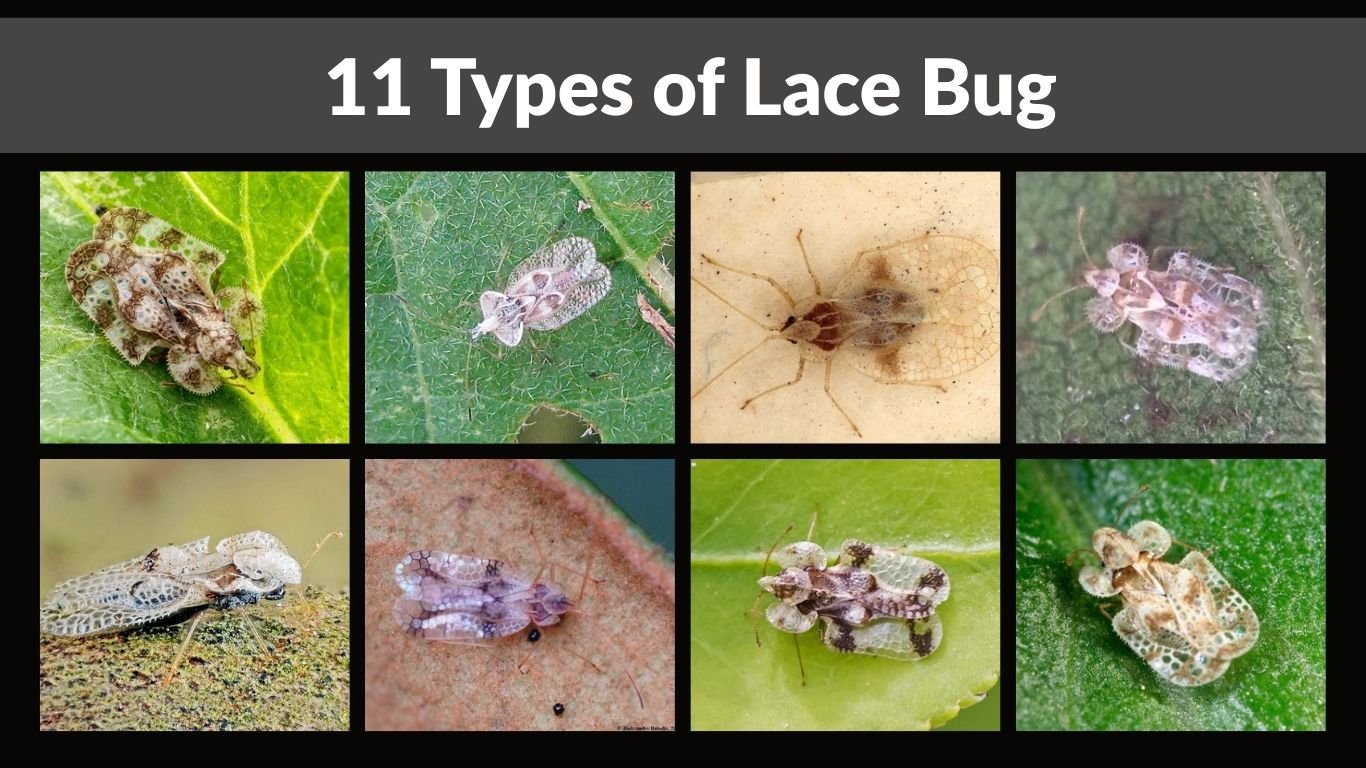
Lace bugs are small sap-feeding insects recognized for their delicate, lace-like wings and their tendency to infest a wide range of plants. While tiny in size, they can cause significant damage to leaves, leading to discoloration, reduced vigor, and sometimes premature leaf drop. Found on the undersides of leaves, lace bugs are important pests in agriculture, forestry, and ornamental horticulture worldwide.
1. Corythucha ciliata (Sycamore Lace Bug)
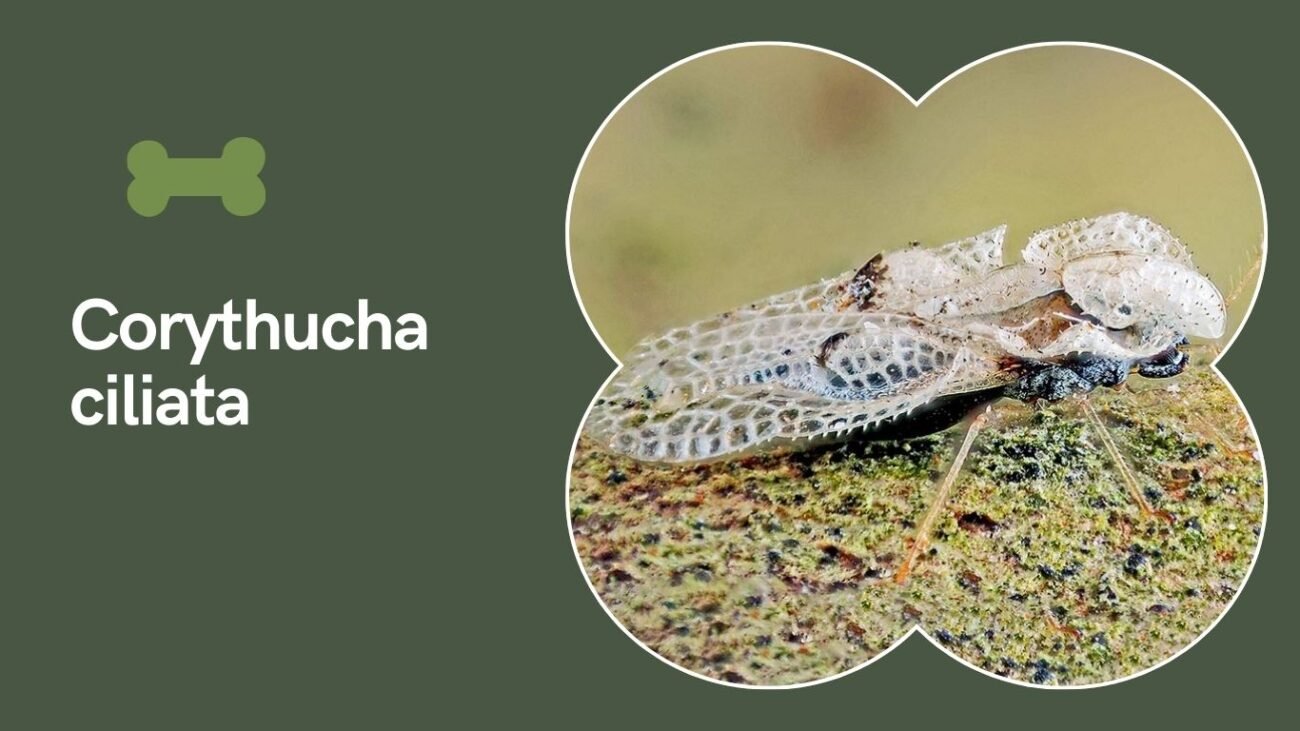
The Sycamore lace bug (Corythucha ciliata) is a common pest of sycamore trees, known for its ornate, lace-like wings and its ability to cause significant damage to foliage. Originally native to North America, it has spread to various parts of the world.
Identification
- Small insect, about 3–4 mm in length
- Transparent, lace-like wings with delicate vein patterns
- Body whitish to light brown with darker markings
- Flattened, oval-shaped body structure
- Distinctive hood-like pronotum covering part of the head
Habitat
This species primarily inhabits sycamore trees but may also be found on related species in urban parks, gardens, and forests. It tends to live on the undersides of leaves where it feeds and reproduces.
Behaviors
Sycamore lace bugs are sap feeders, piercing the underside of leaves with their mouthparts. Their feeding causes yellow stippling, browning, and premature leaf drop. Large infestations can weaken trees, especially in urban environments.
Diet
The diet consists mainly of plant sap drawn from sycamore leaves. Occasionally, they may feed on other broad-leaved trees, but their preference remains sycamore species.
2. Corythucha arcuata (Oak Lace Bug)
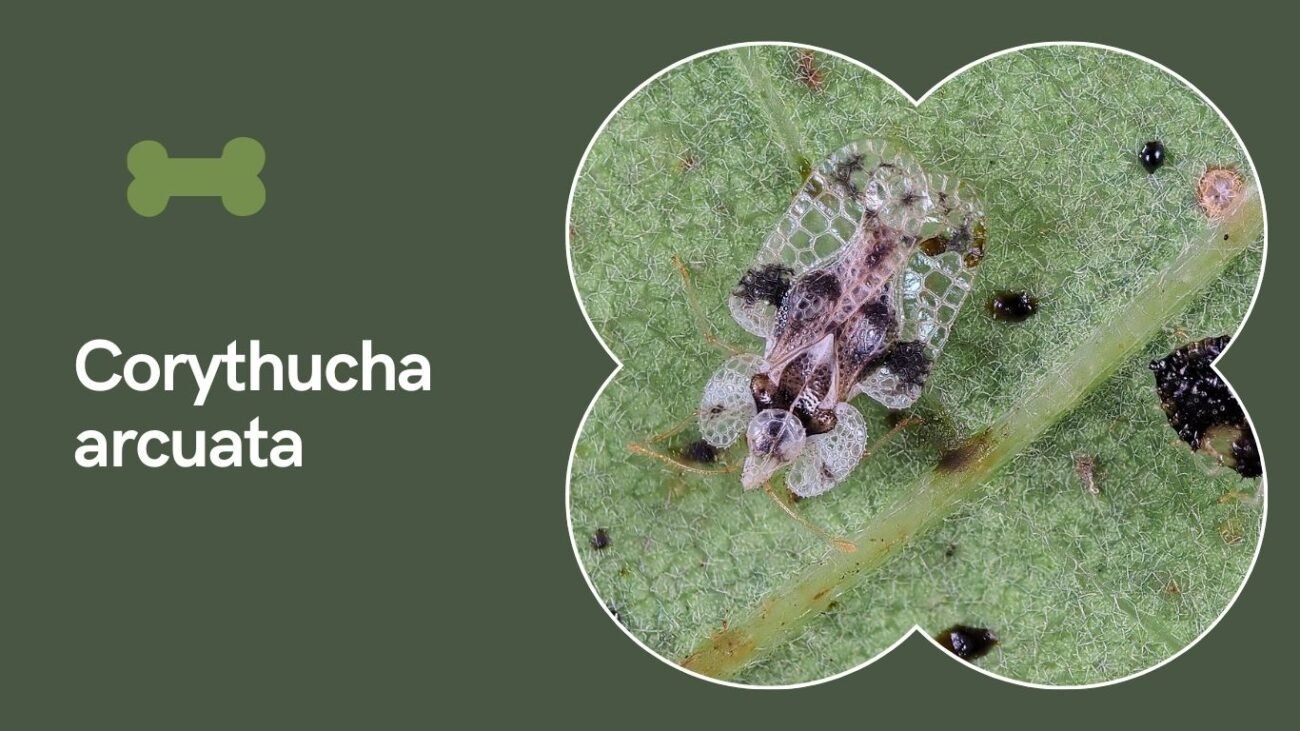
The Oak lace bug (Corythucha arcuata) is a small insect that feeds primarily on oak trees. It is notable for its lace-like wings and the damage it causes to oak foliage, which can affect both forest and ornamental trees.
Identification
- Small insect, about 3–4 mm long
- Transparent, lace-like wings with reticulated patterns
- Body pale whitish-gray with darker spots
- Oval and flattened body shape
- Hood-like pronotum extending over the head
Habitat
This species inhabits oak trees, particularly in temperate forests and urban landscapes. It is most commonly found on the undersides of oak leaves, where it feeds and breeds.
Behaviors
Oak lace bugs feed by piercing leaves with their mouthparts and extracting sap. Their feeding results in yellow speckling, leaf browning, and reduced tree vigor. In heavy infestations, entire canopies may appear scorched.
Diet
Their diet consists almost exclusively of oak tree sap. While they prefer oak, in high populations they may occasionally feed on other hardwoods.
3. Corythucha cydoniae (Hawthorn Lace Bug)

The Hawthorn lace bug (Corythucha cydoniae) is a small sap-feeding insect commonly associated with hawthorn trees. Like other lace bugs, it is recognized by its delicate, lace-like wings and its tendency to weaken host plants through heavy feeding.
Identification
- Tiny insect, around 3–4 mm long
- Semi-transparent wings with lace-like venation
- Pale whitish-gray body with darker mottling
- Oval and flattened shape
- Pronotum expanded, forming a hood-like covering over the head
Habitat
This species is found primarily on hawthorn trees but may also occur on related species in orchards, gardens, and hedgerows. It lives on the undersides of leaves, where it feeds and lays eggs.
Behaviors
Hawthorn lace bugs suck plant sap, leading to yellow speckling, browning, and potential premature leaf drop. Heavy infestations can weaken host plants and reduce their ornamental or fruiting value.
Diet
Their diet is composed mainly of hawthorn leaf sap. While they show a strong preference for hawthorn, they may occasionally exploit other rosaceous plants if available.
4. Corythucha juglandis (Walnut Lace Bug)

The Walnut lace bug (Corythucha juglandis) is a specialist insect that primarily targets walnut trees. Its feeding activity can weaken leaves, leading to reduced photosynthesis and overall tree health decline when infestations are severe.
Identification
- Small insect, typically 3–4 mm long
- Wings transparent with intricate lace-like venation
- Body pale to whitish with darker markings
- Oval, flattened shape
- Pronotum forms a hood-like extension over the head
Habitat
This species is found mainly on walnut trees, both in natural forests and cultivated orchards. It resides on the undersides of leaves, where it is well-camouflaged against the leaf surface.
Behaviors
Walnut lace bugs feed by piercing walnut leaves and extracting sap. Their feeding creates pale stippling that may progress to browning and early leaf drop. Severe infestations can stress young or ornamental walnut trees.
Diet
The diet consists almost exclusively of sap from walnut tree leaves. While walnut is its primary host, rare occurrences on related tree species have been observed.
5. Corythucha marmorata (Chrysanthemum Lace Bug)
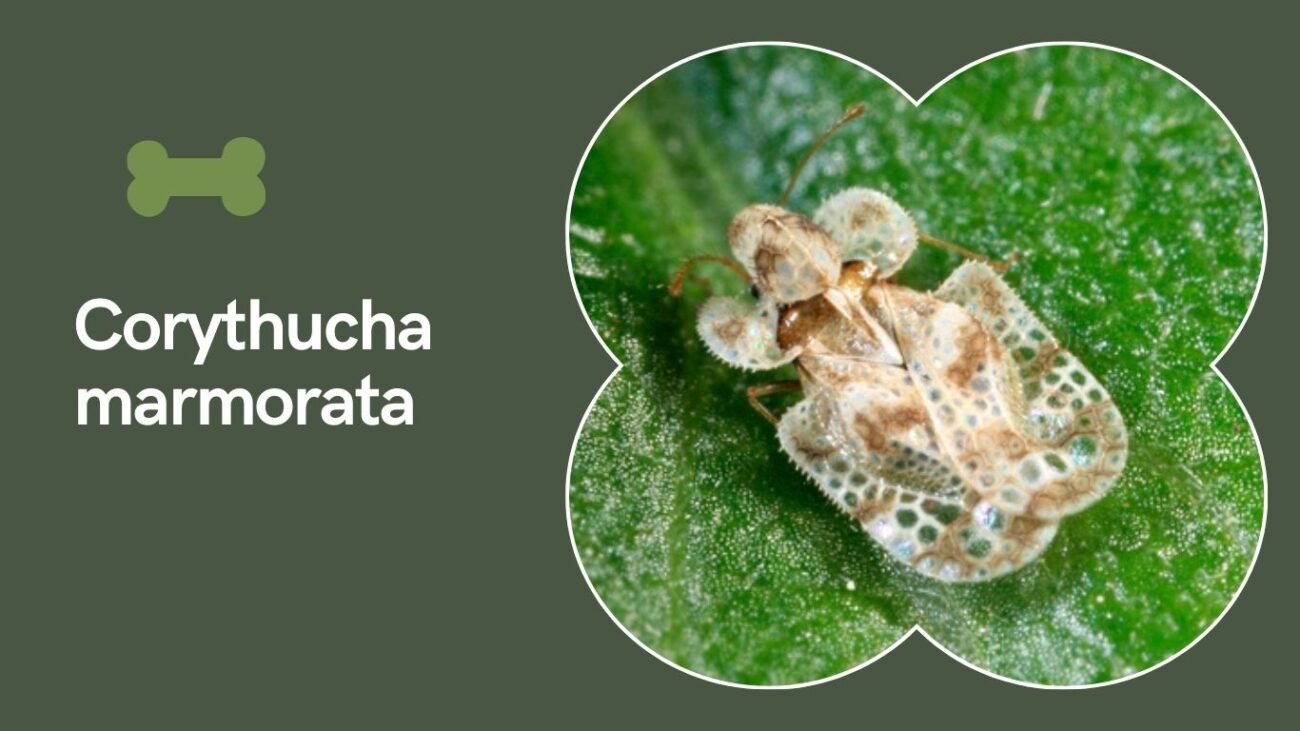
The Chrysanthemum lace bug (Corythucha marmorata) is a small but damaging insect commonly associated with ornamental plants, especially chrysanthemums. Its feeding reduces plant vigor and diminishes the aesthetic value of ornamental gardens.
Identification
- Size about 3–4 mm in length
- Wings delicate, lace-like with fine venation
- Body whitish-gray with darker mottling patterns
- Flattened, oval body form
- Expanded pronotum forming a hood-like structure over the head
Habitat
This lace bug inhabits chrysanthemums and related ornamental plants, thriving in gardens, nurseries, and landscaped areas. It typically shelters and feeds on the undersides of leaves.
Behaviors
The insect pierces leaf tissues to extract sap, leading to yellow stippling, bronzing, and in severe cases, leaf curling and premature drop. Infestations reduce the ornamental quality of chrysanthemum plants.
Diet
Its diet is mainly restricted to plant sap from chrysanthemum species, though it may occasionally feed on other members of the daisy family (Asteraceae).
6. Corythucha gossypii (Cotton Lace Bug)
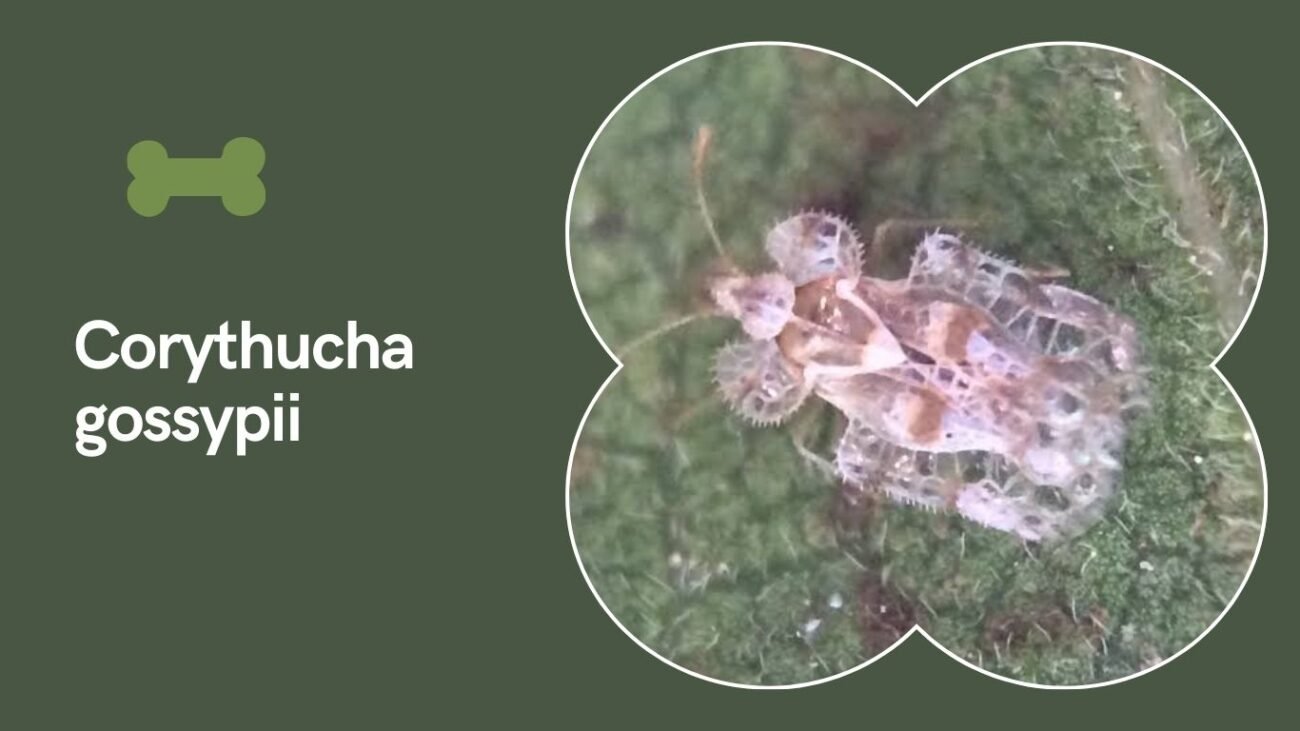
The Cotton lace bug (Corythucha gossypii) is a sap-feeding insect that primarily targets cotton plants. It is considered an agricultural pest due to its potential to weaken crops and reduce yields.
Identification
- Small insect, about 3–4 mm in length
- Transparent, lace-like wings with fine netted venation
- Body pale whitish-gray with darker patches
- Oval, flattened body shape
- Hood-like pronotum extending over the head
Habitat
This species is found mainly in cotton fields but may also inhabit other cultivated crops and weeds in agricultural landscapes. It resides on the undersides of leaves, making detection difficult until visible damage appears.
Behaviors
Cotton lace bugs pierce leaf tissues and feed on plant sap, causing pale stippling, yellowing, and in severe infestations, premature leaf senescence. This weakens cotton plants and can contribute to lower fiber yield.
Diet
Their diet consists primarily of cotton plant sap. However, they may also feed on related host plants, including other malvaceous crops and wild plants, when available.
7. Stephanitis pyrioides (Azalea Lace Bug)

The Azalea lace bug (Stephanitis pyrioides) is a notorious pest of azaleas and other ornamental shrubs. Widely distributed, it is a serious concern in gardens and landscapes due to the damage it inflicts on ornamental foliage.
Identification
- Small insect, about 3–4 mm long
- Wings transparent with delicate lace-like venation
- Body pale to whitish with darker markings
- Broad, oval, and flattened shape
- Pronotum forms a hood-like shield over the head
Habitat
This lace bug primarily inhabits azaleas and rhododendrons in landscaped gardens, nurseries, and ornamental plantings. It prefers the undersides of leaves, where it feeds and lays eggs.
Behaviors
Azalea lace bugs extract sap from the leaves, leading to stippling, yellowing, and eventual bronzing of the foliage. Severe infestations can reduce plant vigor, hinder flowering, and diminish ornamental value. They are most active during warm seasons.
Diet
The diet consists mainly of sap from azalea leaves, though they also feed on rhododendrons and related ornamental shrubs.
8. Stephanitis takeyai (Andromeda Lace Bug)

The Andromeda lace bug (Stephanitis takeyai) is a well-known pest of Japanese andromeda (Pieris japonica) and other ornamental plants. It is a destructive species in ornamental horticulture, particularly in landscaped gardens and nurseries.
Identification
- Small insect, about 3–4 mm long
- Transparent, lace-like wings with intricate netting
- Body pale whitish with darker mottling
- Flattened, oval body form
- Pronotum broad and hood-like, extending over the head
Habitat
This species is most commonly associated with Japanese andromeda but may also inhabit rhododendrons and related ornamental shrubs. It prefers shaded garden environments where it colonizes the undersides of leaves.
Behaviors
Andromeda lace bugs pierce leaf tissues to extract sap, producing yellow stippling and chlorosis on the upper leaf surface. In severe infestations, foliage may turn bronze or brown, and plant health declines significantly.
Diet
Its diet consists mainly of sap from Pieris japonica (Japanese andromeda). It can also feed on other ericaceous ornamentals such as rhododendrons and mountain laurels.
9. Stephanitis rhododendri (Rhododendron Lace Bug)
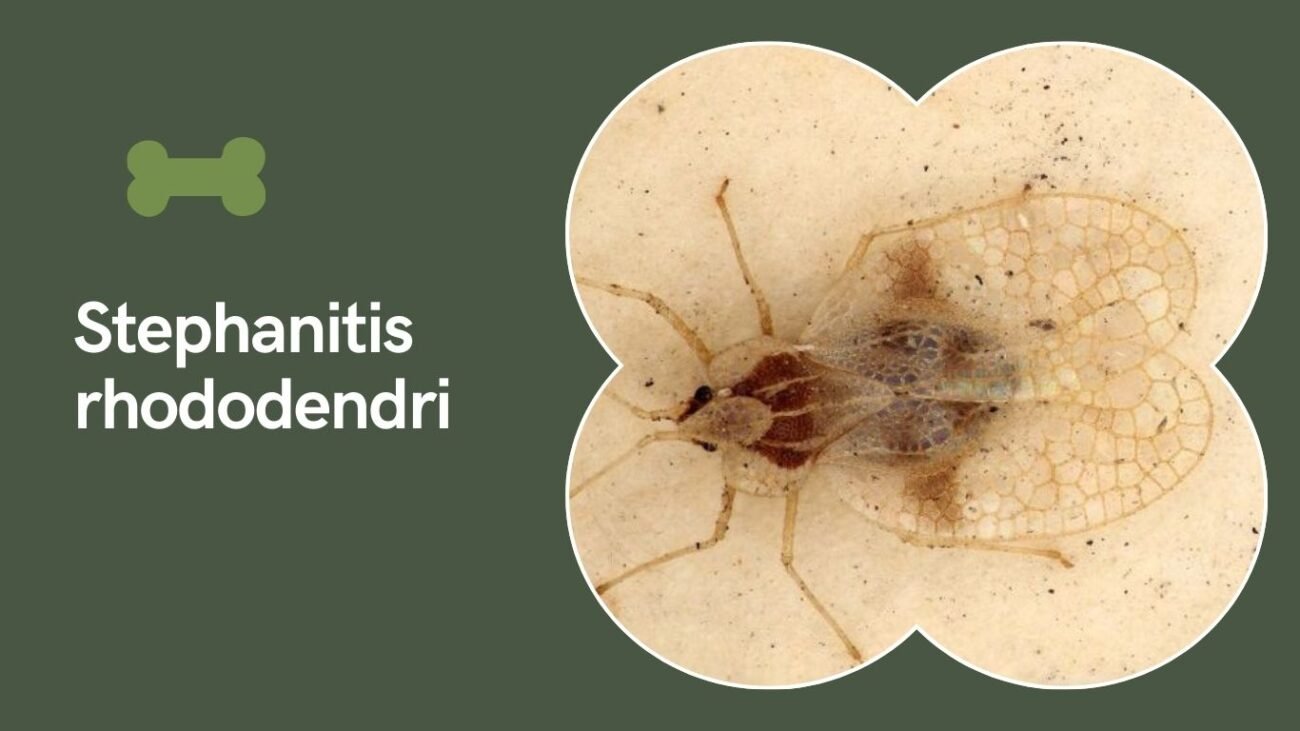
The Rhododendron lace bug (Stephanitis rhododendri) is a common pest of rhododendrons, valued for their ornamental beauty. Infestations of this species can significantly reduce plant vigor and ornamental quality.
Identification
- Small insect, about 3–4 mm in length
- Wings transparent with a fine lace-like network of veins
- Body pale whitish-gray with dark mottling
- Flattened, oval form typical of lace bugs
- Hood-like pronotum extending over the head
Habitat
This lace bug primarily inhabits rhododendrons, though it may also occur on related ericaceous shrubs. It is most common in gardens, nurseries, and landscaped areas where rhododendrons are cultivated.
Behaviors
The insect feeds on leaf sap by piercing the undersides of leaves. Feeding damage causes stippling and discoloration on the upper leaf surfaces, which may progress to bronzing and premature leaf drop in heavy infestations.
Diet
Its diet consists mainly of sap from rhododendron leaves. In high populations, it may spread to other ericaceous host plants such as azaleas and mountain laurels.
10. Stephanitis oberti (Mountain Laurel Lace Bug)
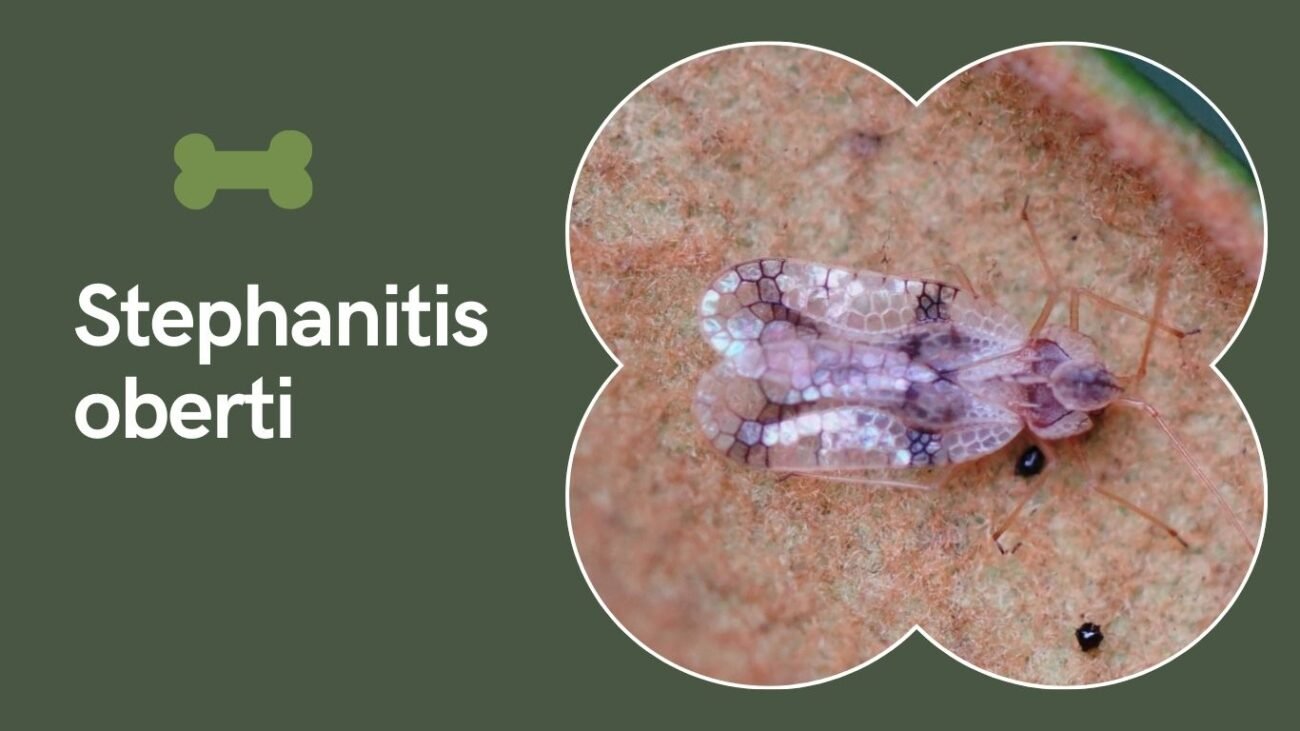
The Mountain laurel lace bug (Stephanitis oberti) is a sap-feeding insect that specializes in mountain laurels and related ornamental shrubs. Like other lace bugs, it is recognized for its ornate wings and its potential to reduce the vigor of host plants.
Identification
- Small insect, usually 3–4 mm long
- Transparent, lace-like wings with delicate venation
- Body pale whitish with mottled dark markings
- Flattened, oval body shape
- Hood-like pronotum extending over the head
Habitat
This species inhabits mountain laurel (Kalmia latifolia) and other ericaceous plants. It is most common in gardens, nurseries, and natural woodland edges where host plants thrive.
Behaviors
Mountain laurel lace bugs live on the undersides of leaves, piercing tissues to extract sap. Their feeding causes yellow spotting, bronzing, and eventual weakening of the foliage. In severe infestations, plants may lose vigor and show reduced flowering.
Diet
The diet consists mainly of sap from mountain laurel leaves. Occasionally, it may also feed on other closely related ornamental shrubs within the heath family.
11. Gargaphia solani (Eggplant Lace Bug)
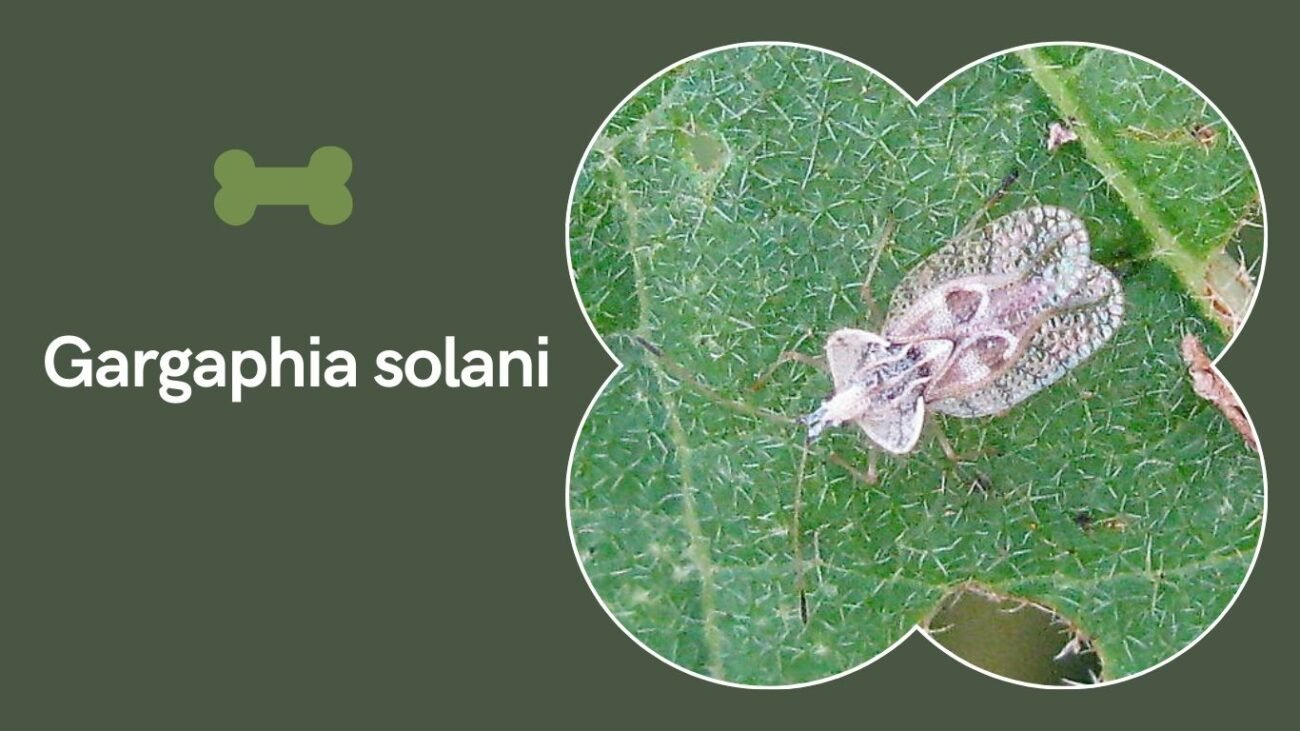
The Eggplant lace bug (Gargaphia solani) is a sap-feeding insect that primarily targets eggplants and other solanaceous crops. It is regarded as an agricultural pest due to the damage it causes to leaves and its potential impact on crop yield.
Identification
- Small insect, about 3–4 mm in length
- Wings transparent with ornate lace-like venation
- Body pale grayish-white with darker markings
- Oval and flattened in shape
- Distinct hood-like pronotum over the head
Habitat
This species is most often found in agricultural fields where eggplants are cultivated. It can also inhabit gardens and smallholder farms, occasionally spreading to other solanaceous plants.
Behaviors
Eggplant lace bugs feed on the undersides of leaves by piercing tissues and sucking sap. Their feeding causes stippling, yellowing, and bronzing of foliage. Heavy infestations can lead to leaf drop, reducing the plant’s ability to photosynthesize effectively.
Diet
Their diet is centered on eggplant leaves but may extend to other solanaceous crops such as potatoes, tomatoes, and peppers when available.