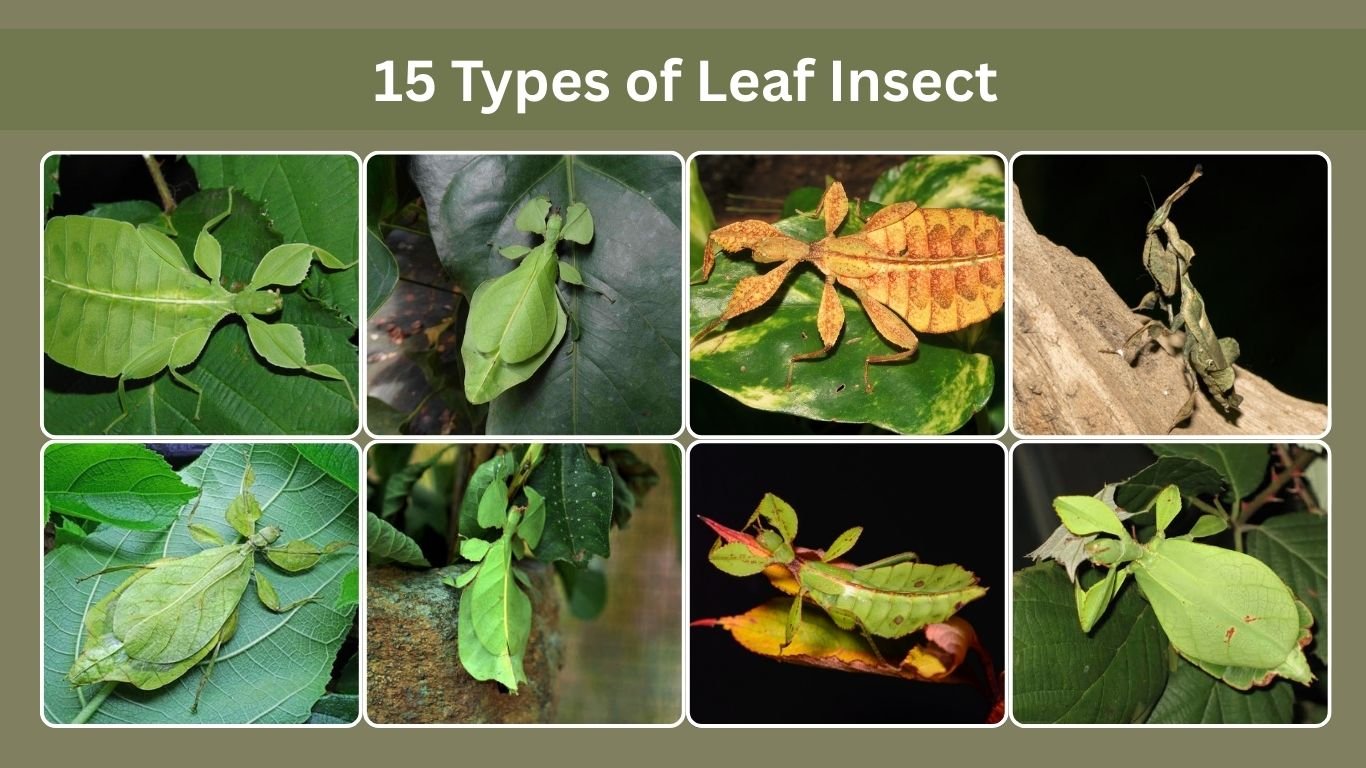
Leaf insects are extraordinary masters of disguise, blending seamlessly into their environment by imitating living or decaying leaves. Found mainly in tropical forests, these insects use mimicry as their primary defense against predators. Each species has unique traits, from size and shape to feeding habits. In this guide, we explore 15 fascinating types of leaf insects, detailing their identification, natural habitat, behavior, and diet.
1. Giant Leaf Insect (Phyllium giganteum)

The Giant Leaf Insect is one of the largest species of leaf insects in the world. It is well known for its incredible camouflage, mimicking broad green leaves with remarkable precision. Native to Southeast Asia, this species has fascinated scientists and insect enthusiasts alike for its unique adaptations and impressive size.
Identification
- Size: Can grow up to 10–12 cm in length, with females being larger than males.
- Color: Bright green with leaf-like veins running across the wings and body.
- Shape: Broad, flat body closely resembling a leaf, complete with “leaf-like” extensions on legs.
- Sexual Dimorphism: Females are flightless with larger bodies, while males are smaller and capable of flight.
Habitat
Giant Leaf Insects are typically found in tropical rainforests of Malaysia, Sumatra, and nearby regions. They prefer dense foliage where they can remain camouflaged among leaves and branches.
Behavior
They rely heavily on mimicry as a defense mechanism, swaying gently like leaves when disturbed to blend into their environment. These insects are mostly nocturnal, becoming active at night to avoid predators.
Diet
Their diet consists primarily of fresh leaves from tropical plants, with guava, mango, and other broad-leaved plants being their favorites in captivity.
2. Malaysian Leaf Insect (Phyllium bioculatum)

The Malaysian Leaf Insect is a medium-sized species that perfectly mimics the appearance of green leaves. Its name comes from its natural range, and it is one of the most commonly studied and bred leaf insects in captivity due to its adaptability.
Identification
- Size: Usually 7–9 cm in length, with females larger than males.
- Color: Vivid green, often with brown or yellowish spots resembling leaf blemishes.
- Shape: Broad, leaf-shaped body with flattened legs that enhance camouflage.
- Wings: Males possess well-developed wings and are strong fliers, while females have shorter wings and are flightless.
Habitat
Found mainly in Malaysia, Sri Lanka, and surrounding regions, these insects inhabit tropical forests where leafy vegetation is abundant. They prefer areas with thick plant growth for better concealment.
Behavior
Malaysian Leaf Insects are masters of disguise, often swaying like a leaf in the breeze when threatened. They are gentle, slow-moving, and rely heavily on camouflage to avoid predators rather than fleeing.
Diet
Their diet includes a variety of leaves, particularly guava, mango, and rambutan. In captivity, they adapt well to being fed with bramble, rose, and oak leaves.
3. Indian Leaf Insect (Phyllium pulchrifolium)
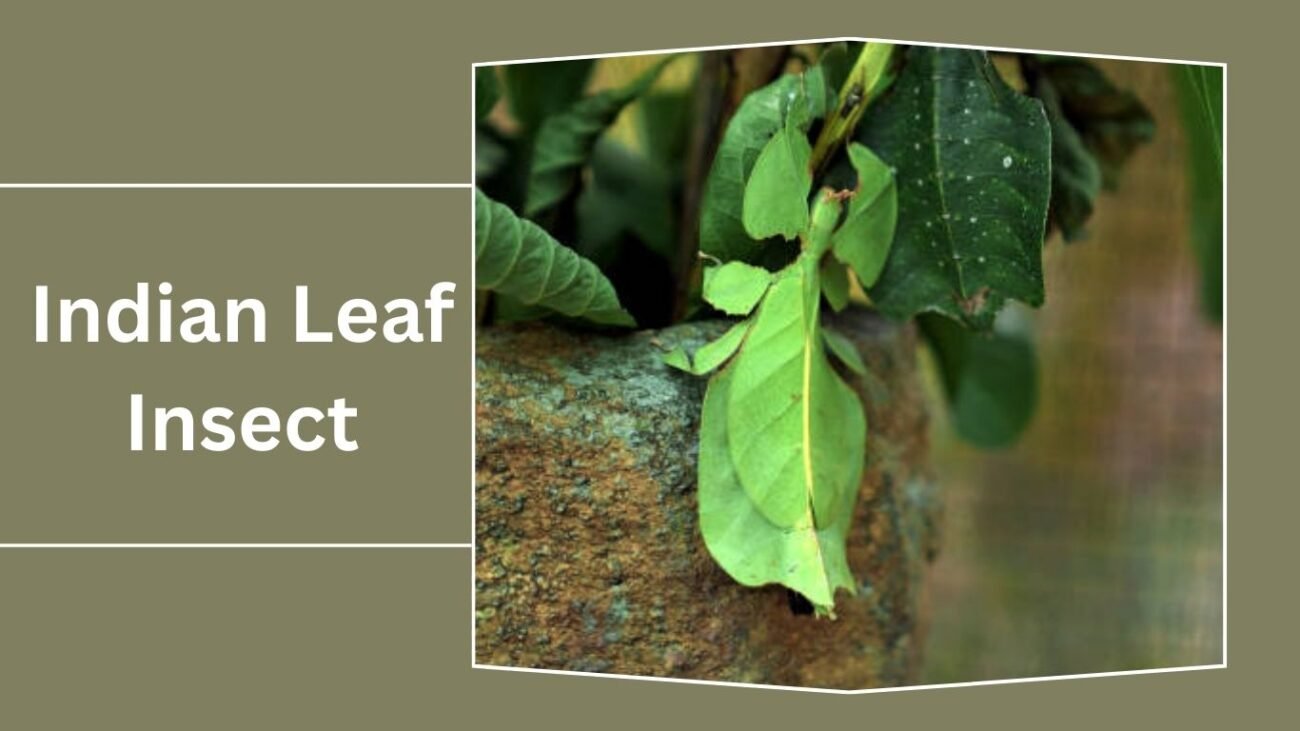
The Indian Leaf Insect is a beautifully camouflaged species known for its striking resemblance to living leaves. It is native to parts of India and nearby regions, making it one of the most recognizable members of the Phyllium genus.
Identification
- Size: Ranges between 8–10 cm in length.
- Color: Bright green, sometimes with brownish markings that mimic leaf damage.
- Shape: Wide, flattened body with intricate vein-like patterns across the wings.
- Sexual Dimorphism: Females are larger and heavier, while males are slender and capable of flight.
Habitat
This species thrives in the tropical forests of India and surrounding Southeast Asian regions. They are commonly found on broad-leaved plants where their camouflage is most effective.
Behavior
Indian Leaf Insects are slow-moving and rely on their camouflage for protection. When disturbed, they often sway gently to resemble a moving leaf in the wind, effectively confusing predators.
Diet
Their diet mainly consists of guava and mango leaves in the wild. In captivity, they can also be sustained on bramble, rose, and oak leaves.
4. Jungle Nymph (Heteropteryx dilatata)
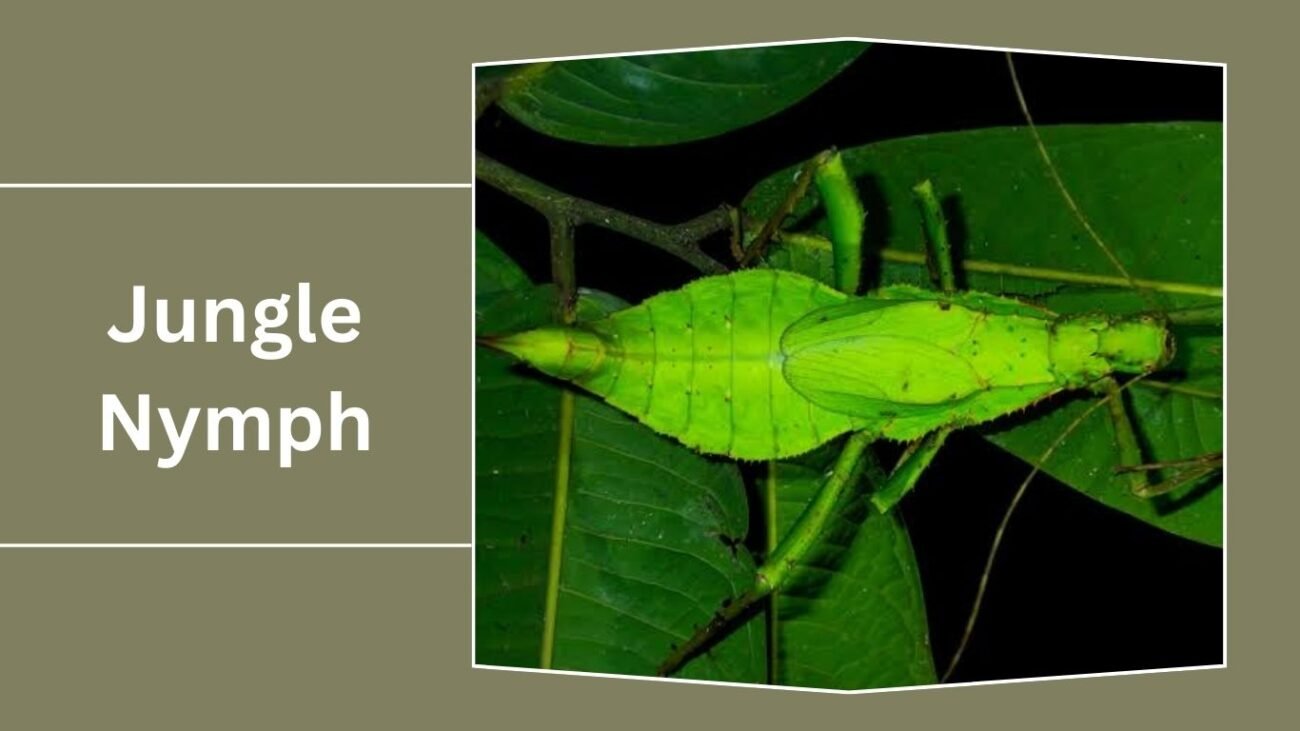
The Jungle Nymph is one of the heaviest and most impressive leaf insects in the world. Known for its bright green coloration and spiny body, this species is a favorite among insect collectors and enthusiasts. It is also considered one of the strongest stick and leaf insects.
Identification
- Size: Females can reach up to 15 cm in length, making them among the largest phasmids.
- Color: Typically vivid green, though males may appear brownish.
- Shape: Thick, robust body with noticeable spines on the legs for defense.
- Sexual Dimorphism: Females are large, wingless, and heavy, while males are slimmer with wings and capable of flight.
Habitat
The Jungle Nymph is native to the rainforests of Malaysia. It thrives in dense vegetation, particularly in lowland tropical forests with abundant plant cover.
Behavior
This species is generally docile but can use its strong, spiny legs defensively if threatened. When disturbed, they may strike out with their legs or adopt a defensive posture. Despite their size, they rely heavily on camouflage among leaves and branches.
Diet
They feed on a variety of plant leaves, including guava, bramble, and mango. In captivity, rose and oak leaves are also commonly provided.
5. Walking Leaf (Phyllium philippinicum)

The Walking Leaf, native to the Philippines, is a stunning species that closely imitates living leaves with extraordinary detail. It is a popular species among insect keepers due to its relatively manageable size and fascinating camouflage.
Identification
- Size: Generally 6–8 cm in length.
- Color: Bright green with vein-like markings resembling those of real leaves.
- Shape: Flattened, oval body with lobed legs that look like leaf edges.
- Sexual Dimorphism: Females are larger, broader, and flightless, while males are smaller, more slender, and capable of flight.
Habitat
Walking Leaf insects are primarily found in the tropical forests of the Philippines, where dense foliage provides excellent opportunities for concealment.
Behavior
They are gentle and slow-moving insects that depend entirely on mimicry for protection. When disturbed, they may rock or sway to simulate a leaf moving in the wind, making it difficult for predators to detect them.
Diet
Their diet mainly includes guava, mango, and bramble leaves. In captivity, they can also feed on rose and oak leaves as suitable alternatives.
6. Pulchriphyllium Leaf Insect (Pulchriphyllium crurifolium)
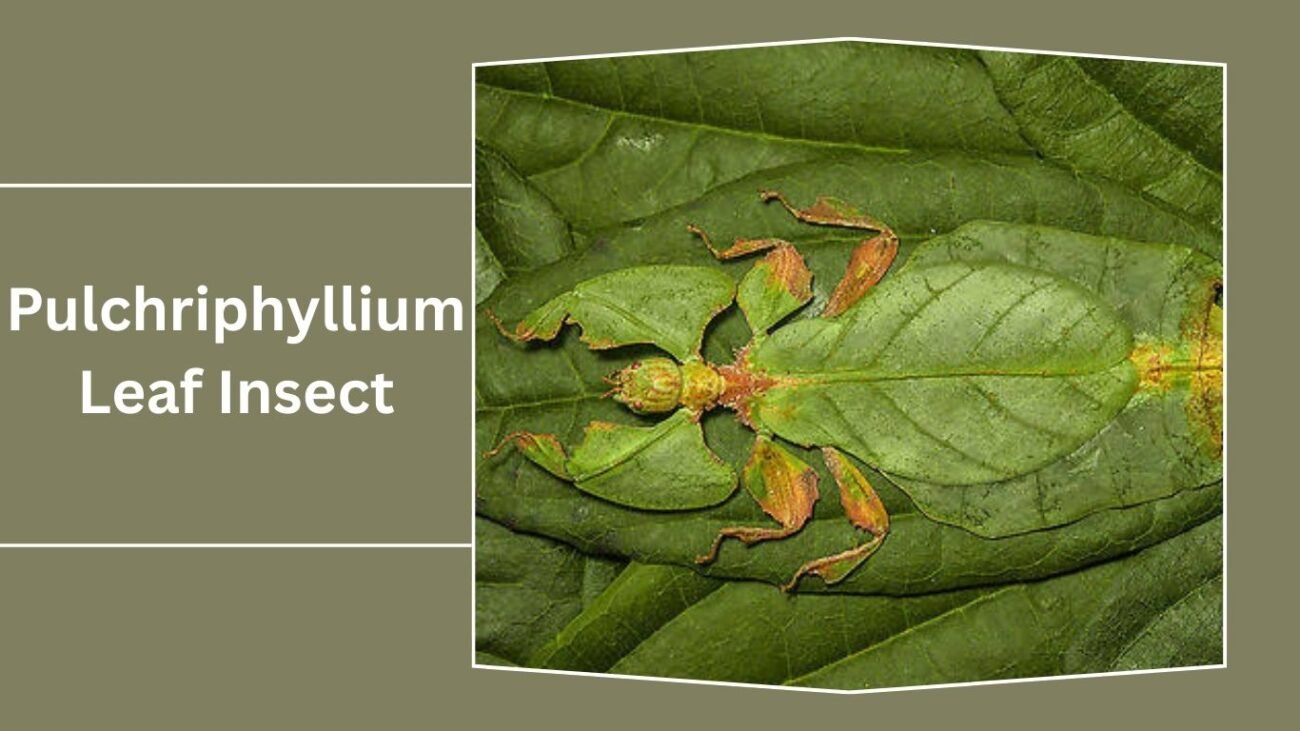
The Pulchriphyllium Leaf Insect is admired for its near-perfect leaf mimicry, with its body and legs resembling leaf blades complete with intricate vein-like patterns. This species is often considered one of the most elegant leaf insects.
Identification
- Size: Averages 7–9 cm in length.
- Color: Predominantly bright green, occasionally showing yellow or brown tinges.
- Shape: Oval, flattened body with extended, leaf-like projections on the legs.
- Sexual Dimorphism: Females are broader and wingless, while males are more slender and equipped with wings for flight.
Habitat
This species inhabits tropical forests of Southeast Asia, particularly in Malaysia and surrounding regions, where dense vegetation helps maintain its camouflage.
Behavior
Pulchriphyllium Leaf Insects rely heavily on stillness and mimicry to avoid predators. They sway gently when touched or disturbed, imitating a leaf fluttering in the breeze.
Diet
Their primary diet consists of guava and mango leaves. In captivity, bramble, rose, and oak leaves are suitable alternatives to sustain them.
7. Luzon Leaf Insect (Phyllium mabantai)
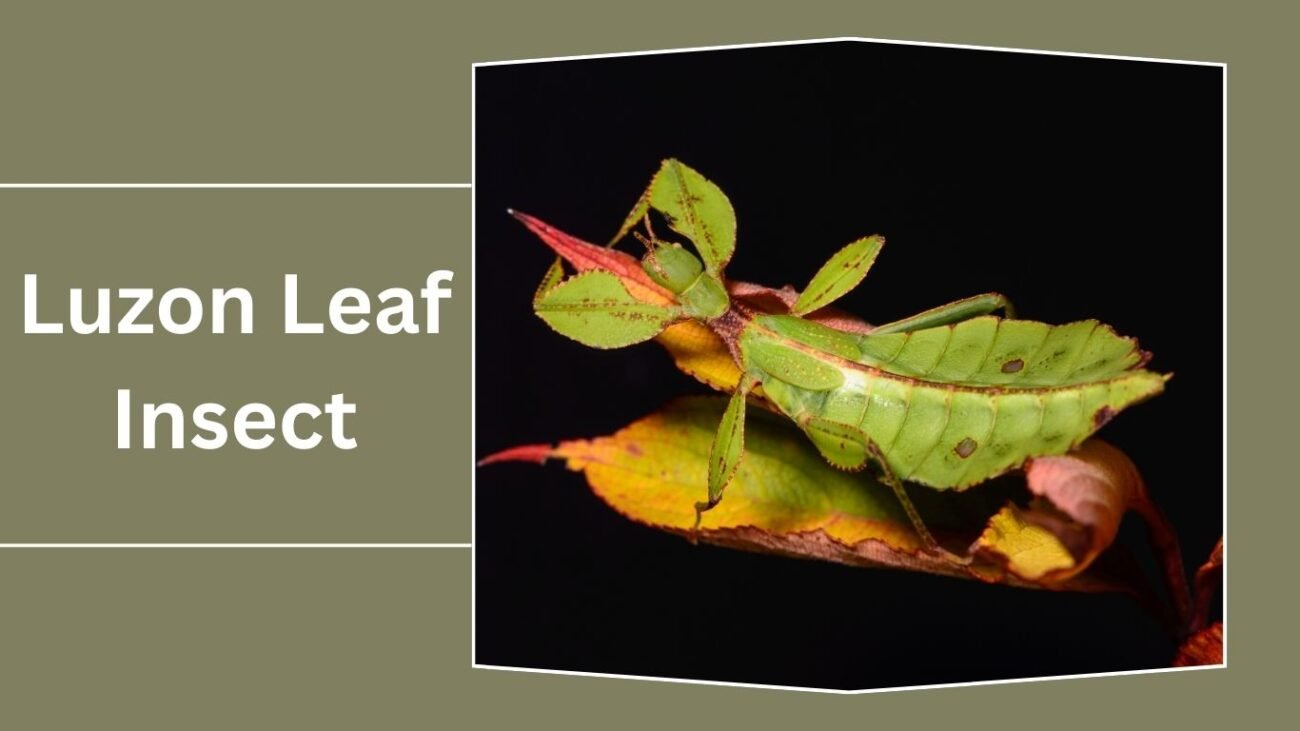
The Luzon Leaf Insect is a remarkable species native to the Philippines, particularly the island of Luzon. It is well-known for its exceptional camouflage that allows it to remain virtually indistinguishable from the foliage it inhabits.
Identification
- Size: Typically measures around 7–9 cm in length.
- Color: Bright green, sometimes with darker or lighter patches resembling leaf veins and blemishes.
- Shape: Flat, oval body with broad, leaf-like wings and lobed legs that enhance its disguise.
- Sexual Dimorphism: Females are larger, heavier, and flightless, while males are smaller, lighter, and capable of flight.
Habitat
This species is native to the lush tropical forests of Luzon in the Philippines. It thrives in areas with dense plant growth that provide the ideal environment for camouflage and feeding.
Behavior
The Luzon Leaf Insect is calm and slow-moving, rarely relying on speed. Instead, it depends on leaf mimicry and subtle swaying motions that simulate the natural movement of leaves in the wind, making it extremely difficult for predators to detect.
Diet
Its diet consists of a variety of broad-leaved plants, most commonly guava and mango. In captivity, it can also adapt to bramble, rose, and oak leaves.
8. Mauritian Leaf Insect (Phyllium mauritianum)
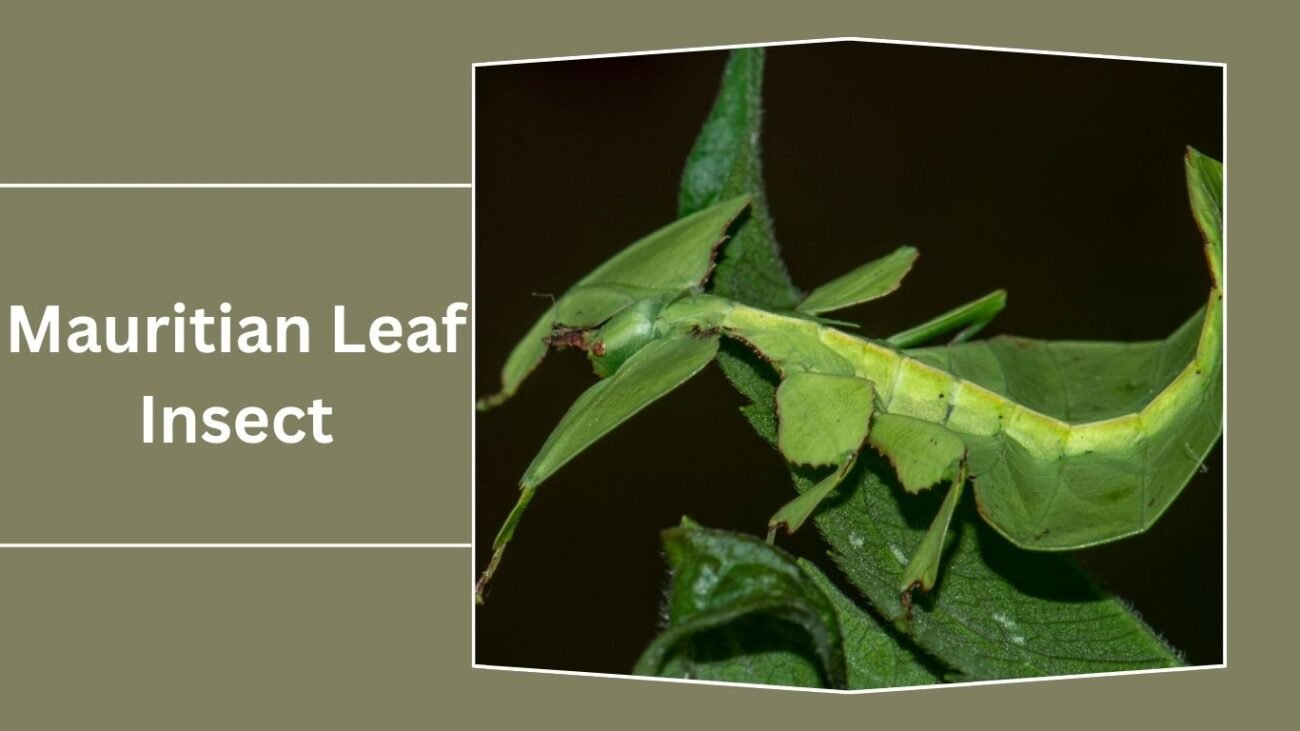
The Mauritian Leaf Insect is a rare and fascinating species once native to Mauritius. Today, it is more commonly studied in captivity, as its natural populations are believed to have declined due to habitat loss. Its appearance closely imitates fresh green leaves, making it a master of disguise.
Identification
- Size: Typically 7–9 cm long.
- Color: Bright to pale green, often with brownish spots mimicking leaf decay.
- Shape: Flattened, leaf-shaped body with veins and lobed legs resembling leaf edges.
- Sexual Dimorphism: Females are larger and heavier with reduced wings, while males are smaller, slimmer, and able to fly.
Habitat
Historically found in the tropical forests of Mauritius, this species favored areas with dense vegetation. In captivity, it is maintained under warm, humid conditions that mimic its natural environment.
Behavior
The Mauritian Leaf Insect is docile and slow-moving, using stillness and mimicry as its main defense. When disturbed, it often sways gently to blend into surrounding foliage, appearing like a moving leaf.
Diet
It primarily feeds on guava and mango leaves. In captivity, rose, bramble, and oak leaves are also suitable replacements.
9. Celebes Leaf Insect (Phyllium celebicum)
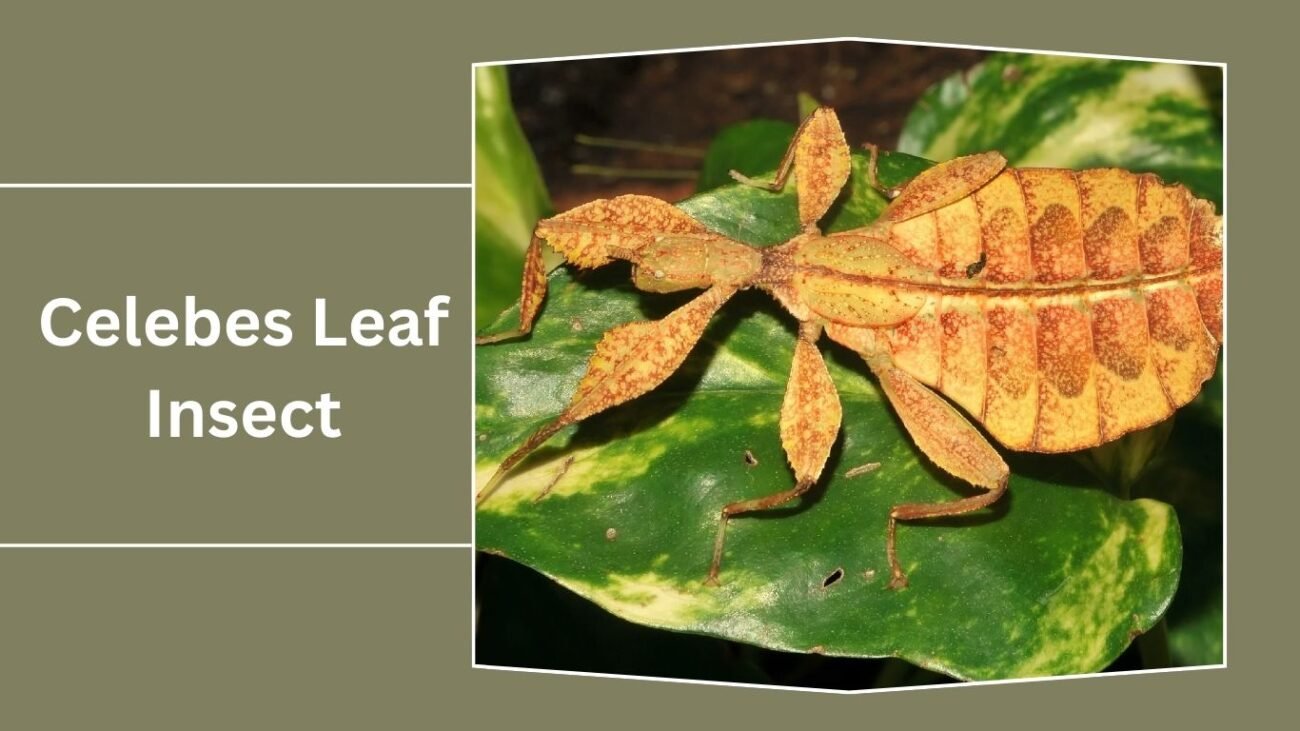
The Celebes Leaf Insect is a striking species native to Sulawesi (formerly known as Celebes), Indonesia. Its remarkable resemblance to fresh leaves makes it an excellent example of natural mimicry and camouflage.
Identification
- Size: Usually 7–9 cm in length.
- Color: Bright green, often with vein-like patterns and occasional brown patches.
- Shape: Oval, flattened body with lobed legs that enhance the leaf-like appearance.
- Sexual Dimorphism: Females are larger, heavier, and wingless, while males are smaller, slimmer, and possess functional wings for flight.
Habitat
This species is found in the tropical forests of Sulawesi. It prefers humid environments with abundant leafy vegetation that allows it to remain hidden from predators.
Behavior
Celebes Leaf Insects are gentle and slow-moving, relying entirely on their camouflage for protection. When threatened, they may sway back and forth to resemble leaves moving naturally in the wind.
Diet
Their diet mainly includes guava and mango leaves in the wild. In captivity, they can also feed on bramble, rose, and oak leaves as substitutes.
10. Ghost Leaf Insect (Phyllium siccifolium)
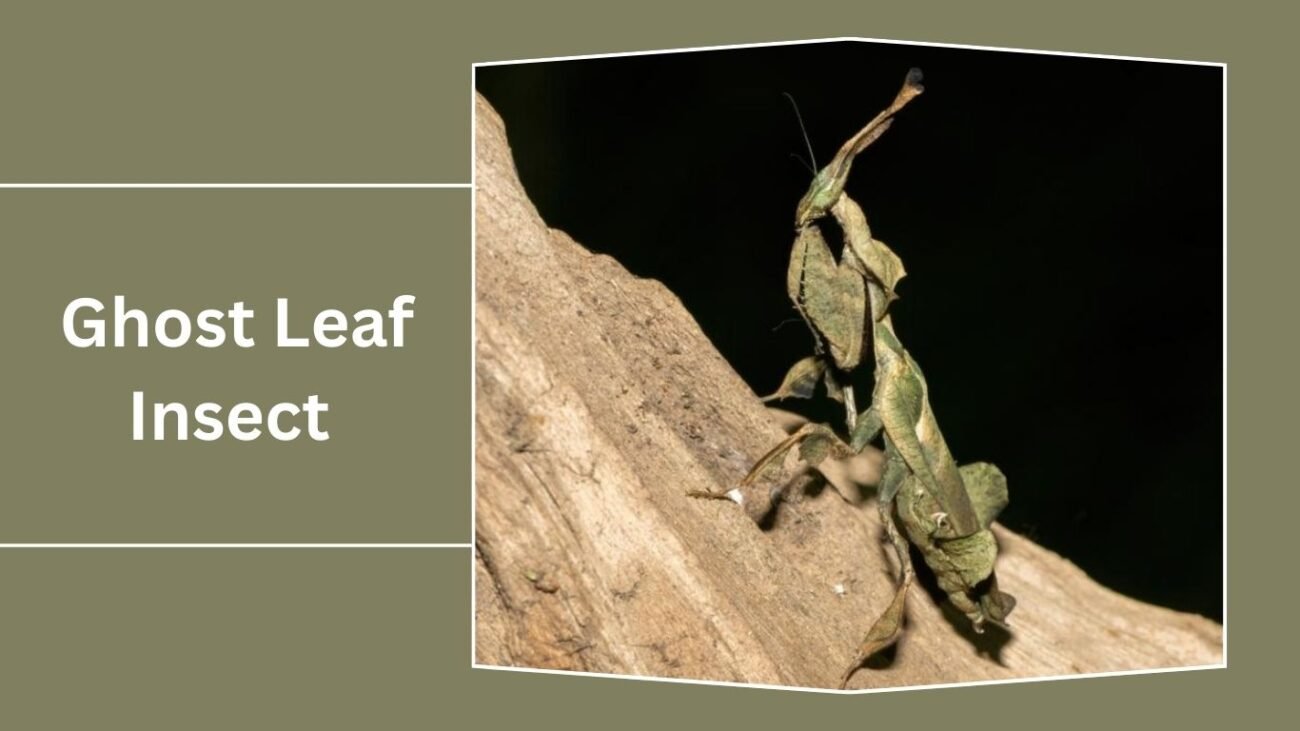
The Ghost Leaf Insect is a fascinating species named for its uncanny resemblance to dried or decaying leaves. Its appearance provides excellent camouflage against predators, making it one of the most unique members of the Phyllium genus.
Identification
- Size: Typically ranges from 6–8 cm in length.
- Color: Varies from pale green to brownish shades, often resembling wilted or dried leaves.
- Shape: Flat, leaf-shaped body with irregular edges and vein-like markings.
- Sexual Dimorphism: Females are larger, broader, and flightless, while males are slender, lighter, and capable of flight.
Habitat
Native to tropical regions of Southeast Asia, the Ghost Leaf Insect is commonly found in dense forests where leaf litter and varied foliage provide excellent cover.
Behavior
This insect is slow-moving and highly dependent on mimicry for survival. Unlike many other leaf insects that resemble fresh leaves, this species blends in with dried foliage, often swaying slightly to mimic leaves rustling in the wind.
Diet
They primarily consume guava and mango leaves. In captivity, they can also feed on bramble, rose, and oak leaves as reliable alternatives.
11. Vietnam Leaf Insect (Phyllium vietnamense)
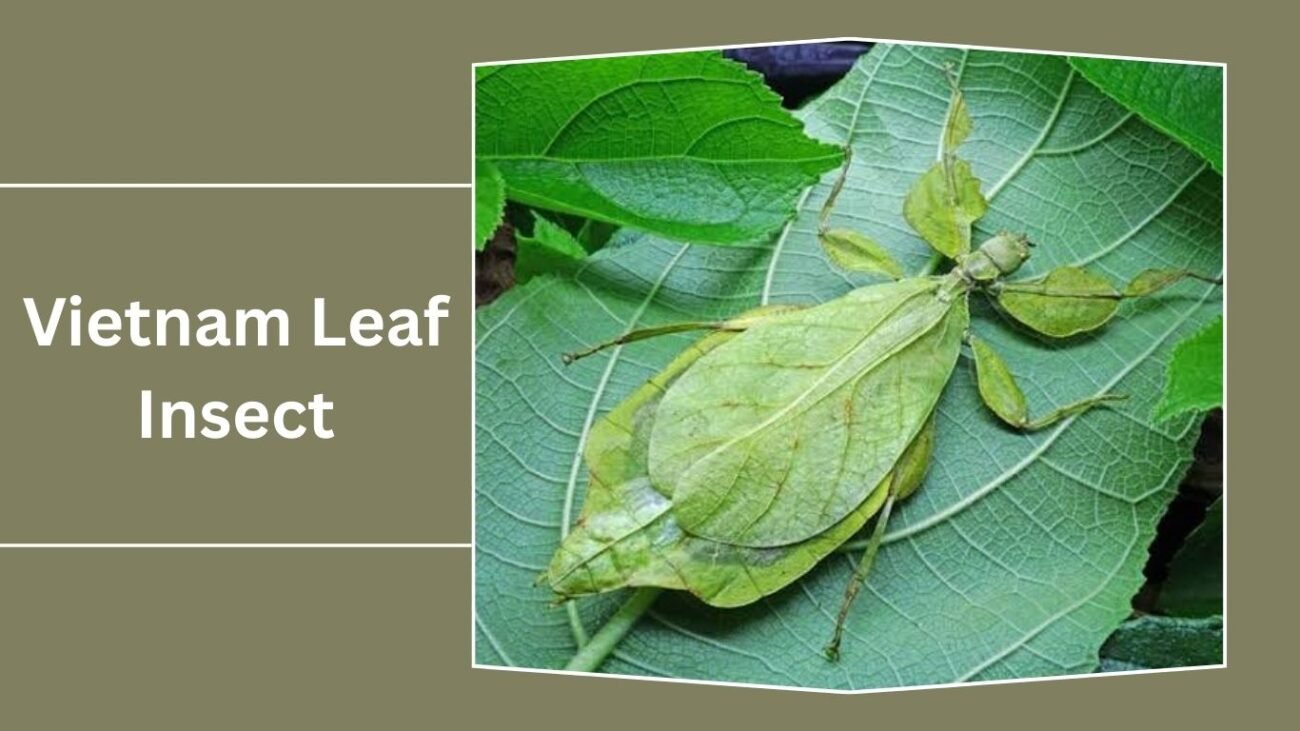
The Vietnam Leaf Insect is a rare and striking species native to the forests of Vietnam. It is admired for its precise camouflage, imitating living leaves so well that it often goes unnoticed even when in plain sight.
Identification
- Size: Typically measures 7–9 cm in length.
- Color: Bright green with distinct vein-like patterns, sometimes showing brown patches to mimic leaf blemishes.
- Shape: Flat, broad body with wing-like extensions and lobed legs resembling leaf edges.
- Sexual Dimorphism: Females are larger, heavier, and flightless, while males are slimmer, lighter, and capable of flight.
Habitat
This species inhabits the tropical forests of Vietnam, where dense vegetation and humid conditions provide the perfect environment for camouflage.
Behavior
Vietnam Leaf Insects are calm, slow-moving, and rely heavily on mimicry. When disturbed, they sway gently to resemble a leaf moving in the breeze, which confuses predators and helps them remain undetected.
Diet
Their diet mainly consists of guava and mango leaves. In captivity, they can also adapt to bramble, rose, and oak leaves.
12. Borneo Leaf Insect (Phyllium ericoriai)

The Borneo Leaf Insect is an extraordinary species native to the tropical forests of Borneo. Its lifelike leaf mimicry, complete with intricate patterns, makes it one of the most effective camouflaged insects in the world.
Identification
- Size: Generally 7–10 cm in length.
- Color: Vivid green with vein-like markings and occasional brown or yellow blotches resembling leaf damage.
- Shape: Broad, oval body with wing extensions and lobed legs that resemble leaf edges.
- Sexual Dimorphism: Females are larger, wingless, and heavier, while males are smaller, slender, and capable of flight.
Habitat
This species thrives in the humid rainforests of Borneo, where thick foliage offers ideal cover for its camouflage.
Behavior
Borneo Leaf Insects are gentle and slow-moving, depending almost entirely on mimicry for defense. When touched or disturbed, they sway naturally, imitating a leaf moving in the wind to avoid detection.
Diet
They primarily feed on guava and mango leaves. In captivity, bramble, rose, and oak leaves are also suitable food sources.
13. Palawan Leaf Insect (Phyllium palawanense)

The Palawan Leaf Insect is a captivating species native to Palawan, an island province in the Philippines. Its striking resemblance to green leaves, complete with vein-like markings, makes it nearly invisible among foliage.
Identification
- Size: Typically measures 7–9 cm in length.
- Color: Bright green, often with subtle brown or yellow spots that mimic natural leaf blemishes.
- Shape: Broad, flat body with detailed vein patterns and lobed legs resembling leaf edges.
- Sexual Dimorphism: Females are larger, wider, and flightless, while males are smaller, slender, and able to fly.
Habitat
This species inhabits the tropical forests of Palawan, where dense plant cover and humid conditions create an ideal environment for camouflage.
Behavior
Palawan Leaf Insects are calm and slow, rarely relying on movement to escape predators. Instead, they sway gently to imitate a leaf in the wind, blending seamlessly with their surroundings.
Diet
Their diet primarily consists of guava and mango leaves. In captivity, they also accept bramble, rose, and oak leaves as substitutes.
14. Green Leaf Insect (Phyllium chitoniscoides)
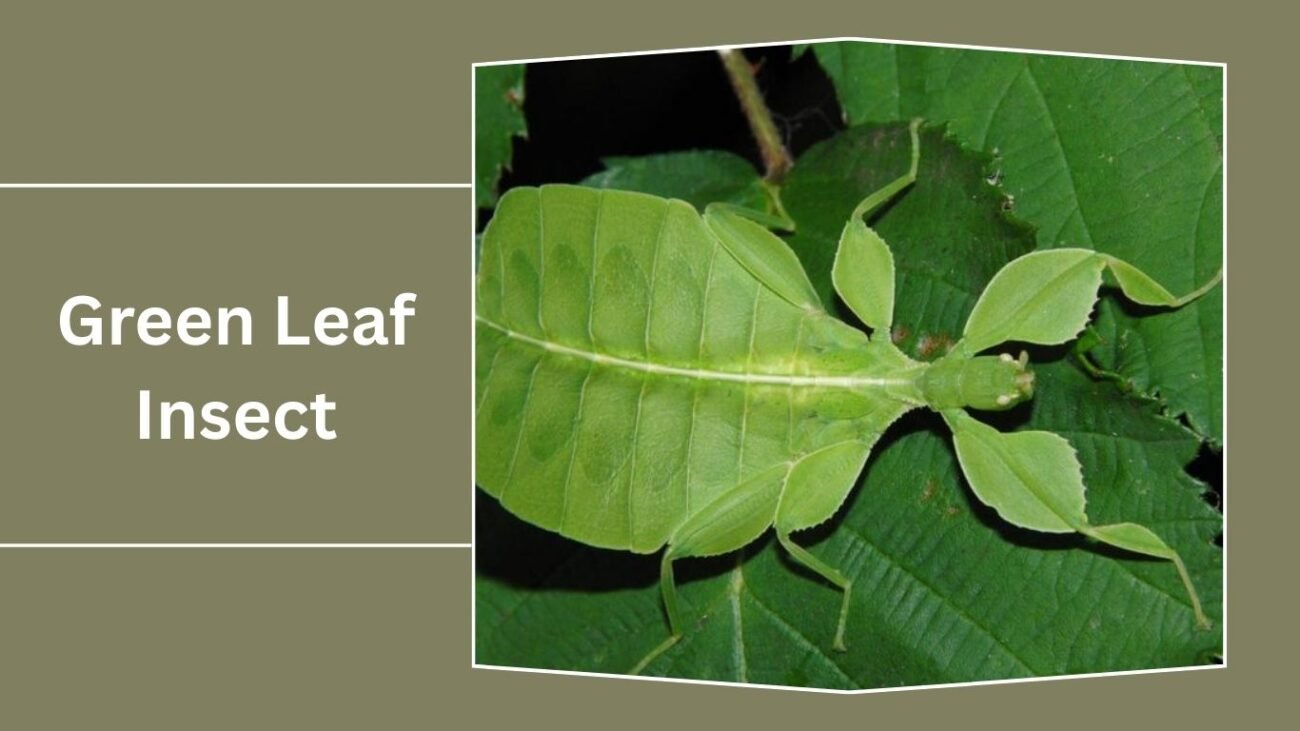
The Green Leaf Insect is a beautifully camouflaged species that resembles fresh, vibrant leaves. Its lifelike appearance makes it an exceptional example of mimicry in the insect world.
Identification
- Size: Usually 6–8 cm in length.
- Color: Bright green, often with visible vein-like markings across the body and wings.
- Shape: Flat, oval body with lobed legs that enhance its leafy disguise.
- Sexual Dimorphism: Females are larger, heavier, and flightless, while males are smaller, slender, and capable of flight.
Habitat
Native to the tropical forests of Southeast Asia, the Green Leaf Insect thrives in humid environments with abundant leafy vegetation that supports its camouflage.
Behavior
This species is slow-moving and highly dependent on mimicry for survival. When disturbed, it sways gently to simulate the motion of leaves in the wind, avoiding detection from predators.
Diet
Their natural diet includes guava and mango leaves. In captivity, they can also be fed with bramble, rose, and oak leaves.
15. Serrated Leaf Insect (Phyllium serratum)
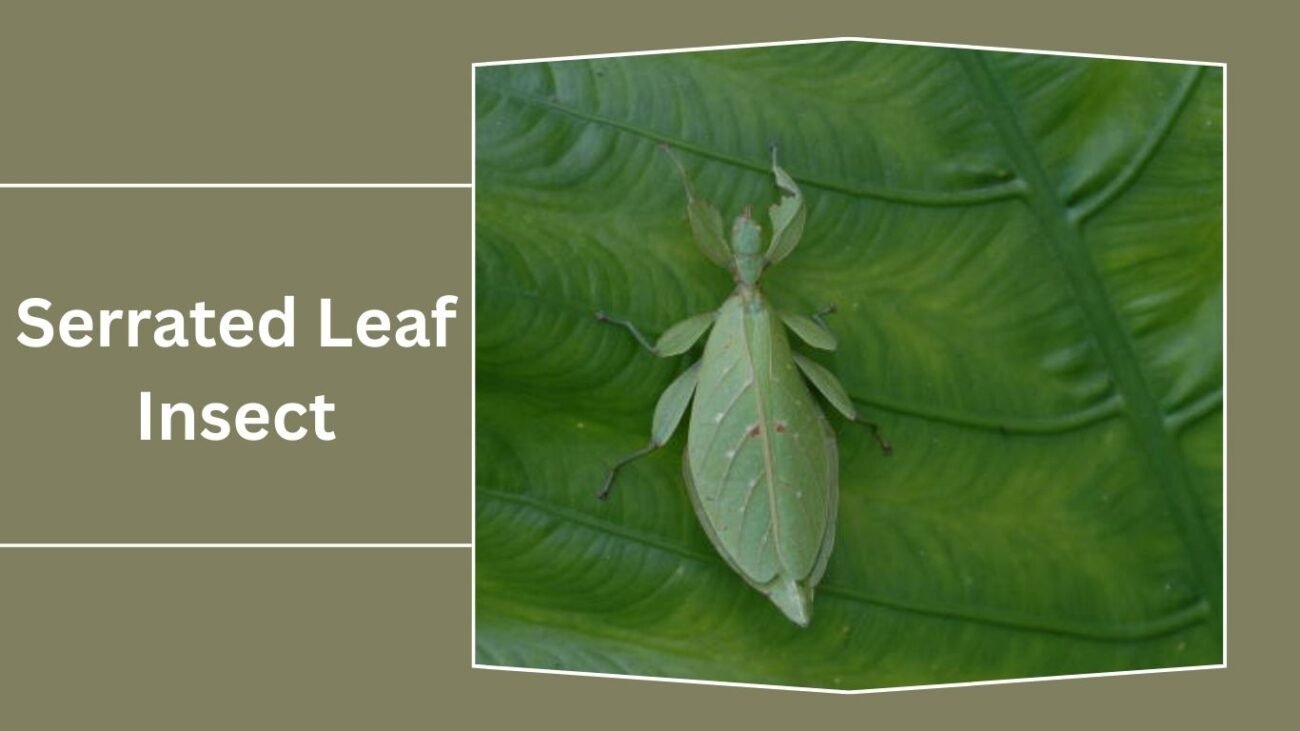
The Serrated Leaf Insect is named for the distinct serrated or jagged edges along its body and legs, which enhance its resemblance to a real leaf. This unique feature makes it one of the most convincing mimics in the insect world.
Identification
- Size: Typically grows 7–9 cm in length.
- Color: Bright to dark green, with vein-like markings and brownish patches that resemble leaf blemishes.
- Shape: Flattened body with serrated edges on the wings and legs, imitating torn or nibbled leaves.
- Sexual Dimorphism: Females are larger, heavier, and flightless, while males are slimmer, lighter, and capable of flight.
Habitat
This species is native to the tropical forests of Southeast Asia. It thrives in warm, humid environments with dense foliage that supports its remarkable camouflage.
Behavior
The Serrated Leaf Insect is slow-moving and peaceful, depending on its jagged leaf-like appearance to remain undetected. When disturbed, it may sway gently like a leaf caught in the breeze, fooling predators.
Diet
Its diet mainly includes guava and mango leaves. In captivity, it also adapts to bramble, rose, and oak leaves as alternative food sources.