Owlet moths, belonging to the family Noctuidae, are among the largest and most diverse groups of moths worldwide. Many species are agricultural pests, while others play important roles in ecosystems as pollinators and prey for other animals. This guide explores 17 notable owlet moth species, highlighting their identification features, habitats, behaviors, and lifecycles to better understand their impact on crops and natural environments.
1. Agrotis ipsilon (Black Cutworm)
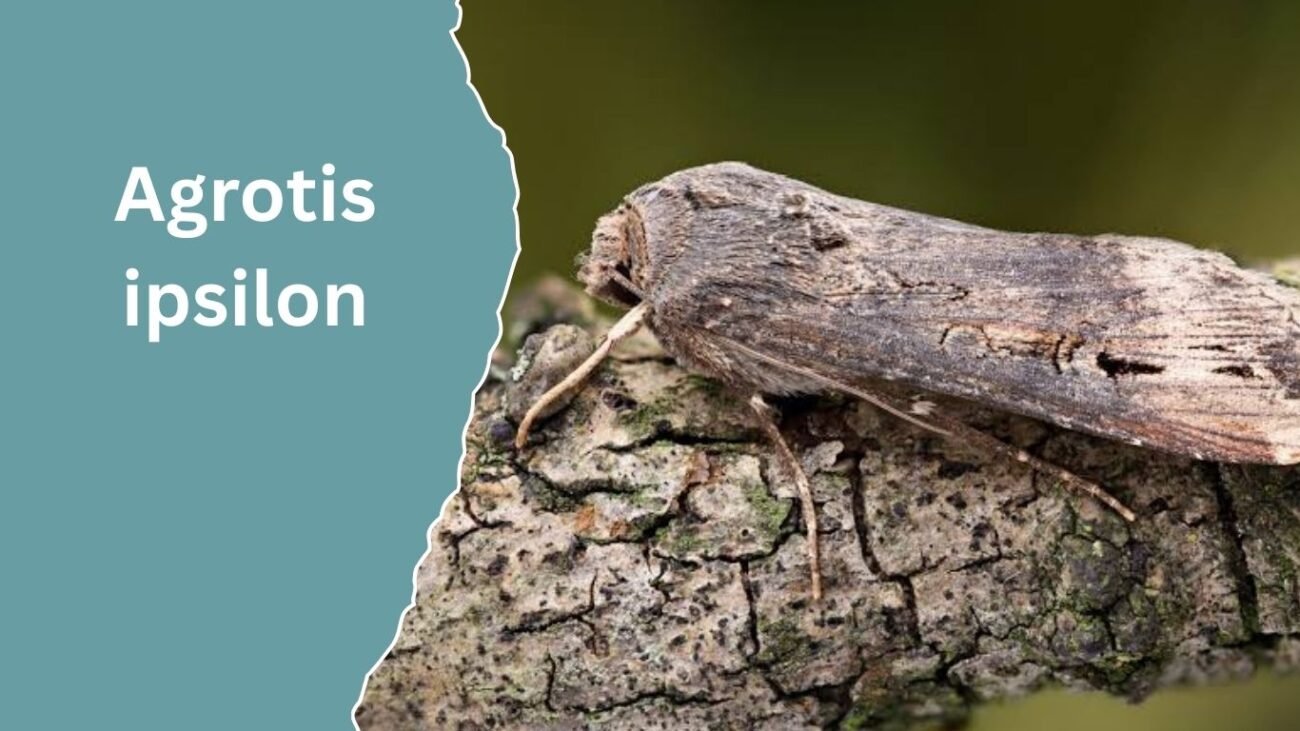
The Black Cutworm (Agrotis ipsilon) is a widely distributed owlet moth species known for its destructive caterpillar stage, which damages seedlings and young plants in agricultural fields. It is considered one of the most economically important cutworm pests worldwide.
Identification
- Adult moths are dark brown to nearly black with subtle wavy markings on the forewings
- Hindwings are pale gray or whitish with darker veins
- Wingspan typically ranges from 40–55 mm
- Caterpillars (cutworms) are smooth, gray to black, and curl up into a “C” shape when disturbed
- Pupae are dark reddish-brown and formed in soil
Habitat
This moth thrives in a wide variety of habitats, including agricultural fields, grasslands, gardens, and disturbed soils. It is particularly abundant in crop fields such as corn, soybean, wheat, and tobacco, where larvae feed on seedlings.
Behavior
The adult moths are nocturnal and attracted to lights. The larvae are known as “cutworms” because they sever young plants at the soil surface during nighttime feeding. They hide in the soil during the day, emerging at night to feed.
Lifecycle
The lifecycle includes egg, larval (cutworm), pupal, and adult stages. Eggs are laid on low-growing plants or plant debris, hatching into larvae that pass through several instars. The pupation occurs in the soil. Depending on climate, there may be multiple generations per year, with higher infestations in warmer regions.
2. Agrotis segetum (Turnip Moth)
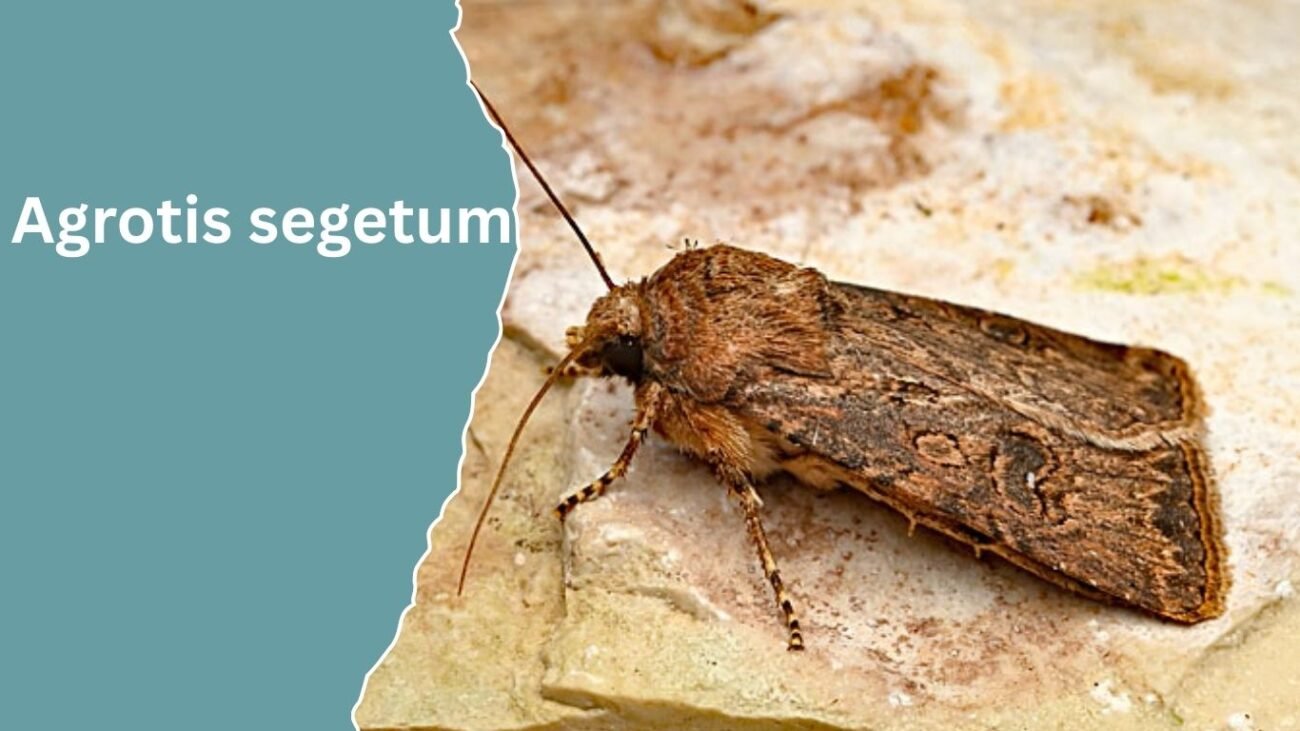
The Turnip Moth (Agrotis segetum) is a common owlet moth species in Europe, Asia, and Africa. Its larvae, also known as cutworms, are serious pests of many cultivated crops, particularly root vegetables and cereals.
Identification
- Adult moths have brownish-gray forewings with darker streaks and spots
- Hindwings are pale grayish-white with darker veins near the margin
- Wingspan ranges from 35–45 mm
- Caterpillars are gray to brown with a smooth body and faint dorsal line
- Pupae are reddish-brown and found in soil
Habitat
This species is abundant in agricultural regions, grasslands, and gardens. It thrives in fields of turnip, beet, cabbage, maize, and cereals. The larvae prefer loose soils where they can burrow and feed on the underground parts of plants.
Behavior
Adults are nocturnal, active at night, and attracted to artificial lights. The larvae feed at night and hide in soil during the day. Like other cutworms, they are known to cut off seedlings at the base, causing significant damage to crops.
Lifecycle
The lifecycle consists of egg, larva, pupa, and adult stages. Eggs are deposited on leaves or soil surfaces. Larvae pass through several instars before pupating in the soil. Depending on climate, there can be two or more generations annually, with peak infestations occurring in late spring and summer.
3. Noctua pronuba (Large Yellow Underwing)
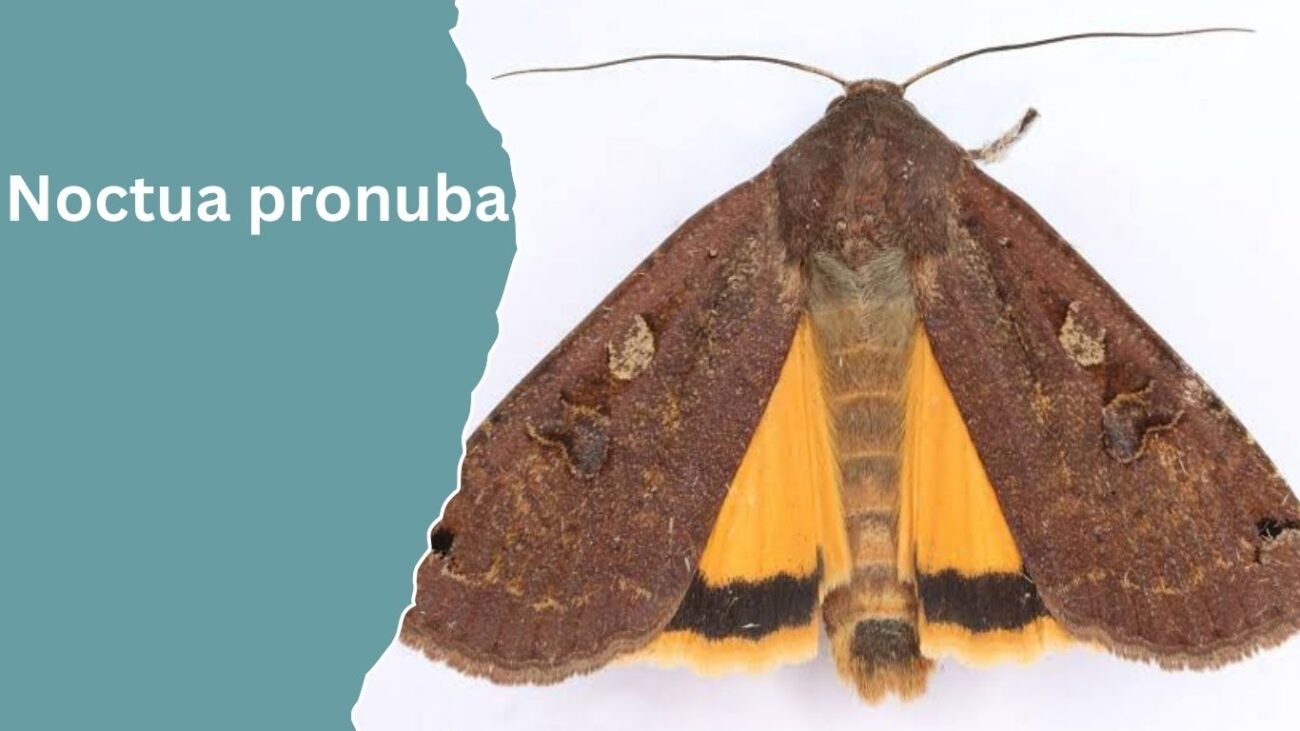
The Large Yellow Underwing (Noctua pronuba) is one of the most widespread owlet moths, found across Europe, Asia, North America, and parts of Africa. Its striking yellow-orange hindwings, hidden under dull forewings, give it its common name.
Identification
- Forewings are dull brown to gray with variable dark markings
- Hindwings are bright yellow-orange with a distinct black band along the margin
- Wingspan ranges from 50–60 mm, making it one of the larger owlet moths
- Caterpillars are gray to greenish-brown, smooth, and thick-bodied
- Pupae are reddish-brown and develop underground
Habitat
This species inhabits a wide range of environments, including gardens, meadows, grasslands, farmland, and open woodland. It is especially common in cultivated areas where host plants are abundant.
Behavior
Adults are strong fliers, nocturnal, and readily attracted to artificial lights. When disturbed during the day, they flash their bright hindwings as a defense mechanism to startle predators. Larvae, known as cutworms, feed mainly at night, damaging seedlings, grasses, and herbaceous plants.
Lifecycle
The lifecycle includes egg, larva, pupa, and adult stages. Eggs are laid in clusters on low-growing vegetation. Caterpillars hatch in autumn, overwinter as partially grown larvae, and continue feeding in spring. Pupation occurs in soil, with adults emerging in summer. Usually, there is one generation per year.
4. Noctua comes (Lesser Yellow Underwing)
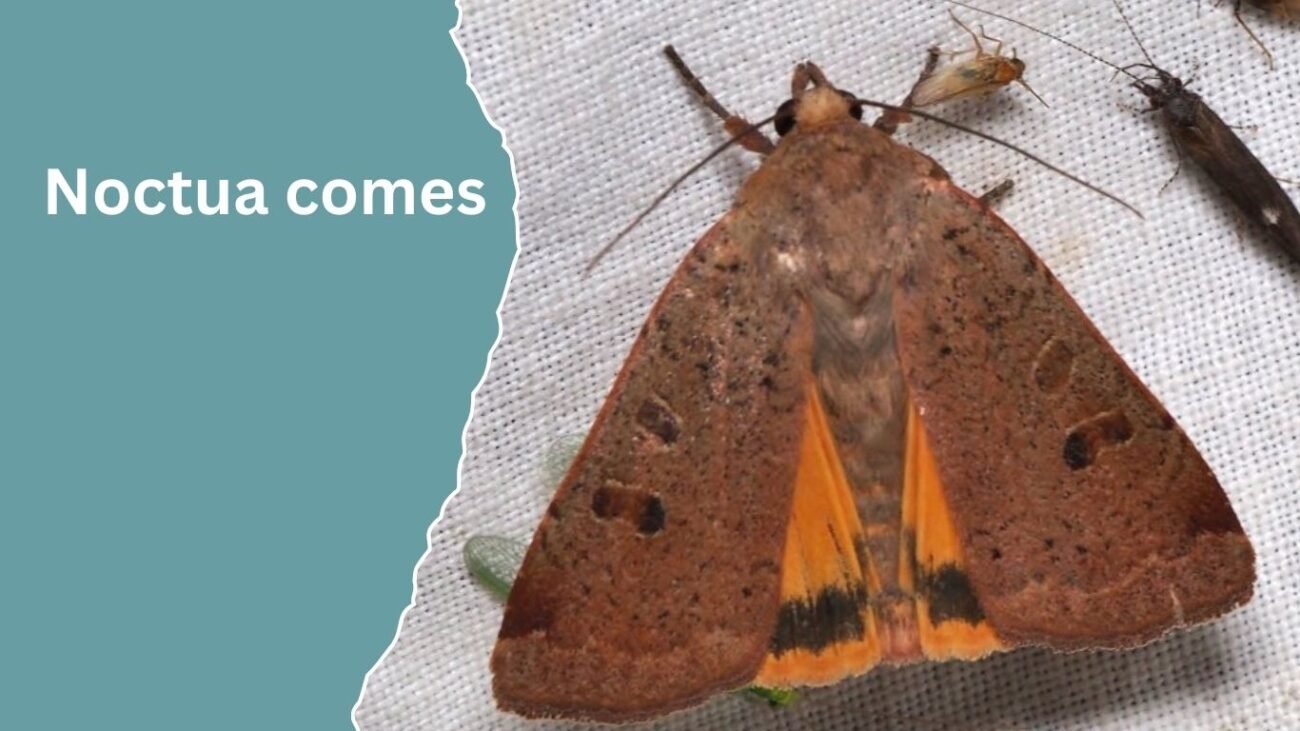
The Lesser Yellow Underwing (Noctua comes) is a common owlet moth species closely related to the Large Yellow Underwing. Although smaller in size, it shares the same bright yellow hindwings that act as a defense mechanism against predators.
Identification
- Forewings are brownish-gray with darker streaks and blotches
- Hindwings are yellow-orange with a bold black marginal band
- Wingspan typically ranges from 35–45 mm
- Caterpillars are smooth, gray to brownish, with faint dorsal and lateral lines
- Pupae are reddish-brown and found in soil
Habitat
This species is widespread across Europe, Asia, and North America. It prefers gardens, grasslands, farmlands, and meadows, where it can find a variety of herbaceous host plants.
Behavior
Adults are nocturnal, active at night, and strongly attracted to lights. Like its larger relative, when disturbed it flashes its yellow hindwings to startle predators. Larvae feed at night, often cutting seedlings or grazing on the leaves of many crops and wild plants.
Lifecycle
The lifecycle consists of egg, larva, pupa, and adult stages. Eggs are laid in late summer on low-growing plants. Larvae hatch in autumn and overwinter as partially grown caterpillars, resuming feeding in spring. Pupation takes place in soil, with adults emerging in summer. Typically, there is one generation annually.
5. Helicoverpa zea (Corn Earworm)
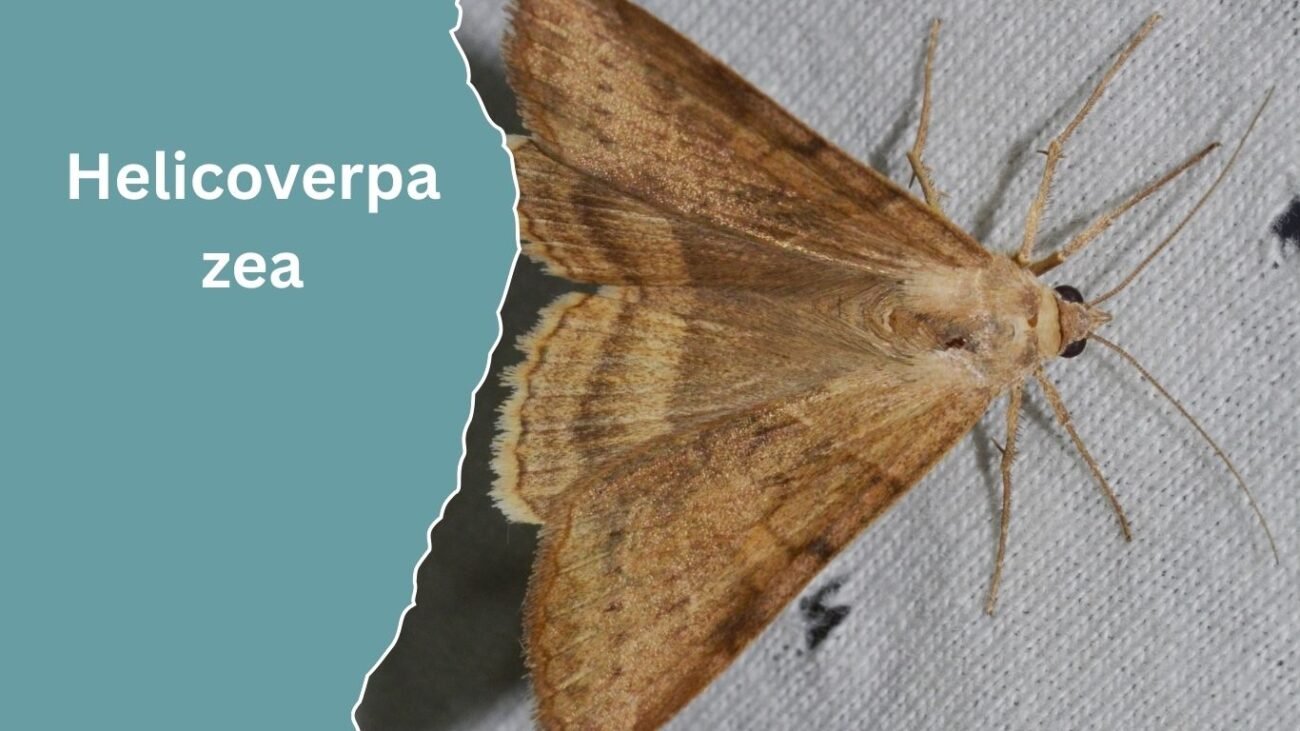
The Corn Earworm (Helicoverpa zea) is one of the most destructive agricultural pests in the Americas. Its larvae feed on a wide range of crops, especially corn, cotton, and tomato, causing significant economic losses.
Identification
- Adults have light brown to tan forewings with darker spots and wavy lines
- Hindwings are pale whitish with a dark band along the margin
- Wingspan ranges from 32–45 mm
- Caterpillars vary in color (green, brown, pink, or nearly black) with longitudinal stripes and spines
- Pupae are reddish-brown and buried in soil
Habitat
This species is found throughout North and South America. It thrives in agricultural fields, especially cornfields, but also inhabits vegetable gardens, orchards, and other cultivated areas.
Behavior
Adults are nocturnal and migrate long distances, helping spread infestations. Females lay eggs singly on host plants, particularly on fresh corn silks and cotton buds. The larvae are voracious feeders, often boring into corn ears or fruiting crops, making them difficult to control.
Lifecycle
The lifecycle includes egg, larva, pupa, and adult stages. Eggs hatch in 2–5 days, releasing larvae that pass through 5–6 instars before pupating in soil. Development is rapid in warm climates, allowing several generations per year. In tropical regions, breeding is continuous, while in temperate regions populations peak in summer.
6. Helicoverpa armigera (Cotton Bollworm)
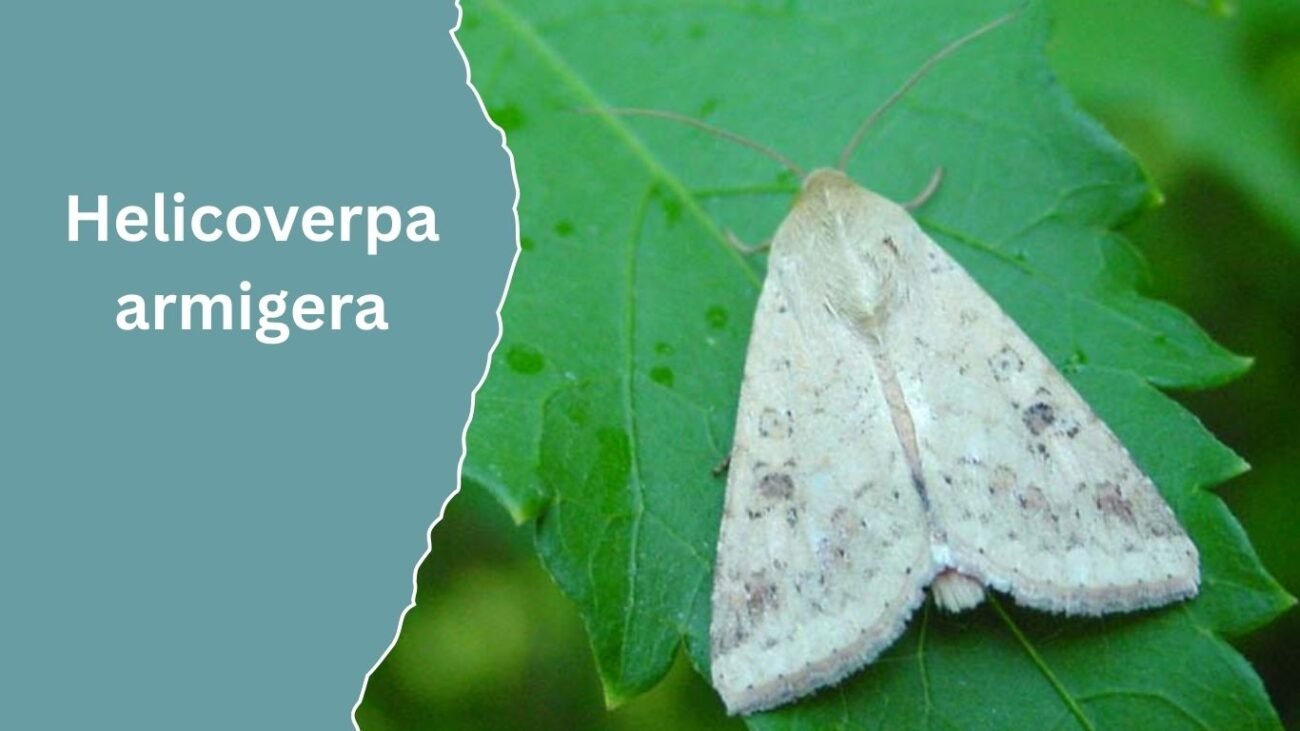
The Cotton Bollworm (Helicoverpa armigera) is a highly destructive owlet moth species with a worldwide distribution, particularly damaging cotton, maize, tomato, and many other crops. It is regarded as one of the most economically important agricultural pests globally.
Identification
- Forewings are light brown to reddish-brown with darker wavy markings
- Hindwings are pale whitish with a dark brown or blackish border
- Wingspan ranges from 30–40 mm
- Caterpillars vary greatly in color (green, yellow, brown, or black) with longitudinal stripes and small spines
- Pupae are reddish-brown and develop in soil
Habitat
This species is widespread across Asia, Africa, Europe, and Australia. It prefers agricultural landscapes but can also be found in gardens, grasslands, and orchards. It thrives in warm regions where host plants are abundant.
Behavior
Adults are nocturnal and strong fliers, capable of migrating long distances. Females lay eggs singly on buds, flowers, or young fruits of host plants. Larvae are highly polyphagous, feeding on over 180 plant species, often boring into reproductive structures like bolls, pods, and fruits, which makes control difficult.
Lifecycle
The lifecycle consists of egg, larva, pupa, and adult stages. Eggs hatch within a few days, and larvae undergo 5–6 instars before pupating in soil. Multiple generations occur per year, with continuous breeding in tropical climates. Outbreaks are especially severe during warm growing seasons.
7. Spodoptera frugiperda (Fall Armyworm)
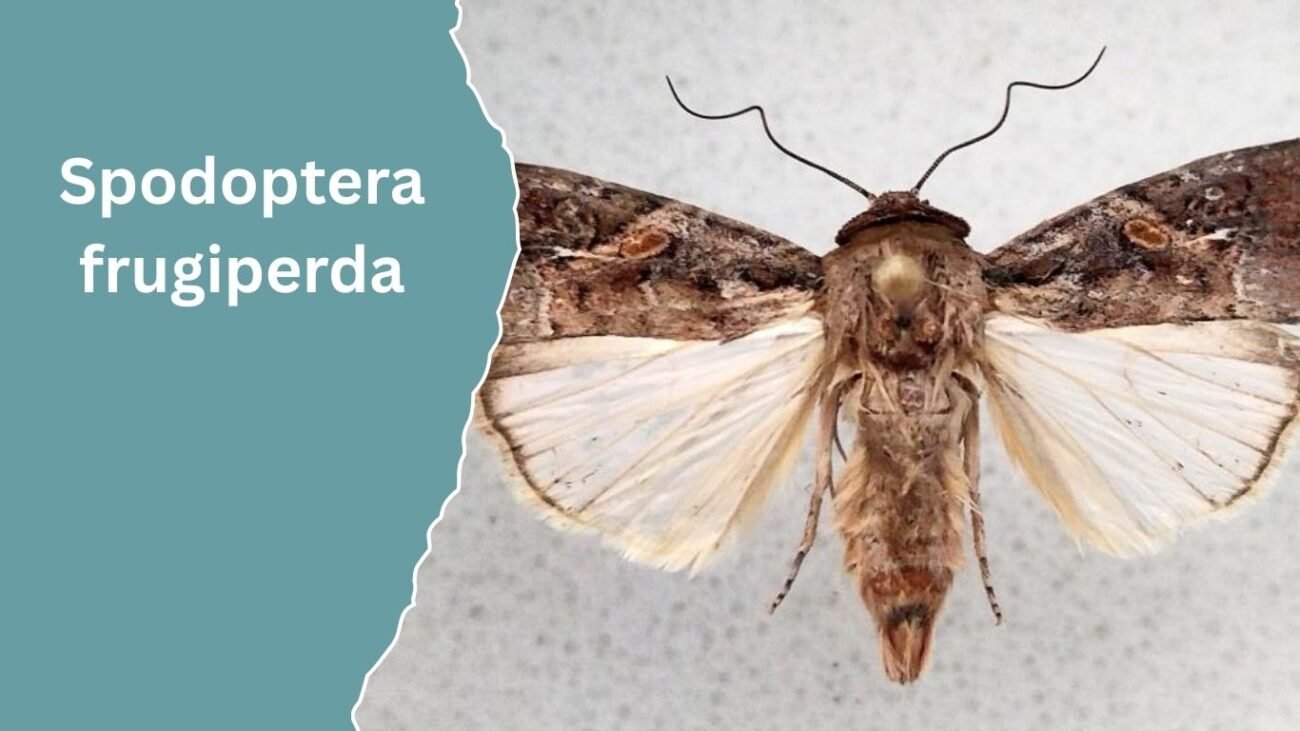
The Fall Armyworm (Spodoptera frugiperda) is a highly invasive owlet moth species native to the Americas but now spread across Africa, Asia, and beyond. It is notorious for its destructive feeding on maize and many other staple crops.
Identification
- Adults have mottled brown forewings with a pale diagonal line and darker spots
- Hindwings are whitish with a dark brown margin
- Wingspan ranges from 32–40 mm
- Caterpillars vary in color from green to brown with distinctive inverted “Y” marking on the head
- Pupae are reddish-brown and form in soil chambers
Habitat
This species thrives in agricultural fields, particularly maize, sorghum, rice, and other cereal crops. It is also found in grasslands and cultivated areas worldwide, adapting quickly to new regions.
Behavior
Adults are nocturnal, strong fliers, and capable of long-distance migration. Females lay egg masses covered in protective scales on leaves of host plants. Larvae are highly gregarious in early instars, feeding in large numbers, which can cause rapid defoliation. Older larvae become more solitary and bore into stems and ears of maize.
Lifecycle
The lifecycle includes egg, larva, pupa, and adult stages. Eggs hatch within 2–4 days, and larvae pass through 6 instars before pupating in the soil. The entire cycle can be completed in about 30 days under warm conditions, allowing multiple generations annually. In tropical and subtropical regions, breeding continues year-round.
8. Spodoptera exigua (Beet Armyworm)
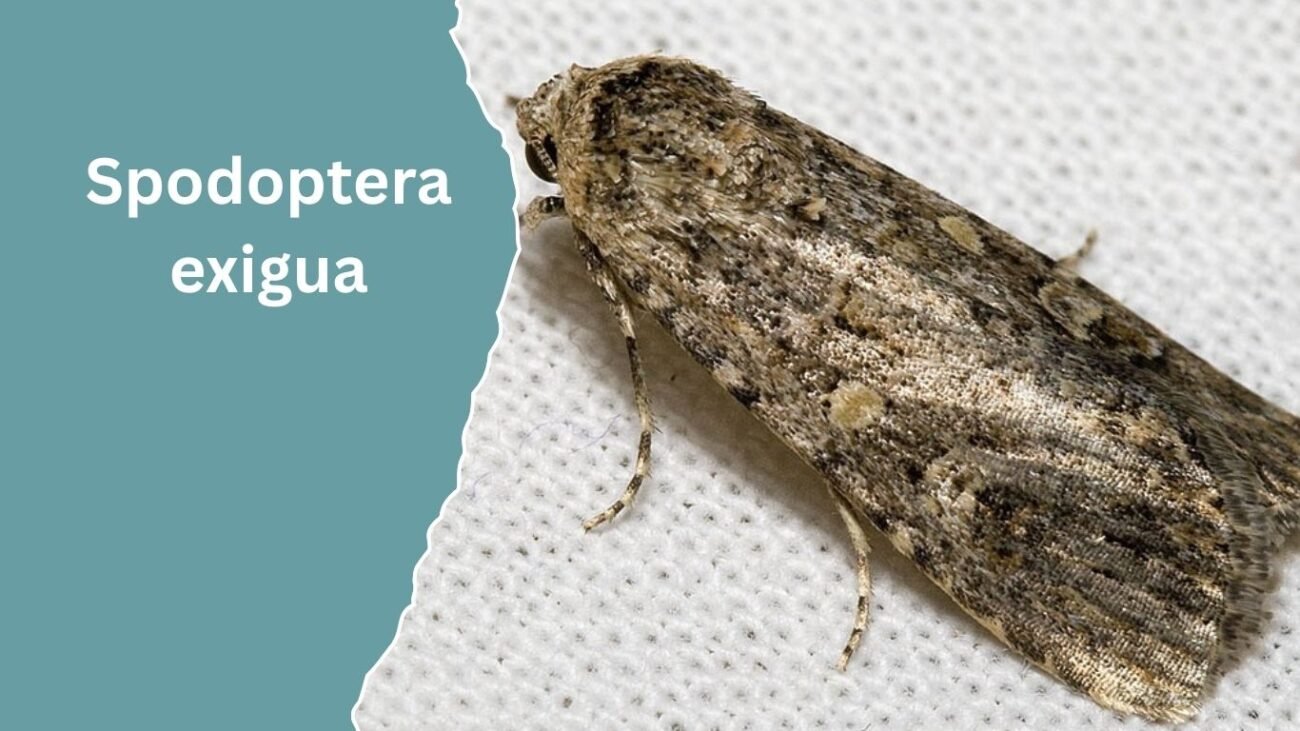
The Beet Armyworm (Spodoptera exigua) is a widely distributed pest species that feeds on a broad range of crops. It is especially damaging to beets, spinach, cotton, and other leafy vegetables, making it a significant agricultural concern worldwide.
Identification
- Adults have grayish-brown forewings with irregular dark markings
- Hindwings are pale whitish with a darker border
- Wingspan ranges from 25–30 mm, smaller than many related species
- Caterpillars are green to brown with fine stripes along the body
- Pupae are reddish-brown, enclosed in a thin silk cocoon in soil or plant debris
Habitat
This moth is abundant in warm agricultural regions across Asia, Africa, Europe, and the Americas. It prefers cultivated fields of vegetables, cotton, and ornamentals but can also survive in wild habitats with suitable host plants.
Behavior
Adults are nocturnal and attracted to lights. Females deposit eggs in clusters on the undersides of leaves, often covered with scales or hairs. Young larvae feed gregariously, skeletonizing leaves, while older larvae disperse and feed more destructively on foliage, buds, and fruits.
Lifecycle
The lifecycle includes egg, larva, pupa, and adult stages. Eggs hatch within 2–3 days, and larvae pass through 5–6 instars before pupating. Development is rapid in warm climates, with several generations per year. In tropical areas, breeding can continue year-round, causing recurring infestations.
9. Spodoptera littoralis (African Cotton Leafworm)
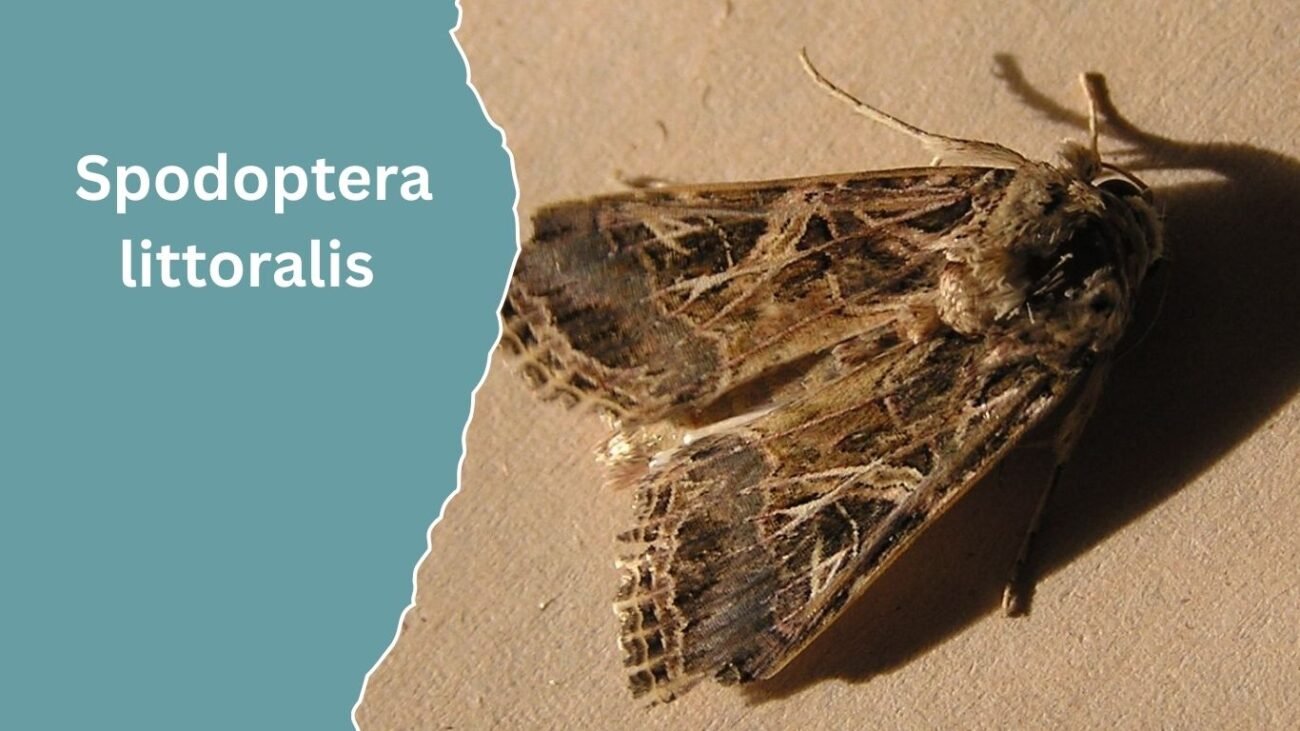
The African Cotton Leafworm (Spodoptera littoralis) is a serious polyphagous pest native to Africa and the Mediterranean region. It attacks a wide variety of crops, including cotton, maize, tomatoes, and ornamental plants.
Identification
- Adults have brownish-gray forewings with darker streaks and irregular patterns
- Hindwings are whitish with a darker marginal band
- Wingspan ranges from 30–38 mm
- Caterpillars are green to brown with longitudinal stripes and small dark spots along the body
- Pupae are reddish-brown and typically formed in soil
Habitat
This moth thrives in agricultural fields, gardens, and orchards, especially in warm regions of Africa, southern Europe, and the Middle East. It favors areas where host plants are cultivated continuously.
Behavior
Adults are nocturnal and are strongly attracted to light sources. Females lay egg clusters on leaves, covered with protective scales. Larvae are highly destructive feeders, initially feeding gregariously on leaf tissue and later attacking buds, flowers, and fruits, often leaving plants severely defoliated.
Lifecycle
The lifecycle includes egg, larva, pupa, and adult stages. Eggs hatch within 3–5 days, and larvae pass through 6 instars before pupating in soil. In favorable climates, multiple generations occur annually, with populations peaking during warm growing seasons. In tropical and subtropical regions, it can reproduce year-round.
10. Mythimna unipuncta (True Armyworm)
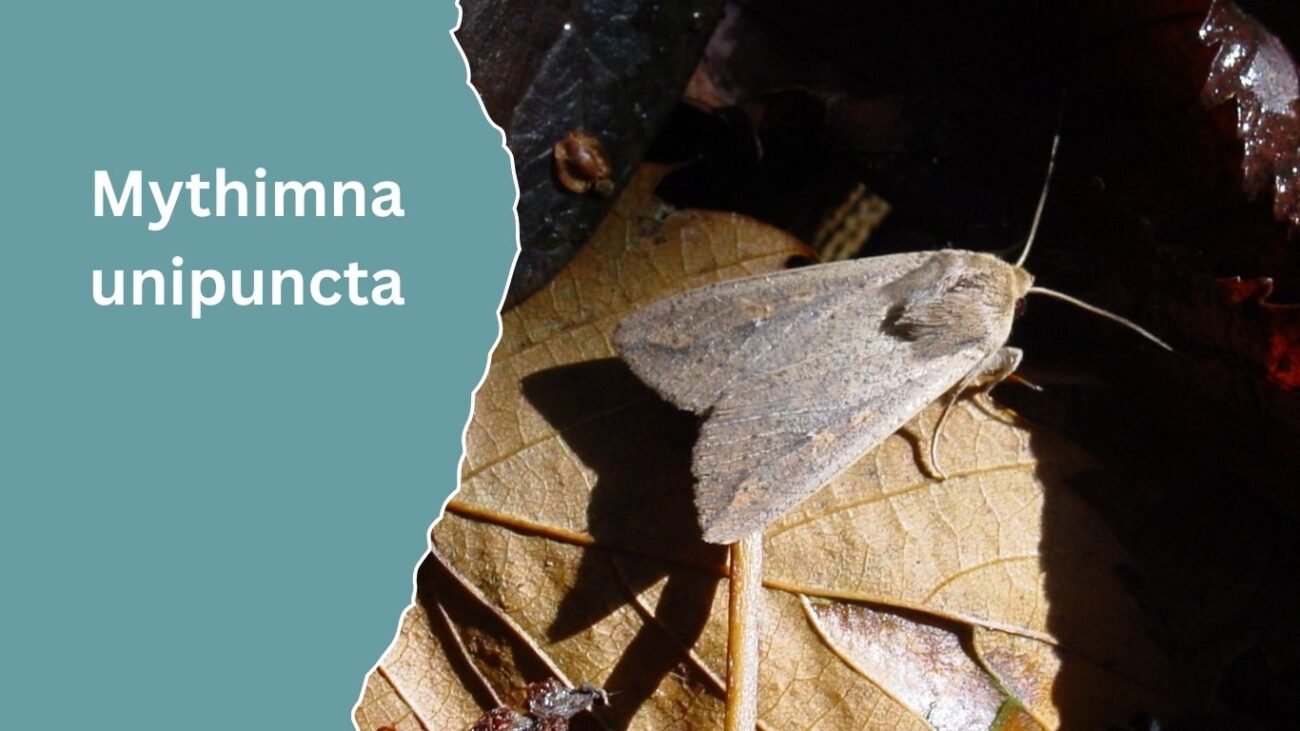
The True Armyworm (Mythimna unipuncta) is a migratory owlet moth species known for causing significant damage to cereal crops and grasses. Outbreaks can devastate fields, as large numbers of larvae feed collectively, creating “army-like” movements across landscapes.
Identification
- Adults have pale brown to grayish forewings with a small distinct white dot (the “unipuncta” mark)
- Hindwings are whitish with darker veins
- Wingspan ranges from 30–40 mm
- Caterpillars are greenish to brown with longitudinal stripes and smooth bodies
- Pupae are reddish-brown and form in soil
Habitat
This species inhabits agricultural fields, meadows, and grasslands, particularly where cereal crops like corn, wheat, and barley are grown. It is widespread across North America, South America, and parts of Europe.
Behavior
Adults are nocturnal and capable of long-distance migrations, often moving northward in spring. Females lay eggs in clusters on grasses or cereal crops. Larvae feed gregariously in large numbers, stripping leaves and stems of host plants, and can move en masse to new areas once food sources are depleted.
Lifecycle
The lifecycle includes egg, larva, pupa, and adult stages. Eggs hatch within 5–10 days, and larvae pass through 6 instars before pupating in soil. Development is influenced by temperature, with multiple generations per year in warmer regions. In temperate areas, populations build up in late spring and summer.
11. Mythimna separata (Oriental Armyworm)
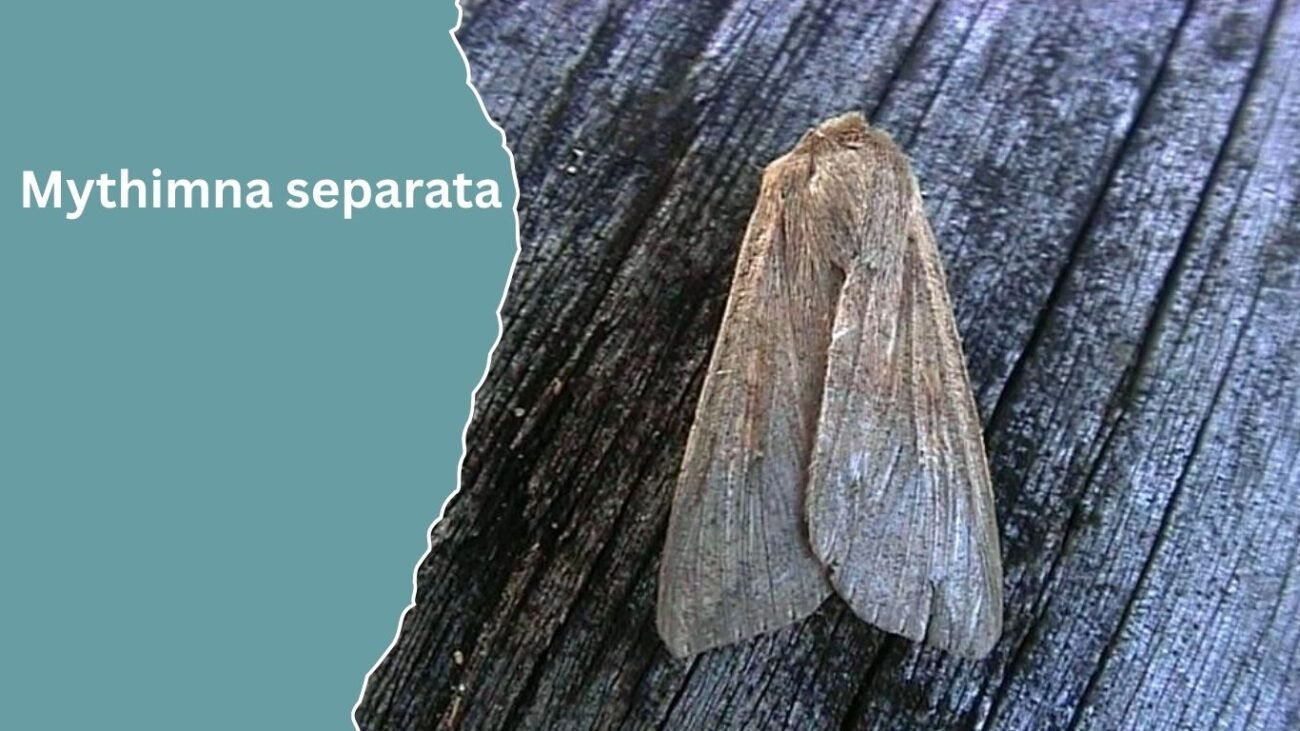
The Oriental Armyworm (Mythimna separata) is a destructive pest of cereal crops, especially maize, rice, sorghum, and wheat. It is widely distributed across Asia, Africa, and Oceania and is known for its sudden outbreaks that cause large-scale crop losses.
Identification
- Adults have pale brown to grayish forewings with faint wavy lines and small dark dots
- Hindwings are whitish with darker margins and veins
- Wingspan ranges from 30–40 mm
- Caterpillars are greenish-brown to dark gray with longitudinal stripes and smooth, cylindrical bodies
- Pupae are reddish-brown, developing in the soil
Habitat
This moth thrives in cultivated fields, meadows, and grasslands, particularly where cereals are grown extensively. It is most abundant in warm and subtropical regions with year-round host plant availability.
Behavior
Adults are nocturnal, migratory, and capable of long-distance flights. Females lay eggs in batches on grasses or cereal crops. Larvae are gregarious in early stages, feeding collectively on leaves, before dispersing as they grow larger. During heavy infestations, larvae may migrate in “army-like” swarms across fields, causing severe defoliation.
Lifecycle
The lifecycle consists of egg, larva, pupa, and adult stages. Eggs hatch within 3–5 days, and larvae develop through 6 instars before pupation. The pupal stage lasts 7–10 days, after which adults emerge. In warmer climates, multiple generations occur annually, while in temperate regions, outbreaks peak during summer.
12. Mamestra brassicae (Cabbage Moth)
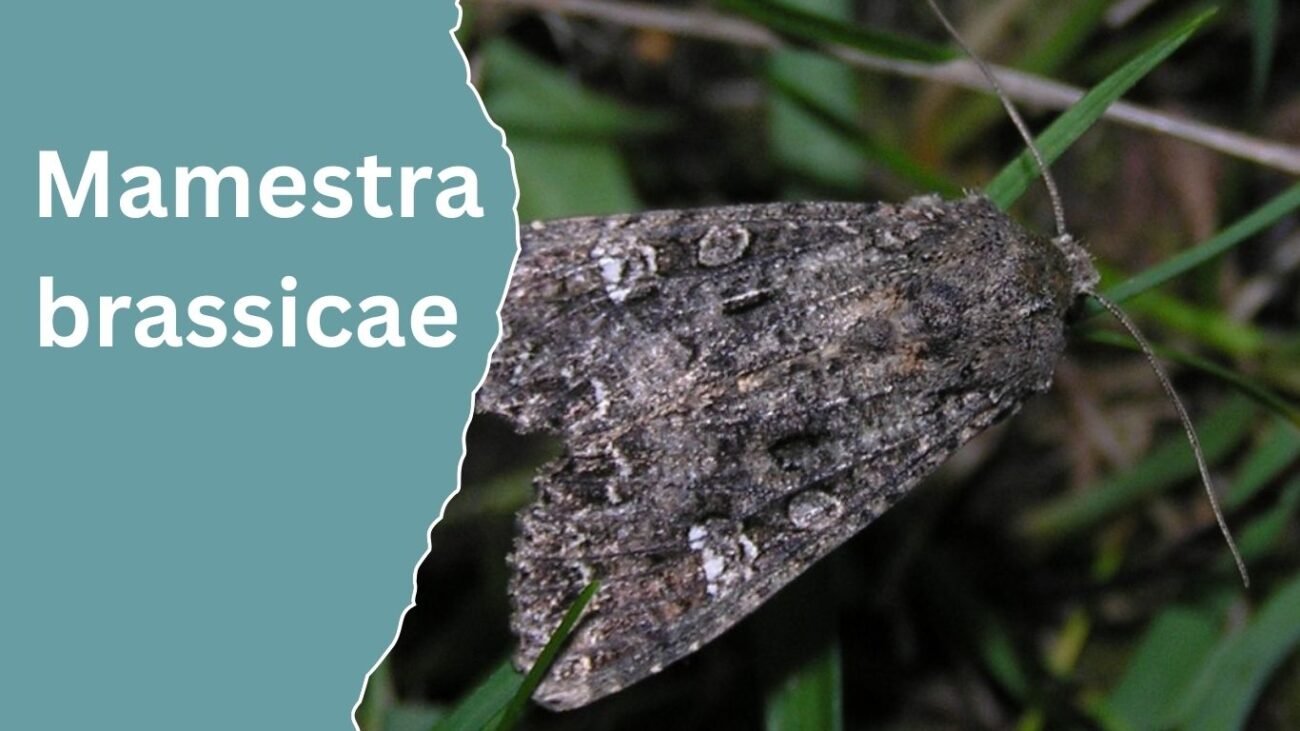
The Cabbage Moth (Mamestra brassicae) is a major agricultural pest in Europe, Asia, and parts of Africa. Its larvae cause significant damage to brassicas, including cabbage, broccoli, and cauliflower, making it an important species in crop protection studies.
Identification
- Adults have dark brown to gray forewings with complex wavy patterns and kidney-shaped spots
- Hindwings are pale grayish-white with darker margins
- Wingspan ranges from 34–50 mm
- Caterpillars are greenish to brown with light and dark longitudinal stripes and a smooth, plump body
- Pupae are reddish-brown and formed in the soil
Habitat
This moth inhabits agricultural fields, vegetable gardens, and grasslands, particularly where brassicas and related crops are cultivated. It is common in temperate regions but adapts well to different environments.
Behavior
Adults are nocturnal and strongly attracted to light sources. Females lay eggs in clusters on the undersides of host plant leaves. Larvae are voracious feeders, attacking leaves, stems, and heads of cabbage and related plants, often leaving extensive holes and contaminating crops with frass.
Lifecycle
The lifecycle includes egg, larva, pupa, and adult stages. Eggs hatch within a week, and larvae pass through 5–6 instars before pupating in soil. Depending on the climate, 2–3 generations may occur per year. In warmer regions, populations can build up quickly, causing widespread infestations.
13. Lacanobia oleracea (Bright-line Brown-eye)
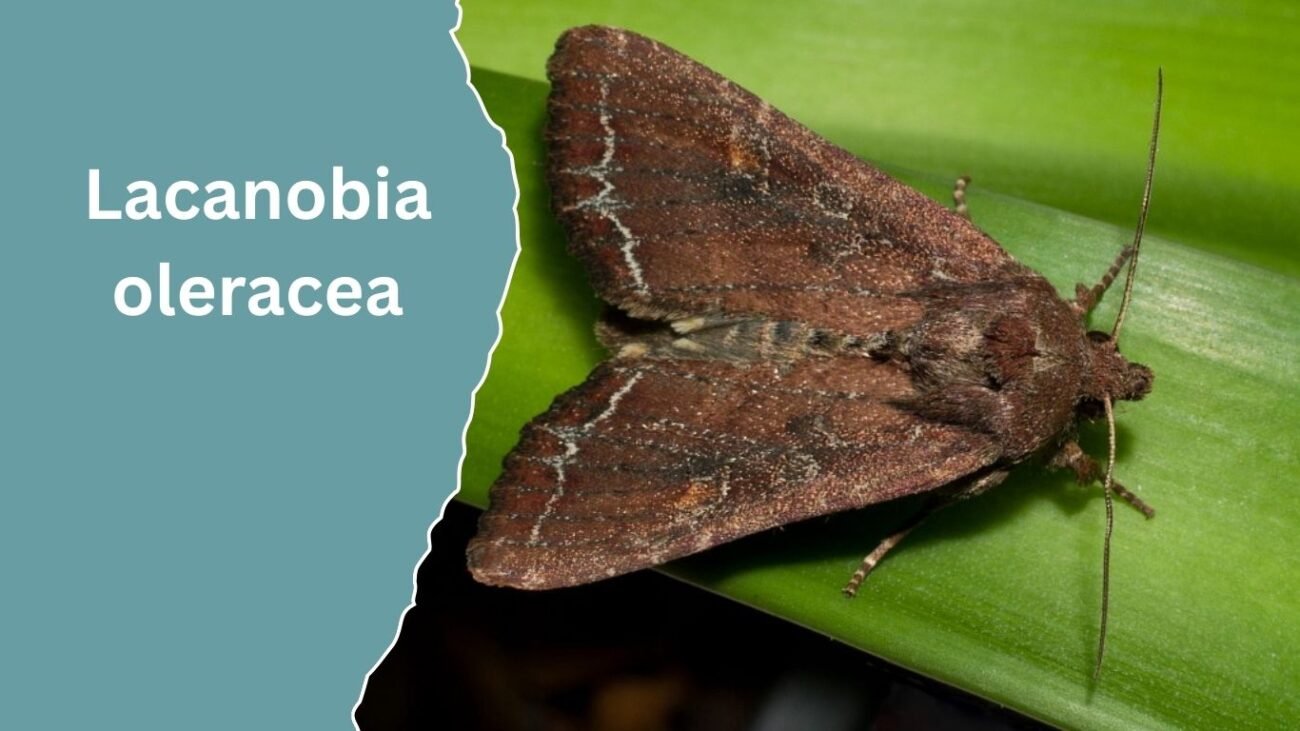
The Bright-line Brown-eye (Lacanobia oleracea) is a common owlet moth found in Europe and parts of Asia. Its larvae are significant pests of tomatoes, potatoes, and other solanaceous plants, making it a concern in both field crops and greenhouses.
Identification
- Adults have reddish-brown forewings with a distinct pale kidney-shaped mark and a bright yellow-orange line
- Hindwings are pale gray with darker venation and margins
- Wingspan ranges from 34–45 mm
- Caterpillars are bright green with fine white stripes and small black spots
- Pupae are reddish-brown and develop in soil chambers
Habitat
This moth inhabits vegetable gardens, agricultural fields, and meadows, especially where solanaceous crops such as tomatoes, potatoes, and peppers are grown. It is most common in temperate regions.
Behavior
Adults are nocturnal and attracted to lights. Females lay eggs singly or in small groups on leaves of host plants. Larvae feed openly on leaves, buds, and developing fruits, often causing direct crop losses. They are particularly damaging to greenhouse-grown tomatoes.
Lifecycle
The lifecycle includes egg, larva, pupa, and adult stages. Eggs hatch within 5–7 days, and larvae pass through 5 instars before pupating in soil. Typically, there are two generations per year in temperate regions, with adults flying from late spring to early autumn.
14. Euxoa auxiliaris (Army Cutworm)
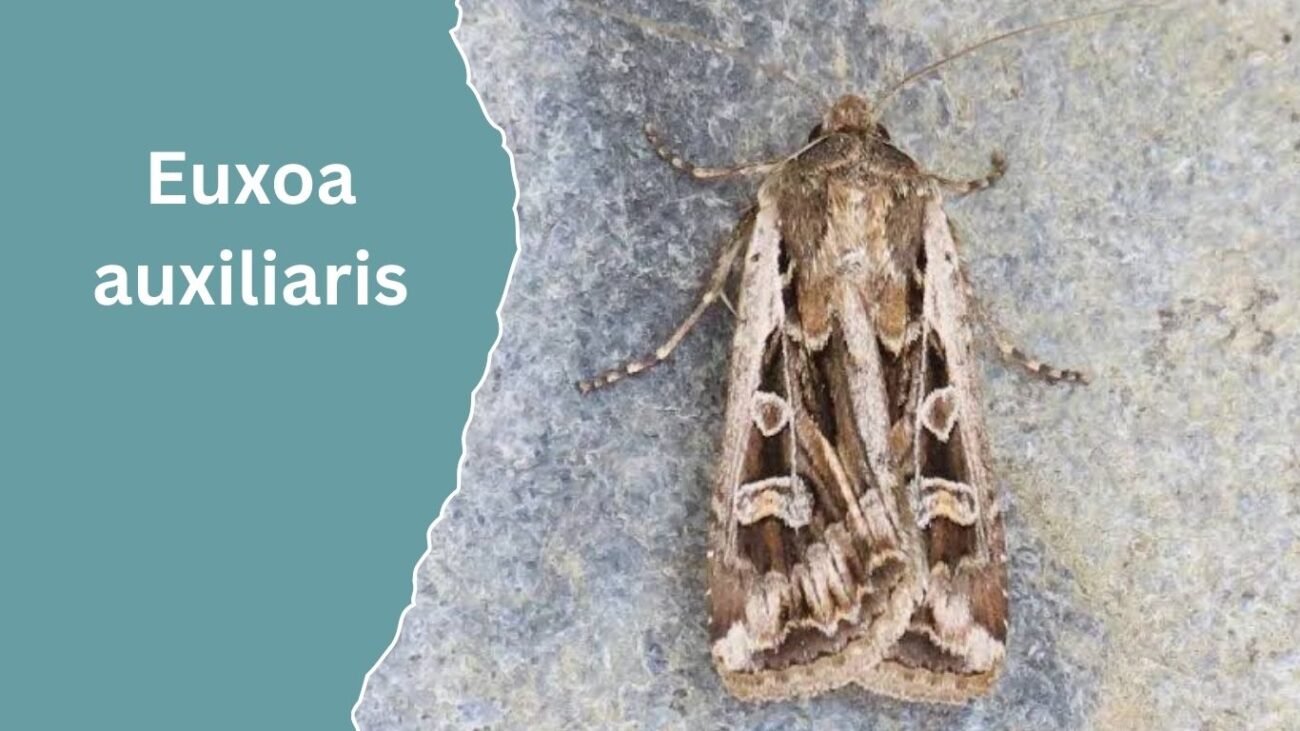
The Army Cutworm (Euxoa auxiliaris) is a widespread North American moth species known for its migratory behavior and destructive larval stage. The caterpillars are serious pests of cereal crops, alfalfa, sugar beets, and other plants.
Identification
- Adults have grayish-brown forewings with mottled markings and faint lines
- Hindwings are pale whitish with darker veins and margins
- Wingspan ranges from 32–40 mm
- Caterpillars are greenish-gray to brown with faint longitudinal stripes and a smooth body
- Pupae are reddish-brown and form in soil chambers
Habitat
This species inhabits prairies, grasslands, and agricultural fields across western and central North America. It thrives in areas where wheat, barley, alfalfa, and sugar beets are cultivated.
Behavior
Adults are nocturnal, and unlike many related species, they undertake seasonal migrations. In spring, moths migrate to the Rocky Mountains to feed on alpine flowers before returning to plains in autumn to lay eggs. Larvae are most active at night, feeding on seedlings and young plants, and may cause extensive crop damage.
Lifecycle
The lifecycle includes egg, larva, pupa, and adult stages. Eggs are laid in soil in autumn and overwinter before hatching in early spring. Larvae feed for several weeks, then pupate in soil during late spring. Adults emerge in summer, completing one generation per year, though the migration cycle makes population dynamics complex.
15. Peridroma saucia (Variegated Cutworm)
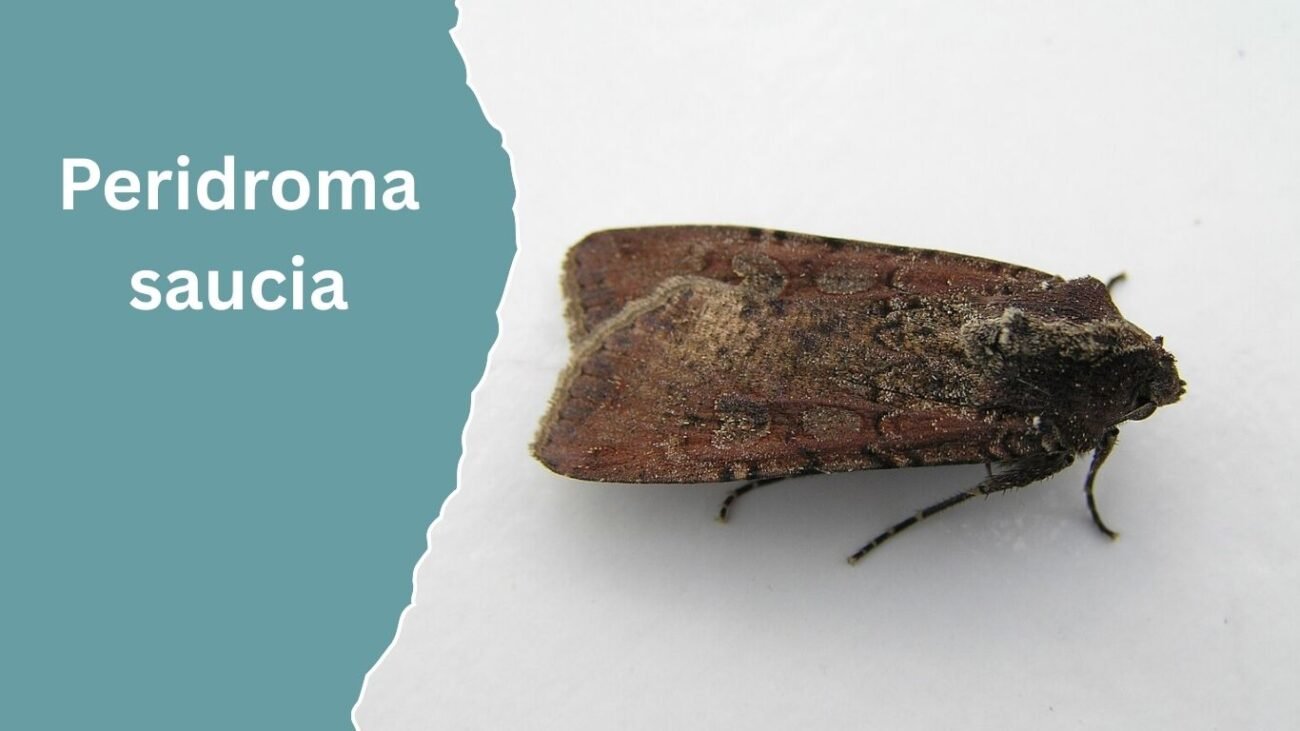
The Variegated Cutworm (Peridroma saucia) is a highly adaptable owlet moth species found across North America, Europe, and many other regions. Its larvae are well-known agricultural pests that feed on a wide variety of crops and ornamental plants.
Identification
- Adults have grayish-brown forewings with mottled patterns and wavy lines
- Hindwings are whitish with darker veins and margins
- Wingspan ranges from 35–45 mm
- Caterpillars are grayish-brown with a distinctive row of yellowish spots along the dorsal side
- Pupae are reddish-brown and formed in soil
Habitat
This species thrives in cultivated fields, gardens, grasslands, and meadows. It is especially common in regions where vegetables, cereals, and ornamental plants are grown.
Behavior
Adults are nocturnal and attracted to light sources. Females lay eggs in clusters on leaves and stems of host plants. Larvae are active feeders at night and hide in soil or under plant debris during the day. They are known as cutworms because they cut seedlings at ground level, but they also climb plants to feed on leaves and fruits.
Lifecycle
The lifecycle consists of egg, larva, pupa, and adult stages. Eggs hatch in about a week, and larvae pass through 6 instars before pupating in soil. Depending on the climate, 2–4 generations may occur annually, with continuous breeding possible in warmer regions.
16. Autographa gamma (Silver Y Moth)
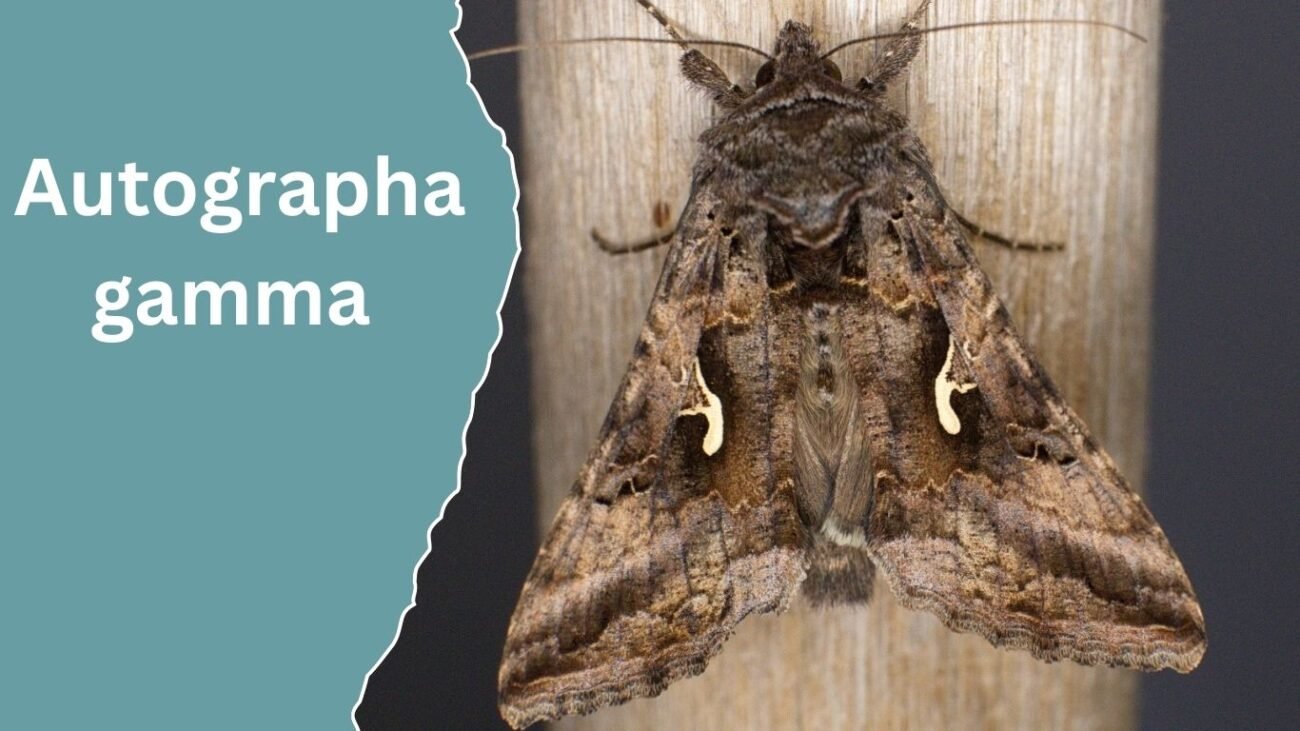
The Silver Y Moth (Autographa gamma) is a migratory owlet moth species widely distributed across Europe, Asia, and Africa. It is named for the distinctive metallic silver “Y”-shaped mark on each forewing. This species is a serious pest of vegetables, ornamentals, and field crops.
Identification
- Adults have grayish-brown forewings with a metallic silver “Y” or “gamma” mark
- Hindwings are pale brownish-gray with darker borders
- Wingspan ranges from 30–45 mm
- Caterpillars are bright green with faint white stripes and a characteristic looping movement (similar to inchworms)
- Pupae are reddish-brown and enclosed in a loose cocoon, often on host plants
Habitat
This moth thrives in gardens, agricultural fields, grasslands, and meadows. It favors areas with a wide range of host plants, including cabbage, peas, clover, and ornamental flowers.
Behavior
Adults are strong fliers and migratory, moving northward in spring and summer. They are nocturnal and highly attracted to lights. Females lay eggs singly or in small groups on host plants. Larvae feed openly on foliage, often leaving holes and skeletonized leaves. They are capable of rapid population increases during migration seasons.
Lifecycle
The lifecycle includes egg, larva, pupa, and adult stages. Eggs hatch within 3–5 days, and larvae develop through 5 instars before pupating. In warm regions, several generations occur per year, with adults present almost year-round. In temperate areas, they migrate seasonally and reproduce during summer.
17. Trichoplusia ni (Cabbage Looper)
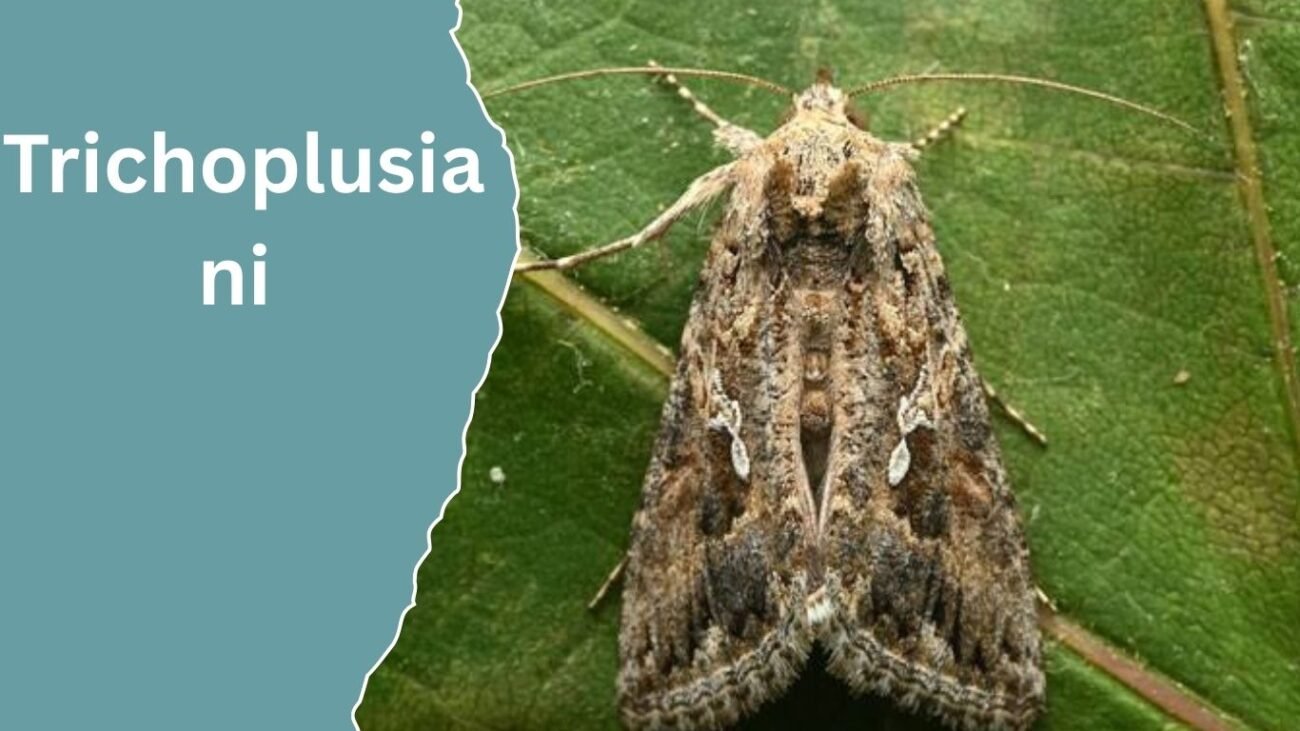
The Cabbage Looper (Trichoplusia ni) is a widespread pest moth that primarily attacks cruciferous crops such as cabbage, broccoli, and cauliflower. It is named for its looping movement, as the larvae arch their bodies while crawling.
Identification
- Adults have mottled brownish-gray forewings with a small silvery-white mark near the center
- Hindwings are pale gray with darker margins
- Wingspan ranges from 32–38 mm
- Caterpillars are light green with narrow white stripes and move in a “looping” fashion
- Pupae are greenish to brown, enclosed in a thin cocoon attached to foliage
Habitat
This species inhabits agricultural fields, gardens, and grasslands, especially in regions where cruciferous vegetables are cultivated. It is common throughout North and South America and has spread to other continents through trade.
Behavior
Adults are nocturnal and attracted to lights. Females lay eggs singly on the undersides of leaves. Larvae are voracious feeders, consuming large amounts of foliage and leaving plants skeletonized. Their looping movement makes them easy to recognize.
Lifecycle
The lifecycle includes egg, larva, pupa, and adult stages. Eggs hatch within 3–4 days, and larvae pass through 5 instars before pupating on host plants. Development is rapid, with multiple generations per year in warm regions. In temperate zones, populations peak in late summer and fall.