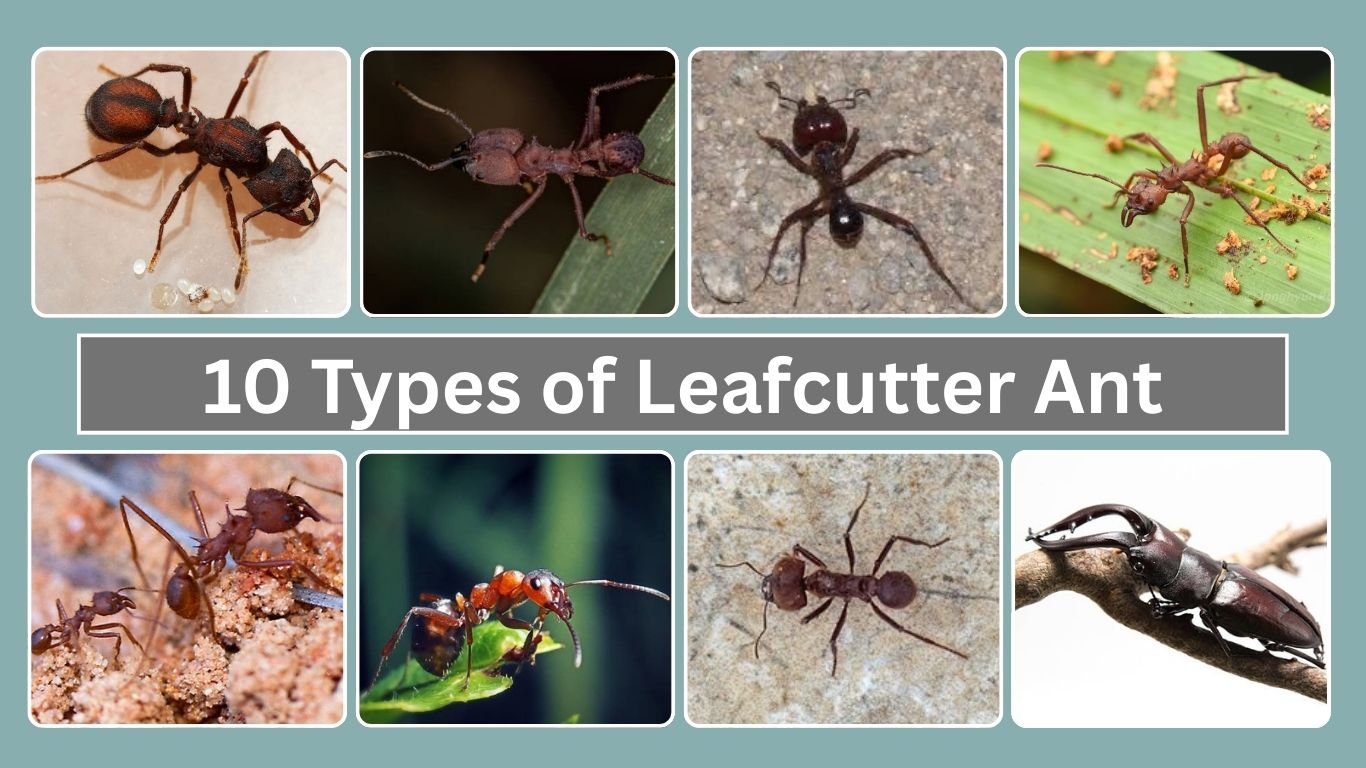
Leafcutter ants are some of the most fascinating and ecologically important insects in the world. Belonging to the genera Atta and Acromyrmex, these ants are famous for their ability to cut and transport leaves to cultivate fungus, their sole food source. Found across the Americas, they display remarkable social organization, unique adaptations, and complex life cycles that make them a vital part of tropical and subtropical ecosystems.
1. Atta cephalotes
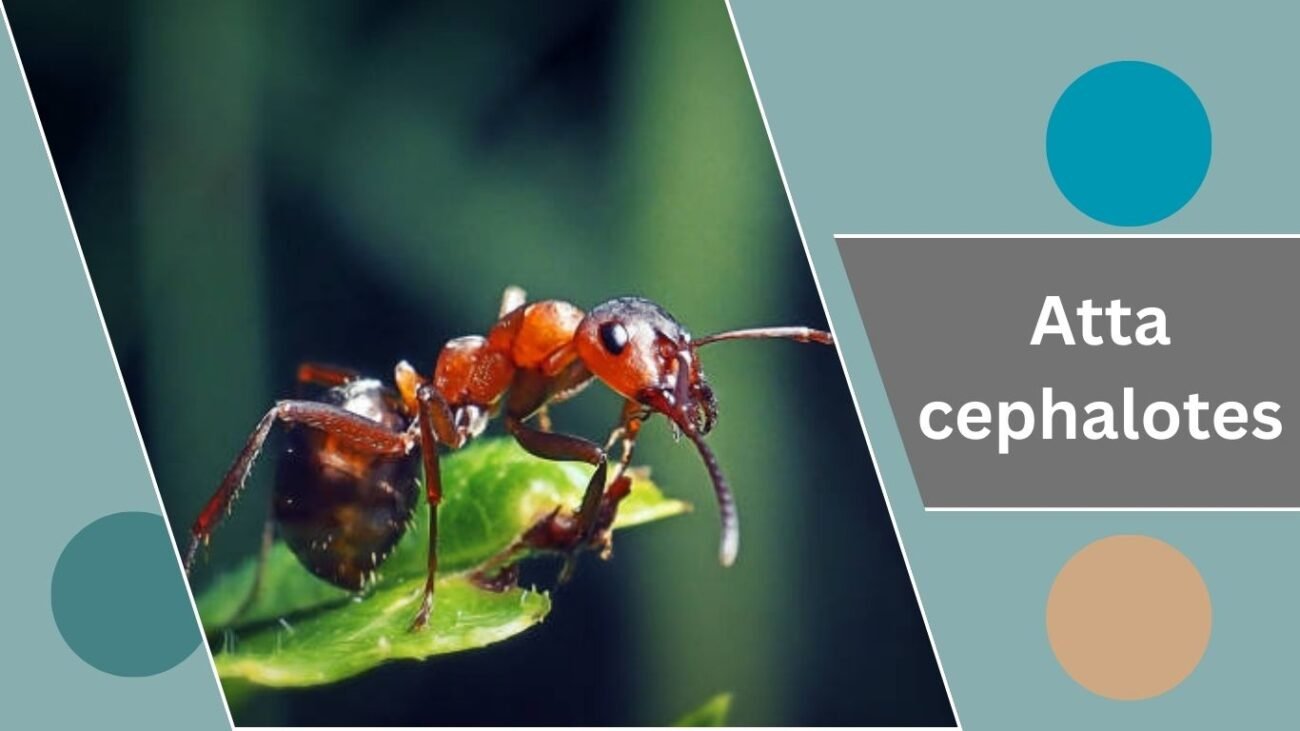
Atta cephalotes, commonly known as the leafcutter ant, is one of the most studied ant species in the genus Atta. It is famous for its impressive ability to cut and carry leaf fragments many times its body size to cultivate fungus, which serves as its primary food source.
Identification
- Large workers with strong mandibles used for cutting leaves.
- Polymorphic caste system: soldiers, major workers, minor workers, and minima workers.
- Reddish-brown body color with a spiny thorax.
- Workers range from 6 mm to over 16 mm in length depending on caste.
Habitat
Atta cephalotes is found in tropical regions of Central and South America. It prefers rainforests, plantations, and areas with abundant vegetation, where it can easily collect leaf material for fungus cultivation.
Behavior
This species demonstrates advanced social organization. Colonies can number in the millions and build massive underground nests with complex ventilation systems. Workers form long foraging trails, cutting vegetation and carrying it back to their nest. They do not eat the leaves directly but use them to grow a specialized fungus.
Diet
The ants rely on a symbiotic relationship with their cultivated fungus (Leucoagaricus gongylophorus). The leaves they harvest serve as a substrate for the fungus, which breaks down plant material and provides the ants with digestible nutrients.
Lifecycle
The queen establishes the colony after a nuptial flight, carrying a small piece of fungus from her parent colony to start the new one. She can live for more than a decade, producing millions of offspring. The colony grows gradually, eventually reaching millions of individuals that sustain themselves through continuous fungus farming.
2. Atta sexdens
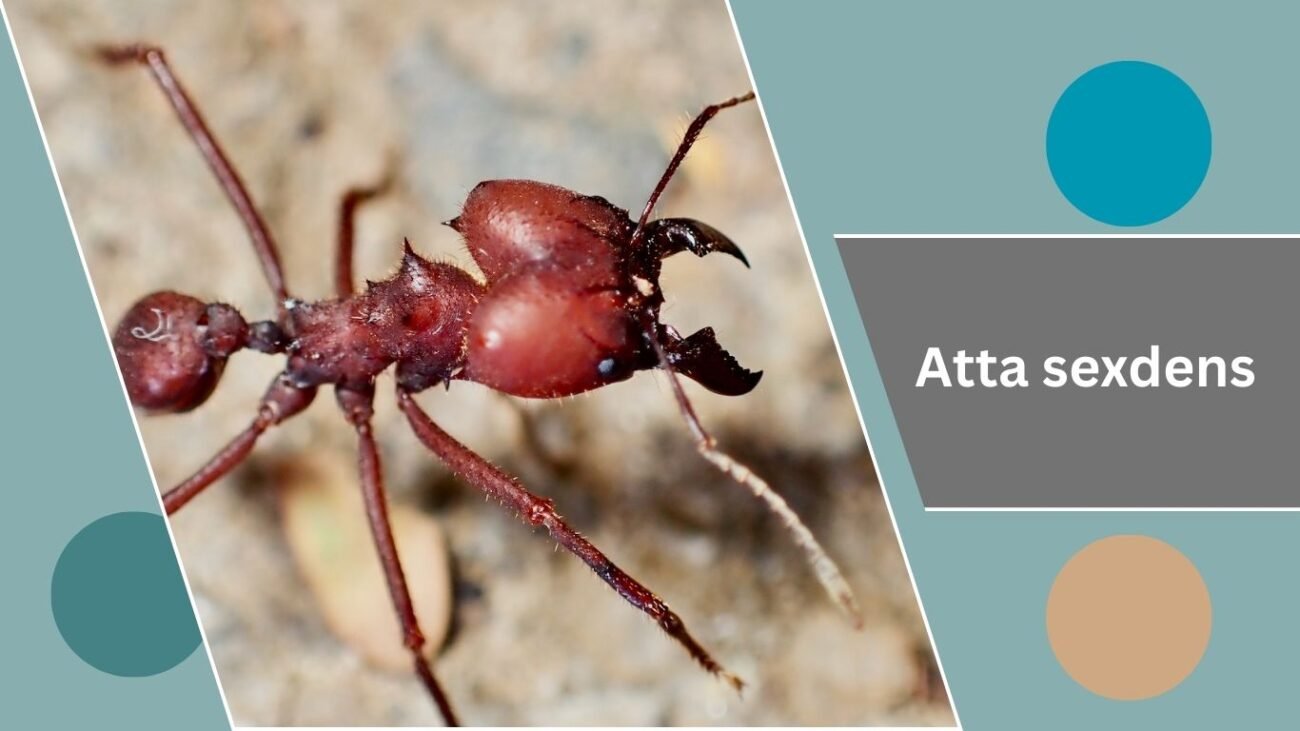
Atta sexdens, often called the “South American leafcutter ant,” is one of the largest and most widely distributed species in the genus Atta. It plays an important ecological role in forests but is also considered a serious agricultural pest due to its leaf-harvesting activities.
Identification
- Workers are polymorphic, with sizes ranging from 2 mm to 16 mm.
- Reddish-brown to dark brown in color.
- Distinctive spiny thorax, with soldiers having very large, strong mandibles.
- Known for long trails of foraging ants carrying leaf fragments.
Habitat
This species inhabits tropical and subtropical regions across South America. It thrives in rainforests, savannas, plantations, and agricultural lands. Colonies often build massive underground nests with multiple entrances and chambers that can span several square meters.
Behavior
Atta sexdens is highly organized and aggressive in foraging. Colonies can have millions of individuals working collectively. Workers cut and transport leaves, flowers, and plant matter in large quantities. The species demonstrates advanced communication and division of labor among its castes.
Diet
Like other leafcutter ants, Atta sexdens does not consume leaves directly. Instead, it uses them to cultivate a symbiotic fungus that serves as the colony’s primary food source. The fungus provides essential nutrients and energy, making this relationship obligatory.
Lifecycle
Colonies are founded by a single queen after a nuptial flight. She carries a piece of fungus to start the new colony. The queen can live over a decade, while workers live only a few months. The colony matures over years, eventually producing millions of ants and continuing the cycle through new reproductive swarms.
3. Atta colombica
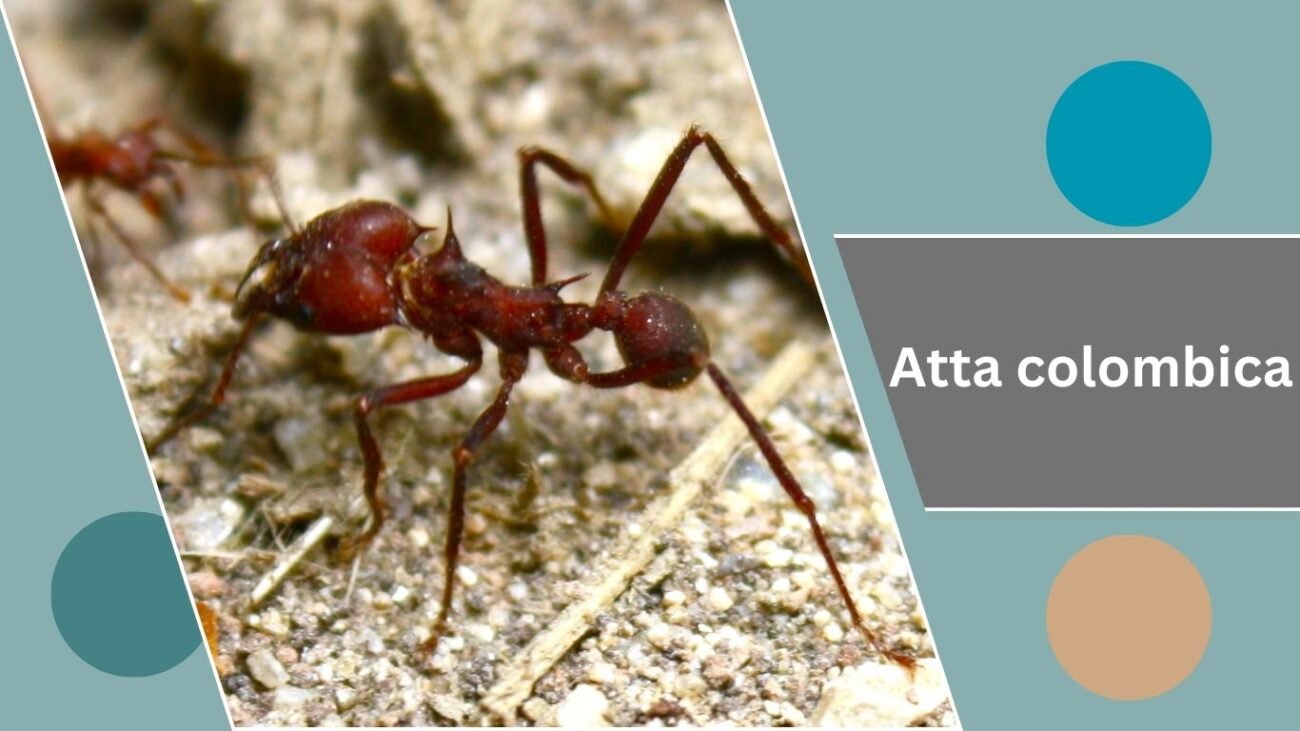
Atta colombica is another prominent species of leafcutter ant, widely recognized for its ecological significance in tropical ecosystems. It is known for forming extremely large colonies and creating extensive underground nests.
Identification
- Workers range from 2 mm to 14 mm in size, depending on caste.
- Reddish-brown to dark brown coloration.
- Polymorphic with distinct castes: minima, minor, media, and major workers.
- Possesses strong mandibles and spiny thorax typical of Atta ants.
Habitat
This species is found throughout Central and South America, particularly in lowland rainforests and agricultural landscapes. Colonies prefer moist environments with abundant plant matter. Their underground nests can cover vast areas, often with visible soil mounds and multiple entrances.
Behavior
Atta colombica ants exhibit highly organized social behavior. Foraging trails can stretch for tens of meters, with workers carrying leaf fragments back to the nest. Colonies contain millions of individuals that cooperate in farming fungus. They are also known to be aggressive in defending their territory from intruders.
Diet
Similar to other leafcutter ants, Atta colombica cultivates the fungus Leucoagaricus gongylophorus on leaf fragments. The fungus produces nutrient-rich structures (gongylidia) consumed by the ants, serving as their primary food source.
Lifecycle
The colony begins when a queen establishes a nest after a mating flight, bringing a small fungus pellet from her parent colony. Over years, the colony grows to millions of individuals, with a queen that may live for 10–15 years. Workers have shorter lifespans, but their continuous activity sustains the fungus and colony.
4. Atta laevigata

Atta laevigata, commonly called the “smooth leafcutter ant,” is one of the largest species in the Atta genus. It is often recognized for its powerful foraging activity and its ability to strip large areas of vegetation within a short time.
Identification
- Workers range widely in size, with majors reaching up to 16 mm.
- Generally reddish-brown with a smoother thorax compared to other Atta species.
- Polymorphic caste system: minima, minor, media, and major workers.
- Strong mandibles adapted for cutting tough plant material.
Habitat
This species is distributed across South America, particularly in Brazil and surrounding countries. Colonies build extensive underground nests in open fields, forests, and agricultural lands. Mounds of excavated soil can cover large surface areas, making their nests highly visible.
Behavior
Atta laevigata forms large colonies with millions of ants. They are among the most destructive agricultural pests, capable of defoliating crops and plantations. Foraging is highly organized, with long trails of workers transporting leaves. The ants also demonstrate efficient communication through pheromone trails.
Diet
The ants do not eat plant material directly. Instead, they cultivate the symbiotic fungus Leucoagaricus gongylophorus on the leaf fragments they collect. This fungus is the colony’s sole source of nutrition, providing specialized nutrient-rich structures for consumption.
Lifecycle
The colony starts from a single queen after a nuptial flight, who carries fungal spores from her parent nest. Over several years, the colony grows exponentially, reaching millions of individuals. The queen can live more than a decade, while workers live shorter lives but are constantly replaced.
5. Atta texana

Atta texana, commonly known as the “Texas leafcutter ant,” is the northernmost species of Atta. It is especially well known in the southern United States and northern Mexico for its impact on agriculture and rangeland vegetation.
Identification
- Workers vary from 3 mm to 12 mm in size depending on caste.
- Dark reddish-brown in color.
- Majors (soldiers) have exceptionally large heads and powerful mandibles.
- Distinct polymorphic caste system: minima, minor, media, and major workers.
Habitat
Atta texana is native to Texas, Louisiana, and northern Mexico. Unlike other tropical Atta species, it adapts to subtropical and temperate climates. Colonies construct enormous underground nests that may extend over 5 meters deep and have numerous openings visible as bare soil patches.
Behavior
Colonies of Atta texana are highly organized and aggressive foragers. They can clear large sections of vegetation, especially young crops and trees, making them significant pests in agriculture. Their foraging trails are often visible, with ants carrying leaf fragments back to the nest.
Diet
As with other leafcutter ants, Atta texana does not consume leaves directly. The harvested plant material serves as a substrate for cultivating their symbiotic fungus, which provides essential nutrients.
Lifecycle
The lifecycle begins when a fertilized queen establishes a new nest after a nuptial flight. She carries fungal spores to start the colony’s food system. Colonies grow gradually and can survive for over a decade, with populations reaching several million ants.
6. Atta insularis
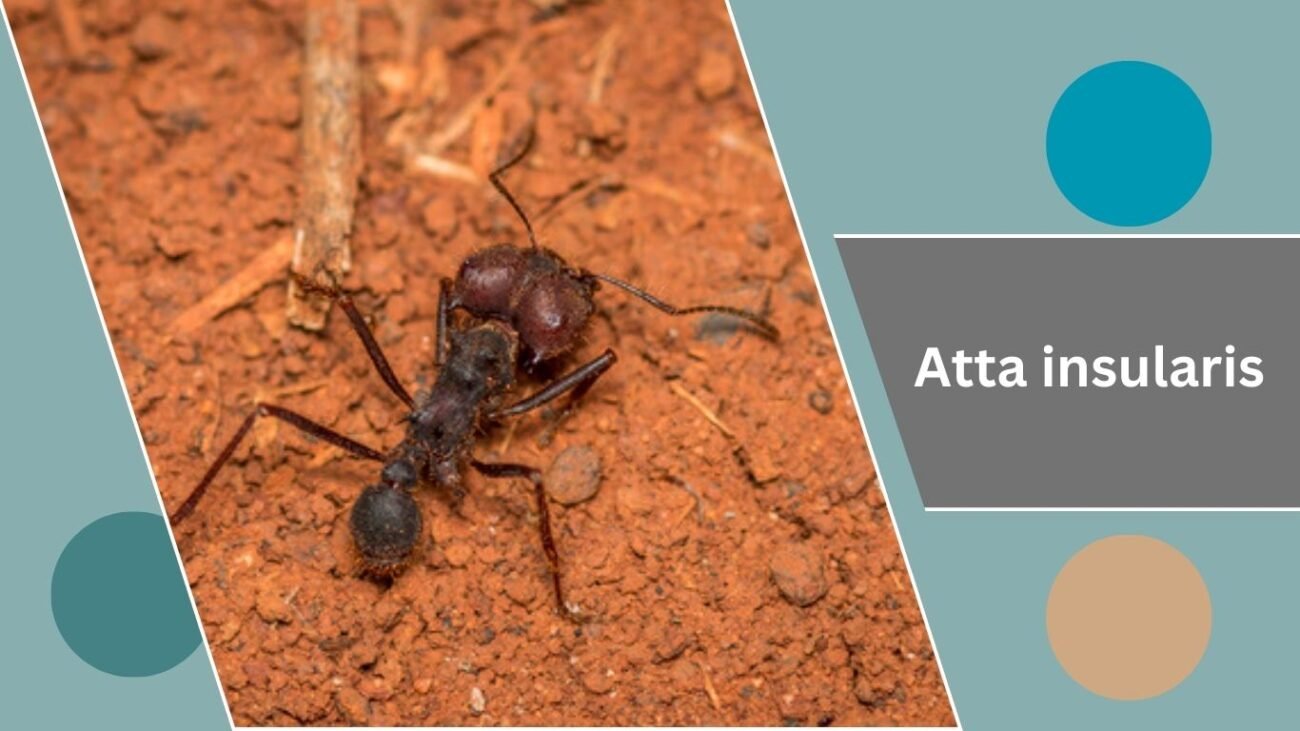
Atta insularis, also known as the “Cuban leafcutter ant,” is a unique species restricted mainly to the Caribbean. It plays an important ecological role but is also recognized as an agricultural pest due to its intense defoliating activity.
Identification
- Workers range from 3 mm to 14 mm, depending on caste.
- Dark reddish-brown to black in color.
- Soldiers have large heads and powerful mandibles.
- Characteristic polymorphism with distinct worker castes.
Habitat
This species is primarily found in Cuba and nearby Caribbean islands. Colonies establish themselves in forests, plantations, and cultivated fields. Their underground nests are large and complex, with multiple chambers used for fungus cultivation.
Behavior
Atta insularis is known for its relentless foraging activity. Colonies consist of millions of individuals that strip leaves from a wide variety of plants. They form long trails that connect food sources to their nests. Like other Atta ants, they use pheromones to coordinate foraging and defend their colonies aggressively when threatened.
Diet
The ants maintain a mutualistic relationship with the fungus Leucoagaricus gongylophorus. The collected plant matter is used as a substrate to grow the fungus, which in turn provides specialized nutrient-rich structures consumed by the ants.
Lifecycle
The colony begins with a single queen who founds the nest after a mating flight. Carrying fungal spores from her parent colony, she establishes the initial fungus garden. Colonies grow slowly over years and can eventually reach millions of ants, with a queen living for more than a decade.
7. Atta mexicana
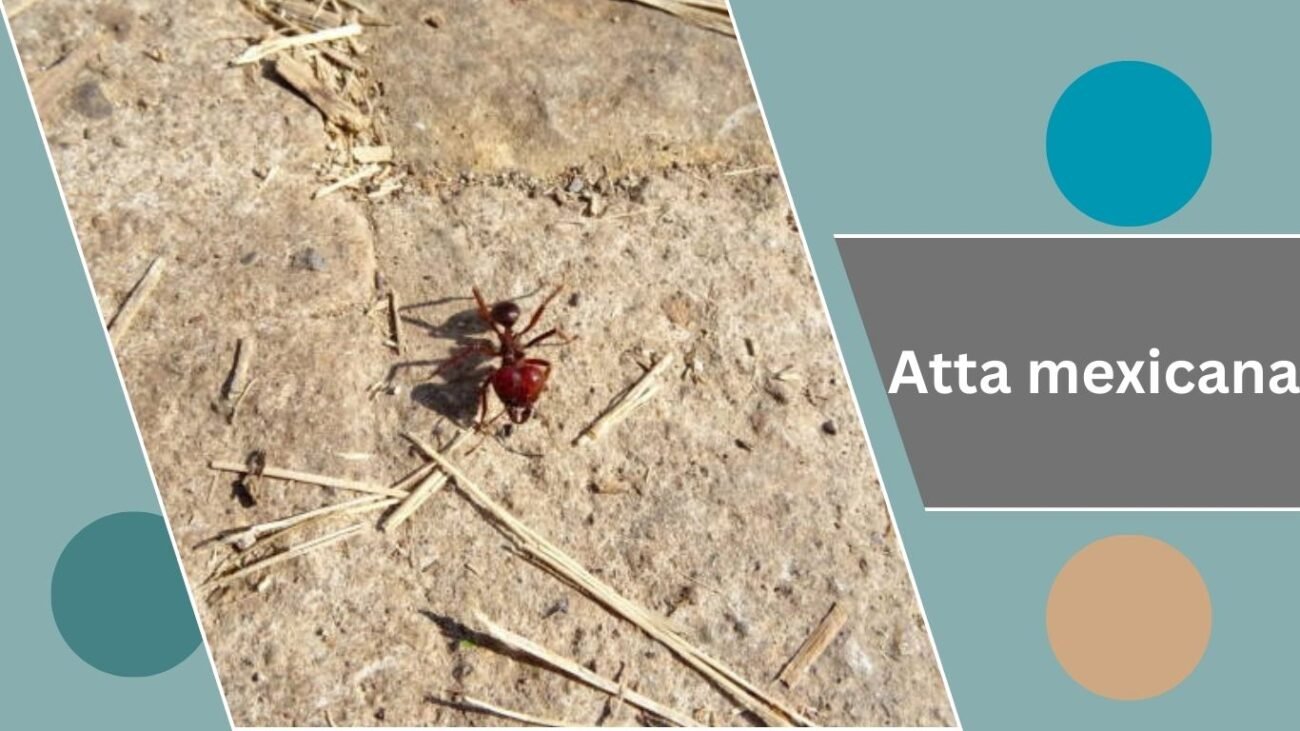
Atta mexicana is one of the most well-known leafcutter ants in Mexico and parts of Central America. It is often studied for its strong ecological impact and is regarded as a significant agricultural pest due to its wide-ranging foraging habits.
Identification
- Workers range from 3 mm to 14 mm, depending on caste.
- Reddish-brown to dark brown in color.
- Soldiers (majors) have disproportionately large heads and strong mandibles.
- Clear caste system with minima, minor, media, and major workers.
Habitat
This species is distributed across Mexico and Central America. Colonies are usually established in semi-arid regions, tropical forests, agricultural lands, and plantations. Their nests are extensive underground systems with multiple chambers and entrances, sometimes visible as bare soil mounds.
Behavior
Atta mexicana exhibits highly coordinated social behavior. Colonies contain millions of individuals that work together to cut and transport vegetation. They create long foraging trails that can extend for dozens of meters. The ants are also very defensive and will aggressively protect their colonies from threats.
Diet
Like other leafcutter ants, Atta mexicana does not consume leaves directly. Instead, it uses the harvested plant material to cultivate the symbiotic fungus Leucoagaricus gongylophorus, which provides the colony with essential nutrients.
Lifecycle
The queen initiates the colony after a nuptial flight, carrying a pellet of fungus from her natal nest. Over the years, the colony grows exponentially, reaching millions of workers. The queen can live more than a decade, while workers live shorter lives but sustain the colony through continuous fungus farming.
8. Acromyrmex echinatior
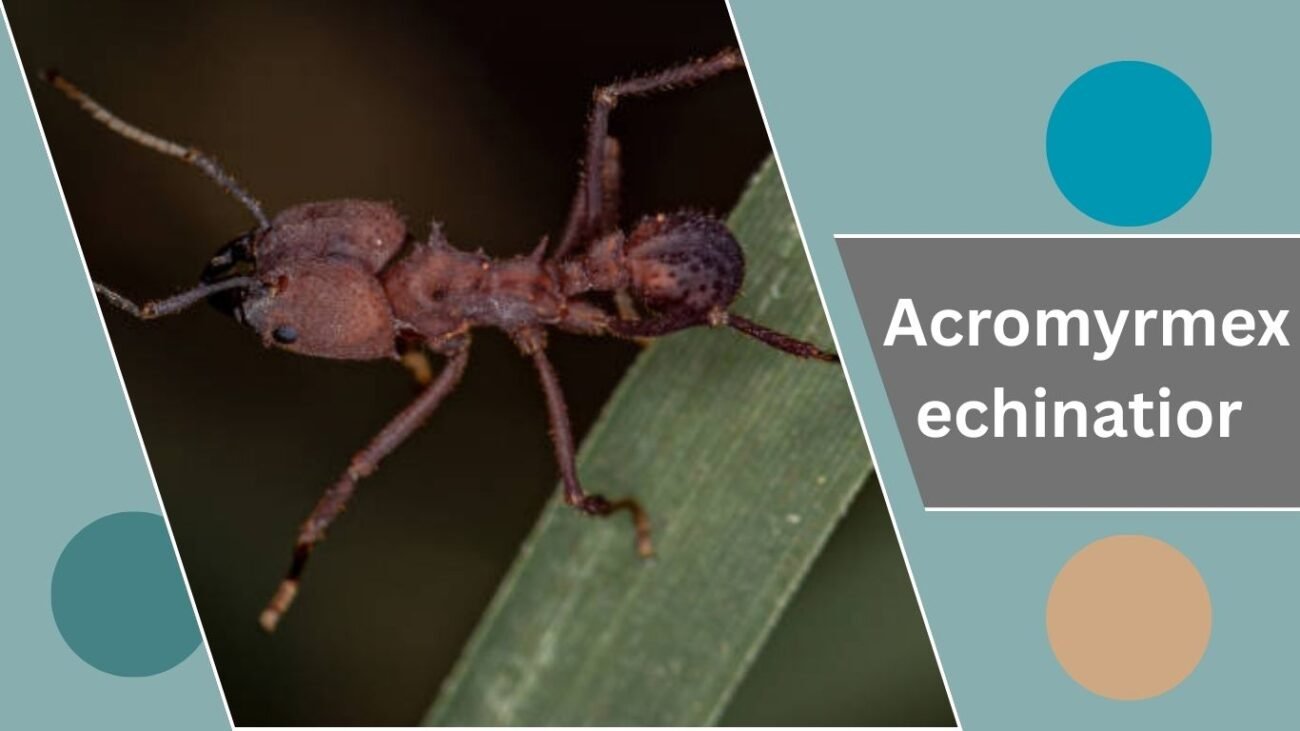
Acromyrmex echinatior is a species of leafcutter ant within the genus Acromyrmex. It is smaller than most Atta species but plays a similar ecological role as a fungus farmer. This ant is often used in scientific research due to its relatively manageable colony size compared to Atta species.
Identification
- Workers range from 2 mm to 12 mm.
- Dark reddish-brown to black coloration.
- Covered in distinct spines on the thorax and head, giving a rough appearance.
- Polymorphic workers with noticeable size differences.
Habitat
This species is found in Central and South America, particularly in tropical rainforests and savannas. Colonies build underground nests with surface mounds that may be less massive than those of Atta species but still extensive and complex.
Behavior
Acromyrmex echinatior is a highly social species with millions of workers in mature colonies. Foraging trails are less conspicuous than those of Atta, but they are equally efficient in cutting vegetation. Colonies are also aggressive defenders of their territory, and workers cooperate with precision in fungus cultivation.
Diet
The diet of A. echinatior is based on the cultivated fungus Leucoagaricus gongylophorus. Leaves and other vegetation are used as a substrate for fungus growth, which produces nutrient-rich structures consumed by the ants.
Lifecycle
Colonies begin when a fertilized queen establishes a nest after a mating flight. She carries fungal spores to seed the new colony’s fungus garden. The queen can live over a decade, and the colony gradually expands to millions of ants through cooperative labor and continuous fungus farming.
9. Acromyrmex octospinosus
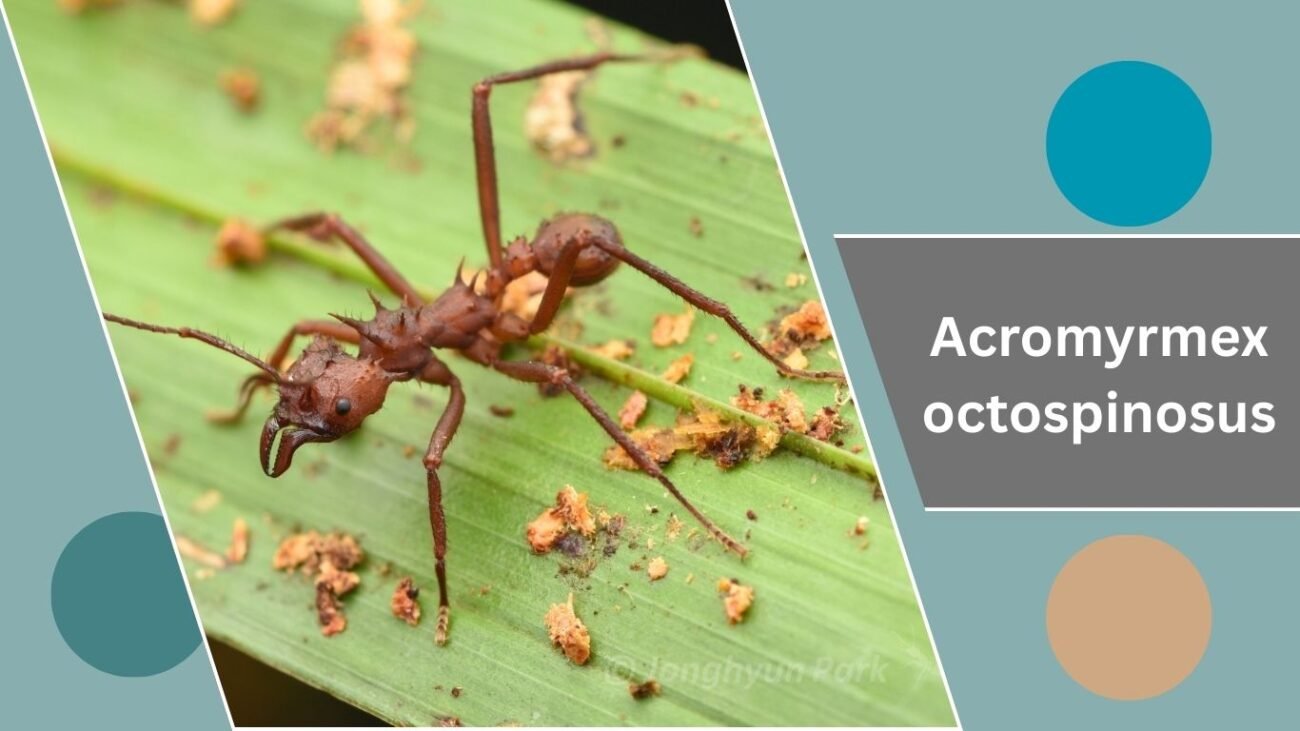
Acromyrmex octospinosus is a well-known species of leafcutter ant belonging to the Acromyrmex genus. It is easily recognized by the multiple spines on its thorax and is widely studied for its complex social organization and fungus-growing behavior.
Identification
- Workers range from 2 mm to 12 mm in size.
- Dark brown to black in color.
- Characterized by eight prominent spines on the thorax, giving it the name octospinosus.
- Polymorphic caste system with minima, minor, media, and major workers.
Habitat
This species inhabits Central and South America, including the Caribbean. It thrives in tropical forests, savannas, and agricultural areas. Colonies build underground nests with multiple entrances and foraging trails radiating outward.
Behavior
Acromyrmex octospinosus demonstrates organized foraging, with long lines of workers transporting leaf fragments back to the nest. Colonies can consist of millions of ants, all contributing to the fungus garden. They are also known to defend their nests vigorously against intruders.
Diet
The ants rely on their cultivated fungus, Leucoagaricus gongylophorus, for food. Leaves and other vegetation serve only as a substrate for fungus growth. The ants consume the specialized fungal structures (gongylidia) produced within their gardens.
Lifecycle
The colony begins with a queen establishing a nest after a nuptial flight. She carries a small fungal pellet to seed the first garden. Over time, the colony grows into millions of workers, with the queen living for over 10 years and maintaining reproductive dominance.
10. Acromyrmex versicolor
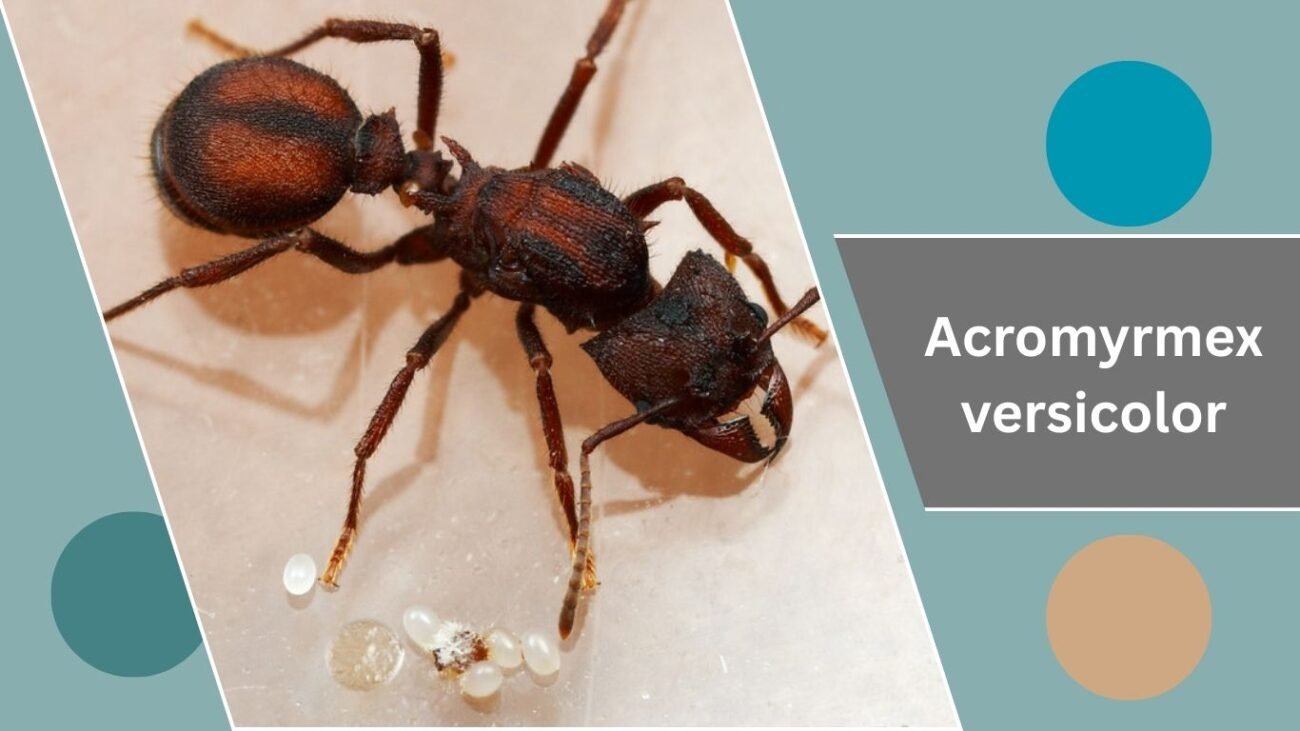
Acromyrmex versicolor is a desert-adapted species of leafcutter ant, unique for thriving in arid environments where most other leafcutter ants cannot survive. It demonstrates remarkable ecological adaptations to heat and limited vegetation.
Identification
- Workers range from 2 mm to 10 mm.
- Light brown to reddish-brown coloration, often paler than other Acromyrmex species.
- Covered in spines on the thorax, though less pronounced than in A. octospinosus.
- Polymorphic caste system, with distinct size variation among workers.
Habitat
This species is primarily found in the southwestern United States and northern Mexico. It inhabits deserts and semi-arid regions, nesting underground where conditions are cooler and more humid. Their colonies often feature multiple small entrances rather than large soil mounds.
Behavior
Acromyrmex versicolor is highly adapted to desert life. Foraging occurs mostly at night or during cooler parts of the day to avoid extreme heat. Workers collect leaves, flowers, and other available vegetation to sustain their fungus gardens. Colonies are smaller than those of Atta, but still highly organized.
Diet
Like all leafcutter ants, A. versicolor depends on cultivating the symbiotic fungus Leucoagaricus gongylophorus. The desert vegetation they collect serves as a substrate for the fungus, which provides essential nutrients for the colony.
Lifecycle
Colonies are founded by a single queen after nuptial flights, usually timed with seasonal rains. She establishes the first fungus garden using spores carried from her parent nest. The queen can live for more than a decade, while the colony grows steadily, though typically not reaching the massive size of tropical Atta species.