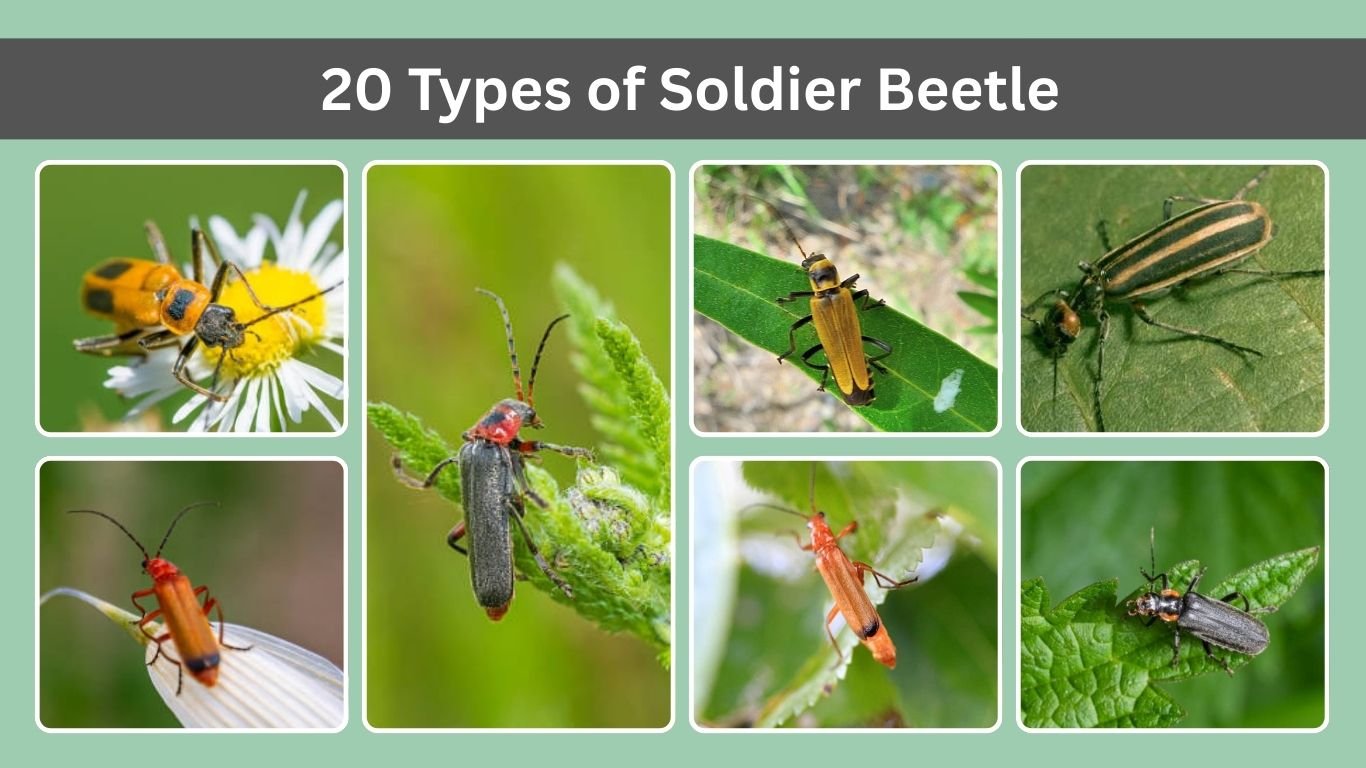
Soldier beetles are soft-bodied insects belonging to the family Cantharidae, well known for their bright colors and beneficial roles in ecosystems. Often spotted on flowers during summer, these beetles are both predators of pests and valuable pollinators. With over 1,500 species worldwide, they thrive in meadows, gardens, and woodland edges. This guide highlights 20 types of soldier beetles, covering their identification, habitat, behavior, and diet in detail.
1. Common Red Soldier Beetle (Rhagonycha fulva)
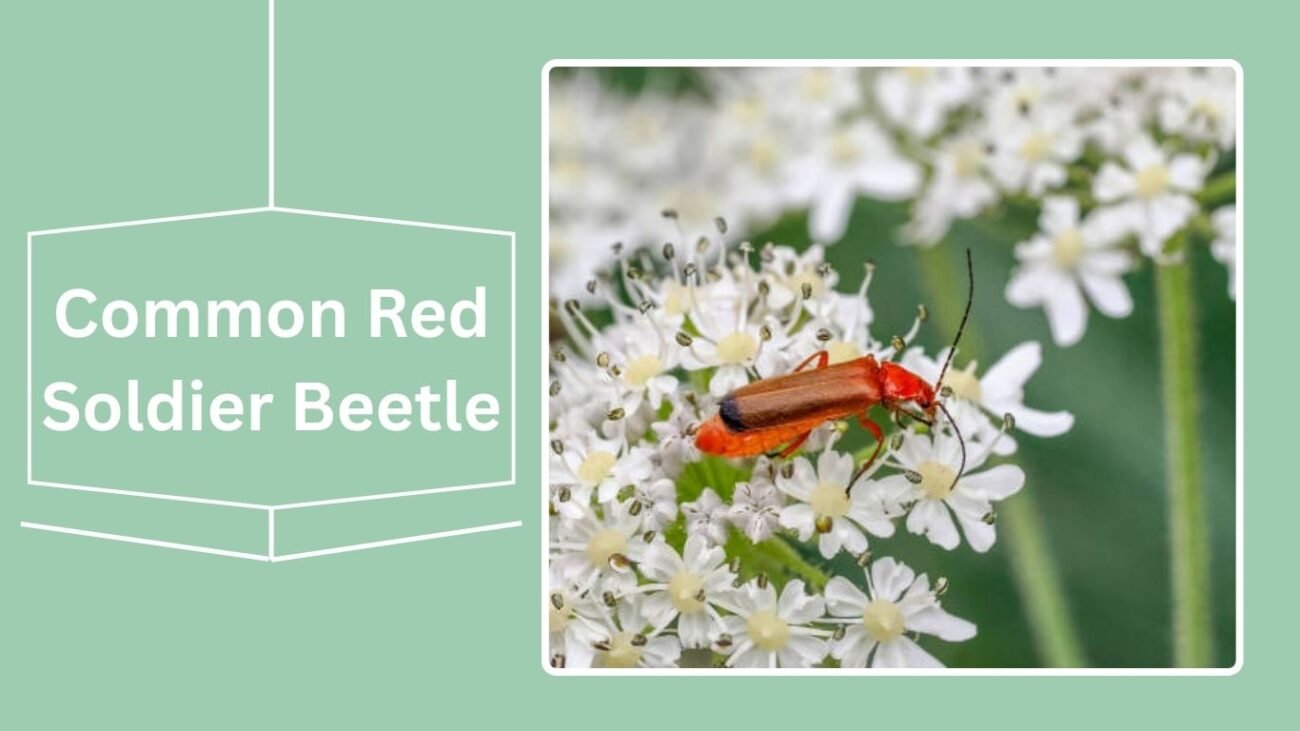
The Common Red Soldier Beetle, often called the “bloodsucker beetle” due to its bright coloration, is a familiar sight in midsummer. Despite its fearsome nickname, it is harmless to humans and plays an important role in ecosystems as both predator and pollinator.
Identification
- Slender body, 7–10 mm long
- Bright red or orange body with black-tipped wing cases
- Long black legs and antennae
- Soft, flexible wing covers (leather-like texture)
- Distinctive elongated shape with narrow head
Habitat
This beetle is commonly found in meadows, gardens, hedgerows, and grasslands. It is most abundant in areas with flowering plants during the summer months.
Behavior
The Common Red Soldier Beetle is highly active in warm weather and is often seen on flowers, especially umbellifers. They are known for mating in large numbers on plants, which makes them very noticeable during their peak season.
Diet
Adults primarily feed on small insects such as aphids and also consume nectar and pollen, making them beneficial both as pest controllers and pollinators. The larvae live in soil and leaf litter, where they prey on ground-dwelling insects and larvae.
2. Goldenrod Soldier Beetle (Chauliognathus pensylvanicus)
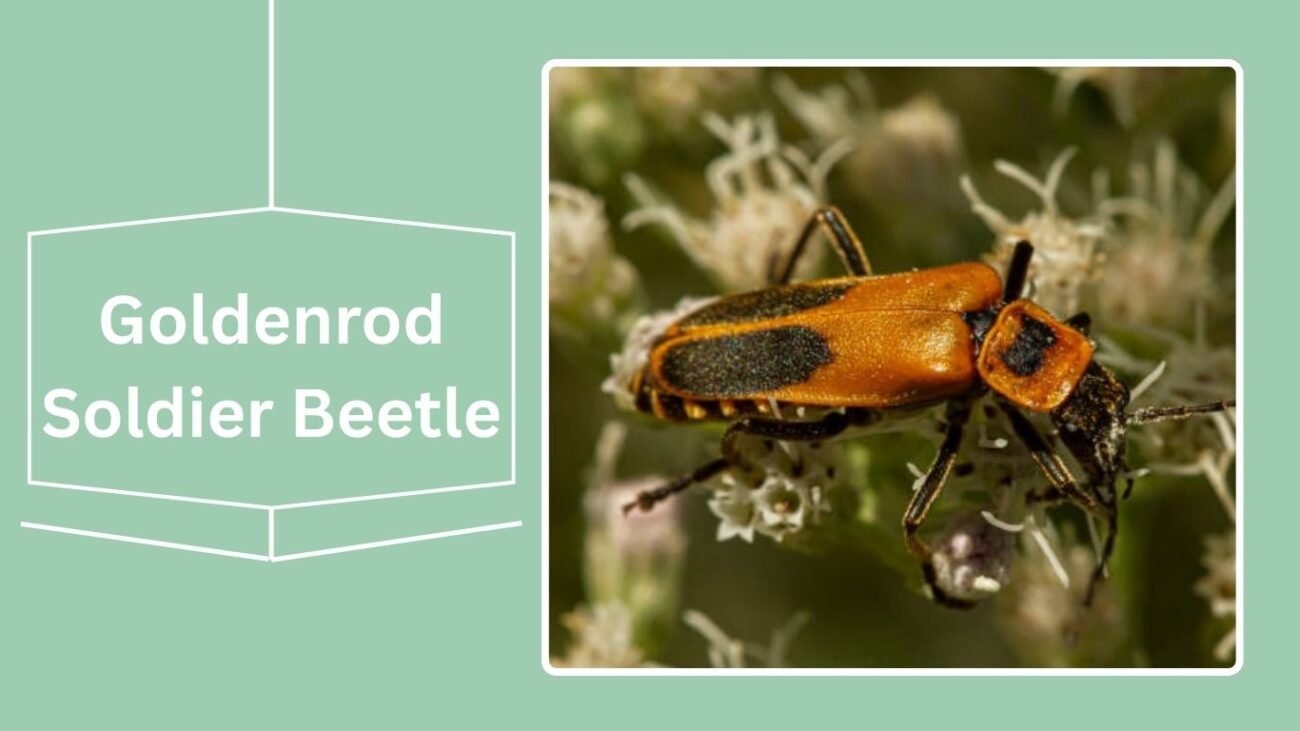
The Goldenrod Soldier Beetle is a brightly colored species often seen in late summer and early fall. It is especially associated with goldenrod plants, where it feeds and mates in large numbers. This beetle is valued as both a pollinator and a natural pest controller.
Identification
- Elongated body, 10–15 mm long
- Yellow to orange wing covers with black markings near the tips
- Black thorax with a distinct orange or yellow margin
- Long, slender black legs and antennae
- Flexible, soft wing cases (typical of soldier beetles)
Habitat
Goldenrod Soldier Beetles are most common in open fields, meadows, and gardens where goldenrod and other late-blooming flowers grow. They thrive in areas rich with wildflowers.
Behavior
These beetles are highly active during late summer, often congregating in large numbers on goldenrod flowers. They spend much of their time feeding, mating, and hunting small insects among flower clusters.
Diet
Adults feed on nectar and pollen, while also preying on small insects such as aphids and caterpillars. The larvae are carnivorous, living in soil and leaf litter where they hunt soft-bodied invertebrates.
3. Black Soldier Beetle (Cantharis rustica)
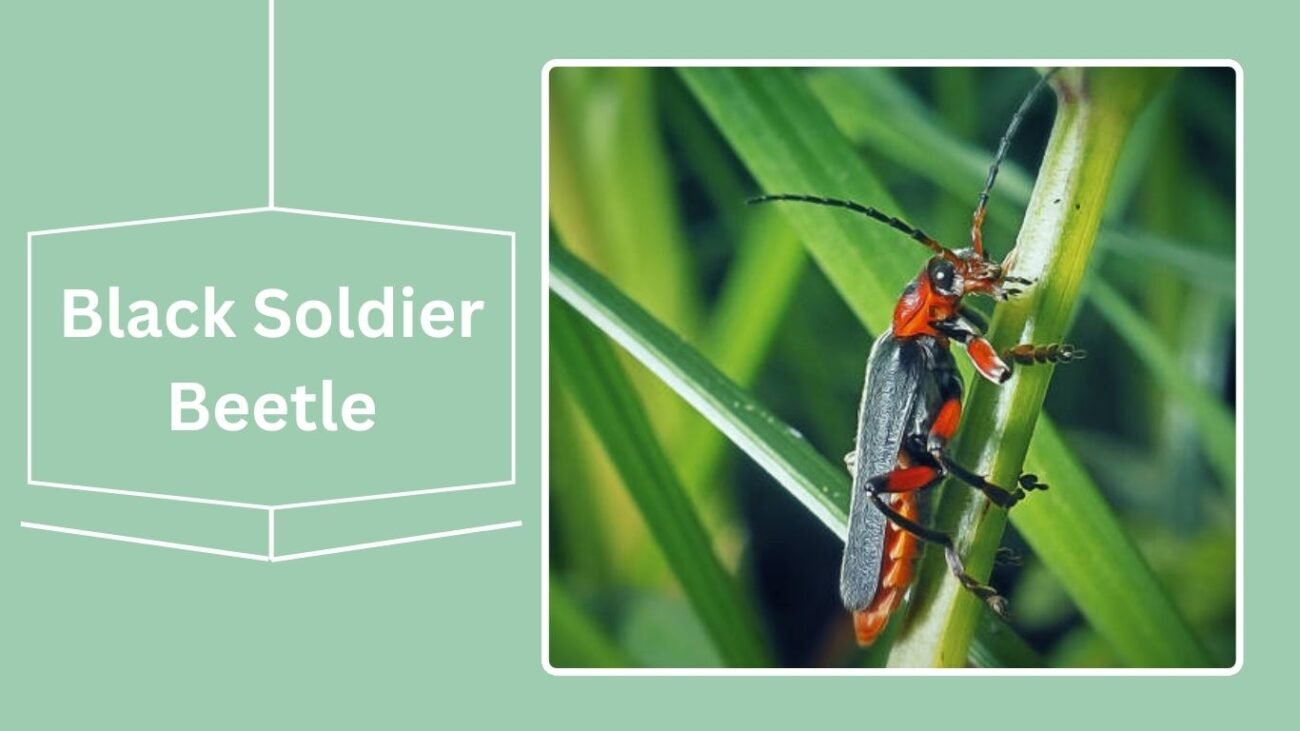
The Black Soldier Beetle is a larger and darker member of the soldier beetle family. It is easily distinguished from the brightly colored red or yellow species and is more common in woodland edges and grassy meadows. Despite its dark appearance, it is an important predator of garden pests.
Identification
- Medium to large beetle, 11–15 mm long
- Mostly black body with subtle reddish or orange markings near the thorax
- Elongated shape with soft, flexible wing covers
- Long black legs and thread-like antennae
- Robust mandibles suited for predation
Habitat
This beetle inhabits meadows, woodland clearings, hedgerows, and grasslands. It is often seen resting on flowers and tall grasses during the summer.
Behavior
The Black Soldier Beetle is active during warm, sunny days and often seen flying short distances between plants. They are predatory by nature and are frequently observed hunting other small insects on flowers.
Diet
Adults feed on small insects, particularly aphids, as well as nectar and pollen from wildflowers. The larvae live in damp soil or leaf litter and consume soft-bodied invertebrates, contributing to natural pest control.
4. Downy Leather-wing (Cantharis pellucida)
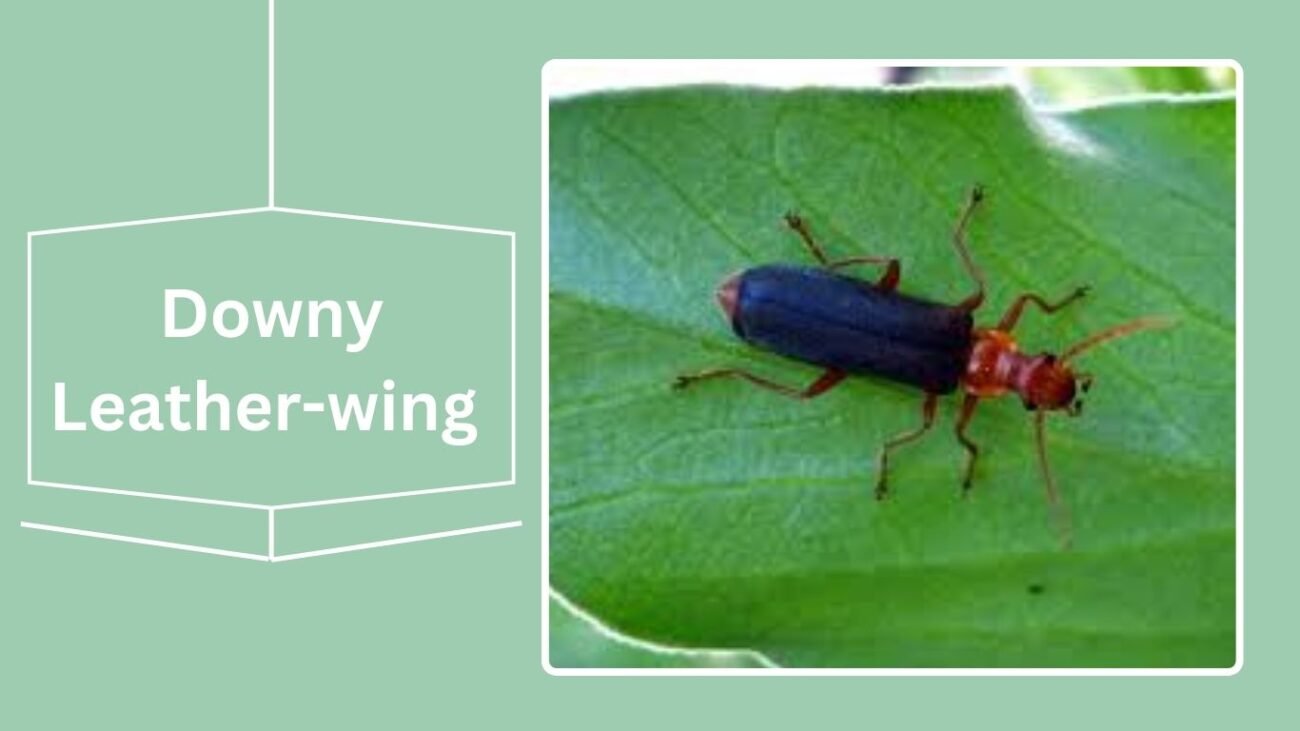
The Downy Leather-wing is a delicate species of soldier beetle, recognizable by its softer tones compared to the striking reds and blacks of its relatives. It is frequently encountered in grasslands and meadows during spring and early summer.
Identification
- Slender body, 7–9 mm long
- Pale orange to yellow body with darker tips on wing covers
- Fine, slightly hairy texture on wing cases, giving it a “downy” look
- Long legs and thread-like antennae
- Elongated head and thorax narrower than the body
Habitat
This beetle is commonly found in meadows, pastures, and hedgerows. It prefers grassy habitats with a wide availability of flowers for feeding and reproduction.
Behavior
The Downy Leather-wing is active in spring and early summer, often resting or hunting on flowers. It is a relatively shy species compared to the more abundant red soldier beetles, but still plays an important ecological role.
Diet
Adults feed on nectar, pollen, and small insects such as aphids. The larvae are predatory, living in soil and leaf litter, where they consume ground-dwelling invertebrates and larvae of other insects.
5. Four-spotted Soldier Beetle (Chauliognathus quadripunctatus)
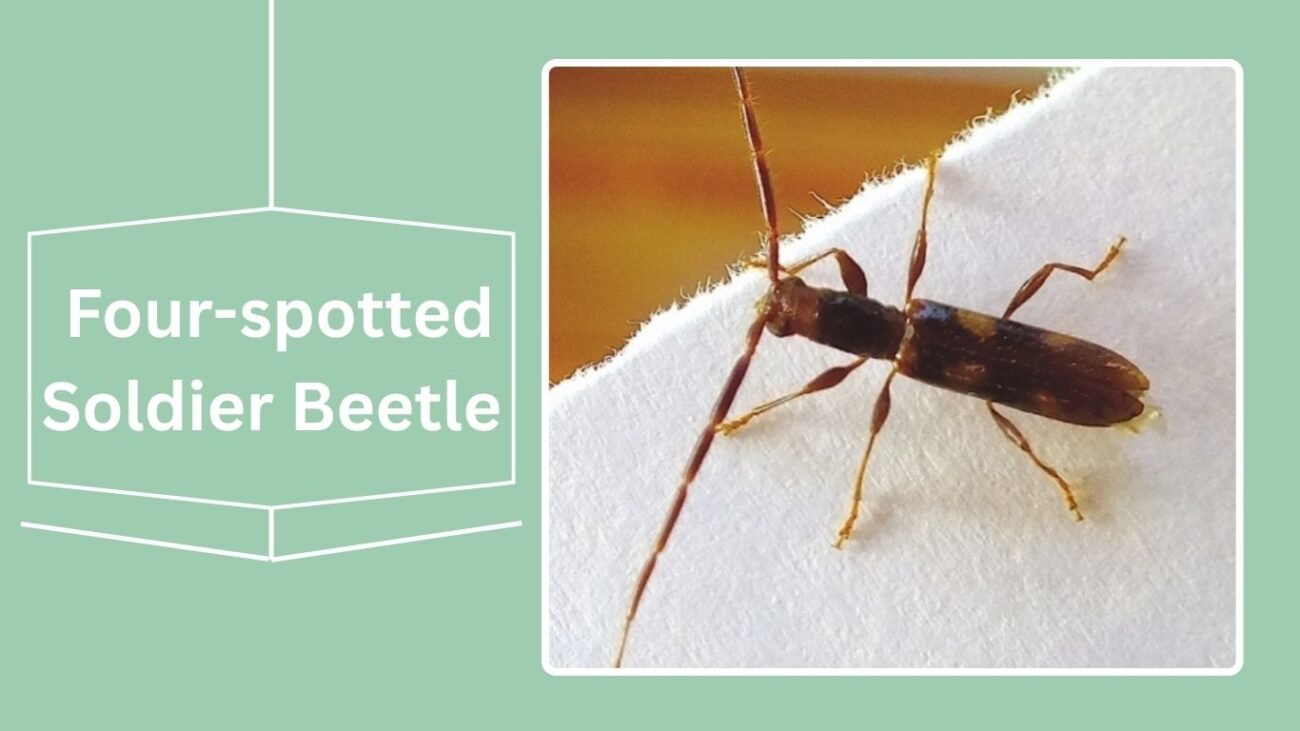
The Four-spotted Soldier Beetle is a colorful species native to North America. It is easily recognized by the distinctive dark spots on its wing covers. Active during the warmer months, it is often found feeding and mating on flowers, particularly in open fields.
Identification
- Medium-sized beetle, 10–12 mm long
- Yellow to orange wing covers with four distinct black spots
- Black thorax with orange edges
- Long black legs and antennae
- Slender, soft-bodied with flexible wing cases
Habitat
This species is most often found in meadows, gardens, and wildflower fields. It thrives in areas with abundant flowering plants, especially in late summer when goldenrod and similar plants are in bloom.
Behavior
The Four-spotted Soldier Beetle is frequently seen visiting flowers in groups. It is an active pollinator and also hunts small insects. Mating pairs are often spotted on flower heads during peak season.
Diet
Adults consume nectar and pollen while preying on soft-bodied insects such as aphids and small caterpillars. The larvae live in soil and decaying organic matter, feeding on grubs, eggs, and other invertebrates.
6. Margined Leather-wing (Chauliognathus marginatus)
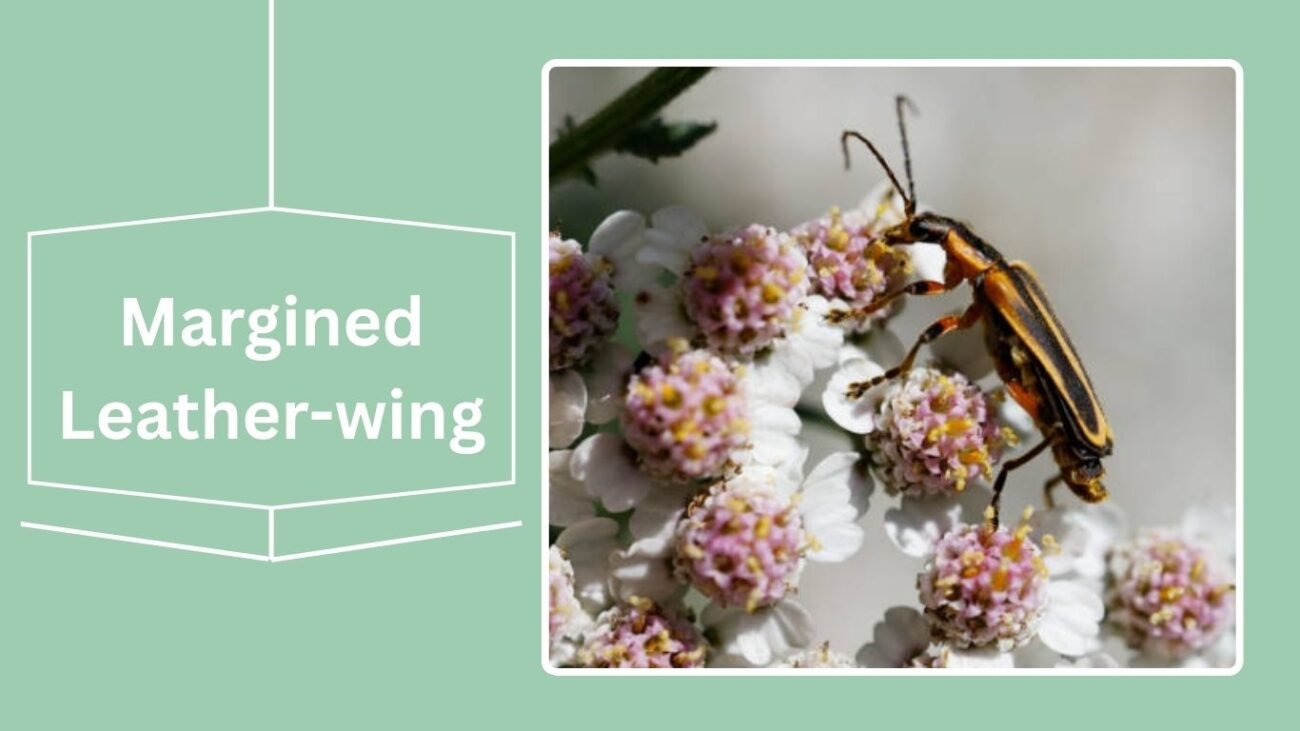
The Margined Leather-wing is a widespread soldier beetle in North America, particularly abundant in late summer. It is commonly found on flowers where it gathers in numbers to feed and mate. Its bold coloration makes it easy to recognize in the field.
Identification
- Medium-sized beetle, 10–13 mm long
- Yellow to orange wing covers with a distinct black margin along the edges
- Black thorax with a central orange or yellow patch
- Long, slender legs and antennae
- Flexible, soft wing cases typical of soldier beetles
Habitat
This beetle inhabits meadows, grasslands, and gardens. It shows a preference for composite flowers such as goldenrod and sunflowers, where it congregates in large numbers.
Behavior
The Margined Leather-wing is highly social, often appearing in clusters during peak blooming season. It spends most of its time on flowers, feeding, mating, and hunting small insects. Their gatherings make them a familiar sight in late summer fields.
Diet
Adults feed on nectar and pollen, but they also prey on soft-bodied insects such as aphids. The larvae are predatory, living in the soil where they consume insect eggs, grubs, and small invertebrates, helping regulate pest populations.
7. Two-spotted Soldier Beetle (Cantharis nigricans)
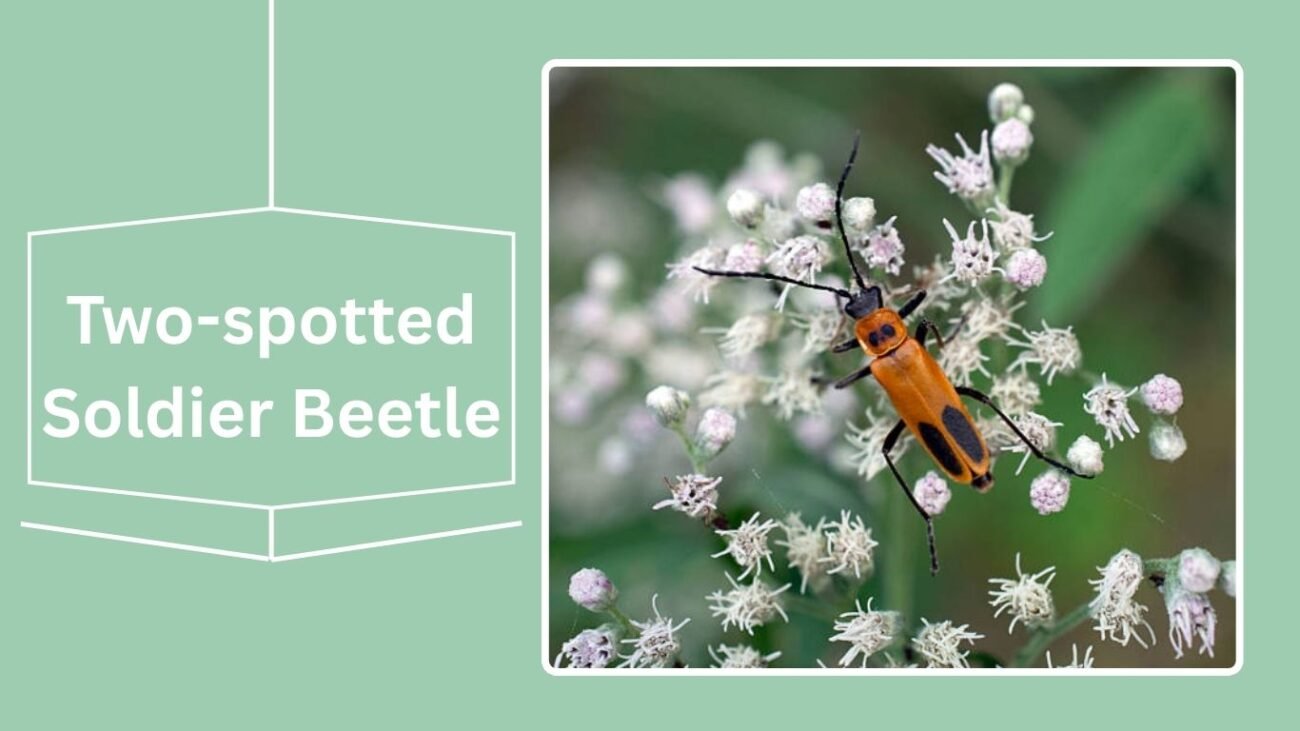
The Two-spotted Soldier Beetle is a smaller, less conspicuous member of the soldier beetle family. It is named for the characteristic pair of dark spots on its wing covers. Though not as brightly colored as some of its relatives, it plays an important ecological role as both a predator and pollinator.
Identification
- Small to medium beetle, 7–9 mm long
- Yellowish to orange wing covers with two distinct black spots
- Black thorax, legs, and antennae
- Elongated, soft-bodied appearance
- Narrow head slightly projecting forward
Habitat
This beetle is most often found in grasslands, hedgerows, and flower-rich meadows. It prefers areas with plenty of wildflowers, especially during the warmer months.
Behavior
The Two-spotted Soldier Beetle is frequently seen crawling across flower heads in search of nectar, pollen, and small insect prey. It is most active during sunny days and is often observed in smaller numbers compared to other soldier beetle species.
Diet
Adults feed on nectar and pollen while also preying on aphids and other small insects. The larvae are soil-dwellers, feeding on insect eggs, grubs, and soft-bodied invertebrates within decaying organic matter.
8. Narrow-necked Soldier Beetle (Podabrus tomentosus)
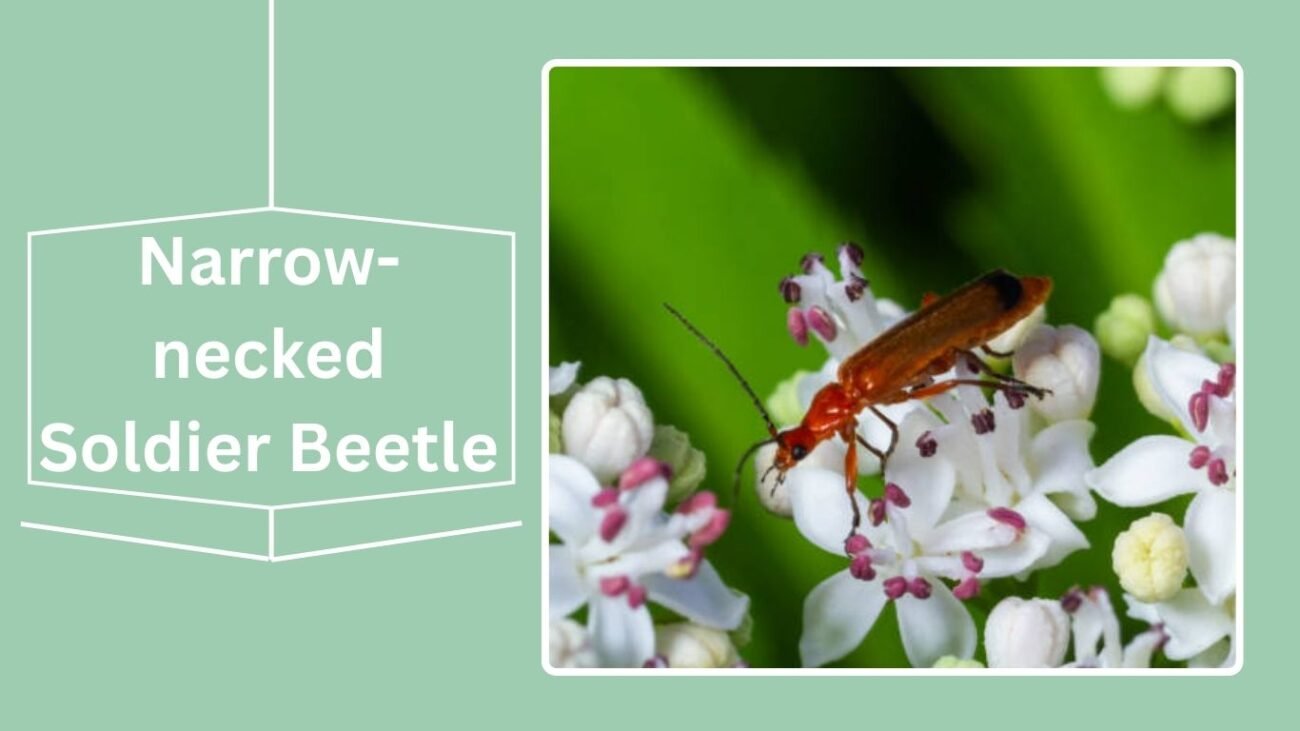
The Narrow-necked Soldier Beetle is a widespread species in North America, recognized for its slender build and slightly hairy body. It is especially abundant in late spring and summer, where it can be seen visiting flowers in meadows and woodland edges.
Identification
- Medium-sized beetle, 10–12 mm long
- Elongated body with soft, flexible wing covers
- Yellow to orange elytra with darker markings near the tips
- Distinctively narrow thorax (“necked” appearance) compared to the body
- Fine, downy hairs covering the wing cases and body
- Long legs and thread-like antennae
Habitat
This species thrives in open meadows, grassy fields, and woodland edges. It is also a common visitor to gardens where wildflowers are abundant.
Behavior
The Narrow-necked Soldier Beetle is often found basking on flowers, where it feeds, mates, and hunts. It is an active flier and may move quickly from plant to plant. Adults are most active during warm daylight hours.
Diet
Adults consume nectar and pollen but also prey on small insects such as aphids and caterpillars. The larvae are predatory soil-dwellers, feeding on insect eggs, grubs, and soft-bodied invertebrates hidden in leaf litter or decaying material.
9. Black-headed Soldier Beetle (Cantharis obscura)
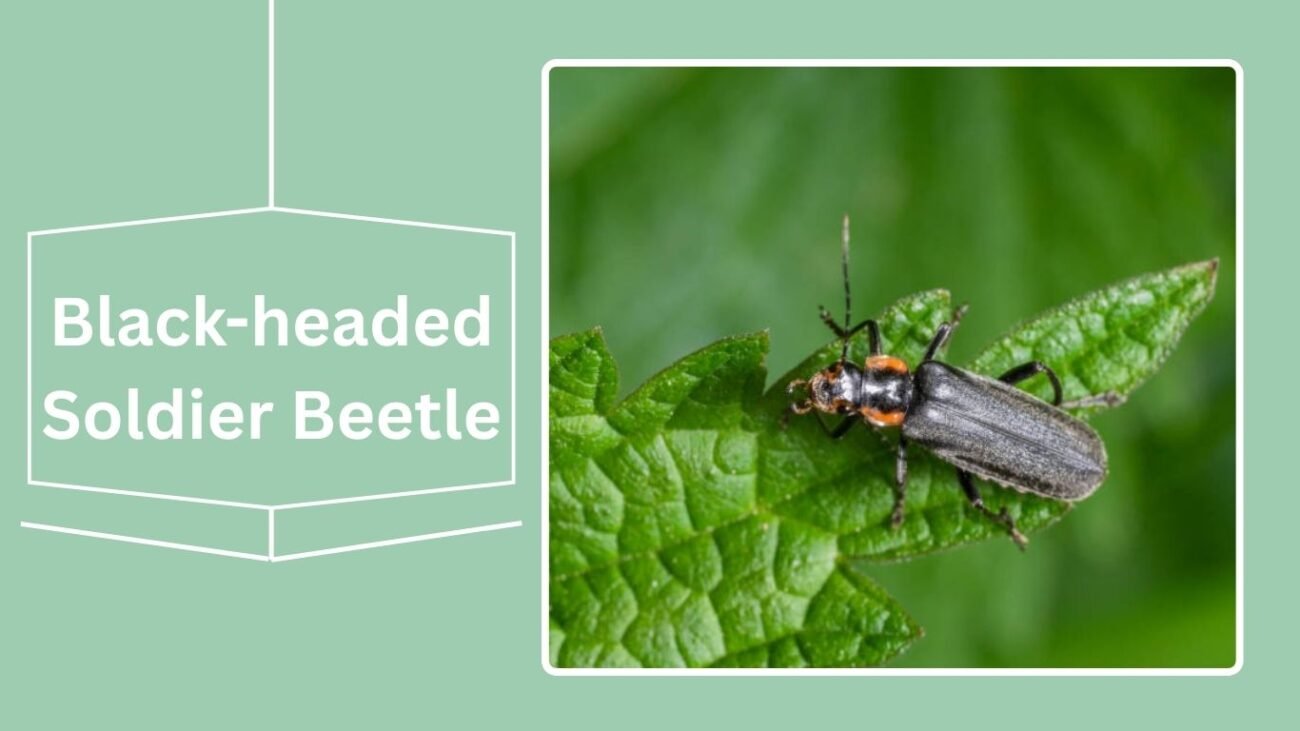
The Black-headed Soldier Beetle is a distinctive species, easily recognized by its dark head contrasting with lighter-colored wing covers. Though less brightly colored than some of its relatives, it is an active predator and pollinator commonly found in European meadows and woodland edges.
Identification
- Medium-sized beetle, 8–10 mm long
- Orange to reddish wing covers with darker tips
- Black head and antennae
- Slender, soft-bodied with flexible wing cases
- Long black legs suited for quick crawling on vegetation
Habitat
This species is typically found in meadows, hedgerows, woodland edges, and grasslands. It is especially abundant where wildflowers grow in summer.
Behavior
The Black-headed Soldier Beetle spends much of its time on flowers, actively hunting small insects while also feeding on pollen. It is often observed in pairs during the mating season and is most active on warm, sunny days.
Diet
Adults feed on nectar and pollen but are also effective predators of small insects such as aphids. The larvae live in soil and leaf litter, where they feed on insect eggs, grubs, and soft-bodied invertebrates, contributing to natural pest control.
10. Pennsylvania Leather-wing (Chauliognathus pensylvanicus)
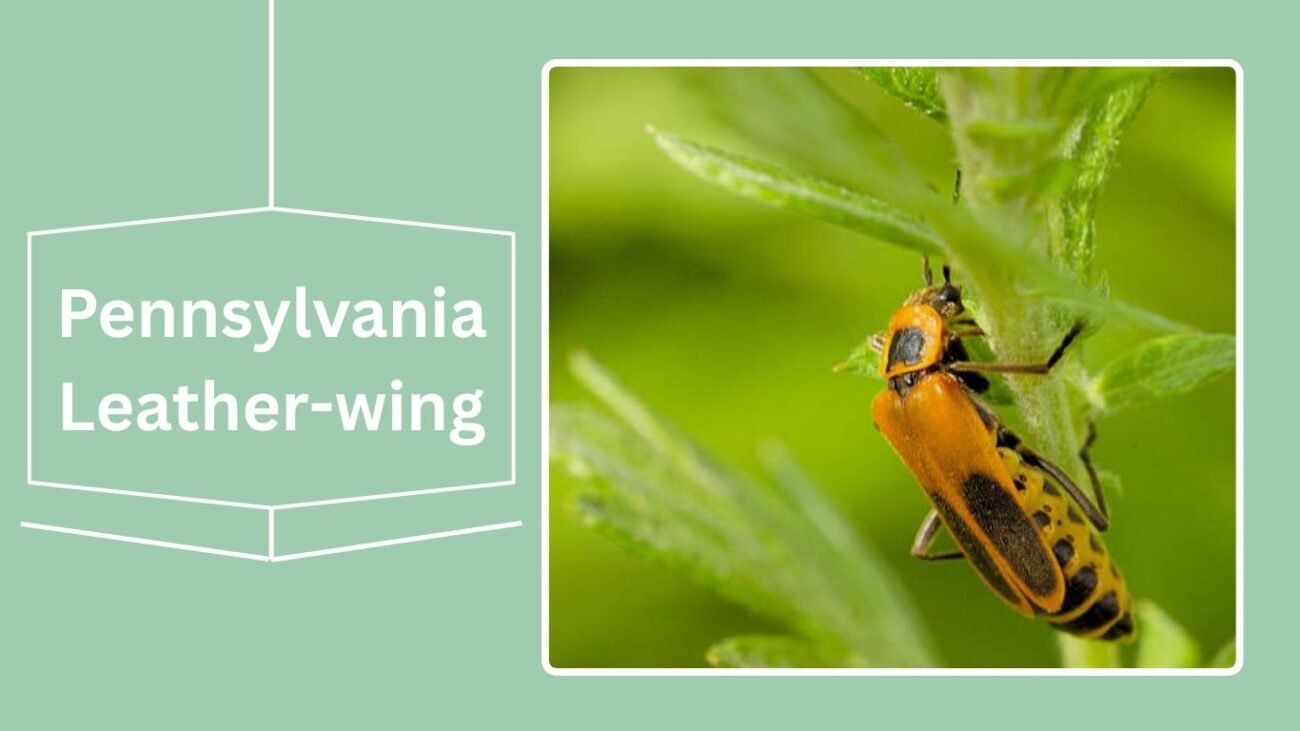
The Pennsylvania Leather-wing, also known as the Goldenrod Soldier Beetle, is one of the most common and widespread soldier beetles in North America. It is especially abundant in late summer and autumn, often covering goldenrod and other flowering plants in large numbers.
Identification
- Medium-sized beetle, 9–12 mm long
- Yellow to orange wing covers with a distinct black spot near each tip
- Black thorax with an orange or yellow margin
- Slender, soft-bodied with flexible wing cases
- Long black legs and antennae
Habitat
This species thrives in open meadows, gardens, prairies, and roadsides. It is strongly associated with goldenrod but also visits many other flowering plants.
Behavior
Pennsylvania Leather-wings are very social and often gather in large numbers on flowers. They are active from late summer through early fall, where they can be seen feeding, mating, and hunting. Their presence is an important indicator of healthy wildflower ecosystems.
Diet
Adults feed on nectar and pollen but also prey on soft-bodied insects such as aphids and caterpillars. The larvae are predatory soil-dwellers, consuming insect eggs, grubs, and other soft invertebrates in the soil and leaf litter.
11. Tricolor Soldier Beetle (Chauliognathus tricolor)
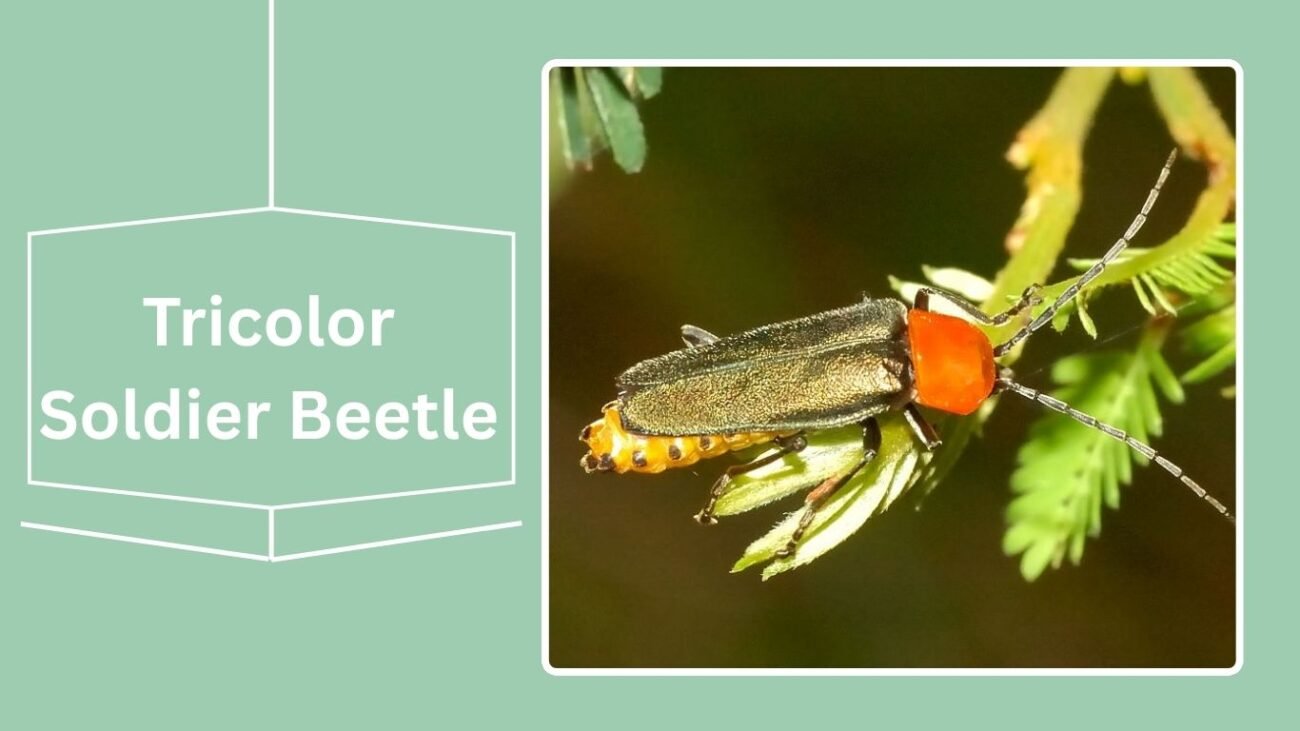
The Tricolor Soldier Beetle is a striking species named for its distinctive three-colored body pattern. Native to North America, it is commonly seen in gardens and meadows during the warmer months, where it plays a valuable role as both a pollinator and predator.
Identification
- Medium-sized beetle, 9–11 mm long
- Yellow to orange wing covers with broad black markings
- Black thorax with orange margins
- Slender, elongated soft body
- Long legs and dark antennae
Habitat
This beetle inhabits open meadows, wildflower fields, and gardens. It shows a preference for composite flowers such as daisies, sunflowers, and goldenrod.
Behavior
The Tricolor Soldier Beetle is highly active during summer, frequently visiting flowers to feed and mate. It is an agile flier and moves quickly between plants. Pairs are often observed during peak blooming periods.
Diet
Adults feed on nectar and pollen but also prey on small insects such as aphids and caterpillars. The larvae are ground-dwelling predators, consuming insect eggs, grubs, and other soft-bodied invertebrates hidden in soil and leaf litter.
12. Striped Soldier Beetle (Chauliognathus marginatus var. vittatus)
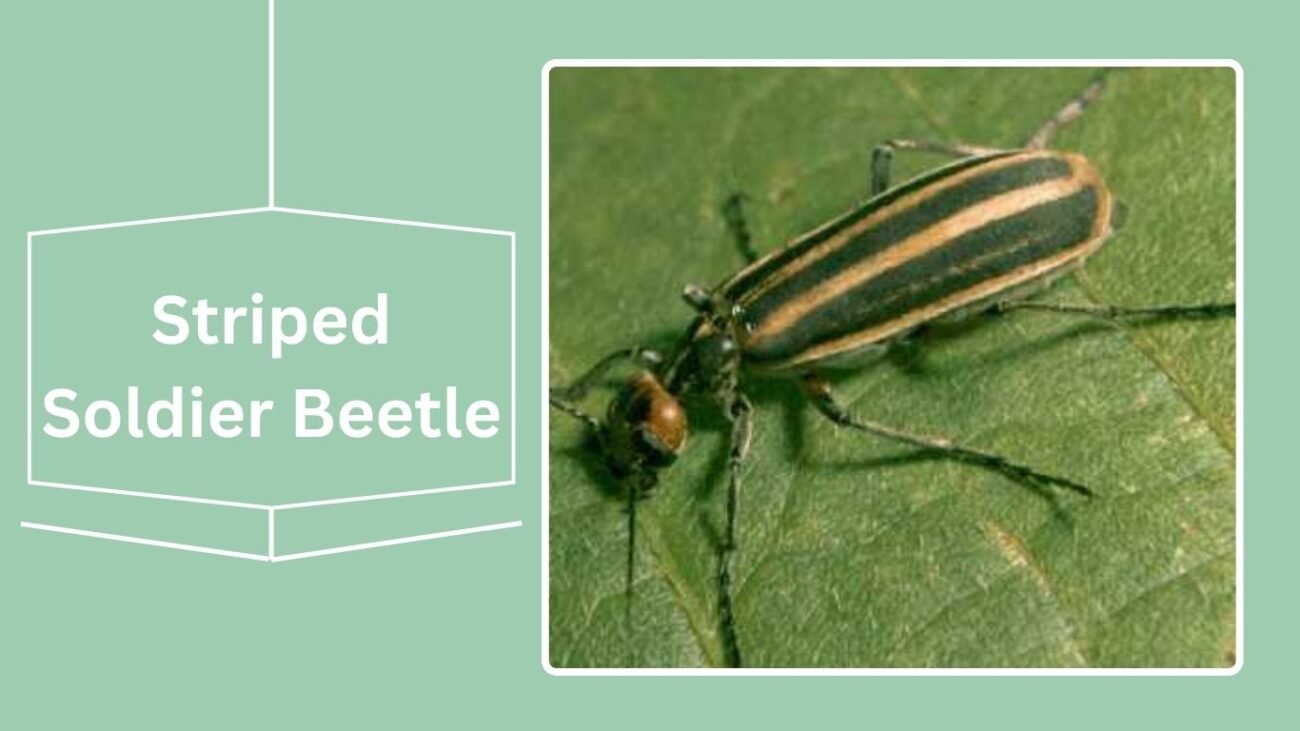
The Striped Soldier Beetle is a colorful variation of the margined leather-wing, recognized for its bold striped pattern. It is commonly found in fields and gardens where wildflowers bloom, and like its relatives, it is both a pollinator and a predator of pests.
Identification
- Medium-sized beetle, 9–12 mm long
- Yellow to orange wing covers with distinct black longitudinal stripes
- Black thorax with orange or yellow edging
- Slender, soft-bodied with flexible wing cases
- Long black legs and antennae
Habitat
This beetle is widespread in meadows, prairies, and gardens, especially where goldenrod and other composite flowers grow. It is most abundant in late summer and autumn.
Behavior
The Striped Soldier Beetle is active on sunny days, often congregating on flower heads. They are quick fliers and may be found in large groups during peak flowering seasons, feeding and mating in clusters.
Diet
Adults feed on nectar and pollen while preying on soft-bodied insects such as aphids. The larvae are carnivorous and live in soil or leaf litter, where they hunt insect eggs, grubs, and other small invertebrates.
13. Brown Soldier Beetle (Cantharis fusca)
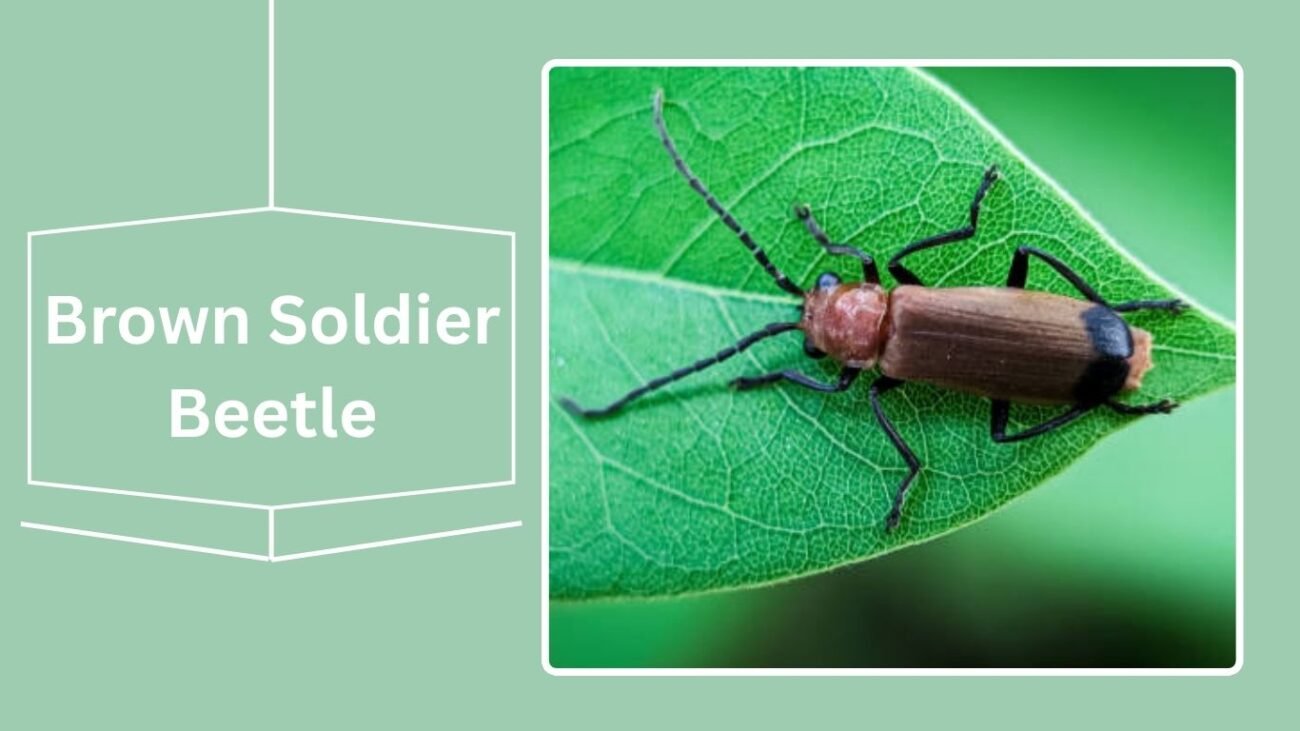
The Brown Soldier Beetle is a larger, darker member of the soldier beetle family, widespread across Europe. Unlike the brightly colored red or yellow species, it has a more subdued brown appearance but still serves as an effective predator of garden pests.
Identification
- Large soldier beetle, 12–15 mm long
- Dark brown wing covers with a slightly leathery texture
- Black head and thorax with reddish-brown margins
- Slender, elongated body with soft wing cases
- Long black legs and segmented antennae
Habitat
This species is commonly found in meadows, woodland edges, hedgerows, and grasslands. It prefers areas with tall vegetation and flowering plants.
Behavior
The Brown Soldier Beetle is most active in late spring and summer. It frequently visits flowers to feed and mate, while also hunting small insects among grasses and blossoms.
Diet
Adults feed on nectar, pollen, and small insects, particularly aphids. The larvae live in damp soil and leaf litter, preying on insect eggs, grubs, and soft-bodied invertebrates, thus playing a role in natural pest control.
14. Fire-colored Soldier Beetle (Cantharis livida)
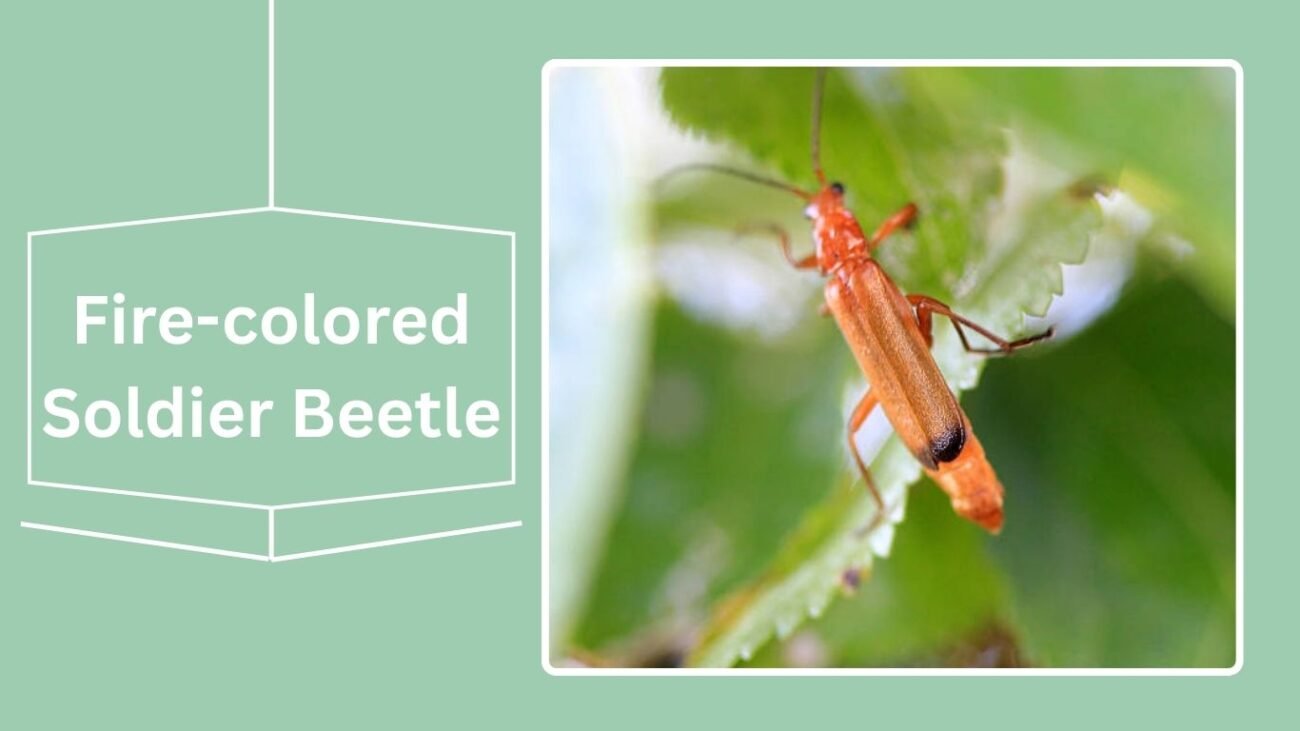
The Fire-colored Soldier Beetle is a striking species recognized for its vivid orange-red coloration. It is widespread across Europe and parts of Asia, often seen in meadows and hedgerows during the summer months. Its bold appearance makes it one of the more noticeable soldier beetles.
Identification
- Medium to large beetle, 10–13 mm long
- Bright orange to red wing covers, sometimes with darker shading near the tips
- Black head and antennae
- Elongated, soft-bodied with flexible wing cases
- Long, sturdy black legs
Habitat
This species thrives in meadows, woodland clearings, and hedgerows. It is particularly abundant in flower-rich habitats where it can easily find prey and nectar sources.
Behavior
The Fire-colored Soldier Beetle is active during warm, sunny days and is often seen perched on flowers. It frequently hunts smaller insects and is a strong flier, moving quickly between plants.
Diet
Adults feed on nectar and pollen but are also active predators of aphids and other soft-bodied insects. The larvae are ground-dwellers, preying on insect eggs, small grubs, and invertebrates in soil and decaying plant matter.
15. Yellow Soldier Beetle (Cantharis flavilabris)
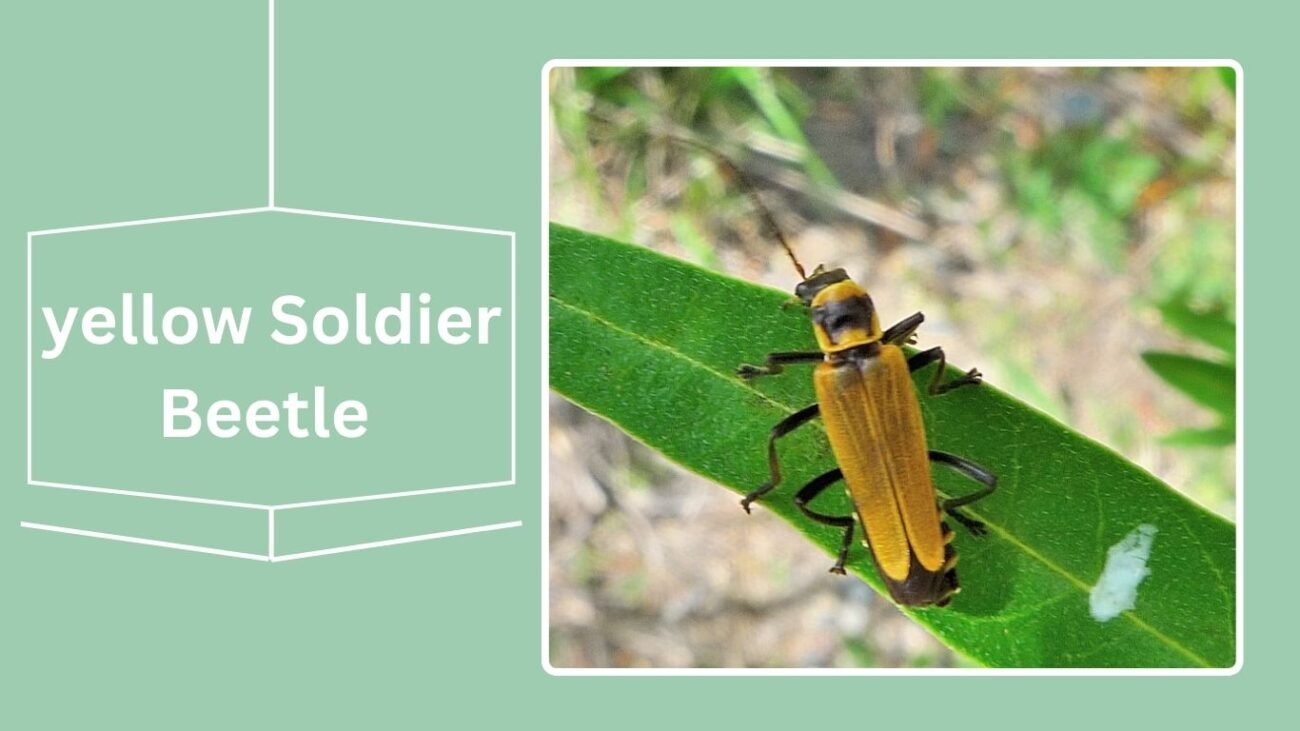
The Yellow Soldier Beetle is a lighter-colored member of the soldier beetle family, standing out with its pale yellow tones. Though less common than some of its red or brown relatives, it plays an important ecological role as both a predator and pollinator.
Identification
- Small to medium beetle, 7–9 mm long
- Pale yellow to light orange wing covers
- Black head, thorax, and antennae
- Slender, elongated body with soft, flexible wing cases
- Long black legs with fine segmentation
Habitat
This species is usually found in meadows, pastures, and woodland edges. It favors areas with diverse wildflowers, particularly during spring and summer.
Behavior
The Yellow Soldier Beetle is active in warm weather, frequently observed crawling over flowers. It is less abundant than the Common Red Soldier Beetle but can often be found in mixed groups on flowering plants.
Diet
Adults feed on nectar and pollen but also prey on small insects, especially aphids. The larvae are soil-dwelling predators that hunt insect eggs, grubs, and other soft-bodied invertebrates in leaf litter and decaying material.
16. Broad-bodied Soldier Beetle (Rhagonycha lignosa)

The Broad-bodied Soldier Beetle is a robust species that appears bulkier than many of its slender relatives. Found across Europe, it is commonly encountered in woodland edges, hedgerows, and meadows during the summer.
Identification
- Medium-sized beetle, 9–11 mm long
- Broad, reddish-brown wing covers with darker tips
- Black head and thorax with a slightly glossy finish
- Stronger, wider body compared to most soldier beetles
- Long black legs and segmented antennae
Habitat
This beetle inhabits woodlands, meadows, and gardens with abundant flowers. It prefers tall grasses and flowering plants where it can hunt and feed.
Behavior
The Broad-bodied Soldier Beetle is active in midsummer and often seen on flowers, particularly umbellifers. It is a strong flier and frequently hunts for prey among blossoms while also feeding on nectar.
Diet
Adults feed on nectar and pollen but are primarily predators of small insects such as aphids and caterpillars. The larvae are predatory soil-dwellers, feeding on insect eggs, larvae, and other soft-bodied invertebrates in leaf litter and decaying matter.
17. Woodland Soldier Beetle (Cantharis nigra)
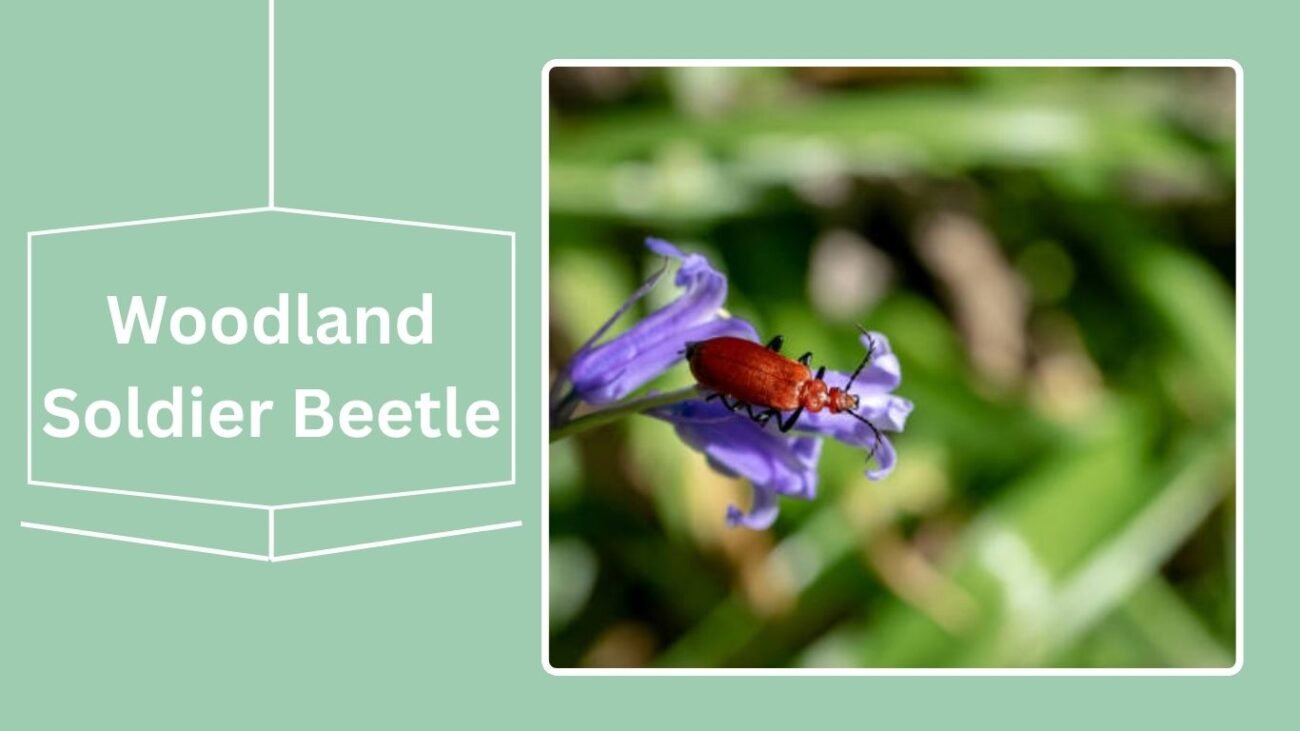
The Woodland Soldier Beetle is a darker, less conspicuous member of the soldier beetle family. As its name suggests, it is often found in shaded or semi-shaded environments, particularly in and around woodlands.
Identification
- Medium-sized beetle, 8–10 mm long
- Matte black wing covers with a faint brownish tint
- Black thorax and head, with subtle reddish tones in some individuals
- Slender, elongated body with soft, flexible wing cases
- Long black legs and antennae
Habitat
This beetle inhabits woodlands, shaded meadows, and hedgerows. It is especially common in areas where wildflowers grow near the edges of forests.
Behavior
The Woodland Soldier Beetle is most active during late spring and early summer. It is often seen crawling over flowers in partly shaded areas, where it feeds and mates. Compared to brightly colored soldier beetles, it tends to blend more easily into its surroundings.
Diet
Adults feed on nectar and pollen but also consume soft-bodied insects such as aphids. The larvae are predatory, living in soil and leaf litter, where they feed on insect eggs, small grubs, and other invertebrates.
18. Orange Soldier Beetle (Cantharis lateralis)
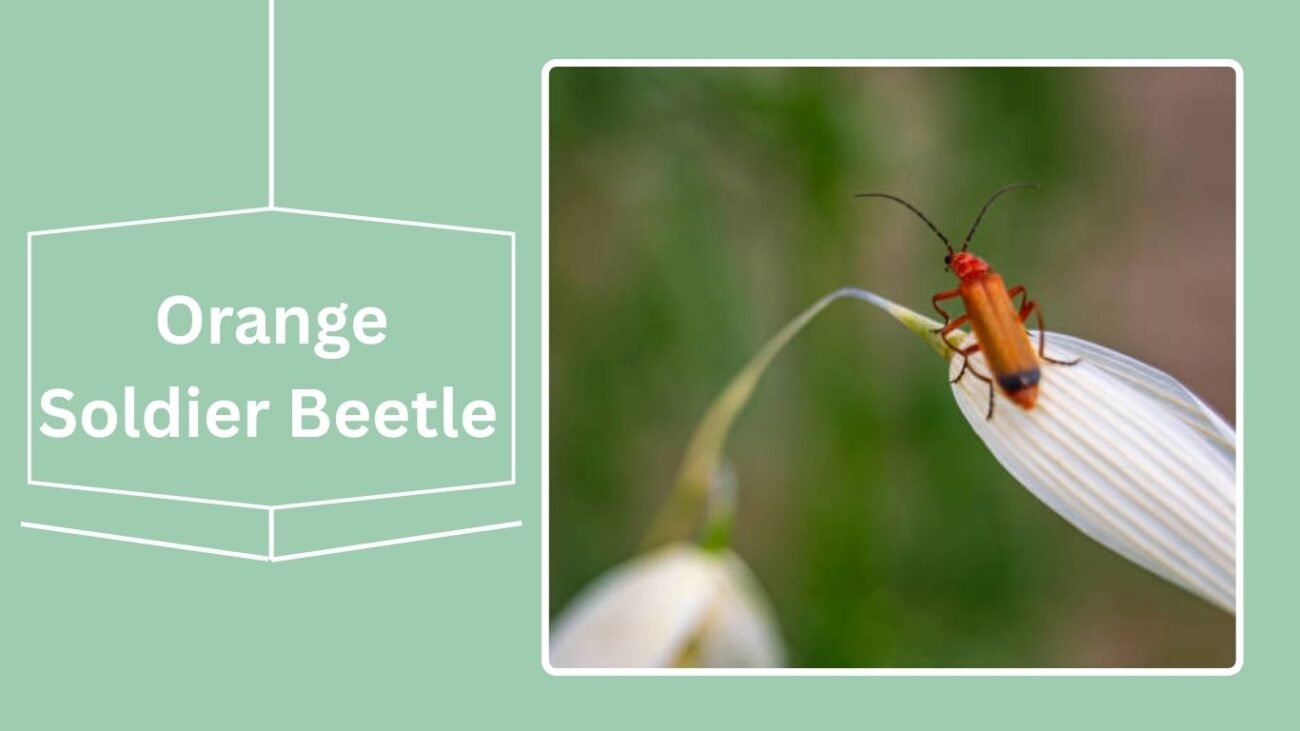
The Orange Soldier Beetle is a brightly colored species that stands out due to its vivid orange body. It is widespread across Europe and often found in grassy habitats during the summer months, making it one of the more noticeable soldier beetles.
Identification
- Medium-sized beetle, 8–10 mm long
- Bright orange wing covers with slightly darker tips
- Black head and thorax with orange edging
- Slender, elongated body with soft wing cases
- Long dark legs and antennae
Habitat
This beetle inhabits meadows, grasslands, hedgerows, and gardens. It is strongly associated with areas rich in wildflowers, where it can feed and reproduce.
Behavior
The Orange Soldier Beetle is active on warm, sunny days, often gathering on flower heads. It is commonly seen during midsummer, feeding alongside other soldier beetle species.
Diet
Adults feed on nectar and pollen but are also predators of soft-bodied insects such as aphids. The larvae are soil-dwelling predators, feeding on insect eggs, grubs, and small invertebrates within decaying plant material.
19. Small Red Soldier Beetle (Rhagonycha atra)
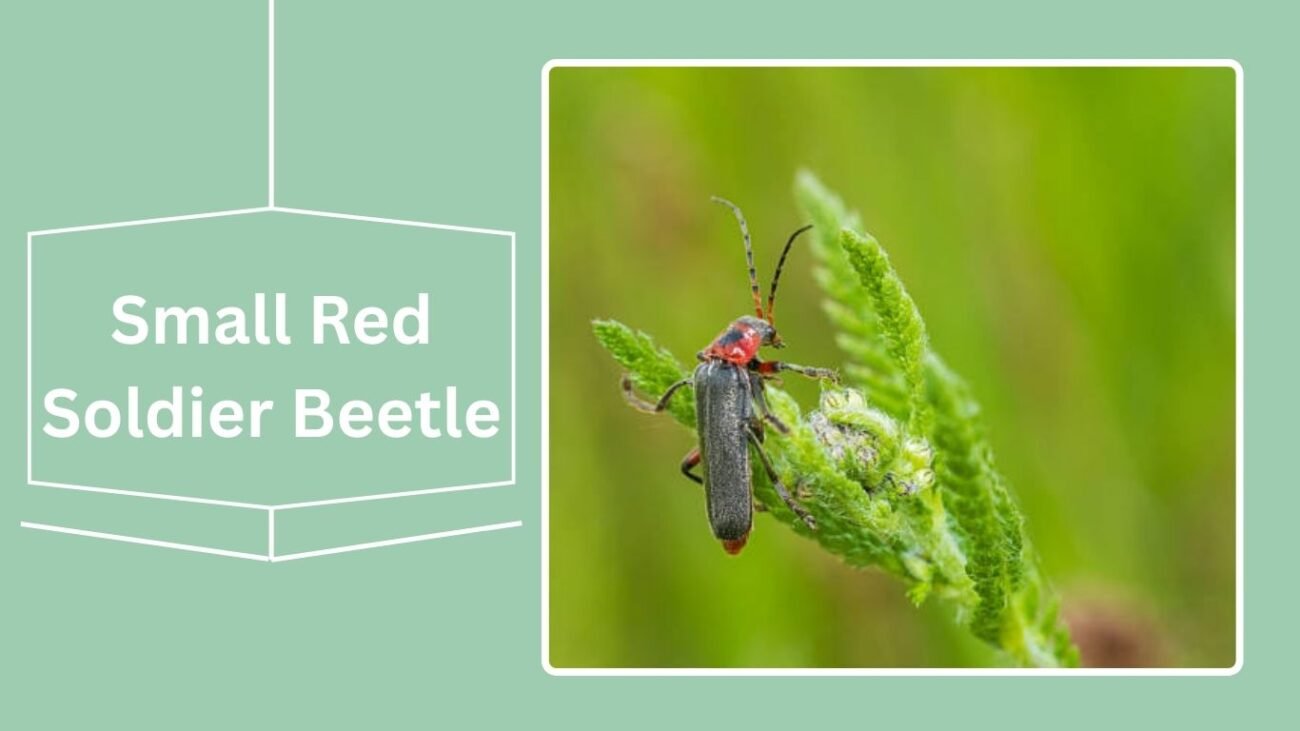
The Small Red Soldier Beetle is a slender, less prominent species compared to the Common Red Soldier Beetle. Though smaller in size, it is widely distributed across Europe and frequently encountered in grassy areas during the summer.
Identification
- Small beetle, 6–8 mm long
- Reddish-orange wing covers with darker tips
- Black head and thorax
- Slender, elongated body with soft wing cases
- Long black legs and fine antennae
Habitat
This species is commonly found in meadows, hedgerows, and open grasslands. It prefers flower-rich habitats, especially where umbellifers and other wildflowers are present.
Behavior
The Small Red Soldier Beetle is active in midsummer, often seen on flowers feeding and mating. Although less abundant than the Common Red Soldier Beetle, it often shares the same habitats and may appear in mixed groups.
Diet
Adults feed on nectar and pollen while also preying on small insects such as aphids. The larvae live in soil and leaf litter, where they consume insect eggs, grubs, and soft-bodied invertebrates.
20. Black-and-yellow Soldier Beetle (Cantharis annularis)
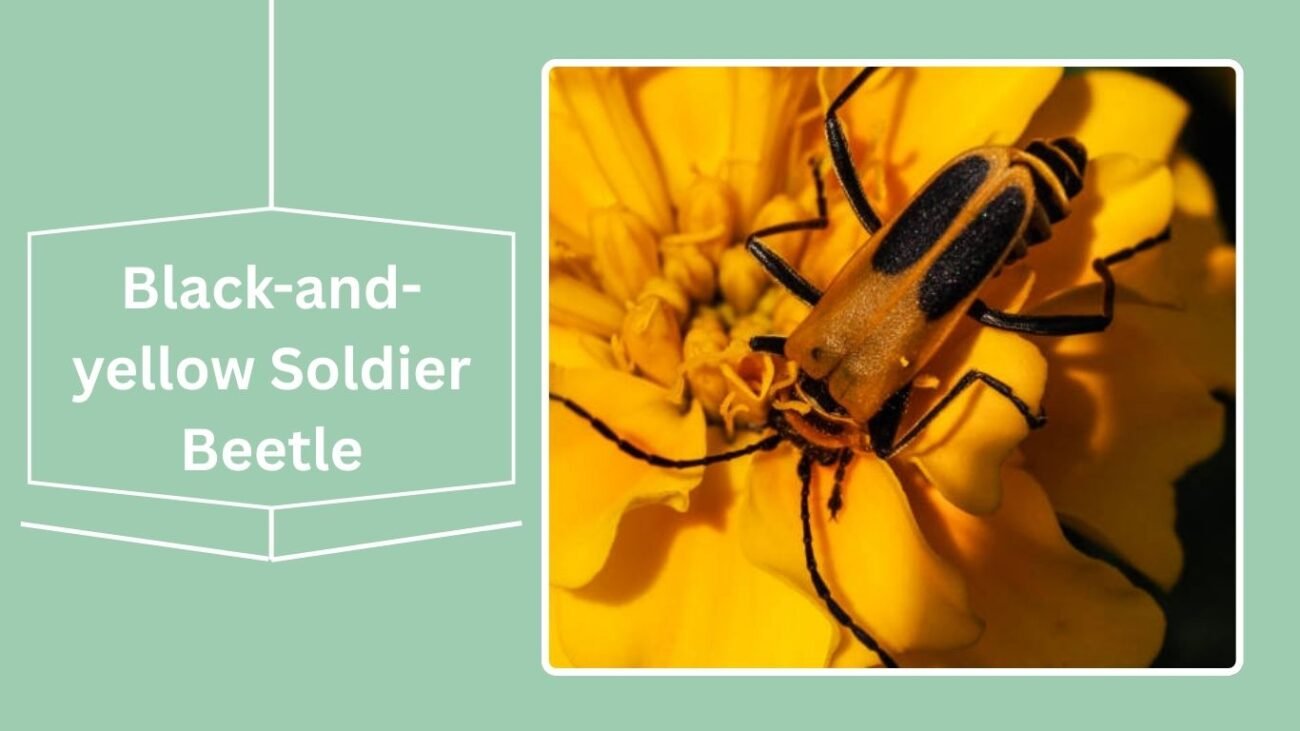
The Black-and-yellow Soldier Beetle is a striking species that stands out with its contrasting coloration. Found across Europe, it is most commonly observed in grasslands and meadows during the summer, where it contributes both as a predator and pollinator.
Identification
- Medium-sized beetle, 9–11 mm long
- Bright yellow wing covers with distinct black markings or bands
- Black head and thorax with yellow edging
- Elongated, soft-bodied with flexible wing cases
- Long black legs and segmented antennae
Habitat
This beetle prefers meadows, woodland edges, hedgerows, and flower-rich grasslands. It thrives in habitats with abundant nectar sources and prey.
Behavior
The Black-and-yellow Soldier Beetle is most active in midsummer, often gathering on flower heads. It is a strong flier and can move quickly between plants while feeding and mating.
Diet
Adults consume nectar and pollen but also prey on small insects such as aphids and caterpillars. The larvae are soil-dwelling predators, feeding on insect eggs, grubs, and other soft-bodied invertebrates in decaying plant matter.