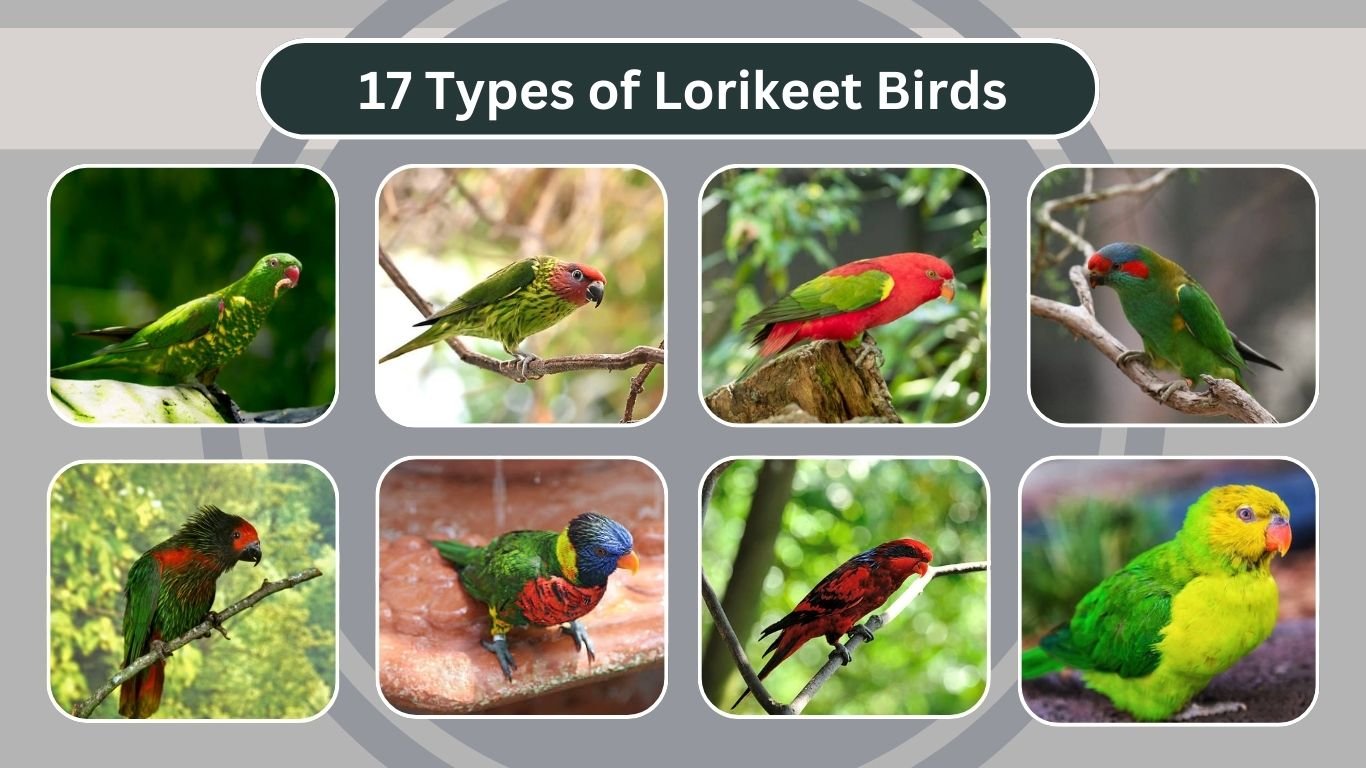
Lorikeets are among the most colorful and energetic parrots in the world, admired for their vibrant plumage, playful behavior, and nectar-loving diets. Found mainly in Australia, Indonesia, Papua New Guinea, and nearby islands, these birds are highly social and often seen in noisy flocks. Each type of lorikeet has its own unique markings, behaviors, and preferred habitats, making them fascinating to observe and study. In this guide, you’ll discover 17 distinct types of lorikeet birds along with their key features.
1. Rainbow Lorikeet
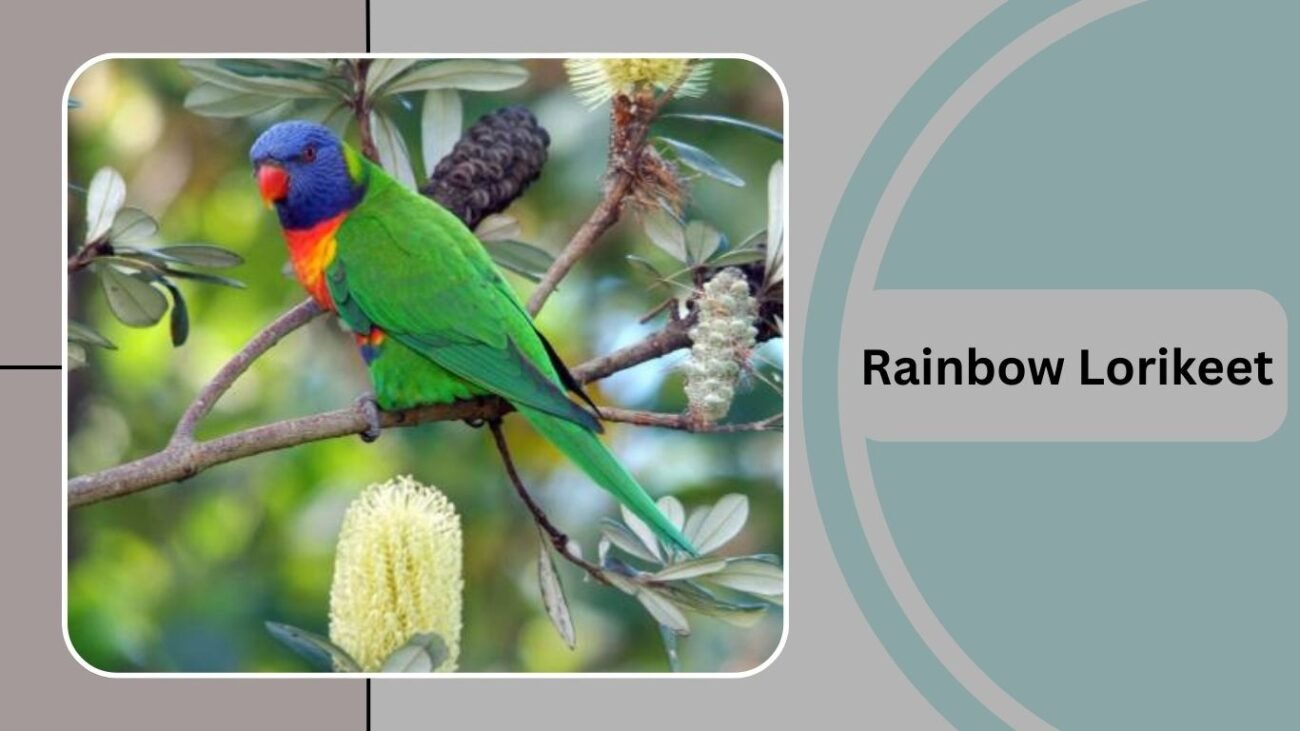
The Rainbow Lorikeet (Trichoglossus moluccanus) is one of the most colorful and widely recognized lorikeet species. Native to Australia and parts of Indonesia, these medium-sized parrots are admired for their bright plumage and playful personality. They are highly social birds, often seen flying in noisy flocks and feeding on nectar, fruits, and pollen.
Identification
- Bright red beak and red eyes
- Deep blue head and belly
- Green wings, back, and tail
- Orange-yellow breast band blending into green
- Medium size, about 25–30 cm long
Habitat and Range
Rainbow Lorikeets are commonly found in coastal regions of eastern and northern Australia, from Queensland down to South Australia. They thrive in woodlands, forests, gardens, and even urban areas where flowering plants are abundant.
Behavior
These birds are energetic and loud, often communicating with shrill calls. They are excellent fliers and form strong pair bonds, usually seen in pairs or small flocks. Their brush-tipped tongues are specially adapted for feeding on nectar and pollen.
2. Red-Collared Lorikeet

The Red-Collared Lorikeet (Trichoglossus rubritorquis) is often mistaken for the Rainbow Lorikeet but can be identified by the distinct red band around its neck. It is the only lorikeet species native to northern Australia.
Identification
- Bright red collar around the neck
- Blue head and belly
- Green wings, back, and tail
- Orange-yellow breast with red streaks
- Similar in size to the Rainbow Lorikeet (25–30 cm)
Habitat and Range
Found mainly in northern Australia, particularly in the Northern Territory and northern Queensland. They prefer woodlands, coastal forests, and urban gardens.
Behavior
They are noisy, playful, and often gather in large flocks. Their feeding habits center on nectar, fruits, and flowers, with a strong reliance on eucalyptus blossoms.
3. Coconut Lorikeet
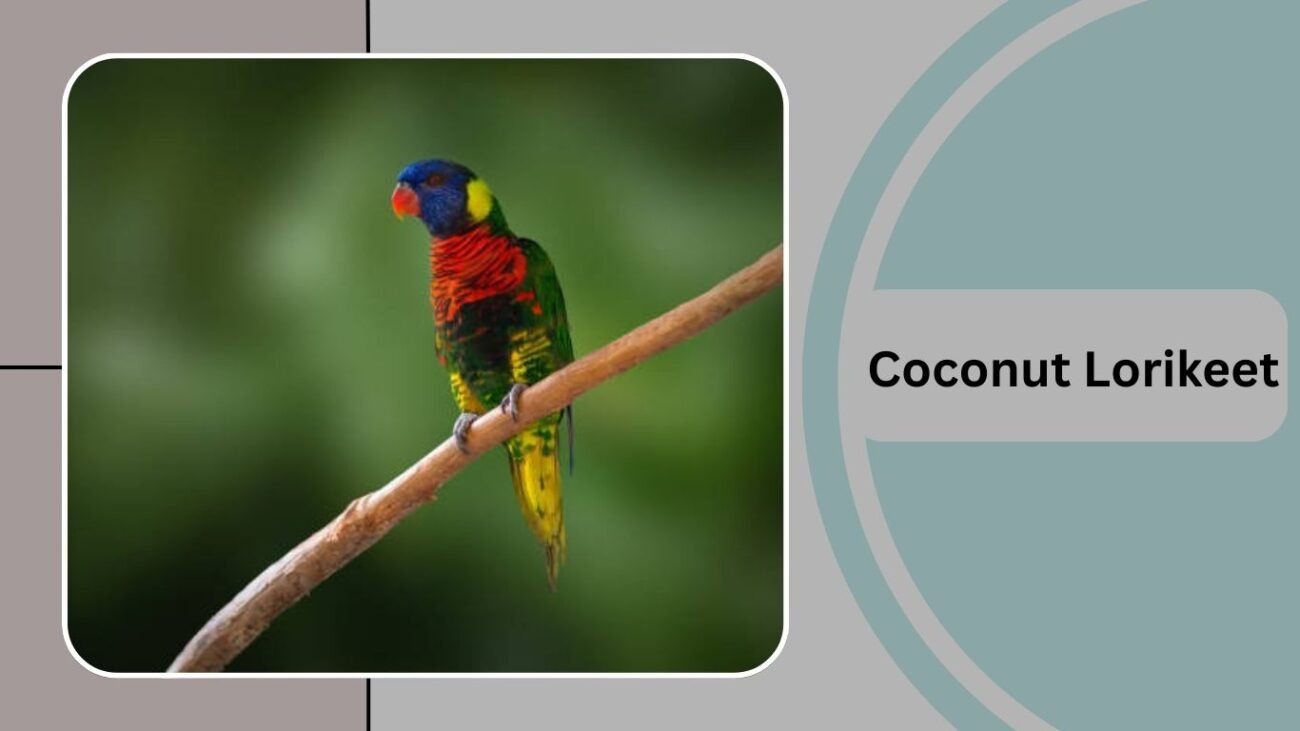
The Coconut Lorikeet (Trichoglossus haematodus) is a close relative of the Rainbow Lorikeet and is widely spread across the Pacific islands and Southeast Asia.
Identification
- Red breast with blue-black barring
- Bright green wings, back, and tail
- Dark blue head with red bill
- Yellow-green thighs and under-tail coverts
- Size ranges from 25–30 cm
Habitat and Range
Distributed across Indonesia, Papua New Guinea, Solomon Islands, and surrounding Pacific islands. They are often found in coastal coconut plantations, forests, and villages.
Behavior
Highly social and active, they travel in flocks and are known for their acrobatic feeding style. Their diet includes nectar, fruits, coconuts, and flowers, often raiding plantations for food.
4. Green-Naped Lorikeet
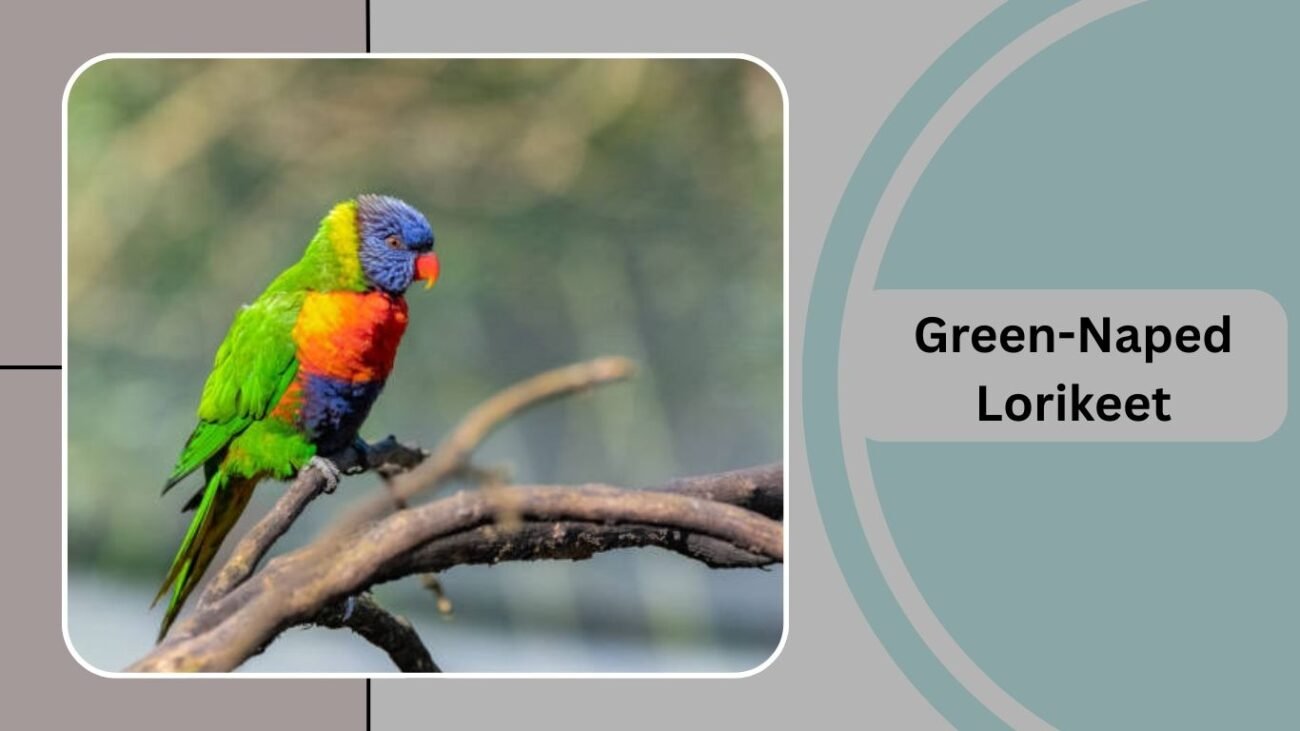
The Green-Naped Lorikeet (Trichoglossus haematodus haematodus) is a subspecies of the Coconut Lorikeet, easily recognized by its vivid green nape and striking plumage.
Identification
- Bright green nape extending to back
- Deep blue head and face
- Red breast with black barring
- Green wings and tail with yellow highlights
- Medium size, about 26–30 cm
Habitat and Range
Native to parts of Indonesia, Papua New Guinea, and nearby islands. They inhabit tropical forests, coconut groves, and cultivated lands.
Behavior
Active and playful, often forming small flocks. They feed on nectar, pollen, and fruits and are frequently seen darting among flowering trees.
5. Swainson’s Lorikeet
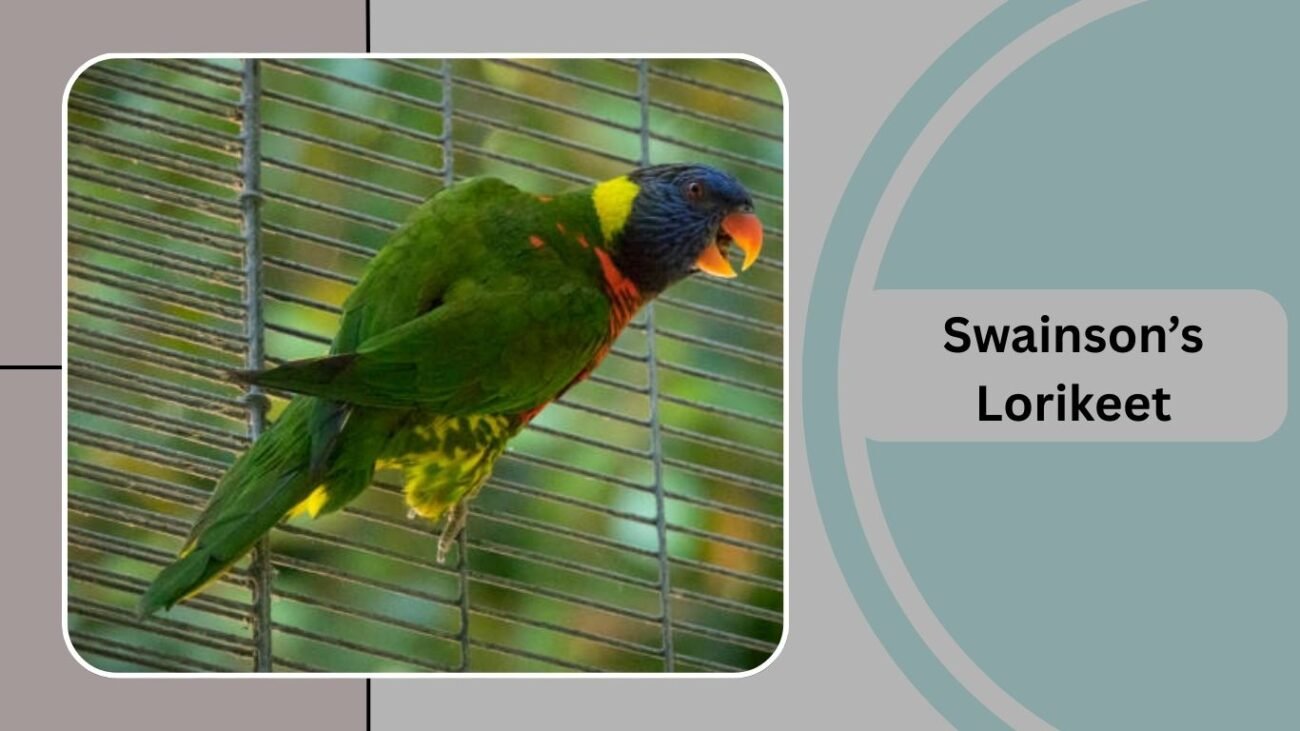
Swainson’s Lorikeet (Trichoglossus moluccanus moluccanus), also known as the Blue-Bellied Lorikeet, is a colorful subspecies closely related to the Rainbow Lorikeet.
Identification
- Blue belly with distinct deep coloration
- Bright green wings, tail, and back
- Red-orange breast band
- Orange-red beak and red eyes
- Size around 25–28 cm
Habitat and Range
Primarily found in eastern Australia, especially in Queensland and New South Wales. They thrive in coastal forests, woodlands, and urban parks.
Behavior
They are lively and social, often feeding in pairs or groups. Their diet mainly consists of nectar, blossoms, and soft fruits, supported by their brush-tipped tongue.
6. Pale-Headed Lorikeet
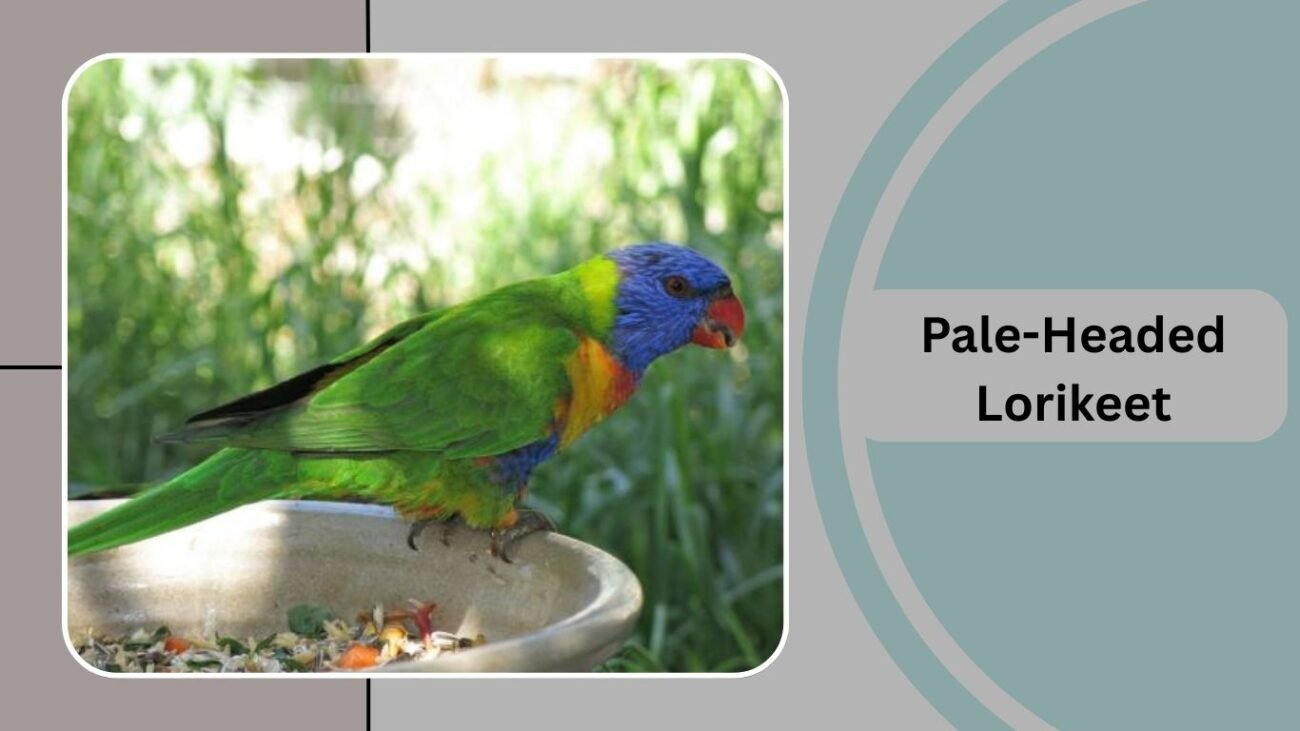
The Pale-Headed Lorikeet (Trichoglossus haematodus capistratus) is known for its lighter-colored head compared to other lorikeets.
Identification
- Pale yellow to whitish head
- Green wings, back, and tail
- Red-orange breast with faint barring
- Blue belly with greenish undertones
- Medium size, around 26–28 cm
Habitat and Range
Native to parts of Indonesia, including the Lesser Sunda Islands. Found in forests, woodlands, and coconut plantations.
Behavior
Energetic and social, they move in small flocks and feed on nectar, fruits, and blossoms.
7. Olive-Headed Lorikeet
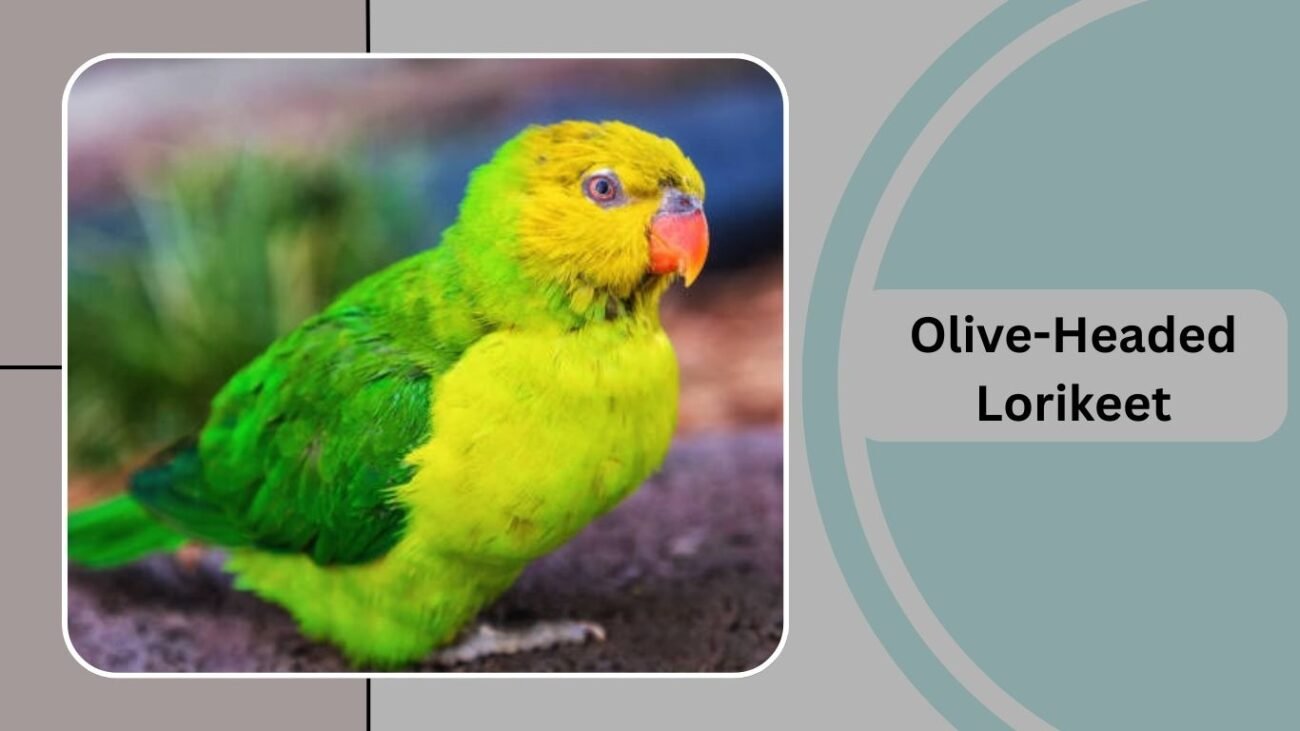
The Olive-Headed Lorikeet (Trichoglossus euteles) is easily recognized by its olive-green head and is a distinct species among lorikeets.
Identification
- Olive-green head
- Bright green body with yellowish underparts
- Red bill and orange eyes
- Small to medium size, about 24–25 cm
- Lacks the deep blue coloration common in many lorikeets
Habitat and Range
Found in Timor and nearby islands in Indonesia. Inhabits lowland forests, cultivated lands, and coconut groves.
Behavior
Known for being quieter than other lorikeets, though still active and playful. They feed mainly on nectar, fruits, and seeds.
8. Blue-Streaked Lory
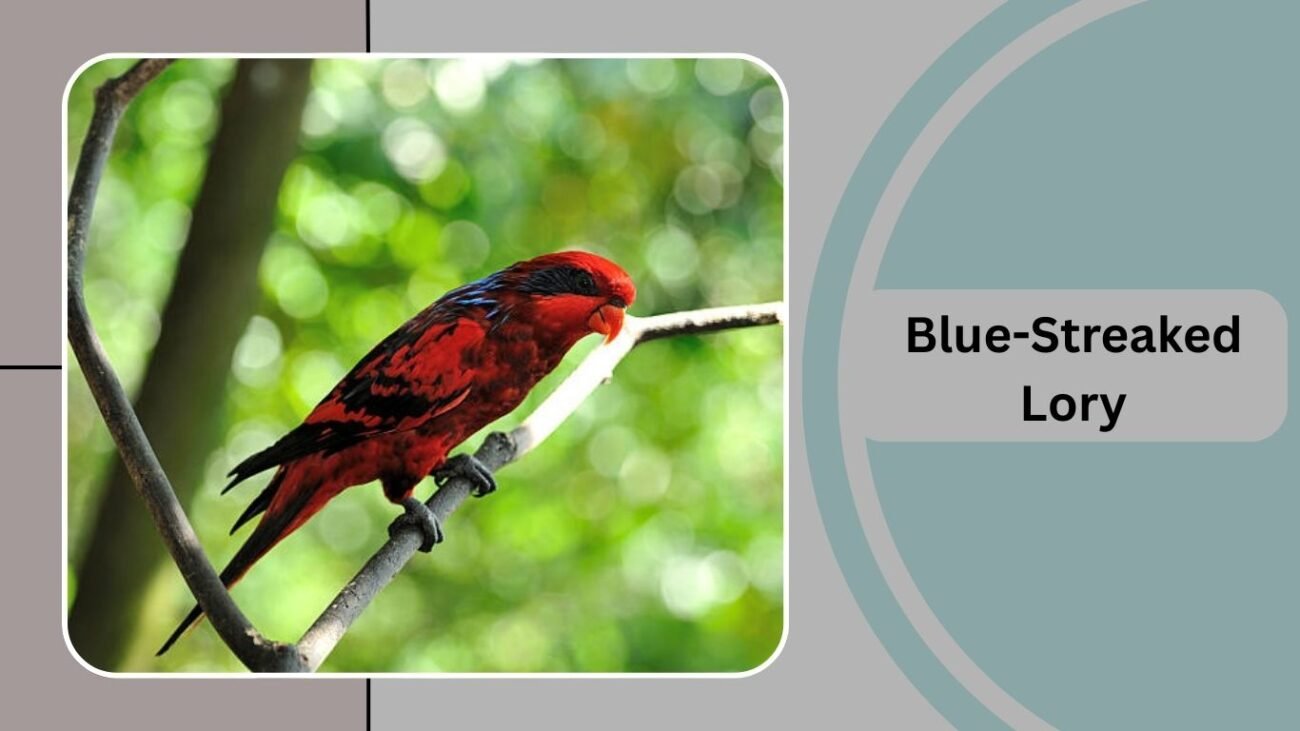
The Blue-Streaked Lory (Eos reticulata) is a striking lorikeet species known for its vivid red plumage and bright blue streaks across the body. It is one of the most beautiful parrots in its range.
Identification
- Predominantly bright red plumage
- Iridescent blue streaks across chest and face
- Dark blue wings and tail feathers
- Bright orange bill with red eyes
- Medium size, about 30 cm
Habitat and Range
Native to the Tanimbar Islands and nearby regions of Indonesia. They are mainly found in tropical forests, mangroves, and coconut plantations, thriving in areas where flowering trees and fruiting plants are abundant.
Behavior
These lories are very active and noisy, often moving in small flocks. They display strong social bonds and are known for their acrobatic feeding style, hanging upside down to access nectar and fruit.
9. Black-Capped Lory
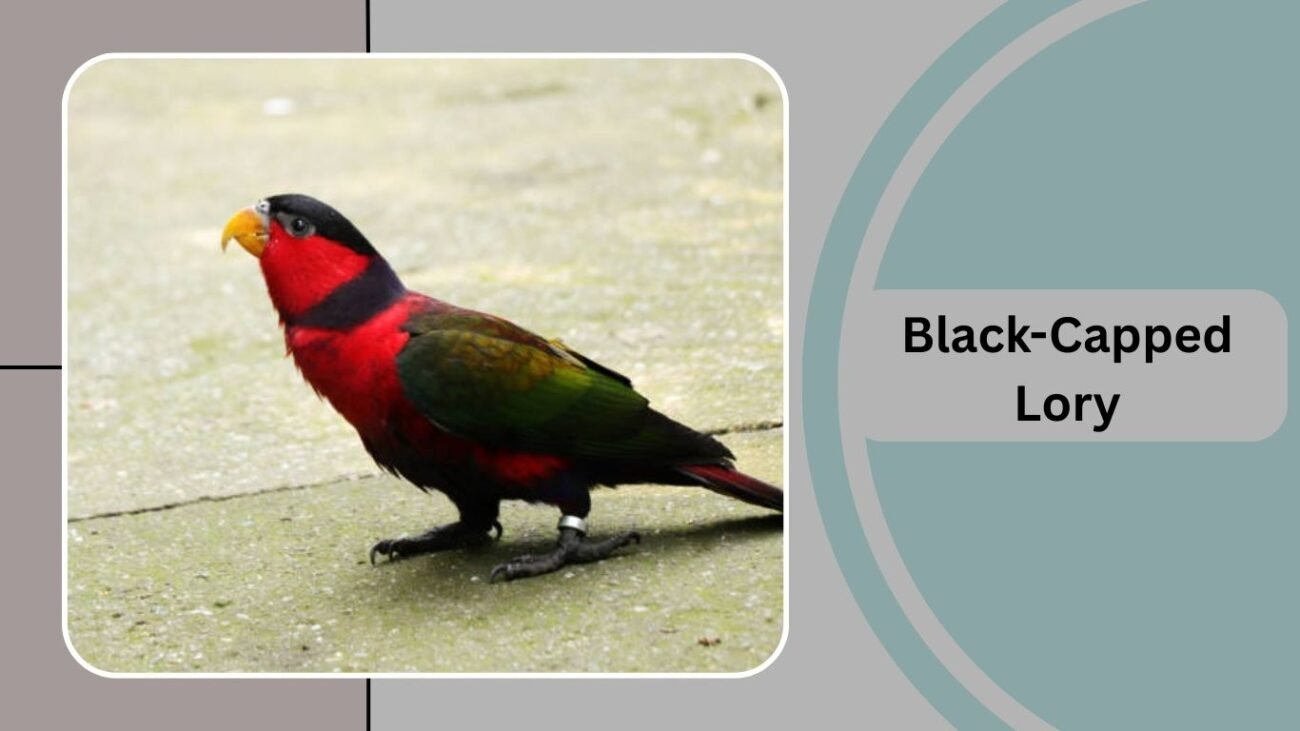
The Black-Capped Lory (Lorius lory) is one of the most easily identified lorikeets due to its distinct black head contrasting with vivid red and green plumage.
Identification
- Distinctive glossy black cap on the head
- Bright red body with contrasting green wings
- Violet-blue belly and thighs
- Strong orange beak with dark red eyes
- Larger lorikeet, about 31 cm
Habitat and Range
Found in New Guinea and surrounding islands. These lories inhabit rainforests, coastal woodlands, and gardens, often preferring lowland forests with plenty of flowering and fruiting trees.
Behavior
They are intelligent and curious birds, often seen flying in noisy flocks. Highly energetic, they feed mainly on nectar, pollen, and fruits, using their brush-tipped tongues to extract food efficiently.
10. Yellow-Bibbed Lory
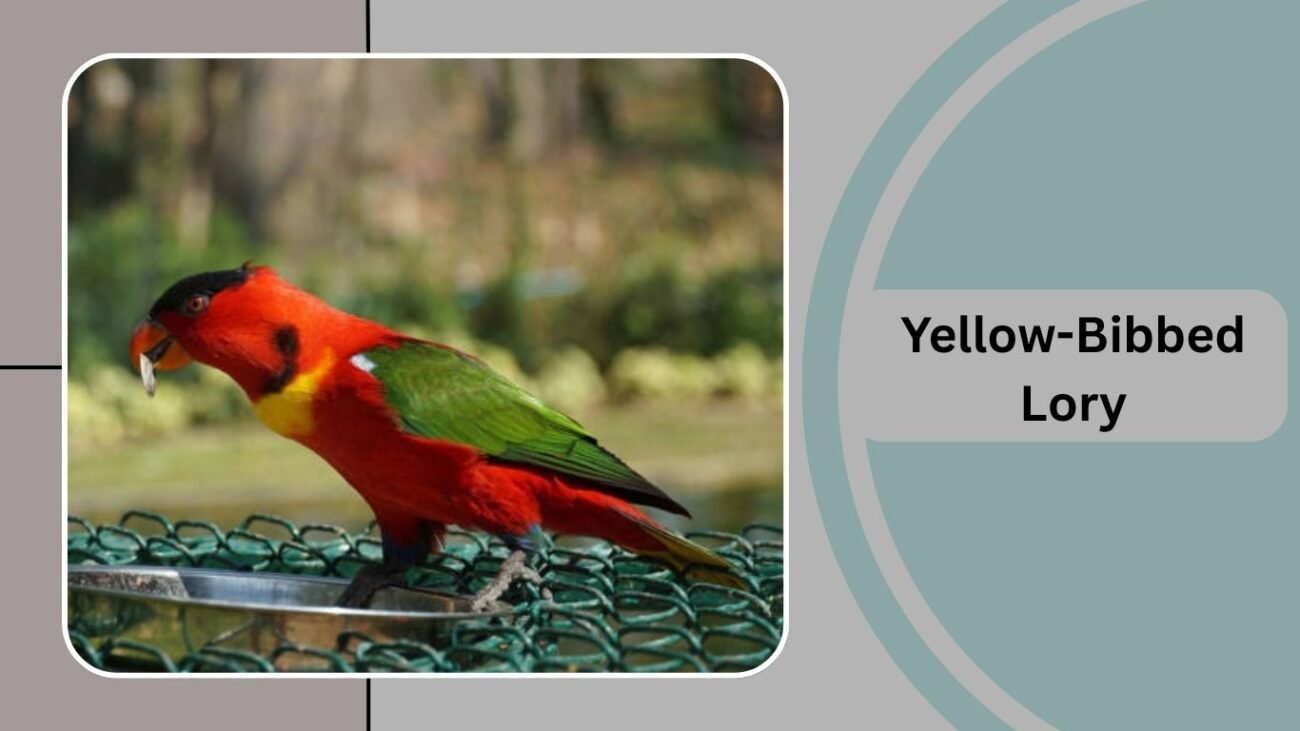
The Yellow-Bibbed Lory (Lorius chlorocercus) is a vibrant lorikeet recognized for the distinctive yellow patch, or “bib,” on its chest that contrasts beautifully with its red plumage.
Identification
- Bright red plumage overall
- Prominent yellow bib on upper chest
- Green wings with hints of blue and black
- Dark head with strong orange bill
- Medium to large, about 28–30 cm
Habitat and Range
This species is native to the Solomon Islands, where it thrives in tropical rainforests, coastal groves, and cultivated lands. It adapts well to areas near villages, often seen feeding in flowering and fruiting trees.
Behavior
The Yellow-Bibbed Lory is highly social, typically moving in pairs or small groups. They are playful and loud, often making shrill calls while feeding. Their diet primarily consists of nectar, soft fruits, and flowers.
11. Purple-Naped Lory

The Purple-Naped Lory (Lorius domicella) is an eye-catching species, named for the deep purple patch on its nape that sets it apart from other lories.
Identification
- Bright scarlet plumage overall
- Distinct purple patch at the nape of the neck
- Green wings with blue and black edges
- Orange bill and red eyes
- Medium size, around 28 cm
Habitat and Range
Endemic to the Maluku Islands of Indonesia, this species inhabits lowland forests, secondary growth, and coconut plantations. It favors areas rich in flowering trees and is also seen in village orchards.
Behavior
The Purple-Naped Lory is active, bold, and noisy, often seen flying swiftly between trees. They feed mainly on nectar and fruits, frequently traveling in pairs or family groups, maintaining strong social bonds.
12. Chattering Lory

The Chattering Lory (Lorius garrulus) is a brilliantly colored parrot known for its loud, constant calls and striking plumage. It is considered one of the most vocal lorikeets.
Identification
- Bright crimson-red plumage overall
- Green wings with yellow markings
- Blue-violet tail feathers
- Strong orange beak and red eyes
- Medium size, about 30 cm
Habitat and Range
Native to the northern Maluku Islands of Indonesia. Found in lowland and coastal forests, mangroves, and cultivated lands where flowering and fruiting trees are abundant.
Behavior
Highly vocal and energetic, they live up to their name with continuous chattering sounds. They are playful, intelligent, and often seen in small groups, feeding on nectar, fruits, and blossoms.
13. Ornate Lorikeet
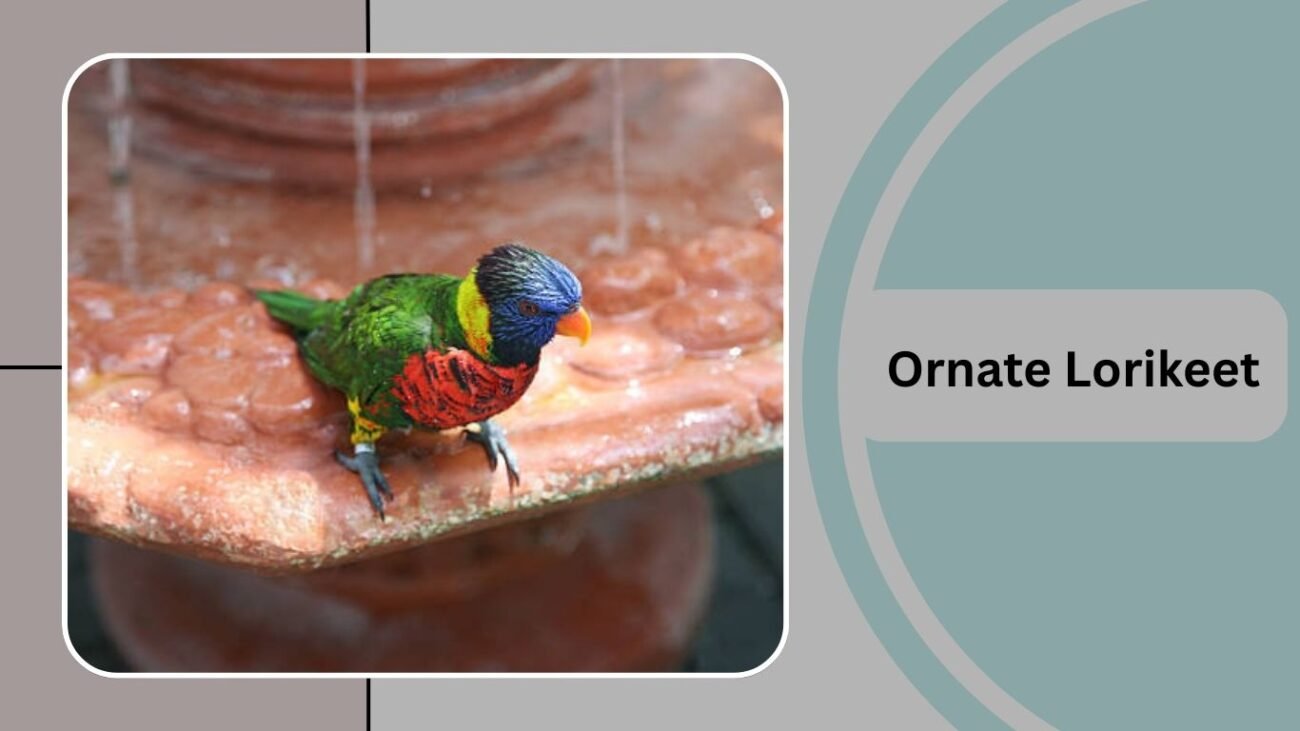
The Ornate Lorikeet (Trichoglossus ornatus) is one of the most colorful lorikeets, displaying intricate feather patterns that justify its name.
Identification
- Bright green body with yellow streaks
- Deep blue head with orange cheek patches
- Red breast with blackish barring
- Green wings and long tail
- Medium size, about 25–27 cm
Habitat and Range
Endemic to Sulawesi in Indonesia. They inhabit tropical rainforests, gardens, and plantations, preferring regions with plentiful nectar and fruit sources.
Behavior
Lively and curious, these lorikeets are often seen flying in pairs or flocks. They are strong fliers, noisy communicators, and feed mainly on nectar, fruits, and flowering buds.
14. Goldie’s Lorikeet
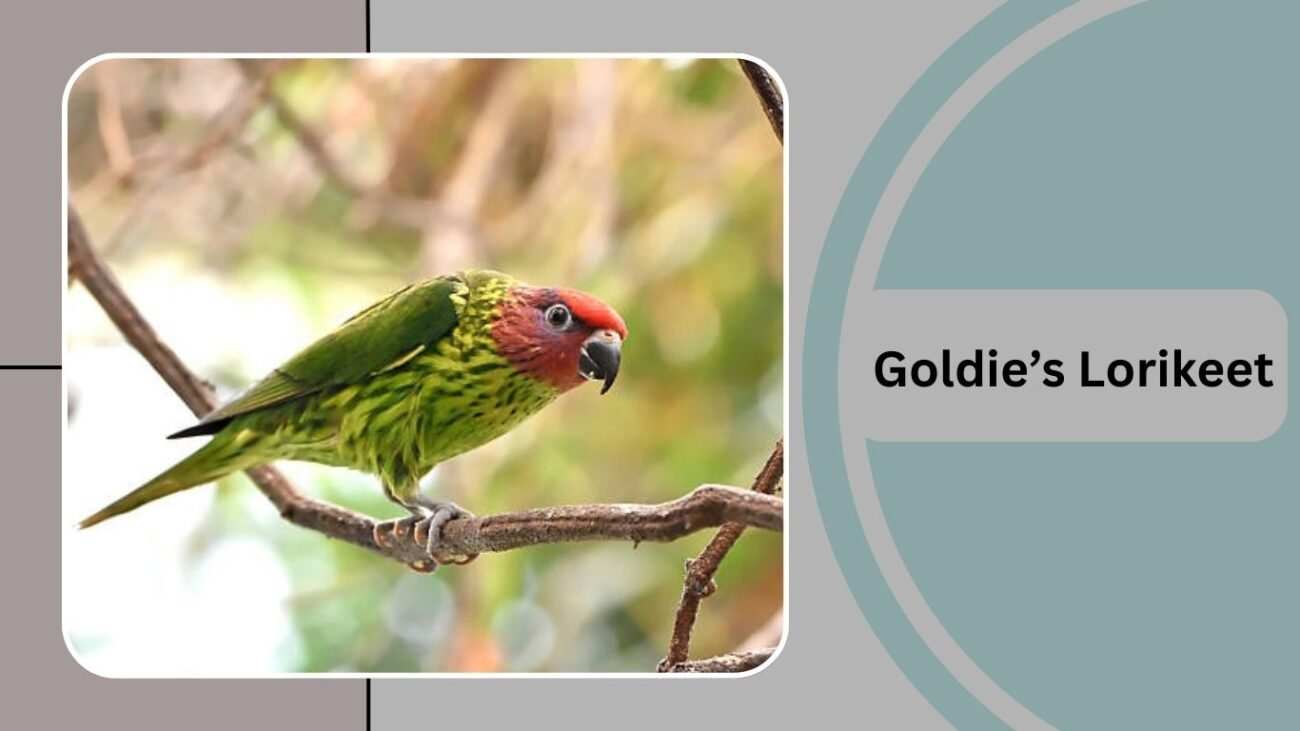
Goldie’s Lorikeet (Glossoptilus goldiei) is a small but striking lorikeet with a unique mix of bright colors, making it stand out among other species.
Identification
- Green body with bright yellow streaks
- Purple crown on the head
- Red cheek patches contrasting with yellow throat
- Blue underparts and green tail
- Small size, about 19 cm
Habitat and Range
Endemic to the highlands of Papua New Guinea. They prefer montane forests, forest edges, and high-altitude gardens, usually above 1,000 meters.
Behavior
These lorikeets are quieter than many others, moving in small flocks. They are swift fliers, often seen darting between flowering trees to feed on nectar, pollen, and soft fruits.
15. Yellow-Streaked Lory
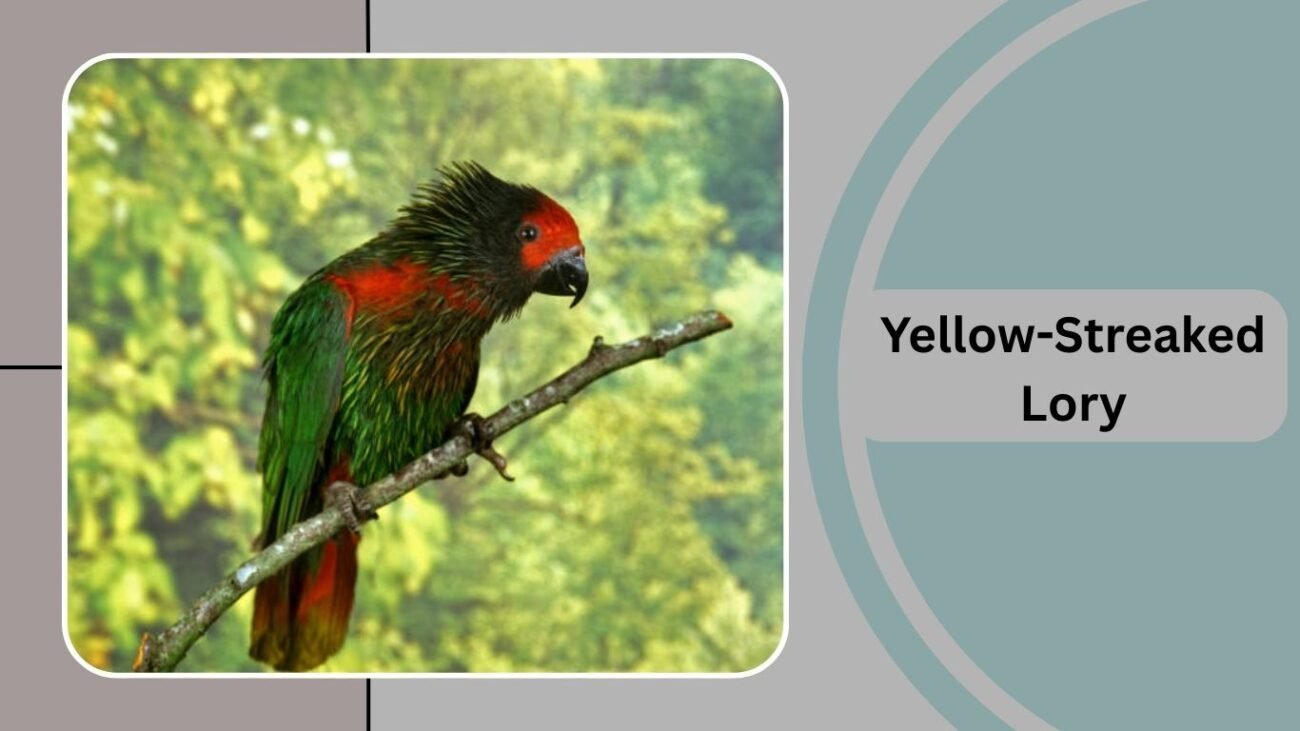
The Yellow-Streaked Lory (Chalcopsitta scintillata) is notable for the fine yellow streaks that run across its otherwise dark plumage, giving it a unique appearance.
Identification
- Predominantly dark red-brown plumage
- Distinct fine yellow streaks on chest and belly
- Green and black-tipped wings
- Bright orange beak with red eyes
- Larger lorikeet, about 31 cm
Habitat and Range
Found in New Guinea and nearby islands. It inhabits lowland rainforests, swamp forests, and secondary growth areas rich in flowering plants.
Behavior
They are active and noisy, often gathering in small flocks. Their diet mainly consists of nectar and fruits, and they are skilled at clinging upside down to access blossoms.
16. Musk Lorikeet
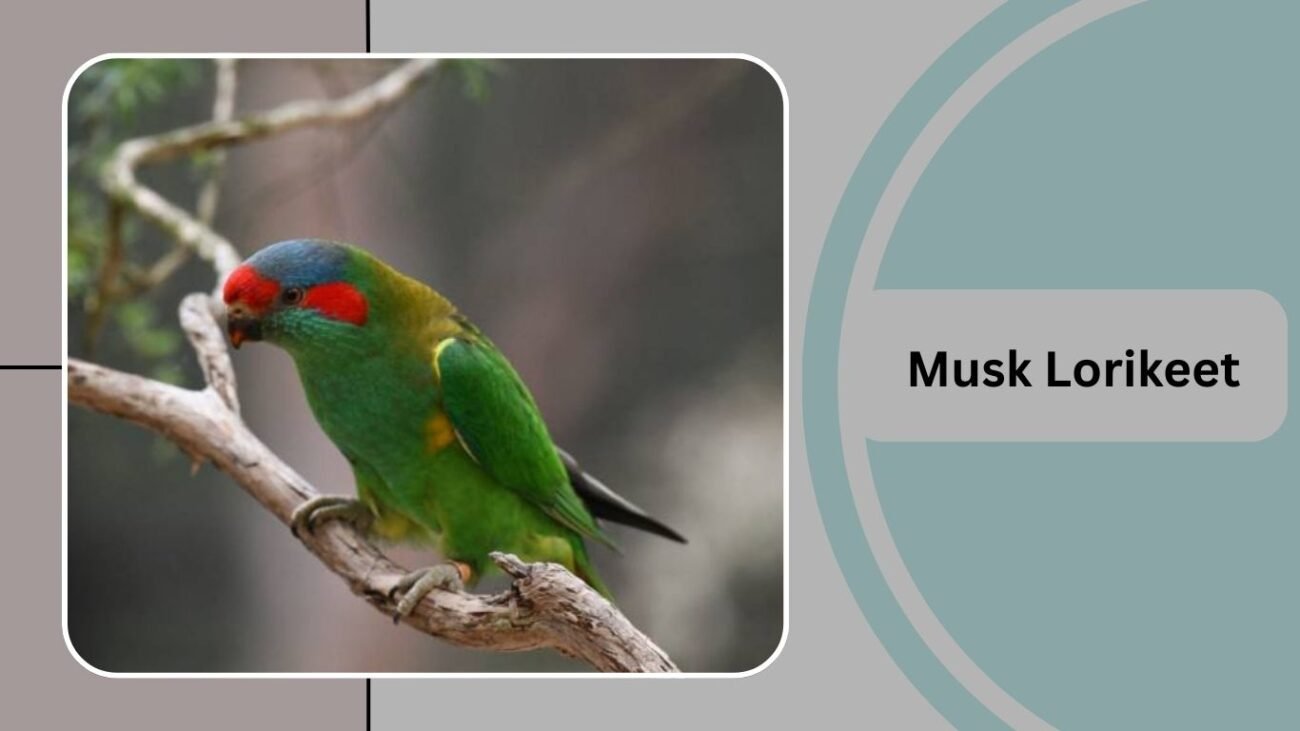
The Musk Lorikeet (Glossopsitta concinna) is a small, fast-flying lorikeet, well known for its bright markings and sweet, musky odor, which gave the bird its common name.
Identification
- Green body with a red forehead and crown
- Blue patch on the crown extending toward the back
- Yellow streaks on wing edges
- Small size, about 22 cm
- Orange-red beak with dark eyes
Habitat and Range
Native to southeastern Australia, including Victoria, New South Wales, and South Australia. They inhabit open woodlands, eucalyptus forests, and suburban gardens with flowering trees.
Behavior
Musk Lorikeets are highly active and social, often forming noisy flocks. They feed mainly on eucalyptus nectar but also consume pollen, berries, and soft fruits. Their swift flight makes them hard to spot in trees.
17. Scaly-Breasted Lorikeet
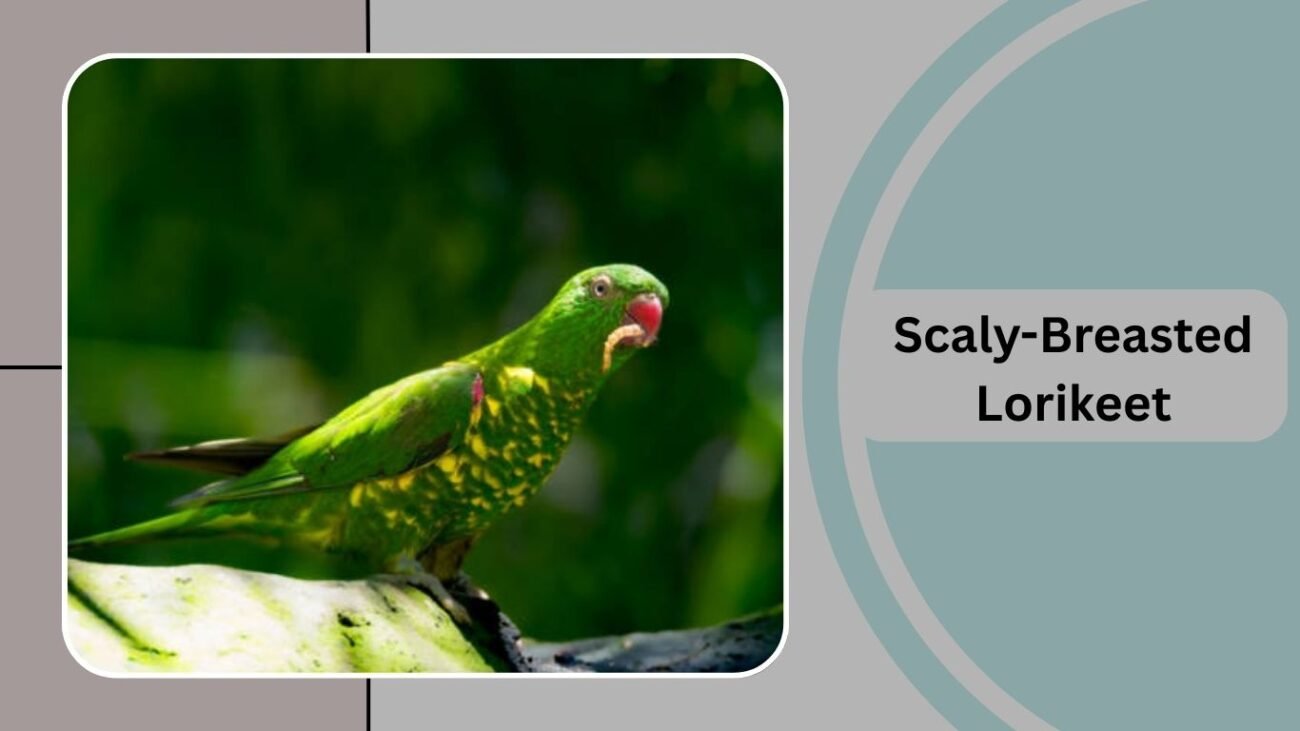
The Scaly-Breasted Lorikeet (Trichoglossus chlorolepidotus) is easily recognized by the distinctive scale-like yellow markings across its chest, giving it a unique patterned look.
Identification
- Bright green plumage overall
- Yellow scalloping across breast and neck
- Red-orange bill with red eyes
- Medium size, about 23–26 cm
- Lacks the blue head typical of many lorikeets
Habitat and Range
Found along the eastern coast of Australia, particularly in Queensland and New South Wales. Prefers subtropical forests, coastal woodlands, and urban gardens with flowering plants.
Behavior
These lorikeets are energetic and noisy, often feeding in groups. They rely heavily on nectar and pollen but also eat fruits and seeds. Their brush-tipped tongue is perfectly adapted for extracting nectar.