Nursery web spiders are agile hunters known for their distinctive maternal care. Instead of building webs to catch prey, they actively stalk insects on the ground or in vegetation. Females carry their egg sacs in their jaws until the young are nearly ready to hatch, then place them in protective silk nursery webs. This guide explores seven fascinating nursery web spider species, highlighting their unique appearances, habitats, and behaviors.
1. Nursery Web Spider
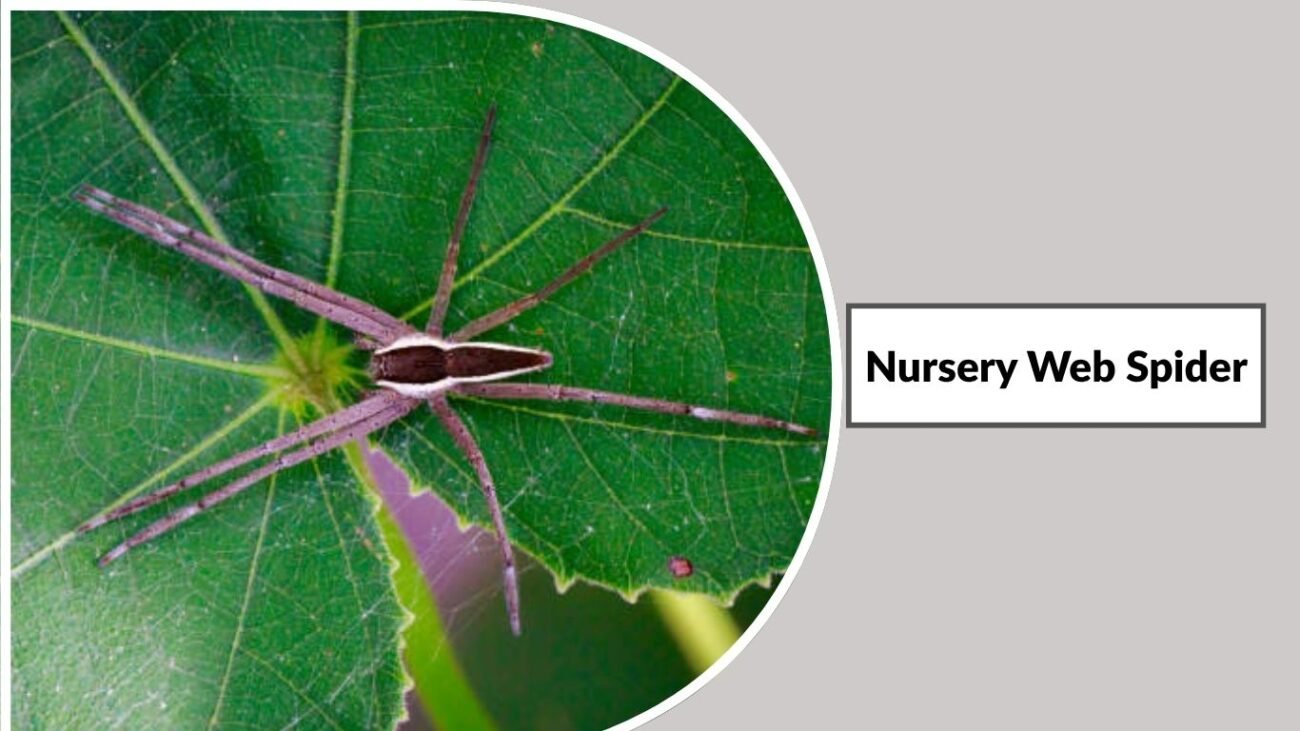
The common nursery web spider is one of the best-known species in the Pisauridae family, found widely across Europe and parts of Asia. It is famous for its unique reproductive behavior, where the female carries her egg sac in her jaws until the spiderlings are ready to hatch, then guards them in a specially built silk “nursery” web. Despite its size, it is harmless to humans and plays an important role in insect control.
Identification
- Scientific Name: Pisaura mirabilis
- Body Size: Females up to 15 mm, males slightly smaller
- Color: Brown or grayish-brown with a distinct pale stripe running down the center of the cephalothorax
- Legs: Long, slender, and covered in fine hairs, often matching the body color
- Eyes: Eight eyes arranged in two horizontal rows
Habitat and Distribution
Common in grasslands, meadows, forest edges, gardens, and hedgerows throughout Europe and parts of Asia. Prefers sunny areas with tall vegetation where it can hunt and hide.
Behavior and Diet
An active hunter that does not rely on webs to capture prey, instead stalking and ambushing insects such as flies, grasshoppers, and beetles. The female’s nursery web is built to protect her young until they are ready to disperse.
2. Striped Nursery Web Spider
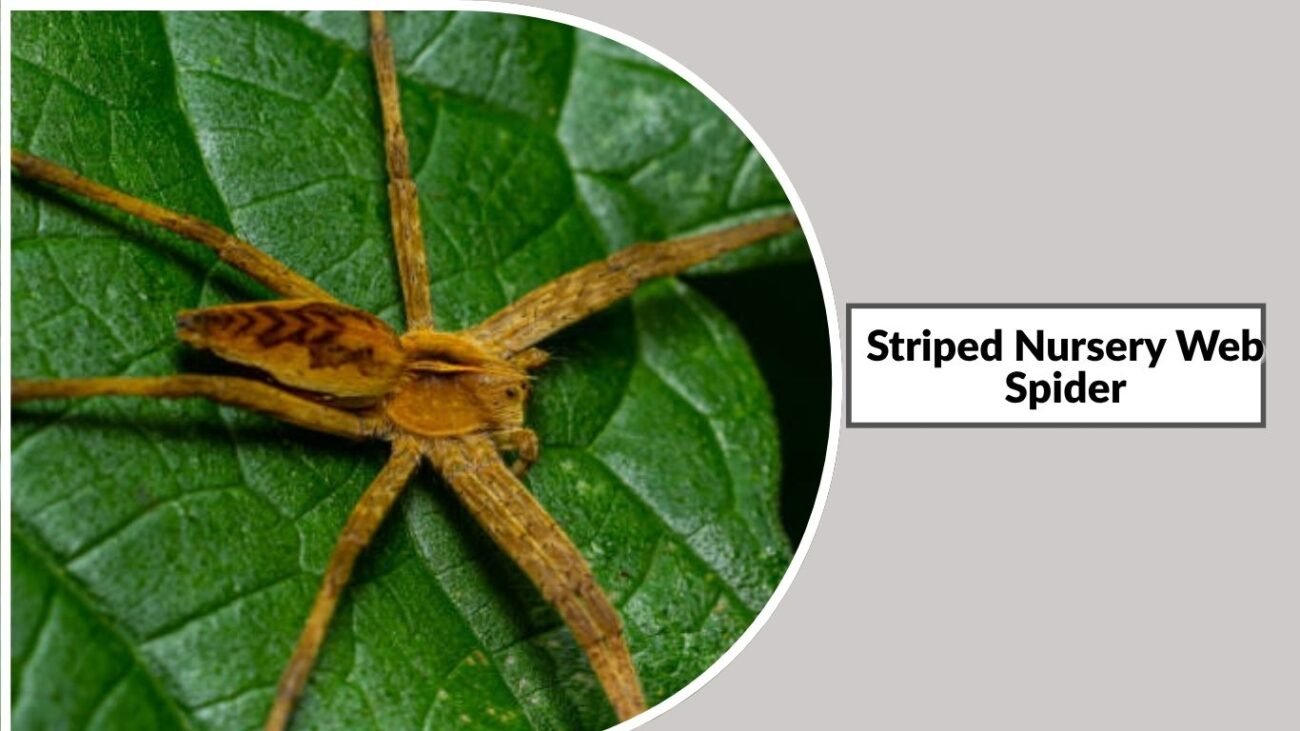
The striped nursery web spider is a widespread North American species known for the bold longitudinal stripes running along its body. Like other nursery web spiders, the female carries her egg sac in her jaws before securing it in a nursery web for the hatching spiderlings. It is a swift hunter, often spotted resting on vegetation near water or in open grassy areas.
Identification
- Scientific Name: Pisaurina mira
- Body Size: Females up to 19 mm, males slightly smaller
- Color: Light brown to reddish-brown with a broad dark stripe bordered by thin white lines on the cephalothorax
- Legs: Long, slender, and pale brown with faint banding
- Eyes: Eight eyes arranged in two horizontal rows
Habitat and Distribution
Common throughout the United States and southern Canada, inhabiting meadows, forest edges, gardens, and marshy vegetation.
Behavior and Diet
An ambush predator that hunts flies, grasshoppers, moths, and other insects by stalking them in vegetation. The female constructs a protective silk nursery for her offspring after carrying the egg sac for several weeks.
3. Golden Nursery Web Spider
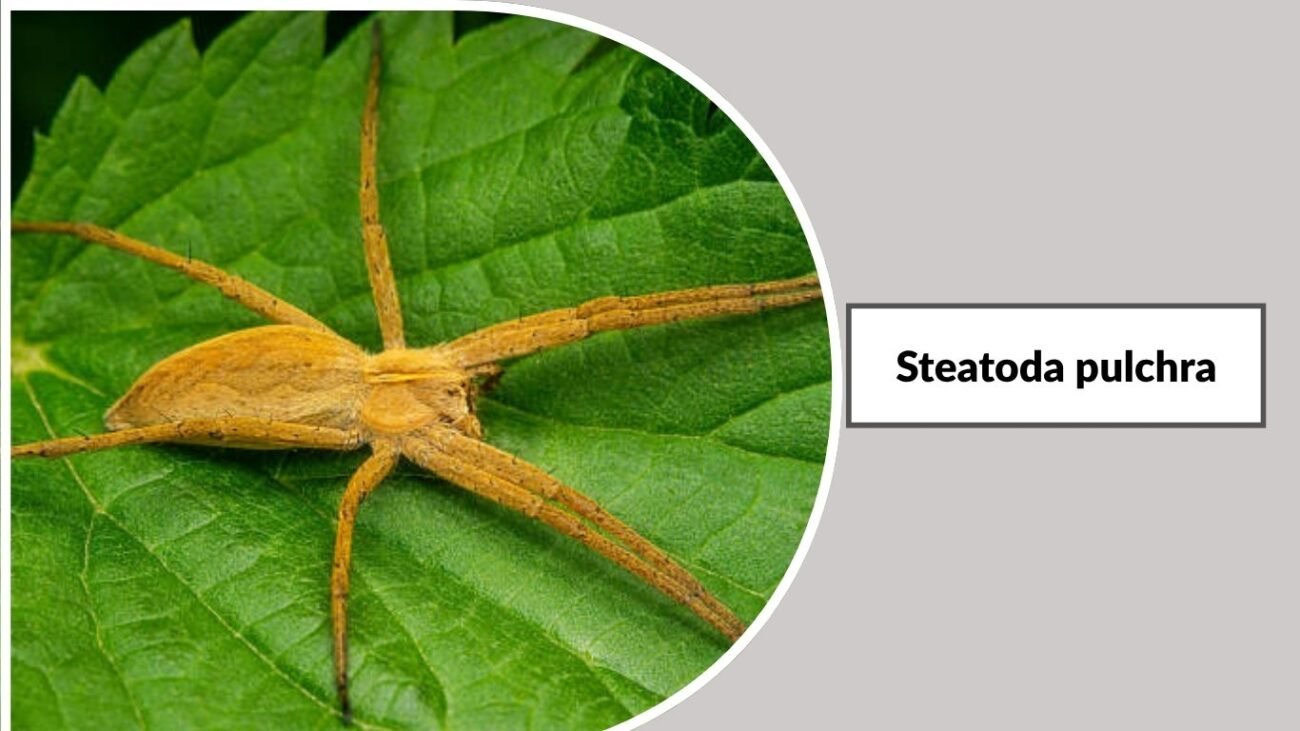
The golden nursery web spider is named for its warm golden-brown coloration, which helps it blend into sunlit vegetation. It is less common than some relatives but is admired for its distinctive hue and graceful appearance. Like others in its family, it practices maternal care by guarding a nursery web filled with its young.
Identification
- Scientific Name: Pisaura bicornis
- Body Size: Females up to 15 mm, males slightly smaller
- Color: Golden-brown to light amber with subtle markings on the abdomen
- Legs: Long, thin, and matching the golden body color
- Eyes: Eight eyes in two horizontal rows
Habitat and Distribution
Found in select regions of Europe and parts of Asia, often in sunny meadows, grassy slopes, and woodland edges.
Behavior and Diet
Hunts during the day, preying on various flying and crawling insects. The female carries her egg sac in her jaws and later secures it in a silk nursery web, staying nearby to guard the spiderlings until they disperse.
4. Long-Legged Nursery Web Spider
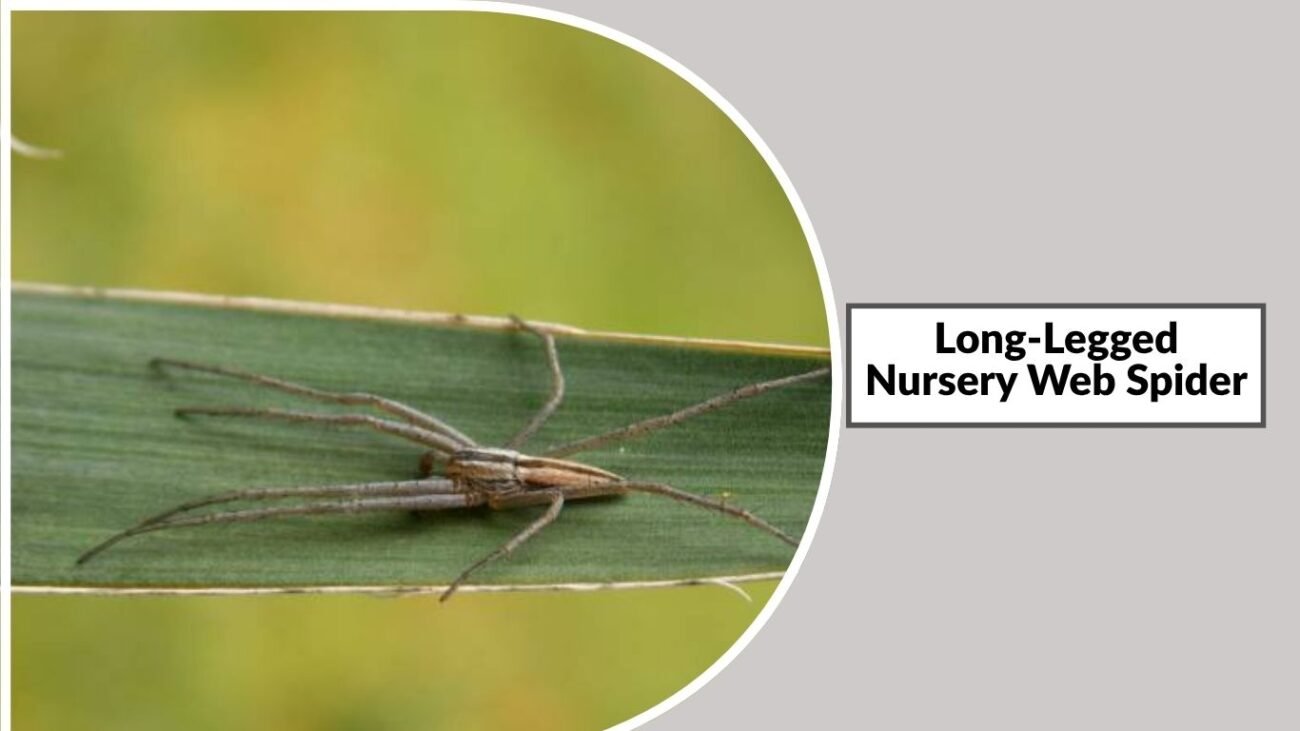
The long-legged nursery web spider is distinguished by its exceptionally slender and elongated legs, which give it an elegant, spindly appearance. This species is an active hunter that relies on speed and stealth rather than webs to catch prey. Like all nursery web spiders, the female carries her egg sac in her jaws before placing it in a nursery web for the young to hatch.
Identification
- Scientific Name: Pisaura longipes
- Body Size: Females up to 16 mm, males slightly smaller
- Color: Light brown to grayish-brown with subtle dorsal markings
- Legs: Very long, slender, and lightly hairy, often exceeding several times the body length
- Eyes: Eight eyes arranged in two horizontal rows
Habitat and Distribution
Found in grassy meadows, shrubs, and forest edges in parts of Asia and Europe, especially in sunny, open habitats with tall vegetation.
Behavior and Diet
An agile daytime hunter that preys on flies, moths, and other small insects by stalking and pouncing. The female guards her nursery web diligently until the spiderlings disperse.
5. Dark Nursery Web Spider
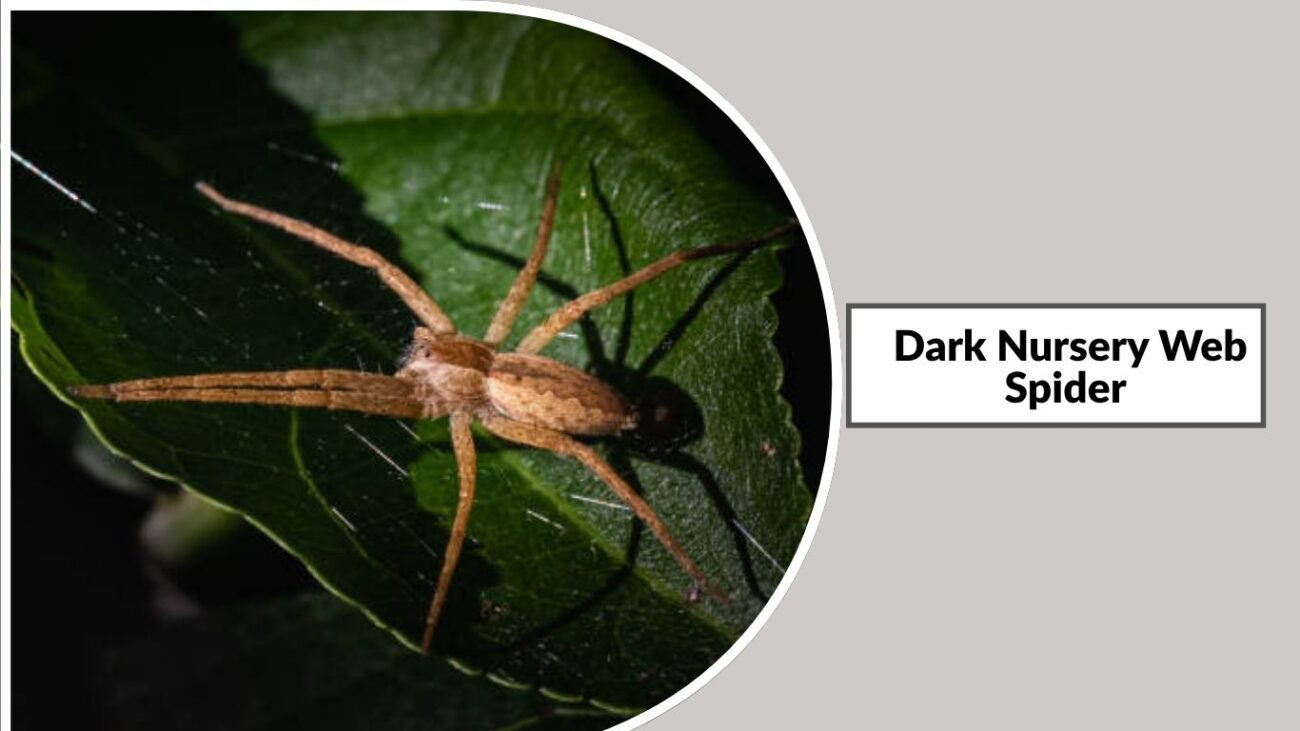
The dark nursery web spider is named for its deeper, more uniform coloration compared to other members of the family. It often blends into shaded vegetation and soil, making it harder to spot. Despite its darker appearance, it shares the same maternal care habits as other nursery web spiders.
Identification
- Scientific Name: Pisaurina dubia
- Body Size: Females up to 18 mm, males slightly smaller
- Color: Dark brown to charcoal with minimal contrasting markings
- Legs: Long, sturdy, and matching the dark body color
- Eyes: Eight eyes in two horizontal rows
Habitat and Distribution
Occurs in parts of North America, particularly in wooded edges, shaded meadows, and damp grassy areas.
Behavior and Diet
Feeds on insects such as beetles, grasshoppers, and moths, hunting primarily in low-light conditions. The female carries her egg sac until ready to build a nursery web, where she protects the young until they emerge.
6. African Nursery Web Spider
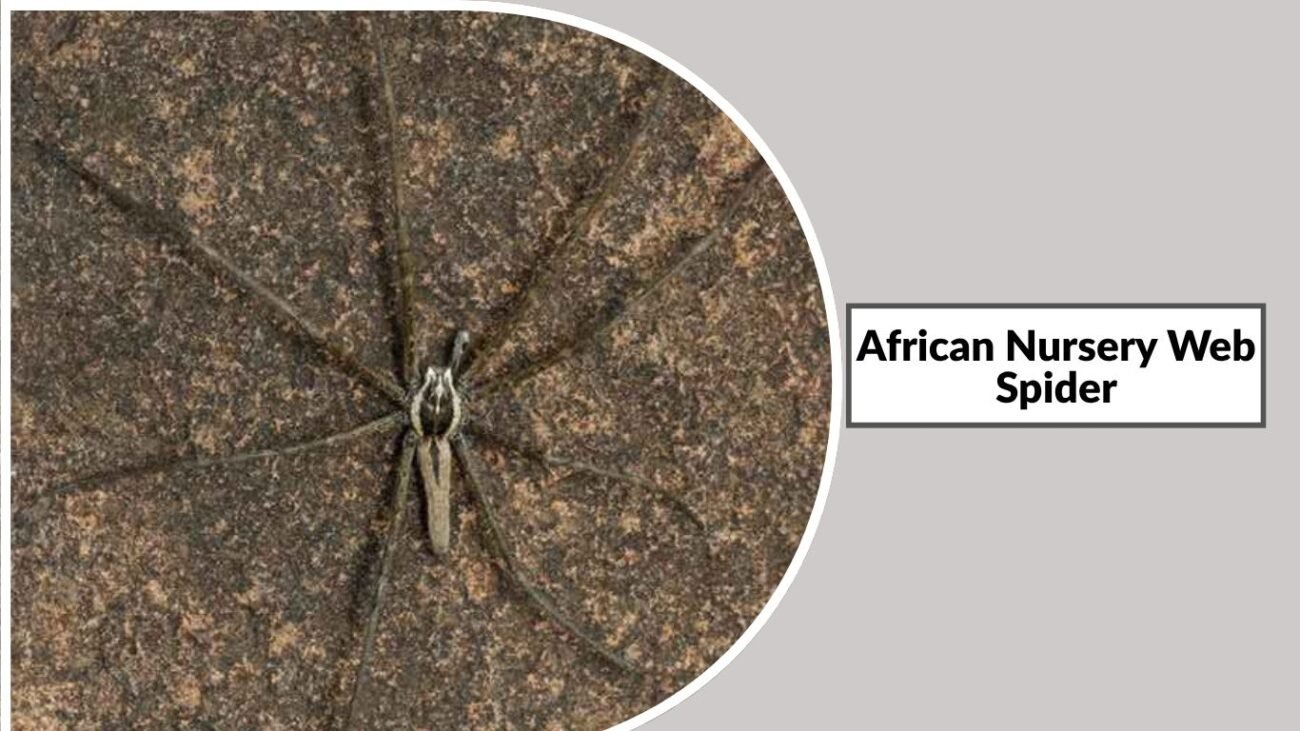
The African nursery web spider is a widespread species found across various habitats in Africa, from grasslands to forest edges. Known for its adaptability, it thrives in both wild and semi-urban environments. Like other nursery web spiders, the female exhibits dedicated maternal care, carrying her egg sac until the spiderlings are nearly ready to hatch, then protecting them inside a specially constructed silk nursery.
Identification
- Scientific Name: Pisaura novicia
- Body Size: Females up to 16 mm, males slightly smaller
- Color: Light to medium brown with faint longitudinal stripes on the cephalothorax
- Legs: Long, slender, and matching the body color, sometimes with faint banding
- Eyes: Eight eyes in two horizontal rows
Habitat and Distribution
Widespread across sub-Saharan Africa, inhabiting grasslands, agricultural fields, gardens, and woodland edges.
Behavior and Diet
Hunts grasshoppers, flies, moths, and other insects by stalking them in vegetation. The female guards the nursery web closely until the spiderlings disperse.
7. Chinese Nursery Web Spider
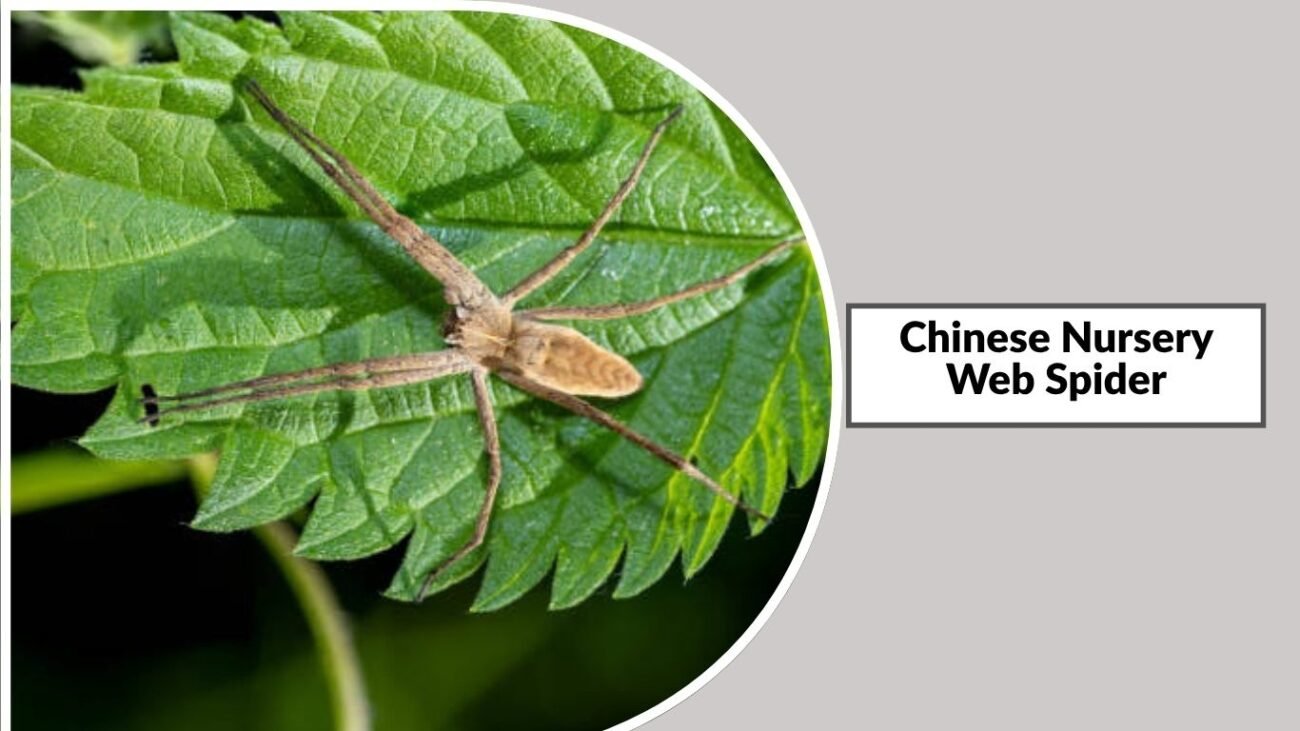
The Chinese nursery web spider is an elegant species native to East Asia, particularly China, where it occupies a variety of warm, humid habitats. Its body shape and hunting style are similar to its European and African relatives, but it often displays more vivid markings.
Identification
- Scientific Name: Pisaura orientalis
- Body Size: Females up to 17 mm, males slightly smaller
- Color: Light brown to reddish-brown with a pale central stripe along the cephalothorax
- Legs: Long, slim, and lightly banded
- Eyes: Eight eyes arranged in two horizontal rows
Habitat and Distribution
Native to China and surrounding East Asian regions, found in grasslands, forest edges, agricultural areas, and gardens.
Behavior and Diet
Feeds on a variety of insects, ambushing them from vegetation. The female carries her egg sac in her jaws before placing it in a silk nursery web, where she remains to protect her young until they are ready to disperse.