Yellow spiders come in a variety of shapes and sizes, often blending beautifully with flowers, leaves, or even home interiors. While some build golden webs in gardens, others hide in flower petals or roam indoors. In this guide, we’ve listed 12 distinct types of yellow spiders—each with unique characteristics and roles in nature. Whether you’re a curious observer or a nature blogger, these spider names will help you identify and explore the yellow spiders you might encounter around your home or outdoors.
1. Yellow Sac Spider

The Yellow Sac Spider is a small, pale yellow to light green arachnid commonly found in gardens, homes, and wooded areas. It is often mistaken for other house spiders but is known for its fast movement and occasional bites. Though not aggressive, it may bite if provoked, causing mild to moderate reactions in humans.
Habitat and Range
This spider is commonly found across North America, especially indoors during cooler months. Outdoors, it hides under leaves, bark, and debris.
Behavior
Yellow Sac Spiders are nocturnal hunters, not web builders. They roam at night in search of prey and retreat to their silk sacs during the day.
Bite and Medical Importance
Its bite can cause a stinging pain, mild redness, and sometimes blistering. Most bites are not serious but should be monitored for infection.
Identification Features
- Color: Pale yellow, greenish-yellow, or beige
- Body length: 5–10 mm
- Legs: Long and thin, often darker at the tips
- Eyes: Eight, arranged in two rows
- Abdomen: Oval-shaped and smooth
Life Cycle
Females lay eggs in silken sacs in protected areas. The spiderlings hatch and go through multiple molts before reaching adulthood, usually within one season.
2. Golden Silk Orb-Weaver

The Golden Silk Orb-Weaver is famous for its large size and golden-colored web. Also known as the Banana Spider in some regions, this striking arachnid is mostly found in warm climates and tropical forests. Despite their intimidating appearance, they are harmless to humans and beneficial for insect control.
Habitat and Range
These spiders thrive in tropical and subtropical environments, especially in the southeastern United States, Central and South America, Asia, and Australia.
Behavior
They build large, strong, golden-hued orb webs in open spaces between trees and shrubs. Females remain in the web while males are much smaller and move around.
Bite and Medical Importance
Bites are rare and typically only happen if the spider is threatened. Symptoms may include mild redness or itching but are not considered medically dangerous.
Identification Features
- Color: Yellow to orange-brown body with white spots
- Legs: Long, striped legs with tufts of black hairs
- Size: Females can reach up to 40 mm in body length
- Web: Distinct golden silk
- Sexual dimorphism: Males are much smaller than females
Life Cycle
Females lay eggs in sacs attached to foliage or bark. After hatching, spiderlings disperse by ballooning. They grow through successive molts and typically live for about a year.
3. Golden Jumping Spider

The Golden Jumping Spider is a small, agile spider with a shimmering yellow or gold body. It belongs to the Salticidae family and is best known for its excellent vision and unique leaping ability. This spider is often spotted on flowers, foliage, or walls in sunny areas.
Habitat and Range
Golden Jumping Spiders are commonly found in gardens, grassy fields, and shrubs. Their distribution varies by species, but many are found in North and South America.
Behavior
They do not spin webs to catch prey. Instead, they actively stalk and pounce on insects, using their strong front legs and exceptional eyesight.
Bite and Medical Importance
Their bites are extremely rare and pose no threat to humans. Reactions, if any, are mild and may include slight redness or itching.
Identification Features
- Color: Shiny yellow, gold, or sometimes amber
- Eyes: Large, forward-facing central eyes
- Size: Typically 5–10 mm
- Legs: Short and stout, aiding in jumping
- Body: Compact with a slightly fuzzy appearance
Life Cycle
Egg sacs are laid in concealed spots such as under leaves. After hatching, the young spiders go through several molts before becoming adults. They generally live up to one year.
4. Marbled Orb-Weaver (Yellow Morph)

The Marbled Orb-Weaver, especially its yellow morph, is one of the most colorful orb-weaving spiders found in North America. It features a striking, marbled abdomen with yellow, orange, and white patterns. This species builds classic round webs in wooded areas and tall grasses.
Habitat and Range
Typically found in forests, shrubs, and tall grasses across North America. They are most visible during late summer and autumn.
Behavior
They construct large orb-shaped webs to catch flying insects. The spider usually hides nearby during the day and comes out at dusk to sit in the web’s center.
Bite and Medical Importance
Marbled Orb-Weavers are not aggressive. Their bite is rare and results in mild irritation, if anything. They are considered harmless to humans.
Identification Features
- Color: Bright yellow abdomen with marbled white and black patterns
- Size: Females can be up to 20 mm; males are smaller
- Legs: Orange to reddish with faint bands
- Web: Circular orb web, often built low in vegetation
- Seasonal: Most active from late summer to early fall
Life Cycle
Egg sacs are deposited in the fall, and spiderlings emerge in spring. They go through several molts, becoming adults by late summer, completing their lifecycle annually.
5. Goldenrod Crab Spider

The Goldenrod Crab Spider is a flower-dwelling spider known for its ability to change color from white to yellow to blend with its surroundings, particularly goldenrod flowers. It belongs to the Thomisidae family and ambushes prey rather than spinning webs.
Habitat and Range
Found across North America, especially in meadows, gardens, and flower patches where goldenrod or daisies bloom.
Behavior
Instead of building webs, it hides on flowers and waits for pollinators to land. It uses its crab-like legs to quickly grab and subdue prey.
Bite and Medical Importance
Non-aggressive and rarely bites humans. If it does, the effects are very mild, with no serious health risk.
Identification Features
- Color: Can shift between white and bright yellow
- Shape: Wide, flat body with crab-like stance
- Legs: First two pairs are longer and extend sideways
- Eyes: Eight small eyes in two curved rows
- Size: Females about 7–10 mm, males smaller
Life Cycle
Females lay eggs on the underside of leaves, guarding them until hatching. Young spiders mature over the summer and have a one-year lifespan.
6. Banana Spider (Nephila clavipes)

The Banana Spider, often confused with other golden-colored spiders, is a type of Golden Silk Orb-Weaver known for its elongated yellow body and massive golden web. It’s commonly seen in warm, humid regions and is admired for its silk’s strength and vibrant color.
Habitat and Range
Found in the southeastern United States, Central and South America, and parts of the Caribbean. Prefers humid forests, gardens, and open wooded areas.
Behavior
They spin massive orb webs, sometimes stretching over a meter wide. Females remain in the web, while the much smaller males wander.
Bite and Medical Importance
Though their size may seem intimidating, bites are rare and medically insignificant. Symptoms, if any, are similar to a bee sting.
Identification Features
- Color: Yellow to orange abdomen with white spots and dark legs
- Size: Females can exceed 30 mm; males are tiny
- Web: Large, yellow-golden silk
- Legs: Long, black or brown with yellow banding
- Body: Elongated and slightly flattened
Life Cycle
Females lay eggs in egg sacs protected within leaves or bark. Spiderlings hatch and disperse by ballooning. Adults usually live through a single warm season.
7. Yellow Garden Spider (Argiope aurantia)

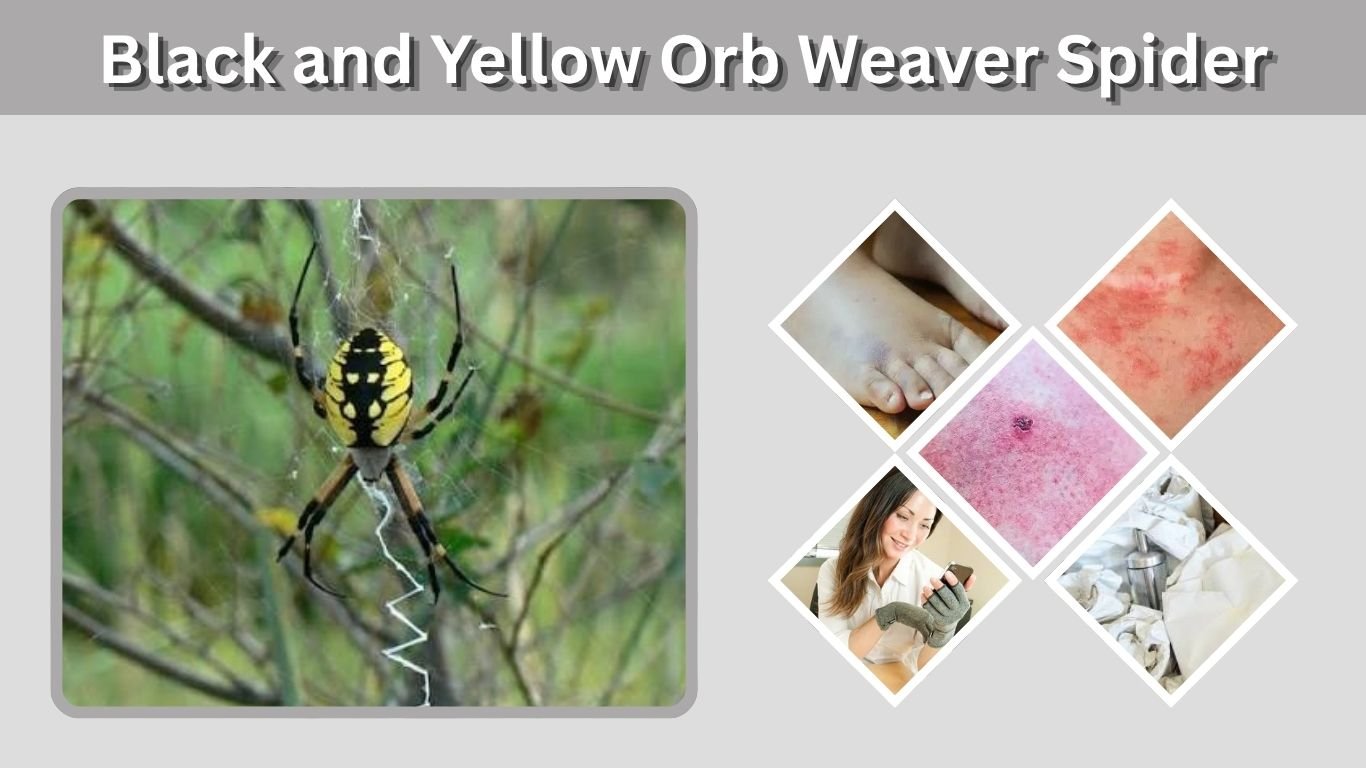
The Yellow Garden Spider is one of the most recognizable spiders in gardens and meadows due to its bold yellow and black pattern. It belongs to the Argiope genus and builds large, circular webs with a unique zigzag stabilimentum in the center.
Habitat and Range
Common across North and Central America. Found in fields, gardens, and near fences or hedges.
Behavior
It constructs large orb webs to catch flying insects. The spider typically sits in the center of the web, head down, waiting for prey.
Bite and Medical Importance
Bites are extremely rare and not dangerous. Mild pain, redness, or swelling may occur if bitten.
Identification Features
- Color: Bright yellow and black markings on abdomen
- Web: Circular with a zigzag “X” pattern
- Size: Females up to 28 mm; males much smaller
- Legs: Long, black with yellow or orange bands
- Body shape: Oval and slightly flattened
Life Cycle
Females lay hundreds of eggs in brown, papery sacs. Spiderlings hatch in spring and mature throughout the summer, often living only one season.
8. Flower Crab Spider
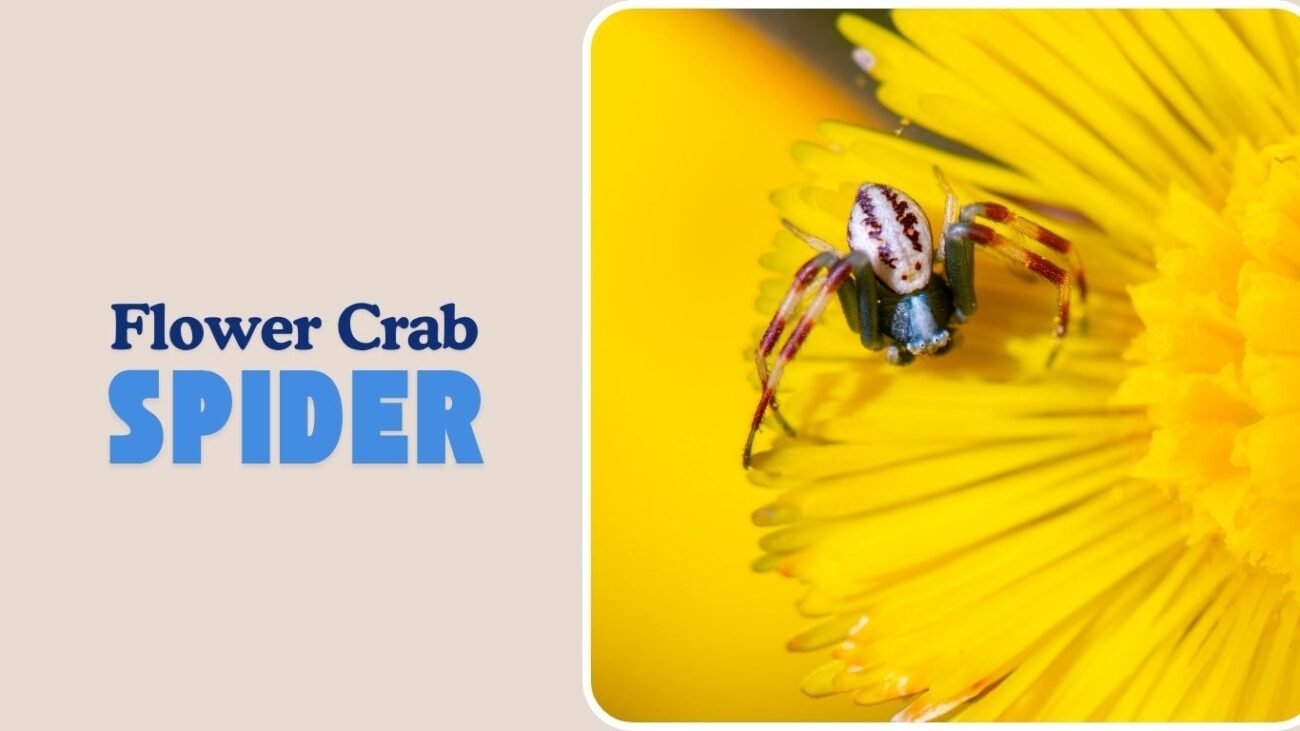
The Flower Crab Spider is a small, adaptable spider known for its ability to blend with flowers such as daisies, sunflowers, and black-eyed Susans. Though not always yellow, many individuals display vivid yellow coloring to camouflage among petals, waiting for prey to land.
Habitat and Range
Commonly found in gardens, fields, and meadows across North America, Europe, and Asia—wherever flowering plants are abundant.
Behavior
This spider uses ambush tactics instead of building webs. It waits motionless on flower heads and grabs insects like bees, flies, and butterflies with its long front legs.
Bite and Medical Importance
Harmless to humans. It may bite in self-defense, but reactions are minimal—usually no more than mild irritation.
Identification Features
- Color: Yellow, white, or pale green; can change slightly to match surroundings
- Shape: Flat, wide body with long front legs
- Size: Females up to 10 mm; males are smaller and thinner
- Eyes: Eight, arranged in two curved rows
- Legs: First two pairs longer and used for grabbing prey
Life Cycle
Egg sacs are laid under flower petals or leaves. Females guard them until the spiderlings hatch. They develop through successive molts and complete their cycle within a year.
9. Yellow Lynx Spider

The Yellow Lynx Spider is an active, agile predator with a vivid yellow-green body. Unlike orb-weavers, it doesn’t build webs to trap prey. Instead, it stalks and pounces, using its speed and spiny legs to catch insects on vegetation.
Habitat and Range
Widely found in the southern United States, Central America, and subtropical regions. Prefers gardens, wildflowers, crops, and weedy areas.
Behavior
It hunts actively during the day and may jump to grab flying insects. Known for its speed, agility, and visual tracking.
Bite and Medical Importance
Rarely bites and is not dangerous to humans. The bite may cause mild stinging or redness but nothing serious.
Identification Features
- Color: Yellow to light green, sometimes with reddish spots
- Legs: Long and spiny
- Eyes: Eight, arranged in a hexagonal pattern
- Body: Slender with an elongated abdomen
- Size: Typically 5–12 mm
Life Cycle
Egg sacs are laid on leaves and guarded by females. Spiderlings hatch and molt several times. The species generally completes its lifecycle in a single warm season.
10. Lesser Garden Spider
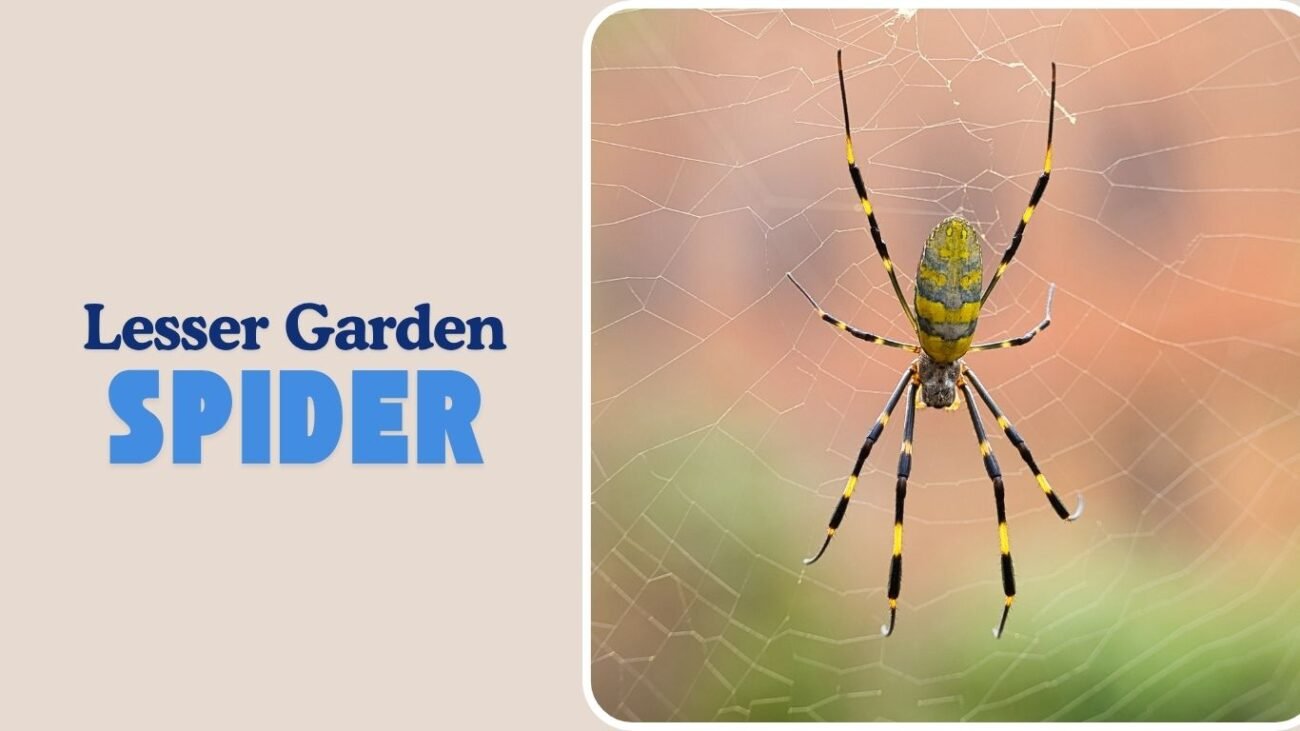
The Lesser Garden Spider, often mistaken for its larger relatives, is a yellow-and-black orb-weaving spider known for building symmetrical webs in sunny, open spaces. Though smaller in size, it plays an essential role in pest control within gardens and fields.
Habitat and Range
Found in warm climates across Asia and parts of the southern United States. Prefers shrubs, garden beds, and open grassy areas.
Behavior
It builds spiral orb webs suspended between plants. The spider often stays in the center of the web during the day, waiting for prey.
Bite and Medical Importance
Bites are uncommon and harmless. If bitten, symptoms may include slight discomfort or redness.
Identification Features
- Color: Yellow abdomen with black markings or stripes
- Size: Females about 10–15 mm; males much smaller
- Web: Neat circular orb, often with a stabilimentum
- Legs: Long and banded
- Body: Narrower than the Yellow Garden Spider
Life Cycle
Egg sacs are laid in sheltered spots in the web’s vicinity. Spiderlings hatch and disperse in spring, with most adults completing their life cycle within one year.
11. Yellow Comb-Footed Spider

The Yellow Comb-Footed Spider, also called the cobweb spider, is a small, yellowish arachnid found mostly indoors or in shaded corners of human dwellings. It builds messy, irregular webs and is related to the common house spider group.
Habitat and Range
Globally distributed. Prefers corners of ceilings, furniture, barns, and sheds. Also found outdoors under bark and rocks.
Behavior
It creates tangled cobwebs and waits upside-down for prey to wander into the sticky threads. It’s passive and rarely seen moving.
Bite and Medical Importance
Bites are rare and medically insignificant. The venom is mild and not dangerous to humans.
Identification Features
- Color: Pale yellow to golden
- Abdomen: Round, bulbous
- Size: 4–8 mm in body length
- Legs: Slender and long, often semi-translucent
- Web: Messy cobweb in undisturbed places
Life Cycle
Females produce egg sacs hidden in corners or web shelters. Spiderlings emerge and remain nearby before dispersing. These spiders can live over a year, especially indoors.
12. Yellow Cellar Spider
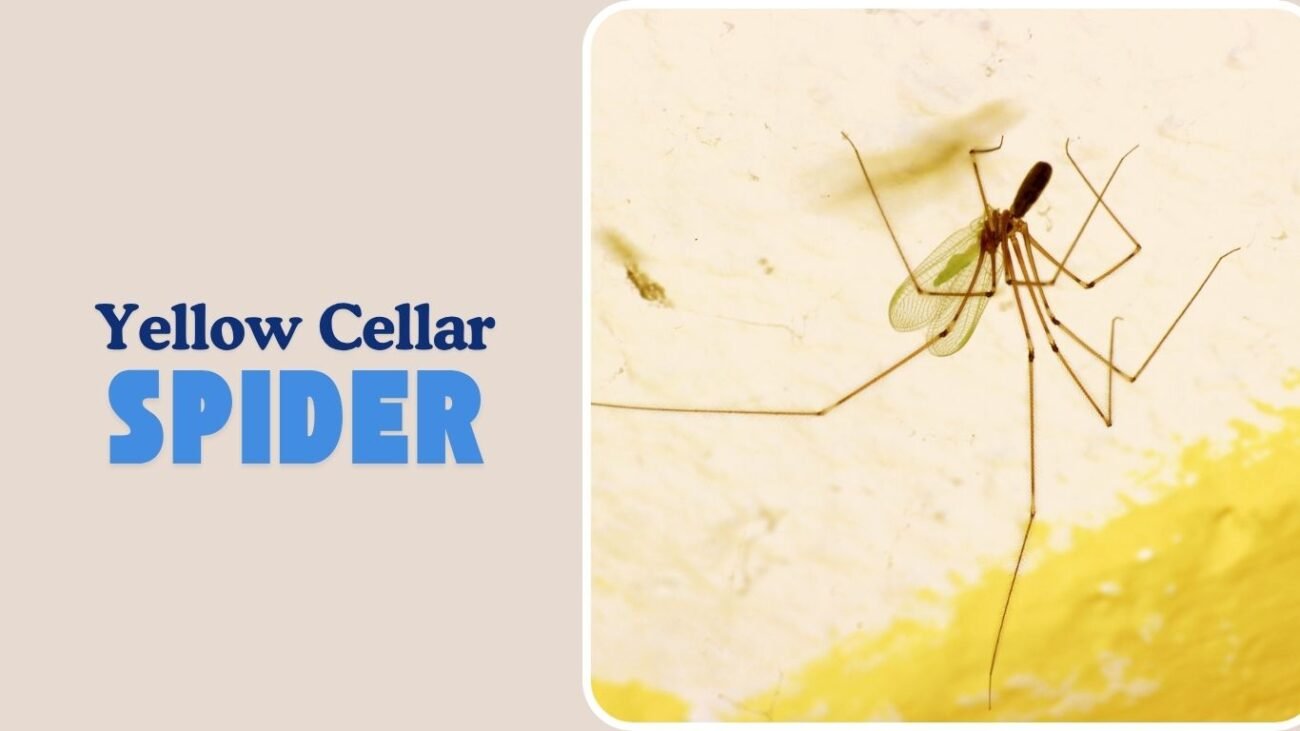
The Yellow Cellar Spider is a long-legged spider with a pale yellow body, often seen hanging upside down in basements, garages, and dark corners of homes. It belongs to the family Pholcidae and is also known as a “daddy long-legs” spider due to its appearance.
Habitat and Range
Found worldwide, especially in human dwellings. Prefers dark, humid areas such as cellars, crawlspaces, and behind furniture.
Behavior
They build loose, irregular webs and hang upside down while waiting for prey. If disturbed, they vibrate rapidly in their web to confuse predators.
Bite and Medical Importance
Completely harmless to humans. Their bite is rare and not strong enough to pierce human skin in most cases.
Identification Features
- Color: Pale yellow to translucent cream
- Legs: Extremely long and thin
- Size: Body around 6–10 mm; leg span much longer
- Abdomen: Small and cylindrical
- Web: Irregular and messy, built in corners
Life Cycle
Egg sacs are carried in the female’s mouthparts until hatching. The young stay near the web until they’re ready to disperse. Yellow Cellar Spiders can live up to 2 years indoors.