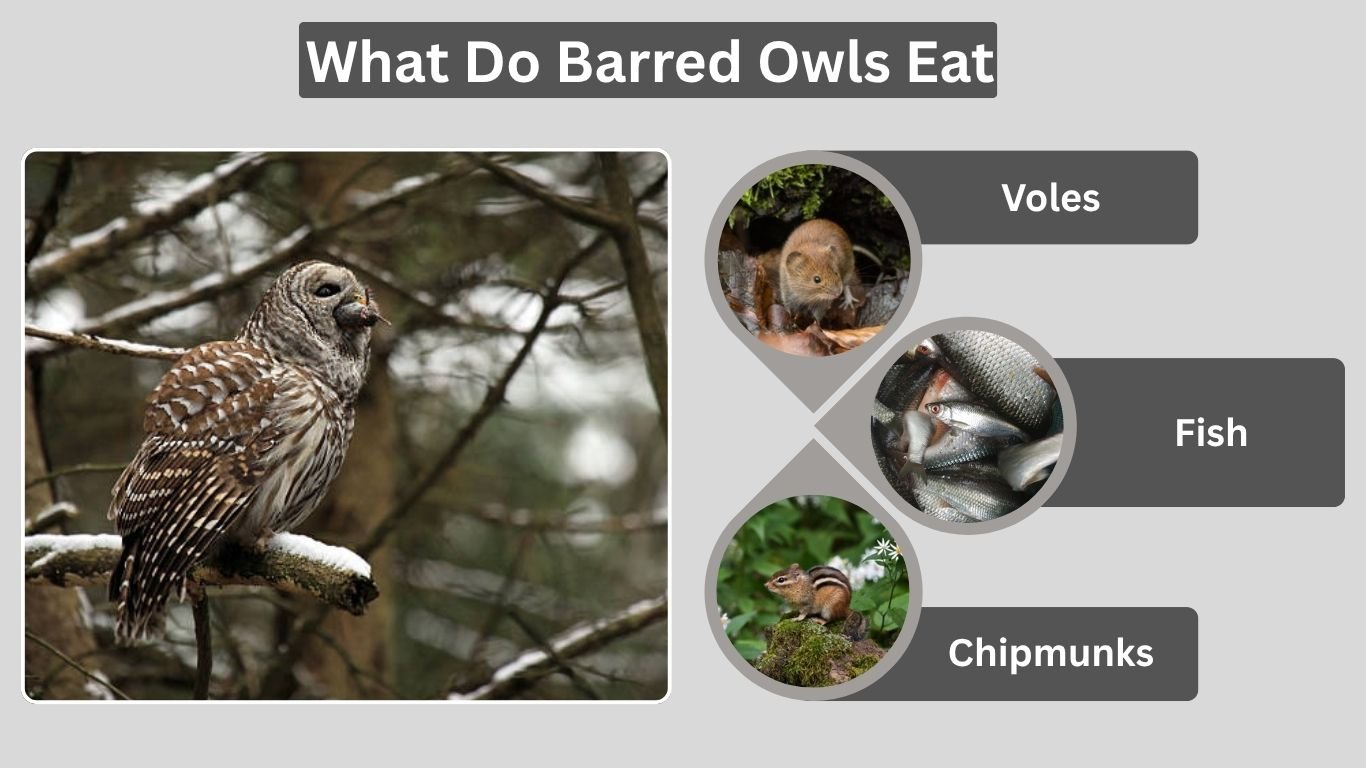
Barred owls are powerful nocturnal predators with an incredibly diverse diet. Known for their haunting “Who cooks for you?” call, these owls thrive in forests, wetlands, and even suburban areas across North America. Their ability to eat almost anything that moves makes them one of nature’s most adaptable hunters. From mice and frogs to fish and snakes, barred owls play a vital role in keeping ecosystems balanced.
Identification and Overview
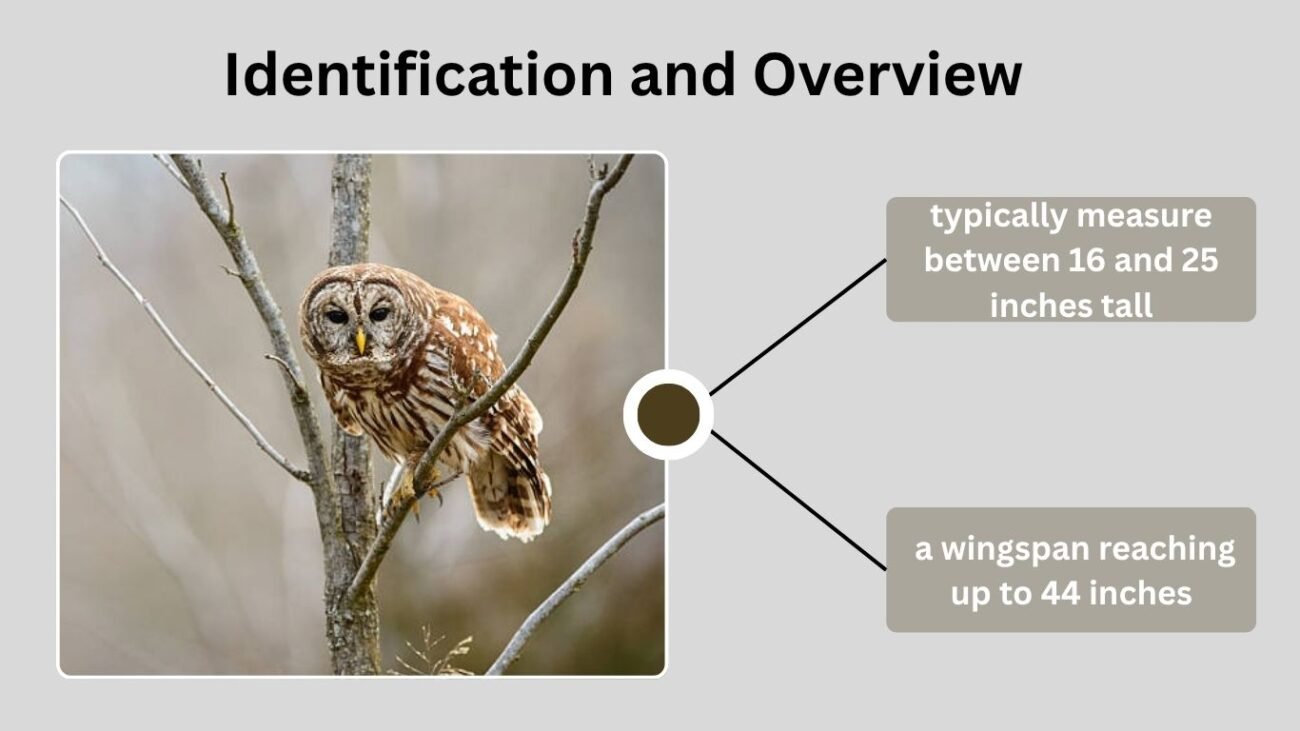
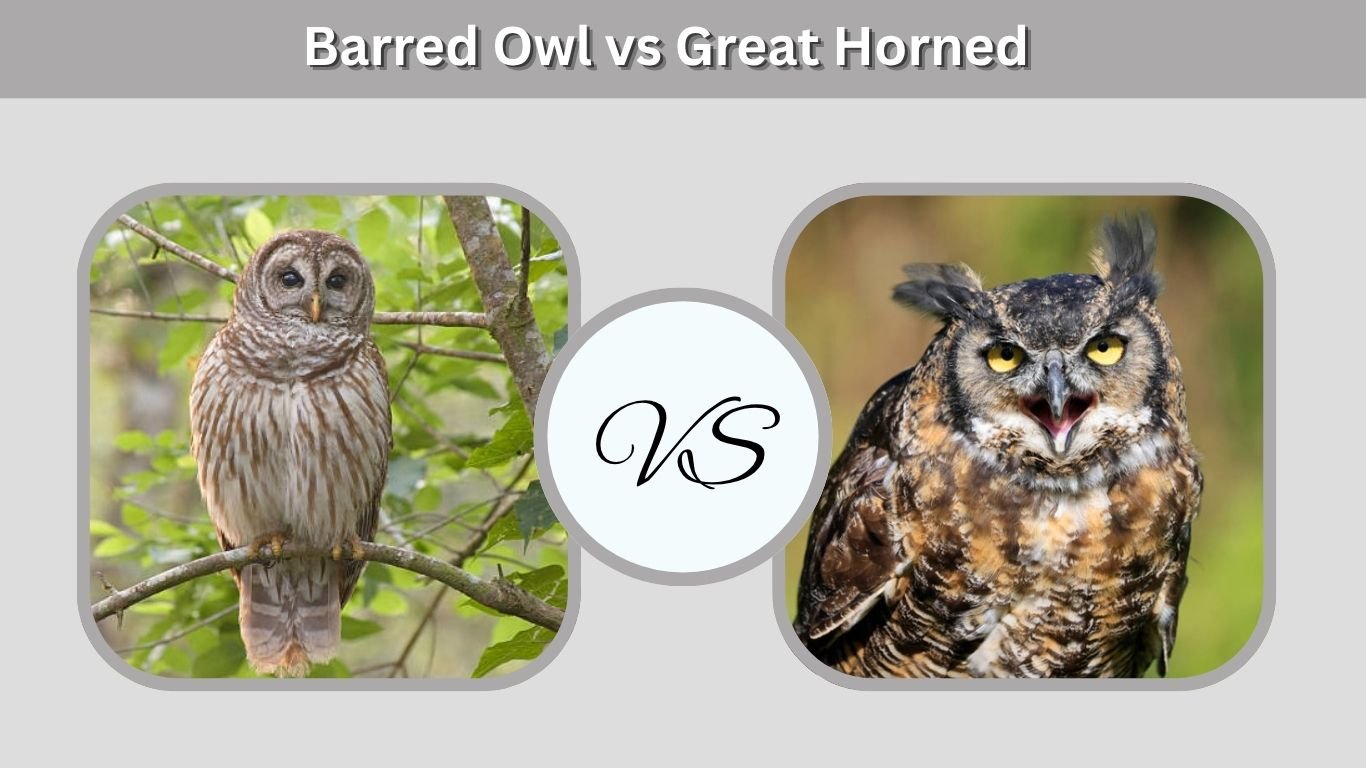
The barred owl (Strix varia) is a medium-to-large species easily recognized by its brown-and-white striped feathers and dark, soulful eyes. They typically measure between 16 and 25 inches tall, with a wingspan reaching up to 44 inches. These owls prefer wooded habitats near water but have successfully adapted to living close to humans. Their adaptable nature extends to their diet — they eat a broad variety of prey depending on availability, season, and habitat.
Barred owls are opportunistic feeders. Instead of specializing in one food type, they consume whatever is most abundant. Their sharp talons, silent flight, and excellent night vision make them expert hunters capable of taking both terrestrial and aquatic prey.
Primary Diet: What Barred Owls Eat
Small Mammals
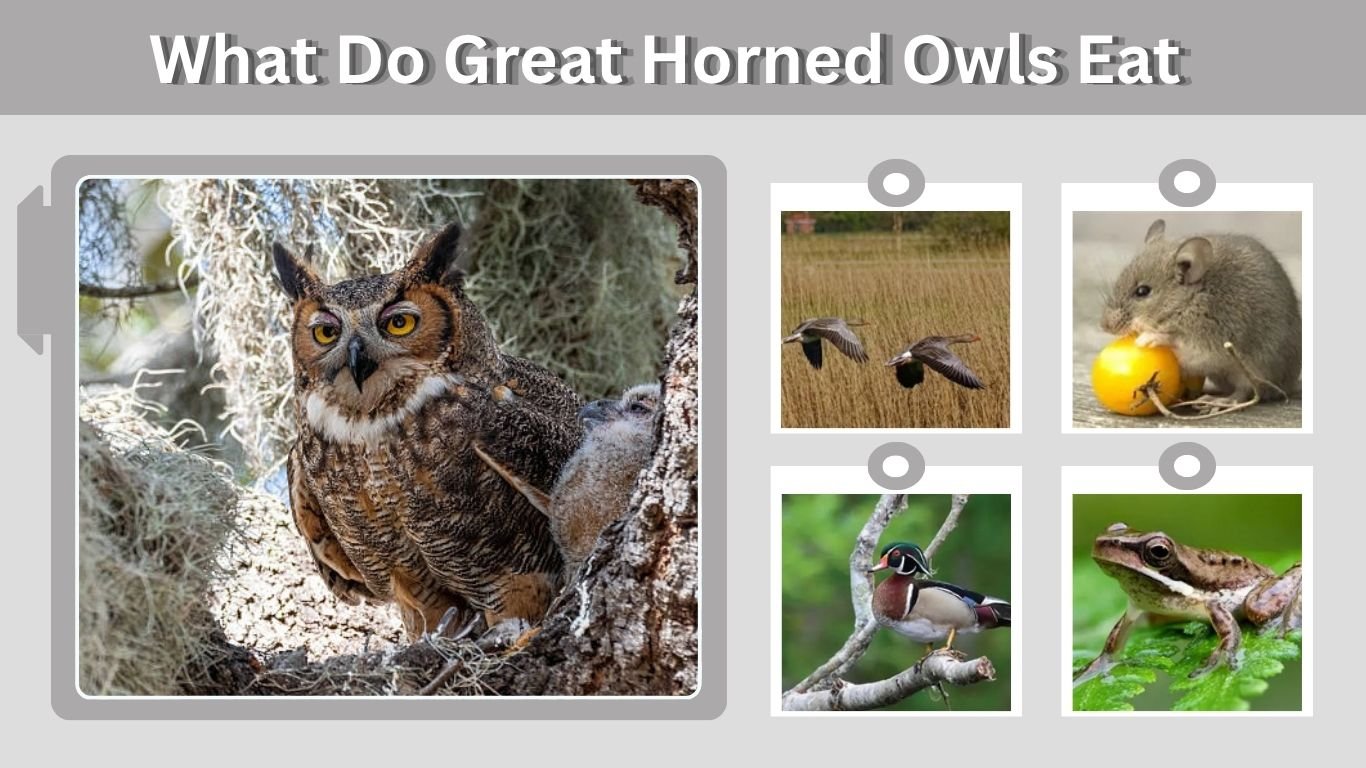
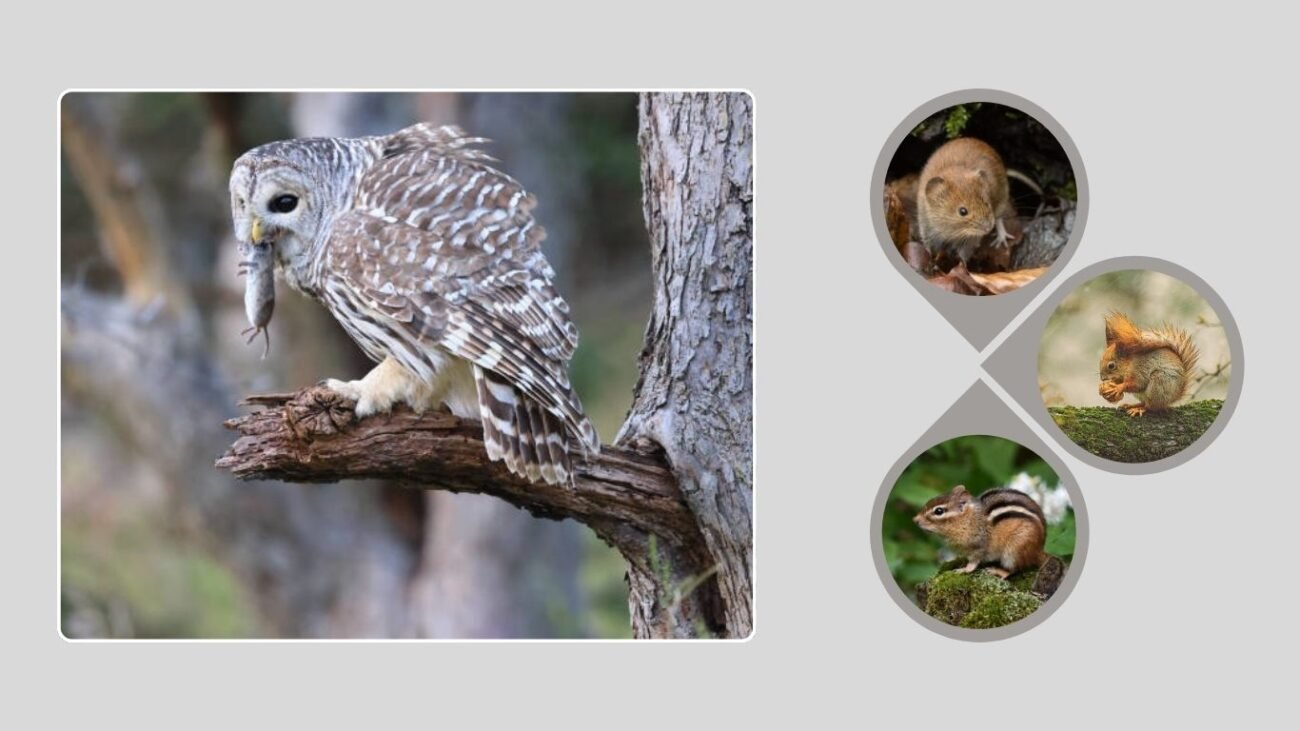
Small mammals form the cornerstone of the barred owl’s diet. They frequently eat:
- Mice
- Voles
- Rats
- Rabbits
- Squirrels
- Chipmunks
These animals are easy to catch and provide high nutritional value. Barred owls hunt them primarily at night, using exceptional hearing to detect movement under leaves or snow.
Birds
Barred owls are also known to eat smaller birds, especially when small mammals are scarce. Their avian prey may include:
- Songbirds such as wrens, woodpeckers, and sparrows
- Waterfowl like ducks or small turkeys
- Other owls, including eastern screech owls and sometimes even spotted owls
This behavior makes them one of the few owl species capable of preying on other birds of prey.
Reptiles and Amphibians
Reptiles and amphibians are common items in the barred owl’s menu, especially in warmer regions or during summer. They eat:
- Frogs and toads
- Snakes (including small rat snakes)
- Lizards and small turtles
Their hunting range often extends to wetlands, where these animals are most abundant.
Aquatic and Invertebrate Prey
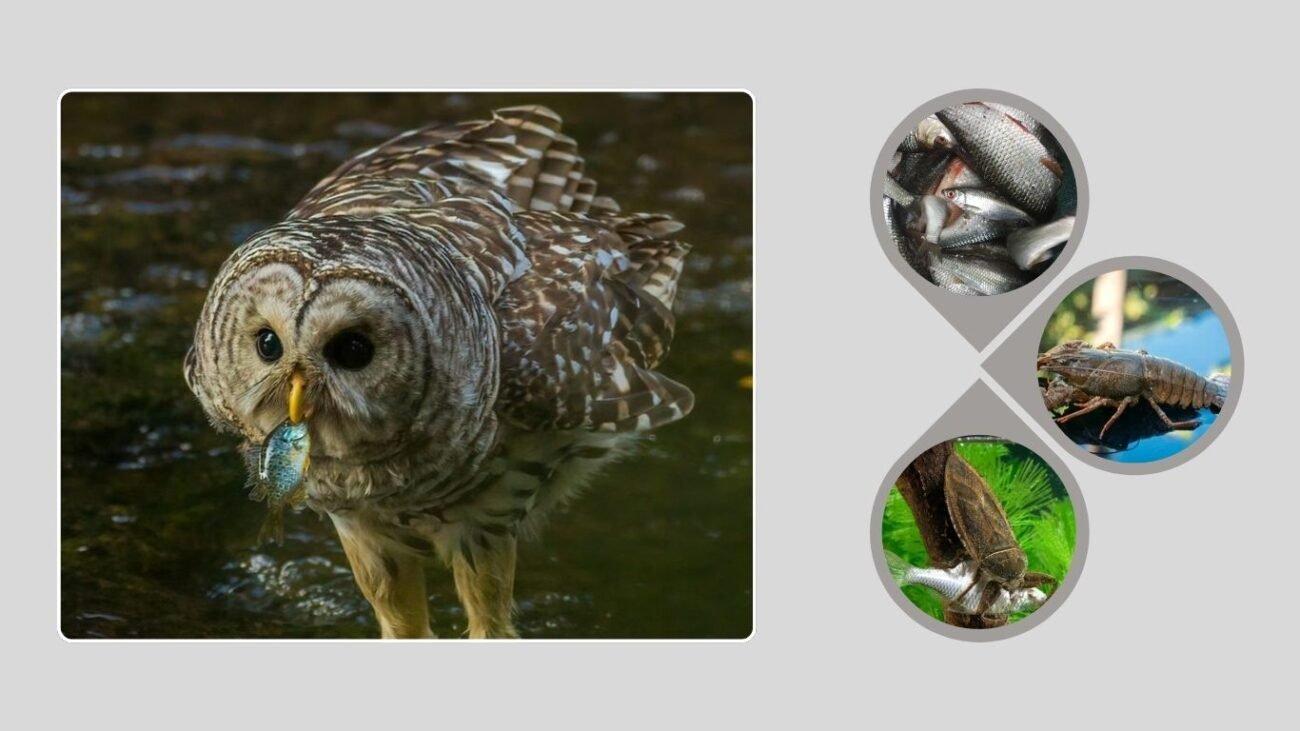
Barred owls are not limited to dry land; they also hunt near rivers, ponds, and lakes. Their patience and sharp eyesight allow them to spot ripples on the surface caused by aquatic prey. They are known to eat:
- Fish
- Crayfish and crawdads
- Tadpoles and large aquatic insects
Occasionally, they may even scoop up goldfish from backyard ponds, surprising homeowners who spot them fishing at dusk.
In addition, barred owls consume various insects such as beetles, cicadas, crickets, and grasshoppers — particularly during the warmer months when insect populations peak. These small prey items provide supplemental protein and variety in their diet.
Unusual and Larger Prey
Do Barred Owls Eat Cats or Dogs?
Barred owls are capable of taking small pets, but such incidents are very rare. A large barred owl may attack a kitten or toy-sized dog weighing under five pounds, especially if food is scarce. However, they generally prefer wild prey that’s easier and safer to catch.
Do Barred Owls Eat Chickens or Ducks?
Yes, barred owls will sometimes attack poultry if given the chance. Free-ranging chickens or young ducks are vulnerable at night, particularly if left unprotected. They usually strike from above, aiming for smaller or isolated birds in outdoor coops.
Hunting Behavior and Feeding Habits
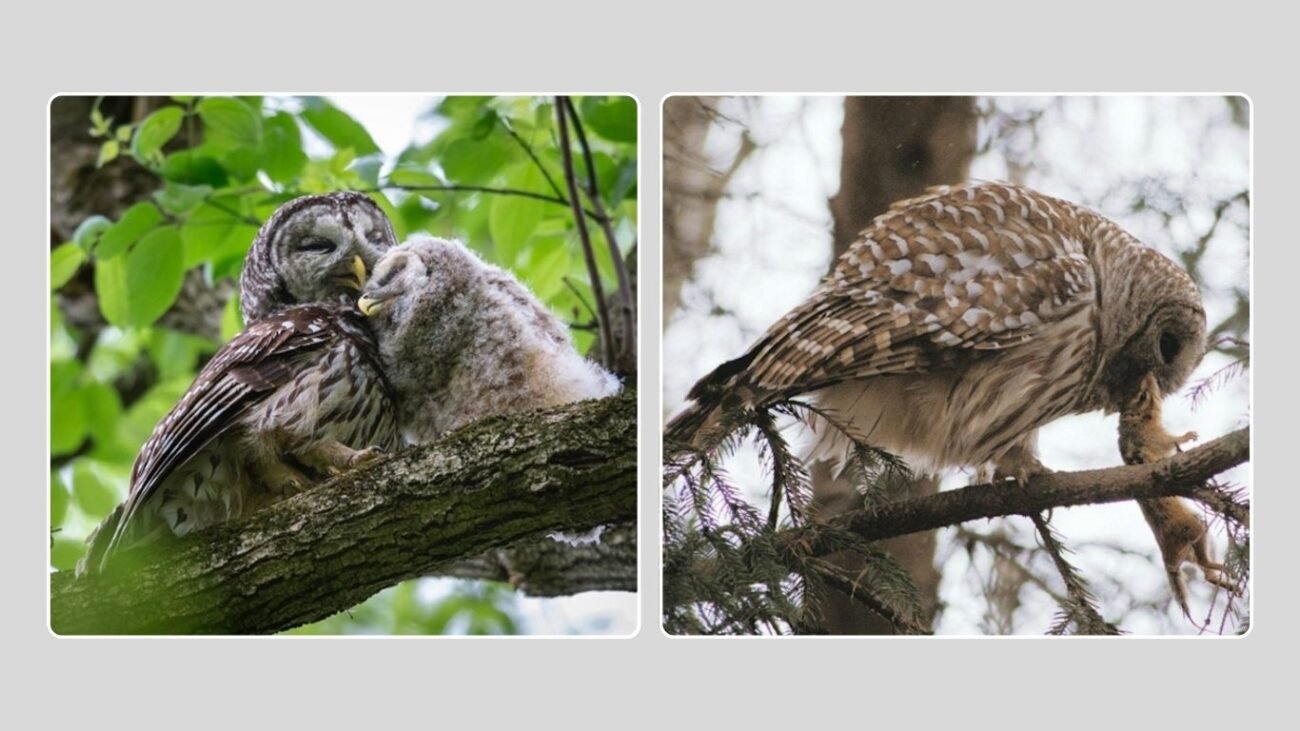
Barred owls hunt primarily at night, though they may become active during dusk or cloudy days. They use a perch-and-pounce technique: waiting silently on a branch before swooping down on unsuspecting prey. Once captured, small animals are swallowed whole, while larger prey is torn into manageable pieces.
Their silent feathers and acute directional hearing make them nearly undetectable. Each night, an adult barred owl typically eats two to four small mammals, though this increases when feeding chicks or during cold seasons when more energy is required.
Seasonal Diet Variations
What Barred Owls Eat in Winter
Winter poses unique challenges for barred owls. As insects and amphibians disappear, their diet shifts almost entirely to small mammals such as mice, voles, and squirrels. Thanks to their incredible hearing, they can detect rodents moving beneath snow layers and dive accurately to capture them. In harsh winters, they may also scavenge dead animals or steal kills from other predators. When food is limited, they’ll hunt more frequently — even during daylight.
Spring and Summer Diet
During warmer months, food becomes more diverse. Barred owls add frogs, snakes, fish, and large insects to their menu. Breeding pairs must hunt extra prey to feed their chicks, often caching food near nests. Summer’s abundance of frogs and crayfish provides essential hydration and nutrients, helping them endure high temperatures.
Regional and Habitat Differences
Barred Owls in the South and Midwest
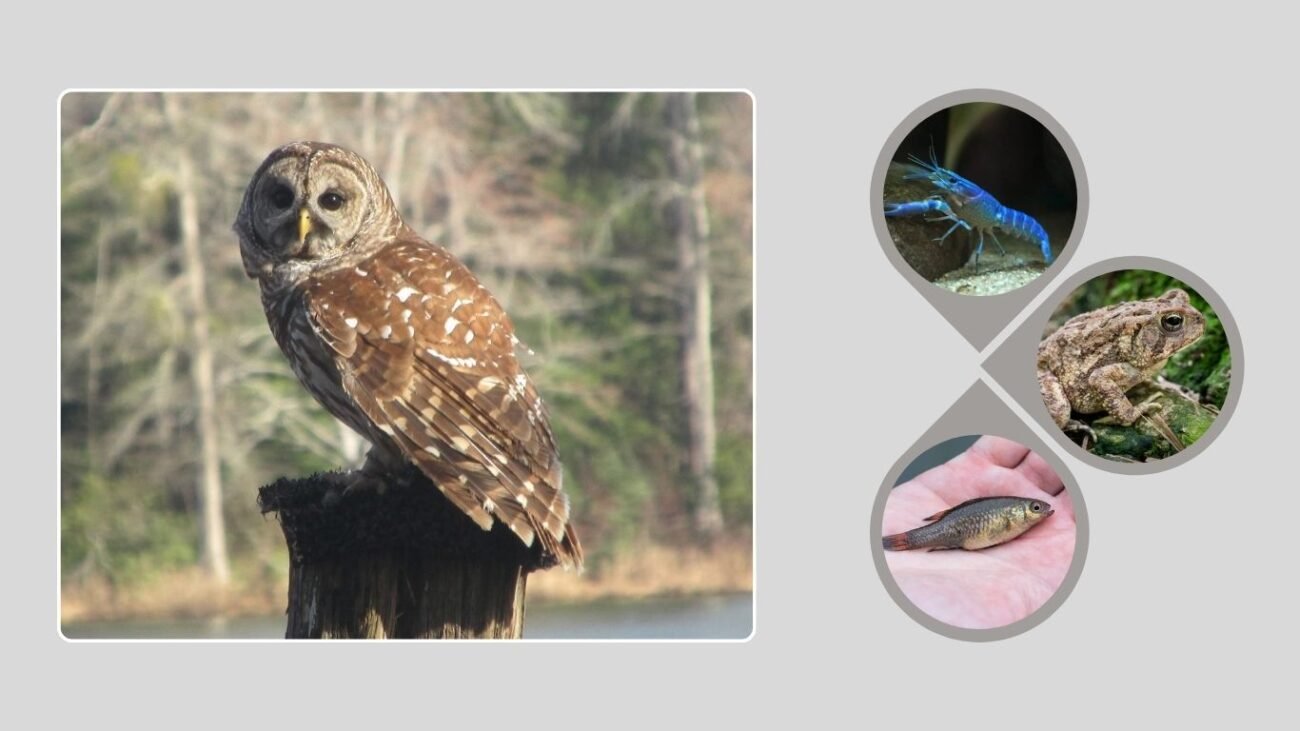
In places like Oklahoma and the southern United States, barred owls have access to swamps, rivers, and wetlands. Here, their diet features more amphibians and aquatic animals, such as:
- Crayfish and crawdads
- Frogs and toads
- Small fish and snakes
They also take advantage of agricultural areas, where rodents are plentiful. Their adaptability to changing habitats explains why their populations remain stable across most regions.
Urban and Suburban Barred Owls
Barred owls living near cities display fascinating adaptability. They hunt rats, pigeons, starlings, and even garden pests like moles or chipmunks. Occasionally, they might target ornamental fish in backyard ponds. Streetlights, which attract insects and small rodents, can actually benefit urban owls by concentrating prey in small areas.
Predators: What Eats a Barred Owl
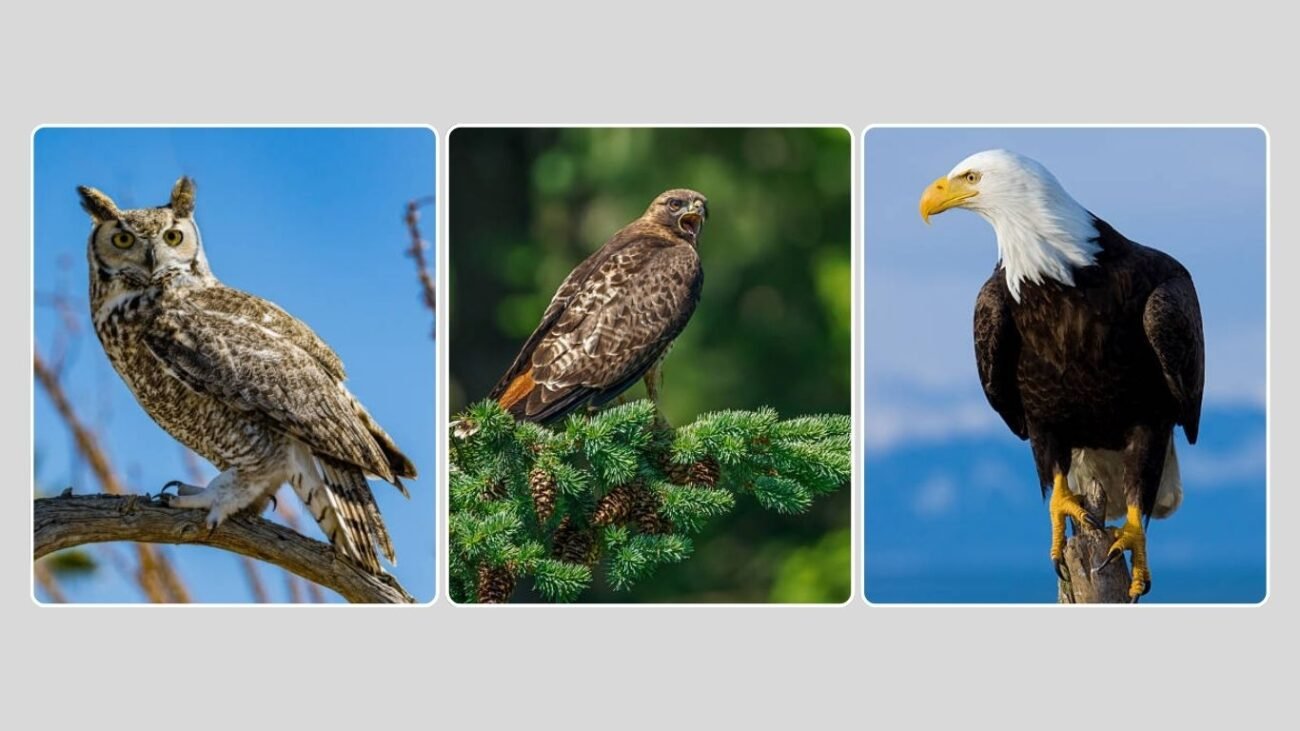
Although barred owls are formidable hunters, they are not invincible. Several animals prey upon them — especially their eggs and young. Their main predators include:
- Great Horned Owls: The greatest threat to adult barred owls; territorial and aggressive.
- Red-Tailed Hawks: May attack during daylight when barred owls rest.
- Bald Eagles: Rarely, they’ll target fledglings or weakened adults.
- Foxes and Raccoons: Known to raid nests for eggs or chicks.
Despite these threats, barred owls’ nocturnal habits and stealth give them an advantage in avoiding predation.
Feeding Behavior and Hunting Frequency
Barred owls are solitary hunters. Each adult typically eats the equivalent of two to four small mammals nightly — or around 10% of its body weight. They perch silently, listening for the faintest rustle. When the target is located, they dive swiftly, grasping the prey with powerful talons.
They swallow small prey whole, digesting bones and fur, then regurgitate compact pellets containing indigestible material. These pellets are often found under roosting trees and provide insight into their diet composition.
Ecological Importance
Barred owls are essential for natural pest control. By consuming large quantities of rodents and insects, they help keep populations in check, preventing crop damage and disease spread. Their presence also indicates a healthy environment with balanced biodiversity. In ecosystems where barred owls thrive, prey species remain stable, supporting overall ecological balance.
FAQs
Do barred owls eat cats or small dogs?
Rarely, but it can happen. Large barred owls have the strength to grab very small pets, especially kittens or toy breeds. However, they mainly prefer wild prey such as rodents and rabbits. Keeping pets indoors at night prevents these rare encounters.
What do barred owls eat in the winter?
In winter, barred owls rely on small mammals like mice, voles, and squirrels. Their exceptional hearing allows them to detect prey under snow. When food is scarce, they may scavenge carrion or hunt during the day to conserve energy.
Do barred owls eat other birds?
Yes. They occasionally prey on smaller birds, including songbirds and ducks. Barred owls have even been observed attacking other owl species such as screech owls or spotted owls, especially when competing for territory or food.
What animals eat barred owls?
Great Horned Owls, red-tailed hawks, and raccoons are the primary predators of barred owls. Young owlets are especially vulnerable to nest predators like snakes and foxes. Adults typically defend their nests fiercely against such threats.
Can you eat a barred owl?
No. It is illegal and unethical to harm, capture, or eat barred owls. They are protected under the U.S. Migratory Bird Treaty Act, which safeguards all native owl species from hunting, trading, or collection.