Mourning doves, known for their soft cooing and slender, graceful bodies, are one of the most common birds across North America. You’ll often spot them perched on telephone wires, walking in open fields, or feeding on the ground. If you’re curious about what they eat—whether you’re a bird lover or trying to attract them to your garden—understanding their diet is key to keeping these peaceful visitors happy and healthy.
Wild Mourning Dove Diet
Seeds Make Up the Bulk
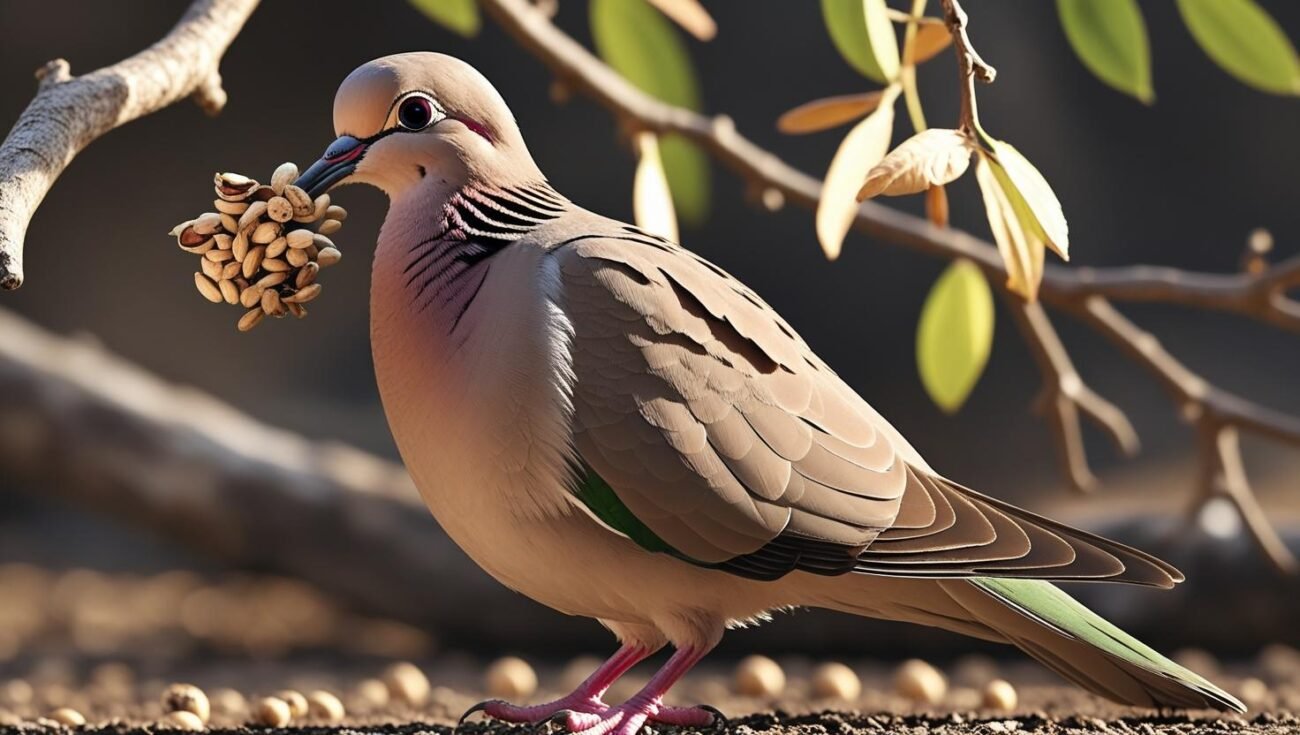
Mourning doves are primarily granivores, which means seeds are their main food source. In the wild, about 99% of their diet consists of seeds. They forage on the ground, pecking at:
- Grass seeds such as foxtail, crabgrass, and wild sunflower
- Weed seeds, including ragweed, pigweed, and panic grass
Their digestive system is specially adapted to handle dry seeds. They often feed in open, weedy fields, roadsides, and pastures where such seeds are plentiful.
Occasional Grains and Crops
In farmlands or rural areas, mourning doves take advantage of cultivated grains. These are not their first choice but are readily eaten when available. Common agricultural grains they consume include:
- Cracked corn
- Wheat
- Grain sorghum
- Millet (especially white millet)
After harvesting season, they’re frequently seen feeding on leftover grains scattered across fields.
Do They Eat Insects?
Though they’re not insectivores, mourning doves may occasionally eat small insects or invertebrates, especially during breeding season when they need extra protein. This might include:
- Tiny beetles
- Ants
- Small snails or worms (rare)
Still, insects make up less than 1% of their diet. They prefer easily digestible plant-based food sources.
Grit and Gravel Intake
Mourning doves do something quite unique—they eat small bits of gravel or grit, which stay in their gizzard. Because they swallow seeds whole, they need this grit to grind the food and help with digestion.
Without grit, a dove can’t process hard seeds properly, which may lead to health issues. That’s why you’ll often see them pecking at gravel roads or sandy patches.
What Mourning Doves Eat at Feeders

Favorite Feeder Foods
If you’re looking to attract mourning doves to your yard, offering the right types of food is essential. These birds love:
- White millet – their top favorite due to size and ease of swallowing
- Cracked corn – affordable and energy-rich
- Black oil sunflower seeds – best if hulled, to make swallowing easier
- Safflower seeds – a less common but healthy option
These foods can be offered individually or as part of a seed mix designed for ground-feeding birds.
How They Eat
Mourning doves prefer flat surfaces when feeding. They’re not built to cling or hover like finches or woodpeckers. Instead, they feed:
- Directly from the ground
- From platform feeders or low trays
They gulp seeds quickly, storing them in a special throat pouch called a crop, then fly off to a safe spot to digest slowly.
Here is the next 50% of the article with detailed content, completing the guide:
Seasonal Diet Changes

Spring and Summer
During warmer months, mourning doves have access to a wider range of natural food sources. As fields and wild areas grow thick with vegetation, they feed more on:
- Fresh weed and grass seeds
- Native wildflowers going to seed
- Occasional small insects during nesting season
This is also their breeding season, so they may consume slightly more protein-rich food to support egg-laying and chick development. However, seeds still dominate their diet.
Fall and Winter
As temperatures drop and natural seed supplies dwindle, mourning doves rely more on human-provided food sources and leftover agricultural grains. You’ll often find them:
- Visiting backyard feeders
- Foraging in harvested cornfields or under bird tables
- Feeding in large flocks to stay safe from predators
Providing millet or cracked corn during winter can help them maintain body heat and survive freezing nights.
Foods to Avoid Feeding Mourning Doves

Not all food is safe for doves. Some common items can actually harm their digestion or lead to long-term health issues. Avoid offering the following:
- Bread and baked goods: These offer little nutrition and can cause bloating
- Salted nuts or seeds: Too much sodium is toxic to birds
- Processed human food: Chips, cereal, cookies—never suitable
- Raw or uncooked rice: Though not deadly, it can swell and cause discomfort
- Spoiled or moldy food: Can lead to fungal infections or poisoning
If you’re feeding mourning doves, always ensure the seed is fresh, clean, and dry.
How to Attract Mourning Doves with Food

Best Feeder Setup
Mourning doves are ground feeders, so they prefer low, open platforms or tray-style feeders. To encourage visits:
- Use platform feeders placed low or directly on the ground
- Keep feeders in quiet, open spaces with nearby perching spots
- Avoid narrow or hanging feeders not suited for their body shape
Make sure the area is safe from predators like cats, and clean regularly to prevent disease.
Water Source
Besides food, mourning doves also need clean water for drinking and occasional bathing. A shallow birdbath or dish with gently sloped edges works best.
Change the water every day and place the bath in a shaded, quiet corner of the yard to keep the birds relaxed and safe.
Nutritional Needs of Mourning Doves
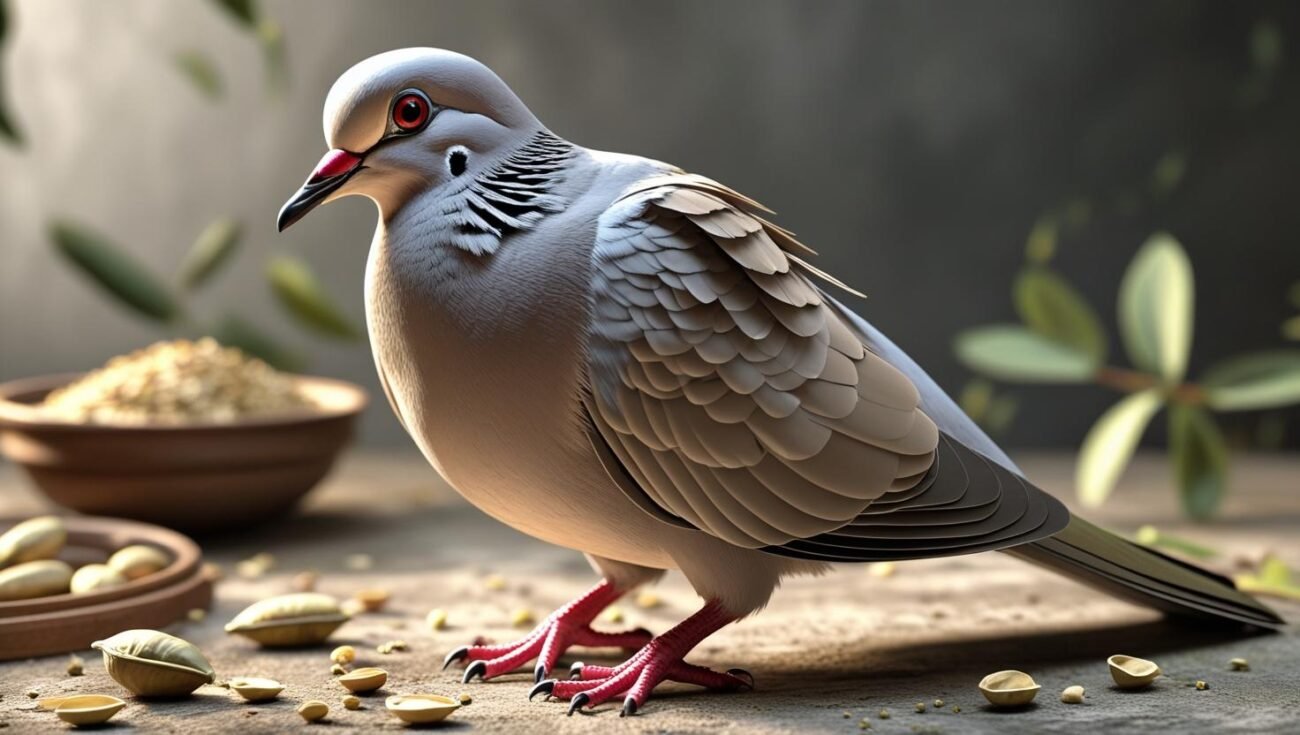
A balanced diet for mourning doves should focus on carbohydrates and easy-to-digest grains. Their ideal nutritional profile includes:
- High-energy seeds like millet and sunflower for calorie needs
- Grit or crushed oyster shells for digestion and calcium
- Fresh water to aid metabolism and seed breakdown
While protein isn’t a large part of their diet, they get enough through seed diversity and occasional insects during breeding season.
Fun Facts About Mourning Dove Feeding Habits

- A single dove can eat up to 12–20% of its body weight daily in seeds
- They store seeds in their crop and later digest them in a safe location
- Mourning doves often feed in pairs or small flocks, especially in winter
- They are known to return to the same feeding spot daily
- Doves help spread plant seeds, aiding in natural reseeding of grasses and weeds
Conclusion
Mourning doves may have a simple diet, but understanding what they eat helps you appreciate their role in nature—and gives you the chance to enjoy their peaceful presence in your backyard. Whether they’re foraging in the wild or nibbling seeds you’ve put out, their gentle habits and soft calls bring calm and beauty to any setting. Offer the right food and a quiet space, and you’ll likely gain loyal dove visitors for seasons to come.
FAQs
Do mourning doves eat suet or mealworms?
No, mourning doves generally avoid high-fat suet or mealworms. Their digestive system is best suited to dry grains and seeds.
Can mourning doves eat birdseed mixes?
Yes, they’ll eat mixes that include white millet, cracked corn, and sunflower chips. Avoid mixes heavy on large or hard seeds like whole sunflower in shells.
How often do mourning doves eat?
They eat several times throughout the day. Doves often fill their crop quickly, then rest and digest before returning to feed again.
Do mourning doves eat from hanging feeders?
Rarely. Their body shape and feeding habits make it difficult to use hanging feeders. They prefer flat, stable surfaces.
Is it safe to feed mourning doves daily?
Yes. Regular feeding helps them during cold months or in urban areas with fewer wild seeds. Just keep feeders clean and avoid moldy or salty foods.