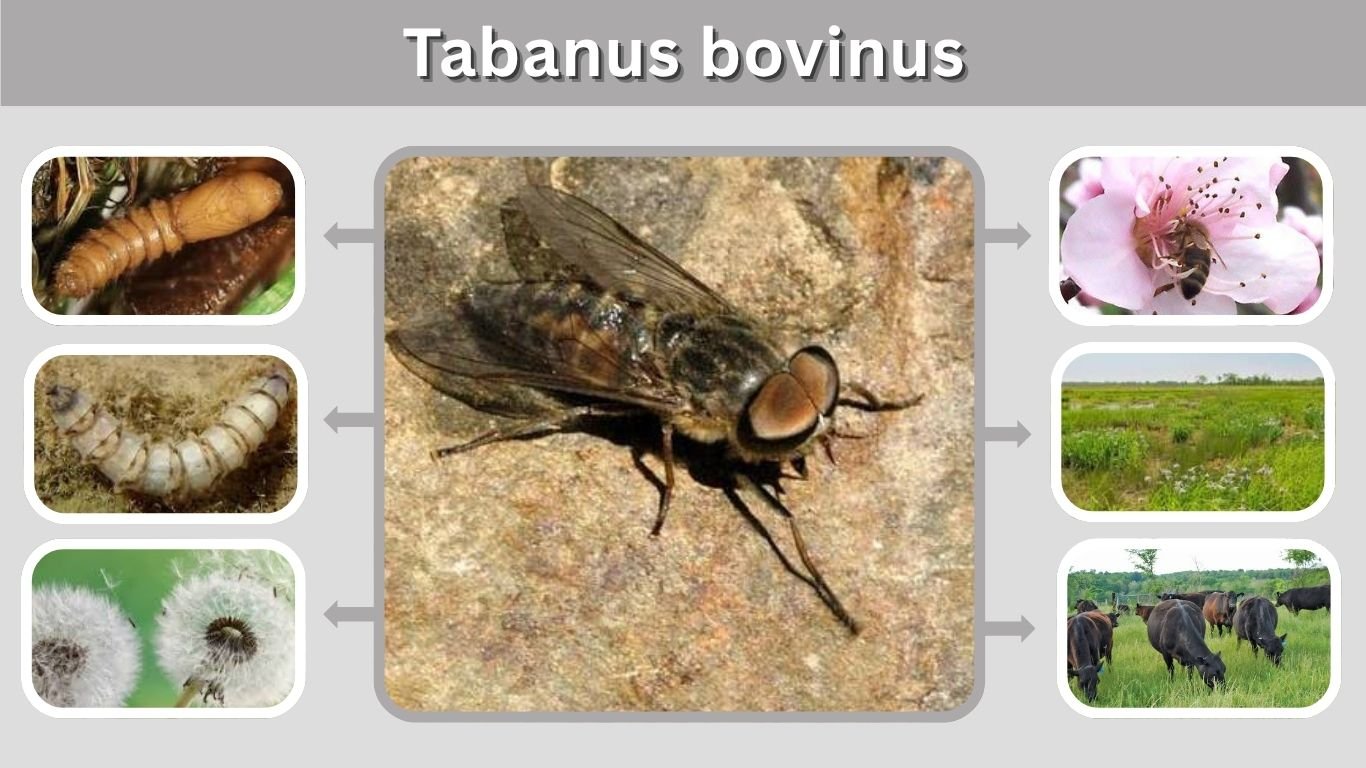
Tabanus bovinus is a large European horsefly commonly known as the pale giant horsefly. It is recognizable by its powerful build, large compound eyes, brownish wings, and patterned abdomen. Females feed on the blood of cattle, horses, and other mammals, while males rely mainly on nectar and pollen. Although its bite can be painful, this horsefly does not sting or inject venom. The species occurs across Europe and extends into North Africa and parts of Asia.
Tabanus bovinus Classification
Tabanus bovinus is a true fly belonging to the horsefly family Tabanidae. Like other true flies, it has one functional pair of wings and a pair of reduced balancing organs called halteres.
| Classification | Name |
| Kingdom | Animalia |
| Phylum | Arthropoda |
| Class | Insecta |
| Order | Diptera |
| Family | Tabanidae |
| Genus | Tabanus |
| Species | Tabanus bovinus |
| Common name | Pale giant horsefly |
The species was formally described by Carl Linnaeus in 1758. GBIF and the UK Natural History Museum recognize Pale Giant Horsefly as its accepted English common name.
What Does Tabanus bovinus Look Like?
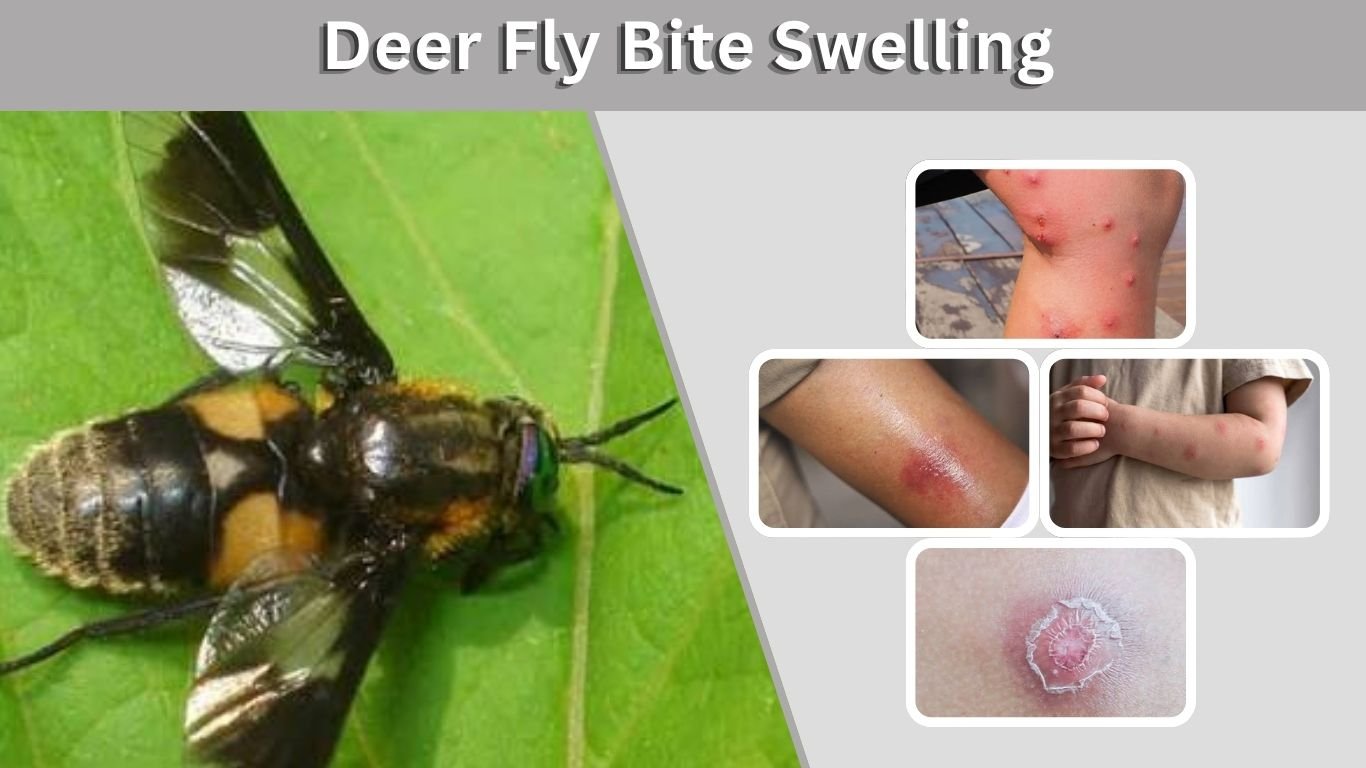
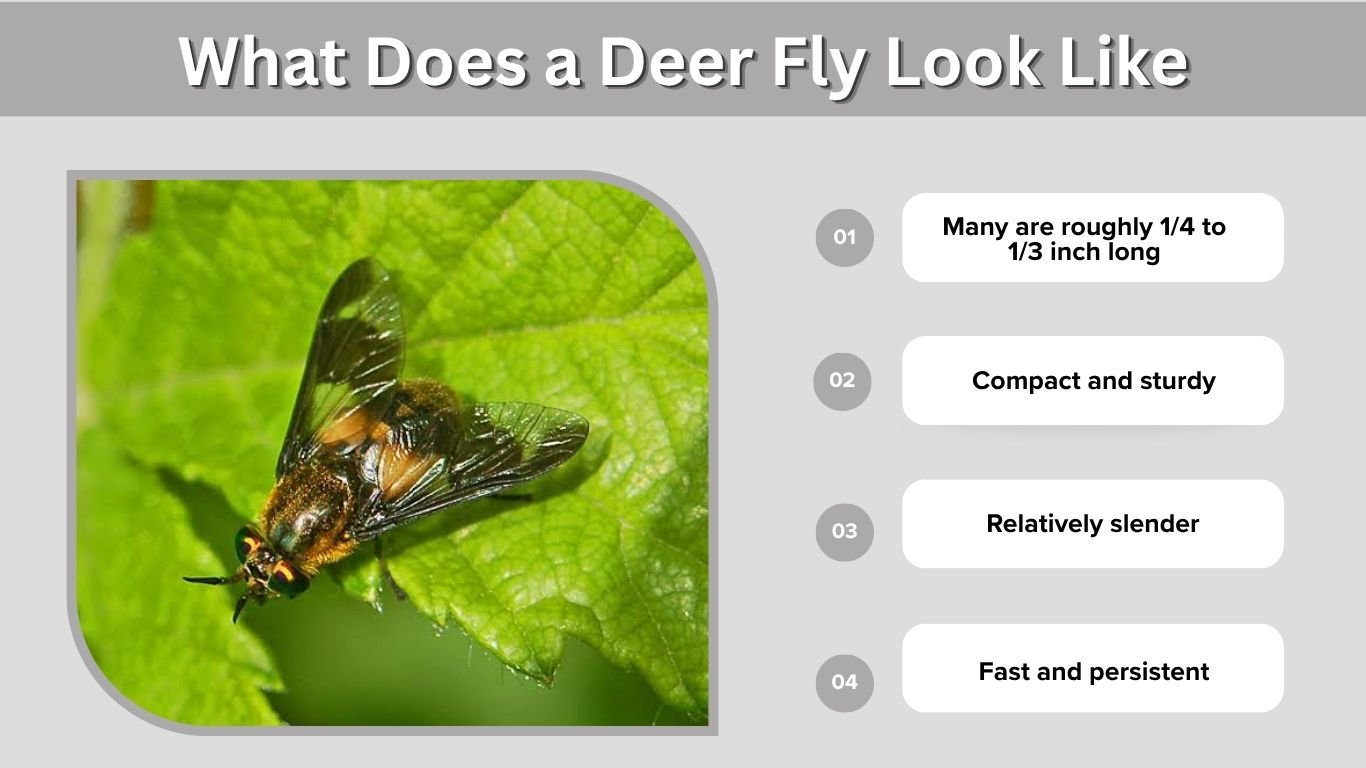
This is a robust horsefly with a broad head, powerful flight muscles, large eyes, and a long abdomen. Its body is mainly brown, gray, and orange, while its wings are mostly transparent with a brownish tint.
Identification Features
Look for these characteristics:
- A large and heavy-looking body
- Broad, brightly colored compound eyes
- Brownish or gray thorax
- Orange-brown areas on the abdomen
- Pale triangular markings along the abdomen’s center
- Clear or lightly tinted wings
- Short antennae projecting from the head
- Strong legs and visible cutting mouthparts
Females have separated eyes with a visible gap between them. A male’s eyes meet or nearly meet at the top of the head. These eye differences are common among horseflies and help separate the sexes.
Tabanus bovinus Size
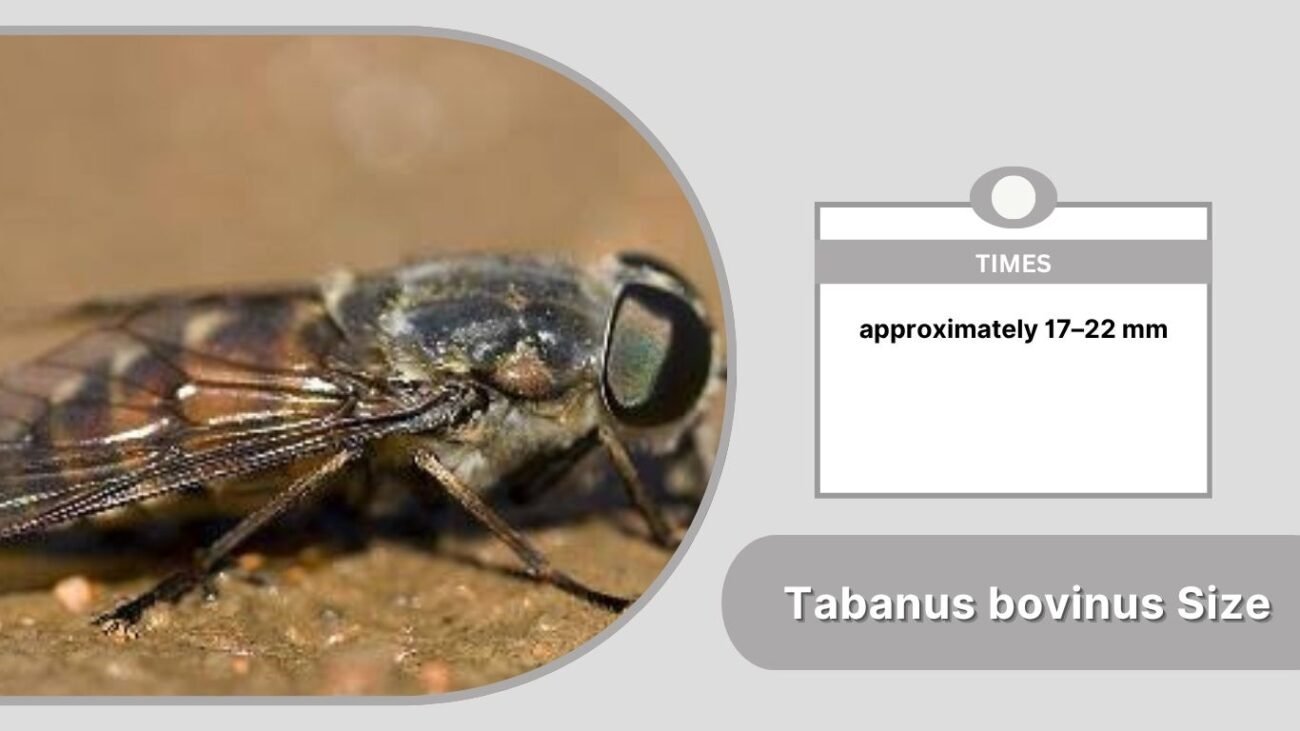
Tabanus bovinus is among Europe’s larger horseflies. Reported measurements vary because it is frequently confused with other large Tabanus species. British identification material describes verified specimens at approximately 17–22 mm, while some field sources report body lengths approaching 25–30 mm.
Its large size, loud flight, and broad body may cause it to be mistaken for a bee, beetle, or small dragonfly when seen from a distance.
Tabanus bovinus Distribution and Range
Tabanus bovinus is a Palearctic species. Its confirmed range includes much of Europe, North Africa, and parts of Asia. Reports far outside this region should be treated carefully because several horseflies look similar and cannot be reliably identified from a basic photograph.
Tabanus bovinus in the UK
The species is part of the British insect checklist, but it is extremely localized. Confirmed British records have historically come from the New Forest and parts of Somerset. The pale giant horsefly is classified as Endangered in the United Kingdom because of its limited distribution and vulnerable habitat.
Where Does Tabanus bovinus Live?
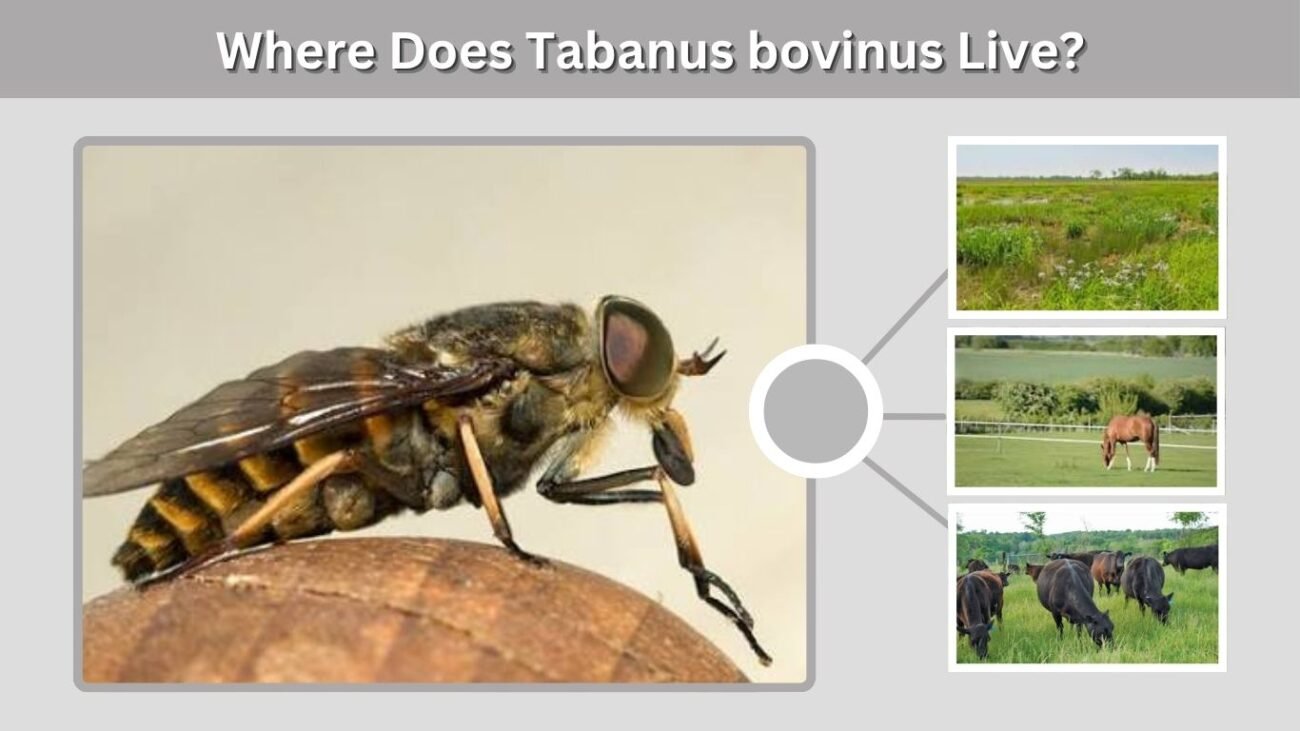
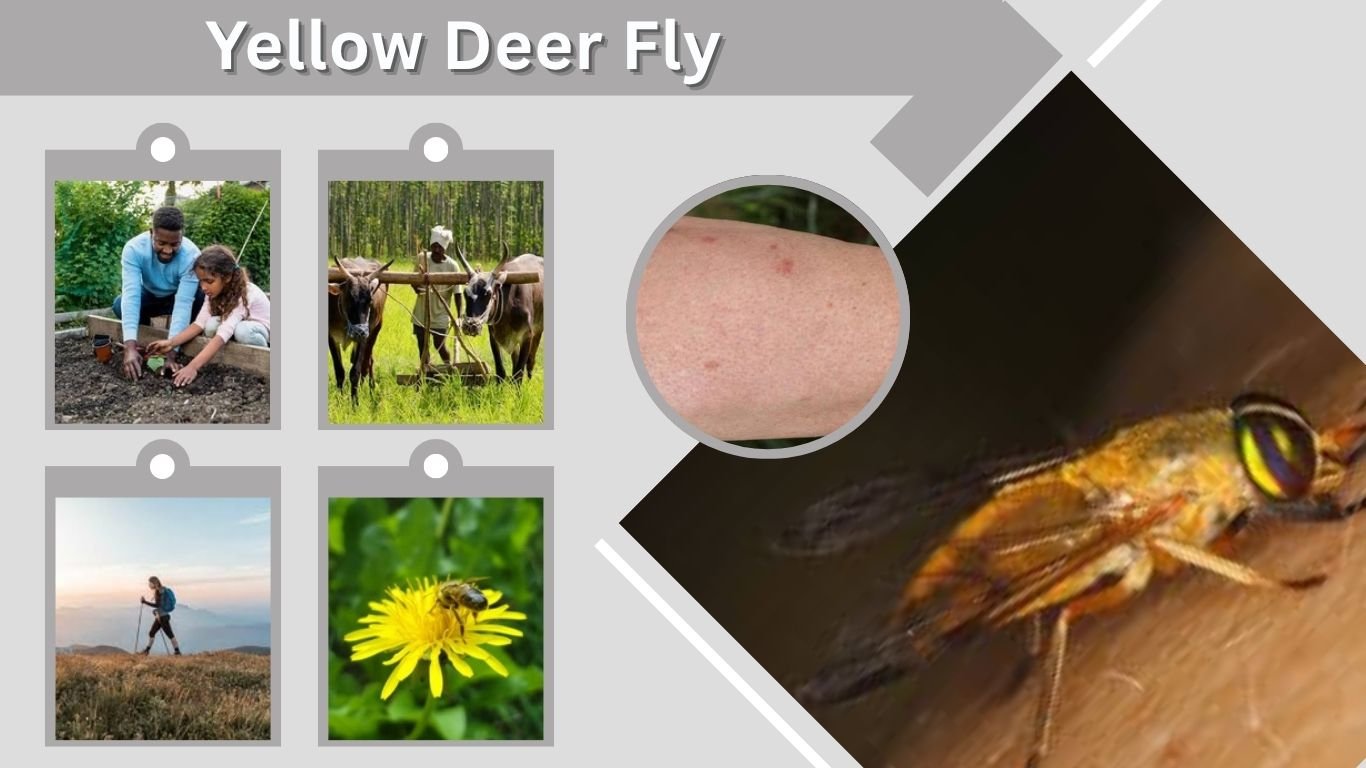
This horsefly is usually associated with open livestock country and damp environments. Adults may be found around:
- Cattle pastures
- Horse paddocks
- Wet grasslands
- Marsh edges
- Woodland clearings
- River valleys
- Damp meadows
- Muddy pond margins
Female horseflies remain close to areas where suitable mammal hosts are available. Their larvae usually develop in moist soil near freshwater rather than directly on cattle or horses. General Tabanus larvae favor damp soil around ponds, marshes, and other wet places.
What Does Tabanus bovinus Eat?
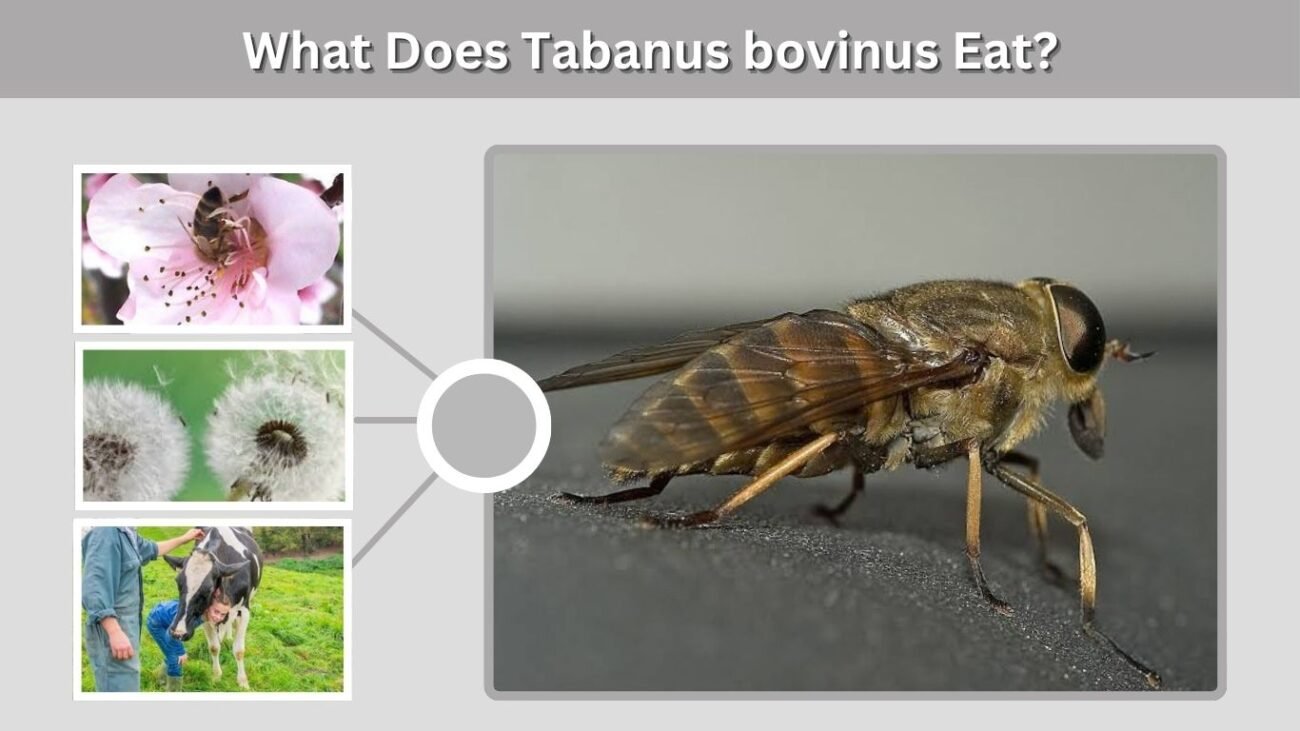
The diet depends on the fly’s sex and life stage.
Female Diet
Adult females consume nectar for energy but also require blood to produce eggs. Cattle are important hosts, although females may also approach horses, other mammals, and occasionally humans.
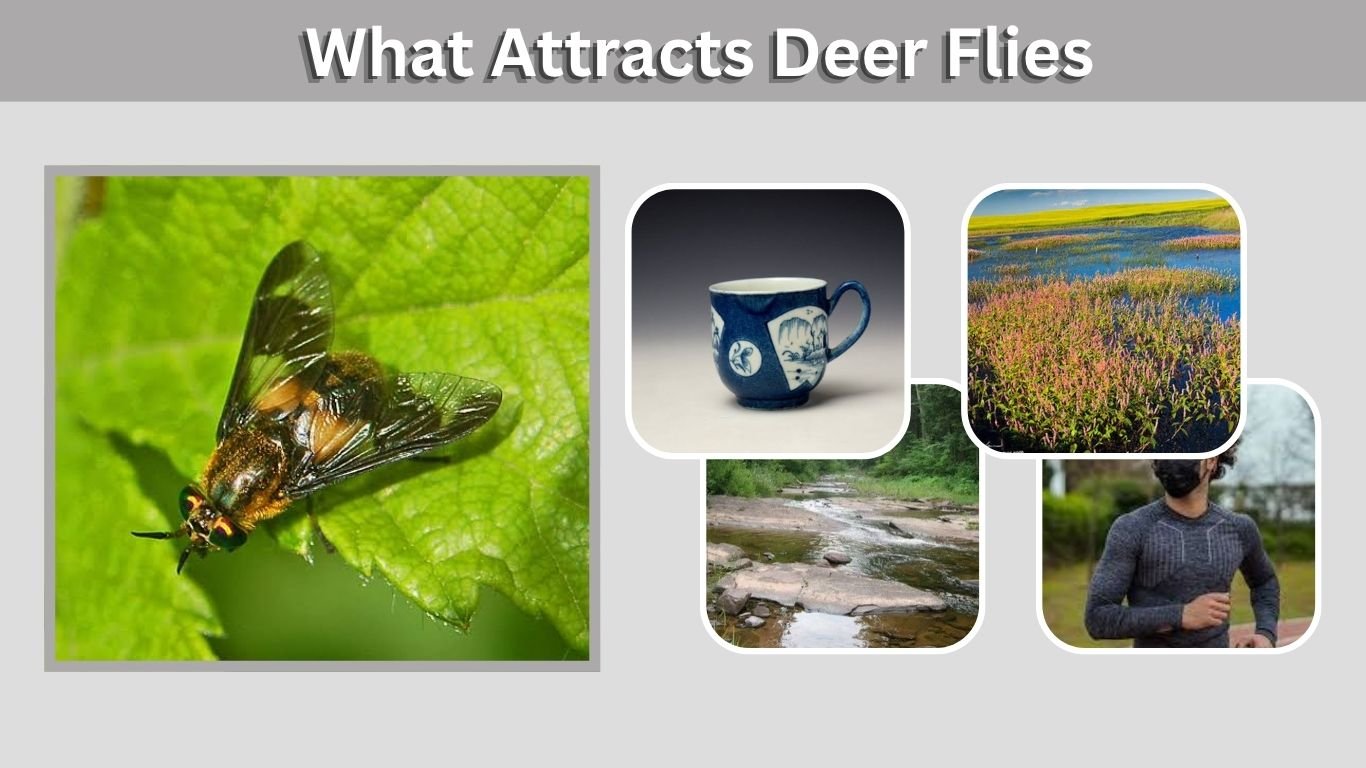
The fly locates hosts primarily through movement and vision, with body odor and carbon dioxide providing additional cues. Dark, moving objects can therefore attract hunting females.
Male Diet
Males do not bite animals. They feed on nectar, pollen, and other plant-derived sugars. In doing so, they may contribute modestly to flower pollination.
Larval Diet
Larvae are predators living in damp soil or mud. They consume small invertebrates, including insect larvae and tiny crustaceans. Horsefly larvae may also attack one another when food is limited.
Does Tabanus bovinus Bite?
Female Tabanus bovinus can bite people, livestock, and other mammals. It bites rather than stings and does not possess a venom-injecting stinger.
Instead of piercing the skin like a mosquito, the female uses blade-like mouthparts to cut the surface. It then absorbs the pooling blood with sponge-like mouthparts. The cutting action explains why horsefly bites are immediately painful and may bleed after the fly leaves.
Bite Symptoms
A bite may cause:
- Sudden sharp pain
- A raised red or discolored bump
- Minor bleeding
- Local swelling
- Itching or burning
- Tenderness around the wound
Most bites heal within several days. Wash the area with soap and water, apply a wrapped cold compress, and avoid scratching. Seek medical help for breathing trouble, facial swelling, spreading redness, fever, pus, or worsening pain, as these may indicate an allergic reaction or infection.
Tabanus bovinus Life Cycle
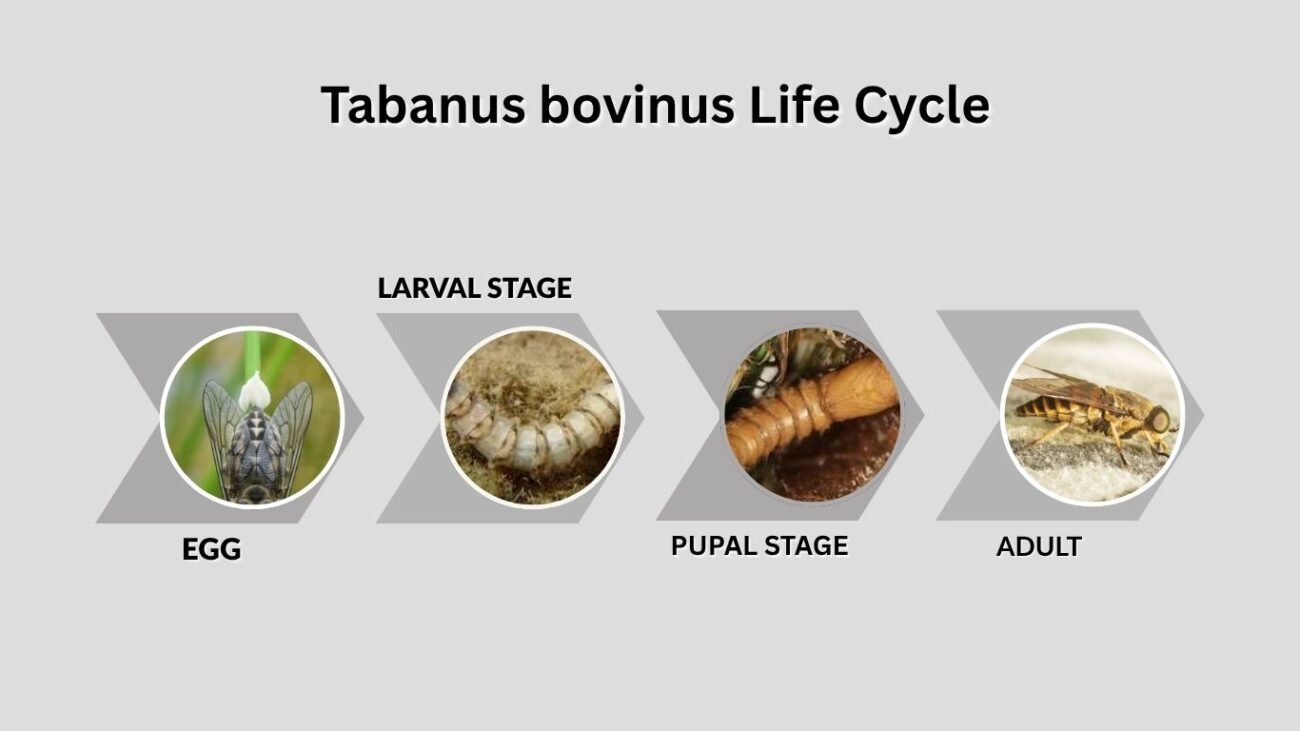
The life cycle has four stages: egg, larva, pupa, and adult.
Eggs and Reproduction
After obtaining sufficient nutrients, a female lays an egg mass on plants, stones, or debris positioned over or beside damp ground. When the eggs hatch, the young larvae move into wet soil or mud.
Larval and Pupal Stages
The larvae pass through several developmental stages while hunting small animals in moist substrate. Some horsefly species complete development within months, while larger species may require more than one season.
When fully developed, a larva moves into slightly drier soil and forms a pupa. The adult later emerges, expands its wings, and begins feeding. Horseflies often spend much more of their lives as larvae than as winged adults.
How to Trap Tabanus bovinus
Eliminating larvae is difficult because they are widely scattered through wet soil and may be beneficial predators. Trapping adults is usually more practical around livestock.
Horsefly traps commonly use a dark ball or another visually attractive object beneath a funnel or collection chamber. The fly approaches what appears to be a large animal, then moves upward into the trap. Commercial box traps and carbon-dioxide-baited sticky traps are also used for tabanids.
Place traps near the edges of paddocks or between livestock and known fly activity areas, not directly beside doors or busy seating spaces. Because traps may also capture harmless insects, they should be checked regularly and used only where horseflies create a significant problem. UK conservation guidance warns that some horsefly traps can produce substantial bycatch.
Tabanus bovinus vs. Similar Horseflies
Tabanus bovinus may be confused with the dark giant horsefly, Tabanus sudeticus, or the large marsh horsefly, Tabanus autumnalis.
| Feature | T. bovinus | T. sudeticus | T. autumnalis |
| Common name | Pale giant horsefly | Dark giant horsefly | Large marsh horsefly |
| General color | Relatively pale and orange-brown | Usually darker | Dark with pale abdominal triangles |
| Size | Large | Very large | Medium to large |
| UK status | Extremely localized | More widespread | Local but expanding |
| Identification | Often requires close examination | Variable coloration | Usually smaller |
Reliable identification may require clear views of the abdomen, antennae, underside, and eyes. A general photograph may not be sufficient because the large Tabanus species are variable and visually similar.
FAQs
Is Tabanus bovinus dangerous?
It is not venomous and does not sting. However, a female can inflict a painful, bleeding bite. Most bites are minor, but allergic reactions or bacterial infections may occasionally occur if the wound is scratched or left unclean.
Can male Tabanus bovinus bite?
No. Males feed primarily on nectar and pollen because they do not need blood for egg development. Only females possess the specialized cutting mouthparts used to obtain blood meals from cattle, horses, humans, and other mammals.
When is Tabanus bovinus active?
Adults are mainly active during warm daylight conditions, especially in summer. Horsefly activity often increases in sunny weather around wet pastures, livestock fields, and woodland margins. Wind, temperature, rainfall, and host availability can influence local numbers.
Is Tabanus bovinus common in Britain?
No. It is included on the British insect checklist but has a highly restricted distribution. Confirmed populations have historically been associated with Somerset and the New Forest, and the species is classified as Endangered in the United Kingdom.
What should you do after a Tabanus bovinus bite?
Wash the wound with soap and water, apply a cold compress, and avoid scratching. Monitor it for increasing heat, swelling, pain, pus, or spreading discoloration. Seek emergency help for difficulty breathing or swelling of the lips, tongue, or throat.