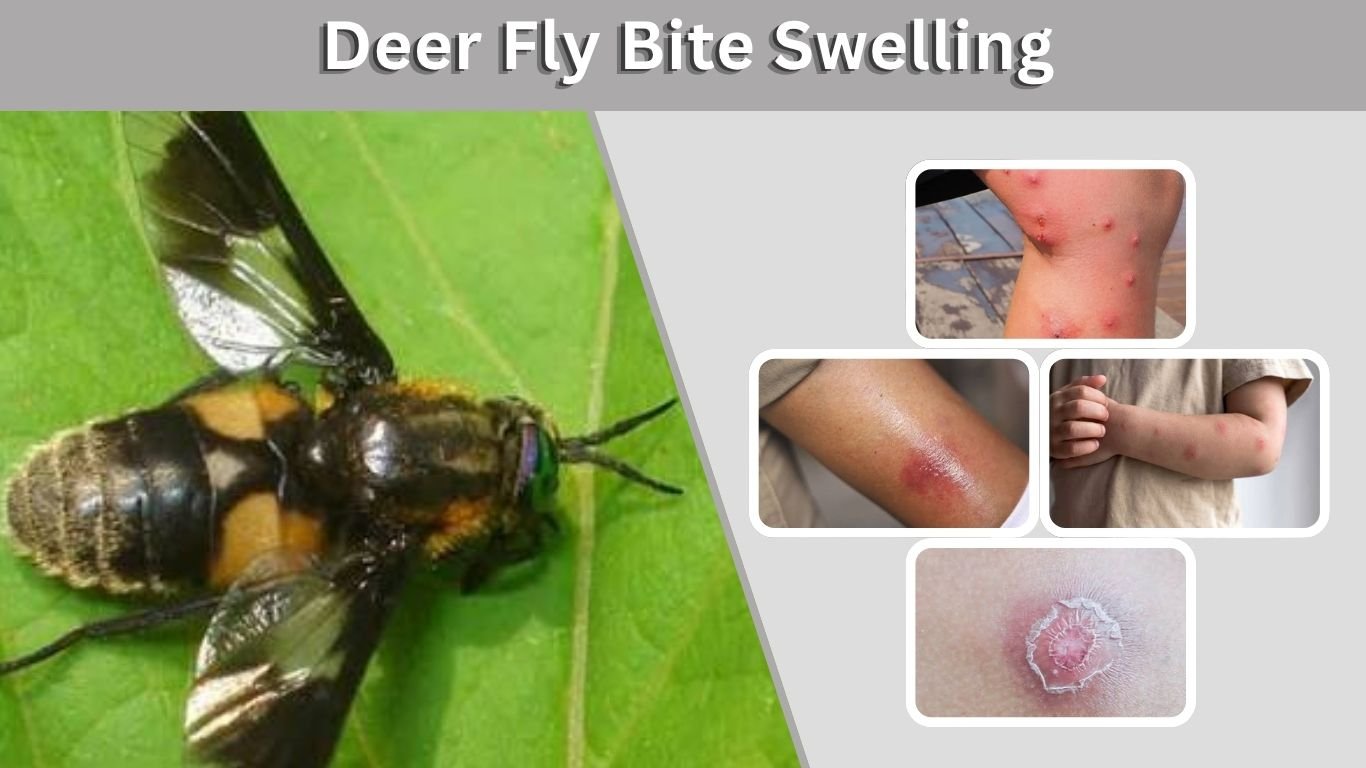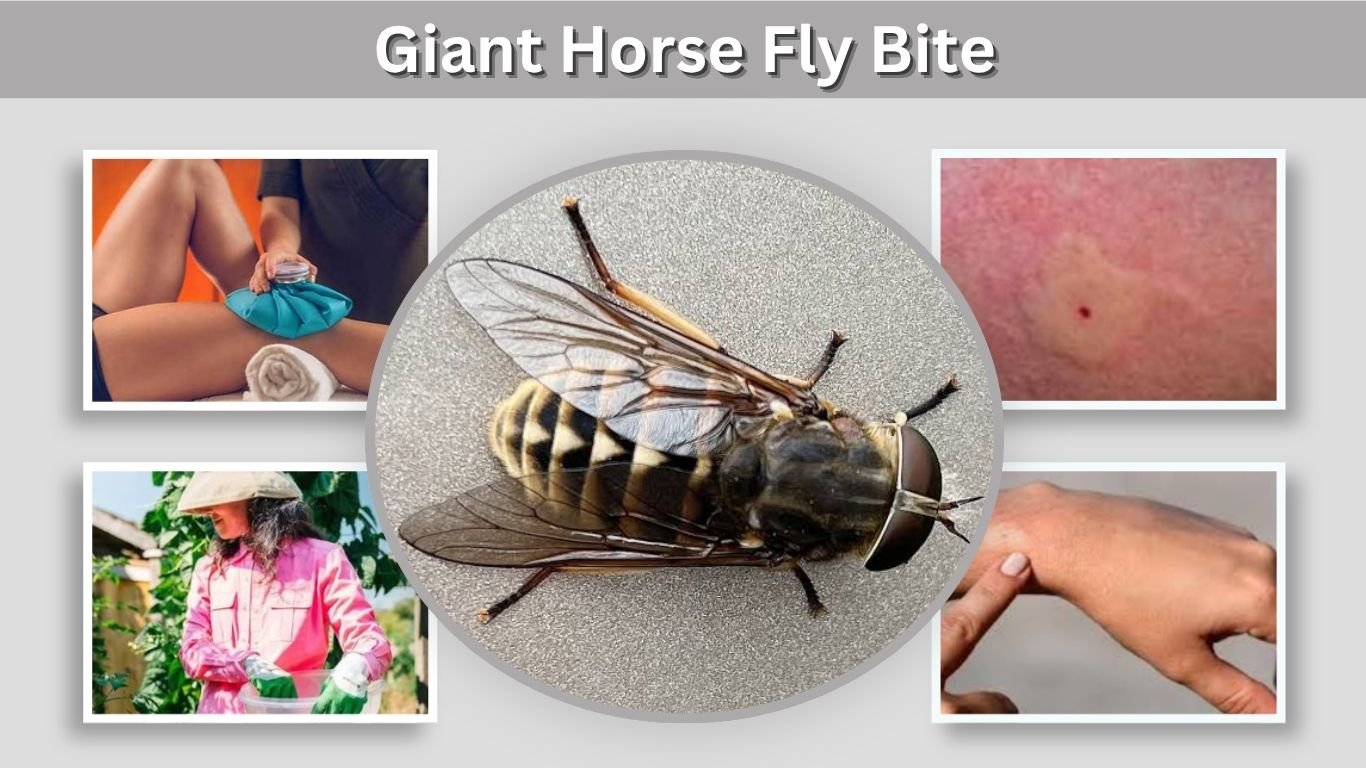
A giant horse fly bite can cause sudden, intense pain followed by bleeding, redness, swelling, and itching. Unlike mosquitoes, horse flies cut the skin with strong mouthparts and then collect the blood. The wound may therefore appear larger and feel more painful than an ordinary insect bite. Most bites improve within several days, but infection and serious allergic reactions are possible.
Do Giant Horse Flies Bite Humans?
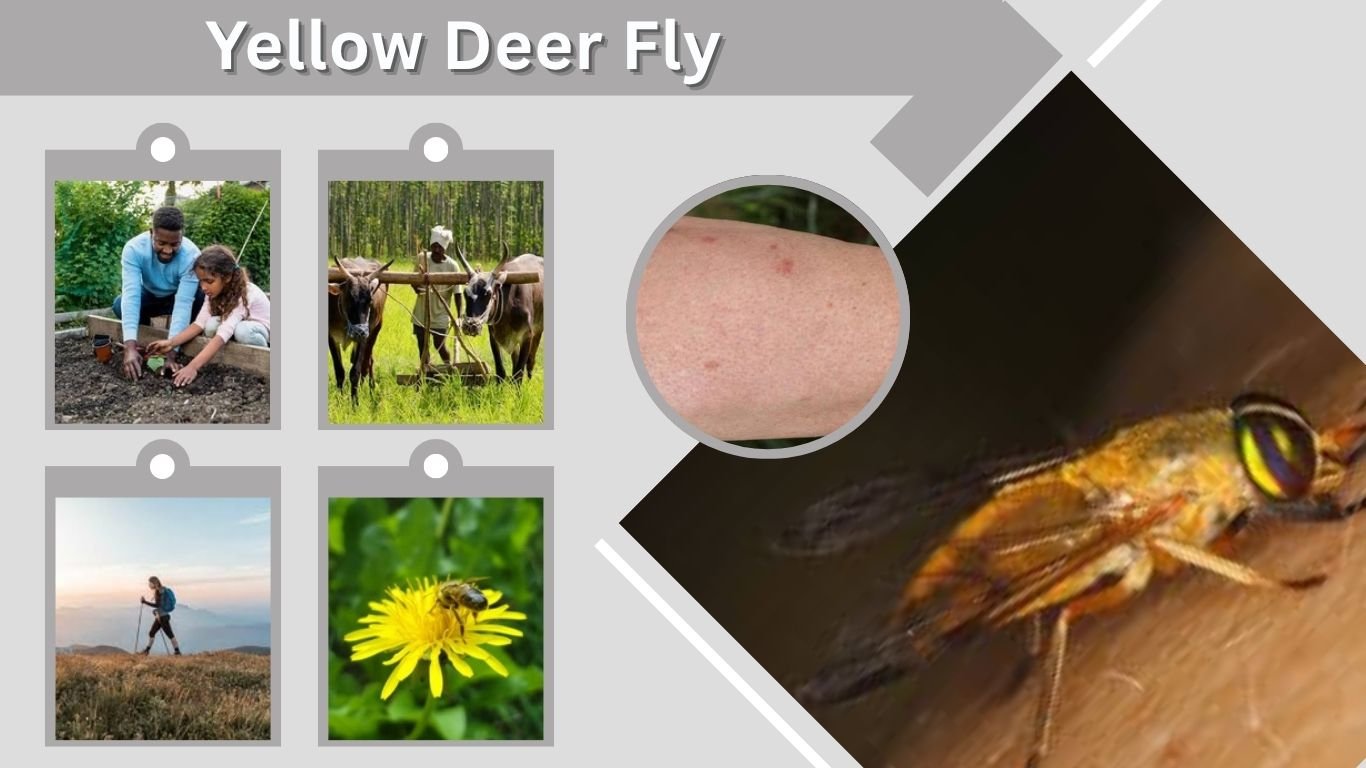
Yes, giant horse flies can bite humans. The name “giant horse fly” is commonly applied to particularly large members of the horse fly family, Tabanidae. Their preferred hosts include horses, cattle, deer, and other mammals, but they may readily attack people who are working, hiking, swimming, or relaxing outdoors.
Only Female Horse Flies Bite
Female horse flies require blood to support egg production. Males feed mainly on flower nectar and plant sugars and do not bite people or animals.
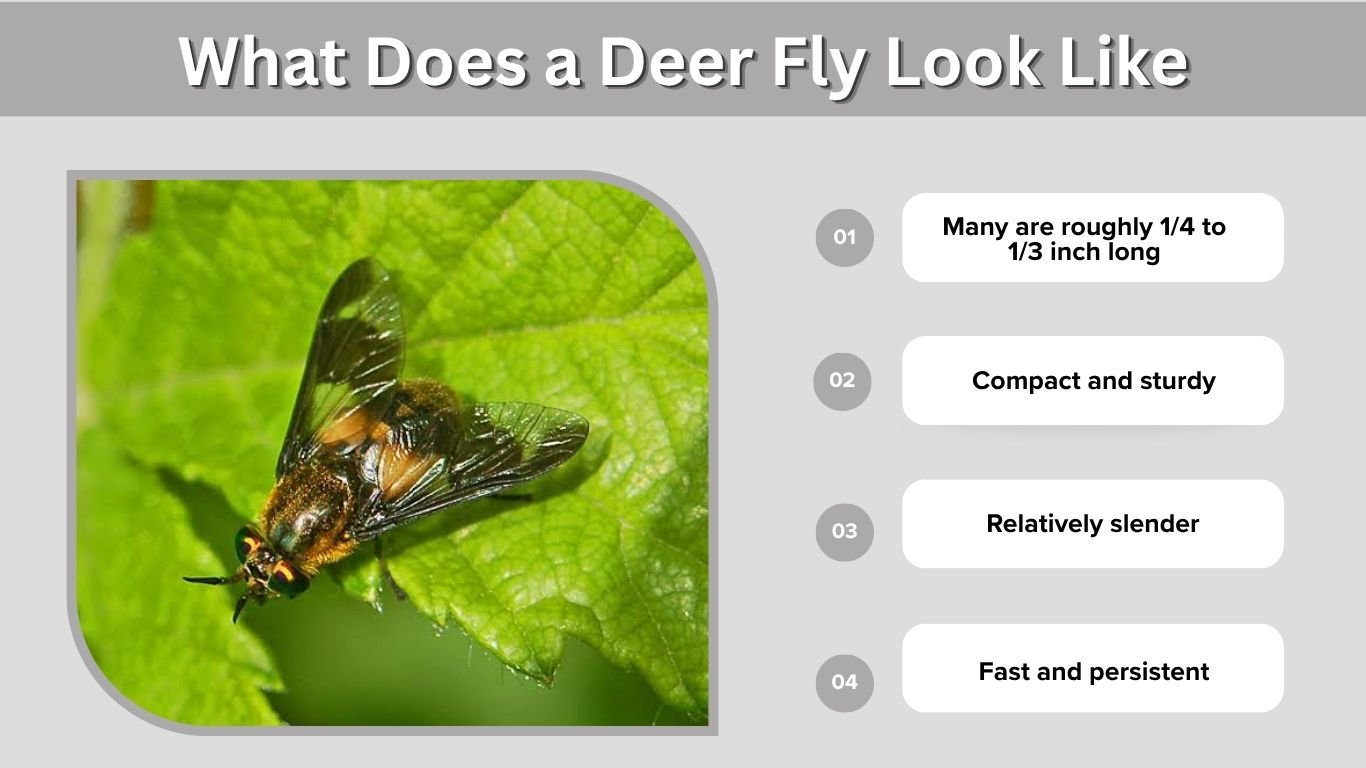
Females are active, fast, and persistent. A horse fly may return repeatedly after being brushed away, especially when the person is moving or standing near livestock, water, wetlands, or woodland edges.
Why Does the Bite Hurt So Much?
A horse fly does not insert a thin feeding tube like a mosquito. Instead, the female uses cutting mouthparts to tear the surface of the skin. A sponge-like structure then collects blood from the wound.
This cutting action explains why the bite may:
- Cause immediate sharp or burning pain
- Produce a visible spot of blood
- Leave a relatively large red bump
- Remain tender for several days
- Swell more than a typical mosquito bite
The fly also releases saliva that slows blood clotting, which can contribute to inflammation or trigger an allergic reaction in sensitive people.
Giant Black and Pale Giant Horse Flies
“Giant black horse fly” is often a descriptive name rather than an exact identification. Large Tabanus species commonly have dark gray, brown, or nearly black bodies, broad heads, powerful wings, and large eyes.
In Europe, the dark giant horsefly is commonly identified as Tabanus sudeticus. The pale giant horsefly is Tabanus bovinus. However, many large regional species look similar, so color and size alone may not be enough for a reliable species identification. The Natural History Museum lists Tabanus bovinus under the common name pale giant horsefly.
What Does a Giant Horse Fly Bite Look Like?
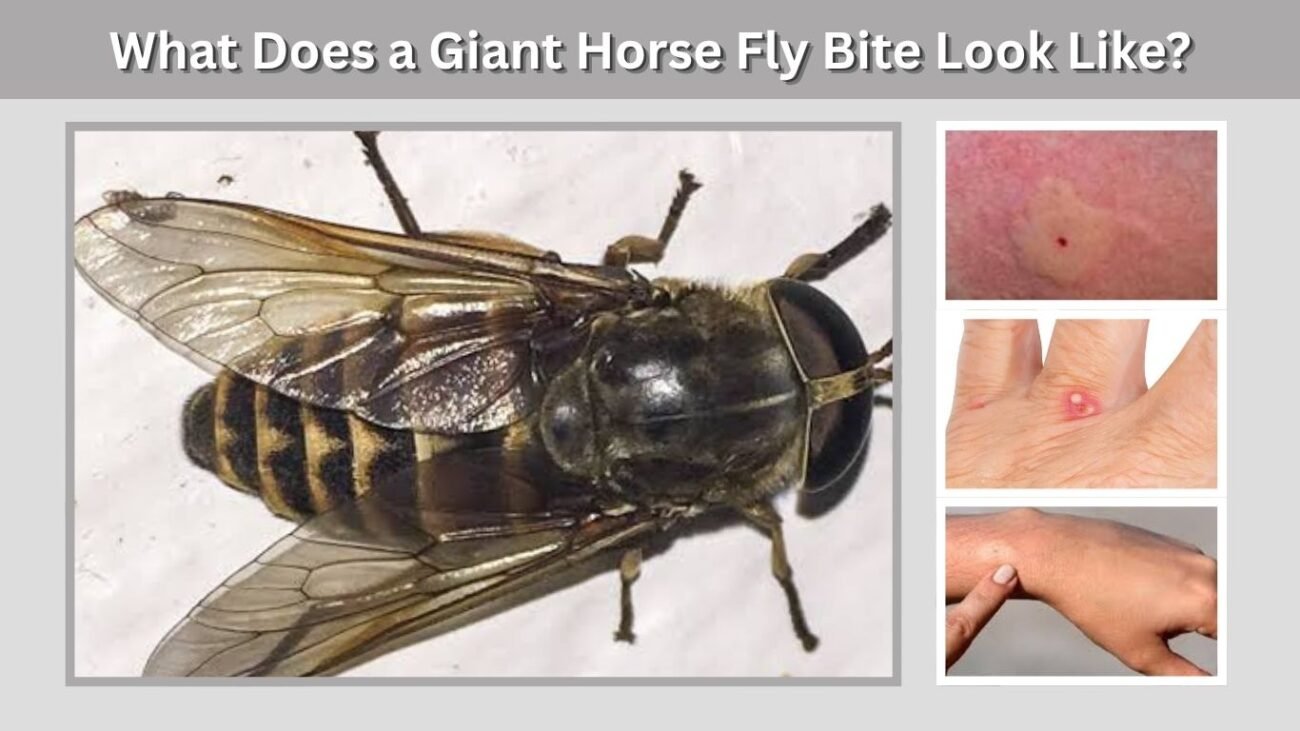
The first symptom is usually sudden pain while the fly is still attached to the skin. Afterward, the bite commonly develops into a raised red or discolored area that is sore when touched. Minor bleeding may also be visible.
| Common reaction | Possible warning sign |
| Sharp pain | Difficulty breathing |
| Small amount of bleeding | Swollen lips, tongue or throat |
| Raised red bump | Dizziness or fainting |
| Local swelling | Rapidly spreading redness |
| Itching or tenderness | Pus, red streaks or fever |
| Mild warmth | An open sore that worsens |
Most uncomplicated bites begin improving within a few days. A larger local reaction may remain swollen or itchy longer, particularly if the area is scratched.
How to Treat a Giant Horse Fly Bite
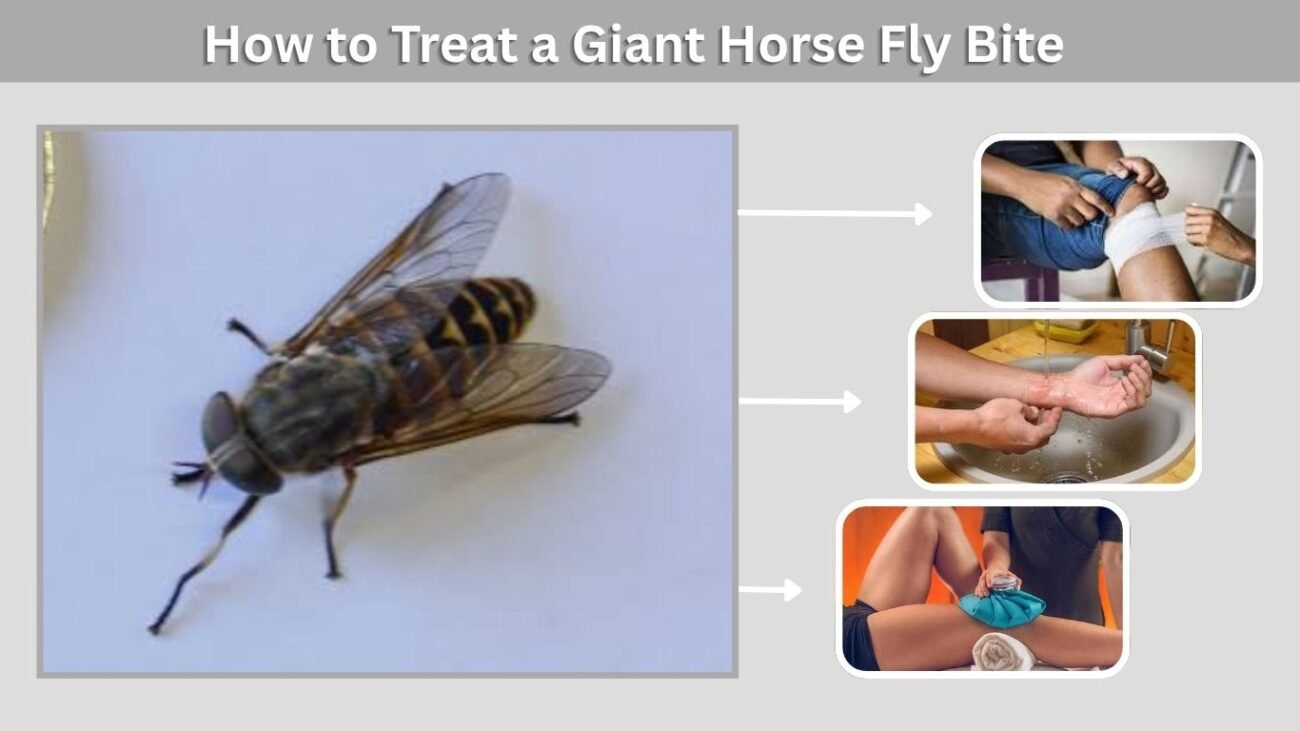
Prompt cleaning and basic first aid can reduce discomfort and lower the chance of infection.
Immediate First Aid
- Move away from the area. Horse flies may continue circling and attempt to bite again.
- Wash the wound. Gently clean it with soap and running water.
- Control minor bleeding. Apply light pressure with clean gauze or a clean cloth.
- Use a cold compress. Place an ice pack wrapped in cloth over the bite for about 20 minutes to reduce swelling and pain.
- Elevate the affected area. Raising a bitten arm or leg may help limit swelling.
- Avoid scratching. Scratching can reopen the wound and introduce bacteria.
An oral antihistamine may help itching, while an appropriate pain reliever can reduce soreness. Hydrocortisone cream may also ease itching and swelling. Always follow the product label and consult a pharmacist or healthcare professional when treating young children, pregnancy, medication interactions, or existing health conditions.
What Not to Do
Do not cut, squeeze, burn, or aggressively rub the bite. Horse flies do not normally leave a stinger behind, so there is usually nothing to remove. Avoid applying unproven substances such as baking soda mixtures, harsh chemicals, or undiluted essential oils to the open wound.
Keep the area clean and uncovered unless clothing is rubbing against it. In that situation, a clean, non-stick dressing may help protect the skin.
Can a Giant Horse Fly Bite Be Dangerous?
Most bites are painful but not dangerous. Complications are uncommon, although they require attention when they occur.
Severe Allergic Reaction
Seek emergency assistance immediately if the person develops:
- Trouble breathing or wheezing
- Tightness in the throat
- Swelling of the lips, mouth, tongue or throat
- Severe dizziness, confusion or fainting
- Widespread raised hives
- Difficulty swallowing
These may indicate anaphylaxis, which can be life-threatening and requires urgent treatment.
Infected Horse Fly Bite
Because the mouthparts create an open wound, bacteria may enter the damaged skin. Scratching increases this risk.
Contact a healthcare professional if you notice increasing pain, spreading redness, unusual warmth, pus, red streaks, swollen lymph nodes, fever or chills. These symptoms can indicate a skin infection that may require antibiotics.
Disease Transmission
Disease transmission to humans through horse fly bites is uncommon. Cleveland Clinic notes that tularemia can rarely be associated with biting flies. Warning symptoms may include sudden fever, chills, headache, swollen glands or a bite that develops into an ulcer. Medical evaluation is recommended if these symptoms appear after a bite.
How to Prevent Giant Horse Fly Bites
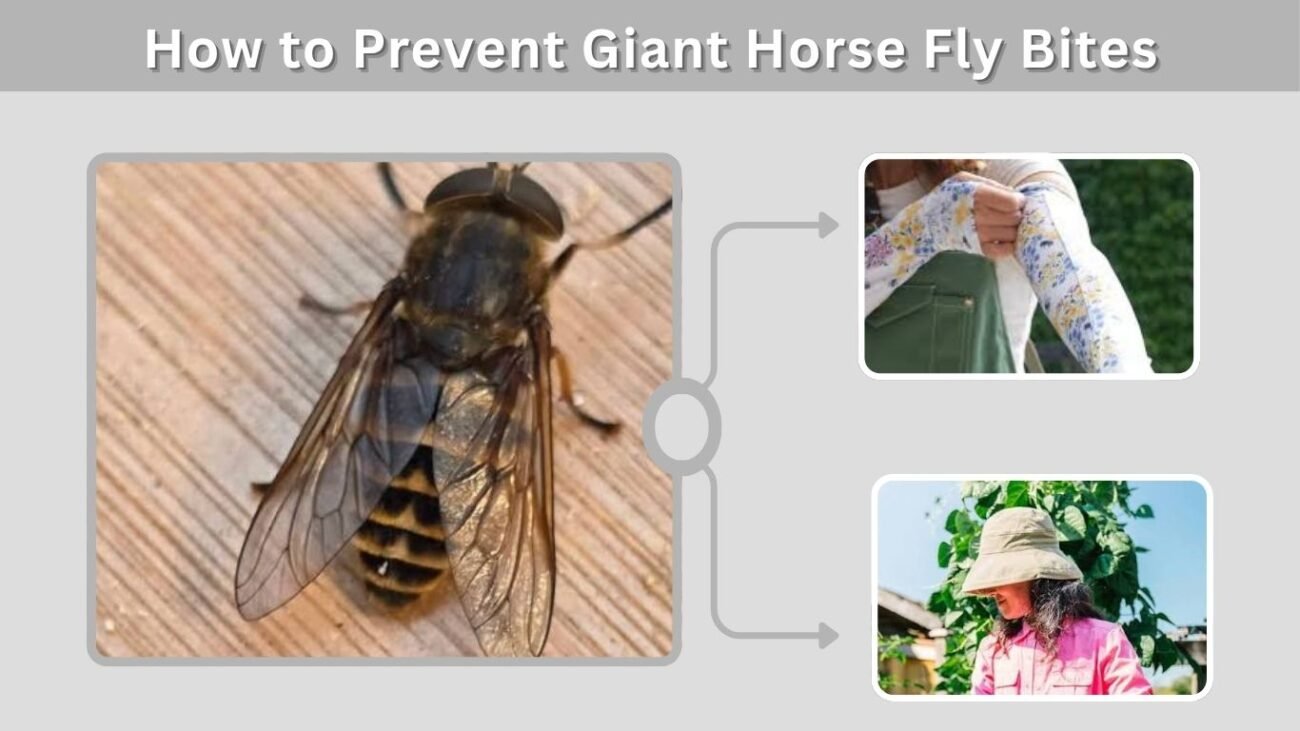
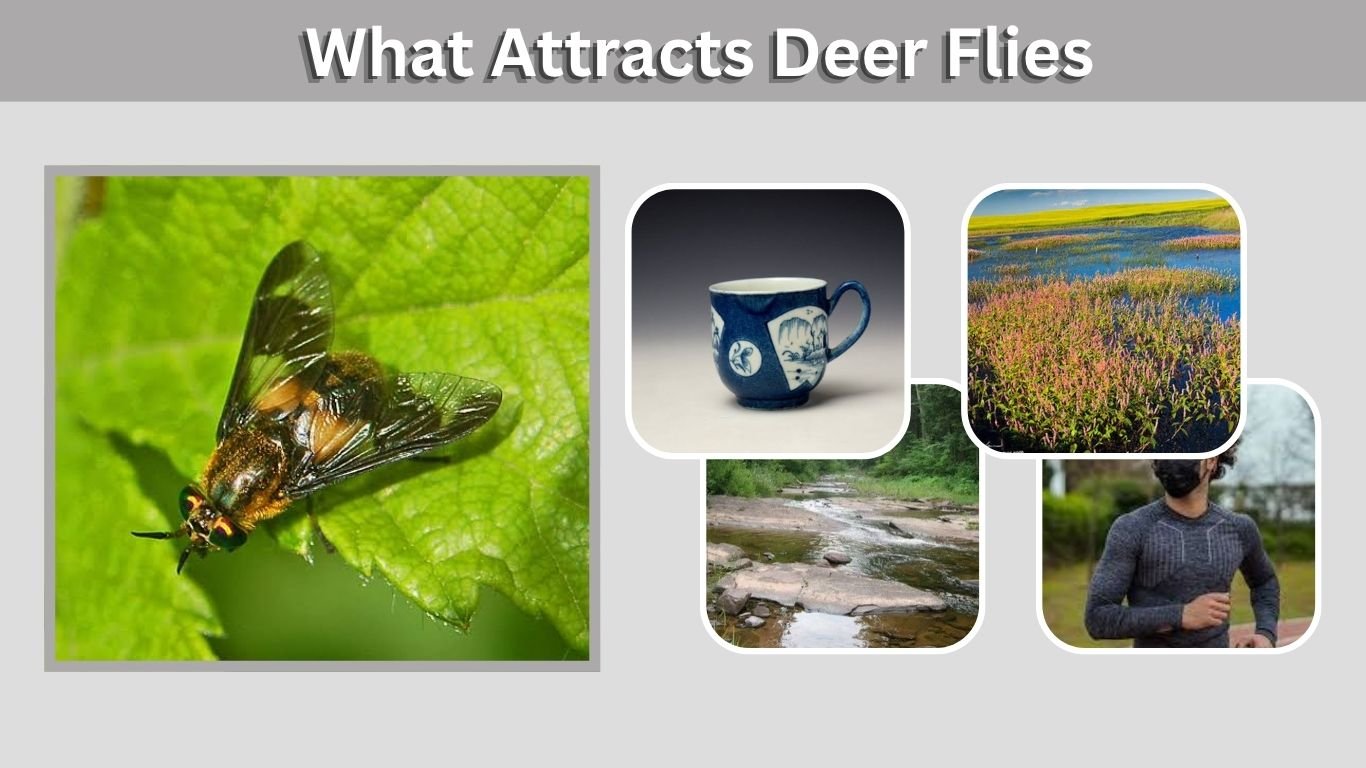
Horse flies are frequently encountered near ponds, rivers, marshes, wet soil, woodland edges, beaches and areas containing livestock. Many species are most noticeable during warm, wet weather.
Reduce your exposure by wearing long sleeves, long pants, closed shoes and a hat. Light-colored clothing may be less attractive than very dark clothing. Apply an EPA-registered insect repellent containing an approved active ingredient such as DEET or picaridin, following all label instructions.
Horse flies are powerful fliers, and controlling them across a large outdoor area is difficult. Properly positioned horse fly traps may reduce numbers around smaller yards, campsites or livestock areas, but they rarely eliminate the entire population.
Giant Horse Fly Bites in Connecticut
Connecticut supports several species within the horse fly family, particularly around wetlands, wooded areas and places where large mammals are present. A large dark horse fly seen in Connecticut should not automatically be identified as the European dark giant horsefly; it may be another native Tabanus species with a similar appearance.
The treatment is the same regardless of the exact species: wash the wound, apply a cold compress, avoid scratching and watch for allergic reactions or infection.
FAQs
Do giant horse flies bite humans?
Yes. Female giant horse flies bite humans and other mammals to obtain blood for egg development. Males do not bite and primarily consume nectar and plant sugars.
How long does a giant horse fly bite last?
Pain and swelling generally begin improving within a few days. Larger local reactions may last longer. Seek medical advice when the symptoms continue worsening, fail to improve or show signs of infection.
Why is my horse fly bite still swollen?
The skin may be reacting to both the physical wound and proteins in the fly’s saliva. Mild localized swelling is common, but rapidly expanding swelling, hives, breathing problems or facial swelling require urgent medical attention.
Can a pale giant horse fly bite?
Yes. Female pale giant horseflies can bite mammals, including humans. Their feeding method is similar to that of other horse flies, producing a painful, sometimes bleeding wound.
Should I cover a horse fly bite?
A minor bite can usually remain uncovered after cleaning. Cover it with a clean, non-stick dressing when it is bleeding, rubbing against clothing or likely to become dirty. Replace the dressing whenever it becomes wet or soiled.