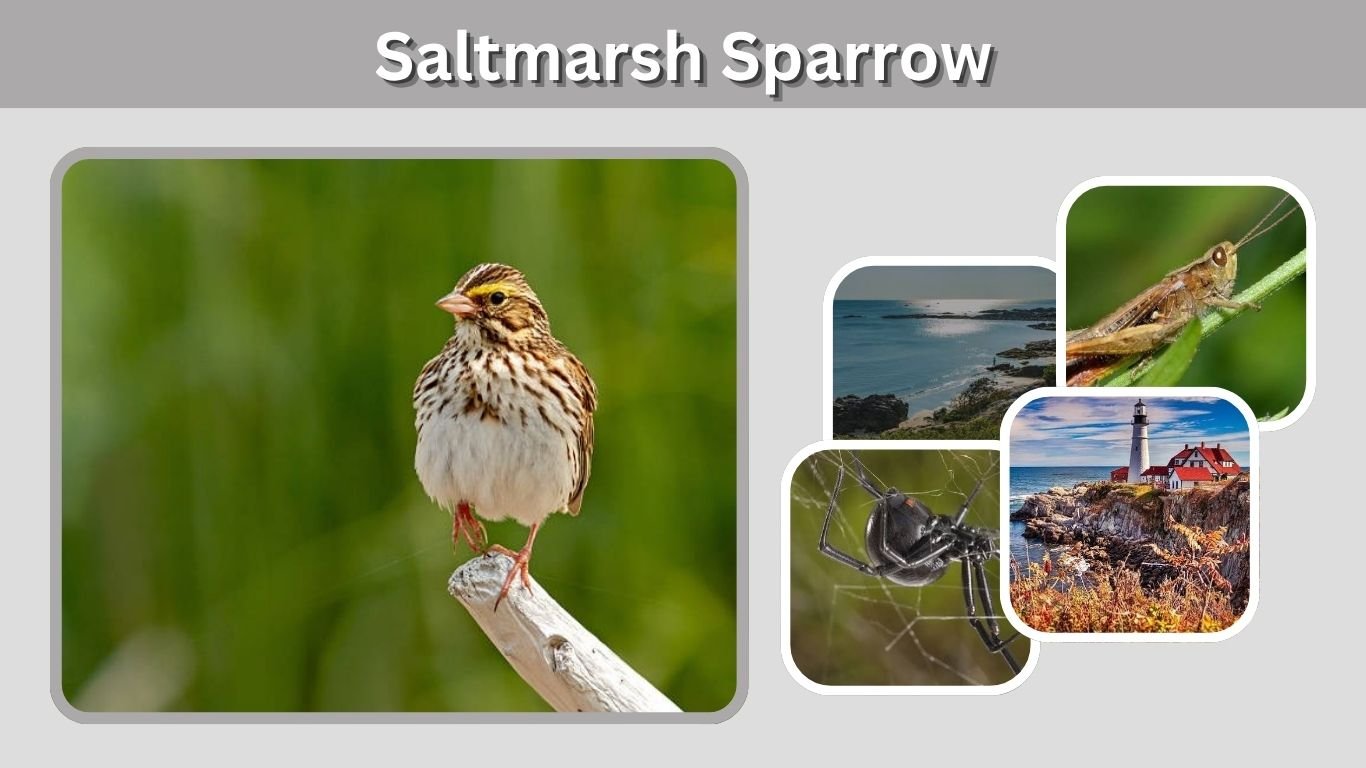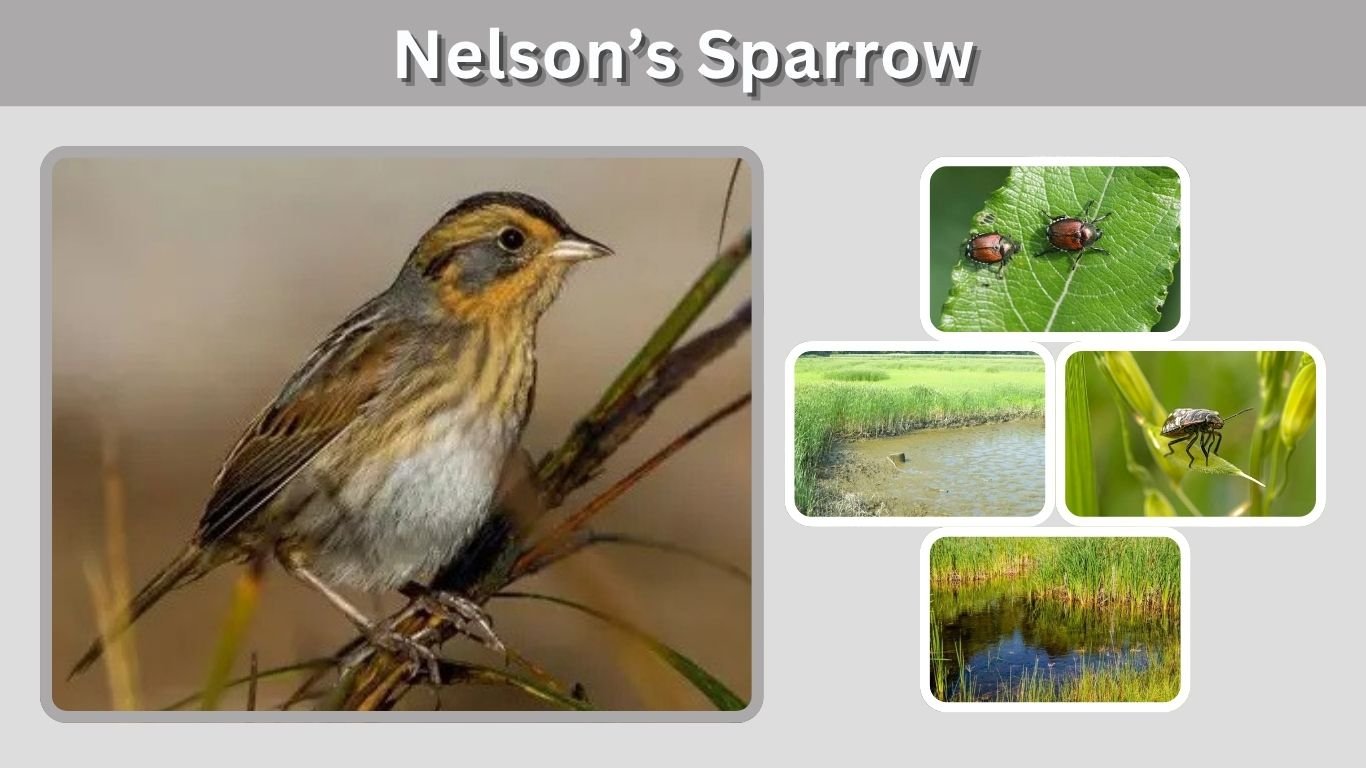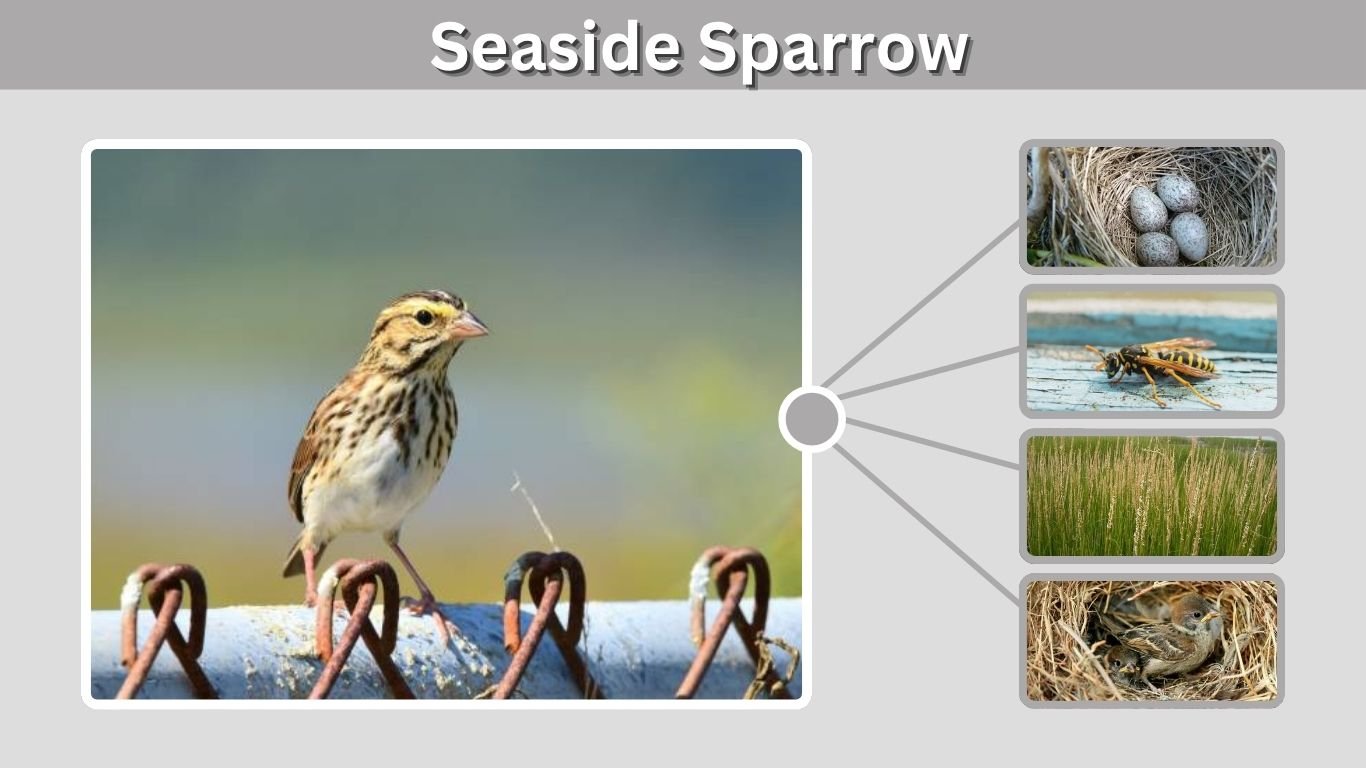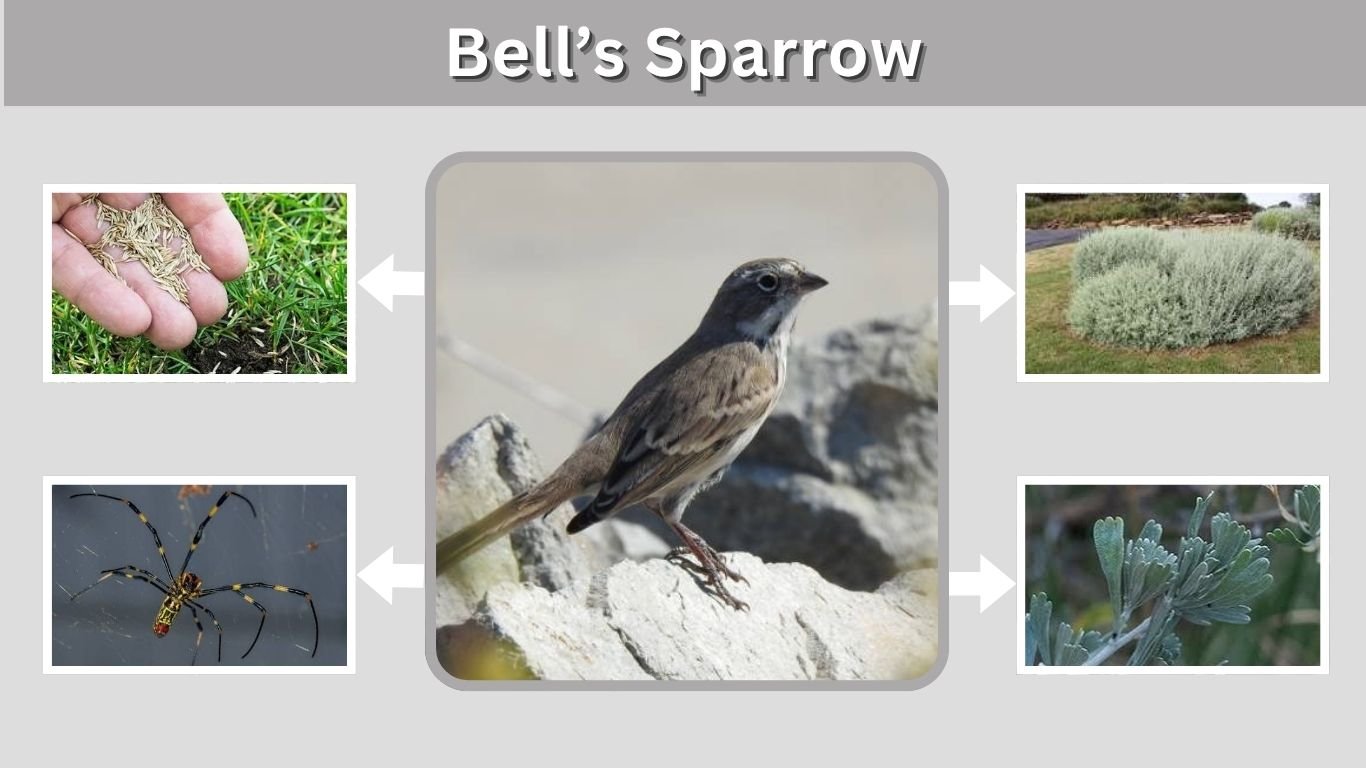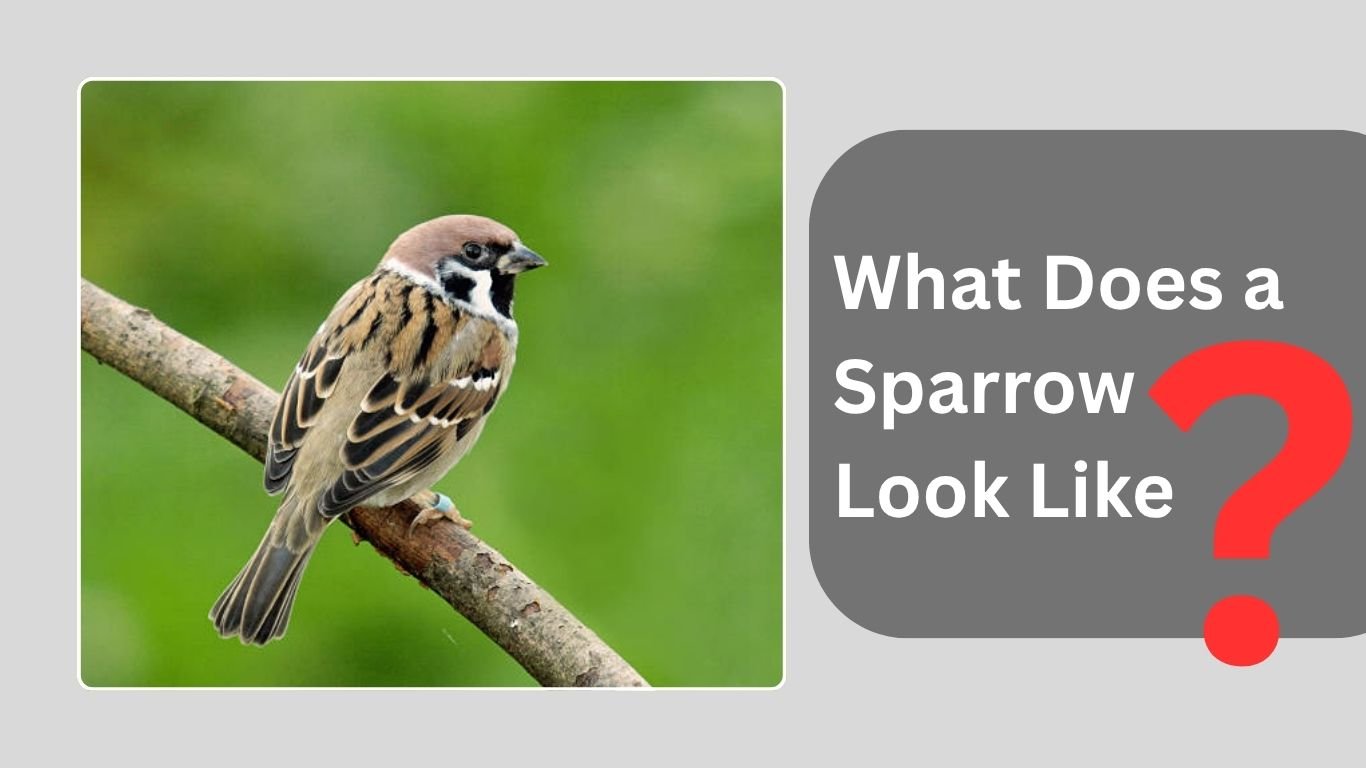
Sparrows are among the most common and recognizable small birds worldwide. Found across cities, towns, and countryside landscapes, they’re often seen hopping around gardens, chirping from rooftops, or nesting in eaves. Despite being familiar, many people still wonder what sparrows actually look like and how to tell them apart from other small brown birds. This guide explores their appearance, sounds, nests, and even other birds that resemble them.
Identifying a Sparrow

Recognizing a sparrow is simple once you know the key features that make it stand out. Their size, color, and markings are reliable clues for quick identification in the wild or around your home.
Physical Appearance
- Small and compact, usually 5–7 inches (12–17 cm) long and weighing 20–40 grams.
- Plump, rounded body with a short tail and a sturdy frame.
- Short, cone-shaped beak designed for cracking hard seeds.
- Plumage in soft browns, grays, buffs, and blacks, blending easily into natural and urban settings.
- Rounded wings that allow quick, fluttering flight and agile movement.
- Tail slightly notched or square, aiding in balance during perching.
- Dark, observant eyes and pinkish-brown legs typical of most species.
Male vs. Female Sparrow
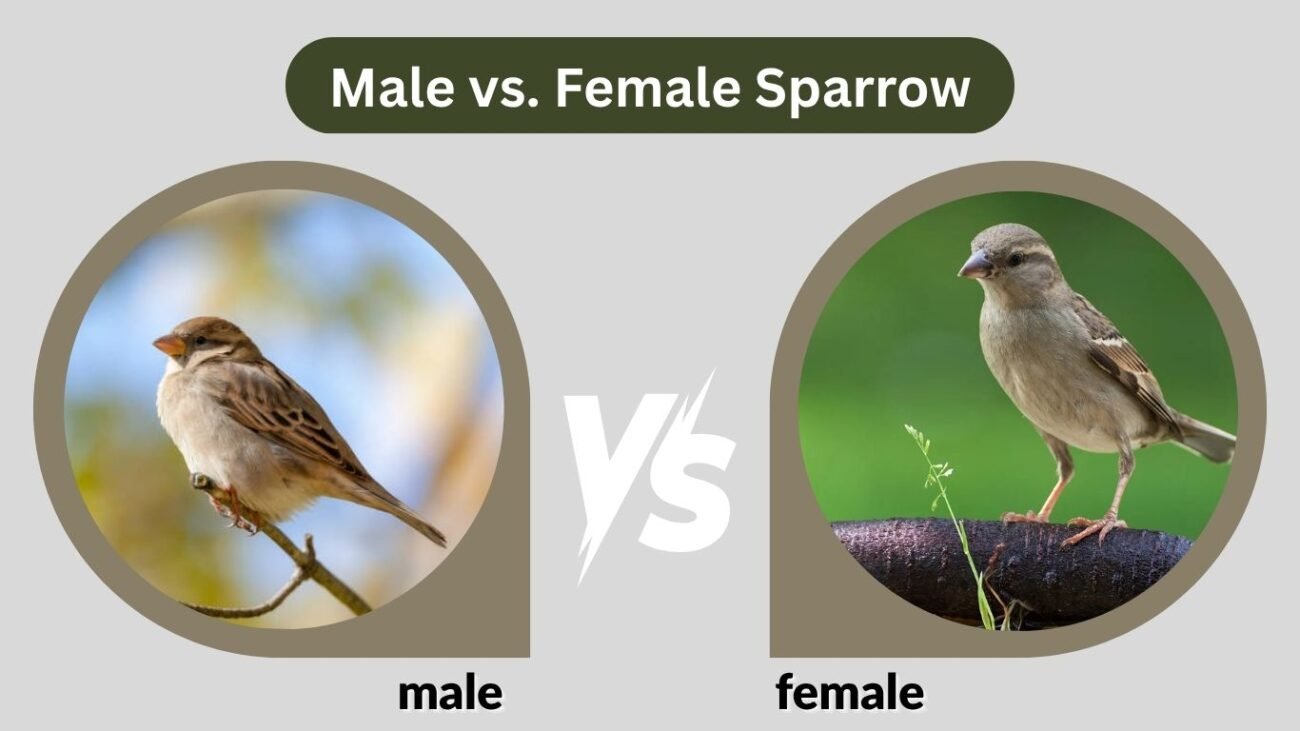
Male Sparrow:
- Gray crown and a distinctive black throat patch (bib).
- Chestnut-brown nape with white cheeks and strong contrast across the head.
- More vibrant and striking, especially during breeding season.
Female Sparrow:
- Lacks black bib and gray crown, with softer, duller tones overall.
- Warm brown feathers with faint streaks and a pale eyebrow line.
- Blends well into surroundings for better nesting camouflage.
Behavioral Differences:
- Males are more vocal and often sing to attract mates or mark territory.
- Females tend to be quieter, spending more time hidden in vegetation or near nests.
Juvenile Sparrow Characteristics
- Paler, fluffier plumage compared to adults, with a soft and slightly untidy look.
- Beak base is often yellowish, turning darker as the bird matures.
- Shorter tail feathers and lighter body tone give them a rounder appearance.
- Commonly seen fluttering wings and chirping near parents for food.
- Stay close to nests or shrubs, especially in the early weeks after hatching.
The Different Species of Sparrows
While all sparrows share similar features, there are distinct species around the world, each with unique markings and songs. Here are a few of the most recognized ones.
House Sparrow (Passer domesticus)
The House Sparrow is the most widespread and recognizable species globally. Found in nearly every populated area, it thrives in urban environments, often nesting in rooftops, gutters, and crevices.
- Male: Bold black bib, gray cap, chestnut sides of the head, and white cheeks.
- Female: Plain brown upperparts and dull gray underparts with a light eyebrow stripe.
Their chirping calls are short and repetitive — the classic “cheep-cheep” sound that fills the air in cities.
Song Sparrow
The Song Sparrow is known for its musical voice and streaked plumage. It has a streaked brown chest with a central dark spot, a rounded head, and a longer tail than the House Sparrow.
It’s found across North America in a variety of habitats including wetlands, gardens, and forest edges. The Song Sparrow’s distinctive call — a series of sweet, complex notes — often helps birdwatchers identify it even before it’s seen.
White-Throated and Chipping Sparrows
- White-Throated Sparrow: Recognizable by its bright white throat patch, black and white head stripes, and a hint of yellow near the eyes. It’s common in wooded regions of the U.S. and Canada.
- Chipping Sparrow: A smaller, sleek species with a reddish crown, white underparts, and a black line through the eye. It’s known for its dry, rapid “trill” song.
Sparrow Eggs and Nests
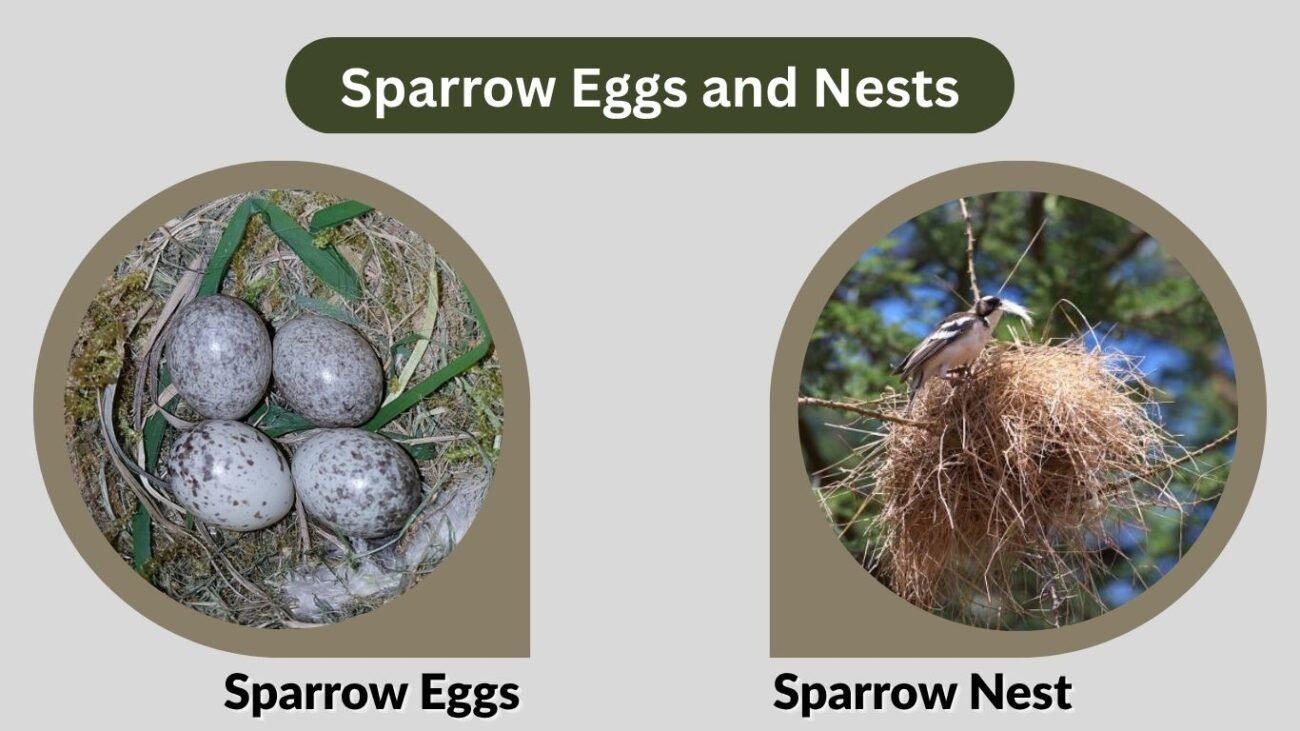
3.1 What Do Sparrow Eggs Look Like?
Sparrow eggs are small and delicately patterned. They typically measure around 0.6–0.8 inches (1.5–2 cm) long and range in color from white to pale gray or greenish-white, often covered with brown or gray speckles.
A typical clutch contains 3 to 7 eggs, which the female incubates for about 10–14 days. The speckling helps camouflage the eggs from predators when laid in open or lightly covered nests.
Sparrow Nest Appearance
Sparrow nests are built with grass, straw, twigs, feathers, and bits of string or paper — whatever material is available. The nests are usually dome-shaped or cup-like, with a soft inner lining made of feathers for warmth and cushioning.
You’ll often find their nests in house eaves, light fixtures, hollow pipes, nest boxes, or dense shrubs. Sparrows are opportunistic nesters — they’ll even reuse old nests from other birds if available.
What Does a Sparrow Sound Like?
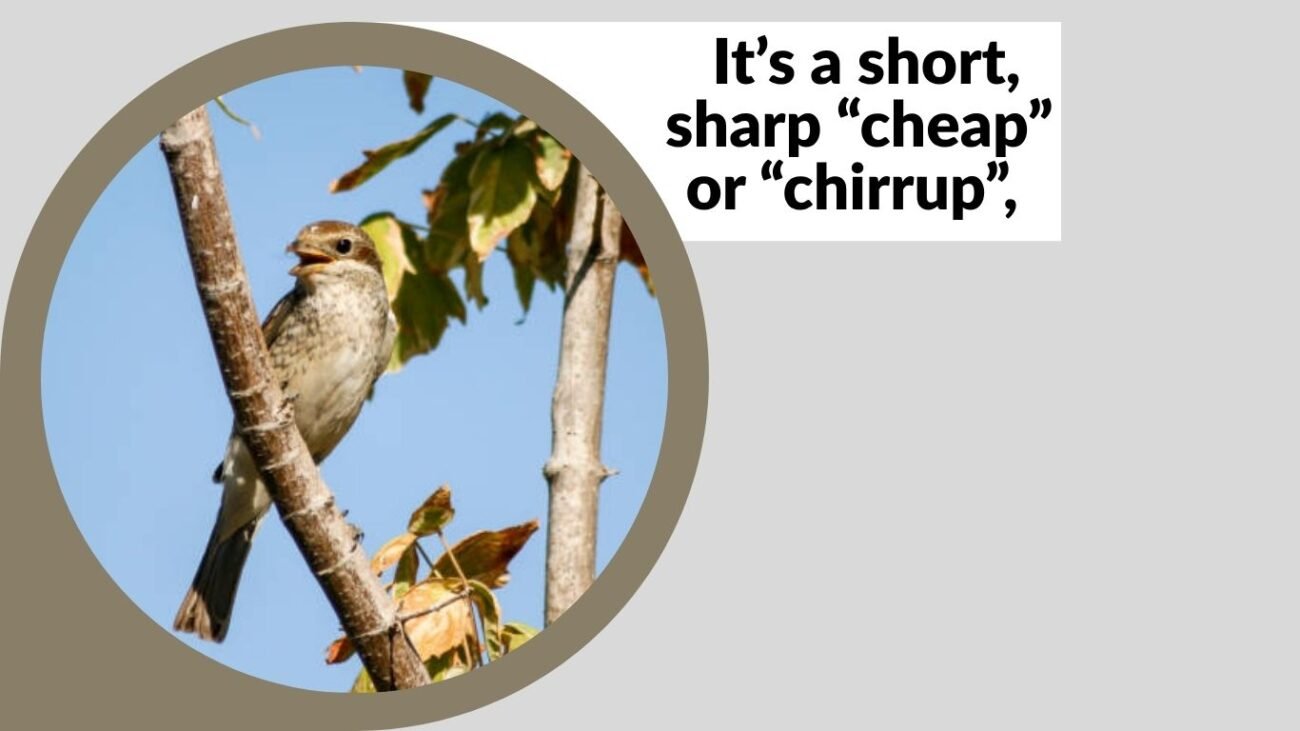
House Sparrow Call
The House Sparrow’s call is one of the most familiar bird sounds worldwide. It’s a short, sharp “cheap” or “chirrup”, repeated several times in quick succession. Males often perch on high spots to sing, signaling their territory and attracting mates.
Interestingly, sparrows use variations in pitch and rhythm to communicate — subtle “language” differences noticed by bird behaviorists.
Song Sparrow and White-Throated Sparrow
The Song Sparrow is named for its beautiful, musical tune. Its song begins with two or three clear notes, followed by trills and buzzes. Each bird’s song is slightly unique — almost like a signature melody.
The White-Throated Sparrow, on the other hand, sings a clear and whistling tune that sounds like “Old Sam Peabody-Peabody”. This species’ melodic song is often heard in early mornings and late evenings in North American woodlands.
Birds That Look Like Sparrows
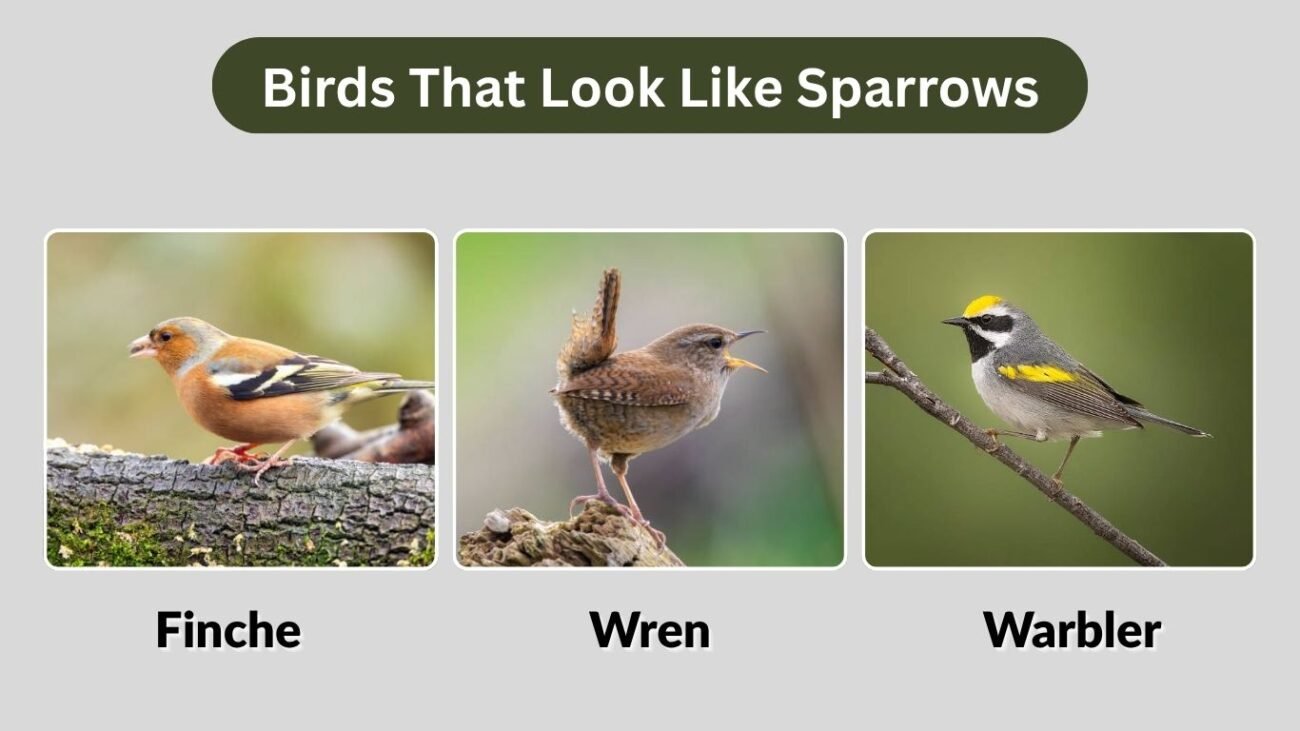
Common Look-Alikes
Because sparrows are small, brownish, and active, many other birds are easily mistaken for them. These “sparrow look-alikes” often share similar size or plumage patterns but have distinct traits if you look closely.
- Finches: Finches, such as the House Finch or Purple Finch, have thicker, more curved beaks and often display reddish or purplish hues around their heads and chests. Unlike sparrows, they tend to sing richer, more musical songs.
- Wrens: These birds are smaller and more slender than sparrows, with upright tails and a habit of darting in and out of bushes. They also have a slightly downturned bill and produce fast, bubbly trills.
- Warblers: Though roughly the same size, warblers are more colorful — showing yellow, green, or blue feathers. They are also more restless, constantly flicking through leaves while hunting insects.
Larger or Unusual Sparrow-Like Birds
Some birds are frequently confused with sparrows because of their similar markings or build but are actually from entirely different families.
- Dunnock (Hedge Sparrow): Common in Europe, this bird is slimmer, with a gray chest and fine streaks. Despite its name, it’s not a true sparrow but shares similar feeding habits.
- American Tree Sparrow: Has a rufous cap and a dark spot on its chest, giving it a “sparrowish” look but slightly larger.
- Black-Throated and Red-Headed Variants: Birds like the Black-Throated Sparrow or House Finch often cause confusion because their coloring mirrors sparrows but with bolder patterns.
What Do Sparrows Like to Eat?
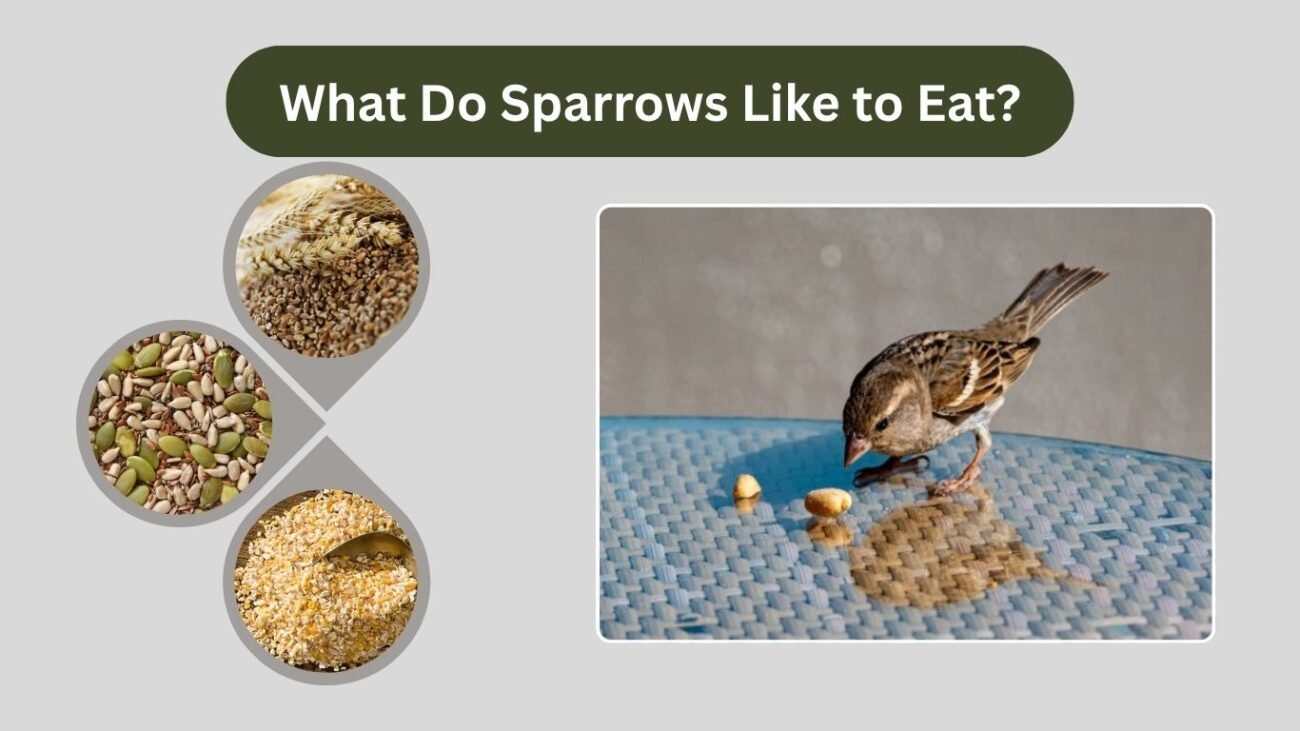
Typical Sparrow Diet
Sparrows are primarily granivores, meaning seeds make up most of their diet. They feed on a mix of grains, weed seeds, millet, and cracked corn. During spring and summer, when insects are plentiful, they also consume small bugs such as aphids, beetles, caterpillars, and spiders — a crucial protein source for growing chicks.
Their strong, conical beaks are perfectly adapted to crack hard seed shells, a skill that has allowed them to thrive alongside humans for centuries.
Bird Food Sparrows Love (and Don’t Like)
At backyard feeders, sparrows happily eat sunflower seeds, white millet, and cracked corn. However, they tend to avoid safflower seeds, which some bird enthusiasts use to discourage large sparrow flocks and attract other species instead.
Because sparrows are aggressive feeders, they often dominate feeding stations — so many birdwatchers use mixed strategies, such as platform feeders or scattering seeds across the ground to reduce competition.
Cultural and Literary References to Sparrows
Symbolism and Meaning
Sparrows have long symbolized humility, resilience, and companionship. In literature and religion, they often represent simplicity and divine care — famously mentioned in the Bible verse, “Are not two sparrows sold for a farthing? Yet not one of them will fall to the ground outside your Father’s care.”
In various cultures, sparrows are seen as emblems of loyalty and hope, small creatures that remind us of the beauty in ordinary life. In Japanese symbolism, the sparrow embodies community and happiness, while in European folklore, it’s a sign of domestic peace.
In Popular Culture
Sparrows frequently appear in music, movies, and literature, often as metaphors for love and endurance.
- Songs: The country hit “Like Two Sparrows in a Hurricane” by Tanya Tucker uses sparrows to symbolize lovers facing life’s storms together — small but strong when united.
- Movies and Literature: The film Red Sparrow uses the name symbolically to represent stealth and intelligence, while Jack Sparrow from Pirates of the Caribbean has made the bird’s name iconic in pop culture.
- Books: Titles like The Shield of Sparrows and The Sparrow use the bird as a metaphor for survival and faith, showing how this humble bird continues to inspire stories across genres.
Key Takeaways
- Sparrows are small, stocky birds with brown and gray feathers, short tails, and conical beaks.
- Males display more vibrant markings, while females are duller for nesting camouflage.
- They build compact nests of grass and feathers and lay speckled eggs.
- Their songs range from chirpy calls to melodious trills, depending on the species.
- Several small birds look like sparrows, but close attention to beak shape and markings helps distinguish them.
- Culturally, sparrows represent hope, simplicity, and companionship — proving that even the smallest creatures can have deep meaning.
FAQs
What color are most sparrows?
Most sparrows are brown and gray with black streaks across their backs and wings. Males usually have brighter, more contrasting colors, while females are softer and plainer, which helps them stay hidden while nesting.
How big is a sparrow compared to other birds?
Sparrows are small, compact birds, typically 5 to 7 inches long. They’re smaller than robins but slightly larger than warblers. Their wingspan usually ranges between 7.5 and 9 inches.
Where do sparrows usually live?
Sparrows are highly adaptable. They thrive in urban areas, farms, parks, and open fields. They often nest in crevices of buildings or among dense vegetation, wherever food and shelter are easily available.
Do sparrows migrate?
Some species, such as the Song Sparrow, remain year-round in temperate areas. Others, like the White-Throated Sparrow, migrate seasonally — moving south in winter and north again for breeding.
Why are sparrows so common in cities?
Sparrows thrive near humans because of their adaptability. Cities provide food scraps, grains, and nesting sites. They use our buildings for shelter and quickly adjust to human activity, making them one of the most urban-tolerant bird species in the world.