











White parrots are among the most captivating birds in the avian world, admired for their snowy plumage, intelligence, and talking ability. From majestic cockatoos to charming Amazon parrots, these species fascinate pet lovers and bird watchers alike. This article explores popular white parrot types, their habitats, care needs, and fascinating facts.
Appearance and Identification
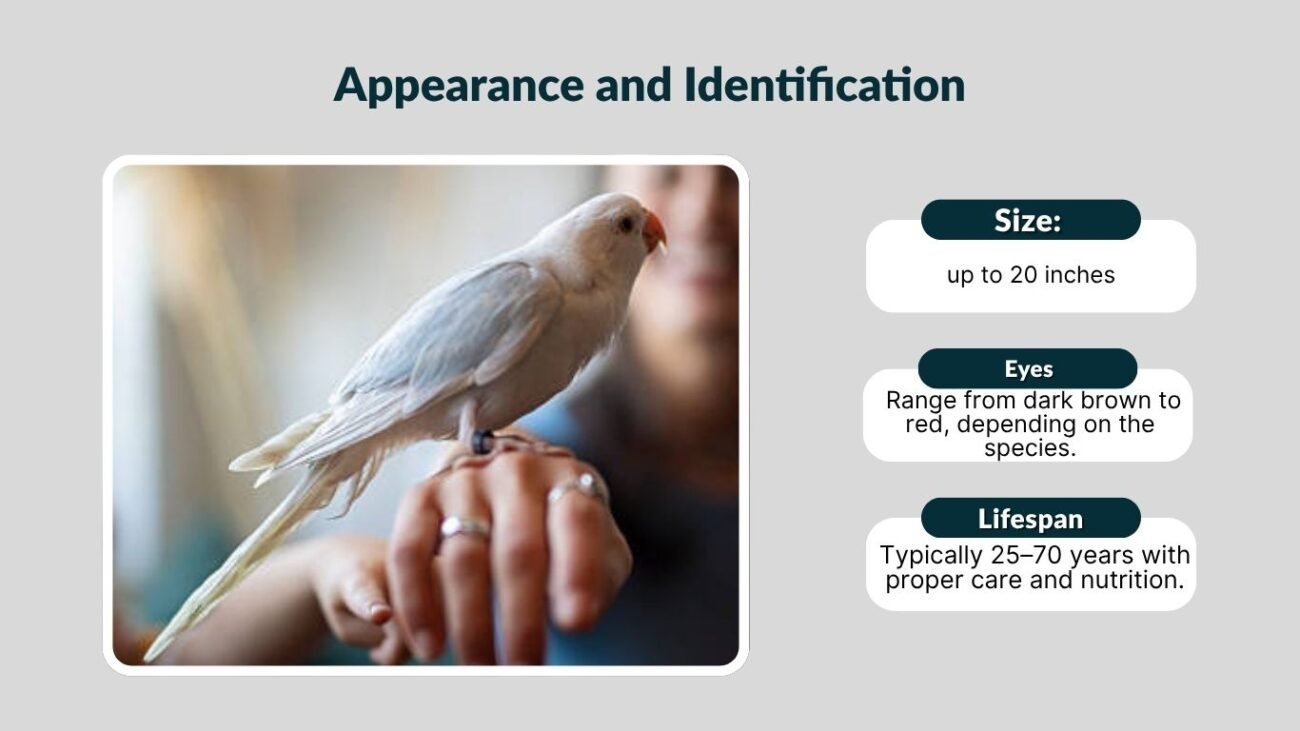
- Feather Color: Mostly pure white, sometimes accented with light yellow, pink, or gray tones.
- Crest: Many species, like cockatoos, have colorful crests used for expression.
- Beak: Strong, curved, perfect for cracking nuts and seeds.
- Feet: Zygodactyl (two toes forward, two backward) for excellent climbing grip.
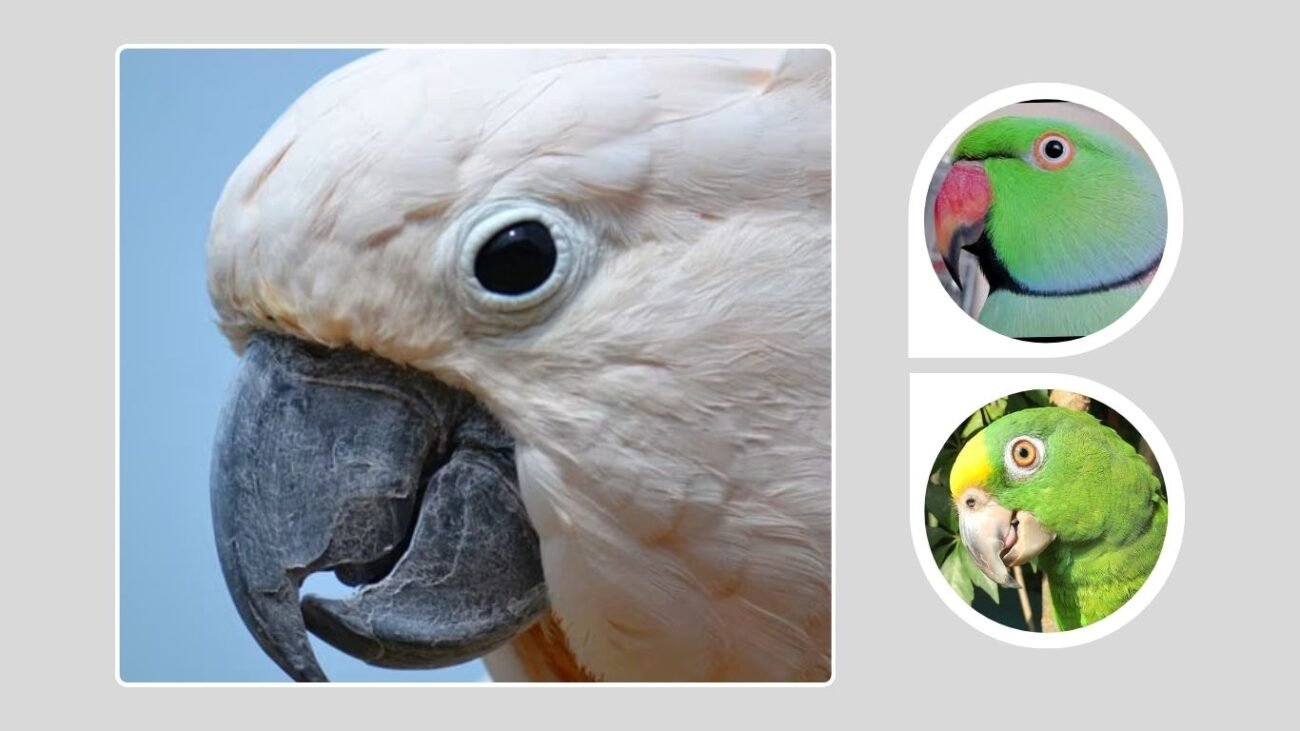
- Eyes: Range from dark brown to red, depending on the species.
- Body Size: Small species (like caiques) ~9 inches; large ones (like cockatoos) up to 20 inches.
- Lifespan: Typically 25–70 years with proper care and nutrition.
- Plumage Texture: Soft, sleek, and dense, providing insulation and a smooth appearance.
- Flight Style: Graceful flyers, strong wings designed for maneuverability and long distances.
- Unique Traits: Raise crests or spread wings to communicate excitement or alertness.
Popular Species of White Parrots
Cockatoo Family
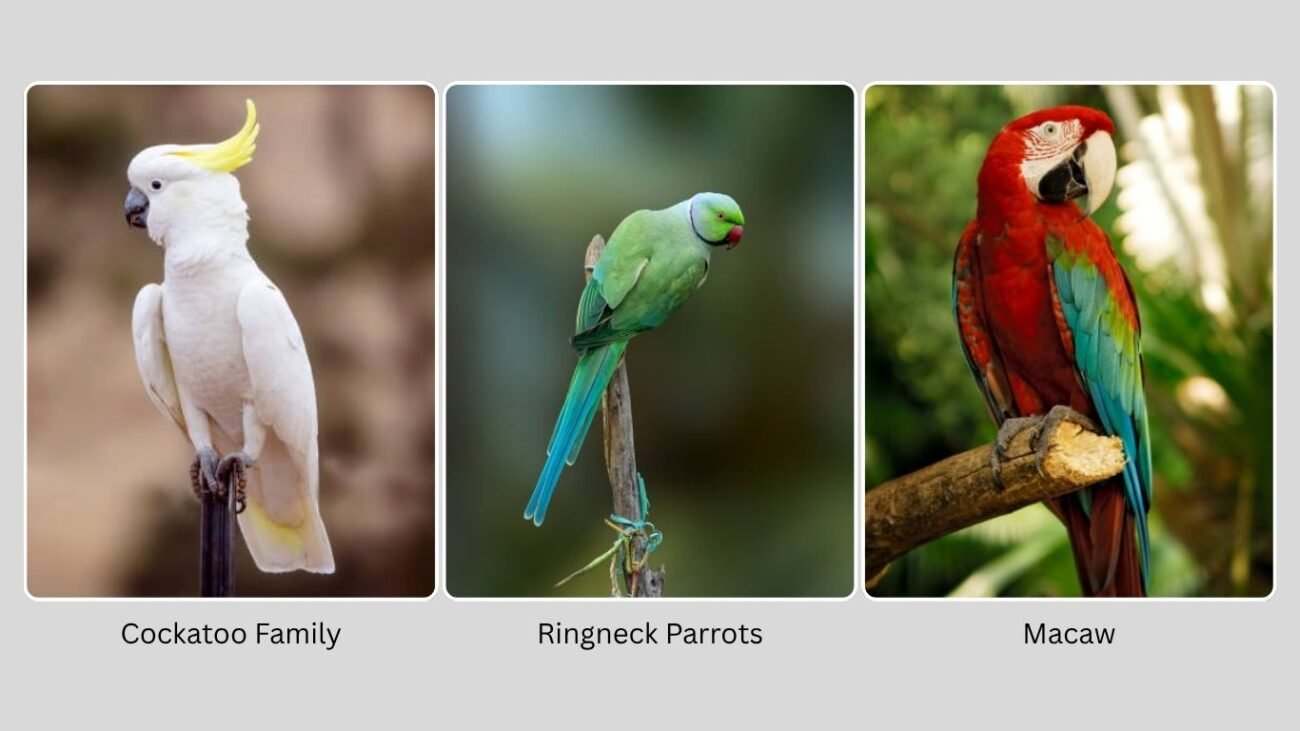
Cockatoos are the most iconic among white parrots, known for their intelligence, strong personalities, and expressive crests.
- Umbrella Cockatoo: Named for its wide, umbrella-like crest, this parrot is affectionate, intelligent, and loves attention. It forms deep emotional bonds with owners and thrives on interaction.
- Sulphur-crested Cockatoo: Recognized by its brilliant yellow crest and outgoing personality. Native to Australia, it is known for loud calls and playful antics.
- Galah (Rose-breasted Cockatoo): Though partly pink, it’s often grouped with white parrots for its pale body and friendly demeanor.
- Corella Cockatoo: Smaller in size, Corellas are social, curious, and easy to train, making them great companions for beginners.
Amazon and Pionus Parrots
- White-fronted Amazon Parrot: A colorful parrot with a striking white patch on its forehead. It is one of the smallest Amazon species but has a bold and talkative personality.
- White-crowned Parrot: Known for its shimmering white crown, this medium-sized bird has a calm, friendly temperament, suitable for home environments.
- White-capped Pionus: Gentle, intelligent, and quieter than other species, it’s ideal for those seeking a mild-mannered pet.
Ringneck Parrots
- Indian Ringneck (White Mutation): This elegant bird is a genetic color variation of the common Indian ringneck. Its feathers are snow-white with a faint blue hue under certain light. Known for intelligence and talking ability, it’s a favorite among parrot enthusiasts.
Caique and Bellied Parrots
- White-bellied Caique: Energetic, playful, and full of mischief, this small parrot is loved for its clown-like behavior. It has a white belly, orange cheeks, and a green back, giving it a charming multicolored appearance.
Macaw and Large Parrots
- White Macaw (rare mutation): A large, rare parrot known for its intelligence and social charm. Although most macaws are vividly colored, rare genetic variations create pale or white macaws prized by collectors.
Habitat and Natural Distribution

Wild Habitats
White parrots originate from tropical and subtropical regions, thriving in the lush forests and open woodlands of Australia, Indonesia, and parts of South America. Cockatoos often inhabit eucalyptus forests and savannas, while Amazon parrots prefer dense jungles with abundant fruit trees. Their habitats provide them with a natural diet of fruits, seeds, nuts, and flowers, essential for their energy and feather health.
Adaptation to Captivity
In captivity, white parrots can adapt remarkably well if provided proper care. They need spacious enclosures that mimic natural environments with branches for climbing and toys for stimulation. Mental and physical activities are crucial since parrots are intelligent creatures that easily get bored. Without interaction or enrichment, they may develop destructive behaviors such as feather plucking or loud screeching. Daily attention, training, and social bonding help them thrive in human homes.
Behavior and Personality
Social Nature
White parrots are highly social and affectionate by nature. They bond deeply with their owners and enjoy being part of family routines. Many species, especially cockatoos, love physical touch and respond positively to head scratches and gentle talking. However, their need for constant companionship can lead to separation anxiety if left alone for long periods.
Intelligence and Playfulness
These parrots are intelligent problem-solvers capable of mimicking speech, understanding emotions, and performing tricks. They need toys, puzzles, and interactive sessions to stay mentally stimulated. A bored white parrot can quickly become mischievous—chewing furniture, making noise, or demanding attention. Training and patience go a long way in nurturing their playful, loving nature.
Diet and Nutrition
Core Diet
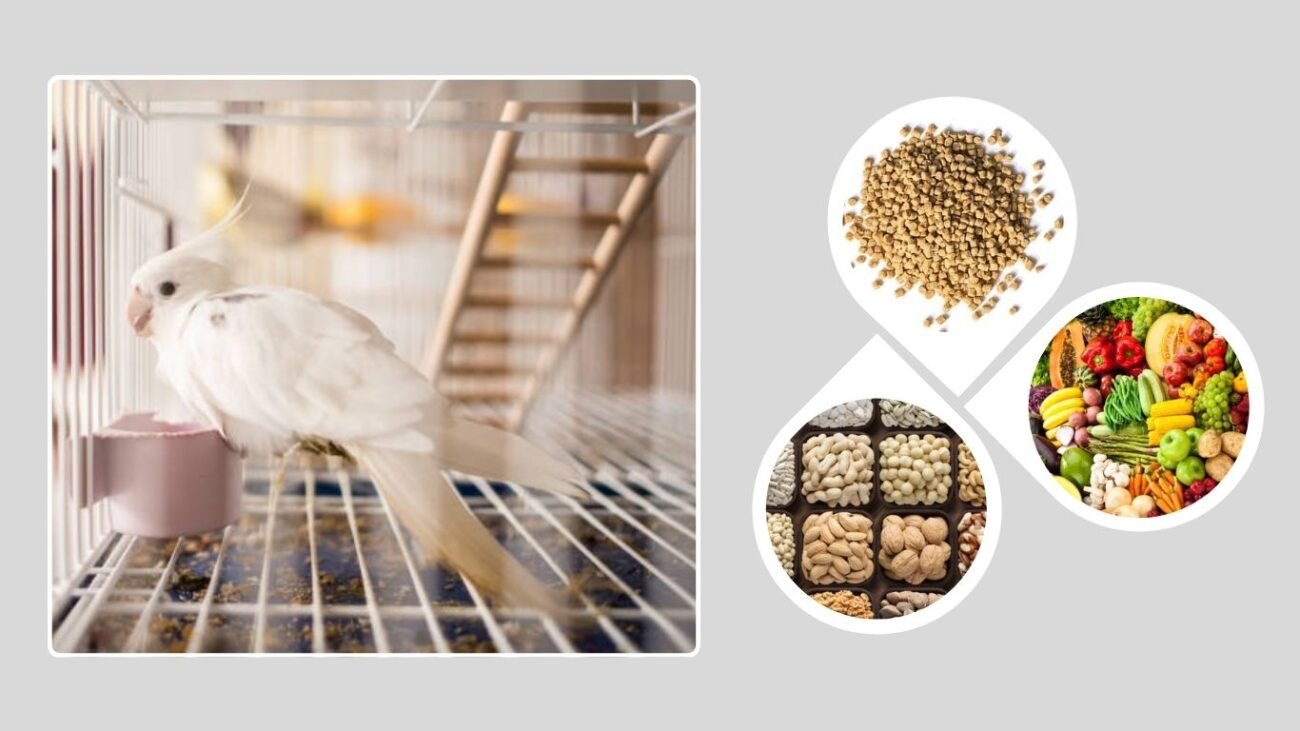
A healthy white parrot’s diet should consist of:
- Pellets: Form the nutritional base, ensuring balanced vitamins and minerals.
- Fresh Fruits and Vegetables: Apples, carrots, spinach, papaya, and sweet corn are excellent.
- Nuts and Seeds: Offered occasionally as treats due to high fat content.
- Clean Water: Must always be available and changed daily.
Foods to Avoid
Certain foods are toxic to parrots and should be strictly avoided—these include avocado, chocolate, caffeine, alcohol, and salty snacks. Overfeeding seeds or nuts can also cause obesity and liver problems. Maintaining a variety in diet ensures healthy feathers and longevity.
Caring for a White Parrot
Housing Needs
White parrots require a spacious and stimulating environment to stay healthy and happy. Their cage should be large enough to allow free movement and wing-flapping, ideally made of strong stainless steel with safe bar spacing. For medium species like caiques or ringnecks, a minimum cage size of 36×24×48 inches is recommended. Large parrots such as cockatoos and macaws need even more space—preferably an aviary setup.
Include natural perches of different diameters, chewable wooden toys, ladders, and swings to mimic a natural habitat. Placing the cage in a bright, social area of the home helps them feel included, but avoid direct sunlight or cold drafts. Clean the cage daily to maintain hygiene and prevent bacterial buildup.
Bathing and Feather Care
White parrots take pride in their plumage. Regular bathing keeps their feathers clean and skin moisturized. Misting them with lukewarm water or allowing gentle showers two to three times a week helps remove dust and maintains shine. Use only clean, chlorine-free water and avoid soaps or chemicals.
Feather health also depends on diet and emotional stability. Stress can lead to feather-plucking, so ensure they have enough interaction and enrichment.
Grooming
Routine grooming keeps parrots comfortable and safe:
- Beak and Nail Trimming: These should be done by a vet or experienced bird groomer.
- Wing Maintenance: If clipping is necessary, ensure it’s partial—just enough to prevent accidents while allowing some flight control.
- Foot Health: Provide textured perches to prevent sores or overgrown nails.
Social and Emotional Needs
White parrots are emotional creatures that crave companionship. They flourish on daily interaction, gentle talking, and playtime. Neglect or isolation often leads to depression or destructive habits. Spending at least 2–3 hours daily in direct engagement—training, cuddling, or supervised out-of-cage play—keeps them mentally stimulated.
They also enjoy hearing sounds or music, and some respond positively to television or human voices when left alone briefly.
Training and Talking Ability
Teaching to Talk
White parrots are gifted mimics. The Indian Ringneck, Amazon, and Umbrella Cockatoo can learn dozens of words and phrases. Start training early using repetition and a calm, cheerful voice. Reward them with treats when they mimic correctly. Consistency and patience are key—short daily sessions yield the best results.
Behavioral Training
Apart from speech, white parrots can learn simple commands like “step up” or “wave.” Use positive reinforcement—never punishment—as these birds are sensitive to tone and body language. With time, they can even perform small tricks, such as ringing a bell or fetching objects.
Vocalization and Noise Level
While charming, some species, particularly cockatoos, are naturally loud. They vocalize to express excitement or call attention. Training them to use “quiet time” signals can help manage noise without discouraging communication.
Health and Common Issues
Common Diseases
Like all parrots, white species are prone to certain health conditions:
- Psittacine Beak and Feather Disease (PBFD): A viral condition causing feather loss and beak deformities.
- Respiratory Infections: Often due to poor ventilation or dusty environments.
- Nutritional Deficiencies: Especially lack of vitamin A, leading to dull feathers and weak immunity.
- Obesity: Resulting from excessive seeds or nuts without enough exercise.
Signs of Illness
Watch for symptoms such as loss of appetite, excessive sleeping, ruffled feathers, or discharge from the nostrils. Immediate veterinary care is crucial if these appear. Annual checkups with an avian vet ensure early detection and treatment.
Preventive Care
- Keep the cage clean and dry.
- Provide sunlight exposure for vitamin D synthesis.
- Rotate toys and perches to maintain engagement.
- Avoid cigarette smoke, aerosols, and non-stick cookware fumes—they are deadly to parrots.
Cost and Availability
Price Range
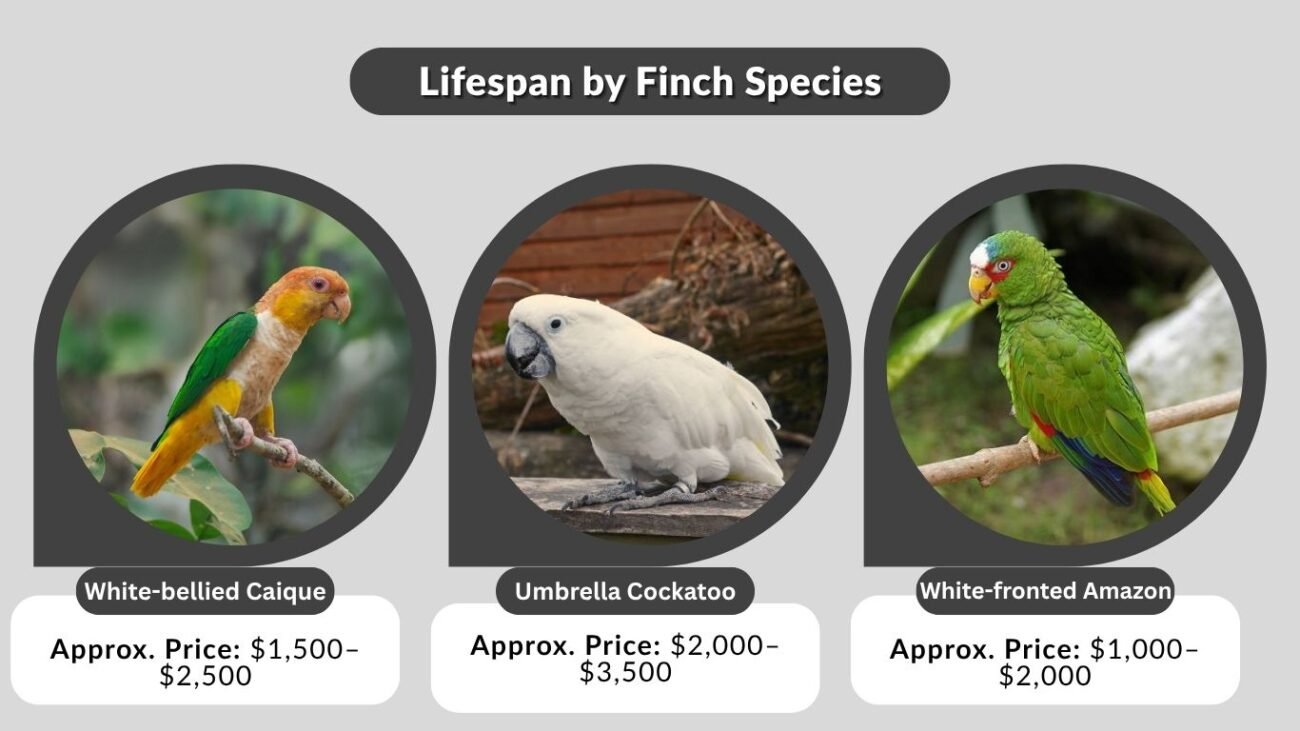
The cost of owning a white parrot varies depending on species, rarity, and breeder reputation. Below is a general guide:
| Species | Approx. Price (USD) |
| White-bellied Caique | $1,500–$2,500 |
| Indian Ringneck (White Mutation) | $600–$1,200 |
| Umbrella Cockatoo | $2,000–$3,500 |
| White-fronted Amazon | $1,000–$2,000 |
Additional costs include cages, toys, food, and vet visits—adding several hundred dollars per year.
Buying Tips
Always buy from certified breeders or rescue centers. Avoid illegal wildlife trade and ensure the bird is hand-raised and well-socialized. Ask for health certificates and proof of ethical breeding practices.
Famous and Symbolic White Parrots
Cultural Appearances
White parrots have appeared in movies, art, and literature as symbols of purity, wisdom, and companionship. The white cockatoo was featured in Rio and remains one of the most recognizable parrot species worldwide. In many cultures, these birds represent peace and divine communication due to their angelic coloration and expressive personalities.
FAQs
What are white parrots called?
White parrots include species like the Umbrella Cockatoo, White-bellied Caique, and albino Indian Ringneck. The name “white parrot” generally describes any parrot with predominantly white plumage, regardless of its genus.
Are white parrots good pets?
Yes, white parrots make affectionate and intelligent pets but require attention, space, and daily social interaction. They are ideal for experienced bird owners who can meet their emotional and behavioral needs.
How long do white parrots live?
Their lifespan ranges from 25 to 70 years depending on species, diet, and care. Larger parrots like cockatoos often live the longest, sometimes exceeding seven decades in captivity.
Do white parrots talk?
Many white parrots, especially ringnecks and cockatoos, are exceptional talkers. With consistent training, they can mimic human voices, words, and even short phrases with surprising accuracy.
What do white parrots eat daily?
A balanced diet of pellets, fruits, vegetables, and nuts is ideal. Fresh water should always be available, and treats like sunflower seeds should be given in moderation to prevent weight gain.


