










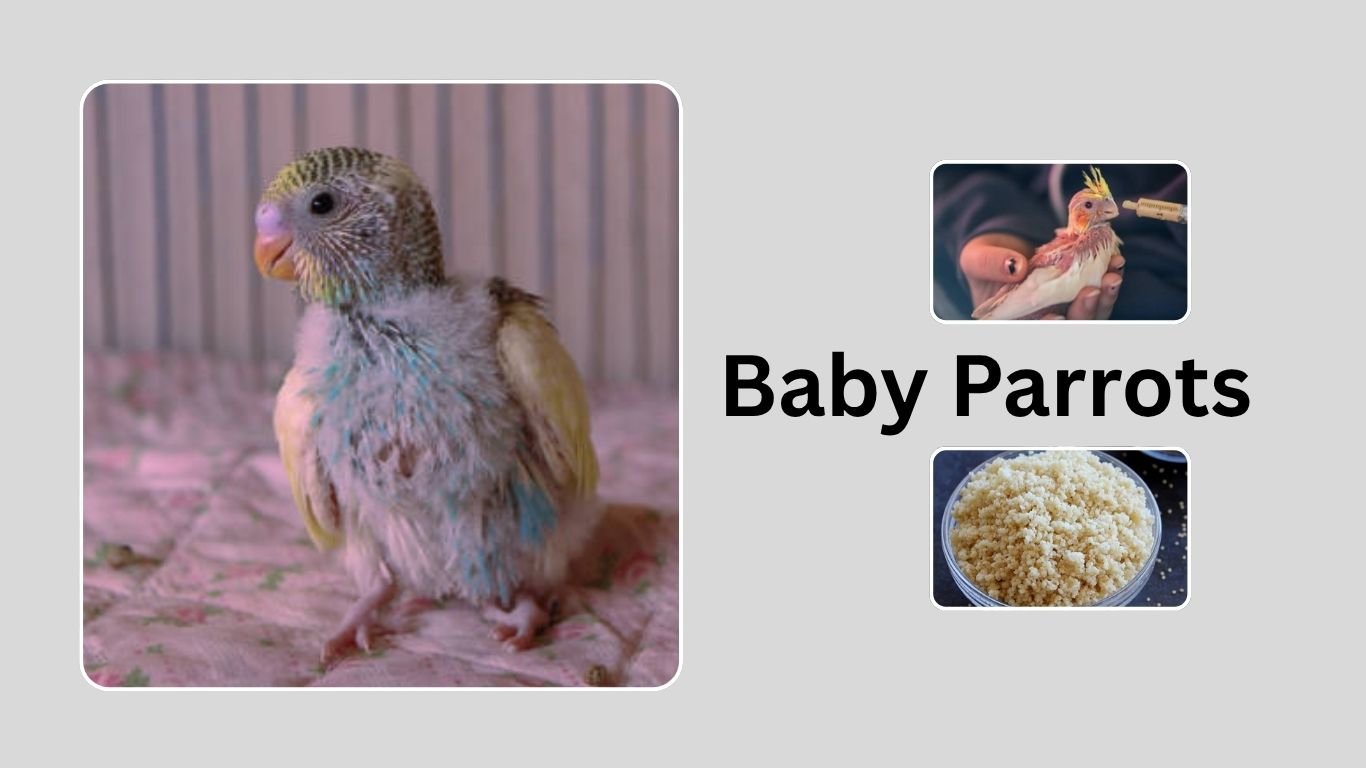
Baby parrots are delightful companions known for their bright feathers, playful nature, and strong intelligence. From African Greys to Quakers, each species has its charm. Raising a baby parrot involves patience, love, and a solid understanding of feeding and care routines. This guide explores how to care for, feed, and bond with your baby parrot while finding the perfect one for your home.
Understanding Baby Parrots
What Is a Baby Parrot?
A baby parrot, also called a chick, is a young parrot still dependent on parents or hand-feeding. They usually hatch featherless, blind, and fragile, requiring warmth and protection. Within weeks, their soft down feathers appear, and by 2–3 months, they begin developing colorful plumage and mimicry skills typical of adult parrots.
How Parrots Feed and Raise Their Babies
In the wild, both parents feed chicks through regurgitation — transferring pre-digested food. As they grow, the young parrots learn to peck and handle solid food. Parental care is crucial during the first 6–8 weeks, ensuring proper nutrition and emotional bonding that shapes their social behavior later.
Feeding Baby Parrots

Essential Food for Baby Parrots
Baby parrots thrive on specialized hand-feeding formulas designed to mimic natural nutrition. Gradually, you can introduce soft fruits like banana and papaya, cooked rice, soaked millet, and pellets. Avoid avocados, chocolate, or caffeine, as these can harm their delicate digestive systems.
Feeding Schedule by Age
Newborn parrots up to 2 weeks need feeding every 3–4 hours, even at night. At 3–4 weeks, reduce feedings to five times a day. By 2 months, feeding frequency drops to 2–3 times daily. When they start pecking at solid foods, weaning begins — usually between 8–12 weeks.
Hand Feeding Baby Parrots
Hand feeding helps build trust and strengthens the bond between owner and bird. Use a sterile syringe or spoon with a soft tip. Ensure the formula is lukewarm — neither cold nor too hot. Clean feeding tools after each meal to prevent infections and crop disorders.
Age-Wise Baby Parrot Care
1-Month-Old Baby Parrot
At this stage, baby parrots are still mostly on formula. Maintain a consistent feeding routine and ensure a warm environment of around 35°C (95°F). They may start exploring their surroundings and flapping their wings slightly.
2-Month-Old Baby Parrot
Two-month-old chicks begin nibbling soft solids and developing coordination. Encourage light play and interaction to stimulate intelligence. Start gradual weaning but continue one or two formula feedings daily until they fully adapt to solid food.
3–4-Month-Old Parrots
By this age, baby parrots should eat independently. They also start mimicking sounds and forming strong emotional attachments. Early training—like responding to names or gentle commands—should start here, as this is their prime learning phase.
Caring for a Baby Parrot at Home

Housing and Safety
A baby parrot’s cage should be spacious enough for wing stretching and movement. Use soft perches, natural wood toys, and a shallow water dish. Avoid placing the cage in direct sunlight or drafty areas. Temperature stability is crucial for their comfort and health.
Health and Growth Monitoring
Monitor your baby parrot’s droppings, appetite, and feather condition. Any sign of lethargy, poor appetite, or abnormal droppings may indicate illness. Common issues include respiratory infections and crop stasis. Regular vet visits and maintaining hygiene prevent most health risks.
Popular Baby Parrot Breeds
African Grey Baby Parrots
African Grey parrots are among the most intelligent bird species, known for exceptional talking abilities. As babies, they are gentle but require consistent handling to stay social. They thrive on a balanced diet of pellets, fruits, and leafy greens. Expect to pay between $1,000 and $3,000 depending on breeding quality and age.
Quaker Baby Parrots
Quaker (or Monk) parrots are playful, talkative, and easy to train. Their curiosity makes them ideal for first-time bird owners. These small parrots enjoy social interaction and mimic sounds early. Quaker baby parrots are generally more affordable, ranging between $300 and $700 depending on location and breeder reputation.
Amazon and Macaw Baby Parrots
Amazon parrots are known for their lively personalities and musical mimicry. Macaws, on the other hand, are large, colorful, and affectionate but require more attention and space. Baby macaws are usually hand-fed and need experienced owners due to their strong beaks and energy levels.
Indian Ringneck and Eclectus Baby Parrots
Indian Ringnecks are adored for their striking green feathers and distinct ring markings as they mature. They learn speech quickly with daily interaction. Eclectus parrots are unique for their sexual dimorphism—males are bright green, females red and blue. Both species are gentle, social, and responsive when raised with care.
Buying a Baby Parrot
Where to Buy Baby Parrots
When buying, always choose a reputable breeder or licensed pet store. Avoid sellers who can’t provide health certificates or weaning records. Online marketplaces and local aviaries offer various breeds, including African Greys, Quakers, and Macaws. Visiting in person ensures the bird’s health and tameness before purchase.
Price and Adoption Tips
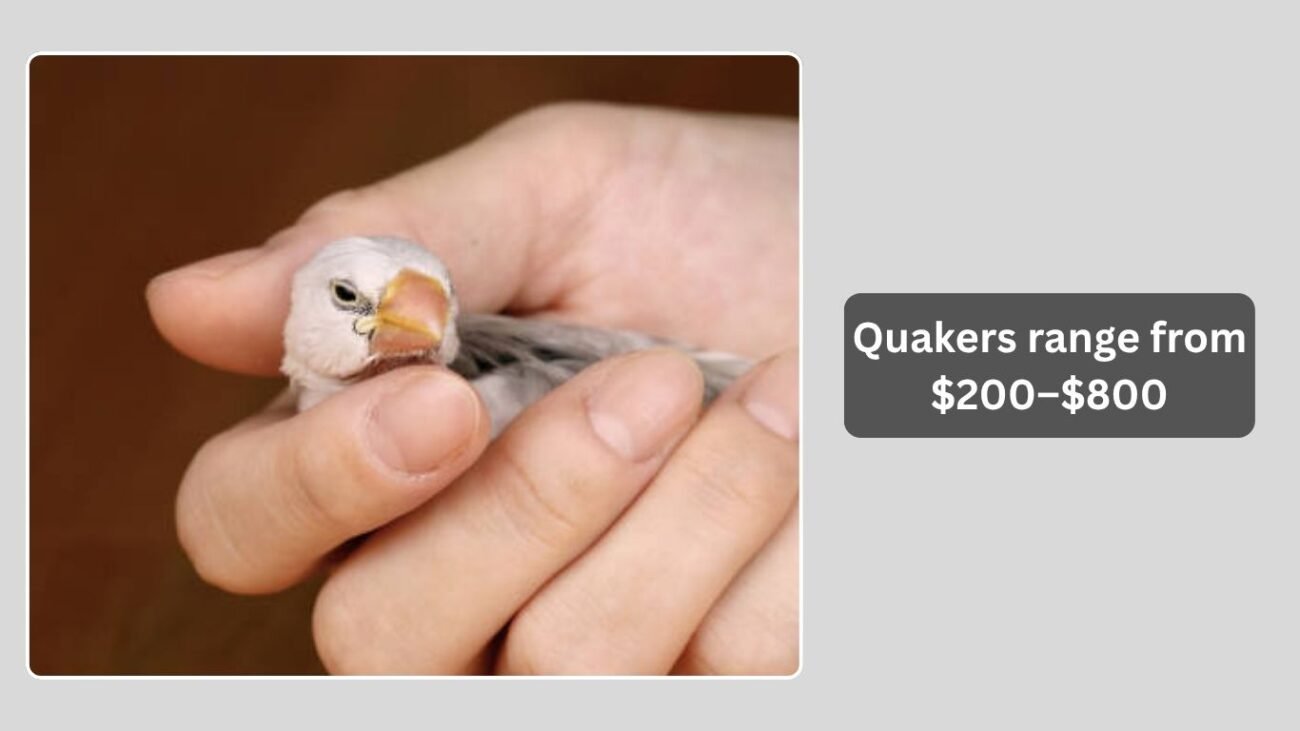
Baby parrot prices vary widely based on species, age, and hand-raising quality. Smaller parrots like Ringnecks and Quakers range from $200–$800, while African Greys and Macaws cost $1,000–$5,000. Adoption is another ethical option, providing a loving home to birds in need and often costing much less than purchasing new chicks.
Bonding and Training
How to Bond with a Baby Parrot
Bonding begins with trust. Talk softly, offer treats, and handle your parrot daily. Allow the bird to perch on your finger or shoulder as it grows comfortable. Avoid loud noises and sudden movements during the first weeks. Gentle repetition helps strengthen emotional attachment and reduces fear or aggression.
Training a Young Parrot
Training should be fun and rewarding. Start with simple commands like “step up” or “come.” Use small food rewards and positive reinforcement. Introduce speech practice gradually by repeating short words. Patience and consistency are key—baby parrots learn best through love, repetition, and calm encouragement.
Fun and Entertainment
Baby Parrot Costumes and Toys
Baby parrot costumes have become popular for photoshoots and themed events. Always choose soft, lightweight outfits that don’t restrict movement. More importantly, keep your parrot mentally active with foraging toys, mirrors, and colorful ropes—these simulate their natural environment and prevent boredom.
Viral and Popular Parrot Moments
Parrots are social media stars! Videos like a parrot singing Baby Shark or “Willie the Parrot” saving a baby’s life showcase their intelligence and emotional awareness. Such moments highlight how parrots bond deeply with humans, sensing danger, emotions, and even music rhythm.
Behavior and Communication
Do Parrots Name Their Babies?
Research suggests parrots can identify their chicks by unique calls—similar to names. Each chick develops an individual sound that parents recognize and respond to. This demonstrates advanced intelligence and communication, reflecting why parrots easily learn human words and voices when domesticated.
When Do Baby Parrots Start Eating on Their Own?
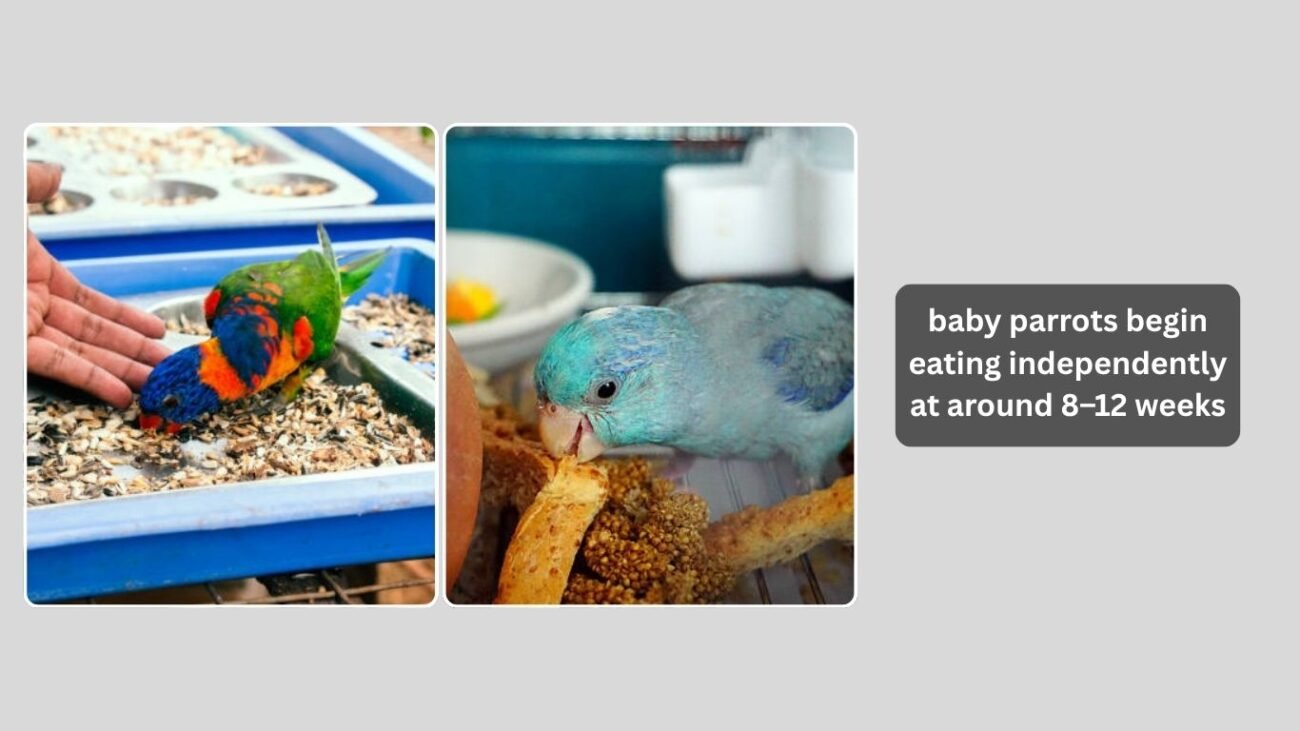
Most baby parrots begin eating independently at around 8–12 weeks. The transition depends on species, diet, and individual growth rate. Gradual weaning is essential—keep offering both formula and soft solids until your parrot consistently eats on its own without losing weight.
Green Baby Parrots and Rare Varieties
Green baby parrots, such as Ringnecks, Senegals, and Indian parrots, are especially popular due to their bright plumage and friendly personalities. Some rare morphs include yellow or blue Ringnecks, which are selectively bred for color. These varieties require the same nutrition and care as their common counterparts but often cost more.
FAQs
What do baby parrots eat?
Baby parrots need high-protein hand-feeding formulas for the first few weeks. Gradually introduce mashed fruits, cooked rice, soft grains, and finely chopped vegetables. Providing clean water and vitamin supplements ensures proper growth and feather development.
How often should I feed a baby parrot?
Feedings depend on age—very young chicks need food every 3–4 hours, while older ones eat 3–5 times daily. Once your baby parrot reaches 2–3 months and starts self-feeding, reduce hand feedings gradually to encourage independence.
When do baby parrots start talking?
Most parrots start mimicking sounds around 4–6 months old. African Greys and Quakers are early learners, while Macaws and Amazons may take longer. Daily interaction, repetition, and praise help accelerate speech learning.
How much does a baby parrot cost?
Baby parrot prices vary by species. Small breeds like Ringnecks and Quakers cost around $200–$800, mid-sized Amazons about $1,000–$2,000, and larger Macaws up to $5,000. Hand-fed and well-trained parrots are usually on the higher end.
Where can I buy a baby parrot safely?
Look for certified breeders, reputable aviaries, or registered adoption centers. Always verify the bird’s health record, age, and feeding status. Avoid unverified online ads or sellers without documentation, as these often involve unhealthy or illegally bred birds.


