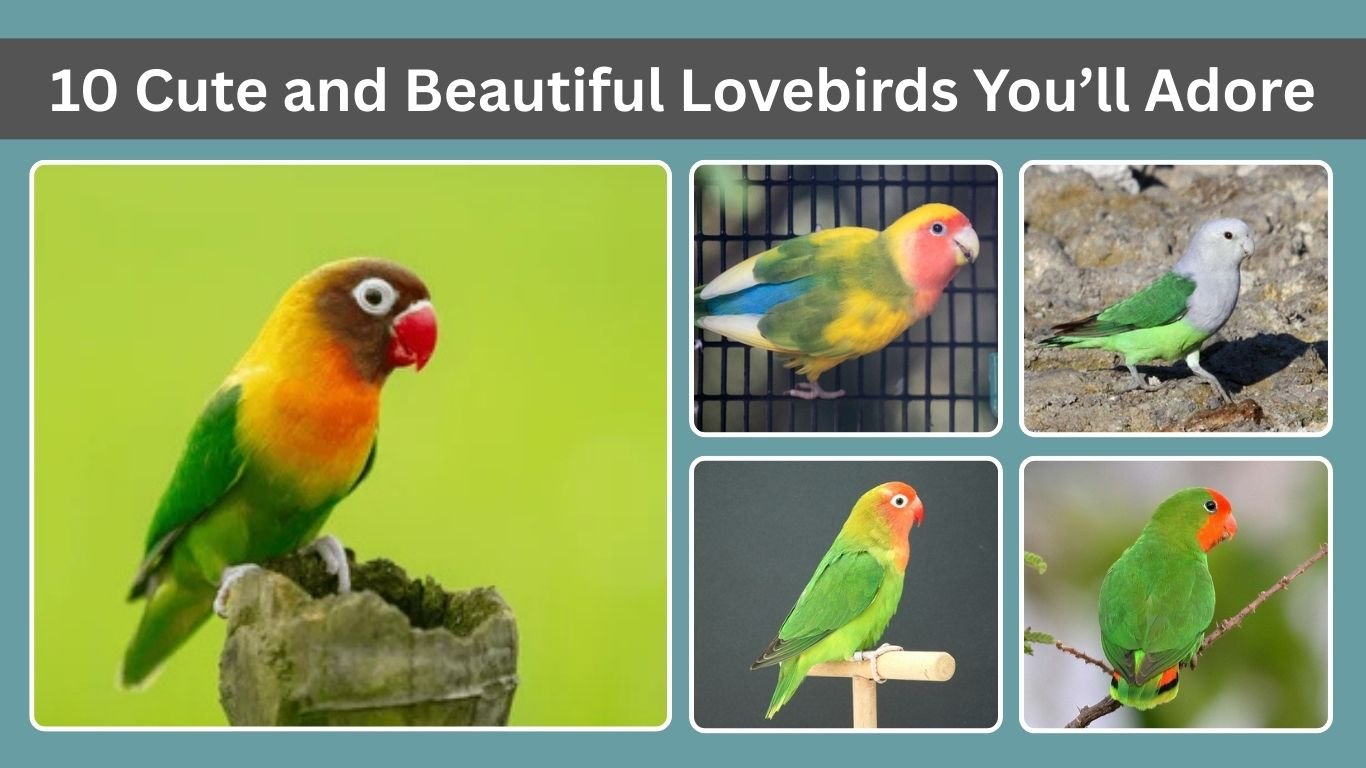
Lovebirds are among the most charming and colorful small parrots, loved for their affectionate nature and playful personalities. With their strong pair bonds and dazzling plumage, they are often seen as symbols of love and companionship. From the popular Peach-faced Lovebird to the rare and mysterious Black-collared Lovebird, each species has its own unique beauty and traits. In this list, we’ll explore 10 of the cutest and most beautiful lovebirds that bring joy and color to bird enthusiasts around the world.
1. Peach-faced Lovebird
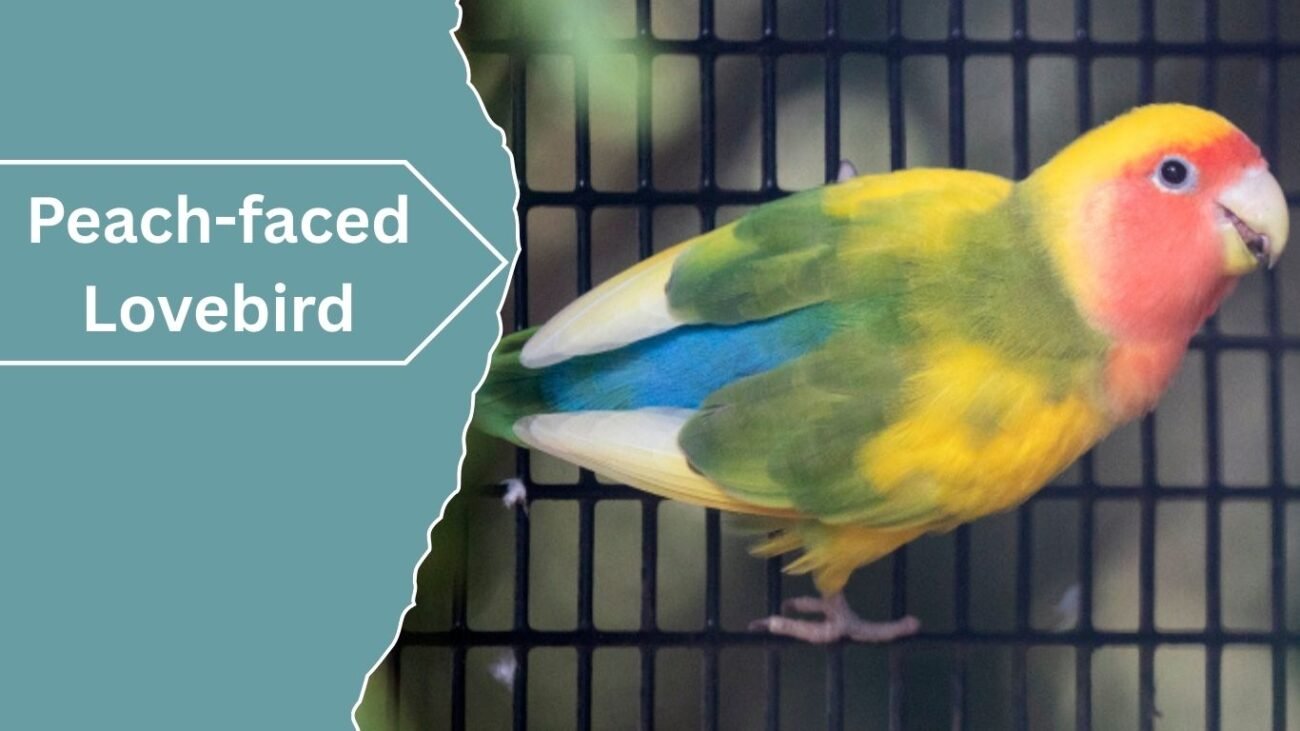
The Peach-faced Lovebird, also known as the Rosy-faced Lovebird, is one of the most popular and charming species of lovebirds. Native to arid regions of southwestern Africa, it is admired for its playful personality and affectionate nature. Its bright plumage and social behavior make it a favorite pet bird worldwide.
Identification
- Size: 6 inches (15 cm)
- Color: Green body, blue rump, and peach to rosy-pink face
- Lifespan: 12–15 years in captivity
- Distinctive feature: Rosy-pink face and energetic movements
Behavior
Peach-faced Lovebirds are highly social, lively, and affectionate. They enjoy interacting with humans and bond strongly with their mates or owners. Their playful and sometimes mischievous nature makes them entertaining companions.
Care
They require a spacious cage with plenty of toys, perches, and climbing opportunities. A balanced diet of seeds, pellets, fresh fruits, and vegetables is essential for their health. Daily interaction keeps them mentally stimulated.
Breeding
Pairs bond strongly and build nests using shredded materials. Females lay 4–6 eggs, and both parents care for the chicks.
Special Notes
Peach-faced Lovebirds thrive in pairs or small groups. Their vibrant personality and beauty make them one of the most beloved pet birds.
2. Fischer’s Lovebird
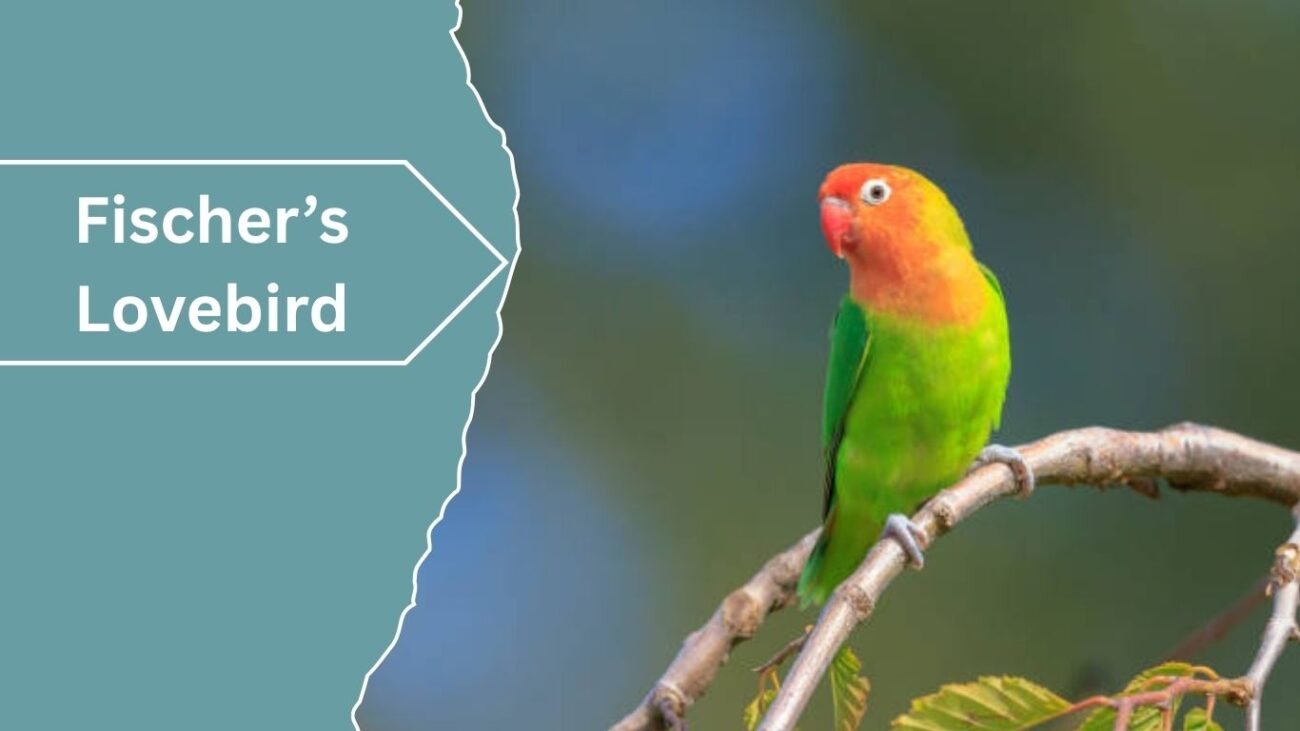
Fischer’s Lovebird is a small, colorful parrot native to east-central Africa, particularly around Lake Victoria in Tanzania. Known for its bright plumage and affectionate nature, it is one of the most popular lovebird species kept as pets.
Identification
- Size: 5–6 inches (13–15 cm)
- Color: Green body, orange face and throat, blue rump, and bright red beak
- Lifespan: 10–15 years
- Distinctive feature: Vivid orange face contrasting with a green body
Behavior
Fischer’s Lovebirds are playful, energetic, and very social. They enjoy being in pairs or flocks and are known for their strong bonding behavior. They are intelligent and can learn simple tricks with training.
Care
They thrive in spacious cages with lots of toys and perches. A varied diet of seeds, fruits, vegetables, and pellets is essential. Regular interaction is important to keep them tame and happy.
Breeding
Pairs form strong lifelong bonds. The female builds the nest and lays 4–6 eggs, which hatch in about three weeks.
Special Notes
Their bright colors and lively personality make Fischer’s Lovebirds a delight for bird enthusiasts.
3. Masked Lovebird
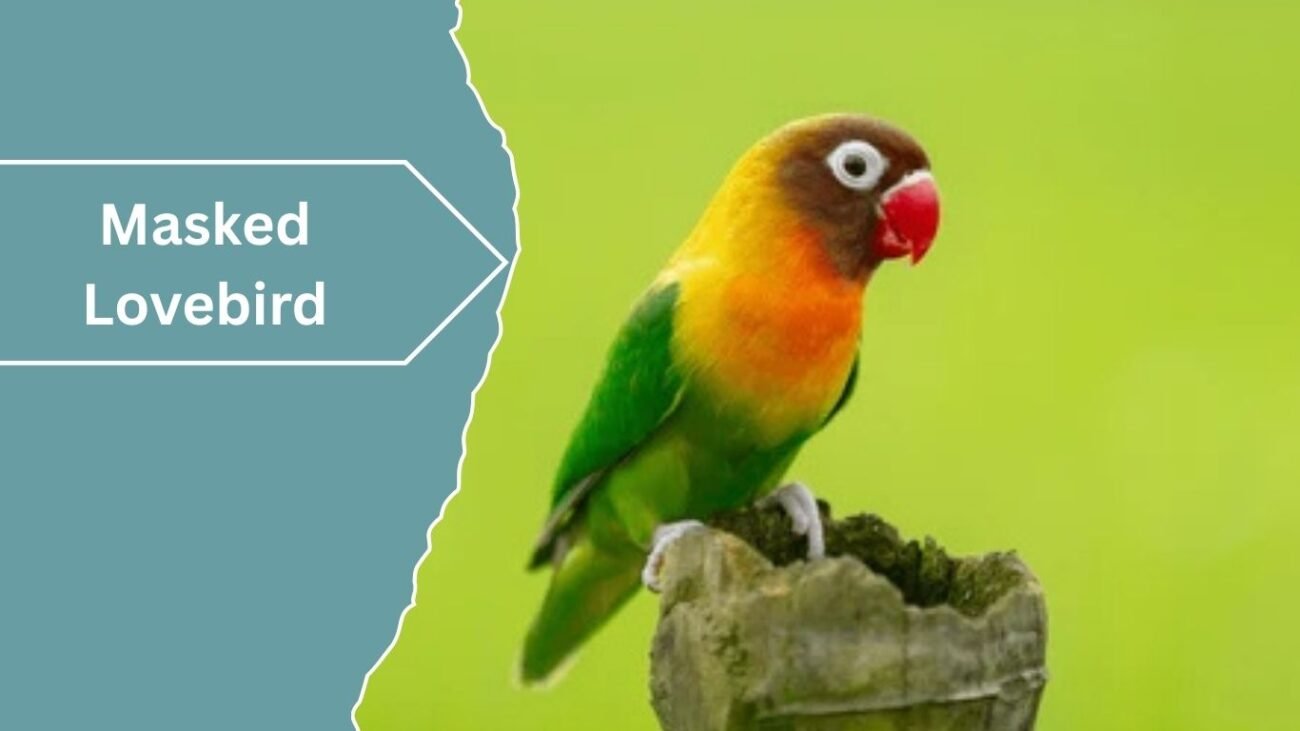
The Masked Lovebird, also called the Yellow-collared Lovebird, is native to northeastern Tanzania. It is easily recognized by its striking black face, making it look like it’s wearing a tiny mask.
Identification
- Size: 5.5 inches (14 cm)
- Color: Green body, black head, bright yellow chest, red beak, and blue tail
- Lifespan: 10–15 years
- Distinctive feature: Black “mask” covering the face
Behavior
Masked Lovebirds are curious, playful, and very active. They are strong fliers and climbers, often exploring every corner of their cage. They are also highly social and thrive best when paired.
Care
They require roomy cages with climbing ropes, ladders, and chewable toys. A balanced diet of seeds, pellets, vegetables, and fruits is essential. Regular interaction helps prevent boredom and stress.
Breeding
Females are known for their nest-building skills, using strips of bark or leaves. They typically lay 4–6 eggs per clutch.
Special Notes
Their bold facial mask and charming behavior make them one of the most distinctive and attractive lovebird species.
4. Black-cheeked Lovebird
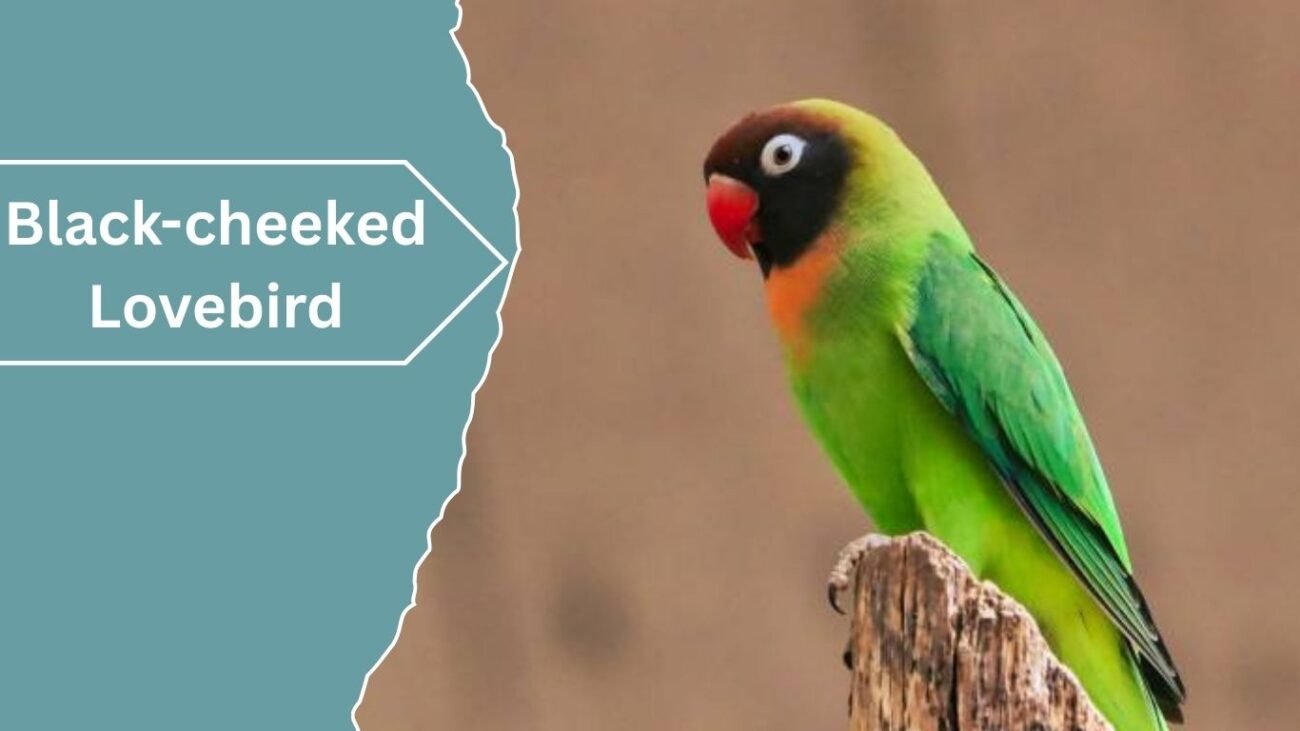
The Black-cheeked Lovebird is a rare and charming species native to Zambia in southern Africa. It is considered vulnerable in the wild due to habitat loss, but in aviculture, it is admired for its unique face markings and lively nature.
Identification
- Size: 5.5 inches (14 cm)
- Color: Green body, dark brown to black cheeks, red beak, and blue rump
- Lifespan: 10–12 years
- Distinctive feature: Dark cheeks contrasting with a green body
Behavior
Black-cheeked Lovebirds are social, gentle, and less noisy compared to other species. They bond strongly with their partners and can become very tame with regular human interaction.
Care
They require a spacious cage with perches and plenty of chewing toys. A diet of seeds, millet, leafy greens, and fruits keeps them healthy. Fresh water and daily activity are essential.
Breeding
They nest in tree cavities in the wild. In captivity, they breed well if provided with nest boxes and soft materials. Females lay 3–6 eggs per clutch.
Special Notes
Because of their rarity, Black-cheeked Lovebirds are treasured by breeders and need conservation protection in the wild.
5. Nyasa Lovebird
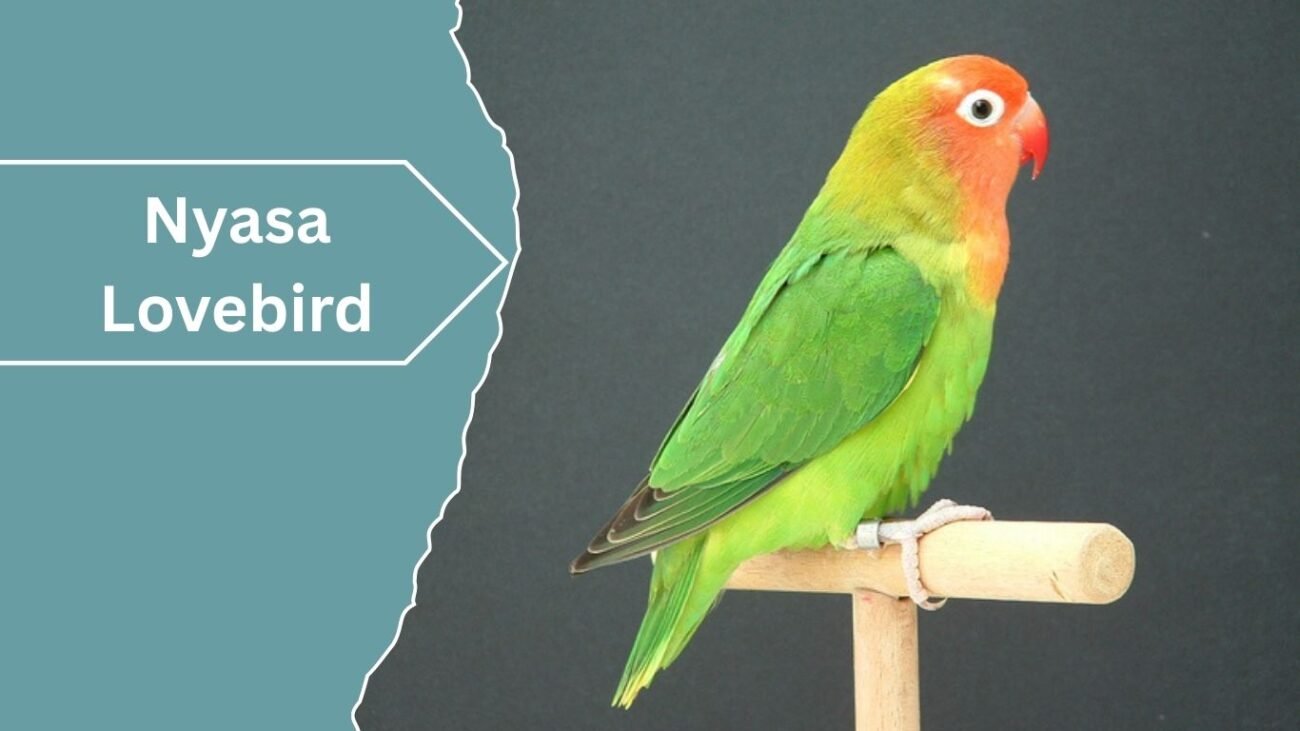
The Nyasa Lovebird, also known as the Lilian’s Lovebird (a close relation), is native to Malawi, Mozambique, and parts of Zambia. It is one of the smaller species but is full of energy and beauty.
Identification
- Size: 5 inches (13 cm)
- Color: Green body, orange face and throat, red beak, and blue rump
- Lifespan: 10–12 years
- Distinctive feature: Orange face with contrasting green plumage
Behavior
Nyasa Lovebirds are highly social and active. They enjoy flying in small flocks and are constantly moving, chirping, and interacting. They are affectionate with their mates but can be shy around humans at first.
Care
They thrive in large aviaries with space for flight. A diet of seeds, millet, fresh greens, and fruits supports their health. Providing branches and toys helps keep them stimulated.
Breeding
They build nests from bark and leaves. Females typically lay 3–5 eggs, which hatch after about 21 days.
Special Notes
Though less common in captivity, Nyasa Lovebirds are adored for their bright colors and lively personalities.
6. Red-headed Lovebird
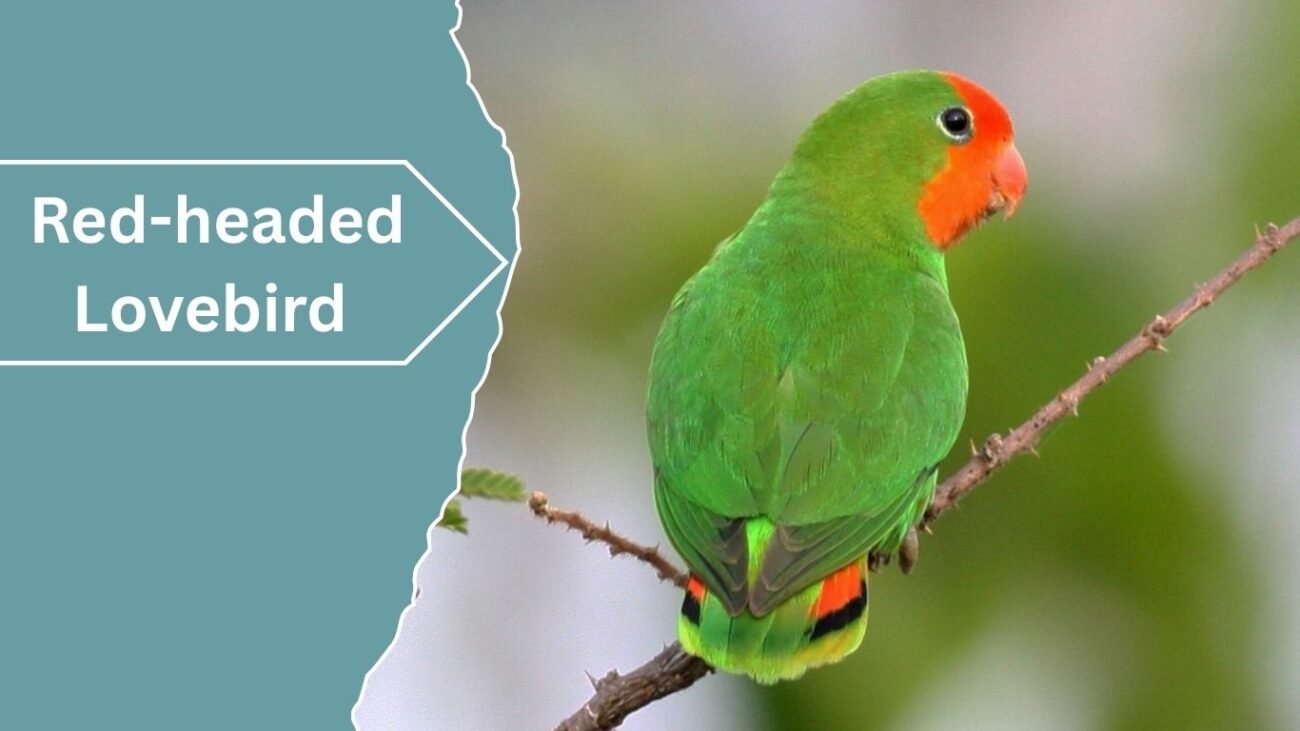
The Red-headed Lovebird, also called the Red-faced Lovebird, is a striking and rare species found in central Africa, especially around Cameroon and the Congo Basin. Its brilliant red head makes it instantly recognizable and admired by bird enthusiasts.
Identification
- Size: 6 inches (15 cm)
- Color: Bright green body, vivid red head, and orange-red beak
- Lifespan: 10–15 years
- Distinctive feature: Bold red face contrasting with green plumage
Behavior
These lovebirds are active, playful, and highly energetic. They thrive in flocks in the wild and form strong pair bonds in captivity. Though slightly shy at first, they become affectionate with regular interaction.
Care
They require a large cage or aviary with space for climbing and flying. A diet of seeds, millet, fruits, and vegetables is essential, along with cuttlebone for calcium.
Breeding
Red-headed Lovebirds breed in tree cavities in the wild. In captivity, they need nest boxes and soft nesting materials. Females usually lay 4–6 eggs.
Special Notes
This species is relatively rare in aviculture and highly prized for its bold, beautiful coloration.
7. Abyssinian Lovebird
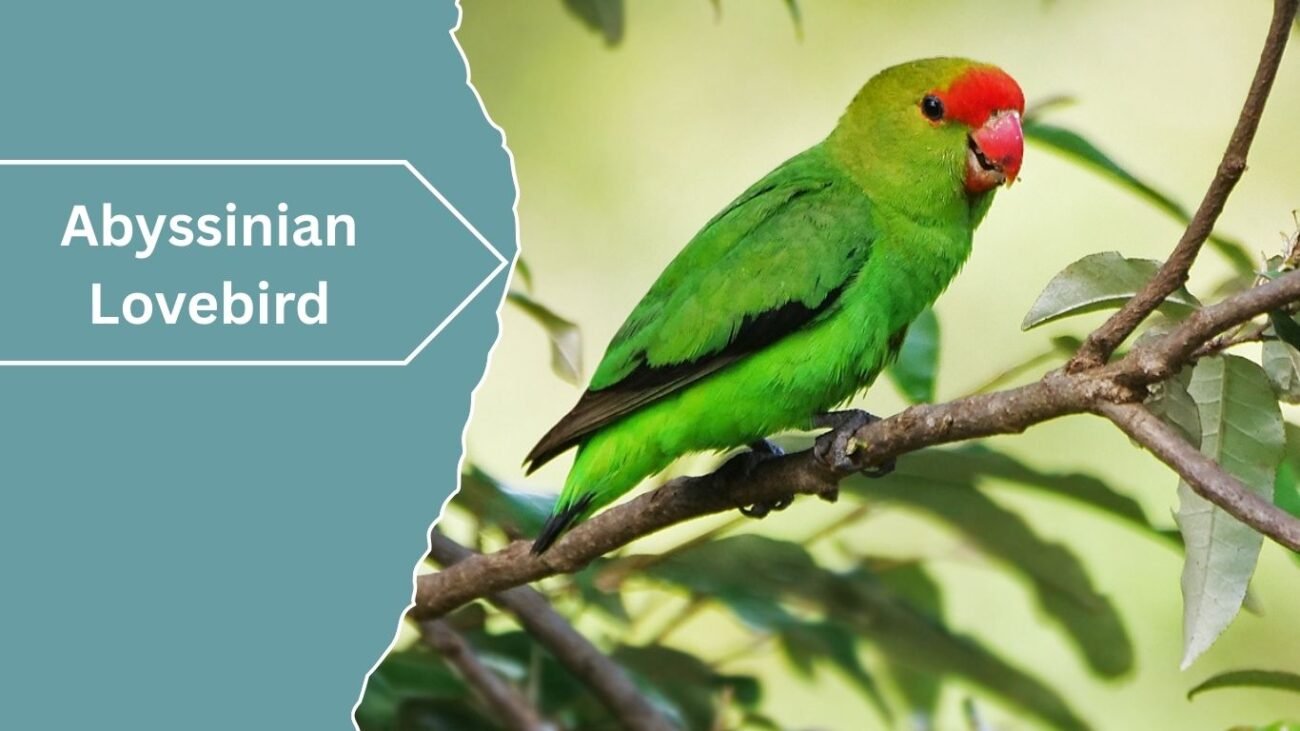
The Abyssinian Lovebird, also called the Black-winged Lovebird, is the largest of all lovebird species. Native to Ethiopia and Eritrea, it is admired for its vibrant green plumage and unique wing markings.
Identification
- Size: 6.5–7 inches (17–18 cm)
- Color: Bright green body, red beak, and black wing patches
- Lifespan: 12–15 years
- Distinctive feature: Black wing feathers contrasting with green plumage
Behavior
Abyssinian Lovebirds are intelligent, playful, and more independent compared to other species. They are excellent fliers and climbers, and with proper training, they can become tame and affectionate companions.
Care
They require a spacious aviary with plenty of perches, branches, and toys. A balanced diet of seeds, pellets, nuts, fruits, and leafy greens is important for their health.
Breeding
In the wild, they nest in tree cavities. Females typically lay 3–5 eggs, incubating them for around 23 days. Both parents help care for the chicks.
Special Notes
Their larger size and striking black wings make them unique among lovebirds, appealing to experienced bird keepers.
8. Madagascar Lovebird
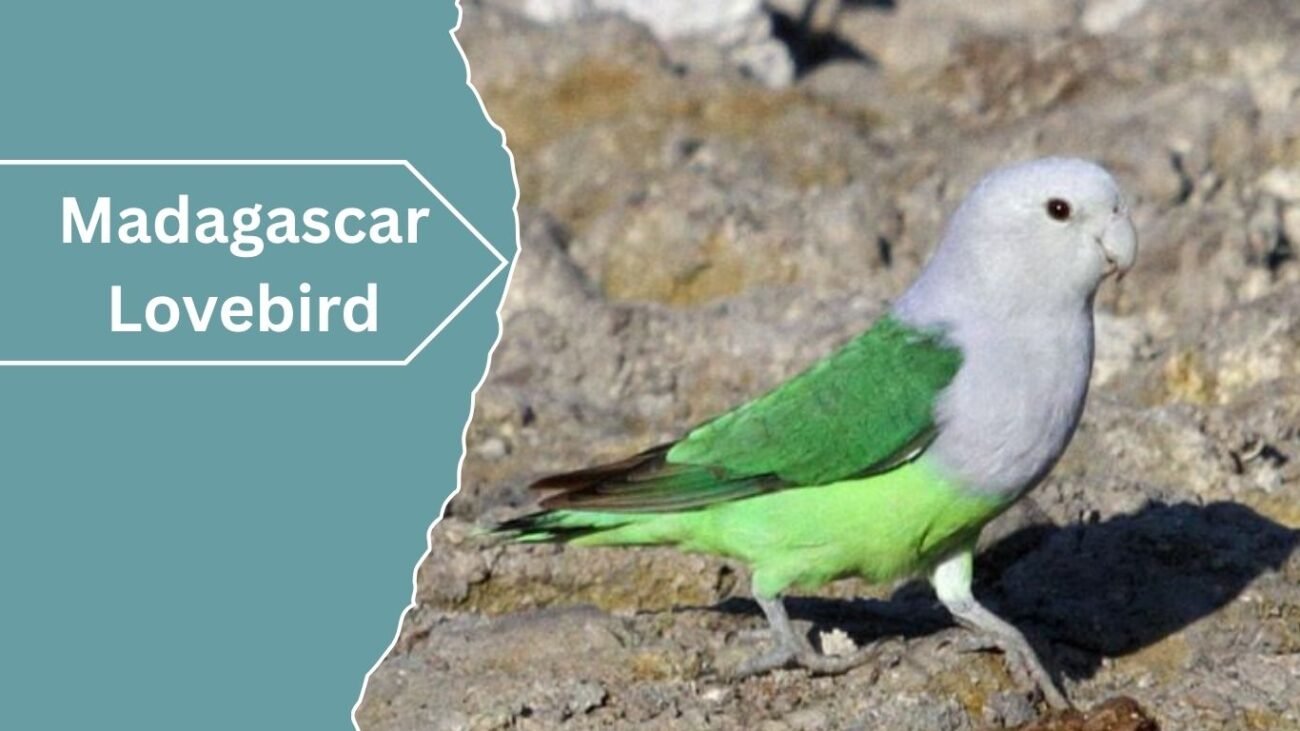
The Madagascar Lovebird, also known as the Grey-headed Lovebird, is the only lovebird species native to Madagascar. It is smaller and more delicate compared to other lovebirds, but equally charming with its subtle yet beautiful plumage.
Identification
- Size: 5 inches (13 cm)
- Color: Green body, males with grey head, females entirely green
- Lifespan: 8–12 years
- Distinctive feature: Male’s grey head contrasting with green body
Behavior
Madagascar Lovebirds are highly social, forming large flocks in the wild. They are active fliers and enjoy companionship, making them best kept in pairs. Though quieter than other lovebirds, they are playful and affectionate.
Care
They require a spacious cage with perches and climbing opportunities. A diet of seeds, millet, vegetables, and fruits ensures their health. Fresh water and cuttlebone should always be provided.
Breeding
Breeding is relatively easy in aviaries. Females build nests using twigs and bark. Clutches usually contain 4–6 eggs, hatching after about 21 days.
Special Notes
Their small size, calm nature, and rarity outside Madagascar make them unique in the lovebird family.
9. Lilian’s Lovebird
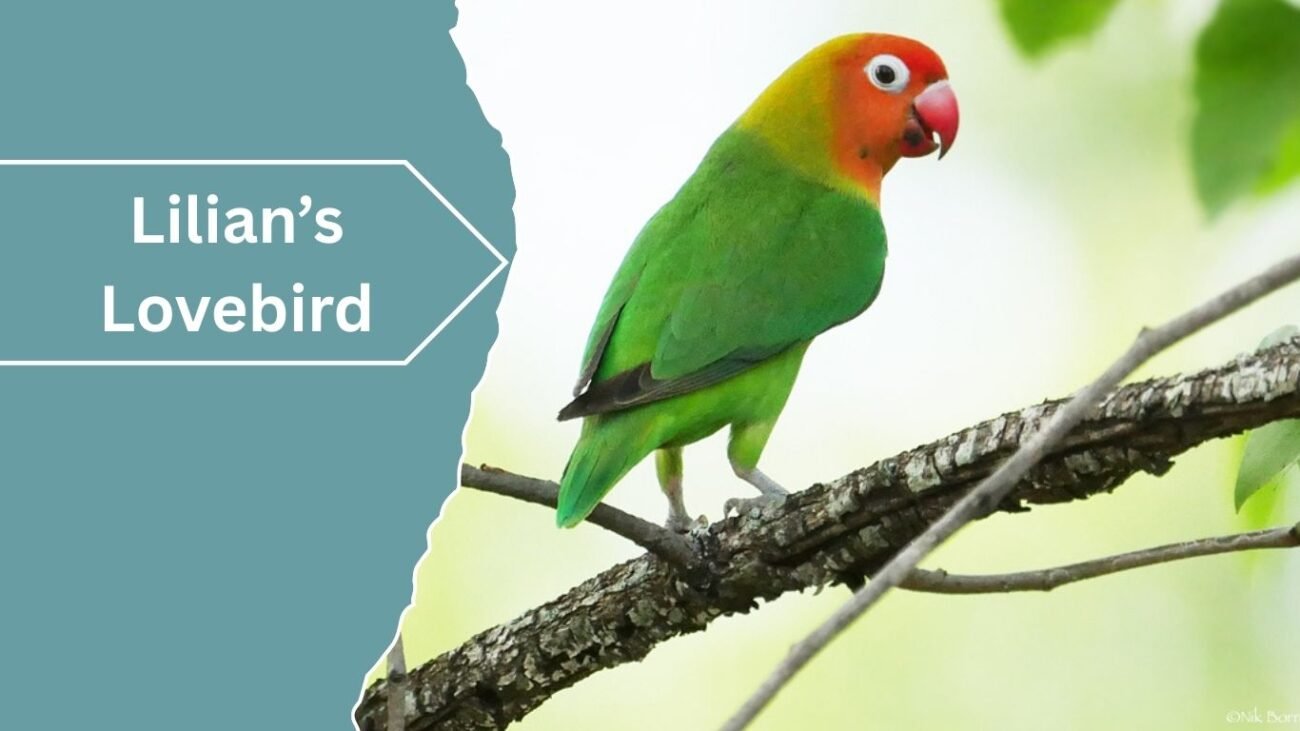
Lilian’s Lovebird, also known as the Nyasa Lovebird, is a small, brightly colored parrot found in parts of Malawi, Mozambique, and Zambia. It is one of the most endangered lovebird species in the wild but is adored for its beauty.
Identification
- Size: 5 inches (13 cm)
- Color: Green body, orange face and throat, red beak, and blue rump
- Lifespan: 10–12 years
- Distinctive feature: Bright orange face with vibrant green plumage
Behavior
Lilian’s Lovebirds are highly active, chirpy, and social. They live in flocks in the wild and form strong pair bonds in captivity. They are playful and affectionate but can be shy around strangers.
Care
They need aviaries with enough space to fly and explore. A balanced diet of millet, seeds, greens, and fruits keeps them healthy. Enrichment with toys and climbing structures is important.
Breeding
In the wild, they nest in tree cavities. Females lay 3–5 eggs, which hatch in about three weeks.
Special Notes
Due to habitat loss, Lilian’s Lovebirds are considered vulnerable. Conservation is vital to protect this colorful species.
10. Black-collared Lovebird
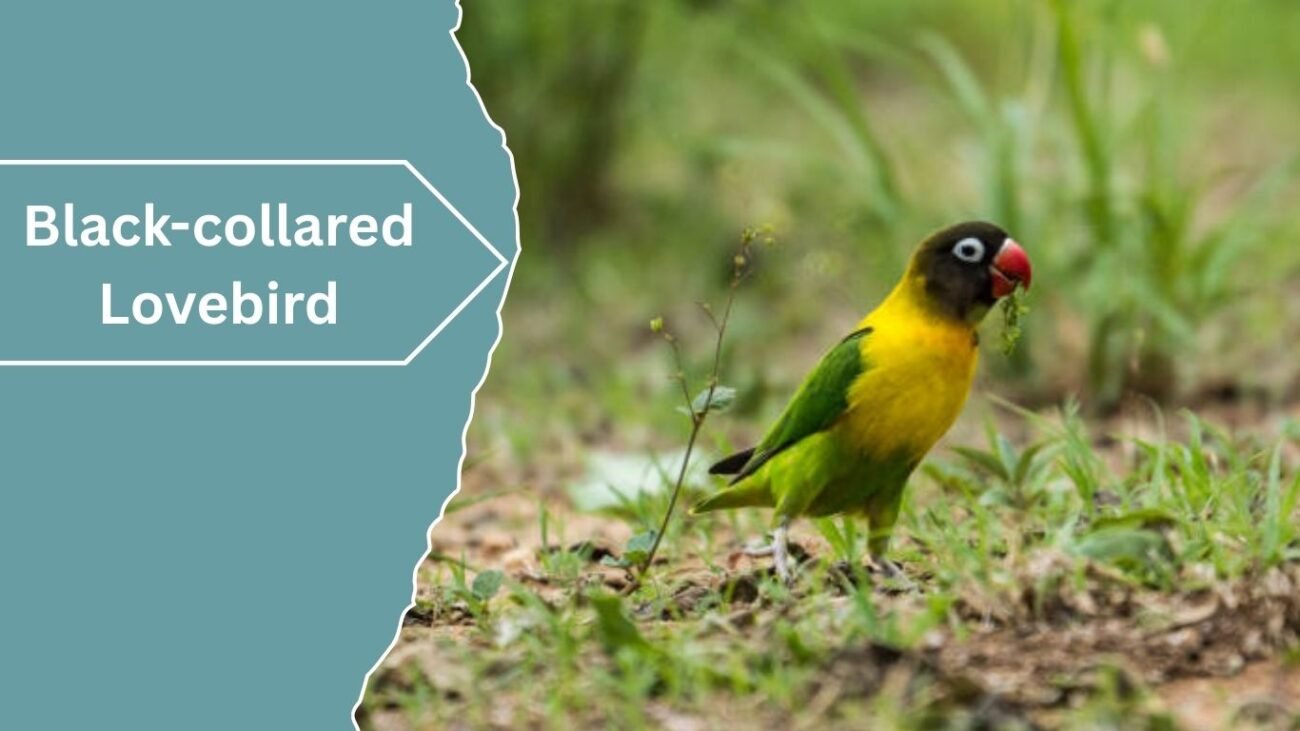
The Black-collared Lovebird, also known as Swindern’s Lovebird, is one of the rarest and least studied lovebirds. Native to the dense forests of Central Africa, it is elusive in the wild and rarely seen in captivity. Its mysterious nature makes it a fascinating species among bird lovers.
Identification
- Size: 5.5 inches (14 cm)
- Color: Green body, black collar around the nape, red beak, and blue rump
- Lifespan: 10–12 years
- Distinctive feature: Thin black collar behind the neck
Behavior
Black-collared Lovebirds are shy and secretive, often hiding high in forest canopies. They are social in flocks but rarely interact with humans due to their elusive nature.
Care
This species is extremely rare in aviculture because they require specialized diets, particularly figs, which are hard to provide consistently. For this reason, they are almost never kept as pets.
Breeding
Little is known about their breeding habits in the wild, though they are believed to nest in tree cavities like other lovebirds.
Special Notes
Because of their rarity and dietary challenges, Black-collared Lovebirds remain one of the most mysterious species in the lovebird family.