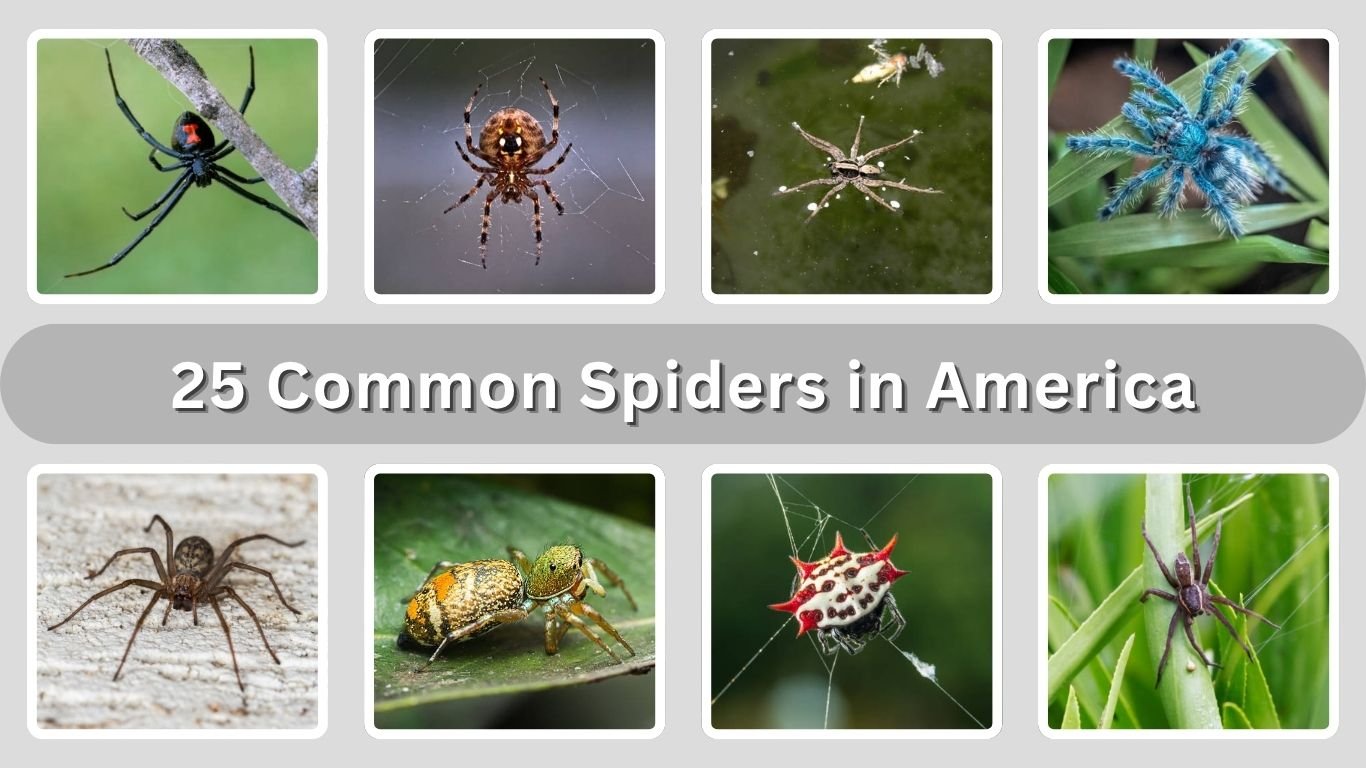
Spiders are a common and important part of ecosystems across the United States. While many people fear them, most species are harmless and actually help control pests like flies, mosquitoes, and ants. From tiny jumping spiders to large tarantulas, each species has unique features, behaviors, and habitats. This guide introduces 25 common spiders in America, making it easier to identify them, understand their role in nature, and know which ones truly deserve caution.
1. American House Spider (Parasteatoda tepidariorum)
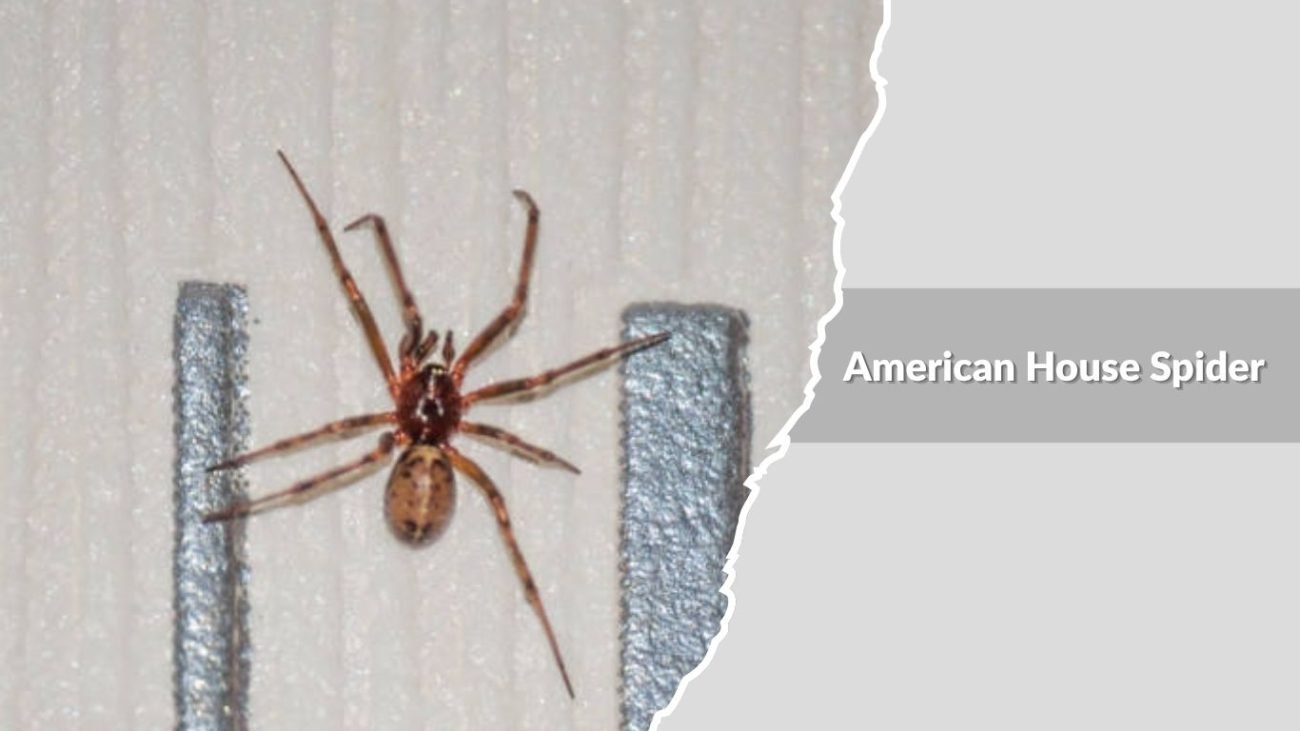
The American house spider is one of the most common spiders found in homes across the United States. It belongs to the cobweb spider family and is known for building messy, tangled webs in corners, basements, garages, and window frames. This species is harmless to humans and usually avoids direct contact. Although many people mistake it for more dangerous spiders, the American house spider is actually a helpful indoor predator that feeds on flies, mosquitoes, ants, and other household pests. Its presence often goes unnoticed unless the web becomes visible in a quiet corner.
Identification
- Size: Small to medium, usually about 5–8 mm in body length (females are larger than males)
- Color: Yellowish-brown to dark brown, often with mottled or patterned markings
- Body shape: Rounded abdomen with a slightly shiny appearance
- Legs: Long, thin legs with faint banding
- Web type: Irregular, tangled cobweb (not a neat circular web)
- Location: Indoors in ceilings, corners, closets, and behind furniture
- Behavior: Usually hangs upside down in the web and quickly retreats when disturbed
Habitat and Behavior
American house spiders thrive in warm, dry indoor environments where insects are easy to catch. They prefer quiet places that are not cleaned often, such as attics, storage rooms, and crawl spaces. Outdoors, they may also live under eaves, porches, and around sheds. These spiders are active year-round inside homes and are mostly nocturnal, meaning they hunt more actively at night. Instead of chasing prey, they rely on their sticky cobwebs to trap insects.
Are They Dangerous?
No, American house spiders are not dangerous to people. Their venom is too weak to cause serious harm, and bites are extremely rare. In most cases, they are beneficial because they reduce the number of flying and crawling insects indoors. If you prefer not to keep them around, gently removing webs and sealing cracks is usually enough to prevent them from returning.
2. Wolf Spider (Lycosidae family)
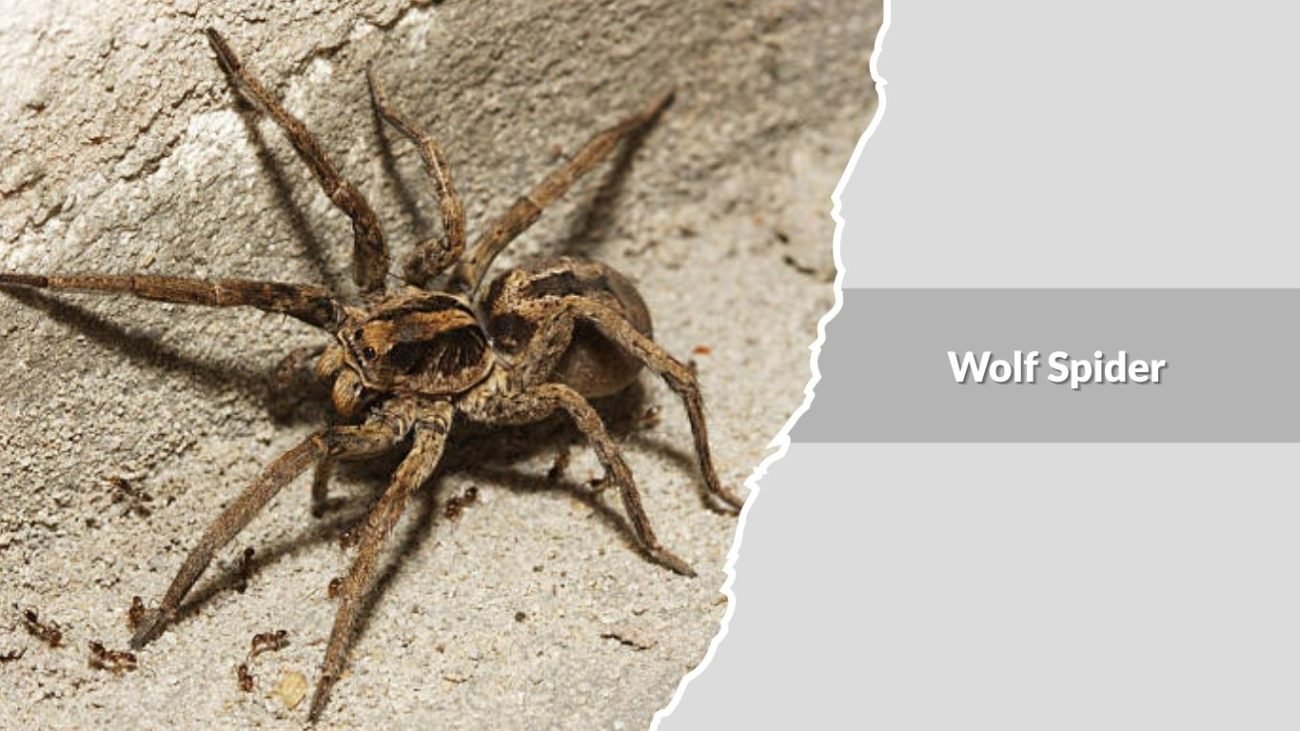
Wolf spiders are fast-moving ground hunters found throughout the United States, from forests and grasslands to suburban yards and basements. Unlike many common house spiders, they do not build webs to catch prey. Instead, they actively chase and ambush insects, using their speed and strong vision. Wolf spiders are often mistaken for tarantulas because of their hairy bodies and sturdy legs, but they are much smaller and far less intimidating than they look. They are especially active at night and may wander indoors by accident while searching for food or shelter.
Identification
- Size: Medium to large, usually 10–35 mm in body length
- Color: Brown, gray, tan, or black with striped or mottled patterns
- Body shape: Robust, low body with a broad cephalothorax
- Legs: Long, strong, and hairy, built for running
- Eyes: Eight eyes arranged in three rows (two large eyes in the middle row are very noticeable)
- Web type: No prey-catching web; may make a silk retreat burrow
- Location: Ground level—lawns, leaf litter, under rocks, garages, and basements
- Behavior: Fast runner, hunts at night, may freeze or dart away when disturbed
Habitat and Behavior
Wolf spiders prefer outdoor habitats where they can hide during the day and hunt after sunset. You’ll often find them in mulch beds, under logs, in tall grass, or around garden edges. Some species dig burrows, while others roam freely. Females are especially interesting because they carry their egg sacs attached to their spinnerets, and after hatching, the spiderlings ride on the mother’s back for several days. Indoors, wolf spiders usually appear in lower-level rooms like basements, especially during cooler months.
Are They Dangerous?
Wolf spiders are not considered dangerous to humans. They can bite if handled or trapped against the skin, but bites are uncommon and usually cause only mild pain, redness, or swelling. They are not aggressive and prefer to escape rather than fight. In fact, wolf spiders are helpful predators that naturally control pests such as crickets, roaches, ants, and beetles. If one enters your home, it can be safely relocated outside using a cup and paper.
3. Jumping Spider (Salticidae family)
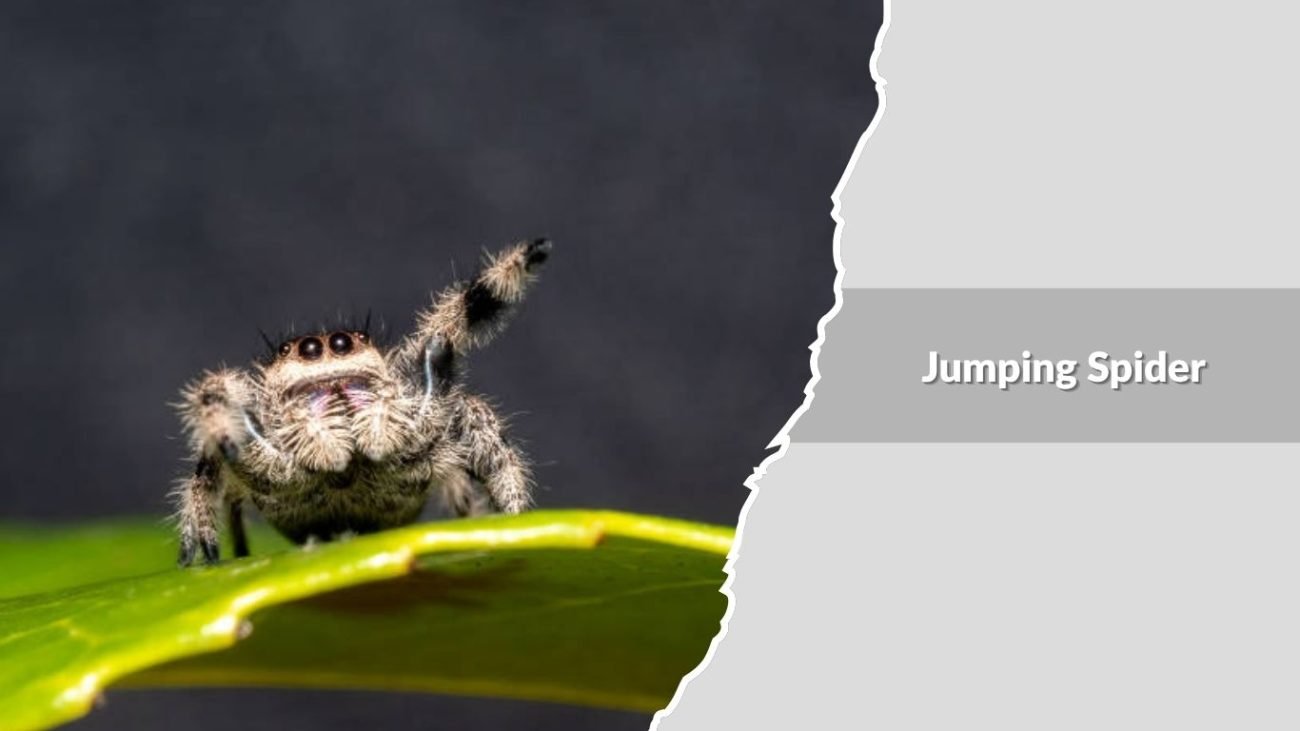
Jumping spiders are among the most recognizable and fascinating spiders in America. They are small, active hunters known for their quick movements, excellent eyesight, and curious behavior. Unlike web-building spiders, jumping spiders stalk their prey during the day and leap onto it with impressive precision. Many species are harmless and even considered “friendly” because they often pause to look at people rather than run away immediately. Their compact bodies and large front-facing eyes make them easy to identify, and some species have bright colors or iridescent markings.
Identification
- Size: Small, usually 3–12 mm in body length
- Color: Varies widely—black, brown, gray, tan, or brightly colored with metallic sheen
- Body shape: Compact body with a high, boxy cephalothorax
- Legs: Short to medium length, strong front legs for jumping
- Eyes: Large front-facing eyes (very noticeable), with eight eyes total
- Web type: No prey-catching web; uses silk dragline for safety when jumping
- Location: Window sills, walls, gardens, fences, and sunny outdoor surfaces
- Behavior: Active in daylight, stalks prey, jumps quickly, often turns to “watch” movement
Habitat and Behavior
Jumping spiders are found almost everywhere in the United States, especially in warm, sunny areas where insects are plentiful. They commonly live on plants, tree bark, brick walls, decks, and around windows. Because they rely on vision instead of webs, they prefer open spaces where they can spot prey. These spiders are highly alert and often move in short bursts, stopping to scan their surroundings. At night, they rest in tiny silk shelters hidden in cracks, curled leaves, or corners.
Are They Dangerous?
Jumping spiders are not dangerous to humans. Their bites are very rare and usually happen only if the spider is squeezed or trapped. If a bite occurs, symptoms are typically mild, such as slight redness or irritation. Most jumping spiders are beneficial because they eat flies, gnats, mosquitoes, and other small pests. They are one of the best natural pest controllers to have around the home and garden, and many people enjoy watching their bold, curious behavior.
4. Cellar Spider (Pholcidae family)
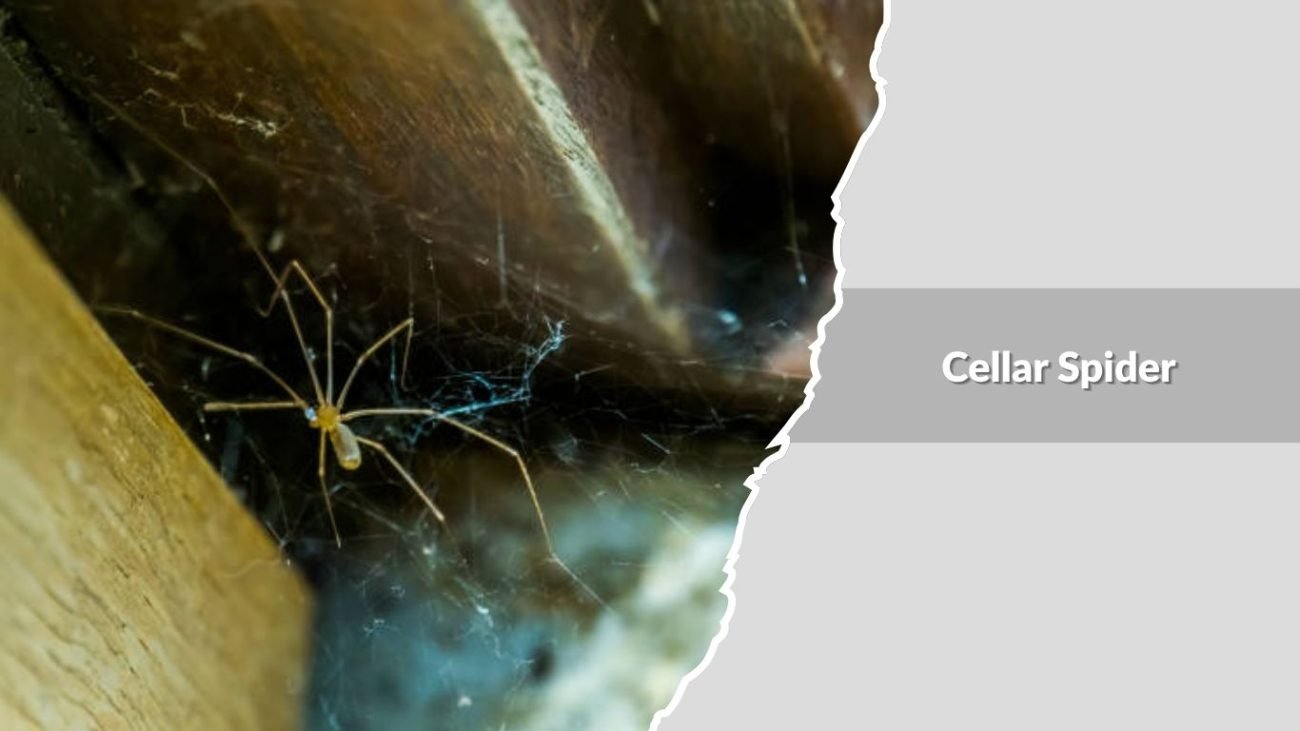
Cellar spiders, often called “daddy longlegs spiders,” are common indoor spiders found throughout the United States. They are easy to recognize because of their tiny bodies and extremely long, thin legs. These spiders build loose, irregular webs in quiet corners of homes, basements, garages, and crawl spaces. They are harmless to people and are actually useful because they feed on flies, mosquitoes, ants, and even other spiders. When disturbed, cellar spiders often shake rapidly in their webs, making them look blurry and harder for predators to target.
Identification
- Size: Small body, usually 2–10 mm in length
- Color: Pale tan, light brown, or grayish
- Body shape: Tiny oval body with a narrow connection between cephalothorax and abdomen
- Legs: Extremely long, thin, delicate legs (much longer than body length)
- Eyes: Usually eight eyes grouped in two clusters
- Web type: Loose, messy cobweb in corners and ceilings
- Location: Indoors—basements, garages, attics, and undisturbed corners
- Behavior: Hangs upside down in web and vibrates quickly when threatened
Habitat and Behavior
Cellar spiders prefer dark, quiet spaces with little airflow, which is why they are so often found in basements, storage rooms, and under staircases. Outdoors, they may live in caves, under rocks, or beneath bridges. They do not wander much and usually stay in the same web unless disturbed. Unlike hunting spiders, cellar spiders rely on their webs to catch prey, then wrap insects in silk before feeding. They are active year-round indoors and tend to multiply in places that are rarely cleaned.
Are They Dangerous?
Cellar spiders are not dangerous to humans. Despite old myths, they do not have harmful venom for people, and bites are extremely rare. Their fangs are tiny, and they generally avoid contact. In fact, they are beneficial because they help reduce insect populations indoors and may even prey on other unwanted spiders. If you don’t want them inside, regular dusting and removing webs is usually enough to keep their numbers low.
5. Black Widow Spider (Latrodectus species)
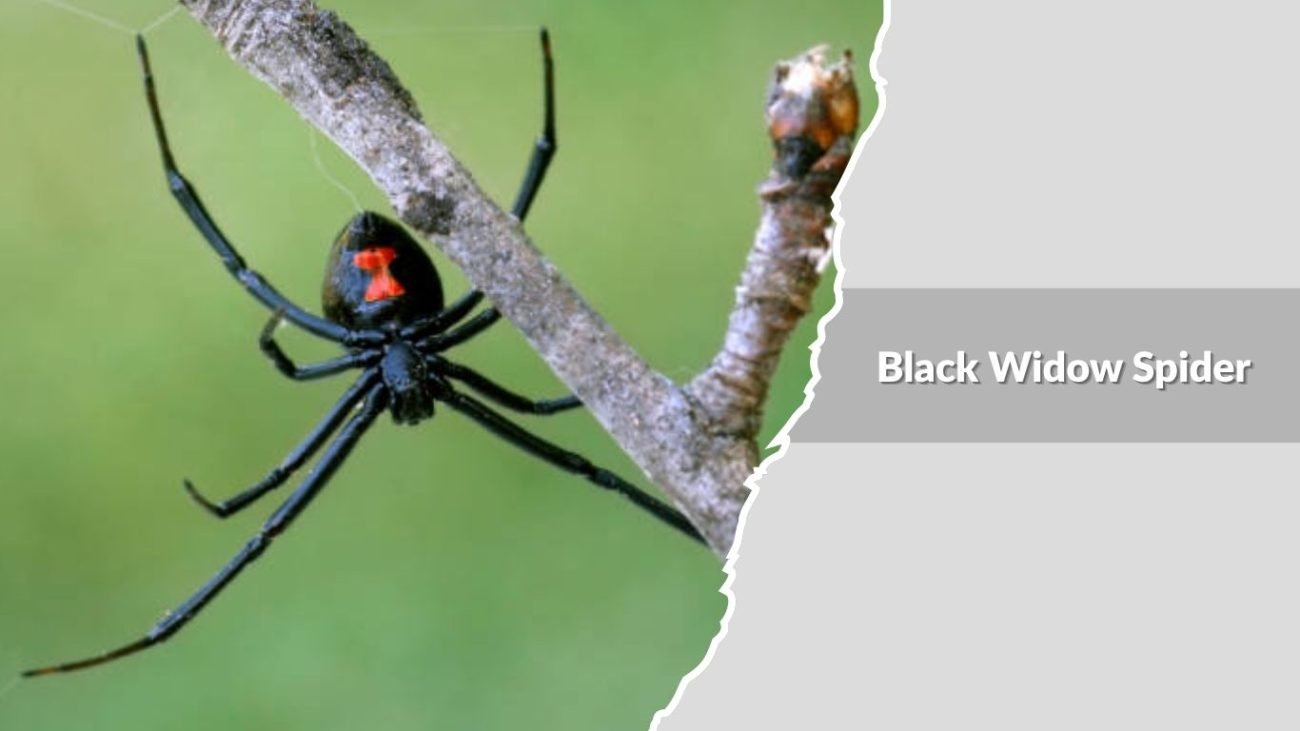
The black widow is one of the most well-known spiders in America because of its glossy black body and distinctive red marking. It is found across much of the United States, especially in warm and dry regions, but it can also appear in garages, sheds, and woodpiles in cooler areas. Black widows are shy, non-aggressive spiders that prefer to stay hidden in dark, protected spaces. They build strong, irregular webs close to the ground and usually remain upside down in the center, waiting for insects to get trapped.
Identification
- Size: Medium-sized, usually 8–13 mm body length (females larger than males)
- Color: Shiny black body (adult females), sometimes brownish in juveniles
- Body shape: Round, bulbous abdomen with a small cephalothorax
- Legs: Long, slender black legs
- Marking: Red or orange hourglass shape on the underside of the abdomen
- Web type: Messy, irregular cobweb with very strong silk
- Location: Woodpiles, sheds, garages, outdoor furniture, and dark corners
- Behavior: Hangs upside down in web, mostly active at night, avoids people
Habitat and Behavior
Black widows prefer quiet, sheltered locations where they can spin webs undisturbed. Outdoors, they are often found under rocks, in hollow logs, beneath decks, or inside old equipment. Indoors, they may hide in cluttered basements, crawl spaces, or storage boxes. These spiders are nocturnal and usually stay in their webs unless they feel threatened. Males are much smaller, lighter in color, and rarely seen because they wander in search of females.
Are They Dangerous?
Black widows are venomous, and their bites can be medically significant, but bites are uncommon because they usually avoid contact. Most bites happen when the spider is accidentally pressed against the skin, such as while moving firewood or reaching into dark spaces. Symptoms can include pain, muscle cramps, and sweating. Serious complications are rare, but medical attention is recommended if a bite is suspected. To reduce the risk, wear gloves when handling stored items and keep outdoor areas free of clutter.
6. Brown Recluse Spider (Loxosceles reclusa)
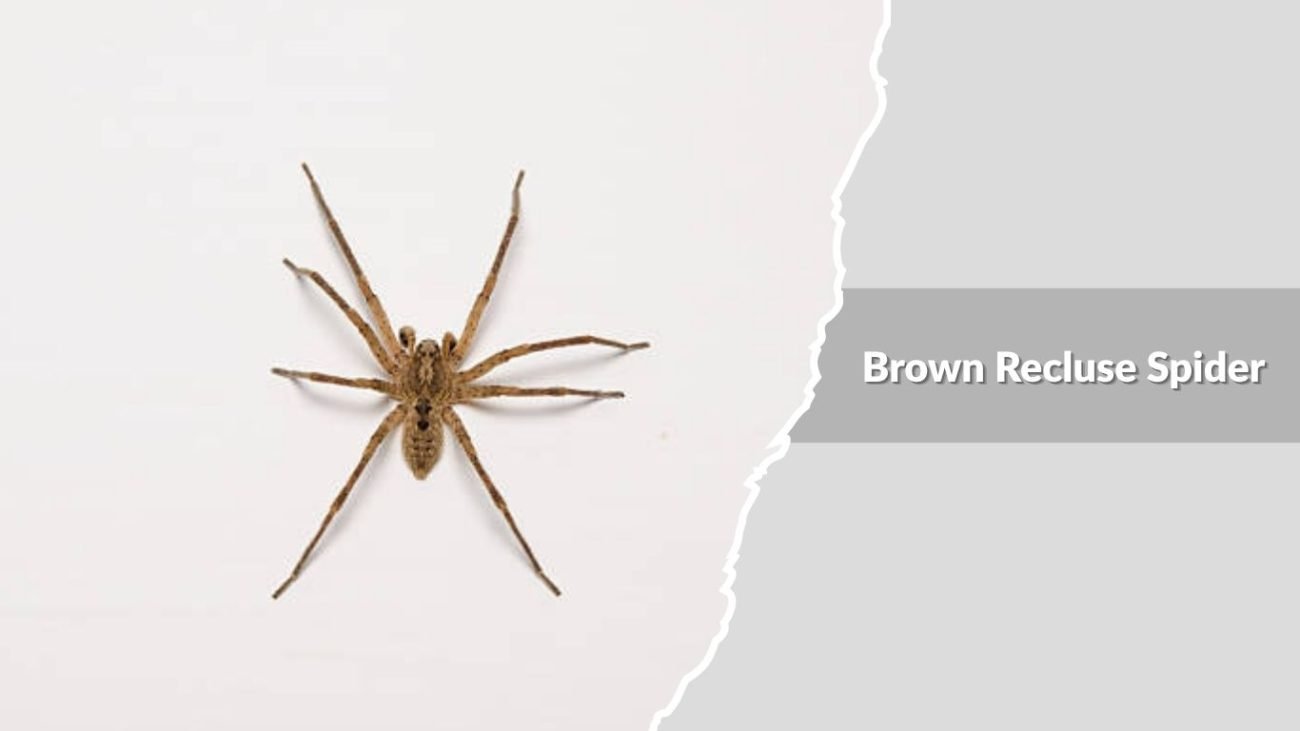
The brown recluse is a shy, secretive spider best known for the dark, violin-shaped marking on its cephalothorax. It is most common in the central and southern United States, especially in states like Missouri, Arkansas, Oklahoma, and surrounding areas. Brown recluses prefer hidden, undisturbed spaces and are rarely seen out in the open. They do not build large webs to trap prey; instead, they hunt at night and use silk mainly for shelter. Because of their reputation, many harmless brown spiders are often mistaken for brown recluses.
Identification
- Size: Small to medium, usually 6–12 mm in body length
- Color: Light tan to medium brown, often with a slightly darker cephalothorax
- Body shape: Flat body with long, slender legs and a plain oval abdomen
- Legs: Thin, unbanded legs with fine hairs (no obvious spines)
- Marking: Dark “violin” shape on the cephalothorax, with the neck pointing backward
- Eyes: Six eyes arranged in three pairs (most spiders have eight eyes)
- Web type: Small, irregular silk retreat rather than a prey-catching web
- Location: Closets, attics, storage boxes, behind furniture, and under clutter
- Behavior: Nocturnal, avoids light, runs quickly when disturbed
Habitat and Behavior
Brown recluse spiders prefer warm, dry, and undisturbed places. Indoors, they hide in cardboard boxes, shoes, folded clothing, and behind baseboards. Outdoors, they may live under rocks, woodpiles, or sheds. They are mostly active at night and spend the day hidden in narrow cracks. Unlike web-dependent spiders, brown recluses roam to hunt small insects and other arthropods. They can survive long periods with little food or water, which helps them thrive in quiet storage areas.
Are They Dangerous?
Brown recluse bites are uncommon, but they can be medically important. Most bites happen when the spider is trapped against the skin, such as inside clothing or bedding. In many cases, bites cause mild symptoms, but some can lead to skin irritation, blistering, or tissue damage. Serious reactions are rare but possible. If a bite is suspected, clean the area, apply a cold compress, and seek medical advice. To reduce risk, shake out stored clothes and wear gloves when moving boxes or firewood.
7. Orb-Weaver Spider (Araneidae family)
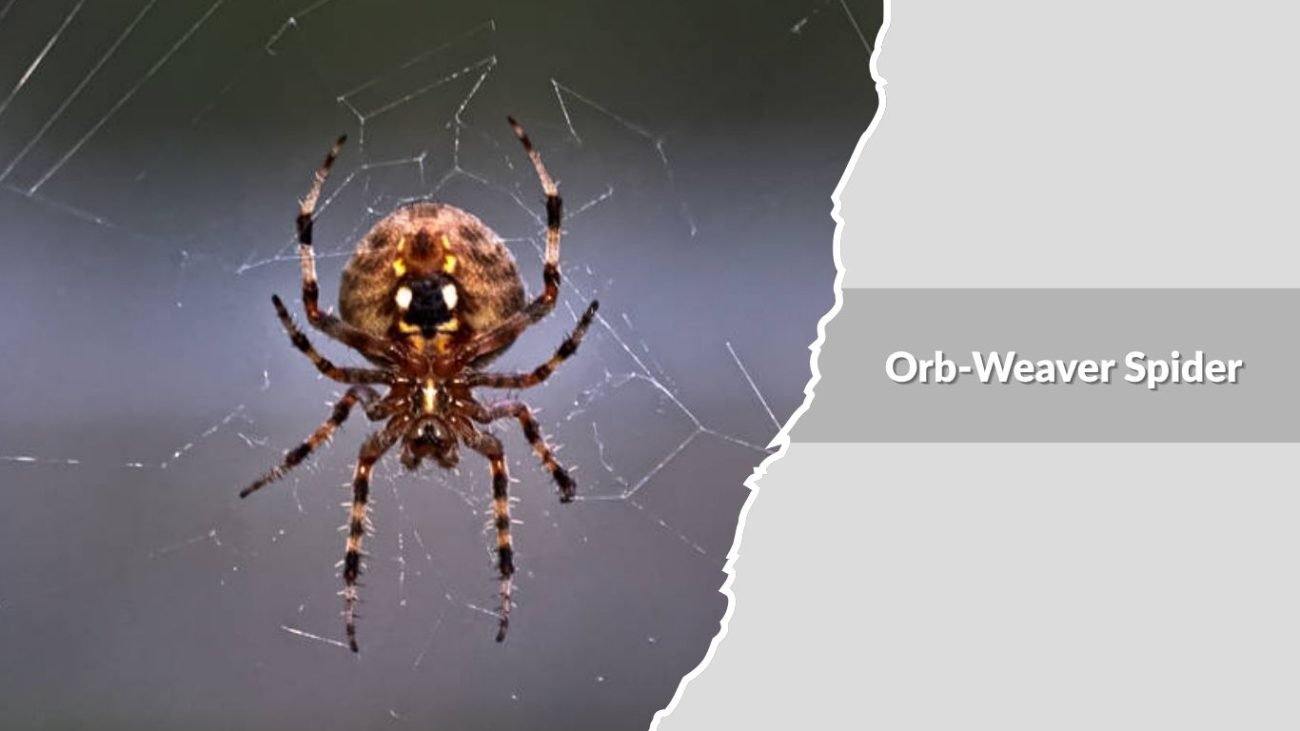
Orb-weaver spiders are some of the most recognizable spiders in America because they build the classic circular “wheel-shaped” webs seen in gardens, forests, and around homes. There are many species in this family, and their colors and patterns vary widely. Most orb-weavers are harmless, shy, and highly beneficial because they catch large numbers of flying insects, including mosquitoes, moths, and flies. They are most active from late summer into fall, when their webs become more visible in the early morning dew.
Identification
- Size: Small to large, usually 6–25 mm in body length (females larger than males)
- Color: Orange, brown, gray, yellow, black, or patterned combinations
- Body shape: Rounded or oval abdomen, often with noticeable markings or bumps
- Legs: Long, spiny legs adapted for web-building and handling prey
- Eyes: Eight eyes, usually arranged in two rows
- Web type: Large, circular orb web with radiating spokes
- Location: Gardens, shrubs, porches, fences, and near outdoor lights
- Behavior: Builds or repairs web at dusk, sits in center or hides nearby
Habitat and Behavior
Orb-weavers thrive in places where flying insects are abundant. They commonly build webs between tree branches, across walkways, in vegetable gardens, and around porch lights where moths gather at night. Many species rebuild their webs daily, often eating the old silk and spinning a fresh one in the evening. During the day, some orb-weavers rest in a nearby leaf retreat, while others remain in the center of the web. Their webs are sticky and surprisingly strong, designed to absorb the impact of fast-flying prey.
Are They Dangerous?
Orb-weaver spiders are not dangerous to humans. They are non-aggressive and usually flee or drop from the web when disturbed. Bites are rare and typically cause only mild redness or irritation, similar to a bee sting. In most cases, orb-weavers are excellent natural pest controllers and should be left undisturbed when possible. If a web is in an inconvenient spot, it can be gently removed, but the spider will often rebuild elsewhere.
8. Yellow Garden Spider (Argiope aurantia)
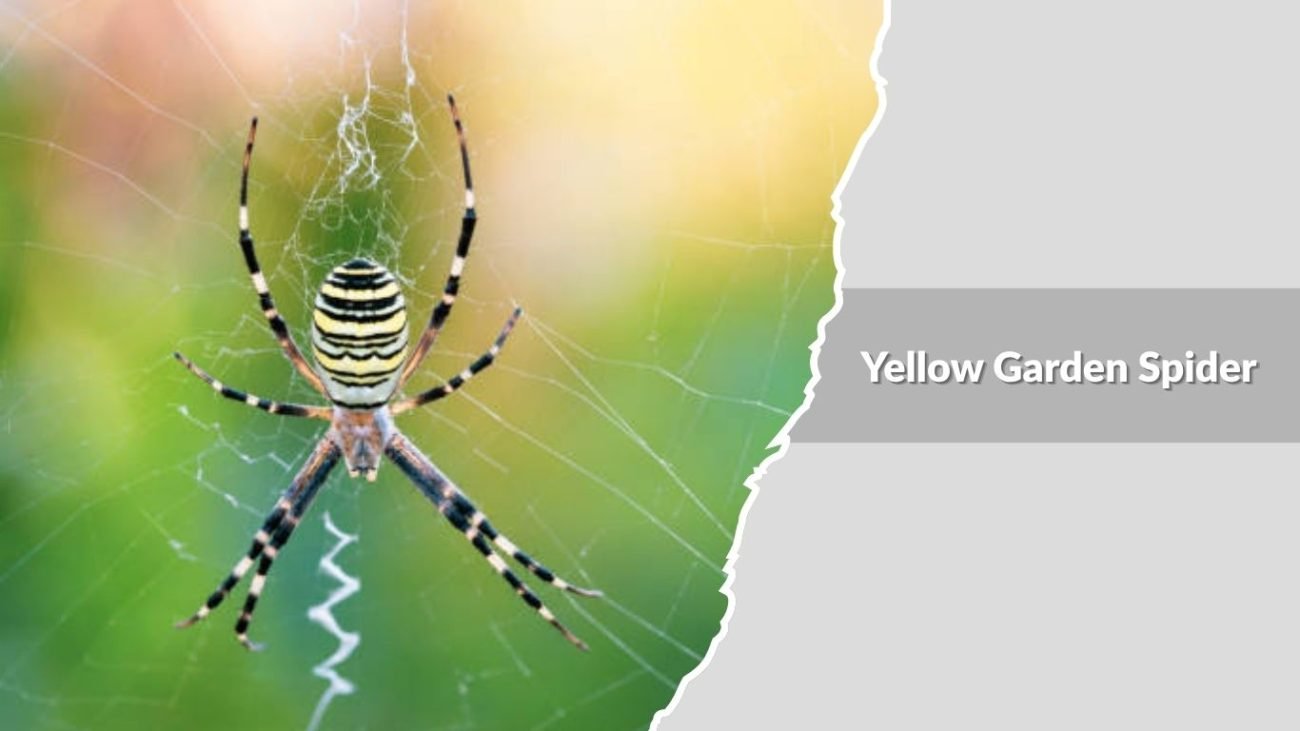
The yellow garden spider is a large, striking orb-weaver commonly found across the United States. It is easy to spot because of its bold black-and-yellow coloring and the large circular web it builds in gardens, fields, and around homes. This spider is also called the “writing spider” because many webs include a zigzag band of silk in the center. Despite its dramatic appearance, the yellow garden spider is harmless to people and plays an important role in controlling insect populations.
Identification
- Size: Large, usually 19–28 mm in body length (females much larger than males)
- Color: Bright yellow and black pattern on the abdomen, with some white markings
- Body shape: Long oval abdomen with a glossy, patterned appearance
- Legs: Long, black legs with orange or yellow bands near the body
- Eyes: Eight eyes, typical of orb-weavers
- Web type: Large circular orb web with a zigzag silk pattern (stabilimentum)
- Location: Gardens, tall grass, shrubs, fences, and sunny open spaces
- Behavior: Sits head-down in the center of the web, mostly active in warm months
Habitat and Behavior
Yellow garden spiders prefer sunny areas where flying insects are common. They often build webs between plants, across garden rows, or near porch lights where moths gather at night. The web is usually rebuilt or repaired regularly, and the spider waits patiently in the center for prey to become trapped. Females remain in one area for much of the season, while tiny males wander in search of mates. In late summer and early fall, females produce egg sacs that overwinter and hatch the following spring.
Are They Dangerous?
Yellow garden spiders are not dangerous to humans. They are shy and non-aggressive, and bites are very rare. If one does bite in self-defense, the reaction is usually mild, with slight redness or swelling. These spiders are highly beneficial because they catch grasshoppers, flies, mosquitoes, and other garden pests. If you find one in your yard, it’s usually best to leave it alone and let it continue its natural pest control work.
9. Hobo Spider (Eratigena agrestis)
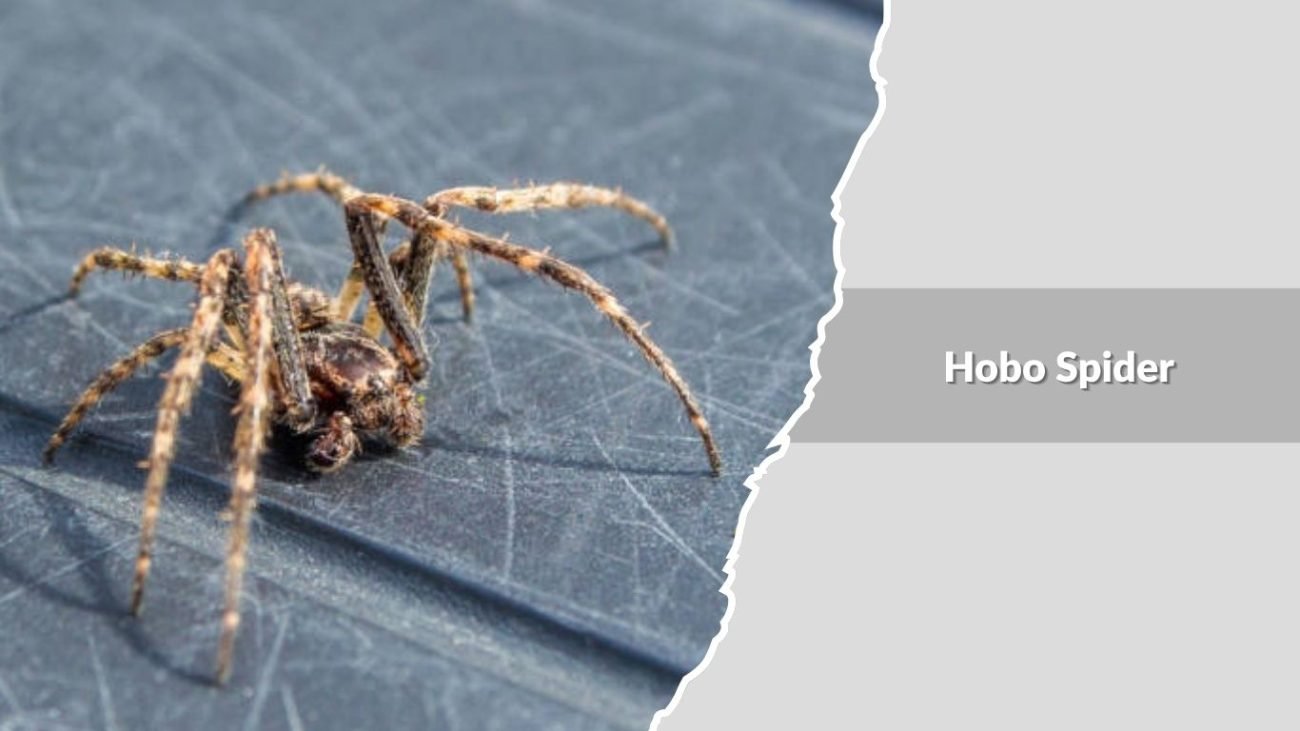
The hobo spider is a funnel-weaving spider found primarily in the northwestern United States. It gained a reputation in the past as being dangerous, but modern research suggests its bite is not as harmful as once believed. These spiders are fast runners and prefer to stay hidden in dark, low-traffic areas. Unlike orb-weavers, hobo spiders build funnel-shaped webs that allow them to quickly retreat when disturbed. They may occasionally wander indoors, especially during late summer and fall.
Identification
- Size: Medium, usually 7–14 mm in body length
- Color: Light to medium brown with subtle darker markings
- Body shape: Elongated abdomen with a somewhat plain appearance
- Legs: Long, slender legs without strong banding
- Eyes: Eight eyes in two rows (typical funnel weaver arrangement)
- Web type: Funnel-shaped web with a flat sheet leading into a tunnel retreat
- Location: Basements, foundations, window wells, and ground-level areas
- Behavior: Fast-moving, hides in funnel web, may wander indoors
Habitat and Behavior
Hobo spiders prefer ground-level habitats such as cracks in foundations, woodpiles, rock walls, and landscaping features. Their funnel webs are often built in corners or along edges where insects are likely to walk across the web surface. When prey touches the web, the spider quickly rushes out from the funnel to capture it. Indoors, they are most often found in basements or near entry points. Adult males tend to roam more frequently while searching for mates, which is when they are most likely to be noticed.
Are They Dangerous?
Hobo spiders are not considered dangerous to humans based on current scientific evidence. While they can bite if provoked, bites are rare and typically result in mild symptoms such as redness or slight irritation. The earlier belief that they caused severe skin damage has largely been disproven. As with most spiders, they prefer to avoid people and play a helpful role by controlling insect populations. If found indoors, they can be safely removed and released outside.
10. Grass Spider (Agelenopsis species)
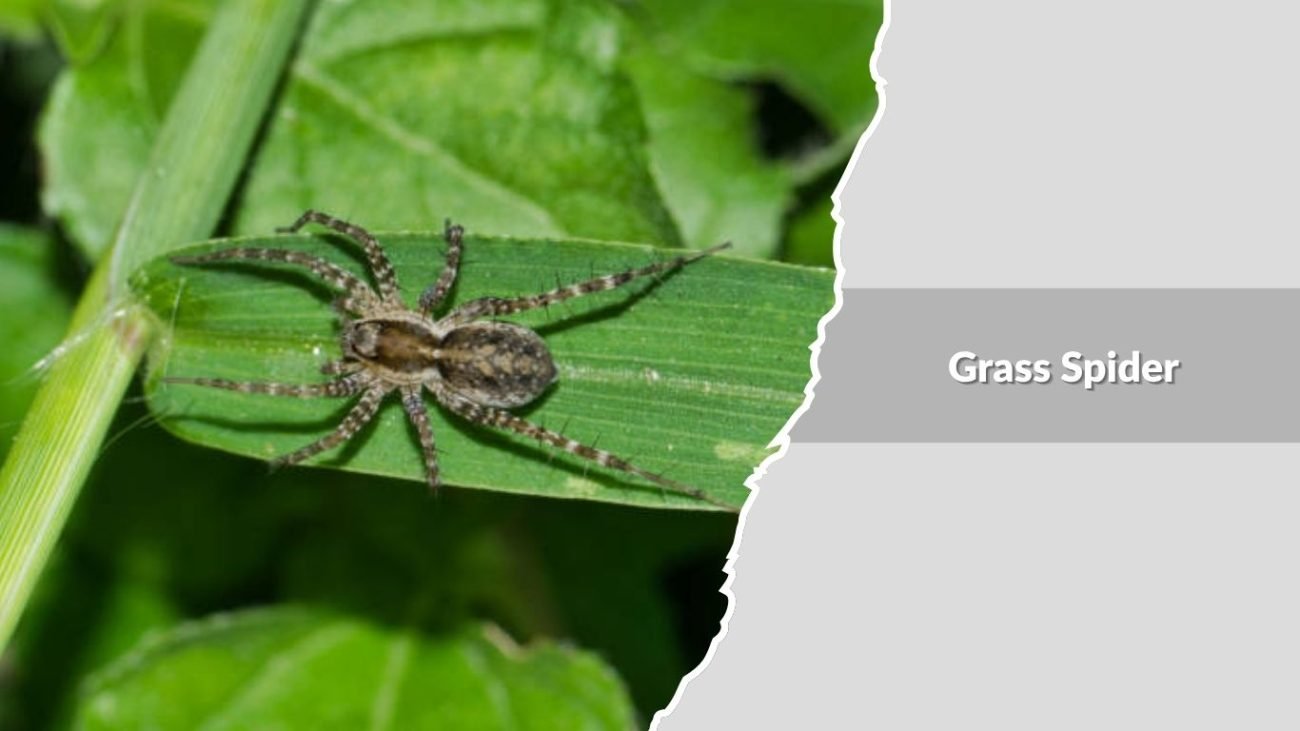
Grass spiders are common throughout the United States and are frequently seen in lawns, gardens, and along the edges of homes. They are part of the funnel weaver family and are known for their distinctive sheet-like webs with a funnel-shaped retreat. These spiders are fast runners and rely on their speed to capture prey rather than sticky silk. Although they may look similar to more concerning species, grass spiders are harmless and play an important role in controlling insects in outdoor spaces.
Identification
- Size: Medium, usually 8–20 mm in body length
- Color: Brown, gray, or tan with darker stripes on the body
- Body shape: Elongated abdomen with visible spinnerets extending from the rear
- Legs: Long, slender legs adapted for quick movement
- Eyes: Eight eyes arranged in two rows
- Web type: Flat sheet web with a funnel-shaped retreat
- Location: Lawns, bushes, fences, window wells, and ground-level areas
- Behavior: Extremely fast runner, waits in funnel and rushes out to catch prey
Habitat and Behavior
Grass spiders prefer outdoor environments where grass, shrubs, or debris provide good web support. Their webs are often built low to the ground, stretching across grass blades or between plants. The funnel at one end serves as a hiding place where the spider waits for vibrations signaling trapped prey. When an insect walks across the web, the spider quickly dashes out, captures it, and drags it back into the funnel. These spiders are most active during warmer months and are commonly noticed in the early morning when dew highlights their webs.
Are They Dangerous?
Grass spiders are not dangerous to humans. They are shy and will usually retreat into their funnel when approached. Bites are very rare and typically cause only mild irritation, if any symptoms at all. These spiders are beneficial in gardens and yards because they help control populations of flies, mosquitoes, and other small insects. If their webs appear in unwanted areas, they can be gently removed, but the spiders themselves are best left undisturbed.
11. Fishing Spider (Dolomedes species)
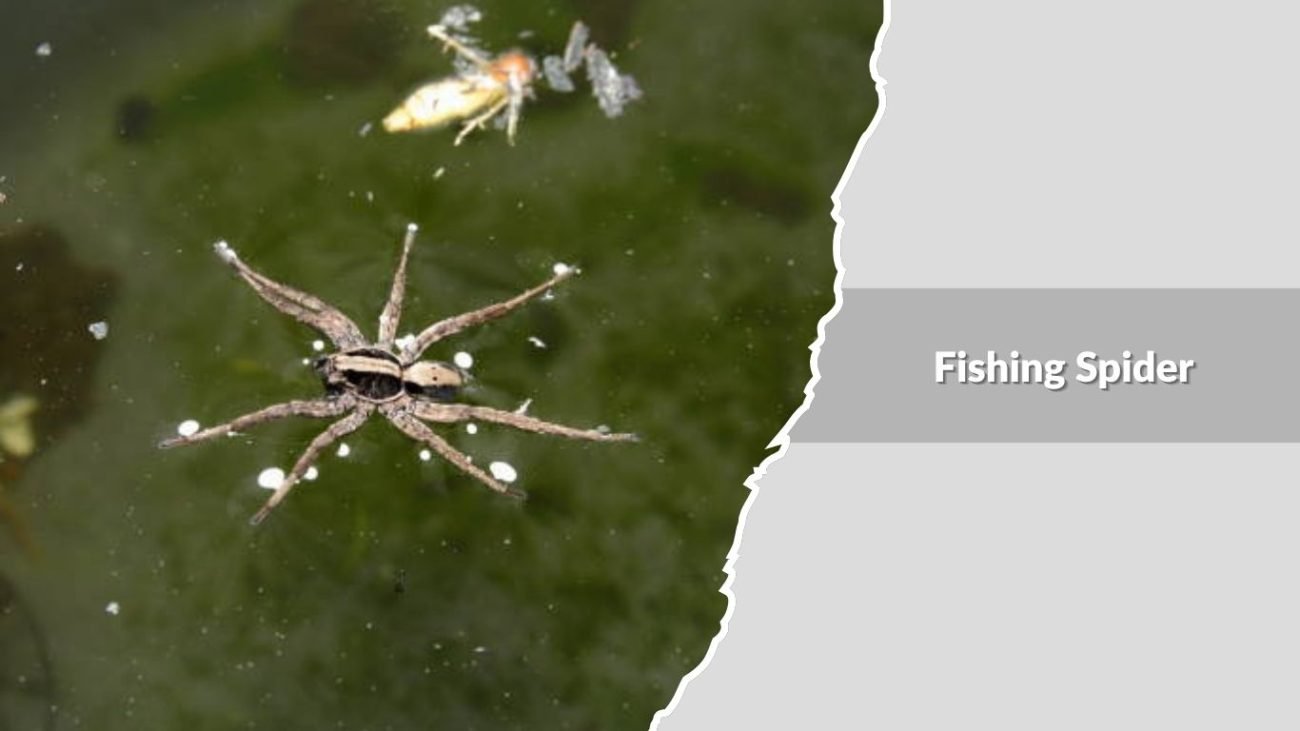
Fishing spiders are large, impressive spiders commonly found near water sources across the United States. Despite their intimidating size, they are harmless to humans and are best known for their ability to walk on water and even catch small fish. These spiders do not rely on webs to capture prey; instead, they hunt by sensing vibrations on the water’s surface. Fishing spiders are often mistaken for wolf spiders due to their similar appearance, but they are typically associated with ponds, lakes, and streams.
Identification
- Size: Large, usually 15–26 mm in body length (leg span much larger)
- Color: Brown, gray, or tan with lighter stripes or markings
- Body shape: Long, somewhat flattened body adapted for surface movement
- Legs: Very long, strong legs often with banding
- Eyes: Eight eyes in two rows, similar to wolf spiders
- Web type: No prey-catching web; uses silk only for egg sacs and retreats
- Location: Near water—ponds, lakes, streams, docks, and wetland vegetation
- Behavior: Can run on water, dive below surface, hunts actively
Habitat and Behavior
Fishing spiders live close to freshwater environments where insects, tadpoles, and small aquatic animals are abundant. They are often seen resting on rocks, logs, or vegetation at the water’s edge. Using sensitive hairs on their legs, they detect vibrations caused by struggling prey on the water. When an opportunity arises, they quickly strike and may even dive underwater to capture or escape. These spiders are mostly active at night but can sometimes be seen during the day basking near the shoreline.
Are They Dangerous?
Fishing spiders are not dangerous to humans. While they can bite if handled, bites are rare and usually result in mild symptoms such as slight pain or redness. They are non-aggressive and prefer to flee rather than confront threats. These spiders are beneficial predators that help control insect populations and maintain balance in aquatic ecosystems. If encountered, it’s best to observe them from a distance and appreciate their unique hunting abilities.
12. Crab Spider (Thomisidae family)
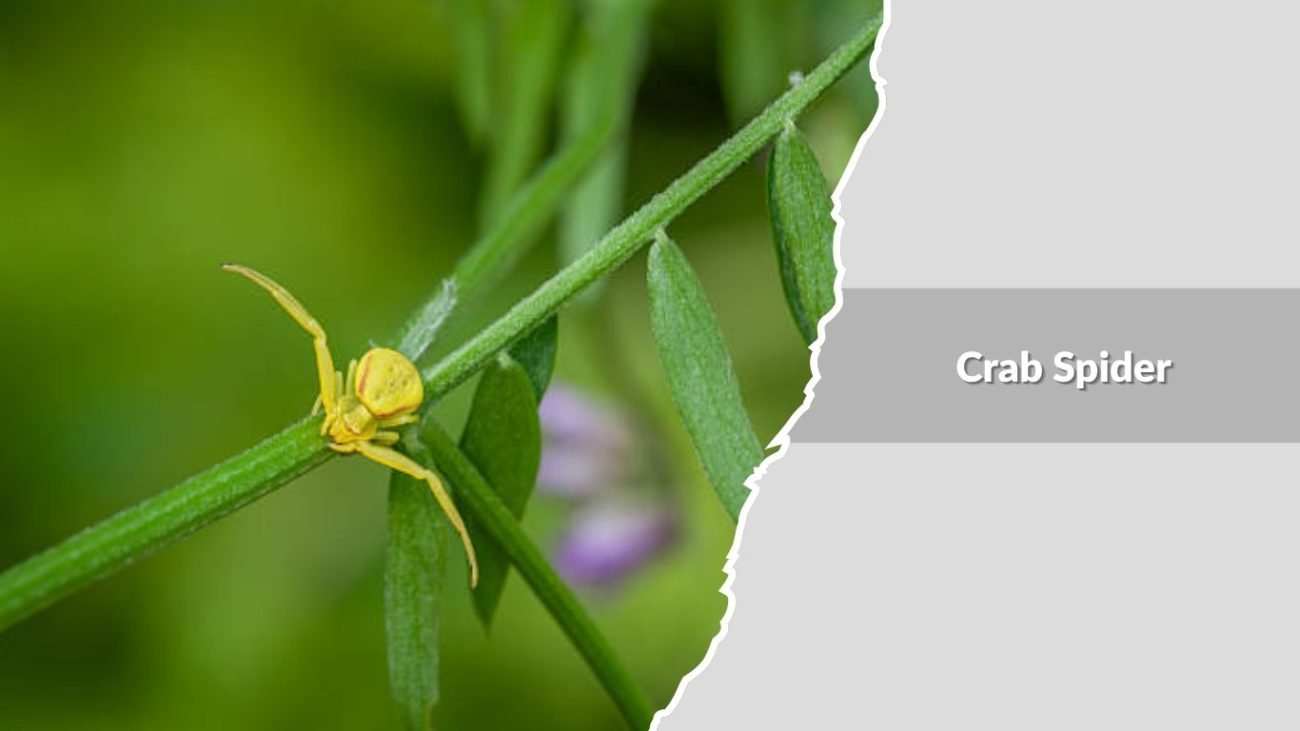
Crab spiders are unique-looking spiders known for their sideways movement and crab-like stance. They are commonly found on flowers, leaves, and shrubs throughout the United States. Unlike web-building spiders, crab spiders are ambush predators that wait patiently for prey to come within reach. Many species can change color—often white, yellow, or pink—to blend in with flowers, making them excellent hunters. Their ability to camouflage allows them to capture pollinating insects such as bees and butterflies.
Identification
- Size: Small to medium, usually 2–10 mm in body length
- Color: White, yellow, pink, green, or brown (some species change color)
- Body shape: Flattened, broad body with a rounded abdomen
- Legs: Front two pairs longer and held out to the sides like a crab
- Eyes: Eight small eyes arranged in two rows
- Web type: No prey-catching web; uses silk only for egg sacs or safety lines
- Location: Flowers, leaves, garden plants, and shrubs
- Behavior: Ambush predator, remains still and grabs prey quickly
Habitat and Behavior
Crab spiders are most often found in gardens, meadows, and areas with flowering plants. They prefer locations where insects frequently visit, such as bright flowers rich in nectar. Instead of building webs, they rely on camouflage and patience, remaining motionless until prey comes close. When an insect lands, the spider quickly grabs it with its strong front legs. Some species can slowly adjust their color over time to match their surroundings, improving their chances of staying hidden from both prey and predators.
Are They Dangerous?
Crab spiders are not dangerous to humans. They are shy and rarely bite, and even if they do, the effects are usually mild, such as slight irritation or redness. These spiders are beneficial in gardens because they help control populations of flies, bees (occasionally), and other insects. While they may capture pollinators, their overall impact on ecosystems is balanced. They are fascinating to observe and best left undisturbed in their natural habitat.
13. Trapdoor Spider (Ctenizidae and related families)
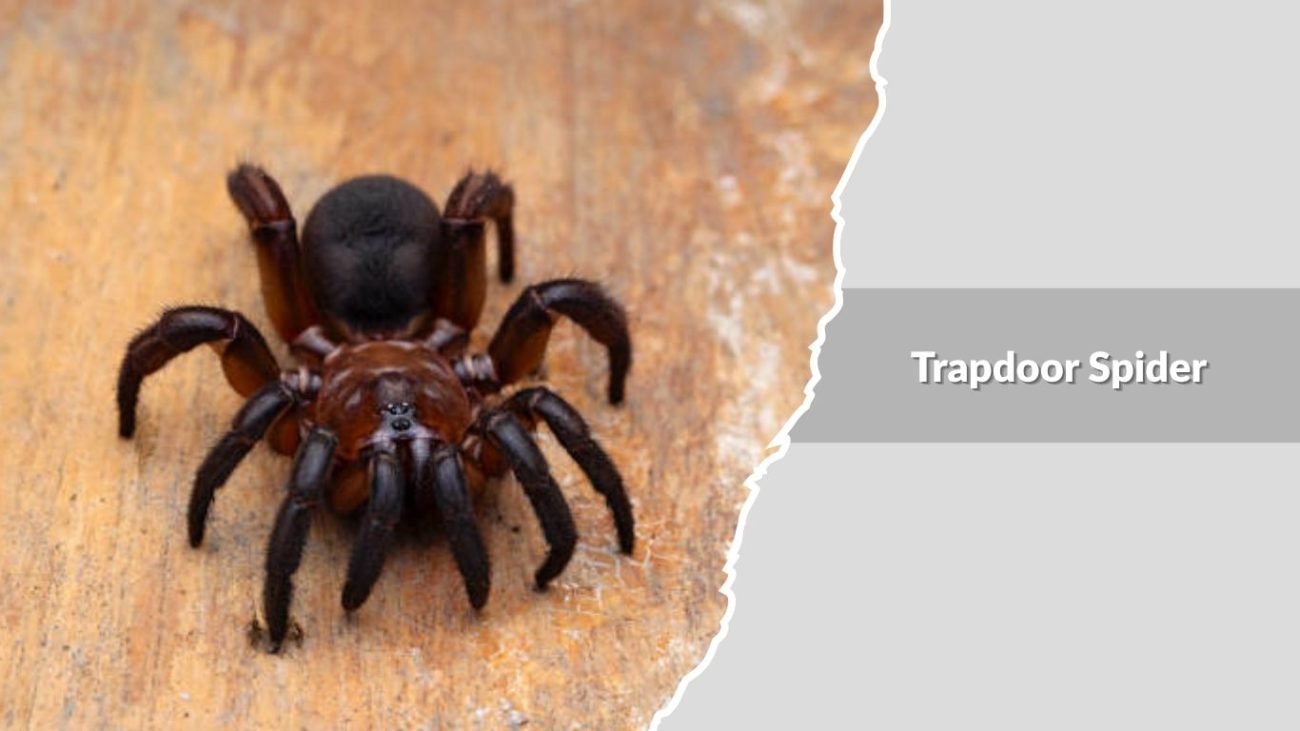
Trapdoor spiders are secretive, ground-dwelling spiders found in parts of the United States, especially in the South and Southwest. They are famous for building hidden burrows in soil and covering the entrance with a camouflaged “trapdoor” made of silk, dirt, and plant material. Unlike web-building spiders, trapdoor spiders spend most of their lives underground, waiting near the entrance of their burrow to ambush passing insects. They are rarely seen because they only come out at night or after heavy rain, and they quickly retreat if disturbed.
Identification
- Size: Medium to large, usually 10–30 mm in body length
- Color: Dark brown, reddish-brown, or black
- Body shape: Stout, compact body with a broad cephalothorax
- Legs: Thick, strong legs adapted for digging
- Fangs: Large downward-pointing fangs (mygalomorph type)
- Web type: No prey-catching web; silk-lined burrow with a hinged trapdoor
- Location: Soil banks, forest floors, gardens, and dry, undisturbed ground
- Behavior: Ambush hunter, waits at burrow entrance and grabs prey quickly
Habitat and Behavior
Trapdoor spiders prefer quiet outdoor areas with loose soil where they can dig stable burrows. Their tunnels are lined with silk for strength and moisture control, and the trapdoor helps hide them from predators while keeping the burrow sealed. At night, the spider waits just inside the entrance with its front legs touching the door. When an insect walks by, it bursts out, captures the prey, and drags it underground. Males may wander in search of females during mating season, which is one of the few times people encounter them.
Are They Dangerous?
Trapdoor spiders are not considered dangerous to humans. They are shy and avoid confrontation, but they may bite if handled or cornered. Their bites can be painful because of their large fangs, but serious reactions are uncommon. In most cases, symptoms are limited to mild swelling or soreness. These spiders are beneficial predators that help control insects and other small invertebrates in the soil ecosystem. If you find one, it’s best to leave it alone and enjoy the rare sighting from a distance.
14. Tarantula (Aphonopelma species)
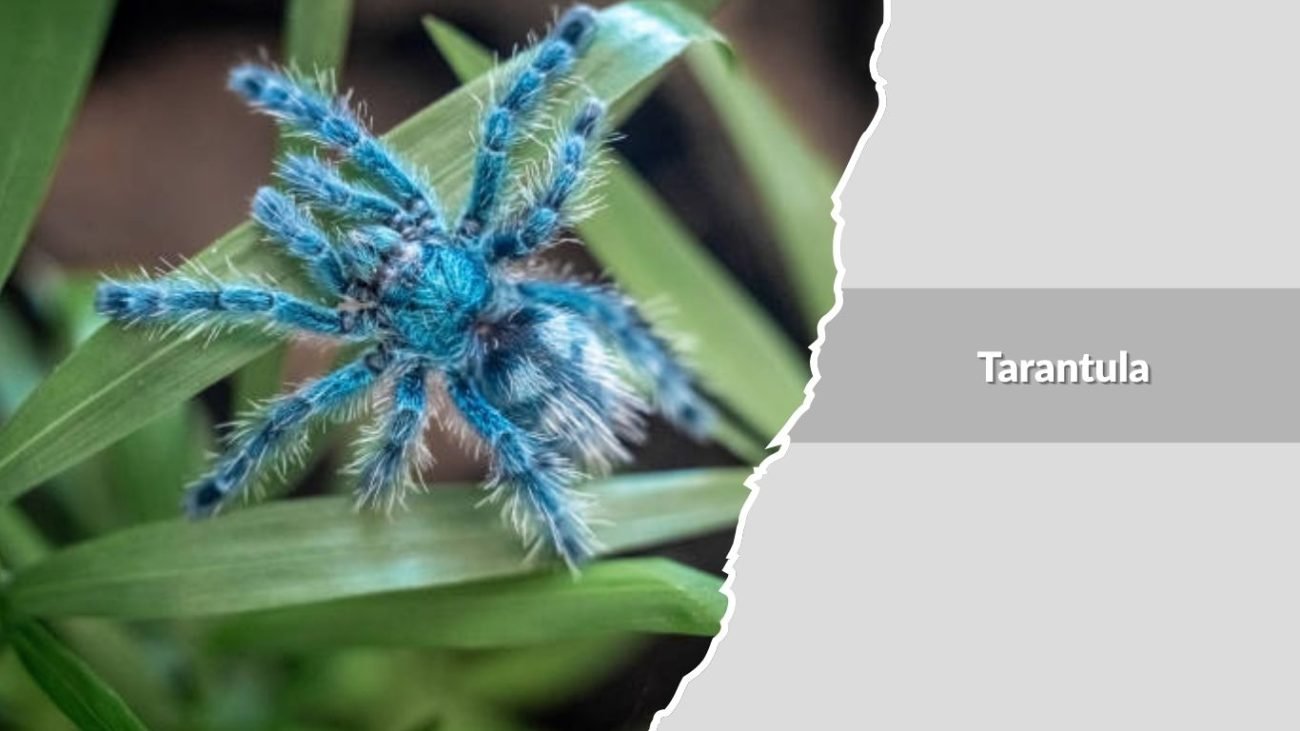
Tarantulas are the largest spiders found in the United States and are most common in the Southwest, especially in desert and scrubland regions. Although their size and hairy appearance can seem intimidating, American tarantulas are generally calm, slow-moving, and not dangerous to people. They spend much of their lives in burrows and come out mostly at night to hunt insects and other small prey. In late summer and fall, males may wander across roads and trails searching for females, which is when they are most often seen.
Identification
- Size: Large, usually 25–60 mm in body length (leg span can exceed 10 cm)
- Color: Brown, dark brown, black, or tan, often with a velvety look
- Body shape: Thick, heavy body with a broad cephalothorax and rounded abdomen
- Legs: Long, sturdy, and covered with dense hairs
- Fangs: Large downward-pointing fangs (mygalomorph type)
- Web type: No prey-catching web; uses silk to line burrows and make egg sacs
- Location: Deserts, grasslands, rocky hillsides, and dry open areas
- Behavior: Slow-moving, nocturnal hunter, may raise front legs when threatened
Habitat and Behavior
Tarantulas prefer dry habitats where they can dig or occupy burrows for shelter from heat and predators. During the day, they stay hidden underground and emerge after sunset to hunt crickets, beetles, and other insects. They rely on vibration and touch more than eyesight, using sensitive hairs on their legs to detect movement. If threatened, some tarantulas may flick tiny hairs from their abdomen as a defense, which can irritate the skin or eyes of predators. Males become more visible during mating season as they travel long distances in search of females.
Are They Dangerous?
American tarantulas are not considered dangerous to humans. They can bite if provoked, but bites are rare and usually cause mild pain and swelling, similar to a bee sting. Their defensive hairs are more likely to cause irritation than their venom. Tarantulas are important predators in their ecosystems and help control insect populations. If you encounter one, avoid handling it and simply observe from a respectful distance.
15. Southern House Spider (Kukulcania hibernalis)
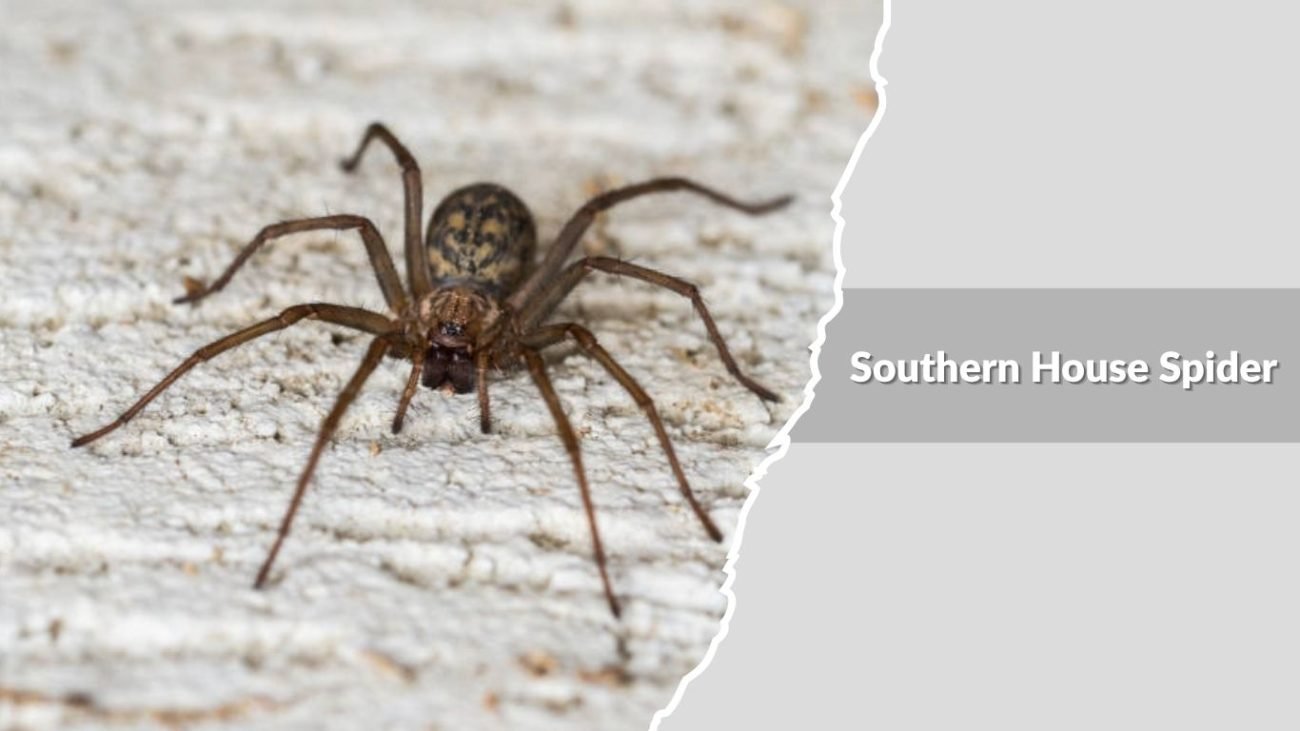
The Southern house spider is a common spider in the southeastern United States and is often mistaken for a brown recluse because of its color and shape. However, it is a completely different species and is not considered dangerous to humans. These spiders are usually found in and around homes, especially near windows, cracks, and crevices. Females spend most of their lives inside silk-lined retreats, while males wander more often and are the ones people usually notice. Southern house spiders are excellent at controlling household pests and generally keep to themselves.
Identification
- Size: Medium to large, usually 9–19 mm in body length
- Color: Brown, gray-brown, or dark tan
- Body shape: Elongated body with a smooth, somewhat velvety appearance
- Legs: Long, slender legs, often darker than the body
- Sex difference: Males are thinner and more spider-like; females are stockier and darker
- Web type: Messy, woolly-looking web near cracks and crevices
- Location: Window frames, walls, garages, sheds, and under eaves
- Behavior: Males roam at night; females stay hidden in silk tubes
Habitat and Behavior
Southern house spiders prefer warm climates and are most often found in old buildings, barns, garages, and homes with small openings in walls or window frames. Females build a silk retreat in a crack and extend strands outward to detect prey vibrations. They rarely leave this shelter. Males, on the other hand, wander in search of mates and are often seen on walls or floors, especially during warm evenings. These spiders are nocturnal and feed on insects such as moths, flies, and cockroaches.
Are They Dangerous?
Southern house spiders are not dangerous to people. They are shy, non-aggressive, and bites are very rare. Even if a bite occurs, it usually causes only mild irritation. Their resemblance to the brown recluse leads to unnecessary concern, but unlike recluses, Southern house spiders are harmless and beneficial. If one appears indoors, it can be left alone or gently moved outside.
16. Bold Jumping Spider (Phidippus audax)
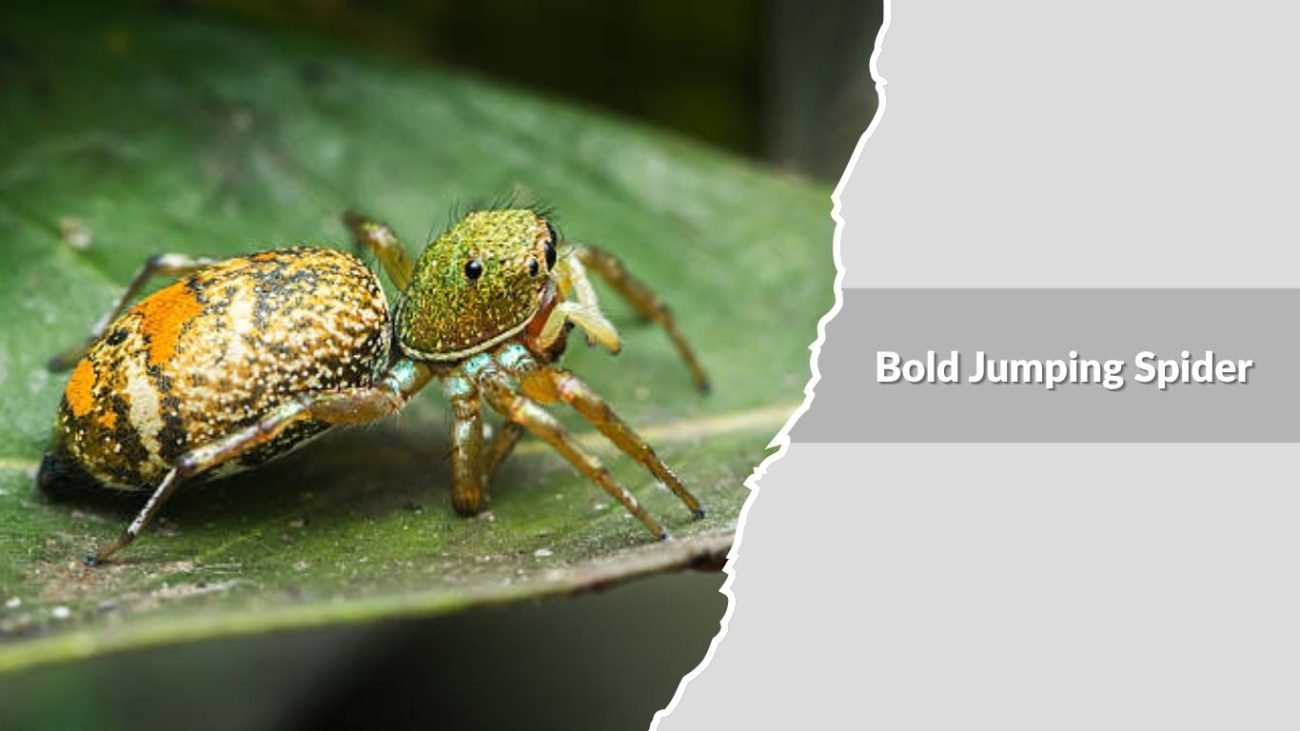
The bold jumping spider is one of the most common and recognizable jumping spiders in the United States. It is known for its fuzzy black body, bright markings, and large forward-facing eyes that give it a curious, almost expressive look. Like other jumping spiders, it does not build webs to catch prey. Instead, it hunts during the day by stalking insects and making quick, accurate jumps. Bold jumping spiders are harmless to humans and are often found around homes, gardens, and sunny outdoor walls.
Identification
- Size: Small to medium, usually 6–15 mm in body length
- Color: Black body with white, orange, or yellow spots on the abdomen
- Body shape: Compact, sturdy body with a high cephalothorax
- Legs: Short to medium length, strong front legs for jumping and grabbing prey
- Eyes: Large front-facing eyes, with eight eyes total
- Markings: Three spots on the abdomen are common (pattern can vary by age)
- Web type: No prey-catching web; uses silk dragline when jumping
- Location: Walls, fences, windows, gardens, and sunny outdoor surfaces
- Behavior: Active hunter, jumps quickly, often turns to face movement
Habitat and Behavior
Bold jumping spiders are found in many habitats, including gardens, fields, forests, and urban areas. They prefer sunny spots where they can easily spot prey, such as flies, gnats, and small moths. Instead of waiting in a web, they move in short bursts, pausing to watch their surroundings before pouncing. Their excellent vision helps them judge distance and land precise jumps. At night, they rest in small silk shelters hidden in cracks, under leaves, or around window frames.
Are They Dangerous?
Bold jumping spiders are not dangerous to humans. They are curious but not aggressive, and bites are very rare. If one does bite in self-defense, the reaction is usually mild, causing only slight redness or irritation. These spiders are beneficial because they help reduce pest insects naturally. Many people enjoy seeing them around the home because of their alert behavior and harmless nature.
17. Spiny-Backed Orb Weaver (Gasteracantha cancriformis)
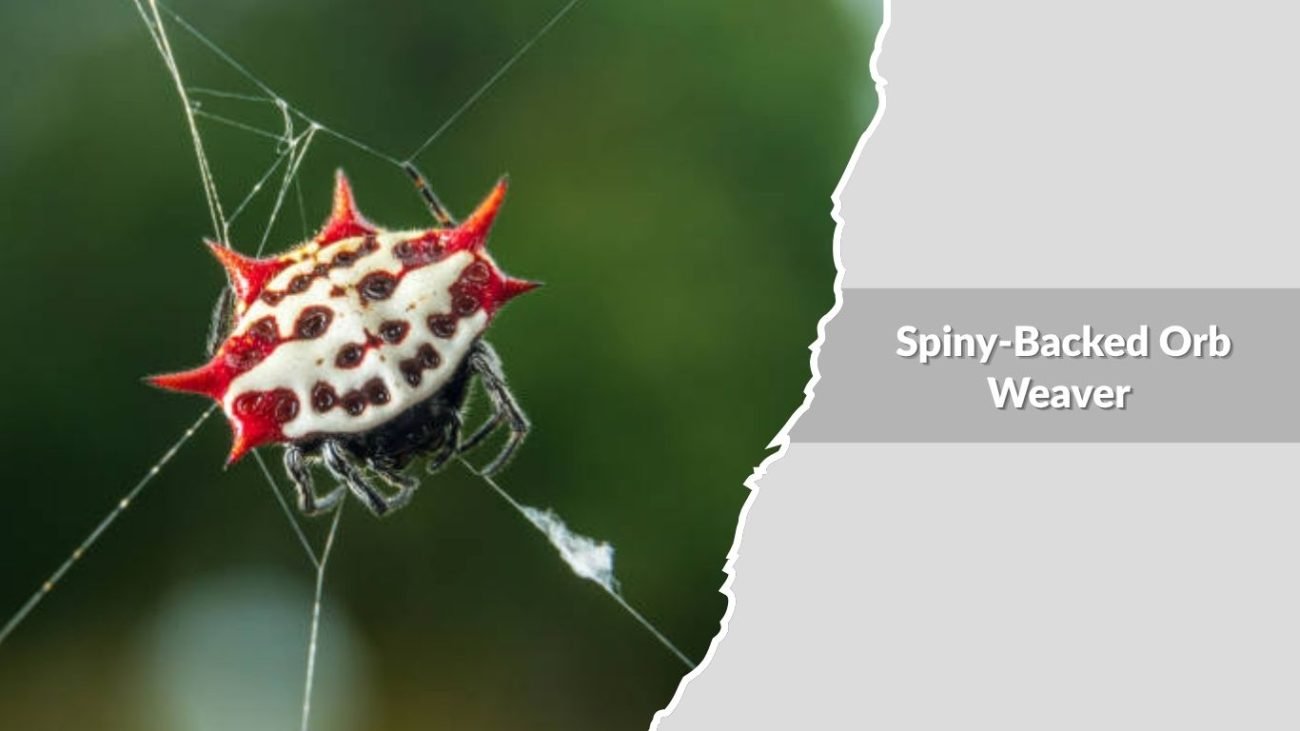
The spiny-backed orb weaver is a small but striking spider known for its bright colors and hard, spiked abdomen. Found mainly in the southern United States, especially in warm regions like Florida and along the Gulf Coast, this spider is easy to recognize due to its unusual shape. Despite its bold appearance, it is completely harmless to humans. Like other orb-weavers, it builds circular webs to catch flying insects and is most often seen in gardens, forests, and around homes.
Identification
- Size: Small, usually 5–9 mm in body length
- Color: White, yellow, orange, or red with black spots (varies widely)
- Body shape: Flattened, crab-like abdomen with six prominent spines
- Legs: Short, dark legs compared to body size
- Eyes: Eight small eyes typical of orb-weavers
- Web type: Circular orb web, often built between branches or shrubs
- Location: Gardens, trees, shrubs, and forest edges
- Behavior: Sits in the center of its web during the day
Habitat and Behavior
Spiny-backed orb weavers prefer warm, humid environments where flying insects are abundant. They build their webs in open spaces between vegetation, often at eye level, making them easy to spot. These spiders are active during the day and typically remain in the center of their webs, waiting for prey to become trapped. Their bright colors and spiny bodies may help deter predators. Unlike many spiders, they do not wander far and usually stay in the same web location for extended periods.
Are They Dangerous?
Spiny-backed orb weavers are not dangerous to humans. They are non-aggressive and rarely bite. If disturbed, they are more likely to drop from their web or remain still rather than defend themselves. Even if a bite were to occur, it would likely cause only mild irritation. These spiders are beneficial in gardens because they help control populations of flies, mosquitoes, and other small flying insects.
18. Woodlouse Spider (Dysdera crocata)
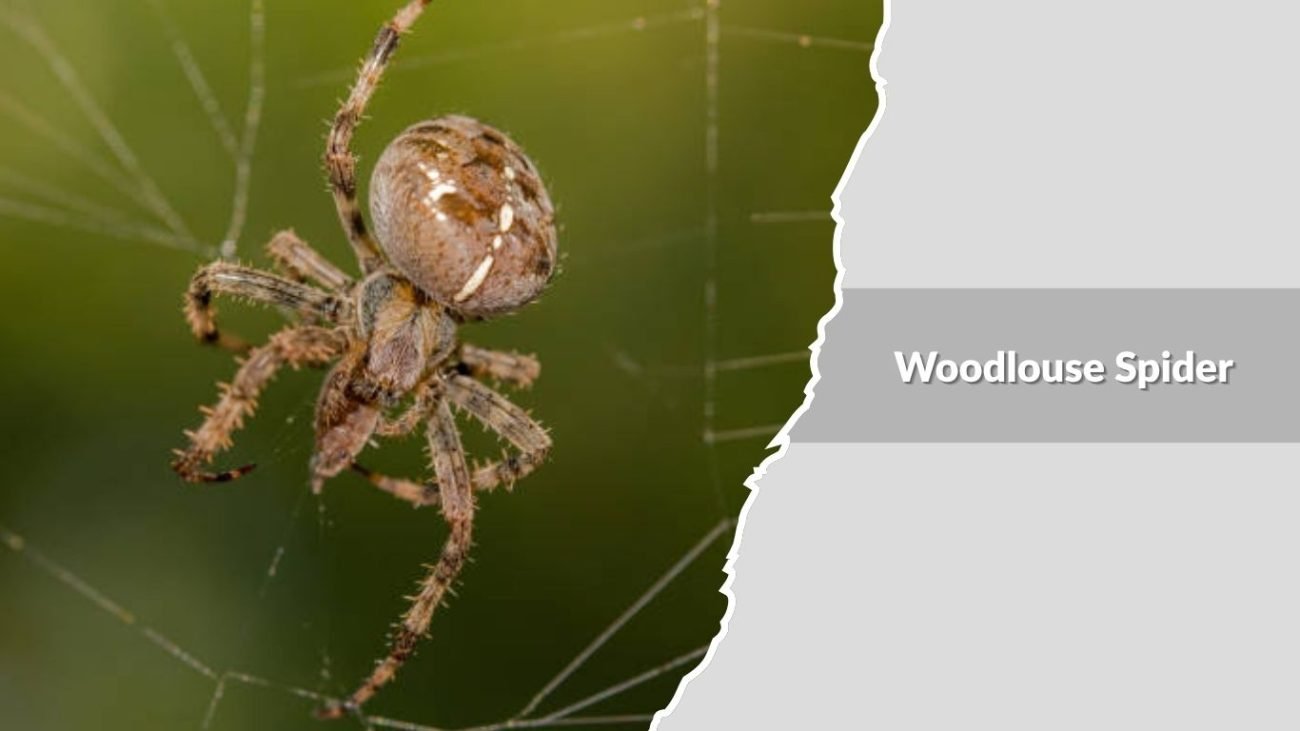
The woodlouse spider is a unique hunting spider known for its specialized diet of woodlice (also called pill bugs or roly-polies). It is commonly found in parts of the United States, especially in gardens, basements, and damp outdoor areas. Unlike web-building spiders, it actively hunts at night, using its strong jaws to capture prey. Its reddish head and pale abdomen make it easy to recognize. Although it may look unusual, the woodlouse spider is harmless and generally avoids human interaction.
Identification
- Size: Medium, usually 9–15 mm in body length
- Color: Reddish-brown cephalothorax, pale gray or cream-colored abdomen
- Body shape: Elongated body with a smooth, slightly shiny appearance
- Legs: Medium-length legs, often orange or reddish
- Fangs: Large, forward-pointing fangs adapted for piercing hard-shelled prey
- Eyes: Six eyes arranged in a semicircle
- Web type: No prey-catching web; uses silk for retreats
- Location: Under rocks, logs, leaf litter, basements, and damp areas
- Behavior: Nocturnal hunter, actively searches for woodlice
Habitat and Behavior
Woodlouse spiders prefer moist environments where their primary prey is abundant. Outdoors, they are commonly found under stones, logs, mulch, and garden debris. Indoors, they may appear in basements, crawl spaces, or near foundations. These spiders do not rely on webs to catch food—instead, they roam at night in search of woodlice, which they capture using their powerful fangs. During the day, they hide in silk-lined retreats or natural crevices to stay protected from light and predators.
Are They Dangerous?
Woodlouse spiders are not dangerous to humans. They can bite if handled, and their bite may feel slightly more noticeable than that of smaller spiders due to their large fangs. However, symptoms are typically mild, including temporary pain or redness. They are not aggressive and prefer to avoid contact. These spiders are beneficial because they help control populations of woodlice and other small invertebrates around homes and gardens.
19. Sac Spider (Cheiracanthium species)
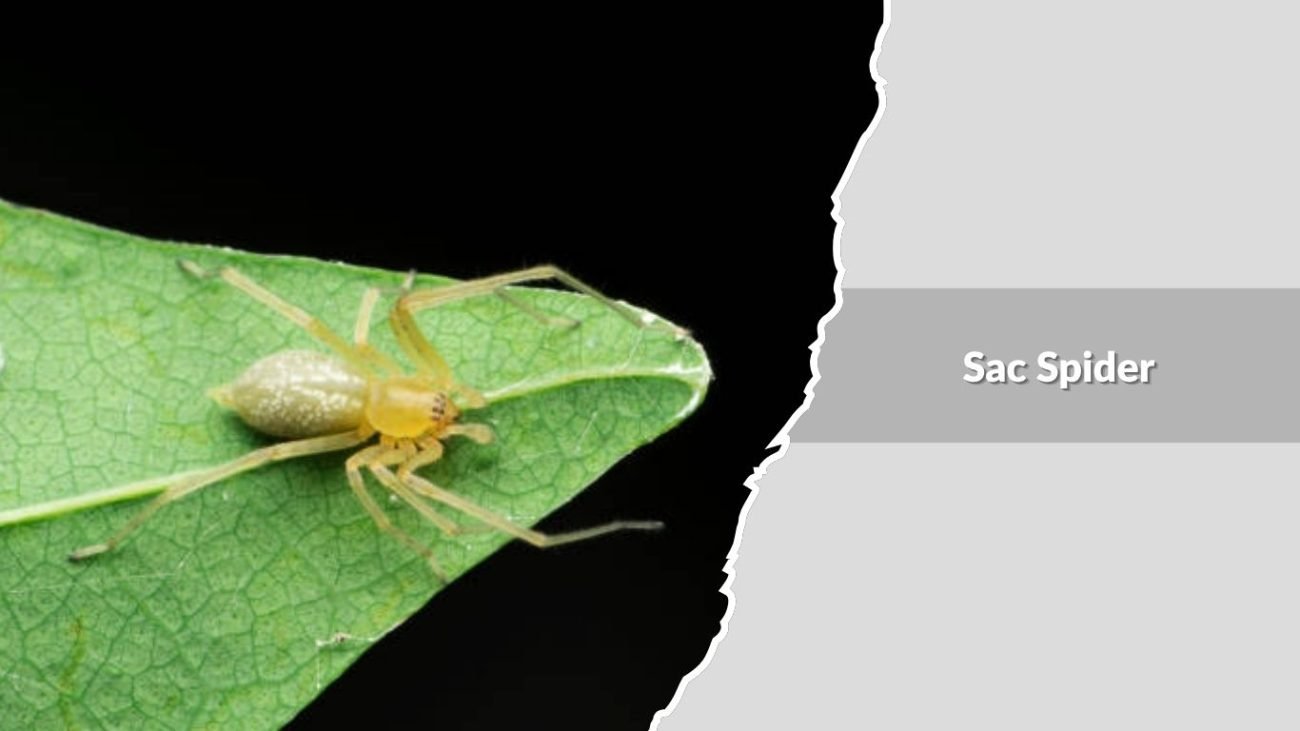
Sac spiders are small, pale-colored spiders commonly found both indoors and outdoors across the United States. They are known for creating silk “sacs” or tubes where they rest during the day, which is how they get their name. Unlike web-building spiders, sac spiders are active hunters that roam at night in search of insects. They are often seen on walls, ceilings, and around windows. Although they may appear suddenly indoors, they are generally harmless and help control pest populations.
Identification
- Size: Small to medium, usually 5–10 mm in body length
- Color: Pale yellow, light green, or beige
- Body shape: Slender body with a slightly elongated abdomen
- Legs: Long, thin legs, often lighter in color
- Eyes: Eight small eyes arranged in two rows
- Web type: No prey-catching web; builds small silk sacs for resting
- Location: Walls, ceilings, gardens, under leaves, and window areas
- Behavior: Nocturnal hunter, wanders at night, hides in silk sac during the day
Habitat and Behavior
Sac spiders are highly adaptable and can live in a variety of environments, including homes, gardens, and wooded areas. During the day, they rest inside small silk sacs hidden in corners, under leaves, or along edges of walls and ceilings. At night, they emerge to hunt insects such as flies, moths, and small bugs. Indoors, they are often noticed moving across walls or ceilings after dark. Outdoors, they are commonly found on plants and shrubs where prey is abundant.
Are They Dangerous?
Sac spiders are not considered dangerous to humans, but they are one of the few common household spiders that may bite more readily if trapped against the skin. Bites are still uncommon and usually result in mild symptoms such as redness, itching, or slight swelling. Serious reactions are very rare. These spiders are beneficial because they help reduce insect populations both indoors and outdoors.
20. Nursery Web Spider (Pisaurina mira)
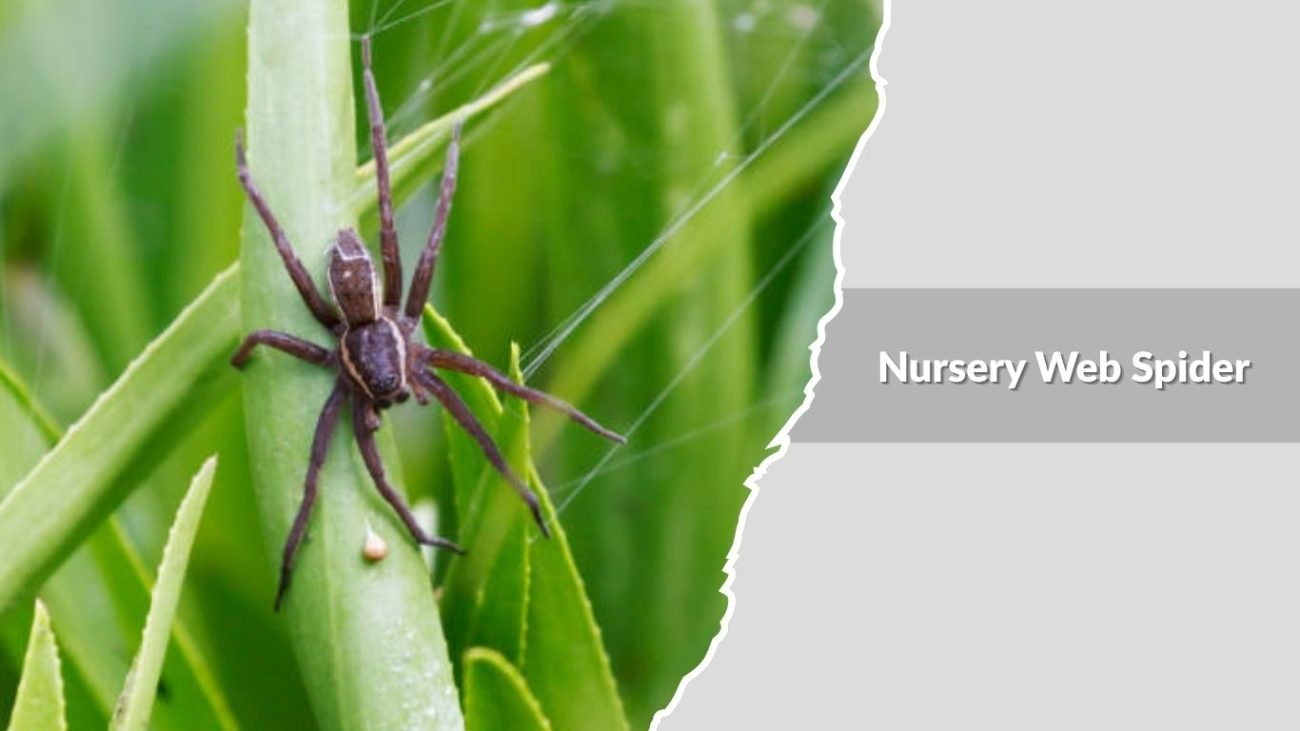
The nursery web spider is a common spider found throughout much of the United States, especially in grassy fields, gardens, and wooded areas. It gets its name from the way females protect their eggs—by building a “nursery” web where spiderlings hatch and stay for a short time. These spiders are active hunters and do not rely on webs to catch prey. They are often confused with wolf spiders due to their similar appearance, but nursery web spiders tend to be more slender and are frequently found on vegetation.
Identification
- Size: Medium, usually 10–20 mm in body length
- Color: Brown, tan, or gray with darker stripes or patterns
- Body shape: Slender body with a somewhat elongated abdomen
- Legs: Long, thin legs, often held stretched outward
- Eyes: Eight eyes arranged in two rows
- Marking: A dark stripe running down the center of the body is common
- Web type: No prey-catching web; builds nursery web for egg sac protection
- Location: Tall grass, shrubs, gardens, and near water edges
- Behavior: Active hunter, often seen resting on plants
Habitat and Behavior
Nursery web spiders prefer outdoor habitats with plenty of vegetation. They are often found in tall grass, bushes, and along forest edges where insects are abundant. These spiders hunt by stalking and quickly grabbing prey rather than trapping it in webs. A unique behavior of this species is maternal care—females carry their egg sac in their jaws and later attach it to vegetation, surrounding it with a protective silk web (the “nursery”). The mother guards this structure until the spiderlings emerge.
Are They Dangerous?
Nursery web spiders are not dangerous to humans. They are non-aggressive and will usually try to escape if disturbed. Bites are rare and typically cause only mild symptoms such as slight redness or irritation. These spiders are beneficial in natural environments and gardens because they help control populations of insects. If encountered, they can be safely left alone to continue their role as natural pest controllers.
21. Hacklemesh Weaver (Amaurobiidae family)
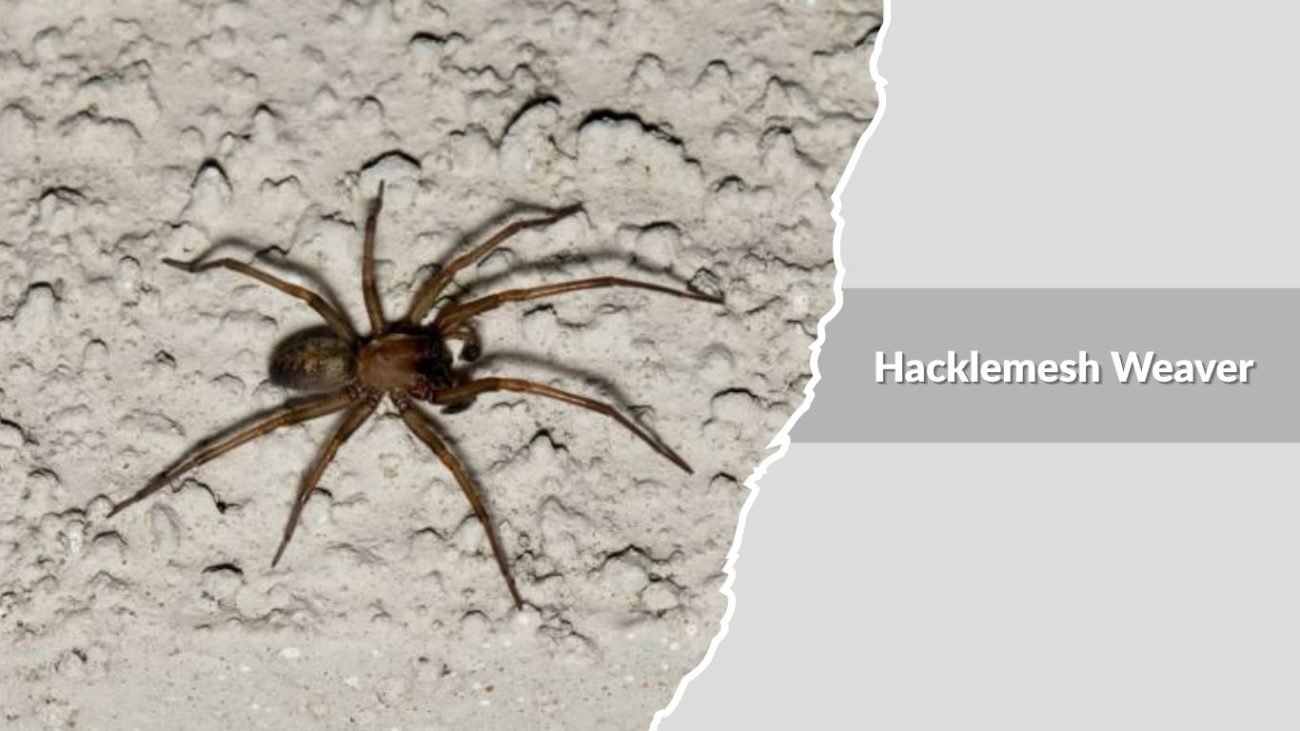
Hacklemesh weavers are common spiders found in and around homes in many parts of the United States. They are especially known for their dense, woolly-looking webs, which are often built in cracks, corners, and window frames. These spiders are sometimes confused with more dangerous species because of their dark color and fast movements, but they are harmless. Hacklemesh weavers are nocturnal hunters that stay hidden during the day and come out at night to capture insects caught in their webs.
Identification
- Size: Medium, usually 8–15 mm in body length
- Color: Dark brown, black, or gray with subtle patterns
- Body shape: Oval abdomen with a slightly rough or matte appearance
- Legs: Medium-length, sturdy legs often covered with fine hairs
- Eyes: Eight eyes arranged in two rows
- Web type: Dense, woolly, irregular web (hackled silk)
- Location: Window corners, cracks in walls, siding, and under eaves
- Behavior: Nocturnal, hides in retreat during the day, emerges at night
Habitat and Behavior
Hacklemesh weavers prefer sheltered areas where they can build their thick, fuzzy webs. Indoors, they are often found near window frames, baseboards, and wall crevices. Outdoors, they live under bark, rocks, and siding. Their webs are not sticky like orb-weaver webs—instead, they are made of fine, wool-like silk that entangles insects. The spider typically waits in a retreat connected to the web and rushes out when it senses vibrations from trapped prey. These spiders are more active at night and tend to remain hidden during the day.
Are They Dangerous?
Hacklemesh weavers are not dangerous to humans. They are shy and prefer to avoid contact. Bites are rare and usually occur only if the spider is accidentally pressed against the skin. If a bite does happen, symptoms are typically mild, such as slight redness or irritation. These spiders are beneficial because they help control insect populations in and around the home.
22. Zebra Jumping Spider (Salticus scenicus)
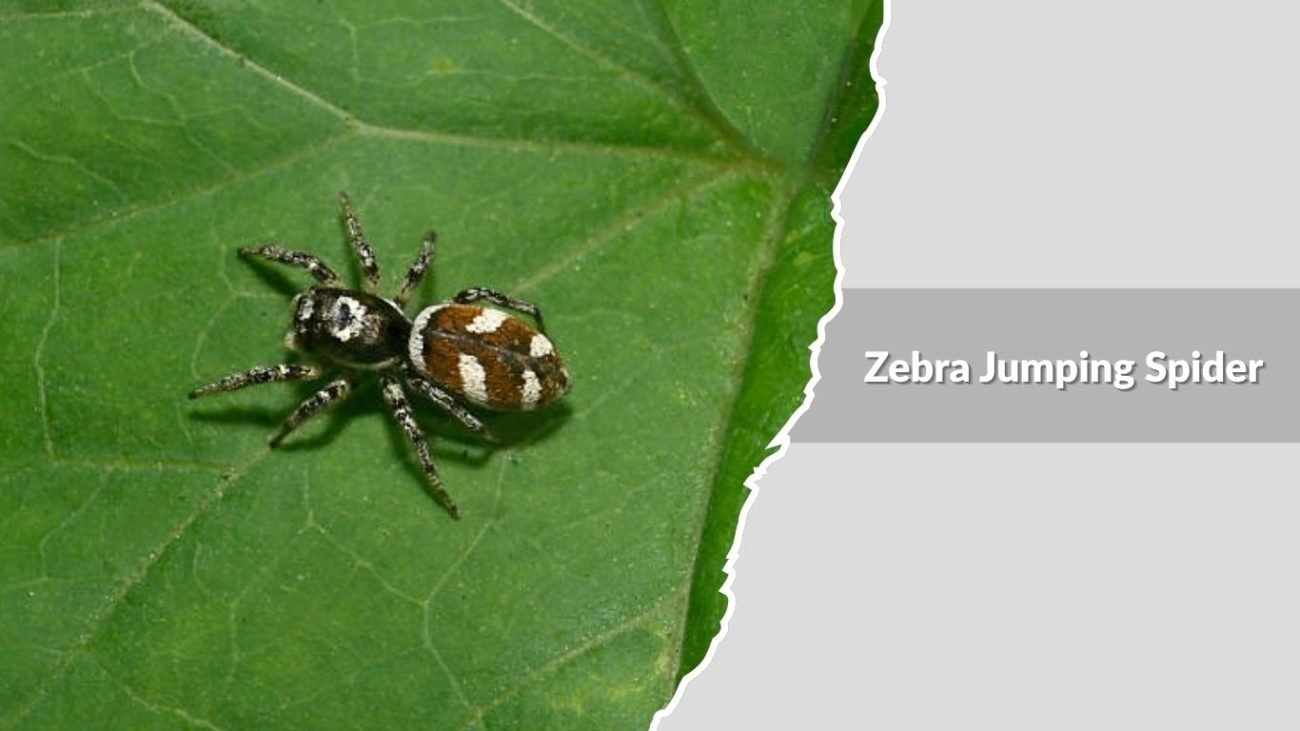
The zebra jumping spider is a small, active spider commonly found throughout the United States, especially around homes, fences, and sunny walls. It gets its name from its distinctive black-and-white striped pattern, which resembles a zebra. Like other jumping spiders, it relies on excellent vision and quick movements to hunt rather than building webs to catch prey. These spiders are curious and often pause to observe movement, making them interesting to watch. They are harmless and beneficial, helping to control small insect populations.
Identification
- Size: Small, usually 4–9 mm in body length
- Color: Black with bold white or gray stripes across the body
- Body shape: Compact, slightly flattened body with a high cephalothorax
- Legs: Short to medium length, strong front legs for jumping
- Eyes: Large front-facing eyes, with eight eyes total
- Markings: Distinct horizontal stripes on the abdomen
- Web type: No prey-catching web; uses silk dragline for jumping
- Location: Walls, fences, window sills, rocks, and sunny surfaces
- Behavior: Active during the day, jumps quickly, often turns to face movement
Habitat and Behavior
Zebra jumping spiders prefer bright, sunlit areas where they can easily spot prey. They are often seen on exterior walls, railings, sidewalks, and rocky surfaces. These spiders hunt during the day, moving in short bursts and stopping frequently to scan their surroundings. When they locate prey, they carefully approach and then leap to capture it. At night, they rest in small silk shelters hidden in cracks or crevices. Their excellent eyesight allows them to detect movement from a distance, making them highly effective hunters.
Are They Dangerous?
Zebra jumping spiders are not dangerous to humans. They are non-aggressive and rarely bite, even when handled. If a bite does occur, it typically causes only mild irritation or redness. These spiders are beneficial because they help control flies, mosquitoes, and other small insects around homes. Their small size, bold pattern, and curious behavior make them one of the more noticeable yet harmless spiders people encounter.
23. Golden Silk Orb-Weaver (Trichonephila clavipes)
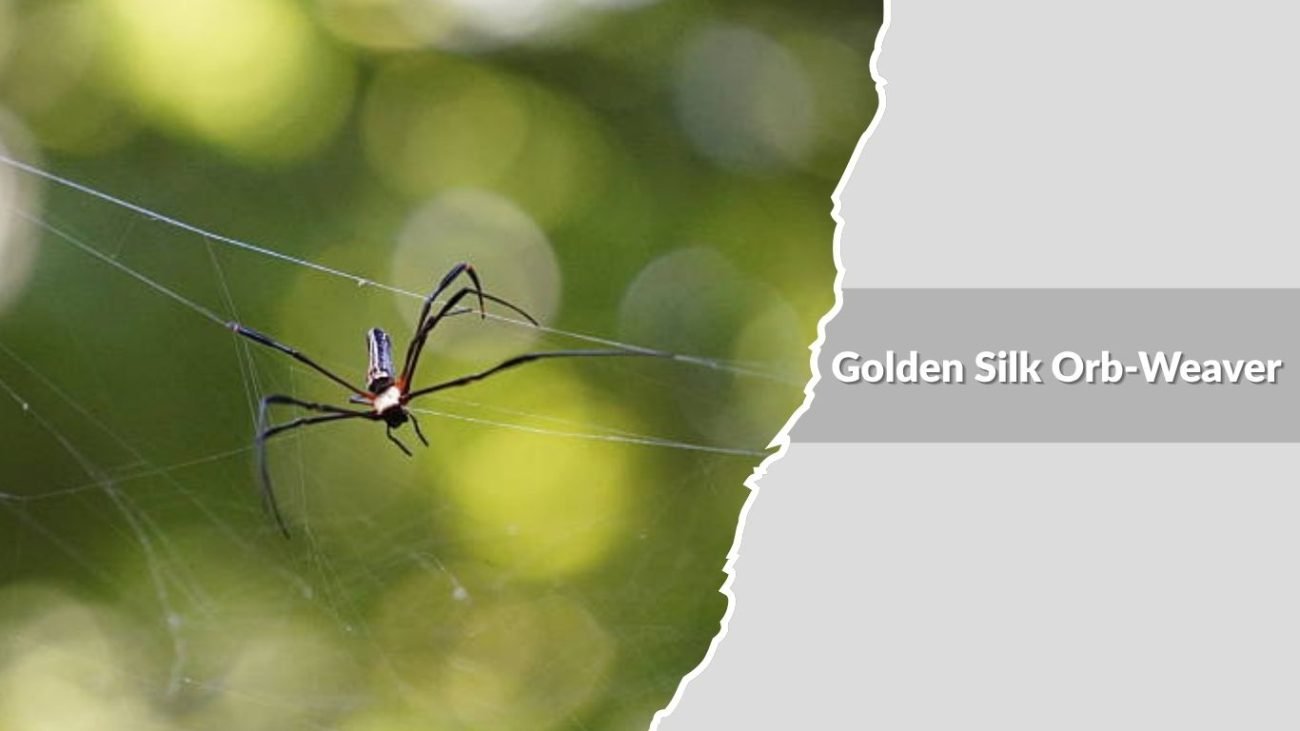
The golden silk orb-weaver, often called the “banana spider,” is a large and eye-catching spider found in the southeastern United States. It is famous for spinning strong, golden-colored webs that can stretch several feet across. Despite its large size and intimidating appearance, this spider is harmless to humans. It plays an important role in controlling flying insect populations and is commonly seen in forests, gardens, and along trails where its large webs can catch sunlight.
Identification
- Size: Large, usually 24–40 mm in body length (females much larger than males)
- Color: Golden, yellow, and brown with striped or patterned legs
- Body shape: Long, cylindrical abdomen with a sleek appearance
- Legs: Very long legs with dark bands and tufts of hair
- Eyes: Eight eyes typical of orb-weavers
- Web type: Large golden orb web, often very strong and wide
- Location: Forest edges, gardens, trails, and between trees or structures
- Behavior: Builds large webs in open spaces, usually remains in the center
Habitat and Behavior
Golden silk orb-weavers prefer warm, humid environments and are most commonly found in the Southeast. Their webs are often built between trees, shrubs, or even across walking paths. The silk has a golden tint that becomes especially visible in sunlight. These spiders usually stay in the center of their webs during the day, waiting for prey such as flies, beetles, and grasshoppers. Smaller males are sometimes found living on the edges of the female’s web. The webs are often rebuilt or maintained regularly to remain effective.
Are They Dangerous?
Golden silk orb-weavers are not dangerous to humans. They are shy and will usually remain still or move away if disturbed. Bites are rare and typically cause only mild discomfort, similar to a bee sting. These spiders are highly beneficial because they capture large numbers of flying insects. While their large webs can be inconvenient if built across pathways, the spiders themselves are harmless and best left undisturbed.
24. Mouse Spider (Scotophaeus blackwalli)
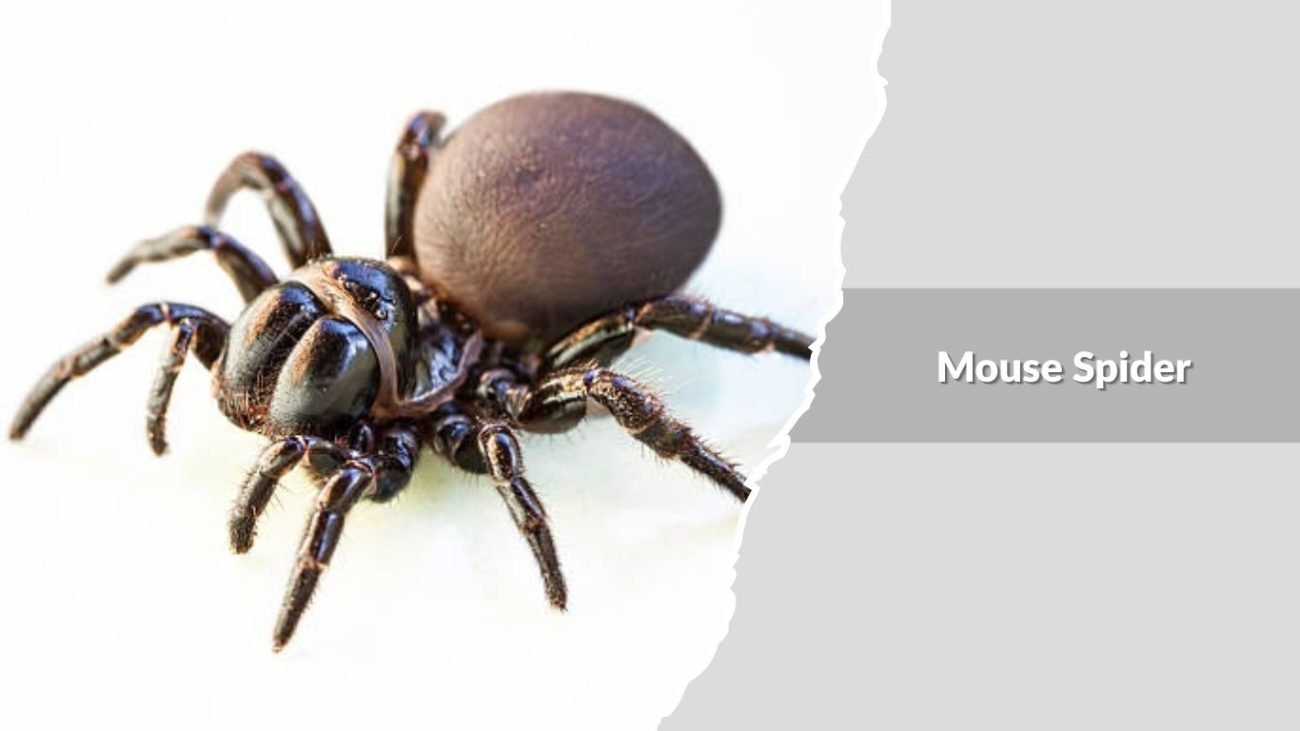
The mouse spider is a fast-moving ground spider commonly found in homes and buildings across parts of the United States. It gets its name from its dark, velvety body, which resembles a small mouse. Unlike web-building spiders, mouse spiders are active hunters that roam at night in search of insects. They are often noticed indoors running across floors or walls, especially in basements or ground-level rooms. Despite their somewhat intimidating appearance, they are harmless and generally avoid people.
Identification
- Size: Medium, usually 7–15 mm in body length
- Color: Dark gray, brown, or black with a velvety texture
- Body shape: Oval abdomen with a smooth, slightly fuzzy appearance
- Legs: Medium-length, sturdy legs suited for running
- Eyes: Eight small eyes arranged in two rows
- Web type: No prey-catching web; uses silk for retreats
- Location: Indoors—basements, walls, floors, and around foundations
- Behavior: Fast runner, nocturnal hunter, hides during the day
Habitat and Behavior
Mouse spiders prefer dry, sheltered environments and are often found inside homes, especially in cooler seasons. They hide during the day in cracks, behind furniture, or along baseboards, and emerge at night to hunt insects such as ants, flies, and other small pests. Outdoors, they may live under rocks, logs, or debris. These spiders do not rely on webs to catch prey—instead, they actively chase and capture insects using speed and agility.
Are They Dangerous?
Mouse spiders are not dangerous to humans. They are shy and prefer to escape rather than bite. Bites are very rare and typically cause only mild symptoms like slight redness or irritation. These spiders are beneficial indoors because they help control pest insects. If one is found in the home, it can be safely removed or left alone, as it poses no threat.
25. Six-Spotted Fishing Spider (Dolomedes triton)
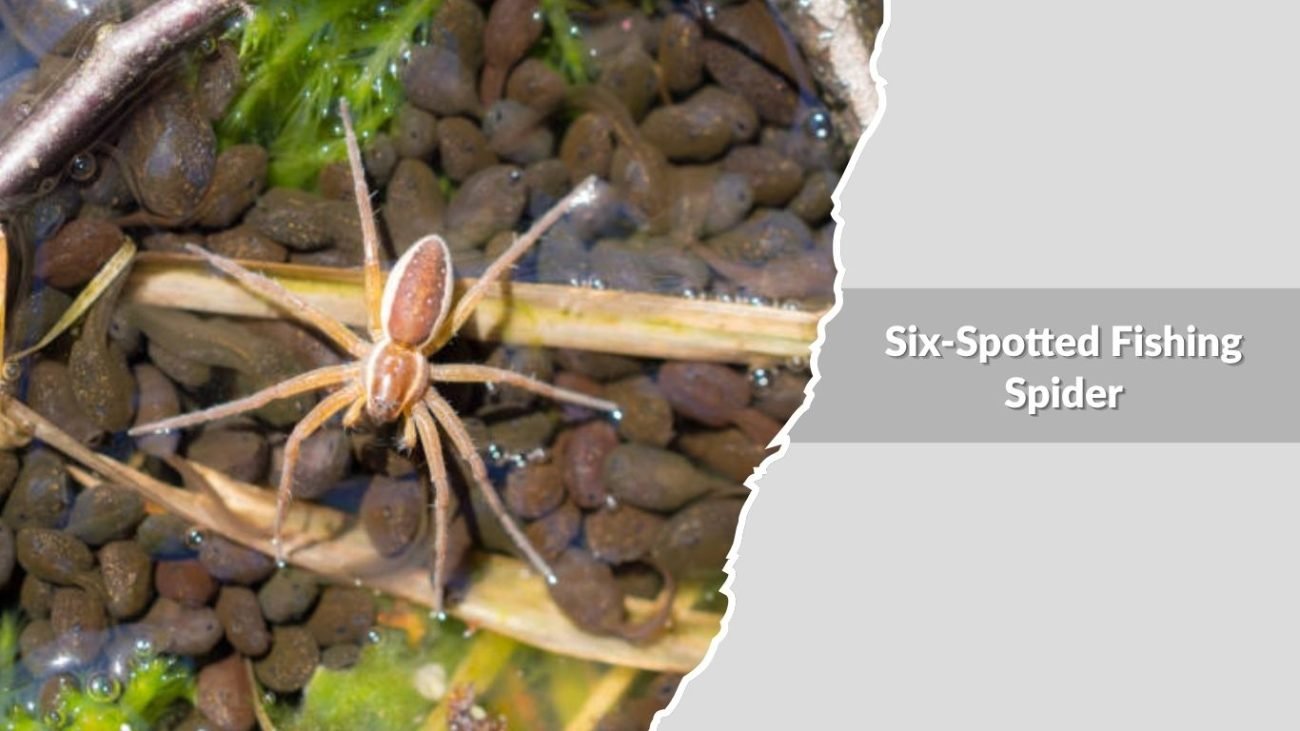
The six-spotted fishing spider is a semi-aquatic spider found throughout much of the United States, especially near calm freshwater habitats like ponds, lakes, and marshes. It is closely related to other fishing spiders and is known for its ability to walk on water and hunt aquatic prey. This species gets its name from the six dark spots on its cephalothorax. Although large and somewhat intimidating in appearance, it is harmless to humans and plays an important role in aquatic ecosystems.
Identification
- Size: Medium to large, usually 10–20 mm in body length
- Color: Light brown, tan, or gray with darker markings
- Body shape: Slender, slightly flattened body
- Legs: Long, banded legs adapted for walking on water
- Markings: Six distinct dark spots on the cephalothorax
- Eyes: Eight eyes arranged in two rows
- Web type: No prey-catching web; uses silk for egg sacs and retreats
- Location: Edges of ponds, lakes, marshes, and slow-moving streams
- Behavior: Walks on water, detects vibrations, can dive below surface
Habitat and Behavior
Six-spotted fishing spiders live near freshwater environments where insects and small aquatic animals are plentiful. They are often seen resting on floating vegetation, rocks, or along the shoreline. Using sensitive hairs on their legs, they detect ripples made by prey on the water’s surface. When prey is detected, they quickly rush in to capture it and may even dive underwater to escape predators. These spiders are mostly active at night but can sometimes be seen during the day in quiet, undisturbed areas.
Are They Dangerous?
Six-spotted fishing spiders are not dangerous to humans. They are non-aggressive and prefer to flee rather than confront threats. Bites are extremely rare and typically cause only mild irritation if they occur. These spiders are beneficial because they help control insect populations and contribute to the balance of aquatic ecosystems.
FAQs
1. Are most spiders in America dangerous?
No, the vast majority of spiders in the United States are harmless to humans. Only a few species, like the black widow and brown recluse, have medically significant venom.
2. Why do spiders come inside homes?
Spiders usually enter homes in search of food, shelter, or warmth. They are often attracted to areas where insects are present.
3. How can I identify a dangerous spider?
Look for key features such as markings (like the red hourglass on a black widow) and body shape. When unsure, it’s best to avoid handling any spider.
4. Do spiders help control pests?
Yes, spiders are natural predators that reduce populations of insects like flies, mosquitoes, and cockroaches.
5. How can I keep spiders out of my home?
Seal cracks, reduce clutter, clean regularly, and minimize indoor insects to make your home less attractive to spiders.