The red robin bird captivates many with its vibrant red chest, cheerful song, and seasonal presence in gardens and parks. From its symbolism and behavior to diet and habitat, people often have questions about this fascinating bird. Whether you’re curious about its spiritual meaning, nesting habits, or how it differs from similar birds, this guide answers 26 of the most frequently asked questions about red robins in simple, detailed explanations.
26 Commonly Asked Questions and FActs
1. Is there a red robin bird?
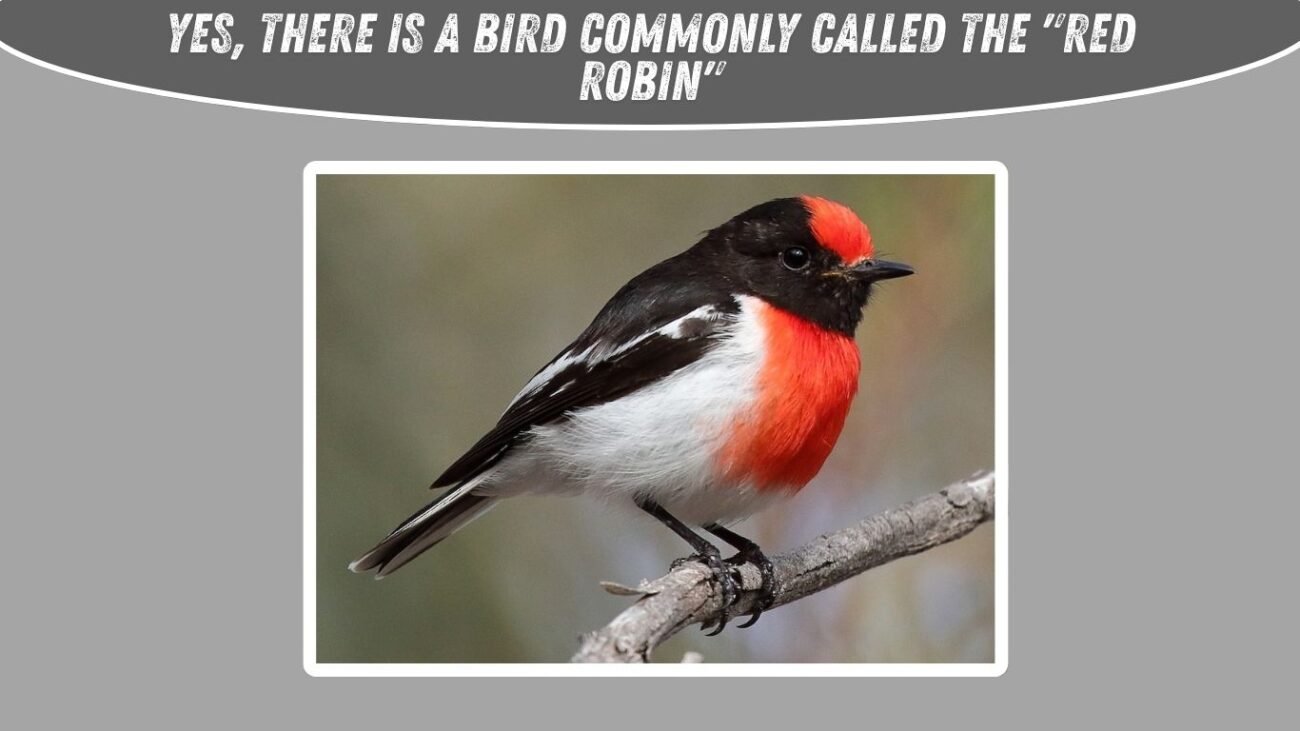
Yes, the term “red robin” is often used to refer to the American Robin (Turdus migratorius) or European Robin (Erithacus rubecula), both of which have red or reddish-orange breasts. While “red robin” isn’t a scientific name, it is commonly used by the public to describe these birds because of their distinct coloring.
2. Is a red robin a real bird?
Yes, a red robin is a real bird, though it’s a general name rather than a scientific term. In North America, people mean the American Robin. In Europe, it refers to the smaller European Robin. Both are songbirds with red or orange chests, which makes them easily recognizable and culturally significant in folklore and gardens.
3. What is a red robin bird?
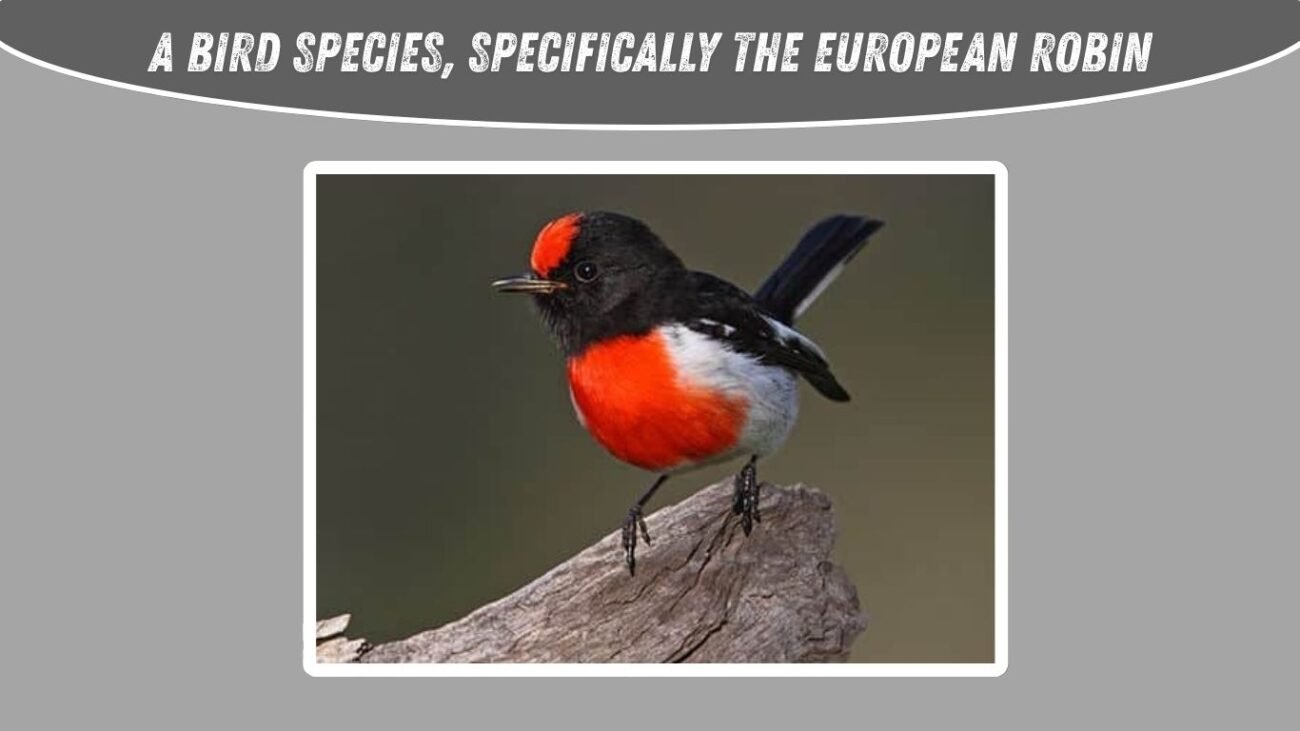
A red robin bird typically refers to a robin species with a red chest, especially the American Robin in the U.S. or the European Robin in Europe. These birds are not closely related but are called “robins” due to their red breast. They are often seen in gardens, woodlands, and urban areas and are associated with springtime.
4. Is red robin a bird?
Yes, “Red Robin” can refer to a bird, although it’s not a scientific term. It’s a common name used to describe robins with red or orange breasts. Additionally, “Red Robin” is also the name of a restaurant chain, which sometimes causes confusion. In birding, it usually means the American or European robin species.
5. Is there a bird called red robin?
There is no official species named “Red Robin,” but the term is widely used for birds with red breasts, particularly the American Robin and European Robin. It’s a popular nickname rather than a biological classification. These birds are admired for their song, bold colors, and frequent appearance in backyards and parks.
6. Are red robin birds good luck?
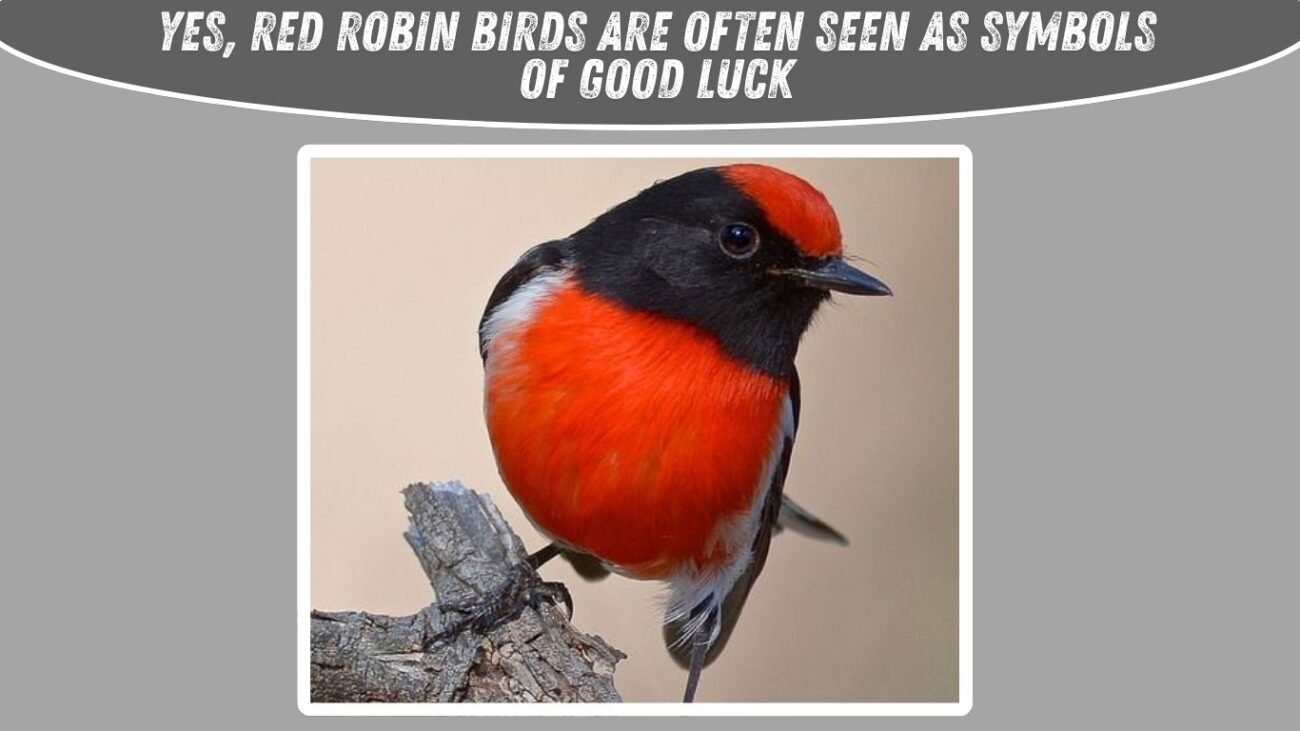
Yes, in many cultures, seeing a red robin is considered a sign of good luck or a positive omen. They’re often associated with renewal, hope, or the arrival of spring. Some folklore even suggests that a robin’s visit means a deceased loved one is nearby, offering comfort during times of grief or transition.
7. Are red robin birds rare?
No, red robin birds like the American Robin and European Robin are not rare. They are common across their respective continents. However, spotting one in an unexpected location or during off-season migration can feel special and rare. Their bright color and presence often stand out in snowy or muted environments, making them feel uncommon.
8. What does a red robin bird symbolize?
The red robin bird symbolizes hope, renewal, joy, and new beginnings. In various cultures and spiritual traditions, robins are believed to bring messages of transformation, especially after hardship or loss. They’re also symbols of spring and rebirth, often appearing in stories, poems, and folklore as signs of better days ahead.
9. What does seeing a red robin bird mean?
Seeing a red robin bird is often interpreted as a positive sign. It can mean change is coming, healing is near, or a loved one is watching over you. In spiritual beliefs, robins are messengers. Their sudden appearance can inspire comfort, joy, or motivation to move forward from grief or stagnation.
10. Where do red robin birds live?

Red robin birds like the American Robin are found throughout North America, especially in woodlands, gardens, parks, and suburban yards. European Robins live across Europe and parts of Western Asia, preferring woodlands and hedgerows. Both species are adaptable and frequently seen near human habitation, especially during nesting or feeding seasons.
11. Are red robins and cardinals the same bird?
No, red robins and cardinals are not the same bird. Cardinals are bright red all over and have a distinctive crest, while robins have a red or orange breast with a grayish-brown back. They also differ in song, behavior, and taxonomy. Cardinals belong to the family Cardinalidae, while robins are thrushes.
12. What do red robin birds eat?
Red robin birds primarily eat insects, earthworms, fruits, and berries. In spring and summer, they feast on grubs, beetles, and caterpillars. During colder months, they rely on berries and small fruits like holly, juniper, and crabapples. Occasionally, they may visit bird feeders that offer mealworms or soft fruits.
13. Can you eat red robin birds?

Technically, red robin birds are not poisonous, but it is illegal and unethical to eat them in most countries, including the U.S. and Europe. Robins are protected migratory birds. Historically, some songbirds were eaten, but modern laws protect them due to declining populations and ecological importance.
14. How long do red robin birds live?
The average lifespan of a red robin bird in the wild is about 2 years, though some individuals may live up to 5–6 years or more. Life expectancy is affected by weather, predators, and food availability. Many die in their first year due to harsh conditions or predators like cats and hawks.
15. Are red robin birds a myth?
No, red robin birds are not a myth, though their symbolism is rich in folklore. They are real birds seen throughout North America (American Robin) and Europe (European Robin). However, some spiritual beliefs or poetic depictions may attribute mythical qualities, like being messengers from the spirit world or symbols of reincarnation.
16. Is red robin a real bird?

Yes, “red robin” commonly refers to real birds such as the American Robin (Turdus migratorius) and the European Robin (Erithacus rubecula). Both have reddish-orange breasts and are known for their distinct songs. Despite differences in size and region, both are widely referred to as “red robins” in casual conversation.
17. Is there a bird called red robin?
While “red robin” is a popular term, no species is officially named “Red Robin.” The term generally refers to either the American Robin or the European Robin, both of which have red or orange chests. In popular culture and gardening, “red robin” may also refer to Photinia, a shrub with red leaves.
18. How to draw a red robin bird?
To draw a red robin bird, start with a rounded body shape, then add a smaller circle for the head. Sketch the wings, tail, and beak. Use references to capture the bird’s distinctive red breast and gray-brown back. Add details like feathers and eyes, then shade or color for realism. Many tutorials are available online.
19. What does red robin bird look like?
A red robin bird typically has a reddish-orange breast, grayish-brown back, a round body, and dark eyes. American Robins are larger and leaner, while European Robins are smaller and plumper with more prominent red coloring. Both species are easily recognized by their coloring, shape, and upright posture when perched.
20. What does it mean when a red robin bird visits?

A visit from a red robin bird is often seen as a sign of hope, renewal, or spiritual connection. In folklore, it can mean a loved one’s spirit is nearby or that positive change is coming. Many people take a robin’s visit as emotional reassurance during grief or transitional life moments.
21. Can red robin birds be pets?
No, red robin birds should not be kept as pets. In most countries, including the U.S., it is illegal to capture or domesticate wild robins due to their protection under migratory bird laws. Additionally, robins are wild and do not adapt well to captivity, requiring space and diet difficult to replicate at home.
22. Are red robins territorial?
Yes, red robins are highly territorial, especially during nesting season. Males will defend their territory vigorously from other males. They use song and physical displays to mark their area and protect resources. This territorial behavior helps ensure access to food and nesting spots for their mates and chicks.
23. What does it mean to see a red robin bird after someone dies?
Seeing a red robin after a death is often considered a spiritual sign. Many believe robins appear when a loved one is nearby or watching over you. This belief stems from various folklore traditions, where the robin is seen as a messenger between the physical and spiritual worlds, offering comfort or peace.
24. Where are red robin birds found?
Red robin birds are found across North America and Europe. American Robins inhabit Canada, the U.S., and parts of Mexico, while European Robins live throughout Europe, the British Isles, and parts of Asia. Both types adapt well to gardens, forests, urban areas, and parks, often nesting in trees, shrubs, or ledges.
25. What is the state bird that is the red robin?
The American Robin is the state bird of Connecticut, Michigan, and Wisconsin. Its familiar song and presence in suburban gardens make it a beloved and recognizable symbol. Its selection as a state bird reflects its importance in regional wildlife and its iconic association with the arrival of spring.
26. What does a red robin cartoon bird look like?
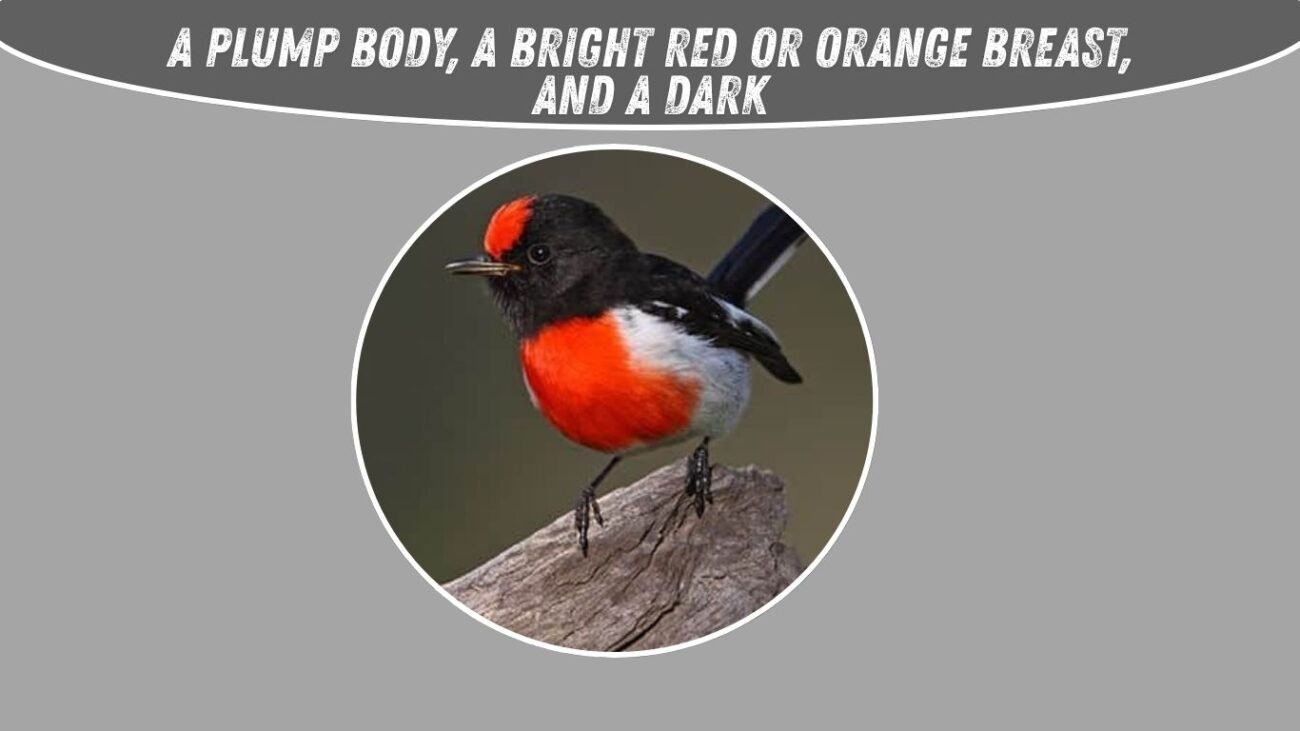
A cartoon red robin is often illustrated with a round body, large expressive eyes, a bright red chest, and playful features to appeal to children or audiences. This stylized version may appear in animated films, greeting cards, or educational materials. It’s inspired by the real robin but made cuter or more animated.