The European robin, with its iconic red breast and charming song, is a beloved bird across gardens and woodlands in Europe. From their diet and nesting habits to their lifespan and behavior, these birds spark curiosity among birdwatchers and nature lovers alike. In this guide, we answer 20 frequently asked questions about the European robin to help you better understand this iconic and friendly garden visitor.
1. Are there robins in Europe?

Yes, the European robin (Erithacus rubecula) is native to Europe and commonly found in gardens, woodlands, and parks across the continent. Unlike the American robin, which belongs to the thrush family, the European robin is part of the Old World flycatcher family. It’s easily identified by its red-orange breast and melodious song.
2. Do European robins migrate?
European robins are mostly resident birds, especially in western Europe. However, some robins from northern and eastern regions do migrate southwards in winter to escape harsher climates. Migration patterns vary by location, with females more likely to migrate than males. In milder climates, robins stay put year-round.
3. How big is the European robin?
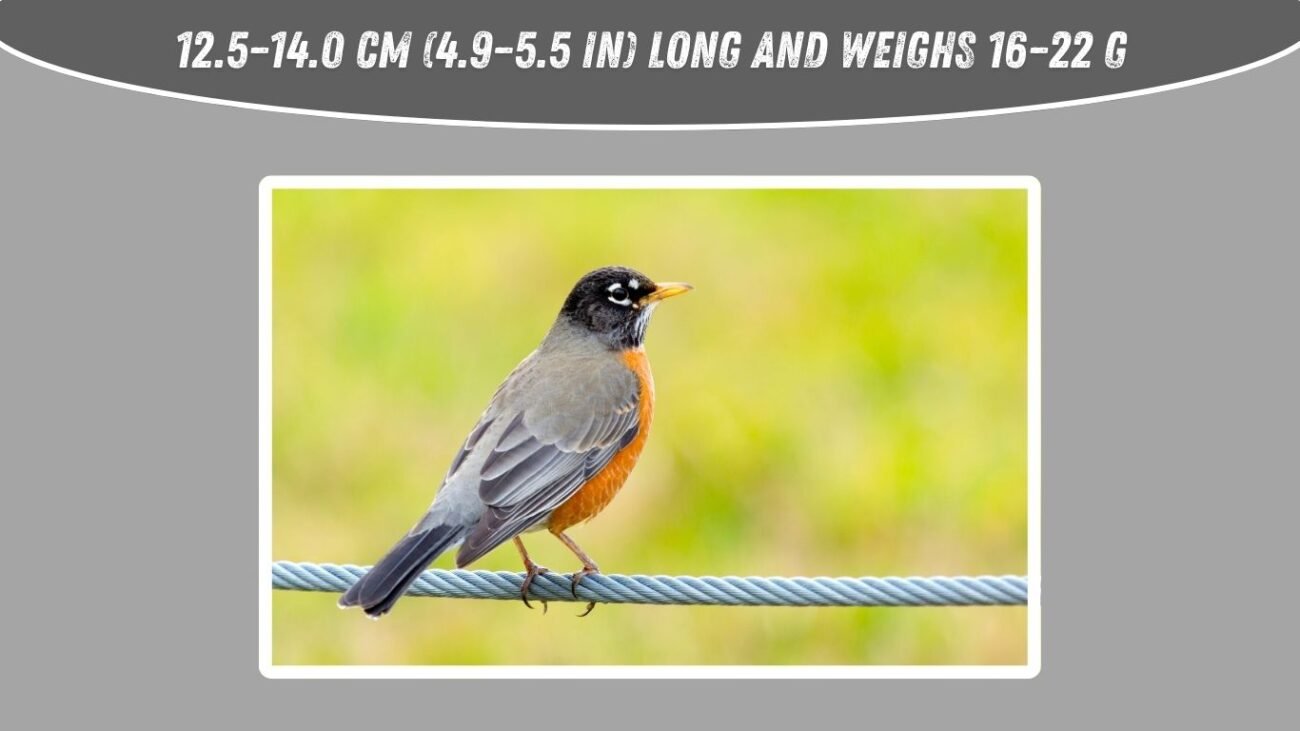
The European robin is a small bird, typically measuring about 12.5 to 14 centimeters (5 to 5.5 inches) in length. Its wingspan ranges between 20 to 22 centimeters. Despite its small size, its bright red-orange breast and confident behavior make it a standout among European songbirds.
4. What do European robins eat?
European robins are omnivorous. Their diet mainly includes insects, spiders, earthworms, and other small invertebrates. In colder months, they also eat seeds, berries, and fruit. Gardeners often see them hopping around for worms after soil is turned. They’re particularly fond of mealworms when offered at feeders.
5. Where do European robins live?
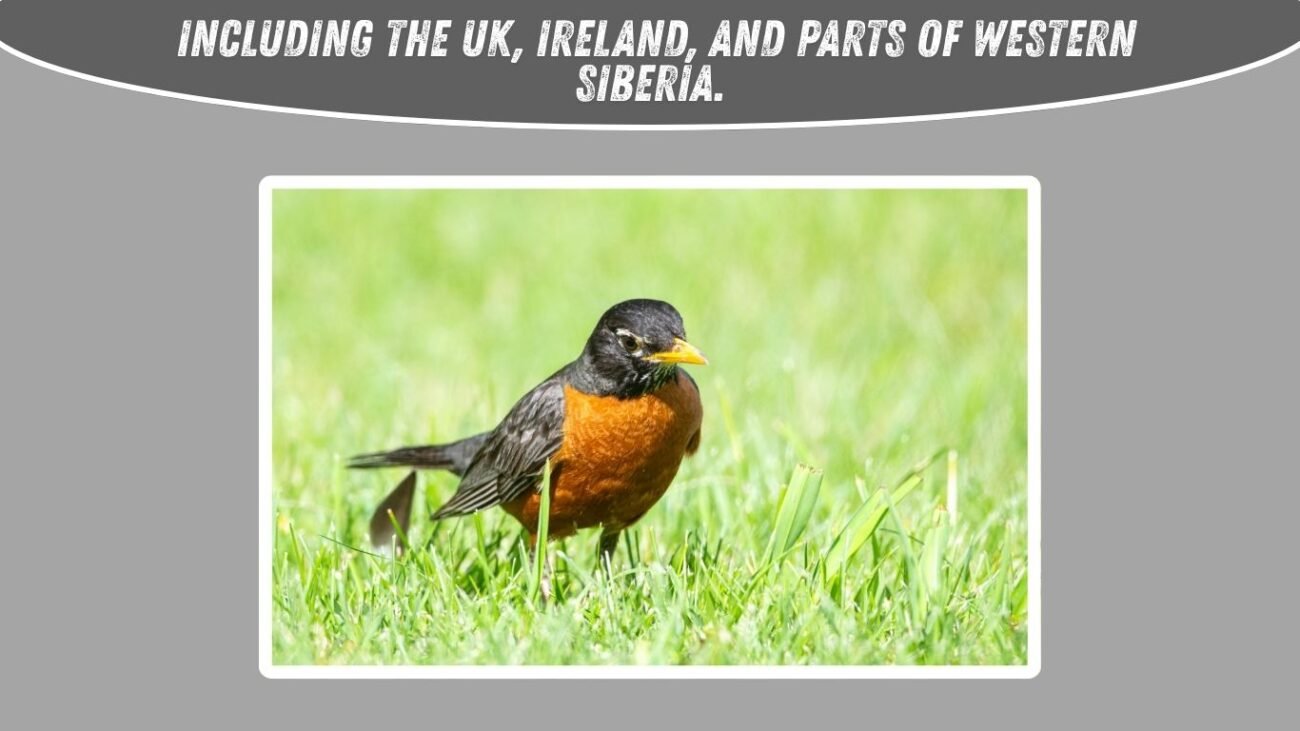
European robins live across most of Europe, from the Mediterranean up to Scandinavia, and even parts of North Africa and Western Asia. They favor woodland edges, hedgerows, and gardens. They often nest low to the ground in bushes, tree roots, or sheds, showing a high tolerance for human presence.
6. How long do European robins live?
The average lifespan of a European robin is about 1 to 2 years in the wild, though some individuals can live up to 5 years or more. Many robins die in their first year due to predation, harsh winters, or food scarcity, but those that survive early life can live longer.
7. What does the European robin eat?
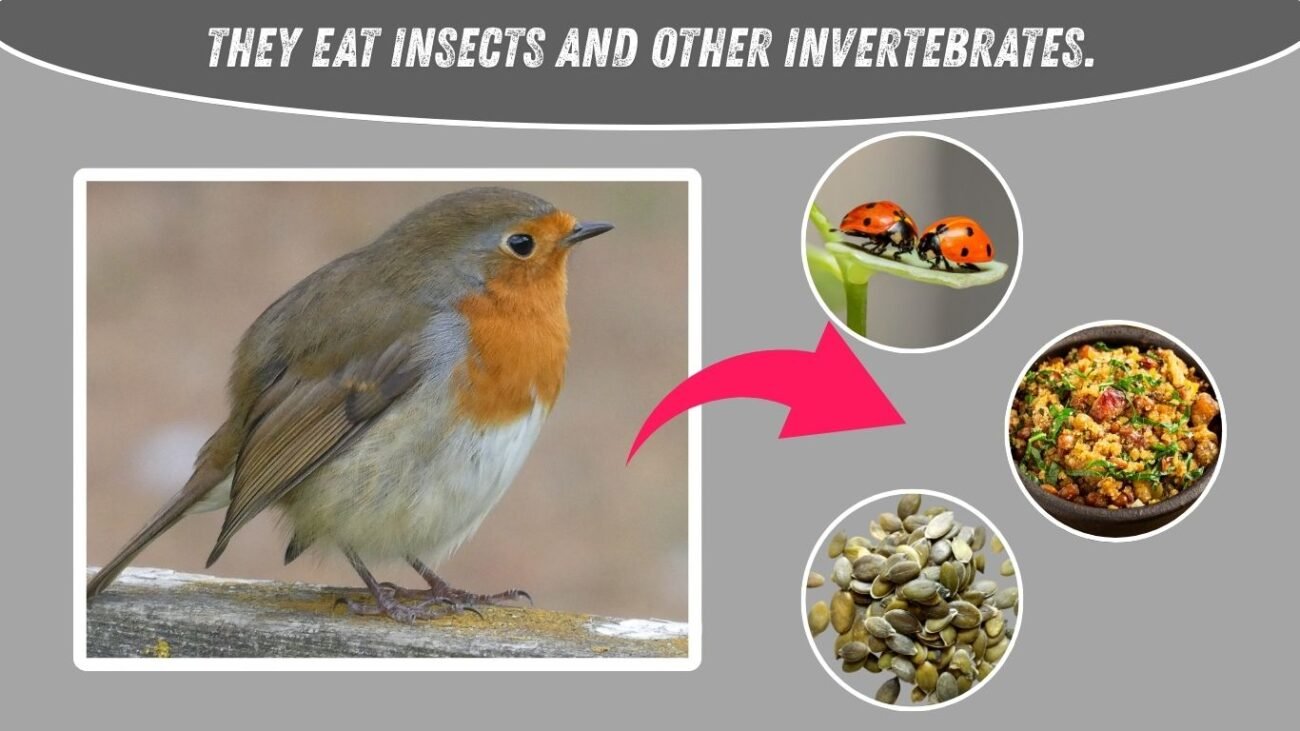
The European robin’s diet includes insects (like beetles and caterpillars), spiders, worms, berries, and seeds. They are ground feeders, often seen hopping in leaf litter searching for prey. During winter, they rely more on plant-based food and enjoy kitchen scraps like crumbled bread or chopped fruit when offered.
8. Are American and European robins related?
Despite sharing the same name, American robins and European robins are not closely related. The American robin belongs to the thrush family (Turdidae), while the European robin is a flycatcher (Muscicapidae). They resemble each other in color, especially the reddish breast, which is likely how the naming overlap occurred.
9. Are European robins and American robins related?

No, they are not closely related. The similarity in name and appearance is purely coincidental. American robins are larger and classified as thrushes, while European robins are smaller and part of the flycatcher group. Their behaviors and songs also differ significantly.
10. Do European robins nest more than once?
Yes, European robins often nest more than once in a breeding season. Typically, they raise two broods per year, and sometimes even three if the weather is favorable. They usually lay 4 to 6 eggs per clutch and are very protective of their nesting sites, often returning to the same place.
11. How long did European robins exist?
European robins have been around for millions of years, with fossil records suggesting their presence since the Pleistocene epoch. They’ve been part of European folklore and culture for centuries and were officially classified as Erithacus rubecula by Carl Linnaeus in 1758. Their evolutionary lineage places them among the Old World flycatchers.
12. How long does a European robin live?
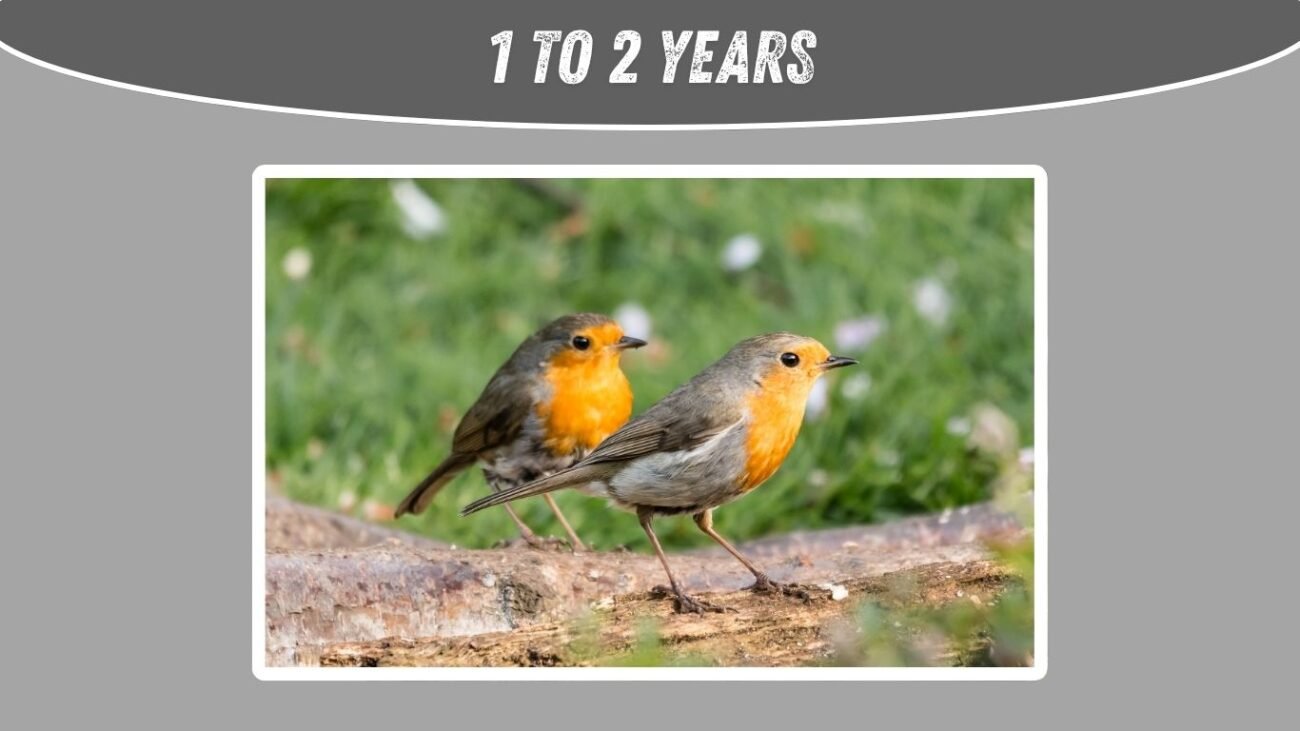
While the average lifespan is 1–2 years due to high juvenile mortality, a European robin can live up to 5–8 years in the wild under ideal conditions. Survival is often impacted by weather, food availability, and predation. Banding studies have helped record robins that lived beyond 8 years.
13. How much does a European robin weigh?
A typical European robin weighs between 14 to 21 grams (0.5 to 0.74 ounces). Their weight can fluctuate seasonally — increasing slightly during winter as they accumulate fat to survive colder temperatures and decreasing in breeding season due to high activity levels and food demands.
14. How tall is a European robin?
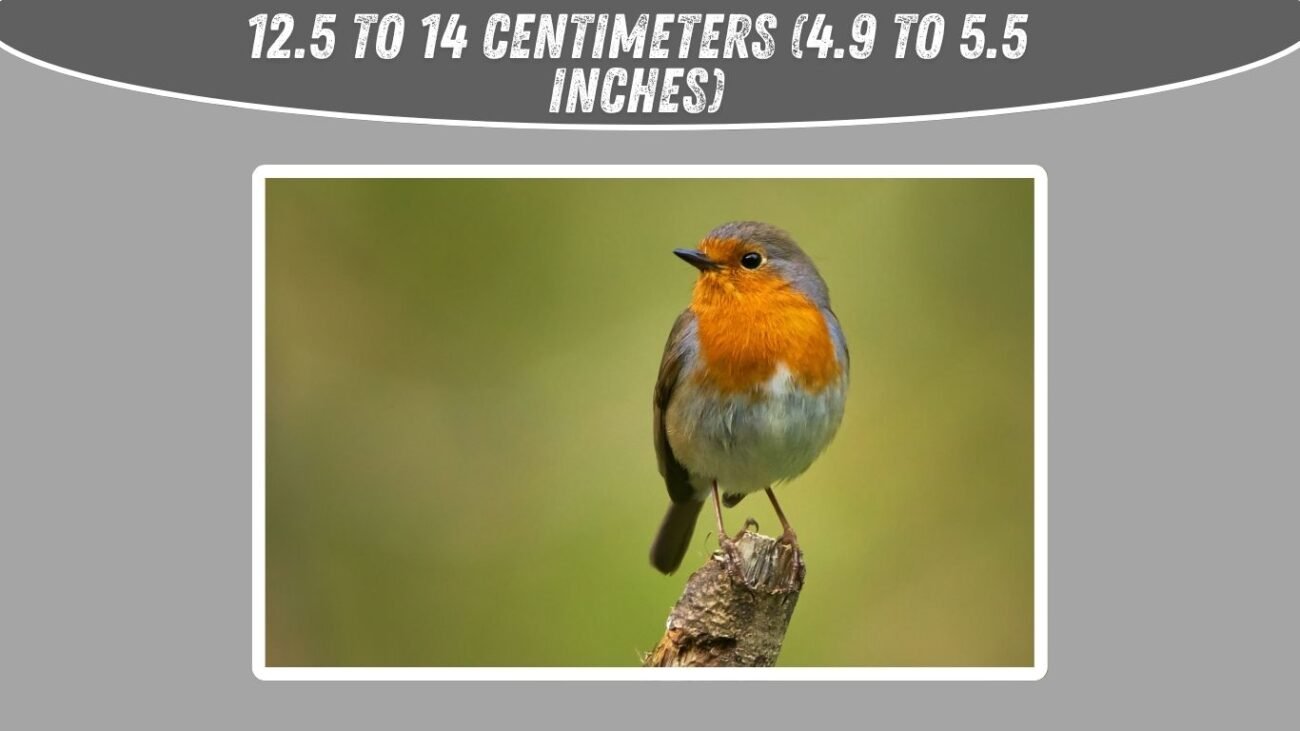
The European robin is not particularly “tall” in the traditional sense used for birds. Instead, it is about 12.5 to 14 cm (5 to 5.5 inches) in length from beak to tail. Its height when perched is usually about 10–12 cm, including body and upright posture.
15. How to draw a European robin?
To draw a European robin, start with a round body and a small circular head. Sketch a sharp, thin beak and large, dark eyes. Add the signature red-orange breast, soft brown wings, and short tail. For realism, include feather details and place the bird perched on a twig or garden fence.
16. Is the robin endangered in Europe?
No, the European robin is not endangered. It is listed as “Least Concern” by the IUCN. Its population is stable and widespread across Europe, estimated in the tens of millions. However, like many songbirds, it can face localized threats from habitat destruction, domestic cats, or extreme weather events.
17. What color are European robin eggs?
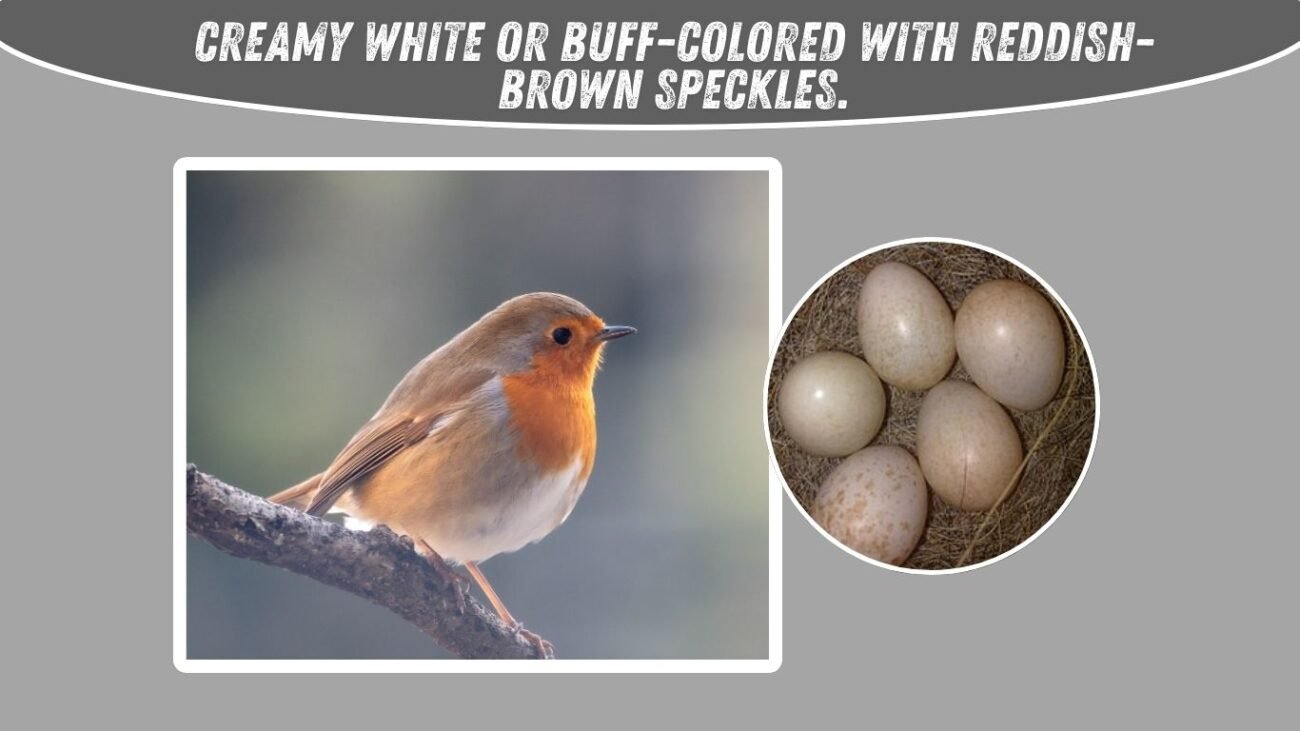
European robin eggs are pale bluish or whitish, often with reddish-brown speckles. The female usually lays 4 to 6 eggs in a well-hidden nest. Their color helps camouflage them in their natural environment, especially when laid in mossy or leafy surroundings.
18. What do baby European robins eat?
Baby European robins are fed primarily insects and small invertebrates by both parents. Protein-rich diets include caterpillars, flies, and worms, which help them grow quickly. As they mature, parents may introduce soft fruits or seeds, gradually shifting them toward an adult diet.
19. What do European robin eggs look like?
European robin eggs are small, oval-shaped, and light bluish-white in color, often with faint reddish-brown speckles. They measure around 2 cm in length. The eggs are typically laid in a cup-shaped nest made of moss, grass, and leaves, carefully hidden among dense foliage.
20. What do European robins like to eat?

European robins enjoy a varied diet that includes insects, worms, spiders, berries, and fruits. In gardens, they’re attracted to mealworms, suet, and chopped fruit. They’re known for following gardeners around, waiting for disturbed soil to reveal worms. During winter, they’ll also feed on birdseed and bread crumbs.