











Muscovy ducks are known for their calm nature, unique facial caruncles, and diverse feather colors. While they all share the same species, selective breeding has produced several beautiful varieties, each with its own appearance and charm.
From classic white to rare rippled and bronze types, this guide covers 12 fascinating Muscovy duck types—perfect for backyard keepers, breeders, and duck enthusiasts looking to explore their options.
1. White Muscovy Duck
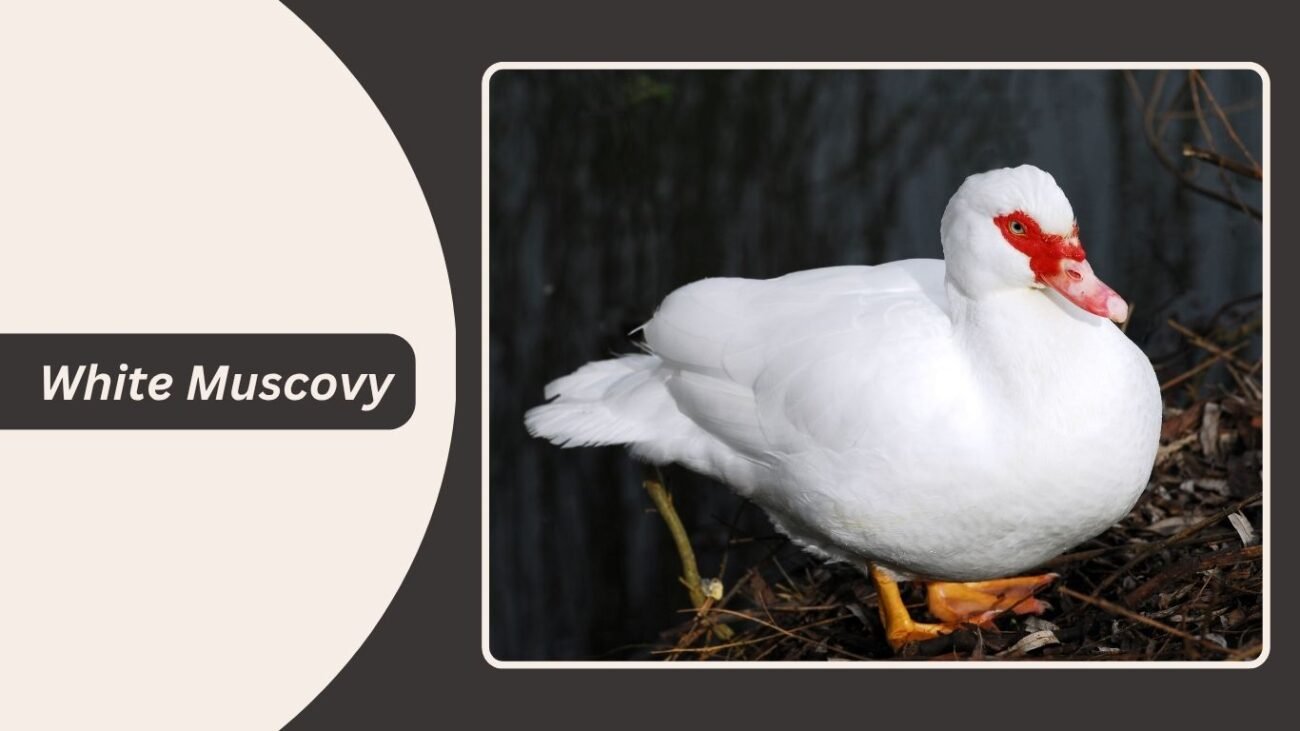
The white Muscovy duck is a pure-colored domestic breed admired for its snowy plumage and calm, quiet nature. It is commonly kept for meat, egg production, and pest control, and its large size and gentle behavior make it ideal for backyard flocks.
Identification
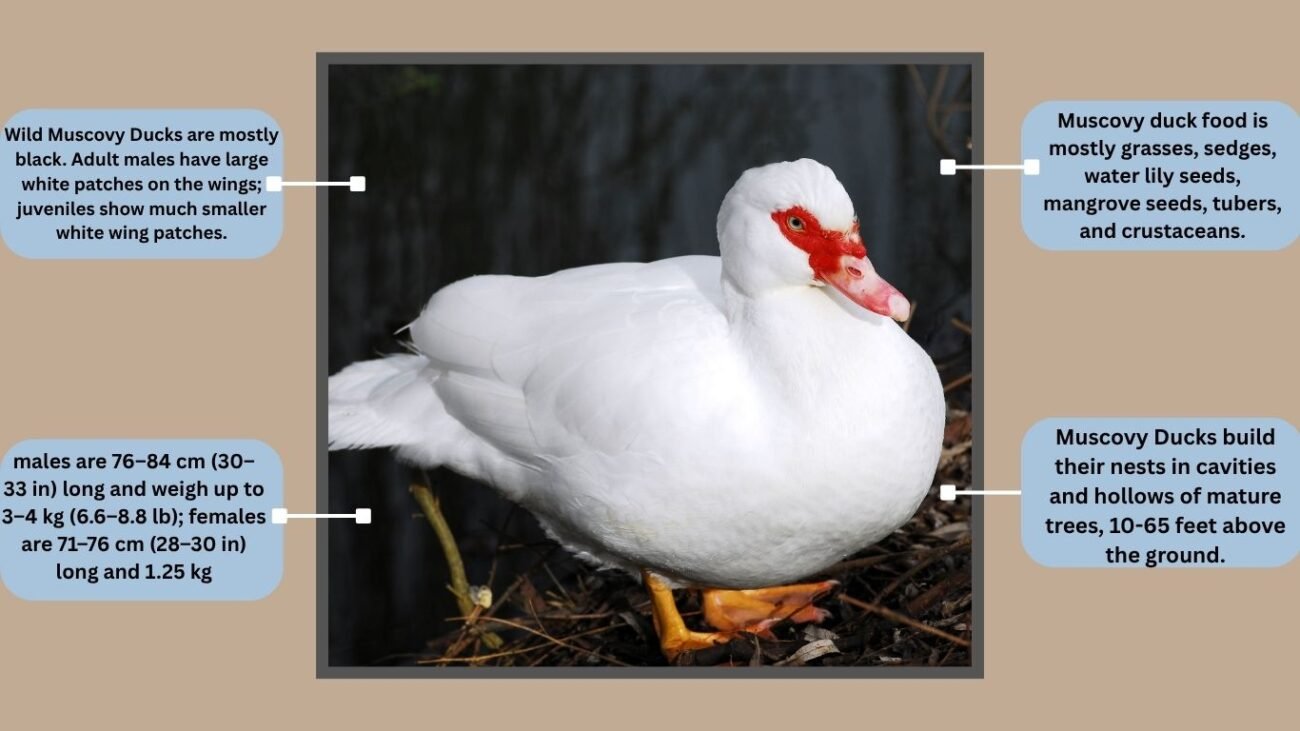
- Color: Solid white feathers across the entire body
- Face: Prominent red caruncles around the eyes and base of the bill
- Size: Males weigh around 10–15 lbs; females 6–9 lbs
- Bill: Usually pale pink or cream-colored
- Feet: Pink to light orange with strong claws
- Sound: Does not quack; produces hissing and low chuffing sounds
Habitat
White Muscovy ducks are fully domesticated and thrive in farm or backyard environments with access to shallow water sources. They prefer open areas with grass for foraging and shaded, quiet spots for nesting. Unlike wild ducks, they do not require migratory conditions and are hardy in various climates with proper shelter.
Behavior
White Muscovies are notably quiet, social, and relatively easy to handle. They are active foragers and spend much of their time walking around rather than swimming. While they can fly short distances, many owners clip their wings to keep them grounded. Females are attentive mothers and often show strong nesting instincts.
Diet
Their diet includes grains, leafy greens, garden weeds, small insects, and commercial duck feed. Muscovies are omnivorous and benefit from access to natural foraging areas where they can consume bugs, larvae, and seeds. Supplemental food such as kitchen scraps and cracked corn may be added.
Lifespan
In domestic settings with good care, white Muscovy ducks can live 8 to 12 years. Their lifespan is influenced by predator protection, diet quality, and overall health maintenance. They tend to live longer than many standard duck breeds due to fewer health complications.
Use and Benefits
White Muscovy ducks are valued for lean meat with a lower fat content than other duck breeds. They are also excellent for natural pest control, as they consume large numbers of insects, especially flies and mosquitoes. Additionally, their droppings are less wet, making them cleaner to manage in backyard settings.
2. Black Muscovy Duck
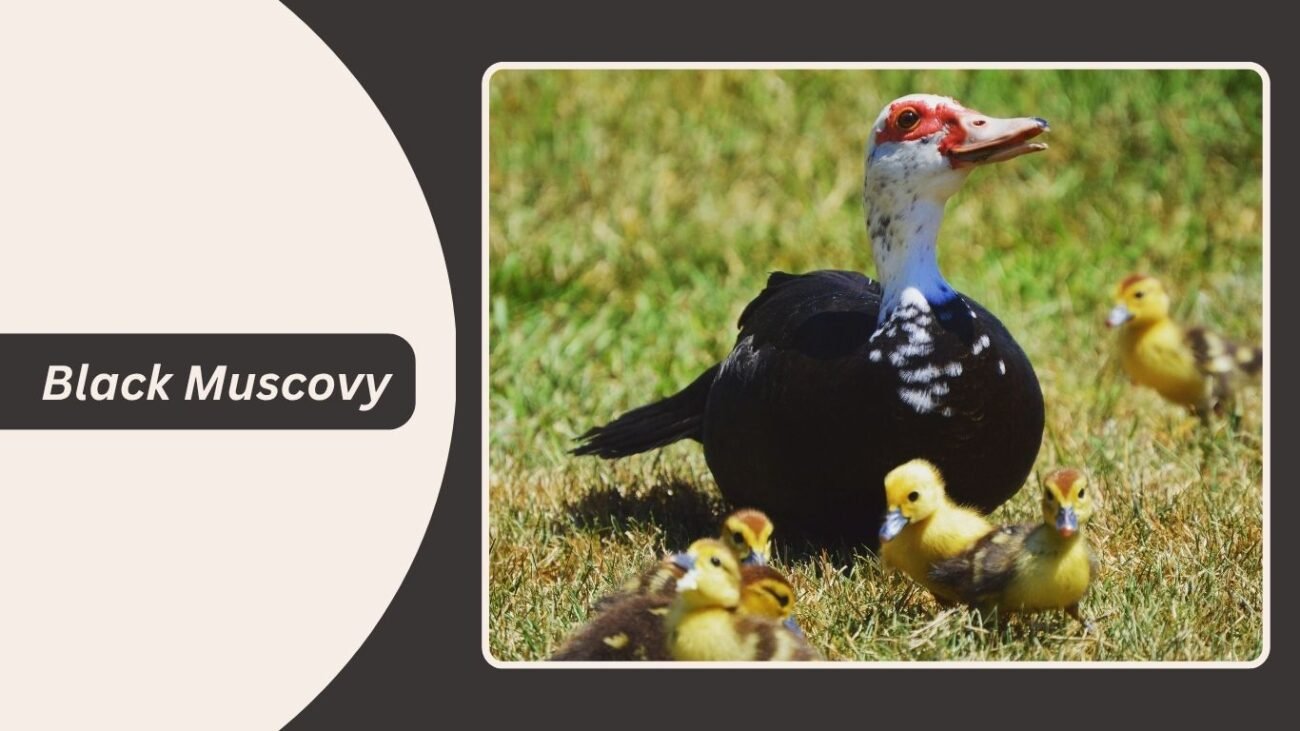
The black Muscovy duck is a striking domestic variety known for its glossy, dark plumage that may show green or purple iridescence in sunlight. Though they share the same calm personality as other Muscovy types, their bold appearance makes them stand out in any flock.
Identification
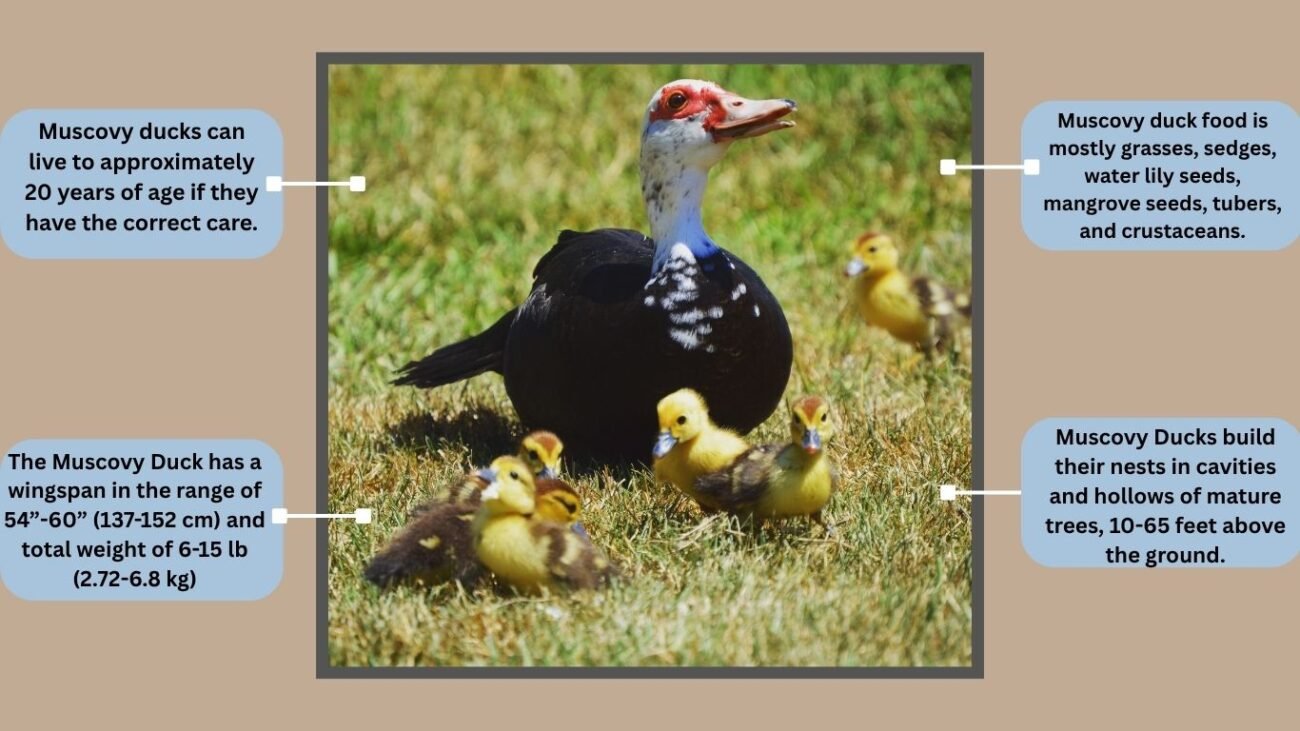
- Color: Solid black body with possible greenish or purplish sheen
- Face: Red facial caruncles, sometimes darker in tone
- Size: Males typically 10–15 lbs; females 6–9 lbs
- Bill: Dark gray to black with slight hook
- Feet: Black or dark gray, strong-clawed for perching
- Sound: Soft hissing and puffing; no loud quacks
Habitat
Black Muscovy ducks do well in domestic settings, including small farms and backyard ponds. They need dry, shaded areas to rest and forage, and shallow water access for occasional bathing. They handle both hot and cold climates well with adequate shelter.
Behavior
These ducks are calm, intelligent, and often more reserved than other breeds. They prefer ground activity over swimming and enjoy roosting on fences or low structures. The males may be territorial during mating season but generally get along well with other birds.
Diet
Their natural diet includes grass, weeds, grubs, slugs, and a variety of insects. In captivity, a balanced duck feed supplemented with grains, greens, and garden leftovers supports their health. They’re active foragers and will naturally control pests around gardens or barns.
Lifespan
They can live 8 to 12 years in well-maintained domestic environments. Proper care, predator protection, and a balanced diet significantly extend their lifespan.
Use and Benefits
Black Muscovy ducks are raised for meat, valued for rich flavor and low-fat content. They’re also used for pest control and often appreciated for their beauty and ornamental value in hobby farms.
3. Blue Muscovy Duck
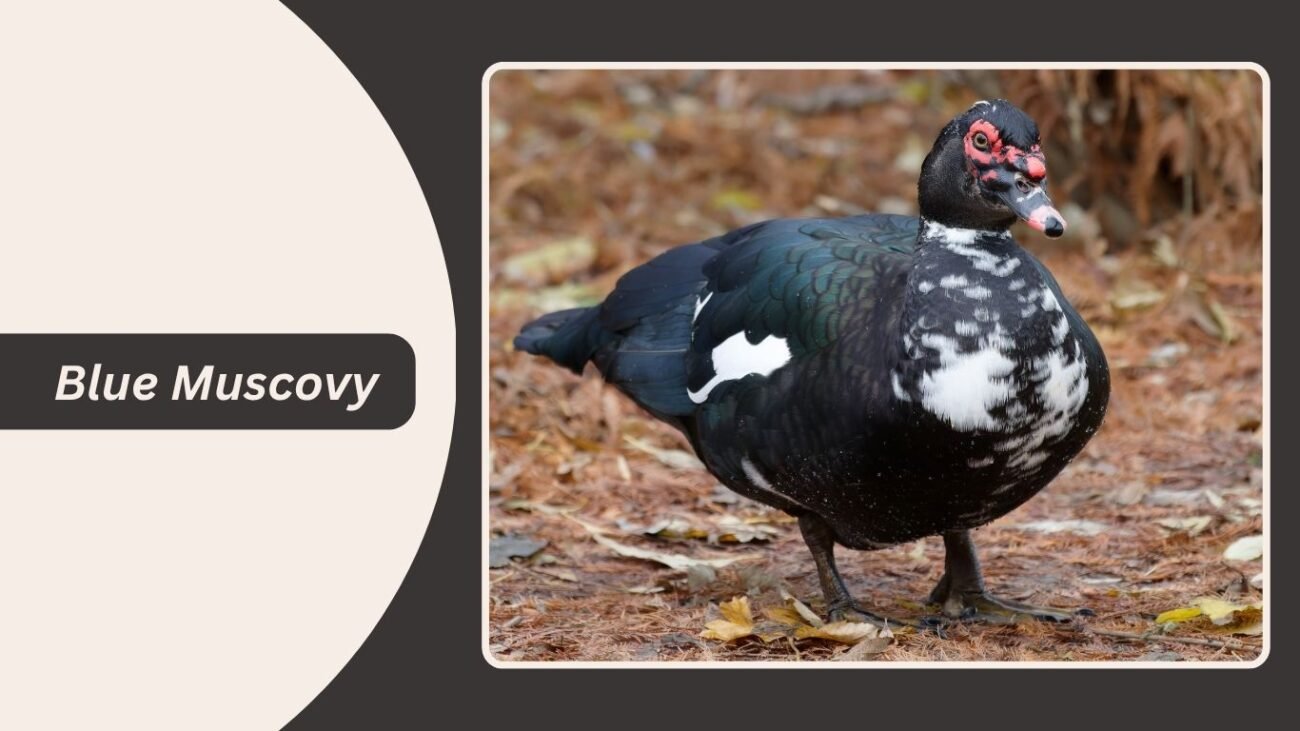
The blue Muscovy duck is a rare and visually stunning variety with slate-gray to bluish feathers. It’s a result of specific breeding lines and is often sought after by collectors or hobby farmers who enjoy unique-looking birds.
Identification
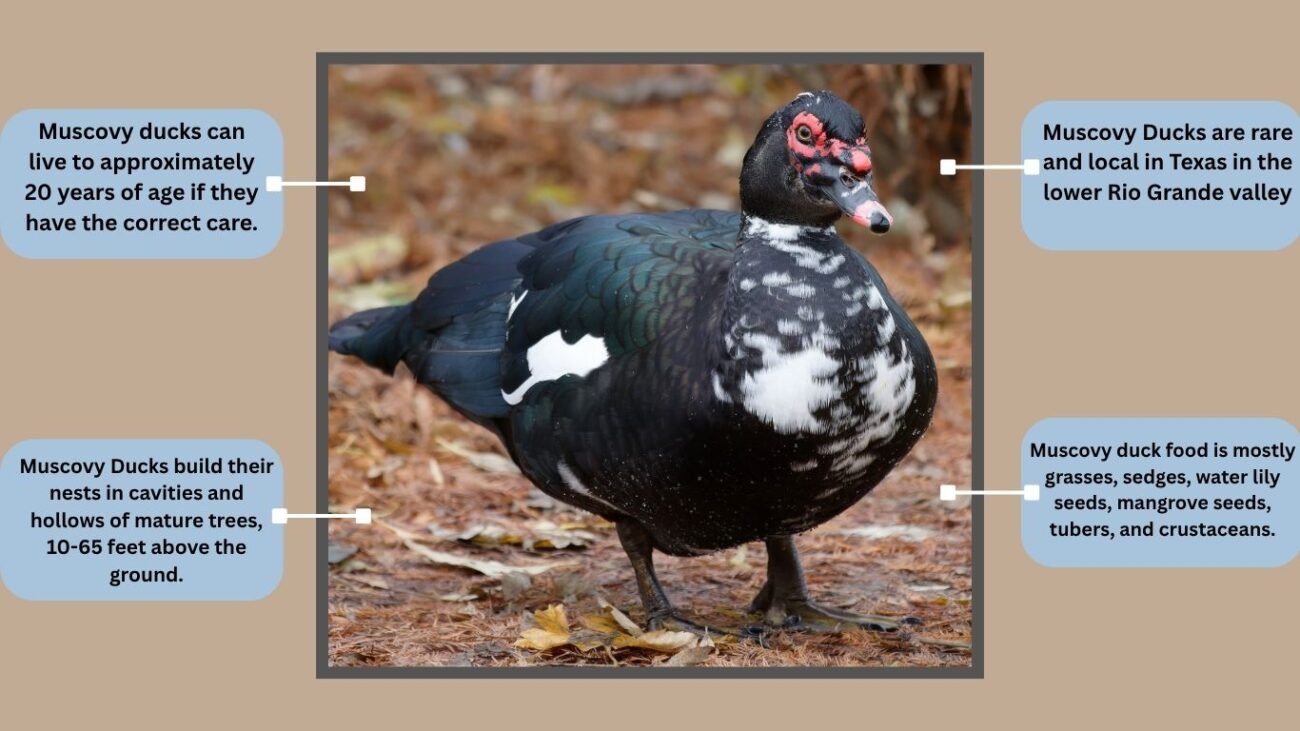
- Color: Light to dark blue-gray feathers, sometimes with a smoky tint
- Face: Bright red caruncles that contrast strongly with pale plumage
- Size: Similar to other Muscovies—males 10–15 lbs, females 6–9 lbs
- Bill: Often blue-gray or slate-colored
- Feet: Gray or black, webbed for land and water movement
- Sound: Quiet, hissing or puffing sounds
Habitat
Like other Muscovy types, blue Muscovies thrive in domestic spaces with grassy foraging areas and small water sources. They adapt well to fenced enclosures, especially if provided with shaded, sheltered areas for resting.
Behavior
Blue Muscovy ducks are gentle, non-aggressive, and easy to train with regular interaction. They are less likely to fly than the wild types but may still roost if given the chance. These ducks enjoy open areas and behave more like chickens than traditional waterfowl.
Diet
A varied diet of duck pellets, whole grains, leafy greens, and insects supports their health. Blue Muscovies also forage for snails, worms, and beetles, making them efficient pest controllers in backyard environments.
Lifespan
With proper nutrition and care, they typically live 8 to 12 years. Clean water, safe housing, and a stress-free environment contribute to longevity.
Use and Benefits
Aside from their aesthetic value, blue Muscovy ducks are productive for meat and egg purposes. Their calm nature makes them a good fit for beginner duck keepers or ornamental breeders.
4. Chocolate Muscovy Duck
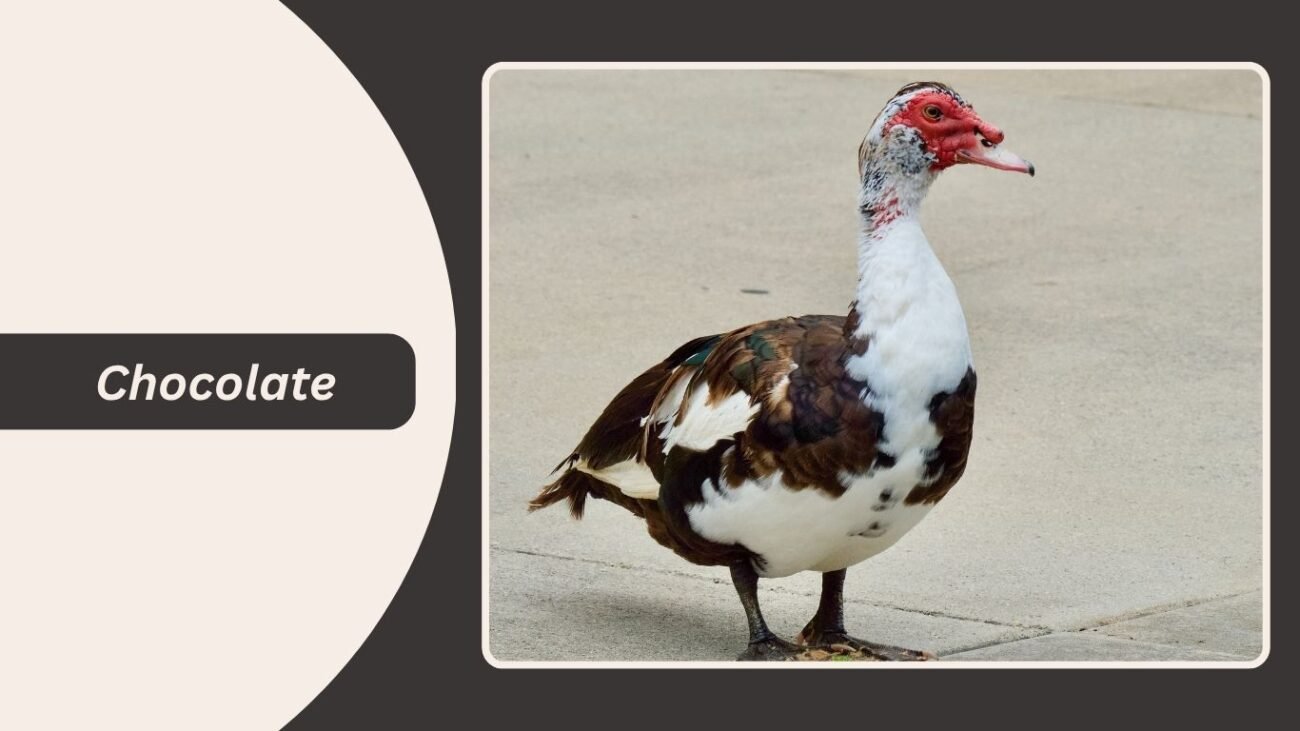
The chocolate Muscovy duck is a beautiful domestic variety with warm brown plumage. It’s especially popular among duck breeders and poultry keepers for its attractive coloring and gentle behavior. This type can be found in both solid and pied (mixed) forms.
Identification
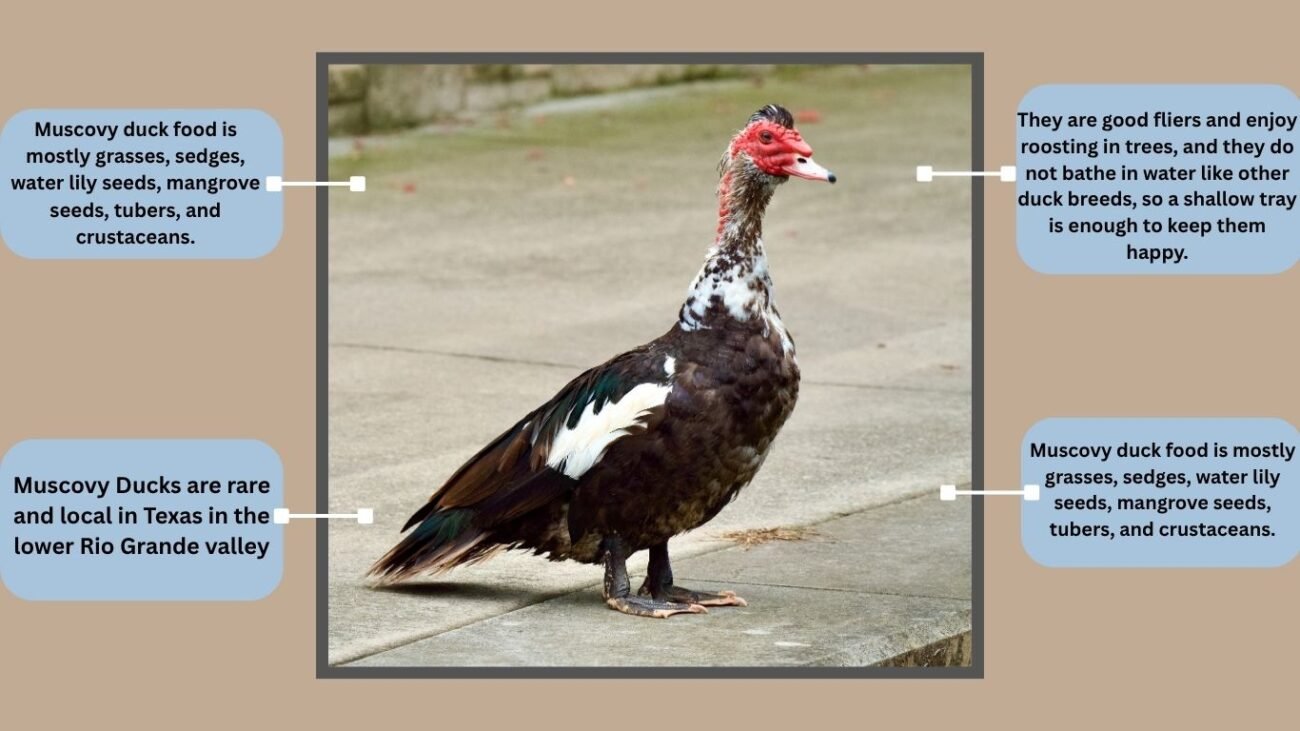
- Color: Rich chocolate brown feathers across the body
- Face: Prominent red caruncles, often lighter around the beak
- Size: Males 10–15 lbs; females 6–9 lbs
- Bill: Brownish to dark with occasional speckling
- Feet: Dark brown or grayish webbed feet
- Sound: Soft hissing, no quacking
Habitat
Chocolate Muscovy ducks thrive in home gardens, farms, and backyard settings. They need clean water access and open land for walking and grazing. Their feather color may fade in excessive sunlight, so partial shade is ideal for keeping their rich tones.
Behavior
These ducks are calm, slow-moving, and relatively easy to manage. They enjoy resting in quiet areas, foraging in grass, and perching on low objects. Males may be territorial during the breeding season, but aggressive behavior is rare overall.
Diet
Their diet includes grains, poultry feed, garden greens, and insects. They enjoy scavenging for bugs and small critters around barns and compost piles. Supplemental fresh vegetables and kitchen scraps can improve their health and feather quality.
Lifespan
With proper care, chocolate Muscovy ducks can live 8 to 12 years. Access to clean water, secure housing, and a nutritionally complete diet all contribute to their longevity.
Use and Benefits
This variety is often raised for both meat and ornamental purposes. Their calm behavior and eye-catching feather color make them a favorite among hobby farmers and poultry shows.
5. Lavender Muscovy Duck
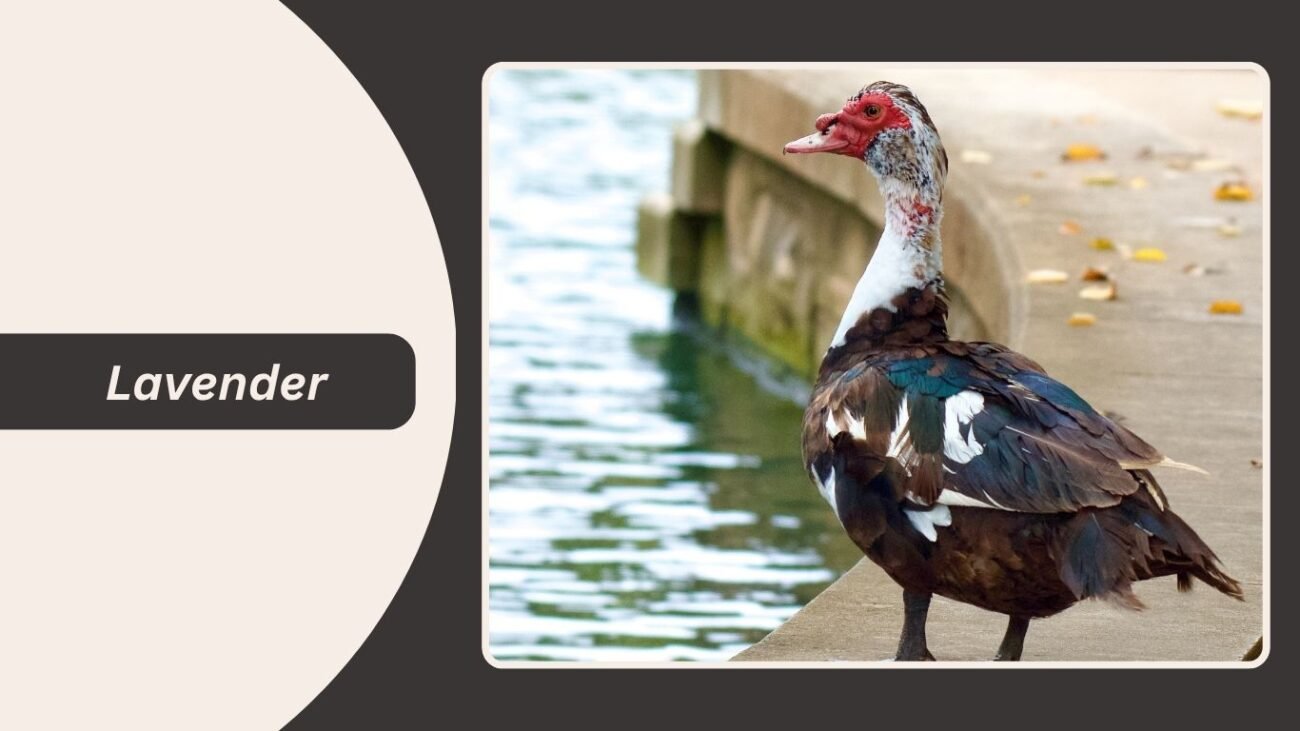
The lavender Muscovy duck is a pale, soft-colored breed with a silvery or dusty gray appearance. It is among the rarer domestic varieties and is bred mostly for visual appeal. Though less common than black or white Muscovies, it is gaining popularity for its unique look.
Identification
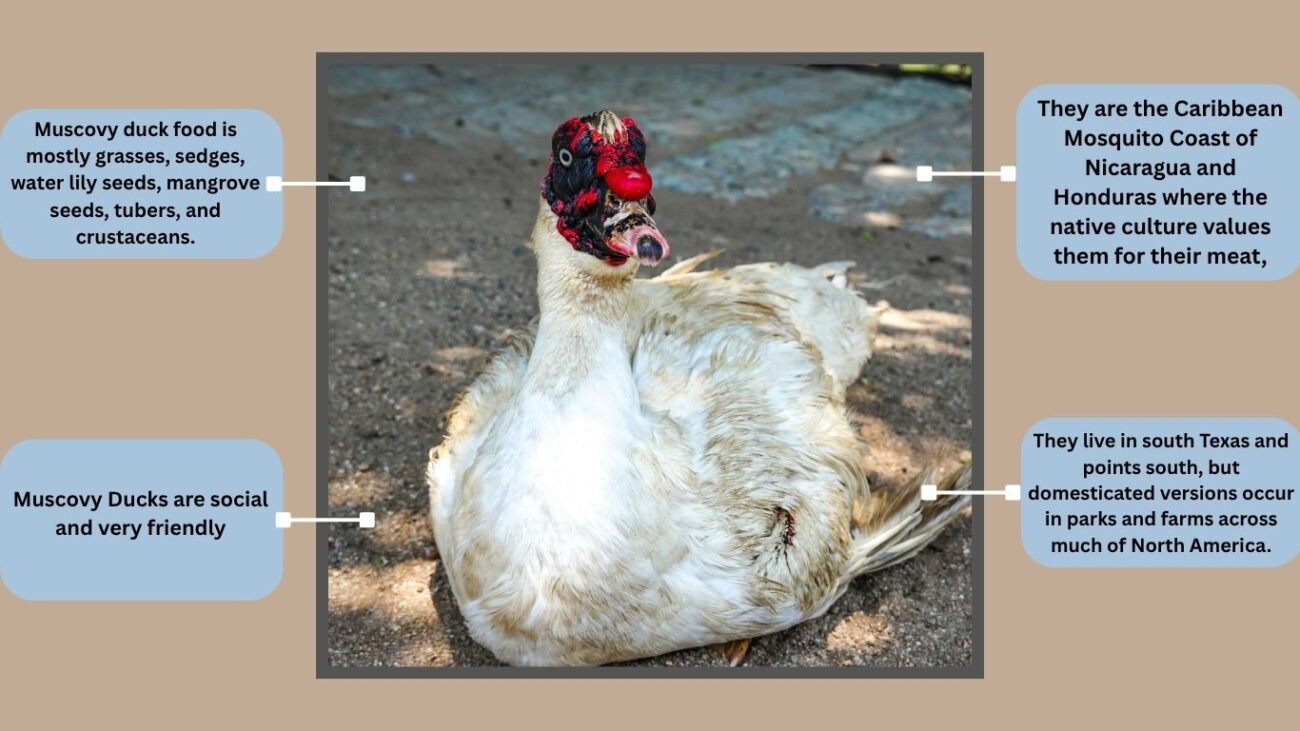
- Color: Pale lavender or dusty gray plumage, sometimes with a bluish tint
- Face: Red caruncles, often paler in contrast to the light feathers
- Size: Males 10–15 lbs; females 6–9 lbs
- Bill: Light gray or slate-colored
- Feet: Gray to pale with webbing
- Sound: Quiet and non-quacking, soft hisses and grunts
Habitat
Lavender Muscovies do well in calm, shaded environments. Their light feather color may be sensitive to excessive sun, so partial shade and shelter are ideal. Like others, they prefer shallow water areas for bathing and soft soil for foraging.
Behavior
They are docile, slow-moving, and non-aggressive. They typically stay close to their feeding and nesting areas, roost occasionally, and interact well with people. Females are excellent brooders and often lay large clutches of eggs.
Diet
Their diet includes duck pellets, greens, seeds, grains, and insects. They forage actively and help control bugs in gardens and near water bodies. Fresh greens and clean water improve their health and maintain their pale feather quality.
Lifespan
Lavender Muscovy ducks can live up to 12 years in domestic conditions with low stress, proper nutrition, and protection from predators. Their health remains strong when they’re kept in clean, dry environments.
Use and Benefits
They are prized for ornamental purposes but also provide good quality meat. Their rarity and calm nature make them desirable for breeders and backyard enthusiasts looking for something visually distinct.
6. Pied Muscovy Duck
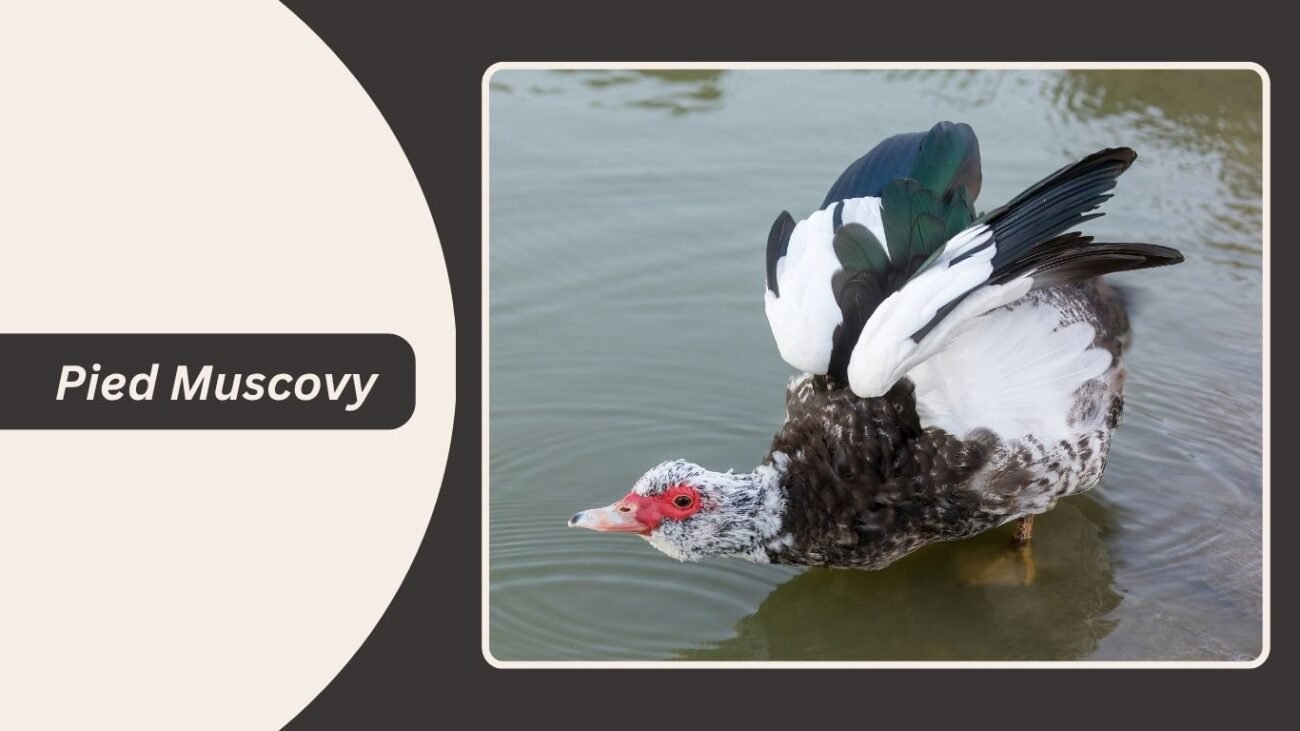
The pied Muscovy duck is a mixed-color variety featuring patches of white combined with another base color—often black, chocolate, or blue. Each pied duck has a unique pattern, making them especially popular for ornamental and backyard use.
Identification
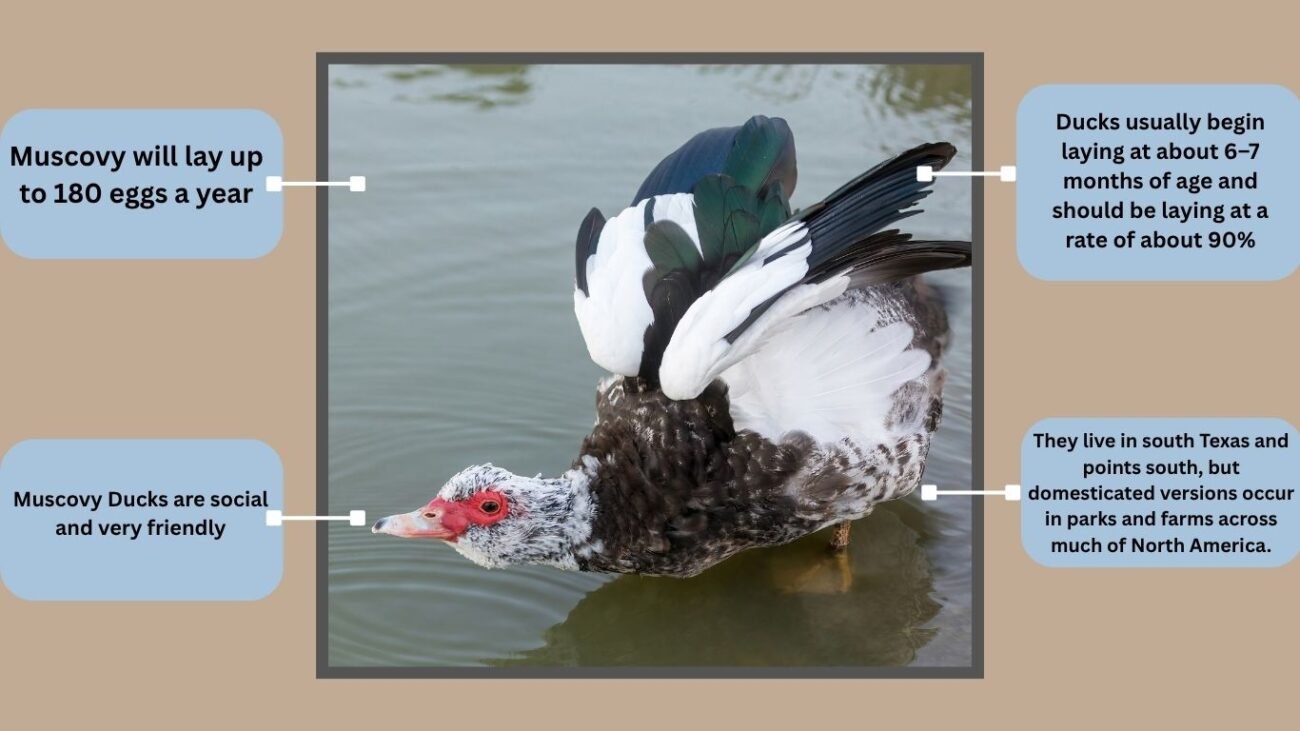
- Color: Irregular patches of white mixed with black, chocolate, blue, or other shades
- Face: Red caruncles often surrounded by white or colored feather patches
- Size: Males 10–15 lbs; females 6–9 lbs
- Bill: Usually multicolored or spotted, depending on feather color
- Feet: Color varies—commonly pink, black, or mottled
- Sound: Soft hissing and puffing; no traditional quacking
Habitat
Pied Muscovy ducks are well-suited to domestic farms, homesteads, and garden ponds. They require shaded rest areas, grassy spots for foraging, and access to shallow water. Their mixed color helps them blend into natural environments more than solid whites.
Behavior
These ducks are calm, alert, and slightly more active than other Muscovy varieties. Their unique coloration does not affect their temperament. They enjoy perching and roaming in open areas and may form strong bonds with their caretakers when raised from ducklings.
Diet
Like others, pied Muscovies are omnivores. Their diet includes grains, duck pellets, leafy greens, small insects, and garden leftovers. They benefit from occasional protein-rich treats like mealworms or cooked eggs during molting or breeding seasons.
Lifespan
They typically live 8 to 12 years when provided with proper care, clean water, and a secure habitat. Regular health checks and access to varied nutrition support their long-term well-being.
Use and Benefits
Pied Muscovy ducks are admired for their one-of-a-kind appearance and utility. They are raised for meat, ornamental purposes, and natural insect control around homes and gardens.
7. Bronze Muscovy Duck
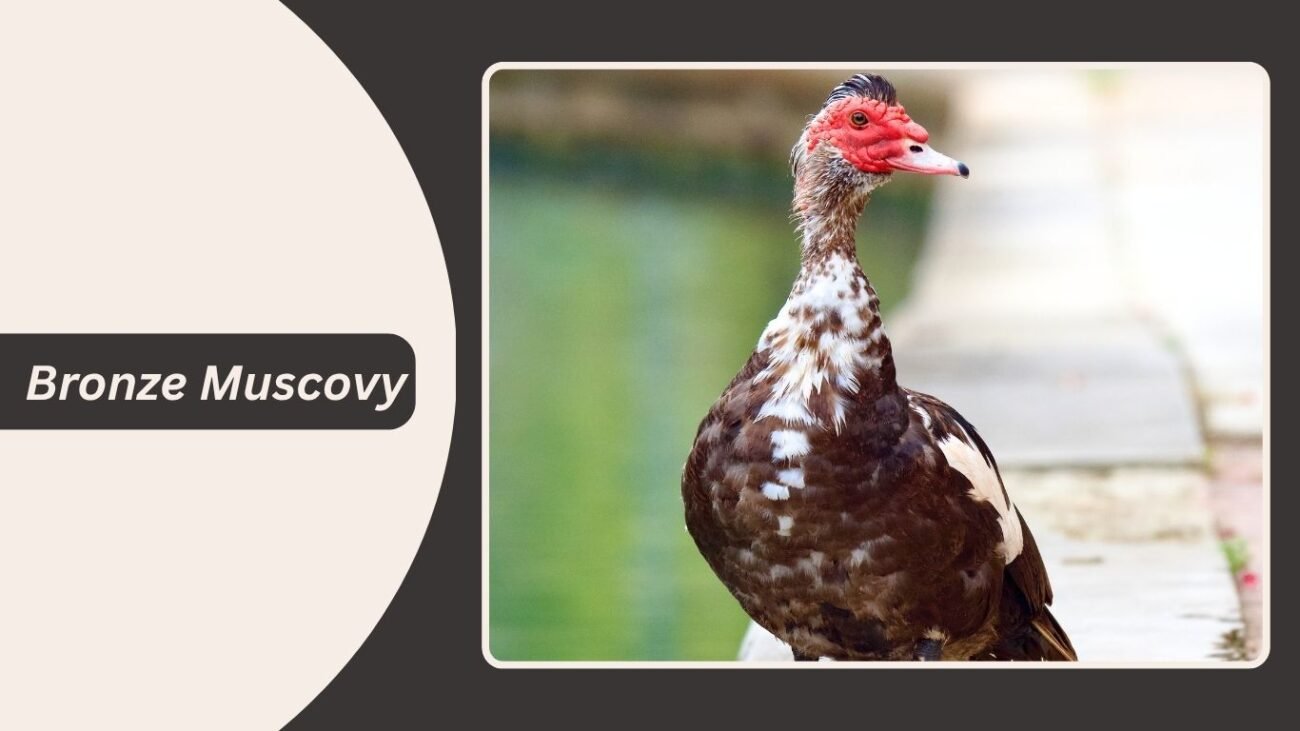
The bronze Muscovy duck is a less common but visually impressive variety that displays a deep, coppery-brown sheen. This color is the result of selective breeding and is mostly seen in specialty farms and duck shows.
Identification
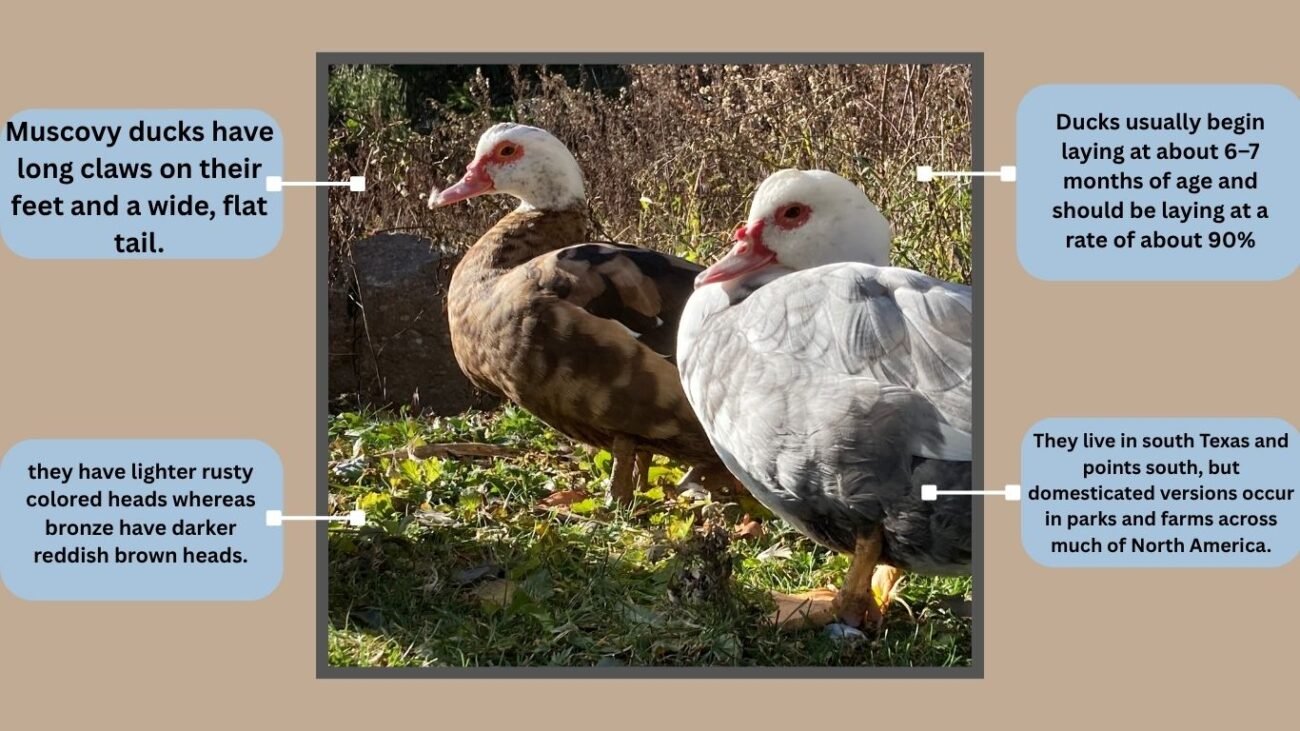
- Color: Shiny bronze or dark brown feathers with a metallic tint
- Face: Bright red caruncles with darker feather background
- Size: Males 10–15 lbs; females 6–9 lbs
- Bill: Dark, often with a bronze or brown base
- Feet: Dark brown or gray, suited for land and water
- Sound: Hissing and puffing; no quacking
Habitat
Bronze Muscovy ducks prefer shaded, natural surroundings where their metallic plumage can stay vibrant. Like other types, they require access to fresh water, space to forage, and protection from extreme heat or cold.
Behavior
These ducks are peaceful and curious. They are less likely to wander far from their shelter and tend to interact well with humans. During breeding seasons, drakes may become territorial, but generally, they are mild-mannered.
Diet
Their diet includes grass, weeds, insects, grains, and duck pellets. The richness of their plumage is best maintained with a balanced diet that includes proteins and natural greens. Foraging opportunities also benefit their overall health.
Lifespan
With proper shelter and consistent care, bronze Muscovies live up to 10–12 years. They are durable birds but require attention to feather care due to their darker plumage.
Use and Benefits
Bronze Muscovy ducks are typically raised for aesthetic value and meat. Their unique look makes them desirable for breeders and backyard flocks looking for diversity in appearance.
8. Barred Muscovy Duck
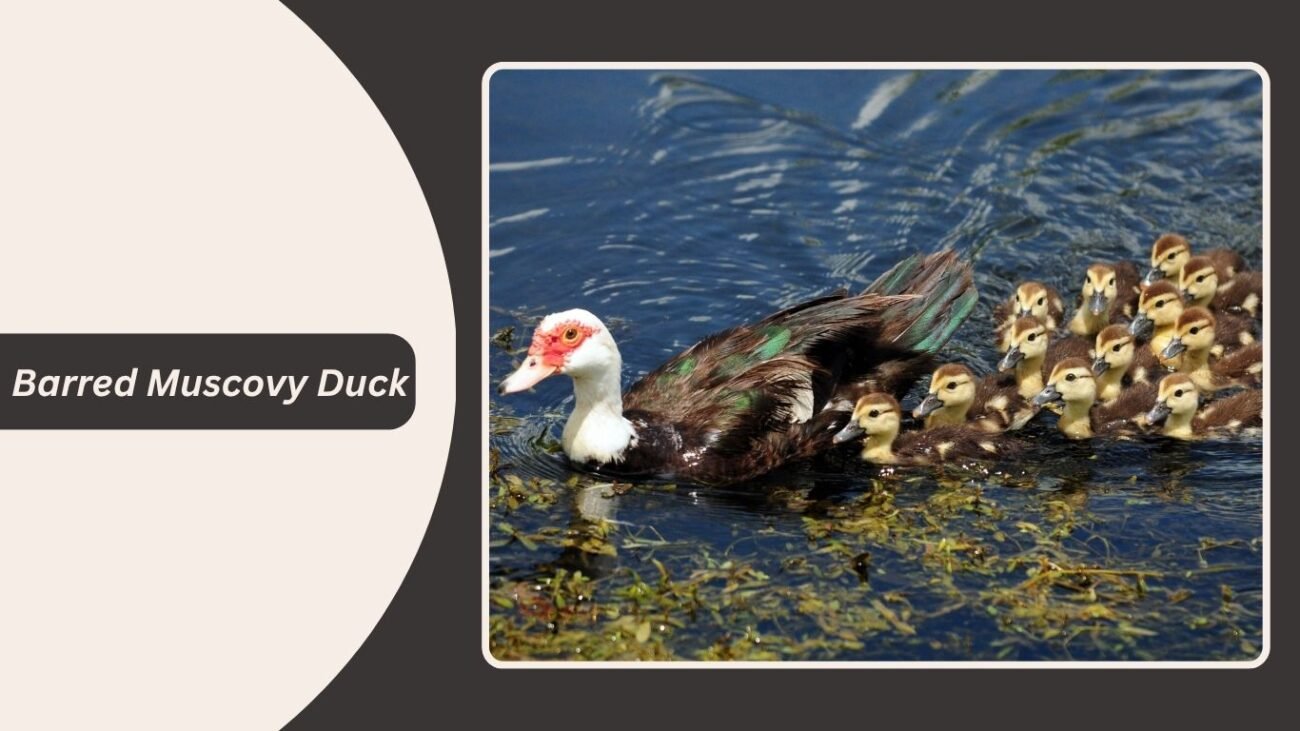
The barred Muscovy duck is known for its distinctive feather pattern that features alternating light and dark bands, often over a black or chocolate base. This pattern gives the duck a rippled or striped appearance and makes it a standout in any flock.
Identification
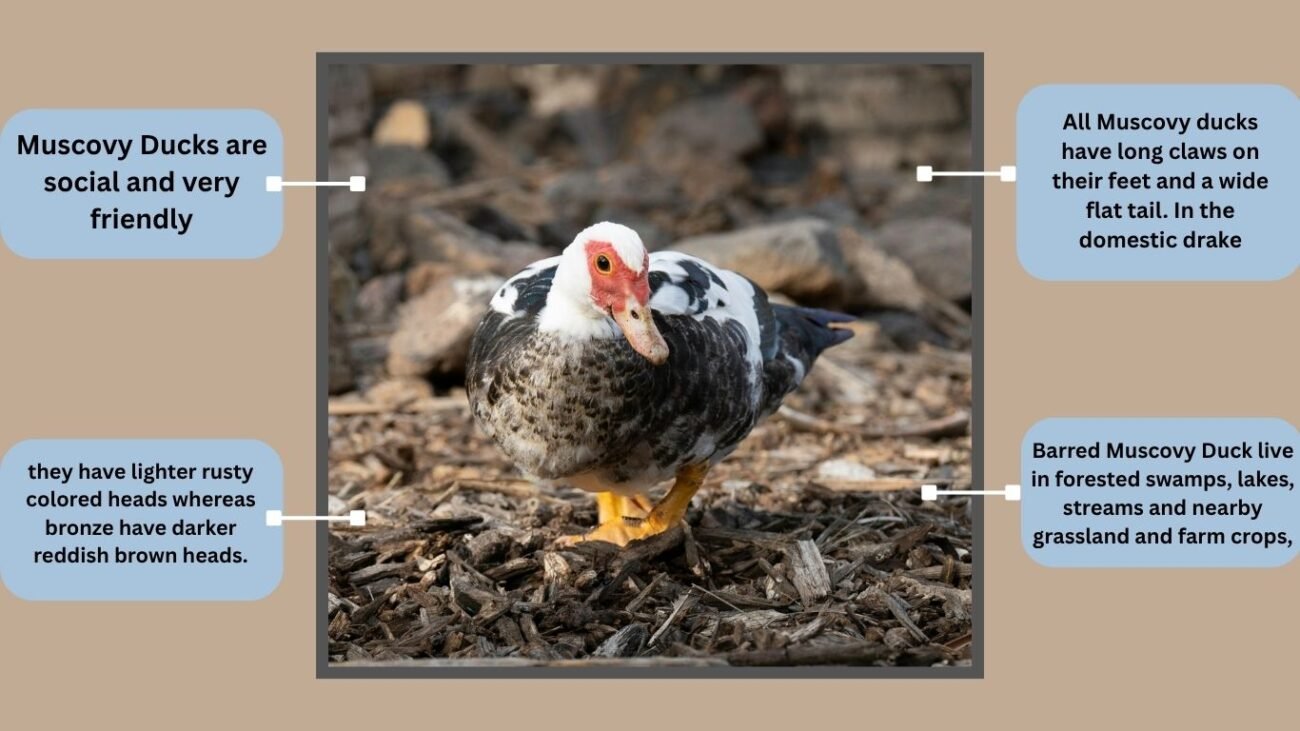
- Color: Horizontal barring or striping across feathers; often black and white or chocolate and cream
- Face: Red caruncles with contrasting feather markings nearby
- Size: Males 10–15 lbs; females 6–9 lbs
- Bill: Typically dark with spotting or banding
- Feet: Gray or brown; strong and webbed
- Sound: Produces soft hisses and occasional snorts
Habitat
Barred Muscovy ducks do well in typical domestic environments. They prefer grassy, shaded areas near water sources and enjoy shelter for roosting. Their feather pattern doesn’t impact habitat preference, but they benefit from environments where they can stay dry and clean.
Behavior
These ducks are calm, alert, and often slightly more curious than solid-colored types. They enjoy foraging, roosting, and socializing with other ducks. Barred Muscovies are easy to tame and often enjoy human interaction, especially when raised from young.
Diet
A balanced diet of grains, insects, commercial duck feed, and green vegetation supports their health. They also appreciate foraging areas where they can naturally pick up bugs and seeds. Feeding during early morning and evening aligns with their active times.
Lifespan
Barred Muscovy ducks live around 8 to 12 years in well-maintained conditions. Their feather quality, which is a defining feature, remains best when they are fed high-quality food and given access to dust-bathing or clean water.
Use and Benefits
Though rare, barred Muscovies are increasingly sought after for ornamental breeding. Their meat is lean and flavorful, and their foraging habits help control insects and weeds naturally.
9. Silver Muscovy Duck
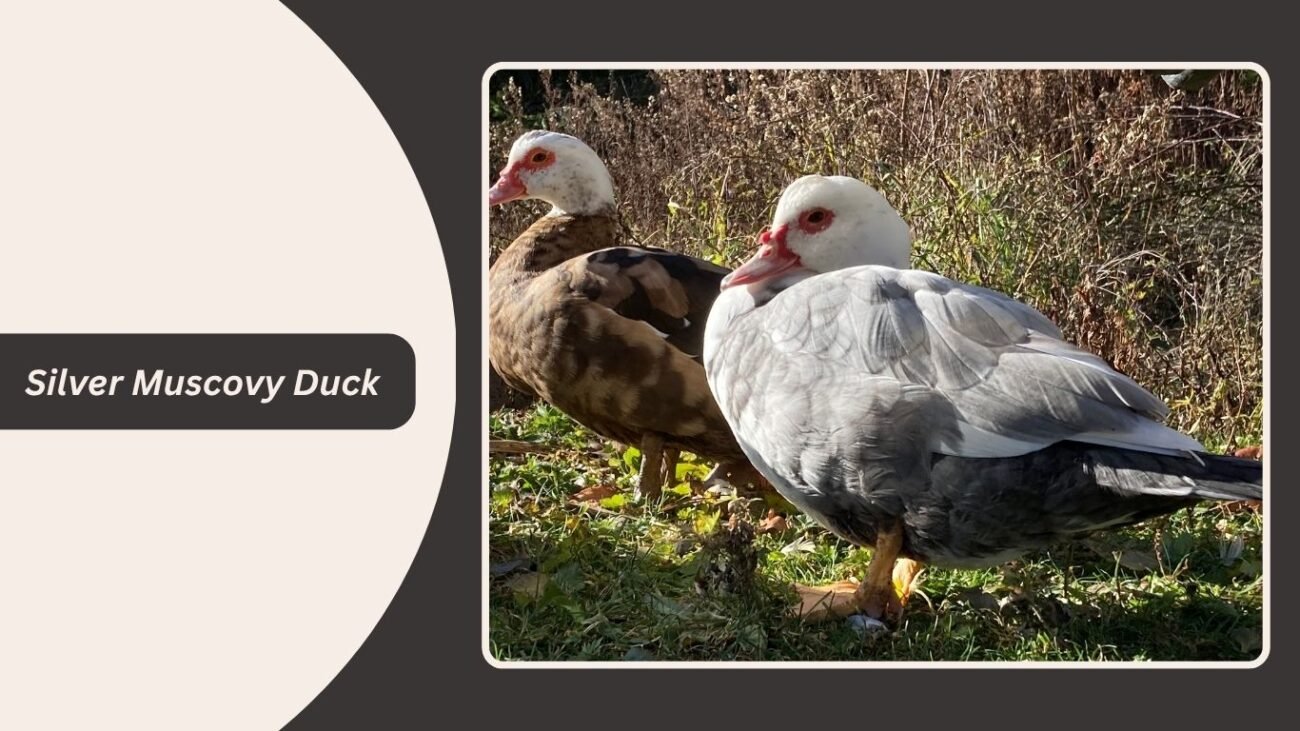
The silver Muscovy duck is a light, elegant variety with silvery-gray plumage, offering a clean and modern look for ornamental flocks. This type is popular among hobby farmers looking for unique, showy birds.
Identification
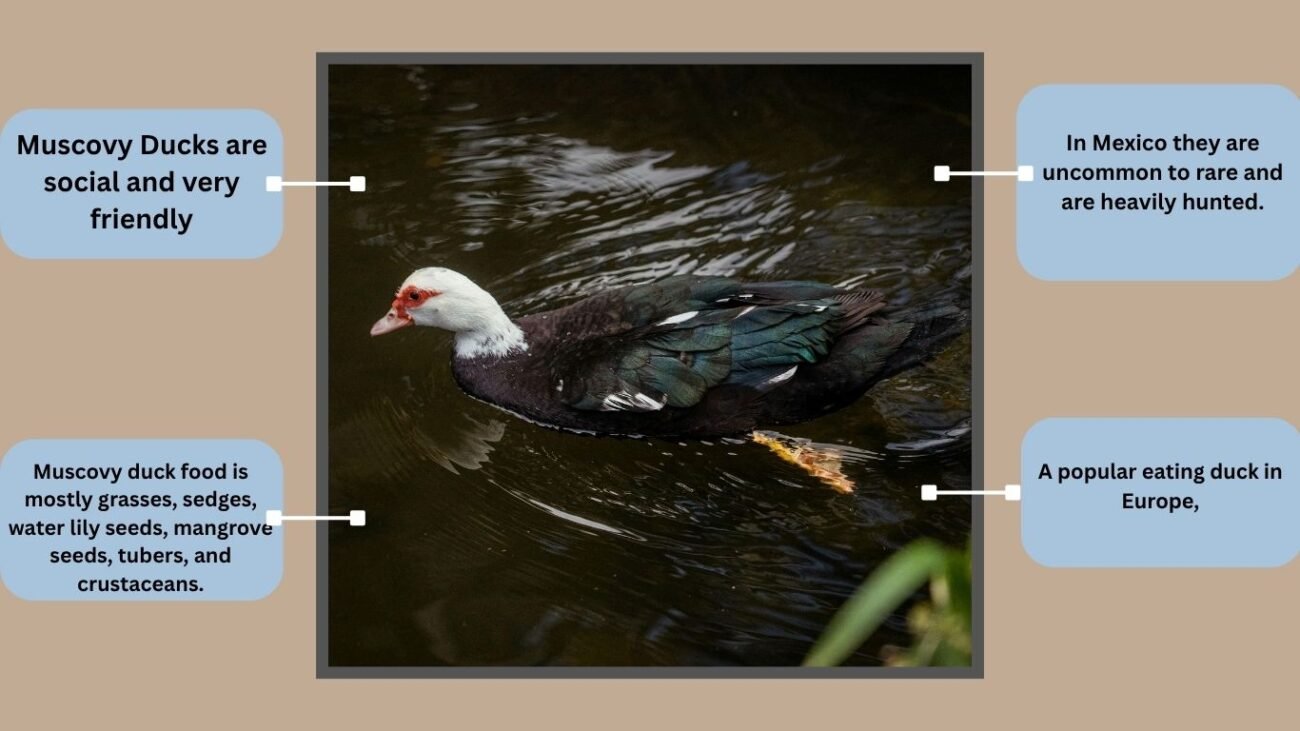
- Color: Light silver-gray feathers across the body; uniform or slightly shaded
- Face: Red caruncles, often standing out brightly against pale plumage
- Size: Males 10–15 lbs; females 6–9 lbs
- Bill: Slate or grayish-pink in tone
- Feet: Light gray to pinkish with strong claws
- Sound: Low hissing and breathing noises, no typical duck quacks
Habitat
Silver Muscovy ducks prefer clean, calm environments. Their light coloring can stain easily, so shaded, dry, and grassy areas are ideal. They require fresh water for cleaning and enjoy open spaces where they can forage without crowding.
Behavior
Silver Muscovies are docile, quiet, and often less active than darker types. They enjoy routine and do best in familiar surroundings. They are good around people and compatible with other poultry when raised together.
Diet
Their diet includes duck pellets, seeds, garden greens, and protein-rich insects. Foraging helps them maintain health, but silver-feathered ducks particularly benefit from a clean and dry diet environment to preserve feather brightness.
Lifespan
They typically live 8 to 12 years, depending on care, protection, and environmental cleanliness. Their plumage stays vibrant with balanced nutrition and proper grooming opportunities.
Use and Benefits
Silver Muscovy ducks are primarily raised for ornamental value, though they are also useful for meat and insect control. Their rare coloring adds visual appeal to backyard farms and poultry exhibitions.
10. Rippled Muscovy Duck
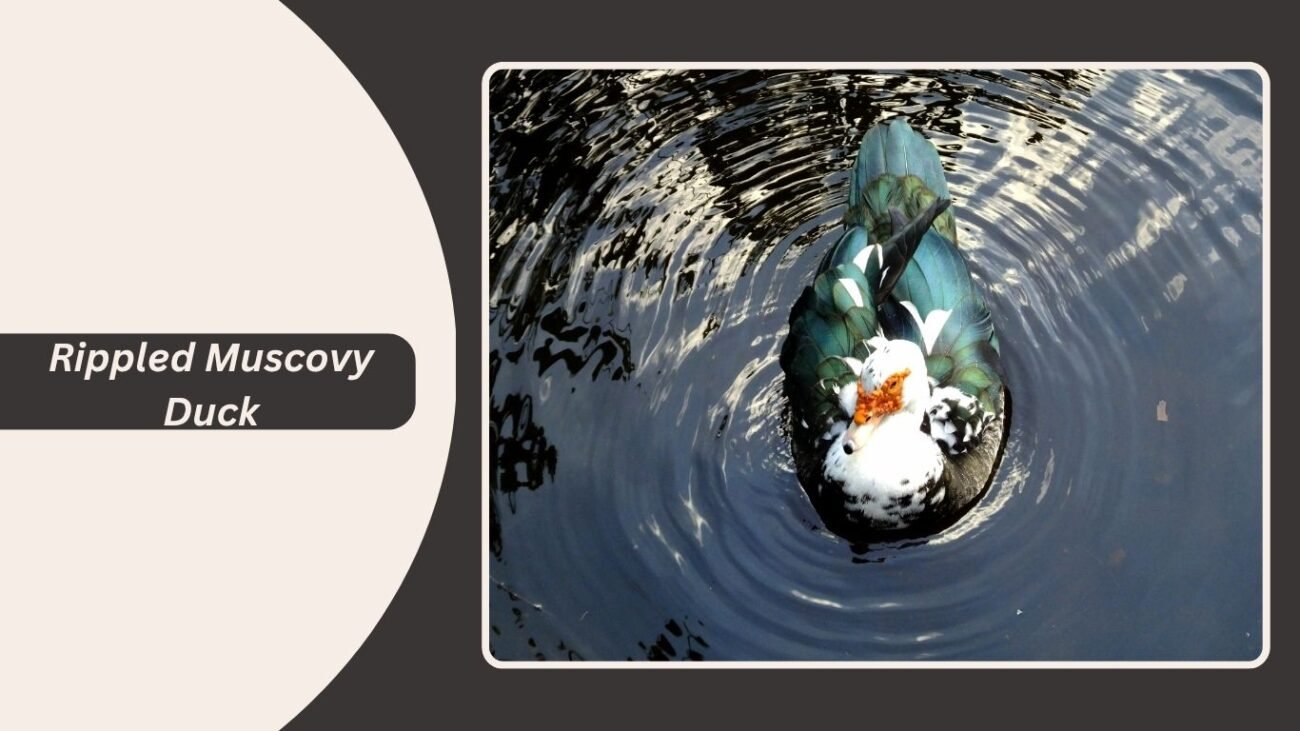
The rippled Muscovy duck, often referred to as “ripple,” features a feather pattern that resembles waves or fine barring, typically over a lighter base color like blue or lavender. This rare variety is admired for its unique texture-like appearance and is often selectively bred for shows and ornamental flocks.
Identification
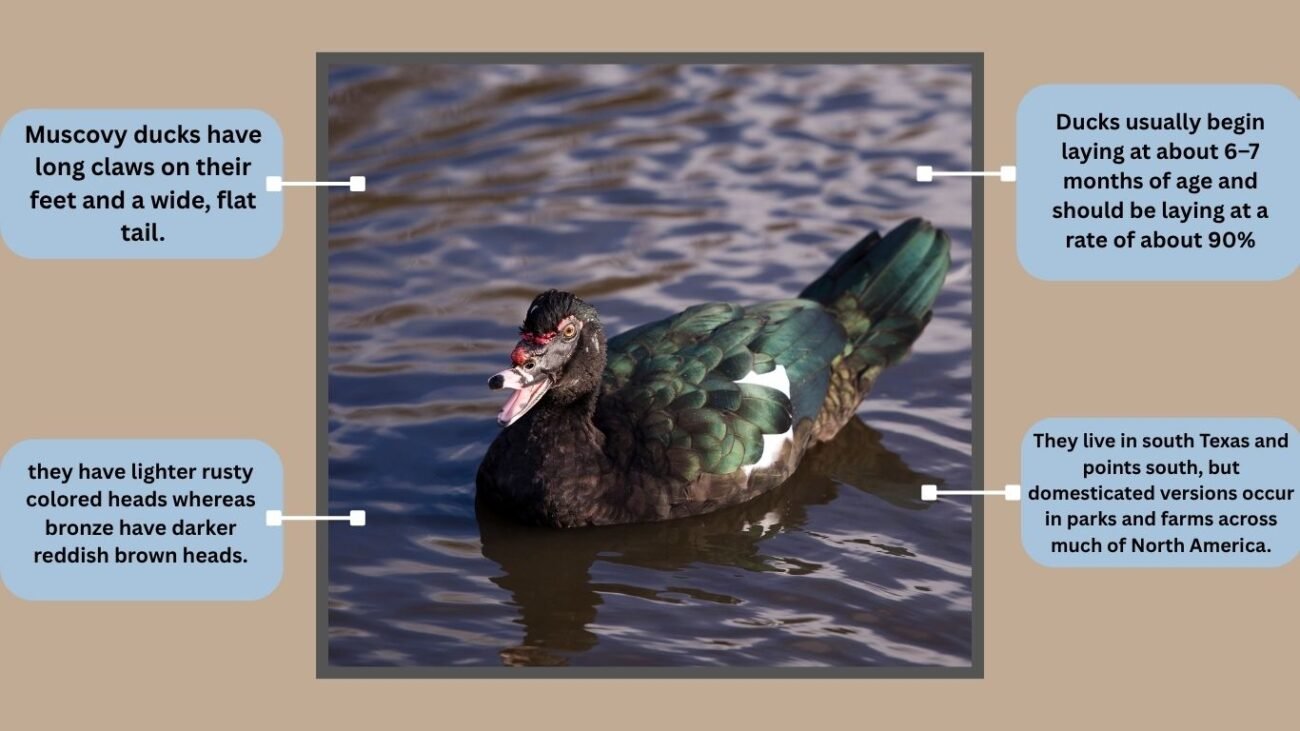
- Color: Rippled or broken feather pattern—usually gray, blue, or lavender tones
- Face: Standard red caruncles, sometimes lighter due to overall pale feather base
- Size: Males 10–15 lbs; females 6–9 lbs
- Bill: Light to medium gray with occasional mottling
- Feet: Pale gray or pinkish; strong and well-suited for dry terrain
- Sound: Quiet and calm—mostly hissing, no loud vocalizations
Habitat
Rippled Muscovies need dry, shaded areas with grassy patches for foraging. Their feather patterns are best preserved in clean, well-maintained environments. Like others, they enjoy small water features for bathing but don’t rely heavily on swimming.
Behavior
They’re gentle, peaceful, and easy to handle. Rippled Muscovies are often less flighty and bond easily with caretakers. They tend to remain near their roosting or feeding areas and don’t wander far from familiar spaces.
Diet
Their diet includes grains, greens, bugs, and high-quality duck pellets. Natural foraging supports their active behavior and improves feather health. Protein-rich supplements are helpful during molting periods to preserve the unique feather structure.
Lifespan
Rippled Muscovies live about 8 to 12 years, depending on how well they are cared for. Clean water and protection from mud help maintain their feather clarity and prevent infections.
Use and Benefits
Mostly raised for ornamental and exhibition purposes, rippled Muscovies are also good for meat and pest control. Their subtle and rare appearance makes them a valuable addition to specialty flocks.
11. Buff Muscovy Duck
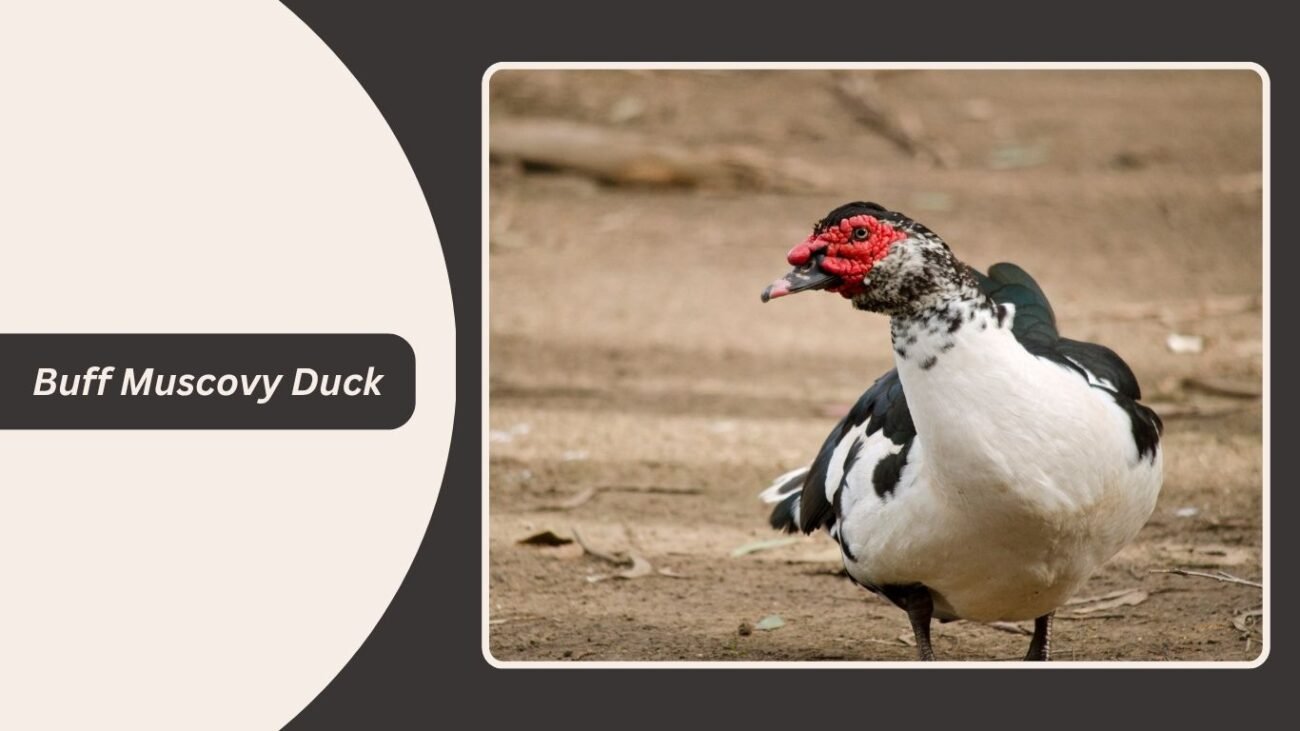
The buff Muscovy duck features a warm, creamy tan or peach-colored plumage. This gentle, pastel-toned variety is rare and often bred for visual appeal. Its soft coloration gives it a pleasant and welcoming appearance, making it a favorite in decorative and backyard setups.
Identification
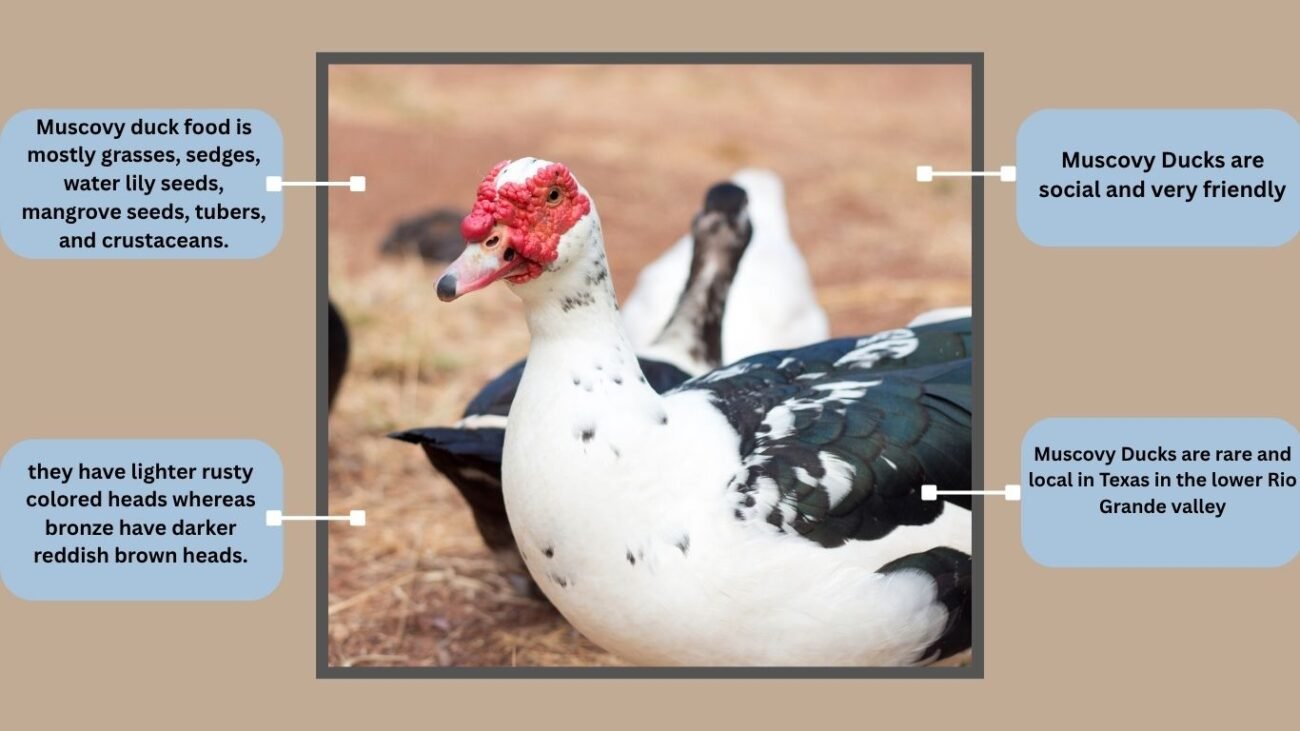
- Color: Light tan, creamy peach, or sandy beige feathers
- Face: Bright red caruncles with lighter feather base for contrast
- Size: Males 10–15 lbs; females 6–9 lbs
- Bill: Pale peach to pink with smooth curve
- Feet: Light pink or cream-colored; webbed and strong
- Sound: Very quiet—mainly hisses and light grunts
Habitat
Buff Muscovies thrive in dry, clean areas where their light plumage can remain vibrant. Shaded zones and dust-bathing areas help keep feathers looking smooth. They prefer grassy paddocks and shallow ponds over muddy wetlands.
Behavior
These ducks are calm, gentle, and highly sociable. They adapt easily to human presence and are considered one of the best Muscovy varieties for beginners. Females often go broody and raise ducklings well.
Diet
A diet rich in grains, greens, and bugs suits their needs. They enjoy foraging during the cooler parts of the day and are active around compost piles and garden beds. Clean water is essential to avoid staining their light-colored feathers.
Lifespan
Buff Muscovy ducks live between 8 and 12 years with proper nutrition, shelter, and care. Their light coloration does not affect longevity but requires cleaner conditions to prevent feather discoloration.
Use and Benefits
Often kept for their looks, buff Muscovies are also good egg layers and meat producers. Their mellow temperament and soft feather tone make them popular in petting zoos, hobby farms, and ornamental bird collections.
12. Wild-Type Muscovy Duck
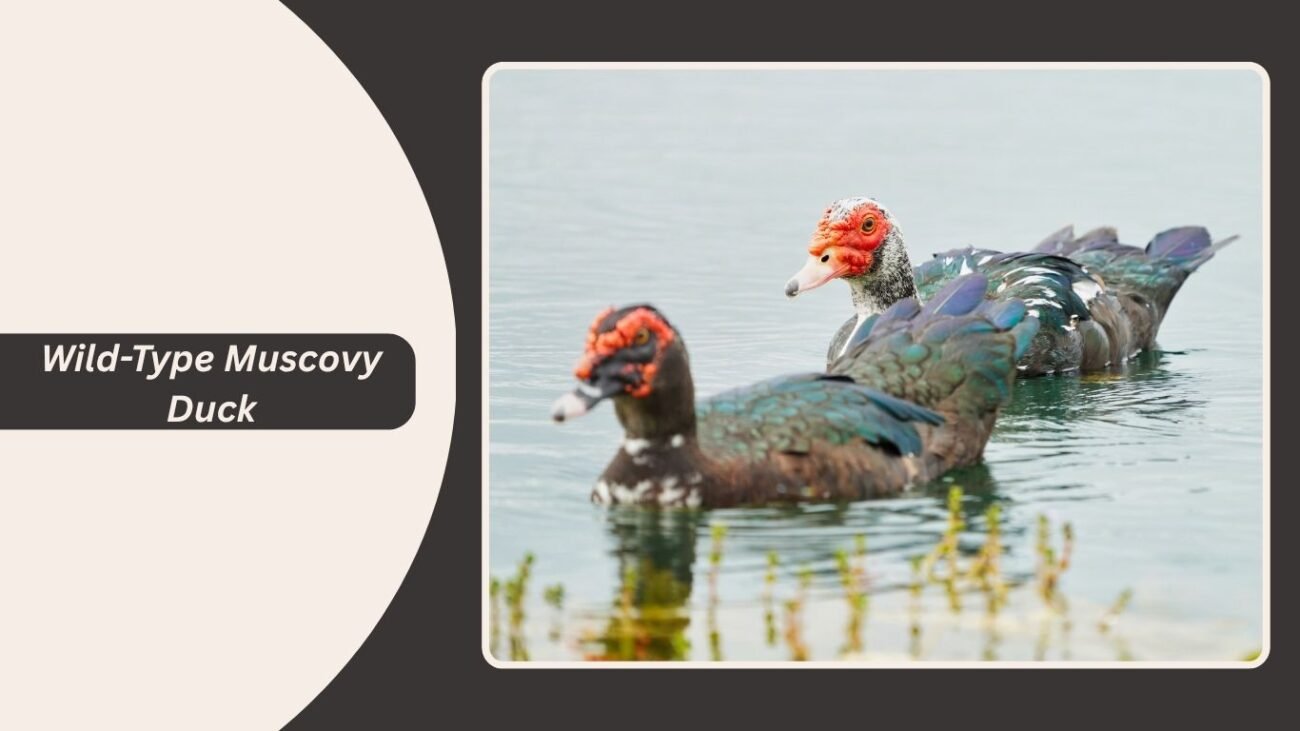
The wild-type Muscovy duck is the original form of the species (Cairina moschata), naturally found in Central and South America. Unlike domestic varieties, this type is mostly dark with white wing markings and has adapted to survive in wild wetlands. It is the ancestor of all domestic Muscovy breeds.
Identification
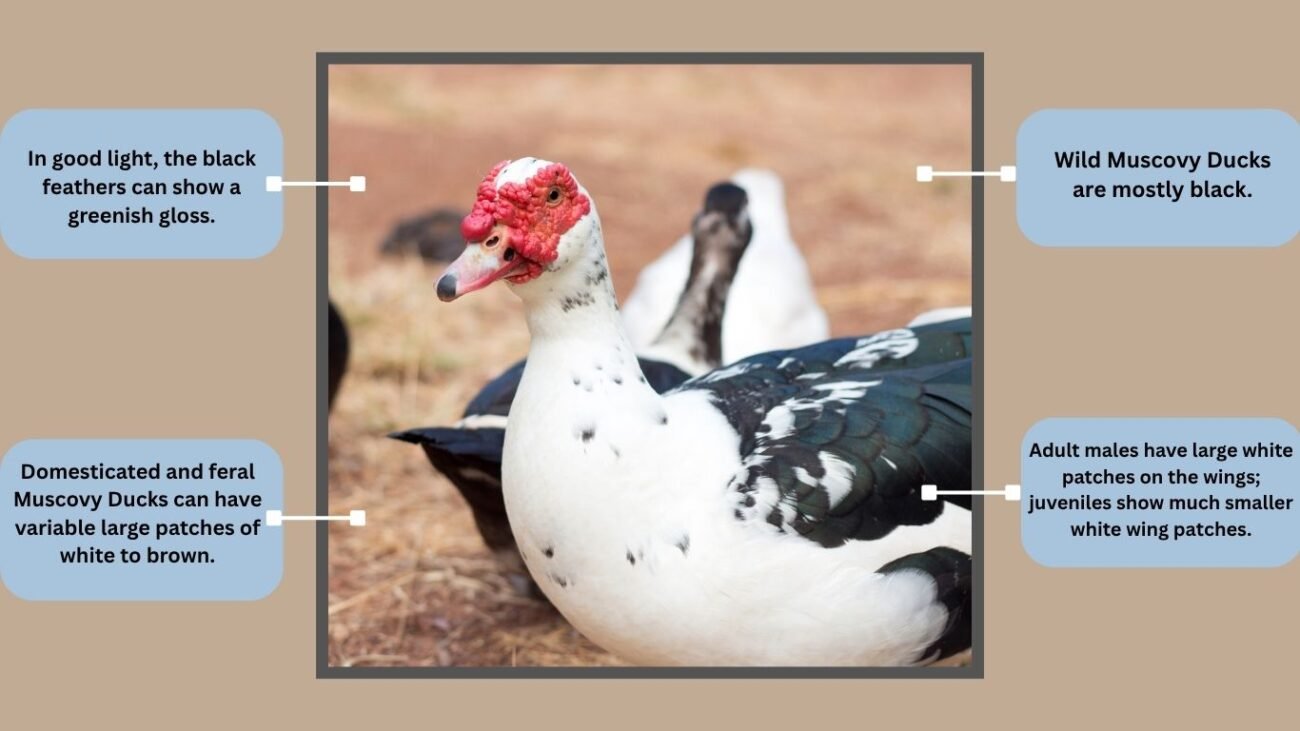
- Color: Mostly black body with large white patches on the wings
- Face: Red to dark red caruncles with bare black skin around the beak and eyes
- Size: Males up to 15 lbs; females 6–8 lbs (leaner than domestic strains)
- Bill: Black or dark gray with slight hook
- Feet: Dark gray to black; strong and clawed for tree roosting
- Sound: Silent flyers; make low hisses, trills, and soft vocalizations
Habitat
Wild-type Muscovies live in tropical and subtropical environments, especially along rivers, swamps, and forested wetlands. They prefer slow-moving or still freshwater areas, nesting in hollow trees, along riverbanks, or dense foliage near water.
Behavior
They are cautious, alert, and can be shy around humans. Wild Muscovies roost in trees, fly strong and far, and are more agile than domesticated ones. They are solitary or live in small family groups and are territorial during breeding.
Diet
In the wild, they feed on:
- Aquatic plants
- Small fish and frogs
- Insects, snails, and larvae
- Berries and fallen fruits
They forage in water and on land, using their strong claws to dig through vegetation and mud.
Lifespan
Wild Muscovy ducks live around 5 to 8 years in natural conditions, where predators, disease, and environmental changes pose threats. In captivity, they can live 10 years or more if not bred for meat production.
Use and Benefits
Although not typically raised in farms, wild-type Muscovies are protected in some regions and contribute to local ecosystems by controlling insect populations and spreading seeds. Their hardy genetics are foundational to all domestic Muscovy lines.
FAQs
1. Are all Muscovy duck types the same species?
Yes, all color varieties—whether white, black, blue, or pied—belong to the same species: Cairina moschata. The differences are due to selective breeding, not separate species.
2. Can different types of Muscovy ducks interbreed?
Absolutely. All domestic Muscovy ducks can interbreed regardless of color type, and their offspring may show mixed traits from both parents.
3. Which Muscovy duck type is best for meat production?
White and black Muscovy ducks are most commonly used for meat due to their fast growth, large body size, and cleaner carcass after processing.
4. Do colored varieties need special care compared to others?
Not really. However, lighter-colored ducks like lavender or silver may require cleaner environments to keep feathers looking vibrant and stain-free.
5. Are rare types like buff or bronze Muscovies harder to find?
Yes. Buff, bronze, and rippled varieties are less common and usually available through specialized breeders or at poultry shows. They’re often kept for ornamental or breeding purposes.


