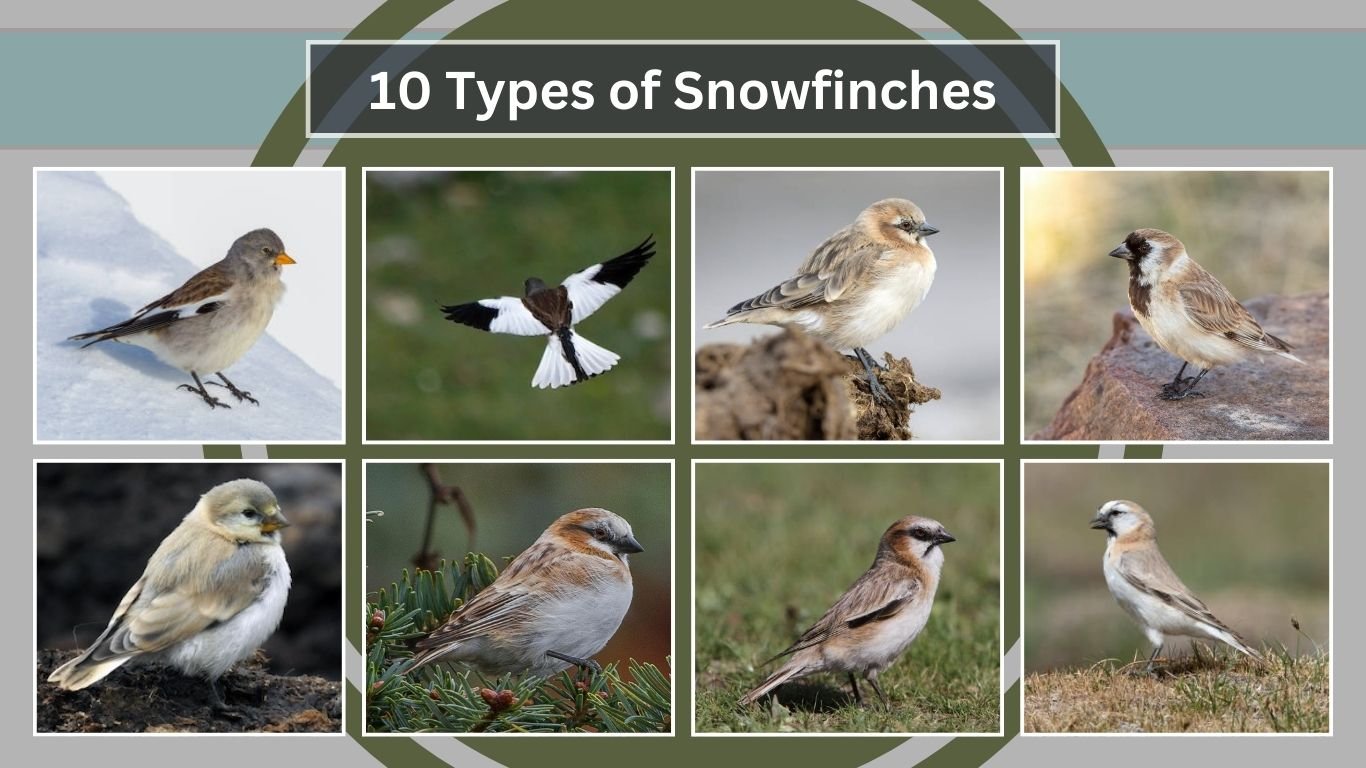
Snowfinches are hardy, high-altitude birds belonging to the genera Montifringilla and Pyrgilauda. Found across the Tibetan Plateau, Central Asia, the Himalayas, and Europe’s alpine ranges, these small passerines thrive in some of the harshest climates on Earth. Adapted to rocky grasslands and meadows above 3,000 meters, snowfinches are well known for their ground-feeding habits, use of burrows for nesting, and flocking behavior outside the breeding season. Their diets shift between seeds in winter and insects in summer, making them vital to alpine ecosystems. This list covers 10 recognized types of snowfinches, highlighting their unique traits and survival strategies.
1. White-rumped Snowfinch (Onychostruthus taczanowskii)

The White-rumped Snowfinch is a high-altitude bird found mainly on the Tibetan Plateau. It is the largest of the snowfinches and is well adapted to the cold, open grasslands of Asia. Its striking white rump patch is easily visible during flight, making it one of the most recognizable species in its group.
Identification
- Size: 16–19 cm in length
- Plumage: Brown upperparts with streaks, pale underparts
- Distinct white rump and white edges on the wings
- Strong, conical bill suited for seed-eating
Habitat
Primarily inhabits alpine meadows, plateaus, and rocky grasslands at elevations of 3,500–5,000 meters. Found in regions of Tibet, western China, Nepal, and northern India.
Behaviors
Active and social, often seen in flocks outside of breeding season. Known for rapid, low flight over open landscapes. Builds burrows in abandoned pika or rodent holes to stay warm in harsh winters.
Nest
Nests are built inside burrows lined with grasses and feathers. Females lay 3–6 eggs per clutch.
Diet
Feeds mainly on grass seeds and grains, but during breeding season, also consumes insects and small invertebrates to feed chicks.
2. Rufous-necked Snowfinch (Pyrgilauda ruficollis)
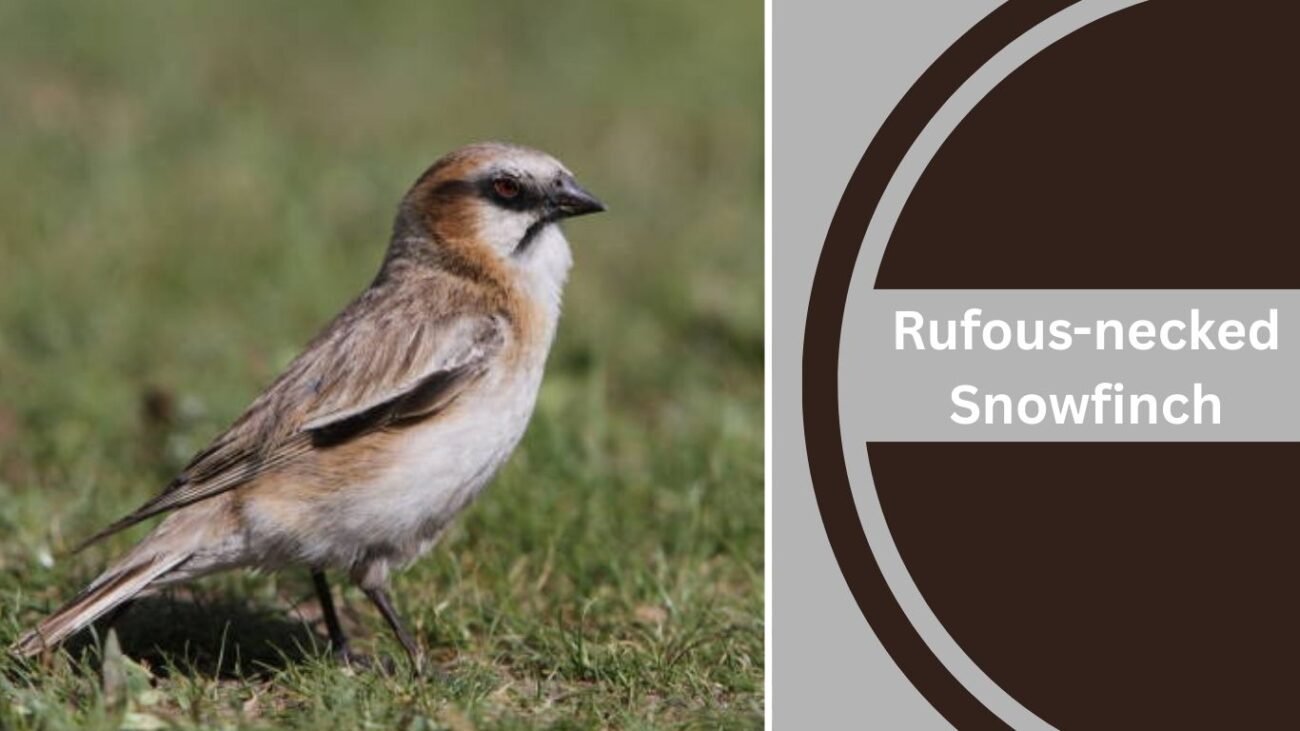
The Rufous-necked Snowfinch is a medium-sized species known for its distinctive reddish-brown neck patch. It thrives in the high plateaus of Central Asia and is a hardy resident of cold, open habitats.
Identification
- Size: About 15–17 cm long
- Plumage: Gray-brown above, whitish below
- Rufous patch on the sides of the neck and nape
- Short, conical bill adapted for seeds
Habitat
Inhabits alpine meadows, grasslands, and rocky plateaus of Tibet, Qinghai, Ladakh, and western China. Found at elevations of 3,000–5,200 meters.
Behaviors
Forms flocks during non-breeding months, feeding on the ground in open areas. Often associates with livestock pastures. Known for its harsh chattering calls.
Nest
Breeds in burrows, often using pika holes. Nests are lined with soft grasses and feathers.
Diet
Seeds form the majority of its diet, but it also eats beetles, ants, and other small insects, especially in summer.
3. Blanford’s Snowfinch (Pyrgilauda blanfordi)

Blanford’s Snowfinch is a small, plain-colored species of snowfinch named after the British naturalist William Blanford. It is widely distributed across parts of Central Asia.
Identification
- Size: 13–15 cm in length
- Plumage: Brown upperparts with streaks, pale gray-white underparts
- Small dark patch on the throat
- Strong bill designed for seed-cracking
Habitat
Prefers open grasslands, semi-deserts, and high plateaus of Tibet, Nepal, Bhutan, and northern India. Commonly found in dry alpine valleys.
Behaviors
Often seen in loose flocks, feeding on the ground. Quick, fluttering flight close to the surface. During breeding, pairs become territorial and use burrows for nesting.
Nest
Uses rodent burrows or natural crevices for nesting. Nests are lined with wool, feathers, and grasses.
Diet
Feeds mainly on grass seeds, grains, and weeds. During the breeding season, supplements diet with insects to feed growing chicks.
4. Tibetan Snowfinch (Pyrgilauda davidiana)
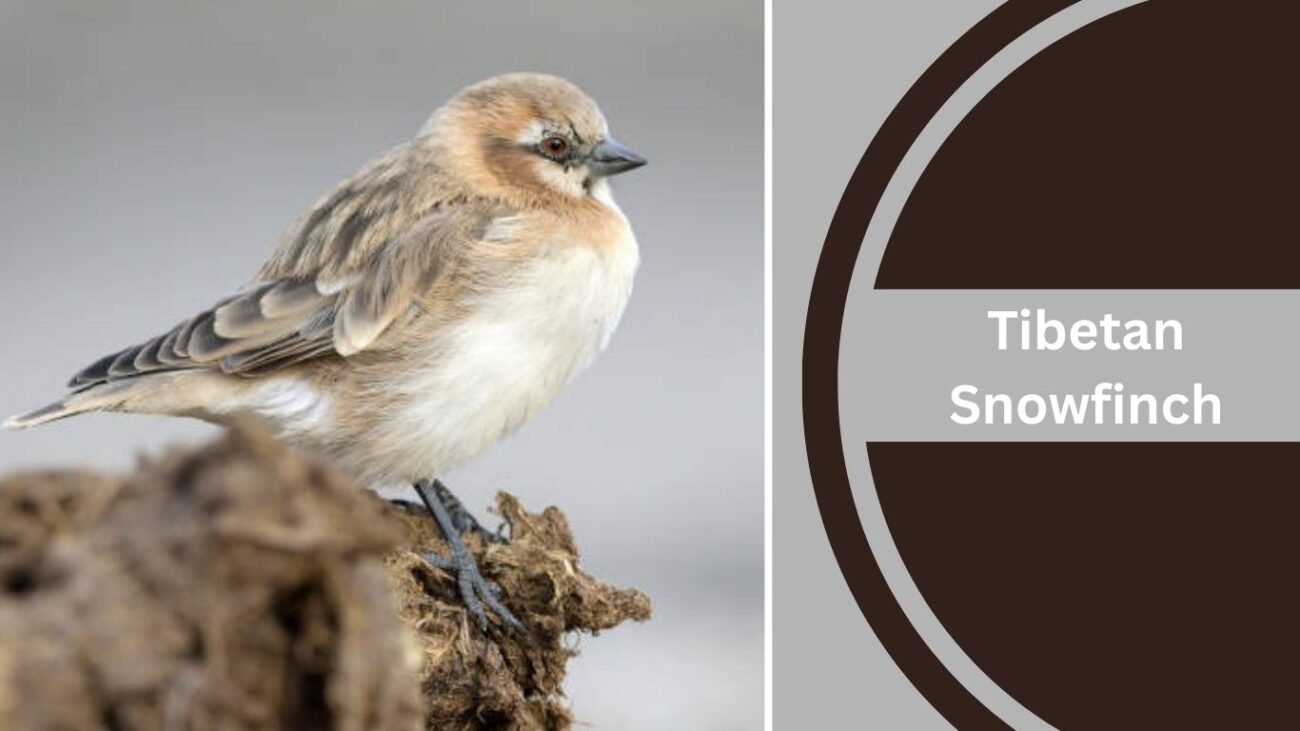
The Tibetan Snowfinch, sometimes referred to as Pere David’s Snowfinch, is a hardy bird adapted to the extreme environment of the Tibetan Plateau. It thrives at some of the highest elevations of any passerine, often seen above 4,500 meters. This species plays a role in the fragile alpine ecosystem and is a common sight around nomadic settlements.
Identification
- Size: 15–17 cm long
- Plumage: Brown-streaked upperparts, pale whitish underparts
- Darker eye-stripe contrasting with lighter cheeks
- Small, conical bill suited for seed-eating
- Slightly rounded wings, aiding low but swift flight
Habitat
Found in high-altitude grasslands, alpine meadows, rocky plains, and pastures of Tibet, Qinghai, Ladakh, and surrounding regions. Often seen near human habitation, including yak herder camps.
Behaviors
Active ground feeder, moving in small groups outside breeding season. Uses rodent burrows for shelter and nesting. Known to be tolerant of human presence, sometimes foraging near settlements.
Nest
Breeds inside burrows or crevices, lining nests with grass, wool, and feathers. The female lays 3–6 eggs.
Diet
Primarily feeds on grass seeds and grains. During breeding season, adds beetles, caterpillars, and other insects to provide protein for chicks.
5. Afghan Snowfinch (Pyrgilauda theresae)

The Afghan Snowfinch is one of the rarer and more localized snowfinch species, found mainly in the highlands of central Afghanistan. It is sometimes called Theresa’s Snowfinch, named after the ornithologist who first described it. This bird’s isolated range makes it a species of interest for conservation and study.
Identification
- Size: 14–16 cm in length
- Plumage: Sandy-brown above with fine streaks, whitish below
- Small dark throat patch
- Pale bill with a short, conical shape
- Less contrasting plumage compared to other snowfinches
Habitat
Restricted to central Afghan highlands, typically found in semi-arid alpine valleys, rocky plains, and steppe habitats between 2,500–3,500 meters.
Behaviors
Social outside breeding season, forming small flocks. Often feeds on open ground, showing a preference for drier habitats compared to Tibetan relatives. Known for quick hopping movements and short, fluttery flights.
Nest
Like other snowfinches, nests in abandoned burrows of rodents. Lined with wool, feathers, and dry grasses.
Diet
Seed-eating species, consuming grasses, cereals, and weeds. During summer, also takes insects such as ants, beetles, and small caterpillars to feed nestlings.
6. Plain-backed Snowfinch (Pyrgilauda blanfordi)

The Plain-backed Snowfinch, often confused with Blanford’s Snowfinch due to naming overlaps, is a distinctive high-altitude passerine found across Tibet and surrounding regions. Its plain brown back and subtle markings make it less striking than other snowfinches, but it is highly adapted to life on rugged plateaus.
Identification
- Size: 14–16 cm long
- Plumage: Uniform brown back, pale underparts with little streaking
- Small dark patch on throat
- Conical, pale-colored bill designed for cracking seeds
- Tail relatively short compared to other snowfinches
Habitat
Lives in alpine meadows, dry valleys, rocky hillsides, and open plateaus above 3,000 meters. Found in Tibet, Nepal, Bhutan, and parts of northern India.
Behaviors
Typically seen in small flocks feeding on the ground. During non-breeding season, joins mixed flocks of larks and other finches. Known for its rapid low flight over grasslands.
Nest
Breeds in burrows, often those abandoned by rodents such as pikas. Nests lined with grass, wool, and feathers.
Diet
Feeds mostly on seeds and grains, supplementing with insects and larvae during breeding. Plays an important role in alpine ecosystems as both prey and seed disperser.
7. Pere David’s Snowfinch (Pyrgilauda davidiana)
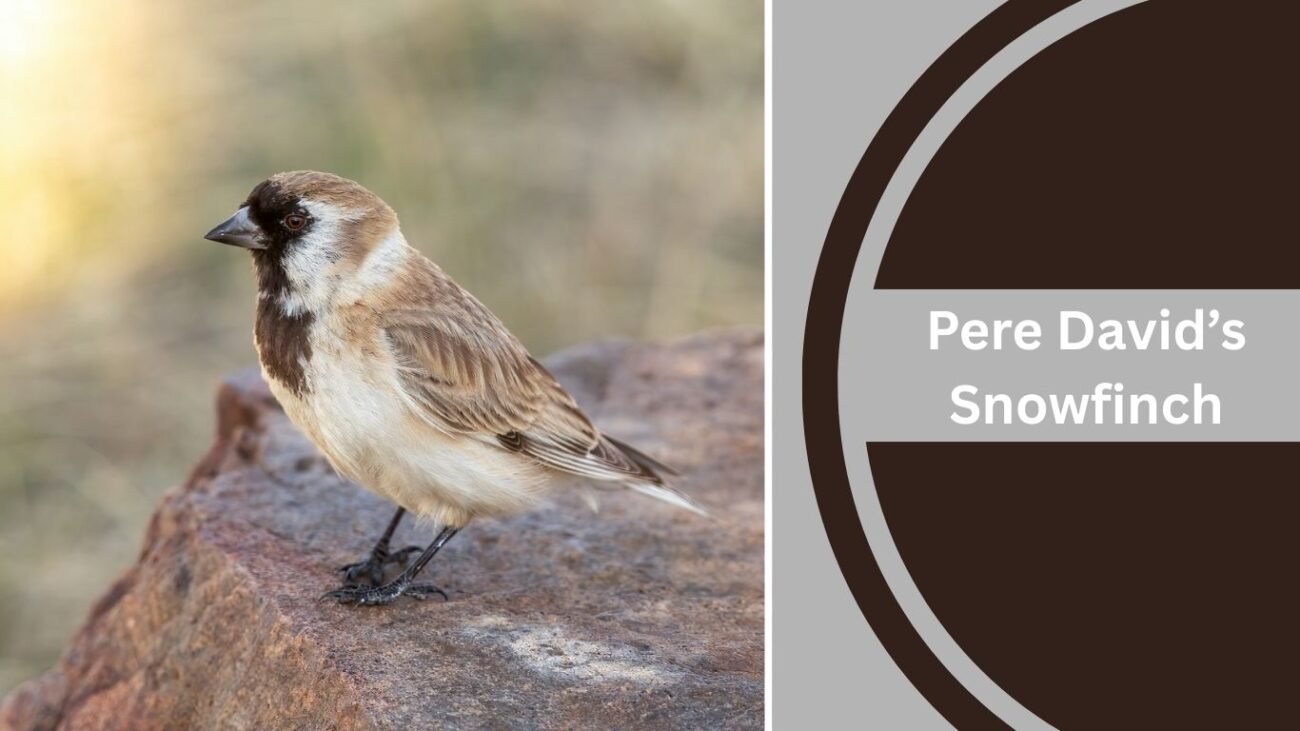
Pere David’s Snowfinch, named after the French missionary and naturalist Armand David, is a widespread snowfinch species of the Tibetan Plateau and northern China. It is one of the most common and best-studied snowfinches.
Identification
- Size: 15–17 cm in length
- Plumage: Brown-streaked upperparts, whitish underparts
- Distinct black markings around the eye
- Small, strong bill suited for alpine seeds
- White outer tail feathers visible in flight
Habitat
Found in grasslands, steppe, semi-deserts, and agricultural fields at 2,500–4,500 meters. Widespread across Tibet, Qinghai, Inner Mongolia, and northern China.
Behaviors
Active ground-feeder, foraging in flocks outside breeding. Frequently perches on rocks and shrubs. Known for being more tolerant of open, human-modified landscapes than other snowfinches.
Nest
Breeds in burrows, crevices, or stone walls. Nests are carefully lined with wool, feathers, and plant fibers.
Diet
Primarily granivorous, feeding on seeds and grains. Insects like grasshoppers and beetles are added during breeding to support chick growth.
8. Black-winged Snowfinch (Montifringilla adamsi)
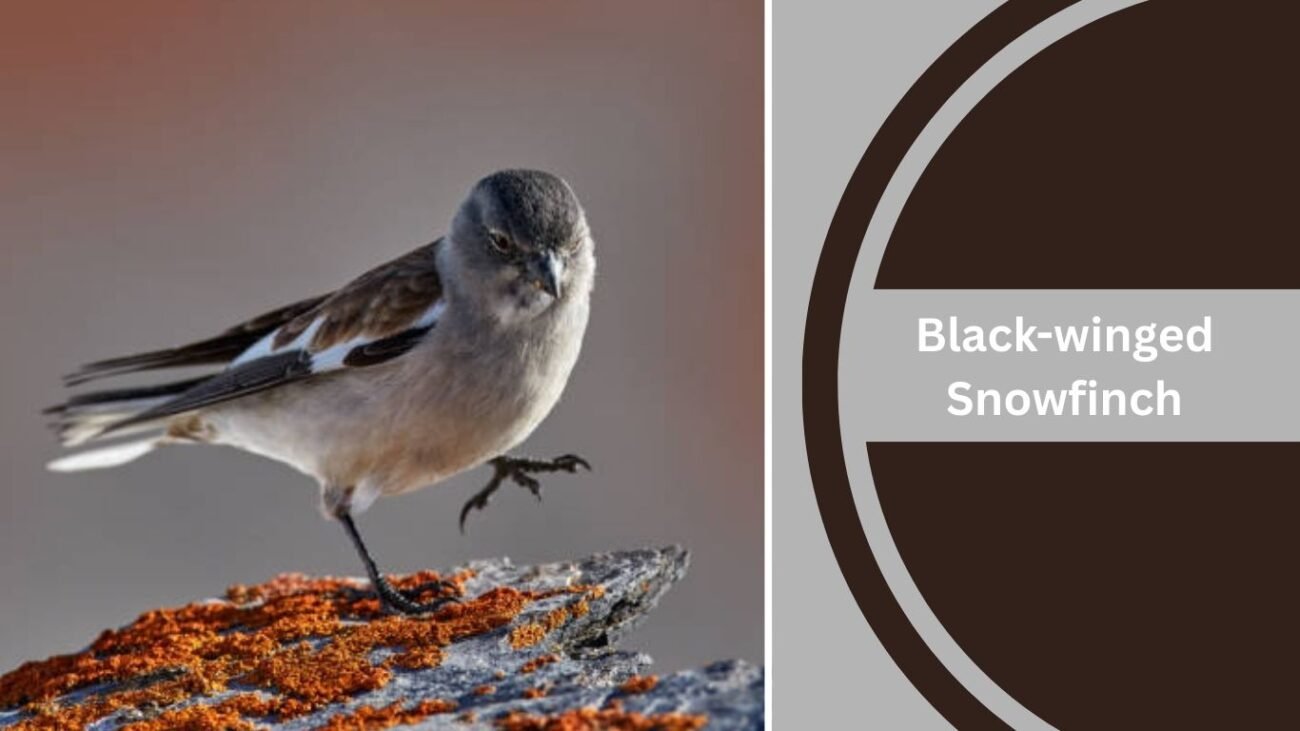
The Black-winged Snowfinch is a striking species that inhabits the high mountain ranges of Central Asia. It is easily recognized by its bold black-and-white wing pattern, which contrasts with its otherwise sandy-brown plumage. This bird is highly specialized for survival at extreme elevations, often found above 4,000 meters.
Identification
- Size: 15–18 cm long
- Plumage: Sandy-brown upperparts, whitish underparts
- Distinct black wings with white patches visible in flight
- Stout, pale bill adapted for cracking seeds
- White tail edges that aid recognition in flight
Habitat
Occurs in rocky alpine slopes, meadows, and high-altitude plains across Tibet, western China, Ladakh, and Mongolia. Often found near scree slopes and stony valleys.
Behaviors
Active and agile, often seen foraging on rocky ground or darting between boulders. Flocks form in winter, sometimes mixing with other highland passerines. Known for cheerful, high-pitched calls.
Nest
Uses natural rock crevices, cliffs, or abandoned rodent burrows for nesting. Nests are lined with wool, feathers, and grasses.
Diet
Primarily feeds on alpine seeds and grains, but also consumes insects, particularly during the breeding season.
9. White-winged Snowfinch (Montifringilla nivalis)
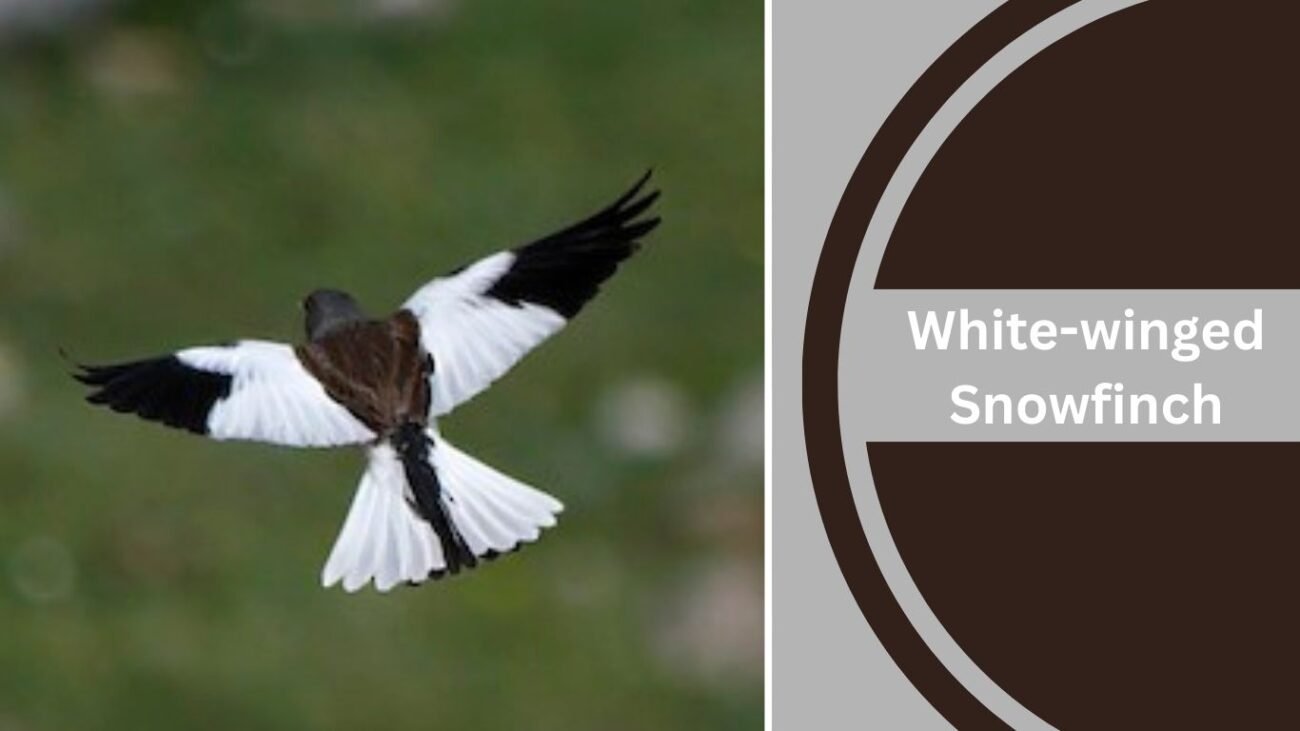
The White-winged Snowfinch, also called the Snow Finch, is the most widespread and well-known member of its group, found across Eurasia’s mountain ranges. It is a familiar sight to alpine trekkers and skiers, often approaching human settlements at high elevations.
Identification
- Size: 16–19 cm in length
- Plumage: Brown-gray back, white underparts
- Bold white wing patches contrasting with dark flight feathers
- Black bill in summer, yellowish in winter
- Distinctive white tail edges
Habitat
Lives in alpine meadows, rocky slopes, and snowfields at elevations of 1,800–4,500 meters. Found in the Alps, Pyrenees, Carpathians, Caucasus, Himalayas, and parts of Central Asia.
Behaviors
Forms large flocks outside the breeding season, often gathering near ski lodges or mountain huts. Agile fliers, capable of hovering briefly while foraging. Highly vocal, with chirping and trilling calls.
Nest
Breeds in rock crevices, cliffs, stone walls, or buildings. Nest is well-padded with grass, wool, and feathers.
Diet
Feeds on seeds, buds, and alpine plants. During summer, relies heavily on insects such as grasshoppers, beetles, and caterpillars to nourish chicks.
10. Small Snowfinch
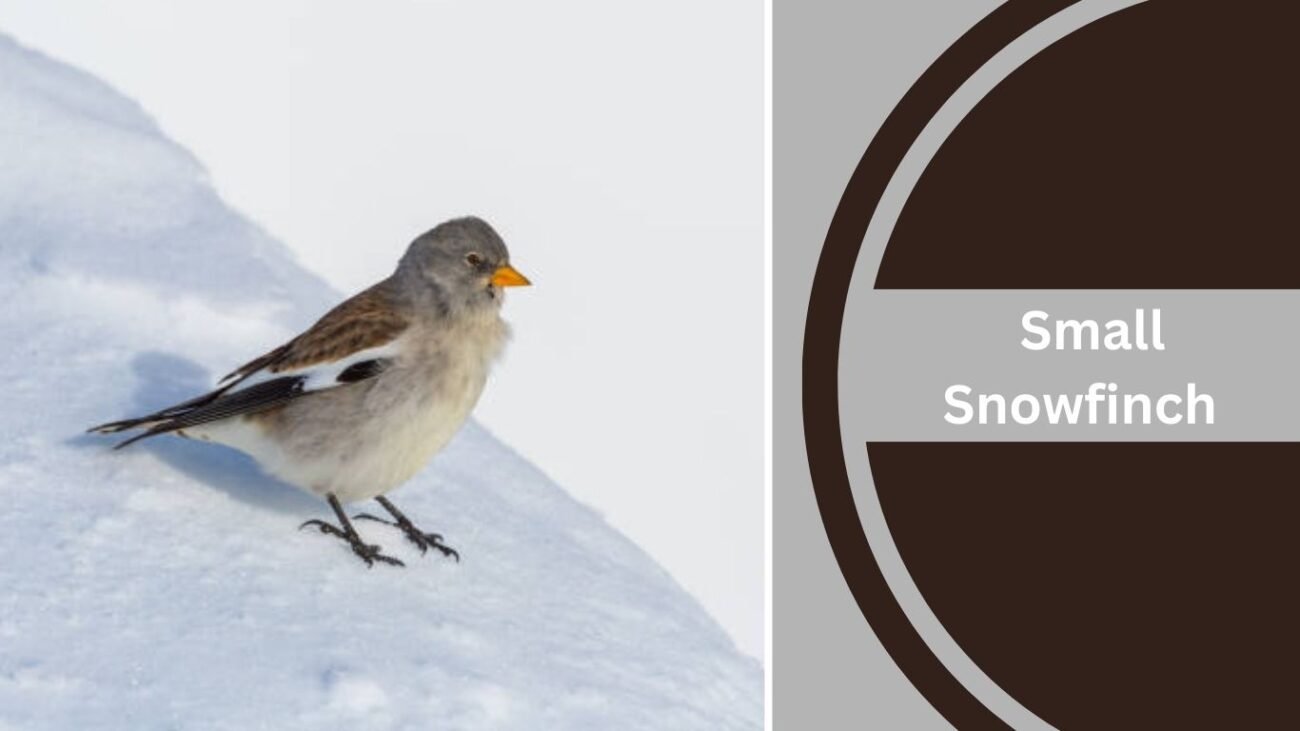
The Small Snowfinch is a lesser-known but distinctive high-altitude bird of the Tibetan Plateau and parts of Central Asia. Its compact size and relatively plain appearance distinguish it from larger, more boldly patterned snowfinches. Despite its name, it plays an important role in alpine ecosystems, thriving in some of the harshest climates on Earth.
Identification
- Size: 13–14 cm in length, making it one of the smallest snowfinches
- Plumage: Pale brown above, whitish below with faint streaking
- Bill: Short, conical, and pale-colored
- Less contrasting wing pattern compared to Black-winged or White-winged Snowfinches
- Tail short and rounded
Habitat
Occurs in alpine grasslands, rocky plateaus, and semi-arid valleys at elevations of 3,000–4,500 meters. Distributed across Tibet, Qinghai, Ladakh, and western China.
Behaviors
Often seen in pairs or small flocks, feeding on the ground. Outside breeding season, may join larger mixed groups with other snowfinches. Its flight is low and direct, hugging the contours of the land.
Nest
Nests inside rodent burrows, particularly those of pikas. The nest chamber is padded with grass, wool, and feathers for insulation against cold.
Diet
Feeds mainly on seeds and small alpine grasses, but also consumes insects such as beetles, ants, and larvae during summer to meet protein needs.