
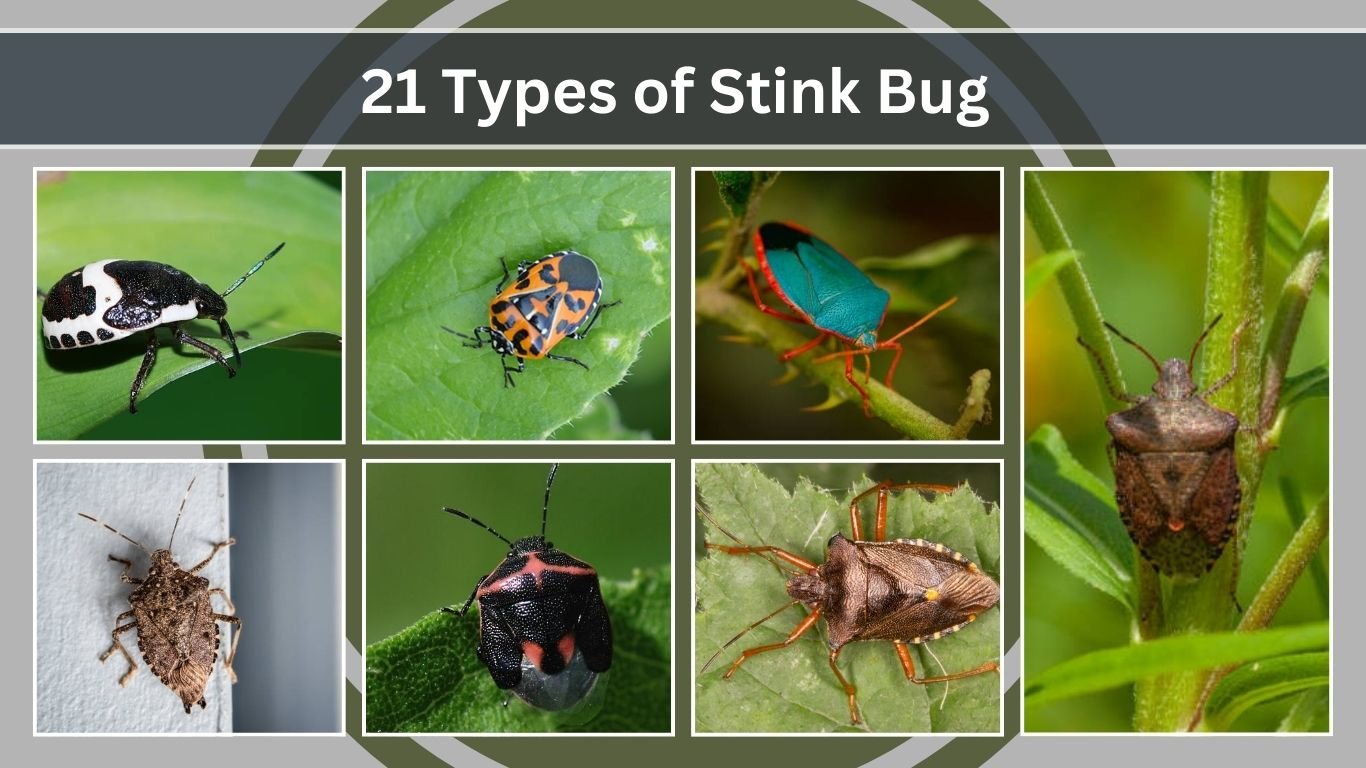
Stink bugs are a diverse group of shield-shaped insects known for their distinctive odor when threatened. While some species are notorious crop pests, others play beneficial roles as predators of harmful insects. Found across gardens, fields, forests, and homes, these bugs vary widely in appearance, habits, and diets. This guide highlights 21 different types of stink bugs, covering their identification, natural habitats, behavior, and feeding patterns.
1. Brown Marmorated Stink Bug

The Brown Marmorated Stink Bug (Halyomorpha halys) is one of the most well-known stink bug species. Originally from East Asia, it has become an invasive pest in many countries, especially in North America and Europe. It is notorious for damaging crops and becoming a nuisance when it enters homes during cooler months.
Identification
- Shield-shaped body, about 12–17 mm long
- Mottled brown, gray, and cream coloration
- White bands on antennae
- Alternating dark and light bands on the edges of the abdomen
- Smooth shoulders (not spined)
Habitat
This stink bug thrives in agricultural fields, orchards, gardens, and wooded areas. During fall, they seek shelter in buildings and homes, often in large numbers.
Behavior
Brown Marmorated Stink Bugs are known for their overwintering behavior inside human structures. They release a foul odor when crushed or disturbed. In warm months, they are highly active outdoors, feeding and reproducing.
Diet
They are polyphagous feeders, meaning they feed on a wide range of plants. Their diet includes fruits (apples, peaches, pears), vegetables (tomatoes, peppers, corn), and ornamental plants. Their piercing-sucking mouthparts damage plant tissues, causing deformities and economic losses for farmers.
2. Green Stink Bug

The Green Stink Bug (Chinavia hilaris) is a common species found across North America. It is named for its bright green color, which helps it blend into leaves and plants. While less invasive than the Brown Marmorated Stink Bug, it is still considered an agricultural pest.
Identification
- Bright green, shield-shaped body
- About 13–19 mm long
- Narrow, yellow or orange edge along the body margin
- Long, slender antennae without banding
- Small black dots on wings may be visible in adults
Habitat
Green Stink Bugs are typically found in gardens, farms, fields, and woodlands. They prefer areas with abundant vegetation and crop plants, especially legumes and fruits.
Behavior
They are active from spring to late summer, reproducing during warmer months. Unlike Brown Marmorated Stink Bugs, they are less likely to overwinter in houses but may seek shelter in plant debris. They release their defensive odor when threatened.
Diet
The Green Stink Bug is a sap-sucking insect that feeds on a wide variety of crops, including soybeans, corn, tomatoes, peaches, beans, and cotton. Feeding causes spots, deformities, and premature fruit drop in agricultural plants.
3. Southern Green Stink Bug

The Southern Green Stink Bug (Nezara viridula) is a widespread pest found in warm and subtropical regions around the world. Unlike some native stink bugs, this species is highly destructive to crops and is considered a serious agricultural threat.
Identification
- Bright green, shield-shaped body
- About 12–18 mm long
- Distinctive three white spots arranged in a triangle just behind the head
- Red or yellow variations sometimes occur in warmer climates
- Smooth shoulders (unlike spined soldier bugs)
Habitat
This species thrives in warm climates, particularly in soybean fields, vegetable gardens, orchards, and cotton farms. It is most abundant in the southern United States but also found in Asia, Africa, South America, and Europe.
Behavior
The Southern Green Stink Bug is known for its rapid reproduction, with multiple generations per year in warmer areas. During cold months, they seek shelter in leaf litter, plant debris, and sometimes in buildings. They are highly mobile and capable of spreading quickly across regions.
Diet
This stink bug is a serious crop pest, feeding on over 30 plant families. Its diet includes soybeans, cotton, tomatoes, beans, rice, and citrus fruits. Feeding causes shriveled seeds, spotted fruits, and reduced crop yield.
4. Rough Stink Bug

The Rough Stink Bug (Brochymena quadripustulata) is a native North American species. Unlike many other stink bugs that are agricultural pests, this species is often considered beneficial because it preys on other insects. Its rough, bark-like texture makes it a master of camouflage.
Identification
- Shield-shaped body, 12–18 mm long
- Mottled gray and brown coloration resembling tree bark
- Rough, bumpy texture on its body
- Shoulders appear spined and angular
- Blends easily into bark and woody surfaces
Habitat
Rough Stink Bugs are commonly found in woodlands, orchards, gardens, and tree-lined areas. They prefer to rest on tree trunks and branches, where their camouflage keeps them safe from predators.
Behavior
Unlike most stink bugs, the Rough Stink Bug is predatory. It feeds on caterpillars, beetle larvae, and other soft-bodied insects. They are relatively solitary and are not usually seen invading homes.
Diet
Their diet is mainly insect-based, making them beneficial for natural pest control. They target harmful crop pests such as caterpillars and beetle grubs, which helps reduce damage to plants and trees.
5. Spined Soldier Bug
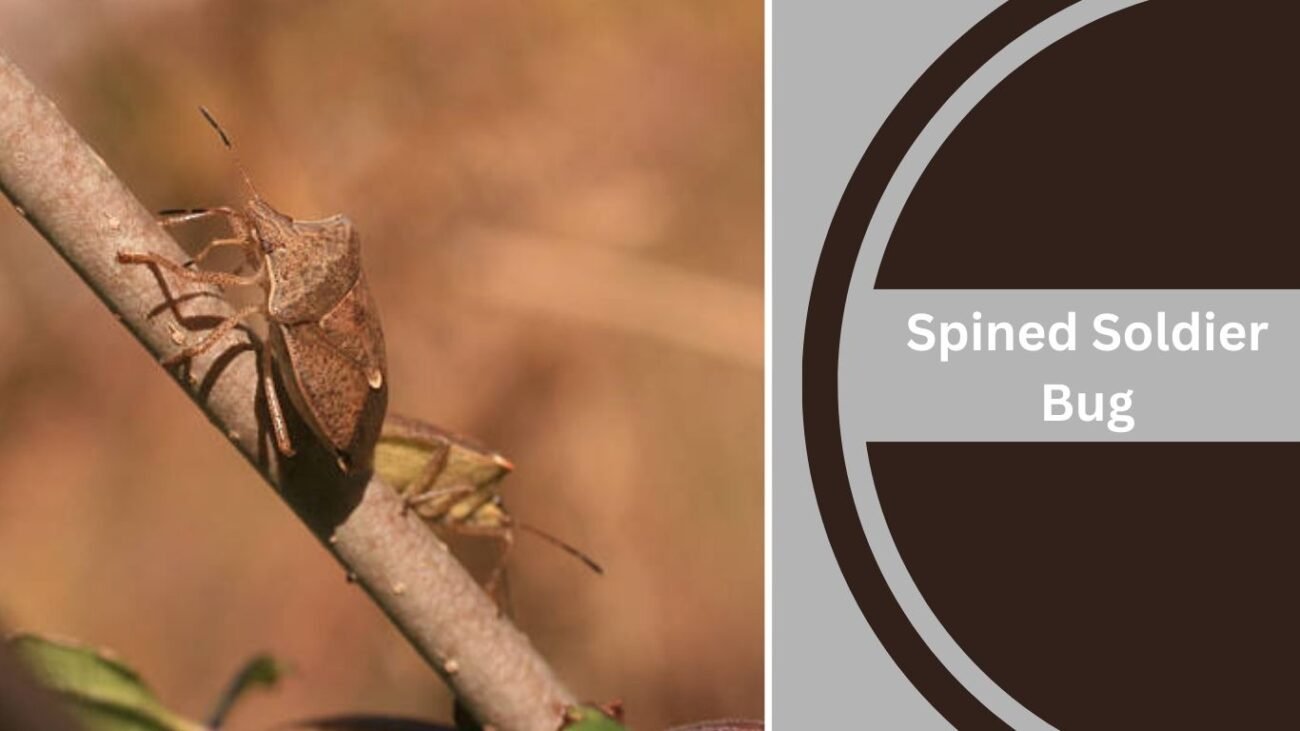
The Spined Soldier Bug (Podisus maculiventris) is a predatory stink bug native to North America. Unlike many stink bug species that harm crops, this one is considered highly beneficial to farmers and gardeners because it feeds on a wide variety of pest insects. It is even sold commercially as a natural pest control agent.
Identification
- Shield-shaped body, about 12–15 mm long
- Brownish to gray coloration with mottled patterns
- Strong, pointed spines on the “shoulders” (pronotum)
- Yellowish to cream-colored underside with dark markings
- Distinctive, robust appearance compared to plant-feeding stink bugs
Habitat
Spined Soldier Bugs are usually found in farmlands, orchards, gardens, and forests. They are especially common in areas with a high population of caterpillars and beetle larvae, their preferred prey.
Behavior
They are active predators, using their piercing-sucking mouthparts to attack and consume soft-bodied insects. They are solitary hunters, often patrolling crops and vegetation in search of prey. Unlike pest stink bugs, they are rarely a nuisance to humans and do not invade homes.
Diet
Their diet is entirely predatory. They feed on caterpillars, beetle larvae (including Colorado potato beetle), armyworms, and other agricultural pests, making them valuable allies in integrated pest management.
6. Two-Spotted Stink Bug
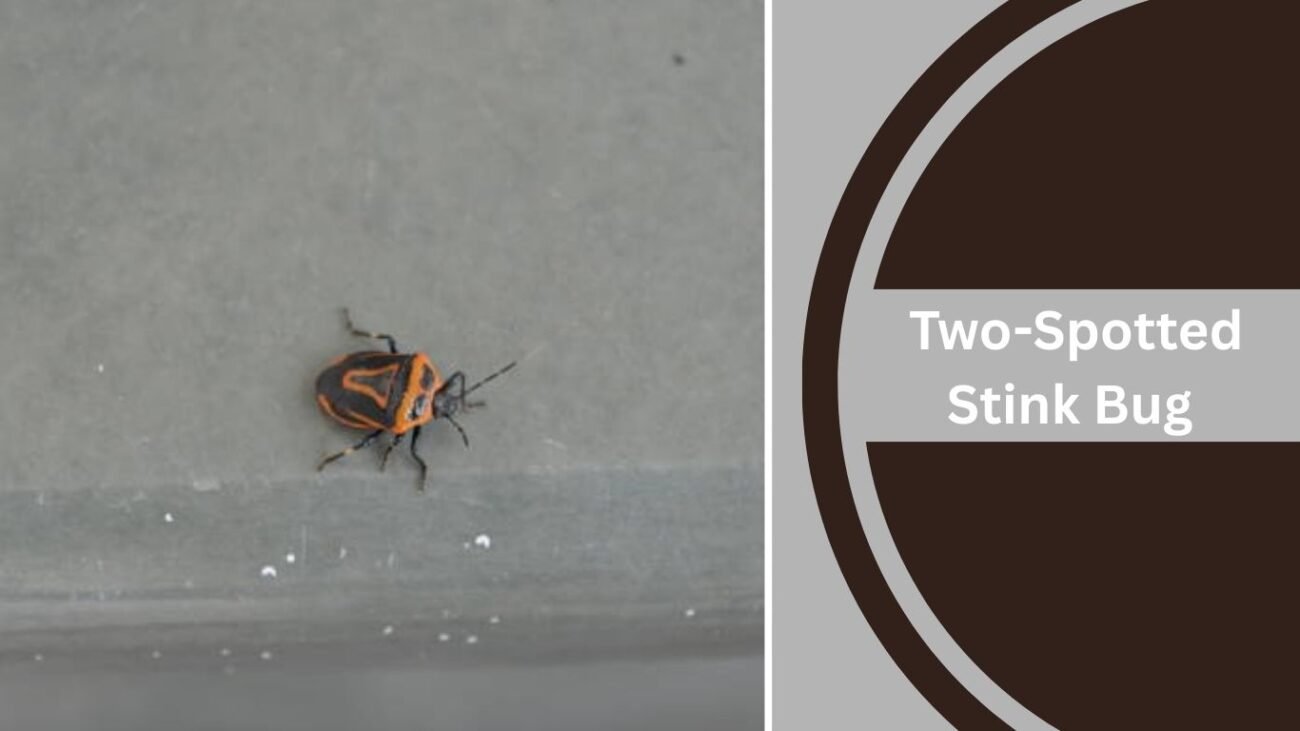
The Two-Spotted Stink Bug (Perillus bioculatus) is a predatory species native to North America. Unlike most stink bugs that damage crops, this one is considered beneficial because it helps control populations of harmful insects, especially beetle larvae.
Identification
- Medium-sized, shield-shaped body about 8–12 mm long
- Reddish-orange body with two distinct black spots on the back
- Black markings on the pronotum and legs
- Antennae dark with lighter segments near the tips
- Easily recognizable due to its bright contrasting colors
Habitat
Two-Spotted Stink Bugs are found in gardens, crop fields, meadows, and wooded areas. They thrive in regions where beetle pests, particularly Colorado potato beetles, are abundant.
Behavior
They are active predators and patrol plants for prey. This species is often seen on potato plants and other crops where beetle infestations occur. They are solitary hunters and do not form large groups. Unlike pest stink bugs, they are not known to invade homes.
Diet
The diet of the Two-Spotted Stink Bug is primarily carnivorous. It feeds on beetle eggs, larvae, and soft-bodied insects, making it a valuable natural predator in agriculture, especially against the destructive Colorado potato beetle.
7. Red-Shouldered Stink Bug

The Red-Shouldered Stink Bug (Thyanta custator) is a native species commonly found across North America. It gets its name from the distinctive reddish coloration on its shoulders, which makes it easy to identify compared to other green stink bugs. Although it feeds on plants, it is not usually considered a major pest.
Identification
- Shield-shaped body, about 11–15 mm long
- Bright green overall body color
- Distinct red or orange markings on the “shoulders” (pronotum)
- Reddish edges along the abdomen may be visible
- Antennae slender and uniformly dark
Habitat
Red-Shouldered Stink Bugs are found in gardens, fields, meadows, and forest edges. They are often seen on wild plants as well as cultivated crops, especially during the summer months.
Behavior
They are active during warm seasons, feeding and reproducing on various host plants. Like other plant-feeding stink bugs, they use piercing-sucking mouthparts to extract plant sap. They may gather in moderate numbers on crops but are generally less aggressive pests compared to species like the Southern Green Stink Bug.
Diet
The diet of the Red-Shouldered Stink Bug is mainly plant-based. They feed on seeds, fruits, and stems of legumes, grains, and various wild plants. While they can cause some crop damage, they are usually not considered a severe agricultural threat.
8. Rice Stink Bug

The Rice Stink Bug (Oebalus pugnax) is a well-known agricultural pest in the southern United States and other warm regions. As its name suggests, it is most notorious for attacking rice crops, but it also feeds on a variety of grains. Infestations can significantly reduce crop yields and grain quality.
Identification
- Slender, shield-shaped body, about 10–12 mm long
- Light brown to straw-colored body
- Long, narrow head compared to other stink bugs
- Distinct forward-pointing beak (rostrum)
- Yellowish wings with darker tips
Habitat
Rice Stink Bugs thrive in grain fields, especially rice paddies, wheat, sorghum, and wild grasses. They are abundant in the southeastern United States but also occur in Central and South America.
Behavior
They are highly active during the grain-filling stage of crops, when they cause the most damage. Adults and nymphs both feed on developing seeds. They reproduce quickly, with several generations per year in warm climates. Unlike some other stink bugs, they rarely enter homes.
Diet
The diet of the Rice Stink Bug is mainly focused on grains. They use their piercing-sucking mouthparts to feed on rice, wheat, sorghum, oats, barley, and various wild grasses. Their feeding causes “pecky rice,” in which kernels are shriveled, discolored, or broken, leading to reduced quality and market value.
9. Black Stink Bug

The Black Stink Bug (Proxys punctulatus) is a native species found mainly in North America. Unlike the green and brown stink bugs that attack crops, this species is more commonly associated with wild plants and is not typically considered a serious agricultural pest.
Identification
- Medium-sized, shield-shaped body about 10–15 mm long
- Solid black or very dark brown coloration
- Smooth body surface without mottled patterns
- Antennae dark with slightly lighter tips
- Wings sometimes show a faint metallic sheen
Habitat
Black Stink Bugs are usually found in wooded areas, meadows, fields, and along roadsides. They prefer wild vegetation and are less common in large agricultural fields compared to other stink bugs.
Behavior
They are active during warm months, feeding and mating on a variety of host plants. Their dark coloration allows them to absorb heat quickly, making them well-suited for cooler early mornings. They are not known for invading homes in large numbers.
Diet
The diet of the Black Stink Bug is mostly plant-based. They feed on seeds, fruits, and stems of wild plants, weeds, and sometimes crops such as beans and legumes. While they may occasionally cause minor crop damage, they are generally not considered a major pest species.
10. Dusky Stink Bug

The Dusky Stink Bug (Euschistus tristigmus) is a native species of North America. It is less well-known than other stink bugs but can still be found across a wide range of habitats. While it does feed on plants, it is not usually considered a major agricultural pest.
Identification
- Medium-sized, shield-shaped body about 11–14 mm long
- Grayish-brown to dark brown coloration
- Subtle mottling and fine punctures across the body
- Shoulders slightly rounded, not sharply spined
- Antennae with dark segments and lighter tips
Habitat
Dusky Stink Bugs are commonly found in fields, gardens, woodlands, and grassy areas. They often rest on wild plants, shrubs, and crops, particularly during the summer months.
Behavior
They are active from late spring through fall, feeding on plant sap and reproducing during the warm season. Unlike invasive stink bugs, Dusky Stink Bugs rarely enter homes in large numbers. They are more solitary and less noticeable compared to species like the Brown Marmorated Stink Bug.
Diet
The diet of the Dusky Stink Bug consists mainly of plant juices from seeds, stems, and fruits. They are known to feed on a variety of plants including legumes, corn, and wild grasses. Although they can cause some crop damage, their impact is usually minor compared to more destructive stink bug species.
11. Anchor Stink Bug

The Anchor Stink Bug (Stiretrus anchorago) is a striking species recognized by the unique anchor-shaped marking on its back. Unlike many plant-feeding stink bugs, this one is predatory and is considered beneficial for natural pest control in agricultural and garden environments.
Identification
- Small to medium size, about 8–12 mm long
- Color varies from orange, red, or yellow with black markings
- Distinctive black “anchor-shaped” mark on the back (scutellum)
- Rounded shield-shaped body
- Antennae dark with lighter bands
Habitat
Anchor Stink Bugs are found in gardens, crop fields, and woodlands throughout the Americas. They are most common in areas where pest insects such as beetles and caterpillars are abundant.
Behavior
This species is predatory, actively hunting soft-bodied insects on plants. They are solitary feeders and do not gather in large groups. Unlike nuisance stink bugs, they do not invade homes or cause damage to crops. Their presence is generally welcomed by farmers and gardeners.
Diet
The diet of the Anchor Stink Bug is almost entirely predatory. They feed on beetle larvae, caterpillars, and other soft-bodied insects, making them a valuable ally in reducing pest populations naturally.
12. Brown-Winged Green Bug

The Brown-Winged Green Bug (Plautia stali) is a species commonly found in Asia and has become a significant pest in agricultural regions. It is especially destructive in orchards, where it feeds on fruits and reduces their quality. Its name comes from the distinctive brownish wings contrasting with its green body.
Identification
- Medium-sized, shield-shaped body about 12–15 mm long
- Bright green overall body color
- Brownish or bronze-tinted wings (forewings)
- Antennae with alternating light and dark segments
- Smooth shoulders without prominent spines
Habitat
Brown-Winged Green Bugs are widespread in orchards, crop fields, and gardens, especially in warm and subtropical climates. They are often seen in fruit-growing regions where they congregate on host plants.
Behavior
They are sap-sucking insects, known for feeding on developing fruits and seeds. During peak seasons, they gather in large numbers, causing significant agricultural losses. In colder months, they seek shelter under bark, leaf litter, or in man-made structures for overwintering.
Diet
The diet of the Brown-Winged Green Bug primarily includes fruits and seeds. They attack crops such as peaches, citrus, apples, and persimmons, piercing the fruit with their mouthparts and leaving behind spots and blemishes that lower market value.
13. Forest Bug

The Forest Bug (Pentatoma rufipes), also known as the Red-Legged Shieldbug, is a common species in Europe. Unlike many stink bugs that attack crops, this one is mostly associated with woodland habitats and is less of an agricultural threat. Its striking reddish legs and large size make it easy to identify.
Identification
- Large shield-shaped body, about 14–16 mm long
- Dark brown to bronze coloration
- Distinct reddish-orange legs (hence the name “red-legged”)
- Pointed shoulders (pronotum) with small spines
- Yellowish or orange markings at the edges of the abdomen
Habitat
Forest Bugs are most often found in woodlands, parks, hedgerows, and gardens. They prefer oak trees as their main host plant but also live on other deciduous trees. They are more common in rural and forested areas than in agricultural fields.
Behavior
They are active from spring to late autumn, with adults often seen basking on tree trunks or leaves. In colder months, they overwinter as adults in sheltered spots such as under bark or in leaf litter. While they are primarily plant feeders, they occasionally prey on caterpillars and other small insects.
Diet
The diet of the Forest Bug mainly consists of plant sap, particularly from oak trees, hazel, alder, and other deciduous species. However, they are opportunistic feeders and sometimes consume insect larvae when available, making them partly omnivorous.
14. Red-Legged Stink Bug

The Red-Legged Stink Bug (Pentatoma rufipes) is closely related to the Forest Bug and is sometimes even confused with it. It is widespread across Europe and is most recognized by its reddish legs, which give the species its name. Though it feeds on plants, it is not considered a major agricultural pest.
Identification
- Medium to large shield-shaped body, about 12–15 mm long
- Dark brown to bronze coloration on the body
- Legs distinctly reddish-orange
- Pronotum (shoulders) slightly pointed but not heavily spined
- Yellowish or orange margins on the abdomen
Habitat
This species is commonly found in woodlands, hedgerows, gardens, and orchards. They prefer oak trees as primary hosts but can also be found on other deciduous trees and shrubs.
Behavior
Red-Legged Stink Bugs are active from spring through autumn. They are mostly solitary and are often seen basking on leaves or tree trunks. Adults overwinter in leaf litter, bark crevices, or sheltered spots until the following spring. Like many stink bugs, they emit an odor when disturbed.
Diet
The diet of the Red-Legged Stink Bug is primarily plant-based. They feed on sap from fruits, seeds, and stems of trees such as oak, hazel, alder, and occasionally fruit crops. However, they are not considered a serious pest compared to other stink bug species.
15. Blue Shieldbug

The Blue Shieldbug (Zicrona caerulea) is a small but striking stink bug known for its iridescent blue-green coloration. Unlike many plant-feeding stink bugs, this species is predatory and is considered beneficial for controlling pest insect populations in gardens and natural habitats.
Identification
- Small, shield-shaped body about 5–8 mm long
- Metallic blue-green sheen across the entire body
- Smooth surface without mottled markings
- Short, dark antennae
- Compact, rounded shape compared to larger stink bugs
Habitat
Blue Shieldbugs are found in grasslands, gardens, meadows, and woodland edges across Europe, Asia, and parts of North America. They prefer areas with plenty of vegetation where prey insects are abundant.
Behavior
They are solitary predators, actively hunting small insects in grassy and shrubby areas. Blue Shieldbugs are not known to invade homes and are rarely seen in large numbers. They rely on their metallic coloration as a form of camouflage, reflecting light to blend into their surroundings.
Diet
The diet of the Blue Shieldbug is primarily carnivorous. It feeds on small insects such as beetle larvae, caterpillars, and aphids. Its predatory nature makes it a natural ally for farmers and gardeners seeking to reduce pest populations without chemical pesticides.
16. Harlequin Bug
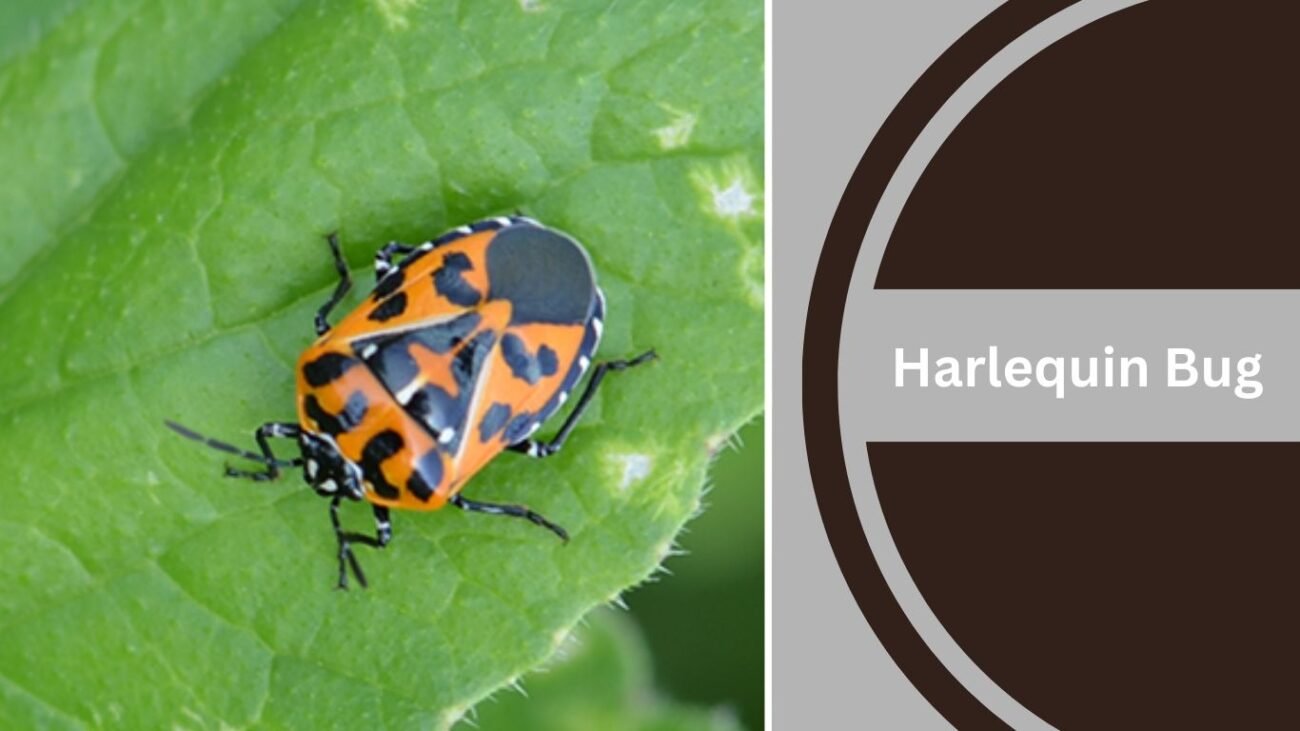
The Harlequin Bug (Murgantia histrionica) is a colorful stink bug species native to Mexico and Central America but now widespread across the southern United States. It is notorious for being a serious pest of cruciferous crops, causing extensive damage to vegetables such as cabbage, broccoli, and kale.
Identification
- Medium-sized, shield-shaped body about 8–11 mm long
- Striking black body with bright orange, red, or yellow markings
- Distinctive symmetrical patterns resembling a harlequin costume
- Rounded shape compared to other more angular stink bugs
- Nymphs are smaller but equally bright in coloration
Habitat
Harlequin Bugs are typically found in gardens, crop fields, and weedy areas where cruciferous plants grow. They prefer warm climates and are most common in the southeastern United States but can also be found in other temperate regions.
Behavior
These bugs are active during the warmer months and reproduce quickly, often leading to infestations. They are highly visible due to their bright coloration and usually gather in groups on host plants. When disturbed, they release a foul odor, like most stink bugs.
Diet
The diet of the Harlequin Bug is entirely plant-based. They specialize in feeding on cruciferous vegetables such as cabbage, kale, broccoli, collards, mustard, and radishes. Their feeding causes wilting, yellow spots, and stunted growth, making them one of the most destructive stink bug pests in vegetable gardens and farms.
17. Mottled Stink Bug

The Mottled Stink Bug (Brochymena spp.) is a native species in North America, often confused with the invasive Brown Marmorated Stink Bug due to its similar appearance. However, unlike its invasive counterpart, the Mottled Stink Bug is generally harmless and sometimes even considered beneficial because it occasionally preys on other insects.
Identification
- Medium to large, shield-shaped body about 12–18 mm long
- Grayish-brown with mottled patterns resembling tree bark
- Shoulders (pronotum) angular with small spines
- Antennae dark with faint pale bands
- Camouflaged appearance helps it blend into bark and branches
Habitat
Mottled Stink Bugs are typically found in woodlands, orchards, and gardens, often resting on tree bark where their camouflage is most effective. They are also seen in agricultural areas but rarely reach pest levels.
Behavior
These bugs are relatively solitary and slow-moving. They are not aggressive crop pests and occasionally prey on caterpillars and beetle larvae. Unlike the Brown Marmorated Stink Bug, they are not known to invade homes in large numbers, making them less of a nuisance to humans.
Diet
The diet of the Mottled Stink Bug is mixed. While they primarily feed on plant sap from trees, shrubs, and fruits, they are also opportunistic predators of soft-bodied insects. This dual feeding habit makes them less harmful compared to strictly plant-feeding stink bug species.
18. Say’s Stink Bug
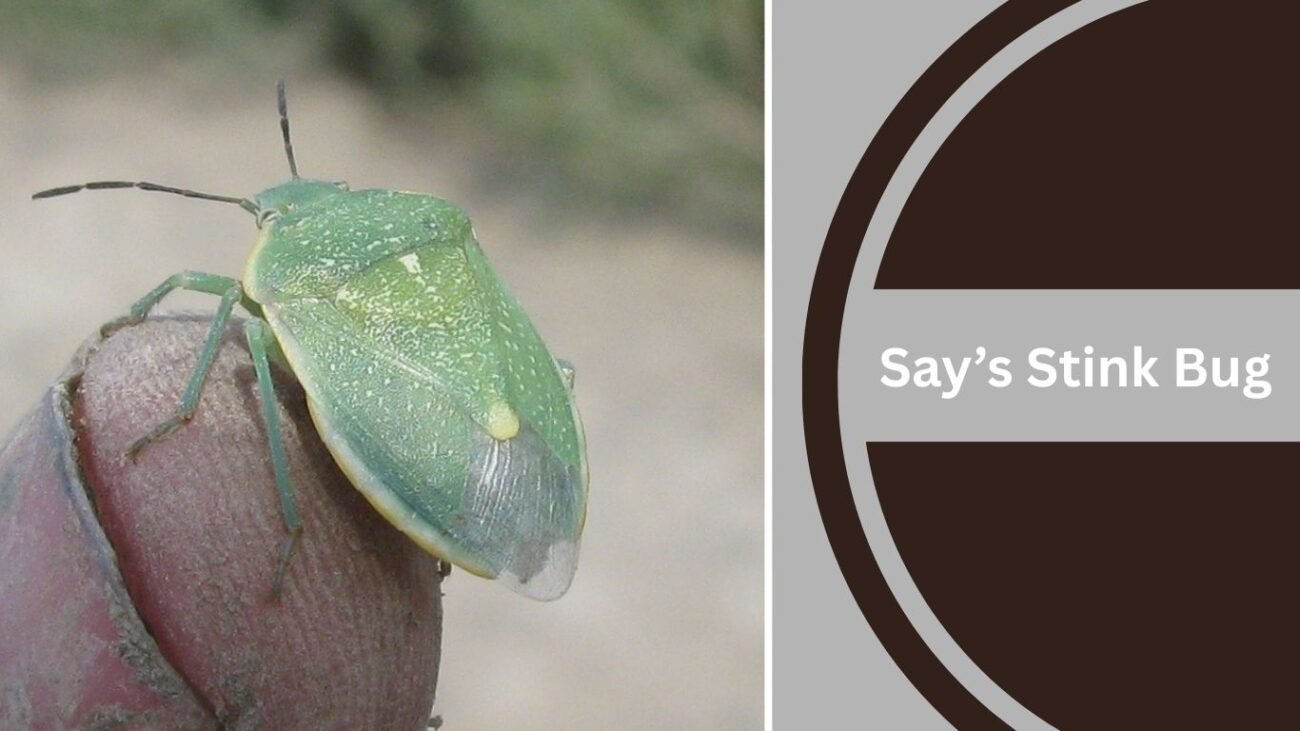
The Say’s Stink Bug (Chlorochroa sayi) is a native species of North America, named after the entomologist Thomas Say, who first described it. It is a common green stink bug found across fields and gardens, sometimes becoming a minor agricultural pest.
Identification
- Medium-sized, shield-shaped body about 12–15 mm long
- Bright green body with yellow or pale green edges
- Pronotum (shoulders) smooth and rounded
- Darker, sometimes reddish margins along the abdomen
- Antennae slender and uniformly green
Habitat
Say’s Stink Bugs are widely distributed across gardens, farmlands, orchards, and meadows. They are most common in agricultural regions where crops such as grains, legumes, and vegetables are grown.
Behavior
They are active during the warm season, with adults emerging in spring and reproducing through summer. Like other plant-feeding stink bugs, they use piercing-sucking mouthparts to extract sap. In late fall, adults seek sheltered places such as plant debris or under bark to overwinter.
Diet
The diet of Say’s Stink Bug is primarily plant-based. It feeds on seeds, fruits, and stems of legumes, grains, tomatoes, and sunflowers. While they can cause damage to crops, their populations are usually not as destructive as those of invasive species like the Brown Marmorated Stink Bug.
19. Banasa Stink Bug
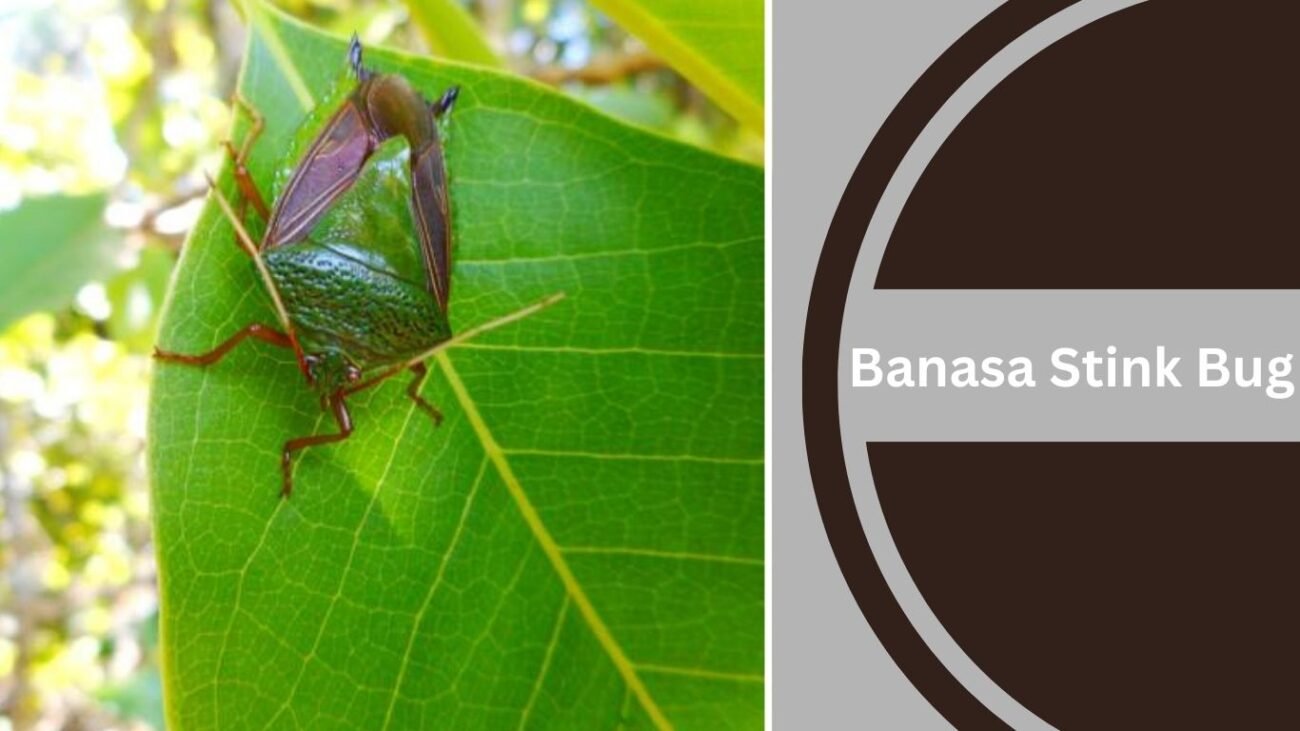
The Banasa Stink Bug (Banasa dimidiata and related species) is a group of small, green stink bugs native to North America. They are less well-known compared to larger and more destructive stink bugs, but they are commonly seen on shrubs, flowers, and garden plants.
Identification
- Small, shield-shaped body about 8–11 mm long
- Bright green or yellowish-green coloration
- Sometimes reddish or pinkish markings near the wings
- Smooth shoulders without prominent spines
- Antennae relatively short and pale
Habitat
Banasa Stink Bugs are found in gardens, meadows, hedgerows, and woodland edges. They are often spotted on flowers and ornamental plants, especially in the summer months.
Behavior
These stink bugs are not considered major pests. They are generally solitary, feeding quietly on plants and blending into foliage due to their small size and green color. They rarely invade homes and are more noticeable in outdoor environments.
Diet
The diet of Banasa Stink Bugs is primarily plant-based. They feed on flowers, seeds, and fruits of a wide variety of plants, including shrubs and garden ornamentals. Their feeding usually causes minimal damage and is not considered an agricultural threat.
20. Anchor Stink Bug (Variant)
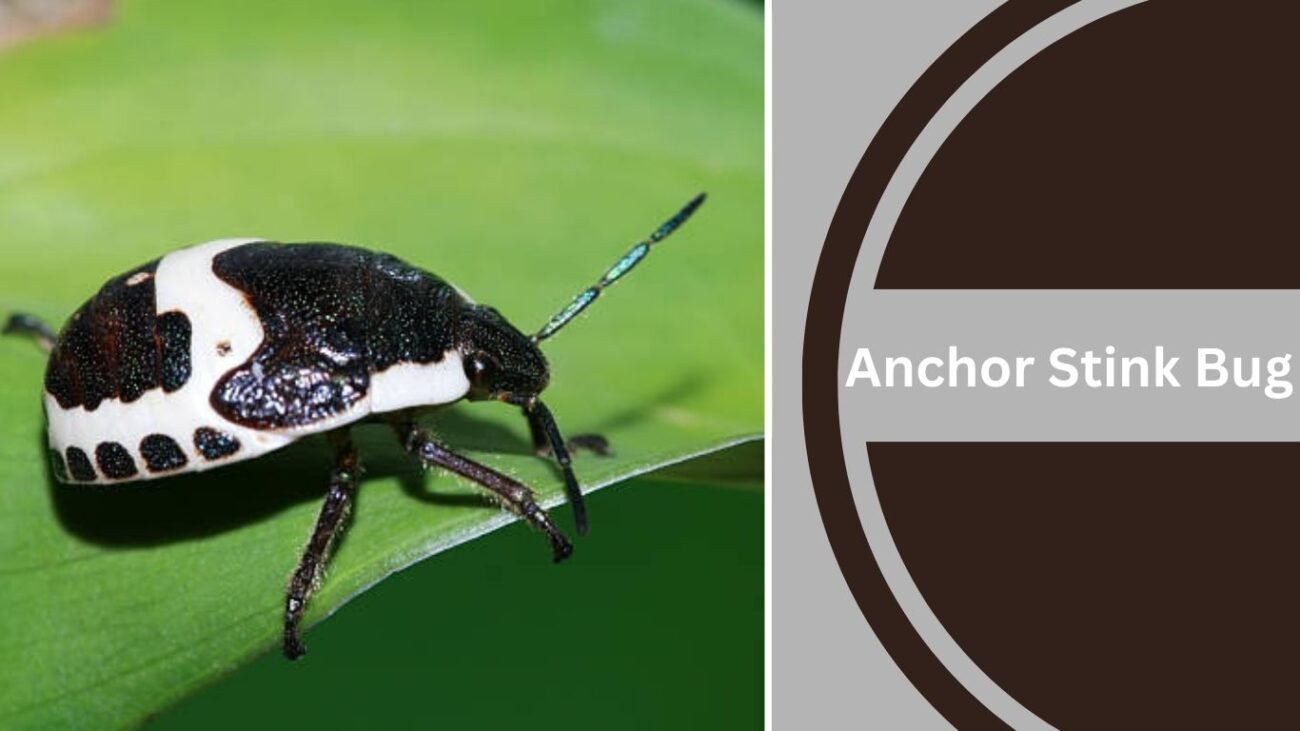
The Anchor Stink Bug (Stiretrus anchorago, various subspecies) is sometimes listed separately due to regional variations. It is a predatory species and considered beneficial because it feeds on harmful insect pests. Farmers and gardeners often value its role in natural pest control.
Identification
- Small to medium size, about 8–12 mm long
- Body color variable: orange, yellow, or red with black markings
- Distinctive black “anchor” mark on the scutellum (back)
- Rounded shield shape with smooth shoulders
- Antennae dark with pale bands
Habitat
This stink bug is found in gardens, orchards, crop fields, and forests throughout North, Central, and South America. It is most common in areas with abundant beetle larvae and caterpillars, which serve as prey.
Behavior
The Anchor Stink Bug is predatory and actively hunts soft-bodied insects. It is solitary and does not form swarms. Unlike nuisance species, it rarely invades homes. Its presence is usually beneficial to agriculture since it naturally reduces pest populations.
Diet
The diet of the Anchor Stink Bug is primarily carnivorous. It preys on beetle larvae, caterpillars, and other soft-bodied insects. By feeding on agricultural pests, it helps to maintain a healthy ecological balance in crop fields and gardens.
21. Green Burgundy Stink Bug
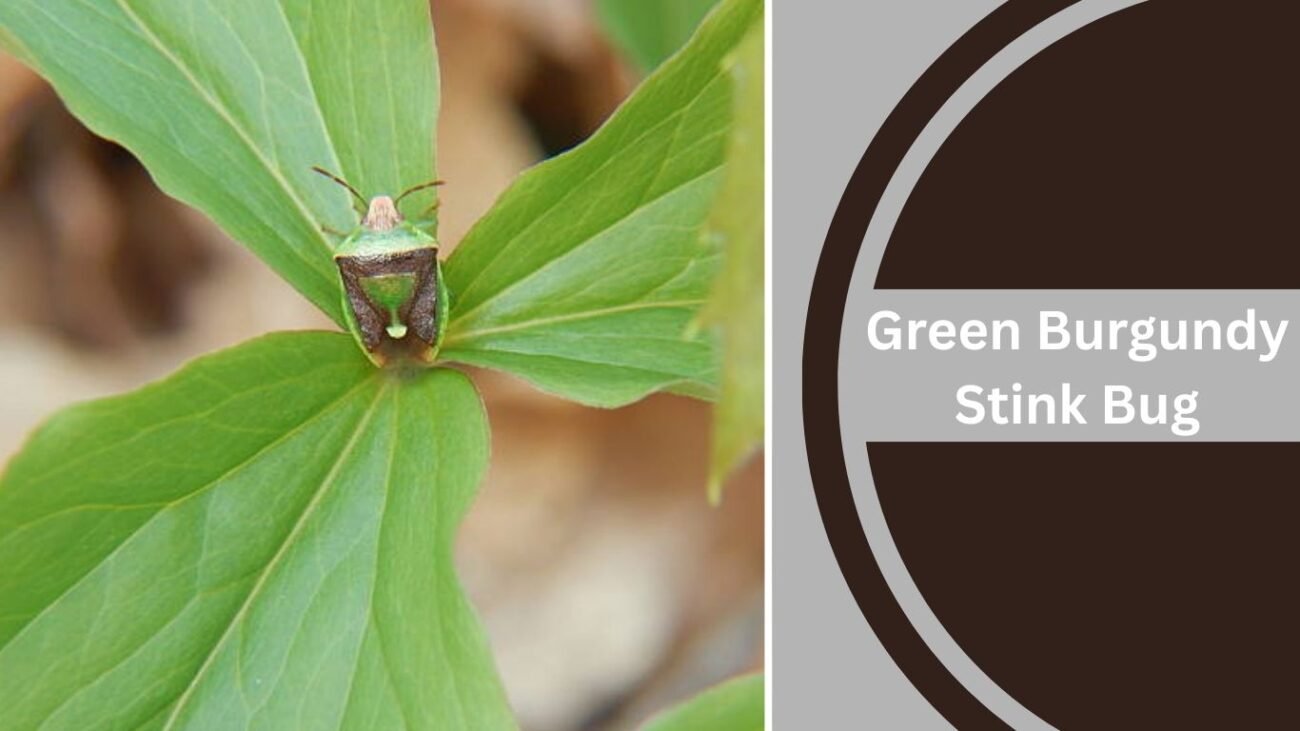
The Green Burgundy Stink Bug (Banasa dimidiata, sometimes grouped with related Banasa species) is a small, colorful stink bug that is more decorative than destructive. Unlike many pest species, it causes little to no agricultural harm and is often admired for its vivid appearance.
Identification
- Small, shield-shaped body about 8–10 mm long
- Bright green base color with burgundy or reddish markings on the wings and edges
- Smooth, rounded shoulders
- Antennae pale with faint banding
- Compact body compared to larger stink bug species
Habitat
Green Burgundy Stink Bugs are found in gardens, meadows, hedgerows, and woodland edges across North America. They are most active during summer and early autumn, usually resting on flowers and ornamental plants.
Behavior
This species is generally solitary and not known to form large groups. They are non-invasive and rarely enter homes. Their bright coloration helps them blend into plants with flowers or reddish leaves, providing natural camouflage.
Diet
The diet of the Green Burgundy Stink Bug is primarily plant-based. They feed on flower nectar, fruits, and plant juices, especially from shrubs and garden ornamentals. Their feeding does not usually cause significant damage, making them less of a concern to farmers and gardeners.


