Termites are highly social insects that play both destructive and ecological roles. They are classified into various species, each adapted to specific climates and environments. Understanding their identification, habitat, behavior, and diet is essential for managing infestations and appreciating their role in ecosystems. This guide explores 15 important termite worker types, highlighting their unique traits and destructive capabilities in different regions.
1. Eastern Subterranean Termite
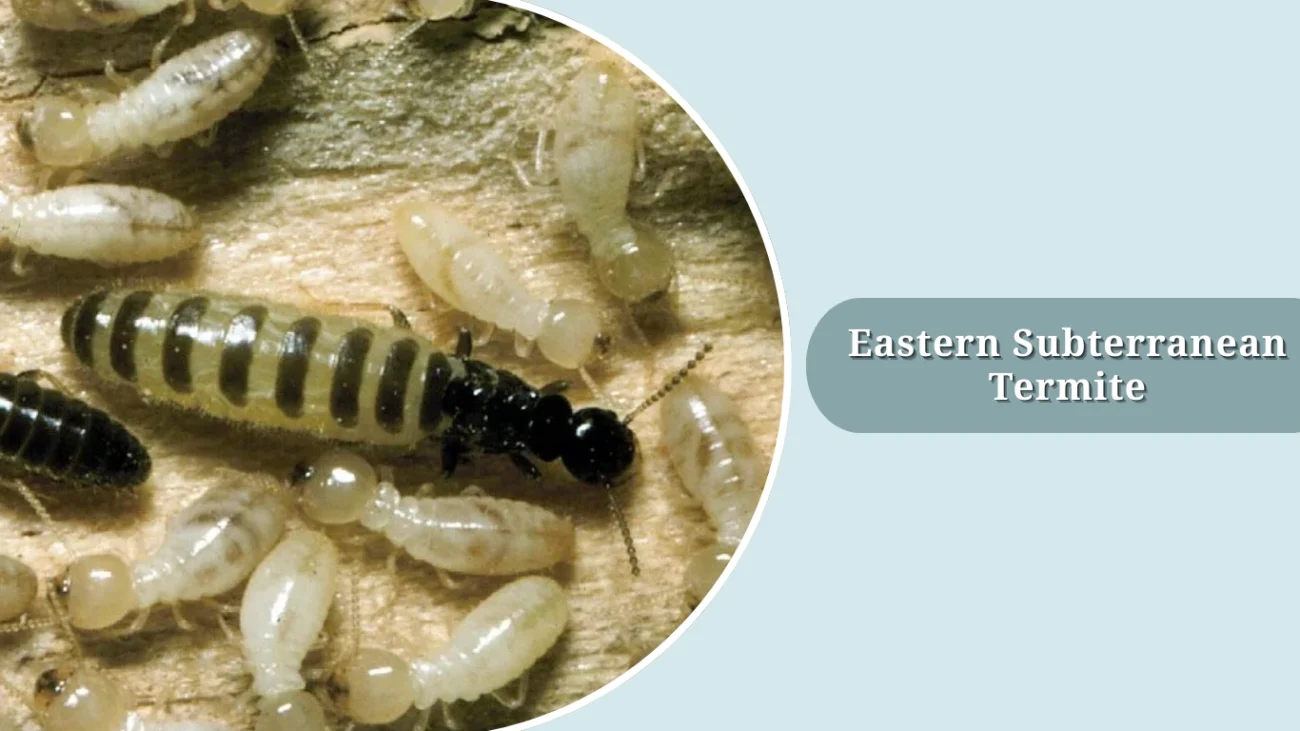
The Eastern Subterranean Termite (Reticulitermes flavipes) is one of the most widespread and destructive termite species in North America. Known for forming large underground colonies, these termites cause significant damage to wooden structures by feeding on cellulose-rich materials.
Identification
- Workers are pale, creamy-white to grayish in color.
- Soft-bodied and wingless.
- Size is typically around 1/8 inch (3 mm) long.
- Straight antennae.
Habitat
Eastern Subterranean Termites build nests in soil, preferring moist environments. They create mud tubes to access above-ground food sources and protect themselves from predators and dehydration.
Behavior
These termites are highly social and live in organized colonies. Workers are responsible for foraging, feeding the colony, and maintaining tunnels. They are most active in spring when swarming occurs, indicating colony maturity.
Diet
Their diet primarily consists of cellulose, which is found in wood, paper, cardboard, and plant matter. They can hollow out wooden structures from the inside, often leaving only a thin veneer intact.
2. Western Subterranean Termite

The Western Subterranean Termite (Reticulitermes hesperus) is the most common and economically important termite species along the western coast of the United States. It thrives in moist soils and often invades homes, causing extensive hidden damage to structural wood.
Identification
- Workers are creamy-white to light gray.
- Wingless, soft-bodied insects.
- Average length around 1/8 inch (3–4 mm).
- Straight antennae with no eyes.
Habitat
Western Subterranean Termites nest in soil, particularly in moist areas near foundations, tree stumps, and fallen logs. They build mud tubes to access above-ground food sources and require contact with soil moisture to survive.
Behavior
These termites form large colonies with thousands of individuals. Workers forage continuously, feeding the colony and extending tunnels. Colonies release swarmers (winged reproductives) in spring or fall, often after rainfall.
Diet
Their diet is primarily cellulose, obtained from decaying wood, structural timber, paper, and other plant-based materials. They are notorious for damaging homes, fences, and utility poles by consuming wood from the inside out.
3. Formosan Subterranean Termite

The Formosan Subterranean Termite (Coptotermes formosanus) is one of the most aggressive and destructive termite species in the world. Sometimes called “super termites,” they form enormous colonies and can quickly cause severe structural damage to buildings and trees.
Identification
- Workers are creamy-white, soft-bodied, and wingless.
- About 1/8 inch (3–4 mm) long.
- Straight, bead-like antennae.
- Often confused with other subterranean termite species but form much larger colonies.
Habitat
These termites build nests deep in the soil but can also establish secondary nests above ground if moisture is available. They are especially common in warm, humid climates and are frequently found in the southern United States, Hawaii, and parts of Asia.
Behavior
Formosan termites are highly aggressive colonizers with colonies numbering in the millions. They build extensive mud tubes and carton nests. Unlike many other species, they can chew through non-wood materials such as plaster, plastic, and thin metal to reach food sources.
Diet
Their diet consists of cellulose materials including structural wood, paper, cardboard, and live trees. Due to the size of their colonies, they consume much more wood than other termite species, making them particularly destructive.
4. Desert Subterranean Termite

The Desert Subterranean Termite (Heterotermes aureus) is a species adapted to extremely dry environments. Found mainly in desert regions of the southwestern United States and northern Mexico, it is one of the few termites able to thrive with minimal moisture.
Identification
- Workers are pale, translucent white to light brown.
- Small in size, usually around 1/8 inch (3 mm) long.
- Straight, bead-like antennae.
- Wingless and soft-bodied.
Habitat
These termites are typically found in deserts and arid regions. They build nests in sandy soils and use mud tubes to connect with food sources. Unlike many other subterranean species, they can survive in extremely dry conditions with limited moisture.
Behavior
Desert Subterranean Termites are well adapted to arid climates and forage mainly at night to avoid the heat of the day. Colonies are smaller than those of more aggressive species, but they are persistent in attacking dry, weathered wood in structures, fences, and desert plants.
Diet
Their diet consists of cellulose-rich materials, including dry wood, cactus skeletons, dead shrubs, and structural timber. They are particularly damaging to utility poles and desert landscaping materials.
5. Arid Land Subterranean Termite
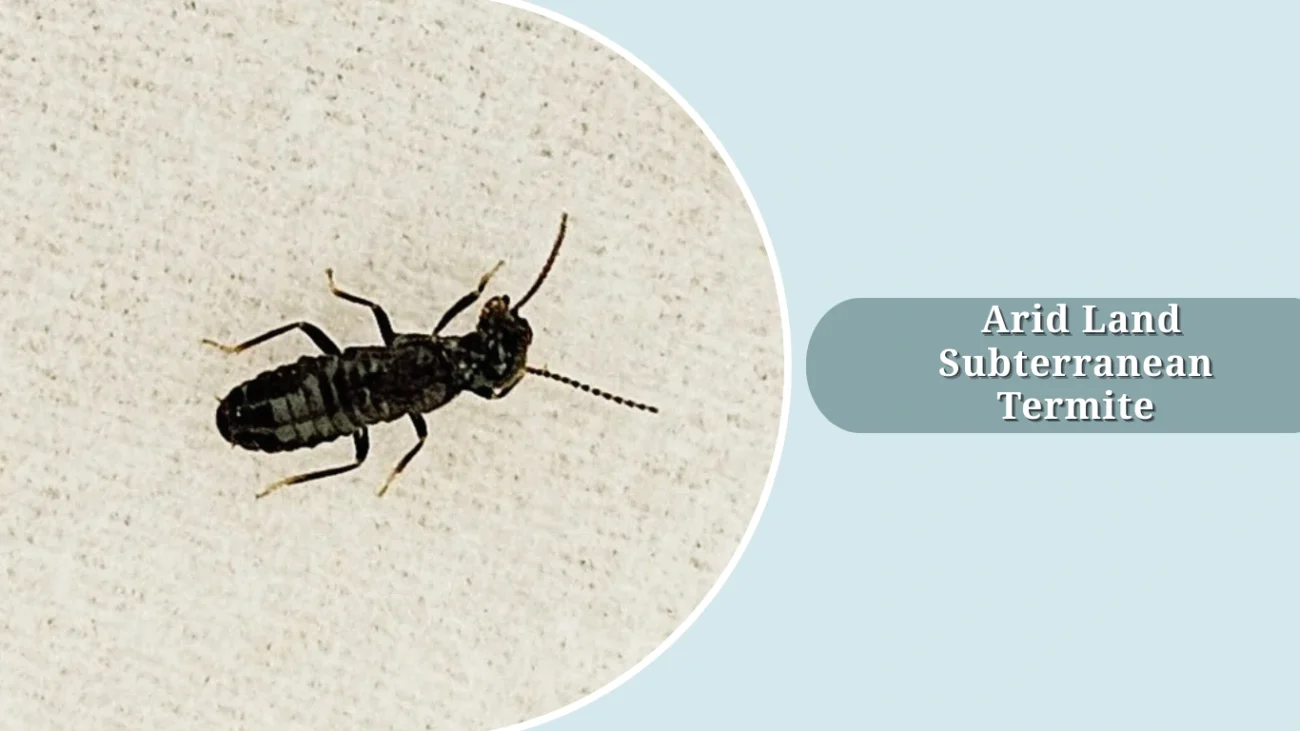
The Arid Land Subterranean Termite (Reticulitermes tibialis) is a species native to the arid and semi-arid regions of the western United States. Although less aggressive than Formosan termites, they can still cause significant structural damage when infestations go untreated.
Identification
- Workers are pale white to translucent.
- Small, about 1/8 inch (3–4 mm) in length.
- Straight, bead-like antennae.
- Soft-bodied and wingless.
Habitat
These termites nest in dry soils, particularly in desert grasslands, sagebrush areas, and semi-arid regions. They are commonly found in wooden structures near soil, as well as in fallen logs and dead roots underground.
Behavior
Arid Land Subterranean Termites are adapted to hot, dry environments. They construct protective mud tubes to forage above ground and maintain colony moisture. Colonies are smaller compared to other subterranean species but can still infest homes, fences, and outdoor wood structures.
Diet
Their diet is based on cellulose sources such as wood, paper, cardboard, and plant debris. They especially target dead roots, fallen desert shrubs, and untreated structural wood.
6. Dark Southeastern Subterranean Termite
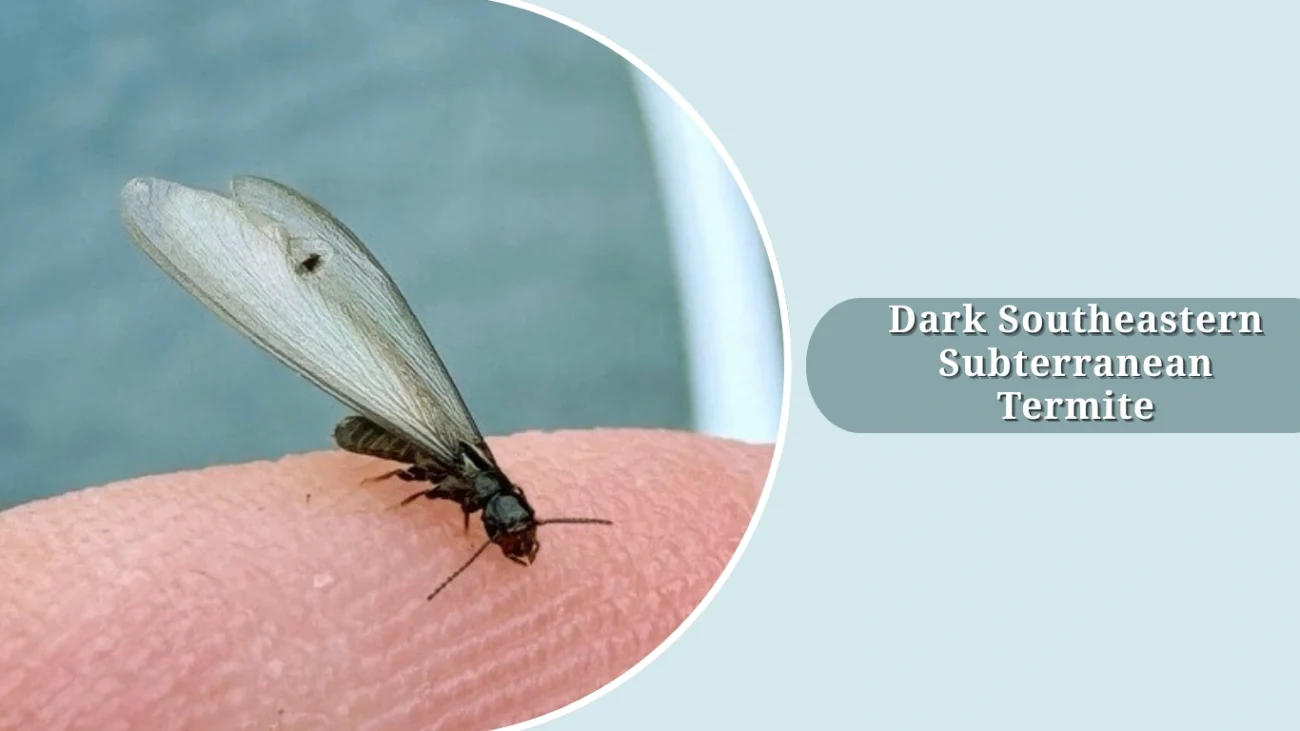
The Dark Southeastern Subterranean Termite (Reticulitermes virginicus) is a common subterranean termite species found across the southeastern United States. It is responsible for significant structural damage, particularly in humid and warm regions.
Identification
- Workers are creamy-white to light gray in color.
- About 1/8 inch (3–4 mm) long.
- Soft-bodied, wingless, and blind.
- Straight, bead-like antennae.
Habitat
These termites build nests underground in moist soil. They are especially common in areas with high humidity and frequent rainfall. Mud tubes are constructed to connect their colonies to wood sources above ground, including homes, fences, and fallen logs.
Behavior
Dark Southeastern Subterranean Termites live in large colonies and are highly secretive, rarely seen until damage becomes extensive. Colonies release swarmers in spring and early summer. Workers continuously forage for food and maintain tunnels to protect against predators and dehydration.
Diet
Their diet consists of cellulose, which they obtain from structural timber, furniture, paper, and plant debris. They often hollow out wood from the inside, leaving only a thin outer shell intact.
7. Light Southeastern Subterranean Termite
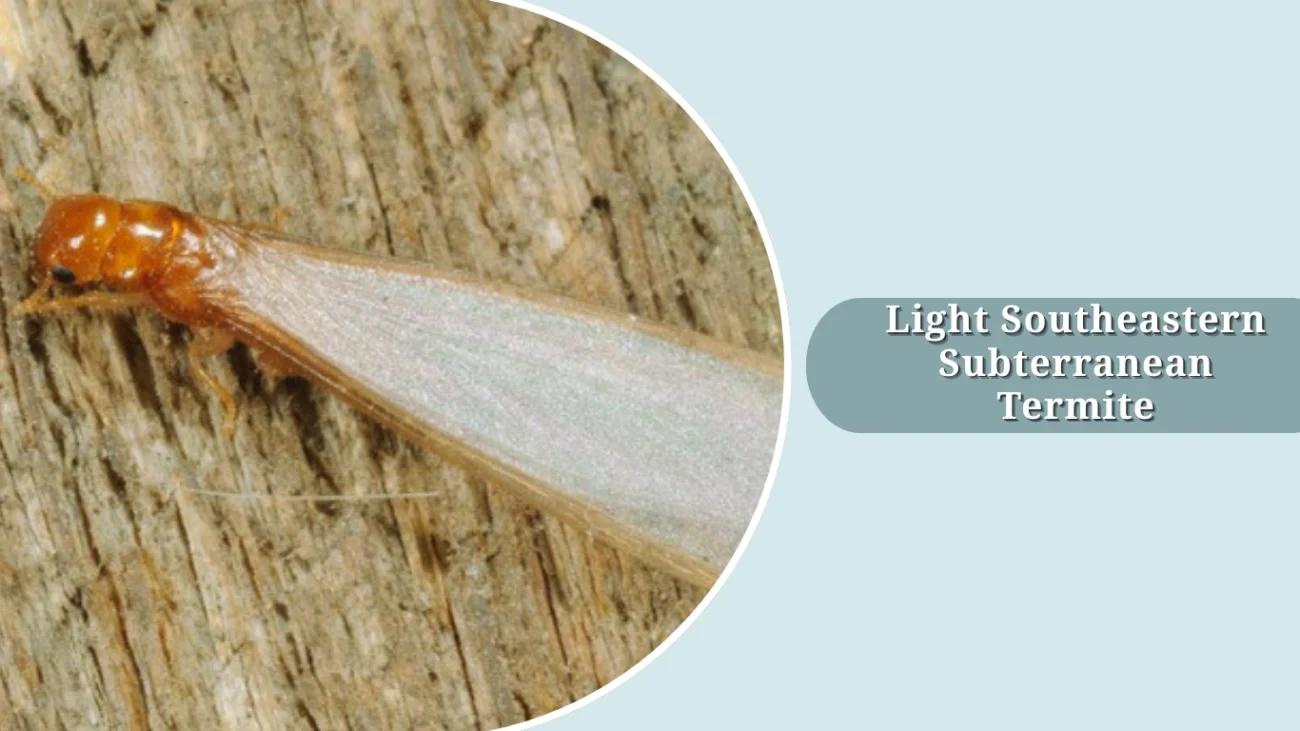
The Light Southeastern Subterranean Termite (Reticulitermes hageni) is another subterranean species found in the southeastern United States. Though not as aggressive as some other termites, it still poses a significant risk to homes and wooden structures in humid areas.
Identification
- Workers are pale white to slightly translucent.
- Size ranges around 1/8 inch (3 mm).
- Soft-bodied, wingless, and eyeless.
- Straight, bead-like antennae.
Habitat
These termites typically nest in moist soils of the southeastern U.S. They construct mud tubes to travel between soil colonies and above-ground wood. They thrive in humid conditions and are often associated with homes that have poor drainage or high ground moisture.
Behavior
Light Southeastern Subterranean Termites live in organized colonies with thousands of members. They forage continuously and maintain protective tunnels. Swarming usually occurs in late winter or early spring, often after rainfall.
Diet
Their diet is composed of cellulose-rich materials such as wood, paper, cardboard, and decaying plant matter. They often damage foundations, flooring, and furniture by hollowing wood from the inside.
8. Drywood Termite

The Drywood Termite (Incisitermes spp.) is distinct from subterranean species because it does not require soil contact or high moisture to survive. They infest dry wood directly, making them especially destructive to furniture, hardwood floors, and framing timbers.
Identification
- Workers are creamy-white to pale brown.
- About 1/8 inch (3–4 mm) long.
- Wingless, soft-bodied, with straight antennae.
- Slightly larger than subterranean workers.
Habitat
Drywood Termites live entirely within dry wood and do not build underground nests or mud tubes. Infestations are usually found in attics, furniture, and structural wood in warm coastal and tropical regions.
Behavior
These termites live in much smaller colonies than subterranean species, often with a few thousand individuals. They do not need soil moisture, relying instead on water from the wood they consume. Infestations are typically identified by piles of fecal pellets (frass) pushed out of small exit holes.
Diet
Their diet consists of cellulose from dry, undecayed wood. They can infest framing lumber, hardwood floors, doors, window frames, and even wooden furniture, causing slow but steady damage.
9. Western Drywood Termite

The Western Drywood Termite (Incisitermes minor) is the most common drywood termite species in the western United States. Unlike subterranean termites, they do not need soil contact, making them particularly dangerous for wooden structures and furniture.
Identification
- Workers are creamy-white to light brown.
- Slightly larger than subterranean workers, about 1/8–3/16 inch (3–5 mm).
- Wingless, soft-bodied, and eyeless.
- Straight, bead-like antennae.
Habitat
These termites live inside dry wood and establish colonies directly within timber, furniture, or hardwood flooring. They thrive in warm, coastal, and arid climates, especially in California and the southwestern U.S.
Behavior
Western Drywood Termites form relatively small colonies, often under 3,000 individuals. They produce small, hard fecal pellets (frass) that are ejected from wood through tiny exit holes, a key sign of infestation. Colonies expand slowly but are difficult to detect until visible damage occurs.
Diet
Their diet consists entirely of cellulose from dry, seasoned wood. They commonly attack structural timbers, wooden furniture, picture frames, and flooring, gradually weakening the material from within.
10. Southeastern Drywood Termite

The Southeastern Drywood Termite (Incisitermes snyderi) is a species native to the southeastern United States. Unlike subterranean termites, they do not depend on soil moisture, instead establishing colonies directly inside dry wood.
Identification
- Workers are creamy-white to light brown.
- About 1/8–3/16 inch (3–5 mm) long.
- Wingless, soft-bodied, and eyeless.
- Straight, bead-like antennae.
Habitat
These termites nest entirely within dry wood, often inside structural beams, flooring, wooden furniture, and even decorative items. They are particularly common in coastal regions where the climate is warm and humid.
Behavior
Southeastern Drywood Termites form smaller colonies than subterranean species, usually a few thousand individuals. They are slow to expand but difficult to detect early, as they do not build mud tubes. Infestations are often identified by small piles of dry fecal pellets (frass) near wooden structures.
Diet
Their diet is cellulose obtained from dry, undecayed wood. They attack both hardwood and softwood, causing gradual but serious damage to homes, furniture, and other wooden items.
11. Dampwood Termite
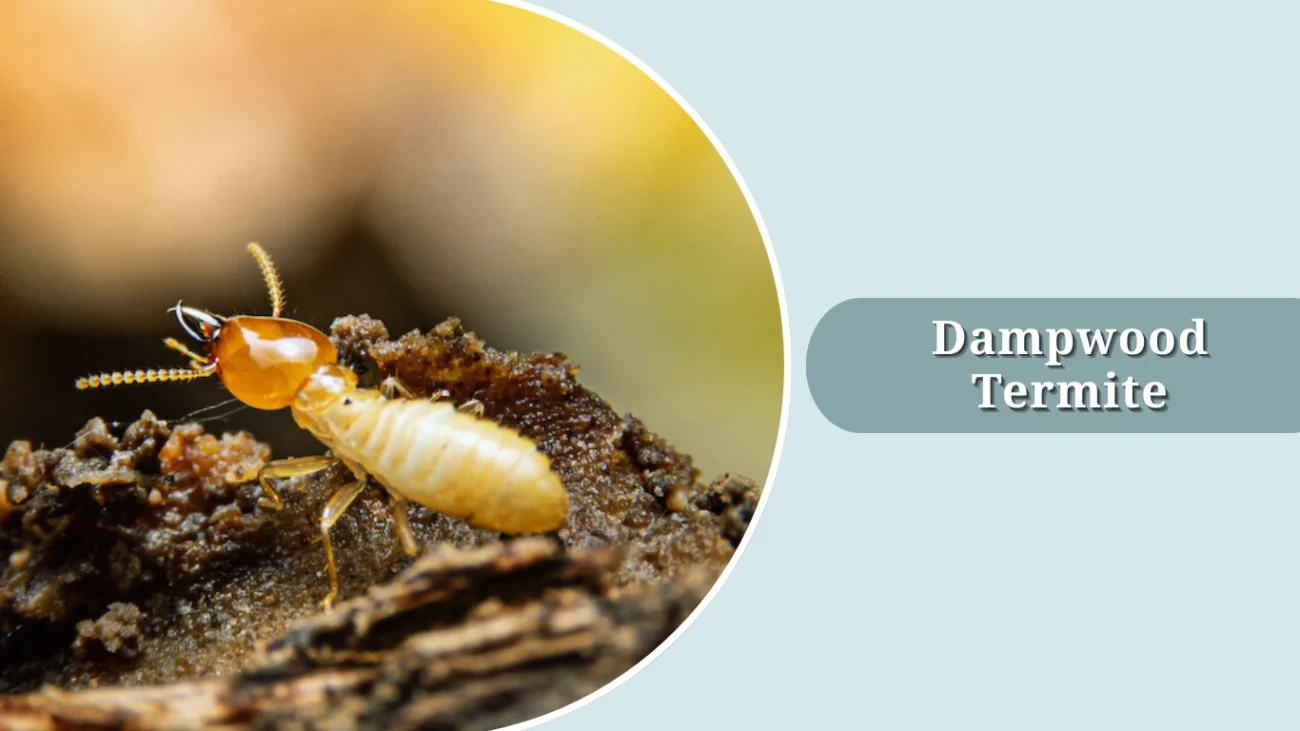
The Dampwood Termite (Zootermopsis spp.) is one of the largest termite species and is commonly found in the western United States. Unlike drywood and subterranean termites, they prefer moist, decaying wood and rarely infest dry structures.
Identification
- Workers are large, creamy-white to light brown.
- Size ranges from 3/8 to 5/8 inch (10–15 mm), much bigger than subterranean or drywood workers.
- Wingless, soft-bodied, with straight antennae.
- More robust in appearance compared to other termite workers.
Habitat
Dampwood Termites nest in moist, decaying wood found in forests, fallen logs, stumps, and wooden structures exposed to water damage. They require constant high moisture and are rarely found in dry wood or arid conditions.
Behavior
These termites form medium-sized colonies within decaying wood. They do not build mud tubes like subterranean termites because they live directly in the wood. Infestations are often associated with leaky plumbing, damp basements, or wooden structures in contact with soil.
Diet
Their diet is cellulose derived from moist, rotting wood. They primarily consume decayed logs, stumps, and structural wood that has been exposed to water, making water-damaged areas of homes especially vulnerable.
12. Desert Dampwood Termite
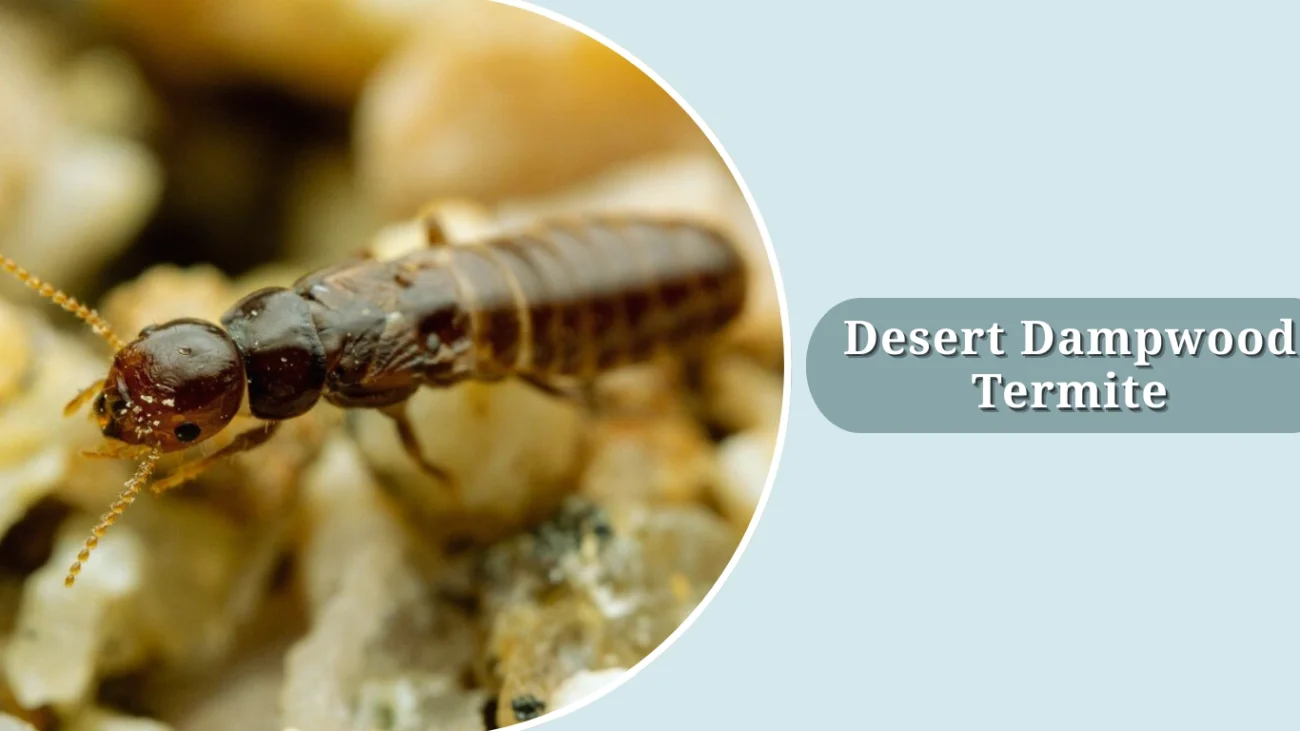
The Desert Dampwood Termite (Paraneotermes simplicicornis) is a dampwood species adapted to arid and semi-arid regions of the southwestern United States. Unlike other dampwood termites, it can survive in relatively dry conditions but still prefers wood with some moisture content.
Identification
- Workers are creamy-white to light brown.
- Medium-sized, typically 3/8 to 1/2 inch (9–12 mm).
- Wingless, soft-bodied, and eyeless.
- Straight, bead-like antennae.
Habitat
These termites nest in dry, fallen timber, dead cactus, and wooden structures in desert and semi-desert areas. They do not require extremely wet conditions but still thrive in wood with moderate moisture.
Behavior
Desert Dampwood Termites live in smaller colonies compared to other dampwood species. They are slow feeders and generally cause less damage than subterranean or drywood termites. Colonies are usually found in decaying wood rather than in healthy structures.
Diet
Their diet consists of cellulose from dry or partially decayed wood, cactus remains, and occasionally wooden posts or structures that have retained some moisture.
13. Pacific Dampwood Termite
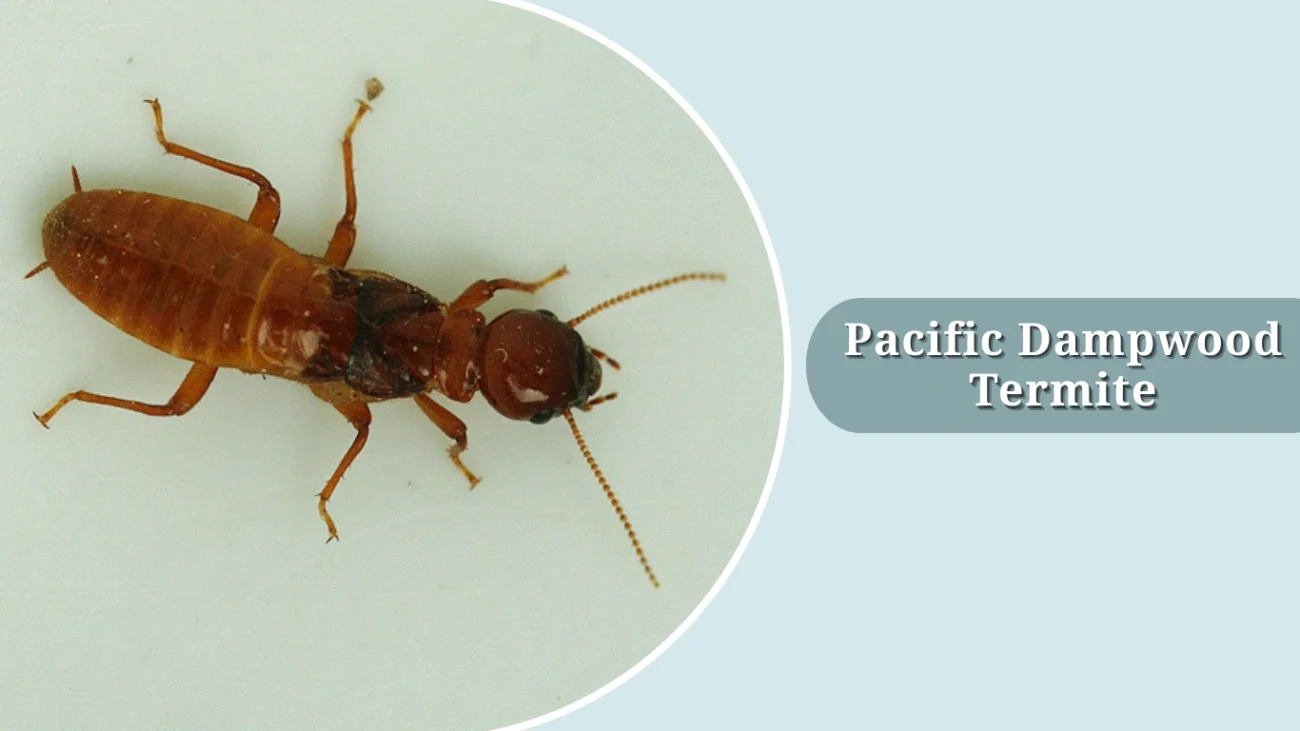
The Pacific Dampwood Termite (Zootermopsis angusticollis) is one of the largest termite species in North America. Found mainly along the Pacific Coast, it thrives in moist, decaying wood and is less likely to infest dry, sound structures.
Identification
- Workers are large, creamy-white to light brown.
- Typically 1/2 inch (12–15 mm) in length, much bigger than most subterranean or drywood workers.
- Wingless, soft-bodied, and eyeless.
- Straight, bead-like antennae.
Habitat
These termites prefer damp, decayed wood found in forests, coastal areas, and wooden structures exposed to moisture. They are often found in logs, stumps, fallen trees, and wet wooden beams in basements or crawl spaces.
Behavior
Pacific Dampwood Termites form moderate-sized colonies that live directly inside moist wood. Unlike subterranean termites, they do not build mud tubes. Their infestations are usually linked to poor drainage, plumbing leaks, or wood in constant contact with soil and water.
Diet
Their diet is cellulose obtained from moist, decaying wood. They play an ecological role in breaking down dead trees but can also infest water-damaged wooden parts of homes and buildings.
14. Conehead Termite (Tree Termite)
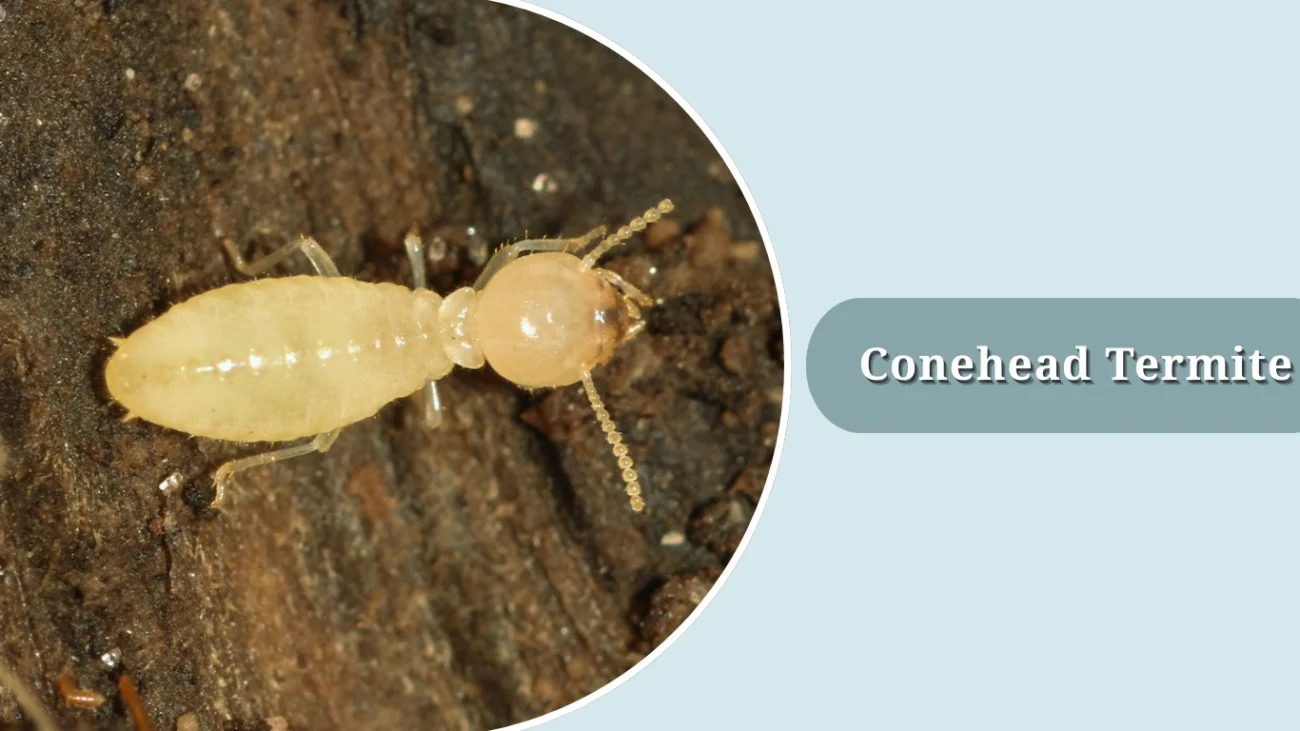
The Conehead Termite (Nasutitermes corniger), also known as the Tree Termite, is an invasive and highly aggressive species originally from the Caribbean and Central/South America. It is notorious for spreading quickly and infesting both trees and man-made structures.
Identification
- Workers are creamy-white to pale yellow.
- About 1/8–1/4 inch (3–6 mm) in size.
- Wingless, soft-bodied, and eyeless.
- Straight, bead-like antennae.
Habitat
Conehead Termites build above-ground nests in trees, shrubs, wooden structures, and even on the ground in open air. Unlike subterranean termites, they do not rely on soil contact, which allows them to spread more aggressively in urban and natural environments.
Behavior
These termites are highly destructive and expand quickly due to their ability to establish colonies in multiple locations. They are unique for their visible mud tubes and foraging trails above ground, which resemble ant trails. Their colonies can contain tens of thousands of individuals, making infestations severe and difficult to control.
Diet
Their diet consists of cellulose from live and dead trees, structural wood, furniture, paper, and other plant-based materials. They are capable of infesting both natural landscapes and human-made environments with equal aggression.
15. Higher Termites (Nasutitermitinae Workers)
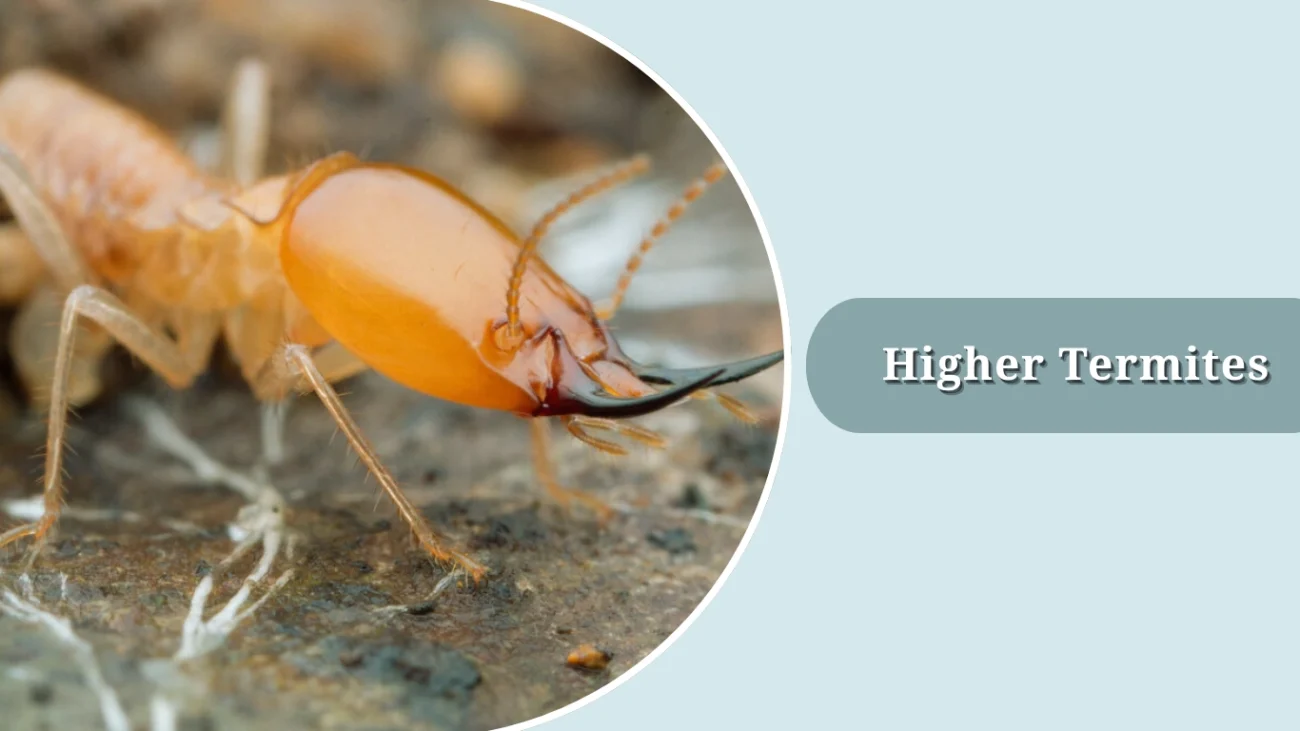
Higher Termites, particularly those from the subfamily Nasutitermitinae, are among the most diverse groups of termites worldwide. Unlike lower termites, they possess more complex social structures and broader diets, including not only wood but also leaf litter, humus, and even fungi.
Identification
- Workers are pale white to yellowish.
- Small to medium-sized, about 1/8–1/4 inch (3–6 mm).
- Wingless, soft-bodied, and eyeless.
- Straight, bead-like antennae.
Habitat
These termites are found in tropical and subtropical regions around the world. They build intricate nests, which may be underground, inside wood, or large mounds above ground. Some species even nest in trees, forming arboreal colonies.
Behavior
Nasutitermitinae workers are highly social and organized. Unlike many subterranean species, they can feed on a variety of materials beyond just wood. Colonies can be extremely large and complex, with specialized castes that enhance survival and expansion.
Diet
Their diet includes cellulose from wood, grasses, leaf litter, humus, and in some cases, symbiotic fungi cultivated within the nest. This diverse feeding behavior makes them ecologically important decomposers.