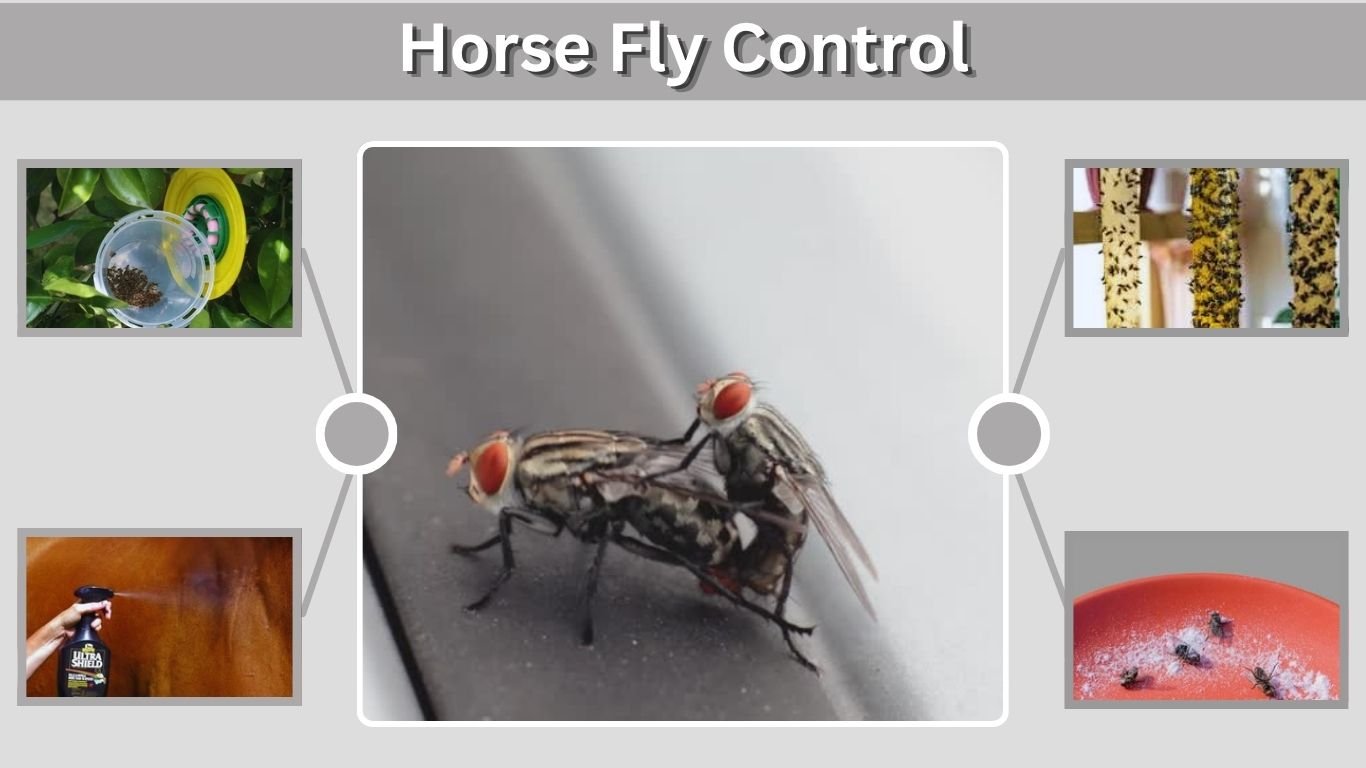
Effective horse fly control requires more than spraying the horse. Female horse flies are powerful daytime blood feeders that can travel several miles from wetlands, ponds, and muddy breeding areas. Because they remain on an animal only briefly, sprays often provide limited protection. The best strategy combines daytime shelter, physical barriers, suitable traps, pasture planning, and careful fly identification. Feed-through products may help control house flies and stable flies developing in manure, but they do not directly control true horse flies. Understanding this difference prevents wasted effort and helps owners choose safer, more practical methods for horses, barns, and pastures.
Why Are Horse Flies Difficult to Control?
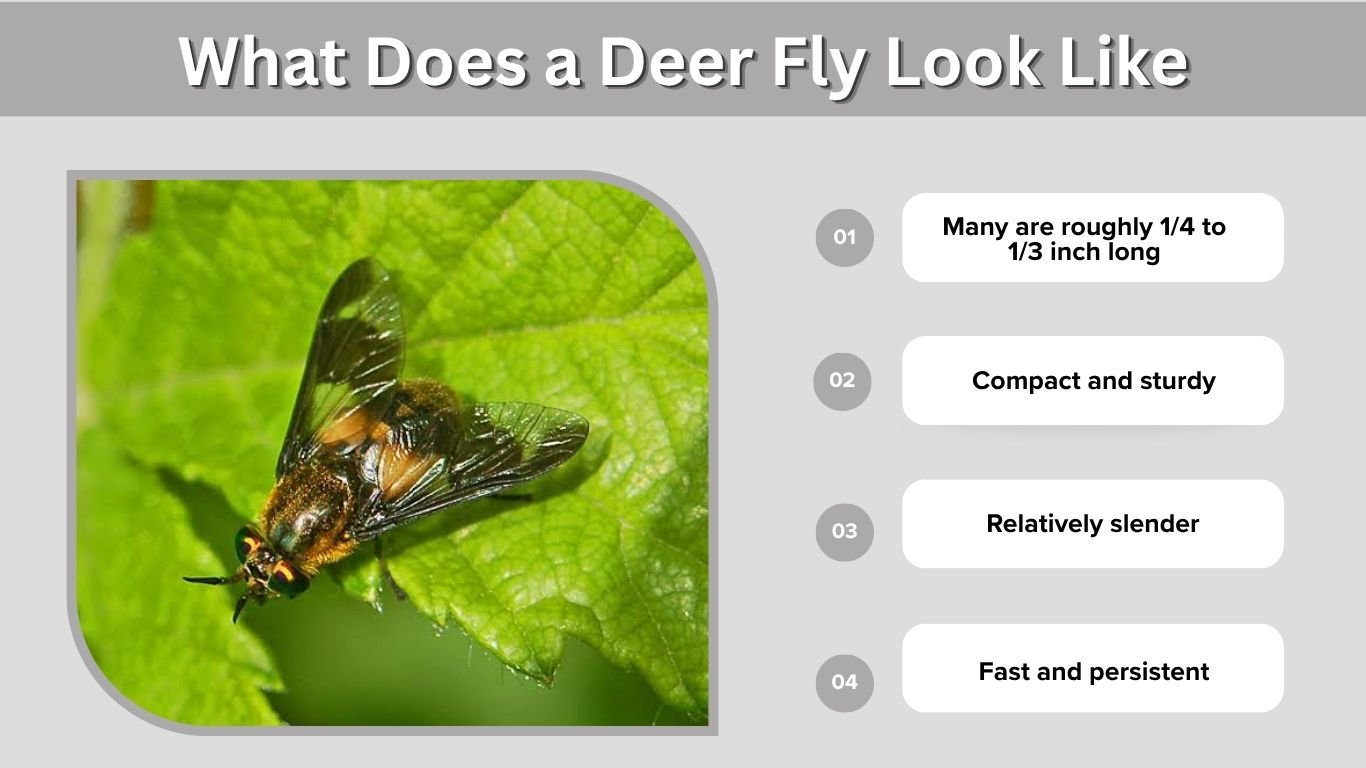
Horse flies belong to the family Tabanidae, which also includes deer flies. Females cut the skin and consume blood, producing painful bites that may cause bleeding, swelling, irritation, and defensive behavior. Male horse flies do not drink blood.
Unlike house flies and stable flies, horse fly larvae do not normally develop in horse manure. Females usually lay eggs near ponds, marshes, streams, or other wet areas, and the larvae grow in moist mud or aquatic habitats. Adult flies can then travel several miles while searching for horses and other large animals.
This means that cleaning manure remains important for general barn fly control, but it will not eliminate horse flies arriving from nearby wetlands.
Identify the Fly Before Choosing Control
Many products advertised for “fly control” target house flies or stable flies rather than horse flies. Identifying the pest helps determine which methods are likely to work.
| Feature | Horse fly | Stable fly | House fly |
| Size | Medium to very large | Similar to a house fly | Medium |
| Bite | Painful cutting bite | Piercing bite, usually on legs | Does not bite |
| Breeding site | Wet soil and aquatic edges | Wet hay, bedding, feed and manure | Manure and decaying organic material |
| Activity | Mainly daytime | Daytime | Daytime |
| Feed-through control | Generally ineffective | May help | May help |
| Common horse behavior | Running, kicking and sudden agitation | Repeated stomping | Head shaking and irritation |
Stable flies usually attack the lower legs, causing repeated hoof stomping. Horse flies may land on the back, neck, belly, shoulders, or legs and often cause a sudden, strong reaction.
Best Horse Fly Control Methods
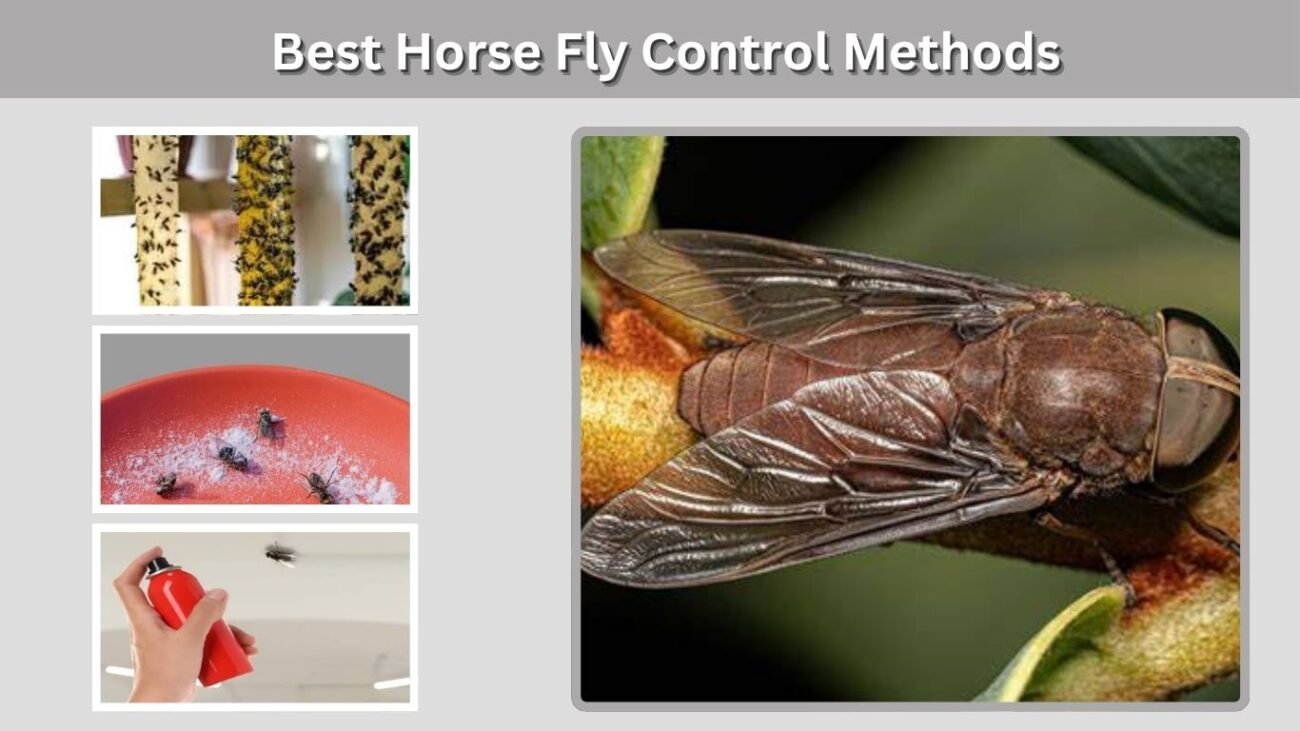
No single treatment provides complete protection. The most successful program combines several methods based on the property, surrounding habitat, and severity of the problem.
Provide Deep Shade or Indoor Shelter
Horse and deer flies are active mainly during daylight. Providing access to a dark barn, run-in shed, or deeply shaded area can substantially reduce attacks during peak activity.
Fine mesh screens can help prevent flies from entering enclosed barns. Large fans are also useful because strong airflow interferes with flight and makes it harder for flies to land. Fans should be securely installed with protected electrical wiring and positioned where horses cannot reach them.
When horse fly pressure becomes severe, consider turning horses out in the evening or overnight and bringing them indoors during the brightest part of the day.
Use Fly Sheets, Masks, and Boots
Physical barriers are among the safest ways to protect horses. A lightweight fly sheet covers much of the body, while a properly fitted mask protects the eyes and face.
Fly boots or leggings are especially useful when stable flies are contributing to lower-leg irritation. Check all equipment daily for:
- Rubbing or hair loss
- Twisted straps
- Trapped dirt or moisture
- Excessive heat
- Damage that could catch on fencing
Some horse flies may still bite through thin material or reach uncovered areas. Closely woven sheets that fit correctly usually provide better protection than loose or lightweight coverings.
Use Horse Fly Traps Strategically
Horse fly traps commonly use a large dark ball or moving visual target. The fly approaches the warm-looking object, moves upward, and becomes trapped inside a collection chamber.
Place traps between the suspected breeding habitat and the horses, but not directly beside gates, water troughs, stalls, or areas where people gather. A trap located too close to horses may draw flies toward them before capturing some of the insects.
Traps can reduce horse flies within a limited area, but they generally capture only part of the population. Large properties or locations beside extensive wetlands may require several traps, and complete control is unlikely. Ordinary sticky ribbons, baited jug traps, and stable-fly traps are not reliable substitutes for traps designed specifically for horse and deer flies.
Apply Horse-Safe Repellents Correctly
Commercial sprays, wipes, roll-ons, and spot-on treatments may provide temporary relief. However, horse flies are difficult to repel, and some products perform better against mosquitoes, stable flies, or house flies.
Choose only products labeled for use on horses and follow directions concerning:
- Application amount
- Reapplication interval
- Face and eye protection
- Use on foals or pregnant animals
- Skin sensitivity
- Competition withdrawal requirements
Test a small area before widespread application when using a new product. Sweat, rain, bathing, and wet vegetation can reduce effectiveness. Never use concentrated livestock pesticides, household insecticides, or homemade essential-oil mixtures without confirming that they are safe for horses. Commercial repellents often provide limited protection against horse and deer flies, so they should support—not replace—shelter and physical barriers.
Does Feed-Through Fly Control Work for Horse Flies?
Feed-through fly-control products contain an insect growth regulator or larvicide that passes through the horse and enters its manure. Fly larvae feeding in the treated manure are unable to develop normally.
These products may help control:
- House flies
- Stable flies
- Certain other manure-breeding flies
They generally do not control true horse flies, because horse fly larvae develop around wetlands and in moist soil rather than horse manure. Therefore, a feed-through product may reduce overall barn flies while horse flies continue arriving from outside the property.
Feed-through control works best when all appropriate horses on the property receive the correct amount consistently. Untreated manure from neighboring animals can continue producing flies. Read the product label and consult a veterinarian or equine nutrition professional before adding it to the diet, especially for an older horse, pregnant mare, foal, or horse with a medical condition.
Horse Barn Fly Control
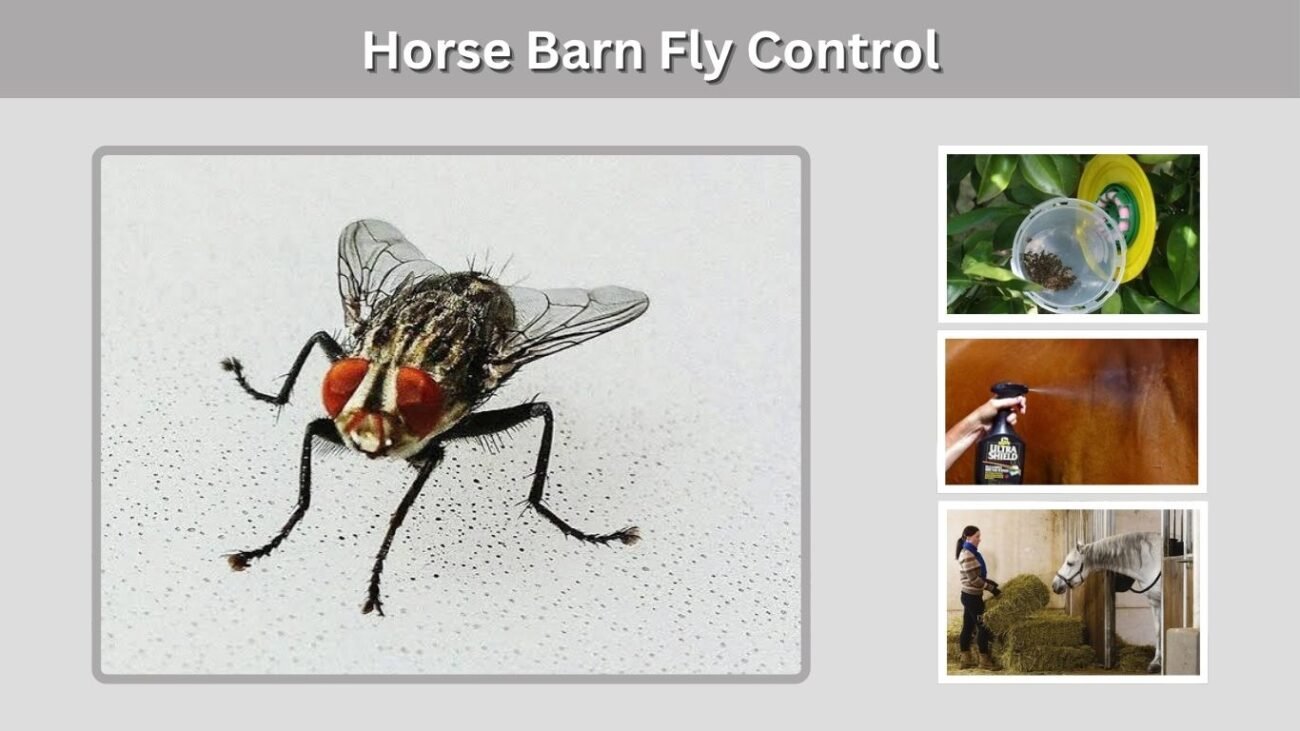
Barn sanitation does not directly stop wetland-breeding horse flies, but it is essential for reducing house flies and stable flies. A property with several fly species can feel much worse than one dealing with horse flies alone.
Manage Manure and Wet Material
Remove manure and soiled bedding from stalls frequently. Clean paddocks, sacrifice areas, feeding sites, and spaces around gates where waste accumulates.
Also remove or dry:
- Wet hay around feeders
- Spilled grain
- Rotting vegetation
- Damp bedding
- Mud around waterers
- Leaking water containers
Manure should be removed, spread thinly where appropriate, hauled away, or composted correctly. Managing or composting waste within approximately a seven-day cycle can interrupt the development of many manure-breeding flies.
Improve Drainage and Airflow
Repair leaking faucets and waterers, improve drainage around high-traffic areas, and prevent rainwater from collecting near barns. Keep feed storage areas dry and remove spoiled material promptly.
Screens and fans can reduce the number of flies inside stalls. Residual premise sprays may be applied to labeled barn surfaces where flies rest, but never apply them to feed, water, tack, bedding, animals, or surfaces prohibited by the label.
Horse Fly Control in Pastures
Wet pasture edges, ponds, marshes, creeks, and poorly drained ground can support horse fly development. Eliminating natural wetlands is neither practical nor environmentally responsible, but pasture management can reduce horse exposure.
Consider these steps:
- Fence horses away from marshy edges and stagnant, muddy areas.
- Place shelters and water troughs away from wetlands.
- Use drier paddocks during peak horse fly periods.
- Provide a shaded run-in shed in each frequently used pasture.
- Schedule riding and turnout for times when fly activity is lower.
- Position horse fly traps along likely flight routes.
Horse flies are usually strongest during warm, bright daylight. Conditions vary by species and location, so observing when attacks peak on your property can help you adjust turnout schedules.
Do Garlic, Vinegar, or Diatomaceous Earth Control Flies?
Garlic, apple cider vinegar, coconut oil, essential oils, and diatomaceous earth are frequently promoted as natural fly-control remedies. Reliable evidence that feeding these materials controls horse flies is limited.
Garlic should not be fed in excessive amounts because plants in the Allium group can damage red blood cells when enough is consumed. Diatomaceous earth added to feed or scattered lightly in stalls is not a dependable replacement for manure management, physical protection, or labeled control products.
Homemade topical mixtures may irritate the skin, eyes, nose, or existing wounds. Use a horse-safe, properly labeled product rather than assuming that a natural ingredient is harmless.
Treating Horse Fly Bites
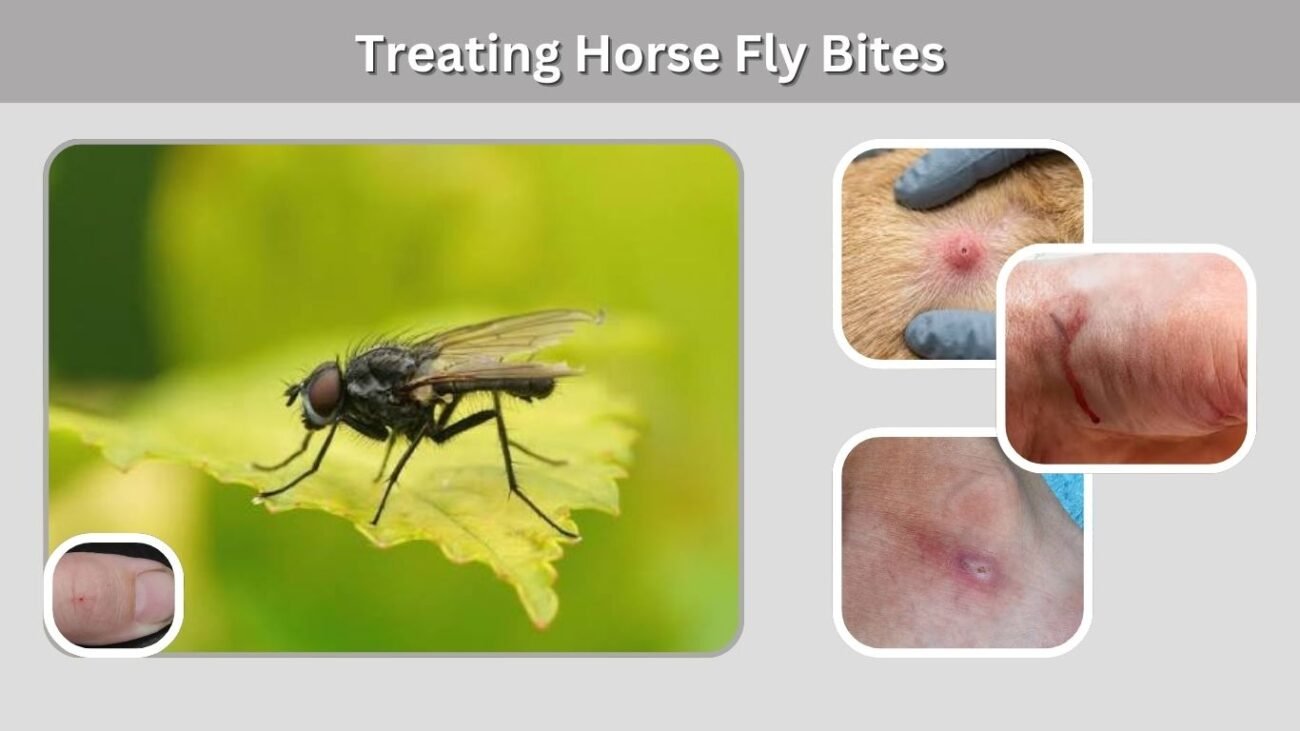
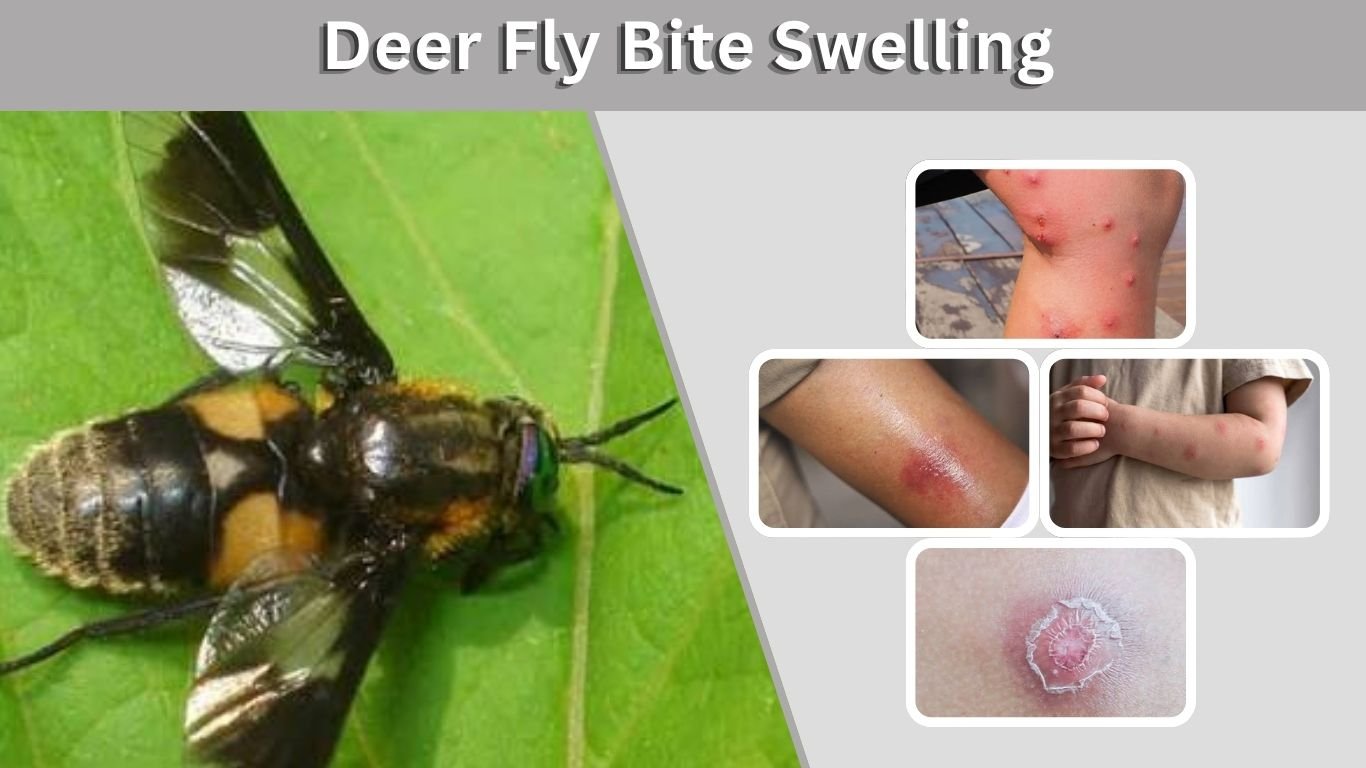
A horse fly bite may leave a small bleeding wound, raised welt, or swollen patch. Gently clean the area and monitor it for increasing heat, pain, discharge, or swelling.
Contact a veterinarian when the horse develops:
- Severe or widespread swelling
- Hives or breathing difficulty
- Persistent bleeding
- Signs of infection
- Lameness or extreme pain
- Numerous bites causing weakness or distress
- A wound that does not heal
Avoid applying harsh disinfectants or human medications unless advised by a veterinarian.
FAQs
What is the best horse fly control?
The best approach combines deep shade or indoor shelter, fly sheets, masks, well-placed horse fly traps, and horse-safe repellents. Because horse flies travel from wet breeding habitats, no single spray or trap provides complete control.
Does feed-through fly control kill horse flies?
No. Feed-through products target larvae developing in manure, particularly house flies and stable flies. Horse fly larvae usually develop in wet soil or aquatic habitats, so feed-through products do not directly interrupt their life cycle.
How can I control horse flies in a pasture?
Provide a shaded shelter, use protective fly wear, move water and feeding areas away from wetlands, adjust turnout times, and place horse fly traps along likely flight routes between wet habitat and the pasture.
Are horse fly sprays effective?
Sprays may provide brief relief, but horse flies can be difficult to repel. Sweat, rain, and new flies arriving from nearby habitats reduce performance. Use only products labeled for horses and combine them with physical protection.
Do horse fly traps really work?
A properly designed and positioned trap can reduce local numbers, especially around a small turnout or barn. However, traps catch only part of the population and may be less effective near large wetlands or when placed incorrectly.