Briefly introduce the Purple Finch — its beauty, coloration, and importance as a North American songbird. Mention how it’s often confused with the House Finch and why bird enthusiasts love spotting it. Tease the main sections: identification, habitat, feeding, song, and differences from similar species.
Identification and Physical Appearance
Size
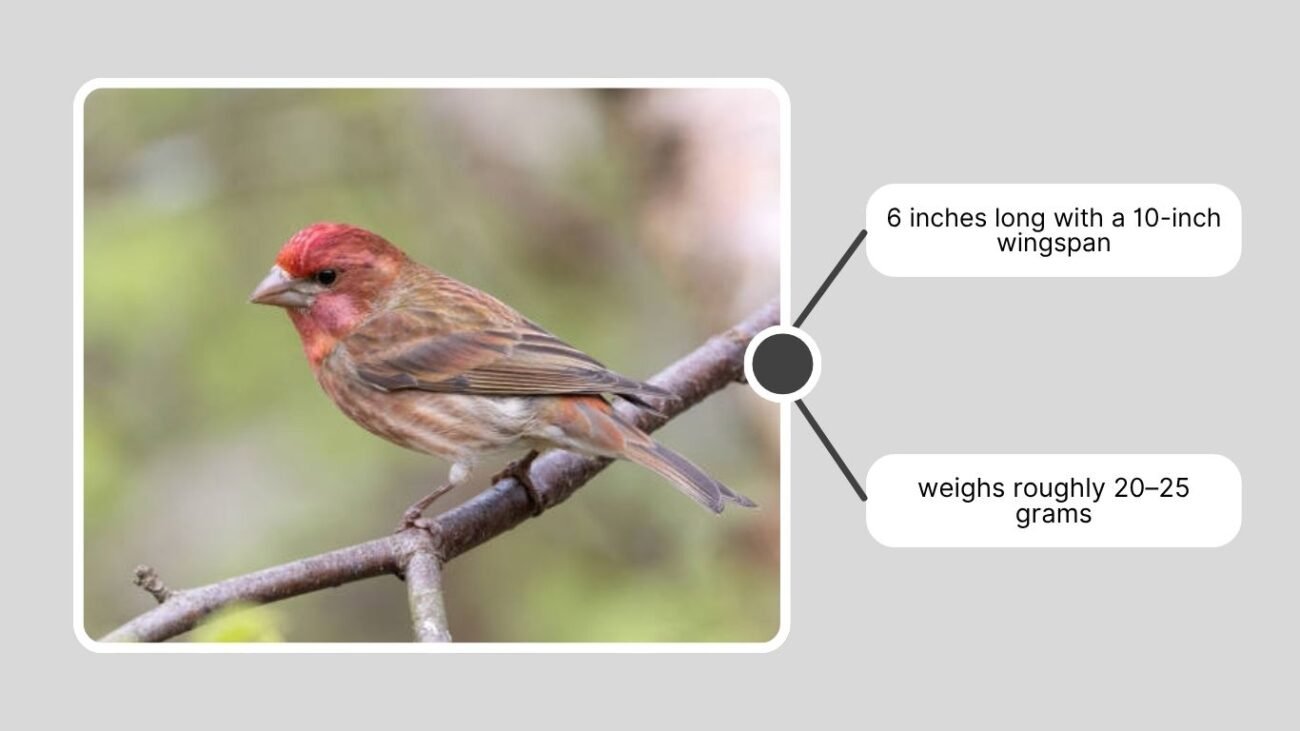
The Purple Finch is a medium-sized songbird, about 6 inches long with a 10-inch wingspan and weighs roughly 20–25 grams. It has a sturdy body, a short tail, and a conical bill perfect for cracking seeds.
Color
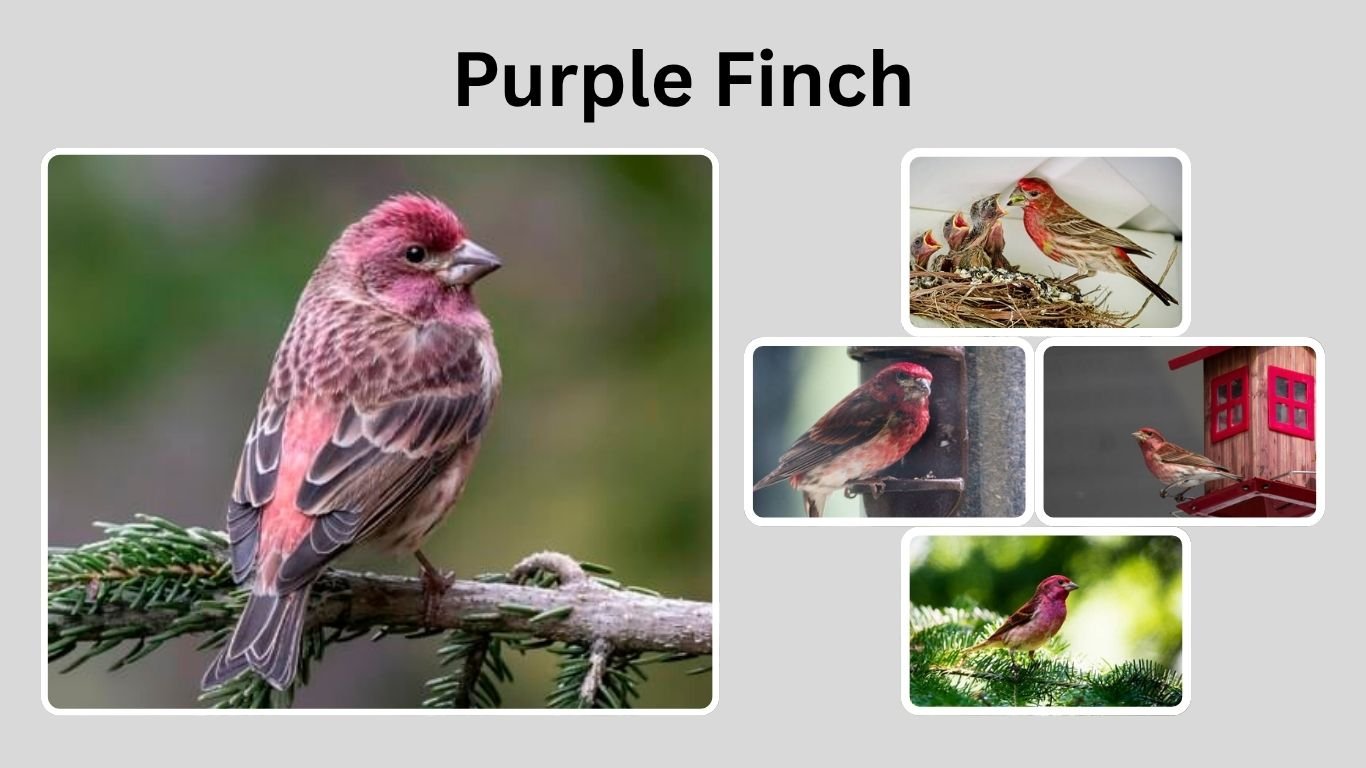
- Male: Rich raspberry-red covering the head, chest, and back, fading into lighter pinkish tones on the belly. The wings and tail are brown with soft red highlights.
- Female: No red coloring; instead, she is brown and white, heavily streaked, with a clear white eyebrow stripe.
Distinct Features
- Thick, cone-shaped bill ideal for seeds.
- Slightly notched tail and a rounded head.
- The male looks as though it’s been “dipped in raspberry juice,” while the female has a more camouflaged, earthy tone.
Difference Between Purple Finch and House Finch
Visual Comparison
The Purple Finch and the House Finch are often confused due to their similar size and general appearance. However, there are key differences. The Purple Finch has a more uniform raspberry-red tone that covers most of the head and chest, giving it a washed look, while the House Finch shows a more orange-red color limited to the head and upper chest with heavier streaking below. The Purple Finch’s head is also slightly larger and rounder with a noticeable notch at the base of its tail, setting it apart in silhouette.
Song and Behavior Differences
Both birds are accomplished singers, but the Purple Finch’s song is richer and more warbled than the House Finch’s rapid, buzzy notes. Purple Finches also tend to sing from high branches during early morning hours, often in forest edges or wooded backyards. Behaviorally, Purple Finches are more cautious and prefer forested areas, while House Finches are urban dwellers that thrive near human habitation. Birdwatchers can easily differentiate them by observing where they feed and the tonal quality of their songs.
Habitat and Range
Where Purple Finches Live
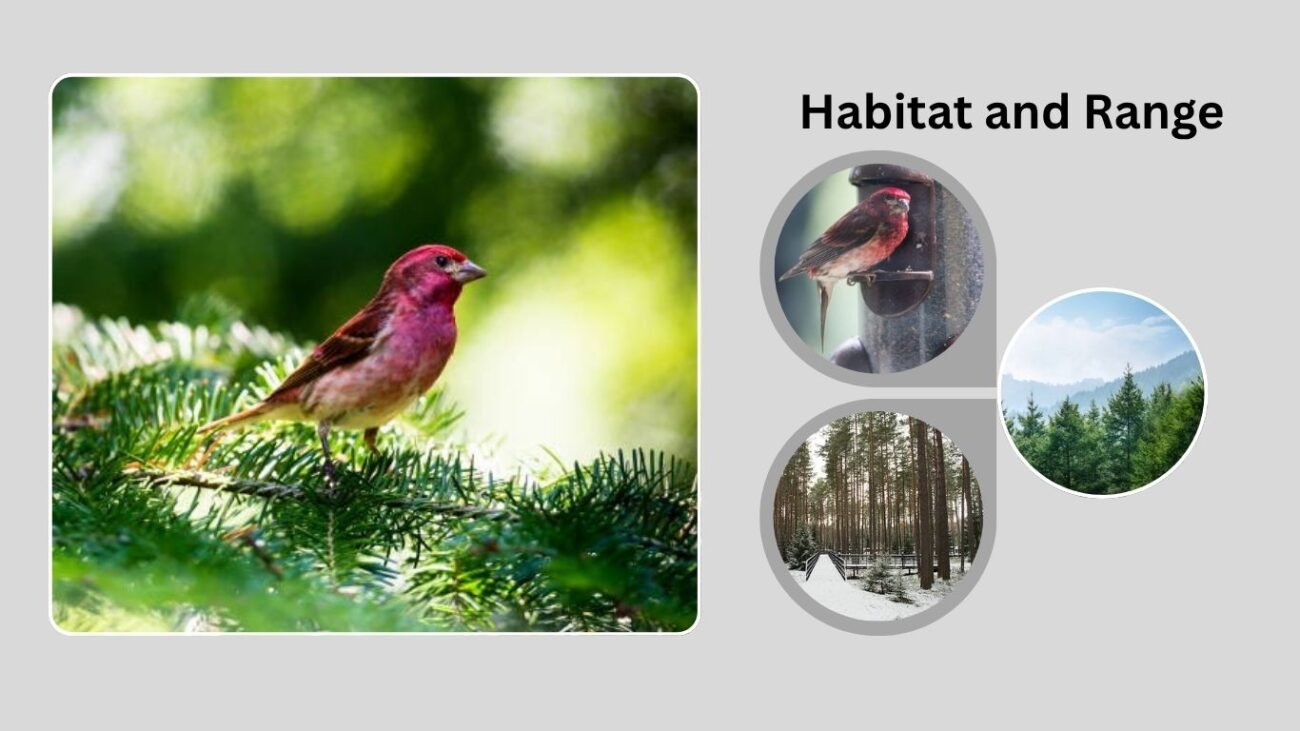
Purple Finches are typically found in coniferous and mixed forests, where pine, spruce, and fir trees dominate. They also frequent woodland edges, suburban gardens, and backyard feeders—especially during winter when natural food sources become scarce. Their preference for tree-dense areas allows them to find both shelter and nesting opportunities while avoiding predators.
Geographic Distribution
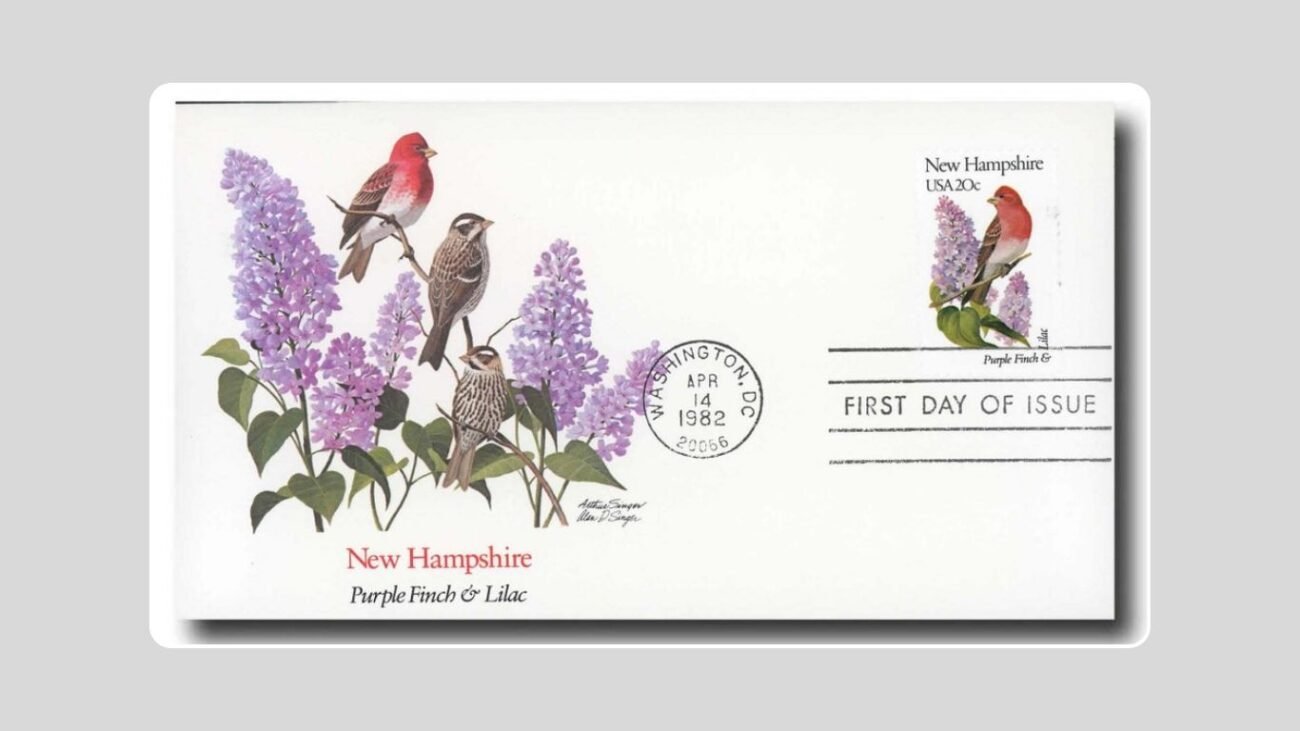
This species is widely distributed across North America. They breed primarily in Canada and the northeastern United States, including New England and the Great Lakes region. In the western parts of the continent, they can be found in mountainous forests from British Columbia down through California. The Purple Finch is also recognized as the state bird of New Hampshire, symbolizing the region’s rich natural beauty and musical wildlife heritage.
Seasonal Movement and Migration
Migration patterns in Purple Finches depend on geography. Northern populations are migratory, moving southward into the United States during harsh winters, while those living in milder regions remain year-round residents. Their migration is influenced by food availability—especially seed production from coniferous trees. In years when food is plentiful up north, fewer birds migrate, leading to irregular winter sightings in southern states.
Behavior and Lifestyle
Social and Feeding Behavior
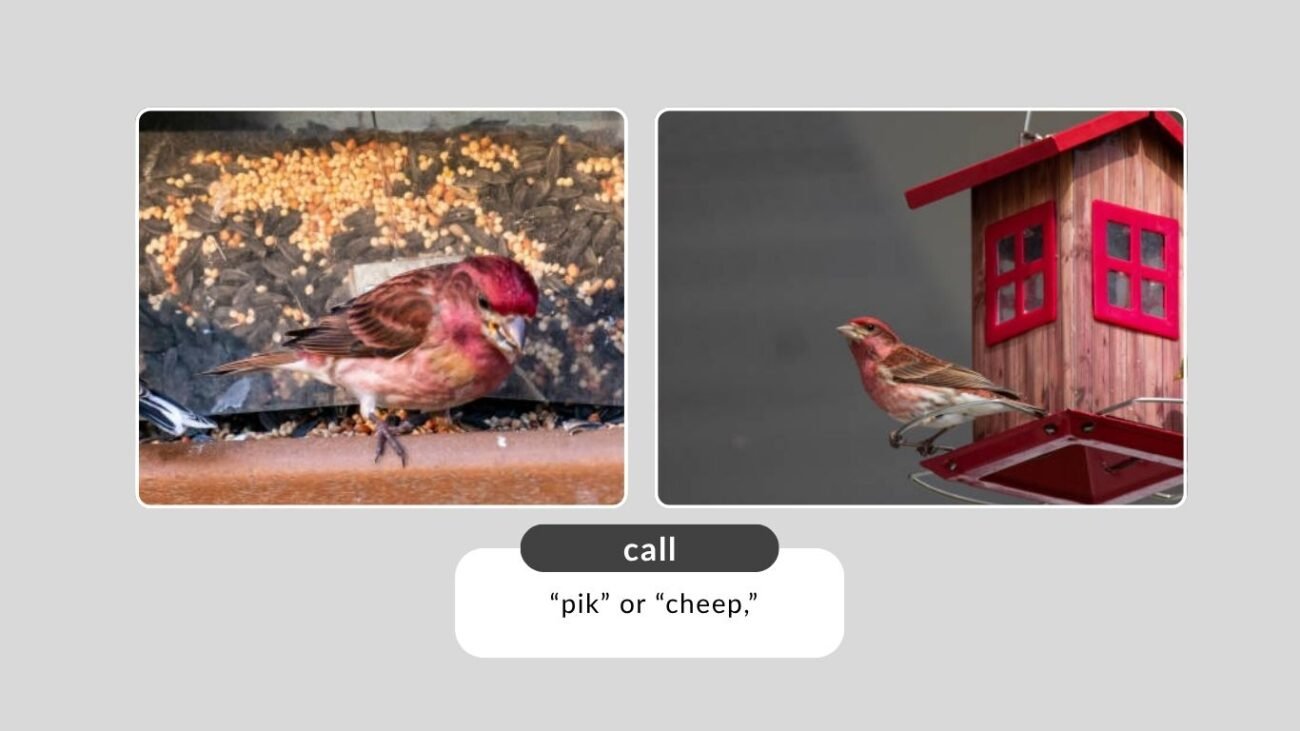
Purple Finches are social birds often seen traveling in small flocks outside the breeding season. They display gentle and cooperative behavior, though competition at feeders can occur. They crack seeds skillfully with their short, conical bills, and often hang upside down while foraging for buds or insects. Their movements are quick yet deliberate, and they are known for their curiosity around feeders and birdbaths.
Song and Calls
The male Purple Finch’s song is a cheerful, melodious warble composed of a variety of notes delivered in fluid succession. It is often described as “a richer version of the House Finch song.” Males sing persistently during spring to attract mates and mark territories. The call note is a soft “pik” or “cheep,” used for communication between flock members. These songs, combined with their vibrant plumage, make them a delight to observe during early mornings in wooded areas.
Diet and Feeding Habits
What Do Purple Finches Eat?
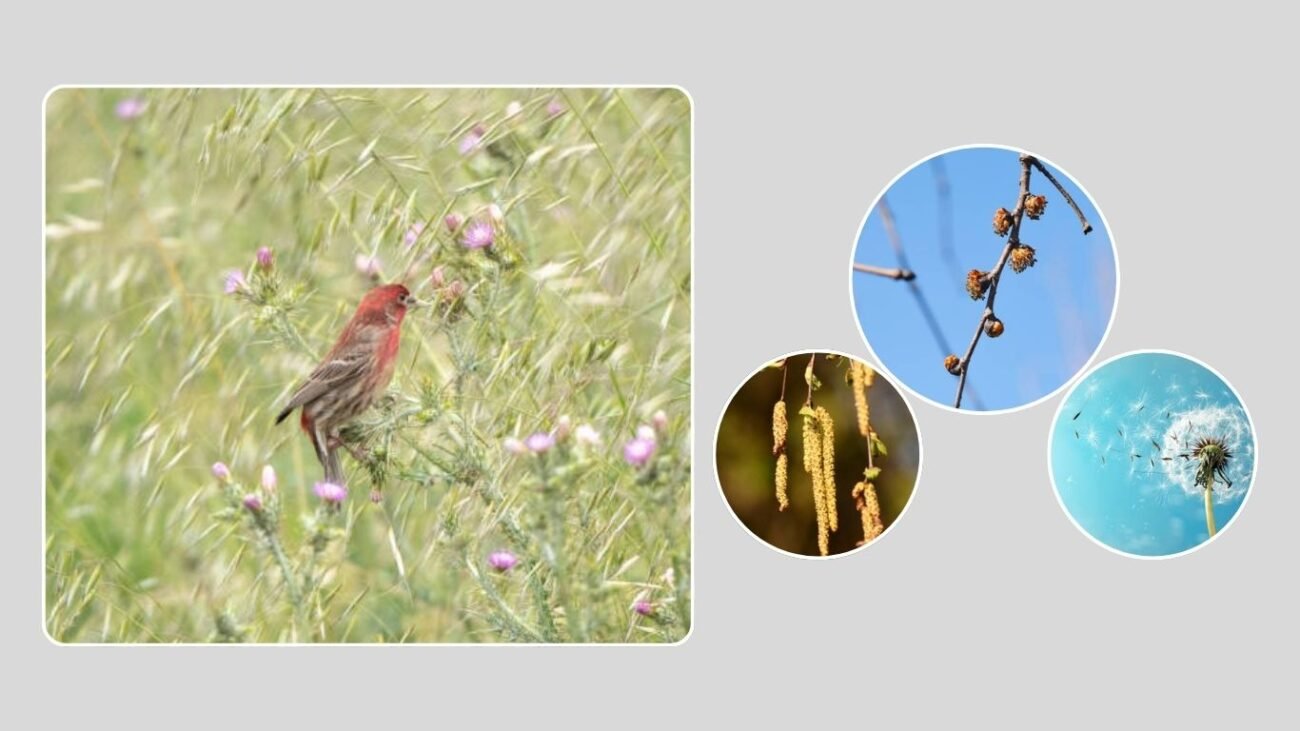
Purple Finches are primarily granivorous, meaning they feed mostly on seeds. Their favorite meals include sunflower seeds, dandelion seeds, and buds from trees like elm, maple, and birch. They also enjoy berries such as blackberries and cherries. During warmer months, they supplement their diet with insects like beetles, aphids, and caterpillars—important sources of protein, especially when feeding chicks. Their strong, cone-shaped bills are perfectly adapted for cracking tough seed shells and plucking buds from trees.
Attracting Purple Finches to Feeders
Attracting Purple Finches to your backyard can be rewarding for bird enthusiasts. They are fond of black oil sunflower seeds, safflower seeds, and millet offered in tube or platform feeders. Providing a clean water source for drinking and bathing encourages regular visits. Positioning feeders near trees or shrubs helps them feel secure, as they prefer a quick escape route when startled. Avoid competition by offering multiple feeding stations—these finches often visit in small, polite flocks and will return consistently to safe, quiet feeding areas.
Breeding and Nesting
Nest Construction and Location
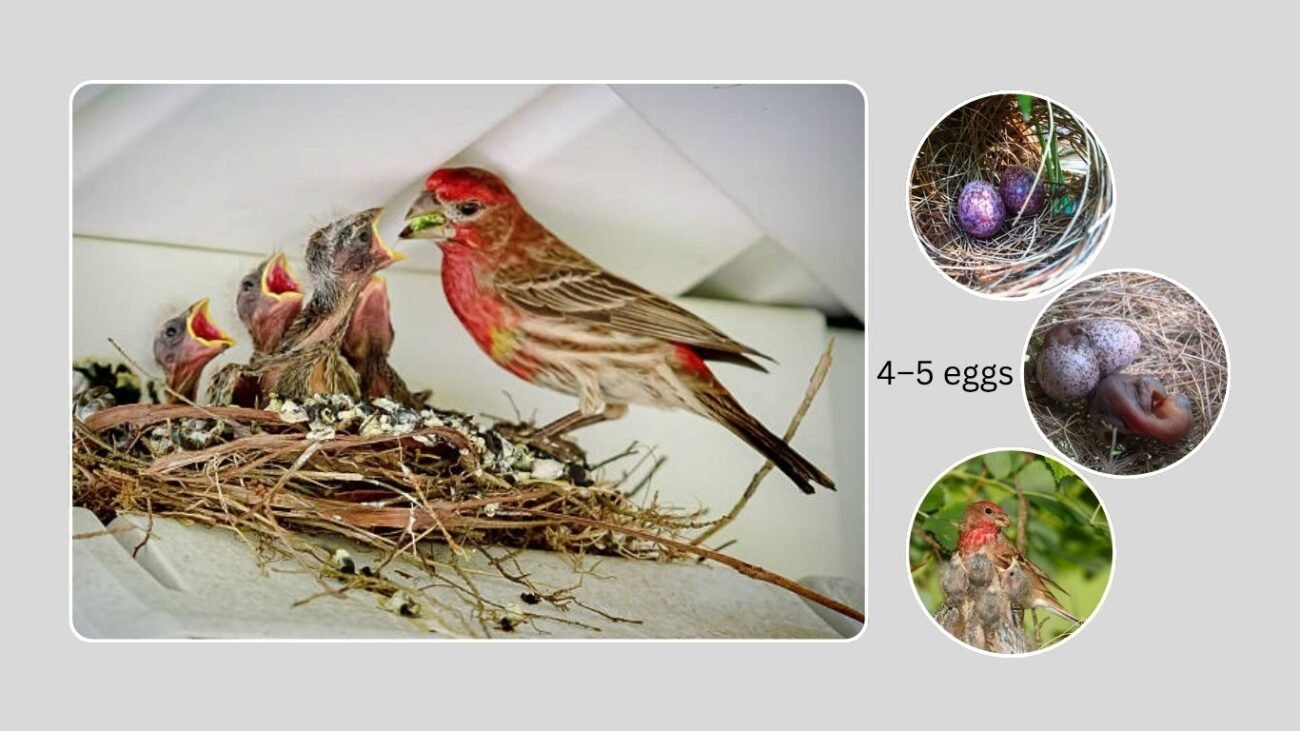
Breeding season for Purple Finches begins in late spring. Females are primarily responsible for building the nest, though males assist by gathering materials. Nests are usually placed on horizontal branches of coniferous trees, between 5 and 20 feet above ground. They are carefully woven from twigs, grasses, and rootlets, then lined with feathers and animal hair for softness. The finished structure forms a sturdy cup that protects the eggs from wind and rain.
Eggs and Fledglings
A typical clutch consists of 4–5 eggs, pale blue with small dark speckles. The female incubates the eggs for about 12–14 days while the male provides food. Once hatched, both parents feed the nestlings a mixture of regurgitated seeds and insects to ensure proper nutrition. The fledglings leave the nest roughly two weeks after hatching, though parents continue feeding and protecting them for another week or two.
Juvenile Development
Juvenile Purple Finches resemble adult females with streaked brown plumage. They develop their adult coloration after several months, with males gradually showing hints of red as they mature. Juveniles spend time learning songs and social behaviors from adult males, preparing them for future breeding seasons. Their first flights are clumsy, but they quickly gain confidence, following adults to feeders and foraging areas.
Related Species and Comparisons
Red Finch and Purple Finch
Birdwatchers sometimes confuse Purple Finches with Red Finches—a term often loosely applied to other red-tinted species. The key difference lies in color saturation and patterning. Purple Finches have a deep, raspberry wash that extends over their entire body, while other “red finches” display limited or patchy coloration. This makes the Purple Finch’s plumage appear softer and more uniformly blended.
Other Finch Relatives
Purple Finches belong to the Fringillidae family, which includes House Finches, Cassin’s Finches, and Pine Siskins. Cassin’s Finches, in particular, share similar size and color but are more common in western mountain regions. House Finches, more urban and widespread, are lighter in color and heavily streaked. Pine Siskins differ with their yellow-edged wings and slimmer bills. Understanding these relationships helps birders appreciate the diversity among North American finches.
Symbolism and Significance
State Bird of New Hampshire
The Purple Finch was officially designated the state bird of New Hampshire in 1957. It symbolizes the state’s natural grace, cheerful temperament, and connection to the wild beauty of New England’s forests. Its lively song and striking color make it a fitting emblem of vitality and harmony in nature. For residents, the bird represents endurance—staying vibrant and melodic through even the harshest winters.
Role in Ecosystem
Beyond its beauty, the Purple Finch plays an essential ecological role. By consuming seeds and berries, it helps disperse plant species across large areas. This natural process supports forest regeneration and plant diversity. Additionally, by feeding on insects, Purple Finches assist in natural pest control, keeping ecosystems balanced. Their presence indicates healthy forest environments, making them valuable indicators of environmental well-being.
Key Takeaways
- The Purple Finch (Haemorhous purpureus) is a rosy-red songbird native to North America.
- Males are vividly colored, while females are brown-streaked for camouflage.
- They differ from House Finches through deeper coloration and richer songs.
- Found in forests, gardens, and feeders, they thrive across Canada and the U.S.
- Purple Finches play a crucial role in seed dispersal and ecosystem balance.
FAQs
What is the scientific name of the Purple Finch?
The scientific name of the Purple Finch is Haemorhous purpureus. It belongs to the finch family (Fringillidae), which includes several seed-eating songbirds known for their strong beaks and vibrant plumage.
How can I tell a Purple Finch from a House Finch?
Purple Finches have a more uniform raspberry-red color that covers most of their head and chest, while House Finches are browner with orange-red patches and heavy belly streaks. Purple Finches also have a more rounded head and a smoother, richer song.
What do Purple Finches eat in winter?
During winter, Purple Finches rely mainly on seeds and berries. They often visit backyard feeders for sunflower seeds and buds from trees like maples and elms. Their ability to adapt their diet helps them survive cold northern climates.
Do Purple Finches migrate?
Yes. Northern populations migrate southward during harsh winters, while southern populations often remain in place. Migration depends on food availability—when seed crops are abundant up north, fewer birds migrate south.
Why is the Purple Finch New Hampshire’s state bird?
New Hampshire chose the Purple Finch for its cheerful song, bright plumage, and hardy nature. It embodies the beauty and resilience of the state’s wildlife, making it a perfect representative of New England’s natural heritage.