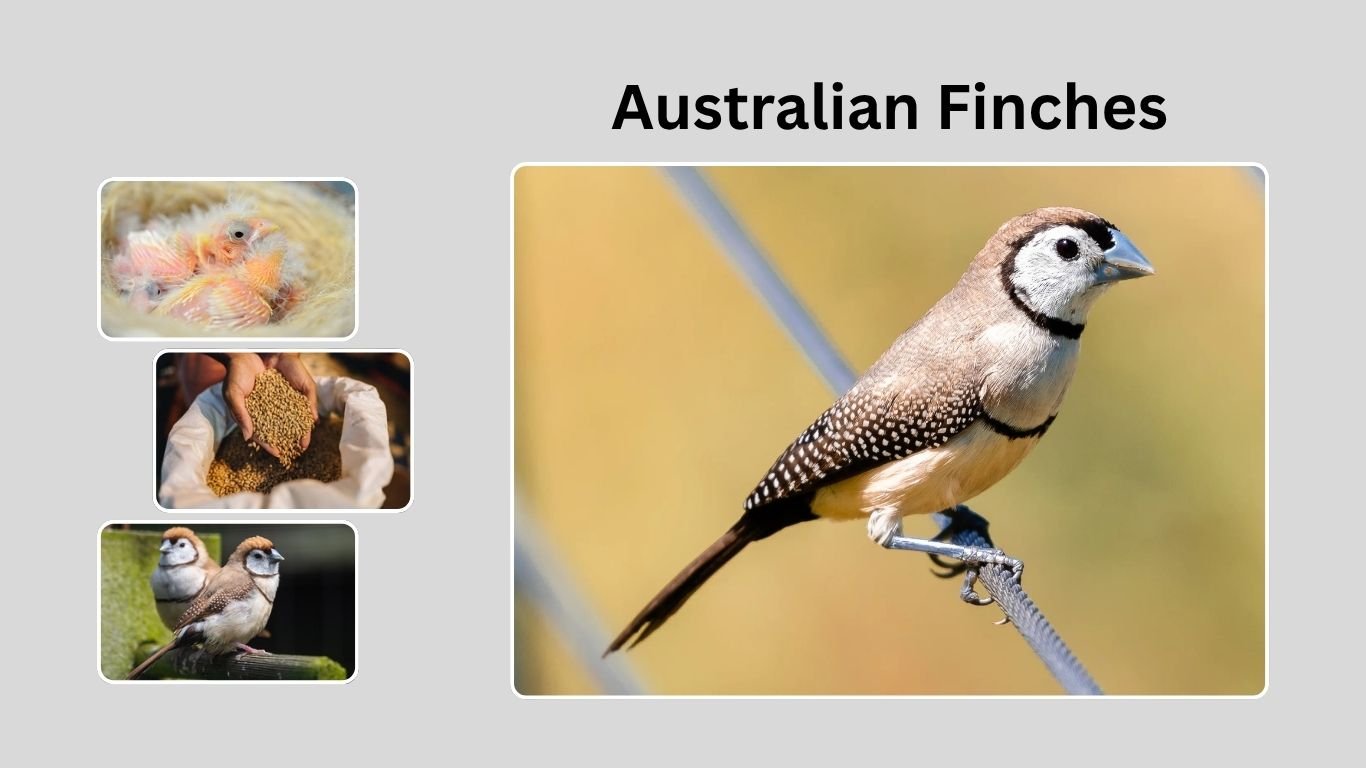
Finches are small, colorful birds admired for their vibrant plumage and cheerful songs. Found in various parts of the world, these lively birds have diverse diets depending on their species and surroundings. From wild finches foraging for seeds and insects to pet finches thriving on carefully balanced meals, understanding what finches eat is essential for their health, energy, and longevity. Let’s explore their feeding habits in detail.
Understanding Finch Diet Basics
Finches are primarily granivorous, meaning seeds form the bulk of their diet. However, they are not strict seed-eaters — they also consume fruits, greens, and small insects for protein. In the wild, finches forage throughout the day, picking tiny seeds, berries, or buds from grasses and shrubs. Their small but strong beaks are perfectly adapted for cracking seed shells and extracting the nutritious kernel inside.
In captivity, a balanced diet is vital for keeping pet finches healthy and vibrant. A good finch diet typically includes a mix of high-quality seeds, fresh vegetables, fruits, and occasional protein sources like mealworms or boiled eggs. Too much of one type of seed can cause nutrient deficiencies, so offering variety is key. Clean, fresh water must always be available, as finches drink frequently.
What Do House Finches Eat?

Common Foods in the Wild
House finches are adaptable eaters that thrive in both urban and rural areas. In the wild, they primarily feed on plant-based foods such as sunflower seeds, dandelion seeds, buds, and berries. They may also nibble on small fruits and occasionally insects, especially during breeding seasons when extra protein is needed. During colder months, their diet shifts toward dried seeds and grains available in feeders or plants.
These birds are known for their foraging flexibility — they can easily switch food sources depending on availability. That’s one reason they’ve successfully spread across North America.
What to Feed Pet House Finches
Pet house finches need a balanced seed mix containing millet, safflower, canary seed, and sunflower hearts. Supplement their diet with fresh greens like spinach, lettuce, or broccoli, and fruit pieces such as apples or grapes. A pinch of crushed eggshells or cuttlebone provides calcium for strong bones and egg production.
Avoid feeding only sunflower seeds since they’re high in fat. Instead, rotate seed varieties to mimic a natural diet. Clean the food and water dishes daily to prevent bacterial growth.
Yellow and Golden Finches Diet
Natural Feeding Habits
Yellow finches, also known as American Goldfinches, prefer a seed-rich diet. They mainly consume thistle, dandelion, sunflower, and alder seeds. Their pointed, cone-shaped beaks help them extract seeds from tight flower heads. In the wild, they’re often seen hanging upside down while feeding on seed heads or wild grasses — a behavior unique to their species.
Best Foods for Captive Finches
For pet yellow or golden finches, offer finch seed blends that include nyjer (thistle) and canary seeds. You can also provide leafy greens like kale, arugula, or spinach, and small fruit slices like apple or orange. These foods support bright plumage and overall health. Avoid processed foods, crackers, or salted snacks, as they can be harmful to birds’ digestive systems.
What Do Baby Finches Eat?
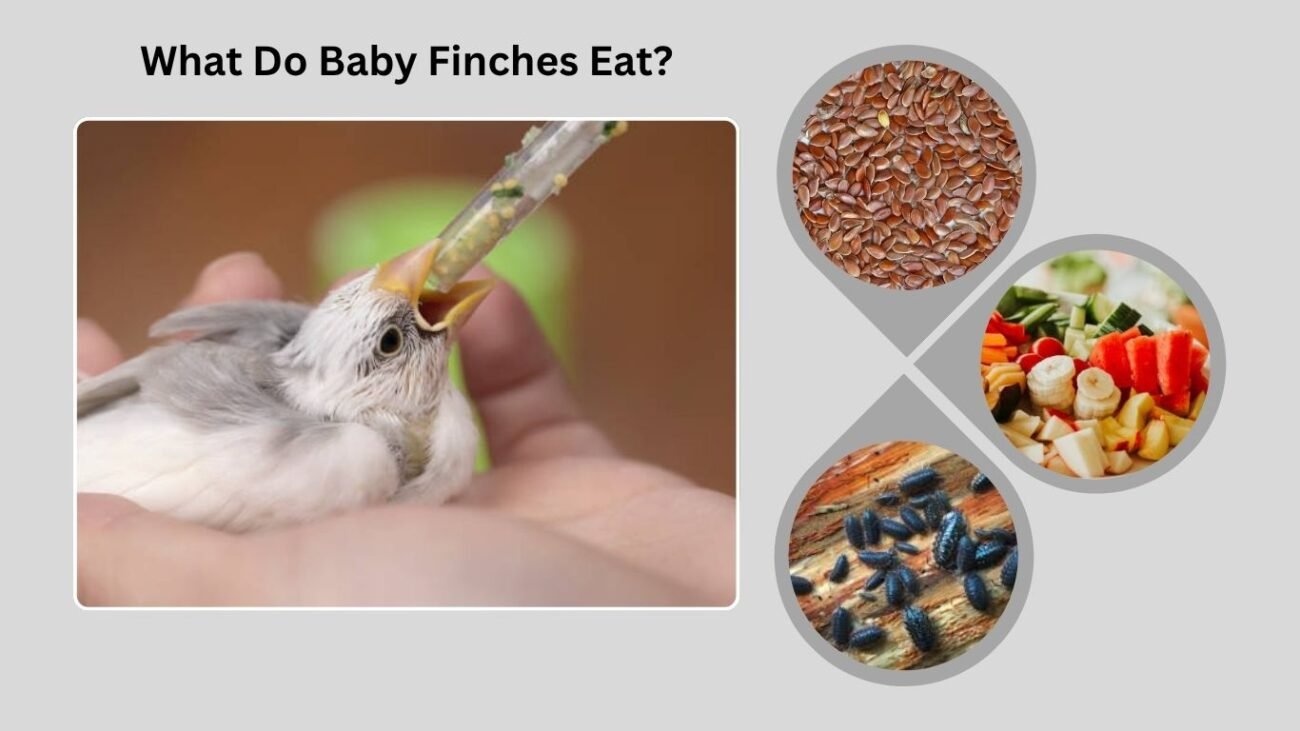
Baby finches have very different feeding needs compared to adults. In the wild, parent finches regurgitate partially digested food, often referred to as “crop milk,” to feed their hatchlings. This soft, protein-rich substance is essential for the chicks’ rapid growth and development.
As the chicks grow older, the parents begin introducing softened seeds, fruits, and small insects into their diet. For orphaned or hand-raised finches, breeders often use special hand-feeding formulas made for small birds. Feeding frequency is critical — baby finches typically eat every 1–2 hours in their first week. Cleanliness is equally important to prevent infection.
Seeds and Grains Finches Love
Top Seed Types
Seeds are the foundation of any finch’s diet. The best options include millet, sunflower, safflower, canary grass seeds, and oats. Finches enjoy foraging and husking seeds themselves, which keeps them active and engaged. A mix of small seeds ensures balanced nutrition and prevents dietary boredom.
Should Finches Eat Sunflower Seeds?
Yes — but in moderation. Sunflower seeds are high in healthy fats, which provide energy, especially in winter. However, if fed too often, they can lead to obesity or liver issues in pet finches. Offer hulled or finely chopped sunflower seeds mixed with other seeds like millet or nyjer. This variety mimics their natural foraging behavior and maintains a healthy diet balance.
Fruits and Vegetables for Finches

Safe Fruits to Offer
Finches love juicy, soft fruits that are easy to peck and digest. Some of the safest and most nutritious choices include apples, bananas, blueberries, grapes, mango, melon, oranges, and strawberries. Always remove seeds or pits since they can be toxic or cause choking. Fruit provides natural sugars, vitamins, and hydration.
Nutritious Vegetables
Fresh vegetables are equally vital for finch nutrition. Offer broccoli, spinach, lettuce, carrots, celery, and cucumber in small, finely chopped pieces. These greens supply essential vitamins like A and K, improving feather condition and immunity. Rotate vegetables daily and remove uneaten portions after a few hours to keep their feeding area clean and hygienic.
Protein and Insects
While finches primarily rely on seeds, they also need protein sources to maintain muscle strength, support feather growth, and aid breeding. In the wild, finches eat small insects, larvae, and spiders, especially during nesting seasons. These provide essential amino acids that seeds alone can’t offer.
Mealworms and Other Insects
Finches readily eat mealworms, caterpillars, and tiny beetles. You can offer dried or live mealworms as a supplement once or twice a week for pet finches. This extra protein boosts breeding success and helps young birds grow stronger. Avoid overfeeding insects, as too much protein can upset their digestive balance.
Can Finches Eat Human Foods?

Although birds should primarily eat natural foods, some human foods can be safely shared with finches in small amounts.
Safe Options
Finches can enjoy cooked rice, plain peanut butter, and whole-grain bread crumbs occasionally. These provide quick energy during colder months. Always serve plain, unsalted, and unseasoned foods — never fried or sugary items. Peanut butter can be spread thinly on a perch or mixed with seeds for enrichment.
Foods to Avoid
Certain human foods are toxic to finches. Avoid avocado, chocolate, caffeine, alcohol, and processed snacks. These can damage their liver and heart or cause sudden death. Salty or oily foods should also be avoided completely. A finch’s diet should remain simple, fresh, and nature-based for optimal health.
Seasonal and Wild Feeding Behavior
Wild finches have remarkable adaptability, changing their diet according to season and food availability.
- In summer, they enjoy an abundance of fresh seeds, insects, and fruits, which help them stay active and reproduce successfully.
- In winter, when natural food is scarce, they depend on bird feeders, dried seeds, and berries that persist on shrubs.
Many people attract finches to their gardens with nyjer seed feeders or black oil sunflower seeds. Providing fresh water and shelter can also help these birds survive harsh conditions and return yearly.
Galápagos Finch Species Diet
Darwin’s famous Galápagos finches are a perfect example of how diet shapes evolution. Each species developed a unique beak suited for its specific feeding habits.
Large Ground Finch
This species has a powerful, deep beak designed to crush hard seeds and nuts. They eat large, tough-shelled seeds that other finches cannot access. This specialization allows them to occupy a distinct niche within their ecosystem.
Warbler Finch
In contrast, the warbler finch has a thin, pointed beak suited for catching insects. It primarily feeds on caterpillars, beetles, and spiders found on leaves and bark. This diversity in diet and beak shape among Galápagos finches demonstrates natural selection in action, one of the most iconic examples in biology.
Compatibility with Other Birds
Can Parakeets, Budgies, and Canaries Eat Finch Food?

Yes, but with caution. Finch seed mixes are smaller and contain less fat than parakeet or budgie mixes. Parakeets and canaries can safely eat finch food, though it might not meet all their nutritional needs. Finches, on the other hand, benefit from occasional canary seed blends for variety.
Do Sparrows or Doves Eat from Finch Feeders?
Sometimes. Sparrows and doves may visit finch feeders, but most finch feeders are designed with small perches and narrow ports that prevent larger birds from accessing the seeds. This ensures finches can feed safely without competition.
Key Takeaways
- Finches are omnivorous birds with a seed-dominant diet.
- A balanced mix of seeds, fruits, vegetables, and insects keeps them healthy.
- Sunflower and millet seeds are staples but should be offered in moderation.
- Fruits and greens enhance feather color and boost immunity.
- Protein from mealworms or eggs supports breeding and growth.
- Avoid feeding salty, sugary, or processed foods to prevent health issues.
FAQs
Do finches eat bugs or insects?
Yes, finches eat small insects such as beetles, caterpillars, and mealworms, especially during nesting or molting periods. Insects provide essential protein for growing feathers and raising chicks. For pet finches, offering dried or live mealworms once a week can help mimic their natural diet.
What should I avoid feeding my finches?
Avoid feeding your finches chocolate, avocado, caffeine, processed snacks, or salty foods. These can be toxic and lead to liver failure or heart complications. Stick with natural items like seeds, greens, and fruits. Clean uneaten food daily to keep their cage fresh and bacteria-free.
Can finches eat sunflower seeds every day?
Sunflower seeds are safe but should be given sparingly. They’re high in fat and, if overfed, can lead to obesity or fatty liver disease. Mix sunflower seeds with other nutritious options such as millet, nyjer, and safflower to keep your finch healthy and active.
What fruits are best for finches?
Finches enjoy a range of fresh fruits including apples, bananas, berries, grapes, melon, and mango. Always remove seeds or pits before feeding to prevent choking or toxicity. Fruits should make up a small portion of their daily diet to avoid excess sugar intake.
Do baby finches eat the same food as adults?
No. Baby finches rely on regurgitated food from their parents during the first few days of life. As they grow, parents introduce softened seeds and insects. In captivity, baby finches can be hand-fed with specialized baby bird formula until they can eat small seeds on their own.