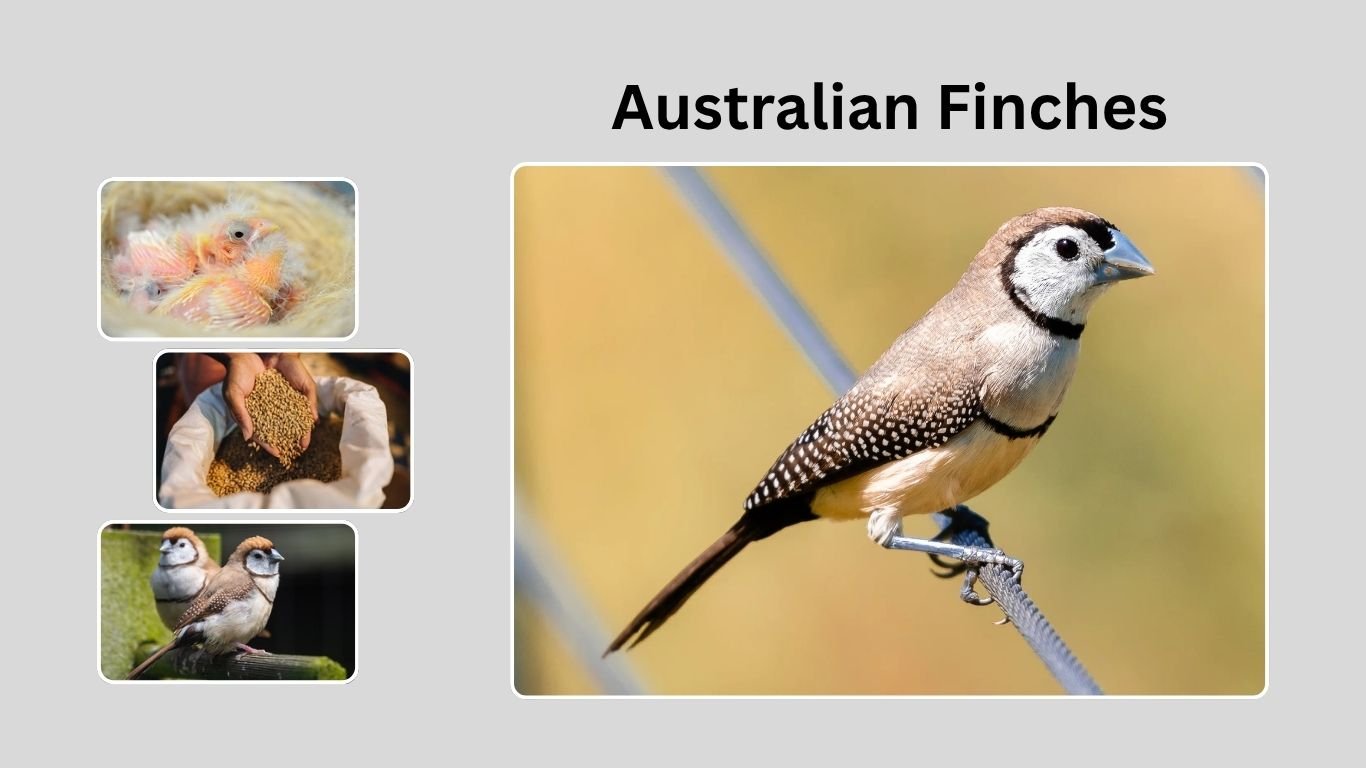
The White Finch is one of the most graceful and eye-catching birds among small passerines. With its pristine plumage and calm temperament, this delicate bird has become a favorite among bird enthusiasts and aviculturists around the world. Although commonly referred to as “white finch,” this name doesn’t belong to a single species—it represents a range of color mutations and natural variants found within several finch species such as the Zebra Finch, Java Finch, and House Finch.
The soft white coloration of these birds often symbolizes peace, purity, and harmony, making them not just beautiful companions but also deeply meaningful in various cultures. In this article, we’ll explore the White Finch’s identification, habitat, behavior, and unique genetic traits, revealing what makes these little birds so captivating.
Identification — What Makes the White Finch Unique
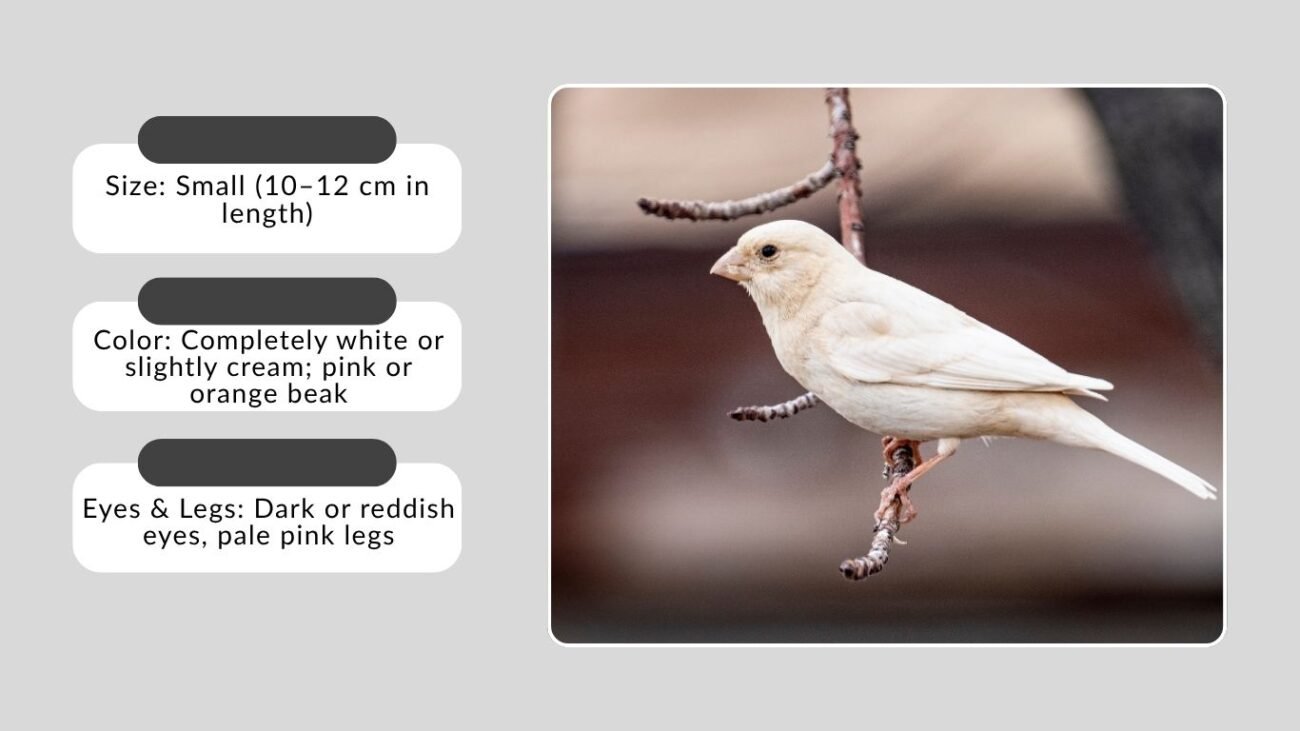
The White Finch stands out for its soft, pure white feathers and small, graceful body. Its color comes from genetic mutations such as leucism or albinism, which reduce pigment in the feathers.
- Size: Small (10–12 cm in length)
- Color: Completely white or slightly cream; pink or orange beak
- Eyes & Legs: Dark or reddish eyes, pale pink legs
- Temperament: Calm, social, and active
- Sex Difference: Males often sing more and have brighter beaks
Common Types:
- White Zebra Finch – popular aviary bird, bright and lively
- White Java Finch – elegant with a red beak and smooth feathers
- White-headed House Finch – rare natural variant
- White-winged Diuca Finch – found in cold Andean regions
These traits make the White Finch a charming and peaceful bird loved by breeders and birdwatchers alike.
Habitat — Where the White Finch Lives
Natural Habitat and Distribution
Because “white finch” refers to several species, its habitat varies depending on the type. The Zebra Finch—one of the most widespread—inhabits Australia’s dry grasslands and open plains, often near water sources. The Java Finch originates from Indonesia, particularly the islands of Java, Bali, and Sumatra, where it thrives in rice fields and farmlands.
The White-winged Diuca Finch, on the other hand, lives at altitudes exceeding 3,000 meters in the Andes Mountains, adapting to freezing climates and thin air. These birds demonstrate the remarkable adaptability of the finch family across contrasting environments—from humid tropics to arid deserts and alpine zones.
Captive Environment and Aviary Care
In captivity, white finches are cherished for their calm nature and beauty. They thrive in spacious aviaries or indoor cages with enough room for flight and social interaction. Proper ventilation, moderate temperatures (20–28°C), and natural sunlight exposure are essential for maintaining feather quality and overall health.
An ideal setup includes:
- A roomy cage with horizontal space for flight.
- Perches of different sizes to strengthen foot muscles.
- Nesting boxes lined with soft materials like coconut fiber or grass.
- Access to clean water for drinking and bathing.
Because finches are highly social, keeping pairs or small groups is recommended to prevent loneliness and stress. However, overcrowding should be avoided, as it can lead to territorial conflicts, especially during breeding.
Diet and Nutrition
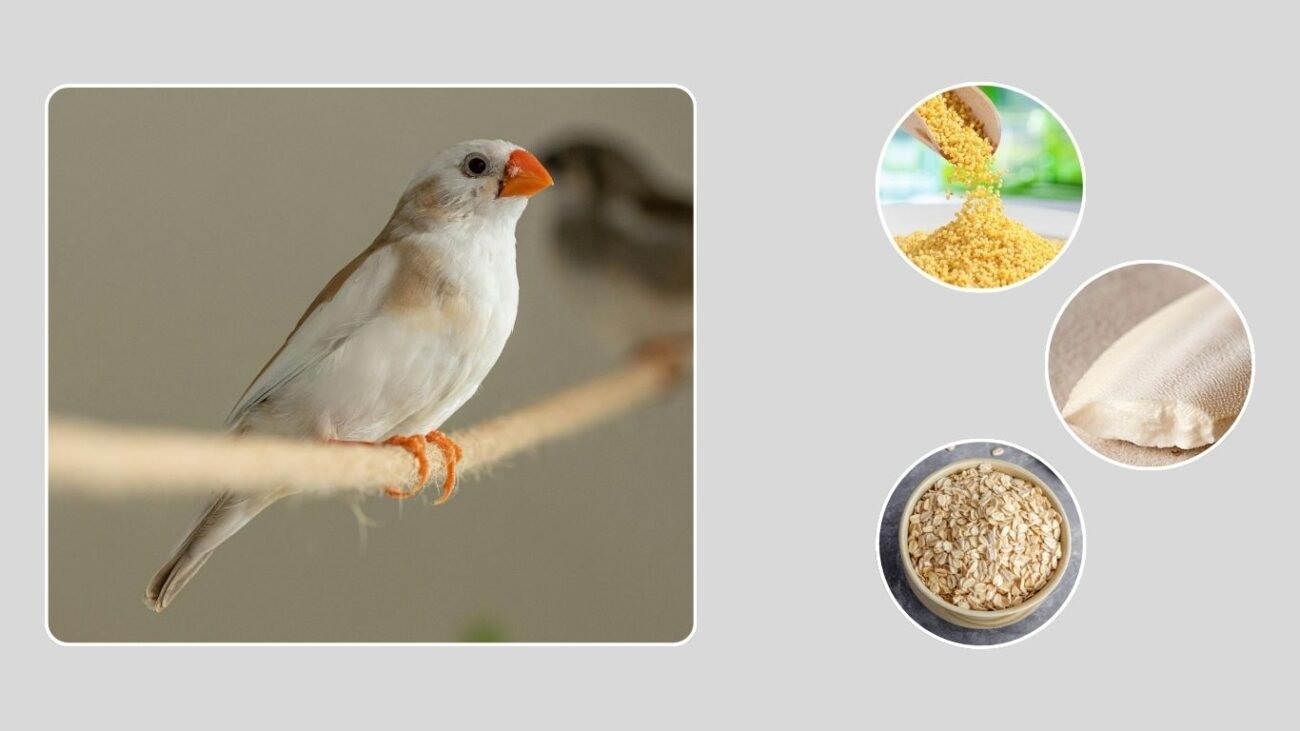
White finches are primarily granivorous, meaning their diet consists mainly of seeds. A balanced diet includes:
- Millet, canary seed, and oats as the staple mix.
- Fresh greens and vegetables such as spinach or lettuce.
- Cuttlebone or mineral blocks to supply calcium.
- Egg food or soft food during breeding to support chick development.
Providing a variety of foods ensures they receive essential vitamins and minerals. Fresh, clean water should always be available, and feeding dishes must be kept hygienic to prevent disease.
Behavior — The Personality of the White Finch
Social Nature and Communication
White Finches are inherently social and cheerful birds, thriving best when they live in pairs or small flocks. Their friendly nature makes them excellent aviary companions, often coexisting peacefully with other small bird species like canaries or waxbills.
They communicate using soft, rhythmic chirps and short trills. The male White Finch is usually more vocal, using song as part of courtship or to mark territory. In contrast, females tend to chirp softly, responding to their mates and maintaining flock harmony.
Despite their gentle nature, white finches can occasionally show mild territorial behavior—especially around nesting sites. Providing enough space and multiple nesting options usually prevents disputes.
Their intelligence is modest but impressive for small birds: they recognize feeding times, learn cage routines, and even develop bonds with their caretakers through consistent interaction and gentle handling.
Breeding Behavior
Finches, including the white varieties, are prolific breeders under the right conditions. Breeding season in captivity can occur year-round, though many breeders prefer the spring and early summer months for optimal chick survival.
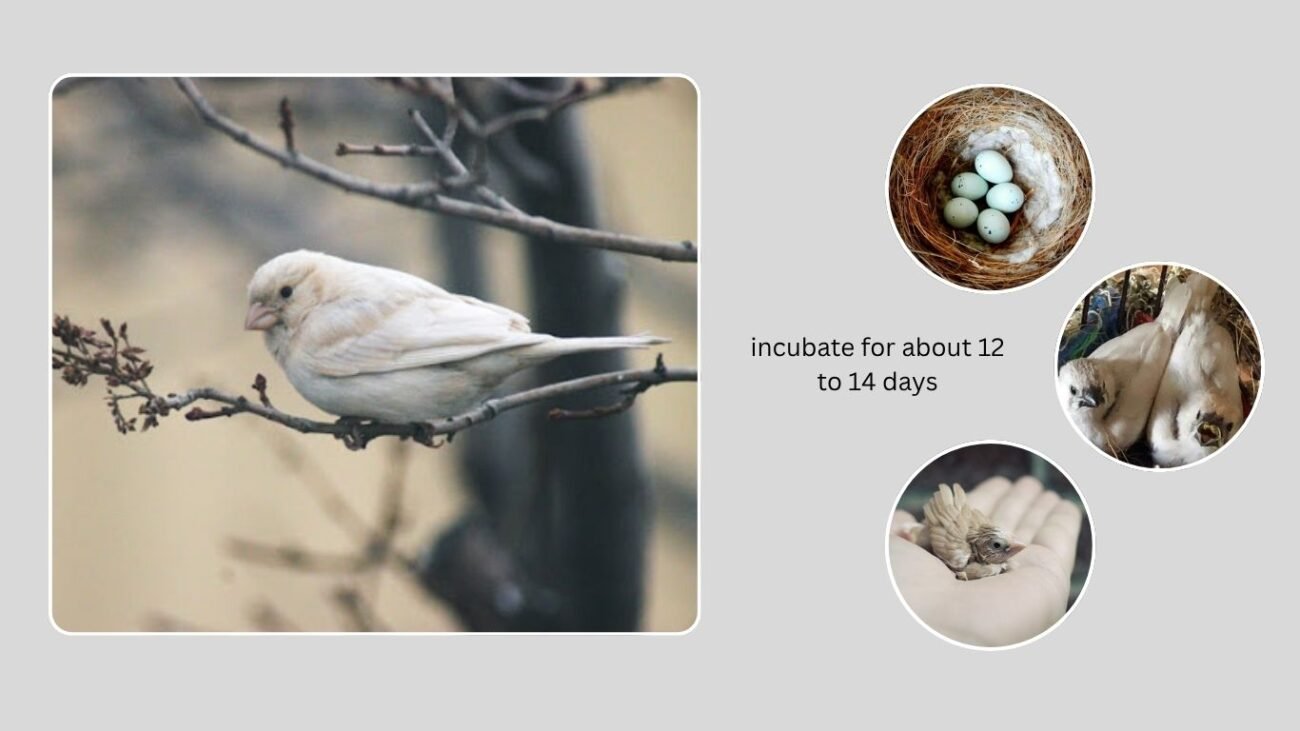
Courtship begins with the male’s display—a lively dance combined with soft singing. Once bonded, the pair collaborates to build a nest using materials like coconut fiber, hay, or soft grass. The female lays 4–6 eggs, which both parents help incubate for about 12 to 14 days.
After hatching, the chicks are featherless and dependent on their parents for warmth and food. Within 21 days, the fledglings begin to explore the cage and develop their plumage. In the case of White Zebra Finches, chicks may hatch gray and gradually turn white as their feathers mature.
Breeders must maintain good hygiene, a balanced diet, and adequate nesting conditions to ensure strong, healthy offspring.
Daily Activity and Temperament
White Finches are naturally active and inquisitive. They spend much of the day flying short distances, hopping between perches, and exploring their surroundings. Early morning and late afternoon are their most active periods, filled with chirping and fluttering.
They enjoy bathing regularly to keep their feathers clean and maintain body temperature. Providing a shallow water dish encourages this natural behavior.
Unlike some larger bird species, white finches are not hand-tame pets but can become accustomed to human presence. They are best appreciated as gentle observers of aviary life — charming, musical, and full of vitality.
Unique Traits — What Sets the White Finch Apart
Color Genetics and Inheritance
The defining trait of the White Finch is, of course, its striking coloration. The white plumage results from recessive genes that inhibit pigment production. When two finches carrying the white gene are bred, the resulting offspring have a higher chance of displaying pure white feathers.
This color mutation can occur in many finch species, but breeders carefully track genetic lines to prevent health issues from inbreeding. The white color doesn’t affect a finch’s vitality or lifespan when bred responsibly, though some albino types may have light sensitivity due to a lack of melanin.
The phenomenon of white coloration fascinates aviculturists because it illustrates genetic diversity within controlled breeding. Maintaining this trait requires expertise, patience, and respect for animal welfare standards.
Rarity and Symbolism
In the wild, pure white finches are extremely rare. Their lack of natural camouflage makes them more vulnerable to predators. As a result, most white finches seen today are captive-bred through selective pairing.
This rarity adds to their symbolic charm. Across cultures, white birds often represent purity, peace, and renewal. A white finch fluttering in an aviary is often seen as a symbol of serenity and hope — a living embodiment of calm beauty.
In aviculture circles, these birds are also admired for their decorative value and are frequently chosen for display in home aviaries, bird exhibitions, and photography. Their quiet grace brings aesthetic appeal wherever they are kept.
Health and Care Considerations
Although hardy and adaptable, White Finches need attentive care to remain healthy. Common issues include:
- Feather plucking or dull plumage due to stress or poor diet.
- Calcium deficiency, especially in breeding females.
- Respiratory infections caused by dust or unclean cages.
To avoid these problems, it’s vital to maintain a clean environment, provide fresh air circulation, and offer a balanced diet enriched with vitamins and minerals. Regular observation helps detect early signs of illness — such as reduced activity, fluffing of feathers, or loss of appetite — allowing timely veterinary care.
Sunlight exposure (or full-spectrum lighting) also supports vitamin D synthesis, promoting bone health and vivid feather coloration.
Conservation and Human Connection
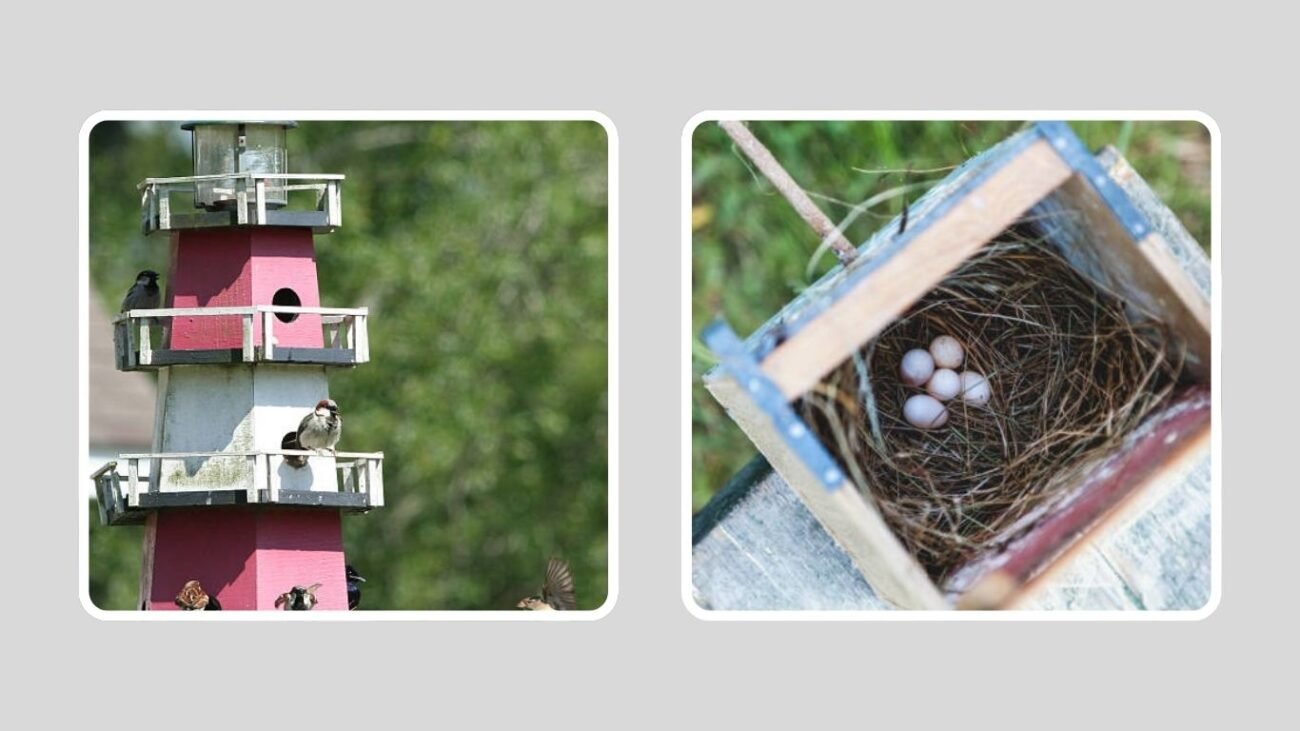
White Finches highlight the close relationship between humans and birds in the modern world. While most white variants are bred for the pet trade, responsible breeding ensures these delicate birds live fulfilling lives in captivity.
However, ethical concerns arise when breeding focuses solely on appearance without considering health. Responsible aviculturists emphasize genetic diversity and welfare, discouraging excessive inbreeding or commercial exploitation.
In the wild, habitat loss due to agriculture, urbanization, and deforestation continues to affect several finch species. Conservation efforts — particularly in regions like Australia and Indonesia — focus on habitat restoration and captive-breeding programs that reintroduce birds into safe environments.
For bird lovers, supporting ethical breeders, using sustainable products, and spreading awareness about avian conservation are meaningful ways to contribute.
FAQs
Are white finches rare?
Yes, white finches are quite rare in the wild because their light plumage makes them more visible to predators. However, in captivity, they are common due to selective breeding. Breeders produce white variations—especially in Zebra and Java Finches—through controlled genetic pairing.
What do white finches eat?
White finches are granivorous, meaning they mainly eat seeds. Their diet should include a mix of millet, canary seed, and oats, along with fresh greens, fruits, and egg food for added nutrients. Providing a cuttlebone or mineral block helps maintain calcium levels, especially during breeding.
How can you tell male and female white finches apart?
In many white finch species, males and females look similar, making visual identification difficult. However, males often have brighter beaks and sing more frequently, using song as part of courtship. Females tend to be quieter and focus on nesting and caring for chicks.
Do white finches make good pets?
Yes, white finches are peaceful, low-maintenance, and social, making them excellent aviary or cage birds. They are not typically hand-tame but are enjoyable to watch and listen to. When kept in pairs or small groups, they remain active, content, and display their natural behaviors.
How long do white finches live?
With proper care, white finches can live 5 to 7 years on average, though some may reach up to 10 years in ideal conditions. A balanced diet, clean living environment, and minimal stress are key to ensuring a long, healthy life.