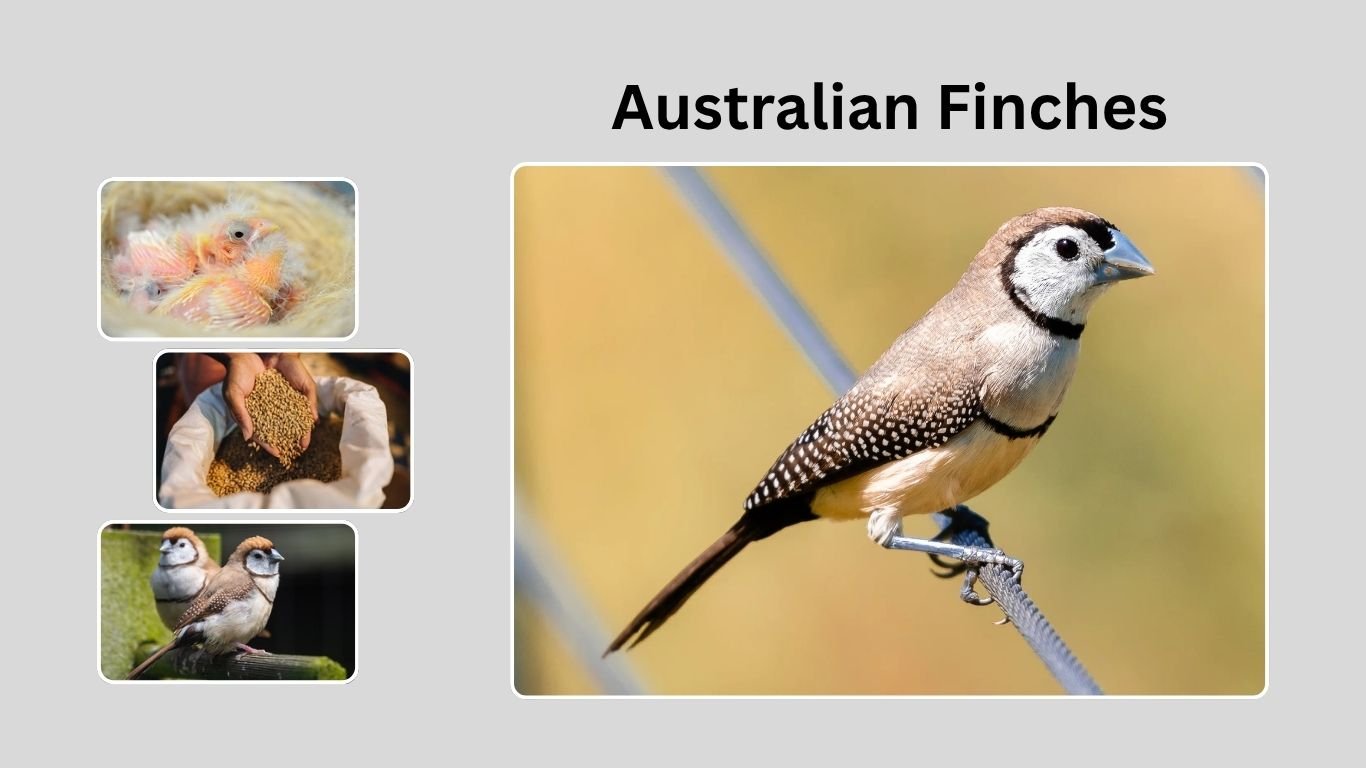
The house finch and purple finch are among the most commonly confused backyard birds in North America. Both have reddish males and streaked brown females, but subtle variations in shade, body shape, and song reveal their true identities. Knowing these differences helps birdwatchers correctly identify them and avoid common mix-ups with sparrows, goldfinches, or wrens. This guide explores each bird’s unique traits, behaviors, and songs—and offers practical tips for spotting them with confidence.
House Finch vs Purple Finch
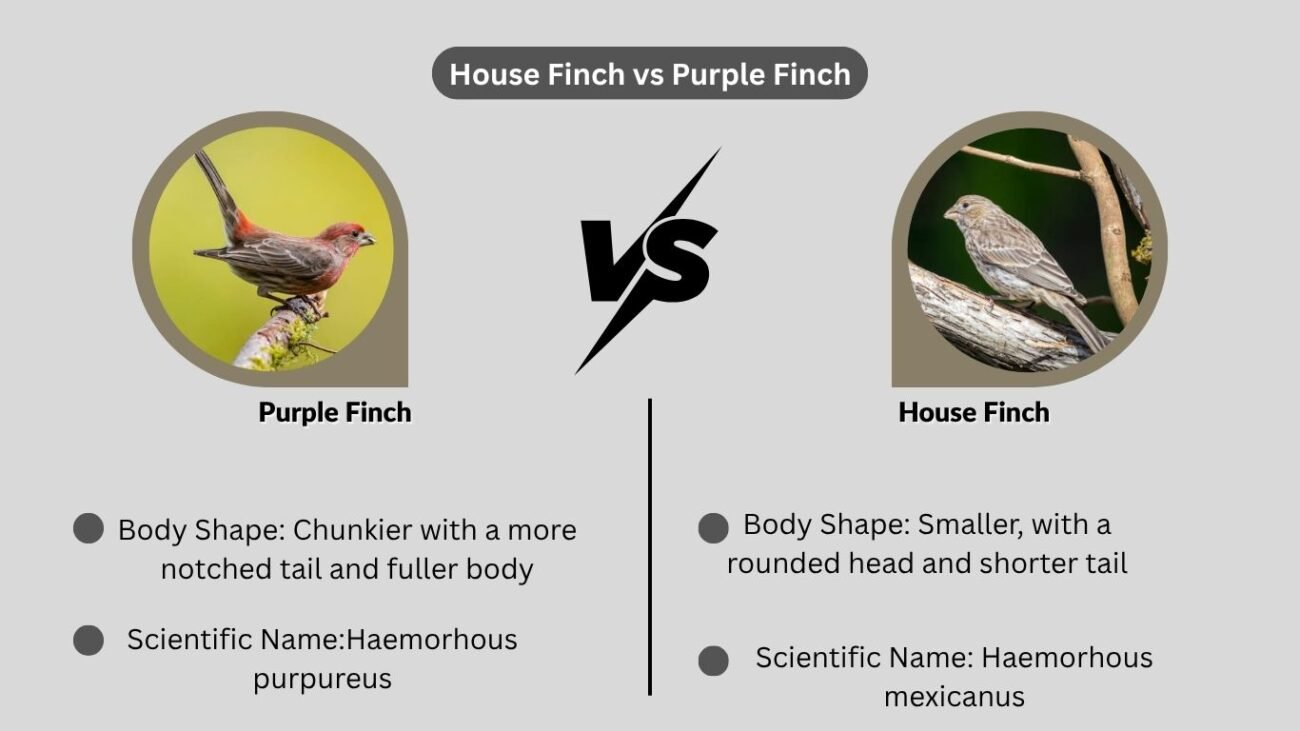
| Feature | House Finch | Purple Finch |
| Scientific Name | Haemorhous mexicanus | Haemorhous purpureus |
| Male Coloration | Bright orange-red on forehead, throat, and upper chest; rest of body brown and streaked | Deep raspberry-red covering head, chest, and back; color looks “dipped in wine” |
| Female Appearance | Brown with bold streaks; plain face | Brown with finer streaks and a distinct pale eyebrow line |
| Bill Shape | Short and slightly curved | Thicker, straighter, and more triangular |
| Body Shape | Smaller, with a rounded head and shorter tail | Chunkier with a more notched tail and fuller body |
| Song | Lively, jumbled warble; bright and energetic | Smooth, flute-like melody; softer and more musical |
| Habitat Preference | Urban and suburban feeders, parks, gardens | Forest edges, woodlands, and rural areas |
| Range | Widespread across the U.S.; mostly non-migratory | Found mainly in northern U.S. and Canada; migratory in winter |
| Behavior | Social and bold, often in flocks | More reserved, typically in pairs or small groups |
| Key ID Tip | Look for brighter, orange-red tones and heavy streaking | Look for rosy-purple color with a cleaner chest and pale eyebrow on females |
Cassin’s Finch and Other Red Finches
Cassin’s Finch vs House Finch
The Cassin’s finch is another red-colored bird that often confuses observers. Native to mountainous regions of the western U.S., it shows a rosy-red crown and pale body with fine streaks.
The key difference lies in the head and body proportions—Cassin’s finches have longer wings and a more elongated head, while house finches appear rounder and shorter. Cassin’s finches also prefer pine forests at higher elevations.
Purple Finch vs Cassin’s Finch
When comparing purple finch vs Cassin’s finch, the purple finch’s color is more uniformly raspberry and lacks the bright crown patch. Cassin’s finch males display a vivid red cap distinct from their lighter neck and breast. Geographically, purple finches dominate the eastern U.S., while Cassin’s finches remain in the west.
Red Finch vs House or Purple Finch
The term “red finch” isn’t an official species name. It’s a general description often used for male house, purple, or Cassin’s finches because of their reddish plumage. If you hear someone mention a “red finch,” they’re likely referring to one of these three common species.
Finch vs Sparrow Comparisons

Finch vs Sparrow (General Traits)
Finches and sparrows are both small, seed-eating birds, but their physical structure differs noticeably.
Finches have thicker, cone-shaped bills perfect for cracking seeds, while sparrows have straighter bills and more muted colors. Finches also tend to have more curved flight patterns and feed higher up, while sparrows forage mostly on the ground.
House Finch vs House Sparrow
At feeders, these two species often mingle.
The male house finch boasts bright red on the head and chest, while the male house sparrow has gray and brown tones with a distinctive black bib. Female sparrows look plainer with buffy brown bodies, lacking the streaks found on female house finches.
Behaviorally, sparrows are more assertive and sometimes chase finches away from feeders.
Song Sparrow vs House Finch
Both birds sing cheerfully, but the song sparrow’s tune starts with three clear notes followed by a musical trill, whereas the house finch’s song is longer and more rambling. Song sparrows prefer bushy areas and wetlands, while house finches stay near feeders or open gardens.
Female Comparisons
Female finches and sparrows cause the most confusion among beginners.
- Female house finch: brown with heavy streaking and a faintly red-tinged rump.
- Female house sparrow: plainer brown with a buff eyebrow and no streaks on the belly.
- Female purple finch: boldly patterned face and softer brown tones.
Taking note of face markings and streak intensity usually solves the mystery.
Yellow and Gold Finches
Yellow Finch vs Goldfinch
The term “yellow finch” is commonly used for the American goldfinch, though in some regions it refers to other yellowish finch species. The goldfinch, especially males in summer, glows with bright lemon-yellow plumage and black wings. During winter, both sexes turn duller olive-brown, which causes confusion among observers.
Yellow Finch vs Goldfinch Size and Sex
Male yellow or goldfinches are slightly smaller than house finches, with a sleek body and short tail. Females are more muted in color, appearing greenish-yellow instead of bright gold. This seasonal color change can make them look like an entirely different bird species.
House Finch vs Goldfinch
These two birds differ greatly in both size and color tone. The house finch is bulkier with a red head and streaked body, while the goldfinch is smooth and solid-colored. They may visit the same feeders but prefer different seeds—finches love sunflower seeds, while goldfinches prefer thistle (nyjer) seeds.
Other Small-Bird Comparisons
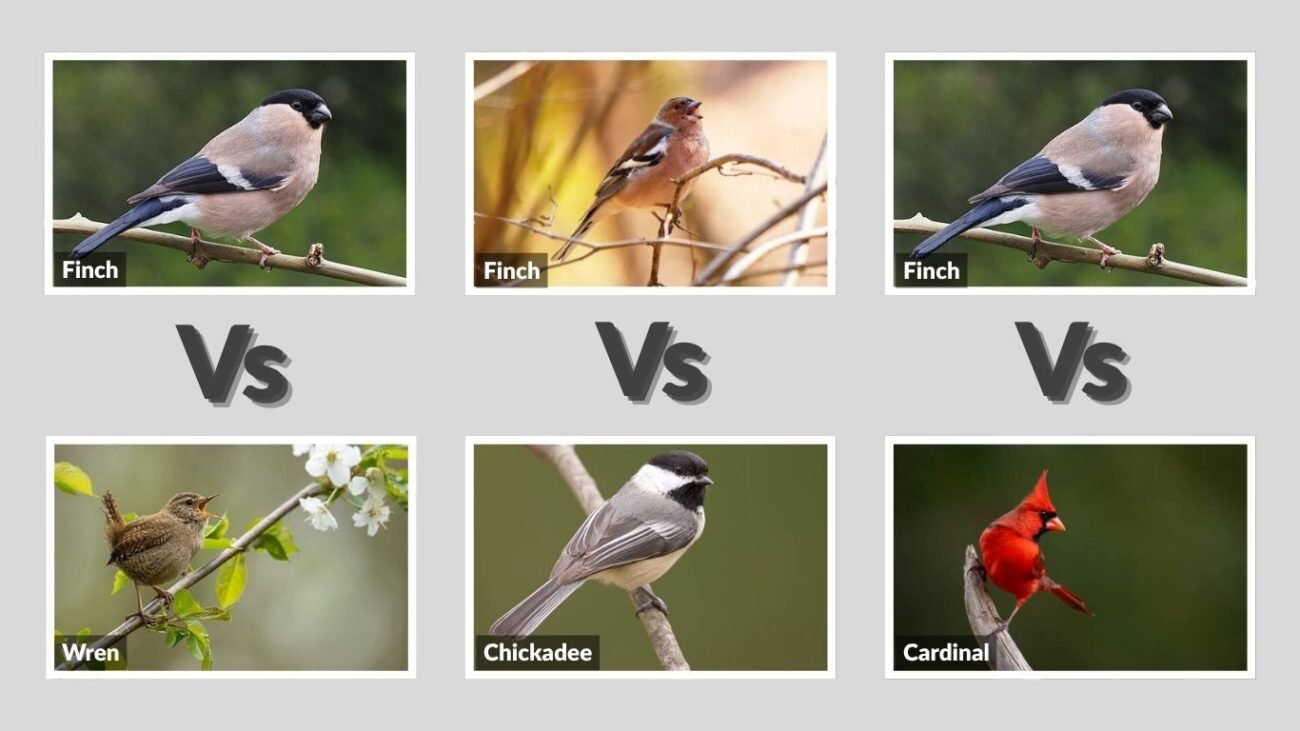
Finch vs Wren vs Sparrow
Wrens, sparrows, and finches are often spotted in similar habitats, yet they have distinct appearances. Wrens are small, brown birds with upright tails and quick darting movements. Sparrows are chunkier and less active, while finches have thicker, cone-shaped bills.
Wrens sing in rapid, bubbly bursts, unlike the longer warbling song of the house finch. Paying attention to tail posture and song rhythm helps tell them apart.
Finch vs Chickadee
The chickadee is instantly recognizable by its black cap and bib with white cheeks. Unlike finches, chickadees belong to the tit family and have a higher-pitched “chick-a-dee-dee” call.
While finches primarily eat seeds, chickadees consume a mix of insects and seeds. Both may visit feeders, but chickadees usually grab food and retreat to a nearby branch, while finches perch and eat leisurely.
Finch vs Canary and Cardinal
The canary is a domesticated finch species known for its melodic singing, whereas wild finches—like house and purple finches—are found in backyards and forests. Cardinals, on the other hand, are larger and brighter, with vivid red plumage and a distinctive crested head.
A cardinal’s bill is heavier and its call more repetitive, making it easy to differentiate from the lighter, streaked body of a finch.
Male vs Female Finches
House Finch Male vs Female
In the house finch, the male displays vibrant red coloring concentrated on the forehead and chest, while the female is entirely brown with streaks and no red tones. Males use their bright plumage to attract mates, and their color intensity depends on diet—those with more carotenoid-rich foods develop deeper reds.
Purple Finch Male vs Female
The male purple finch is a rich raspberry red over the head, breast, and back, while the female shows sharp streaking and a pronounced pale eyebrow. The male’s plumage helps signal territory and attract mates, while the female’s subtler pattern aids in nesting camouflage.
Zebra Finch and Other Species
Among zebra finches, a popular pet species, males have orange cheek patches and bright beaks, while females are plainer with lighter bills. Though unrelated to the North American purple or house finches, they share similar behaviors—chirping frequently and bonding closely with mates.
Finch Behavior, Song & Nesting

Songs and Calls
House finches sing a long, cheerful series of warbling notes with unpredictable rhythm, while purple finches produce smoother, flute-like melodies that sound more musical.
If you’re learning to identify by ear, listen for length—house finch songs last longer and fluctuate in tone, while purple finch tunes are brief and sweetly flowing.
Nesting and Eggs
Both species construct cup-shaped nests using grass, twigs, and feathers. House finch eggs are pale blue with fine speckles, smaller than robin eggs, which are more vibrant and uniform blue. Finches often nest in hanging planters, vines, or gutters, while robins prefer open branches.
Finch App Comparisons (Digital Wellness Context)
Not all “finch” searches are about birds! The Finch App—a self-care and wellness tool—has grown popular among young users.
Finch App Free vs Paid
The free version of the Finch app offers mood tracking, journaling, and mindfulness prompts. The paid (Finch Plus) version adds deeper customization, additional reflections, and unlimited check-ins.
Users who enjoy building daily self-care routines often upgrade for goal-tracking and habit streak features.
Finch Plus vs Free / Finch vs Finch Plus
While both versions are effective, the Finch Plus plan provides extra emotional-support activities, pet customization, and gratitude tools.
Compared with similar apps like Shmoody, Finch emphasizes positivity and emotional growth through interactive features rather than therapy-style reflections.
Common Look-Alikes & Misidentifications
Brown Finch vs Sparrow
When light is poor, brown finches can resemble sparrows. The trick is in the streaking—finches have streaks that continue across the chest, while sparrows’ markings stop abruptly at the sides. Finches also have thicker, rounded bills that appear heavier at the base.
Pine Siskin, Redpoll & Grosbeak
The pine siskin has fine streaks and a faint yellow tinge on the wings—smaller and slimmer than a house finch.
The common redpoll has a tiny red forehead patch and black chin, setting it apart from both finches.
Meanwhile, the female purple finch vs female rose-breasted grosbeak comparison reveals that grosbeaks are much larger, with heavier bills and bold white wing bars.
Fun & Miscellaneous Mentions
Blue Finch vs Indigo Bunting
These two are often mixed up due to their dazzling blue plumage. The indigo bunting is brighter and more vivid, while the blue finch (found mainly in South America) has a slightly duller tone. In North America, any bright blue bird you spot is almost certainly an indigo bunting, not a true finch.
Popular Culture Mentions
Not every “Finch” refers to a bird!
- Senator Finch appears in Batman vs Superman.
- Jennie Finch, the Olympic softball legend, famously struck out MLB stars like Albert Pujols and Barry Bonds during exhibitions.
- Albany Park vs Edloe Finch may refer to furniture brands or stores—unrelated to ornithology but frequently searched together with bird terms.
FAQs
How can I quickly tell a house finch from a purple finch?
Look at color and pattern. Purple finches are a rich raspberry red over most of their body, while house finches have a brighter red limited to the forehead and throat. The purple finch also appears bulkier with a more rounded head.
Do house finches migrate like purple finches?
Purple finches migrate south in winter, especially from northern forests, while house finches often stay year-round near cities and towns. Some northern populations may move short distances south depending on food availability.
What does a house finch’s song sound like?
The house finch song is a lively, rolling warble with uneven pitches. It sounds more jumbled than the purple finch’s smooth, flute-like melody. Once you hear both, the difference becomes clear at backyard feeders.
How do I tell female finches from sparrows?
Female finches have more streaked underparts and a slightly curved bill for seed cracking. Female sparrows are plainer, with a buffy eyebrow and little or no streaking on the belly. Watching feeding habits helps too—sparrows hop on the ground, while finches prefer perches.
Which finch species visit backyard feeders most?
The house finch is the most common feeder visitor across North America. Purple finches appear more often in wooded regions, and goldfinches love nyjer (thistle) seed feeders. Keeping multiple seed types ensures a variety of colorful guests all year round.