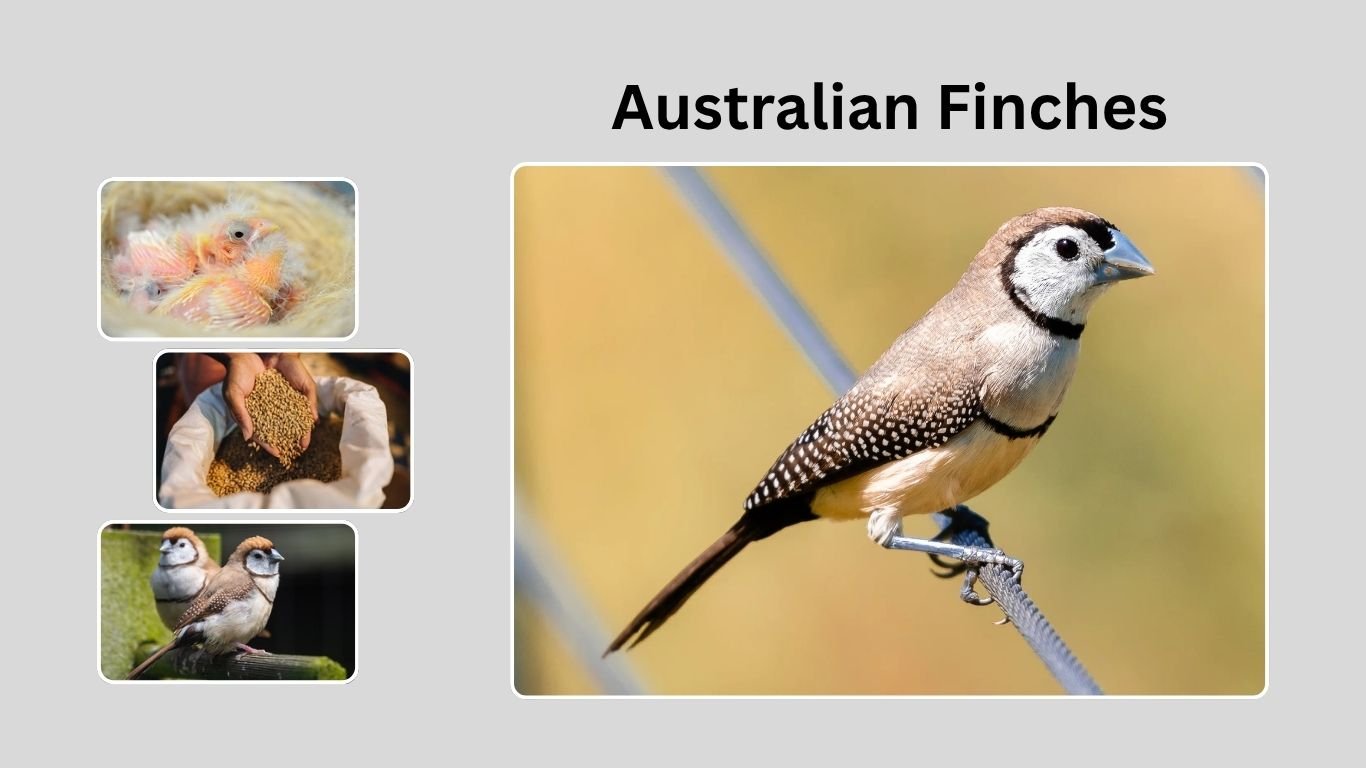
Finches are among the most delightful and colorful pet birds, known for their cheerful chirping, lively energy, and beautiful plumage. Whether you keep zebra finches, house finches, or goldfinches, one thing remains constant — their health and happiness depend heavily on what they eat.
A balanced diet not only keeps finches healthy but also enhances their colors, strengthens their immune systems, and encourages breeding. In the wild, finches thrive on a diverse mix of seeds, fruits, and insects. As pet owners or bird enthusiasts, our goal is to recreate that balance through high-quality food choices.
In this guide, you’ll learn everything you need to know about finch food — from natural diets and nutritional needs to the best brands, feeding tips, and species-specific recommendations.
Understanding Finch Nutrition
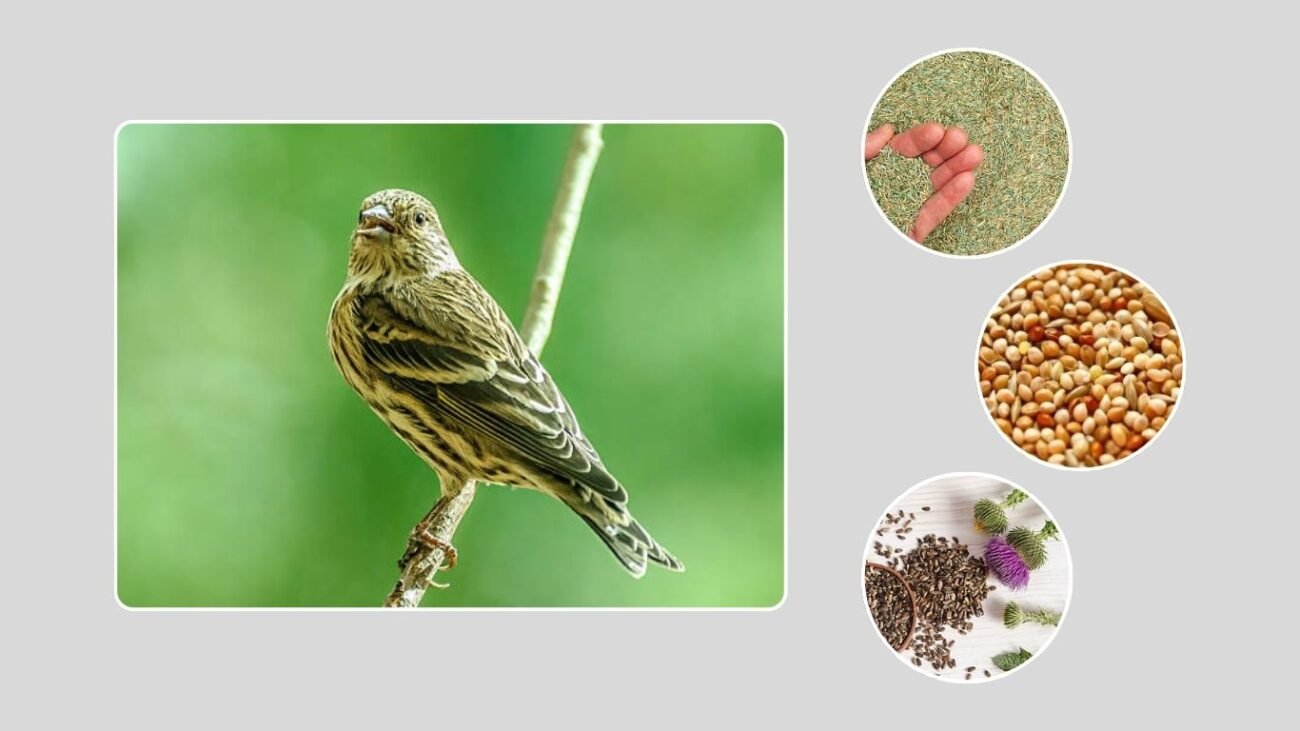
Before diving into brands and seed mixes, it’s important to understand what makes up a healthy diet for finches. These little birds may look delicate, but their nutritional requirements are surprisingly specific.
Natural Diet of Wild Finches
In the wild, finches feed on a wide variety of foods depending on their environment. Most species eat grass seeds, small grains, weeds, and thistle seeds, but some — like the house finch — also enjoy fruits and berries.
The goldfinch, for example, is famous for feeding almost exclusively on nyjer (thistle) seeds, while Darwin’s finches in the Galápagos Islands have evolved unique beak shapes to suit their food sources — some are adapted to crack hard seeds, others to pick insects or drink nectar.
Understanding this natural variation is key for pet owners: your goal should be to mimic what your finches would eat in the wild, offering a mix of seeds, soft foods, and fresh produce.
Key Nutritional Needs
Finches need a balanced combination of carbohydrates, proteins, fats, vitamins, and minerals to stay healthy.
- Seeds and grains provide carbohydrates for energy.
- Egg food and pellets offer high-quality protein, especially important during breeding or molting seasons.
- Fresh greens and vegetables supply vitamins A, E, and C.
- Calcium (often from cuttlebone or mineral blocks) supports bone and eggshell strength.
Too many seeds, however, can lead to deficiencies — especially if your birds eat only their favorite seeds and ignore the rest. That’s why many finch owners now combine seed mixes with pellets to ensure complete nutrition.
Types of Finch Food
When it comes to feeding your finches, you’ll find a wide range of options — from simple seed blends to high-end formulated diets. Understanding each type helps you choose the right combination for your birds’ needs.
Seed Mixes
The most traditional and popular choice for finches is a seed mix. These are typically made from a blend of millet, canary seed, flaxseed, nyjer (thistle), and other small grains that finches can easily crack with their beaks.
High-quality seed brands such as Kaytee, Volkman, and Wild Delight offer specialized finch mixes designed for small-beaked birds.
Some of the best options include:
- Kaytee Wild Finch Food – ideal for attracting goldfinches and house finches.
- Volkman Finch Food – a premium blend with added nutrients.
- Wild Delight Special Finch Food – packed with nyjer and sunflower chips.
Pros: Finches love seed mixes, and they mimic their natural diet.
Cons: Seeds alone can be nutritionally incomplete. Birds often pick their favorites, leaving the rest uneaten, which can lead to imbalances.
A good practice is to combine seed mixes with a fortified pellet diet or supplement them with greens and egg food.
Pellets and Formulated Diets
Pelleted foods are gaining popularity among finch owners who want to ensure their birds get all essential nutrients. Unlike seed mixes, pellets are nutritionally complete — each bite provides the right balance of vitamins, minerals, and proteins.
One of the best options is Lafeber’s Premium Finch Pellets, designed to meet all dietary needs and prevent seed-selecting behavior. Pellets are particularly useful if you notice your birds eating only certain seeds or showing signs of nutritional deficiencies (like dull feathers or lethargy).
To introduce pellets, mix them gradually with seeds, allowing your finches to adjust to the new texture and flavor.
Tip: A diet consisting of about 60–70% seeds and 30–40% pellets is a balanced approach for most finches.
Egg and Soft Foods
Finches require extra protein during breeding season, molting, or while feeding chicks. That’s where egg food and soft food come in.
These are made from cooked egg, grains, and added vitamins — excellent sources of protein and calcium. Products like Cede Egg Food and Dr. Harvey’s Fabulous Finch Food are formulated for both pet and breeding finches.
Soft foods can also include freshly grated vegetables, mashed boiled egg, or soaked bread crumbs, offered a few times a week. They are easy to digest and promote healthy feather growth.
Best Foods for Different Finch Species

Every finch species has slightly different preferences. Understanding these will help you tailor your feeding routine for healthier and happier birds.
Zebra Finches
Zebra finches are among the most popular pet finches. They thrive on a balanced seed mix made up of millet, canary seed, and small grains. To keep them in peak condition, add a little egg food or boiled egg once or twice a week, especially during breeding or molting.
You can also offer finely chopped spinach, broccoli, or grated carrot for extra vitamins. Since zebra finches are active birds, they benefit from occasional treats like soaked bread crumbs or sprouted seeds for variety.
House Finches
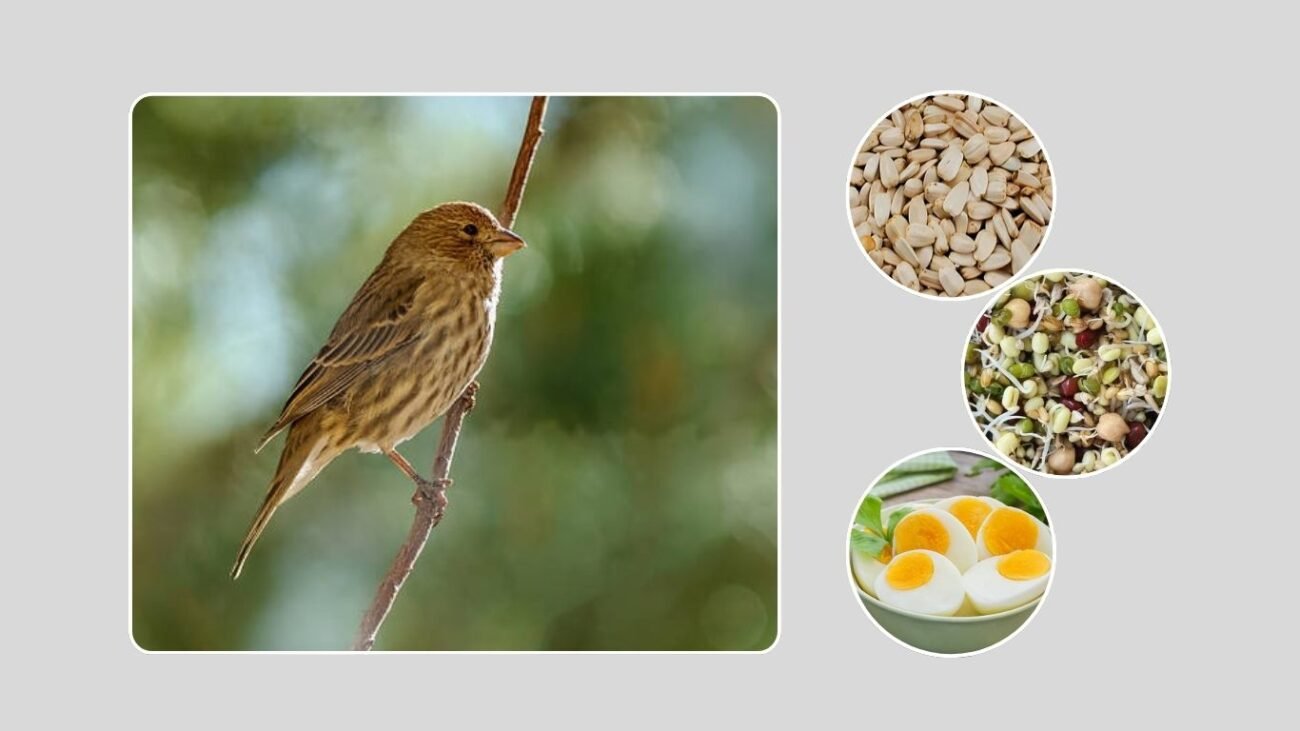
The house finch’s diet in the wild includes sunflower seeds, fruits, and buds, so try to replicate this variety at home. Offer a mix of nyjer and black oil sunflower seeds to maintain feather shine.
Adding apple slices, berries, or lettuce occasionally keeps them hydrated and provides vitamins. During colder months, house finches appreciate high-energy foods such as shelled sunflower chips.
Goldfinches & Yellow Finches
These bright yellow beauties are particularly fond of nyjer (thistle) seeds. They also enjoy fine sunflower kernels and dandelion seeds.
To attract wild goldfinches to your garden, use a nyjer seed sock or tube feeder with tiny holes that prevent seed waste. Their feeding habits are clean and gentle — perfect for small feeders hung near quiet areas.
Tip: To keep goldfinches coming back, always provide fresh seed. Nyjer loses its aroma quickly, and stale seeds will often be ignored.
Gouldian Finches
Gouldian finches are tropical, colorful birds that require high-protein diets. Along with a fine seed mix, include soft food, egg food, and even small insects such as mealworms for breeding pairs.
These finches benefit from fresh greens like chicory or dandelion leaves once or twice a week. Keep in mind that Gouldians are sensitive to changes in diet — make transitions slowly.
Feeding Tips and Best Practices
Feeding finches may seem simple, but good habits ensure your birds stay healthy and active all year.
How to Feed Finches Properly
Feed small, consistent portions rather than overfilling dishes. Finches prefer fresh food daily, and leftover seeds can spoil quickly. Always clean feeders and dishes every few days to prevent mold or bacteria.
Monitor your birds’ eating habits — sudden drops in appetite can indicate stress or illness.
Also, make sure fresh water is available at all times; many finches like to bathe as well as drink.
Using Finch Feeders
If you keep finches outdoors or want to attract wild ones, use specialized finch feeders designed for tiny seeds like nyjer or thistle. These feeders often feature mesh socks or narrow tubes that discourage larger birds.
Hang feeders in sheltered, quiet areas to make finches feel safe. Keep them at least 5–6 feet above the ground to deter squirrels and predators.
For indoor finches, use shallow dishes or covered cups to minimize mess. Cleanliness and safety should always come first.
Special Situations and Mixed Aviaries
Many bird owners keep finches alongside other small species like canaries or budgies. While some food overlaps, there are a few rules to follow.
Feeding Finches with Other Birds
Finches can eat canary and parakeet food in moderation, but it shouldn’t replace their main diet. Canary mixes tend to have larger seeds that are harder for finches to crack, while parakeet food may contain ingredients too fatty for small birds.
Look for blends labeled “Canary & Finch Food” — these are safe for mixed aviaries.
Avoid offering food intended for doves or parrots, as it’s far too coarse and oily for finches.
Feeding Baby or Breeding Finches
When breeding, parents need extra protein to raise healthy chicks. Add egg food, soft food, and sprouted seeds daily. Chicks can be hand-fed soft mixtures or commercial baby bird formula if necessary.
Calcium supplements like cuttlebone or liquid calcium drops are vital for females to lay strong eggs.
Buying Finch Food — Where and What to Look For
Recommended Brands
There are many good finch food brands, but a few stand out for quality and freshness:
- Kaytee Finch Food – A trusted, widely available option with balanced nutrients.
- Volkman Finch Mix – Premium seed blend with minimal dust and waste.
- Lafeber’s Finch Pellets – Excellent complete nutrition for all finch types.
- Wild Delight Special Finch Food – Great for attracting wild goldfinches.
- Audubon Wild Finch Food – Ideal for outdoor feeders.
Look for products with bright, dust-free seeds and no artificial colors. Always check expiration dates to ensure freshness.
Where to Buy Finch Food
You can easily find finch food both online and in stores.
- Online: Amazon, Chewy, and brand websites offer wide selections and bulk deals.
- Local stores: PetSmart, Walmart, and Lowe’s often stock smaller bags labeled “finch seed” or “wild bird finch mix.”
If you feed outdoor finches year-round, buying in bulk saves money — just store seed in a cool, airtight container to prevent spoilage.
Common Questions About Finch Food
What do finches eat in the wild vs. captivity?
Wild finches eat a mix of grass seeds, weeds, berries, and tiny insects. Pet finches should get a similar balance with seed mixes, pellets, and occasional greens or egg food.
Can other birds eat finch food?
Yes — sparrows, chickadees, and even cardinals may snack on nyjer seeds, though it’s primarily favored by finches.
Can finches eat parakeet or canary food?
Occasionally, yes, but not as their sole diet. The seeds are usually too large and not nutritionally complete for finches.
What’s the best food to attract finches outdoors?
Fresh nyjer seed or thistle seed in a fine-mesh feeder. Keep it clean and replace old seed every 2–3 weeks.
Does finch food go bad?
Yes. Old seed loses aroma and nutrients. Store in a sealed container away from sunlight and humidity.
FAQs
What is the best food to feed finches?
The best food for finches is a balanced mix of small seeds (like nyjer, millet, and canary seed) combined with fortified pellets and fresh greens. A blend such as Kaytee Wild Finch Food or Volkman Finch Mix provides variety and nutrition. Supplement with egg food or soft food during breeding or molting seasons.
How often should I feed my finches?
Finches should be fed daily, with only enough seed or pellets to last 24 hours. This keeps the food fresh and prevents waste. Always check feeders for empty husks, and provide fresh water at all times.
Can finches eat fruits and vegetables?
Yes! Finches enjoy small portions of apple, spinach, kale, carrot, and broccoli. These foods add vitamins and hydration. Avoid avocado, onion, and chocolate, as these are toxic to birds.
What food attracts wild goldfinches and yellow finches?
Wild goldfinches and yellow finches love nyjer (thistle) seeds and fine sunflower kernels. Offer these in nyjer socks or tube feeders with tiny holes. Keeping feeders clean and refilled with fresh seed will attract more birds.
How do I store finch food to keep it fresh?
Store finch food in a cool, dry place inside an airtight container. Keep it away from sunlight, moisture, and pests. Always check for musty smells or clumping — signs the food has gone bad. Fresh seed smells nutty and feels dry to the touch.