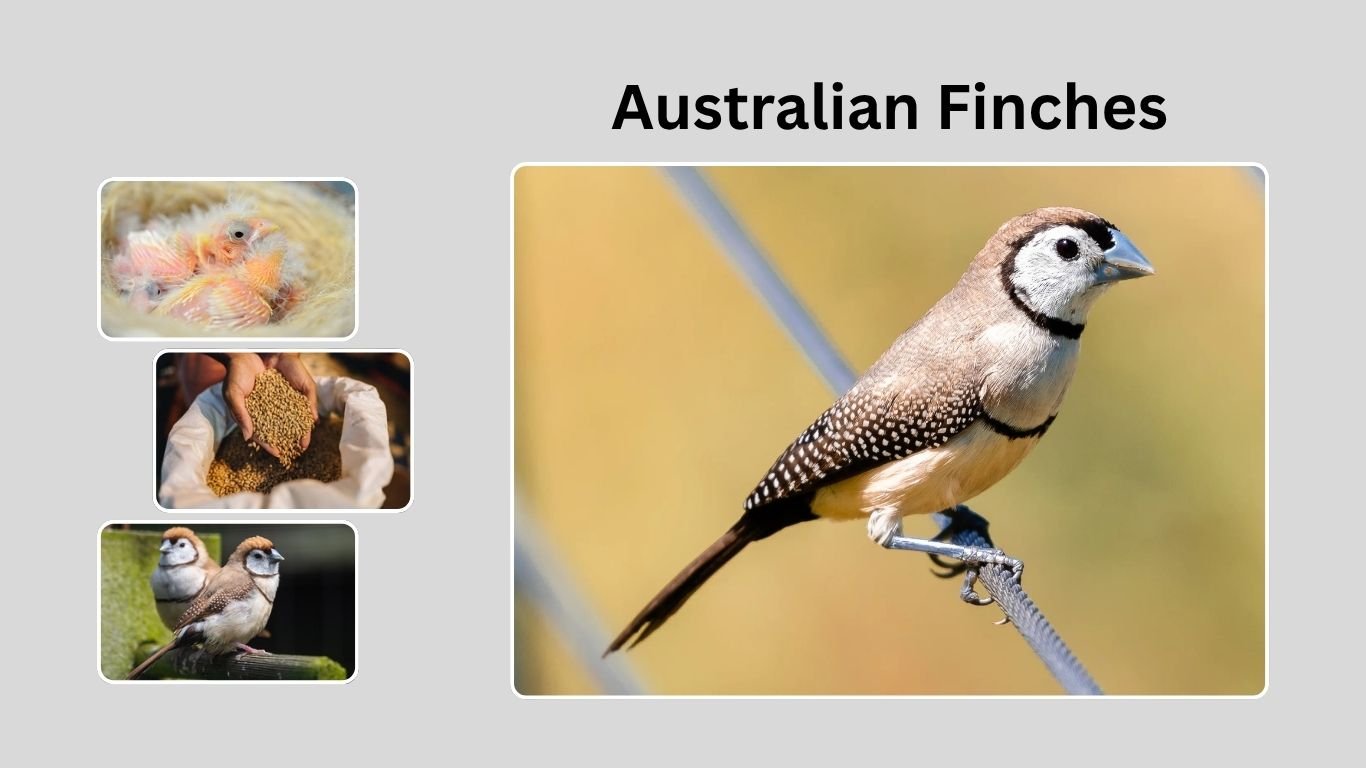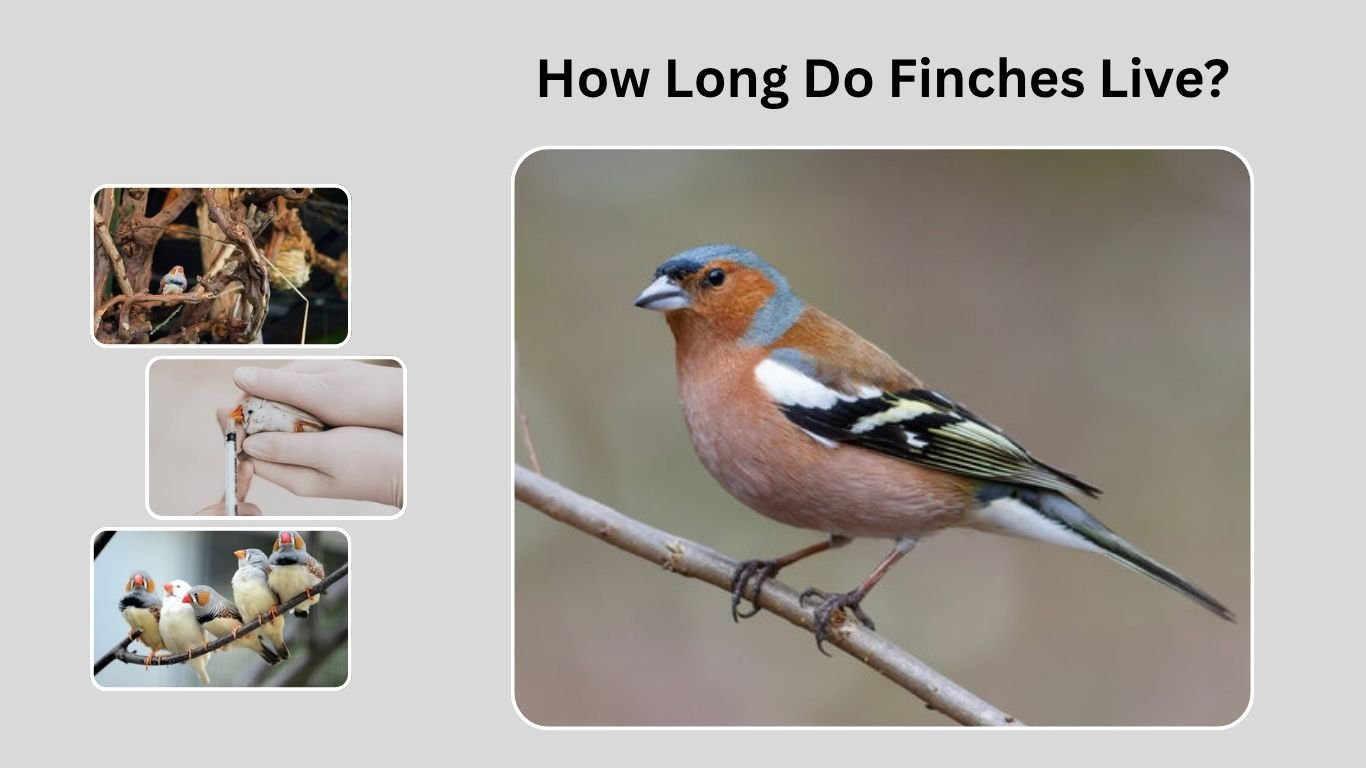
Finches are among the most delightful and colorful small birds, admired for their cheerful songs and social behavior. Whether you keep them as pets or enjoy watching them in the wild, understanding their lifespan and living habits is essential. In this article, we’ll explore how long finches live, what influences their longevity, where they live, and how well they coexist with other birds.
How Long Do Finches Live?
Average Finch Lifespan
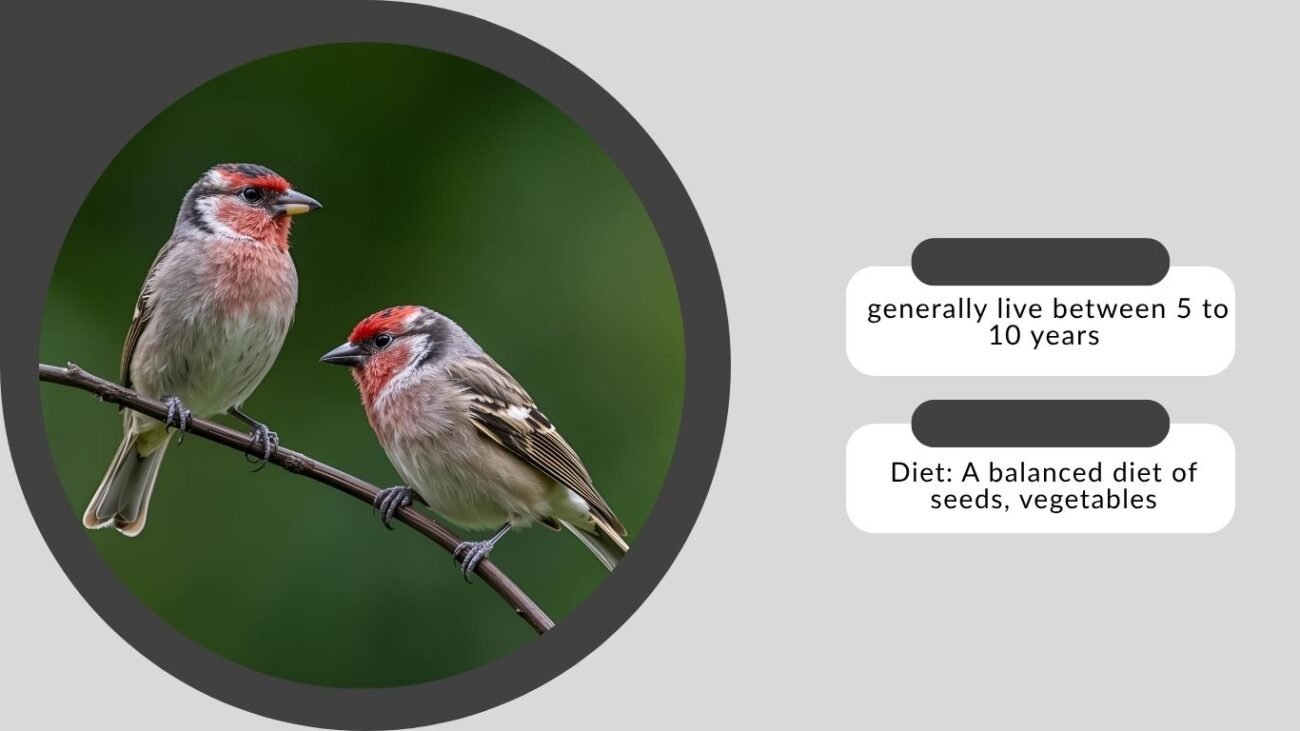
Finches generally live between 5 to 10 years, depending on their species, environment, and care. Smaller species, like zebra finches, may live around 5 to 8 years, while larger or well-cared-for finches can exceed 10 years in captivity. Their lifespan varies greatly between wild and pet finches—those kept in safe, clean homes often live almost twice as long as their wild counterparts.
Factors Affecting Finch Longevity
Several factors play a role in how long a finch lives:
- Diet: A balanced diet of seeds, vegetables, and fruit extends their life.
- Environment: Proper temperature, ventilation, and hygiene prevent illness.
- Stress Levels: Finches are social and dislike isolation; loneliness or overcrowding can shorten their life.
- Exercise: Access to flight space or large cages promotes health and reduces obesity.
Caring for a finch means providing both physical and emotional comfort. A healthy, stress-free bird can surprise you with an impressively long lifespan.
Lifespan in Different Environments
Finches in Captivity
In captivity, finches typically live between 7 to 10 years. Pet owners control many factors that directly impact longevity—nutrition, cleanliness, and safety from predators. Regular cage cleaning, high-quality seed mixes, and quiet surroundings help them thrive. Indoor finches, in particular, benefit from consistent temperatures and fewer diseases.
Finches in the Wild
Wild finches often live 4 to 6 years, though many die earlier due to predators, parasites, or harsh weather. Their survival depends on access to food sources and shelter. In nature, finches have to deal with hawks, snakes, and infections—making their average lifespan shorter than that of pet finches.
Lifespan by Finch Species
Zebra Finch
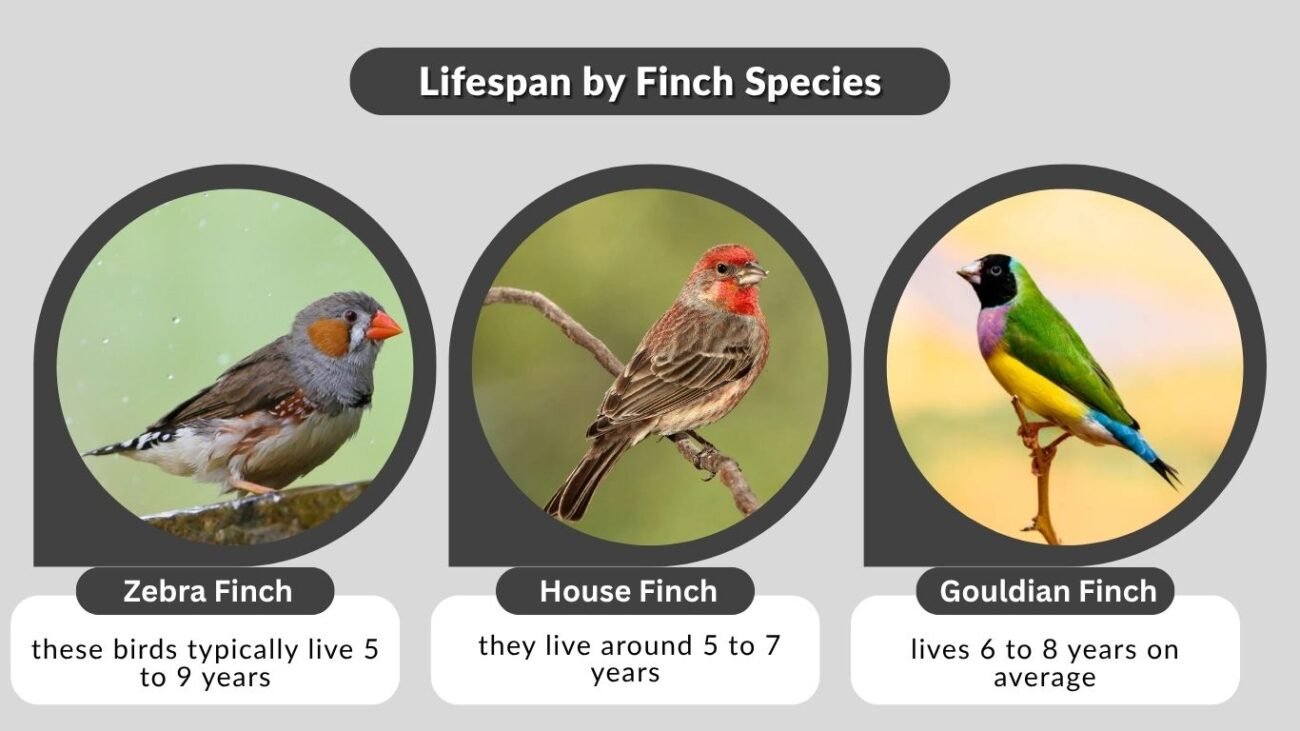
The zebra finch is one of the most popular pet finches. Known for their distinctive black and white stripes, these birds typically live 5 to 9 years, with some reaching up to 12 years in captivity. Providing them with toys, fresh food, and company helps reduce boredom and prolongs their lives.
House Finch
House finches have adapted well to living near humans. In the wild, they live around 5 to 7 years, while in captivity they can reach 10 years or more. They are resilient but benefit from clean cages and access to sunlight.
Gouldian Finch
The Gouldian finch, one of the most colorful finch species, lives 6 to 8 years on average. These birds are sensitive to stress and require stable environments with moderate temperatures. Proper care and diet can help them live longer and maintain their bright plumage.
Purple, Yellow & Society Finches
Other finch species show similar life expectancies:
- Purple finches: 6–8 years
- Yellow finches (American goldfinches): 5–9 years
- Society finches: 7–10 years
Each type thrives with good food, space, and companionship. A quick comparison of these lifespans shows how species and care quality make a huge difference in finch longevity.
Where Do Finches Live?
Natural Habitats
Finches are native to North America, Africa, Australia, and Asia. They occupy diverse habitats, from grasslands and deserts to forests and mountains. Their adaptability helps them survive in both tropical and temperate climates. Finches build cup-shaped nests in trees, shrubs, or even man-made structures.
Their ability to adjust to various conditions explains why they’re found in so many regions worldwide. House finches, for instance, thrive in urban areas, while zebra finches prefer open, dry grasslands.
Finch Habitats in Captivity
In captivity, finches do best in spacious cages or aviaries that allow them to fly short distances. They prefer mild temperatures and dislike drafts or extreme heat. Many bird enthusiasts also keep finches in outdoor aviaries during warm months, provided they have protection from predators and bad weather.
A balanced environment with perches, toys, and hiding spaces keeps them active and content.
Can Finches Live Outside?
Finches can live outside in suitable climates, but precautions are vital. If you plan to keep finches outdoors:
- Choose an insulated aviary with covered areas.
- Protect against rain, snow, and wind.
- Use mesh wiring small enough to block predators.
- Provide extra warmth in winter, such as heated shelters or thick nesting material.
During winter, finches should be moved indoors in cold regions, as they are not naturally adapted to freezing conditions. Outdoor living is ideal in mild climates but requires consistent monitoring for safety.
Social Behavior – Can Finches Live Alone?
The Need for Companionship
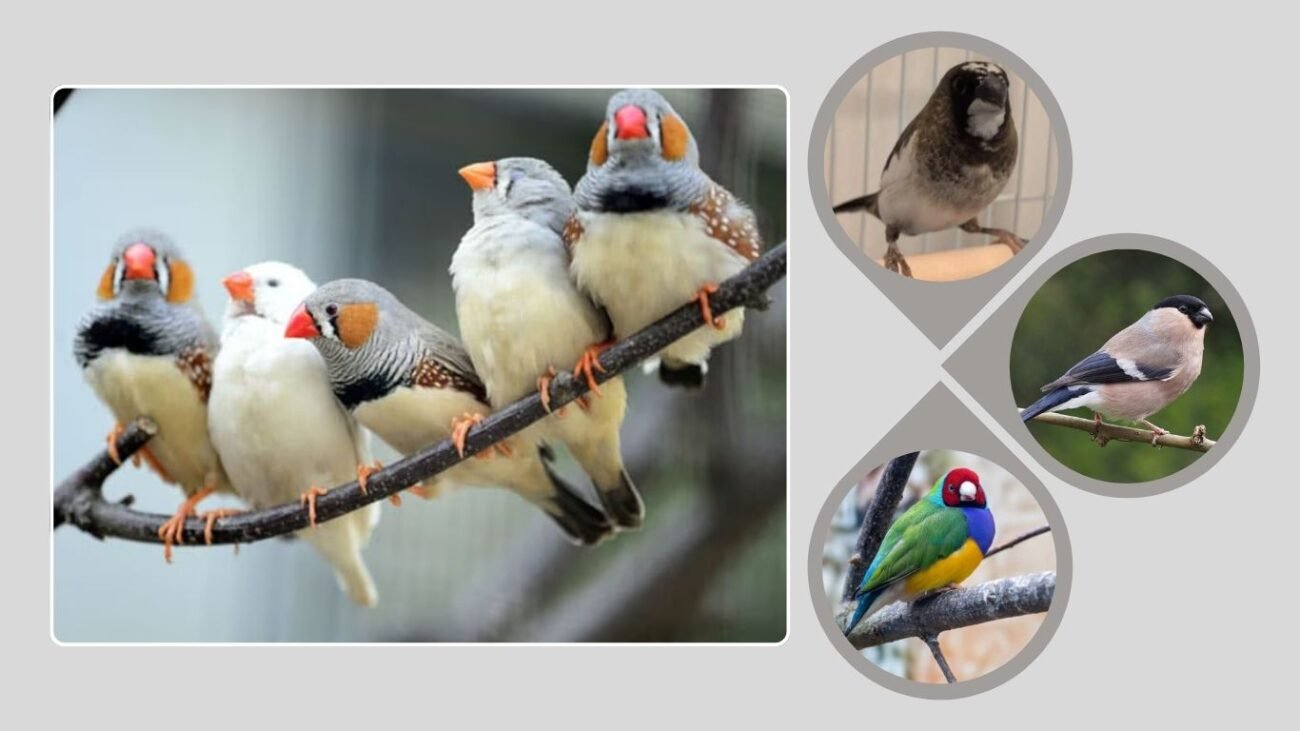
Finches are flock birds by nature. Keeping a single finch alone can cause stress, depression, and even reduced lifespan. They communicate through soft chirps and feel secure when surrounded by their kind. The happiest finches live in pairs or small groups, especially when male and female pairs are matched.
How Many Finches Can Live Together
You can keep two to six finches in one large cage or aviary. The key is space—each finch needs room to fly without conflict. Mixing too many males may cause territorial disputes, so maintaining a balanced ratio is important. A peaceful flock environment ensures better health and longer lives.
Can Different Bird Species Live with Finches?
Finches and Parakeets
Finches and parakeets can sometimes share the same aviary, but this combination requires caution. Parakeets are larger, louder, and more dominant. If space is limited, parakeets may bully smaller finches. For a peaceful environment, ensure a large cage, separate feeding stations, and several perches. Observation during the first few days is essential to avoid aggression or injury.
Finches and Budgies
Like parakeets, budgies can live with finches in extra-large enclosures. The key is space and temperament. Finches are gentle, while budgies can be playful but pushy. Always provide multiple food and water sources to prevent competition. Mixing them is best for experienced bird owners who can monitor interactions regularly.
Finches and Canaries
Finches and canaries are generally compatible and often kept together successfully. Both species enjoy similar diets and activity levels. However, male canaries may become territorial during breeding season. To reduce conflicts, use a spacious aviary with natural barriers like plants or hanging toys to separate territories.
Finches and Cockatiels or Lovebirds
Combining cockatiels or lovebirds with finches is not recommended. These birds are significantly larger and may unintentionally harm smaller finches. Lovebirds, in particular, are known for aggressive behavior when nesting. To keep your finches safe, avoid housing them with stronger species. If you wish to have both, provide separate cages within the same room so they can interact safely through sound and sight.
Zebra Finch Social Life
Male vs Female Dynamics
Zebra finches are highly social and thrive in pairs. A male and female pair will usually bond quickly and may even breed if given nesting materials. However, keeping two males together can sometimes lead to mild disputes, especially in tight spaces. Female pairs, on the other hand, tend to coexist peacefully.
These finches build strong social bonds, so introducing new birds gradually is crucial to avoid stress. Always ensure enough perches and space to reduce dominance behaviors.
Zebra Finches in the Wild
In the wild, zebra finches live in large flocks that can include dozens of members. They inhabit dry regions of Australia, nesting in grasslands and shrubs. They communicate constantly through chirps and calls to maintain flock unity and warn each other of danger. Their cooperative nature explains why pet zebra finches should never live alone—they simply aren’t wired for solitude.
Caring for Pet Finches
Diet and Nutrition
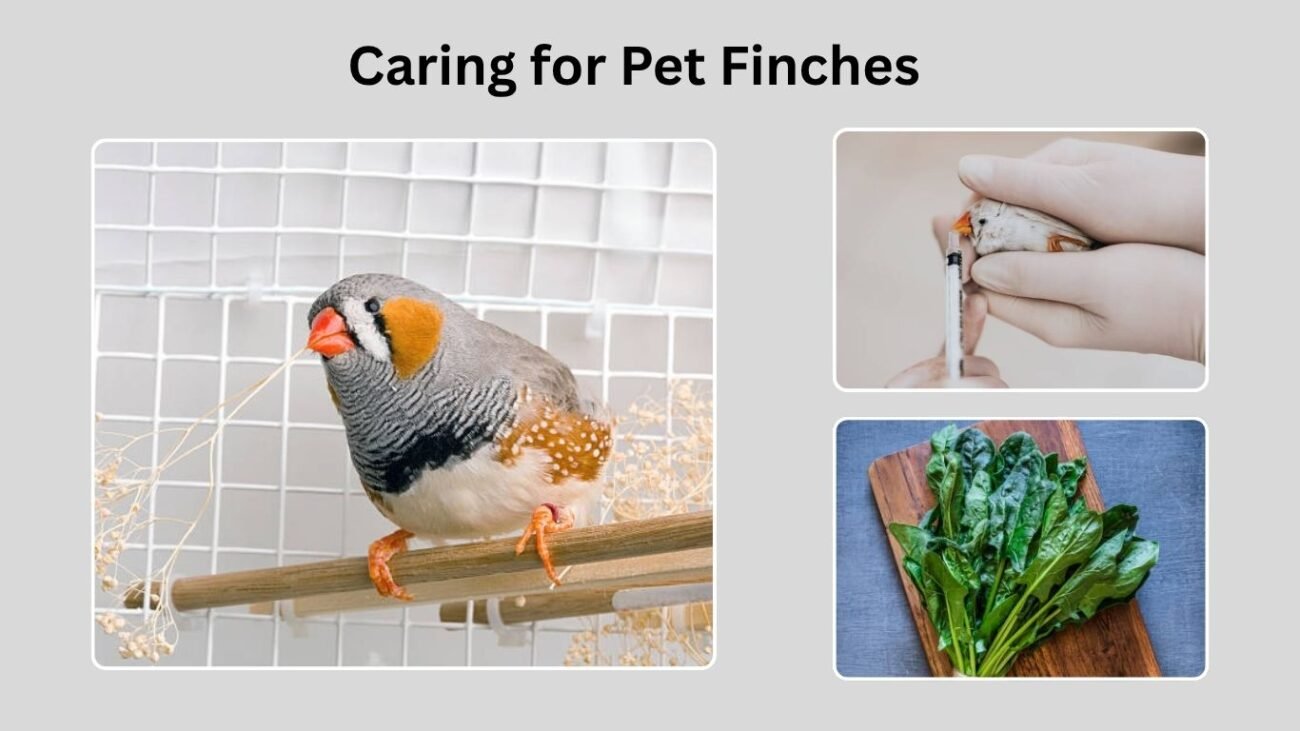
A balanced diet is the foundation of a long, healthy life. Finches need a high-quality seed mix containing millet, canary grass seed, and niger seed. Fresh fruits and vegetables like apple slices, spinach, and broccoli provide essential vitamins.
Supplement their diet with cuttlebone or mineral blocks for calcium and be sure to offer fresh water daily. Avoid feeding them avocado, chocolate, or salty foods, as these are toxic to birds.
Housing and Hygiene
A finch’s home should be spacious enough for flight and exploration. The cage must be at least 24 inches wide for a pair of finches, with horizontal bars for climbing. Include natural perches, swings, and small toys to encourage movement.
Clean the cage weekly, change water daily, and remove spoiled food. Maintaining good hygiene prevents common issues like mites or fungal infections. Proper ventilation and soft lighting also improve finch health and comfort.
Common Health Issues
Finches are resilient, but they can suffer from:
- Respiratory infections caused by drafts or poor air quality.
- Mite infestations, especially around the beak and feathers.
- Obesity or malnutrition from an imbalanced diet.
Early signs of illness include reduced chirping, fluffed feathers, or decreased activity. If symptoms persist, consult an avian veterinarian promptly. Preventive care through cleanliness and balanced nutrition is always the best cure.
Where Famous Finches Live (Fun Facts)
The name Finch is not only linked to birds—it’s shared by famous personalities too!
- Jennie Finch, the Olympic softball champion, lives in the United States and often advocates for youth sports.
- Ian Baker-Finch, the Australian golfer, resides in Queensland.
- There’s also Finch, a popular American rock band known for live performances like “What It Is to Burn” and “Letters to You.”
Even the TV show Liv and Maddie featured “Finch” as a recurring character name, showing how this small bird’s name has flown far beyond nature.
FAQs
How long do finches live as pets?
Most pet finches live 7 to 10 years when given proper care, balanced nutrition, and companionship. With ideal conditions, some species like the society finch or zebra finch can live beyond a decade in captivity.
Can finches live outside during winter?
Finches can survive outside in mild climates, but cold weather can be dangerous. They need an insulated aviary, wind protection, and nesting boxes filled with soft material. In freezing temperatures, always move them indoors or provide heating lamps.
Can finches live with parakeets or budgies?
Finches can coexist with parakeets and budgies only if they have ample space and multiple feeding areas. Always supervise interactions, as larger birds may accidentally harm smaller finches during play or feeding.
Can a single finch live alone?
No. Finches are flock birds that depend on social interaction. A solitary finch can become stressed, stop singing, or lose appetite. Always keep them in pairs or small groups to ensure emotional and physical well-being.
How can I help my finch live longer?
Provide a healthy diet rich in seeds and greens, ensure fresh water daily, maintain cage cleanliness, and reduce stress from loud noises or overcrowding. Regular vet checkups and companionship are the secrets to a long finch life.