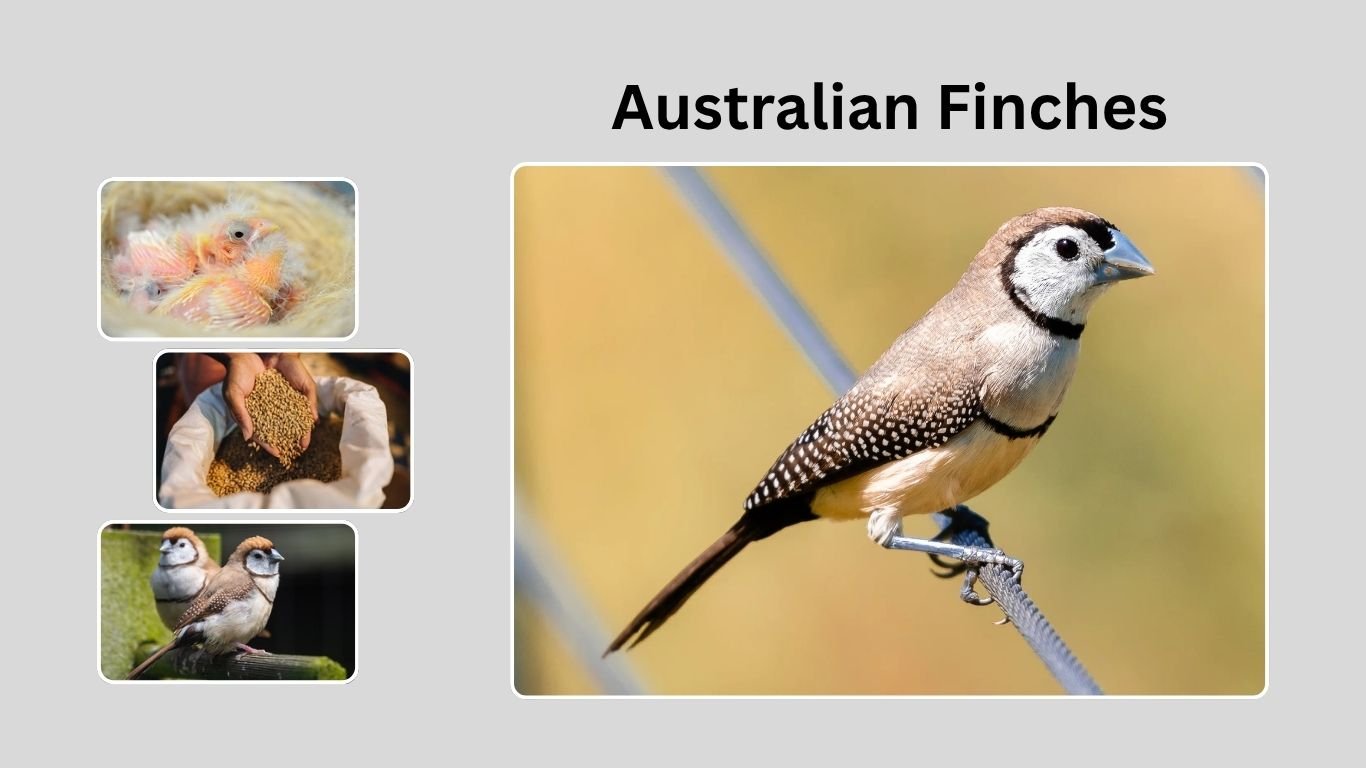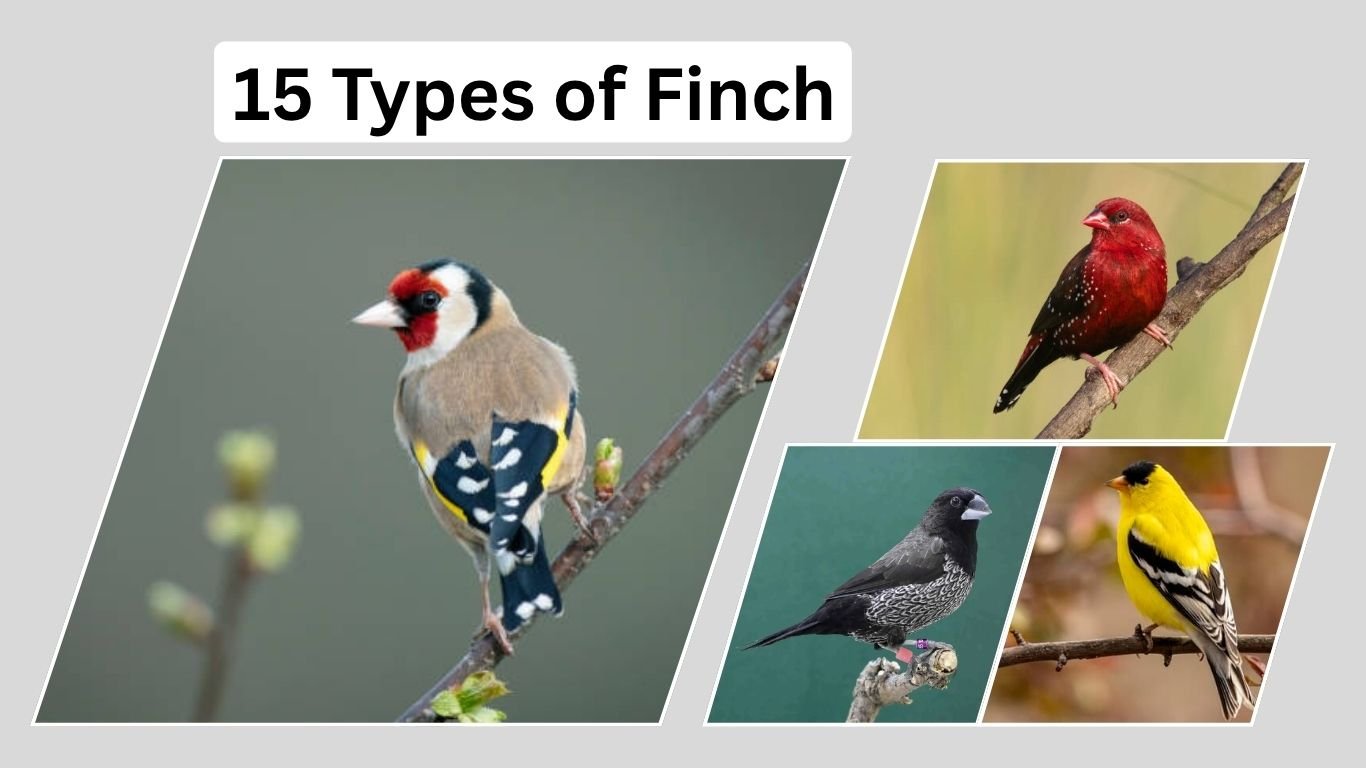
Finches are a diverse group of small, colorful songbirds found across nearly every continent. Known for their melodious songs, strong conical beaks, and fascinating adaptability, these birds thrive in environments ranging from tropical forests to urban gardens. Each species exhibits unique behaviors, plumage, and feeding habits, making them an essential part of avian biodiversity and a delight for birdwatchers worldwide.
1. House Finch

The House Finch (Haemorhous mexicanus) is a small, colorful songbird commonly found across North America. Known for its cheerful song and adaptability, this finch thrives in both urban and rural environments. Males often display bright red plumage around the head and chest, while females are streaked brown, providing excellent camouflage.
Identification
- Size: About 5–6 inches (13–15 cm) long
- Color: Males have red to orange markings; females are brown and streaked
- Bill: Short and conical, ideal for seed-cracking
- Tail: Moderately long and slightly notched
- Song: A rapid, cheerful warble often delivered from high perches
Habitat
House Finches are extremely adaptable and inhabit urban areas, farmlands, deserts, and forest edges. They are frequently seen around human dwellings, where they nest on buildings, ledges, or hanging planters.
Behaviors
These social birds are often found in flocks outside of breeding season. They exhibit strong pair bonds and engage in gentle courtship feeding. House Finches are also frequent visitors to backyard feeders, where they compete peacefully with other songbirds.
Diet
Their diet mainly consists of seeds, fruits, and buds. They particularly enjoy sunflower seeds and can adapt their feeding habits to available resources. Occasionally, they consume small insects, especially during breeding to feed their young.
Lifecycle
House Finches typically have 2–3 broods per year. Females build the nest, incubate the eggs for about 12–14 days, and both parents feed the chicks. The young fledge roughly 2 weeks after hatching, becoming independent soon after.
2. Purple Finch

The Purple Finch (Haemorhous purpureus) is a medium-sized finch known for its rich raspberry-red plumage and melodious song. Often described as a “sparrow dipped in raspberry juice,” this charming bird is a common sight in woodlands and backyard feeders across North America.
Identification
- Size: About 5.5–6.3 inches (14–16 cm) long
- Color: Males are rosy-red on the head and breast; females are brown with bold facial markings
- Bill: Stout and conical, suited for seed-eating
- Tail: Forked and medium-length
- Song: A rich, warbling series of notes similar to the House Finch but more musical
Habitat
Purple Finches prefer mixed and coniferous forests, especially during the breeding season. In winter, they migrate to wooded suburbs, orchards, and backyard feeders in search of food and milder conditions.
Behaviors
These finches are social yet shy, often traveling in small flocks. They display fluttering flights during courtship, with males singing and showing off their bright plumage to attract females. They can be aggressive around feeders when food is scarce.
Diet
Their diet includes a wide range of seeds, berries, buds, and insects. They particularly favor sunflower seeds, elm seeds, and cherries, making them frequent visitors to well-stocked feeders.
Lifecycle
Purple Finches breed from April to July, with females constructing cup-shaped nests from grass and twigs. They lay 3–5 eggs, incubated for about 12 days. The young fledge in 2 weeks, cared for by both parents until they became independent.
3. Cassin’s Finch
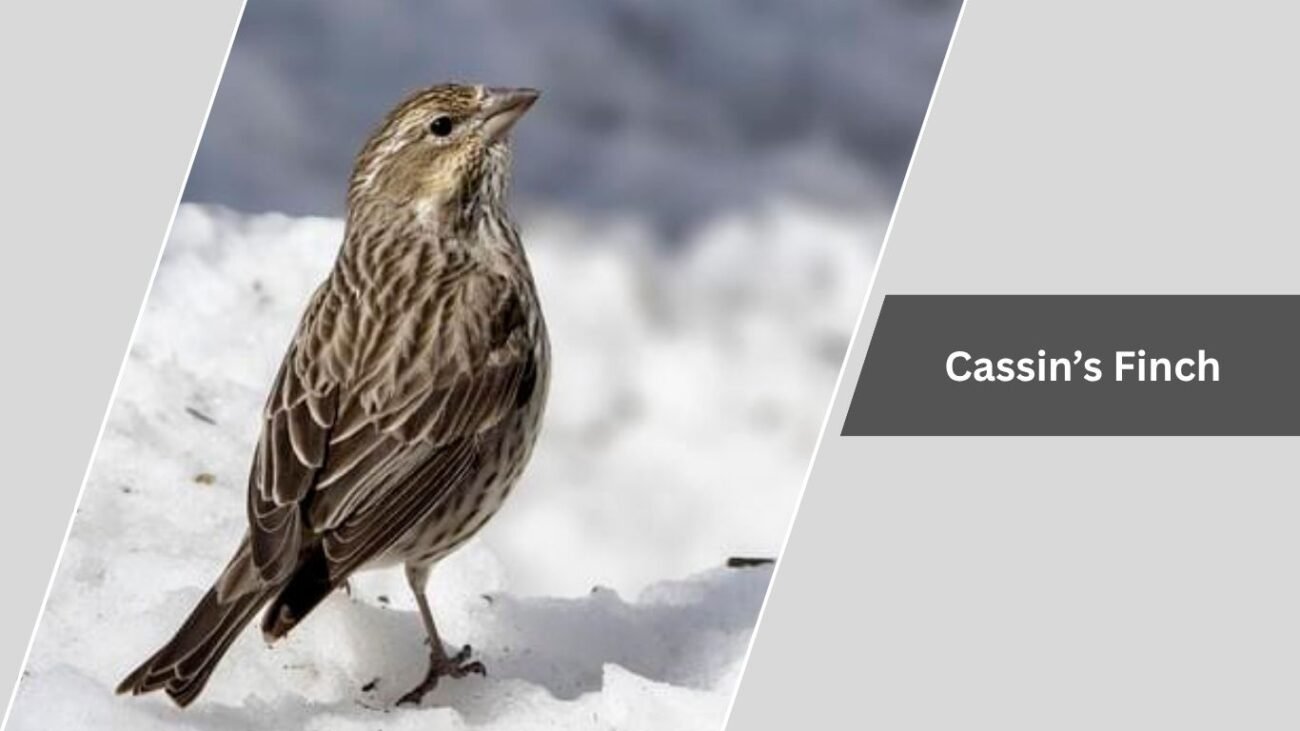
The Cassin’s Finch (Haemorhous cassinii) is a striking finch native to the mountainous regions of western North America. Known for its vibrant rose-red crown and melodious song, this species thrives in coniferous forests and high-elevation woodlands, often mingling with other finch species during migration or feeding.
Identification
- Size: Around 6 inches (15 cm) in length
- Color: Males have a rosy-red crown and breast with brown-streaked backs; females are grayish-brown with fine streaking
- Bill: Long and slightly curved compared to other finches
- Tail: Forked and medium-length
- Song: A rich, warbling tune with clear, musical notes
Habitat
Cassin’s Finches inhabit pine, fir, and spruce forests at higher elevations, typically in mountainous areas. During winter, they move to lower elevations, frequenting open woodlands, orchards, and backyard feeders in search of food.
Behaviors
These birds are highly social, especially outside the breeding season. They often form mixed flocks with crossbills or Pine Siskins. Males engage in aerial displays and singing to attract mates, while pairs show strong monogamous bonds.
Diet
Their diet consists primarily of conifer seeds, buds, fruits, and insects. They often feed on pine and spruce seeds and will visit feeders offering black oil sunflower seeds. During spring, they consume young buds and tree blossoms.
Lifecycle
Cassin’s Finches breed in late spring to early summer, nesting high in conifers. Females lay 3–5 bluish eggs, incubating them for about 12–14 days. Both parents participate in feeding the chicks, which fledge approximately 2 weeks after hatching.
4. Zebra Finch

The Zebra Finch (Taeniopygia guttata) is one of the most recognizable and widely studied finches in the world. Native to Australia, this small bird is famous for its striking plumage, cheerful song, and adaptability to diverse habitats—from dry grasslands to urban settings. It’s also a popular pet species due to its friendly nature and ease of care.
Identification
- Size: About 4 inches (10 cm) long
- Color: Males have bright orange cheeks, black-and-white barred chests, and red beaks; females are plainer with orange beaks
- Bill: Short, stout, and cone-shaped
- Tail: Black-and-white patterned
- Song: A series of quick, high-pitched notes and trills
Habitat
Zebra Finches inhabit grasslands, open woodlands, and semi-arid regions, often near water sources. They adapt well to human settlements and can thrive in aviaries or urban gardens when food and water are available.
Behaviors
These finches are highly social and vocal, living in flocks and forming strong lifelong pair bonds. They communicate constantly through chirps and songs. Males perform hopping and singing displays to court females. Their cooperative nesting behavior strengthens pair relationships.
Diet
Their diet mainly consists of grass seeds, grains, and small insects. They supplement their diet with green vegetation and occasionally tiny invertebrates, especially when feeding chicks. In captivity, they thrive on millet and specialized finch seed mixes.
Lifecycle
Zebra Finches breed year-round when conditions are favorable. Females lay 4–6 eggs, which both parents incubate for 12–14 days. Chicks fledge about 3 weeks after hatching and are weaned shortly thereafter, becoming independent within a month.
5. Gouldian Finch

The Gouldian Finch (Erythrura gouldiae), also known as the Rainbow Finch, is one of the most colorful and visually stunning finch species in the world. Native to northern Australia, it displays brilliant plumage in shades of purple, yellow, green, red, and black. This striking bird is prized by aviculturists and admired for its gentle temperament and beauty.
Identification
- Size: About 5.5 inches (14 cm) long
- Color: Brilliant mix of green, yellow, purple, red, and black; head color varies (red, black, or yellow morphs)
- Bill: Pale with a reddish tip during breeding season
- Tail: Long and pointed with central feathers extending beyond the rest
- Song: Soft, high-pitched, and slightly buzzy
Habitat
Gouldian Finches inhabit tropical savannas and open woodlands in northern Australia, often near water sources. They prefer areas with tall grasses and scattered trees, where they build nests in tree hollows or termite mounds.
Behaviors
These birds are social but not aggressive, forming small flocks outside the breeding season. They exhibit intricate courtship displays, with males puffing out feathers and hopping rhythmically while singing to females. They are sensitive to temperature and environmental changes.
Diet
Their diet consists mostly of grass seeds, particularly sorghum and spinifex seeds, supplemented by insects during breeding. In captivity, they thrive on a mix of millets, canary seeds, and greens. Adequate protein is essential for chick growth.
Lifecycle
Gouldian Finches breed during the wet season when food is plentiful. Females lay 4–8 eggs, which are incubated for about 14 days by both parents. The chicks fledge after 3 weeks and reach full independence in another 2–3 weeks, displaying their brilliant adult colors within several months.
6. Society Finch
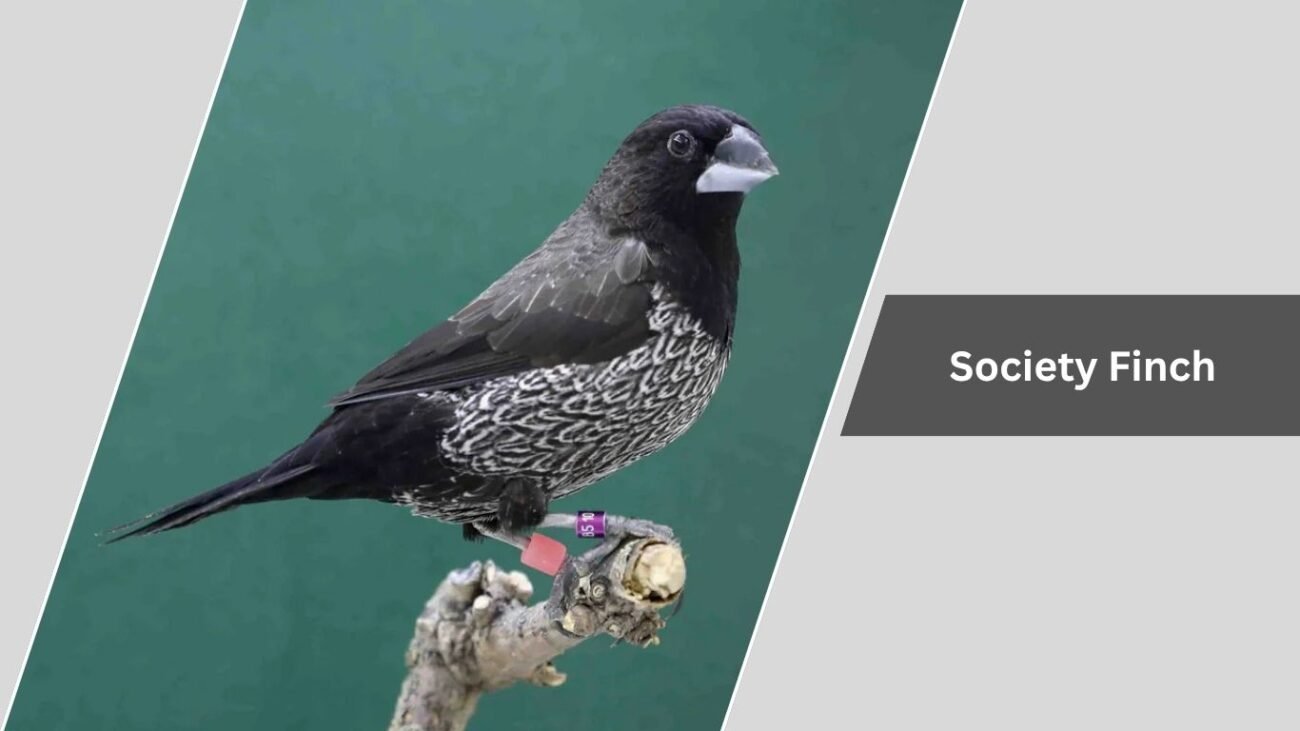
The Society Finch (Lonchura striata domestica), also known as the Bengalese Finch, is a domesticated finch species bred for companionship and song. It does not exist in the wild but was developed from the White-rumped Munia. These friendly, social birds are popular in aviaries for their calm temperament and cooperative nesting behavior.
Identification
- Size: About 4–5 inches (10–13 cm) long
- Color: Varies—commonly brown-and-white, pied, or solid white varieties
- Bill: Pale gray or ivory, short, and cone-shaped
- Tail: Short and slightly rounded
- Song: Gentle, melodious chirps often performed by males
Habitat
As a domesticated species, Society Finches are found in captivity worldwide rather than in natural habitats. They thrive in aviaries, cages, and controlled environments with moderate temperatures and stable food sources.
Behaviors
True to their name, these finches are highly social and cooperative. They live peacefully in groups and even assist in incubating or raising other finches’ chicks. They form lifelong bonds and display mutual preening and communal roosting behaviors.
Diet
Their diet includes millet, canary seeds, and small grains, along with fresh greens and egg food during breeding. They require a constant supply of clean water and mineral grit for digestion. In captivity, a balanced seed mix ensures optimal health.
Lifecycle
Society Finches breed easily in captivity throughout the year. Females lay 4–6 eggs, and both parents share incubation duties for 12–14 days. Chicks fledge around three weeks after hatching and are fully independent within five weeks, often joining the group’s cooperative social structure.
7. European Goldfinch
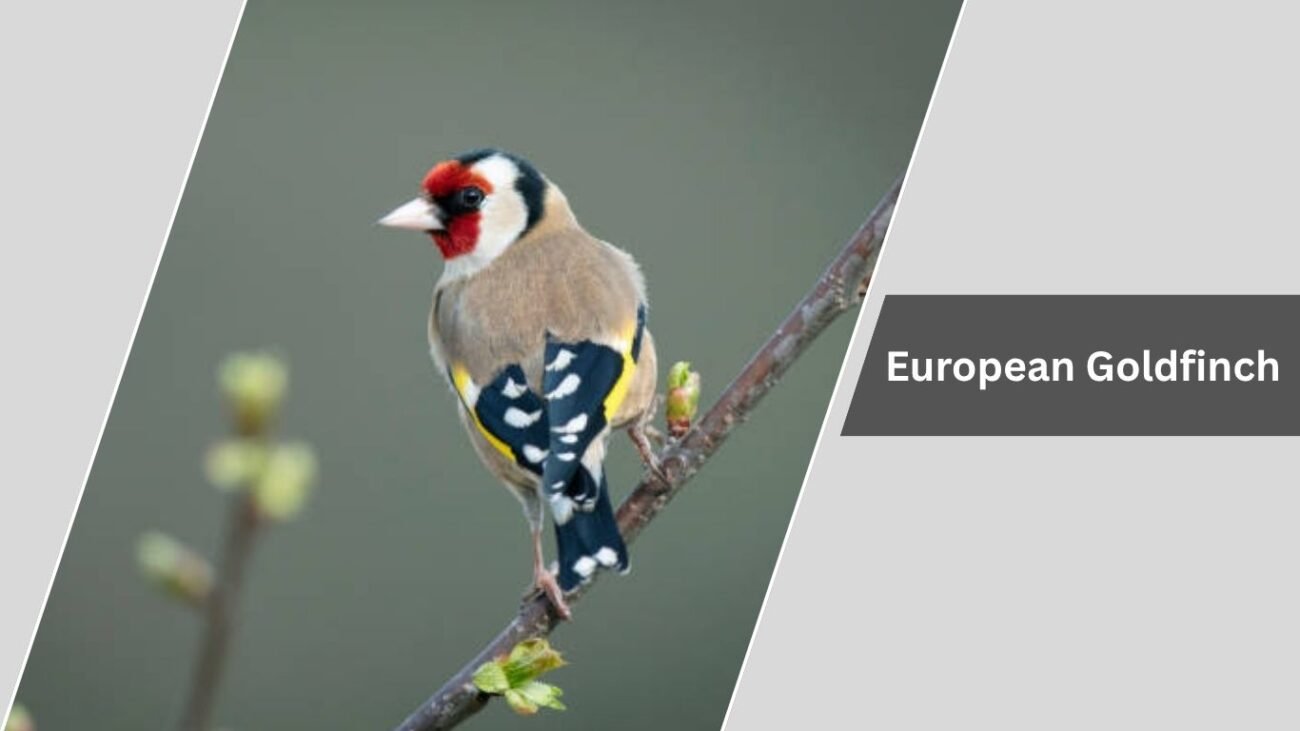
The European Goldfinch (Carduelis carduelis) is a small, vividly colored finch native to Europe, North Africa, and western Asia. It’s easily recognized by its red face, black-and-white head, and bright yellow wing bars. Known for its sweet, tinkling song and sociable nature, this finch is a favorite among bird enthusiasts and garden watchers.
Identification
- Size: Around 4.7 inches (12 cm) long
- Color: Red face, white cheeks, black cap, golden wing bars, and buff underparts
- Bill: Long, pointed, and pale pink
- Tail: Black with white markings
- Song: A musical, twittering melody often given in flight
Habitat
European Goldfinches inhabit woodlands, gardens, orchards, and farmlands, often near thistle patches. They are adaptable and thrive in urban parks and suburban gardens, especially where bird feeders are available.
Behaviors
These finches are gregarious and active, forming flocks outside the breeding season. They are graceful flyers and often perch on thistle heads to extract seeds. During courtship, males perform fluttering flights and sing to attract females.
Diet
Their diet primarily consists of small seeds, especially thistle, dandelion, and teasel seeds. They also feed on tree buds, insects, and aphids during the breeding season. In gardens, they readily visit feeders stocked with nyjer or sunflower seeds.
Lifecycle
European Goldfinches breed from April to August, building neat, cup-shaped nests in trees or shrubs. Females lay 4–6 pale blue eggs, incubated for 12–14 days. Chicks fledge in about two weeks, and pairs may raise two broods per season depending on food availability.
8. American Goldfinch
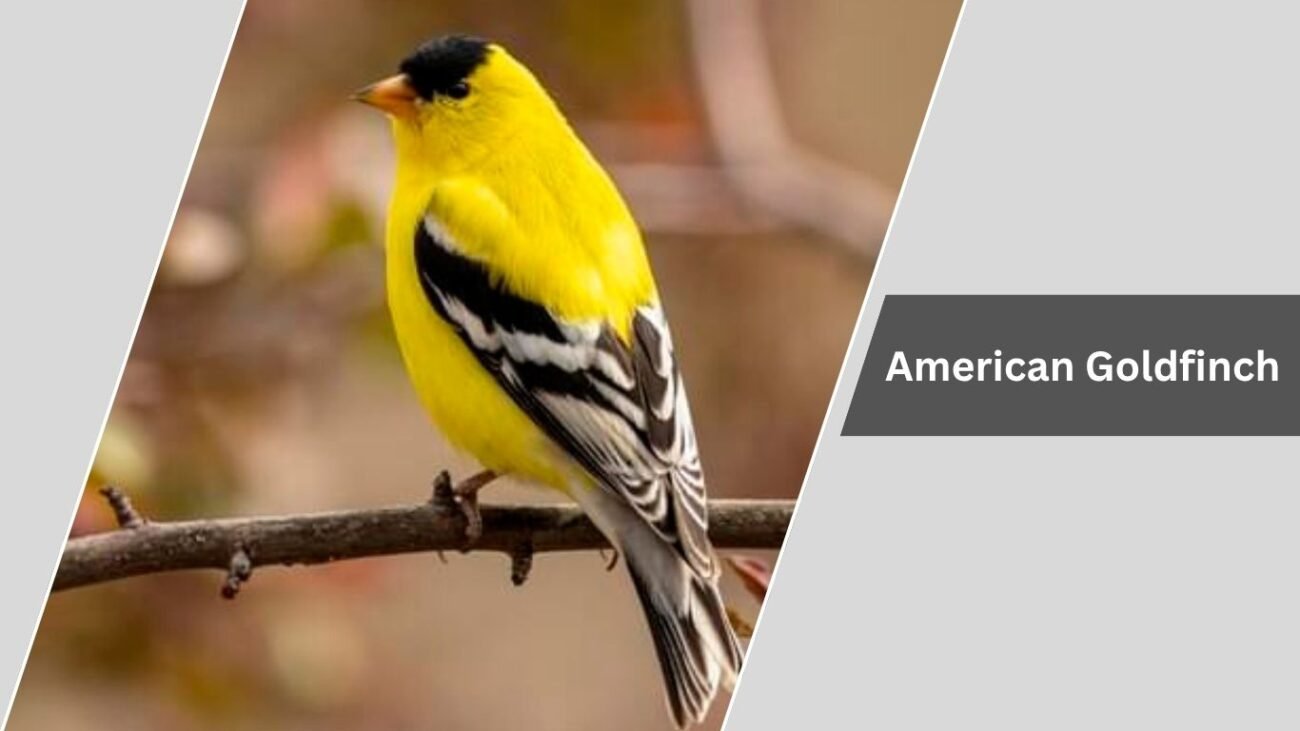
The American Goldfinch (Spinus tristis) is a bright, cheerful songbird commonly seen across North America. Known for its vibrant yellow plumage in summer and lively flight calls, this finch is a favorite at backyard feeders. Its seasonal color change and bouncy flight pattern make it easy to recognize among other small songbirds.
Identification
- Size: About 4.3–5 inches (11–13 cm) long
- Color: Males are bright yellow with black caps and wings in summer; females and winter males are dull olive-brown
- Bill: Small, conical, and orange-colored
- Tail: Black with white edges
- Song: A musical series of twitters and warbles, often accompanying their undulating flight
Habitat
American Goldfinches inhabit weedy fields, meadows, orchards, and suburban gardens. They prefer open habitats with plentiful seed-bearing plants and often nest near water. During winter, they form flocks and roam widely in search of food.
Behaviors
These finches are active and sociable, often feeding in flocks and performing graceful, dipping flights. Unlike most songbirds, they breed later in summer, timing reproduction with the peak of seed availability. Males sing continuously to defend nesting territories.
Diet
Their diet consists almost entirely of seeds, especially sunflower, thistle, and dandelion seeds. They occasionally eat small insects but rely mainly on plants. At feeders, they prefer nyjer (thistle) seeds and can cling to seed heads acrobatically while feeding.
Lifecycle
American Goldfinches begin nesting in July or August, later than most birds. Females lay 4–6 pale blue eggs, incubated for 12–14 days. Both parents feed the chicks, which fledge in about 11–15 days. They often raise one brood per year, though conditions may allow a second.
9. Pine Siskin
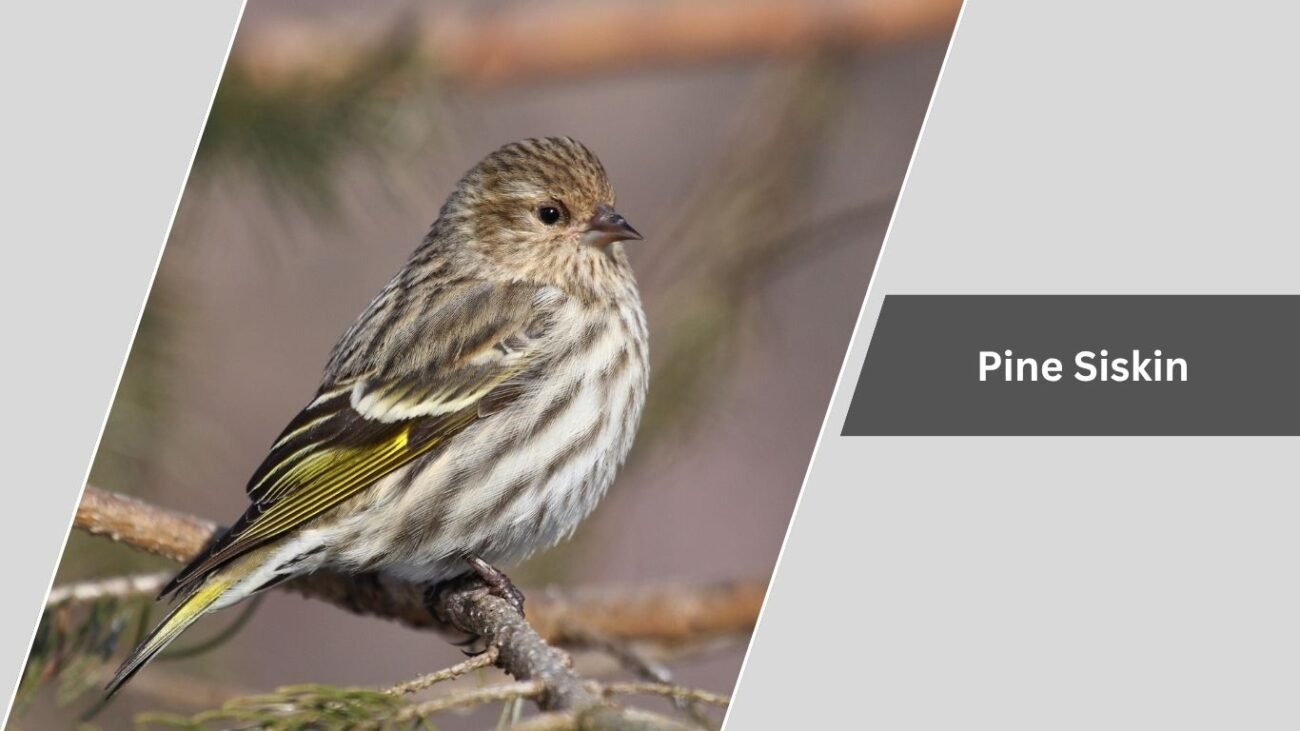
The Pine Siskin (Spinus pinus) is a small, streaky brown finch known for its lively chatter and fondness for conifer seeds. This adaptable bird is widespread across North America, with populations that move irregularly depending on food availability—a behavior known as irruption.
Identification
- Size: Around 4.5–5 inches (11–13 cm) long
- Color: Brown and heavily streaked with subtle yellow on wings and tail
- Bill: Slender and sharply pointed
- Tail: Forked with yellow edges visible in flight
- Song: A series of harsh twitters, buzzes, and rising trills
Habitat
Pine Siskins favor coniferous and mixed forests, particularly areas rich in pine, spruce, or cedar trees. In winter, they expand into gardens, parks, and feeders across much of North America, following seed abundance rather than a fixed migration pattern.
Behaviors
These finches are energetic and social, forming flocks that often feed and travel together. They exhibit acrobatic feeding behavior, hanging upside down to extract seeds. During courtship, males flutter and sing to attract females while displaying yellow plumage flashes.
Diet
Their diet mainly includes conifer seeds, supplemented by weed seeds, buds, and insects. They especially favor alder, birch, and spruce cones. At feeders, they readily eat nyjer (thistle) and sunflower seeds.
Lifecycle
Pine Siskins breed from May to July, often in northern forests. Females build small cup-shaped nests lined with feathers and moss. They lay 3–5 pale blue eggs, incubated for 12–14 days. The chicks fledge about two weeks after hatching, and pairs may raise two broods in favorable conditions.
10. Lesser Goldfinch
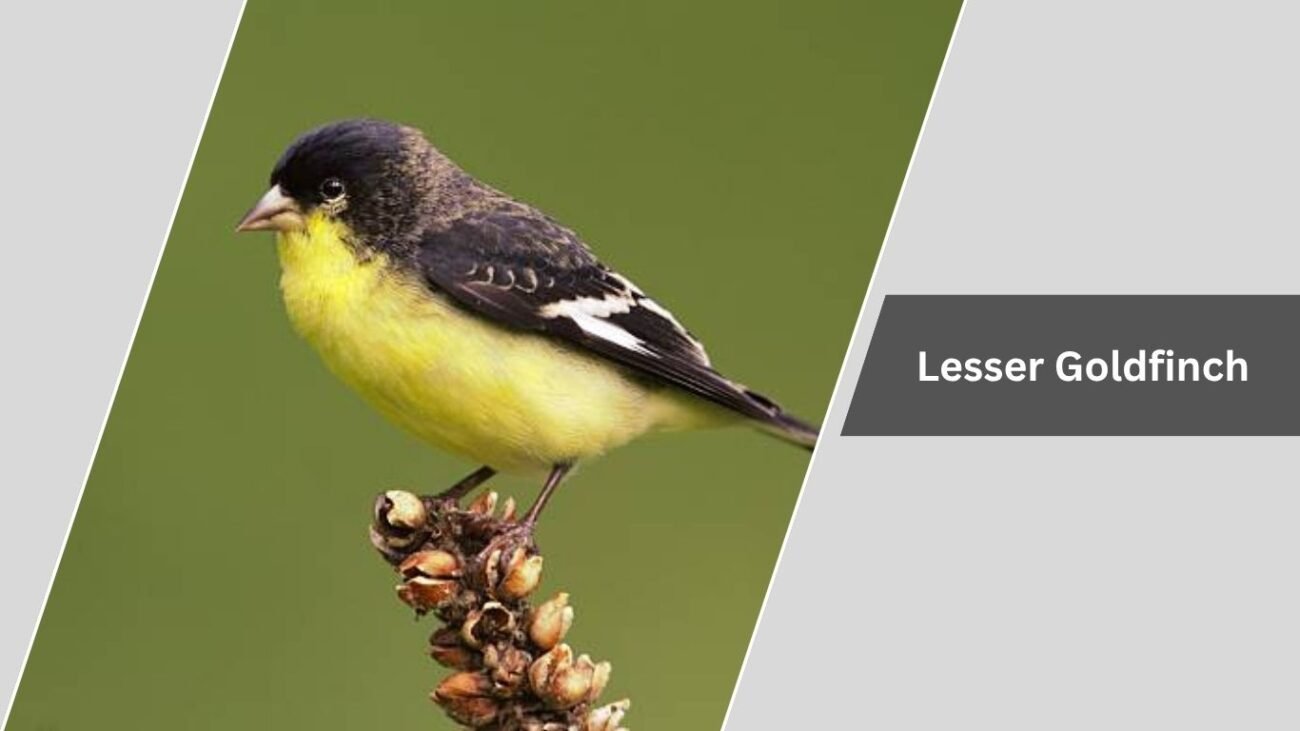
The Lesser Goldfinch (Spinus psaltria) is a small, vibrant songbird native to the southwestern United States, Mexico, and parts of Central America. Recognized by its cheerful song and glossy black or dark green cap, this finch adds color and melody to open landscapes and backyards alike.
Identification
- Size: Around 4–4.5 inches (10–12 cm) long
- Color: Males have black or dark green caps with bright yellow underparts; females are dull olive above and yellowish below
- Bill: Short, conical, and pale
- Tail: Black with white patches on edges
- Song: A fast, warbling medley of chirps and trills, sometimes mimicking other birds
Habitat
Lesser Goldfinches thrive in open woodlands, gardens, scrublands, and desert edges. They prefer areas with sunflowers, willows, and cottonwoods, and are common visitors to feeders in suburban areas. They also inhabit foothills and low mountain slopes.
Behaviors
These finches are social and lively, often forming flocks with other finches such as Pine Siskins and American Goldfinches. Males sing persistently from treetops or shrubs during the breeding season, while the flock engages in graceful, undulating flights.
Diet
Their diet consists mainly of seeds, particularly from sunflowers, dandelions, and thistles. They also consume buds, berries, and small insects. At feeders, they favor nyjer and sunflower seeds, often clinging acrobatically to seed heads.
Lifecycle
Lesser Goldfinches breed from April to September, depending on climate. Females construct a small cup-shaped nest in trees or shrubs and lay 3–5 pale blue eggs. Incubation lasts about 12 days, and chicks fledge roughly 11–15 days later. Pairs may raise multiple broods each year in warm regions.
11. Hawfinch
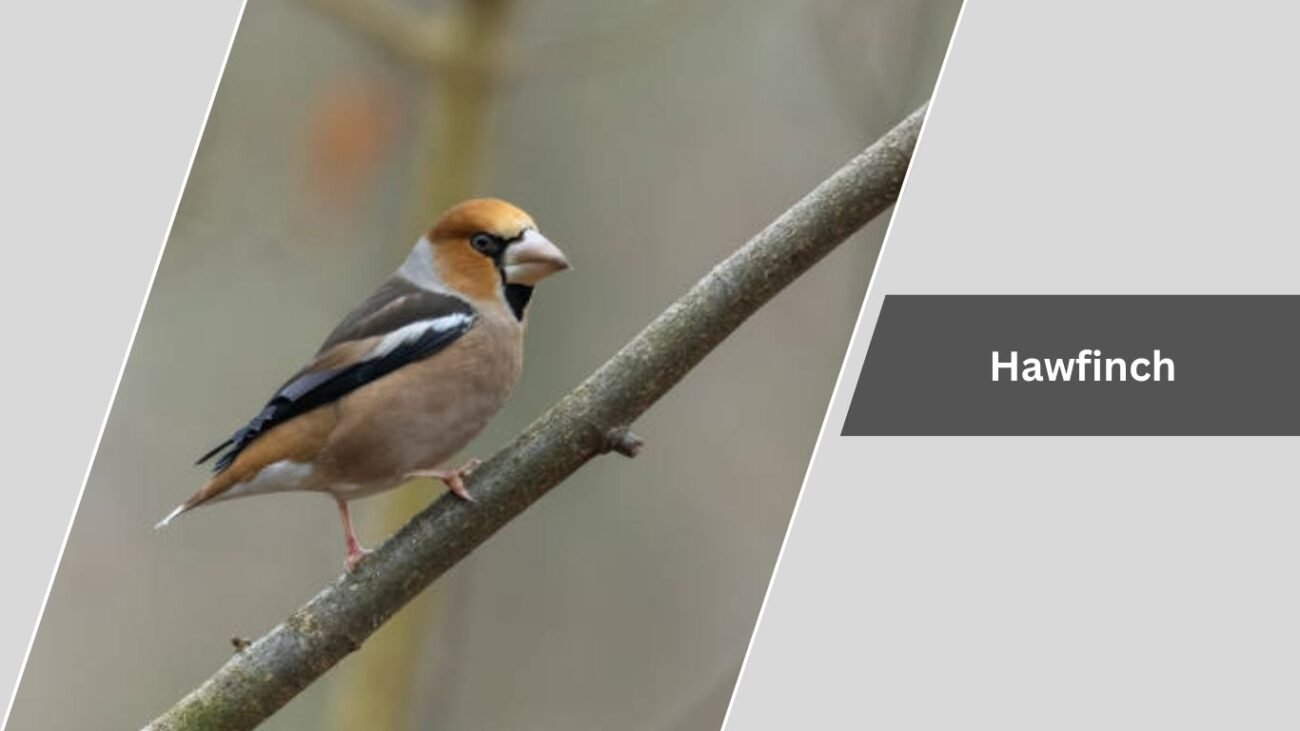
The Hawfinch (Coccothraustes coccothraustes) is a large, powerful finch native to Europe and parts of Asia. Known for its massive bill and striking appearance, this species is capable of cracking the hardest seeds and stones. Though often shy and elusive, its presence is marked by its distinctive flight calls and robust shape.
Identification
- Size: About 6.5–7 inches (16–18 cm) long
- Color: Rich chestnut-brown body with black-and-white wing markings and a thick, grayish bill
- Bill: Extremely strong and conical—ideal for cracking cherry stones
- Tail: Short and square-tipped
- Song: Soft, high-pitched calls; the song is simple and rarely heard
Habitat
Hawfinches inhabit deciduous and mixed forests, particularly those with hornbeam, cherry, and beech trees. They also frequent orchards, parks, and large gardens, especially during winter when food is more available.
Behaviors
These finches are secretive and cautious, often feeding quietly in the canopy or on the ground. They are strong fliers with a distinctive, direct flight pattern. In breeding season, males court females with bowing displays and subtle singing. Outside this period, they form small flocks.
Diet
Their diet mainly includes hard seeds, berries, and fruit stones—notably cherry, hornbeam, and beech seeds. Their immensely powerful bill allows them to crush seeds most birds cannot. They occasionally eat insects in spring to feed their chicks.
Lifecycle
Hawfinches breed from April to June. Females build neat, twig-based nests high in trees and lay 3–5 pale green eggs. Incubation lasts 11–13 days, and chicks fledge about two weeks later. Both parents share feeding duties, often bringing crushed seeds and insects to their young.
12. Common Chaffinch
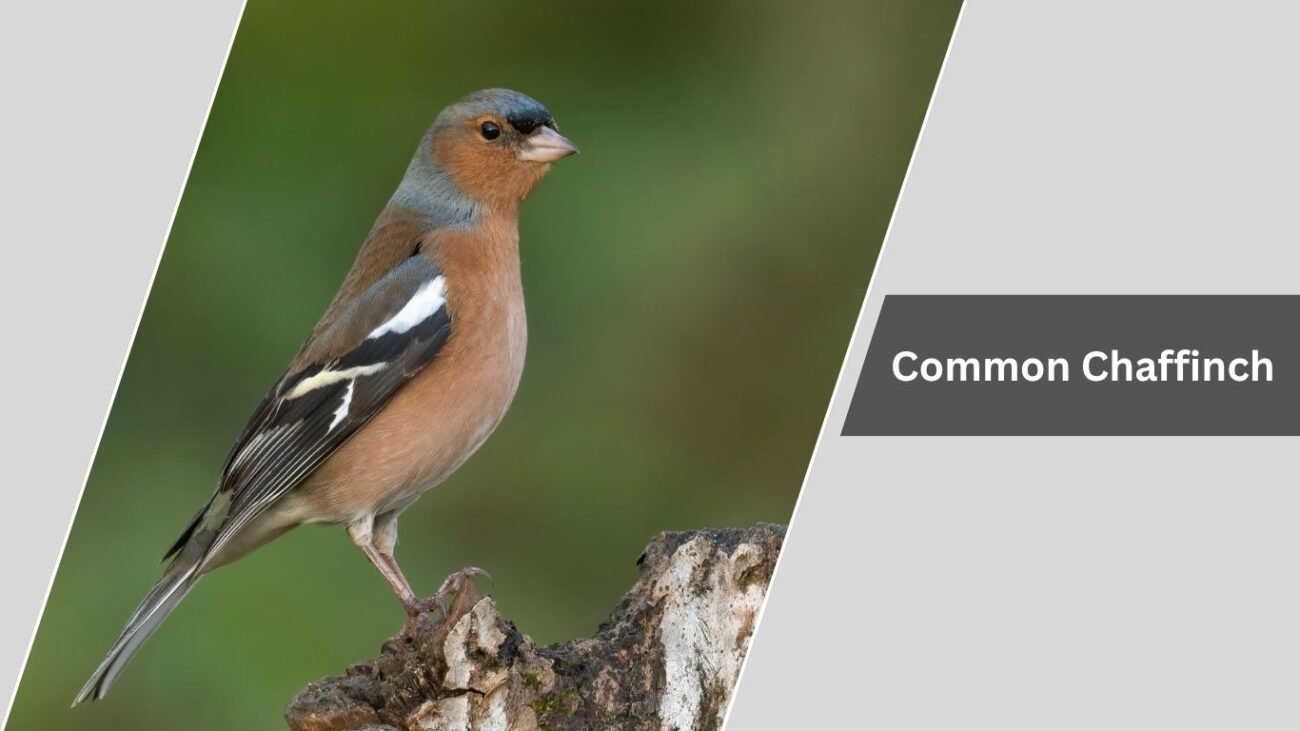
The Common Chaffinch (Fringilla coelebs) is one of Europe’s most widespread and colorful finches. Its bright plumage, cheerful song, and energetic behavior make it a familiar sight in gardens, parks, and woodlands. The name coelebs, meaning “bachelor,” refers to the tendency of males to remain in breeding areas while females migrate south for winter.
Identification
- Size: About 6 inches (15 cm) long
- Color: Males have a blue-gray cap, reddish underparts, and greenish rump; females are dull brown with subtle markings
- Bill: Short and conical, bluish in breeding males
- Tail: Dark with white outer feathers
- Song: A lively, descending warble ending in a flourish—one of Europe’s most recognizable bird songs
Habitat
Common Chaffinches thrive in woodlands, farmlands, gardens, and parks, particularly those with scattered trees. They are adaptable birds, found from rural forests to urban backyards across Europe, western Asia, and North Africa.
Behaviors
Chaffinches are active, bold, and social, often feeding in small flocks outside the breeding season. Males sing from exposed perches to defend territories and attract mates. They perform fluttering courtship displays and are often seen hopping energetically across the ground.
Diet
Their diet consists mainly of seeds and small invertebrates. During breeding, they switch to insects, caterpillars, and spiders to feed their young. In winter, they rely heavily on weed and grain seeds, frequently visiting bird tables and feeders.
Lifecycle
Common Chaffinches breed from April to July. Females build cup-shaped nests made of moss, grass, and feathers, camouflaged with lichen. They lay 4–5 bluish-green eggs, incubated for 12–14 days. The chicks fledge in about two weeks, and pairs may raise two broods in favorable conditions.
13. Greenfinch
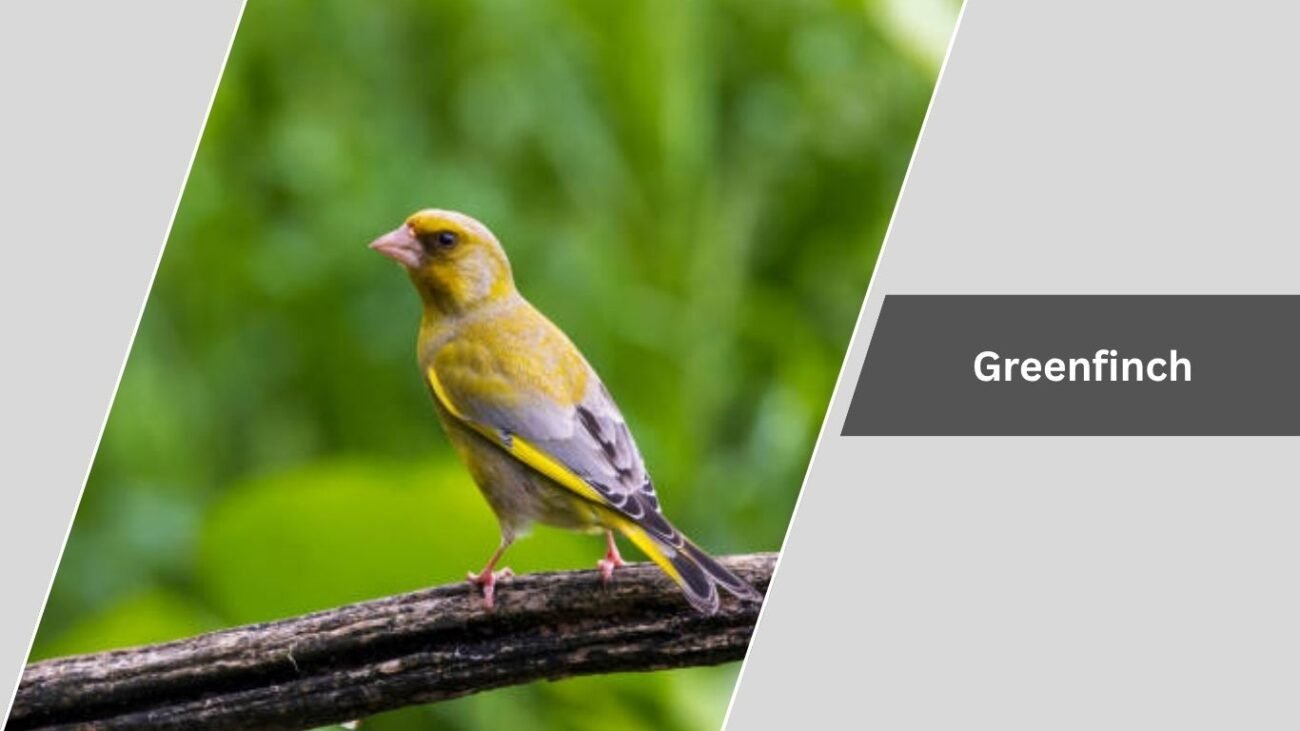
The Greenfinch (Chloris chloris) is a robust, brightly colored finch native to Europe, North Africa, and western Asia. Its vivid green and yellow plumage makes it one of the most striking garden birds. Known for its strong flight and social nature, the Greenfinch is a frequent visitor to backyard feeders throughout the year.
Identification
- Size: About 5.5–6 inches (14–16 cm) long
- Color: Olive-green body with bright yellow on wings and tail
- Bill: Thick, conical, and pale pink
- Tail: Forked with yellow edges
- Song: A series of wheezing trills and nasal notes, often ending in a drawn-out “dzwee”
Habitat
Greenfinches thrive in woodlands, farmlands, hedgerows, and urban gardens. They are especially common where bird feeders and seed-rich vegetation are abundant. During winter, they gather in large flocks that roam the countryside in search of food.
Behaviors
These birds are gregarious and bold, often feeding in groups and displaying dominance at feeders. During courtship, males perform fluttering display flights while singing. They are adaptable and capable of coexisting with many other small bird species in mixed flocks.
Diet
Their diet mainly includes seeds, particularly sunflower and grain seeds, along with buds and berries. Insects are occasionally eaten during the breeding season to provide extra protein for chicks. Greenfinches are enthusiastic feeder visitors, preferring black oil sunflower seeds.
Lifecycle
Greenfinches breed from April to July. Females build cup-shaped nests in hedges or shrubs and lay 4–6 pale eggs. Incubation lasts about 13–14 days, and the young fledge roughly 15 days after hatching. Both parents feed the chicks, and pairs often raise two broods per season.
14. Crimson Finch

The Crimson Finch (Neochmia phaeton) is a stunning and lively bird native to northern Australia and southern New Guinea. With its deep red plumage and active nature, it is a striking inhabitant of grasslands and wetlands. These finches are often seen in pairs or small groups, darting among reeds and grasses near water.
Identification
- Size: About 5 inches (13 cm) long
- Color: Males are bright crimson with black wings and tail; females are duller with brownish tones and a red rump
- Bill: Short, thick, and red
- Tail: Long and slightly pointed
- Song: Soft, high-pitched chirps and trills, often repeated in quick sequences
Habitat
Crimson Finches inhabit tropical wetlands, grassy riverbanks, and savanna woodlands, particularly in regions with dense vegetation near water. They build their nests close to the ground in tall grasses or reeds for protection from predators.
Behaviors
These birds are social and energetic, often foraging in pairs or small family groups. Males perform hopping displays and sing softly during courtship. They are excellent fliers and agile climbers, often clinging to grass stems while feeding or preening.
Diet
Their diet mainly consists of grass seeds, supplemented by small insects and larvae during the breeding season. They feed on the ground or directly from seed heads, and their strong bills are well-suited for husking tough seeds.
Lifecycle
Crimson Finches breed during the wet season (typically November to April). Females lay 4–6 white eggs in dome-shaped grass nests. Both parents share incubation duties for about 12–14 days, and the chicks fledge approximately two weeks after hatching. They remain dependent on parents for a short period before joining small flocks.
15. Darwin’s Finch

The Darwin’s Finch group comprises around 15 closely related species found across the Galápagos Islands. These iconic birds are renowned for their role in Charles Darwin’s theory of evolution by natural selection, showcasing remarkable diversity in beak shapes and feeding habits adapted to different ecological niches.
Identification
- Size: Typically 4–6 inches (10–15 cm) long
- Color: Generally brown, black, or gray, depending on the species
- Bill: Varies greatly—can be large, small, pointed, or blunt, specialized for specific diets
- Tail: Short and square
- Song: Simple, repetitive chirps unique to each species
Habitat
Darwin’s Finches inhabit a wide range of environments on the Galápagos Islands, including arid scrublands, forests, mangroves, and coastal areas. Each species tends to occupy distinct ecological zones that influence their food sources and behavior.
Behaviors
These finches are curious and adaptive, showing complex foraging techniques. Some use twigs or cactus spines as tools to extract insects, a rare behavior among birds. They are territorial during breeding but often gather in mixed-species flocks outside of it.
Diet
Their diet varies by species—ranging from seeds and fruits to insects, nectar, and even blood (as in the vampire finch). Beak shape determines feeding strategy: thick bills crush seeds, while slender ones pick insects or probe flowers.
Lifecycle
Breeding usually coincides with the wet season (January to May) when food is abundant. Females build cup-shaped nests in shrubs or trees and lay 2–5 eggs. Incubation lasts about 12 days, and chicks fledge within two weeks. Adaptability and resource use play a key role in their survival and evolutionary success.