










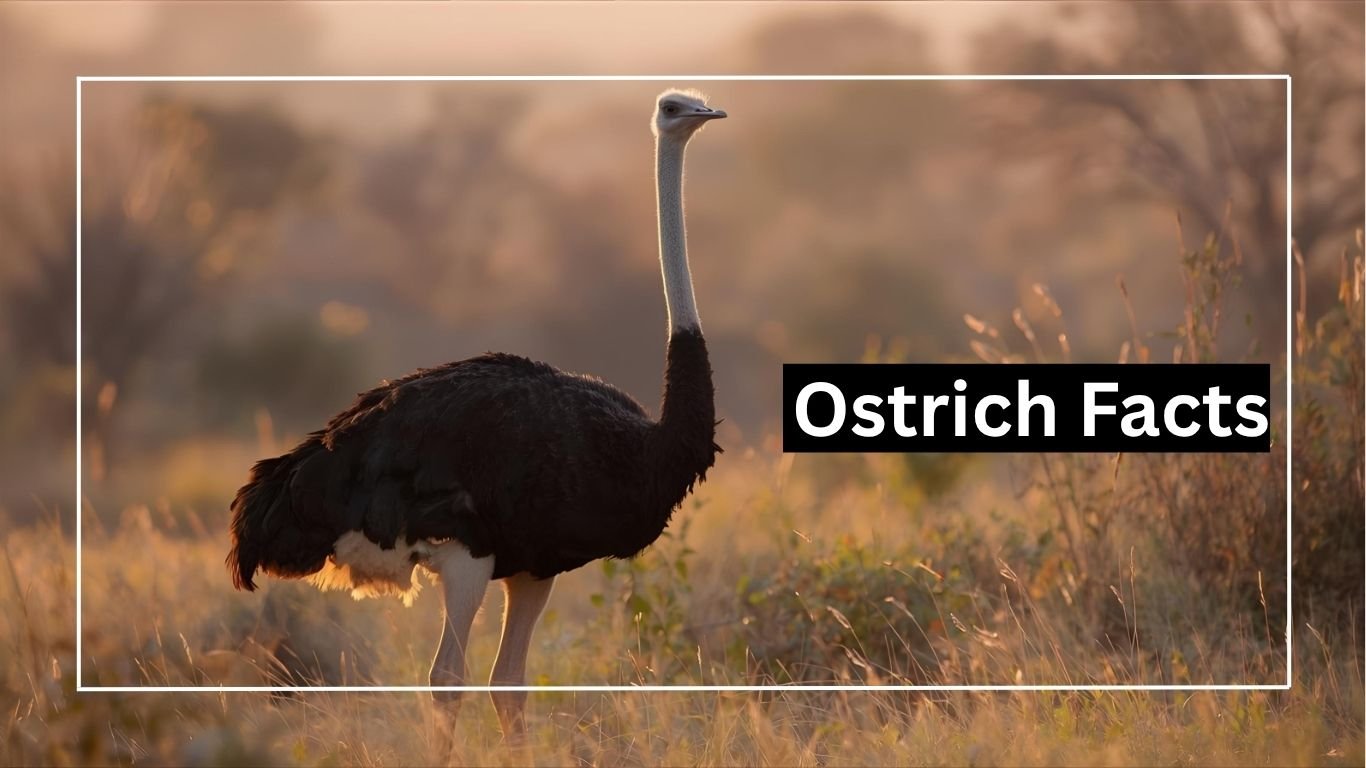
The ostrich (Struthio camelus) is the world’s largest and fastest-running bird. Known for its towering height, long legs, and powerful stride, it is a true wonder of the animal kingdom. Native to Africa, the ostrich cannot fly but compensates with extraordinary speed and strength. Beyond its wild beauty, the ostrich plays an important role in farming, fashion, and food industries, making it one of the most fascinating and valuable birds on Earth.
About the Ostrich
Scientific Classification and Origin
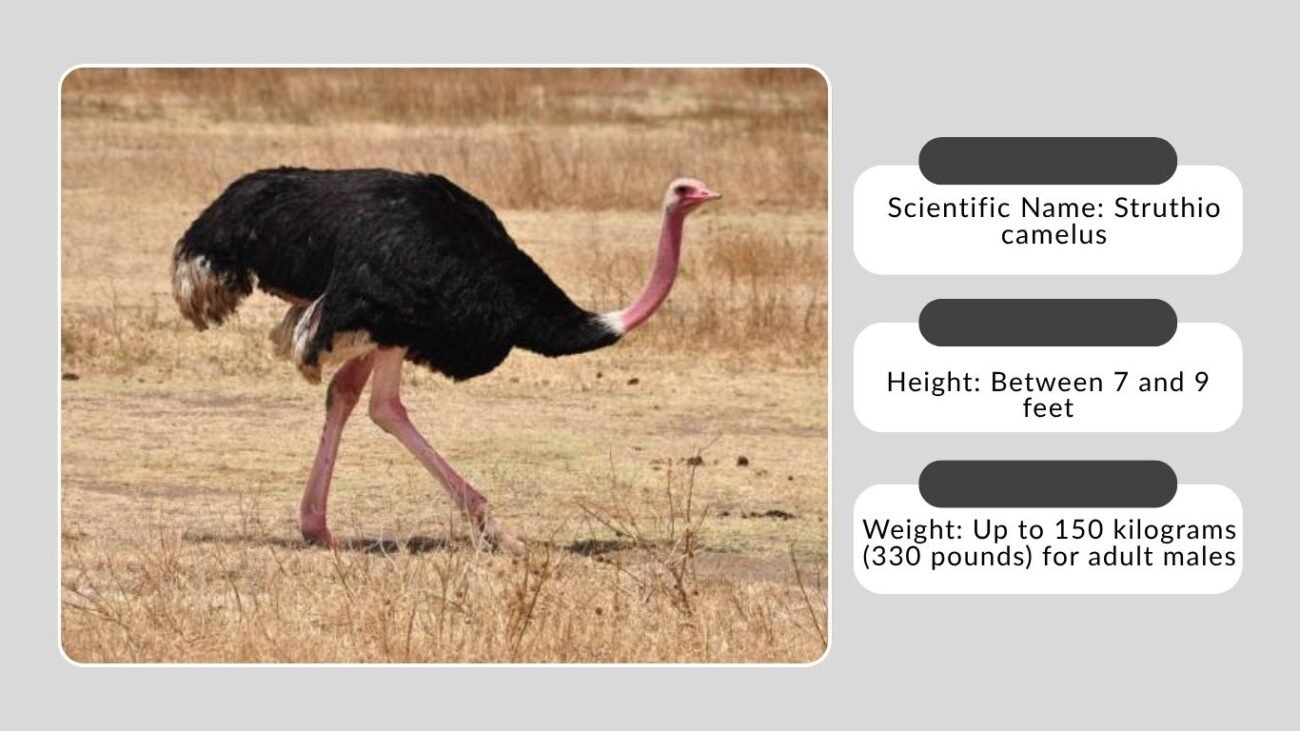
- Scientific Name: Struthio camelus, meaning “camel bird,” for its long neck and desert adaptation.
- Family: Member of the ratite group, which includes flightless birds like emus and kiwis.
- Native Range: Africa, primarily in open savannas, semi-deserts, and dry plains.
- Subspecies: Includes the North African, Masai, and Somali Ostriches, each adapted to local climates.
- Domestication: Now bred globally for meat, feathers, leather, and eggs due to their adaptability and value.
Physical Description and Size
- Height: Between 7 and 9 feet, making it the tallest bird species in the world.
- Weight: Up to 150 kilograms (330 pounds) for adult males.
- Eyes: Each eye measures nearly 2 inches across, offering excellent long-distance vision.
- Legs and Feet: Long, muscular legs with two toes for speed and balance; kicks strong enough to fend off predators.
- Coloration:
- Males: Bold black feathers with white wingtips.
- Females: Muted brown-gray plumage for camouflage.
- Males: Bold black feathers with white wingtips.
- Adaptations: Lightweight body structure, powerful thighs, and feathers designed for temperature regulation.
- Temperament: Social and alert, often living in small herds that graze and protect one another.
Anatomy and Unique Abilities
Speed and Strength
Ostriches are the fastest land birds, capable of reaching speeds up to 70 kilometers (43 miles) per hour. They can maintain a steady pace of around 30 mph for several miles, making them incredibly efficient runners. Their long stride—sometimes spanning 10 to 15 feet in a single step—allows them to cover ground quickly. Unlike many flightless birds, their legs contain strong muscles adapted for forward thrust rather than jumping. This strength helps them evade predators like lions and cheetahs in their native habitats.
Flightless but Fierce
Although ostriches have wings, they cannot fly due to their large body mass and relatively small wing size. Instead, their wings serve other important purposes. Males use them during courtship displays, flapping gracefully to attract mates, while both sexes spread their wings for balance during running. Ostriches also use their wings to provide shade for chicks or to regulate body temperature under the scorching African sun.
The Head-in-Sand Myth
One of the oldest myths about ostriches is that they bury their heads in the sand when frightened. In reality, they do no such thing. When threatened, an ostrich may crouch down low to the ground, stretching its neck flat to blend in with its surroundings. From a distance, it may appear as if the bird’s head is buried, but it’s actually a clever camouflage tactic to avoid detection by predators.
Habitat and Lifestyle
Where Ostriches Live
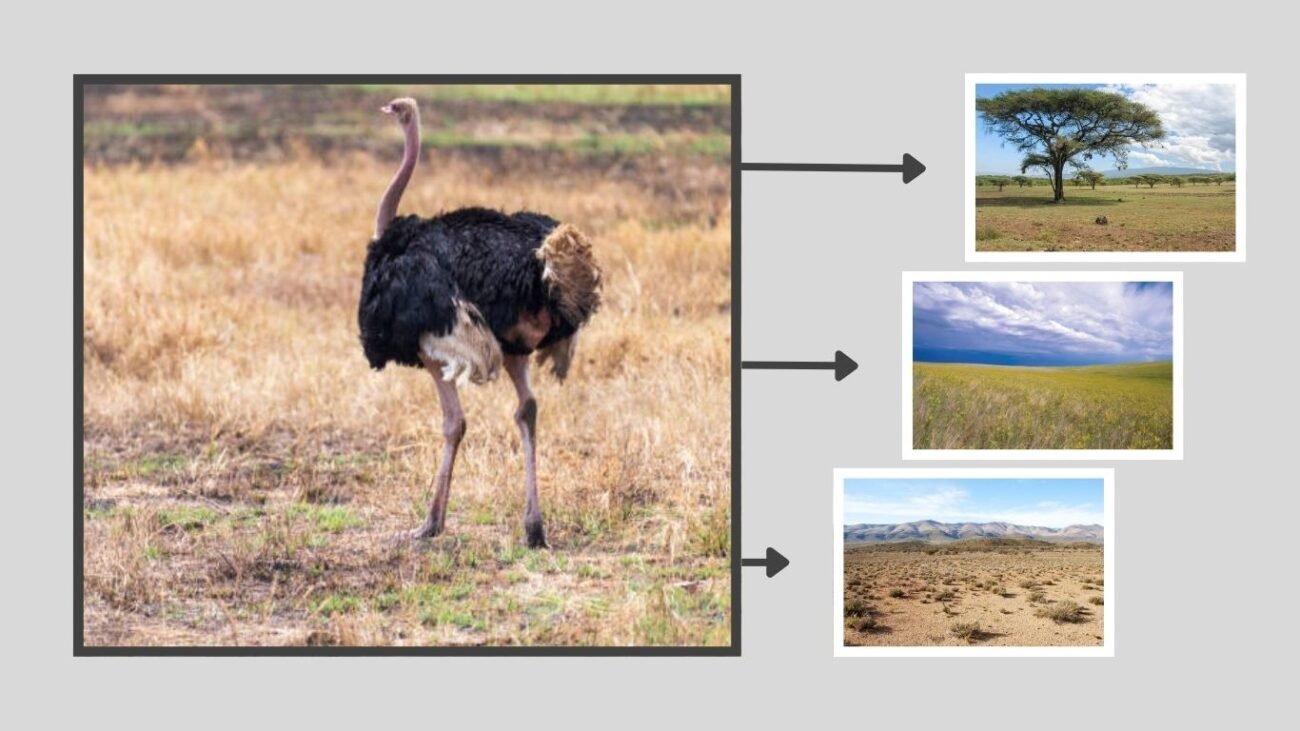
Ostriches thrive in the savannas, grasslands, and semi-desert regions of Africa. They prefer wide, open landscapes where visibility is high and escape routes are clear. Their native range stretches from South Africa to Ethiopia, but today ostrich farming has made them a global presence. Farms can be found in the United States, Australia, and parts of Europe, where they are raised for meat, leather, and eggs. These adaptable birds can handle both hot and dry climates, making them versatile survivors in harsh conditions.
Ostrich Farms and Conservation
Modern ostrich farming began in the 19th century, initially driven by demand for decorative feathers used in fashion. Today, farming focuses more on meat, eggs, and leather production. Farms such as Rooster Cogburn Ostrich Ranch in Arizona and OstrichLand USA in California offer educational tours that promote awareness of the species. Ostriches on farms are generally well cared for, and their population is stable, ensuring that commercial demand doesn’t threaten wild populations. Conservation programs in Africa also help maintain genetic diversity and protect natural habitats.
Diet and Feeding Habits
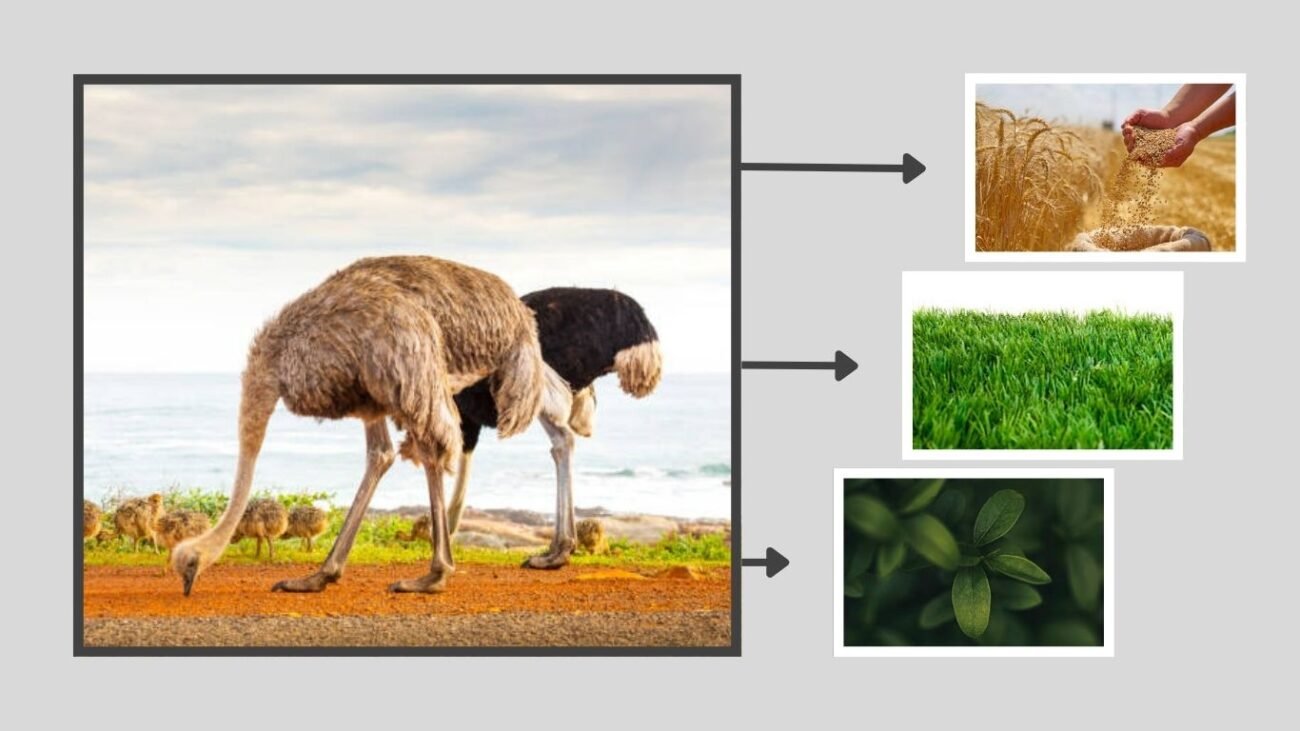
Ostriches are omnivorous, feeding on a mixture of plants and small animals. Their diet consists mainly of seeds, grasses, roots, leaves, and flowers, but they occasionally eat insects, lizards, and small rodents. Because they often live in arid regions, ostriches can survive long periods without water by extracting moisture from the plants they consume. Their digestive system includes a powerful gizzard that uses swallowed stones to grind food efficiently—a unique adaptation that compensates for the lack of teeth.
Feeding habits also depend on habitat. Wild ostriches graze during the early morning and late afternoon, while farmed ostriches are fed a balanced diet rich in fiber and protein to support egg production and feather quality. Their efficient metabolism and water conservation abilities allow them to thrive even in environments that would challenge other species.
Ostrich Eggs: Size, Nutrition, and Use
Physical Traits of Ostrich Eggs
The ostrich lays the largest egg of any living bird, weighing around 1.5 kilograms (3.3 pounds) and measuring up to 15 centimeters (6 inches) in diameter. The shell is incredibly strong, about 3 millimeters thick, and can support the weight of an adult human. A single ostrich egg is equivalent to roughly 24 chicken eggs, making it a valuable source of nutrition and an impressive sight in both the wild and on farms.
Nutritional and Commercial Value
Ostrich eggs are packed with protein, vitamins, and minerals. They contain about 2,000 calories and a rich balance of omega-3 fatty acids and iron. Their mild, buttery flavor makes them a delicacy in many cultures. On ostrich farms, these eggs are collected for consumption, hatching, and decorative purposes. Empty shells are often carved, painted, or polished for art and souvenirs. In some regions, ostrich eggs are sold online or in specialty markets, with prices ranging from $30 to $100 depending on freshness and location.
Ostrich Products and Industry Use
Ostrich Leather and Fashion
Ostrich leather is among the most luxurious and durable exotic materials in the fashion industry. Recognizable by its distinctive “quill pattern,” it is both soft and strong, used for making high-end boots, belts, wallets, and handbags. This leather’s unique look comes from the follicles where feathers once grew, creating a dotted, textured appearance that appeals to designers worldwide.
Well-known brands such as Lucchese, Tecovas, Ariat, and Tony Lama craft premium ostrich leather boots for both men and women. These boots combine elegance with resilience, lasting for decades when properly cared for. The popularity of black ostrich boots and full-quill cowboy boots has made ostrich leather a favorite in Western fashion. Unlike alligator or snakeskin, ostrich leather is naturally flexible, breathable, and easy to maintain—qualities that justify its high price and enduring demand.
Feathers, Meat, and Other Uses
Beyond leather, ostriches provide valuable byproducts. Their feathers are used in fashion, home décor, and ceremonial attire. They are lightweight, soft, and naturally dust-resistant, making them ideal for both artistic and practical purposes.
Ostrich meat is another profitable product. It is a lean red meat, similar in taste and texture to beef but significantly lower in fat and cholesterol. This makes it a healthy alternative for consumers seeking high-protein, heart-friendly meals. Ostrich steaks and burgers have gained popularity in gourmet restaurants and specialty markets. The feathers, eggs, and meat together make ostriches a sustainable multi-purpose livestock option that benefits both farmers and consumers.
Ostrich vs Emu
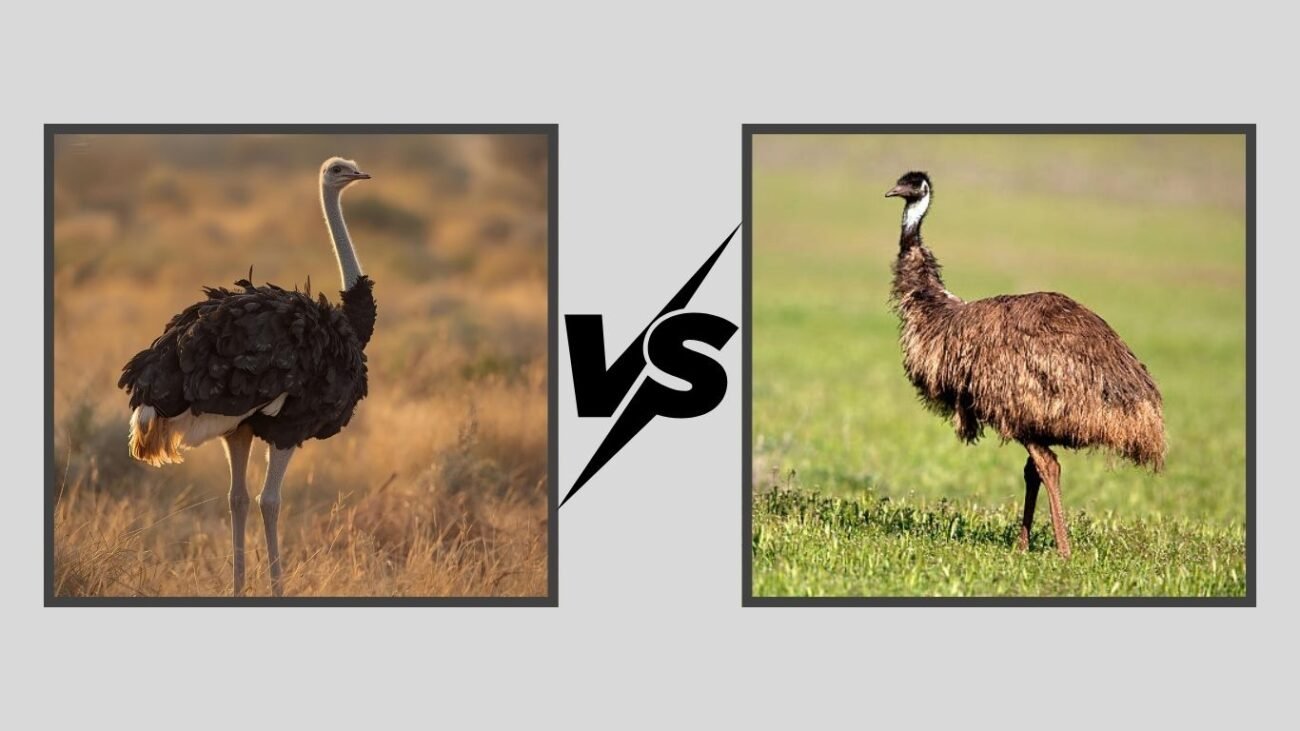
Physical and Behavioral Differences
Although the ostrich and emu belong to the same family of large, flightless birds, they differ significantly in size, habitat, and behavior. The ostrich is native to Africa, standing up to nine feet tall, while the emu is native to Australia and rarely exceeds six feet. Ostriches are faster, reaching speeds of 43 miles per hour (70 km/h) compared to the emu’s 30 mph (48 km/h).
In temperament, ostriches are more territorial and protective, particularly during breeding season, while emus are generally more docile. Their eggs also differ—ostrich eggs are white and large, whereas emu eggs are dark green and smaller. These distinctions make ostriches more suitable for meat and leather production, while emus are often farmed for oil and feathers.
Ostrich in Comparison to Other Flightless Birds
Unlike penguins or kiwis, which live in cold or forested regions, ostriches thrive in open, dry areas. Their long legs and efficient respiratory system allow them to regulate heat and travel long distances. These adaptations have made the ostrich one of the most successful flightless birds in the world.
Ostrich Farming Around the World
Modern Ostrich Farming Practices
Ostrich farming has expanded rapidly across continents due to the bird’s economic value. In countries like South Africa, the United States, and Australia, farmers raise ostriches for their meat, eggs, feathers, and leather. The birds are kept in open enclosures that mimic natural savannas, allowing them space to run and graze freely.
Farmers carefully monitor diet and breeding conditions to maintain health and productivity. A balanced diet of grains, greens, and minerals supports steady egg production. Ostriches usually begin laying eggs at two to three years old and can produce 30–50 eggs per season. Proper hygiene, shade, and water access are essential for welfare and longevity.
Economic and Environmental Benefits
Ostrich farming is a sustainable agricultural practice because it produces multiple profitable products from a single animal. Ostriches require less water and feed than cattle, emit minimal methane, and adapt well to dry climates. Their skin, meat, and feathers are all commercially valuable, giving farmers a diverse source of income. The global ostrich industry also promotes rural employment, eco-tourism, and sustainable trade, aligning with modern environmental goals.
Ostrich in Culture and Festivals
Ostrich Festival and Tourism
The Ostrich Festival held annually in Chandler, Arizona, celebrates the cultural and agricultural heritage of ostrich farming. The event features ostrich races, educational exhibits, parades, and live music, attracting thousands of visitors every year. These festivals not only entertain but also raise awareness about the importance of ethical farming and wildlife conservation.
In other parts of the world, ostrich farms such as OstrichLand USA in California have become tourist attractions where visitors can feed the birds, learn about their behavior, and purchase ostrich-related souvenirs. These experiences bridge the gap between wildlife appreciation and sustainable farming education.
Ostrich War and Pop Culture
Ostriches have even made their mark in pop culture. They are often featured in video games, cartoons, and documentaries for their unique traits. The “Great Emu War” in Australia is often humorously confused with ostriches, even though it involved emus. Similarly, in the gaming world, ostrich eggs appear as collectible items, such as in Stardew Valley. These cultural nods show how the ostrich has become a symbol of both strength and curiosity across different media.
Interesting Facts About Ostriches
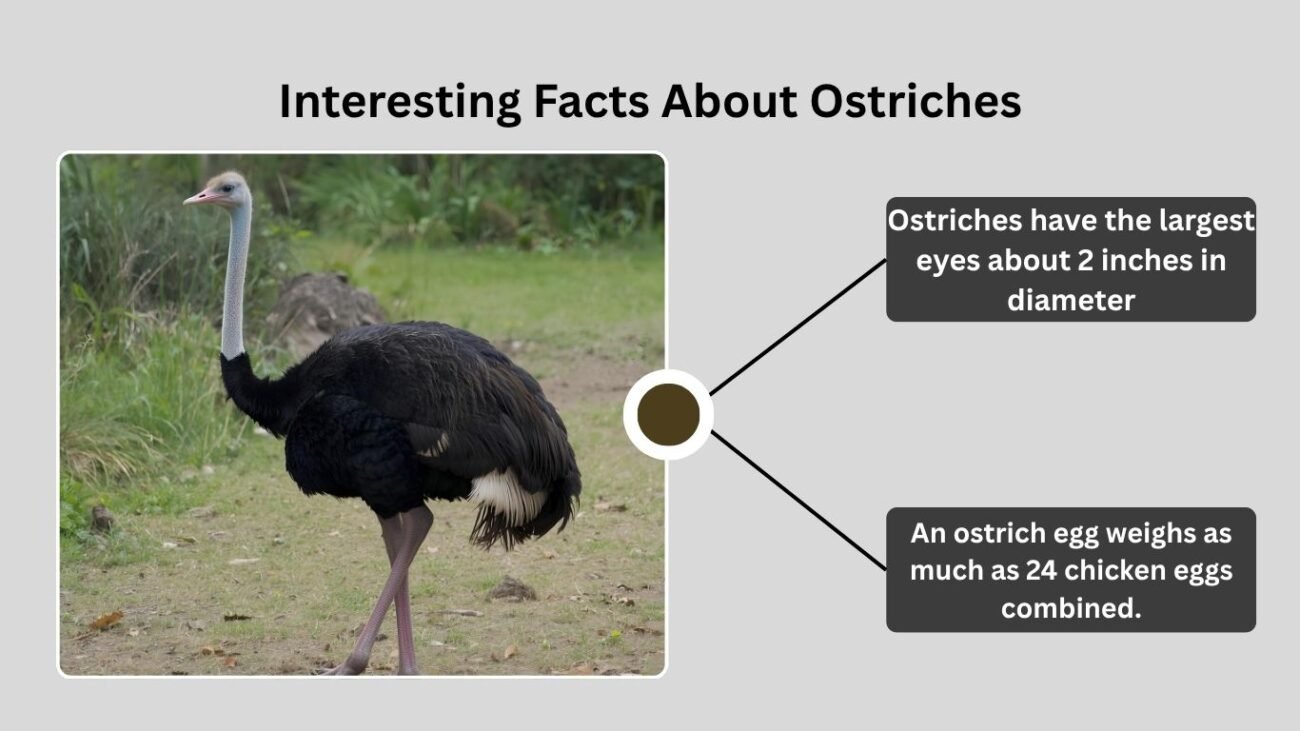
- Ostriches have the largest eyes of any land animal—about 2 inches in diameter.
- Their powerful legs can deliver a kick strong enough to kill a predator.
- An ostrich egg weighs as much as 24 chicken eggs combined.
- They can survive days without water, absorbing moisture from food.
- Male ostriches make a deep booming call, often mistaken for a lion’s roar.
- Despite their size, ostriches can sprint faster than most horses in short bursts.
FAQs
How fast can an ostrich run?
An ostrich can sprint up to 43 miles per hour (70 km/h), using its strong legs and long strides to escape predators. It can maintain around 30 mph for long distances, making it the fastest two-legged animal on Earth.
Can ostriches fly?
No. Ostriches are flightless due to their large bodies and small wings. However, their wings play an important role in balance, display, and temperature control.
What do ostriches eat?
Ostriches are omnivores. They mainly eat seeds, plants, and roots but will also consume insects and small reptiles when available. They swallow small stones to help grind food inside their gizzard.
Where do ostriches live?
Ostriches naturally inhabit African savannas and deserts but are also farmed worldwide, especially in the United States, Australia, and South Africa, where conditions suit their needs.
Why do people think ostriches bury their heads?
This myth comes from their defensive behavior. When threatened, ostriches lower their heads and necks close to the ground to blend with the landscape, creating the illusion of burying their heads.


