











Australia is often called the Land of Parrots, home to some of the most vibrant and intelligent birds on the planet. From lush rainforests to arid deserts, these remarkable creatures have adapted to nearly every environment. Their vivid colors, playful personalities, and mimicking abilities make them favorites among bird enthusiasts worldwide.
Overview of Australian Parrots
Australia hosts more than 50 native parrot species, ranging from small budgerigars to large, majestic cockatoos. They play a vital role in maintaining ecosystems by dispersing seeds and pollinating plants. Parrots are deeply connected to Aboriginal culture, often symbolizing communication, spirit, and freedom. Their adaptability has helped them thrive across diverse habitats, from tropical coasts to inland plains.
Appearance and Identification

Physical Traits
- Bright plumage colors like red, green, blue, and yellow dominate their feathers.
- Distinct curved beak designed for cracking nuts and seeds.
- Strong zygodactyl feet (two toes forward, two backward) aid in climbing.
- Smooth, streamlined bodies allow agile flight and precise movements.
- Crest feathers in species like cockatoos used for display or emotional cues.
Behavior and Sounds
- Extremely social and often found in pairs or large flocks.
- Known for their mimicry—many species can imitate human voices and sounds.
- Loud calls are used for communication and warning signals.
- Show curiosity and playfulness, often exploring their surroundings.
Major Species of Australian Parrots

Australian King Parrot
The Australian King Parrot (Alisterus scapularis) is one of the most striking native species. Males have vivid red heads and chests, while females are mostly green with red bellies. Found in the rainforests of eastern Australia, they are calm, friendly, and often visit gardens for food.
- Size: Around 16–17 inches long.
- Lifespan: Up to 25 years in captivity.
- Diet: Fruits, seeds, nuts, and berries.
- Temperament: Gentle, sociable, and intelligent—suitable as a pet with proper care.
Australian Night Parrot
The Night Parrot (Pezoporus occidentalis) is one of the world’s most elusive birds. Thought to be extinct for over a century, it was rediscovered in 2013. This nocturnal parrot inhabits arid grasslands in Western and Central Australia, camouflaged by olive-green feathers with yellow streaks.
- Habitat: Desert grasslands and spinifex.
- Behavior: Secretive and ground-dwelling.
- Conservation Status: Critically endangered.
Its rediscovery is considered one of Australia’s greatest wildlife stories.
Rainbow and Ground Parrots
- Rainbow Lorikeet: With its dazzling blue head, green wings, and orange breast, it is one of the most recognizable parrots. Lorikeets feed primarily on nectar and pollen, using brush-tipped tongues to collect food from flowers.
- Ground Parrot: Unlike most parrots, this species prefers walking through thick grasslands. It has green plumage with yellow markings, blending perfectly with vegetation.
Other Notable Species
- Princess Parrot: Known for pastel hues of pink, green, and blue, found in remote desert regions.
- Eclectus Parrot: Exhibits sexual dimorphism—males are bright green, females deep red and blue.
- Cockatiel: Small and friendly, with a distinctive yellow crest, it’s one of the most popular pet birds.
- Budgerigar: Often called the “budgie,” this small, colorful parrot is native to dry Australian regions and loved worldwide as a pet.
Habitat and Distribution
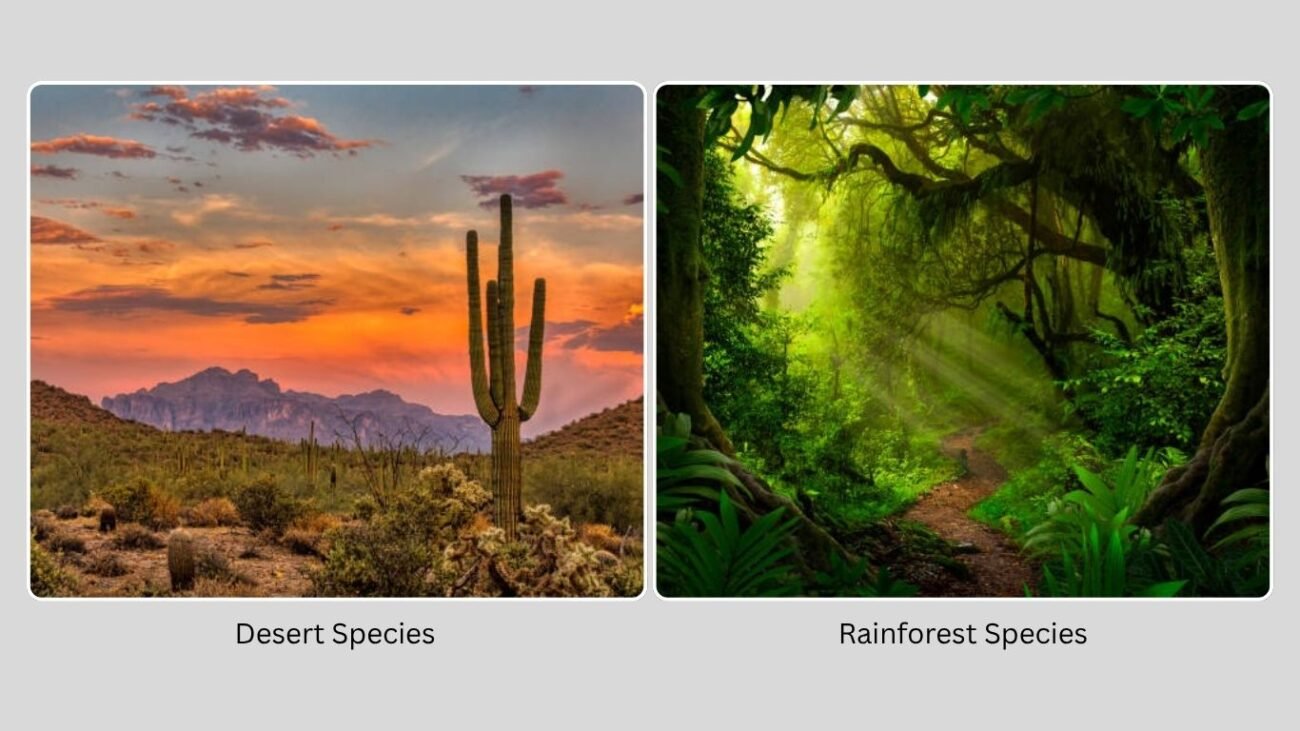
Natural Environment
Australian parrots occupy an incredible range of habitats.
- Rainforest Species: King Parrots and Lorikeets thrive in the humid forests of Queensland and New South Wales.
- Desert Species: Princess and Night Parrots survive in arid inland zones.
- Coastal and Woodland Areas: Galahs, Cockatoos, and Corellas adapt to open fields and urban regions.
These birds nest in tree hollows or, in the case of ground parrots, low shrubs. Their ability to inhabit varied landscapes highlights Australia’s unique biodiversity.
Adaptation
Each species has evolved to survive in its environment. Lorikeets developed specialized tongues for nectar feeding, while cockatoos possess powerful beaks for cracking seeds. Many species migrate locally, moving between habitats depending on food availability. This adaptability ensures their survival in both wild and suburban settings.
Australia: The Land of Parrots
Australia’s isolation and climate diversity have created the perfect conditions for parrot evolution. With more than 15 genera and dozens of endemic species, it’s one of the richest parrot regions on Earth. From rainforests to grasslands, every ecosystem hosts its own colorful representatives.
Feeding and Nutrition
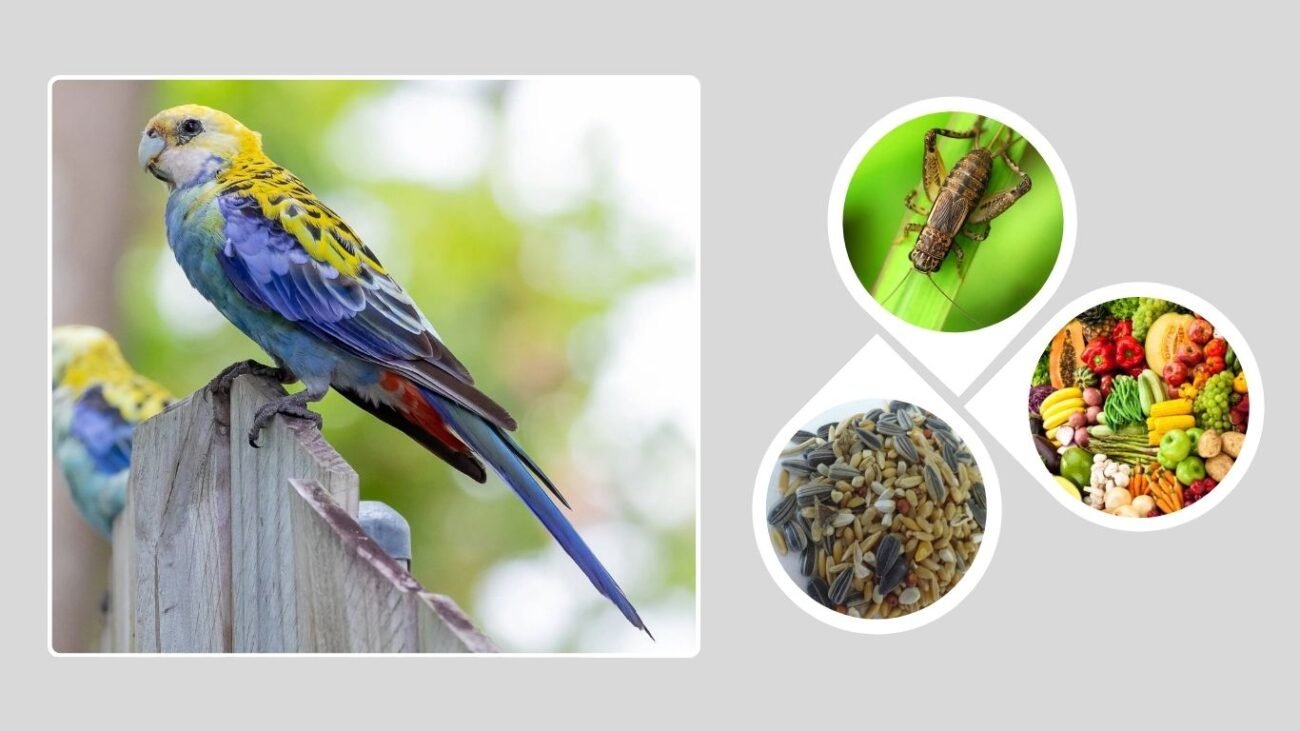
Diet in the Wild
Wild parrots in Australia have diverse diets:
- Seeds and Nuts: Corellas and cockatoos rely heavily on native seeds and nuts.
- Nectar and Pollen: Lorikeets feed on eucalyptus and grevillea blossoms.
- Fruits and Berries: King parrots and rosellas eat ripe fruits and forest berries.
- Insects: Some species consume small insects, especially during breeding season for protein.
Feeding as Pets
Pet parrots require a balanced mix of nutrients:
- Pellets: Should make up 60–70% of daily intake.
- Fresh Produce: Include apples, spinach, corn, and carrots.
- Treats: Offer nuts and seeds occasionally for enrichment.
Avoid harmful foods such as avocado, chocolate, caffeine, and alcohol—they’re toxic to parrots. Fresh water must always be available, and bowls should be cleaned daily.
Behavior and Social Traits
Flock Behavior
Australian parrots are social and often travel in groups for protection and companionship. Large flocks help them locate food sources and detect predators quickly. Communal roosting is common at dusk, creating a vibrant display of color and sound.
Communication
These birds communicate through loud screeches, whistles, and body movements. Their calls help establish territory and coordinate with their mates. In captivity, this intelligence translates into mimicry—parrots can learn human words, sounds, and even tunes.
Playfulness
Parrots love toys, climbing, and chewing. Providing ropes, wooden blocks, and swings keeps them entertained and prevents boredom. Their curious nature makes them quick learners, able to solve puzzles or perform tricks when trained with positive reinforcement.
Breeding and Lifespan
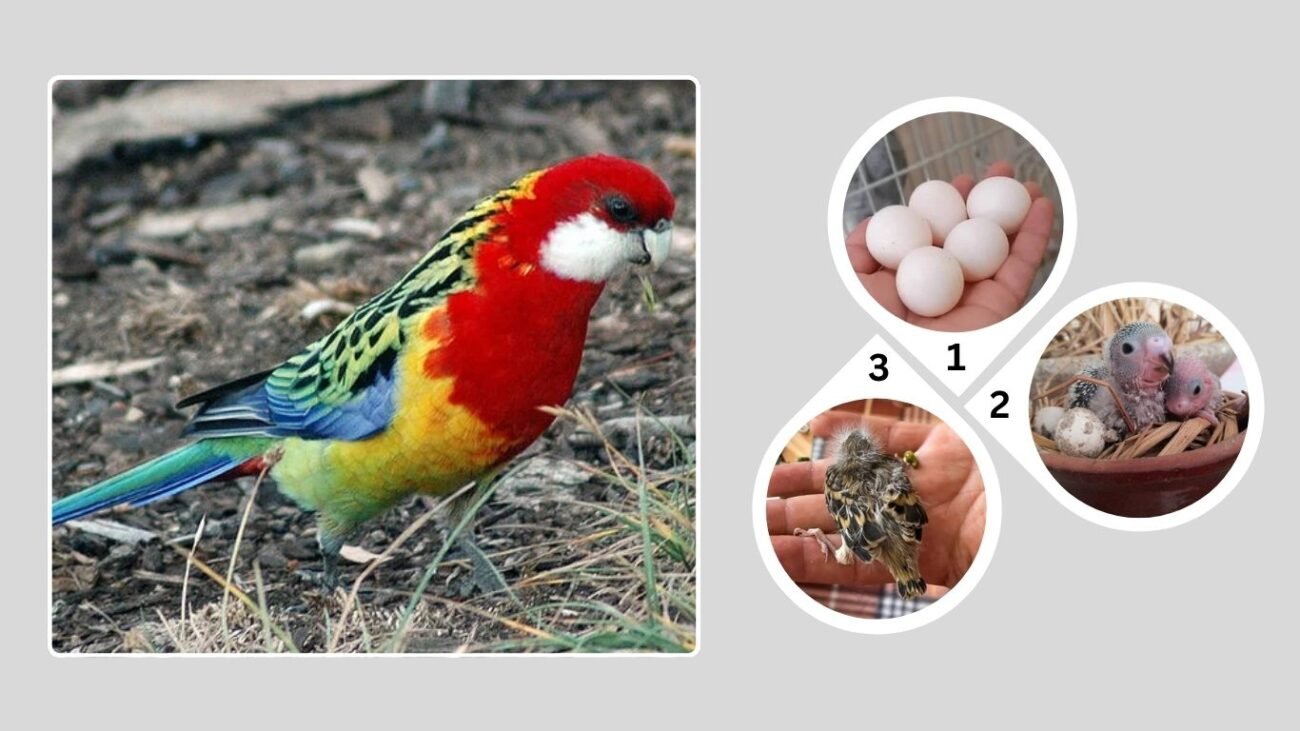
Breeding Habits
Most Australian parrots breed during spring and early summer when food is plentiful. They typically nest in tree hollows or crevices, using soft materials like bark and leaves to line their nests. Depending on the species, females lay between 2 to 6 eggs, incubating them for about 18–25 days. Both parents usually participate in feeding the chicks once hatched.
Budgerigars, one of the most adaptable parrots, can breed multiple times a year after heavy rains, ensuring species survival even in arid regions. In contrast, larger parrots like cockatoos and king parrots breed only once annually, focusing on raising fewer but healthier offspring.
Lifespan
Parrot lifespans vary widely depending on their size and environment:
- Small Parrots (Budgies, Cockatiels): 8–15 years
- Medium Parrots (Lorikeets, Ringnecks): 20–30 years
- Large Parrots (King Parrots, Cockatoos): 40–60+ years
Proper nutrition, enrichment, and veterinary care significantly extend their lifespan, especially in captivity.
Parrots as Pets in Australia
Popular Pet Choices
Australians love keeping parrots as pets due to their intelligence, beauty, and interactive nature. Commonly domesticated species include:
- Australian King Parrot: Friendly and calm, bonds strongly with owners.
- Cockatiel: Gentle, easy to train, and perfect for beginners.
- Eclectus Parrot: Intelligent and affectionate, great talker.
- Budgerigar: Small, cheerful, and thrives in pairs.
Each bird requires attention and stimulation to remain healthy, both physically and emotionally.
Housing and Care
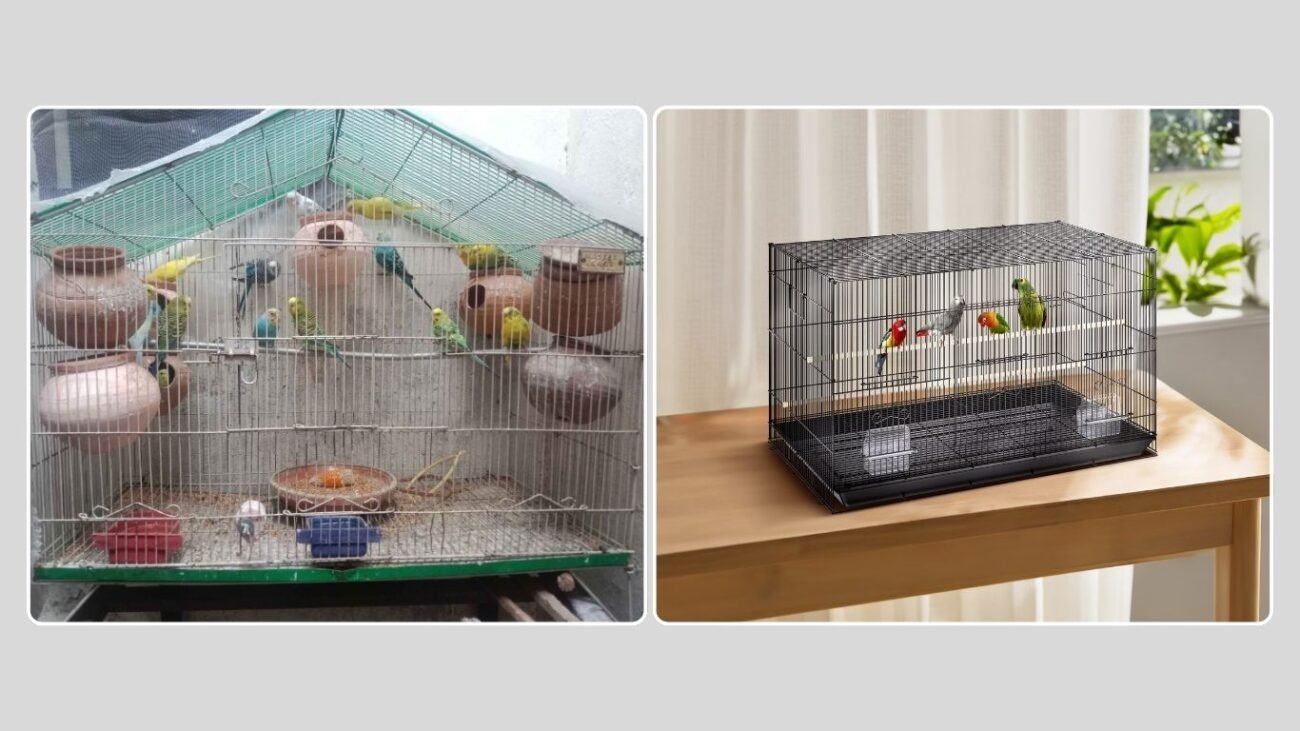
Parrots need ample space to move, climb, and stretch their wings.
- Cage Size: At least 36×24×48 inches for medium parrots; larger for cockatoos or king parrots.
- Perches & Toys: Provide multiple perches of different textures and plenty of chewable toys.
- Bathing: Mist them with clean water or provide shallow baths twice a week.
- Lighting: Ensure exposure to natural sunlight or UV lighting for vitamin D production.
Clean the cage daily, change food and water regularly, and schedule annual health checks with an avian vet.
Legal Considerations
Australia enforces strict wildlife protection laws.
- Many native species require special permits for breeding or ownership.
- Importing or exporting wild parrots is generally prohibited.
- Certain species, like Quaker parrots, are restricted in some states due to their potential to form invasive populations.
Before adopting a parrot, owners should verify local regulations to ensure compliance and ethical acquisition.
Conservation and Threats
Endangered Species
While many Australian parrots thrive, several species face serious decline.
- The Night Parrot, once presumed extinct, is critically endangered with limited known populations.
- The Ground Parrot and Orange-bellied Parrot are also threatened by habitat loss and predators.
Major threats include deforestation, feral animals, and illegal wildlife trade. As natural nesting trees disappear, parrots struggle to reproduce effectively.
Protection Measures
Conservation programs and sanctuaries play a crucial role in protecting native species.
- Habitat Restoration: Replanting eucalyptus and grassland ecosystems.
- Breeding Programs: Captive breeding to reintroduce endangered parrots.
- Community Awareness: Encouraging locals to report sightings and protect nesting sites.
Australia’s wildlife laws also impose strict penalties on illegal trapping and trading of native birds, helping sustain population numbers.
Cultural Significance
In Aboriginal Culture
Parrots have long been featured in Aboriginal art, stories, and songs. They symbolize freedom, intelligence, and connection to the spirit world. The bright feathers of lorikeets and cockatoos were traditionally used in ceremonial decorations and rituals.
In Modern Australia
Today, parrots are cultural icons and ambassadors of Australian wildlife. They appear on stamps, coins, and tourism campaigns. Parrots like the Rainbow Lorikeet and Galah have become household names, celebrated for their cheerful personalities and vivid colors.
Visual Diversity
Color Variations
Australian parrots are among the world’s most colorful birds.
- Green Rosella: Deep green with yellow cheeks, Tasmania’s pride.
- King Parrot: Scarlet red with emerald wings.
- Rainbow Lorikeet: Brilliant mix of blue, orange, and green.
- Cockatoos: Mostly white or pink with dramatic yellow crests.
Their colors aren’t just beautiful—they also help with camouflage and mate attraction.
Identification Tips
- Males vs. Females: Males often have brighter plumage, while females show muted tones.
- Beak Shape: Strong curved beaks for seed eaters; slender beaks for nectar feeders.
- Calls: Each species has distinct vocal patterns, useful for field identification.
Interesting Facts
- Australia hosts over 50 native parrot species, more than any other continent.
- The Budgerigar is one of the most widely kept pet birds globally.
- Night Parrots were unseen for over a century until rediscovered in 2013.
- King Parrots often approach humans in national parks for hand-feeding.
- Cockatoos use tools and display problem-solving skills similar to primates.
FAQs
Are parrots native to Australia?
Yes, many parrot species such as cockatoos, lorikeets, and king parrots are native to Australia. They have evolved uniquely due to the continent’s diverse climate and isolated ecosystems.
Can Australian parrots be kept as pets?
Yes, but only approved native species can be kept legally under wildlife permits. Some, like the Quaker parrot, are restricted in certain states to protect local environments.
What do Australian parrots eat?
They eat seeds, fruits, nectar, and flowers in the wild. Captive parrots should be fed a balanced mix of pellets, vegetables, and occasional nuts or fruit treats.
How long do Australian parrots live?
Their lifespan depends on species—small parrots live 10–15 years, while larger ones like cockatoos and king parrots may live 40–60 years with proper care.
Why is the Night Parrot so famous?
The Night Parrot was thought extinct for over 100 years before being rediscovered in 2013. Its mysterious, nocturnal lifestyle makes it one of the world’s most intriguing birds.


