


Barn owls are among the most recognizable and widely distributed birds on Earth. With their heart-shaped faces and silent wings, they have adapted to live almost anywhere that provides open space for hunting. Found on every continent except Antarctica, these owls thrive in farmlands, grasslands, and even suburban areas. Their ability to live close to humans has made them one of the most successful raptor species in the world.
Global Distribution
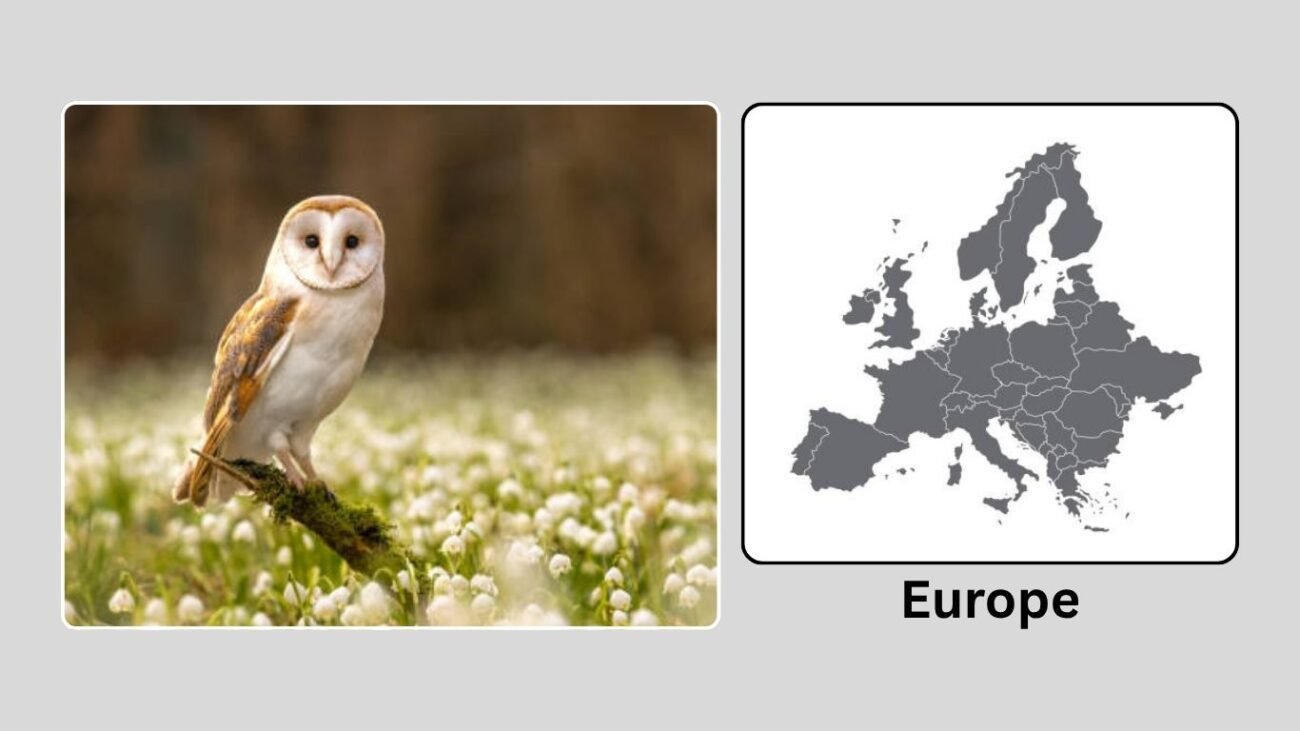
Where Do Barn Owls Live in the World?
Barn owls are true global citizens. They inhabit regions across North and South America, Europe, Africa, Asia, and Australia, adjusting to diverse climates ranging from tropical lowlands to temperate grasslands. The only places they do not naturally occur are polar regions and dense rainforests.
They prefer open landscapes where they can easily hunt small mammals, their main food source. Because of their adaptability, barn owls can live near deserts, coastal plains, or even mountain valleys — anywhere with good hunting grounds and safe nesting sites. Their presence in so many regions has also led to various subspecies adapted to local environments.
Countries and Regions
- United States: Common across most states, especially in California, Texas, and Florida. They are often spotted in farmlands, meadows, and wetlands.
- United Kingdom: Thrive in rural countryside areas, nesting in barns, church towers, and man-made nest boxes.
- Australia: Found throughout most regions except the dense northern rainforests and arid deserts.
- Africa: Occupy open savannas, farmlands, and grasslands.
- Canada: Most common in the southern provinces with mild winters.
This remarkable adaptability makes barn owls one of the most widely distributed bird species in the world.
Typical Habitats
Do Barn Owls Live in Barns?
Yes — in fact, this is how they earned their name. Barn owls frequently nest in barns, silos, church towers, attics, and other quiet, sheltered buildings. These structures offer protection from predators and provide warmth during colder months. Living close to humans also gives them easy access to rodents, which thrive in agricultural areas.
Natural Nesting Sites
Before barns and man-made structures existed, barn owls nested in hollow trees, cliffs, and caves. In rural and wild areas, they still use these natural shelters. They are not builders; instead, they use existing cavities to lay their eggs. Conservation groups often install nest boxes to support their breeding, especially in regions where natural nesting spaces are scarce.
Do Barn Owls Live in Trees or Groups?
Barn owls may occasionally nest in tree hollows, but they prefer open land over dense forests where flying silently is difficult. They are also solitary creatures, meaning they live and hunt alone for most of their lives. Pairs form only during the breeding season, staying together to raise their chicks before returning to independent living. Unlike social birds, barn owls do not live in flocks or colonies.
Habitat in Different Regions
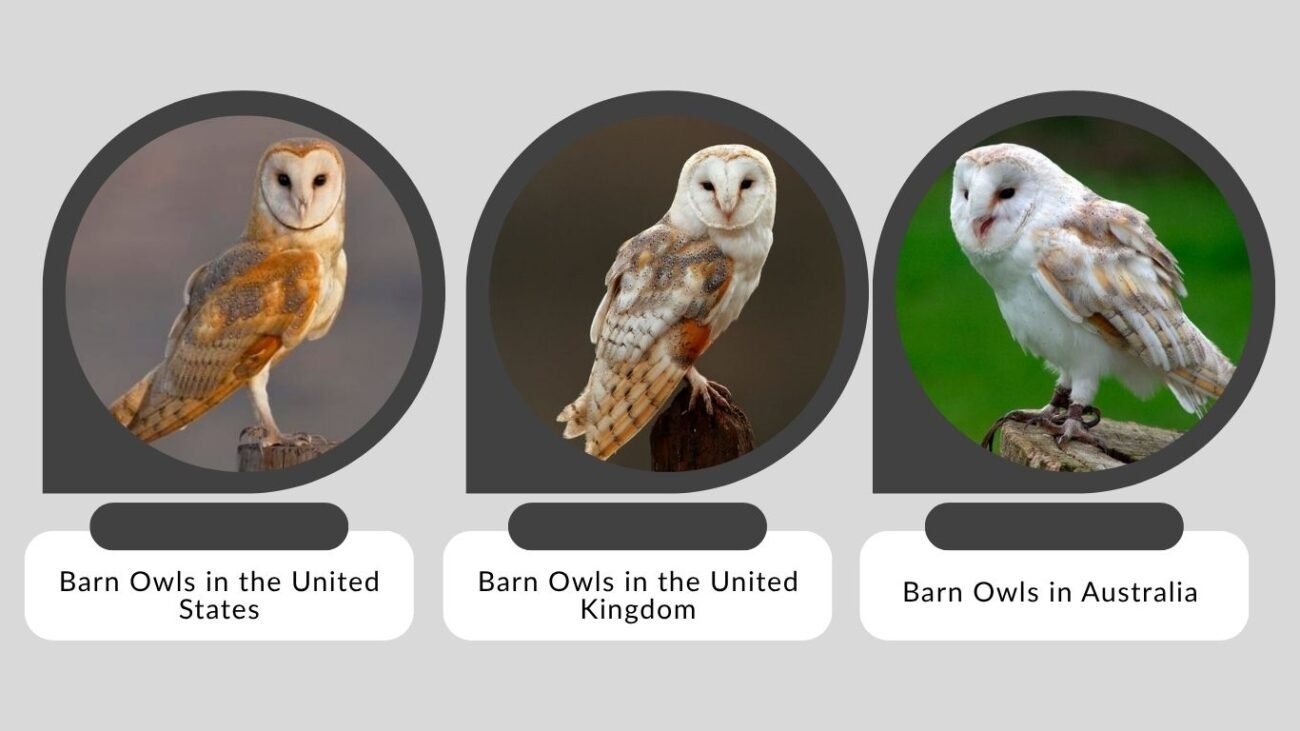
Barn Owls in the United States
Across the U.S., barn owls inhabit a range of landscapes, from farmlands to wetlands. They are most commonly found in southern and western states, where winters are milder. Many states, such as California and Florida, host barn owl live cams, allowing bird lovers to watch these magnificent hunters raise their young in real time.
Barn Owls in the United Kingdom
In the UK, barn owls are symbols of the countryside. They favor open meadows, farmlands, and hedgerows, avoiding heavily forested or urbanized areas. Old barns, church towers, and nest boxes provide ideal nesting spots. Organizations like the Barn Owl Trust work to protect their habitats and often stream live nest cameras, helping people witness their nesting behavior up close.
Barn Owls in Australia and Canada
In Australia, barn owls are found across most states and territories. They live in open grasslands, farmlands, and forest edges, hunting small marsupials and rodents. In Canada, they occupy southern areas with milder climates, as colder northern regions make it difficult to find prey during winter.
Lifespan of Barn Owls
How Long Do Barn Owls Live in the Wild?
In the wild, barn owls generally live for four to five years, though some can survive longer in ideal conditions. Their lifespan is affected by many natural risks, including predators, food shortages, and harsh weather. Despite these challenges, barn owls maintain stable populations due to high breeding rates — females can lay multiple eggs each year.
How Long Do Barn Owls Live in Captivity?
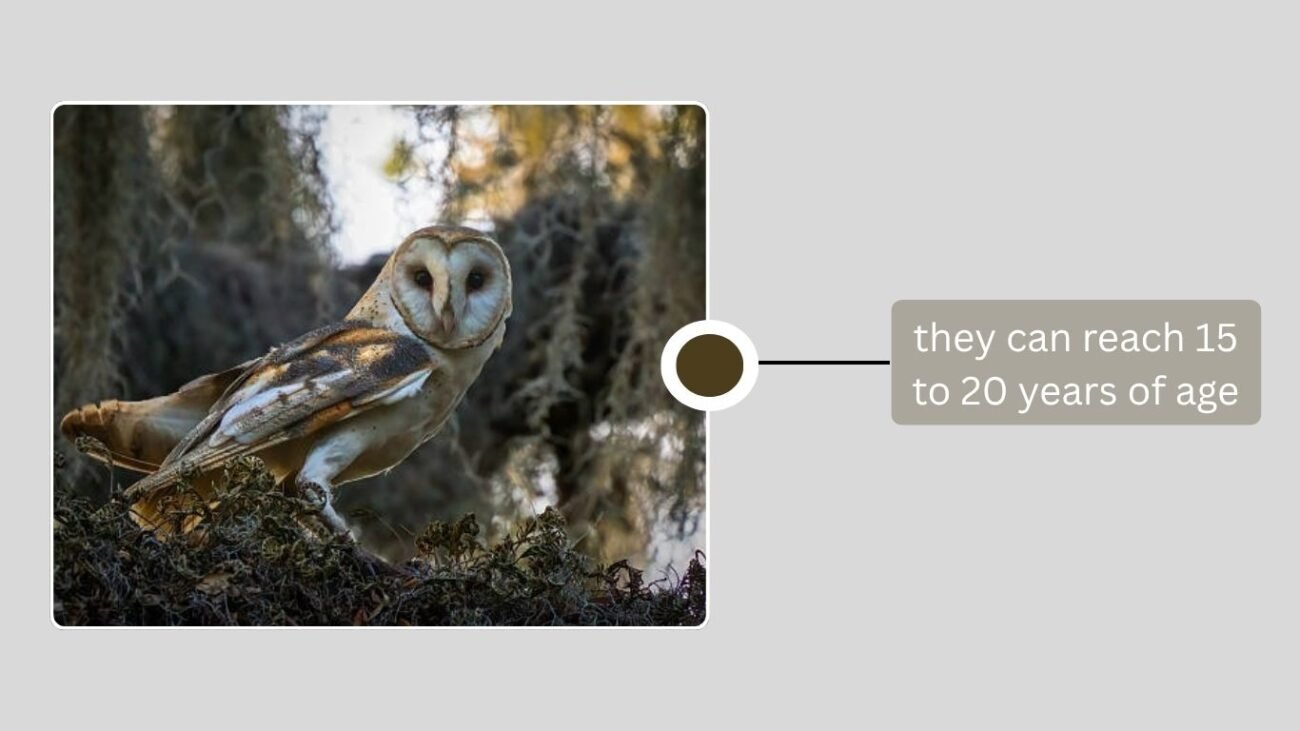
Barn owls live significantly longer in captivity than in the wild. Under the care of trained professionals, they can reach 15 to 20 years of age, more than triple their average wild lifespan. The reasons are simple — in captivity, barn owls are protected from predators, vehicle collisions, and harsh weather. They also receive a consistent diet and regular health checkups, conditions that are nearly impossible in nature.
Captive barn owls are often housed in rehabilitation centers, wildlife reserves, or falconry programs. These controlled environments mimic their natural surroundings while ensuring safety. Some owls that are injured in the wild may remain in captivity permanently if they cannot survive on their own, serving as educational ambassadors to raise awareness about wildlife conservation.
What Affects Their Lifespan
Several factors influence how long a barn owl can live:
- Food Availability: Areas rich in small mammals allow barn owls to hunt efficiently and stay healthy.
- Weather Conditions: Harsh winters and droughts can reduce prey availability and increase mortality.
- Habitat Quality: Safe nesting spots, such as barns or nest boxes, help reduce predation.
- Human Impact: Road traffic, pesticides, and rodenticides are among the leading causes of death for barn owls.
- Predators: Larger raptors such as great horned owls and hawks occasionally attack barn owls, especially young ones.
Conservation efforts that provide safe nesting areas and reduce chemical use have greatly improved barn owl survival rates in many regions.
Watching Barn Owls Live
Live Cams and Webcams
For wildlife enthusiasts, barn owl live cams offer a fascinating look into their nocturnal world. These cameras, installed in nest boxes or barns, stream real-time footage of owls hunting, nesting, and feeding their young. Popular live streams include:
- California (Davis and Audubon Canyon Ranch): Home to well-known nesting pairs featured online.
- Florida and Texas: Agricultural regions where barn owls thrive, often shown raising multiple chicks.
- United Kingdom: The Barn Owl Trust and the RSPB operate 24/7 live nest cams during breeding season.
These streams provide educational opportunities for students, researchers, and bird lovers to observe natural behavior without disturbing the owls.
Educational Importance
Live cams play a vital role in conservation awareness. They help scientists study nesting success, chick growth, and feeding patterns over time. Public exposure to these intimate moments fosters appreciation for barn owls and encourages habitat protection programs globally.
Ecological Importance
Barn owls are natural pest controllers, consuming thousands of rodents each year. A single barn owl family can eat up to 3,000 mice annually, helping farmers protect crops without using toxic chemicals. Because of this, many farmers install nest boxes to attract barn owls as part of eco-friendly pest management systems.
Their widespread presence across continents also indicates ecosystem health — areas that support barn owls often have balanced prey populations and clean, open environments. Protecting their habitats ensures continued natural rodent control and biodiversity stability.
FAQs
Where do barn owls live naturally?
Barn owls naturally live in open fields, meadows, grasslands, and farmlands. They prefer areas with plenty of small mammals like voles and mice. Before barns existed, they nested in tree hollows, cliffs, and caves for safety and shelter.
Do barn owls live in groups?
No. Barn owls are solitary birds that live and hunt alone. They only form pairs during the breeding season. After raising chicks, they return to solitary lives, marking and defending their own hunting territories.
How long do barn owls live?
In the wild, barn owls typically live 4–5 years, though some survive up to 10 years. In captivity, they can live between 15 and 20 years due to consistent care and the absence of natural dangers.
Where do barn owls live in the United States?
Barn owls inhabit nearly every U.S. state, thriving in farmlands, wetlands, and open plains. Populations are strongest in California, Texas, and Florida, where food sources are abundant and winters are mild.
Can you watch barn owls live online?
Yes! Many barn owl live webcams broadcast nesting activities in real time. Popular ones include Molly the Barn Owl in California, Audubon Canyon Ranch cams, and the Barn Owl Trust live feed in the UK. These allow you to observe feeding, hatching, and fledging moments from anywhere.


