

The Turkey Vulture (Cathartes aura) is one of North America’s most familiar and misunderstood birds. Recognized by its red head and dark plumage, this large scavenger is often seen soaring in graceful circles high above fields and highways. Though sometimes mistaken for a bird of prey, the Turkey Vulture is a harmless cleaner of the ecosystem, feeding primarily on carrion and playing a vital role in maintaining environmental balance.
Overview of the Turkey Vulture

What Is a Turkey Vulture?
The Turkey Vulture belongs to the Cathartidae family, known as New World vultures. It earned its name from the resemblance of its bald red head to that of a wild turkey. Despite the ominous appearance, the bird is gentle and rarely aggressive. Turkey Vultures are found throughout the Americas, from southern Canada to the southern tip of South America, thriving in a wide range of habitats.
Interesting Facts
Turkey Vultures have an extraordinary sense of smell — a rare trait among birds. They can detect the scent of decaying animals from more than a mile away. Unlike hawks and eagles, they lack strong talons and rely instead on their beak to tear food. Their slow, soaring flight and wide wingspan make them a common sight, particularly during warm afternoons when rising thermals lift them effortlessly into the sky.
Physical Characteristics
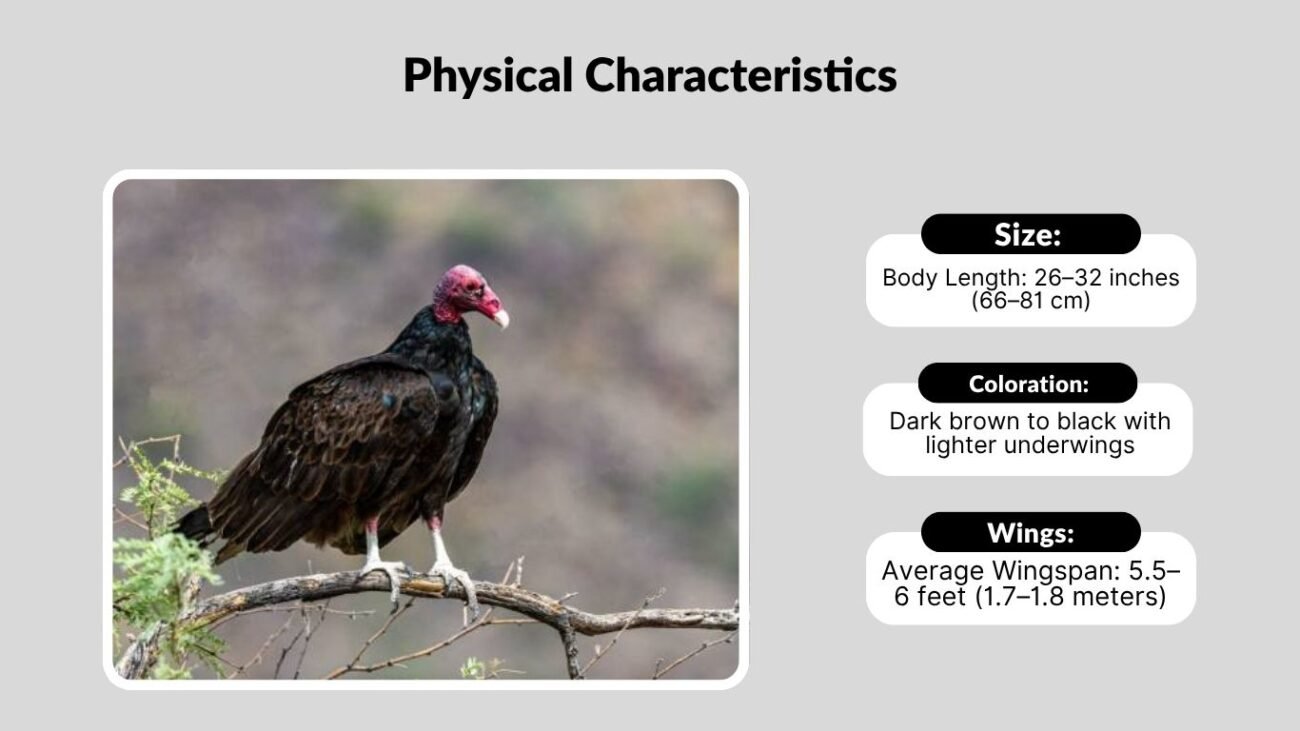
- Scientific Name: Cathartes aura
- Average Wingspan: 5.5–6 feet (1.7–1.8 meters)
- Body Length: 26–32 inches (66–81 cm)
- Weight: 2–4 pounds (0.9–1.8 kg)
- Plumage: Dark brown to black with lighter underwings
- Head: Bald, red in adults; gray in juveniles
- Eyes: Brown with sharp vision for spotting carrion
- Beak: Pale ivory, slender, and hooked for tearing flesh
- Legs and Feet: Weak, pinkish-gray — used mainly for balance, not grasping
- Flight Pattern: Wings held in a shallow “V” (dihedral) while gliding
- Unique Trait: Feathers shimmer bronze in sunlight
- Sex Differences: Males and females look alike
- Tail: Long and slightly rounded for stability in flight
Habitat and Distribution
Where They Live
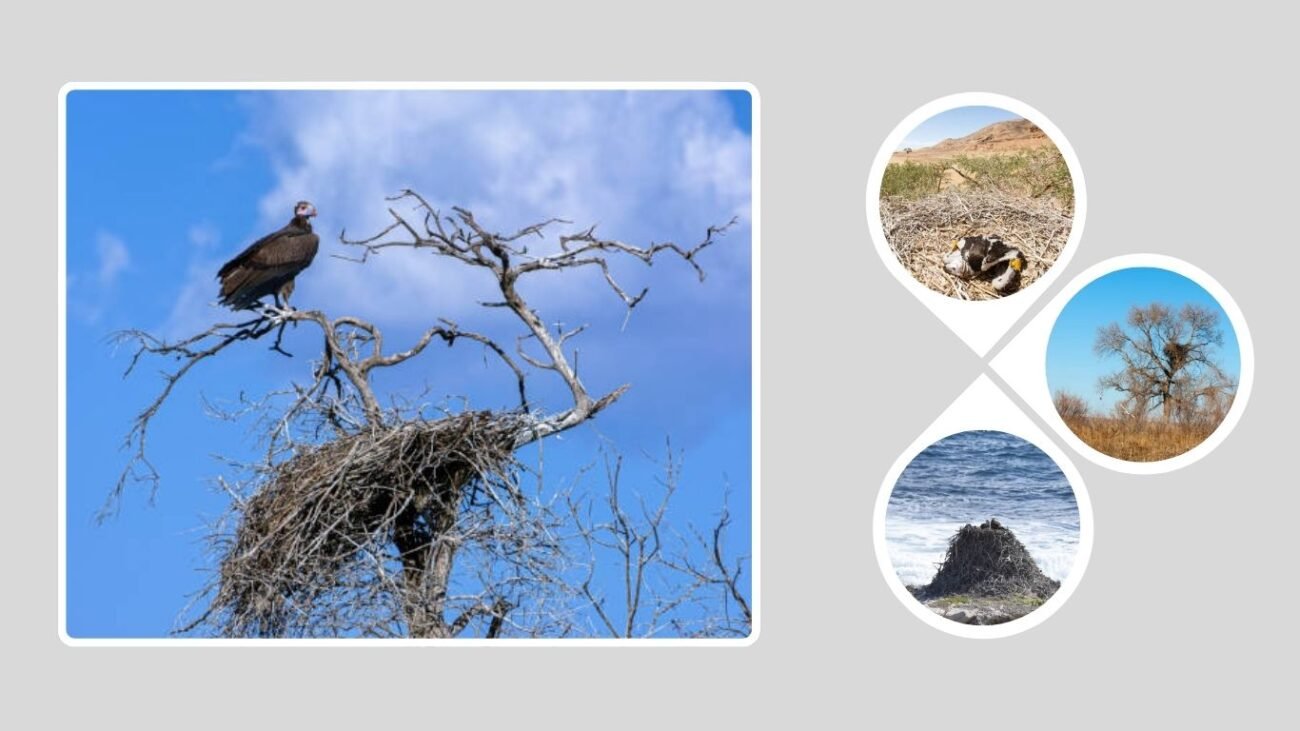
Turkey Vultures are one of the most widespread bird species in the Western Hemisphere. They prefer open landscapes such as deserts, grasslands, coastlines, and farmland but can also be found in forests and mountain regions. You can spot them almost anywhere there’s roadkill or open space to glide. In the United States, they’re especially common in states like Florida, Texas, and California, but also frequent in the Midwest and along migration routes through Mexico.
Nesting and Breeding
Unlike most birds, Turkey Vultures do not build typical nests. Instead, they lay eggs directly on flat surfaces — in caves, hollow logs, abandoned barns, or under dense vegetation. A pair usually lays two eggs per clutch. Both parents share incubation duties for about five weeks. The chicks hatch covered in white down and are fed regurgitated food by their parents until they can fly, typically around 10 to 11 weeks of age.
Diet and Feeding Habits
What Do Turkey Vultures Eat?
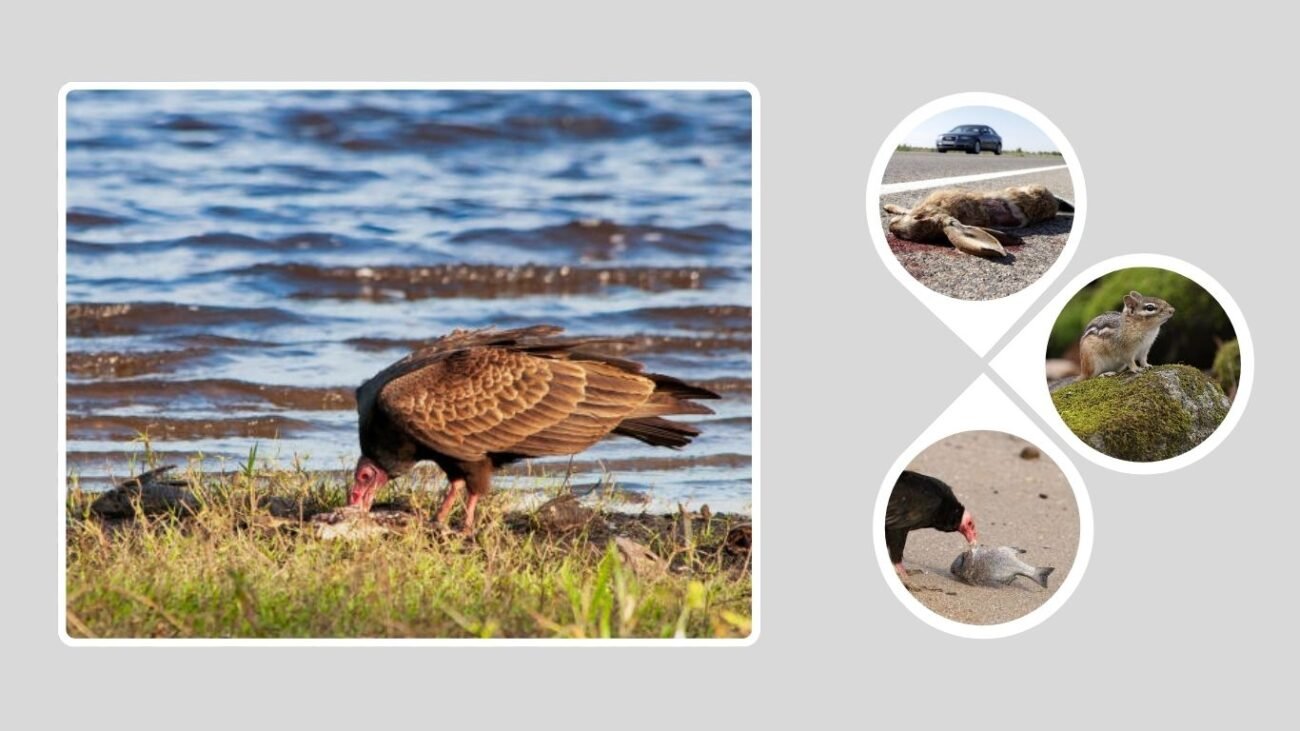
Turkey Vultures are nature’s cleanup crew, feeding almost exclusively on carrion (dead animals). They rarely attack living prey. Their diet includes roadkill, small mammals, fish, and livestock carcasses. Thanks to their highly acidic stomachs, they can safely digest bacteria that would be lethal to most animals — including anthrax, rabies, and botulism.
Feeding Behavior
These vultures are expert scavengers. They rely heavily on smell, locating carcasses hidden beneath forest canopies that other birds overlook. Groups of Turkey Vultures, known as a “wake,” often gather at a single carcass. They typically wait until the animal is freshly dead before feeding, avoiding overly decayed remains. Their strong, hooked beaks tear through flesh easily, while their feet — weaker than a hawk’s — serve mostly for balance.
Behavior and Flight
Flight Style and Wing Movement
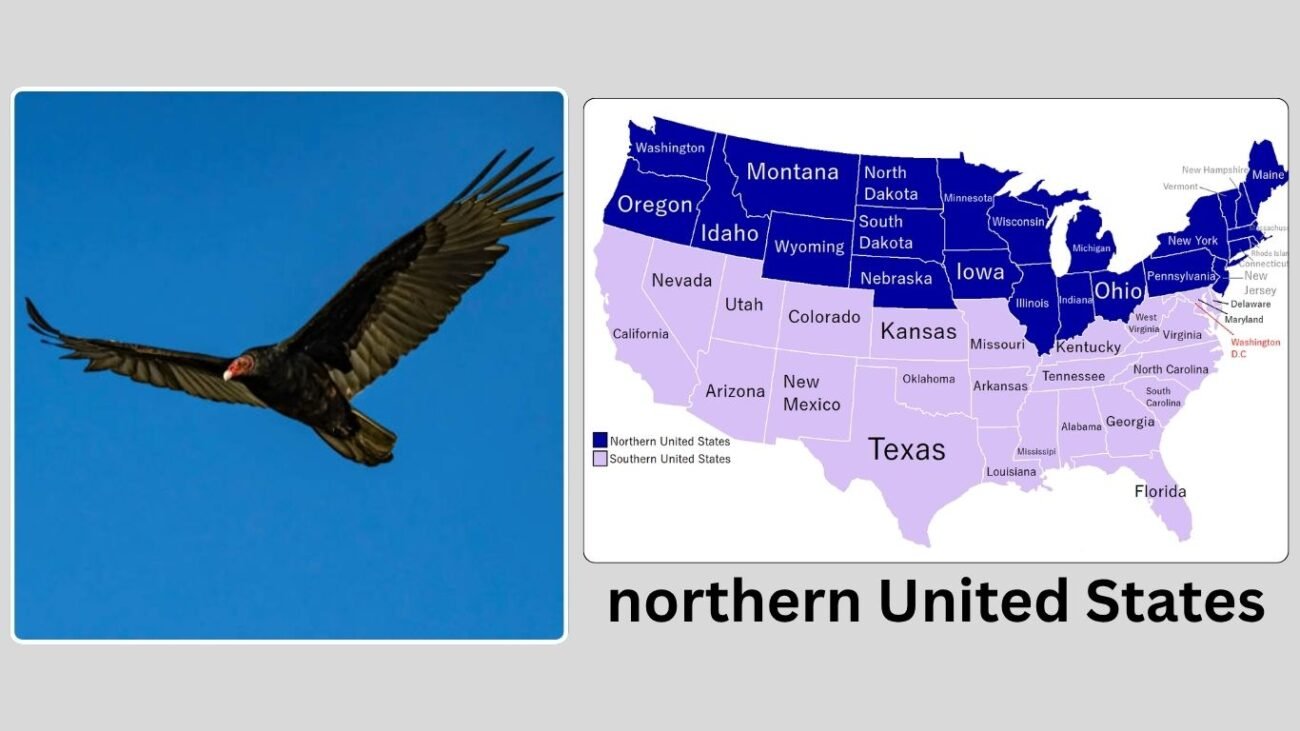
The Turkey Vulture’s flight is slow and steady, with very few wing flaps. They soar using thermal air currents, gliding effortlessly for hours while scanning the ground below. Their wings are held in a slight “V,” creating a wobbling effect as they adjust to air currents. This distinctive flight pattern helps birdwatchers differentiate them from hawks and eagles, which flap more frequently and fly with level wings.
Migration and Range
In colder regions like Canada and the northern United States, Turkey Vultures migrate southward each fall to escape freezing temperatures that limit food availability. They travel in large groups, sometimes numbering in the hundreds, gliding along thermal columns that make long-distance travel energy-efficient. Southern populations, such as those in Florida or Mexico, are year-round residents that seldom migrate.
Comparisons with Other Birds
Black Vulture vs Turkey Vulture
At a glance, the Turkey Vulture and Black Vulture appear similar, but several key traits set them apart. The Turkey Vulture has a red, featherless head and lighter, silvery patches on the underside of its wings. In contrast, the Black Vulture’s head is dark gray, and its wings have white tips instead of light undersides. Turkey Vultures also glide with their wings in a “V” shape, while Black Vultures hold theirs flat and flap more often. Behaviorally, the Black Vulture is more aggressive at carcasses, often chasing Turkey Vultures away despite the latter’s superior sense of smell.
Condor vs Turkey Vulture
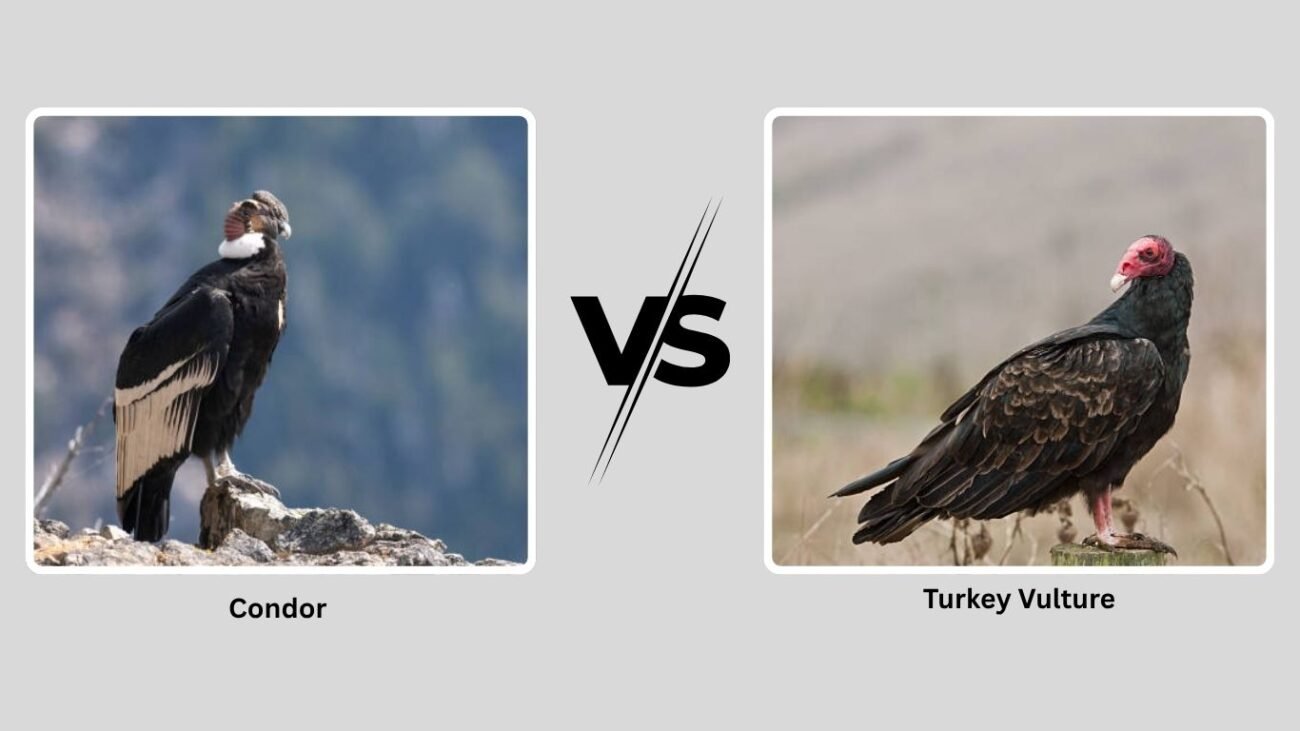
Condors are giants compared to Turkey Vultures. The California Condor can have a wingspan of nearly 10 feet, making the vulture appear modest in size. While condors prefer mountainous regions and cliffs, Turkey Vultures inhabit open lowlands. Both are scavengers, but condors rely more on sight than smell. Turkey Vultures are far more common and adaptable, thriving even in suburban environments where roadkill is abundant.
Buzzard and Hawk Confusion
The term “buzzard” in the United States often refers to the Turkey Vulture, but in Europe, it describes a completely different bird — a type of hawk. Unlike hawks, vultures lack strong talons and do not kill live prey. Their job in the ecosystem is not predation but cleanup, preventing the spread of disease from decaying carcasses.
Sounds and Communication
Vocalizations
Turkey Vultures are nearly silent creatures. They lack a syrinx — the vocal organ most birds use to produce songs — so they can only hiss, grunt, or make low growling sounds. These noises occur mainly during feeding or when threatened. Instead of calls, they communicate through visual cues, such as wing postures and movements that signal dominance or alert others to food sources.
Defense Mechanisms
When disturbed, Turkey Vultures have an unusual but effective defense: they regurgitate recently eaten carrion. The foul-smelling vomit deters predators and lightens their body weight, allowing for a quicker escape. They also hiss or spread their wings in a defensive display, making themselves appear larger.
Spiritual and Cultural Meaning
Symbolism and Spiritual Meaning
Across cultures, Turkey Vultures symbolize renewal, cleansing, and transformation. In Native American traditions, they are seen as sacred birds that purify the land by consuming death and decay. Spiritually, spotting a Turkey Vulture can represent patience, awareness, or the need to let go of what no longer serves you. Their ability to soar effortlessly on invisible thermals has also made them symbols of freedom and adaptability.
Modern Interpretations
In modern wildlife symbolism, Turkey Vultures remind us of nature’s balance — that even death has purpose. Artists and photographers often capture them as emblems of endurance and survival. Though sometimes associated with darkness, their ecological role is deeply positive, emphasizing the cycle of life.
Conservation and Protection
Population and Legal Status
Turkey Vultures are widespread and currently classified as a species of Least Concern by the International Union for Conservation of Nature (IUCN). They are protected under the U.S. Migratory Bird Treaty Act, which makes it illegal to harm, capture, or possess them or their eggs. Populations remain stable across most regions, thanks to their adaptability and broad diet.
Threats and Predators
Their main threats are human-related — collisions with vehicles, poisoning from lead bullets in carcasses, and habitat loss. Eggs and chicks may occasionally fall prey to raccoons, foxes, or hawks. Adult vultures, however, have few natural predators. Conservation groups continue to monitor populations and educate the public about the importance of scavengers in maintaining healthy ecosystems.
Regional Sightings
Where to Spot Turkey Vultures
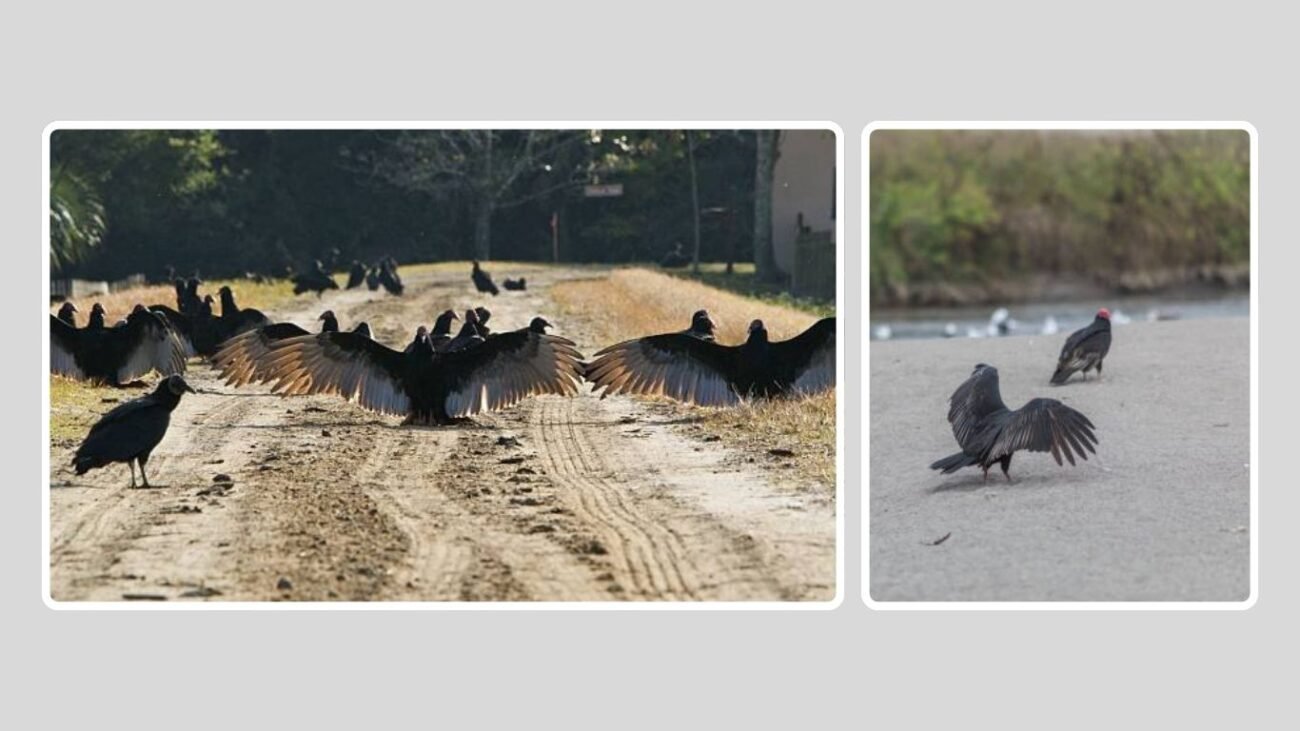
Turkey Vultures are among the most easily observed large birds in North America. They can be seen gliding over open roads, agricultural fields, and river valleys. In Florida, Texas, and California, they are year-round residents. Northern birdwatchers can find them in states like Michigan and Ohio during the warmer months. Early mornings are ideal for sightings as the birds spread their wings to warm up in the sun before taking flight.
Migration Hotspots
During spring and fall migrations, thousands of Turkey Vultures gather in areas such as Hawk Mountain in Pennsylvania and Veracruz, Mexico — famous as the “River of Raptors.” These massive groups, known as “kettles,” can number in the hundreds, circling together on rising warm air currents. The sight of a kettle drifting silently across the sky is one of nature’s most captivating spectacles.
Interesting Facts
- A group of vultures feeding is called a wake, while one soaring in the sky is part of a kettle.
- They can glide for hours without flapping their wings, saving enormous amounts of energy.
- Their digestive system destroys harmful bacteria, preventing the spread of diseases such as anthrax and botulism.
- Turkey Vultures can live up to 20 years in the wild.
- When feeding alongside Black Vultures, they often find carcasses first due to their strong sense of smell.
FAQs
What do turkey vultures eat?
Turkey Vultures feed mainly on carrion — the carcasses of dead animals. They rarely eat living prey. Their sense of smell allows them to detect freshly dead animals from a great distance, helping prevent the spread of disease.
Are turkey vultures dangerous to humans?
No. Turkey Vultures are non-aggressive and pose no threat to people or pets. They do not attack or kill. Instead, they play an essential environmental role by cleaning up carrion from roadsides and fields.
Do turkey vultures migrate?
Yes. Populations in northern climates migrate south in the fall to find food and warmer conditions. Those in southern regions, such as Florida and Mexico, remain in place year-round.
How can I tell a Turkey Vulture from a Black Vulture?
The Turkey Vulture has a red head, longer wings, and a two-tone color pattern beneath its wings. Black Vultures have dark heads, shorter tails, and white patches near the wingtips. In flight, Turkey Vultures glide with wings in a “V” shape, while Black Vultures hold them flat.
What is the spiritual meaning of seeing a Turkey Vulture?
Seeing a Turkey Vulture often symbolizes transformation, renewal, or the cleansing of negativity. Spiritually, it’s seen as a message to let go of decay in life and embrace change or rebirth with patience and awareness.


