Snowy owls, known for their striking white feathers and mysterious demeanor, are one of the most iconic bird species of the coldest regions on Earth. Their ability to survive in extreme environments, along with their unique adaptations, make them fascinating creatures. In this article, we’ll explore where snowy owls live, their preferred habitats, how long they live, and how they survive in some of the harshest climates on the planet.
Where Do Snowy Owls Live?
Snowy Owl Habitat Overview
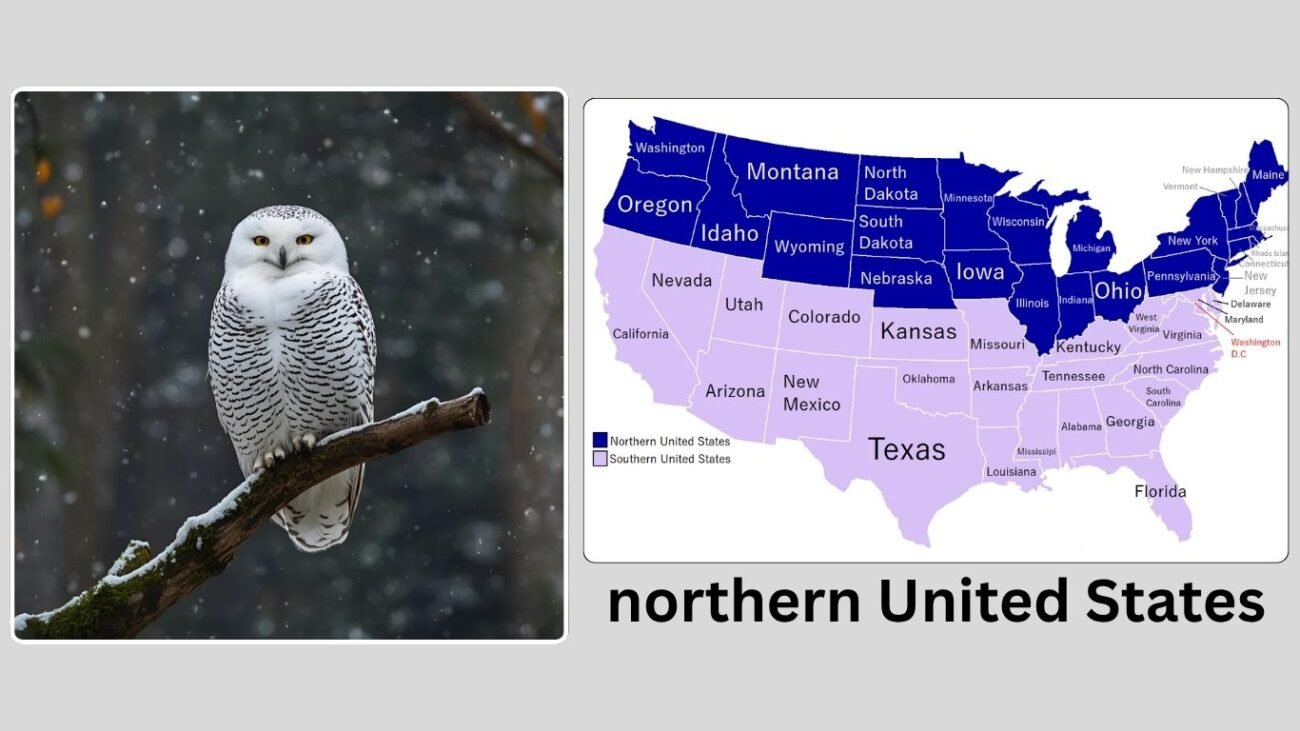
Snowy owls are primarily found in the Arctic tundra, where they thrive in cold, open expanses with minimal vegetation. The flat, treeless terrain provides them with an unobstructed view for hunting and nesting. They are native to the Northern Hemisphere, with significant populations in Canada, Alaska, Greenland, and Russia. In the winter months, they are also found farther south in places like the northern United States and parts of Northern Europe.
In these colder regions, snowy owls prefer open, treeless landscapes, such as tundra, marshes, and coastal dunes. Unlike some other owl species, they are rarely found in forests. They also inhabit farmlands and coastal dunes during the colder months when migrating south in search of food.
Winter Migration
During the winter, snowy owls often migrate southward in search of food, especially if food supplies in the north dwindle. Their migration isn’t as predictable as some other species, as they may move based on food availability rather than following a fixed route. Southern regions like the Great Lakes, Midwestern U.S., and parts of Northern Europe see an influx of snowy owls during the colder months. However, many return to their northern habitats when conditions improve.
What Climate Do Snowy Owls Live In?
Cold Adaptations for Survival
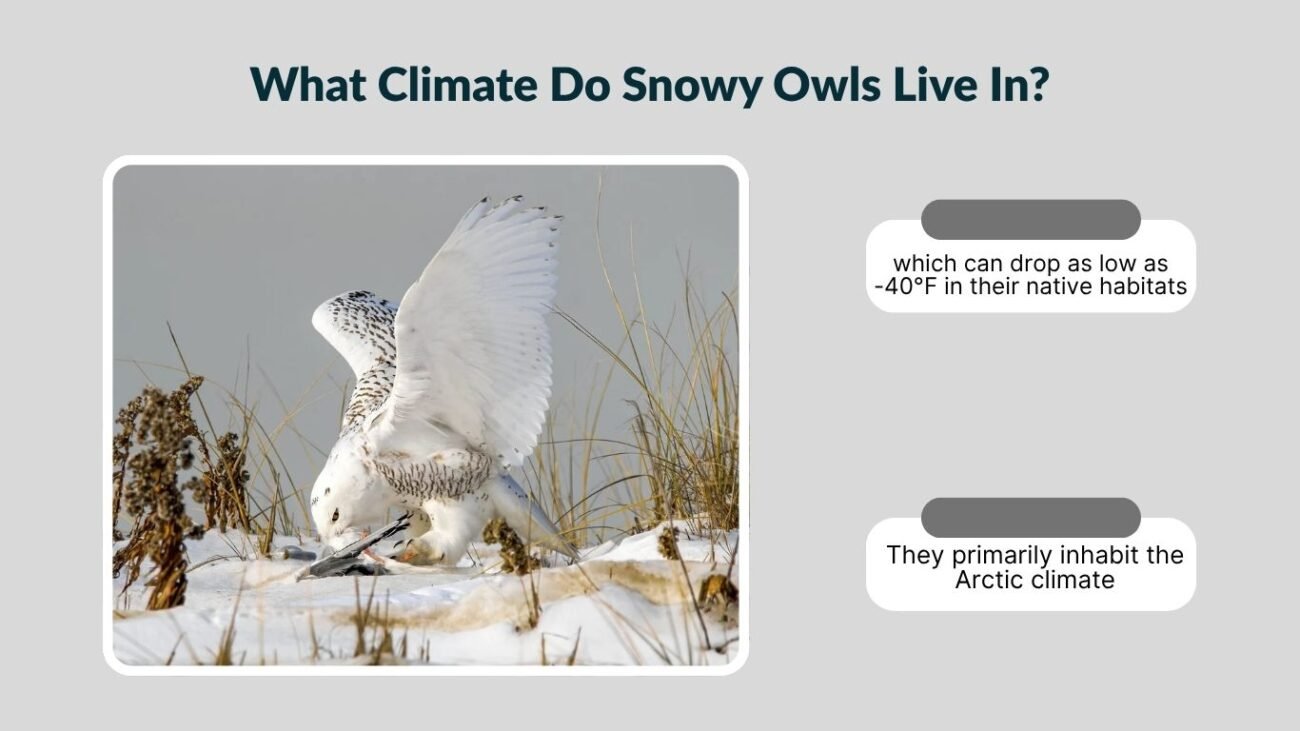
Snowy owls are perfectly adapted to live in cold climates. Their thick plumage provides insulation against freezing temperatures, which can drop as low as -40°F in their native habitats. Their white feathers serve as camouflage in the snowy terrain, helping them blend in with their surroundings while hunting or resting. These owls also have a unique ability to regulate their body temperature to withstand extreme cold, allowing them to hunt in the harshest conditions without suffering from frostbite.
They primarily inhabit the Arctic climate, where long winters and short summers dominate the environment. Snowy owls can tolerate the coldest regions on Earth, relying on their adaptations to survive the extremes. However, they are not limited to only the coldest climates; they can survive in regions with moderate winters, such as the northern United States, as long as there is enough food and shelter.
Migration to Warmer Climates
Despite being adapted to extreme cold, snowy owls are not confined to the Arctic year-round. Some populations migrate south when food is scarce in the north. During these migrations, they can be found in warmer regions, but they still prefer areas that maintain a cold or moderate climate. While they are not suited for tropical or hot climates, they may venture into southern Canada, parts of the U.S., or northern Europe when their usual habitats become too inhospitable.
Snowy Owl Biome and Nesting Habits

What Biome Do Snowy Owls Live In?
The primary biome that snowy owls inhabit is the Arctic tundra. This biome is characterized by its flat, treeless landscape with sparse vegetation. The tundra’s short growing season and extreme cold make it an ideal habitat for snowy owls, who are well adapted to the harsh conditions. The tundra provides ample open space for hunting and gives the owls an advantage when searching for prey.
Aside from the tundra, snowy owls are also found in the taiga, or boreal forest, in the northern regions. In addition, they may temporarily inhabit grasslands, coastal dunes, and farmlands when they migrate south. These areas offer the wide-open space and food sources the owls need, especially during their migration.
Do Snowy Owls Live in Trees?
Unlike many other owl species, snowy owls do not nest in trees. They are ground nesters, typically laying their eggs on the ground in grassy tundra areas or snow-covered depressions. During the breeding season, females create a nest on the ground, usually in a small depression, mound, or slight elevation. These nesting sites provide protection from predators and the harsh winds that often accompany Arctic conditions.
In rare cases, snowy owls may nest in low shrubs or rocks when ground sites are unavailable, but they do not use trees as their primary nesting locations. The absence of large trees in their native tundra biome contributes to this behavior, as the open, flat landscape suits their hunting and nesting needs better than forests would.
How Long Do Snowy Owls Live?
Lifespan of Snowy Owls in the Wild
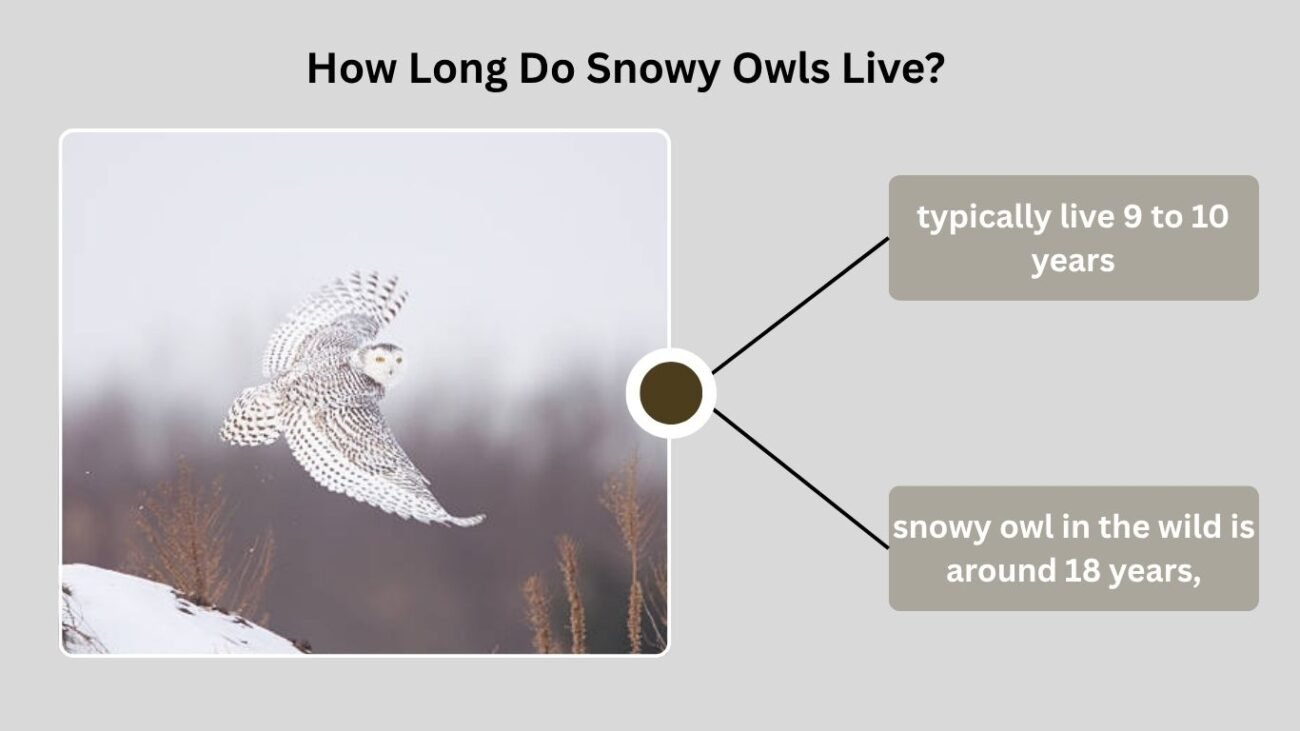
Snowy owls typically live 9 to 10 years in the wild, although many owls do not survive their first few years due to the extreme conditions they face. Young snowy owls are vulnerable to predation, disease, and accidents, and many do not make it past their early years. Those that survive into adulthood can enjoy a relatively long life, considering the challenging environment they live in.
The longest recorded lifespan of a snowy owl in the wild is around 18 years, though this is quite rare. Many owls, especially those living in harsher conditions, have a shorter life expectancy.
Lifespan in Captivity
In captivity, snowy owls can live much longer due to the absence of natural predators and the availability of consistent food. Some individuals have been known to live up to 25 years in controlled environments. This extended lifespan is primarily due to optimal care, such as a controlled diet, medical care, and protection from the elements.
However, keeping snowy owls in captivity requires significant expertise and is often controversial, as their needs for space and a specific environment are hard to replicate outside of the wild.
Do Snowy Owls Live in Groups or Alone?

Solitary Nature
Snowy owls are typically solitary creatures, meaning they do not live in large groups or colonies. Unlike species like barn owls or great horned owls, which may form small groups, snowy owls are independent and territorial. During the breeding season, males and females will briefly form pairs to mate and raise their young, but once the chicks are independent, both parents return to their solitary ways.
Mating and Territory
Snowy owls establish territories that they fiercely protect, especially during the breeding season. These territories are important for hunting and nesting, and both males and females will actively defend their space against intruders. The size of a snowy owl’s territory can vary depending on the availability of food. During migration or when food is abundant, some snowy owls may share areas, but they still maintain a solitary existence, especially outside the breeding season.
Can Snowy Owls Live in Warm Places?
Limited Adaptability to Warmth
While snowy owls are highly adaptable to cold climates, they are not suited to live in warm places. Their physical adaptations, such as their thick plumage and a high metabolic rate, make them better equipped for the cold, open landscapes of the Arctic tundra. However, some snowy owls have been observed migrating to southern regions when food is scarce in their northern habitats. They can occasionally be found in warmer areas, like parts of southern Canada, the northern U.S., and parts of Europe. However, they still prefer cool climates and tend to avoid tropical or hot environments.
Migration South
Snowy owls are not permanent residents of temperate or tropical zones, but they can be spotted in colder regions further south when their food supply diminishes in the north. For example, they may travel to areas like the Great Lakes or parts of New England in the U.S. during particularly cold winters. However, once the northern conditions improve, they return to their colder habitats in the Arctic, where food is abundant.
Snowy Owl Biome and Nesting Habits
The Arctic Tundra
As mentioned earlier, the Arctic tundra is the primary biome where snowy owls live. This cold, treeless environment offers wide-open spaces for the owls to hunt small mammals like lemmings and voles. The tundra’s low shrubs and grasslands provide shelter for nesting during the summer months, while the harsh winter cold doesn’t deter snowy owls—they are fully adapted to these extreme conditions.
The taiga forest or boreal forest is also occasionally inhabited by snowy owls, particularly during winter. The flat, open areas within these forests provide sufficient space for hunting, although they prefer the tundra for its openness.
Ground Nesting
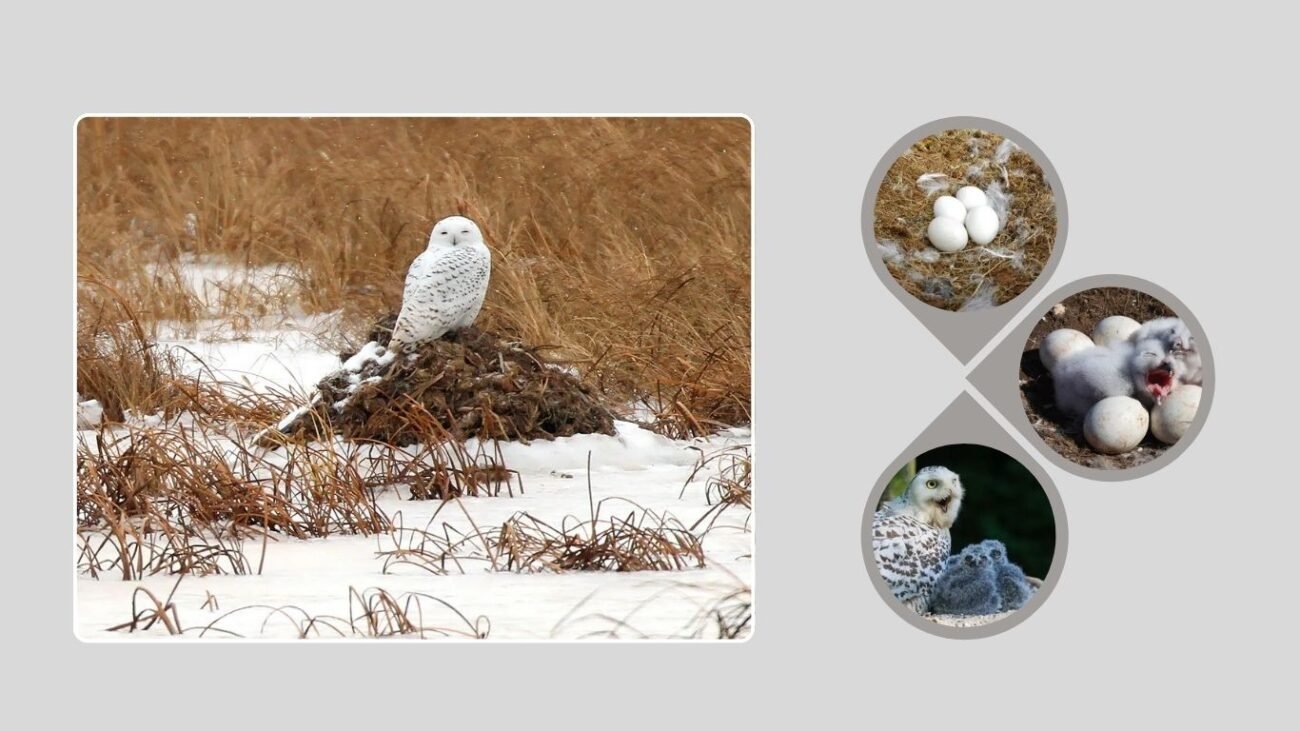
Unlike some owls that nest in trees, snowy owls nest directly on the ground. Their nests are often simple depressions or shallow holes in the ground, lined with grass, moss, or feathers. These nests are well camouflaged against the snowy landscape, helping protect their eggs and chicks from predators. Snowy owls typically avoid forested areas where tree cover might limit their hunting opportunities.
Snowy Owl Facts: Where They Live
- Migration Patterns: Snowy owls are nomadic in nature and often move based on food availability. Their migration is irregular, but they typically move south when food in the north becomes scarce, then return north when conditions improve.
- Regional Occurrence: In Canada, snowy owls can be found across a large portion of the country, from Newfoundland to the Northwest Territories. In the U.S., snowy owls are more common in northern states like Montana, Michigan, and Minnesota, especially during the winter months. Their migratory patterns are largely driven by the availability of food and habitat.
FAQs
Where do snowy owls live?
Snowy owls primarily live in the Arctic tundra, but they also migrate to colder regions like the Great Lakes and parts of the northern U.S. during winter. They inhabit open, treeless areas with abundant food sources.
How long do snowy owls live?
In the wild, snowy owls typically live between 9 to 10 years. Some individuals may live longer, with the longest known lifespan reaching up to 18 years. In captivity, they can live up to 25 years.
Do snowy owls live in trees?
No, snowy owls do not nest in trees. They build their nests on the ground, often in depressions in the snow or grassy tundra areas, where they are well camouflaged.
Can snowy owls live in warm places?
While snowy owls are adapted to cold climates, they can occasionally be found in warmer regions during the winter months, such as the northern U.S. or parts of Northern Europe. However, they still prefer cold or moderate climates and will return to the Arctic when conditions improve.
What biome do snowy owls live in?
Snowy owls primarily live in the Arctic tundra, though they can also inhabit the taiga or boreal forests in the northernmost regions. They prefer open, treeless habitats that provide wide spaces for hunting.