











Frogs that live in houses are usually small, adaptable species that thrive in warm and humid environments. They are often attracted to homes because of moisture, shelter, and the presence of insects around lights. While their appearance may surprise some people, these frogs are harmless and actually beneficial, helping to control pests naturally. Found in gardens, walls, bathrooms, and near windows, house frogs are a common part of everyday life in many regions.
1. Common House Frog
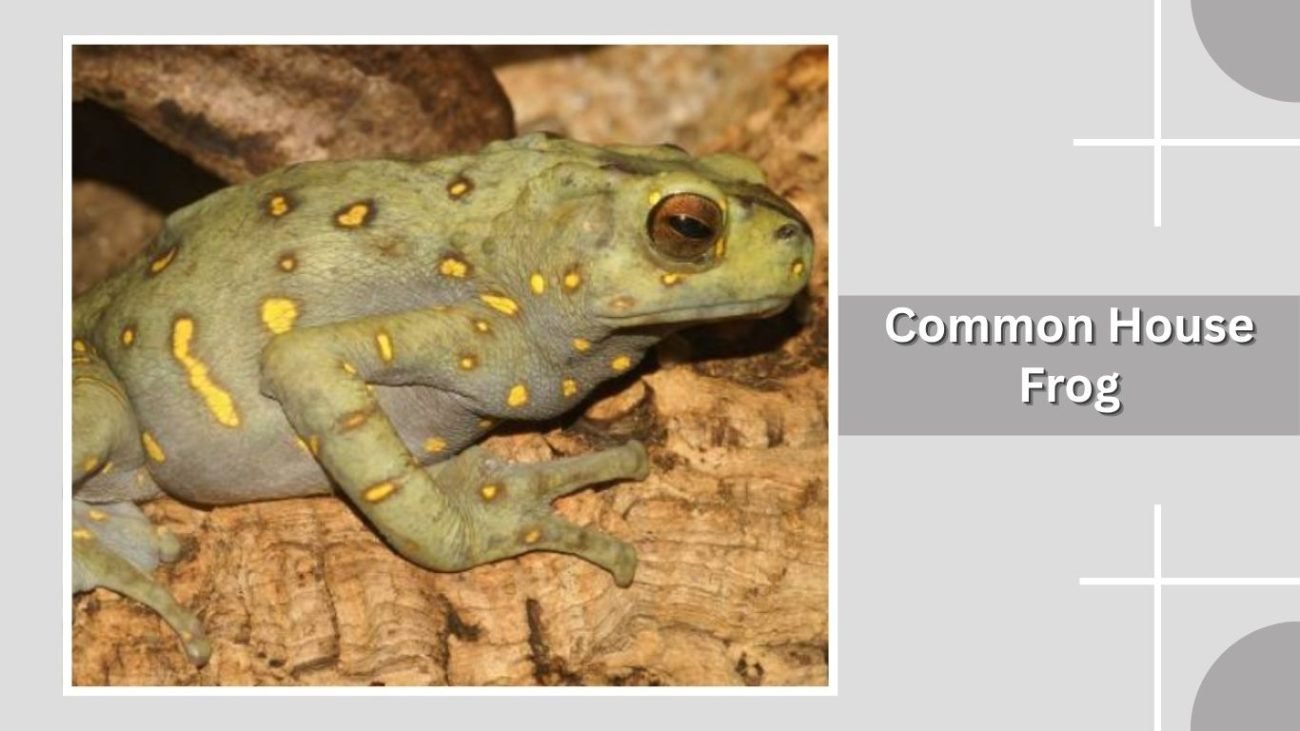
The Common House Frog is a small, adaptable amphibian often seen living in and around human homes, especially in warm and humid regions. It is attracted to artificial lights because insects gather there, making houses a convenient feeding area. This frog is harmless to humans and is actually beneficial, as it helps control pests like mosquitoes and flies. Due to its ability to live in close proximity to people, it is one of the most familiar frogs in residential areas.
Identification
- Small and slender body with smooth or slightly moist skin
- Color ranges from light brown and gray to greenish shades
- Subtle dark spots or irregular patterns on the back
- Long, powerful hind legs for jumping
- Medium-sized eyes with a horizontal pupil
- Slightly pointed snout and a soft underside
Habitat
Common House Frogs are commonly found in damp areas around homes such as bathrooms, kitchens, gardens, and near outdoor lights. They prefer moist, shaded environments where they can stay hydrated. During the day, they hide in cracks, corners, under furniture, or beneath stones and debris. They are also frequently seen near drains, water containers, and walls where insects are present.
Behaviors
These frogs are mainly nocturnal, becoming active at night when temperatures are cooler. They are quick and alert, often jumping away rapidly when disturbed. They tend to stay close to light sources where insects gather, patiently waiting to catch prey. Their movements are agile, and they may climb walls or surfaces in search of food.
Diet and Lifespan
The Common House Frog feeds primarily on small insects such as mosquitoes, flies, ants, and tiny beetles. This makes them useful in reducing household pests naturally. They catch prey using their sticky tongue and quick reflexes. Their lifespan is relatively short, usually ranging from 2 to 5 years in natural or semi-urban environments, depending on safety, food availability, and habitat conditions.
2. Asian Common Toad
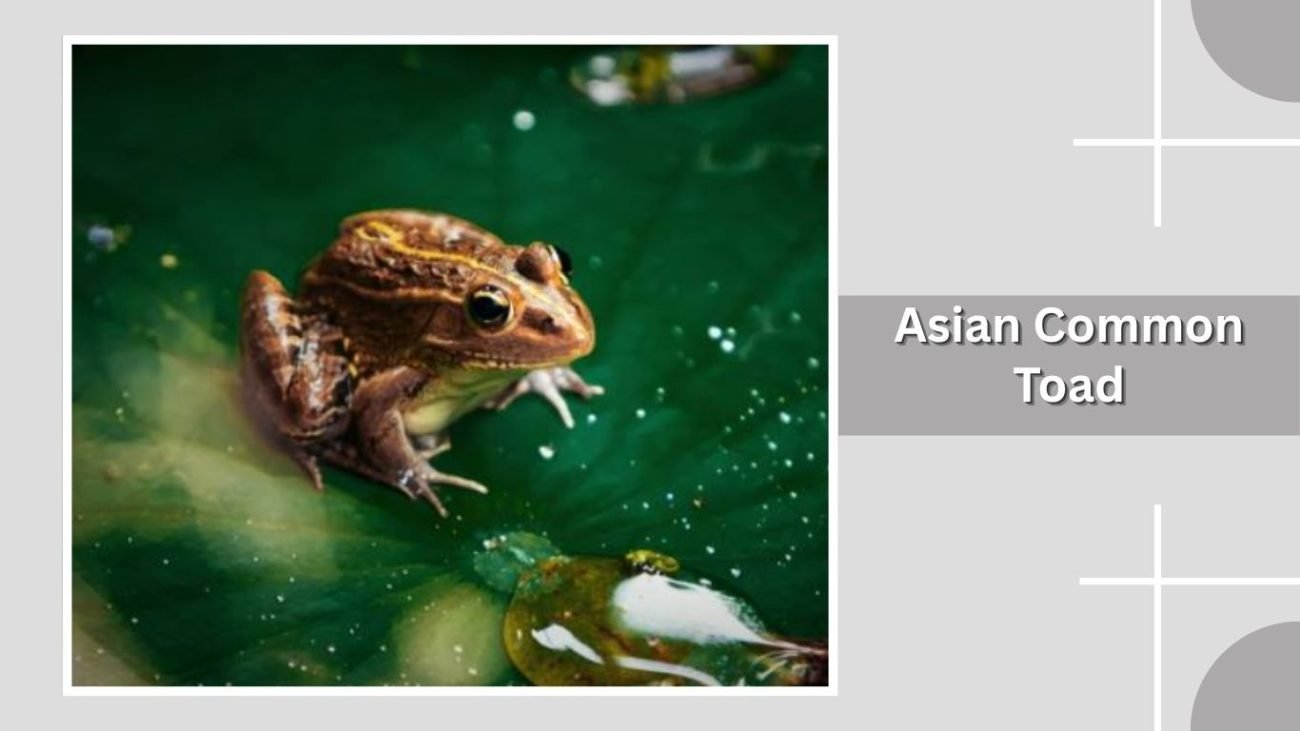
The Asian Common Toad is a hardy and widely distributed amphibian often found near human homes. It adapts easily to urban environments and is commonly seen in gardens, yards, and even inside houses during rainy seasons. Although its appearance may seem rough, it is harmless and plays a helpful role by controlling insect populations around living spaces.
Identification
- Medium-sized, stout body with dry, warty skin
- Brown, gray, or olive coloration
- Prominent ridges on the head
- Large parotoid glands behind the eyes
- Short legs compared to frogs
- Light-colored underside with darker spots
Habitat
Asian Common Toads are commonly found in gardens, backyards, drains, and near buildings. They prefer moist environments and often hide under rocks, logs, or debris during the day. They are especially active during rainy seasons and may enter homes while searching for food or shelter.
Behaviors
These toads are mostly nocturnal and become active at night. They move slowly compared to frogs and often walk or make short hops. When threatened, they may inflate their bodies or remain still to avoid detection. They are frequently seen near lights where insects gather.
Diet and Lifespan
Their diet mainly includes insects such as ants, beetles, termites, and other small invertebrates. They are beneficial for natural pest control. The Asian Common Toad typically lives around 5 to 10 years, depending on environmental conditions and habitat quality.
3. American Green Tree Frog
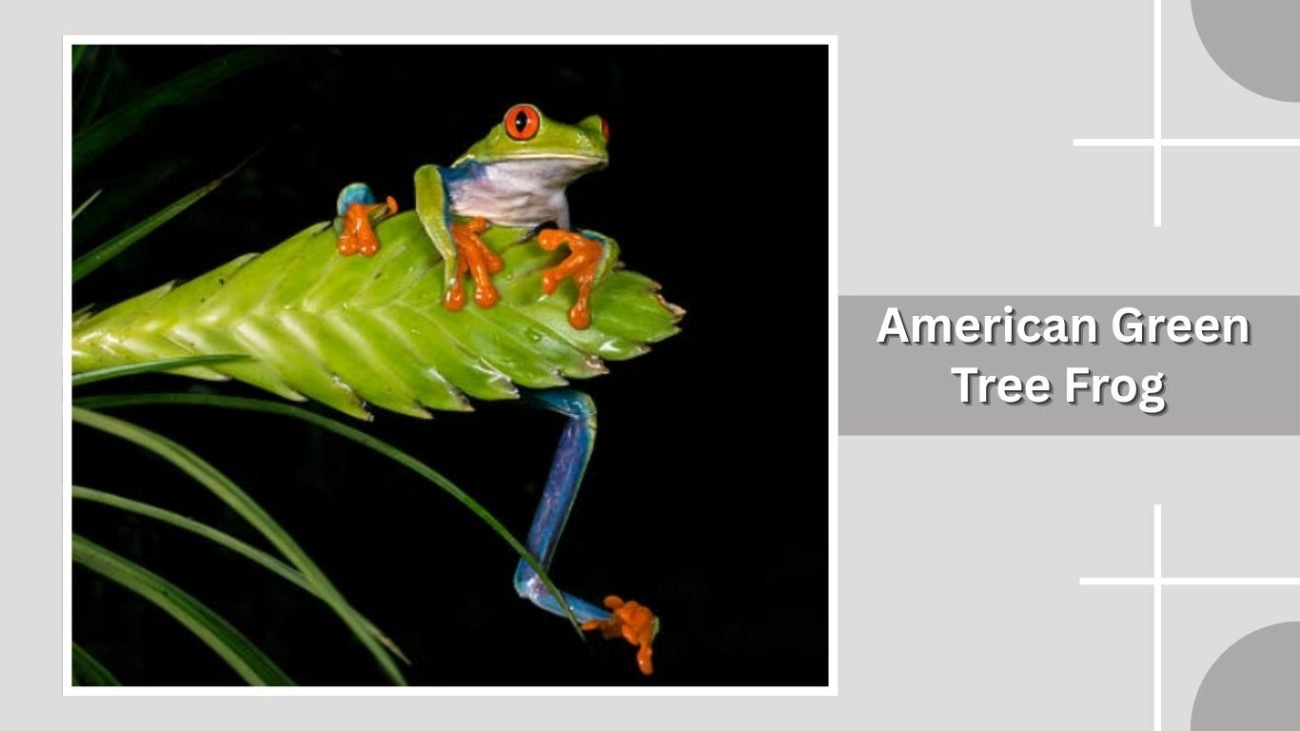
The American Green Tree Frog is a small and friendly-looking species often found around homes, especially in warm and humid regions. It is attracted to lights where insects gather, making porches, windows, and garden walls common places to spot it. This frog is harmless and beneficial, helping reduce insect populations naturally.
Identification
- Bright green body with smooth skin
- White or cream-colored stripe along each side
- Slender body with long legs
- Large eyes with a horizontal pupil
- Sticky toe pads for climbing surfaces
Habitat
This species is commonly found in gardens, patios, windows, bathrooms, and near outdoor lights. It prefers moist areas with access to water such as ponds, drains, or containers. During the day, it hides in plants, behind objects, or on walls in shaded areas.
Behaviors
American Green Tree Frogs are mostly nocturnal and become active at night. They are excellent climbers and can often be seen on walls and glass surfaces. They wait patiently near lights to catch insects and are known for their soft, pleasant calls.
Diet and Lifespan
Their diet mainly consists of insects like mosquitoes, flies, moths, and small beetles. They help control pests around homes. In the wild or near human habitats, they typically live around 3 to 6 years depending on environmental conditions.
4. Cuban Tree Frog
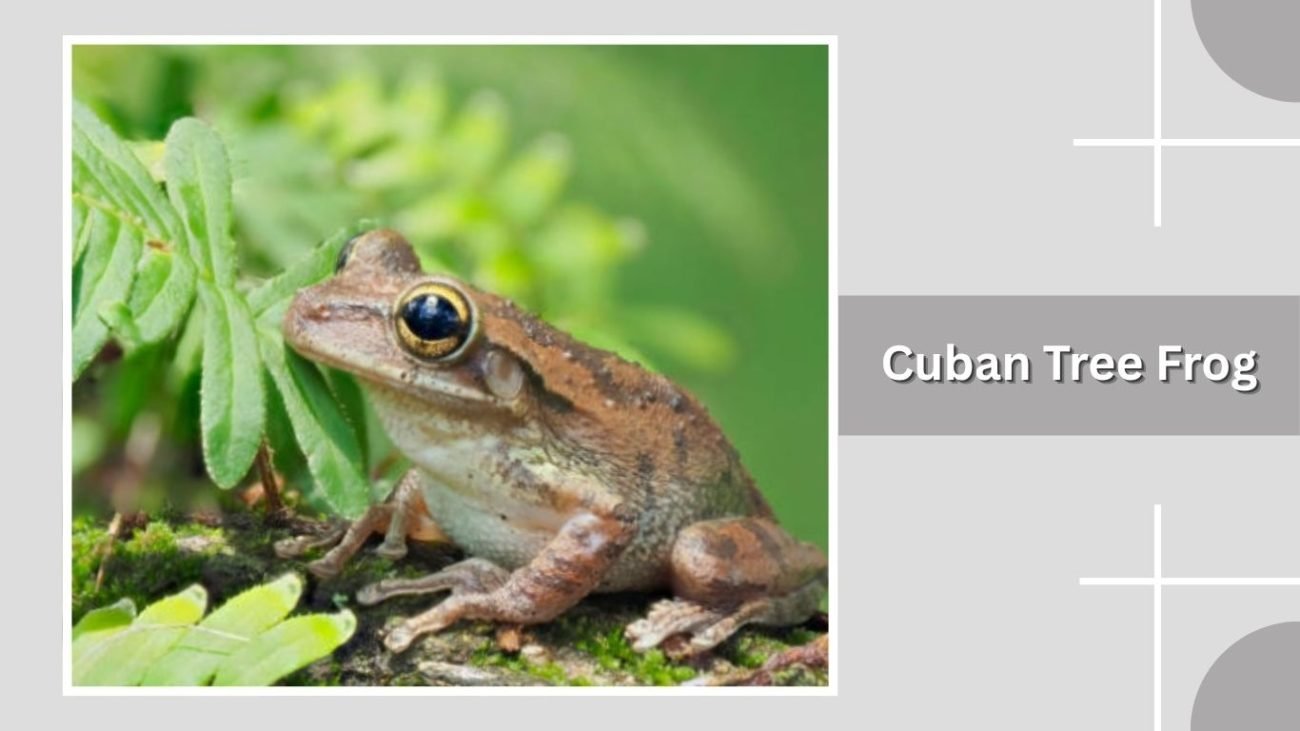
The Cuban Tree Frog is a large and highly adaptable species often found living in and around homes in warm regions. It is especially common near lights, windows, and walls where insects gather. Although interesting to observe, it is considered invasive in some areas and can outcompete native frog species.
Identification
- Large body with rough or slightly warty skin
- Color varies from gray, brown, to green
- Bulging eyes with a golden or bronze tint
- Very large toe pads for strong climbing ability
- Sticky skin with a slightly slimy feel
Habitat
Cuban Tree Frogs are commonly found in houses, gardens, bathrooms, pipes, and outdoor structures. They prefer moist environments and often hide in cool, damp places during the day. They are frequently seen near lights where insects are abundant.
Behaviors
These frogs are nocturnal and become very active at night. They are excellent climbers and can easily move on walls, glass, and ceilings. During the day, they hide in tight spaces such as cracks or pipes. They are bold and may stay still when approached.
Diet and Lifespan
Their diet includes insects, spiders, and even smaller frogs or lizards. They are aggressive feeders and help reduce pest populations. Cuban Tree Frogs can live around 5 to 10 years depending on environment and food availability.
5. Squirrel Tree Frog
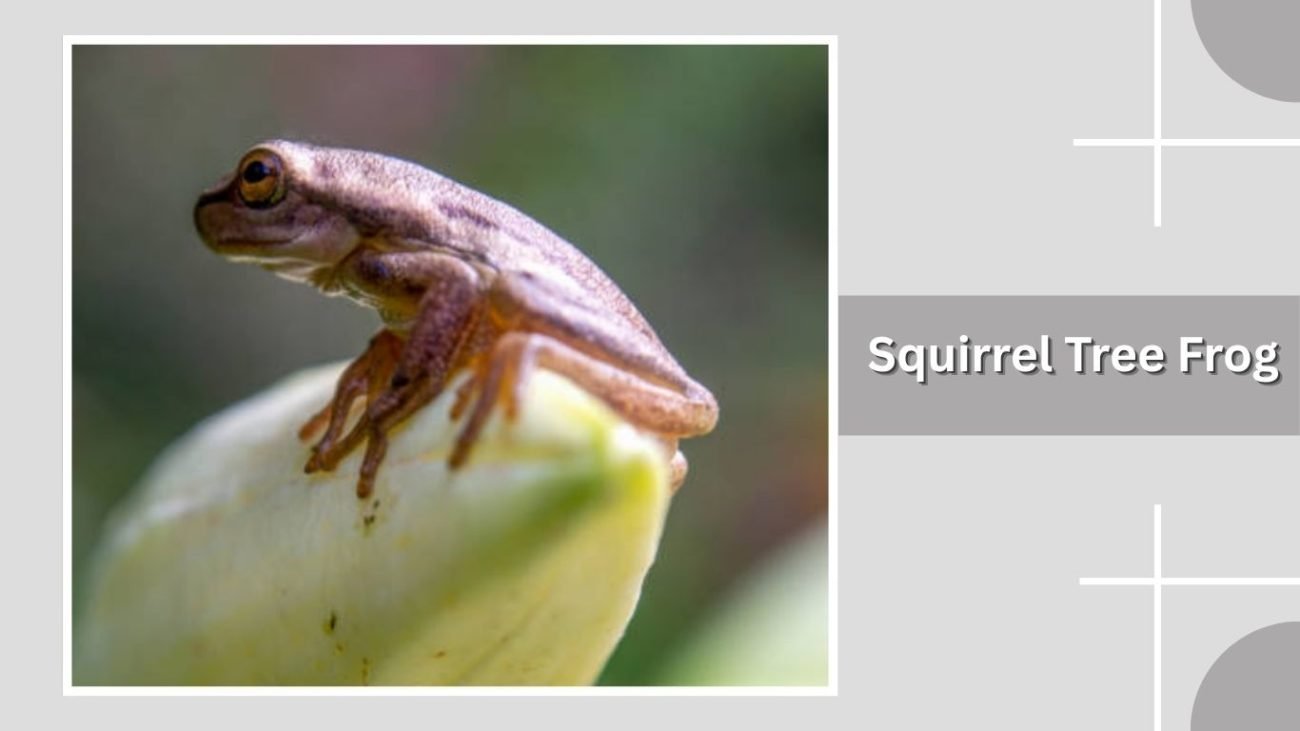
The Squirrel Tree Frog is a small and highly adaptable species often found around homes in warm regions. It is commonly seen near lights, windows, and garden areas where insects are plentiful. Its ability to survive in both natural and urban environments makes it one of the most frequently encountered frogs in residential areas.
Identification
- Small, slender body with smooth skin
- Color varies widely from green, brown, to gray
- Light underside with a soft texture
- Large eyes with a horizontal pupil
- Sticky toe pads for climbing walls and surfaces
Habitat
Squirrel Tree Frogs are commonly found in gardens, walls, windows, bathrooms, and outdoor lighting areas. They prefer moist environments and often stay close to water sources like ponds, drains, or containers. During the day, they hide in plants, crevices, or behind objects.
Behaviors
These frogs are mostly nocturnal and become active at night. They are quick, agile climbers and often gather near lights to catch insects. They are social compared to some frogs and may be seen in small groups.
Diet and Lifespan
Their diet mainly includes insects such as mosquitoes, flies, moths, and small beetles. They play a useful role in controlling household pests. The Squirrel Tree Frog typically lives around 3 to 5 years depending on environmental conditions.
6. Gray Tree Frog
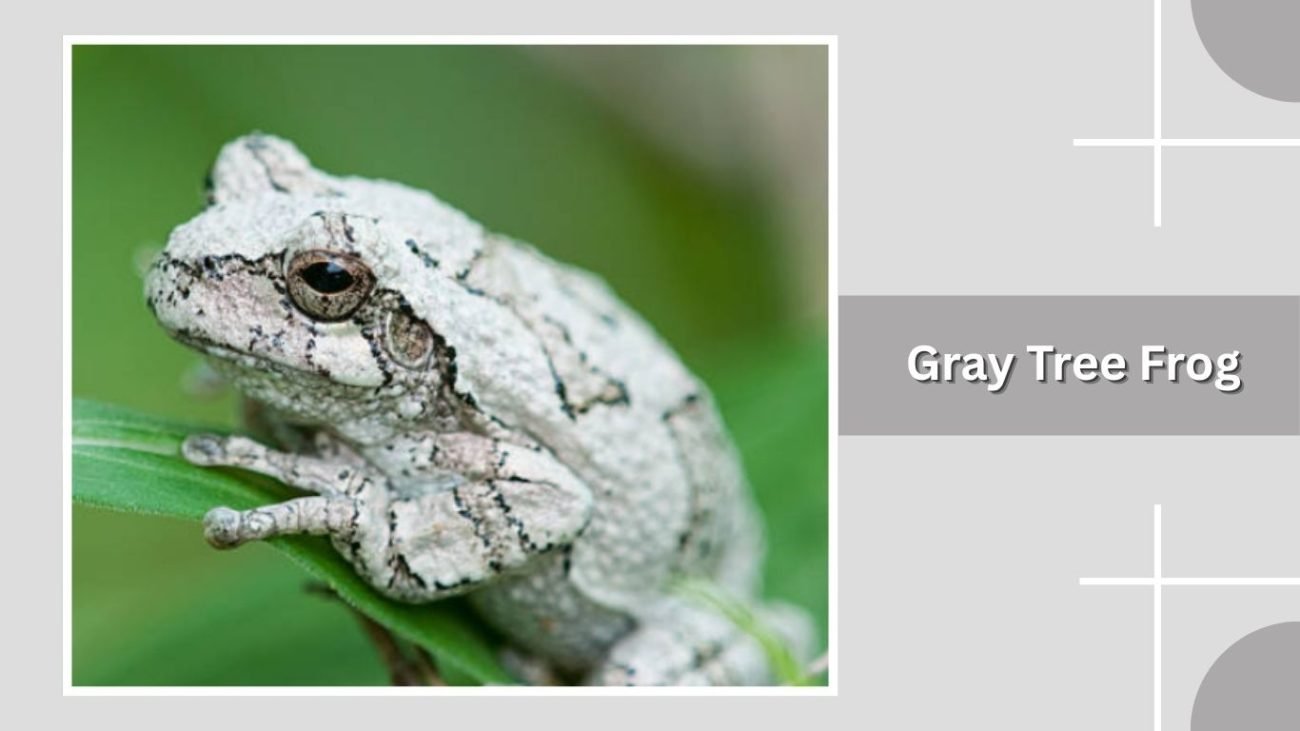
The Gray Tree Frog is a small and adaptable species often found around homes, especially in areas with trees and vegetation. It is known for its ability to change color to blend into its surroundings, making it harder to spot. This frog is harmless and beneficial, as it feeds on insects commonly found near houses.
Identification
- Gray or greenish-gray body that can change color
- Dark blotches or irregular patterns on the back
- Slightly rough, bumpy skin texture
- Bright yellow or orange coloration on inner thighs
- Large toe pads for climbing surfaces
Habitat
Gray Tree Frogs are commonly found in gardens, walls, windows, and near outdoor lights. They prefer areas with trees, shrubs, and moisture. During the day, they hide under bark, leaves, or in small crevices, often close to homes.
Behaviors
These frogs are mostly nocturnal and become active at night. They are excellent climbers and can be seen on walls, glass, and tree trunks. They often gather near lights to catch insects and are known for their soft, musical calls.
Diet and Lifespan
Their diet mainly includes insects such as moths, flies, mosquitoes, and small beetles. They help reduce pest populations around homes. The Gray Tree Frog typically lives around 5 to 8 years, depending on habitat and environmental conditions.
7. White’s Tree Frog
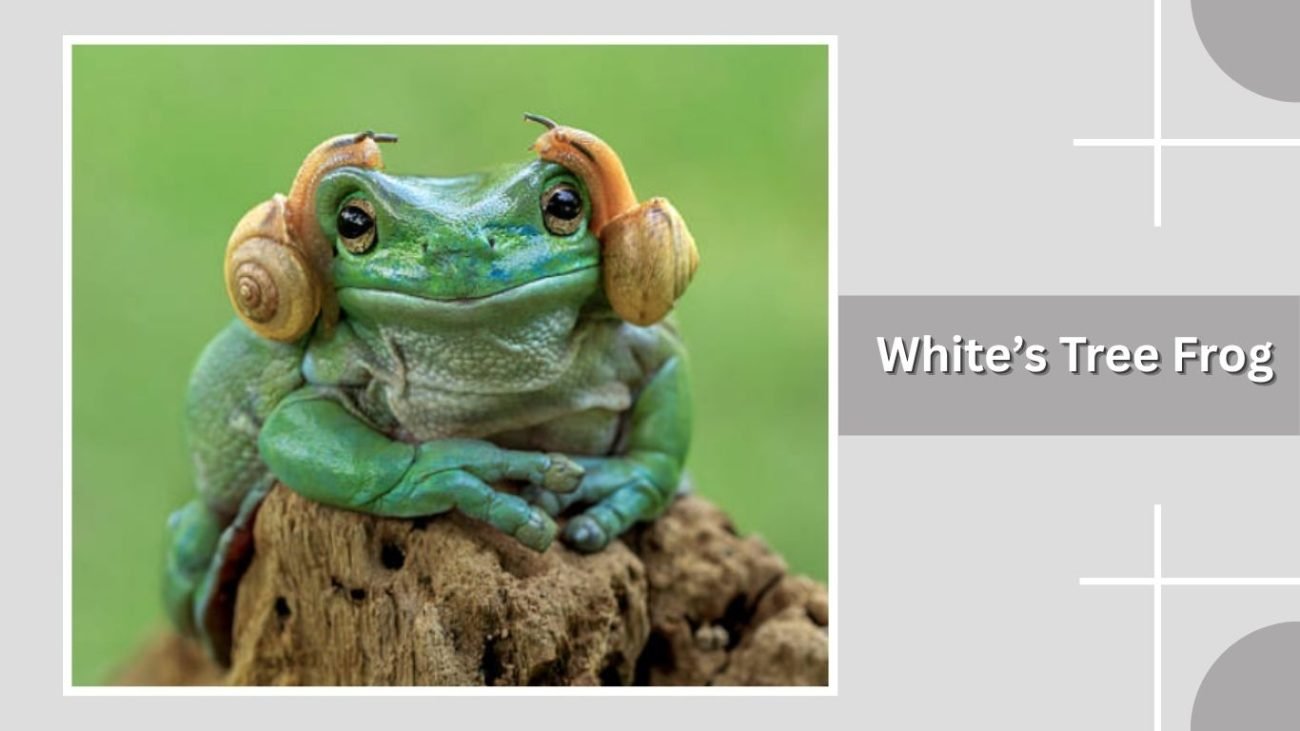
White’s Tree Frog is a popular and hardy species that can sometimes be found around homes in warm climates. Known for its calm nature and slightly chubby appearance, it adapts well to human environments where moisture and insects are available. It is harmless and often considered beneficial because it feeds on common household pests.
Identification
- Plump body with smooth, slightly waxy skin
- Green to bluish-green coloration, sometimes with white spots
- Large, rounded eyes with a horizontal pupil
- Broad head with a soft, rounded shape
- Sticky toe pads for climbing walls and surfaces
Habitat
White’s Tree Frogs are often found in gardens, near windows, bathrooms, and outdoor lights. They prefer humid areas with access to water and shelter. During the day, they hide in cool, damp places such as plant pots, pipes, or crevices.
Behaviors
These frogs are mostly nocturnal and become active at night. They are slow-moving compared to other tree frogs and often remain still while waiting for prey. They are good climbers and can stick to walls, glass, and smooth surfaces.
Diet and Lifespan
Their diet mainly consists of insects such as crickets, flies, moths, and small beetles. They help control pest populations around homes. White’s Tree Frogs can live around 10 to 15 years, especially in stable environments with good conditions.
8. Pacific Tree Frog
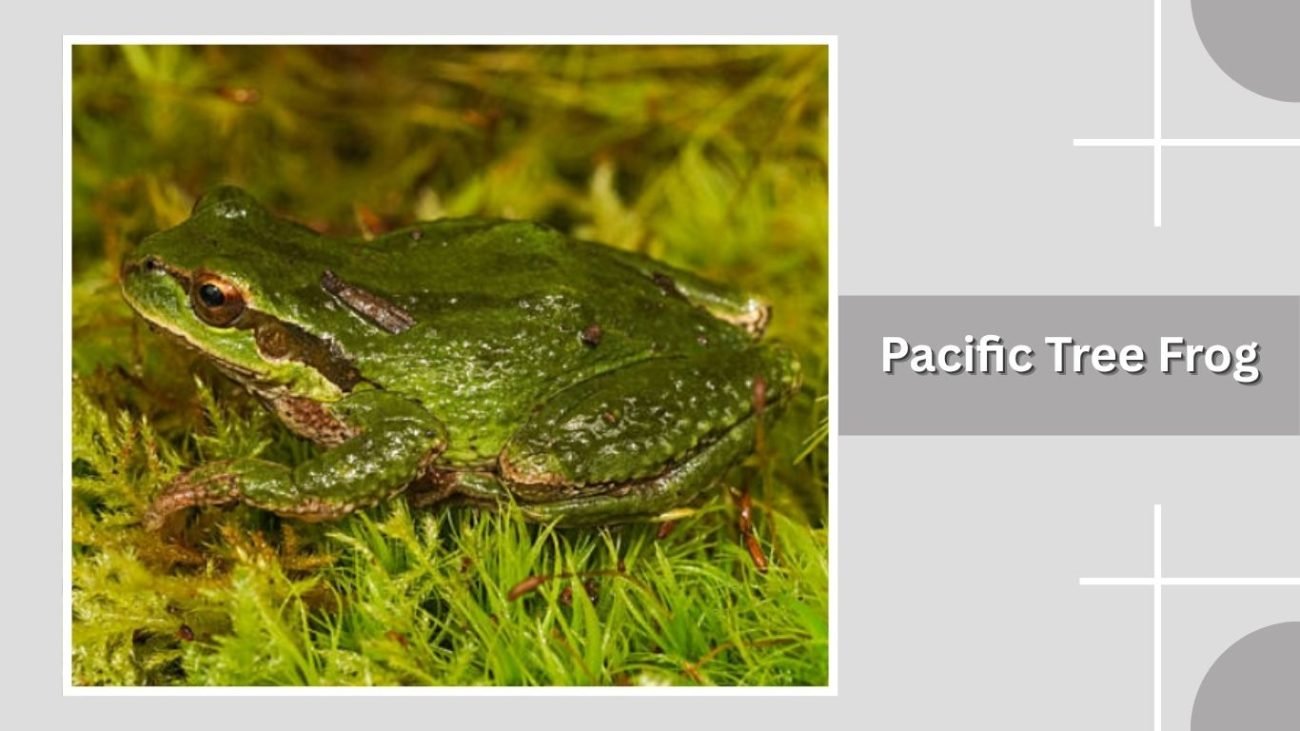
The Pacific Tree Frog is a small and adaptable species often found near homes, especially in areas with moisture and vegetation. It is known for its distinctive call and ability to thrive in both natural and urban environments. This frog is harmless and beneficial, helping to reduce insect populations around houses.
Identification
- Small, slender body with smooth skin
- Color varies from green to brown or gray
- Dark stripe running from nose through the eye
- Light-colored underside
- Sticky toe pads for climbing
Habitat
Pacific Tree Frogs are commonly found in gardens, yards, near windows, and around outdoor lights. They prefer moist environments with access to water such as ponds, puddles, or containers. During the day, they hide under leaves, logs, or in small crevices.
Behaviors
These frogs are mostly nocturnal and become active at night. They are agile climbers and often gather near lights to catch insects. Their call is a loud “ribbit” sound, especially during the breeding season.
Diet and Lifespan
Their diet mainly consists of insects such as flies, mosquitoes, moths, and small beetles. They play an important role in pest control. The Pacific Tree Frog typically lives around 3 to 6 years depending on environmental conditions.
9. Spring Peeper
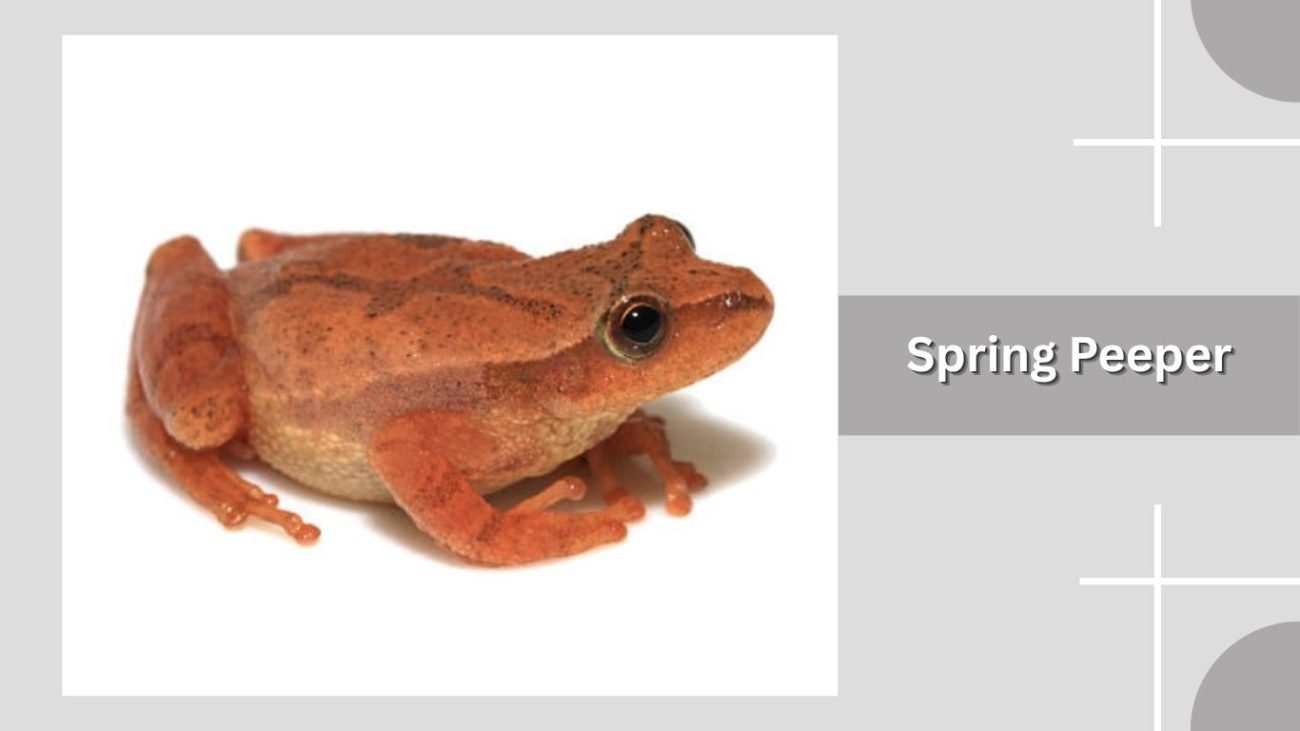
The Spring Peeper is a small and well-known frog often found near homes, especially during the breeding season. It is famous for its loud, high-pitched calls that signal the arrival of warmer weather. Despite its tiny size, it is quite noticeable due to its आवाज and active behavior around moist areas.
Identification
- Very small, slender body with smooth skin
- Brown or tan coloration with a darker “X” mark on the back
- Light underside with a soft texture
- Large toe pads for climbing
- Prominent eyes with a dark stripe through them
Habitat
Spring Peepers are commonly found in gardens, near windows, basements, and damp areas around homes. They prefer moist environments such as ponds, marshes, and wooded areas. During the day, they hide under leaves, logs, or debris.
Behaviors
These frogs are mostly nocturnal and become very active at night. They are best known for their loud peeping calls, especially during the breeding season. They are good climbers and may be seen on plants or walls.
Diet and Lifespan
Their diet mainly consists of small insects such as ants, flies, and beetles. They help reduce pest populations around homes. Spring Peepers typically live around 3 to 4 years in the wild, depending on environmental conditions.
10. Barking Tree Frog
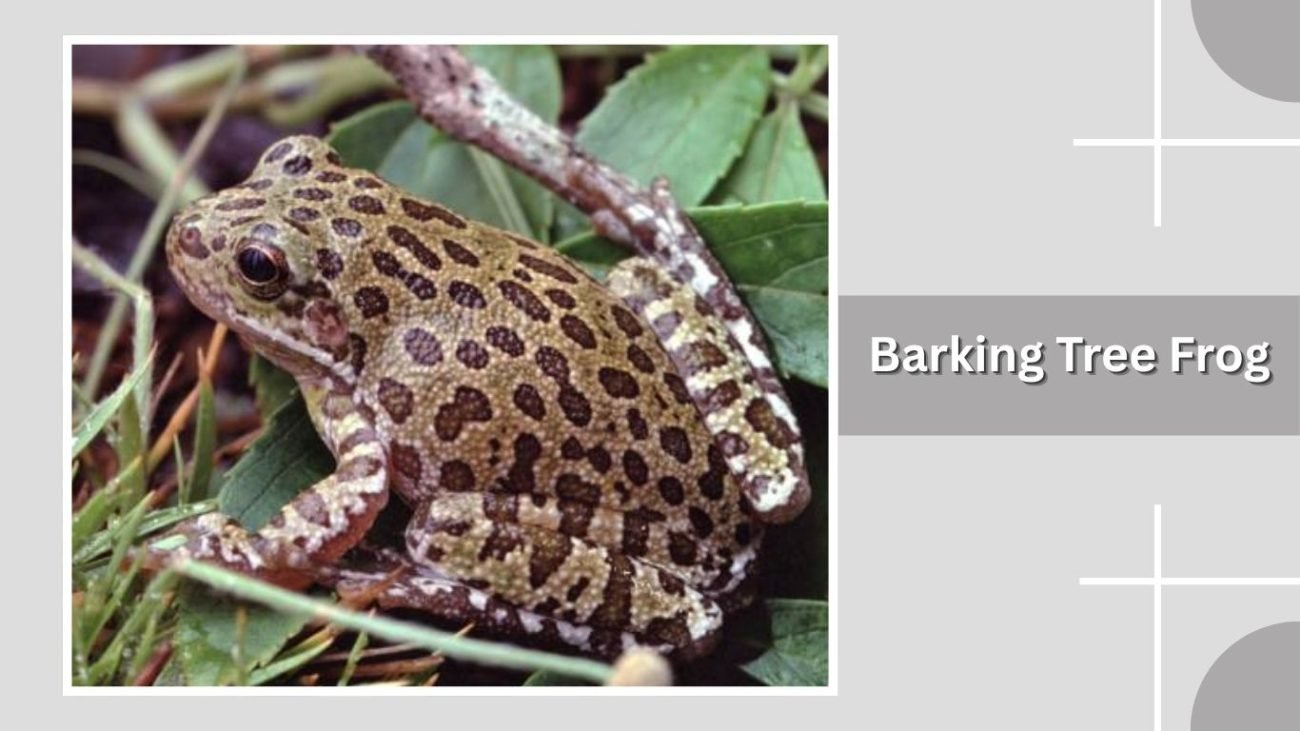
The Barking Tree Frog is a larger tree frog species that can sometimes be found around homes, especially in areas close to forests or wetlands. It is known for its deep, dog-like call and strong climbing ability. Although less common than smaller species, it may appear near houses where insects and moisture are available.
Identification
- Large body with slightly rough, warty skin
- Color ranges from green to gray or brown
- Dark spots or blotches on the back
- Yellow or orange coloration on inner thighs
- Large toe pads for strong climbing
Habitat
Barking Tree Frogs are found near homes located close to forests, swamps, or wetlands. They prefer moist environments with trees and vegetation. During the day, they hide in tree holes, under bark, or in shaded areas around buildings.
Behaviors
These frogs are mostly nocturnal and become active at night. They are strong climbers and may be seen on walls, windows, or tree trunks. Their call sounds like a dog barking and is often heard during warm, humid nights.
Diet and Lifespan
They feed on insects such as beetles, moths, crickets, and other small invertebrates. Like other frogs, they help control pests. The Barking Tree Frog typically lives around 5 to 7 years depending on environmental conditions.
11. European Tree Frog
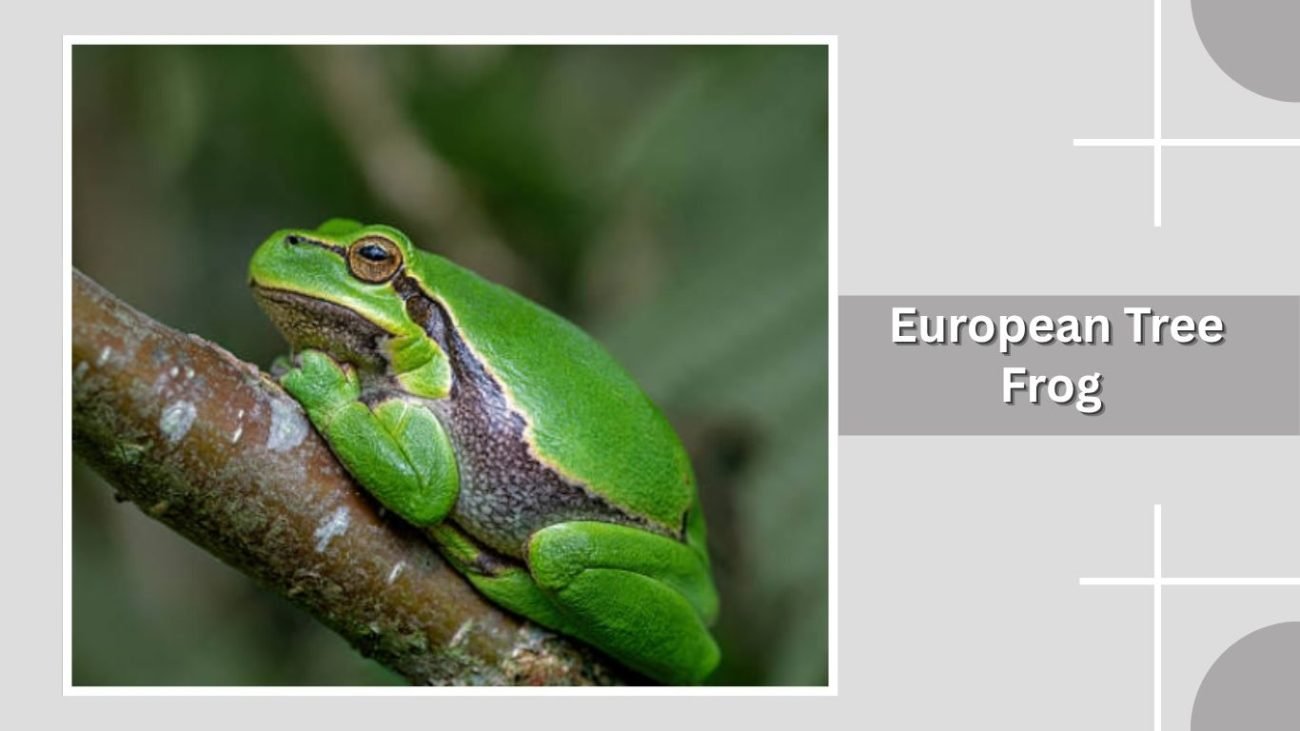
The European Tree Frog is a small and bright-colored species sometimes found near homes in suitable climates. It is known for its vibrant green color and strong climbing ability. Although more common in Europe, it may appear around houses in areas with similar environments, especially where water and vegetation are nearby.
Identification
- Bright green body with smooth, shiny skin
- Dark stripe running from nose through the eye to the side
- White or pale underside
- Slender body with long legs
- Large toe pads for climbing surfaces
Habitat
European Tree Frogs are often found in gardens, shrubs, walls, and near water sources like ponds or ditches. They prefer moist environments with plenty of vegetation. During the day, they hide in leaves or shaded areas around homes.
Behaviors
These frogs are mostly nocturnal and become active at night. They are excellent climbers and often rest on plants or walls. Their call is loud and repetitive, especially during the breeding season.
Diet and Lifespan
Their diet mainly includes insects such as flies, mosquitoes, moths, and small beetles. They help control pest populations around homes. The European Tree Frog typically lives around 5 to 10 years depending on environmental conditions.
12. Indian Tree Frog
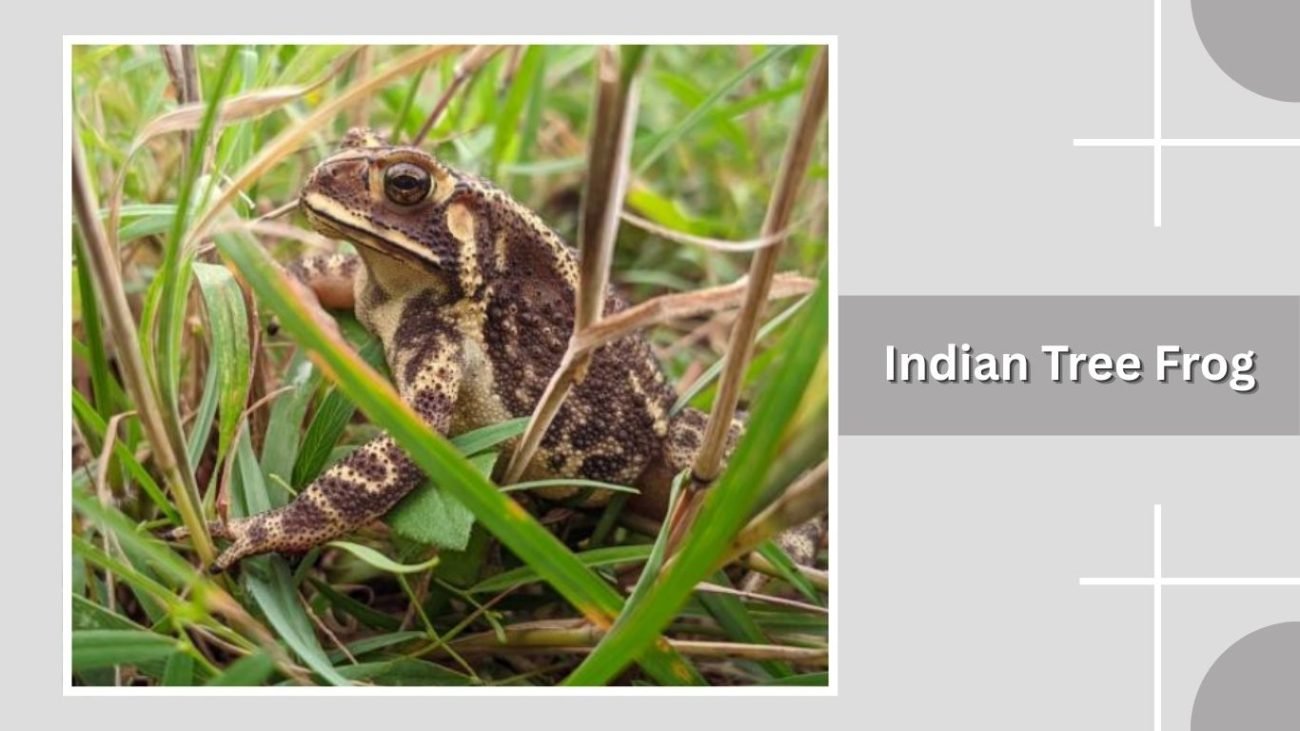
The Indian Tree Frog is a small and adaptable species often found near homes in tropical and subtropical regions. It is commonly seen around lights, walls, and gardens where insects are abundant. This frog is harmless and beneficial, as it helps control insect populations in and around houses.
Identification
- Small, slender body with smooth skin
- Color ranges from green to brown or gray
- Light underside with soft texture
- Dark stripe running from nose through the eye
- Sticky toe pads for climbing surfaces
Habitat
Indian Tree Frogs are commonly found in gardens, near windows, bathrooms, and outdoor lights. They prefer moist environments with access to water such as ponds, drains, or containers. During the day, they hide in plants, cracks, or shaded areas around homes.
Behaviors
These frogs are mostly nocturnal and become active at night. They are agile climbers and can often be seen on walls, glass, and plants. They usually stay near light sources to catch insects and may produce soft calls during the breeding season.
Diet and Lifespan
Their diet mainly consists of insects such as mosquitoes, flies, moths, and small beetles. They play an important role in reducing household pests. The Indian Tree Frog typically lives around 4 to 6 years depending on environmental conditions.
13. Reed Frog
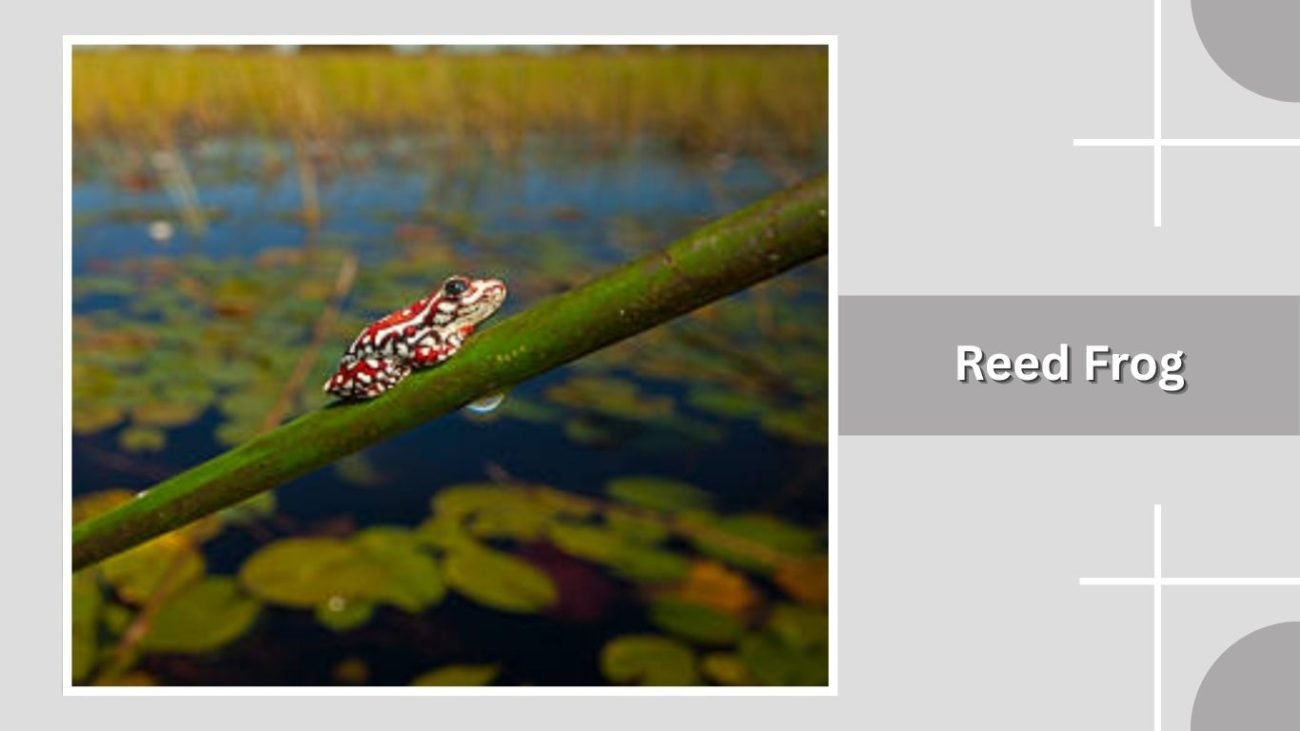
The Reed Frog is a small and colorful species that can sometimes be found near homes, especially in humid regions. It is known for its bright patterns and delicate appearance. These frogs are harmless and often stay close to vegetation, making them easy to overlook despite living near human areas.
Identification
- Small, slender body with smooth skin
- Bright colors such as green, yellow, or brown with patterns
- Dark stripe or markings along the body
- Large eyes with a horizontal pupil
- Sticky toe pads for climbing
Habitat
Reed Frogs are commonly found in gardens, near windows, and around damp areas close to houses. They prefer moist environments with plants, grasses, and nearby water sources. During the day, they hide in vegetation or shaded areas.
Behaviors
These frogs are mostly nocturnal and become active at night. They are good climbers and often move through plants while searching for food. They are generally quiet but may produce soft calls during breeding periods.
Diet and Lifespan
Their diet mainly includes small insects such as flies, mosquitoes, and tiny beetles. They help control pest populations around homes. Reed Frogs typically live around 4 to 6 years depending on environmental conditions.
14. African Clawed Frog
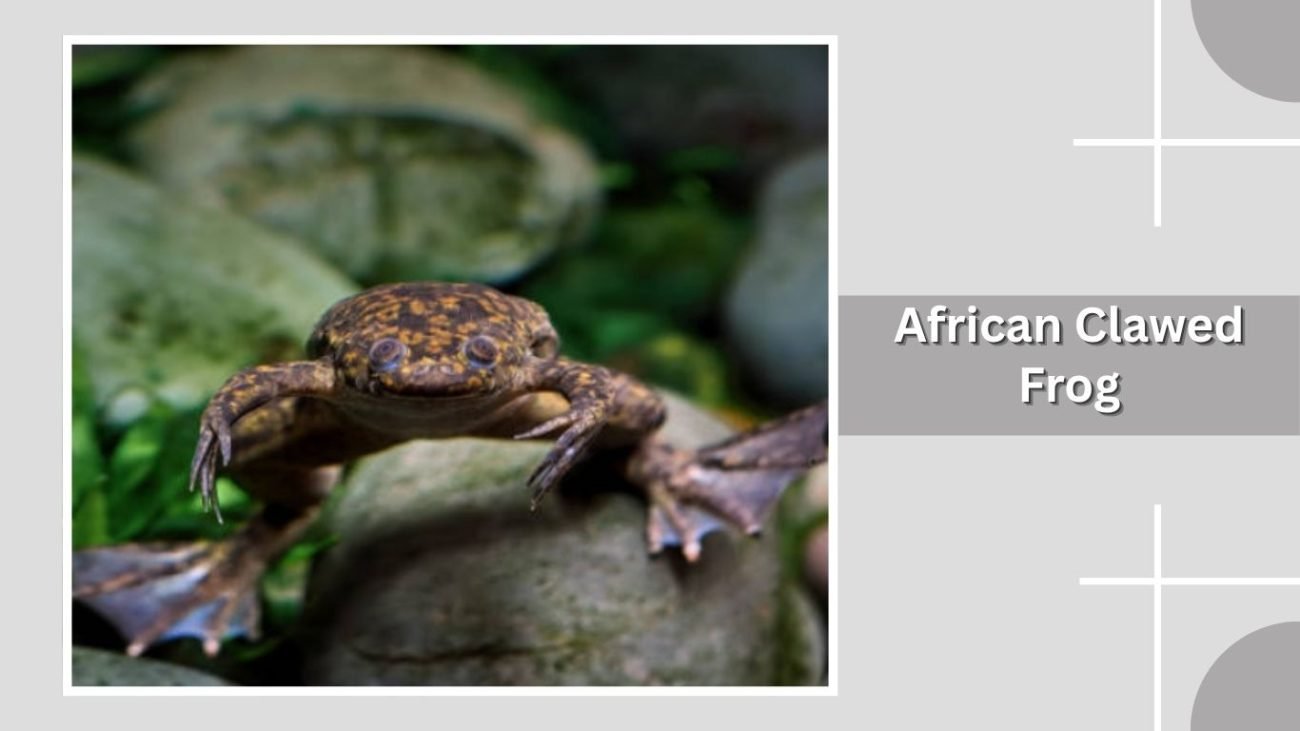
The African Clawed Frog is a fully aquatic species that can sometimes be kept in household aquariums. While not typically found hopping around homes, it lives comfortably in indoor water setups. It is hardy, easy to care for, and commonly kept as a pet, making it a familiar “house frog” for many people.
Identification
- Smooth, slippery skin with gray, olive, or brown coloration
- Flattened body with a broad head
- Strong hind legs with visible claws
- Eyes positioned on top of the head
- Lacks a tongue and uses suction to feed
Habitat
African Clawed Frogs live entirely in water and are kept in aquariums inside homes. They require clean, dechlorinated water with stable temperatures. The tank should include hiding spots like plants or rocks but does not need a land area.
Behaviors
These frogs are active swimmers and spend most of their time underwater. They come to the surface to breathe air and are known for their quick movements when feeding. They are generally calm but can be opportunistic feeders.
Diet and Lifespan
Their diet includes worms, small fish, insects, and frog pellets. They have a strong appetite and should be fed properly sized meals. With good care, African Clawed Frogs can live around 10 to 15 years in captivity.
15. Cricket Frog
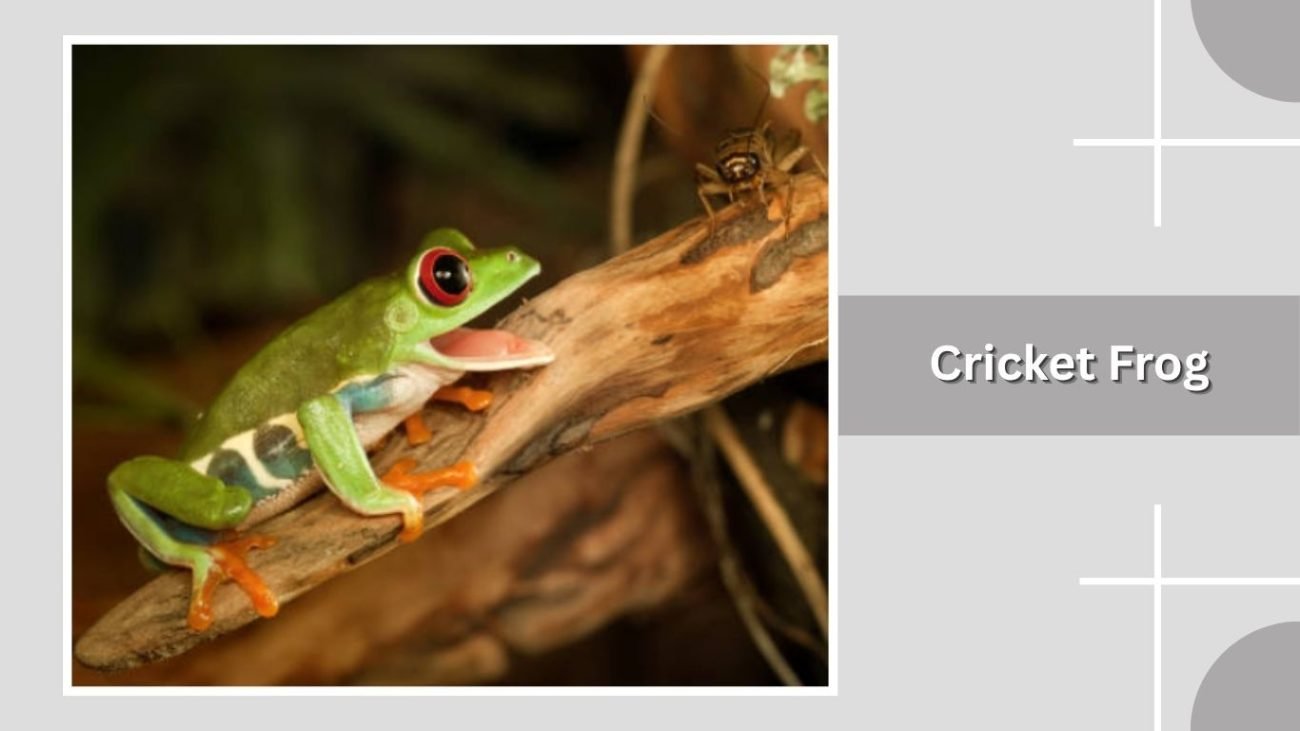
The Cricket Frog is a very small and active species that may occasionally be found around homes, especially near water sources. It is known for its quick movements and distinctive chirping call that sounds like a cricket.
Identification
- Very small, slender body with slightly rough skin
- Color varies from gray, brown, to green
- Dark triangular mark between the eyes
- Long hind legs for jumping
- Light-colored underside
Habitat
Cricket Frogs are usually found near ponds, drains, gardens, and damp areas around houses. They prefer moist environments with access to shallow water and vegetation. During the day, they hide under debris or along water edges.
Behaviors
These frogs are highly active and quick, often making sudden jumps when disturbed. They are mostly active in warm weather and are known for their sharp, clicking calls. They may gather near lights to hunt insects.
Diet and Lifespan
Their diet mainly includes small insects such as flies, ants, and tiny beetles. They help reduce pests around homes. Cricket Frogs typically live around 2 to 4 years in the wild depending on environmental conditions.
FAQs
Are house frogs harmful to humans?
Most frogs found in houses are completely harmless to humans. They do not bite or attack and usually avoid contact. Some species may secrete mild toxins as a defense, but these rarely cause serious issues. It’s best to avoid handling them directly and simply let them be.
Why do frogs come into houses?
Frogs enter houses mainly in search of food, moisture, and shelter. They are attracted to lights because insects gather there. Damp areas like bathrooms, kitchens, and gardens also provide a comfortable environment for them to stay.
What do house frogs eat?
House frogs primarily eat insects such as mosquitoes, flies, ants, and small beetles. This makes them beneficial because they naturally reduce pest populations around your home without the need for chemicals.
How can you keep frogs out of your house?
To keep frogs away, reduce moisture, fix leaks, and seal cracks or openings around doors and windows. Turning off outdoor lights or using insect-reducing bulbs can also help, as fewer insects mean less attraction for frogs.
Do house frogs live long?
The lifespan of house frogs varies by species, but most small frogs live between 2 to 6 years in natural environments. Some larger or well-protected species can live longer if conditions are stable and food is available.

