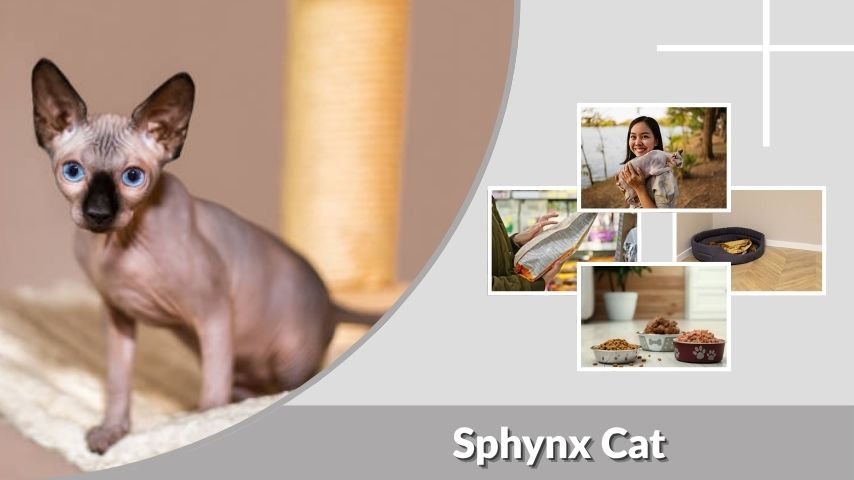
The Sphynx cat is one of the most distinctive and recognizable cat breeds in the world. Famous for its nearly hairless appearance, wrinkled skin, and large ears, this breed attracts attention wherever it goes. Despite their unusual look, Sphynx cats are affectionate, intelligent, and highly social companions. They thrive on human interaction and enjoy being the center of attention. Whether you are considering adopting a Sphynx kitten or researching the breed, understanding their care requirements, personality, and health needs is essential for responsible ownership.
Sphynx Cat Breed Overview
The Sphynx cat is a unique breed known for its hairless appearance and affectionate personality. Contrary to popular belief, these cats are not completely hairless, as many have a fine layer of fuzz covering their bodies. Their energetic nature and strong attachment to humans make them one of the most engaging companion cat breeds available today.
History and Origin
The modern Sphynx breed originated in Canada during the 1960s following a natural genetic mutation that resulted in hairless kittens. Through selective breeding, breeders established the Sphynx as a healthy and recognizable breed. Today, the breed is accepted by major cat associations worldwide.
Why Are Sphynx Cats Hairless?
The hairless appearance of Sphynx cats is caused by a naturally occurring genetic mutation. This gene affects hair growth, resulting in very short, fine fur or almost completely bare skin. While their appearance may seem unusual, the trait is completely natural and has been stabilized through responsible breeding programs.
Sphynx Cat Characteristics
Sphynx cats have muscular bodies, prominent cheekbones, large ears, and expressive eyes. Their skin often displays visible wrinkles, particularly around the head, neck, and shoulders. These physical features contribute to the breed’s distinctive and memorable appearance.
Sphynx Cat Personality
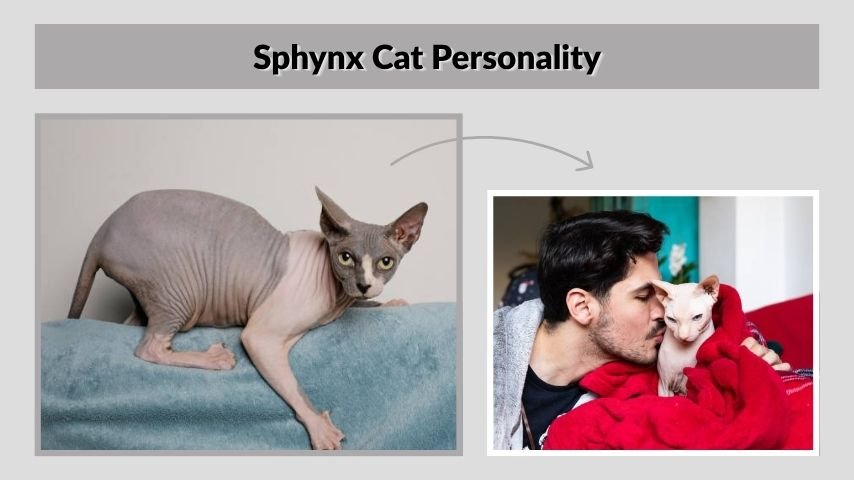
Sphynx cats are known for their outgoing and affectionate nature. They enjoy spending time with their owners and often seek attention throughout the day. Unlike some independent breeds, Sphynx cats thrive on companionship and dislike being left alone for extended periods.
Are Sphynx Cats Affectionate?
One of the most appealing traits of the breed is its affectionate personality. Sphynx cats frequently cuddle with their owners and often seek warm places to rest. Many owners describe them as dog-like because they follow family members around the house and actively participate in daily activities.
Intelligence and Behavior
Sphynx cats are highly intelligent and curious. They enjoy interactive toys, puzzle feeders, and games that challenge their minds. Their playful attitude often continues well into adulthood, making them entertaining companions.
Sphynx Cats With Families and Pets
The breed generally adapts well to households with children and other pets. Their friendly nature helps them form strong bonds with family members, and they are often comfortable sharing their home with other cats and cat-friendly dogs.
Types of Sphynx Cats
Several hairless cat varieties are often associated with the Sphynx breed. While they share similarities, each type has unique characteristics that distinguish it from others.
Canadian Sphynx
The Canadian Sphynx is the most widely recognized and commonly owned variety. It is known for its wrinkled skin, large ears, and friendly personality. Most references to the Sphynx cat breed refer specifically to the Canadian Sphynx.
Don Sphynx
The Don Sphynx originated in Russia and developed from a different genetic mutation than the Canadian Sphynx. Although similar in appearance, the two breeds are genetically distinct.
Elf Sphynx Cat
The Elf Sphynx is a newer hybrid breed created by crossing the Sphynx with the American Curl. Its most recognizable feature is its uniquely curved ears combined with the hairless appearance of the Sphynx.
Sphynx Cat Colors and Appearance
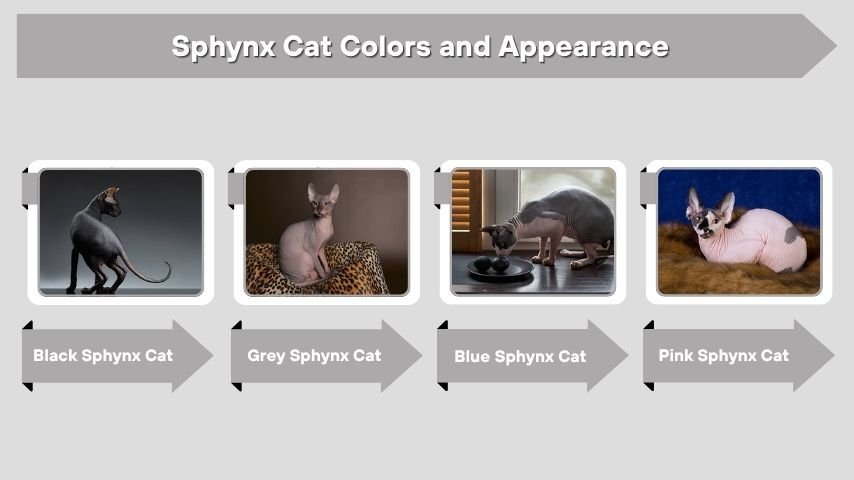
Although Sphynx cats lack a traditional coat, they still display a wide variety of colors and patterns. These colors are visible directly on the skin, giving each cat a distinctive appearance.
Popular Sphynx Cat Colors
Common Sphynx cat colors include:
- Black Sphynx Cat
- Grey Sphynx Cat
- Blue Sphynx Cat
- Pink Sphynx Cat
- White Sphynx Cat
- Calico Sphynx Cat
These color variations can influence appearance but generally do not affect temperament or care requirements.
Unique Physical Features
Several physical characteristics make the breed stand out from other cats.
- Large upright ears
- Wrinkled skin
- Muscular body structure
- Prominent cheekbones
- Lemon-shaped eyes
These features contribute to the breed’s exotic and distinctive look.
Sphynx Cat Lifespan and Health
Like all cat breeds, Sphynx cats require proper healthcare and preventive measures to maintain a long and healthy life. Understanding common health concerns allows owners to provide better care and identify potential problems early.
Average Sphynx Cat Lifespan
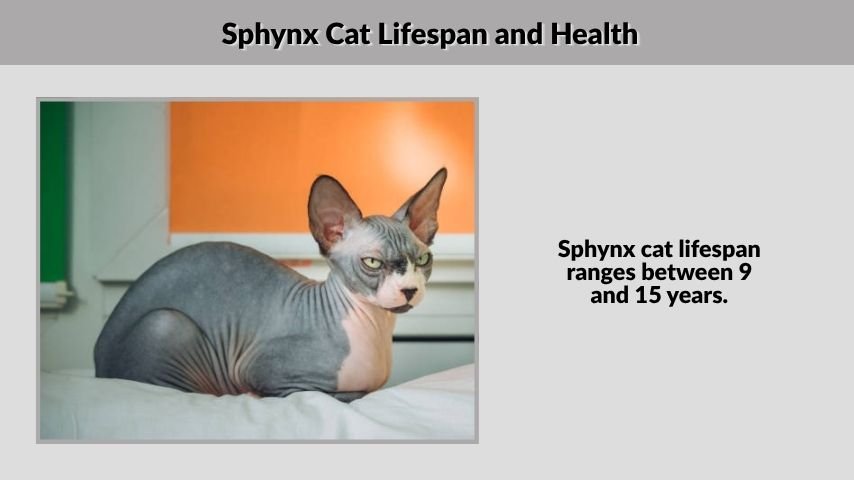
The average Sphynx cat lifespan ranges between 9 and 15 years. With excellent nutrition, routine veterinary care, and a safe indoor environment, many individuals can enjoy long and healthy lives.
Common Health Problems
Some conditions that may affect Sphynx cats include:
- Hypertrophic cardiomyopathy (HCM)
- Skin irritation
- Dental disease
- Obesity
- Respiratory sensitivity
Responsible breeders often perform health screenings to reduce the risk of hereditary health issues and improve overall breed health.
Sphynx Cat Care Guide
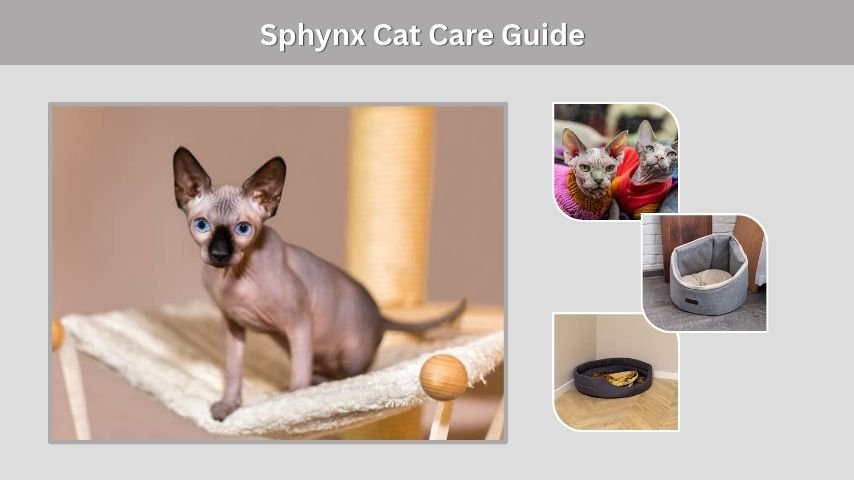
Owning a Sphynx cat requires a unique approach to daily care. Because these cats lack a traditional fur coat, they need additional attention to skin health, body temperature, and hygiene. While they are not necessarily difficult to care for, their needs differ significantly from those of many other cat breeds.
Skin Care Requirements
Without fur to absorb natural oils, Sphynx cats accumulate oils directly on their skin. Regular cleaning helps prevent buildup, irritation, and unpleasant odors. Owners should monitor their cat’s skin frequently for signs of dryness, redness, or sensitivity.
Temperature Protection
Sphynx cats are more sensitive to temperature changes than most breeds. To stay comfortable, they often require extra warmth throughout the year.
- Soft sweaters or clothing
- Heated cat beds
- Warm indoor environments
- Cozy blankets and sleeping areas
- Protection from direct sunlight
Providing a comfortable environment helps prevent stress and supports overall wellbeing.
Daily Care Essentials
Maintaining a healthy Sphynx cat involves several important routines.
- Fresh water at all times
- High-quality nutrition
- Regular exercise and play
- Routine veterinary visits
- Consistent social interaction
These habits contribute to both physical and emotional health.
Sphynx Cat Grooming
Although Sphynx cats lack a traditional coat, they still require regular grooming. In fact, grooming is often more important for this breed than for some long-haired cats because their exposed skin needs ongoing maintenance.
Why Hairless Cats Need Grooming
The absence of fur means oils, dirt, and debris remain on the skin rather than being absorbed into a coat. Without routine cleaning, buildup can lead to skin irritation and discomfort.
Bathing Schedule
Most Sphynx cats benefit from regular baths every few weeks. Bathing helps remove excess oil and keeps the skin clean. Using a gentle cat-safe shampoo is important to avoid irritation.
Best Grooming Products
Helpful grooming supplies include:
- Cat-safe shampoo
- Soft microfiber towels
- Grooming wipes
- Ear cleaning solution
- Cat nail clippers
Using quality products makes grooming easier and helps maintain healthy skin.
Best Food for Sphynx Cats
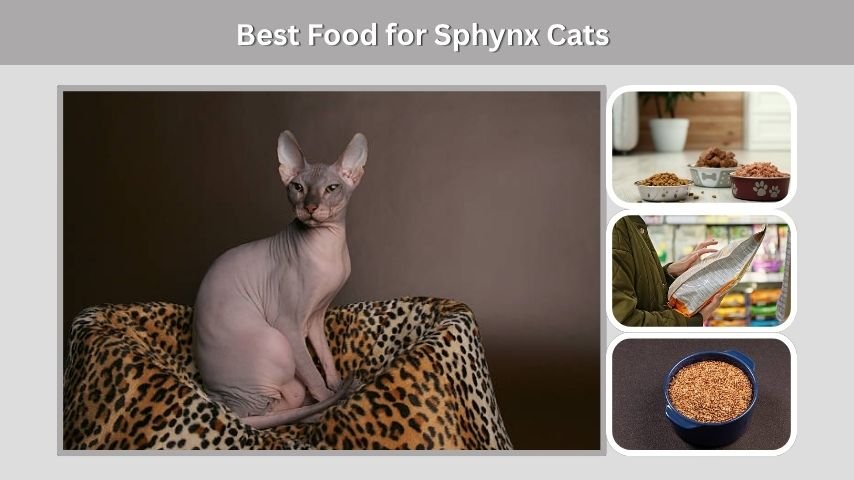
Nutrition plays a major role in supporting the energy needs of Sphynx cats. Because they expend additional energy maintaining body temperature, many Sphynx cats require slightly higher calorie intake than other breeds of similar size.
Nutritional Requirements
A balanced diet rich in animal protein, healthy fats, vitamins, and minerals supports muscle development, skin health, and overall wellness. Fresh water should always be available to encourage proper hydration.
Recommended Foods
Suitable dietary options often include:
- High-protein wet food
- Premium dry food
- Grain-free formulas when appropriate
- Foods containing omega fatty acids
- Age-specific cat food formulas
A veterinarian can recommend the best feeding plan based on your cat’s age, activity level, and health status.
Foods to Avoid
Certain foods should never be fed to Sphynx cats, including chocolate, onions, garlic, alcohol, and products containing artificial sweeteners such as xylitol.
Sphynx Cat Price and Ownership Costs
Sphynx cats are considered one of the more expensive cat breeds due to specialized breeding programs and ongoing care requirements. Potential owners should understand both the purchase price and long-term expenses before bringing one home.
How Much Does a Sphynx Cat Cost?
The price of a Sphynx cat varies based on breeder reputation, pedigree, location, and color variation. Pet-quality kittens generally cost less than show-quality or breeding-quality cats. Rare bloodlines and exceptional breeding programs often command premium prices.
Ongoing Ownership Expenses
Common recurring costs include:
- Premium cat food
- Veterinary care
- Vaccinations
- Pet insurance
- Grooming supplies
- Cat clothing and bedding
Planning for these expenses helps ensure responsible ownership and proper care.
Sphynx Cat Breeders and Adoption
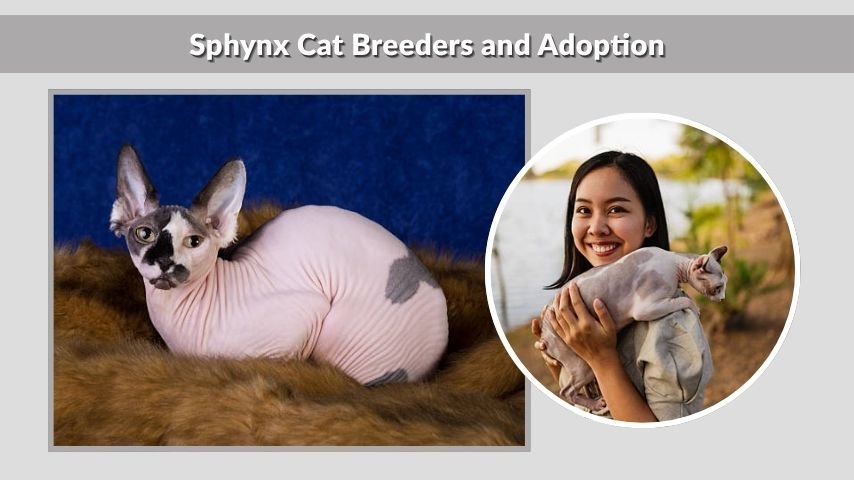
Choosing the right source is one of the most important steps when acquiring a Sphynx cat. Whether purchasing from a breeder or adopting from a rescue organization, careful research is essential.
Finding a Reputable Breeder
A responsible breeder should provide health records, vaccination information, and documentation of genetic testing. They should also be willing to answer questions and allow prospective owners to learn about the kitten’s background.
Adoption and Rescue Options
Many rescue groups and shelters occasionally have Sphynx cats available for adoption. Adoption can provide a loving home to a cat in need while often costing less than purchasing from a breeder.
Questions to Ask Before Buying
Before bringing home a kitten, consider asking:
- Has the kitten received vaccinations?
- Have the parents undergone health testing?
- Is there a health guarantee?
- What diet is the kitten currently eating?
- Has the kitten been socialized?
Are Sphynx Cats Hypoallergenic?
Many people assume that Sphynx cats are hypoallergenic because they are hairless. However, this is a common misconception. Allergies are typically caused by proteins found in saliva, skin oils, and dander rather than fur itself.
Understanding Allergies
Sphynx cats still produce the proteins responsible for allergic reactions. As a result, some allergy sufferers may still experience symptoms when exposed to the breed.
Managing Allergies Around Sphynx Cats
Frequent bathing, regular cleaning, air purifiers, and good household hygiene can help reduce allergen levels. Individuals with allergies should spend time around the breed before committing to ownership.
FAQs
How much does a Sphynx cat cost?
The cost of a Sphynx cat varies depending on pedigree, breeder reputation, and location. Show-quality kittens generally cost more than pet-quality cats.
How long do Sphynx cats live?
Most Sphynx cats live between 9 and 15 years, although some may live longer with excellent care and regular veterinary checkups.
Are Sphynx cats hypoallergenic?
No. Sphynx cats are not completely hypoallergenic because they still produce allergens in their saliva and skin oils.
Do Sphynx cats need sweaters?
Many Sphynx cats benefit from sweaters during cooler weather because they lack a protective fur coat and lose body heat more quickly.
Why are Sphynx cats hairless?
Their hairless appearance is caused by a natural genetic mutation that affects hair growth, resulting in very little or no visible fur.