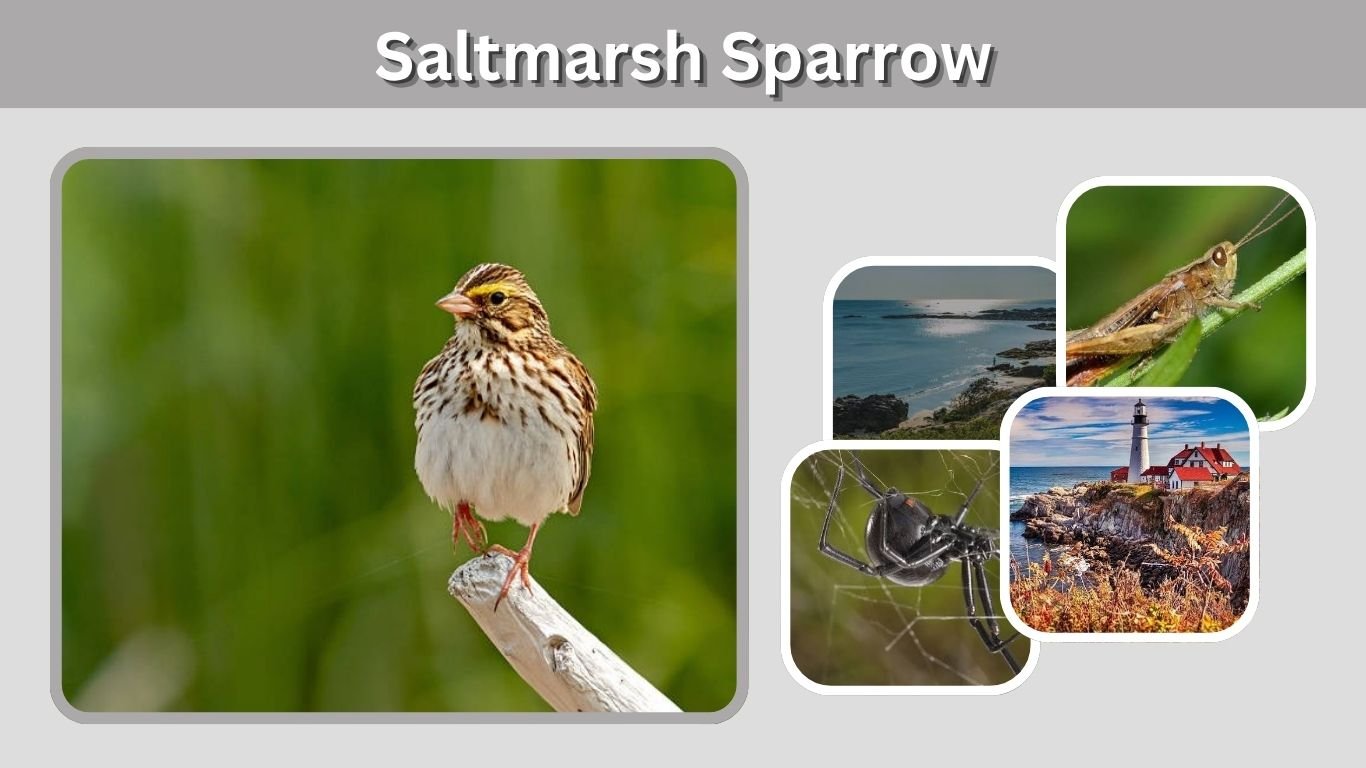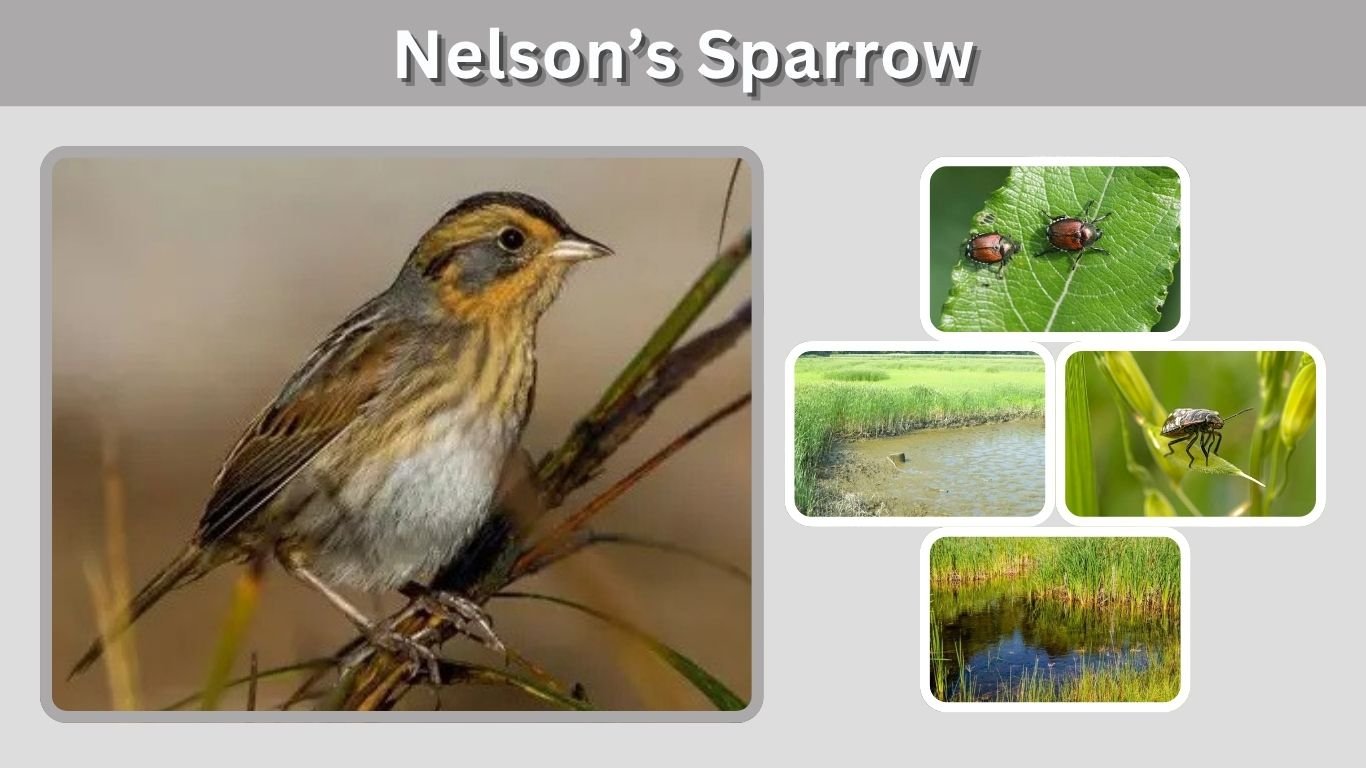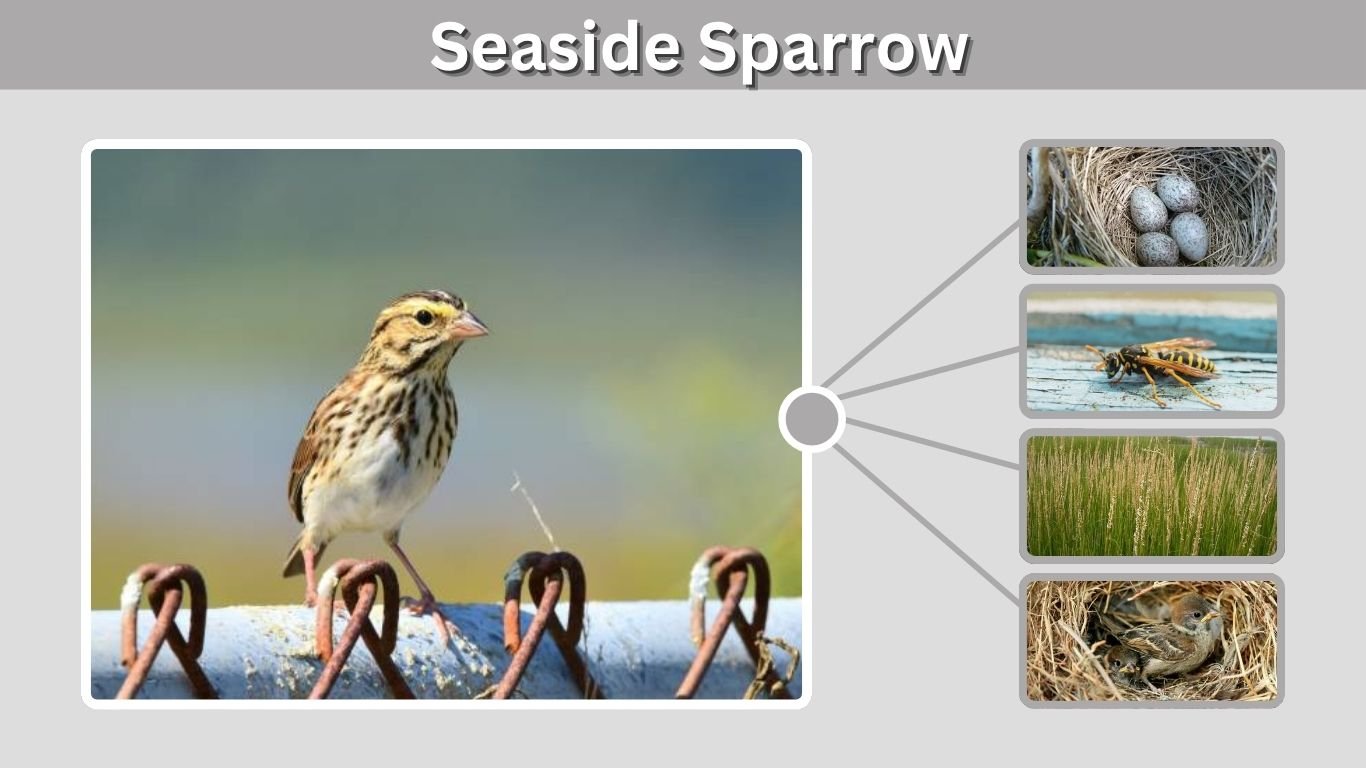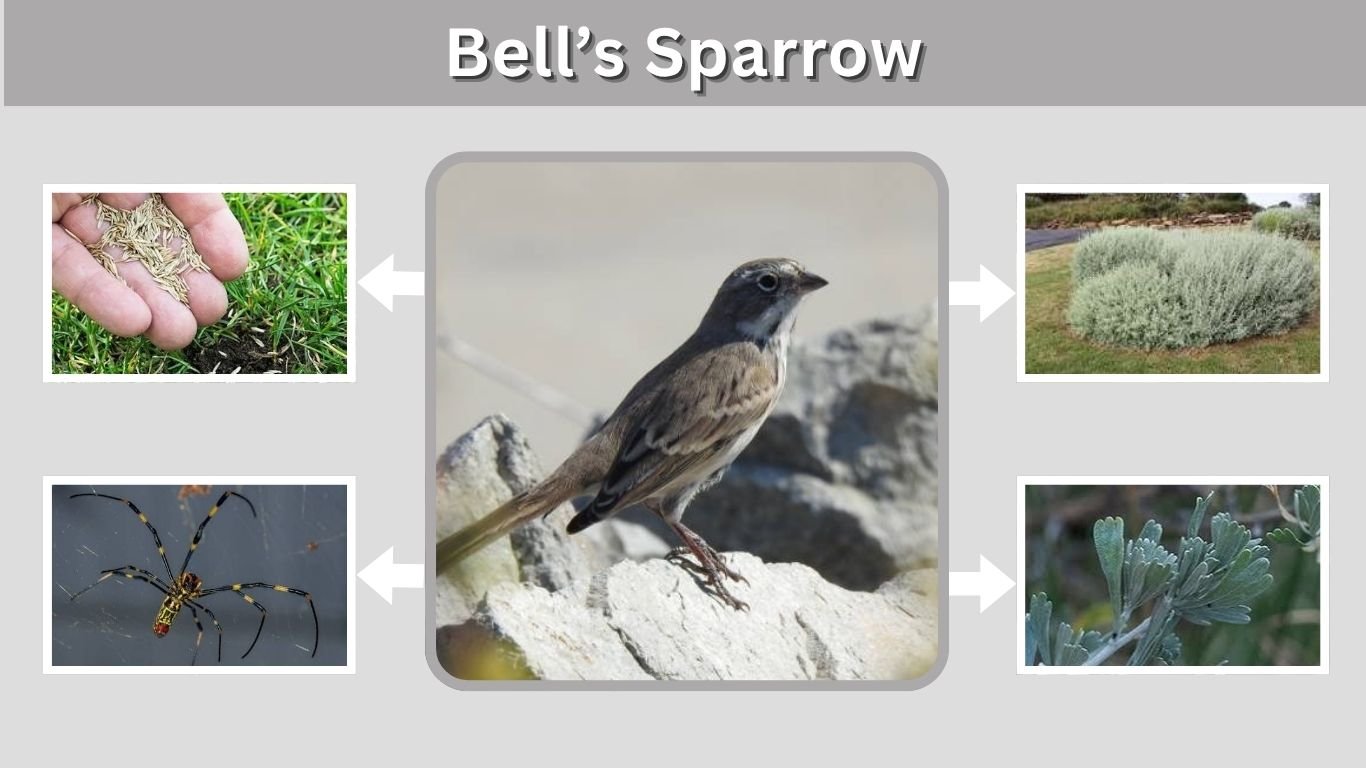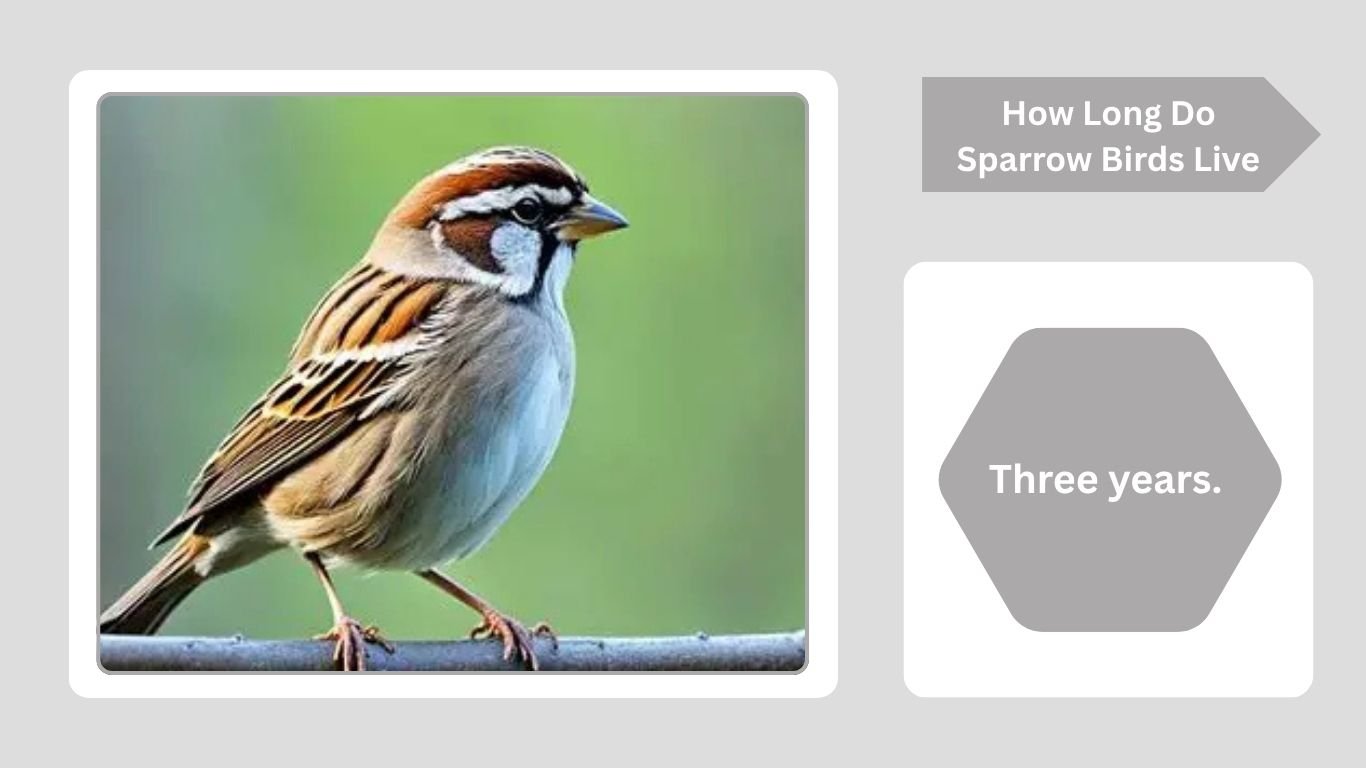
Sparrows are small, energetic birds commonly seen around homes, farms, parks, and city streets. Although they appear hardy, their lives are often shorter than people expect. So, how long do sparrow birds live? A House Sparrow that reaches breeding age has a typical life expectancy of about three years, but some individuals survive for more than a decade. Species, food availability, predators, disease, weather, and nesting success all influence how long an individual sparrow lives.
How Long Does a Sparrow Bird Live?
The lifespan of a sparrow varies considerably. Many young birds die during their first year, while adults that find safe territories and dependable food may survive much longer.
Average Sparrow Lifespan
A House Sparrow that survives long enough to breed has a typical life expectancy of approximately three years. BTO ringing data indicate that about 49% of juveniles survive their first year, while annual adult survival is approximately 57%. These figures help explain why an apparently abundant sparrow population contains many young birds but relatively few very old individuals.
Maximum Recorded Lifespan
Exceptional sparrows can live far beyond the average. The oldest House Sparrow documented by the North American Bird Banding Program was a female that reached at least 15 years and 9 months. She had originally been banded in Texas and was later found in the same state.
| Sparrow life stage or record | Approximate lifespan |
| Typical House Sparrow reaching breeding age | 3 years |
| Common breeding age | About 1 year |
| BTO maximum ringed House Sparrow | 12 years and 12 days |
| North American longevity record | At least 15 years and 9 months |
These figures should not be interpreted as promises for every bird. Maximum-age records represent unusual individuals that successfully avoided predators, severe weather, disease, accidents, and food shortages for many years.
Lifespans of Different Sparrow Species
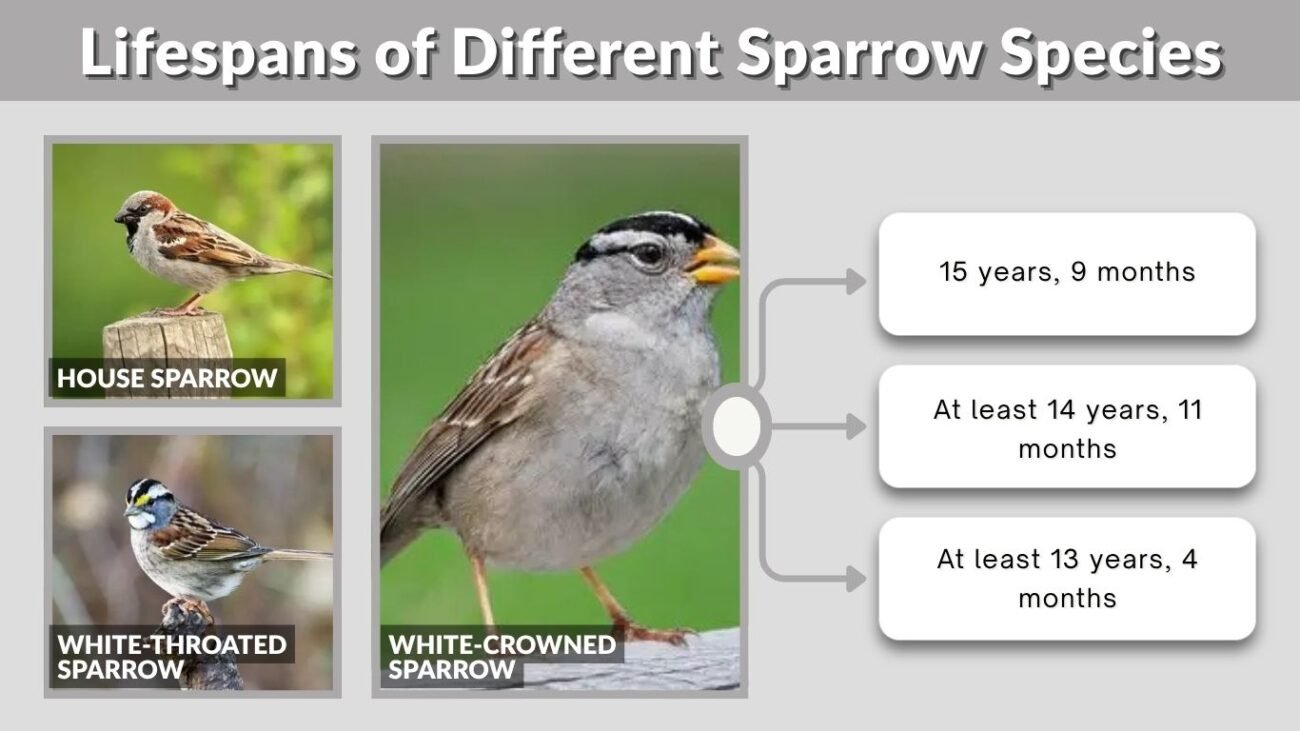
“Sparrow” refers to numerous species rather than one single bird. House Sparrows belong to the Old World sparrow family, while Song Sparrows, White-throated Sparrows, and many familiar North American species belong to a different bird family.
| Sparrow species | Oldest documented individual |
| House Sparrow | 15 years, 9 months |
| White-throated Sparrow | At least 14 years, 11 months |
| White-crowned Sparrow | At least 13 years, 4 months |
| Song Sparrow | At least 11 years, 4 months |
| Eurasian Tree Sparrow | 10 years, 10 months |
| Lincoln’s Sparrow | At least 7 years, 11 months |
The table presents longevity records, not average lifespans. For example, BTO data give the Eurasian Tree Sparrow a typical life expectancy of about two years after reaching breeding age, despite one ringed bird surviving for more than ten years.
What Affects a Sparrow’s Lifespan?
A sparrow’s survival depends on its environment, health, experience, and ability to avoid danger. Several risks are particularly important during the bird’s first months.
Predators
Cats, hawks, owls, snakes, raccoons, and other predators may take sparrows, eggs, or nestlings. Young birds are especially vulnerable immediately after leaving the nest because their flight and escape skills are not yet fully developed.
Food and Water Availability
Adult sparrows primarily consume seeds, grains, and other plant material, although they also eat insects. Parents feed growing nestlings a greater proportion of protein-rich insects. A dependable supply of natural food helps adults maintain their condition and successfully raise young.
Disease and Parasites
Sparrows may be affected by infections, parasites, and mosquito-borne illnesses. Disease can spread more easily when numerous birds gather around dirty feeders or water containers. Regular cleaning and replacing spoiled food can reduce unnecessary exposure.
Weather and Habitat
Extreme heat, prolonged cold, heavy rain, storms, and drought can reduce survival by limiting food or damaging nests. Changes in farming and urban habitat may also affect food availability and breeding success. BTO research identifies reduced survival associated with food shortages as an important factor in some House Sparrow declines.
Human-Related Hazards
Window collisions, vehicles, pesticides, uncovered water containers, and destruction of active nesting spaces can shorten sparrows’ lives. Young birds exploring unfamiliar surroundings may be especially susceptible to these hazards.
Sparrow Eggs, Nestlings, and the Breeding Cycle
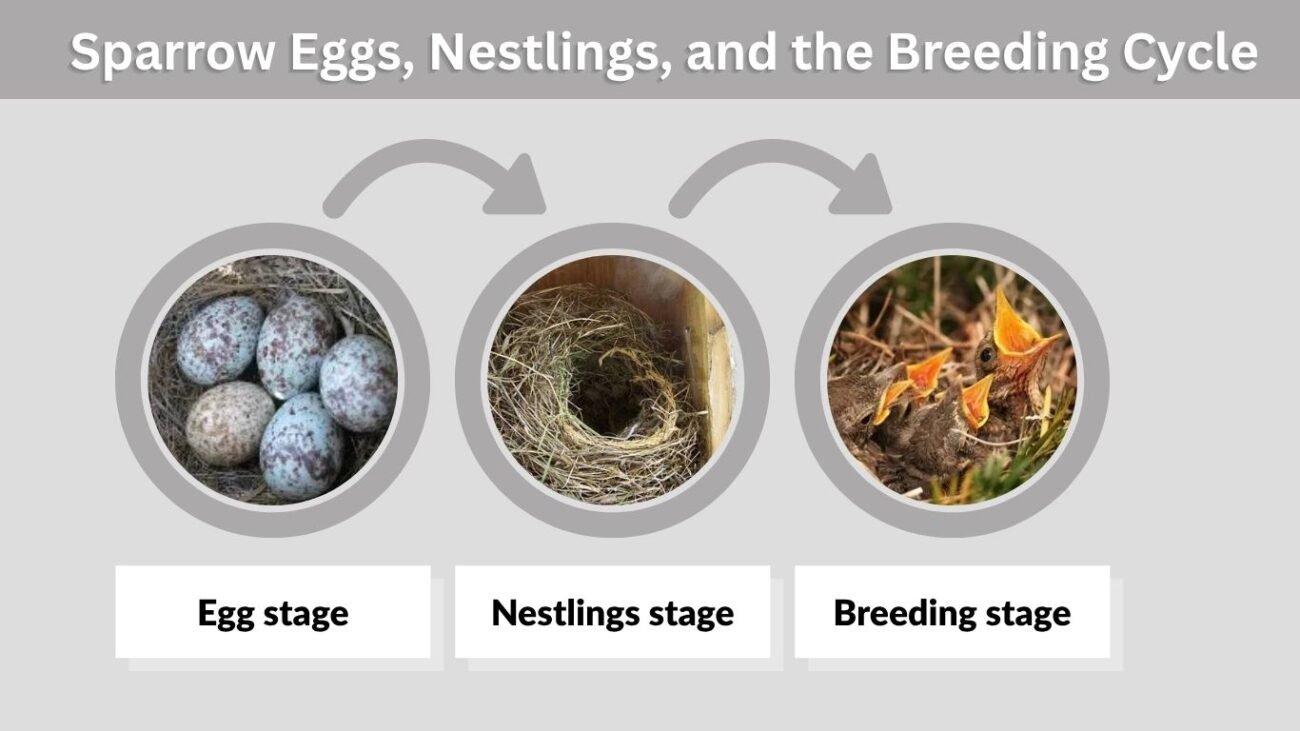
The first weeks of life are among the most dangerous for a sparrow. Eggs and chicks depend entirely on nest location, weather, and parental care.
How Long Do Sparrow Bird Eggs Take to Hatch?
House Sparrow eggs normally hatch after approximately 12 to 15 days of incubation. A typical clutch contains four or five eggs, although clutches ranging from two to seven have been recorded. Cornell NestWatch lists an average incubation period of about 13 days.
How Long Do Baby Sparrow Birds Stay in the Nest?
House Sparrow chicks usually remain in the nest for approximately 14 to 17 days after hatching. They are born naked and helpless, so their parents must keep them warm and bring them food. Audubon similarly reports that young House Sparrows leave the nest roughly two weeks after hatching.
| Developmental stage | Typical duration |
| Egg incubation | 12–15 days |
| Nestling period | About 14–17 days |
| Total time from incubation to fledging | About 26–32 days |
| Usual age at first breeding | Around 1 year |
What Happens After Fledging?
A fledgling may spend time on the ground, in shrubs, or on low branches while its flight skills improve. Its parents commonly continue feeding and supervising it outside the nest. A feathered young bird that can hop and grip branches is not necessarily abandoned.
Sparrow-Like Birds With Long Beaks or Tails
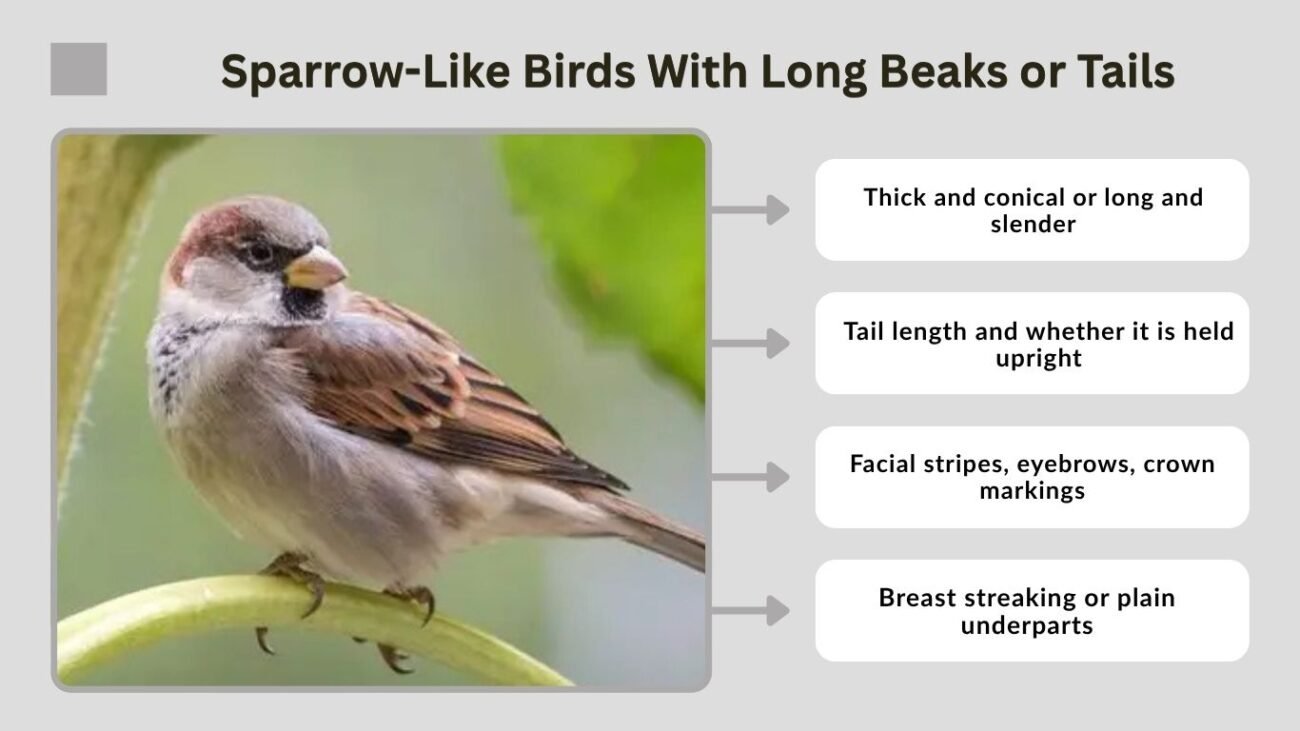
Some keyword searches refer to a “sparrow-like bird with a long beak” or a “long-tailed sparrow-like bird.” These birds may not be sparrows at all.
Sparrow-Like Bird With a Long Beak
True sparrows generally have thick, conical bills adapted for cracking seeds. A small brown bird with a noticeably thin, long, or curved bill may instead be a wren, dunnock, creeper, or another insect-eating songbird.
Northern House Wrens are small brown birds with thin bills and barred wings and tails. Carolina Wrens have longer, slender, slightly downcurved bills, while their tails are frequently held upward.
Sparrow-Like Bird With a Long Tail
Several genuine sparrows have relatively long tails, including the White-crowned Sparrow and Black-chinned Sparrow. However, a brown bird that continually cocks, flicks, or fans a long tail may be a wren. Bewick’s Wren, for example, has a long tail, long slightly curved bill, and a prominent white eyebrow.
Check these features before identifying the bird:
- Bill shape: thick and conical or long and slender
- Tail length and whether it is held upright
- Facial stripes, eyebrows, crown markings, and throat color
- Breast streaking or plain underparts
- Location, habitat, season, song, and behavior
How to Help Wild Sparrows Live Longer
Create a safer yard by growing dense native shrubs, allowing some seed-producing plants to remain, and avoiding unnecessary pesticide use. Keep feeders and birdbaths clean, place food away from areas where cats can hide, and reduce window reflections with closely spaced exterior markers.
Existing nests should be observed from a respectful distance. Repeatedly approaching a nest may expose its location to predators or disturb the adults. When a healthy fledgling is found nearby, watch from a distance before assuming it has been abandoned.
FAQs
Can a sparrow live for 20 years?
A wild sparrow living for 20 years would be extraordinarily unusual. Most House Sparrows live only a few years after reaching breeding age. The verified North American record is at least 15 years and 9 months, demonstrating that rare individuals can survive far beyond the typical lifespan.
Why do most sparrows have short lives?
Young sparrows face substantial risks from predators, weather, disease, food shortages, and accidents. BTO data suggest that roughly half of juvenile House Sparrows survive their first year. Individuals that survive this difficult period gain experience and may live for several additional years.
How long do House Sparrows live in the wild?
A House Sparrow reaching breeding age has a typical life expectancy of approximately three years. Nevertheless, lifespan varies widely. Some die during their first year, while exceptional banded individuals have survived for more than 12 or 15 years.
How long does it take a baby sparrow to leave its nest?
House Sparrow chicks normally leave the nest around 14 to 17 days after hatching. They may look inexperienced and remain close to the nest while their parents continue feeding them. Leaving the nest does not mean that a young sparrow is fully independent.
Do male and female sparrows have different lifespans?
There is no simple rule that every male or female sparrow lives longer. Survival depends more heavily on species, habitat, health, breeding demands, food, weather, and predation. Notably, the oldest North American House Sparrow on record was female, but one record does not establish a general sex difference.