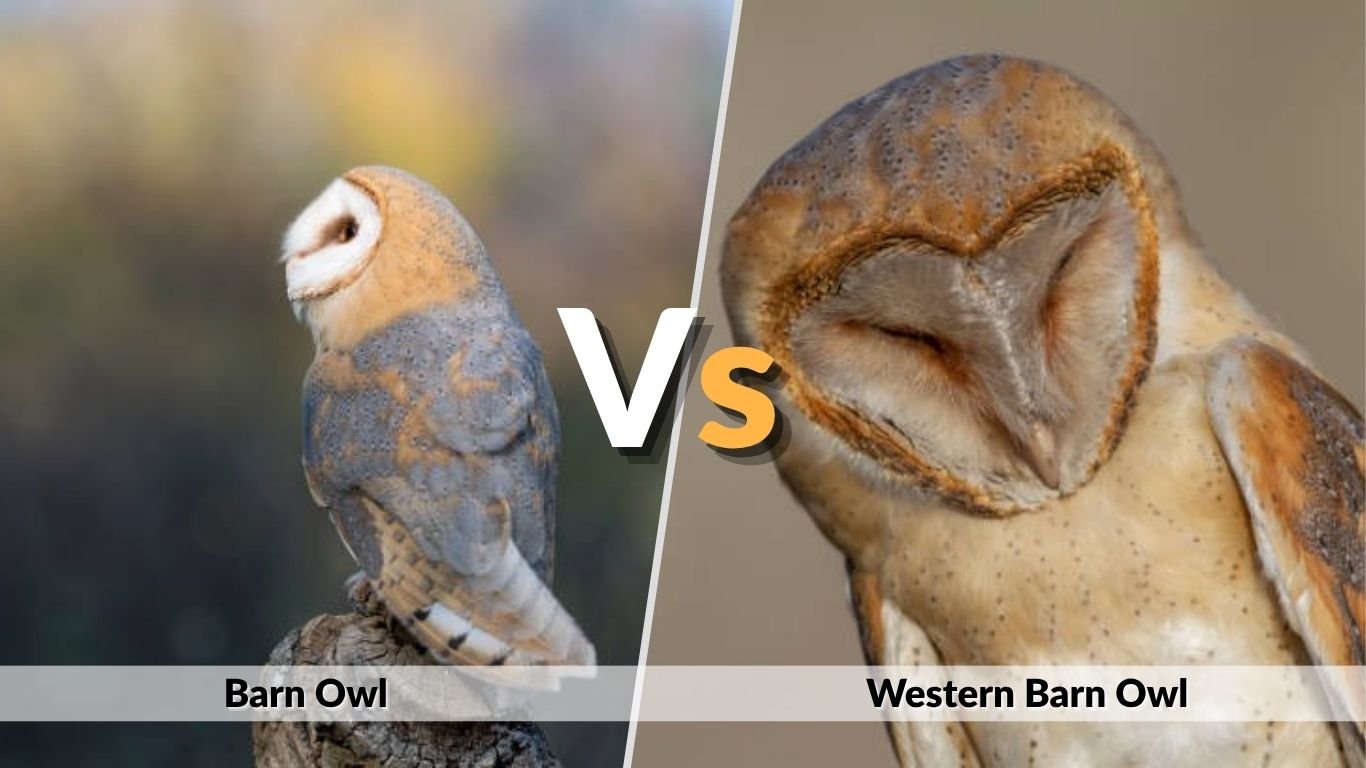
The difference between a Barn Owl and a Western Barn Owl can be confusing because “Barn Owl” was historically used for one widespread species found across most of the world. Under the classification now used by major bird authorities, that former species has been divided into the American, Western, and Eastern Barn Owls. Therefore, a Western Barn Owl is a specific species, while “Barn Owl” may be a general name, an older classification, or an informal reference to whichever Barn Owl species lives in a particular region.
Barn Owl vs Western Barn Owl: Quick Answer
A Western Barn Owl is the species Tyto alba, found mainly in Europe, Africa, and western Asia. In the Americas, the familiar Barn Owl is now classified as the American Barn Owl, Tyto furcata. Birds from southern and eastern Asia through Australia are generally called Eastern Barn Owls, Tyto javanica.
| Common name | Scientific name | Main distribution |
| Western Barn Owl | Tyto alba | Europe, Africa and western Asia |
| American Barn Owl | Tyto furcata | North, Central and South America |
| Eastern Barn Owl | Tyto javanica | Southern and eastern Asia, Australia and nearby islands |
| Barn Owl | General or older name | May refer to the entire group or a regional species |
Older field guides may list Barn Owls in the Americas and Australia as subspecies of Tyto alba. This does not necessarily mean those books identified the birds incorrectly; their taxonomy simply predates the newer division.
Western Barn Owl vs American Barn Owl
Western and American Barn Owls are extremely similar. Both have heart-shaped faces, dark eyes, long legs, pale underparts, rounded wings, and short tails. Geographic location is usually more reliable than trying to separate them by appearance alone.
| Feature | Western Barn Owl | American Barn Owl |
| Scientific name | Tyto alba | Tyto furcata |
| Main range | Europe, Africa and western Asia | The Americas |
| Face | White, heart-shaped disc | White, heart-shaped disc |
| Upperparts | Gray, buff and golden mottling | Cinnamon, gray and golden mottling |
| Underparts | White to buff, sometimes spotted | White to buff with variable spotting |
| Eyes | Very dark brown or black | Very dark brown or black |
| Voice | Screeches, hisses and rasping calls | Screeches, hisses, clicks and rasps |
| Habitat | Farmland, grassland and wetlands | Grassland, farmland, deserts and wetlands |
Range Is the Best Difference
A wild Barn Owl seen in Britain, Spain, much of Africa, or western Asia is normally a Western Barn Owl. One observed in the United States, Canada, Mexico, the Caribbean, or South America is an American Barn Owl.
This geographic separation is the simplest identification method because plumage varies considerably within each species. Lighting, age, sex, and regional variation can make two members of the same species appear more different than a Western and American Barn Owl photographed under similar conditions.
Size Comparison
The species overlap greatly in size. Western Barn Owls in Britain are generally about 33–39 centimeters long with wingspans of approximately 80–95 centimeters. American Barn Owls are commonly around 33–41 centimeters long, although body measurements vary among populations and measurement methods.
Size is therefore not a dependable field mark. A large female Western Barn Owl could be bigger than a small male American Barn Owl.
Plumage Differences
Western Barn Owls typically have mottled gray-and-buff backs, white heart-shaped faces, and pale underparts. Some western populations are extremely white below, while others are buff-colored and heavily spotted.
American Barn Owls are often described as cinnamon and gray above and white to buff below. Some look richer and more golden than pale European birds, but plumage overlap prevents reliable identification based only on color.
Calls and Sounds
Neither Western nor American Barn Owls produce the familiar rhythmic hooting associated with many true owls. Their most recognizable sound is a long, harsh screech. They may also hiss, click, rasp, snore, or produce defensive calls around a nest.
The American Barn Owl’s genuine scream sometimes causes confusion with screech-owls. Despite their name, screech-owls more commonly produce trills and bouncing or descending whinnies.
Male vs Female Barn Owl
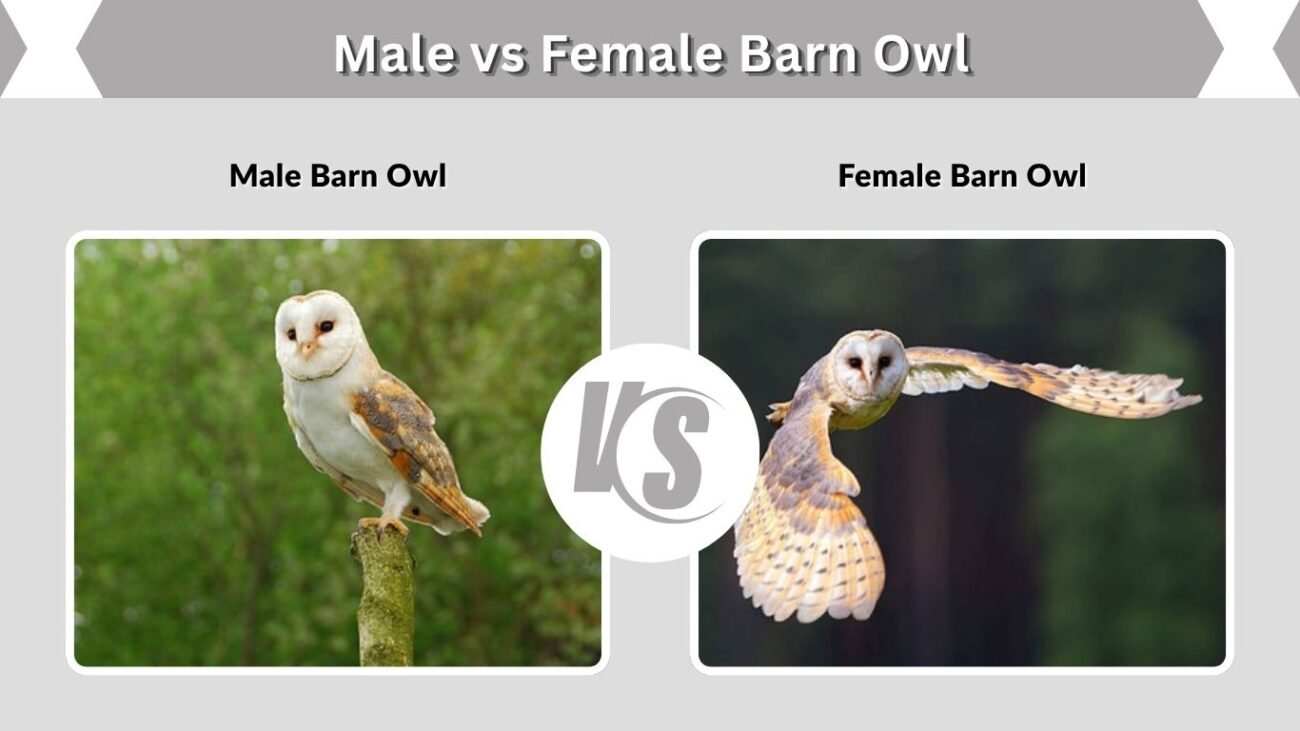
Male and female Barn Owls share the same heart-shaped face and overall body pattern. Females are generally slightly larger and frequently darker or more heavily spotted, while males are often paler.
Male Barn Owl
A typical male may have:
- Whiter underparts
- Fewer dark spots
- A paler throat and tail
- A slightly smaller body
- Less prominent barring on the wings
Some males are almost entirely white underneath. However, darker and spotted males occur, particularly where different regional forms mix.
Female Barn Owl
A typical female may have:
- Buff or golden underparts
- More black spots on the chest and flanks
- Darker wing and tail markings
- A slightly heavier body
- A darker throat
Plumage is useful but not perfect. The Barn Owl Trust reports that most British Barn Owls can be sexed from their feathers, but approximately 10% cannot be identified confidently by coloration alone.
Barn Owls vs True Owls
Barn Owls belong to the family Tytonidae, while barred, great horned, screech, snowy, and tawny owls belong to Strigidae, commonly called true or typical owls.
Barn Owls generally have long legs, relatively small eyes, and a strongly heart-shaped facial disc. True owls usually have rounder facial discs and broader, more compact-looking heads. Some true owls also possess prominent feathered ear tufts, which Barn Owls lack.
| Comparison | Main differences from a Barn Owl |
| Barred Owl | Larger, stockier, round-faced, brown-and-white barred plumage and hooting call |
| Great Horned Owl | Much heavier, prominent ear tufts, yellow eyes and deep hoots |
| Screech-Owl | Far smaller, yellow eyes, ear tufts and gray or reddish plumage |
| Snowy Owl | Much larger, bulky, white with dark markings and yellow eyes |
| Tawny Owl | Round brown head, woodland habitat and recognizable hooting calls |
| Western Barn Owl | Same general Barn Owl form; distinguished mainly by taxonomy and geographic range |
Barn Owl vs Barred Owl
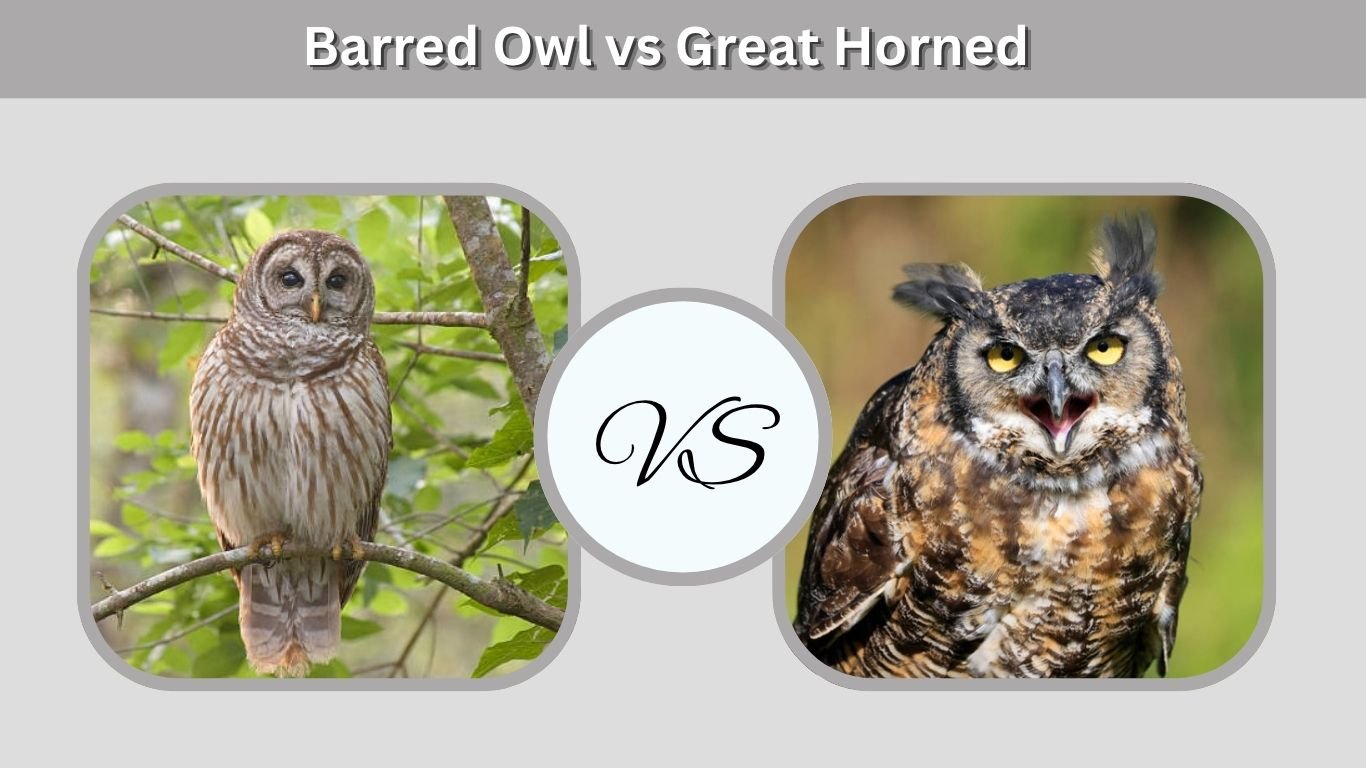
A Barred Owl is larger and more heavily built than a Barn Owl. It has a rounded head, dark eyes, no visible ear tufts, and brown-and-white markings. Its chest is horizontally barred, while its belly has vertical brown streaks.
The Barn Owl is slimmer and much paler, with a white heart-shaped face. Sound is another obvious difference: Barred Owls produce a distinctive series of hoots, whereas Barn Owls usually screech.
Barn Owl vs Great Horned Owl
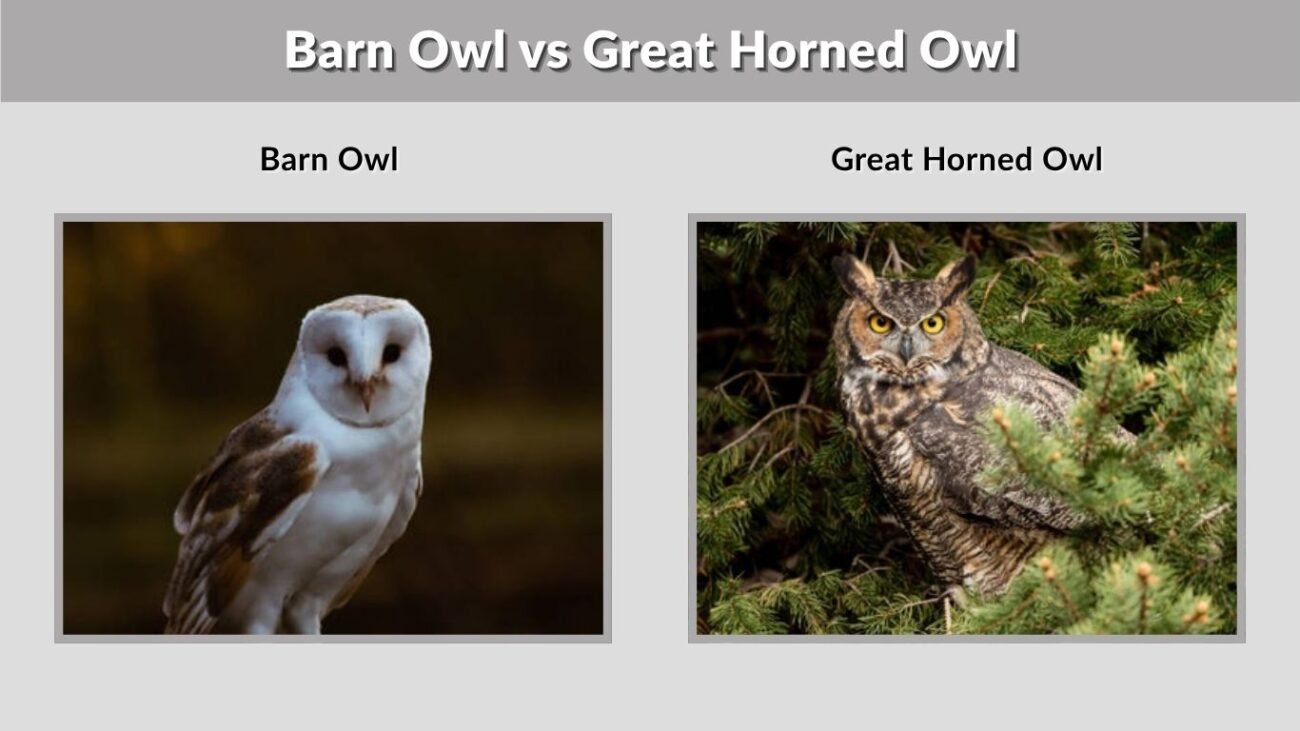
The Great Horned Owl is considerably heavier and more powerful. It has large feathered ear tufts, bright yellow eyes, a white throat patch, and mottled gray-brown plumage. Its voice consists of deep, resonant hoots.
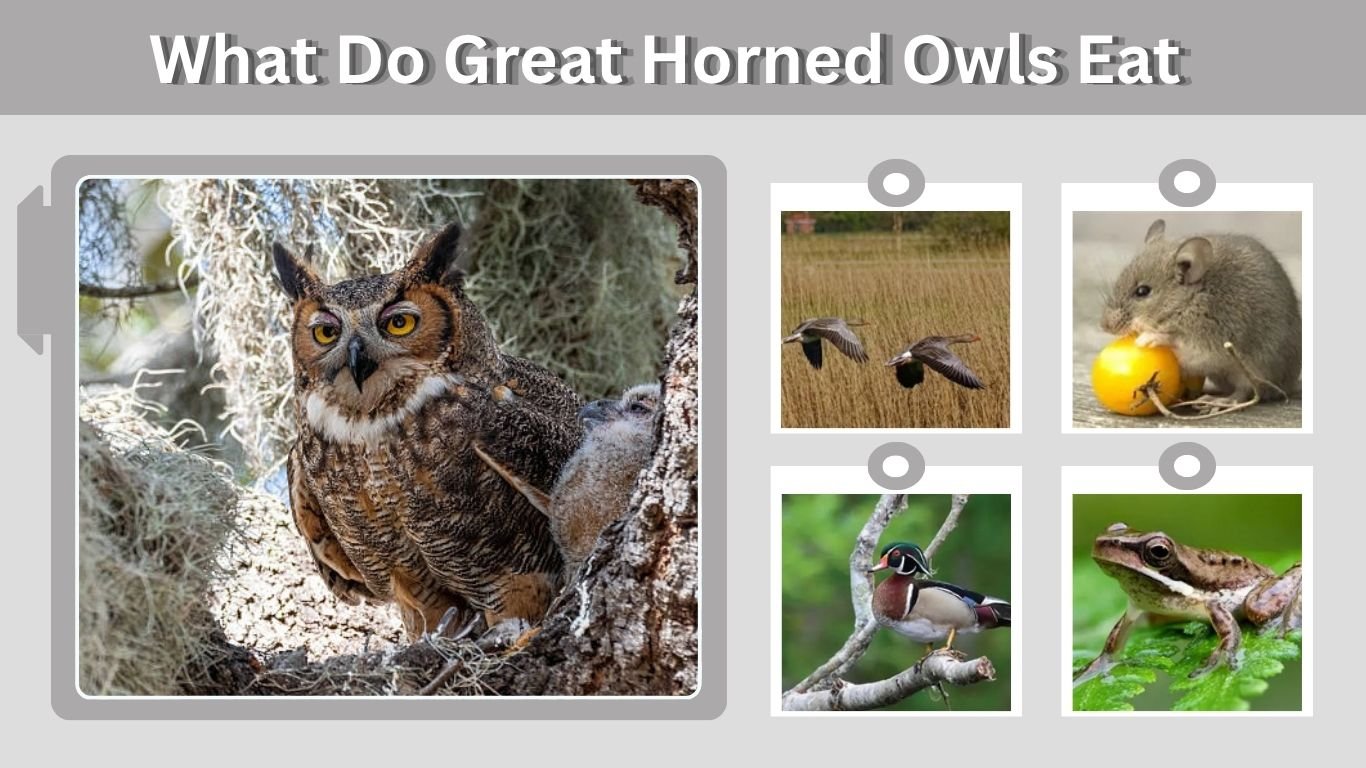
Barn Owls lack ear tufts, have dark eyes, and appear much paler. Although both hunt rodents, Great Horned Owls can capture substantially larger prey and may prey on Barn Owls or their young.
Barn Owl vs Screech-Owl
Screech-owls are much smaller, usually only robin-sized. They have stocky bodies, short tails, yellow eyes, and pointed ear tufts. Depending on the species and individual, their plumage may be gray, brown, or reddish.
A Barn Owl has a longer body, much longer legs, dark eyes, and no ear tufts. Screech-owls mainly occupy wooded areas, parks, and tree-filled neighborhoods, while Barn Owls favor open landscapes containing abundant small mammals.
Barn Owl vs Snowy Owl
Snowy Owls and pale Barn Owls may both appear white, but they are otherwise very different. Snowy Owls are massive, heavily feathered Arctic birds with yellow eyes and rounded heads. Females and young birds often have dense black or brown markings.
Barn Owls are smaller, slimmer, and identified by their heart-shaped faces and dark eyes. Their legs appear long and lightly built compared with the thickly feathered legs of a Snowy Owl.
Barn Owl vs Tawny Owl
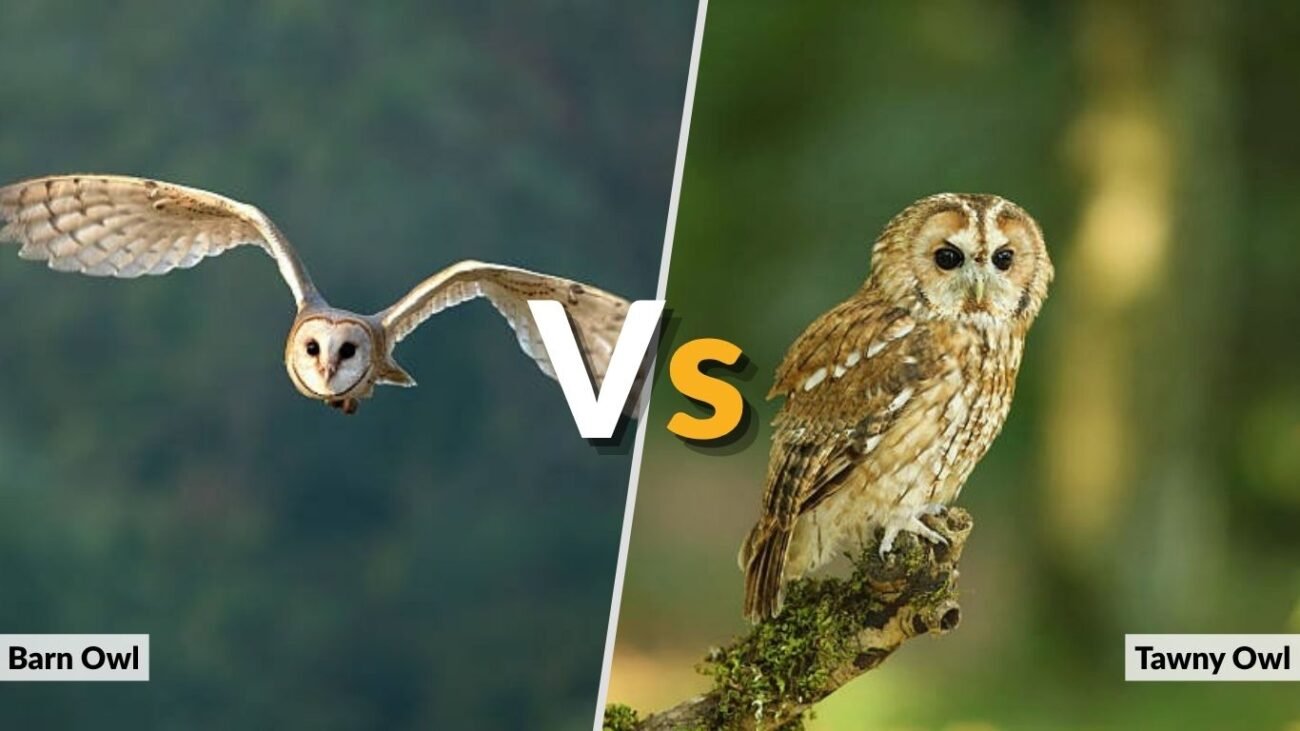
Western Barn Owls and Tawny Owls occur together in parts of Europe, but they use somewhat different environments. Barn Owls usually hunt over open farmland, grasslands, marshes, and roadside verges. Tawny Owls are more strongly associated with wooded habitats.
A Tawny Owl has a rounded brown head and produces traditional hooting calls. A Barn Owl is pale, heart-faced, and better known for shrieks and hisses.
Habitat, Hunting and Diet
Western and American Barn Owls use similar hunting strategies. They fly slowly over open country, listening for mice, voles, shrews, and other small animals. Their facial discs help direct sound toward asymmetrically positioned ears, allowing them to locate prey even when darkness or vegetation prevents a clear view.
Suitable habitats include grasslands, agricultural fields, pastures, marshes, deserts, and open woodland. They nest and roost in tree cavities, barns, silos, caves, cliffs, towers, and correctly designed nest boxes.
Their diets consist mainly of small mammals. Mice, voles, shrews, and young rats are common prey, although birds, bats, reptiles, amphibians, and large insects may occasionally be taken. Small prey is normally swallowed whole, and indigestible bones, teeth, and fur are later regurgitated as pellets.
FAQs
Is a Barn Owl the same as a Western Barn Owl?
It depends on how the name is being used. Western Barn Owl is the specific name for Tyto alba. “Barn Owl” may refer generally to the Barn Owl group, appear in older classifications, or describe the regional Barn Owl species without its geographic prefix.
What kind of Barn Owl lives in the United States?
The species living naturally in the United States is the American Barn Owl, Tyto furcata. Older books commonly identify it as Tyto alba, but current North American classifications separate it from the Western Barn Owl.
Can Western and American Barn Owls be identified from pictures?
Sometimes geographic information provides an answer, but appearance alone can be inconclusive. Both have highly variable pale, buff, gray, and golden plumage. Knowing where the photograph was taken is usually more useful than comparing minor color differences.
Are Barn Owls bigger than Barred Owls?
No. Barred Owls are generally larger and stockier. Cornell describes the Barred Owl as larger than a Barn Owl but smaller than a Great Horned Owl. Barn Owls look long-winged and slender rather than bulky.
Do Western Barn Owls hoot?
Western Barn Owls do not normally produce the familiar hooting calls of Tawny, Barred, or Great Horned Owls. They communicate mainly through harsh screeches, hisses, rasps, and other unusual sounds.