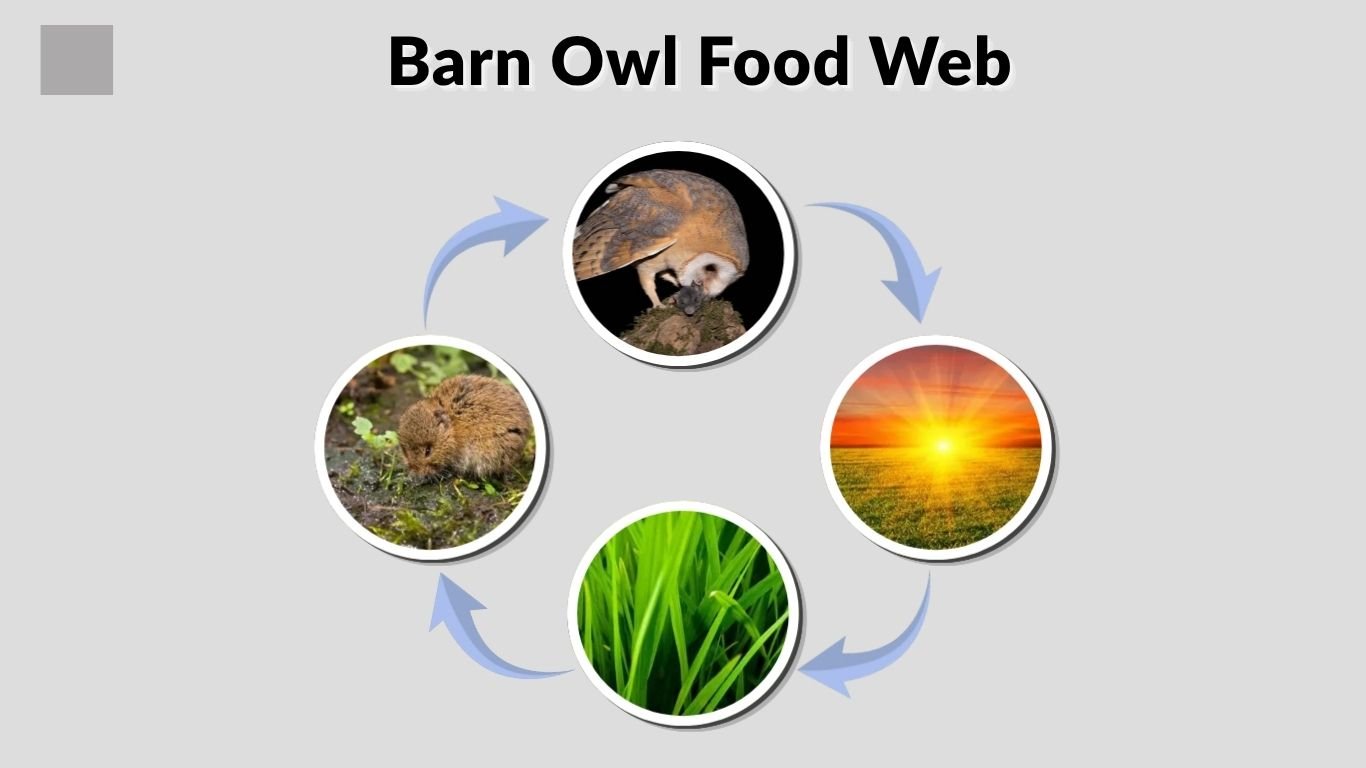
The Barn Owl food web shows how energy moves from plants and other producers to small mammals and eventually to the owl. Barn Owls are highly specialized predators that feed mainly on mice, voles, shrews, and rats. They help regulate rodent populations, while larger birds of prey, snakes, and some mammals may occasionally prey on Barn Owls or their young. Their feeding relationships form part of a much larger grassland, wetland, and agricultural ecosystem.
Barn Owl Food Web Overview
A food web combines several connected food chains within the same ecosystem. In a Barn Owl habitat, grasses and other plants capture energy from sunlight. Herbivores eat those plants, and predators then eat the herbivores.
Barn Owls usually occupy a high trophic level because they hunt animals rather than eating plants. However, they are not completely free from predation.
| Food-web level | Examples |
| Energy source | Sunlight |
| Producers | Grasses, crops, seeds, shrubs and wildflowers |
| Primary consumers | Voles, mice, rats, rabbits and plant-eating insects |
| Secondary consumers | Shrews, frogs, small birds and insect-eating mammals |
| Higher-level predator | Barn Owl |
| Occasional Barn Owl predators | Large owls, raptors, snakes and some mammals |
| Decomposers | Fungi, bacteria and soil organisms |
Barn Owls are often described as top predators in their immediate grassland food chains, but larger predators can sometimes kill adults, eggs, or nestlings.
Simple Barn Owl Food Chain
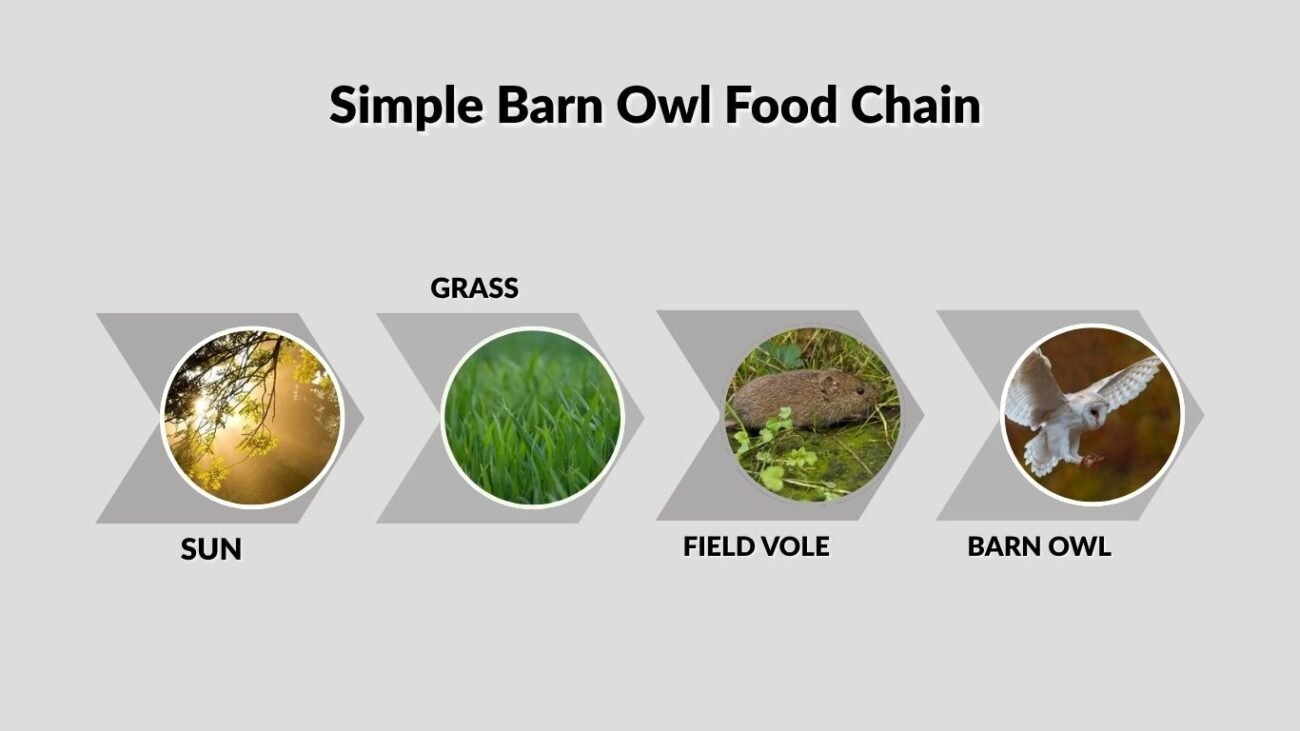
One of the simplest examples is:
Sun → grass → field vole → Barn Owl
The grass obtains energy through photosynthesis. The field vole eats the grass, and the Barn Owl captures and eats the vole. Each step represents a trophic level through which energy moves.
Another possible chain is:
Sun → seeds → wood mouse → Barn Owl
Wood mice consume seeds, berries, fungi, insects, and other foods. Barn Owls then hunt the mice in open fields, hedgerows, farm margins, and grasslands.
Six-Link Barn Owl Food Chain
A longer educational example is:
Sun → grass → grasshopper → shrew → Barn Owl → decomposers
In this simplified chain, grasshoppers feed on plants, shrews eat insects, and Barn Owls prey on shrews. After an organism dies, fungi, bacteria, and other decomposers recycle nutrients into the soil, helping plants grow again.
Real ecosystems are more complicated than a single chain. A mouse may eat plants and insects, while several predators may hunt the same mouse. This creates an interconnected food web rather than one straight feeding line.
What Do Barn Owls Eat?
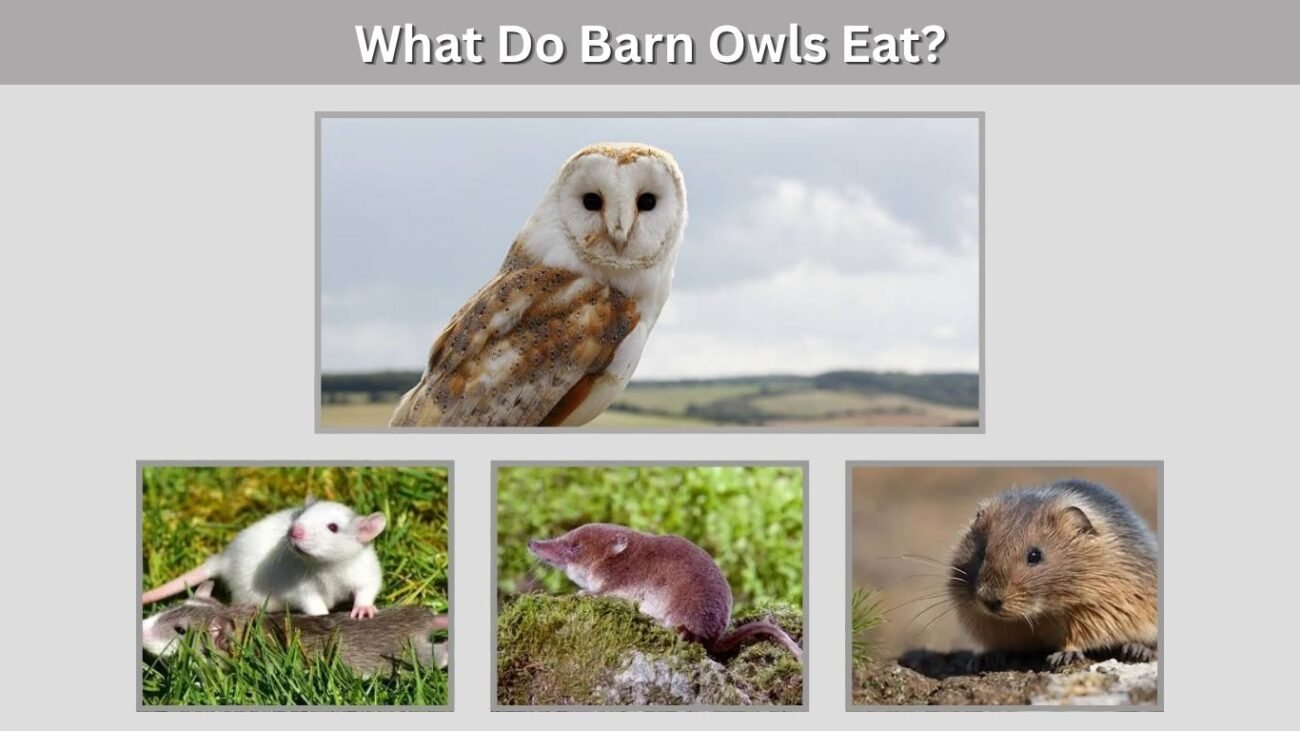
Small mammals make up most of the Barn Owl’s diet. The exact prey varies according to region, habitat, season, weather, and local availability.
Main Foods
Barn Owls commonly eat:
- Voles
- Deer mice and other mice
- Shrews
- Young rats
- Lemmings
- Small rabbits
- Bats
- Small birds
- Frogs occasionally
- Reptiles and large insects occasionally
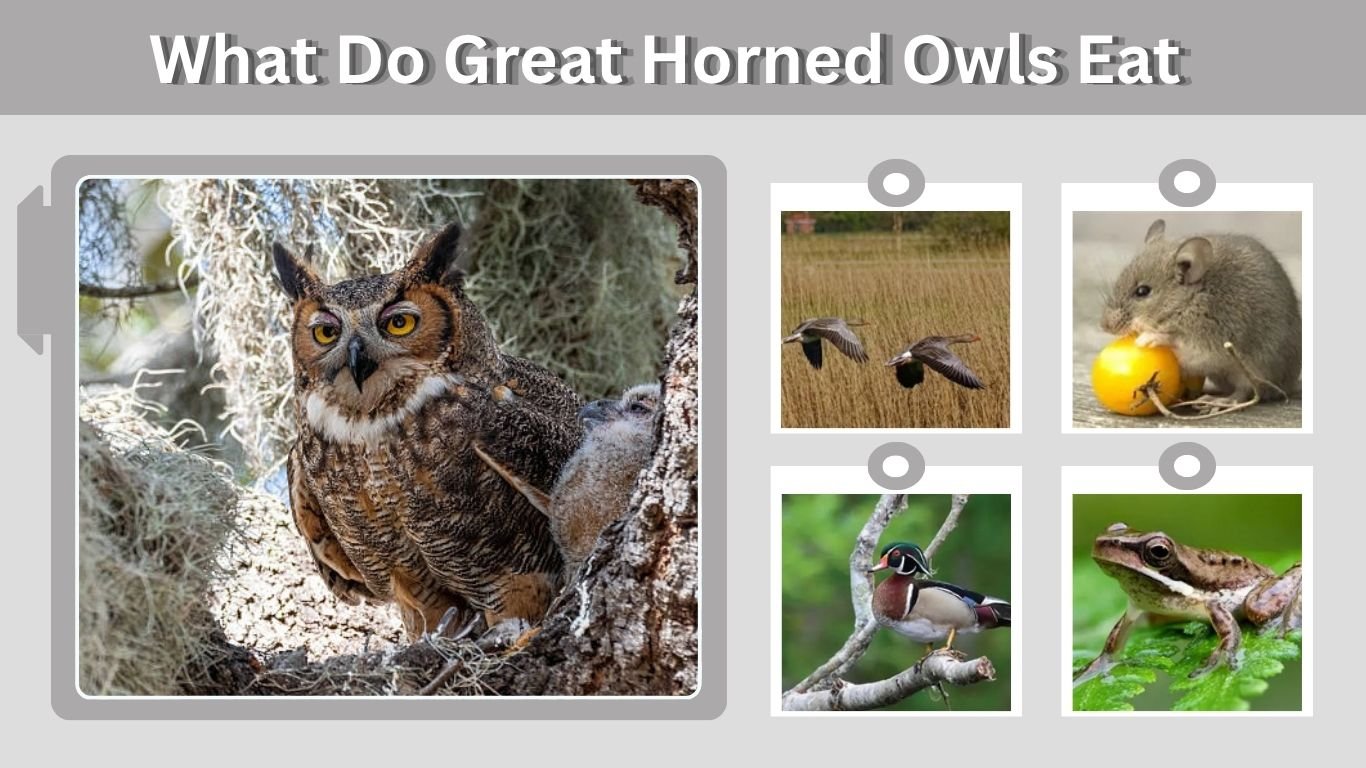
American Barn Owls primarily eat small mammals, including rats, mice, voles, lemmings, shrews, bats, and rabbits. Birds such as blackbirds, starlings, and meadowlarks may occasionally be taken.
In Britain, field voles are especially important and account for about 45% of the recorded diet. Common shrews contribute about 20%, while wood mice account for approximately 15%. Other prey includes house mice, bank voles, brown rats, and pygmy shrews.
What Is the Barn Owl’s Staple Food?
The staple food is usually whichever small mammal is abundant and easy to capture locally. Field voles are particularly important in much of Britain, while mice, rats, voles, and other rodents dominate the diet in North America.
Barn Owls do not depend on only one prey species throughout their global range. Their menu changes when local prey populations rise or fall. Nevertheless, small nocturnal mammals remain their most important food group.
Trophic Levels in a Barn Owl Food Web
Trophic levels describe an organism’s feeding position within a food chain.
First Trophic Level: Producers
Grasses, crops, wildflowers, and other green plants form the first level. They use sunlight, carbon dioxide, water, and soil nutrients to produce energy-rich plant material.
These plants supply food for rodents, rabbits, insects, and other animals living in open habitats.
Second Trophic Level: Primary Consumers
Primary consumers eat producers. In a Barn Owl ecosystem, they may include:
- Field voles eating grass
- Mice eating seeds
- Rabbits eating vegetation
- Grasshoppers feeding on leaves
- Rats eating crops and seeds
These animals transfer plant energy into a form that predators can consume.
Third and Fourth Trophic Levels
Animals that eat herbivores occupy higher levels. A shrew that eats plant-feeding insects is a secondary consumer. A Barn Owl that eats the shrew may function as a tertiary consumer.
When the owl directly eats a plant-eating vole, however, it acts as a secondary consumer. Its exact trophic level therefore depends on what the prey itself has eaten.
How Do Barn Owls Find Their Food?
Barn Owls usually begin hunting around dusk or after dark. They fly slowly and quietly over rough grass, marsh edges, farms, and other open habitats while listening for small animals moving below.
Sensitive Hearing
The heart-shaped facial disc helps direct sounds toward the ears. The ear openings are positioned asymmetrically, allowing the owl to compare when and how strongly a sound reaches each side.
This adaptation enables a Barn Owl to locate prey hidden beneath grass or in very low light. Its hearing is especially valuable when visual conditions are poor.
Silent Flight
Soft feather surfaces and specialized wing edges reduce flight noise. Quieter flight allows the owl to hear prey more clearly and approach without giving much warning.
The owl normally flies low over the ground, drops onto its target, and captures it with its feet. Small prey is commonly killed quickly and carried away or swallowed.
Food Caching
Barn Owls sometimes store excess prey near a nest, particularly during the breeding season. A nesting owl may collect numerous small mammals so food is immediately available for its mate or newly hatched young.
How Do Barn Owls Eat and Digest Food?
Barn Owls commonly swallow small prey whole. This provides muscle meat as well as organs and other nutrient-rich tissues.
Their digestive system separates soft material from parts that cannot be broken down efficiently. Meat and organs pass through the digestive tract, while fur, teeth, feathers, and bones are compressed into a pellet.
Barn Owl Pellets
The owl later regurgitates the compact pellet through its beak. This is a normal digestive process rather than vomiting caused by illness.
Scientists can pull pellets apart and identify the skulls, jaws, teeth, and bones inside. Pellet analysis reveals which prey species live locally and how the owl’s diet changes over time.
Fresh Barn Owl pellets are generally dark and moist. They become drier and grayer as they age. Insects may eventually consume the fur, leaving small prey bones behind.
How Much Food Does a Barn Owl Eat?
A Barn Owl commonly captures several prey animals during one night. British observations indicate that an adult may typically consume around three to four prey items nightly, although its needs vary with prey size, temperature, activity, and breeding status.
A breeding pair must also supply food to every growing owlet. During a productive nesting season, the adults may need to catch many small mammals each night. Food shortages can reduce breeding success because fewer young can be supported.
What Eats Barn Owls?
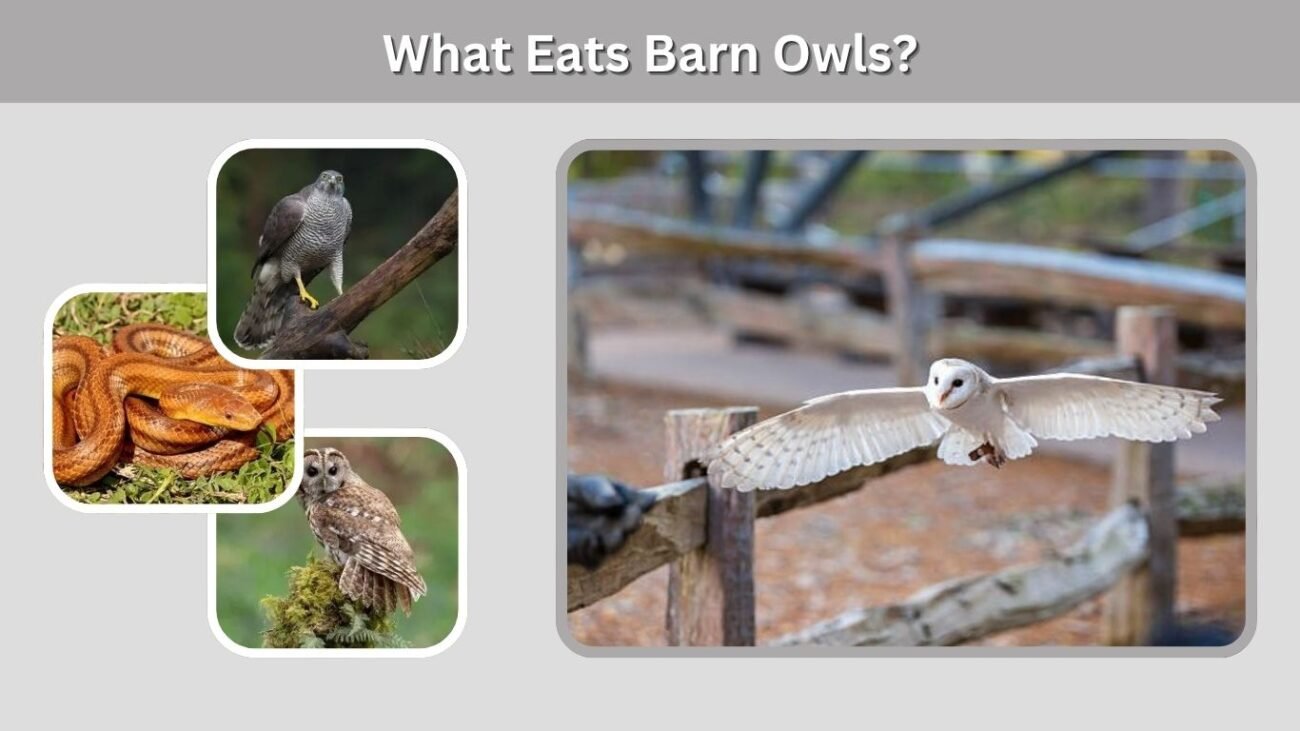
Adult Barn Owls have relatively few regular predators, but they are not completely at the top of every food web.
Potential predators include:
- Great Horned Owls
- Eurasian Eagle-Owls
- Golden Eagles
- Goshawks
- Large falcons
- Buzzards
- Tawny Owls
- Snakes
- Stoats and similar mammals
Large owls and raptors may occasionally kill adult Barn Owls. Snakes and small carnivorous mammals are more likely to threaten eggs, nestlings, or poorly protected nests.
Competition for Food
Barn Owls share many prey animals with other predators. Depending on the region, their competitors may include hawks, kestrels, harriers, foxes, coyotes, snakes, domestic cats, and other owl species.
Competition does not always involve direct fighting. Several predators may simply depend on the same vole or mouse population. When rodent numbers decline, each predator may need to hunt longer, travel farther, or switch to less-preferred prey.
American Barn Owls may share hunting fields with other pairs because they defend the immediate nest area more strongly than the entire feeding range.
The Barn Owl’s Role in the Ecosystem
Barn Owls help regulate populations of mice, voles, shrews, and rats. This predation is a natural part of the ecosystem and can benefit farms by reducing some rodents that consume crops or stored grain.
The owls also connect different parts of the food web. Plant energy passes into rodents and then into Barn Owls. When pellets, feathers, waste, prey remains, or dead animals decompose, nutrients return to the soil and support future plant growth.
Rodenticides can disrupt this relationship. An owl may be exposed to poison after catching a contaminated rodent, so reducing unnecessary poison use can protect both Barn Owls and other predators.
FAQs
Are Barn Owls at the top of the food chain?
Barn Owls are high-level predators and may sit at the top of simple food chains involving plants, rodents, and owls. However, they are not absolute apex predators because larger owls, raptors, snakes, and mammals may occasionally prey upon them or their young.
What is the main food source of a Barn Owl?
Small mammals are the main food source. Depending on location, the most important prey may be field voles, mice, shrews, rats, or lemmings. The owl usually concentrates on species that are abundant, nocturnal, and accessible in open habitat.
Do Barn Owls eat insects?
They can eat large insects, especially in regions where insects are plentiful, but insects normally contribute much less food than small mammals. Voles, mice, shrews, and rats provide the bulk of the calories needed by most Barn Owl populations.
How do Barn Owls swallow their food?
Barn Owls often swallow small prey whole. Digestible tissues are broken down, while fur, feathers, teeth, and bones are compacted into a pellet. The owl later casts the pellet through its mouth before continuing its normal feeding cycle.
What happens when Barn Owl prey declines?
The owls may hunt farther from the nest, spend more time searching, switch to alternative animals, produce fewer eggs, or raise fewer young. Severe shortages can be especially difficult during cold or wet weather and when several growing owlets require food.