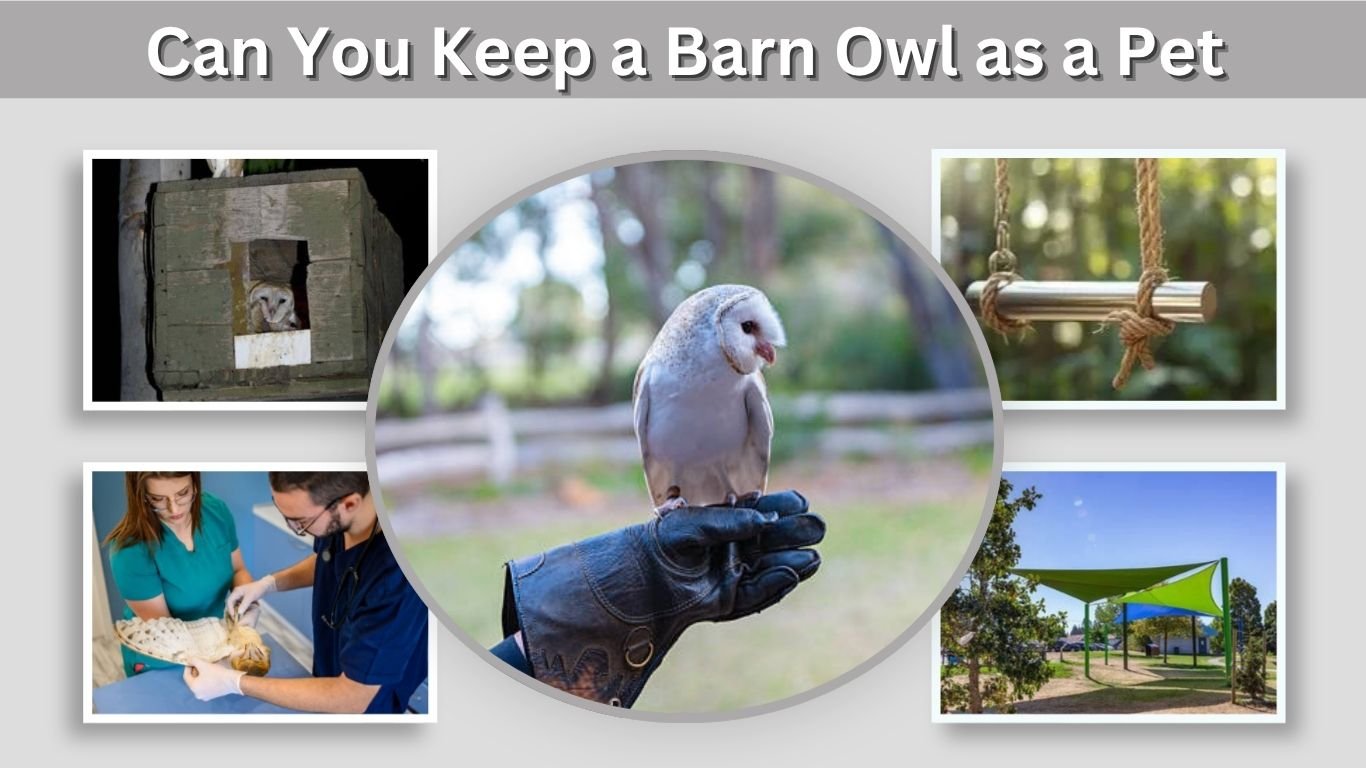
A Barn Owl pet may sound appealing because of the bird’s heart-shaped face, silent flight, and striking appearance. In reality, Barn Owls are demanding birds of prey rather than domesticated companion animals. They require legal documentation in many regions, a very large outdoor aviary, whole-prey food, specialist veterinary care, and daily attention for many years. Their sharp talons, nocturnal activity, loud calls, droppings, and unpredictable temperament make them unsuitable for most homes.
Can You Have a Barn Owl as a Pet?
The answer depends on where you live, how the owl was obtained, and why it is being kept. Wild Barn Owls should never be captured or taken from a nest. In many countries, native owls are protected, and private possession is prohibited or allowed only under specific permits.
| Question | Practical answer |
| Can you capture a wild Barn Owl? | Generally illegal and harmful |
| Are Barn Owls domesticated? | No |
| Do they live comfortably inside homes? | No |
| Do they need a large aviary? | Yes |
| Can they eat ordinary pet food? | No |
| Are they easy to train? | No |
| Do they make affectionate pets? | Usually not |
| Is specialist veterinary care needed? | Yes |
A captive Barn Owl may be legally kept in a few jurisdictions when it is captive-bred, lawfully acquired, correctly documented, and housed according to animal-welfare regulations. However, legality does not make the owl suitable as an ordinary household pet.
Are Barn Owls Legal Pets?
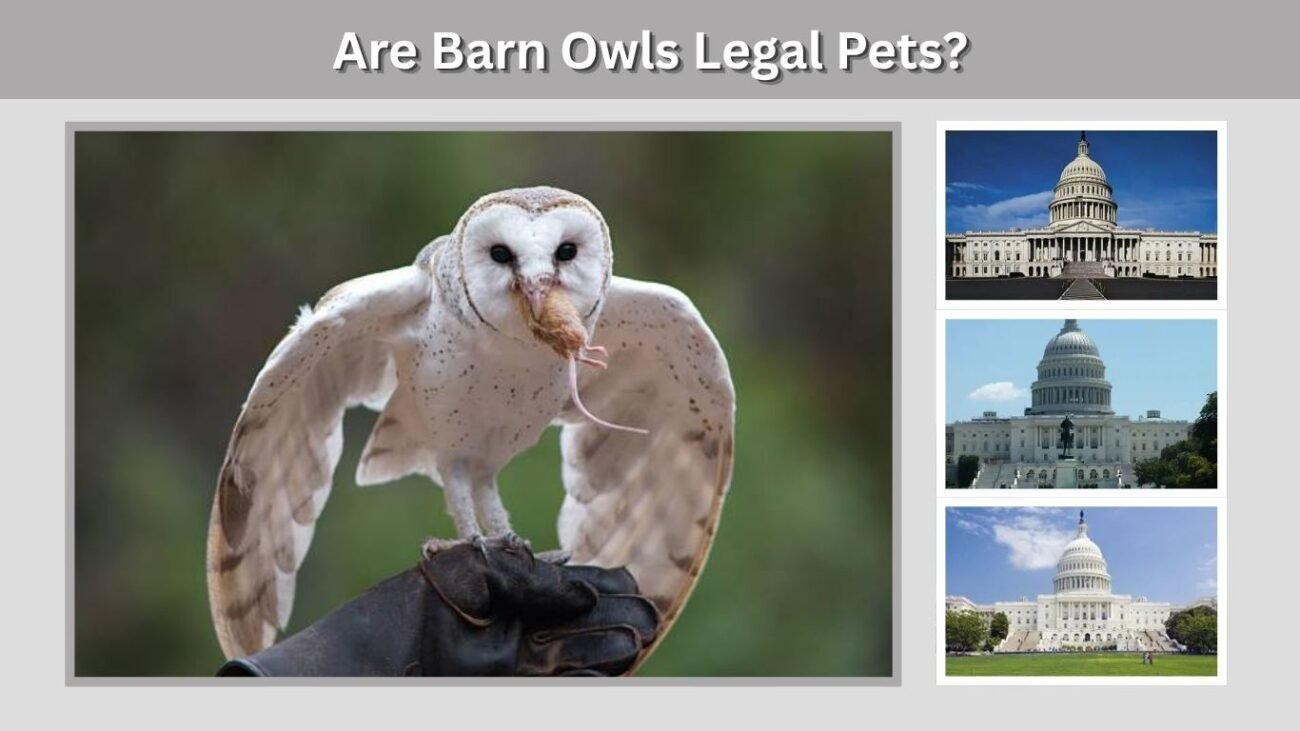
Wildlife laws differ considerably between countries and may also vary by state, province, territory, or local authority. Rules can cover possession, purchase, breeding, transport, exhibition, rehabilitation, and release.
United States
In the United States, the Barn Owl appears on the federal list of birds protected under the Migratory Bird Treaty Act. Federal regulations cover possession, transportation, sale, purchase, import, and export, and the U.S. Fish and Wildlife Service states that possession of a living migratory bird still requires authorization. These permits are issued for qualified activities such as rehabilitation, conservation education, research, and other approved purposes—not ordinary ownership as a household pet. State rules may impose additional restrictions.
United Kingdom
The legal position is different for captive-bred birds in the United Kingdom, but keepers must still comply with wildlife, animal-welfare, identification, sale, and documentation requirements. In England and Wales, people keeping captive birds must currently register their premises as a bird-keeping location within one month. Anyone considering an owl must verify its lawful captive-bred origin and check the latest rules before acquiring it.
Other Countries
Canada, Australia, New Zealand, and other countries regulate native wildlife through national and regional laws. A permit available to a zoo, rehabilitator, educator, or licensed wildlife keeper does not automatically allow private pet ownership. Contact the relevant wildlife department before paying a breeder or transporting any owl.
Are Barn Owls Good Pets?
Barn Owls do not make good pets for most people. The Barn Owl Trust specifically advises that they are unsuitable companion animals because their behavior, physical abilities, feeding requirements, and housing needs are very different from those of domesticated birds.
They Are Not Affectionate Domestic Birds
A hand-reared owl may become imprinted on humans, but imprinting does not create the predictable companionship associated with a domesticated animal. An imprinted owl may treat a person as a parent, potential mate, competitor, or food provider.
This can result in persistent begging, possessive behavior, aggression, and loud nighttime calling. Parent-reared captive owls and permanently disabled wild-origin birds may remain fearful of people and prefer to hide.
Their Talons Can Cause Injuries
Barn Owls have powerful feet and sharp talons designed to catch and kill small mammals. Even a tame bird may grip defensively, react when frightened, or become aggressive during the breeding season.
A person handling an owl incorrectly may receive deep scratches or puncture wounds. Safe handling requires practical raptor experience, appropriate equipment, and an understanding of the bird’s body language.
They Are Nocturnal and Can Be Noisy
Barn Owls are most naturally active from dusk through the night. They do not usually produce gentle hoots. Their vocalizations include screeches, hisses, rasps, food-begging calls, and defensive sounds.
A human-imprinted male can become especially vocal during breeding periods. Keeping one near bedrooms or neighbors can therefore cause significant disturbance.
They Are Messy Indoors
Barn Owls cannot be reliably house-trained. They produce liquid droppings, shed feathers, tear apart whole prey, and regurgitate pellets containing bones, teeth, and fur.
Keeping one loose inside can stain curtains, walls, flooring, and furniture. Household ornaments, fans, mirrors, windows, electrical cables, and small pets can also create hazards for the bird.
Barn Owl Housing Requirements
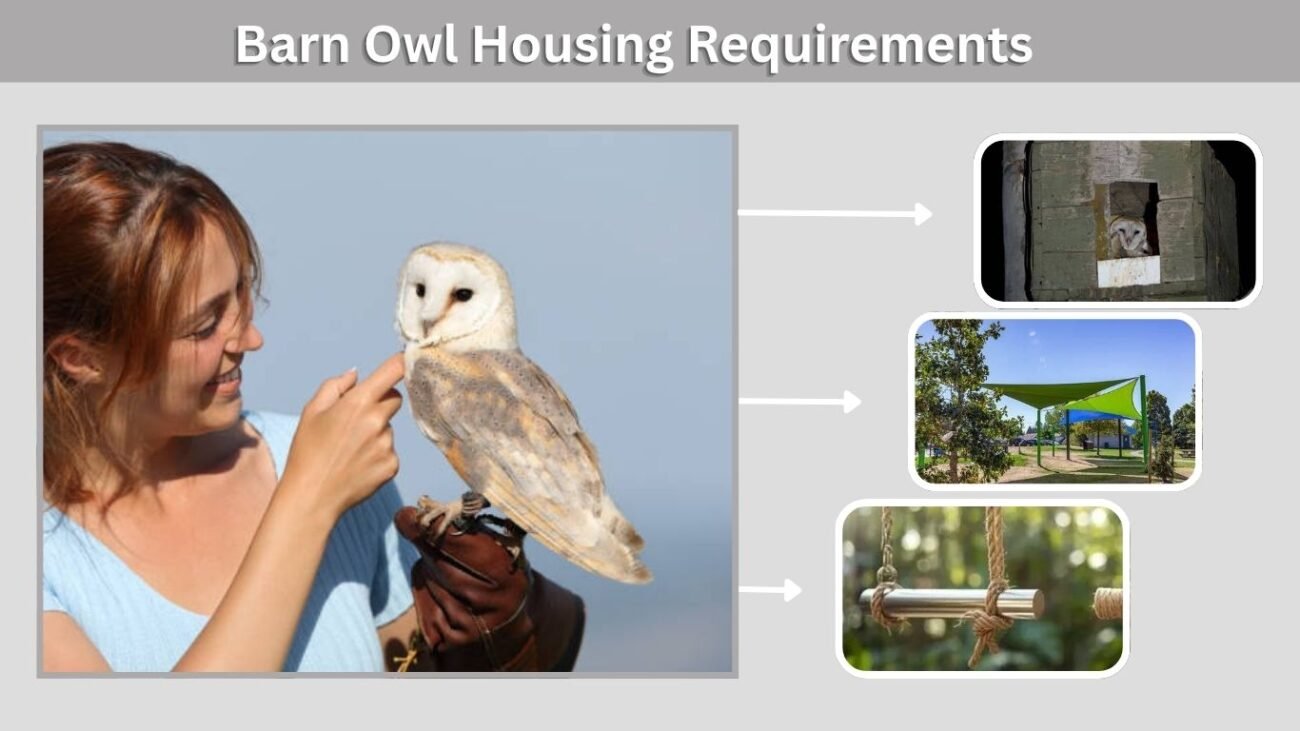
A Barn Owl should not live in a small parrot cage, bedroom, garage, or garden shed. It needs a purpose-built outdoor aviary that permits proper flight, protects it from harsh weather, and prevents contact with predators and wild rodents.
The Barn Owl Trust recommends an ideal aviary approximately 10–15 metres long and 4–10 metres wide. Its suggested minimum dimensions for one or two Barn Owls are about 6 metres long by 3 metres wide, with sufficient height for safe flight. These are specialist recommendations rather than universal legal standards.
Essential Aviary Features
A suitable enclosure requires:
- Enough uninterrupted length for flight
- A sheltered, dry roosting section
- Safe perches of different sizes
- Weather protection and shade
- Secure double-door access
- Predator- and rodent-resistant construction
- Proper drainage and ventilation
- Surfaces that can be cleaned safely
- Space separating the owl from visitors and pets
Poor flooring, unsuitable perches, obesity, inactivity, and bad hygiene can contribute to foot problems such as bumblefoot. Captive birds must also be checked for parasites, abnormal weight, overgrown beaks or talons, and subtle signs of illness.
What Do Pet Barn Owls Eat?
A Barn Owl requires a whole-prey diet. It cannot remain healthy on cooked chicken, steak, hamburger, seeds, cat food, or ordinary commercial bird food.
Suitable food normally consists of appropriately sourced whole mice, rats, voles, or day-old chicks. Whole prey supplies muscle, organs, bones, skin, hair, calcium, vitamins, and other nutrients. Fur and feathers are also involved in normal pellet formation. Feeding only boneless meat produces an incomplete diet.
The keeper needs a dependable supplier and adequate freezer space. Frozen prey must be stored, thawed, handled, and discarded hygienically. Wild rodents should not be used when poisoning, infection, or contamination is possible.
Barn Owl Care and Daily Commitment
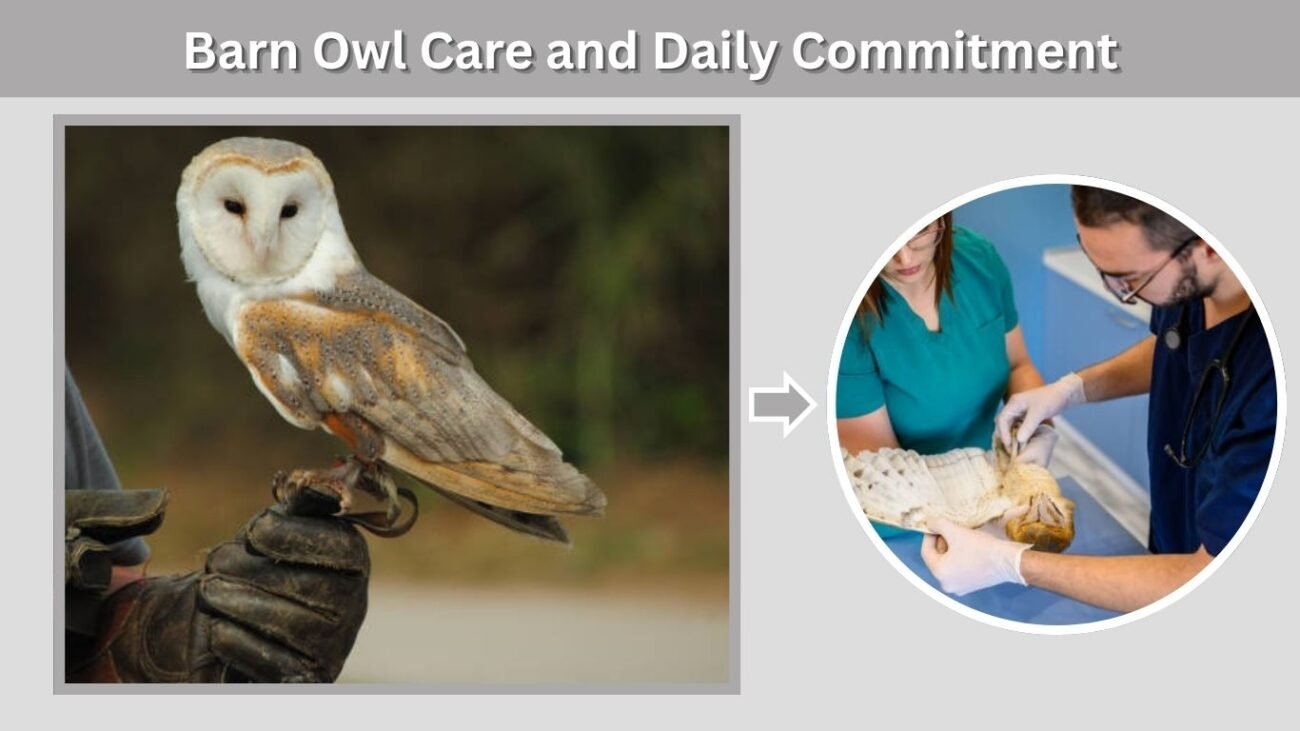
Owls require daily observation even when they appear quiet. A keeper must check food intake, droppings, pellets, posture, breathing, feet, feather condition, weight, and behavior.
Holiday care is particularly difficult because the substitute keeper must be comfortable handling frozen prey and recognizing health problems. Leaving several days of food in the aviary is unsafe because the prey may spoil and the owl may become ill or injured without anyone noticing.
Veterinary Care
Ordinary pet clinics may not have experience treating raptors. Before acquiring an owl, a keeper needs access to a veterinarian experienced with birds of prey.
Birds often hide illness until a condition has become advanced. Reduced appetite, unusual inactivity, breathing changes, damaged feathers, abnormal droppings, or foot sores should be investigated promptly.
Long-Term Responsibility and Cost
The purchase price is only a small part of the expense. Major costs include constructing the aviary, continuous repairs, whole-prey food, freezer storage, permits, identification records, veterinary treatment, cleaning equipment, and qualified holiday care.
Captive Barn Owls may live for about 20 years, making ownership a long-term obligation. Suitable rescue spaces can be difficult to find if the keeper later moves, becomes ill, or loses interest.
Can a Pet Barn Owl Be Released?
A captive-bred or human-imprinted Barn Owl should never simply be released. It may lack suitable hunting skills, avoid appropriate habitat, approach people, or fail to locate enough prey.
Releasing captive wildlife without authorization may also violate the law. Rehabilitation and release require specialist assessment, conditioning, suitable habitat, and any necessary government permission.
Better Alternatives to Owning a Barn Owl
People who admire Barn Owls can enjoy them without keeping one as a pet. Better options include supporting an owl rehabilitation centre, volunteering with an authorized wildlife organization, sponsoring conservation work, installing a suitable nest box where habitat permits, or attending demonstrations operated by licensed professionals.
These activities support owl welfare while avoiding the legal, financial, and ethical problems associated with private ownership.
FAQs
Can you buy a pet Barn Owl?
A captive-bred owl may be sold legally in a limited number of jurisdictions, but the buyer must verify local laws, the breeder’s authorization, and the bird’s legal documentation. Never purchase a wild-caught, undocumented, or suspiciously advertised owl.
Can Barn Owls live inside a house?
A house cannot provide the flight space, hygiene, shelter, and natural environment an owl needs. Indoor keeping also causes problems with droppings, pellets, damaged furnishings, nighttime activity, and dangerous objects. A large specialist aviary is required.
Can you train a Barn Owl like a falcon?
Barn Owls can learn to approach a handler for food, but they are difficult and unreliable free-flying birds. They do not respond like dogs, and a trained owl may suddenly fly away. Specialist raptor training is essential.
What should you do after finding an injured Barn Owl?
Do not keep it as a pet. Contact a licensed wildlife rehabilitator, veterinarian, animal-welfare organization, or wildlife authority. Injured birds of prey require specialist examination, treatment, and legally managed rehabilitation.
Are baby Barn Owls easier to keep as pets?
No. Hand-rearing can cause strong human imprinting, leading to dependency, persistent begging, sexual behavior toward people, territorial aggression, and difficulties placing or releasing the adult bird. A baby owl remains a demanding bird of prey when fully grown.