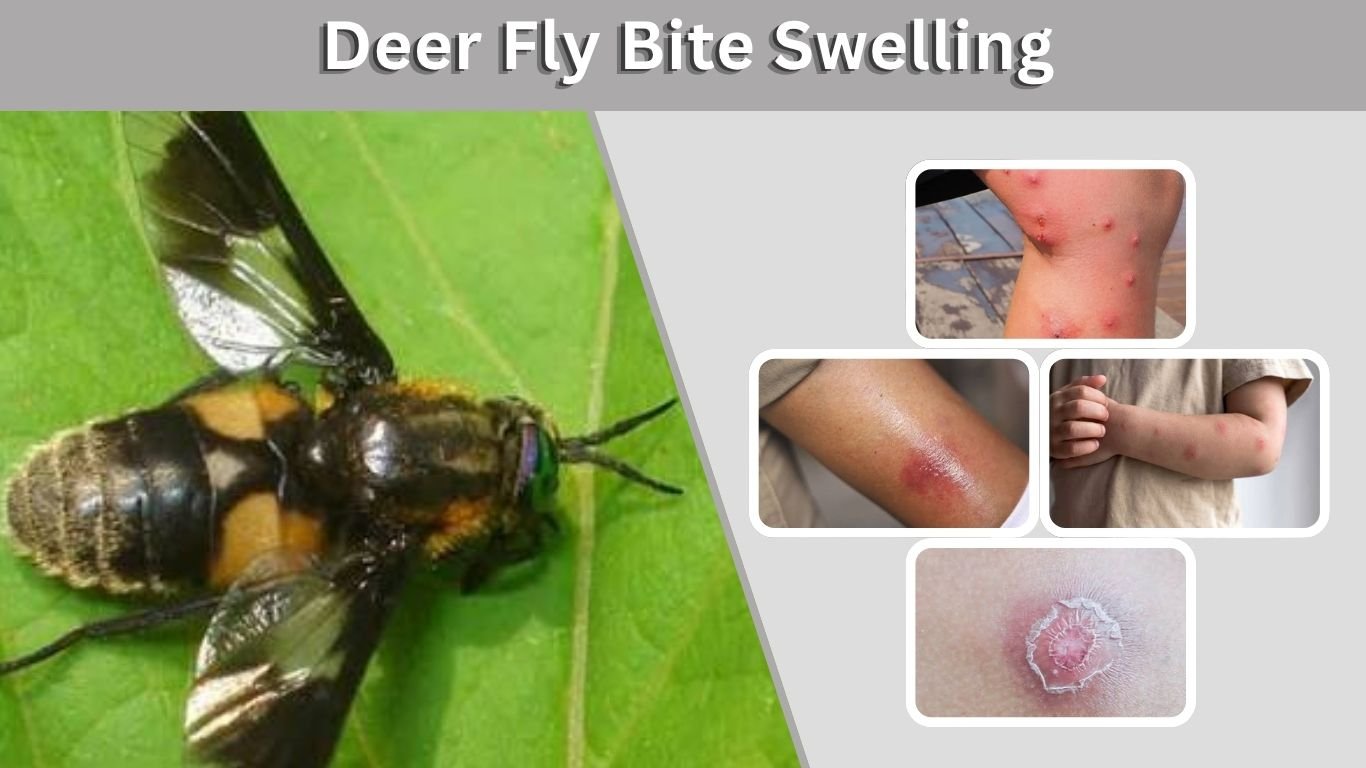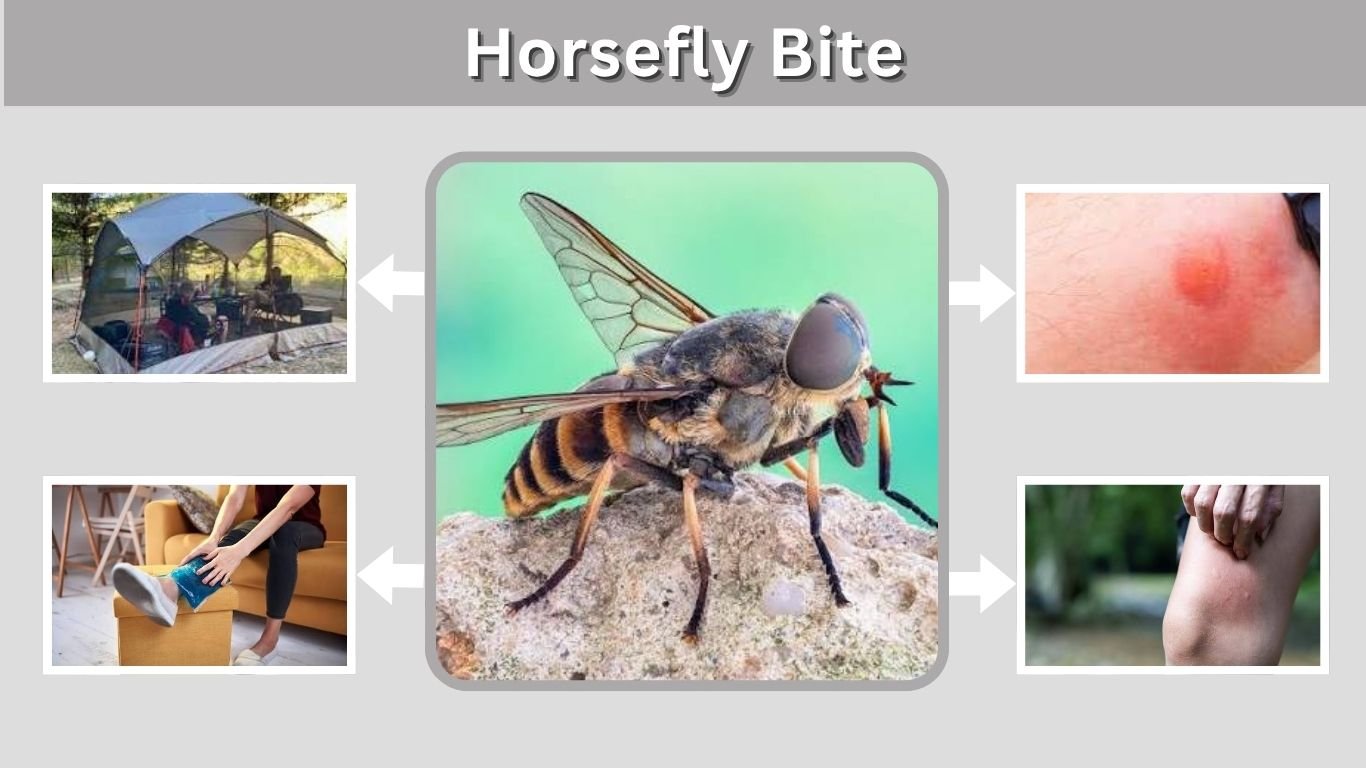
A horsefly bite can be immediately painful and may leave a raised, red, swollen, or itchy mark. Unlike mosquitoes, horseflies cut the surface of the skin and then feed on the blood, which explains why their bites often hurt more than many other insect bites. Most horsefly bites improve with simple home care, but infection or a serious allergic reaction can occasionally develop. Knowing what a horsefly bite looks like and how to treat it can help prevent complications.
Do Horseflies Bite or Sting?
Horseflies bite rather than sting. They do not have a stinger and cannot inject venom like a bee or wasp.
Only female horseflies normally take blood meals because they need nutrients to produce eggs. Instead of inserting a narrow feeding tube, their sharp mouthparts cut the skin. They then use sponge-like mouthparts to collect the blood. This cutting action makes the bite noticeable and sometimes causes a small amount of bleeding.
Male horseflies feed mainly on nectar and other plant sugars and do not bite people or animals for blood.
What Does a Horsefly Bite Look Like?
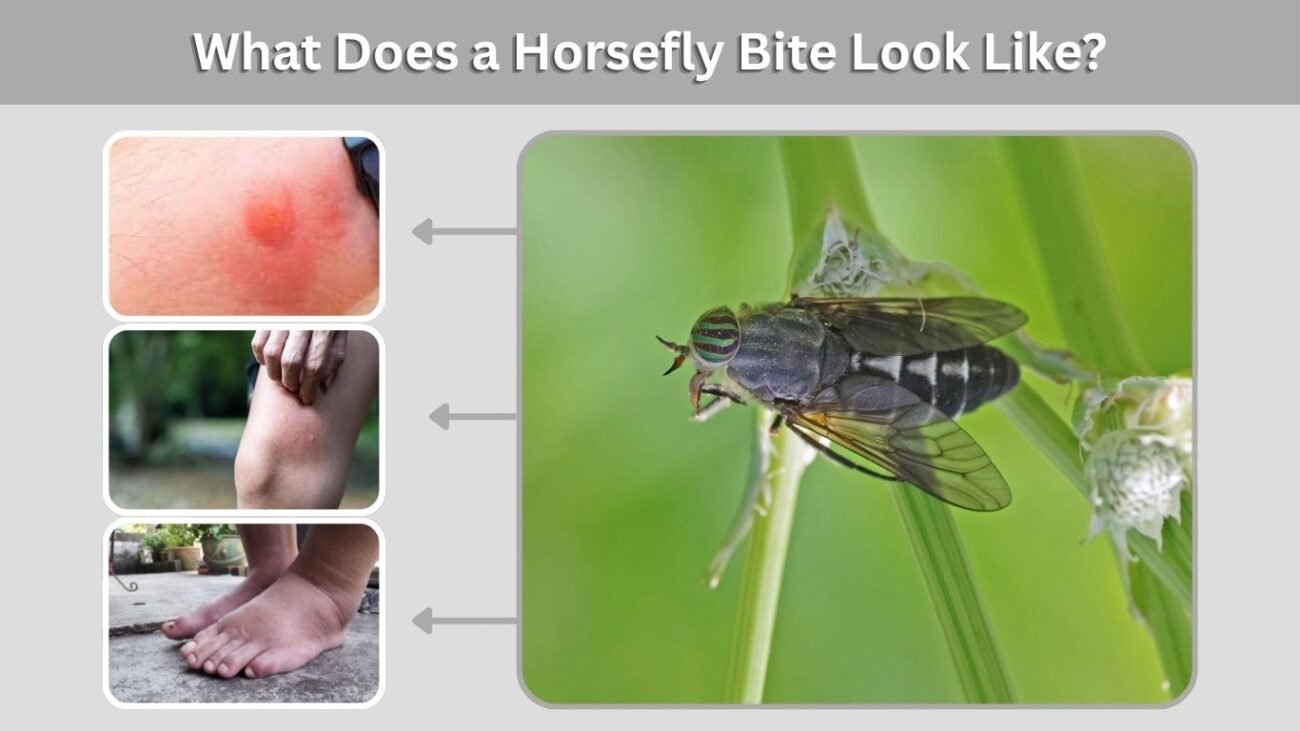
A horsefly bite commonly appears as a raised, swollen bump surrounded by red or discolored skin. On brown or black skin, redness may be difficult to see, but the affected area may still feel swollen, warm, or tender.
Common Identification Signs
A horsefly bite may have:
- One large, raised bump
- Red or discolored skin around the bite
- A small cut or central mark
- Minor bleeding immediately after the bite
- Localized swelling
- Warmth and tenderness
- Itching as the reaction develops
People often have only one or a few bites because the bite is painful enough to make them quickly brush the fly away. This differs from bed bugs and fleas, which frequently leave several small bites in lines or clusters.
A bite cannot always be identified from appearance alone. Several insect bites and skin reactions can produce similar swelling and redness.
Why Do Horsefly Bites Hurt So Much?
Horsefly bites hurt because the insect cuts and tears the skin rather than piercing it with a thin feeding tube. This creates a small wound and stimulates pain-sensitive nerves.
The fly also releases saliva containing substances that help prevent blood from clotting while it feeds. The immune system may react to these proteins, causing inflammation, itching, warmth, and swelling around the wound.
The bite may feel like:
- A sudden sharp pinch
- A burning or cutting sensation
- Immediate soreness
- Throbbing pain afterward
- Tenderness when the area is touched
The pain normally becomes less intense after the initial bite, although swelling and itching may continue.
Horsefly Bite Symptoms
Most reactions remain limited to the skin surrounding the bite. Symptoms can appear immediately or gradually become more noticeable over several hours.
| Reaction | Possible symptoms |
| Normal local reaction | Pain, redness, itching, and mild swelling |
| Large local reaction | Extensive swelling around the bite |
| Infection | Increasing pain, heat, pus, spreading redness, or fever |
| Severe allergy | Breathing difficulty, dizziness, or facial swelling |
Most uncomplicated bites improve within several days. A larger localized allergic reaction may swell over several hours before gradually decreasing.
How to Treat a Horsefly Bite
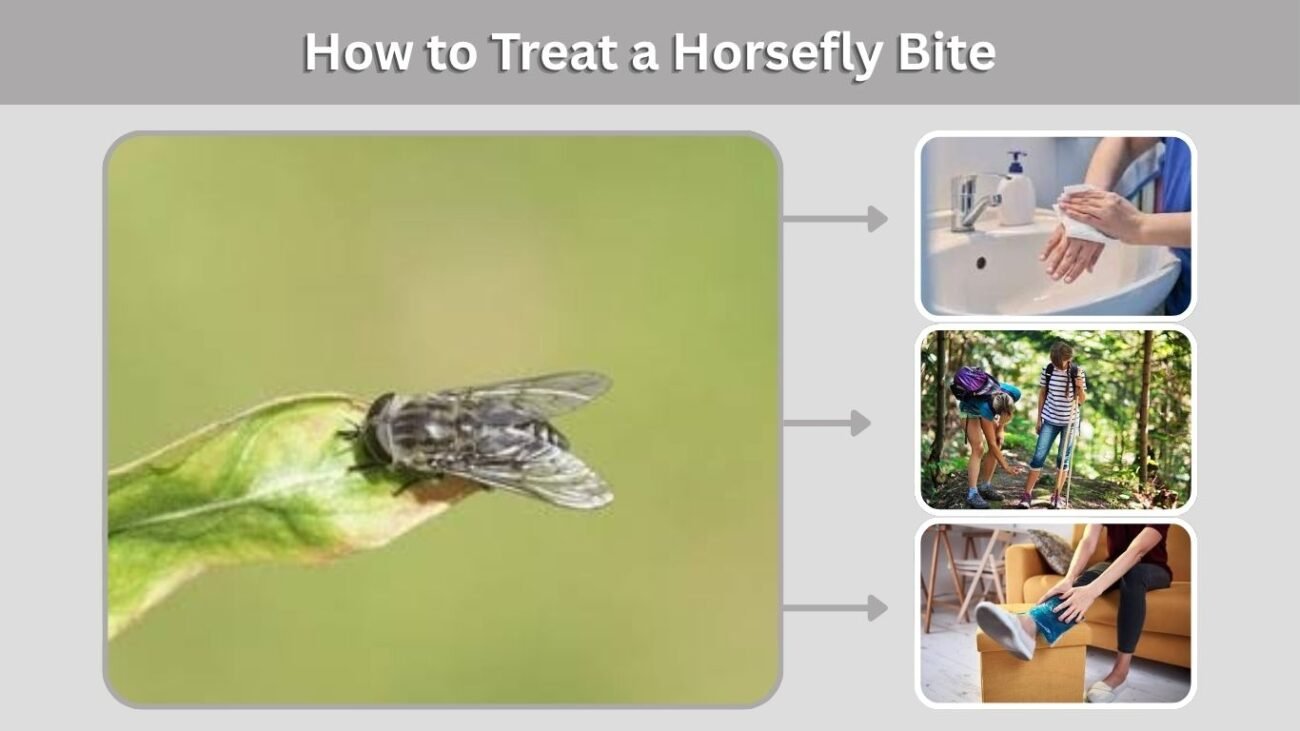
Immediate treatment focuses on cleaning the wound, controlling swelling, and preventing infection.
First-Aid Steps
- Move away from the area to prevent another bite.
- Wash the wound gently with soap and clean water.
- Apply a cold compress wrapped in cloth for 10–20 minutes.
- Elevate the affected arm or leg when possible.
- Avoid scratching, squeezing, or picking at the wound.
- Keep the area clean until the broken skin heals.
An ice pack should not be placed directly against bare skin because prolonged exposure may cause skin damage. Cleaning the wound is especially important because scratching or contaminated skin can allow bacteria to enter.
Medicine for Pain and Itching
A pharmacist may recommend an oral antihistamine for itching or swelling. An appropriate pain reliever may help with soreness, while a suitable anti-itch or mild steroid cream may reduce local irritation.
Not every medication is safe for every person. Ask a pharmacist or healthcare professional before using treatment for a young child, during pregnancy, or alongside other medicines. Avoid applying vinegar, baking soda, bleach, essential oils, or other harsh home remedies to the wound.
How Long Does a Horsefly Bite Last?
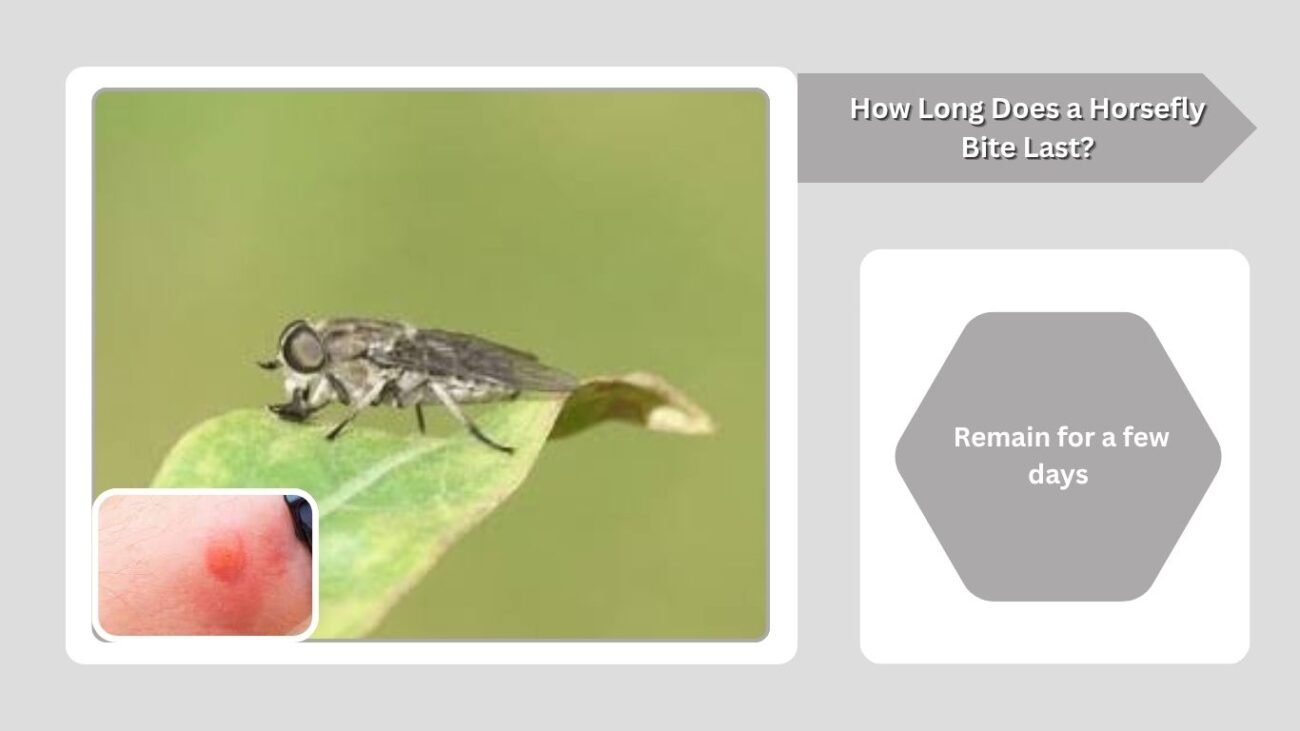
Pain from a horsefly bite is usually strongest when the bite occurs. Itching, tenderness, and swelling may remain for a few days.
The healing time depends on:
- The depth of the wound
- The person’s immune response
- Whether the bite is scratched
- The amount of local swelling
- Whether an infection develops
A bite that is steadily improving usually needs only home care. Seek medical advice when symptoms continue to worsen, fail to improve after several days, or return after initially getting better.
Infected Horsefly Bite and Cellulitis
A horsefly bite breaks the protective surface of the skin. Bacteria may enter the wound, particularly when it is scratched repeatedly or not kept clean.
Signs of Infection
Contact a healthcare professional when you notice:
- Increasing redness or discoloration
- Spreading swelling
- Skin that feels unusually hot
- Increasing pain or tenderness
- Pus or cloudy drainage
- A fluid-filled blister
- Red streaks extending from the bite
- Fever, chills, or unusual tiredness
- Swollen lymph nodes
Cellulitis is a bacterial infection affecting deeper layers of the skin. It commonly causes pain, swelling, warmth, tenderness, and expanding redness. Rapidly spreading redness accompanied by fever or chills requires prompt medical attention because untreated cellulitis can cause serious complications.
Do not take leftover antibiotics or apply another person’s prescription medicine. A healthcare professional must determine whether antibiotics are needed.
Allergic Reaction to a Horsefly Bite
Some people develop a larger local reaction to proteins in horsefly saliva. The area may become intensely itchy and swell well beyond the original bite.
A minor reaction may involve:
- Extensive localized swelling
- Hives near the bite
- Spreading itching
- Increased redness or discoloration
Get emergency medical help immediately if the person develops swelling of the lips, tongue, face, or throat; breathing difficulty; wheezing; severe dizziness; fainting; vomiting; or widespread hives. These symptoms may indicate anaphylaxis, a life-threatening allergic reaction.
Horsefly Bites on Dogs
Horseflies can bite dogs, especially around areas with less fur, including the ears, belly, nose, and legs. A dog may suddenly jump, scratch, lick the area, or become distressed after being bitten.
Wash a minor bite with clean water and prevent persistent licking or scratching. Contact a veterinarian when the dog develops severe swelling, facial puffiness, breathing difficulty, weakness, widespread hives, discharge, or increasing pain. Do not give a dog human antihistamines, pain relievers, or creams unless a veterinarian confirms the product and dose are safe.
How to Prevent Horsefly Bites
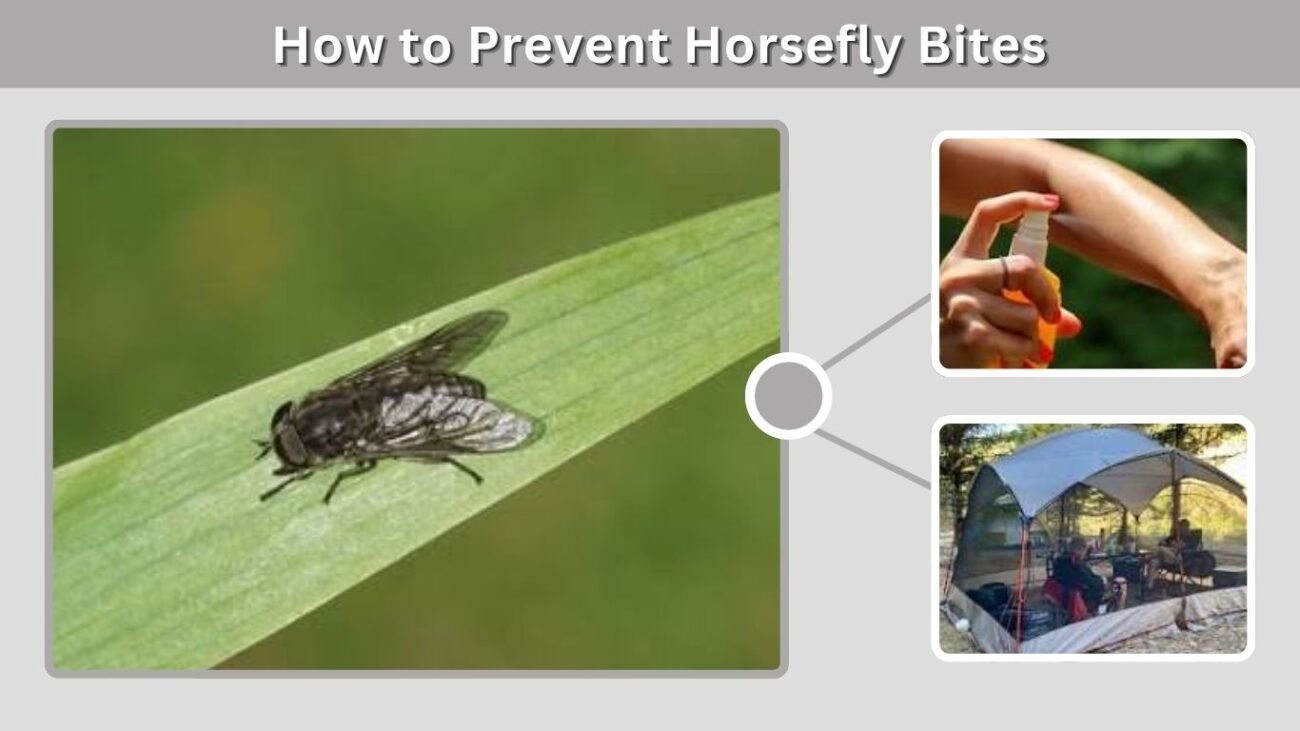
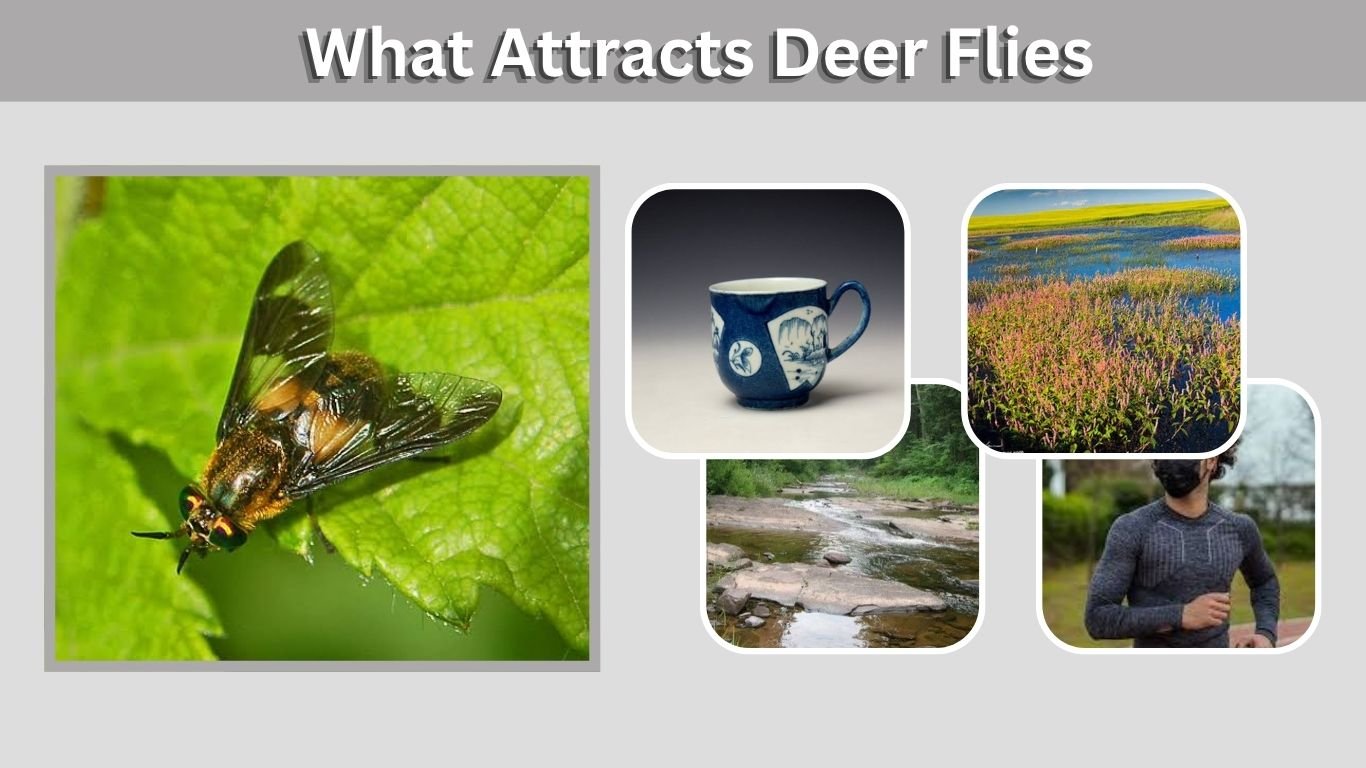
Horseflies are commonly encountered near livestock, wet ground, marshes, ponds, woodland edges, and other warm outdoor areas.
Reduce your risk by:
- Wearing long sleeves and long pants
- Choosing light-colored clothing
- Applying an appropriate insect repellent
- Avoiding heavily infested areas
- Using screens around outdoor shelters
- Keeping moving animals appropriately protected
Repellents containing ingredients such as DEET or picaridin may help, although horseflies can be persistent. Always follow the label instructions.
FAQs
Do horsefly bites itch?
Yes. Horsefly bites can become itchy as the immune system reacts to saliva left in the wound. Avoid scratching because broken skin increases the risk of bacterial infection. A cold compress and pharmacist-recommended antihistamine or anti-itch treatment may provide relief.
Are horsefly bites dangerous?
Most horsefly bites are painful but not dangerous and heal within several days. Complications can include a large allergic reaction or bacterial skin infection. Seek urgent help for breathing difficulty, facial swelling, fainting, rapidly spreading redness, fever, or severe worsening pain.
Can a horsefly bite cause a blister?
A small blister may occasionally form as part of local inflammation or infection. Do not deliberately pop it. Keep the area clean and seek medical advice when the blister contains pus, becomes increasingly painful, or is surrounded by expanding redness and warmth.
Is a horsefly bite similar to a spider bite?
Both may cause pain, redness, and swelling, so appearance alone may not identify the cause. A witnessed horsefly bite is usually immediately painful and may bleed slightly. Unexplained, worsening, blistering, or unusually painful skin lesions should be assessed by a healthcare professional.
Should I use hydrocortisone cream on a horsefly bite?
A pharmacist may recommend a suitable mild steroid cream for itching and inflammation, depending on the person’s age, health, and the condition of the skin. Do not place it inside an open wound, and follow the product instructions or professional advice.