










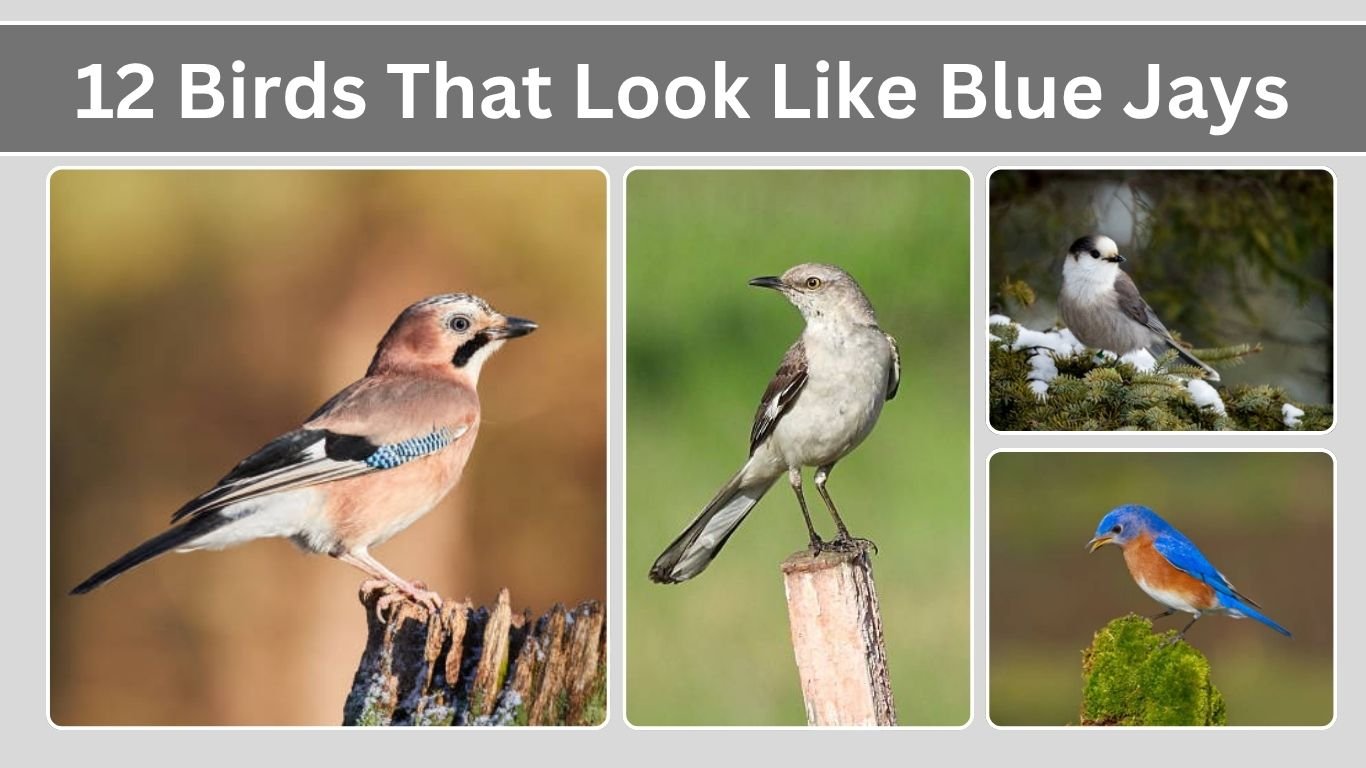
Blue Jays are among the most recognizable birds in North America, admired for their bright blue plumage, loud calls, and bold personalities. However, many other birds share similar features—whether in color, size, shape, or behavior—that can cause confusion. From close relatives like Steller’s Jays and Scrub-Jays to unrelated look-alikes such as Magpies and Mockingbirds, these species often make birdwatchers take a second look. This guide explores 12 birds commonly mistaken for Blue Jays.
1. Steller’s Jay
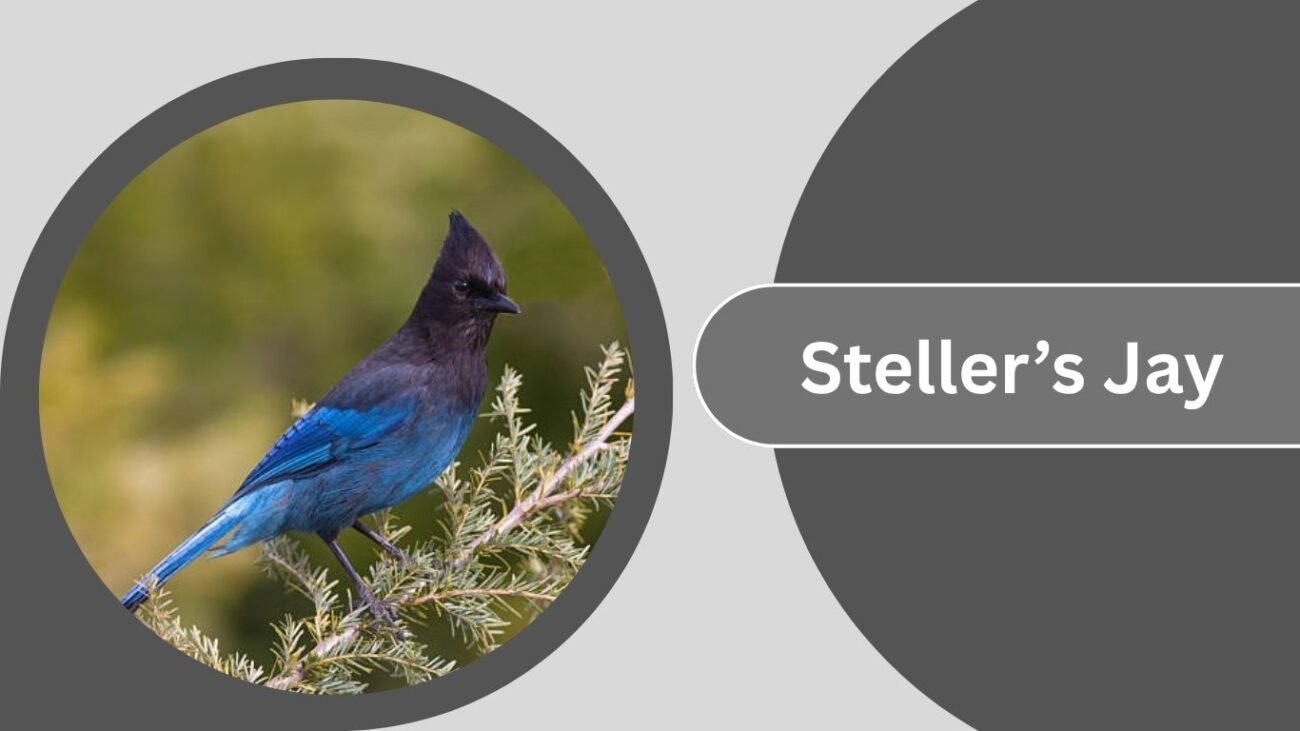
The Steller’s Jay is one of the closest relatives of the Blue Jay and is often confused with it due to its bold blue plumage and prominent crest. Found mainly in the western parts of North America, this bird stands out with its striking mix of dark and vivid colors, making it both beautiful and easy to mistake for a Blue Jay at first glance.
Identification
- Size: About the same as a Blue Jay, 11–13 inches long.
- Crest: Tall, dark crest on the head.
- Color: Blackish head and upper body with bright blue wings and tail.
- Habitat: Coniferous forests and mountain woodlands in western North America.
Behavior
Steller’s Jays are intelligent and curious birds. They are known for their loud, harsh calls and for mimicking other bird sounds. These jays are social, often seen in pairs or small groups, and are quick to investigate campsites or backyards for food.
Diet
Their diet is quite varied and includes seeds, nuts, berries, insects, and even small animals. Like Blue Jays, they are known to cache food for later use, especially acorns and pine seeds.
Distribution
You can find Steller’s Jays throughout the mountainous forests of western North America, from Alaska down to Central America. They are most common in high-elevation forests but also adapt well to suburban areas near woodlands.
2. California Scrub-Jay

The California Scrub-Jay is another bird frequently mistaken for a Blue Jay. Unlike its crested cousin, it has a sleeker body and lacks the pronounced head crest. Its striking mix of blue, gray, and white makes it stand out in western backyards and open woodlands, where it is often spotted darting between trees and shrubs.
Identification
- Size: Slightly smaller than a Blue Jay, about 11 inches long.
- Crest: No crest; head is smooth and sleek.
- Color: Blue wings and tail, grayish back, and white throat with a faint blue necklace.
- Habitat: Oak woodlands, suburbs, and parks in the western United States.
Behavior
California Scrub-Jays are bold and noisy. They are intelligent problem-solvers, often seen catching food and even tricking other birds to protect their stashes. Their behavior is curious and playful, making them entertaining to watch.
Diet
Their diet includes acorns, seeds, berries, small insects, and occasionally eggs or nestlings of other birds. Like Blue Jays, they are famous for burying acorns, which play an important role in forest regeneration.
Distribution
This jay is found along the western coast of the United States, especially in California, but also extending north into Oregon and south into Baja California, Mexico.
3. Florida Scrub-Jay

The Florida Scrub-Jay is a rare and distinctive bird that closely resembles the Blue Jay but is more muted in color and lacks the strong markings. As the only bird species endemic to Florida, it holds special ecological significance and is listed as threatened due to habitat loss.
Identification
- Size: About 11 inches long, similar to a Blue Jay.
- Crest: Lacks a crest, giving it a smoother head.
- Color: Pale blue head, wings, and tail with a soft gray back and underparts.
- Habitat: Scrub oak habitats in central Florida.
Behavior
Florida Scrub-Jays are social and cooperative, often living in family groups where younger birds help parents raise new chicks. They are less aggressive than Blue Jays but remain very alert and active.
Diet
Their diet consists mainly of acorns, insects, fruits, and small animals. They are known for storing acorns in the ground, which helps in the natural growth of oak trees.
Distribution
This bird is found only in Florida, particularly in scrub oak and sandy pine areas. Because of its restricted range and shrinking habitat, it is considered vulnerable and is under active conservation efforts.
4. Mexican Jay

The Mexican Jay is another close relative of the Blue Jay and is often mistaken for it because of its blue-gray coloring and similar size. Unlike the Blue Jay, it lacks a crest and has a softer, more uniform appearance. These birds are highly social and are often seen in large flocks, moving noisily through pine-oak forests.
Identification
- Size: Slightly larger than a Blue Jay, averaging 11–12 inches.
- Crest: No crest; smooth-headed.
- Color: Soft blue head, wings, and tail with pale gray underparts.
- Habitat: Pine-oak woodlands in the southwestern U.S. and Mexico.
Behavior
Mexican Jays are cooperative breeders, with family members helping to raise young. They are also very vocal, using a wide range of calls to communicate with one another. Their flocking behavior makes them noticeable and easy to hear before they are seen.
Diet
Their diet includes acorns, pine nuts, insects, berries, and small reptiles. Like Blue Jays, they are skilled at caching food for later use, especially in preparation for winter months.
Distribution
These birds are found in Mexico and extend into the southwestern United States, particularly in Arizona, New Mexico, and western Texas. They thrive in highland forests where oak and pine trees are abundant.
5. Pinyon Jay

The Pinyon Jay is another bird that can resemble a Blue Jay, though it is generally duller in color and more uniform in appearance. Found in the western United States, these birds are highly social and are usually seen in large flocks, making them stand out despite their more muted coloring.
Identification
- Size: Around 10–11 inches, slightly smaller than a Blue Jay.
- Crest: Lacks a crest; has a smooth head.
- Color: Overall dull blue-gray with little contrast.
- Habitat: Pinyon pine and juniper woodlands in the western U.S.
Behavior
Pinyon Jays are extremely social and live in large, noisy groups. They are cooperative breeders, and flocks often move together while foraging. Their intelligence and adaptability help them thrive in harsh woodland environments.
Diet
As their name suggests, pinyon pines are central to their diet. They feed heavily on pine seeds, but they also eat insects, fruits, and small vertebrates. Like Blue Jays, they cache food for future use, helping to spread pine forests.
Distribution
These birds are found mainly in the interior western United States, including states like Nevada, Utah, Arizona, and New Mexico, where pinyon-juniper woodlands dominate the landscape.
6. Clark’s Nutcracker
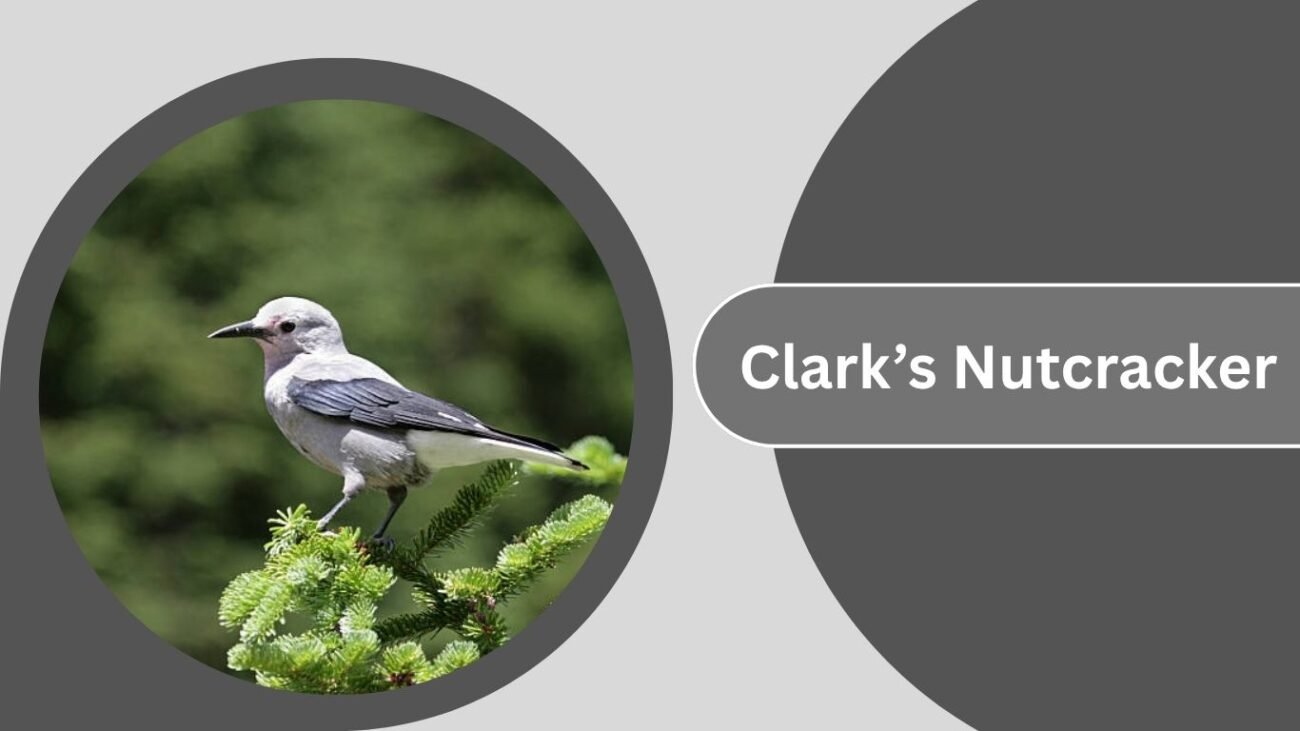
Clark’s Nutcracker is often mistaken for a Blue Jay because of its bold contrasts and jay-like body shape. However, its coloring is much different, leaning toward gray with black and white accents. This high-altitude bird is a master at caching seeds and is closely tied to the survival of mountain pine forests.
Identification
- Size: Larger than a Blue Jay, about 12–13 inches.
- Crest: No crest; head is smooth.
- Color: Gray body with black wings, white patches, and a black tail.
- Habitat: Mountainous conifer forests across the western United States and Canada.
Behavior
Clark’s Nutcrackers are intelligent and highly specialized for seed gathering. They use their long, sharp bills to pry open pine cones and store seeds in the ground, sometimes thousands each year. These birds rely on memory to retrieve food during winter.
Diet
Their diet mainly consists of pine seeds, especially whitebark and pinyon pine, but they will also eat insects, berries, and small animals when available. Their seed-hoarding behavior is critical to forest regeneration.
Distribution
This bird is found throughout the mountainous regions of western North America, from Canada down through the Rocky Mountains and into high-altitude areas of Mexico.
7. Northern Mockingbird
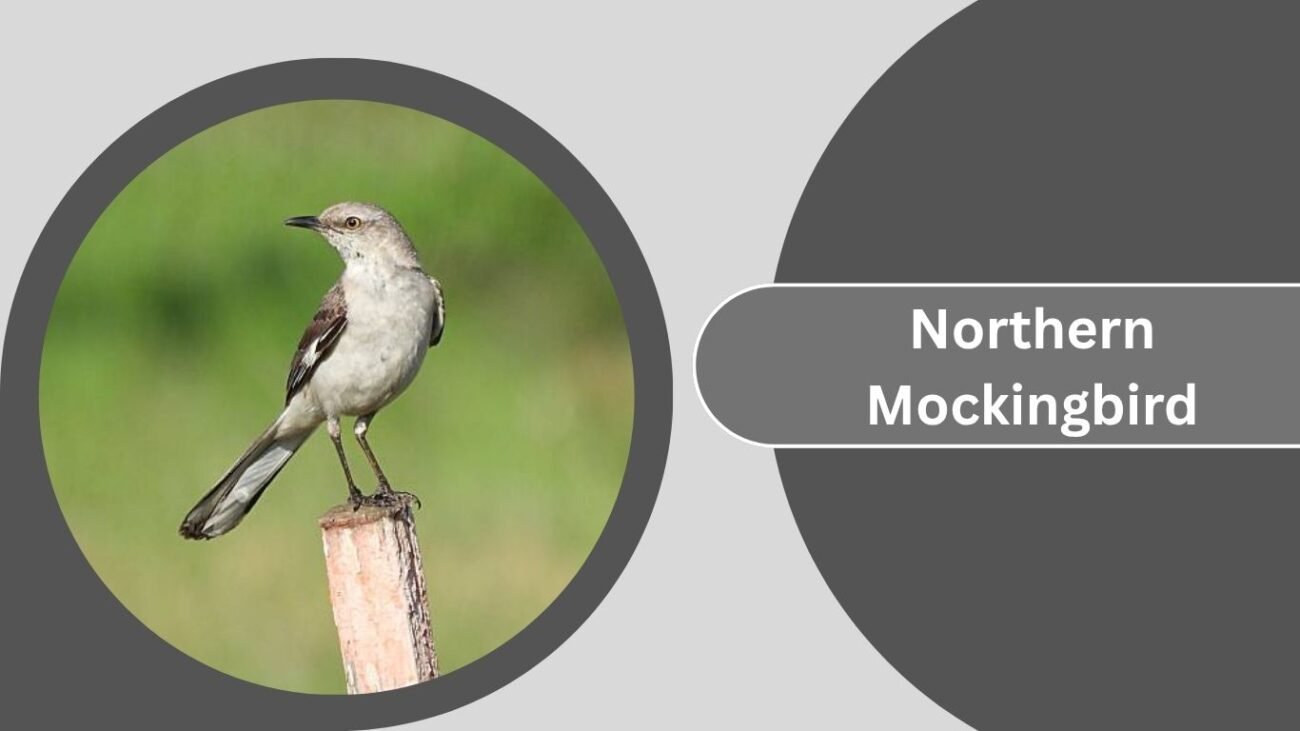
The Northern Mockingbird is not blue, but at a quick glance its gray coloring, size, and bold wing patterns can cause confusion with a Blue Jay, especially when in flight. Known for its unmatched vocal abilities, this bird is one of the most famous songbirds in North America.
Identification
- Size: About 9–11 inches, close to a Blue Jay’s size but slimmer.
- Crest: No crest; smooth-headed.
- Color: Light gray body with white underparts and white wing patches visible in flight.
- Habitat: Open areas, suburbs, parks, and forest edges across North America.
Behavior
Northern Mockingbirds are territorial and bold, often seen chasing away larger birds. They are famous for mimicking the calls of other birds and even mechanical noises. A single bird may have a repertoire of over 200 different songs.
Diet
Their diet includes insects, berries, and fruits. They switch seasonally, eating more insects in the summer and relying on berries and fruits in colder months.
Distribution
Northern Mockingbirds are found throughout the United States, Mexico, and the Caribbean, and their range extends into parts of Canada. They are year-round residents in many areas.
8. Eurasian Jay

The Eurasian Jay is a striking bird that resembles a Blue Jay in size and shape but features a very different color palette. Its pinkish-brown body, black-and-white markings, and bright blue wing patches make it one of Europe’s most beautiful corvids. Though not native to North America, it is often compared to Blue Jays because of its bold appearance.
Identification
- Size: About 12 inches, similar to a Blue Jay.
- Crest: Sometimes shows a small crest of feathers, but less prominent.
- Color: Pinkish-brown body, black streaked head, and bright blue wing patches with white and black wings.
- Habitat: Deciduous and mixed woodlands across Europe and parts of Asia.
Behavior
Eurasian Jays are shy compared to the loud and bold Blue Jays. They prefer wooded habitats and are often heard before they are seen due to their harsh alarm calls. Despite their reserved nature, they are intelligent and resourceful like their North American relatives.
Diet
They feed heavily on acorns, storing them in the ground for winter. Their diet also includes insects, small vertebrates, seeds, and berries. They play a vital role in oak forest regeneration across Europe.
Distribution
These jays are found throughout Europe, North Africa, and parts of Asia. They are common residents of woodlands, especially areas with oak trees.
9. Magpie (Black-billed / Eurasian)
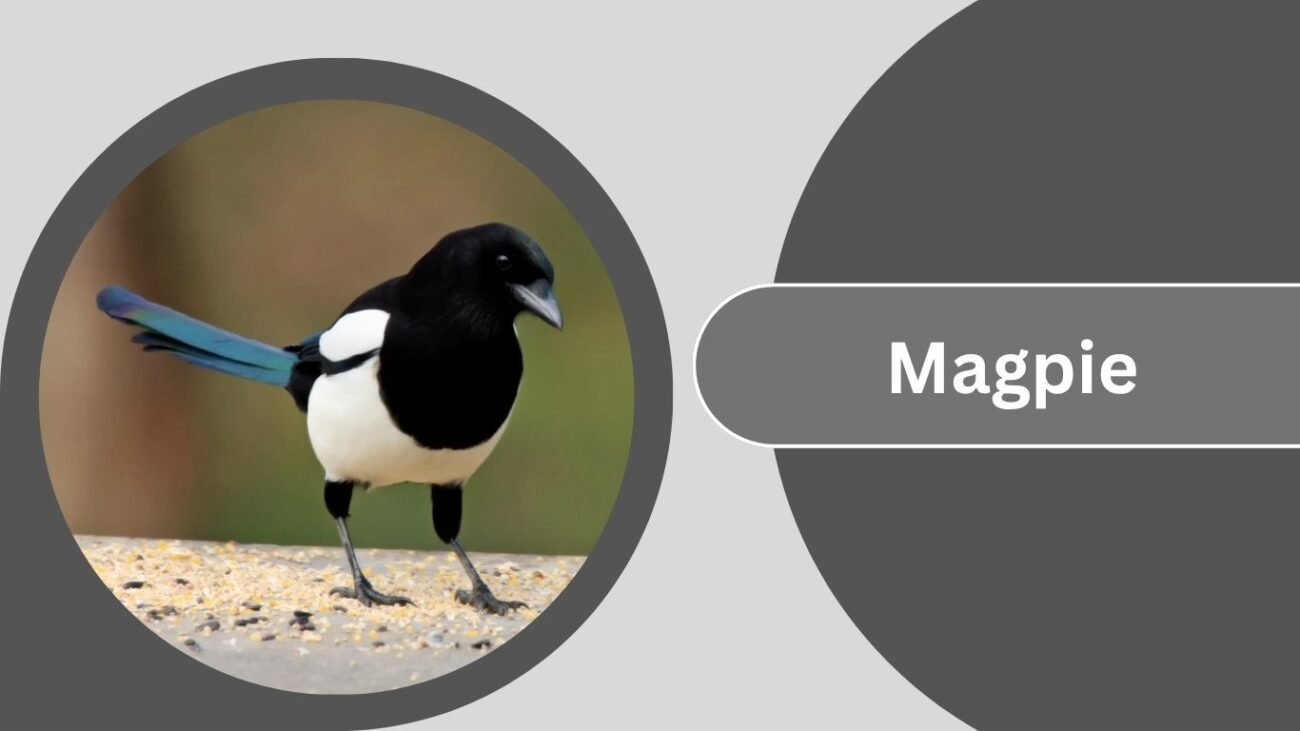
Magpies are often mistaken for Blue Jays because of their bold patterns, size, and long tails. Though their coloration is primarily black and white, the iridescent blue-green sheen on their wings and tails can cause confusion. Their confident behavior and noisy calls also resemble the bold personality of Blue Jays.
Identification
- Size: Larger than a Blue Jay, about 17–18 inches with a long tail.
- Crest: No crest; smooth head.
- Color: Black-and-white body with blue-green iridescence on wings and tail.
- Habitat: Open woodlands, grasslands, and urban areas in North America, Europe, and Asia.
Behavior
Magpies are highly intelligent, social, and curious. They often live in family groups and are known for their complex communication and problem-solving abilities. They are bold around humans, frequently foraging near houses, farms, and parks.
Diet
Their diet is varied and includes insects, seeds, fruit, carrion, and even small animals. They are opportunistic feeders and will take advantage of whatever food sources are available.
Distribution
- Black-billed Magpie: Found throughout the western United States and Canada.
- Eurasian Magpie: Widespread across Europe and Asia.
10. Tufted Titmouse
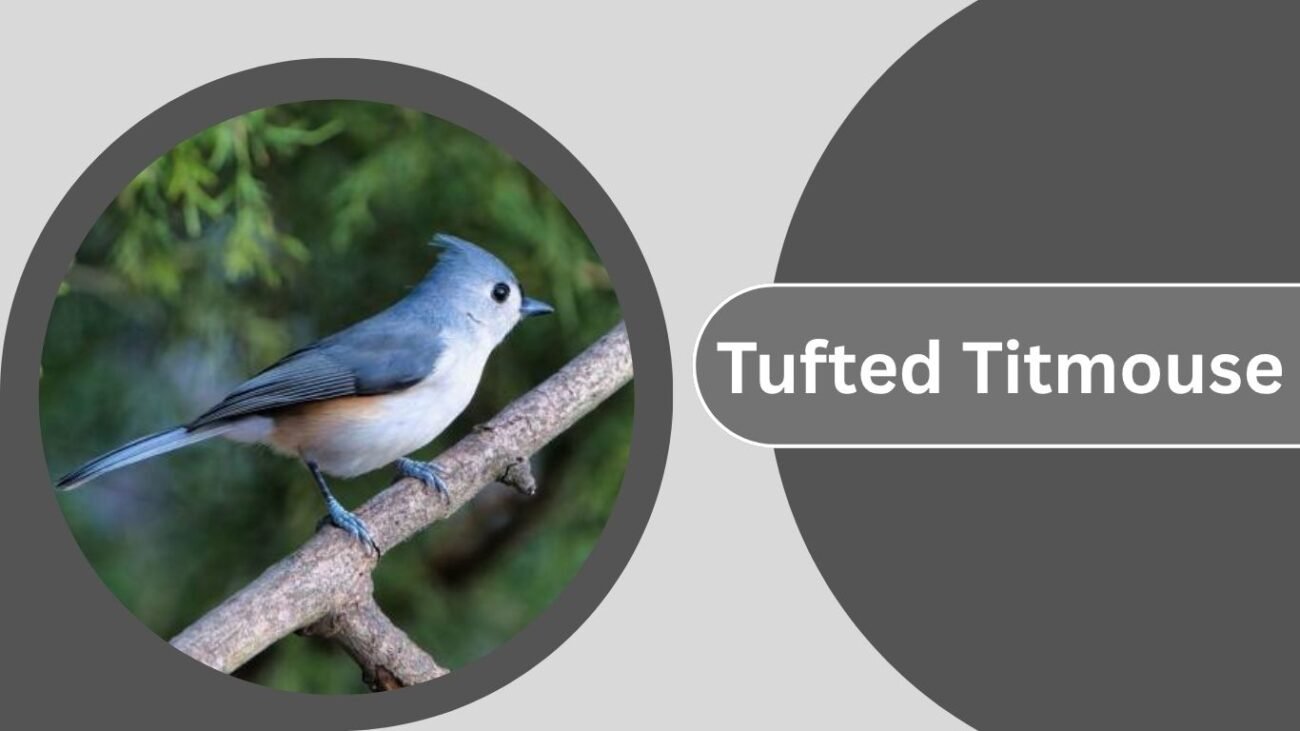
The Tufted Titmouse is a small songbird that resembles a “miniature Blue Jay” because of its crest and gray coloring. While much smaller in size, its sharp features and active personality make it an easy bird to confuse with a young or small Blue Jay at a quick glance.
Identification
- Size: Much smaller than a Blue Jay, about 5–6 inches long.
- Crest: Prominent gray crest on the head.
- Color: Gray upperparts, pale underparts, and a small rusty patch near the wings.
- Habitat: Deciduous and mixed forests, as well as suburban areas in eastern North America.
Behavior
Tufted Titmice are energetic, agile, and curious birds often seen darting through trees in search of food. They are known for their loud “peter-peter” call and often join mixed feeding flocks with chickadees and nuthatches in winter.
Diet
Their diet includes seeds, nuts, berries, and insects. Like Blue Jays, they are known to store food for later, tucking seeds into tree bark or crevices.
Distribution
These birds are found throughout the eastern United States, from the Great Lakes down to Florida and west to Texas. They are common backyard visitors, especially at bird feeders.
11. Gray Jay (Canada Jay)
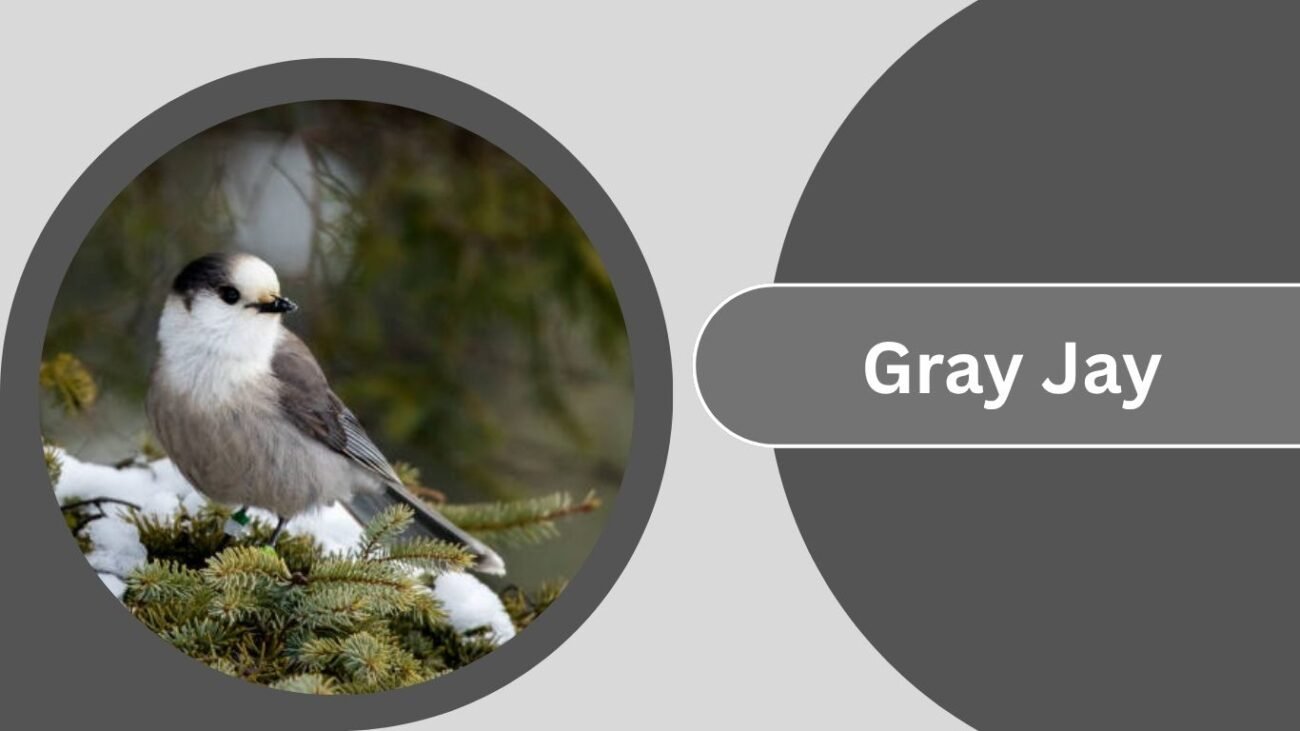
The Gray Jay, also known as the Canada Jay or Whiskey Jack, is often compared to a Blue Jay because of its size and jay-like shape. However, its soft gray and white coloring makes it look like a “gray version” of the Blue Jay. Known for its tameness, it often approaches humans in northern forests.
Identification
- Size: About the same as a Blue Jay, 10–12 inches.
- Crest: No crest; smooth round head.
- Color: Gray back and wings, lighter underparts, and a pale face with a darker cap.
- Habitat: Boreal and subalpine forests across northern North America.
Behavior
Gray Jays are intelligent, quiet, and unusually friendly around people. They are sometimes called “camp robbers” because they boldly approach humans for food. These birds store food by coating it in saliva and sticking it to tree bark for later retrieval.
Diet
Their diet is broad and includes insects, berries, fungi, carrion, and human scraps. They rely heavily on stored food to survive harsh winters.
Distribution
Gray Jays are found across Canada, Alaska, and into parts of the northern United States, particularly in mountain and boreal forests.
12. Eastern Bluebird
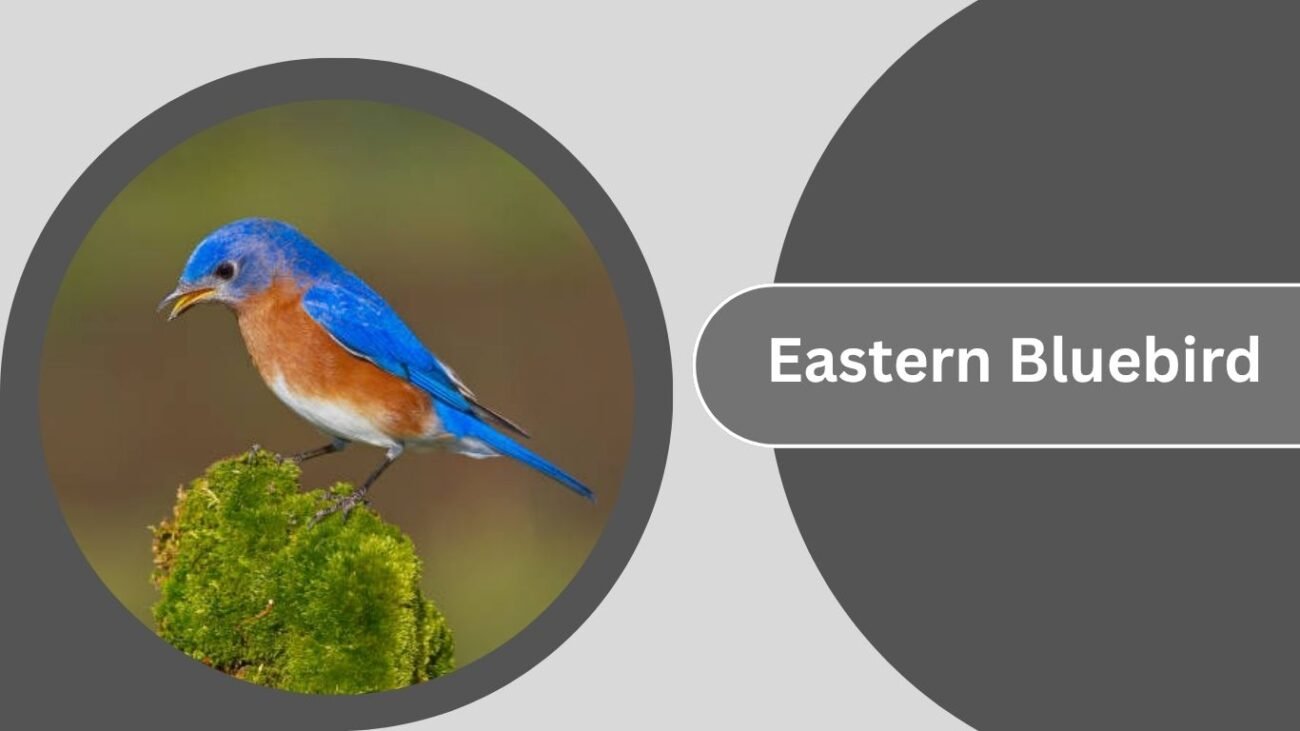
The Eastern Bluebird is smaller and rounder than a Blue Jay, but its bright blue wings and back often cause confusion at a glance. Unlike the Blue Jay, it has a warm reddish-orange breast, making it stand out with a striking color combination. This gentle bird is one of the most beloved backyard species in North America.
Identification
- Size: Smaller than a Blue Jay, about 6–8 inches long.
- Crest: No crest; smooth, rounded head.
- Color: Bright blue back and wings, reddish-orange chest, and white underparts.
- Habitat: Open fields, meadows, orchards, and forest edges with nearby perches.
Behavior
Eastern Bluebirds are gentle and less aggressive than jays. They are cavity nesters, often using nest boxes provided by people. Their melodious songs and calm behavior make them a favorite among birdwatchers.
Diet
Their diet consists mainly of insects and other invertebrates in the summer, shifting to berries and fruits in winter when insects are scarce.
Distribution
Eastern Bluebirds are found across eastern North America, from Canada down through the Gulf States and into Central America during migration.


