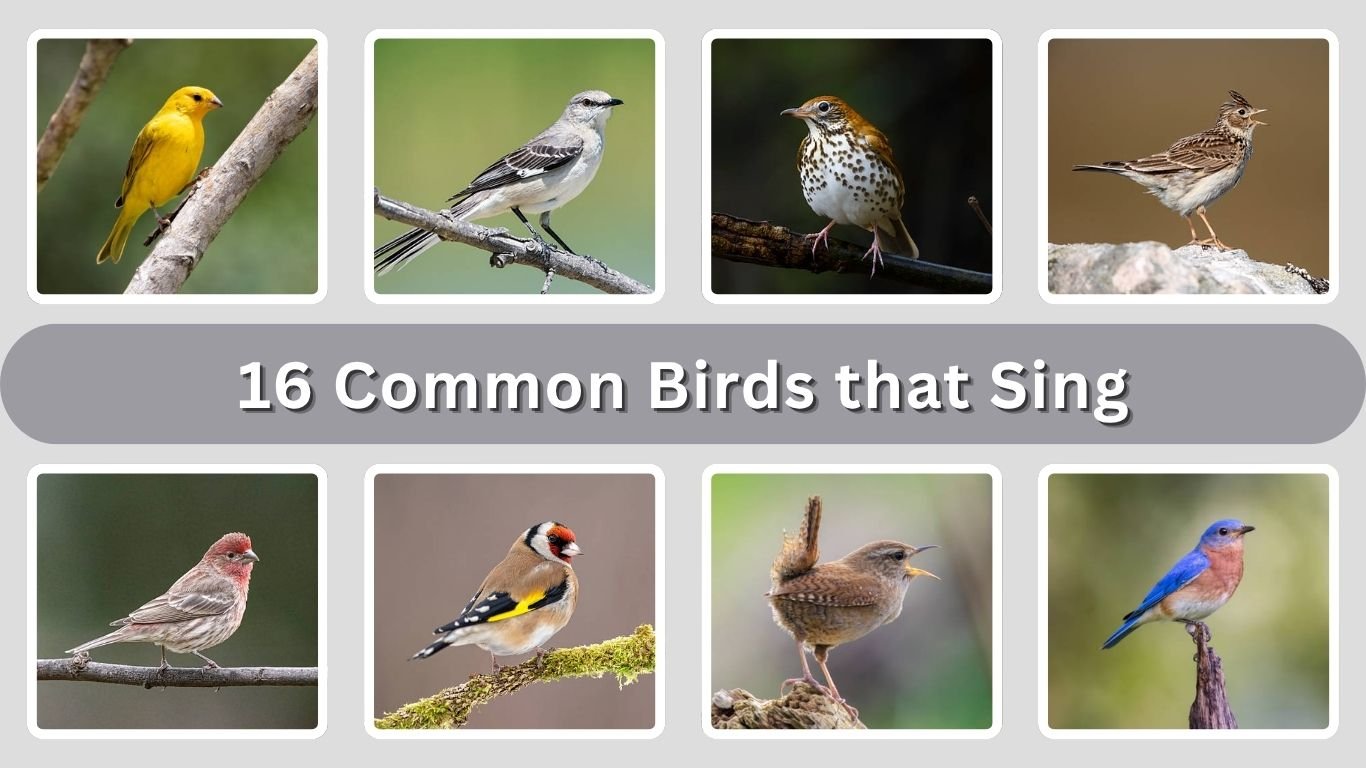
Birds that sing add beauty and life to our surroundings with their melodious voices. From gardens and forests to city parks, these birds are known for their unique songs used for communication, attracting mates, and marking territory. In this guide, you’ll discover 16 common singing birds, along with their identification, habitat, behavior, and lifestyle details to help you recognize and understand them better.
1. Nightingale
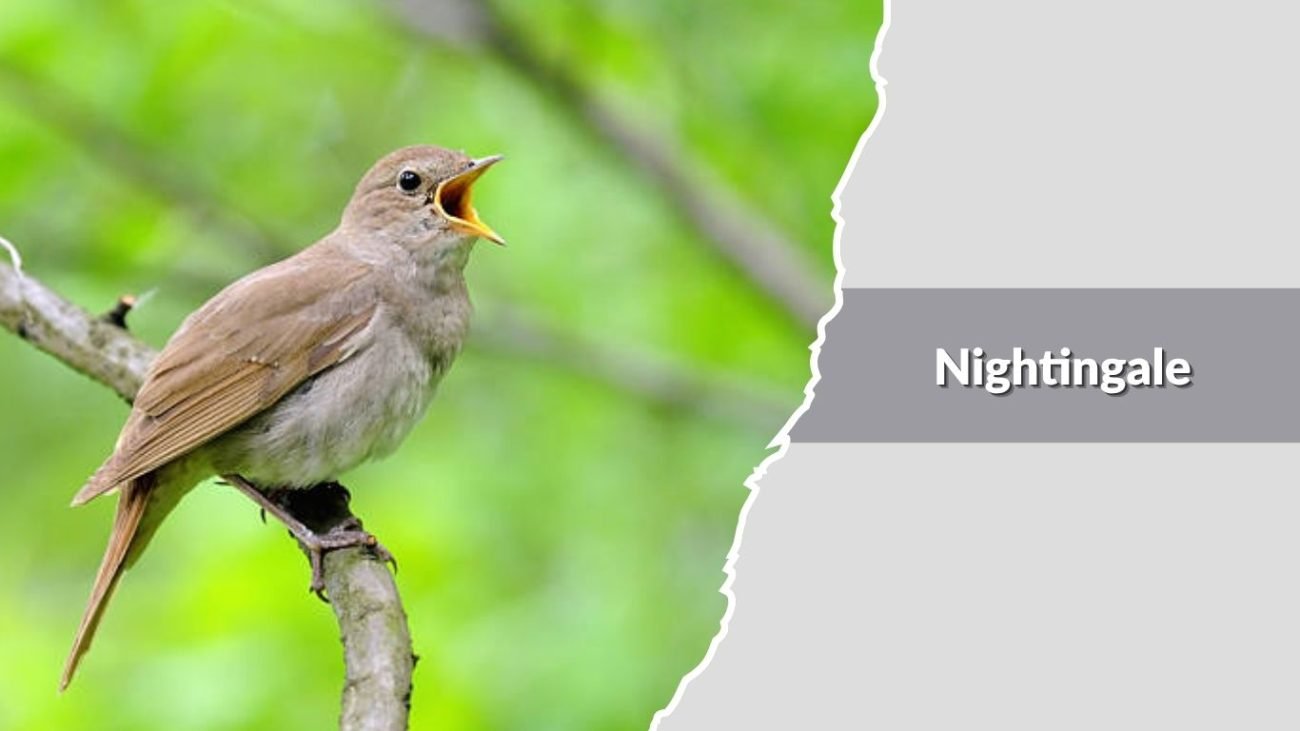
The nightingale is a small yet remarkable songbird known for its rich, melodious voice. Despite its plain appearance, it is celebrated worldwide for its powerful and varied songs, often heard at night and early morning. This bird symbolizes beauty in sound rather than looks and is commonly associated with poetry and nature.
Identification
- Small and slender body
- Plain brown feathers on the upperparts
- Light or pale underparts
- Distinct reddish-brown tail
- Large, dark, expressive eyes
- Thin, pointed beak suited for insects
Habitat
Nightingales prefer dense vegetation such as woodlands, forests, and thick shrubbery. They are often found near water sources like streams or wetlands, where insects are abundant. These birds thrive in areas with good ground cover, allowing them to stay hidden from predators. They may also be seen in gardens, parks, and hedgerows, especially during migration seasons.
Behaviors
Nightingales are shy and secretive, often staying hidden in bushes. However, males become highly vocal during breeding season, singing loudly to attract mates and defend territory. Their song is complex, consisting of whistles, trills, and gurgling sounds. Unlike many birds, they are known for singing at night, which makes their presence especially noticeable.
Diet and Lifecycle
Their diet mainly includes insects, spiders, worms, and occasionally berries. Nightingales forage on the ground or in low vegetation. During breeding season, females build nests close to the ground using leaves and grass. They lay several eggs, which are incubated until hatching. Both parents may help feed the chicks until they are strong enough to leave the nest.
2. American Robin
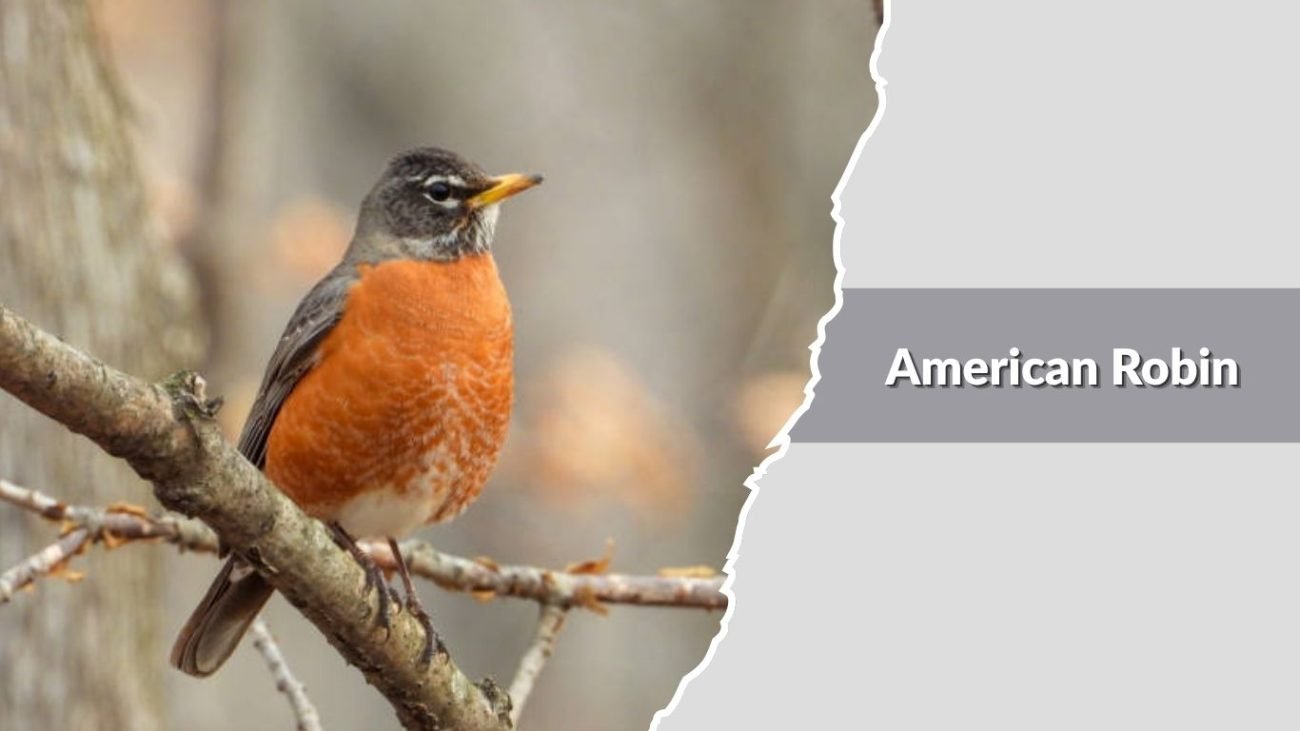
The American robin is a familiar and widely recognized songbird known for its cheerful, whistling song. Often seen hopping across lawns, it is considered a symbol of spring in many regions due to its early seasonal appearance and active behavior.
Identification
- Medium-sized bird
- Bright orange or reddish breast
- Grayish-brown back and wings
- White throat with black streaks
- Yellow bill
- Long legs adapted for ground movement
Habitat
American robins are highly adaptable and can be found in forests, gardens, parks, and urban areas. They prefer open spaces with short grass for foraging, along with nearby trees or shrubs for nesting. These birds are commonly seen in residential areas, especially where lawns and fruit-bearing trees are present.
Behaviors
They are active during the day and are often seen hopping on the ground while searching for food. Robins are known for their melodious and repetitive songs, especially during early morning. They are social birds outside the breeding season and may gather in large flocks, particularly during migration or winter.
Diet and Lifecycle
Their diet consists mainly of earthworms, insects, and fruits such as berries. Robins build cup-shaped nests using mud, grass, and twigs, usually placed in trees or on ledges. Females lay several eggs, and both parents participate in feeding the chicks. The young grow quickly and leave the nest within a few weeks.
3. Song Sparrow
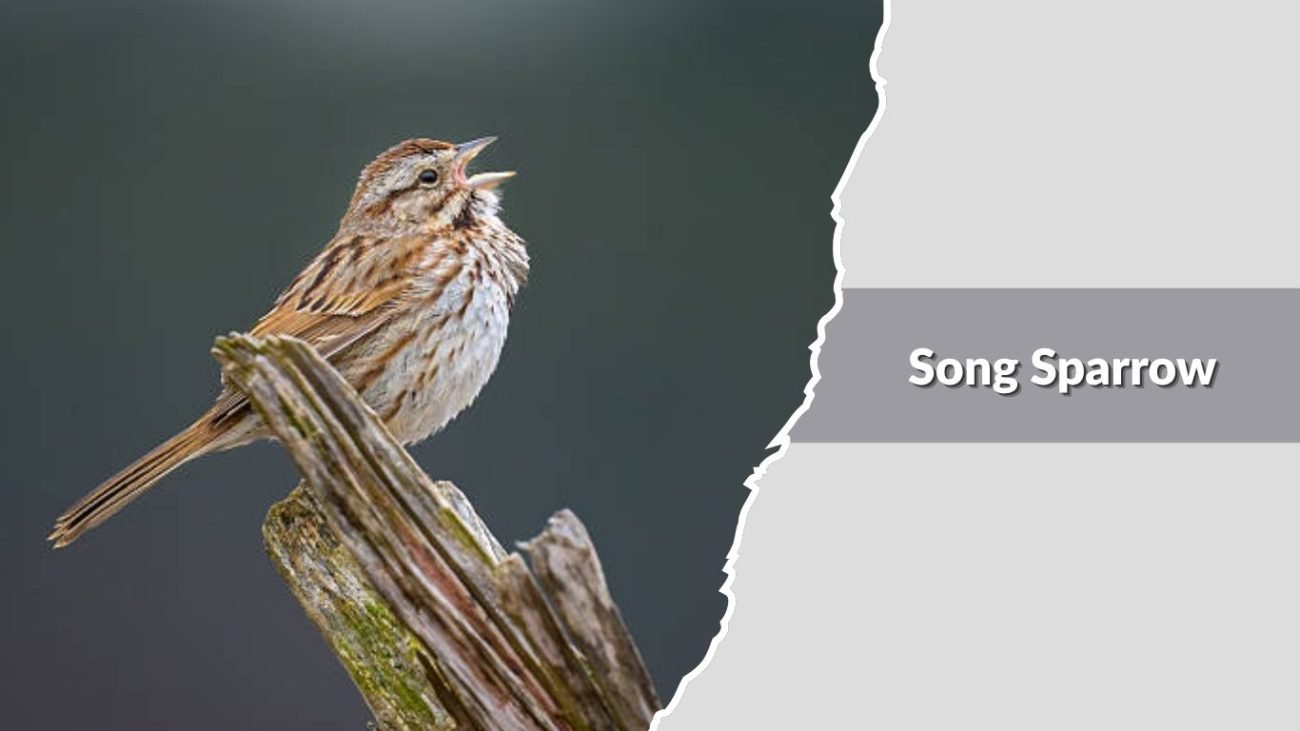
The song sparrow is a small, widespread bird known for its sweet and varied singing. Though modest in appearance, it is easily recognized by its musical voice and adaptability to different environments.
Identification
- Small, plump bird
- Brown and gray streaked body
- Prominent dark spot in the center of the chest
- Rounded tail
- Short, thick bill
- Subtle facial stripes
Habitat
Song sparrows are found in a wide range of habitats including wetlands, marshes, gardens, and forest edges. They prefer areas with dense vegetation for cover, often near water. These birds are highly adaptable and can also live in suburban and urban environments with suitable shrubs and bushes.
Behaviors
They are active and often seen hopping or flitting through low vegetation. Males are especially vocal, singing from exposed perches to mark territory and attract mates. Their songs vary widely, often consisting of clear notes followed by trills. They are generally solitary or found in pairs during breeding season.
Diet and Lifecycle
Their diet includes insects, seeds, and small fruits. Song sparrows forage mostly on the ground or in low plants. They build well-hidden nests in dense vegetation. Females lay several eggs, and both parents help feed the chicks until they grow and become independent.
4. House Finch
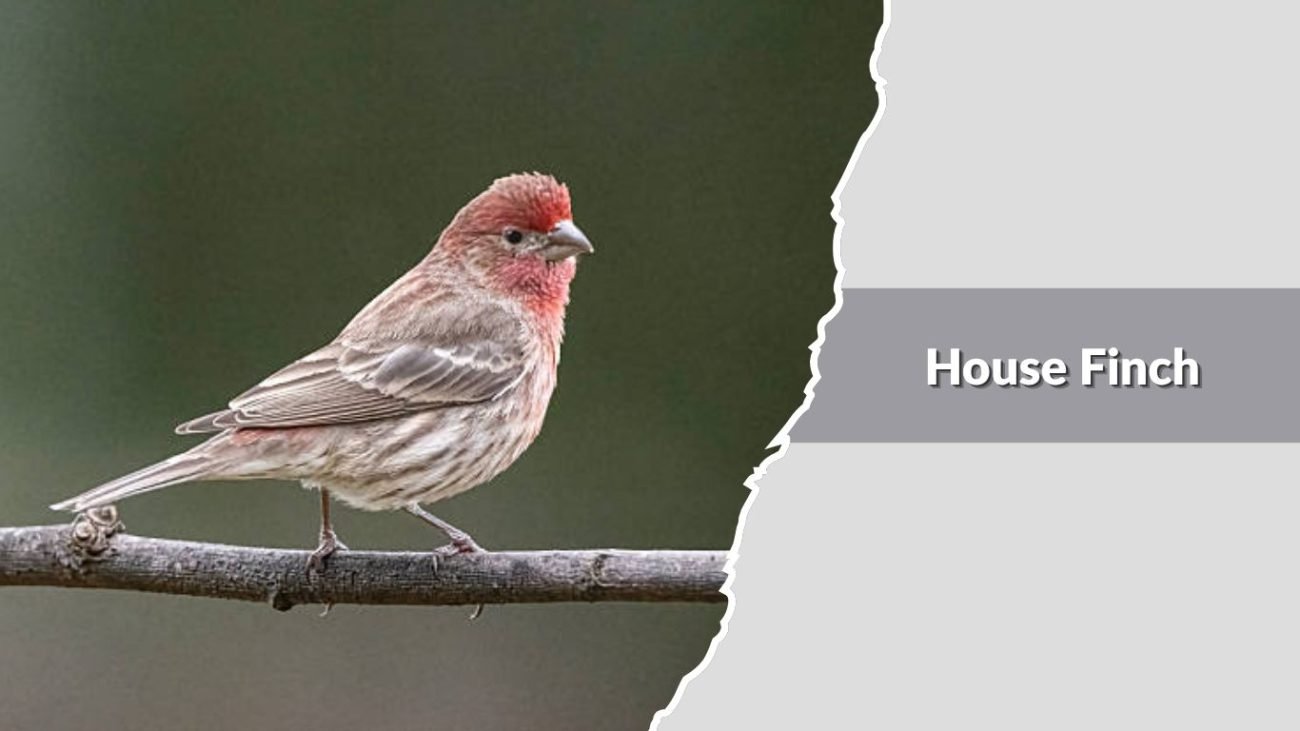
The house finch is a small, lively songbird well known for its cheerful warbling song and adaptability to human environments. Originally native to western regions, it has successfully spread across many areas and is now commonly seen around homes, cities, and parks.
Identification
- Small, compact body
- Males have red or orange coloring on the head, chest, and rump
- Females are brown with heavy streaks and no red coloration
- Short, conical beak
- Slightly notched tail
- Rounded wings
Habitat
House finches thrive in urban and suburban environments, including residential areas, parks, gardens, and farmlands. They prefer open habitats with scattered trees, buildings, and access to food sources. These birds often nest on ledges, roofs, hanging plants, and even artificial structures, showing a strong tolerance for human presence.
Behaviors
They are social birds, often seen in small groups or flocks. Males sing frequently, especially during the breeding season, producing a long, pleasant series of chirps and warbles. House finches are active during the day and can often be observed visiting bird feeders. They are generally non-aggressive and interact peacefully with other birds.
Diet and Lifecycle
Their diet mainly consists of seeds, grains, buds, and fruits. They rarely eat insects compared to other songbirds. House finches build cup-shaped nests using twigs, grass, and feathers. Females lay several eggs per brood, and both parents take part in feeding the young. They may raise multiple broods in a single breeding season.
5. Blackbird
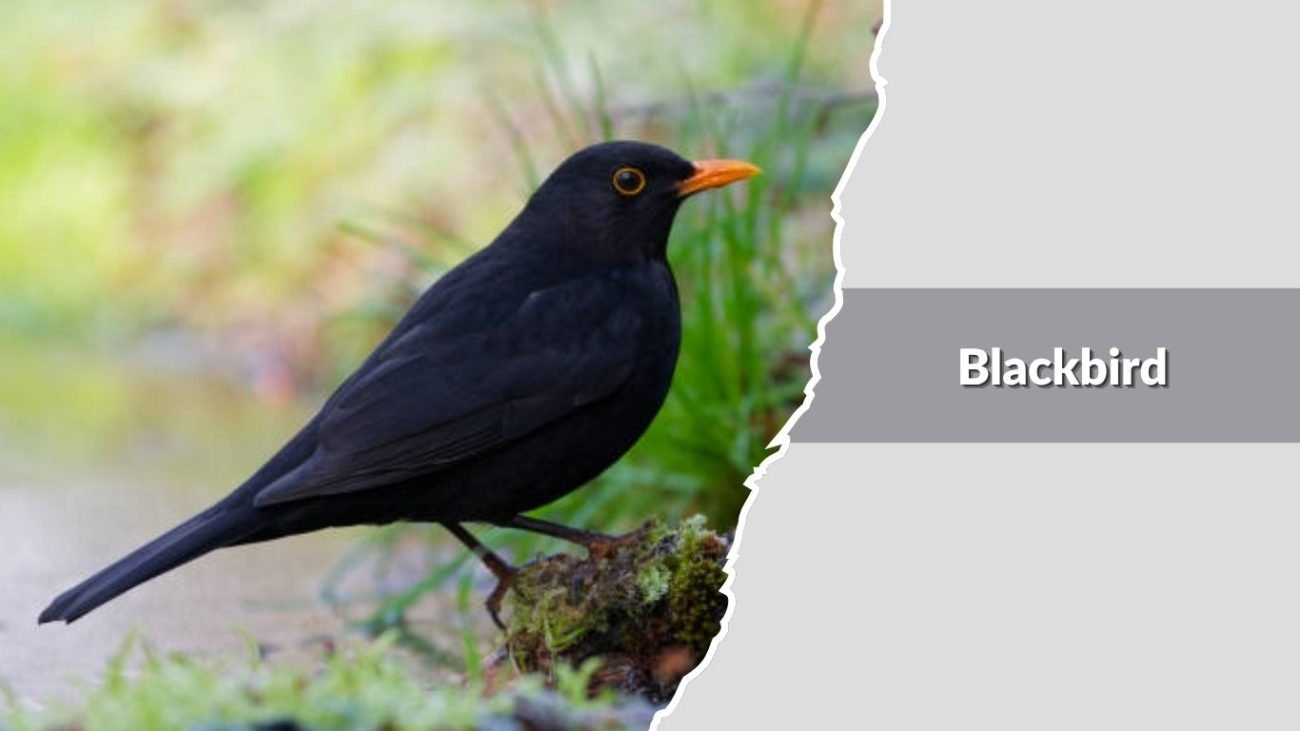
The blackbird is a well-known songbird, especially admired for its rich, flute-like singing voice. Males are particularly striking with their glossy black feathers and bright yellow beaks, while females are more subdued in color. Their beautiful song is often heard at dawn and dusk, making them a favorite among birdwatchers.
Identification
- Medium-sized bird
- Males are entirely black with a bright yellow-orange beak
- Females are brown with streaked underparts
- Yellow eye-ring (more visible in males)
- Long tail and rounded wings
- Strong legs for ground movement
Habitat
Blackbirds are commonly found in woodlands, gardens, parks, and hedgerows. They prefer areas with a mix of open ground for feeding and dense vegetation for nesting. These birds adapt well to urban environments and are frequently seen in residential areas, especially where food and shelter are available.
Behaviors
They are mostly ground feeders, often seen hopping across lawns in search of food. Males are highly territorial and sing from high perches to defend their area and attract mates. Their songs are clear, melodious, and varied. Blackbirds are generally solitary but may gather in loose groups outside the breeding season.
Diet and Lifecycle
Their diet includes insects, earthworms, berries, and fruits. Blackbirds forage mainly on the ground, using their sharp vision to locate prey. They build neat, cup-shaped nests in shrubs or trees. Females lay eggs and incubate them, while both parents help feed the chicks until they are ready to fly.
6. Canary
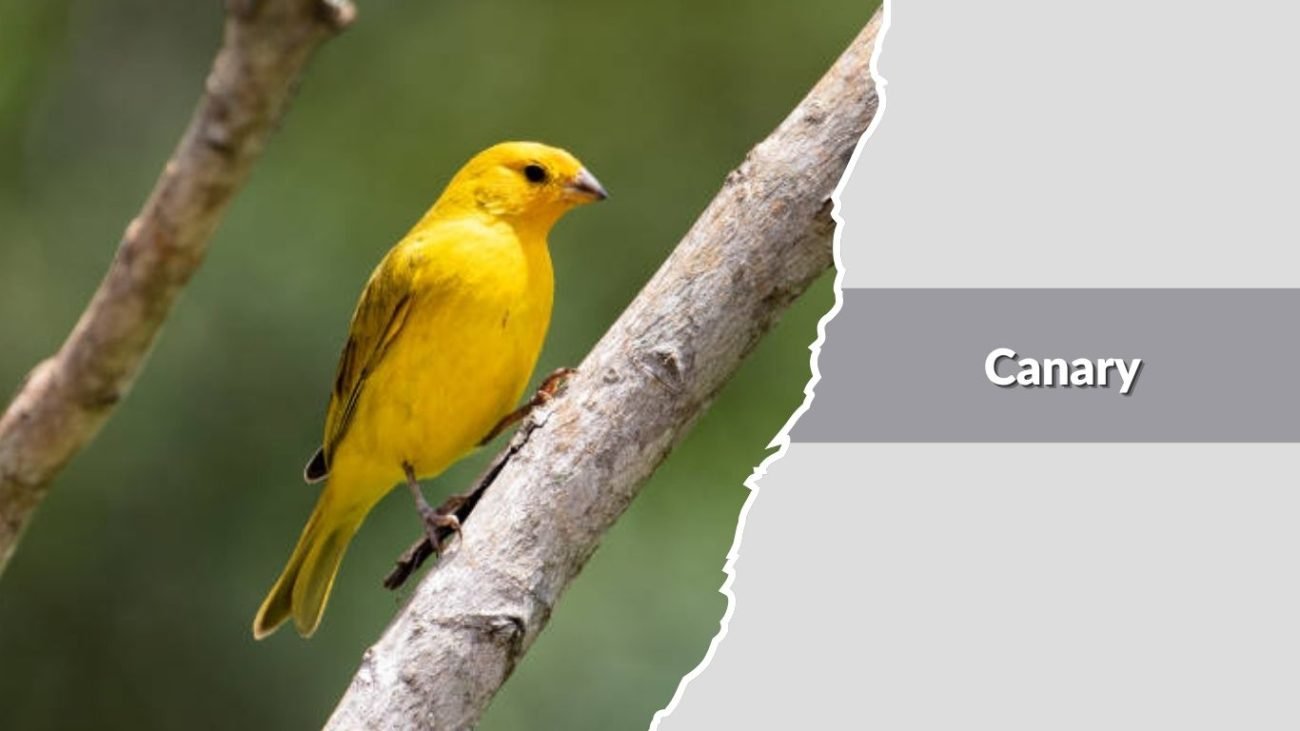
The canary is a small, brightly colored songbird famous for its sweet, melodious singing. It has been kept as a pet for centuries due to its pleasant voice and attractive appearance. Native to the Canary Islands, it is now popular worldwide in both wild and domestic forms.
Identification
- Small and slender body
- Bright yellow is most common, but can also be green or orange
- Short, conical beak
- Dark, round eyes
- Smooth feathers
- Slightly forked tail
Habitat
In the wild, canaries live in forests, coastal regions, and semi-open areas such as orchards and gardens. They prefer places with trees and shrubs for nesting and feeding. Domesticated canaries are commonly kept in cages or aviaries, where they adapt easily to human environments.
Behaviors
Canaries are active and lively birds, often hopping between branches or perches. Males are especially known for their beautiful singing, which they use to attract mates and express comfort. They are generally calm and non-aggressive, making them ideal as companion birds.
Diet and Lifecycle
Their diet mainly consists of seeds, especially grass seeds, along with fruits and leafy greens. In captivity, they are often fed specially prepared seed mixes. Canaries build small nests and lay several eggs per clutch. The female usually incubates the eggs, while both parents may help feed the chicks after hatching.
7. Skylark
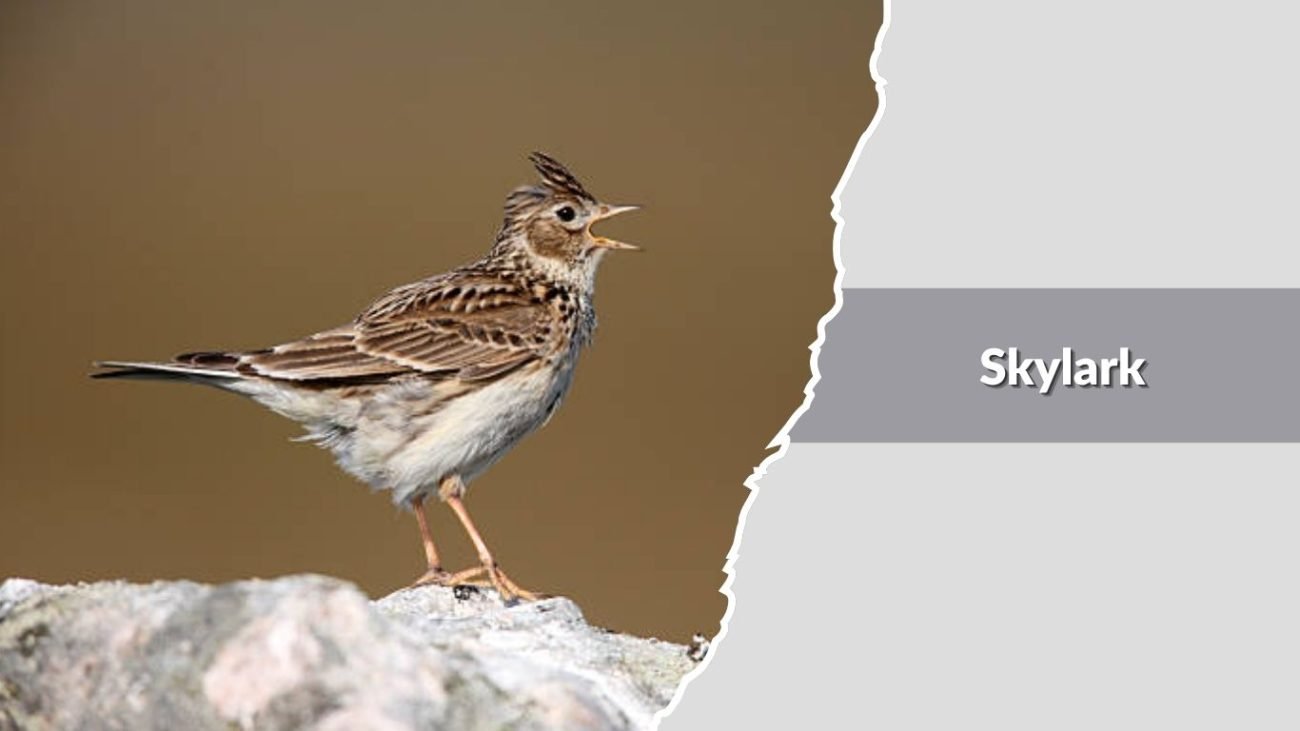
The skylark is a small, ground-dwelling songbird best known for its continuous, melodious singing while flying high in the sky. Its song is long, complex, and delivered during flight, making it one of the most iconic singing birds in open countryside landscapes.
Identification
- Small to medium-sized bird
- Brown, streaked plumage for camouflage
- Slight crest on the head
- Pale underparts
- Short tail with white edges
- Strong legs adapted for ground living
Habitat
Skylarks prefer open habitats such as grasslands, farmlands, meadows, and fields. They avoid dense forests and urban areas, favoring wide, open spaces where they can nest on the ground. These birds are commonly found in rural areas with low vegetation, which provides both food and protection.
Behaviors
They are famous for their vertical singing flights, where males rise high into the air while singing continuously. This display is used to attract mates and establish territory. Skylarks spend much of their time on the ground, where they walk or run rather than hop. They are generally shy and rely on camouflage to avoid predators.
Diet and Lifecycle
Their diet includes seeds, grains, and insects, especially during the breeding season. Skylarks nest on the ground, building well-hidden nests among grasses. Females lay several eggs, and both parents may help in feeding the chicks. The young birds leave the nest early but remain dependent on their parents for some time.
8. Wood Thrush
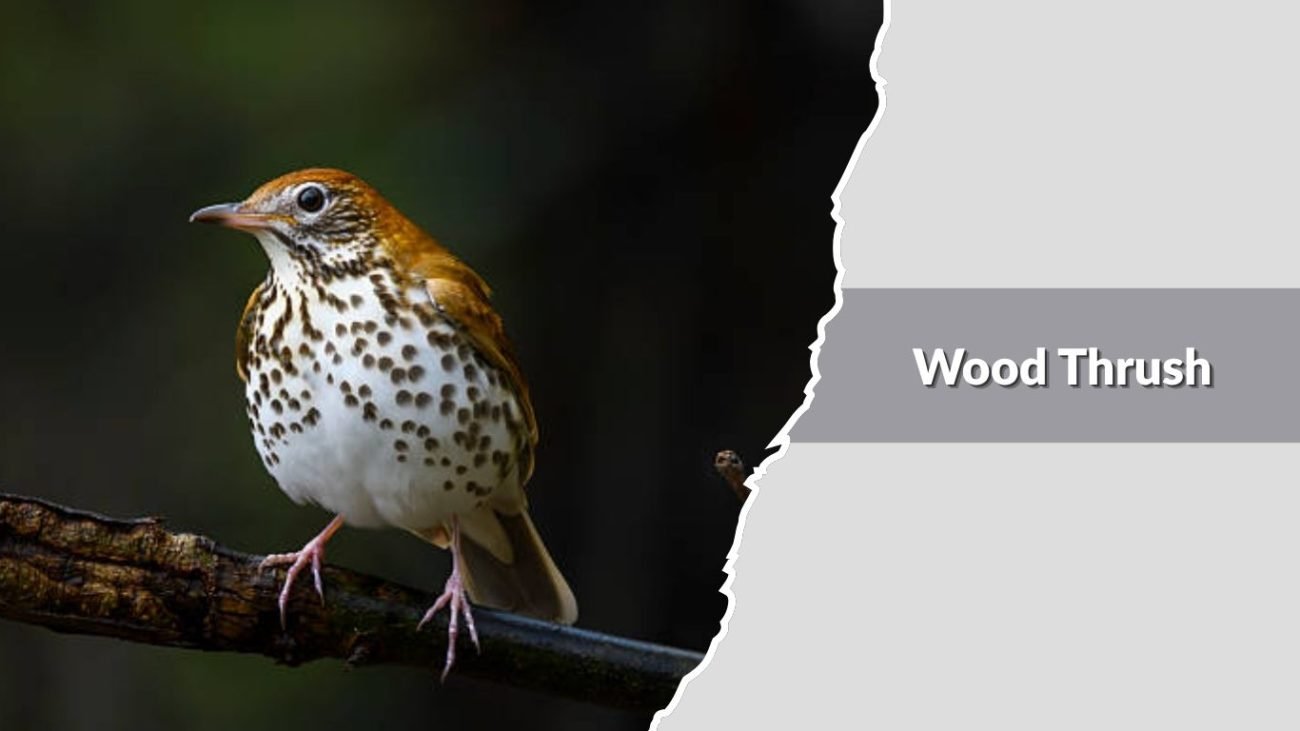
The wood thrush is a medium-sized songbird admired for its rich, flute-like song that echoes through forests. Its voice is often described as one of the most beautiful among North American birds. With its warm coloration and spotted chest, it is both visually appealing and musically gifted.
Identification
- Medium-sized bird
- Warm brown upperparts with a reddish head
- White underparts with bold dark spots
- Large, round eyes
- Straight, medium-length bill
- Pinkish legs
Habitat
Wood thrushes prefer mature deciduous and mixed forests with dense understory. They are commonly found in woodland interiors, especially near water sources like streams or wetlands. During migration, they may also appear in gardens and parks. They require shaded, moist environments with plenty of leaf litter for foraging and nesting.
Behaviors
They are shy and often stay hidden in forest cover. Males sing from perches to establish territory and attract mates, producing a clear, ethereal song. Wood thrushes are mostly active during early morning and late afternoon. They move quietly on the forest floor while searching for food.
Diet and Lifecycle
Their diet includes insects, spiders, earthworms, and fruits. They forage mainly on the ground, flipping leaves to find prey. Nests are built in trees or shrubs, made from leaves, mud, and grasses. Females lay eggs and incubate them, while both parents help feed the chicks until they are ready to leave the nest.
9. Mockingbird
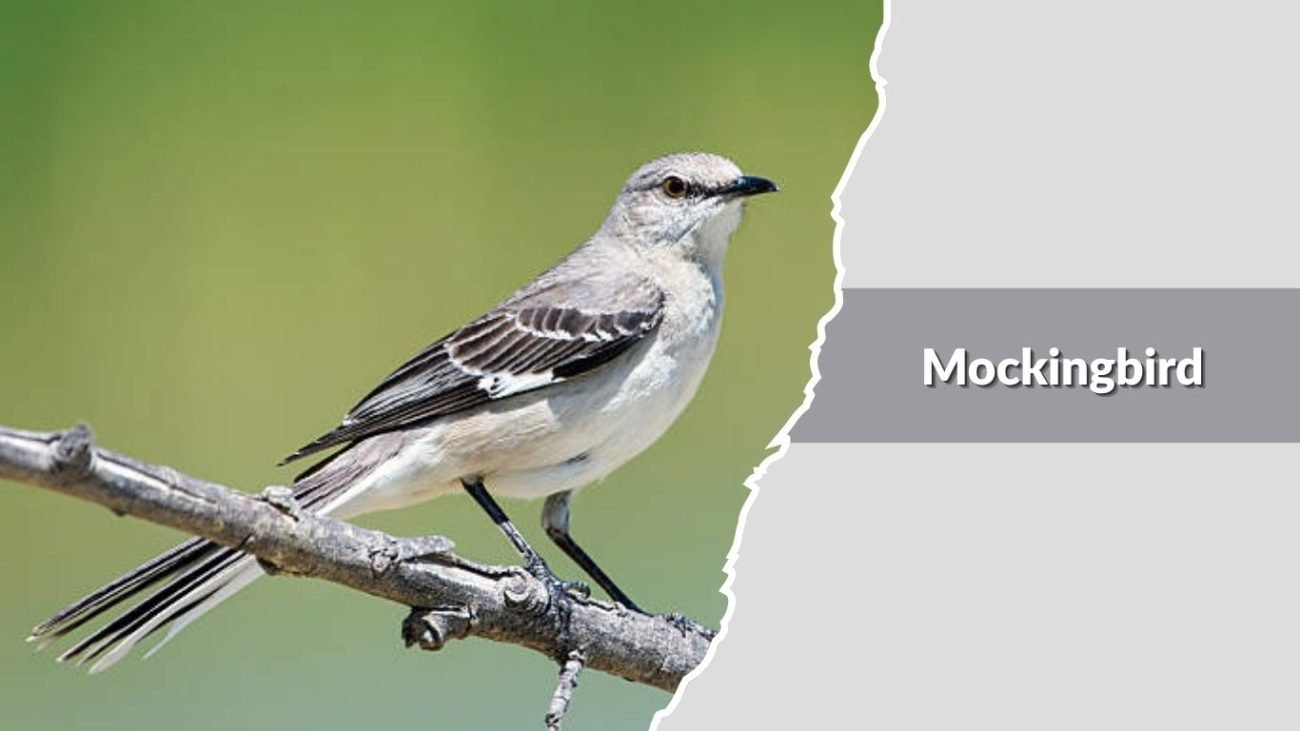
The mockingbird is a highly intelligent and versatile songbird known for its ability to imitate the songs of other birds, animals, and even mechanical sounds. Its impressive vocal range and adaptability make it one of the most fascinating singing birds in the world.
Identification
- Medium-sized, slender bird
- Gray upperparts with lighter underparts
- Long tail with white edges
- White patches on wings visible in flight
- Slightly curved bill
- Long legs
Habitat
Mockingbirds are commonly found in open areas such as gardens, parks, farmlands, and suburban neighborhoods. They prefer habitats with scattered shrubs and trees for nesting and open ground for feeding. These birds adapt well to human presence and are often seen in residential areas.
Behaviors
They are active and bold birds, often seen perched in visible spots while singing. Mockingbirds can mimic a wide variety of sounds and may repeat phrases several times before switching. They are highly territorial and may aggressively defend their nesting area against intruders, including larger animals.
Diet and Lifecycle
Their diet consists of insects, fruits, and berries. They forage on the ground or in low vegetation. Mockingbirds build cup-shaped nests in shrubs or small trees. Females lay eggs, and both parents take part in caring for and feeding the young until they become independent.
10. Warbler
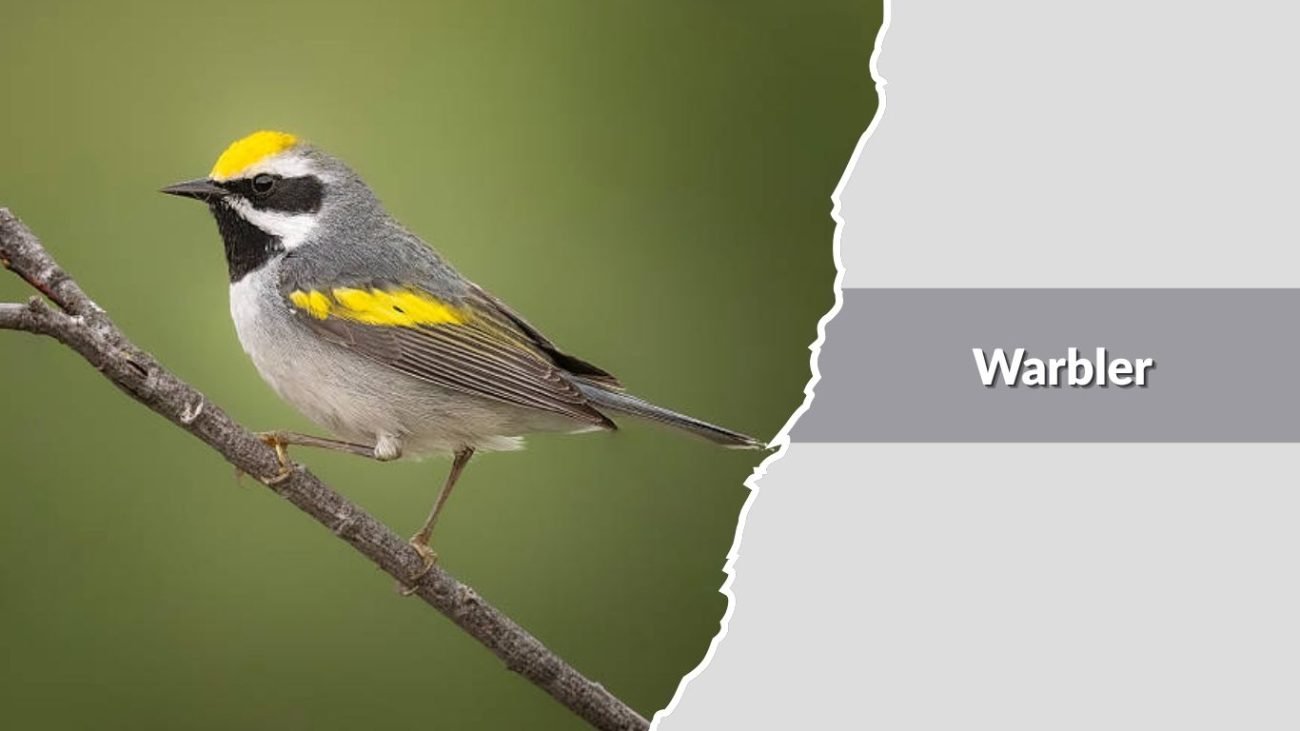
Warblers are a diverse group of small, colorful songbirds known for their high-pitched and lively songs. They are often active and energetic, moving quickly through trees and shrubs. Despite their small size, warblers are admired for both their bright plumage and musical abilities.
Identification
- Small, lightweight body
- Often brightly colored (yellow, green, blue, or mixed patterns)
- Thin, pointed beak
- Short to medium-length tail
- Slender legs
- Some species have distinctive eye lines or wing bars
Habitat
Warblers are commonly found in forests, woodlands, wetlands, and gardens. Many species prefer dense foliage where they can easily hide while feeding. During migration, they can appear in a wide variety of habitats, including parks and urban green spaces. They are especially abundant in areas with rich vegetation.
Behaviors
Warblers are highly active and rarely stay still, constantly flitting between branches while searching for food. Males sing frequently during the breeding season to attract mates and defend territory. Their songs are often fast, high-pitched, and complex. They are usually solitary or found in small groups.
Diet and Lifecycle
Their diet mainly consists of insects, larvae, and small spiders. Some species also eat berries, especially during migration. Warblers build small, well-hidden nests in trees or shrubs. Females lay several eggs, and both parents often participate in feeding the chicks until they are ready to leave the nest.
11. Bluebird
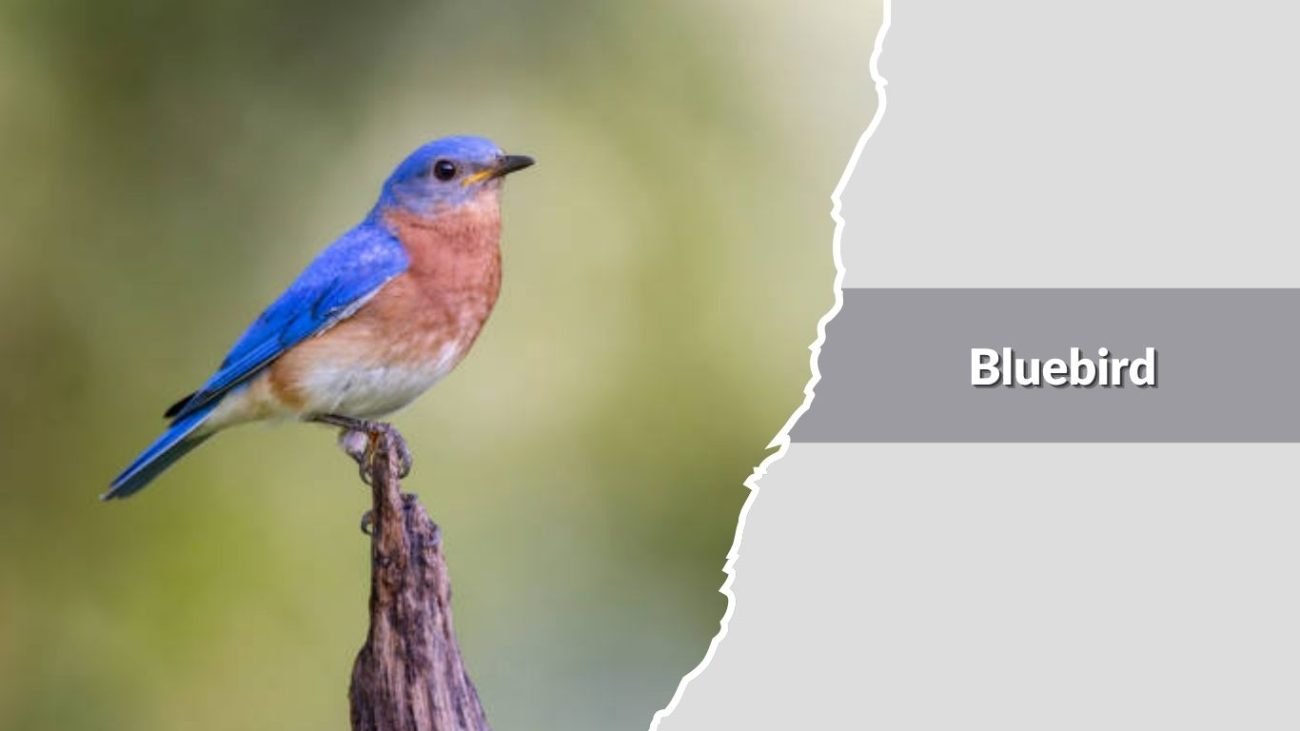
The bluebird is a small, brightly colored songbird admired for its soft, pleasant song and vibrant appearance. Often associated with happiness and good luck, it is commonly seen perched on fences or flying across open fields, adding beauty to rural and suburban landscapes.
Identification
- Small, compact bird
- Bright blue upperparts (in males)
- Reddish or orange chest
- White or pale belly
- Short, straight bill
- Rounded wings and short tail
Habitat
Bluebirds prefer open areas such as grasslands, meadows, orchards, and farmlands with scattered trees. They are also found in parks and suburban areas where nest boxes are available. These birds favor habitats that provide open ground for feeding and cavities for nesting, often using tree holes or artificial nest boxes.
Behaviors
They are calm and often seen perched quietly while scanning the ground for food. Bluebirds have a soft, melodious song and communicate with gentle calls. They are generally social outside the breeding season and may form small flocks. During nesting, they become more territorial.
Diet and Lifecycle
Their diet includes insects, caterpillars, and berries. Bluebirds catch insects from the ground or in short flights. They nest in cavities, laying several eggs per clutch. Both parents help feed the chicks, and the young birds leave the nest after a few weeks but may remain nearby for some time.
12. Chaffinch
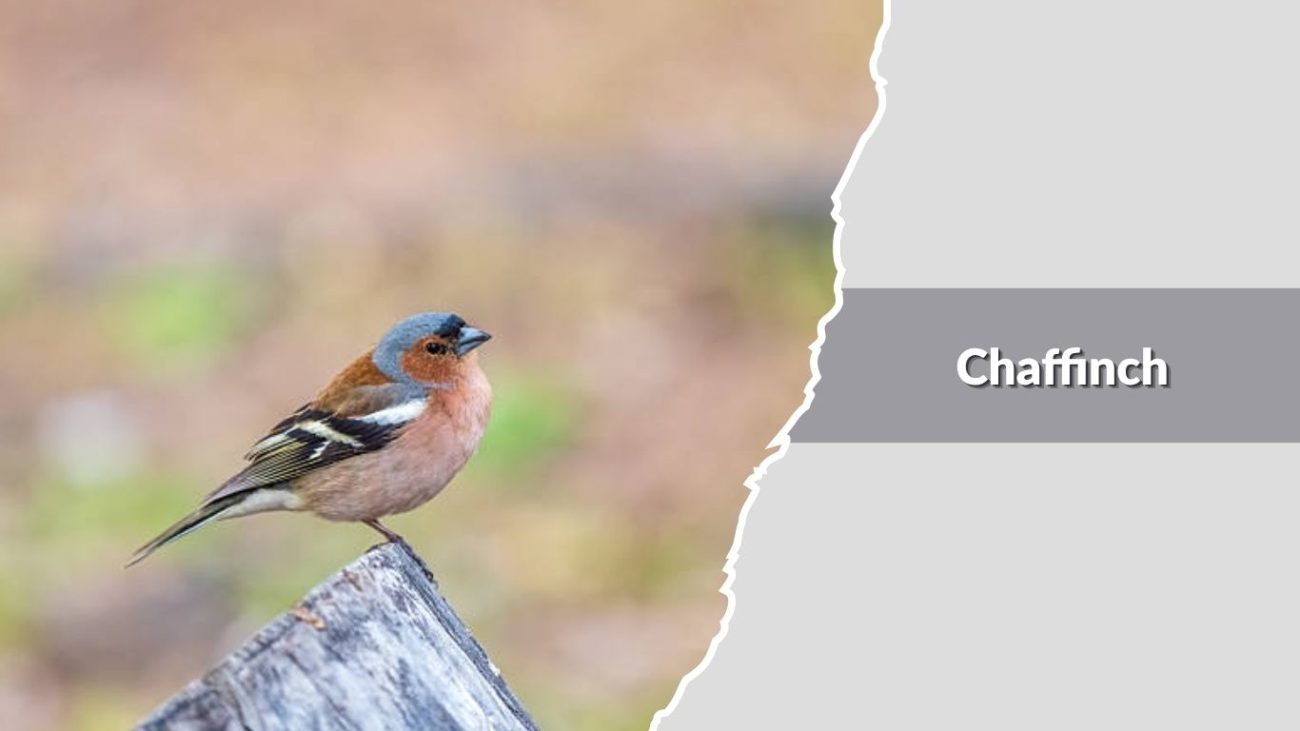
The chaffinch is a small and colorful songbird known for its clear, rhythmic song. It is one of the most common and recognizable birds in many regions, often heard singing from trees and hedges during the breeding season.
Identification
- Small, compact bird
- Males have a reddish-pink breast and face
- Blue-gray cap and nape (in males)
- Females are more brown and less colorful
- White wing bars visible in flight
- Short, strong beak
Habitat
Chaffinches are found in a variety of habitats including woodlands, gardens, parks, and farmland. They prefer areas with trees for nesting and open ground for feeding. These birds adapt well to human environments and are commonly seen in both rural and urban settings.
Behaviors
They are active and often seen hopping on the ground searching for food. Males sing frequently from exposed perches, producing a repeated, cheerful song to attract mates and defend territory. Outside the breeding season, chaffinches may form small flocks, especially in winter.
Diet and Lifecycle
Their diet consists of seeds, insects, and small invertebrates. During breeding season, they rely more on insects for feeding chicks. Chaffinches build neat nests in trees or shrubs using moss, grass, and feathers. Females lay several eggs, and both parents take part in feeding and raising the young birds.
13. Goldfinch
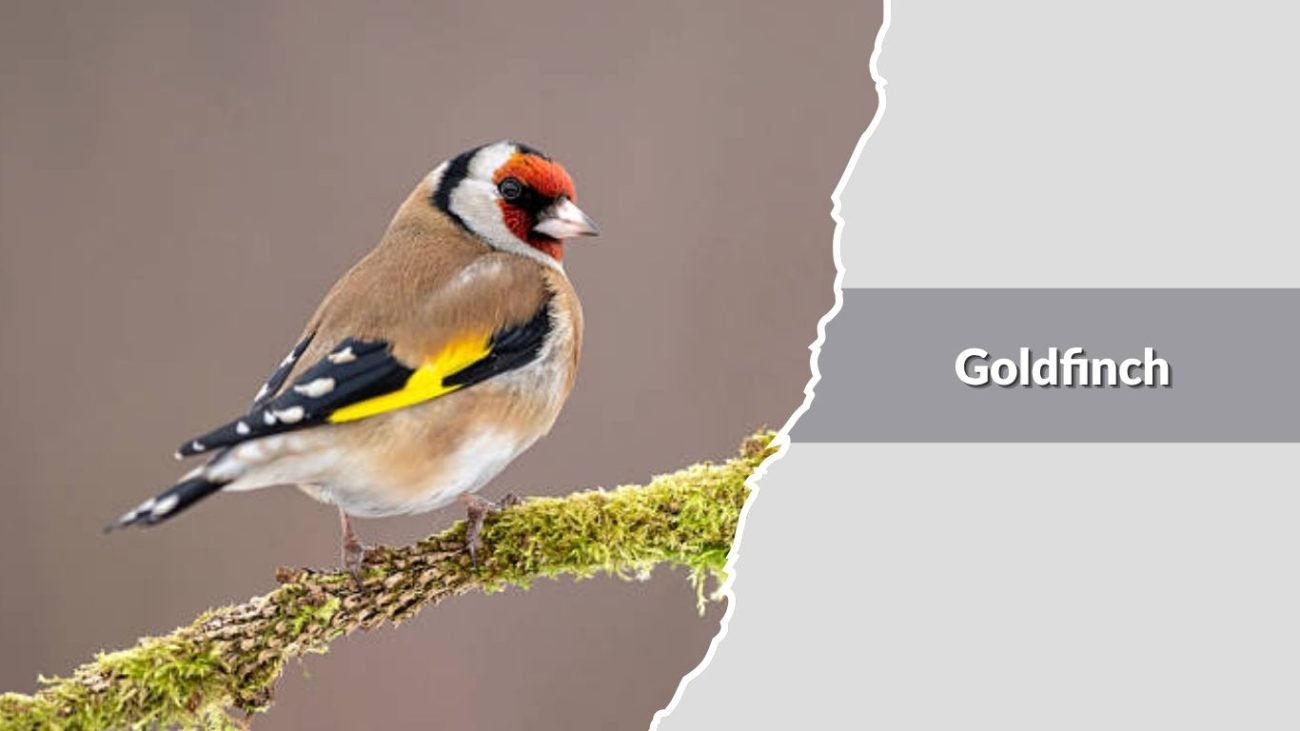
The goldfinch is a small, brightly colored songbird known for its lively, tinkling song and graceful flight. Its vibrant appearance and cheerful voice make it a favorite among bird lovers, often seen feeding on seeds in open areas.
Identification
- Small, slender bird
- Bright yellow body (in many species)
- Black wings with white markings
- Distinctive black and white head pattern
- Fine, pointed beak
- Short, forked tail
Habitat
Goldfinches are commonly found in open habitats such as meadows, gardens, orchards, and farmlands. They prefer areas rich in seed-producing plants like thistles and sunflowers. These birds are also frequent visitors to bird feeders and are well adapted to both rural and suburban environments.
Behaviors
They are social and often seen in small flocks, especially outside the breeding season. Goldfinches have a light, bouncing flight and frequently call while flying. Their song is a pleasant mix of chirps and trills. They are active during the day and spend much time feeding and interacting with other birds.
Diet and Lifecycle
Their diet mainly consists of seeds, particularly from thistles and other weeds. They rarely eat insects compared to other songbirds. Goldfinches build small, cup-shaped nests in trees or shrubs. Females lay eggs, and both parents help feed the chicks until they are fully grown and independent.
14. Thrush
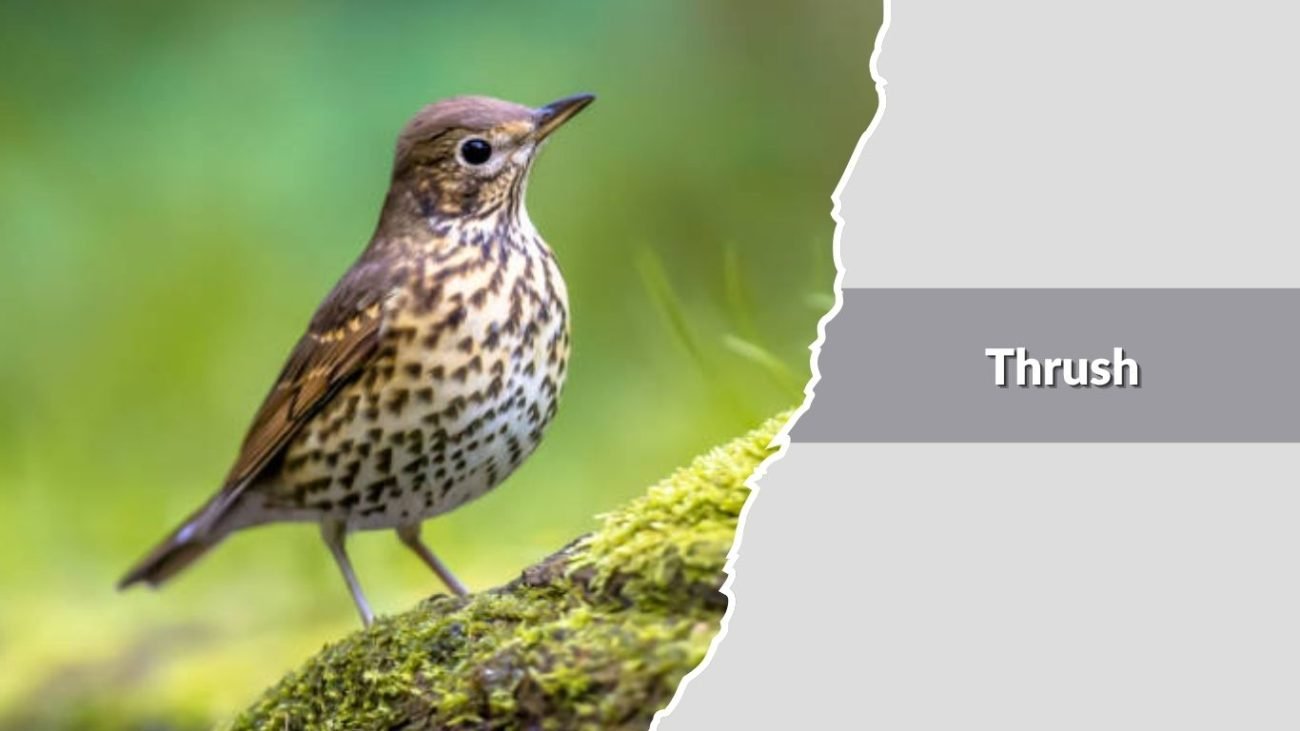
The thrush is a medium-sized songbird known for its rich, melodious voice and often beautifully patterned plumage. Many species of thrushes are celebrated for their flute-like songs, especially during early morning and evening hours.
Identification
- Medium-sized bird
- Brown or gray upperparts
- Pale underparts with dark spots or streaks
- Straight, slender bill
- Strong legs for ground feeding
- Rounded wings and medium-length tail
Habitat
Thrushes are commonly found in forests, woodlands, gardens, and parks. They prefer areas with dense vegetation for nesting and open ground for feeding. Many species favor moist environments with leaf litter, where they can easily find insects. Some thrushes migrate seasonally and can be found in a variety of habitats throughout the year.
Behaviors
They are often seen hopping on the ground, turning leaves to search for food. Thrushes are known for their beautiful, flute-like songs, usually delivered from hidden perches. They are generally shy and prefer staying under cover, becoming more visible during feeding times.
Diet and Lifecycle
Their diet includes insects, earthworms, snails, and berries. Thrushes forage mainly on the ground. They build neat nests in trees, shrubs, or sometimes on the ground. Females lay eggs and incubate them, while both parents help in feeding and protecting the chicks until they are ready to fly.
15. Wren
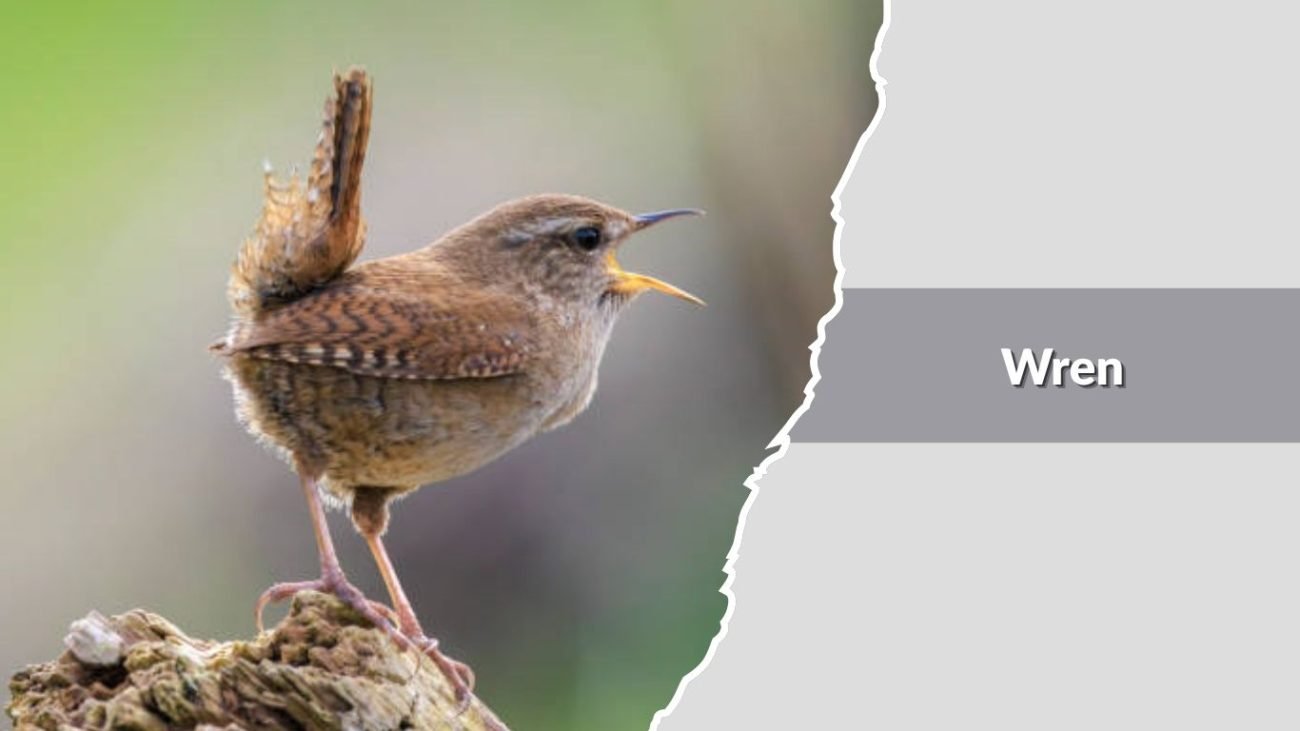
The wren is a small, energetic songbird known for its surprisingly loud and lively song despite its tiny size. It is often seen darting through bushes and is admired for its bold personality and constant activity.
Identification
- Very small, round-bodied bird
- Brown plumage with fine barring
- Short, upright tail
- Thin, slightly curved bill
- Pale eyebrow stripe (in some species)
- Strong legs for quick movement
Habitat
Wrens are found in a variety of habitats including woodlands, gardens, hedges, and grasslands. They prefer dense vegetation that provides shelter and nesting sites. These birds are highly adaptable and are commonly seen in both rural and urban environments, often close to human habitation.
Behaviors
Wrens are extremely active, constantly moving and exploring their surroundings. Males are known for their loud, complex songs used to attract mates and defend territory. Despite their small size, they are bold and may challenge larger birds. They often flick their tails while moving.
Diet and Lifecycle
Their diet mainly consists of insects, spiders, and small invertebrates. Wrens forage in crevices, bark, and leaf litter. They build dome-shaped nests in hidden locations such as bushes or cavities. Females lay eggs, and both parents are involved in feeding the chicks until they become independent.
16. Bulbul
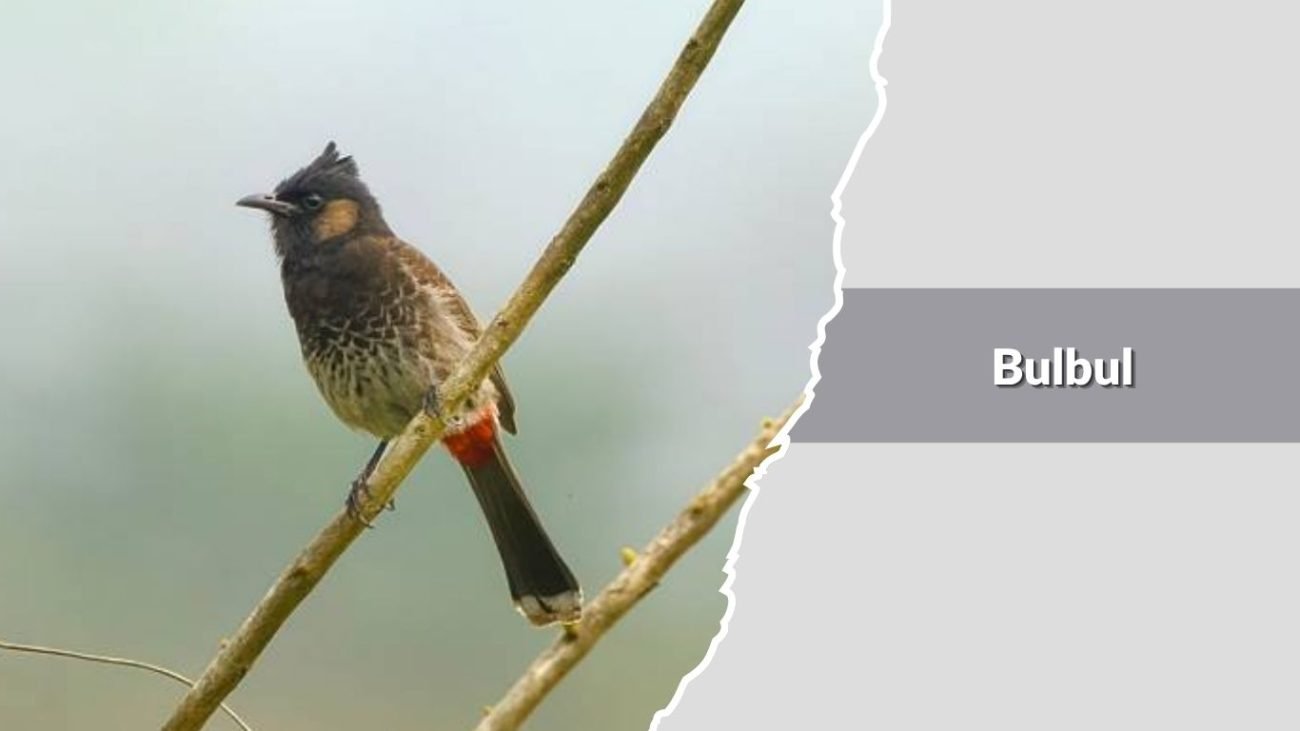
The bulbul is a medium-sized songbird known for its pleasant, bubbling calls and cheerful presence. Common in many tropical and subtropical regions, bulbuls are easily recognized by their lively behavior and adaptability to different environments.
Identification
- Medium-sized bird
- Soft brown or gray body
- Dark head, sometimes with a slight crest
- Brightly colored undertail (often red or yellow in some species)
- Slender, slightly curved bill
- Long tail
Habitat
Bulbuls are commonly found in gardens, forests, shrublands, and urban areas. They prefer places with plenty of trees and bushes for nesting and feeding. These birds are highly adaptable and often thrive near human settlements, including parks and cultivated lands.
Behaviors
Bulbuls are active, social, and often seen in pairs or small groups. They are known for their varied and melodious calls, which are less complex than some songbirds but still pleasant. They are curious and bold, frequently visiting fruiting trees and gardens.
Diet and Lifecycle
Their diet includes fruits, nectar, insects, and small invertebrates. Bulbuls play an important role in seed dispersal. They build cup-shaped nests in shrubs or trees. Females lay a few eggs, and both parents share the responsibility of feeding and protecting the chicks.
FAQs
What makes a bird a “songbird”?
Songbirds are birds that produce complex and melodious vocal sounds. They have a specialized vocal organ called the syrinx, which allows them to create a wide range of notes and patterns used for communication, attracting mates, and defending territory.
Why do birds sing?
Birds sing mainly to attract mates and establish territory. Male birds often sing more during breeding season to show their strength and fitness. Singing can also help birds communicate warnings or maintain contact with others.
Do all birds sing at night?
No, most birds sing during the day, especially at dawn and dusk. Only a few species, like the nightingale and mockingbird, are known for singing at night, often during breeding periods.
What do singing birds eat?
Most singing birds eat a mix of insects, seeds, fruits, and berries. Their diet may change depending on the season, with more insects consumed during breeding to provide protein for growing chicks.
Where can I find singing birds easily?
You can find singing birds in gardens, parks, forests, and farmlands. Early morning is the best time to hear them, as many birds are most active and vocal during this period.