











Bears are among the world’s most fascinating mammals, found across forests, mountains, tundra, and tropical regions. With remarkable diversity in size, behavior, and habitat, each bear type plays an essential role in its ecosystem. From giant polar bears to tiny sun bears, these species showcase impressive adaptations for survival. This guide explores 15 common bear types with clear identification, habitat details, behaviors, and dietary insights.
1. American Black Bear

The American Black Bear is the most widespread bear species in North America, known for its adaptability and varied appearance. Despite the name, its fur can range from black to brown, cinnamon, or even blonde. Highly intelligent and resourceful, this bear thrives in many different habitats.
Identification
- Medium-sized bear with rounded ears
- Fur color varies widely (black, brown, cinnamon, blonde)
- Straight facial profile and small shoulder hump
- Short, curved claws suited for climbing
Habitat
American black bears inhabit forests, swamps, mountains, and even semi-urban areas. Their range extends across Canada, the United States, and parts of Mexico. They prefer wooded regions that offer dense cover, water sources, and abundant food options.
Behaviors
They are excellent climbers and often climb trees to escape danger or access food. Black bears are generally solitary, except during mating season or when females raise cubs. They enter winter dormancy in colder regions, relying on stored body fat for survival.
Diet
Their diet is highly varied and mostly plant-based. They eat berries, nuts, grasses, insects, fish, small mammals, and carrion. Black bears are opportunistic feeders and may also forage in campsites or residential areas when natural foods are scarce.
2. Brown Bear

The Brown Bear is one of the largest and most widely distributed bear species in the world. Found across North America, Europe, and Asia, it is known for its strength, powerful build, and distinct shoulder hump. Different regional populations vary greatly in size and color.
Identification
- Large body with prominent shoulder hump
- Fur color ranges from blonde to dark brown
- Concave facial profile
- Long, powerful claws suited for digging
Habitat
Brown bears inhabit forests, mountains, tundra regions, and coastal areas. They thrive in environments rich in food sources, such as salmon streams, berry-filled forests, and open meadows. Their wide geographic range reflects their remarkable adaptability.
Behaviors
They are generally solitary, except during salmon runs or mating season. Brown bears are excellent diggers and swimmers, and they use their strength for foraging and defending territory. In colder climates, they enter winter hibernation in dens they dig or occupy naturally.
Diet
Their diet is omnivorous and highly seasonal. They feed on berries, plants, nuts, fish (especially salmon), insects, and small mammals. Coastal brown bears often grow larger due to access to rich marine food sources.
3. Grizzly Bear

The Grizzly Bear is a powerful subspecies of the brown bear, found primarily in North America. Known for its impressive size, silver-tipped fur, and strong territorial behavior, the grizzly is one of the most iconic bears in the wild.
Identification
- Distinct shoulder hump made of muscle
- Brown fur with silver or “grizzled” tips
- Concave facial profile
- Long claws ideal for digging
Habitat
Grizzly bears inhabit forests, alpine meadows, grasslands, and mountain regions across the United States and Canada. They thrive in habitats with abundant food sources, such as rivers, berry patches, and open fields.
Behaviors
They are generally solitary and have large home ranges. Grizzlies are strong diggers and excellent swimmers. They display defensive behavior when surprised or when protecting cubs. Seasonal hibernation allows them to survive harsh winters using stored body fat.
Diet
Their omnivorous diet includes berries, nuts, roots, fish, insects, carrion, and occasionally large mammals. They frequently hunt salmon where available, helping them gain the fat needed for winter hibernation.
4. Kodiak Bear

The Kodiak Bear is one of the largest bear subspecies in the world, found exclusively on Alaska’s Kodiak Archipelago. Closely related to the brown bear, it is renowned for its massive size and rich, salmon-fed diet.
Identification
- Extremely large body size, rivaling polar bears
- Thick brown fur, sometimes with lighter tips
- Prominent shoulder hump
- Wide head and powerful limbs
Habitat
Kodiak bears inhabit the forests, valleys, coastal areas, and mountains of the Kodiak Islands. The isolated island ecosystem provides abundant food resources, including salmon runs, berries, and vegetation, supporting their impressive size.
Behaviors
They tend to be solitary but tolerate higher population densities than mainland brown bears due to rich food availability. They exhibit seasonal hibernation, strong territorial awareness, and skilled fishing techniques during salmon spawning seasons.
Diet
Their diet includes salmon, berries, roots, grasses, carrion, and occasionally small mammals. Kodiak bears depend heavily on seasonal salmon runs, which provide the high-calorie nutrition needed for winter survival.
5. Polar Bear
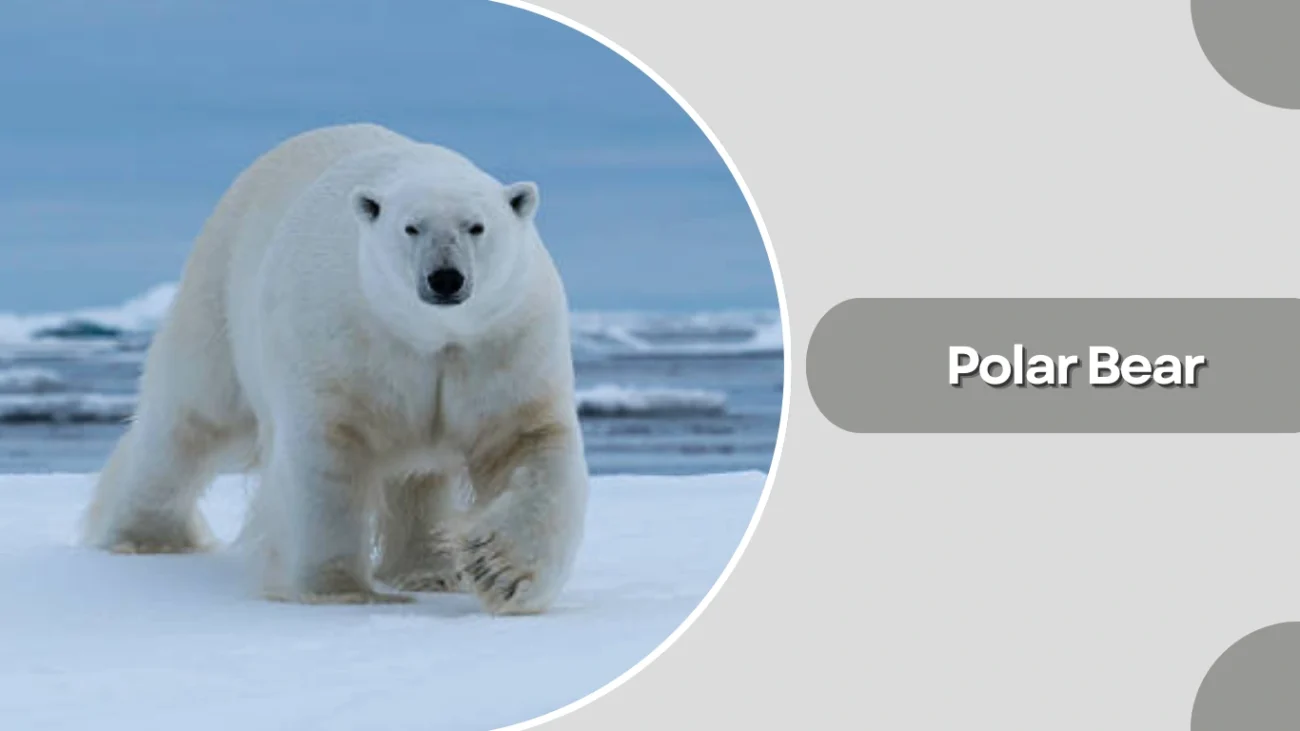
The Polar Bear is the largest land carnivore and is uniquely adapted to life in the Arctic. Known for its white fur, powerful build, and expert swimming abilities, it relies heavily on sea ice to hunt and survive in its frigid environment.
Identification
- White or creamy fur for Arctic camouflage
- Long neck and narrow head
- Large paws adapted for swimming and walking on ice
- Thick blubber layer for insulation
Habitat
Polar bears inhabit Arctic sea ice, coastlines, and surrounding icy waters. They depend on sea ice platforms to hunt seals, rest, and travel long distances. Climate change and melting ice pose major threats to their survival.
Behaviors
They are predominantly solitary and travel great distances in search of food. Excellent swimmers, polar bears can swim for hours between ice floes. Mothers are highly protective, raising cubs in snow dens until they are strong enough for Arctic conditions.
Diet
Their diet is primarily carnivorous, consisting mainly of seals, especially ringed and bearded seals. They also scavenge whale carcasses and occasionally eat fish, birds, or vegetation when necessary. High-fat prey is essential for maintaining their energy in extreme cold.
6. Asiatic Black Bear
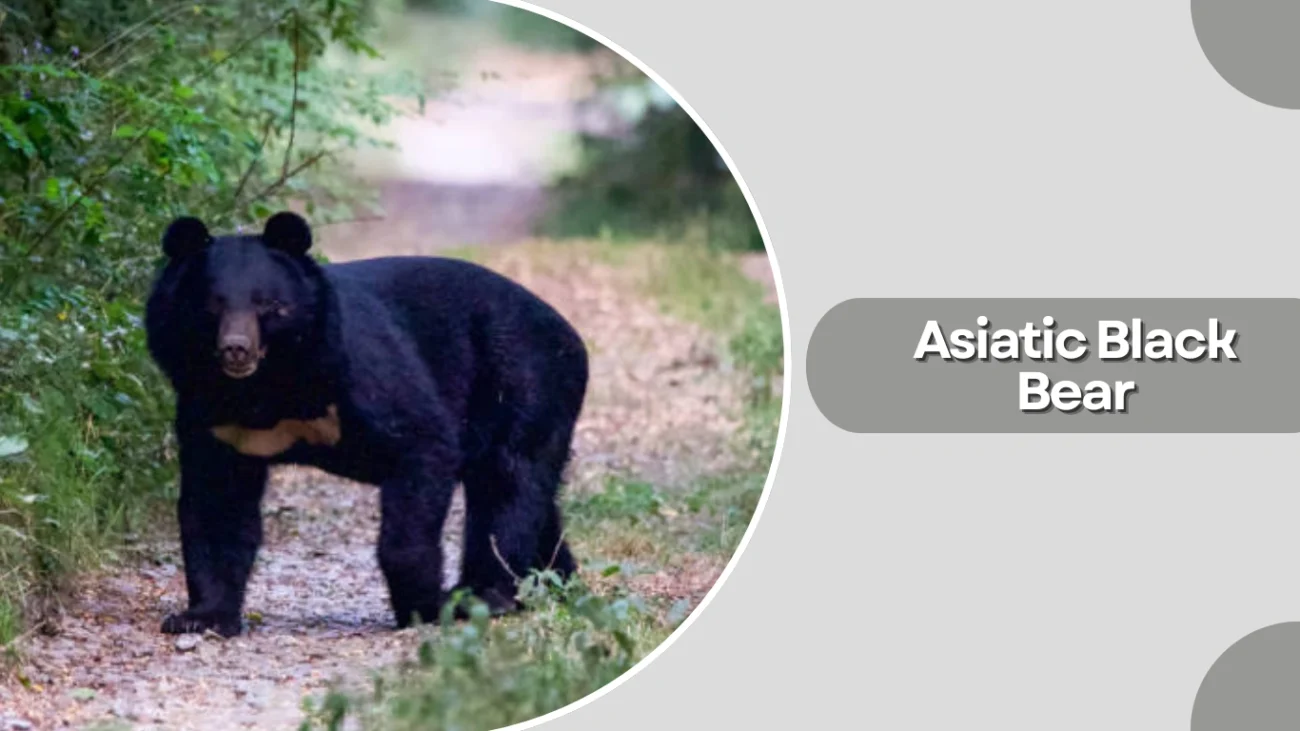
The Asiatic Black Bear, also known as the Moon Bear, is a medium-sized bear native to Asia. It is easily recognized by the distinct white crescent-shaped marking on its chest. Adaptable and skilled climbers, these bears thrive in forested regions.
Identification
- Black fur with a white crescent “moon” mark on the chest
- Large rounded ears
- Medium-sized body with thick limbs
- Short, curved claws ideal for climbing trees
Habitat
Asiatic black bears inhabit deciduous and evergreen forests, mountainous regions, and dense woodlands across East and Southeast Asia. They prefer areas with abundant tree cover, which provides safety, food, and nesting sites.
Behaviors
These bears are strong climbers and often rest or forage in trees. They are mostly solitary and may become active during the day or night depending on season and food availability. In colder climates, they enter winter dens for hibernation.
Diet
Their diet is omnivorous, including nuts, fruits, insects, honey, small mammals, and vegetation. They are also known to raid crops or scavenge when natural food sources are low.
7. Sun Bear

The Sun Bear is the smallest of all bear species, found in the tropical forests of Southeast Asia. Known for its short black fur and distinctive golden chest patch, it is an agile climber with a strong appetite for insects and honey.
Identification
- Smallest bear species
- Short black fur with a yellow or orange chest patch
- Long tongue (up to 20–25 cm) for extracting insects and honey
- Large paws with curved claws for climbing
Habitat
Sun bears inhabit tropical rainforests, lowland forests, and swampy areas. They prefer dense vegetation where they can climb trees easily and forage for food. Habitat loss due to deforestation threatens their populations.
Behaviors
They are primarily solitary and active both day and night. Sun bears are excellent climbers, often resting or feeding high in the trees. They use their strong claws and long tongue to tear into logs, termite mounds, and beehives.
Diet
Their diet includes insects, honey, fruit, small mammals, and occasionally birds. They are particularly fond of honey, earning them the nickname “honey bear.” Their diverse diet helps them adapt to ever-changing rainforest resources.
8. Sloth Bear
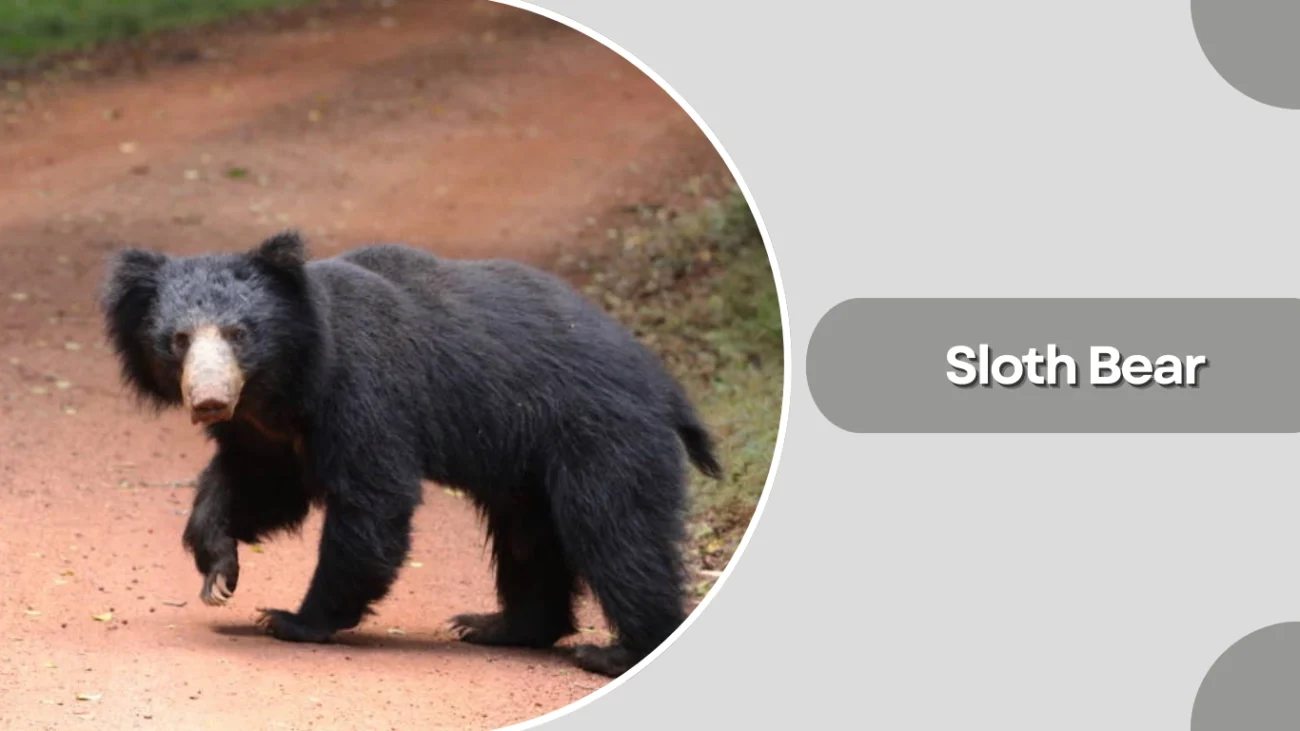
The Sloth Bear is a unique bear species native to the Indian subcontinent. Known for its shaggy coat, long snout, and specialized feeding habits, it is adapted to consuming insects—especially termites and ants.
Identification
- Long shaggy black coat
- Distinctive long snout for sucking insects
- White or yellowish chest patch
- Long, curved claws suited for digging
Habitat
Sloth bears inhabit dry forests, grasslands, scrublands, and hilly regions across India, Sri Lanka, and Nepal. They prefer areas rich in termite mounds and fruit-bearing trees, which support their specialized diet.
Behaviors
They are mostly nocturnal and solitary, except for mothers with cubs. Sloth bears are known for their loud vocalizations and defensive behavior when threatened. They carry their cubs on their backs—unique among bear species.
Diet
Their diet primarily consists of termites, ants, honey, and fruit. With their long snout and powerful suction, they extract insects efficiently. They also consume berries, seeds, and occasionally small mammals.
9. Giant Panda

The Giant Panda is one of the world’s most recognizable animals, famous for its striking black-and-white fur and unique bamboo-based diet. Native to China, it is a symbol of conservation and an important species for preserving mountain forest ecosystems.
Identification
- Distinctive black-and-white fur pattern
- Large round head with strong jaw muscles
- Robust body with thick limbs
- Enlarged wrist bone functioning as a “thumb” for grasping bamboo
Habitat
Giant pandas inhabit mountainous bamboo forests in central China, particularly in Sichuan, Shaanxi, and Gansu provinces. These cool, wet forests provide abundant bamboo and dense cover for protection.
Behaviors
They are mostly solitary, with each panda maintaining a territory. Pandas spend much of their time eating or resting due to the low nutritional value of bamboo. They are gentle but strong, capable of climbing trees and swimming.
Diet
Their diet is 99% bamboo, including shoots, stems, and leaves. They may also eat small mammals, eggs, or carrion occasionally. Pandas consume large quantities of bamboo daily—up to 80 pounds—to meet their energy needs.
10. Spectacled Bear

The Spectacled Bear, also known as the Andean Bear, is the only bear species native to South America. Named for the unique light-colored markings around its eyes, it is shy, elusive, and adapted to mountainous habitats.
Identification
- Black to dark brown fur
- Distinctive pale “spectacle” markings around the eyes
- Medium-sized body with strong limbs
- Short muzzle and rounded face
Habitat
Spectacled bears inhabit the Andes Mountains, thriving in cloud forests, high-altitude grasslands, and dry forests. Their adaptability allows them to live across a range of elevations, often following food availability through seasonal movement.
Behaviors
They are solitary and primarily arboreal, spending significant time climbing trees to forage or build feeding platforms. Spectacled bears are shy and avoid humans, using dense vegetation for cover. They are active during the day or night depending on region and season.
Diet
Their diet is mostly herbivorous, including fruits, bromeliads, cactus, and tree bark. They also consume insects and occasionally small animals. Spectacled bears play a vital role in seed dispersal within their mountain ecosystems.
11. Himalayan Brown Bear

The Himalayan Brown Bear is a rare and powerful subspecies of the brown bear found in the rugged mountains of the Himalayas. It is adapted to extremely cold climates and lives at some of the highest altitudes of any bear.
Identification
- Thick, light-brown or sandy-colored fur
- Distinct shoulder hump
- Broad skull and strong limbs
- Large claws designed for digging
Habitat
Himalayan brown bears inhabit alpine meadows, subalpine forests, and rocky mountain slopes in regions such as India, Nepal, Pakistan, and Tibet. They thrive in harsh, cold environments with limited vegetation.
Behaviors
They are generally solitary and become more active during warmer months when food is available. These bears hibernate during winter in dens dug into hillsides. They are cautious animals, avoiding human contact and relying on large territories for foraging.
Diet
Their diet includes grasses, roots, berries, insects, small mammals, and occasionally livestock. Limited food sources in high-altitude habitats make them opportunistic feeders.
12. Syrian Brown Bear
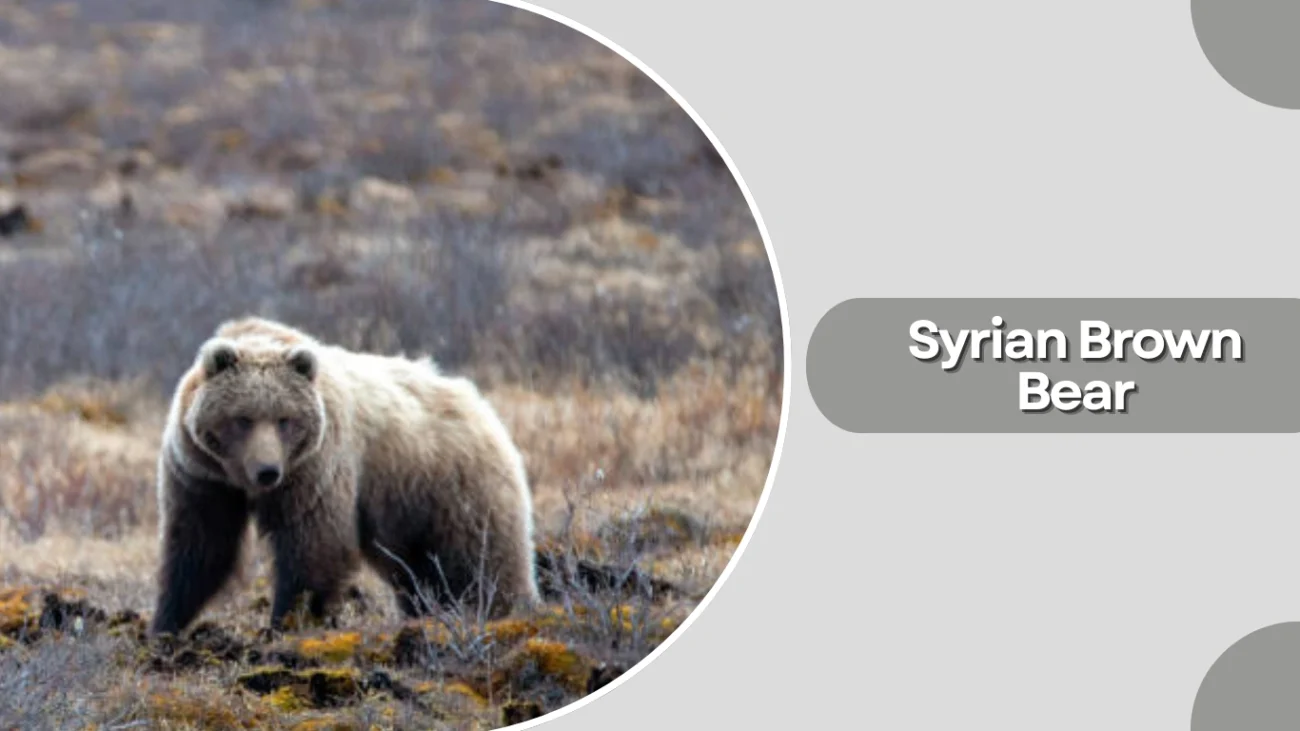
The Syrian Brown Bear is one of the smallest subspecies of the brown bear, native to the Middle East. Recognizable by its lighter coat and slender build, it inhabits rugged, arid regions and is increasingly rare in the wild.
Identification
- Light brown to sandy or beige fur
- Smaller size compared to other brown bears
- Shorter claws and slimmer body
- Distinct facial features with a narrow snout
Habitat
Syrian brown bears inhabit mountainous regions, dry forests, rocky hillsides, and desert-edge habitats in countries such as Syria, Turkey, Iran, and Iraq. They prefer areas with caves or rocky shelters for protection.
Behaviors
They are mostly solitary and shy, avoiding human settlements. These bears are active during cooler hours, often becoming nocturnal in warmer climates. They use caves and rock crevices for resting and may enter short winter dormancy depending on temperature.
Diet
Their diet includes fruits, nuts, roots, insects, small animals, and carrion. In arid regions, they forage widely to find enough food, making them highly adaptable survivors.
13. Tibetan Blue Bear

The Tibetan Blue Bear, also known as the Himalayan Blue Bear, is one of the rarest bear subspecies in the world. Found in the remote Tibetan Plateau, it is named for its unique bluish-gray fur and elusive nature, making sightings extremely uncommon.
Identification
- Distinct bluish or gray-tinted fur
- Medium-to-large body size
- Prominent shoulder hump
- Broad head with powerful jaws
Habitat
Tibetan blue bears inhabit the high-altitude regions of the Tibetan Plateau, including alpine meadows, rocky slopes, and subalpine forests. These harsh environments experience extreme cold, sparse vegetation, and rugged terrain.
Behaviors
They are extremely elusive and solitary, seldom seen by humans. Tibetan blue bears are active mainly during warmer daylight hours and retreat to sheltered areas during freezing conditions. Little is known about their behavior due to their remote habitat.
Diet
Their diet includes roots, bulbs, berries, marmots, pikas, and insects. They are opportunistic feeders and may hunt small mammals when plant food is limited in high-altitude regions.
14. Kamchatka Brown Bear

The Kamchatka Brown Bear is one of the largest brown bear subspecies, native to Russia’s Kamchatka Peninsula. Known for its impressive size and thick fur, it thrives in a landscape rich with salmon rivers and dense forests.
Identification
- Very large and muscular body
- Thick, dark brown fur
- Prominent shoulder hump
- Large head with powerful jaws
Habitat
Kamchatka brown bears inhabit coastal areas, dense forests, river valleys, and mountain slopes of the Kamchatka Peninsula. The region’s abundant salmon and rich vegetation support their large size and high population density.
Behaviors
They are generally solitary but gather in large numbers during salmon spawning seasons. Kamchatka bears are strong swimmers and capable fishers, often standing in rivers to catch salmon. They hibernate during the harsh winter months in dens.
Diet
Their diet includes salmon, berries, nuts, roots, and vegetation. With access to nutrient-rich marine and forest foods, these bears can accumulate significant fat reserves for winter survival.
15. European Brown Bear

The European Brown Bear is a widespread brown bear subspecies found across many parts of Europe. Known for its adaptability and varied appearance, it plays a significant ecological role in forests and mountainous regions.
Identification
- Medium to large body size
- Brown fur that varies from light to dark shades
- Distinct shoulder hump
- Strong limbs with long claws
Habitat
European brown bears inhabit dense forests, mountains, and woodland areas across countries such as Romania, Poland, Finland, and the Balkans. They prefer remote regions with abundant food and minimal human disturbance.
Behaviors
They are generally solitary, except during mating season or when females raise their cubs. European brown bears are cautious around humans and become more active at dawn and dusk. In colder regions, they hibernate through winter in dug dens or natural shelters.
Diet
Their diet includes berries, nuts, roots, insects, fish, carrion, and occasionally small mammals. They are opportunistic feeders and adapt their diet seasonally based on available food sources.
FAQs
1. How many bear species are there?
There are eight recognized bear species in the world: American black bear, brown bear, polar bear, Asiatic black bear, sun bear, sloth bear, giant panda, and spectacled bear. Within these species, many regional subspecies—such as grizzlies and Kodiak bears—show unique adaptations.
2. Which bear is the largest?
The Polar Bear is generally the largest bear species, with adult males reaching up to 1,500 pounds. The Kodiak Bear, a subspecies of the brown bear, rivals it in size and can even surpass it in certain cases.
3. Which bear is the smallest?
The Sun Bear is the smallest bear species. It has a short black coat, a distinct chest patch, and a long tongue used for eating insects and honey. Its compact size helps it navigate dense tropical forests in Southeast Asia.
4. Are all bears dangerous to humans?
All bears can be dangerous when threatened, surprised, or protecting cubs. However, most bear species avoid humans. Understanding bear behavior and practicing safety—such as storing food properly and avoiding close encounters—greatly reduces risk.
5. Why do some bears hibernate?
Bears hibernate to survive winter when food becomes scarce. During hibernation, their metabolism slows, and they rely on stored body fat for energy. Species like grizzlies and brown bears hibernate regularly, while others—like polar bears—do not hibernate in the traditional sense except for pregnant females.


